

Puntonan Klave
- Ekstrushon di plèstik ta smelt resina krudo i ta form’é den un profil kontinuo ku un sekshon transversal fiho, ku ta hasié bon adaptá pa largu, produkshon di volúmen haltu ta kore (Plastiknan di SeaGate, 2024).
- Ora mi evaluá un fabrikante di profil di plèstik, Mi ta separá ekstrushon personalisá, ku ta karga un invershon di un solo biaha den matris i hèrmènt, for di formanan ekstruí di stòk ku ta salta e kosto inisial ei (Guia di proveedó di Thomasnet, 2024).
- Selekshon di material ta hiba tur kos abou: Mi ta kuadra e aplikashon ku e polímero korekto, si esei ta PVC pa tubo i profilnan, ABS òf polikarbonat pa forsa di impakto, HDPE i LDPE pa resistensia kímiko, polipropileno pa bisagra bibu, akríliko (PMMA) pa klaridat, òf nylon di kalidat di ingenieria (PA) i PEEK pa piesanan eksigente.
- PVC ta un di e plèstiknan mas ampliamente ekstruí mundialmente, komun den tur profil, pipa, i tubo, kual ta e motibu pakiko hopi proveedó ta lista esaki komo un kapasidat predeterminá (Asosiashon di Industria di Plástik, 2023).
- Toleransianan di ekstrushon ta kore mas suelto ku moldeo di inyekshon pa motibu di enkohimentu di material i formashon kontinuo, pues mi ta plania toleransianan trempan en bes di asumí presishon di parti moldeá (Protolabs, 2023).
- Mi ta trata ISO 9001 komo un señal di liña di base di un sistema di maneho di kalidat madurá, no ta un garantia, i pare’é ku un lista di kòntròl di konkreto ku ta kubri kapasidat, kapasidat di ko-ekstrushon, i tempu di entrega (ISO, 2015).
- Pa intenshon di lokalidat, buskamentu di un fabrikante di plèstik doméstiko por baha e kosto total di tereno dor di kòrta karga, deber, i gastunan di karga di inventario, un punto ku ta bale la pena pisa kontra preis unitario so (Inisiativa di Reshoring, 2023).
- Termoplastikonan ku ta wòrdu usá den ekstrushon ta resiklábel, i reuso di regrind ta mehorá efisiensia di material, ku mi ta faktorá den tantu kombersashonnan di kosto komo di sostenibilidat (EPA di Merka, 2023).
- Pretenshonnan manera “mas grandi” òf “mihó” fábrika ta nifiká poko sin konteksto, pues mi ta benchmark proveedónan riba kosto di hèrmènt, MOQ, produkshon di kambio rápido, i sosten di prototipo pa produkshon probá na lugá di esei.
Kiko Kompanianan i Fábrikanan di Ekstrushon di Plèstik Realmente ta Hasi
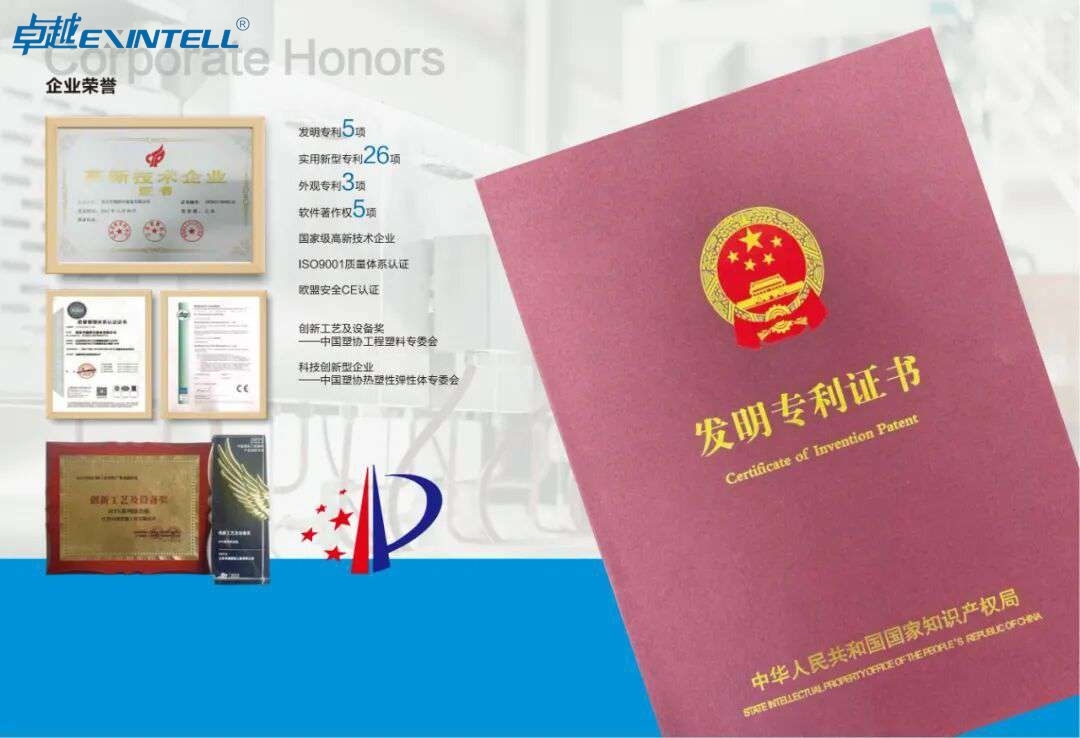
Ora mi evaluá un proveedó pa un kliente, Mi ta kuminsá dor di aklará kiko e palabra “ekstrushon” en realidat ta deskribí riba e vloer di e tienda. Ekstrushon di plèstik ta smelt material di plèstik krudo i ta form’é den un profil kontinuo ku un sekshon transversal fiho (Plastiknan di SeaGate, 2024). E frase so ta karga hopi peso: e proseso ta kontinuo en bes di tiro pa tiro, i e geometria ta wòrdu definí pa un sekshon transversal di dos dimenshon ku ta kore henter e largura di e parti. Ta p’esei e ta pas asina bon pa produkshon largu i fabrikashon di volúmen haltu, i e ta un disiplina berdaderamente diferente for di inyekshon di moldeo òf mashin.
Den práktika, “ekstrushon di resina” ta e motor tras di tres famia di salida amplio ku mi ta mira pidi mas tantu:
- Profilnan — profilnan di plèstik personalisá ku un sekshon transversal definí, for di kanalnan simpel i trimnan di rand te na formanan multi-lumen kompleho. Aki ta kaminda ekstrushon di profil i ko-ekstrushon ta bria di bèrdat.
- Tubo - rondó, oval, i tubo multi-lumen usá den médiko, maneho di líkido, i aplikashonnan neumátiko, haña for di un proveedó di tubo di plèstik spesialisá.
- Klechi — ekstrushon di blachi di plèstik pa panelnan, linernan, i stòk di termoformashon, produsí a traves di un staka di die i ròl plat.
Fabrikantenan, Fábrikanan, i Distribuidornan No Ta Meskos
Hopi bia kumpradónan ta usa e términonan aki interkambiablemente, i esei ta kosta nan tempu. Aki ta kon mi ta separá nan:
- UN fabrikante òf fábrika ta doño di e liñanan di ekstrushon, ta kòrta su mes morto, i ta kontrolá e proseso for di resina te na parti kaba. Esaki ta ken bo ke pa herment personalisá, kòntròl di proseso estrikto, òf plèstik di kalidat di ingenieria.
- UN distribuidor òf rebendedó ta stòk i ta enviá formanan standart pero tipikamente no ta kore e liña. Ideal pa formanan ekstruí di stòk i re-pedidonan rápido, ménos pa trabou personalisá.
- UN fabrikadó por kumpra profil di stòk i mashin, weld, òf ensambla nan den servisio di fabrikashon di plèstik kaba.
Ora mi buska Thomasnet, Mi ta filtra deliberadamente, pasobra e direktorionan ei ta lista i kategorisá fabrikantenan di ekstrushon di plèstik di Merka pa kapasidat i region (Thomasnet, 2024). E filter di kapasidat ei ta loke ta bisa bo si bo ta papiando ku un fabrikante di profil di plèstik real òf un intermediario.
Dikon Kumpradónan Ta Buska “Fábrika” Na lugá di “Proveedó”
Den mi eksperensia, e kambio pa “fábrika” idioma ta señalá intenshon. Kumpradónan ku ta skirbié ke un fuente ku kòntròl interno riba diseño i hèrmènt di matris, kombersashonnan transparente di MOQ, i e abilidat pa eskala di prototipo pa produkshon. E ta reflehá tambe preshon di reshoring: buskamentu doméstiko por redusí e kosto total di tereno dor di baha e karga, deber, i gastunan di karga di inventario (Inisiativa di Reshoring, 2023), i e industria di plèstik di Merka ta keda un kontribuidor grandi na envio i empleo di fabrikashon doméstiko (Asosiashon di Industria di Plástik, 2023). Buskando un fabrikante di plèstik doméstiko, en bes di un proveedó genériko, hopi bia ta un desishon deliberá di riesgo-i-kosto.
Kon e Proseso di Ekstrushon di Plèstik ta Funshoná, Stap pa Stap

Komprondementu di e mekanikonan ta yuda bo hasi mihó preguntanan i lesa un sita ku eksaktitut. Fabrikantenan di Ekstruso di Twin Screw Fabrikante Mi ta guia klientenan den sinku etapa di e proseso di ekstrushon kontinuo.
1. Alimentá i Smeltmentu di Materia Prima den e Bari
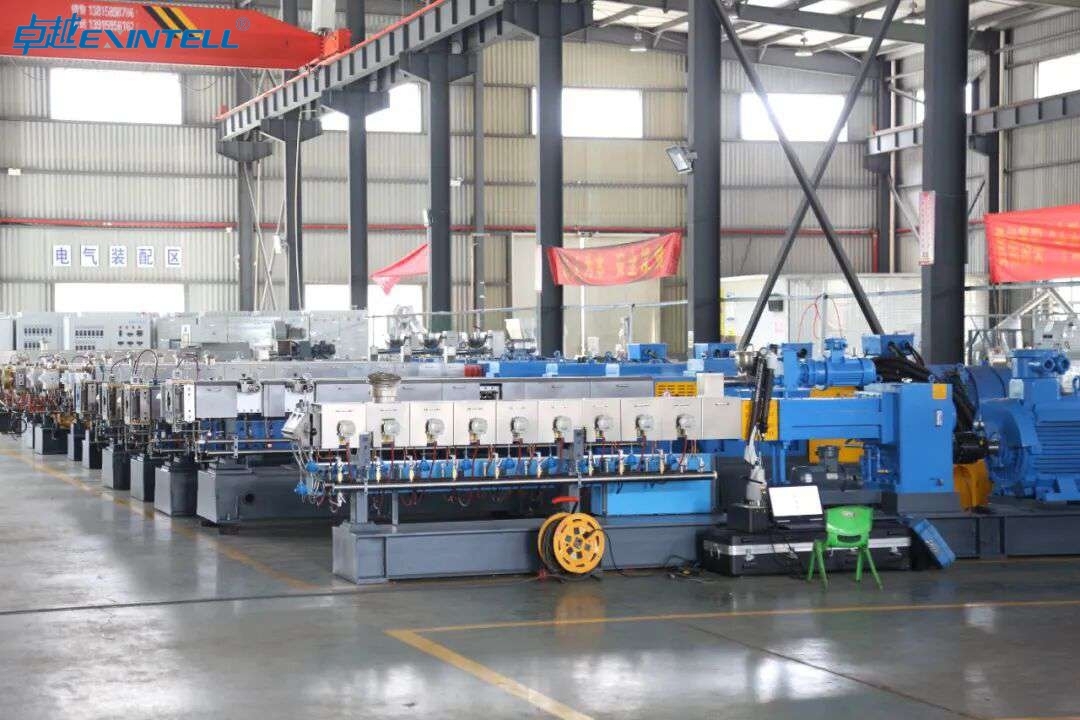
Pelletnan termoplástiko — komunmente PVC, ABS, HDPE, LDPE, òf polipropileno — drenta un hopper i baha den un bari kayente ku un skru ku ta drai. E kombinashon di keintadónan di bari i kòrtamentu di skru ta smelt e resina den un koriente smelt homogéneo. Eskoho di material ta importante aki: PVC ta un di e plèstiknan mas ampliamente ekstruí mundialmente, komunmente usá den profilnan, pipa, i tubo (Asosiashon di Industria di Plástik), miéntras ku polikarbonat, akríliko (PMMA), nilon (PA), i PEEK ta sirbi mas eksigente, aplikashonnan di grado di ingenieria. Regrind resiklá hopi bia por wòrdu mesklá bèk den, i termoplástikonan usá den ekstrushon ta resiklábel, pues reuso di regrind ta mehorá efisiensia di material (EPA di Merka, 2023).
2. Forsando plèstik smeltá pa medio di un matris personalisá
E smelt ta wòrdu pushá dor di un matris ku ta definí e sekshon transversal di e profil. Esaki ta e kurason di e proseso i e motibu ku trabou personalisá ta karga gastu di hèrmènt. Un setup di ko-ekstrushon ta usa mas ku un ekstrushon ku ta alimentá un solo die, lagando bo kombiná materialnan — un substrato rígido ku un lip di seyamentu suave di TPE/TPU, Por ehèmpel, òf un kapa di tapa kolorido riba un núkleo di kosto mas abou.
3. Friamentu, Tamaño, i Lantamentu Kontinuo
Lagando e morto, e profil suave ta pasa dor di un sistema di friamentu i midimentu — normalmente un baño di awa òf tanki di midimentu di vakuo — ku ta tranka den dimenshonnan. Un lantamentu (haladó) ta traha e profil na un velosidat kontrolá. Pasobra e parti ta forma kontinuamente i e material ta redusí segun ku e ta fria, toleransianan di ekstrushon ta generalmente mas lòs ku moldeo di inyekshon (Protolabs, 2023). Mi a pone e ekspektativa ei trempan pa asina klientenan spesifiká toleransianan realístiko en bes di paga pa presishon ku e proseso no por sostené ekonómikamente.
4. Kòrtamentu na largura i fabrikashon sekundario
Un zaag òf kuchú den liña ta kòrta e salida kontinuo na largura. For di einan, operashonnan sekundario — boramentu, ponche, kòrtamentu, imprenta, òf asamblea — kombertí partinan di plèstik ekstruí den komponentenan kaba. Esaki ta e brug entre profil brutu i un entregabel usabel, i ta einan produkshon di kambio rápido ta sea gana òf pèrdè.
Ekstrushonnan di Plèstik Personalisa vs Stock: Kua Bo Mester?
Esaki ta e desishon ku mas mi ta wòrdu puntra tokante di dje, i e kontesta honesto ta: e ta dependé di volúmen, geometria, e liña di tempu. Laga mi kibra kada kaminda.
Ora Profilnan di Stock For di Shelf Ta e Eskoho Korekto
Formanan ekstruí di stòk — bara standart, pipa, kanal, ángulo, i blachi — evitá gastu di hèrmènt kompletamente i enviá lihé. Si un profil di katalogo ta kuadra ku bo aplikashon denter di toleransia aseptabel, kumpra ashon ta kasi semper esun mas barata, ruta mas lihé. Mi ta dirigí klientenan aki pa prototipo, volúmennan abou, i kualke parti kaminda un sekshon transversal standart ta hasi e trabou.
Ora Herment i Profil Personalisa Ta Hustifiká
Ekstrushon personalisá tipikamente ta rekerí un invershon di herment i matris di un solo biaha, miéntras ku e profilnan di stòk ta evitá e gastu aki (guia di buskamentu di industria). E kosto di die ei ta hustifiká ora bo geometria ta propiedat, ora un sekshon transversá personalisá ta eliminá asamblea di awa abou, òf ora e volúmen anual ta sufisiente haltu pa amortisá e hèrmènt. Riba un sierto tamaño di kareda, e sparmentu pa pia di un matris trahá pa un propósito ta surpasá e gastunan di antemano.
E aserkamentu híbrido: Profilnan Standart, Piesanan Personalisa
Mi kaminda meimei faborito hopi bia ta wòrdu pasá por haltu. Profilnan i tubonan ekstruí standart por wòrdu fabriká den piesanan personalisá kosto-efektivo ku un kambio rápido (Plastiknan di SeaGate, 2024). Bo ta salta e invershon, despues usa kòrtamentu, mashin, i asamblea pa yega na un entregabel personalisá. Pa hopi programa di volúmen meimei, e híbrido aki ta surpasá tantu stòk puru komo personalisá kompletu riba kosto total.
Komparashon di Kosto i Tempu di Premishon
Aki ta kon e tres aserkamentunan ta kompará generalmente. Trata esakinan komo rangonan di planifikashon direkshonal, no sita — sifranan real ta dependé di material, geometria, i volúmen.
|
Faktor |
Profilnan di Stock |
Híbrido (Standart Fabriká) |
Ekstrushon Personalisa Kompleto |
|---|---|---|---|
|
Kosto di hèrmènt di antemano |
Niun |
Ningun pa abou (solamente aparatonan) |
Invershon di un solo biaha |
|
Tempu di entrega típiko |
Mas kòrtiku (hopi bia den stòk) |
Kòrtiku pa moderá |
Mas largu (konstruí muri + promé artíkulo) |
|
Pedido mínimo (MOQ) |
Abou |
Abao pa moderá |
Mas haltu (pa amortisá hermentnan) |
|
Fleksibilidat di geometria |
Formanan di katalogo so |
Forma standart + mashin |
Sekshon transversal kompletamente personalisá |
|
Mihó fit |
Prototiponan, volúmen abou |
Volúmen meimei, personalisashon suave |
Volúmen haltu, profilnan propiedat |
|
Faktor |
Profilnan di Stock |
Híbrido (Standart Fabriká) |
Ekstrushon Personalisa Kompleto |
|---|---|---|---|
|
Kosto di hèrmènt di antemano |
Niun |
Ningun pa abou (solamente aparatonan) |
Invershon di un solo biaha |
|
Tempu di entrega típiko |
Mas kòrtiku (hopi bia den stòk) |
Kòrtiku pa moderá |
Mas largu (konstruí muri + promé artíkulo) |
|
Pedido mínimo (MOQ) |
Abou |
Abao pa moderá |
Mas haltu (pa amortisá hermentnan) |
|
Fleksibilidat di geometria |
Formanan di katalogo so |
Forma standart + mashin |
Sekshon transversal kompletamente personalisá |
|
Mihó fit |
Prototiponan, volúmen abou |
Volúmen meimei, personalisashon suave |
Volúmen haltu, profilnan propiedat |
Kualke kaminda ku bo skohe, Mi ta rekomendá pa konfirmá ku e tienda ta manehá un sistema di kalidat dokumentá — ISO 9001 ta e norma internashonalmente rekonosé pa sistemanan di maneho di kalidat ku ta wòrdu usá den tur fabrikashon (ISO, 2015) i ta keda e referensia mas ampliamente adoptá den e sektor di plèstik. Pa un bista práktiko di kon e ofertanan di stòk i personalisá ta sinta banda di otro, Mi ta haña Plastiknan di SeaGate’ bista general di ekstrushon personalisá un punto di referensia útil.
Tipo di Profil i Produktonan di Ekstrushon di Plèstik

When I evaluate a project for extrusion, I start with the cross-section, because the geometry of the finished part dictates almost everything downstream: the die design, the material choice, and ultimately the price you will pay. Ekstrushon di plèstik ta smelt resina krudo i ta form’é den un profil kontinuo ku un sekshon transversal fiho (Plastiknan di SeaGate, 2024). That single principle produces a surprisingly wide catalog of shapes, so it helps to group them by complexity and function.
Solid Profiles, Hollow Profiles, and Complex Geometries
Solid profiles are the workhorses of the industry: bara, bars, borchi, and trim with no internal voids. They are the easiest to tool and the most forgiving on tolerance, which is why I recommend them for first-time buyers testing a design. Hollow profiles introduce internal channels, and they demand more sophisticated dies with mandrels or pins to hold the cavity open as the melt cools. Geometrianan kompleho ta kombiná múltiple muraya, kòrta abou, i transishonnan diki pa diki den un solo sekshon transversal, i aki ta kaminda e ekspertisio den diseño i hèrmènt ta separá un fabrikante di profil di plèstik kapas for di unu promedio. Den mi eksperensia, diki di muraya desigual ta e kousa mas komun di deformashon, pues mi ta primi e proveedónan trempan riba kon nan tin plania pa balansá e fluho di material den e profil.
Tubo i Ekstrushonnan Multi-Lumen
Tubo ta un supkonhunto spesialisá di ekstrushon bashí, i e ta abarká tur kos for di tubo simpel di un solo buraku te na diseñonan multi-lumen ku vários kanal paralelo ku ta kore e largura di e parti. Kumpradónan di aparato médiko i instrumento analítiko ta dependé di ekstrushonnan multi-lumen pa karga líkido, wayanan, i sensornan a traves di un profil kompakto. A dependable plastic tubing supplier will hold tight concentricity and inner-diameter tolerances, though I always remind clients that extrusion tolerances are generally looser than injection molding because of material shrinkage and continuous forming (Protolabs Design Resources, 2023). Plan your fit and clearance around that reality rather than fighting it.
Profilnan di Ko-Ekstrushon i Multi-Material
Co-extrusion runs two or more resins through a shared die to produce a single profile with distinct material zones. I use it when a part needs conflicting properties at once, such as a rigid PVC structural body with a soft TPE/TPU gasket lip, or a weatherable cap layer over a lower-cost substrate. It eliminates secondary assembly and bonding steps, which is a meaningful cost saver at volume. E kompromiso ta kompleksidat di herment, pues mi ta reservá ko-ekstrushon pa diseñonan kaminda e benefisio multi-material ta hustifiká klaramente e invershon di die agregá.
Aplikashonnan Komun di Industria pa Kada Tipo
Diferente geometria ta gravitá pa diferente sektor, i match nan trempan ta tene e kombersashonnan di buskamentu enfoká.
- Profilnan sólido: borchi di reki di benta, adorno di muebles, sealnan, i komponentenan di scherming.
- Profilnan bashí: kuadro di bentana i porta, Kanalnan di lus LED, i revestimentu struktural.
- Tubo i multi-lumen: kateternan médiko, liñanan di transferensia di líkido, i tubo neumátiko.
- Profilnan ko-ekstruí: stripmentu di wer, gasketnan di frishidèr, i mannan di dual-durometer.
- Ekstrushon di blachi: señalisashon, stock di termoformashon, i panelnan di protekshon.
Pasobra ekstrushon di plèstik ta un kos kontinuo, proseso di volúmen haltu, e ta kuadra ku produkshon largu partikularmente bon, i profilnan i tubonan ekstruí standart por wòrdu fabriká den piesanan personalisá kosto-efektivo ku un kambio rápido (Plastiknan di SeaGate, 2024). Si bo demanda anual ta stabil i midi den e desenas di miles di pia, ekonomia di ekstrushon ta traha fuertemente na bo fabor.
Materialnan Komun Usá den Ekstrushon di Plèstik
Selekshon di material ta e desishon ku mi ta mira kumpradónan ta subestima mas tantu. E resina ta goberná forsa mekaniko, resistensia kímiko, rango di temperatura, kosto, i asta kon estrikto un toleransia e ekstruder por tene realístikamente. Mi ta agrupá resinanan di ekstrushon den tres nivel, despues traha ku klientenan pa subi solamente te kaminda e aplikashon ta eksigí di bèrdat.
Resinanan di Merkansia: PVC, Polietileno, i Polipropileno
Resinanan di merkansia ta kubri e mayoria di e volúmen ekstruí, i pa bon motibu. PVC ta un di e plèstiknan mas ampliamente ekstruí mundialmente, komun den profilnan, pipa, i tubo (Asosiashon di Industria di Plástik). E ta ofresé rigides, resistensia di wer, i kosto abou, i e ta tuma koló i kabamentu di superfisie bon. Polietileno ta aparesé den dos grado konosí: HDPE pa stijf, profilnan kímikamente resistente i LDPE kaminda fleksibilidat ta importante. Polypropylene balances chemical resistance with a good strength-to-weight ratio and living-hinge performance. When a client asks about resin extrusion for a high-volume, cost-sensitive part, this is almost always where I begin.
Resinanan di Ingenieria: ABS, Polikarbonat, Nylon, i Akríliko
Engineering-grade plastics step up in mechanical and thermal performance. ABS delivers impact strength and clean finishes for consumer and enclosure parts. Polycarbonate brings high impact resistance and optical clarity, which makes it a staple for lighting lenses and safety glazing. Nylon (PA) offers wear resistance and toughness for mechanical components and cable management. Akríliko (PMMA) provides excellent clarity and UV stability for display and signage profiles. I move buyers into this tier when commodity resins cannot meet load, kalor, or clarity requirements, i mi ta sòru pa nan preis e prima di resina kontra e ganashi di rendimentu promé ku komprometé.
Materialnan di Haltu Rendimentu Manera PEEK
Na e parti ariba tin un grupo chikitu di polímeronan di alto rendimentu, ku PEEK komo e punto di referensia. PEEK ta wanta temperaturanan haltu kontinuo, kímikonan agresivo, i karganan mekaniko eksigente, kual ta e motibu pakiko e ta aparesé den aeroespasio, médiko, i aplikashonnan di semikonduktor. E kosto di material ta supstansial, pues mi ta spesifiká esaki solamente ora e ambiente di operashon no ta laga ningun opshon mas barata. No ta tur fabrikante di profil di plèstik ta prosesá PEEK, pues screening di kapasidat ta importá mas na e nivel aki.
Korespondé Propiedatnan di Material ku Rekisitonan di Aplikashon
Mi kuadro di selekshon ta deliberadamente simpel: definí e rekisito no-negoshábel promé, despues skohe e resina ménos karu ku ta limpia esaki. The table below summarizes how I weigh the common options for extruded plastic parts.
| Material | Nivel | Fortalesanan Klave | Kosto Relativo | Aplikashonnan Típiko |
|---|---|---|---|---|
| PVC | Komodidat | Duru, weatherable, kosto abou | $ | Profilnan, pipa, kòrta |
| HDPE / LDPE | Komodidat | Resistensia kímiko; stiff or flexible | $ | Tubo, linernan, ducting |
| Polipropileno | Komodidat | Resistensia kímiko, living hinges | $ | Maneho di líkido, scharnier |
| ABS | Ingenieria | Forsa di impakto, clean finish | $$ | Enklosuranan, consumer parts |
| Polikarbonat | Ingenieria | Resistensia di impakto, klaridat | $$ | Lensnan, glas di seguridat |
| Nylon (PA) | Ingenieria | Wear resistance, duru | $$ | Mekániko, cable guides |
| Akríliko (PMMA) | Ingenieria | Klaridat, Stabilidat UV | $$ | Señalisashon, ta mustra |
| PEEK | Rendimentu haltu | Heat, kímiko, and load resistance | $$$$ | Aeroespasio, médiko, semikondukta |
One efficiency point worth raising with any supplier: thermoplastics used in extrusion are recyclable, i reuso di regrind ta mehorá efisiensia di material (Agensia di Protekshon di Medio Ambiente di Merka, 2023). Asking how a factory handles regrind tells me something about both their cost discipline and their sustainability practices.
Fabrikantenan di Ekstrushon di Plèstik na Merka
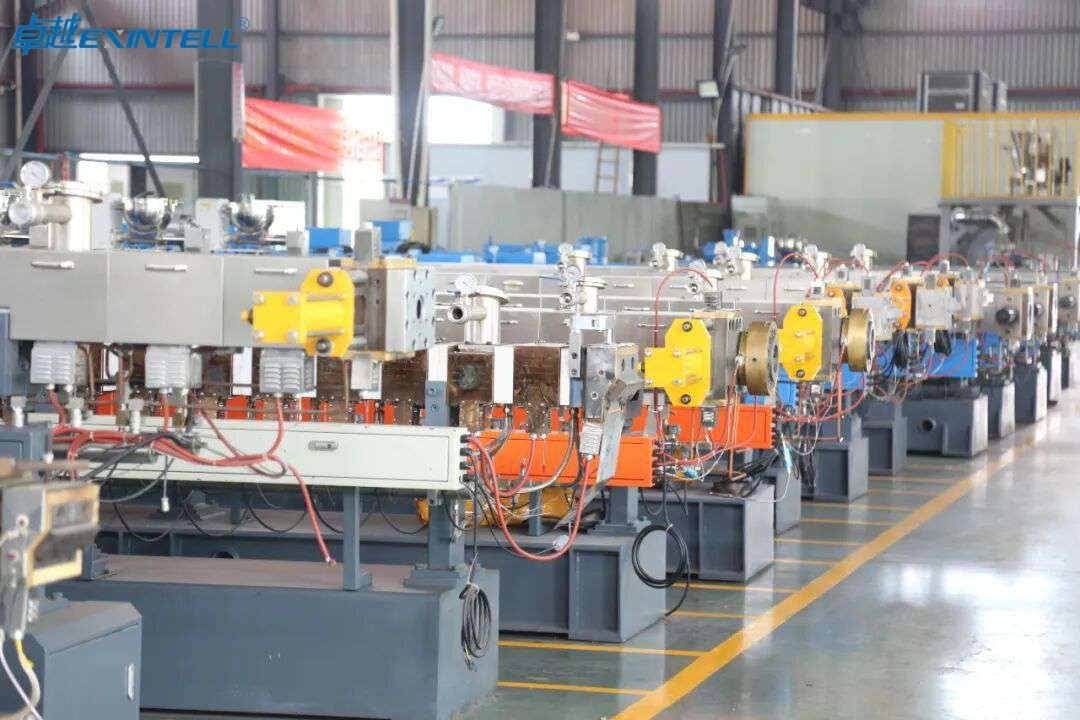
For many of the buyers I advise, the sourcing question is not only “who can extrude this profile” but “who can extrude it here.” Domestic sourcing has moved from a preference to a strategic decision, and it deserves a clear-eyed look rather than reflexive patriotism.
Why US-Based Sourcing Matters for Many Buyers
The financial case is stronger than it first appears. Reshoring and domestic sourcing can reduce total landed cost by lowering freight, deber, i gastunan di karga di inventario (Inisiativa di Reshoring, 2023). When I run a total-cost comparison rather than a unit-price comparison, offshore savings often shrink once I add ocean freight, tarifanan, safety stock, and the working capital tied up in long transit times. For a domestic plastics manufacturer serving a US customer, lead times measured in weeks rather than months also mean less risk if a design changes mid-program.
Regional Manufacturing Hubs Across the Country
US extrusion capacity is not evenly distributed, and knowing the map speeds up sourcing. E Gran Lagonan i Upper Midwest ta konsentrá e ekstrudónan di profil i tubo di propósito general serka di e demanda di outo i industrial. E Nortost ta kontené un grupo denso di spesialistanan di tubo médiko i di presishon. E Sur-Oeste a krese lihé rònt di konstrukshon di produktonan i empaketahe. E Kosta Wèst i Surwèst ta sirbi elektróniko, aeroespasio, i merkadonan di konsumidó. Direktorionan di proveedó manera Thomasnet ta lista i kategorisá fabrikantenan di ekstrushon di plèstik di Merka pa kapasidat i region (Thomasnet, 2024), ku ta kaminda mi ta kustumbrá di traha un promé lista kòrtiku promé ku hasi yamadanan.
Kalidat Doméstiko, Komunikashon, i bentahanan di IP
Mas ayá di kosto, tres bentaha práktiko ta keda atraé kumpradónan kas. Prome, sistemanan di kalidat ta mas fásil pa verifiká personalmente; ISO 9001 ta e norma internashonalmente rekonosé pa sistemanan di maneho di kalidat ku ta wòrdu usá den tur fabrikashon (Organisashon Internashonal pa Standardisashon, 2015), i mi por ouditá e implementashon di un proveedó doméstiko sin un biahe internashonal. Segundo, komunikashon alinia ku zona di tempu ta kòrtiku e buèlta di feedback di prototipo pa produkshon, ku ta importá ora un dado mester di un ahuste den mitar di kareda. Di tres, protekshon di propiedat intelektual ta mas enforsabel bou di hurisdikshon di Merka, un preokupashon real ora un profil personalisá ta un diferensiadó kompetitivo. Mi ta trata esakinan komo e diferensianan ku un spreadsheet so lo pèrdè.
Kon Fábrikanan di Merka ta Sirbi Diferente Industria
Ekstrudernan merikano ta abarká e rango kompletu di fabrikashon di kontrato, for di formanan ekstruí di stòk enviá for di inventario pa programanan di matris kompletamente personalisá. Ekstrushon personalisá tipikamente ta rekerí un invershon di herment òf matris di un solo biaha, miéntras ku e profilnan di stòk ta evitá e gastu ei, pues mi ta kuadra e trayekto di buskamentu na kon úniko e geometria realmente mester ta. E industria di plèstik di Merka ta keda un kontribuidor grandi na envio i empleo di fabrikashon doméstiko (Asosiashon di Industria di Plástik, 2023), i e profundidat ei ta nifiká ku un kumpradó por lo general por haña un partner di servisio di fabrikashon di plèstik ku ta pas pa nan volúmen, for di prototipo pa produkshon. Pa un bista amplio di kapasidatnan personalisá, Hopi bia mi ta mustra klientenan riba bista general manera fabrikantenan di ekstrushon di plèstik personalisá pa kalibrá ekspektativanan promé ku pidi sita.
Kon pa Haña Kompanianan di Ekstrushon di Plèstik Serka di Bo
Ora mi kuminsá un proyekto di buskamentu, geografia ta un di e promé variabelnan ku mi ta pisa. Lokashon ta forma gastu di karga, kadensia di komunikashon, i kon lihé mi por iterá di prototipo pa produkshon. Di e manera ei, serkania ta balioso solamente ora e proveedó den serkania por hasi e trabou. Den mi eksperensia, e aserkamentu mas inteligente ta trata “serka di mi” komo un filter, no un desishon.
Why Local Sourcing Often Pays Off
A domestic plastics manufacturer close to your facility gives you three concrete advantages. Prome, shorter shipping distances lower freight and lead-time risk, which matters for bulky extruded plastic parts and long profiles that ship as oversized freight. Segundo, local partners make on-site visits practical, and I have caught more process issues in a two-hour plant walkthrough than in weeks of email. Di tres, proximity accelerates iteration: when a die needs a tweak, a supplier a few hours away can turn samples faster than one across an ocean.
The financial case reaches beyond the unit price. According to the Reshoring Initiative (2023), buskamentu doméstiko por redusí e kosto total di tereno dor di baha e karga, deber, i gastunan di karga di inventario. The domestic base is substantial, tambe; e Asosiashon di Industria di Plástik (2023) reports that the US plastics industry is a major contributor to domestic manufacturing shipments and employment, which means qualified capacity for resin extrusion is usually within reach.
Where I Look: Directories, Associations, and Referrals
To build an initial list of candidates, I use three complementary channels:
- Supplier directories. Thomasnet (2024) lists and categorizes US plastic extrusion manufacturers by capability and region, which makes it straightforward to filter by material, proseso, and location.
- Trade associations. Membership in bodies like the Plastics Industry Association signals a firm that invests in standards and industry engagement.
- Referrals. A recommendation from an engineer who has run production with a plastic profile manufacturer carries more weight than any marketing page, because it reflects delivered performance.
I treat the directory as a starting point for a plastic tubing supplier or profile shop, then validate each name against real references before it earns a spot on my shortlist.
Balancing Proximity Against Capability and Price
Distance is a tiebreaker, not a trump card. If a nearby shop cannot hold your tolerances, run your resin, or meet your volume, the convenience is worthless. I rank capability and quality first, despues preis, then location. A plastic extrusion companies factory supplier two states away with the right co-extrusion line and a proven ISO 9001 system will usually serve me better than a closer shop lacking those capabilities.
When Local Is Not the Best Option
Sometimes the right partner is not nearby. Specialized work in engineering-grade plastics such as PEEK, polikarbonat, òf nilon (PA) may only be done well by a handful of shops nationally. High-volume manufacturing programs can justify shipping economics that favor a distant, more automated plant. And when you need capabilities like plastic sheet extrusion combined with in-line fabrication, the fit of the process matters more than the mileage. In those cases I widen the search radius and lean on video plant tours and third-party audits to close the distance gap.
Understanding the Largest Plastic Extrusion Companies
Buyers often gravitate toward the biggest names, assuming scale guarantees a better outcome. Scale does deliver real advantages, but it also carries tradeoffs. Understanding what “mas grandi” actually means helps me match a supplier’s footprint to my program rather than to a reputation.
What Scale Means for Capacity and Reliability
Ekstrushon ta un kos kontinuo, high-volume process well suited to long production runs, and large factories are built around that reality. More extrusion lines mean higher throughput, redundancy if one line goes down, and the ability to absorb demand spikes. Scale usually correlates with mature quality systems as well; ISO 9001, the internationally recognized standard for quality management systems used across manufacturing (Organisashon Internashonal pa Standardisashon, 2015), is almost table stakes among large plants. That maturity translates into more consistent extruded plastic parts across long runs.
The Tradeoffs of Large Factories vs. Specialized Shops
Bigger is not automatically better. Large plants optimize for volume, which can mean higher minimum order quantities, less flexibility on small custom runs, and slower responsiveness on prototype work. A specialized shop may excel at tight-tolerance custom plastic profiles, unusual resins, or quick-turnaround production that a high-volume plant treats as a nuisance. The table below summarizes how I weigh the two.
| Faktor | Large-Scale Factory | Specialized Shop |
|---|---|---|
| Kapasidat | Haltu; multiple lines, redundancy | Limitá; fewer lines |
| Kantidat mínimo di pedido | Often high | Usually flexible |
| Prototype speed | Mas slow; volume-focused scheduling | Mas lihé; agile setup |
| Rango di material | Broad commodity resins (PVC, HDPE, LDPE, PP) | Often engineering-grade (PEEK, PC, PA) |
| Price per unit at volume | Mas abou | Mas haltu |
| Mihó fit | Long production runs | Na midí, low-to-mid volume, complex profiles |
When High-Volume Capability Is Essential
There are programs where I will not compromise on scale. Kontinuo, long-run demand for standardized profiles, pipa, or tubing in commodity resins is the natural home of a large factory. PVC ta un di e plèstiknan mas ampliamente ekstruí mundialmente, komunmente usá den profilnan, pipa, i tubo, and sourcing it at volume rewards the economies a big plant provides. If your forecast calls for millions of feet of a stable profile cross-section, high-volume capability moves from nice-to-have to essential.
How to Verify Claimed Scale and Capacity
Claims on a website are not evidence. Before I accept a “mas grandi” òf “highest capacity” claim, I verify it with concrete questions:
- How many extrusion lines are operational, and what is the die diameter range on each?
- What is current utilization, and how much spare capacity exists for my program?
- Can you share throughput figures (lbs/hour or feet/day) for a comparable profile?
- What redundancy exists if a line fails mid-run?
- Which certifications, manera ISO 9001, are current, and may I see the certificate?
I pair those answers with a plant tour or audit. Physical evidence of running lines, staffing, and inventory tells me far more than any capacity figure quoted in a brochure.
How to Identify the Best Plastic Extrusion Factory for Your Project
“Best” is one of the most misused words in supplier marketing. Den práktika, the best plastic extrusion companies factory manufacturer is the one that best fits your specific requirements, not the one with the loudest claim. I define the term relative to my project, then score candidates against that definition.
Defining “Best” Relative to Your Specific Needs
Before comparing suppliers, I document what my project actually demands: the resin (bisa, ABS pa resistensia di impakto, akríliko (PMMA) pa klaridat optiko, or TPE/TPU for flexibility), the tolerance band, e volúmen, the timeline, and the level of engineering support I need for die design and tooling. Extrusion tolerances are generally looser than injection molding due to material shrinkage and continuous forming (Protolabs Design Resources, 2023), so I confirm early that a candidate can meet my dimensional requirements rather than assuming it can. A shop that is ideal for a high-volume HDPE pipe run may be the wrong choice for a tight-tolerance polycarbonate profile.
Weighing Quality, Kosto, Velosidat, and Support
Every sourcing decision balances four levers, and improving one often pressures another:
- Kalidat. Documented quality systems, in-process inspection, and material traceability. ISO 9001 is the most widely adopted quality management standard across manufacturing sectors including plastics.
- Kosto. Not just unit price. Ekstrushon personalisá tipikamente ta rekerí un invershon di herment i matris di un solo biaha, while stock extruded shapes avoid that cost, so I model total cost including tooling and MOQ.
- Velosidat. Profilnan i tubonan ekstruí standart por wòrdu fabriká den piesanan personalisá kosto-efektivo ku un kambio rápido (Plastiknan di SeaGate, 2024), but lead times vary widely between shops.
- Apoyo. Engineering input on profile cross-section and material selection can prevent costly redesigns as you move from prototype to production.
Sustainability increasingly enters the equation as well. Termoplastikonan ku ta wòrdu usá den ekstrushon ta resiklábel, i reuso di regrind ta mehorá efisiensia di material (Agensia di Protekshon di Medio Ambiente di Merka, 2023), which can reduce both cost and waste when a supplier manages it responsibly.
Reading Past “Best” Marketing Claims
Superlatives are easy to print and hard to prove. When I see “mihó,” “liderando,” òf “premier,” I translate the claim into a testable question. Instead of accepting “best quality,” I ask for defect rates and inspection records. Na lugá di “fastest,” I ask for typical lead times on my specific part. Na lugá di “most experienced,” I ask for references in my industry. Marketing language that cannot survive a follow-up question does not influence my shortlist.
Building a Shortlist Scoring Method
To keep the comparison objective, I use a weighted scoring model. I list my criteria, assign each a weight that reflects its importance to the project, score every candidate from 1 pa 5, and multiply. The weights shift by project; a prototype program might weight speed and engineering support heavily, while a mature production program weights cost and capacity.
- List criteria: sistemanan di kalidat, material capability, toleransia, kapasidat, tempu di entrega, kosto di hèrmènt, sosten di ingenieria, and location.
- Assign weights that total 100 porshento, reflecting your priorities.
- Score each supplier 1 pa 5 on every criterion, using verified evidence rather than marketing claims.
- Calculate weighted totals and rank the candidates.
- Validate the top two with reference calls and, idealmente, a plant visit before committing.
This structured method has consistently steered me toward the partner that fits the work, whether that turns out to be a large plant, a nimble specialist, or a domestic shop just down the road. For a deeper look at how custom extrusion capabilities map to applications, resources such as Plastiknan di SeaGate’ bista general di ekstrushon personalisá are a useful reference as you refine your own criteria.
Key Capabilities to Evaluate in a Plastic Extrusion Company
When I vet a plastic profile manufacturer, I look
Tolerances and Precision in Extruded Parts
Ora mi evaluá un fabrikante di profil di plèstik, tolerances are the first place I look for a reality check. Ekstrushon ta un proseso di formashon kontinuo, so it behaves differently from molding. As Protolabs notes, extrusion tolerances are generally looser than injection molding because material shrinkage and continuous forming introduce variability that a closed mold does not (Protolabs Design Resources, 2023). Setting expectations here early saves both money and rework later.
Typical Achievable Tolerances by Material and Profile
Den mi eksperensia, achievable precision depends heavily on the resin and the geometry of the profile cross-section. Rigid engineering-grade plastics hold tighter dimensions than soft or semi-crystalline materials, and simple shapes hold tighter than complex hollow profiles. The ranges below reflect commonly quoted commercial extrusion capabilities for custom plastic profiles; always confirm against your supplier’s published standards for your specific part.
| Material | Dimensional stability | Typical tolerance tendency | Notes for specifying |
|---|---|---|---|
| PVC rígido | Haltu | Tighter, well-controlled | Widely extruded; predictable in profiles and tubing |
| ABS | Haltu | Tight on rigid profiles | Good for structural extruded plastic parts |
| Polikarbonat | Haltu | Pèrtá, low shrink | Optical and impact-rated applications |
| Akríliko (PMMA) | Haltu | Pèrtá, but brittle at thin walls | Sheet and clear profiles |
| Nylon (PA) | Moderá | Looser; moisture-sensitive | Account for post-extrusion moisture uptake |
| HDPE / LDPE | Moderate to low | Looser; higher shrink | Expect wider bands on wall and OD |
| Polipropileno | Moderá | Looser; semi-crystalline shrink | Allow generous tolerance on critical dims |
| PEEK | Haltu | Pèrtá, but specialized | High-temp engineering runs; higher cost |
| TPE / TPU | Abou | Loosest; flexible recovery | Soft profiles deform under measurement |
Factors That Affect Dimensional Stability
Several variables move a part inside or outside its tolerance band. Wall thickness uniformity matters most: thick and thin sections in the same profile cool at different rates and warp. Semi-crystalline resins like polypropylene and HDPE shrink more than amorphous ones like polycarbonate and acrylic, so the die must be cut to compensate. I also watch for haul-off speed, melt temperature, and cooling-bath control, since drift in any of these shows up as dimensional variation over a long run. For hygroscopic materials such as nylon, moisture absorbed after extrusion can change dimensions days later, which is why I ask how a supplier conditions and stores finished stock.
Specifying Tolerances in Your Drawings
The cleanest way to control cost is to tolerance only what functionally matters. I call out critical dimensions explicitly, apply a reasonable general tolerance block to everything else, and reference the datum features that mate with other components. Where a flexible TPE or TPU profile is involved, I specify the measurement method and fixture, because a soft part measures differently under light pressure than at rest. Being specific about which surfaces are cosmetic versus functional lets a plastic fabrication services partner set up the line intelligently instead of overbuilding to a blanket precision requirement.
Balancing Precision Against Cost
Tighter tolerances raise cost through slower line speeds, more scrap, added inspection, and sometimes secondary sizing or machining. Den práktika, I treat precision as a dial rather than a switch: I hold the two or three dimensions that drive fit and function tightly and relax the rest. That approach keeps resin extrusion economical while still delivering parts that assemble correctly. When a design genuinely needs molding-level precision on every feature, that is a signal the part may not be a good extrusion candidate, and I revisit the process choice before committing to tooling.
Minimum Order Quantities and Lead Times
MOQs and lead times are where the difference between stock extruded shapes and true custom work becomes concrete. Custom extrusion typically requires a one-time tooling investment in a die, while stock profiles avoid that cost entirely, per common industry sourcing guidance. That single fact drives most of the ordering economics, so I plan around it from the start.
Typical MOQ Ranges for Stock vs Custom
Stock profiles and tubing can often be bought in small quantities, sometimes by the foot or in single boxes, because the supplier already runs them. As SeaGate Plastics points out, standard extruded profiles and tubes can be fabricated into cost-effective custom parts with quick turnaround, which is a practical advantage when volumes are modest (Plastiknan di SeaGate, 2024). Custom profiles are different. Because the line has to be set up, purged, and stabilized before good parts come off, suppliers set a minimum run to amortize that setup. I commonly see custom MOQs expressed in pounds of resin or in linear footage rather than piece count, and the threshold rises with more exotic engineering-grade plastics.
How Lead Times Vary With Tooling and Volume
For a new custom profile, the die is the pacing item. Tooling design, kòrtamentu, and first-article trials typically dominate the initial schedule, and I budget several weeks for die design and tooling before any production parts exist. Once the die is proven, repeat orders move quickly because the tooling is on the shelf. Higher volumes actually help here: extrusion is a continuous, high-volume process well suited to long production runs, so once a line is dialed in, adding footage is efficient rather than disruptive.
Quick-Turnaround Options and Expedited Runs
When a timeline is tight, I look at three levers. Prome, use stock profiles or standard tubing that can ship from inventory and be cut or fabricated to length. Segundo, ask whether an existing die is close enough to modify rather than cutting a new one. Di tres, request an expedited slot, which many suppliers offer for a premium by prioritizing line time. Quick-turnaround production is realistic for standard shapes; for genuinely new custom geometry, the tooling step still sets the floor on how fast you can go.
Planning Your Project Timeline
I work backward from the required delivery date and add explicit buffers for die design, aprobashon di promé artíkulo, i kualke operashon sekundario. Moving from prototype to production is smoother when I lock the profile cross-section early, because late geometry changes mean recutting the die and resetting the clock. Aligning MOQ with real annual demand also matters: ordering an efficient run size once beats paying repeated setup charges on small, frequent custom orders.
Cost Drivers in Plastic Extrusion Pricing
Understanding what actually drives a quote lets me negotiate from evidence rather than instinct. Extrusion pricing breaks down into a handful of levers, and knowing which one dominates for a given part tells me where the savings live.
Material Selection and Resin Pricing
Resin is usually the largest recurring cost, and it varies widely by grade. Commodity materials like PVC, polipropileno, HDPE, and LDPE sit at the low end; PVC in particular is among the most widely extruded plastics globally and is well supported across suppliers. Engineering-grade plastics such as polycarbonate, nilon, and especially PEEK command higher prices and can require specialized processing. One efficiency I always ask about is regrind: thermoplastics used in extrusion are recyclable, i reuso di regrind ta mehorá efisiensia di material, which can lower material cost on non-critical parts (Agensia di Protekshon di Medio Ambiente di Merka, 2023). Choosing the least expensive resin that meets the application requirement is the single highest-leverage decision in material selection.
Herment, Establesé, and Run Volume
Custom work carries a one-time die cost that stock profiles avoid. That tooling charge is fixed, so it amortizes across the run: the more footage I order, the lower the per-part tooling burden. Setup time and line stabilization add cost to every job regardless of size, which is exactly why small custom orders feel expensive per piece. Ko-ekstrushon, which combines two materials in one profile, adds tooling and process complexity and therefore cost, but it can eliminate secondary assembly, so I weigh the tradeoff on total value rather than tooling alone.
Secondary Operations and Finishing
Anything that happens after the profile leaves the die adds cost: cutting to length, boramentu, kòrtamentu, imprenta, perforashon di buraku, tight-tolerance sizing, i empaketahe. Individually these are minor, but they stack quickly on high piece counts. I decide deliberately which operations belong in-line with the extrusion and which are genuinely needed, because each added step also adds handling and inspection. Where a feature can be designed into the profile cross-section instead of machined afterward, I do that, since forming a feature is nearly free compared with a downstream operation.
Domestic vs Offshore Cost Comparisons
Headline piece price often favors offshore, but I evaluate total landed cost. The Reshoring Initiative notes that domestic sourcing can reduce total landed cost by lowering freight, deber, i gastunan di karga di inventario (Inisiativa di Reshoring, 2023), and those factors are easy to underestimate when comparing unit prices alone. Working with a domestic plastics manufacturer also shortens lead times, simplifies communication, and reduces the inventory buffer I have to hold against long ocean transit. The US plastics industry is a substantial contributor to domestic manufacturing shipments and employment (Asosiashon di Industria di Plástik, 2023), so the domestic supplier base for both stock and custom profiles is deep. Mi regla di duim: for high-volume, low-mix commodity profiles, offshore can win on price; for responsive, higher-mix, or engineering-grade work, domestic contract manufacturing usually wins on total cost and risk. For a fuller look at custom capabilities, I point buyers to custom plastic extrusion manufacturers such as SeaGate Plastics as a reference point for scope and services.
Questions to Ask Before Choosing a Factory
When I vet a plastic profile manufacturer, I treat the first conversation as a structured interview rather than a sales call. The goal is to separate shops that can genuinely deliver my part from those that simply want the order. Durante añanan di buskamentu di piesanan di plèstik ekstruí, I have found that a handful of pointed questions surface most of the risk before a single dollar changes hands. Below is the checklist I actually use.
Kapasidat, Sertifikashonnan, and Material Expertise
I start by asking what the factory runs today, not what it claims it can run. Continuous extrusion is a high-volume manufacturing process, so I want to know line count, typical run lengths, and whether they have headroom for my volume without displacing existing customers. On the quality side, I ask directly about certification. ISO 9001 ta e norma internashonalmente rekonosé pa sistemanan di maneho di kalidat ku ta wòrdu usá den tur fabrikashon (Organisashon Internashonal pa Standardisashon, 2015), and while certification is not a guarantee of good parts, its absence tells me the shop may lack documented process controls.
Material expertise is the third leg. A capable resin extrusion supplier should speak fluently about the polymers relevant to my application, whether that is PVC and HDPE for construction profiles, ABS and polycarbonate for enclosures, polypropylene and LDPE for packaging and tubing, or engineering-grade plastics like nylon (PA) and PEEK for demanding environments. PVC ta un di e plèstiknan mas ampliamente ekstruí mundialmente, komunmente usá den profilnan, pipa, i tubo (Asosiashon di Industria di Plástik). If I need flexible sections, I confirm experience with TPE/TPU, and if my part demands a rigid core with a soft-touch or weather-resistant skin, I ask whether they offer co-extrusion. Lab Extruder na Mayor
Prototyping and Design Support Availability
I ask whether the factory offers design consultation before tooling is cut. The best plastic fabrication services partners will review my cross-section for extrudability, flag thin walls or sharp corners that trap stress, and suggest material substitutions that lower cost without hurting performance. I also confirm they can produce a representative prototype rather than pointing me straight to a production die.
Tempu di Lead, MOQs, and Delivery Track Record
Here I get specific. I ask for standard lead times on both tooling and production, the minimum order quantity, and how MOQ scales with material and profile complexity. Custom extrusion typically requires a one-time tooling investment for the die, while stock extruded shapes avoid that cost entirely (guia di buskamentu di industria). If my volumes are modest, standard extruded profiles and tubes can be fabricated into cost-effective custom parts with quick turnaround (Plastiknan di SeaGate, 2024), so I always ask what stock profiles they carry. On delivery, I want on-time performance data, not adjectives.
References and Industry Experience
Finalmente, I ask for references in my industry. A shop that regularly serves medical, outomobilista, or building-products customers has already navigated the tolerances and documentation those sectors demand. I call the references and ask two questions: did the parts meet spec on the first production run, and how did the supplier handle the problem when something went wrong?
From Prototype to Production: How the Process Unfolds
Once I have chosen a supplier, the path from a drawing to shippable extruded plastic parts follows a predictable sequence. Understanding each stage helps me set realistic timelines internally and catch problems while they are still cheap to fix.
Submitting Drawings and Design Consultation
I begin by sending a dimensioned drawing of the profile cross-section, along with the target material, koló, rekisitonan di toleransia, and end-use environment. This is where design-for-manufacturing consultation earns its keep. Because extrusion tolerances are generally looser than injection molding due to material shrinkage and continuous forming (Protolabs Design Resources, 2023), a good engineer will help me place critical dimensions where the process can reliably hold them and relax the ones that do not matter.
Sample and Prototype Validation
Next comes a sample or prototype. Depending on the shop, this may be pulled from a soft or temporary die, or matched from existing stock extruded shapes. I use this stage to validate fit, fleksibilidat, kabamentu di superfisie, and material behavior in my actual assembly. Catching a wall-thickness issue on a prototype costs me a revision; catching it after the production die is cut costs me the tooling.
Tooling Approval and First-Article Inspection
Extruder Twin Screw After I approve the design, the factory cuts the production die. The die design and tooling step is the largest one-time cost in custom extrusion, so I review the tooling drawing carefully before signing off. Once the die runs, I require a first-article inspection: a documented measurement of the initial output against my drawing. I do not release full production until the first article passes.
Ramping to Full Production
With the first article approved, the line ramps to full production. Plastic extrusion is a continuous, high-volume process well suited to long production runs (SPI/Plastics Industry Association overview), so unit costs typically drop as volume climbs. I confirm the quality plan for ongoing runs, including sampling frequency and the criteria for holding or scrapping out-of-spec material. Termoplastikonan ku ta wòrdu usá den ekstrushon ta resiklábel, i reuso di regrind ta mehorá efisiensia di material (Agensia di Protekshon di Medio Ambiente di Merka, 2023), so I also clarify the shop’s regrind policy when appearance or mechanical properties are critical.
Domestic vs Overseas Extrusion Sourcing
One of the most consequential decisions I make is where to source. The instinct is to compare unit price, but in my experience that number alone is misleading. What matters is total landed cost and the operational realities that price hides.
Cost vs Total Landed Cost Considerations
Overseas suppliers often quote a lower piece price, but I add freight, debernan, customs handling, and the inventory carrying cost of larger safety stock and longer transit. Reshoring and domestic sourcing can reduce total landed cost by lowering freight, deber, i gastunan di karga di inventario (Inisiativa di Reshoring, 2023). Once I build a full landed-cost model, the gap between a domestic plastics manufacturer and an overseas one usually narrows, and sometimes reverses.
Tempu di Premishon, Ekspedishon, and Communication Factors
Domestic sourcing shortens my supply chain and simplifies communication across time zones and languages, which matters most when I need quick-turnaround production or fast design changes. Overseas sourcing can suit stable, high-volume programs where the design is frozen and lead time is not a constraint.
Quality Control and IP Protection
Proximity makes on-site audits and first-article reviews far easier, and domestic contracts generally offer stronger, more enforceable intellectual property protection for a proprietary die design. When my profile represents real design investment, that protection weighs heavily.
Ora Kada Opshon Tin Sentido
The US plastics industry is a major contributor to domestic manufacturing shipments and employment (Asosiashon di Industria di Plástik, 2023), and directories such as Thomasnet list and categorize US plastic extrusion manufacturers by capability and region (Thomasnet, 2024), which makes local sourcing practical to research. The table below summarizes how I weigh the two paths.
| Faktor | Domestic Sourcing | Overseas Sourcing |
|---|---|---|
| Unit price | Higher piece price | Often lower piece price |
| Kosto total di aterisahe | Lower freight, deber, i gastu di karga | Added freight, deber, and inventory cost |
| Tempu di entrega | Mas kòrtiku, more responsive | Mas largu, transit-dependent |
| Komunikashon | Same time zone and language | Time-zone and language gaps |
| Quality audits | On-site visits practical | Remote or costly to audit |
| Protekshon di IP | Mas fuerte, more enforceable | Variable enforcement |
| Mihó fit | Profilnan personalisá, fast changes, proprietary tooling | Frozen designs, very high volume, price-driven programs |
Den práktika, I lean domestic for custom plastic profiles that involve proprietary tooling, evolving designs, or short lead times, and I consider overseas contract manufacturing only for mature, stabil, high-volume parts where the landed-cost math clearly favors it. For a starting point on capabilities and stock offerings, resources like Plastiknan di SeaGate are a useful reference when scoping a domestic partner.
Sustainability and Recyclability in Extrusion
When I evaluate a plastic extrusion companies factory today, sustainability is no longer a soft preference tucked into the back of a proposal. It sits alongside price, tempu di entrega, and quality as a core selection criterion. The good news is that extrusion is inherently well suited to responsible material use, and the suppliers I trust have built that advantage into their operations rather than treating it as an afterthought.
Recyclable Thermoplastics and Scrap Reuse
Most of the polymers I specify for extruded plastic parts are thermoplastics, which means they can be remelted and reformed multiple times without a complete loss of properties. According to the US Environmental Protection Agency (2023), thermoplastics used in extrusion are recyclable, i reuso di regrind ta mehorá efisiensia di material. That single characteristic separates them from thermosets and gives buyers real leverage on both cost and environmental footprint.
Den práktika, this recyclability spans the common resins you will encounter across quotes. PVC, HDPE, LDPE, and Polypropylene are among the workhorses of profile extrusion and plastic tubing, and each reclaims well when handled correctly. Engineering-grade plastics such as ABS, Polikarbonat, Nylon (PA), i Akríliko (PMMA) also tolerate controlled regrind, though I hold them to tighter blend ratios because their properties matter more in demanding applications. High-performance materials like PEEK and flexible TPE/TPU sit at the specialized end, where reuse requires more careful process control.
Regrind and Material Efficiency Practices
The continuous extrusion process generates predictable scrap: startup purge, trim from profile cross-section adjustments, and off-spec runs during die changeovers. A capable plastic profile manufacturer captures this material, granulates it into regrind, and reintroduces it at a defined percentage back into virgin resin. I always ask for the specifics because the details reveal how disciplined an operation really is.
- What regrind percentage do you blend into standard production, and does it change for cosmetic versus structural parts?
- How do you segregate resin types to prevent cross-contamination during resin extrusion?
- Can you document material traceability from raw resin through finished profile?
- Do you offer post-industrial recycled content options when my application allows it?
Co-extrusion deserves a mention here. By combining a virgin outer layer with a regrind or recycled core, some suppliers deliver the surface quality I need while lowering virgin material consumption. It is a practical way to reconcile appearance requirements with sustainability goals on the same part.
Choosing Environmentally Responsible Suppliers
Den mi eksperensia, a domestic plastics manufacturer often carries a sustainability advantage that has nothing to do with marketing. The Reshoring Initiative (2023) notes that domestic sourcing can reduce total landed cost by lowering freight, deber, i gastunan di karga di inventario, and shorter supply chains also mean lower transport emissions. When I compare a nearby US factory against overseas alternatives, the environmental and logistical benefits frequently reinforce each other.
Beyond geography, I look for suppliers whose quality systems formalize waste reduction. ISO 9001, described by the International Organization for Standardization (2015) as the internationally recognized standard for quality management systems, does not mandate sustainability by itself, but shops that maintain it tend to run tighter processes with less scrap and better material accountability.
Regulatory and Buyer Sustainability Expectations
My downstream customers increasingly ask about recycled content, chemical compliance, and end-of-life recyclability before they will approve a part. That pressure flows straight back to how I write specifications. I now treat sustainability documentation as part of the deliverable, no ta un bonus. When a supplier can hand me material certifications, regrind policies, and recyclability data without hesitation, it signals a partner ready for where the market is heading rather than where it has been.
Making Your Final Decision and Requesting a Quote
Once I have shortlisted candidates, the decision comes down to matching each supplier’s real capabilities against my project’s non-negotiables. The extrusion market rewards specialization, so the goal is not finding the largest or most decorated factory but the one whose strengths line up with my part, my volumes, and my timeline.
Consolidating Your Evaluation Criteria
I bring my findings together into a single scorecard so I am comparing suppliers on the same terms. Pretenshonnan manera “mas grandi” òf “mihó” mean little in isolation; a large plastic extrusion companies factory tuned for high-volume commodity profiles may be the wrong fit for a low-volume, tight-tolerance engineering part, i vise vèrsa. The table below shows the weighting I typically apply, though I adjust it to the priorities of each program.
| Evaluation Criterion | Kiko Mi Ta Buska | Typical Weight |
|---|---|---|
| Material capability | Experience with my resin (PVC, HDPE, Polikarbonat, etc.) and co-extrusion if needed | Haltu |
| Tooling and die design | In-house die design, tooling lead time, revision support | Haltu |
| Quality system | ISO 9001 certification and documented process controls | Haltu |
| Volume fit | Alignment of MOQ and capacity with my annual demand | Mediano |
| Tempu di entrega | Realistic tooling plus production schedule, quick-turnaround options | Mediano |
| Lugá | Domestic sourcing benefits, karga, and responsiveness | Mediano |
| Durabilidat | Regrind practices, kontenido resiklá, trasabilidat di material | Rising |
Preparing a Clear RFQ Package
The quality of the quotes I receive is directly proportional to the quality of the request I send. A vague inquiry produces padded, cautious pricing; a complete RFQ produces sharp, comparable numbers. Extrusion carries specific cost drivers a supplier needs to see up front, chiefly the one-time tooling investment for custom profiles, which industry sourcing guidance confirms is avoided only when you use stock extruded shapes.
What Information to Include for Accurate Quotes
I make sure every RFQ package answers the questions a plastic fabrication services provider will otherwise have to ask, because each back-and-forth adds days to the timeline.
- A dimensioned drawing of the profile cross-section with tolerances. Because extrusion tolerances are generally looser than injection molding due to material shrinkage and continuous forming, per Protolabs (2023), I flag which dimensions are critical and which can float.
- Material specification, including resin type, grade, koló, and any UV, flame, or food-contact requirements.
- Annual volume and order frequency, plus expected part length and cut tolerances.
- Whether I need custom tooling or can use a stock profile, and whether secondary operations such as cutting, ponche, or printing apply.
- Target price, required delivery date, and destination for landed-cost accuracy.
- Application and industry context, which helps the supplier recommend the right material and process.
Next Steps to Start Your Project
With the scorecard filled in and the RFQ ready, I send it to two or three well-matched suppliers rather than blasting a dozen. I ask for a sample or first-article inspection before committing to full production, and I confirm the tooling ownership terms in writing. Moving from prototype to production this deliberately has consistently saved me from costly surprises. Directories such as Thomasnet (2024), which list and categorize US plastic extrusion manufacturers by capability and region, remain a useful starting point when I need to widen the field, and specialist custom extruders like Plastiknan di SeaGate illustrate how stock profiles and tubes can be fabricated into cost-effective custom parts.
Preguntanan Frekuente
These are the questions buyers ask me most often when they are sourcing an extrusion partner. I have kept the answers concise and practical so you can act on them quickly.
How do I find a plastic extrusion companies factory near me or in the USA?
Start with capability, then filter by geography. I search supplier directories such as Thomasnet (2024) that categorize US plastic extrusion manufacturers by region and process, then cross-check each candidate’s material and volume fit. Choosing a domestic plastics manufacturer often pays off beyond convenience: the Reshoring Initiative (2023) reports that domestic sourcing can lower freight, deber, i gastunan di karga di inventario, reducing total landed cost.
Kuantu ta kosta ekstrushon di plèstik personalisá?
There are two cost layers. Custom profiles require a one-time tooling and die investment, after which per-part pricing depends on resin, diki di muraya, tasa di salida, i volúmen. Stock extruded shapes skip the tooling charge entirely, which is why I default to them when a standard profile meets the requirement. Pasobra ekstrushon ta un kos kontinuo, proseso di volúmen haltu, unit costs typically fall as run length increases.
What is the difference between custom and stock extruded profiles?
Stock profiles are standard cross-sections a plastic profile manufacturer already produces, so they carry no tooling cost and short lead times, though the shape is fixed. Custom extrusion gives me a die designed to my exact profile cross-section, which is worth the tooling investment when the geometry, funshon, or branding demands it. Plastiknan di SeaGate (2024) also notes that standard profiles and tubes can be fabricated into cost-effective custom parts, a useful middle path when a full custom die is not justified.
How do I choose the right material for my extruded part?
I match the resin to the application. PVC is among the most widely extruded plastics for profiles, pipa, i tubo. HDPE, LDPE, and Polypropylene serve well in chemical-resistant and flexible applications. When I need clarity, forsa di impakto, or heat resistance, I move to engineering-grade plastics such as Polycarbonate, ABS, Akríliko (PMMA), or Nylon (PA), and I reserve PEEK for extreme thermal and mechanical demands. Sharing your application and environment with the supplier is the fastest route to the right recommendation.
What certifications should a quality extrusion supplier hold?
ISO 9001 is my baseline. The International Organization for Standardization (2015) describes it as the internationally recognized standard for quality management systems used across manufacturing, and it is the most widely adopted quality standard in the plastics sector. Depending on your industry, you may also require food-contact, médiko, or flame-rating compliance, so confirm those specifics against your application.
What mistakes should I avoid when sourcing an extrusion partner?
The most common ones I see are chasing “mas grandi” òf “mihó” claims without checking fit, sending incomplete drawings that produce inflated quotes, and underestimating tooling lead time. I also caution against ignoring MOQ alignment; a factory built for high-volume manufacturing may not welcome low-volume work, and a small shop may struggle with your scale. Match the supplier to the job rather than the reputation.
What are the next steps once I have chosen a supplier?
Send a complete RFQ, request a sample or first-article inspection, confirm tooling ownership in writing, and agree on a realistic schedule that separates tooling time from production time. Validating the part before full production is the single most reliable way I have found to move from prototype to production without expensive rework.
What Is a Plastic Extrusion Companies Factory and Why It Matters for B2B Buyers
When I evaluate a plastic extrusion companies factory for a client, Mi ta kuminsá ku e proseso mes, because the process defines what a supplier can and cannot do for you. Ekstrushon di plèstik ta smelt material di plèstik krudo i ta form’é den un profil kontinuo ku un sekshon transversal fiho (Plastiknan di SeaGate, 2024). That single sentence carries more purchasing implications than most buyers realize: e “sekshon transversal fiho” is why extrusion excels at long, uniform shapes like tubing, kòrta, i kanalnan, and it is also why you cannot expect the same complex three-dimensional geometry you would get from molding.
Definishon: What You Are Actually Buying
In practical terms, a plastic extrusion factory pushes softened resin through a shaped die to produce items such as custom plastic profiles, tubo di plèstik, and plastic sheet. Because this is a continuous extrusion process, it runs well for high-volume manufacturing and long production runs rather than one-off complex parts. The two categories I ask buyers to distinguish early Suministradó di Fabrikashon di Plástik di Ekstrushon are stock extruded shapes, which are ready-made and avoid tooling, and custom extruded plastic parts, which require a die designed to your cross-section. Standard extruded profiles and tubes can also be fabricated into cost-effective custom parts with quick-turnaround production (Plastiknan di SeaGate, 2024), which is a useful middle path when a full custom die is not justified.
Konteksto di Merkado
The US plastics industry is a major contributor to domestic manufacturing shipments and employment (Asosiashon di Industria di Plástik, 2023), so you are not sourcing from a niche trade. That scale matters for buyers: it means real competition among suppliers, redundancy if one plastic profile manufacturer cannot meet lead time, and a mature base of contract manufacturing and plastic fabrication services. It also means claims of being the “mas grandi” òf “mihó” factory are marketing shorthand, not verified rankings. I treat those labels as prompts to ask about actual line capacity, sertifikashonnan, and reference customers rather than as evidence.
Key Applications and Materials
Material selection drives most of the outcome, so I map the resin to the application before shortlisting any supplier. Common choices I see across projects include:
- PVC — among the most widely extruded plastics globally, komun den profilnan, pipa, i tubo (Asosiashon di Industria di Plástik).
- HDPE and LDPE — durable, chemically resistant polyethylenes used for tubing, linernan, and industrial profiles.
- Polipropileno — lightweight and fatigue-resistant, frequently chosen for living hinges and chemical handling.
- ABS and Polycarbonate — impact-resistant options for structural trim and enclosures; polycarbonate adds optical clarity and heat resistance.
- Akríliko (PMMA) — clarity and weatherability for lenses, ta mustra, and lighting profiles.
- Nylon (PA) i PEEK — engineering-grade plastics for wear, temperatura, and mechanical demands; PEEK is the high-performance choice for aerospace and medical.
- TPE/TPU — flexible elastomers for seals, gasketnan, and grips, often produced through co-extrusion with a rigid substrate.
Co-extrusion deserves special attention because it lets a factory combine two materials in one profile, for example a rigid PVC body with a soft TPE sealing lip. If your part needs both stiffness and flexibility, confirm the supplier runs true co-extrusion rather than secondary assembly.
Why This Matters for B2B Buyers
Understanding the process changes how you write a request for quote. Extrusion tolerances are generally looser than injection molding due to material shrinkage and continuous forming (Protolabs, 2023), so specifying injection-molding-tight tolerances on an extruded profile will either inflate your price or trigger a round of clarifying questions that delays the quote. On sustainability, thermoplastics used in extrusion are recyclable, i reuso di regrind ta mehorá efisiensia di material (EPA di Merka, 2023), which gives you a legitimate lever for both cost and environmental goals when you discuss regrind percentages with a supplier.
How to Choose the Right Plastic Extrusion Companies Factory Supplier
Choosing a supplier is where I see the most avoidable mistakes, usually because buyers compare on unit price alone and ignore the cost drivers hiding behind that number. Below is the framework I use, built around evaluation criteria, red flags, and a due diligence checklist you can lift directly into your sourcing process.
Vendor Evaluation Criteria
I score candidates against five dimensions rather than a single quote:
- Capability match. Does the factory routinely run your resin and profile size? A plastic tubing supplier optimized for small-diameter medical tubing is not the same shop as one running large architectural profile extrusion.
- Sistemanan di kalidat. ISO 9001 ta e norma internashonalmente rekonosé pa sistemanan di maneho di kalidat ku ta wòrdu usá den tur fabrikashon (ISO, 2015) and remains the most widely adopted quality standard in the plastics sector. Certification is not a guarantee of good parts, but its absence tells me to dig deeper into inspection practices.
- Tooling and die design. Ask who owns the die, how long die design and tooling take, and what happens to the tool if you leave. Ownership terms are frequently buried in fine print.
- Lead time and capacity. Confirm whether quoted lead times reflect current backlog or ideal conditions. Quick-turnaround production claims should be tied to a specific committed date.
- Financial and operational stability. A supplier that becomes your sole source for a critical profile is a risk if it is financially fragile.
Understanding the Cost Drivers
Transparency on cost structure separates a strong plastic profile manufacturer from an opaque one. Three drivers determine your total price, and I ask suppliers to break them out explicitly:
| Cost driver | Stock extruded shapes | Profilnan ekstruí personalisá |
|---|---|---|
| Herment / die investment | None — profile already exists | One-time die cost required before first run (guia di buskamentu di industria, Thomasnet supplier guides) |
| Kantidat mínimo di pedido (MOQ) | Abou; buy by the length | Mas haltu; tied to setup and material changeover |
| Tempu di entrega | Short — often shelf stock | Mas largu; includes die fabrication and first-article approval |
| Per-unit price at volume | Fixed by catalog | Lower at high volume once tooling is amortized |
| Mihó fit | Prototipo, volúmen abou, standard cross-sections | Proprietary geometry, high-volume manufacturing, prototype to production scale-up |
Custom extrusion typically requires a one-time tooling investment, miéntras ku e profilnan di stòk ta evitá e gastu aki (guia di buskamentu di industria). Den mi eksperensia, buyers who plan to scale from prototype to production should quote the custom die early even if they start with stock shapes, so the amortized per-unit price is visible before volumes ramp.
Red Flags I Watch For
- Refusal to share ISO or equivalent quality documentation, or vague answers about inspection frequency.
- Quotes with no tooling line item, which usually means the cost reappears later or the die is undersized.
- Unwillingness to provide references in your industry or sample parts.
- Tolerances promised on paper that are tighter than what continuous extrusion realistically holds — a sign the supplier may be overselling.
- “Largest” òf “mihó” claims with no capacity data, sertifikashonnan, or customer evidence behind them.
Lista di Kontrol di Debido Diligensia
Before I commit to a Plastic Extrusion Companies Factory supplier, I confirm every item below in writing:
- Do you hold ISO 9001 or an equivalent, and can I see the certificate and scope?
- Which resins do you run in production, and can you handle my material — PVC, ABS, polikarbonat, HDPE, LDPE, polipropileno, òf un grado di ingenieria?
- What tolerances do you guarantee for this profile cross-section, and how are they measured?
- What is the tooling cost, tempu di entrega, and MOQ, and who owns the die?
- Do you offer co-extrusion and secondary fabrication in-house?
- What percentage of regrind is used, and how does that affect certification and appearance?
- Can you provide first-article inspection reports and material certifications?
- What is your realistic committed lead time given current backlog?
Find Plastic Extrusion Companies and Factories in the United States
Buyers frequently search for a plastic extrusion factory “serka di mi” òf “in the USA,” and the location question is more strategic than it first appears. Domestic sourcing is not only about proximity; it changes your total landed cost and your supply-chain risk profile.
Where to Start Your Search
Thomas supplier directories list and categorize US plastic extrusion manufacturers by capability and region (Thomasnet, 2024), which makes them a practical first filter when you want to build a shortlist by material, proseso, or state. I pair directory research with capability-specific sources such as custom plastic extrusion manufacturer references to understand what a given shop actually produces before I reach out. The goal at this stage is a shortlist of five to eight candidates whose capabilities genuinely match your resin and profile, not a long list of names. Kompanianan di Ekstrushon di Plèstik
Key Considerations for Domestic Sourcing
Reshoring and domestic sourcing can reduce total landed cost by lowering freight, deber, i gastunan di karga di inventario (Inisiativa di Reshoring, 2023). For extruded parts, which are often bulky and low in value density, freight is a meaningful line item, so a domestic plastics manufacturer closer to your assembly point can offset a higher unit price. I weigh three factors:
- Kosto total di aterisahe, no preis di unidat. Add freight, deber, and the carrying cost of the safety stock you need to cover long overseas transit.
- Communication and design iteration. Domestic time-zone alignment speeds up die design and tooling revisions during the prototype-to-production phase.
- Supply resilience. Shorter lines reduce exposure to port delays and long lead-time shocks.
Interpreting “Largest” i “Best” Factory Claims
Location searches often surface superlatives, and I treat them skeptically. “Largest” tells you nothing about whether a factory runs your material or holds your tolerances. Instead, I convert vague claims into verifiable questions: How many extrusion lines run my resin family? What is your on-time delivery rate? Which certifications do you hold? A smaller shop that specializes in your profile is frequently a better partner than a large one for which your job is an afterthought.
Practical Tips and Industry Context
A few habits have consistently saved my clients time and money. Prome, request stock extruded shapes for early validation before investing in a custom die — it lets you test fit and function cheaply. Segundo, share a dimensioned drawing with realistic extrusion tolerances up front so quotes are comparable. Di tres, confirm the supplier’s regrind policy, since recyclable thermoplastics and regrind reuse improve material efficiency (EPA di Merka, 2023) but can affect appearance on cosmetic parts. Finalmente, remember that plastic extrusion is a continuous, high-volume process well suited to long production runs, so it rewards buyers who can consolidate demand and forecast accurately. Within the mature US plastics manufacturing base (Asosiashon di Industria di Plástik, 2023), you have room to be selective — use it, and let a structured checklist rather than a headline claim decide your Plastic Extrusion Companies Factory supplier.
Locate a plastic extrusion factory near my location
When buyers ask me how to find a plastic extrusion factory nearby, I remind them that “serka di mi” is really shorthand for two goals: shorter freight lanes and easier communication. Extrusion melts raw plastic material and forms it into a continuous profile with a fixed cross-section (Plastiknan di SeaGate, 2024), and because that continuous extrusion process runs at high volume, the finished product is often bulky and freight-sensitive. Den mi eksperensia, the cost of moving extruded plastic parts across the country can quietly erode the price advantage of a distant supplier, so location genuinely matters.
Key considerations for local sourcing
I start every local search by matching capability to geography rather than proximity alone. A plastic profile manufacturer two states away with the right die design and tooling almost always beats a closer shop that cannot hold your profile cross-section. I evaluate three things in order: the materials they run (PVC, ABS, polikarbonat, HDPE, LDPE, polipropileno, akríliko, and engineering-grade resins such as nylon or PEEK), the processes they offer (ekstrushon di profil, ekstrushon di blachi di plèstik, tubo, i ko-ekstrushon), and their quality systems. ISO 9001 ta e norma internashonalmente rekonosé pa sistemanan di maneho di kalidat ku ta wòrdu usá den tur fabrikashon (ISO, 2015), so I treat certification as a baseline filter, no ta un bonus.
Practical tips to find and vet a factory
Thomasnet supplier directories list and categorize US plastic extrusion manufacturers by capability and region (Thomasnet, 2024), which makes them a reliable starting point for a location-based shortlist. For di einan, I qualify each candidate with a consistent set of questions before I ever request a quote.
My local supplier vetting checklist
- Which resins do you extrude in-house, and can you run regrind for material efficiency?
- Do you offer co-extrusion or dual-durometer profiles if my part needs a soft-touch or barrier layer?
- What tolerances can you hold, and how do you document them?
- Are you ISO 9001 sertifiká, and can you share a recent audit summary?
- What is your typical lead time from approved die to first article?
- Do you provide plastic fabrication services (kòrtamentu, ponche, boramentu) so I receive finished parts, not just stock lengths?
Industry context
Domestic proximity is more strategic than it looks. Reshoring and domestic sourcing can reduce total landed cost by lowering freight, deber, i gastunan di karga di inventario (Inisiativa di Reshoring, 2023). Because the US plastics industry is a major contributor to domestic manufacturing shipments and employment (Asosiashon di Industria di Plástik, 2023), most regions have a viable domestic plastics manufacturer within a reasonable freight radius. I tell buyers that “serka di mi” should mean near enough to control landed cost and lead time, which is often a regional rather than a strictly local decision.
Identify the largest plastic extrusion companies in the US
Buyers frequently ask me to point them to the “mas grandi” kompanianan di ekstrushon di plèstik, and my first move is always to define what “mas grandi” means for their project. Size can describe revenue, plant footprint, number of extrusion lines, or annual resin throughput, and those metrics do not always move together. A plastic extrusion companies factory supplier with enormous pipe capacity may be the wrong fit for a low-volume acrylic profile, so I interpret scale through the lens of the specific job.
Key considerations when “mas grandi” ta importante
Scale earns its keep on long production runs. Plastic extrusion is a continuous, high-volume process well suited to long production runs, so the largest producers shine when you need millions of feet of PVC profile or HDPE pipe on a predictable schedule. PVC ta un di e plèstiknan mas ampliamente ekstruí mundialmente, komunmente usá den profilnan, pipa, i tubo, which is why the biggest players tend to concentrate capacity there. If your program is high-volume and standardized, a large plastic profile manufacturer offers redundancy, buffer inventory, and pricing leverage. If your program is small or highly custom, that same scale can translate into higher minimums and less flexibility.
Practical tips for evaluating scale claims
I never take a marketing claim of “mas grandi” at face value. Instead, I ask for concrete indicators: number of extrusion lines by size class, resins run at volume, and the split between stock extruded shapes and custom work. A large firm quoting a wholesale program should be able to show quick-turnaround production capacity, secondary plastic fabrication services, and a documented MOQ structure. The table below summarizes how I weigh large versus specialized suppliers.
Large versus specialized extrusion suppliers
| Faktor | Largest producers | Specialized suppliers |
|---|---|---|
| Mihó fit | Volúmen haltu, standardized runs (pipa, Profil di PVC) | Custom plastic profiles, engineering-grade resins |
| Kantidat mínimo di pedido | Higher MOQ to justify line time | Lower MOQ, more flexible |
| Kosto di hèrmènt | Amortized across large volumes | One-time die cost more visible per unit |
| Tempu di entrega | Predictable, buffered by capacity | Variabel, project-dependent |
| Rango di material | Resinanan di merkansia (PVC, HDPE, LDPE, PP) | Specialty resins (PC, PMMA, PA, PEEK, TPE/TPU) |
| Ko-ekstrushon | Common on standard lines | Often available for niche multi-layer parts |
Industry context
The largest US extruders are anchored in commodity, freight-heavy products where continuous, high-volume manufacturing rewards efficiency. Ekstrushon personalisá tipikamente ta rekerí un invershon di herment òf matris di un solo biaha, miéntras ku e profilnan di stòk ta evitá e gastu aki, so large producers often lead with catalogs of stock extruded shapes. I remind buyers that “mas grandi” is a useful signal for reliability and capacity, but it is not a proxy for quality or fit. The right size is the one that matches your volume, material, and tolerance needs.
Discover the best-rated plastic extrusion manufacturers
“Best-rated” is the claim I scrutinize most, because ratings can reflect genuine performance or simply strong marketing. Den mi eksperensia, the manufacturers worth shortlisting are the ones that make their quality measurable. I look past star counts and testimonials for evidence I can verify: sertifikashonnan, documented tolerances, trasabilidat di material, and a track record of moving projects from prototype to production without surprises.
Key considerations for judging quality
Quality management is the foundation. ISO 9001 is the most widely adopted quality management standard, used across manufacturing sectors including plastics, so I treat it as table stakes for a best-rated plastic extrusion companies factory manufacturer. Beyond certification, I assess how a supplier handles tolerances. Extrusion tolerances are generally looser than injection molding due to material shrinkage and continuous forming (Protolabs, 2023), and the best manufacturers explain that reality up front rather than overpromising. A shop that gives me realistic tolerance ranges and a clear inspection plan earns more trust than one quoting numbers it cannot hold.
Practical tips for choosing the best-rated supplier
I use a material selection framework tied to the application. The resin drives the manufacturer, no al kontrario.
- PVC — profiles, pipa, and tubing where cost and rigidity matter.
- ABS and polycarbonate — impact-resistant parts; polycarbonate adds clarity and heat tolerance.
- HDPE and LDPE — chemical resistance and flexibility for tubing and liners.
- Polipropileno — lightweight parts needing fatigue and chemical resistance.
- Akríliko (PMMA) — optical clarity for lighting and display profiles.
- Nylon (PA) i PEEK — engineering-grade parts under mechanical or thermal stress.
- TPE/TPU — flexible seals and gaskets, often via co-extrusion.
Once the material is set, I confirm the supplier offers the matching process, whether that is profile extrusion, ekstrushon di blachi di plèstik, or resin extrusion with co-extrusion for multi-layer parts. Profilnan i tubonan ekstruí standart por wòrdu fabriká den piesanan personalisá kosto-efektivo ku un kambio rápido (Plastiknan di SeaGate, 2024), so I favor manufacturers that pair extrusion with in-house fabrication and prototype-to-production support. For a working example of custom capability and stock profile options, I point buyers to references such as Plastiknan di SeaGate.
Industry context
The best-rated manufacturers increasingly compete on sustainability alongside quality. Termoplastikonan ku ta wòrdu usá den ekstrushon ta resiklábel, i reuso di regrind ta mehorá efisiensia di material (EPA di Merka, 2023), so I ask top candidates how they manage scrap and regrind. A manufacturer that documents its quality system, states honest tolerances, and runs an efficient material loop tends to be “best-rated” for reasons that hold up under a plant visit. That is the standard I apply, and it is the one I recommend every buyer use before committing to a contract manufacturing partner.
Understand how the plastic extrusion manufacturing process works
Ora mi evaluá un fabrikante di profil di plèstik, I start by making sure the buyer understands what actually happens on the shop floor. Ekstrushon di plèstik ta smelt material di plèstik krudo i ta form’é den un profil kontinuo ku un sekshon transversal fiho (Plastiknan di SeaGate, 2024). That single sentence carries most of what you need to know: the process is continuous, the cross-section is constant along the length, and the shape is defined by tooling rather than by a closed mold.
The core stages of the continuous extrusion process
Den práktika, I describe the workflow in five stages. Prome, resin pellets are fed into a hopper. Segundo, a heated barrel with a rotating screw melts and pressurizes the material, which is why practitioners often call it resin extrusion. Di tres, the molten polymer is forced through a die that establishes the profile cross-section. Di kuater, the extrudate is cooled in a water bath or air rack so it holds its geometry. Di sinku, pullers draw the part at a steady rate before a saw or cutter sizes it. Because nothing stops between stages, the method is genuinely a continuous extrusion process rather than a cycle-by-cycle one.
Why tolerances differ from injection molding
One point I raise early with engineering teams: extrusion tolerances are generally looser than injection molding due to material shrinkage and continuous forming (Protolabs Design Resources, 2023). This is not a defect. It reflects the physics of pulling a hot polymer through open tooling and cooling it under tension. If your extruded plastic parts need tight dimensional control on a specific feature, plan for secondary machining or specify that feature as a fabrication step rather than expecting the die alone to hold it.
Co-extrusion and profile extrusion variants
Profile extrusion covers the custom cross-sections most buyers picture: kanalnan, gasketnan, trims, i formanan struktural. Co-extrusion runs two or more materials through the die at once, which lets you combine, Por ehèmpel, a rigid PVC body with a flexible TPE/TPU sealing lip in a single pass. I find co-extrusion is where a capable factory earns its rate, because it removes a downstream assembly step and improves seal performance. Plastic sheet extrusion and tubing use the same fundamentals with different die and downstream setups.
Industry context and material efficiency
Extrusion suits high-volume manufacturing because it is inherently a continuous, high-volume process well suited to long production runs. Once a die is dialed in, output scales with line speed and run time. It also has a reasonable sustainability story: thermoplastics used in extrusion are recyclable, i reuso di regrind ta mehorá efisiensia di material (EPA di Merka, 2023). Den mi eksperensia, asking a supplier how they handle regrind tells you a lot about both their cost discipline and their process control.
Compare custom vs stock plastic extrusion suppliers
The most consequential sourcing decision I help buyers make is custom versus stock. It drives your tooling cost, kantidat mínimo di pedido, and lead time all at once. The right answer depends on how closely a standard shape fits your application and how much volume you expect to run.
What separates the two paths
Ekstrushon personalisá tipikamente ta rekerí un invershon di herment i matris di un solo biaha, miéntras ku e profilnan di stòk ta evitá e gastu aki. Profilnan i tubonan ekstruí standart por wòrdu fabriká den piesanan personalisá kosto-efektivo ku un kambio rápido (Plastiknan di SeaGate, 2024). So there is a middle path many buyers miss: start from a stock extruded shape and fabricate it, capturing part of the customization benefit without paying for a new die.
Cost drivers to model before you request a quote
When I build a sourcing model, I separate three drivers so the numbers stay honest:
- Die design and tooling: a one-time cost on custom work, typically amortized across your first order or two.
- MOQ: custom lines carry higher minimums to justify setup and purge material; stock shapes can ship in small quantities.
- Tempu di entrega: stock ships quickly; custom adds die fabrication and first-article approval before production begins.
Tabel di komparashon: custom vs stock extrusion
| Faktor | Ekstrushon di profil personalisá | Stock extruded shapes |
|---|---|---|
| Kosto di hèrmènt | One-time die investment required | Niun |
| Kantidat mínimo di pedido | Mas haltu, to amortize setup | Abou, often cut-to-length |
| Tempu di entrega | Mas largu (konstruí muri + promé artíkulo) | Quick-turnaround production |
| Dimensional fit | Exact cross-section to spec | Nearest standard, plus fabrication |
| Mihó pa | Sustained volume, unique geometry | Prototiponan, volúmen abou, near-fit needs |
| Unit price at scale | Mas abou unabes ku e hèrmèntnan ta amortisá | Higher per unit for heavy customization |
A vetting checklist for either path
Whether you pursue a custom plastic profile manufacturer or a stock plastic tubing supplier, I ask the same core questions. Is the shop certified to ISO 9001, the internationally recognized standard for quality management systems used across manufacturing (ISO, 2015)? ISO 9001 is the most widely adopted quality management standard across manufacturing sectors including plastics, so its absence is worth a direct conversation. Beyond certification, I ask:
- Which resins do you run in-house, and can you handle engineering-grade plastics like polycarbonate, nilon (PA), òf PEEK?
- Do you offer co-extrusion and downstream plastic fabrication services?
- How do you document tolerances and first-article inspection?
- What is your true MOQ, and how is tooling amortized on the initial order?
- Can you support the move from prototype to production without re-tooling?
Location intent: near me and in the USA
Buyers frequently search for a Plastic Extrusion Companies Factory supplier “serka di mi” or a domestic plastics manufacturer in the USA. Two resources help here. Thomas supplier directories list and categorize US plastic extrusion manufacturers by capability and region (Thomasnet, 2024), which is a practical starting point for shortlisting. And the case for domestic sourcing is more than convenience: reshoring and domestic sourcing can reduce total landed cost by lowering freight, deber, i gastunan di karga di inventario (Inisiativa di Reshoring, 2023). I treat “mas grandi” i “mihó” factory claims with skepticism; capability fit for your specific resin, toleransia, and volume matters far more than a superlative on a homepage.
Learn what products can be made through plastic extrusion
Extrusion produces a broader range of products than most buyers expect, and the material you choose shapes both what is possible and what it costs. I organize my recommendations around a material selection framework tied to application and industry rather than a generic parts list.
Common extruded product categories
The workhorse outputs are custom plastic profiles, tubo, klechi, kanalnan, trims, gasketnan, i formanan struktural. Anything with a consistent profile cross-section along its length is a candidate. PVC ta un di e plèstiknan mas ampliamente ekstruí mundialmente, komunmente usá den profilnan, pipa, i tubo (Asosiashon di Industria di Plástik). That prevalence is why so many stock extruded shapes are available in PVC first.
Material selection framework
Here is how I match resins to needs across the polymers you will encounter most often:
- PVC: ekonómiko, rigid or flexible, strong for profiles, pipa, i tubo.
- ABS: tough and impact-resistant, common in housings and trims.
- Polikarbonat: high impact strength and clarity for glazing and guards.
- HDPE and LDPE: chemically resistant polyolefins for tubing, linernan, and low-cost profiles; HDPE brings more rigidity, LDPE more flexibility.
- Polipropileno: lus, kímikamente resistente, and fatigue-tolerant for living hinges and profiles.
- Akríliko (PMMA): optical clarity for display and lighting profiles.
- Nylon (PA): wear resistance and strength for mechanical parts.
- PEEK: high-temperature, chemically robust engineering-grade plastic for demanding aerospace and medical work.
- TPE/TPU: flexible elastomers ideal for seals and soft-touch co-extruded lips.
Industry applications
Construction relies on PVC and ABS profiles for window frames, trims, and edging. Medical and lab work uses acrylic, polipropileno, and PEEK tubing and channels. Electronics and appliances draw on polycarbonate and ABS housings. Industrial and fluid-handling lines lean on HDPE and nylon. Mapping your industry to these resins early keeps the quoting conversation focused and avoids specifying an over-engineered material you do not need.
Practical tips for moving from concept to production
Den mi eksperensia, three habits keep extrusion projects on schedule. Prome, prototype from stock shapes where the geometry allows, then commit to custom tooling only after the design is validated, which protects your die investment. Segundo, specify tolerances by feature rather than blanket-tightening the whole profile, since that respects the process and controls cost. Di tres, confirm your supplier can carry the part from prototype to production on the same line, so scale-up does not force a re-quote. Handled this way, extrusion delivers custom parts economically, with the quick turnaround that makes the process attractive in the first place.
For a deeper look at fabricating cost-effective custom parts from standard and custom profiles, I point buyers to Plastiknan di SeaGate’ extrusion overview.
Bringing Your Extrusion Sourcing Strategy Together
After walking through capabilities, materialnan, and vetting criteria, the through-line I keep returning to is this: choosing among plastic extrusion companies and factories is less about finding the “mas grandi” òf “mihó” name and more about matching a supplier’s real strengths to your specific part, volúmen, e liña di tempu. A continuous, high-volume manufacturing process rewards long production runs, but the same shop that excels at a million linear feet of PVC profile may not be the partner I want for a low-volume PEEK prototype. Den mi eksperensia, kumpradónan ku ta definí e problema presis promé ku nan pidi sita ta haña preis mas skerpi i ménos sorpresa mas abou.
Selekshon di material ta sinta den sentro di kada bon desishon. Sea e aplikashon ta pidi pa PVC rígido òf ABS den profilnan struktural, polikarbonat òf akríliko (PMMA) pa klaridat optiko, HDPE i LDPE pa resistensia kímiko, polipropileno pa bisagra bibu, nilon (PA) pa superfisienan di desgaste, òf TPE/TPU pa seyonan fleksibel, e resina ta kondusí e hèrmèntnan, toleransianan, e kosto. Ekstrushon ta smelt plèstik krudo i ta form’é den un profil kontinuo ku un sekshon transversal fiho (Plastiknan di SeaGate, 2024), i profilnan i tubonan ekstruí standart por wòrdu fabriká den piesanan personalisá kosto-efektivo ku un kambio rápido (Plastiknan di SeaGate, 2024). E kombinashon ei di formanan di stòk i ekstrushon di profil personalisá, tin bia ta pareá ku ko-ekstrushon pa geometria multi-material, ta loke ta hasi e proseso asina versátil for di prototipo te na produkshon.
Riba e parti komersial, Semper mi ta separá gastunan di un solo biaha i gastunan rekurente. Ekstrushon personalisá tipikamente ta karga un invershon di herment i matris di un solo biaha, miéntras ku e profilnan di ashon ta evitá esaki, so the die design and tooling decision shapes the whole business case. Domestic sourcing deserves a second look too: reshoring and domestic sourcing can reduce total landed cost by lowering freight, deber, i gastunan di karga di inventario (Inisiativa di Reshoring, 2023), which often narrows the gap that offshore unit pricing appears to open. And because thermoplastics used in extrusion are recyclable and regrind reuse improves material efficiency (NOS. EPA, 2023), a quality-focused domestic plastics manufacturer can support both cost and sustainability goals at once.
Quality systems are the final filter I apply. ISO 9001 ta e norma internashonalmente rekonosé pa sistemanan di maneho di kalidat ku ta wòrdu usá den tur fabrikashon (ISO, 2015), and it remains the most widely adopted benchmark I look for when comparing a custom plastic extrusion manufacturer against its peers. Pair that with realistic expectations on precision, since extrusion tolerances are generally looser than injection molding due to material shrinkage and continuous forming (Protolabs, 2023), and you have a grounded framework for evaluating any plastic profile manufacturer or plastic tubing supplier.
Perspikasia di Eksperto
| Punto Klave | Eksplikashon |
|---|---|
| Match process to volume, not to reputation | Continuous extrusion is a high-volume process best suited to long production runs, so I weigh a factory’s real strengths against my order size rather than chasing “mas grandi” òf “mihó” claims. |
| Separate tooling from unit price | Custom profiles require a one-time die investment while stock extruded shapes avoid it; understanding this split keeps the true cost of custom plastic profiles from hiding inside a quoted per-foot rate. |
| Verify quality before precision expectations | ISO 9001 sertifikashon (ISO, 2015) signals a managed process, and I set tolerance expectations knowing extrusion runs looser than injection molding (Protolabs, 2023). |
Tipnan di Sourcing Akshonabel pa Kumpradónan B2B
- Define the part before you shop. Document the profile cross-section, resina (PVC, ABS, polikarbonat, HDPE, polipropileno, or an engineering-grade plastic), volúmen anual, and target tolerance so every plastic extrusion companies factory supplier quotes against the same brief.
- Ask for tooling, MOQ, and lead-time numbers separately. Request the die cost, kantidat mínimo di pedido, and quoted lead time as distinct line items to compare custom extrusion and stock profiles on equal footing.
- Confirm the quality system in writing. Ask for a current ISO 9001 certificate and the inspection points used on extruded plastic parts, rather than accepting a general quality claim.
- Weigh domestic sourcing on total landed cost. Compare a domestic plastics manufacturer against offshore options using freight, deber, i gastunan di karga di inventario, no preis di unidat so (Inisiativa di Reshoring, 2023).
- Test the relationship with a small run. Move from prototype to production in stages so you validate quick-turnaround performance and communication before committing to high-volume manufacturing.
- Use supplier directories as a starting list, no un lista kòrtiku. Directories such as Thomasnet (2024) help you locate regional plastic fabrication services, but I still vet capability, materialnan, and certification directly with each shop.
FAQ
How do I find plastic extrusion companies or a factory near me?
When I evaluate location intent, I start by mapping suppliers against my shipping lanes rather than pure geographic proximity. A plastic profile manufacturer two states away with the right die design and tooling capability often beats a closer shop that lacks my resin. I use supplier directories that list and categorize US plastic extrusion manufacturers by capability and region to build a shortlist, then verify with a plant visit or video walkthrough. Thomas directories are a practical starting point for this (Thomasnet, 2024, thomasnet.com). Den mi eksperensia, “serka di mi” should mean short, predictable lead times and low freight, not just a nearby ZIP code.
What should I look for in plastic extrusion manufacturers in the USA?
For domestic sourcing, I weigh three things: certified quality, material breadth, and total landed cost. A domestic plastics manufacturer can reduce total landed cost by lowering freight, deber, i gastunan di karga di inventario (Inisiativa di Reshoring, 2023, reshorenow.org), which often narrows the gap with offshore quotes once you account for the full picture. The US plastics industry is also a major contributor to domestic manufacturing shipments and employment (Asosiashon di Industria di Plástik, 2023), so the supplier base is deep. I confirm they run the resins I need, from commodity grades like PVC, HDPE, LDPE, and polypropylene to engineering-grade plastics such as polycarbonate, nilon (PA), i PEEK.
How do I choose the right plastic extrusion supplier for my project?
I treat supplier selection as a vetting checklist, not a gut call. The concrete questions I ask every candidate:
- Do you hold ISO 9001 sertifikashon, e norma internashonalmente rekonosé pa sistemanan di maneho di kalidat (ISO, 2015)?
- Which resins and profiles do you run in production, and do you offer co-extrusion?
- What are your tolerances, and how do you handle profile cross-section validation?
- What is your minimum order quantity (MOQ), tooling lead time, and production lead time?
- Can you support the full path from prototype to production and quick-turnaround production for reorders?
Industrial Plastic Extrusion Parts The biggest mistake I see buyers make is choosing on unit price alone and ignoring tooling cost, MOQ, and lead-time risk. Those drivers usually decide whether a program is actually profitable.
What is the difference between custom and stock plastic extrusions?
Stock extruded shapes are standard profiles and tubes a supplier already produces, so you skip tooling and buy off the shelf. Custom extrusion requires a one-time tooling and die investment to create your unique profile cross-section. E kompromiso ta simpel: stock plastic extrusions minimize upfront cost and lead time, while custom plastic profiles fit your exact geometry. Notabelmente, standard extruded profiles and tubes can be fabricated into cost-effective custom parts with quick turnaround (Plastiknan di SeaGate, 2024, seagateplastics.com), so I often prototype with stock shapes before committing to a die.
How should I read “mas grandi” i “mihó” plastic extrusion factory claims?
I read those labels with healthy skepticism. “Largest” usually reflects capacity or revenue, which matters for high-volume manufacturing but tells me nothing about fit for a low-volume, tight-tolerance job. “Best” is subjective marketing unless it is backed by certifications, referensianan, and capability data. My rule: rank suppliers against my own requirements, not against a generic superlative. The largest plastic extrusion company on a list may be the wrong contract manufacturing partner for a specialty acrylic (PMMA) or TPE/TPU part, while a mid-size specialist nails it.
What are plastic extrusion profiles, and how are they made?
A profile is a continuous shape with a fixed cross-section. Ekstrushon di plèstik ta smelt material di plèstik krudo i ta form’é den un profil kontinuo ku un sekshon transversal fiho (Plastiknan di SeaGate, 2024). Because it is a continuous forming process, resin extrusion is well suited to long production runs and high-volume manufacturing. It also supports plastic sheet extrusion and tubing. One thing I always plan around: extrusion tolerances are generally looser than injection molding due to material shrinkage and continuous forming (Protolabs Design Resources, 2023), so I set tolerance expectations early with the plastic tubing supplier or profile shop.
Which plastic material should I choose for my extruded parts?
I anchor material selection to the application, not habit. PVC is among the most widely extruded plastics globally and is common in profiles, pipa, i tubo. For impact and appearance, I look at ABS or polycarbonate; for chemical resistance and living hinges, polipropileno; for outdoor and clarity, akríliko (PMMA); and for demanding thermal or wear conditions, nilon (PA) òf PEEK. I also confirm recyclability up front, since thermoplastics used in extrusion are recyclable and regrind reuse improves material efficiency (EPA di Merka, 2023). Matching resin to service environment prevents the costly redesigns I have watched derail otherwise solid programs.
What drives the cost of extruded plastic parts?
Three levers move price more than anything else. Prome, herment: a custom die is a one-time investment that stock profiles avoid entirely. Segundo, MOQ and run length, since extrusion rewards volume and unit cost drops as quantities rise. Di tres, material grade, where engineering-grade plastics and specialty resins cost well above commodity options. When I request a quote, I ask suppliers to break out tooling, per-unit price, and secondary plastic fabrication services separately so I can compare offers on equal terms and identify where the real cost lives.
Referensianan
- Ekstrushon di plèstik ta smelt material di plèstik krudo i ta form’é den un profil kontinuo ku un sekshon transversal fiho. — Plastiknan di SeaGate (2024)
- Profilnan i tubonan ekstruí standart por wòrdu fabriká den piesanan personalisá kosto-efektivo ku un kambio rápido. — Plastiknan di SeaGate (2024)
- ISO 9001 ta e norma internashonalmente rekonosé pa sistemanan di maneho di kalidat ku ta wòrdu usá den tur fabrikashon. — Organisashon Internashonal pa Standardisashon (2015)
- The US plastics industry is a major contributor to domestic manufacturing shipments and employment. — Asosiashon di Industria di Plástik (2023)
- Reshoring and domestic sourcing can reduce total landed cost by lowering freight, deber, and inventory carying costs. — Inisiativa di Reshoring (2023)
- Extrusion tolerances are generally looser than injection molding due to material shrinkage and continuous forming. — Protolabs Design Resources (2023)
- Termoplastikonan ku ta wòrdu usá den ekstrushon ta resiklábel, i reuso di regrind ta mehorá efisiensia di material. — Agensia di Protekshon di Medio Ambiente di Merka (2023)
- Thomas suplier directories list and categorize US plastic extrusion manufacturers by capability and region. — Thomasnet (2024)
- Plastic extrusion is a continuous, high-volume process well suited to long production runs, per general industry manufacturing references (SPI/Plastics Industry Association overview). — Planning analysis
- PVC ta un di e plèstiknan mas ampliamente ekstruí mundialmente, komunmente usá den profilnan, pipa, i tubo (Asosiashon di Industria di Plástik). — Planning analysis