

Guia Integral pa Resiklahe i Granulashon di Plástik i Sulfur
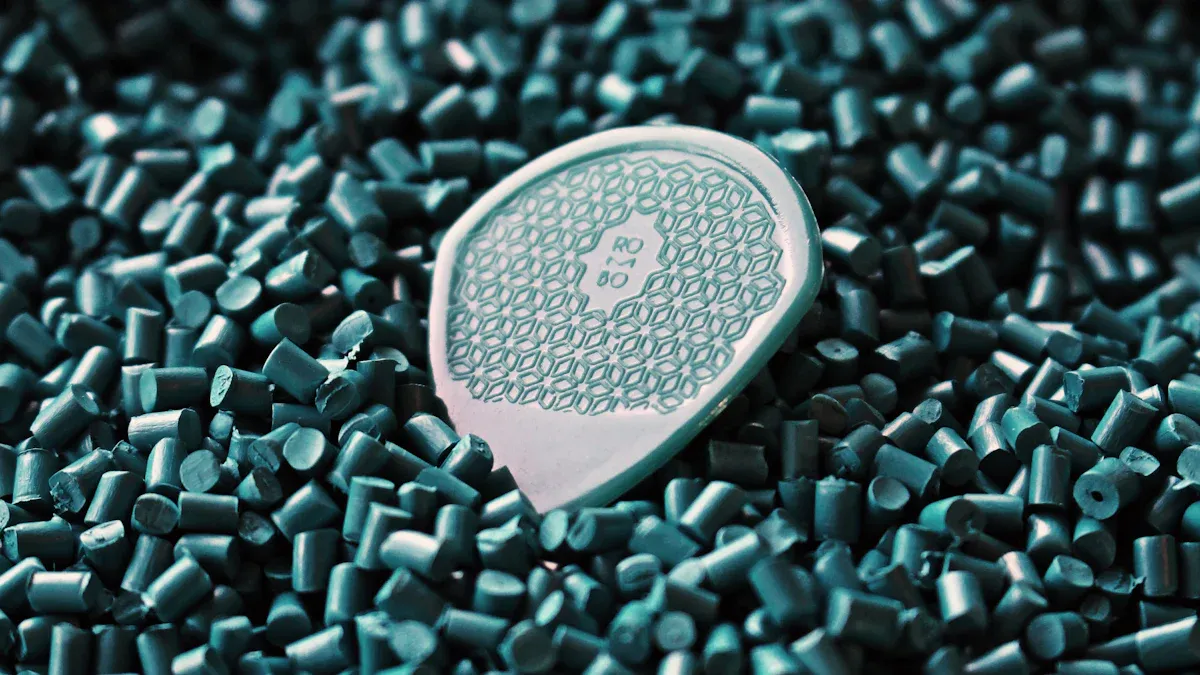
Mi ta mira ku resiklahe seif i efisiente ta kuminsá ku komprondementu di e propiedatnan úniko di plèstik i suafel. Kompatibilidat kímiko ta importante, spesialmente ora zeta ta interkambiá ku plèstik. Mayoria di desperdisio di plèstik industrial ta wòrdu resiklá na un ritmo di tokante 9%, ku ta mustra un nesesidat pa mihó solushonnan. Mi ta dependé di ekipo avansá manera e IPG Pelletizing Machine Plastic pa mehorá resultadonan di resiklahe. Den Prosesamentu Industrial di Plástik i Sulfur, mihó práktikanan pa granulashon i transporte di suafel ta yuda redusí riesgonan i impulsá kalidat.
- Tasa mundial di resiklahe di desperdisio di plèstik industrial: tokante 9%
Puntonan Klave
- Komprondementu di e kompatibilidat kímiko entre plèstik i zeta ta esensial pa evitá daño durante resiklahe.
- Trituramentu di plèstik ta redusí volúmen i mehorá kalidat, hasiendo resiklahe mas efisiente i kosto-efektivo.
- Resiklahe mekaniko ta funshoná mihó pa limpiesa, plèstiknan sorteá, miéntras ku resiklahe kímiko ta manehá materialnan mesklá òf kontaminá.
- Usando gráfikonan di resistensia i tèstnan di inmershon ta yuda garantisá resiklahe seif di plèstiknan eksponé na diferente zeta.
- Granulashon di suafel ta mehorá seguridat dor di redusí stòf i hasi maneho mas fásil, miéntras ku friamentu avansá ta garantisá granulanan fuerte.
- Selekshoná e ekipo i materialnan korekto pa transporte di suafel ta prevení koroshon, peligernan di stòf, i fayonan di ekipo.
- Mantenshon regular, kòntròl di stòf, i integrashon di sistema ta impulsá efisiensia i seguridat den tantu resiklahe di plèstik komo maneho di suafel.
- Práktikanan sostenibel, inkluyendo ekipo efisiente den uso di energia i aditivonan basá riba biokarbon, sostené un industria mas sigur i mas bèrdè.
Kompatibilidat kímiko di plèstik i zeta
Variabelnan Klave
Tiponan di polímero
Semper mi ta kuminsá identifiká e tipo di polímero promé ku resiklá plèstik. Kada polímero ta reakshoná diferente riba zeta. Polietileno (PE) i polipropileno (PP) mustra resistensia fuerte na hopi zeta. Polistireno (PS) i polietileno tereftalato (BESTIA DI KAS) hopi bia ta kibra ora ta wòrdu eksponé na sierto zeta. Polikarbonat (PC) i akrilonitrilo butadieno stireno (ABS) por kibra òf bira frágil despues di kontakto ku zeta. Nylon ta destaká pa su durabilidat kontra zeta. Mi ta kontrolá e tipo di polímero pa pronostiká kon e lo komportá durante resiklahe.
Tiponan di zeta & Temperaturanan
Tipo di zeta i temperatura ta hunga un ròl grandi den kompatibilidat. Zeta di kushiná manera oleifi i kanola por lo general ta kousa efektonan leve riba PE i PP. Zeta esensial, manera lamunchi òf eukalipto, kontené komponentenan ku ta ataká plèstik manera PS i PET asta na temperatura di kamber. Zeta di motor i lubrikantenan sintétiko por debilitá PE i kousa rankamentu di strès den PC i ABS. Zeta hidráuliko, ku nan aditivonan, por kondusí na fragilidat i hinchamentu den plèstiknan ku no ta wòrdu klasifiká pa uso hidráuliko. Semper mi ta konsiderá e komposishon kímiko i temperatura di e zeta durante resiklahe.
Tep: Mi ta rekomendá pa kontrolá tantu e tipo di zeta komo e temperatura promé ku meskla plèstik i zeta den kualke proseso di resiklahe.
Térmiko vs. Efektonan Kímiko
Puntonan di smelt
Mi ta paga hopi atenshon na puntonan di smelt. PE ta smelt na mas o ménos 120°C, PP na 160°C, i PET na 250°C. Si eksposishon na zeta hisa e temperatura serka di e puntonan di smelt aki, plèstik por deformá òf smelt. Reakshonnan kímiko por sosodé mas lihé na temperaturanan mas haltu. Mi ta monitoriá temperatura pa prevení kambionan indeseá.
Rango di Temperatura di Zeta
Temperatura di zeta ta afektá kon plèstik ta reakshoná. Zeta friu rara bes ta kousa daño inmediato. Zeta kayente ta aselerá reakshonnan kímiko i por suavisá òf deformá plèstik. Por ehèmpel, zeta di motor kayente por frega PE i PC lihé. Mi ta tene temperatura di zeta abou durante resiklahe pa protehá kalidat di plèstik.
Resistente vs. Plèstiknan Vulnerabel
Tiponan Resistente na Zeta
Algun plèstik ta resistí eksposishon na zeta bon:
- Polipropileno (PP)
- Nylon
- Polietileno (PE)
E materialnan aki ta manehá zeta di motor, zeta hidráuliko, i zeta di kushiná ku daño mínimo.
Tiponan Vulnerabel pa Zeta
Otro plèstiknan ta mustra vulnerabilidat:
- Polistireno (PS)
- Polietileno tereftalato (BESTIA DI KAS)
- Polikarbonat (PC)
- Acrylonitrile butadiene styrene (ABS)
E plèstiknan aki por disolvé, krak, òf warp despues di kontakto ku zeta, spesialmente ku zeta esensial òf lubrikantenan kayente.
| Tipo di plèstik | Resistensia di Zeta | Reakshon Típiko |
|---|---|---|
| PE, PP, Nylon | Haltu | Kambio mínimo |
| PS, BESTIA DI KAS, PC, ABS | Abou | Rakamentu, deformashon, disolushon |
Semper mi ta match plèstik i zeta kuidadosamente pa evitá fayonan di resiklahe i garantisá prosesamentu sigur.
Prueba di Kompatibilidat
Gráfikonan di Resistensia
Semper mi ta kontrolá e gráfikonan di resistensia promé ku mi resiklá plèstiknan eksponé na zeta. E grafikonan aki ta mustra kon diferente plèstik ta reakshoná riba vários zeta i kímikonan. Mi ta haña nan útil pasobra nan ta duna kontesta rápido tokante kompatibilidat. Por ehèmpel, un grafiko di resistensia por lista polietileno komo “ekselente” kontra zeta di motor, miéntras ku polistireno ta mustra “pober” resistensia. Mi ta usa e grafikonan aki pa evitá erornan i selektá e materialnan korekto pa resiklahe.
| Tipo di plèstik | Zeta di Motor | Zeta di Kushina | Zeta Esensial |
|---|---|---|---|
| PE | Ekselente | Ekselente | Bon |
| PP | Ekselente | Ekselente | Bon |
| PS | Pober | Honesto | Pober |
| BESTIA DI KAS | Honesto | Bon | Pober |
| Nylon | Bon | Bon | Bon |
Tep: Mi ta rekomendá pa tene grafikonan di resistensia aktualisá den e área di resiklahe. Esaki ta yuda tur hende hasi eskohonan sigur lihé.
Prueba di Inmershon
Tin biaha, grafikonan di resistensia no ta kubri tur tipo di zeta òf plèstik. Mi ta usa prueba di inmershon pa kontrolá kompatibilidat den e kasonan aki. Mi ta kòrta un muestra chikitu di e plèstik i pone esaki den e zeta. Mi ta lag’é pa un periodo fiho, normalmente 24 pa 48 oranan. Despues di e tèst, Mi ta buska kambionan manera hinchamentu, krakmentu, òf kambionan di koló. Si e plèstik keda meskos, Mi sa ku e ta safe pa resiklá ku e zeta ei. Si mi mira daño, Mi ta evitá di meskla e materialnan ei.
Mi ta registrá mi resultadonan den un kuaderno. Esaki ta yuda mi konstruí un guia di kompatibilidat personalisá pa mi fasilidat. Prueba di inmershon ta duna mi konfiansa ora e grafikonan di resistensia no ta kla òf ta falta.
Malkonsepshonnan Komun
Térmiko vs. Daño Kímiko
Hopi hende ta kere ku kalor so ta kousa daño di plèstik. Mi a siña ku reakshonnan kímiko por ta meskos di dañino. Zeta por kibra plèstik asta na temperatura di kamber. Kalor ta aselerá e reakshonnan aki, pero daño kímiko por sosodé sin temperatura haltu. Semper mi ta kontrolá tantu riesgonan termal komo kímiko promé ku resiklá.
Nota: Nunka mi no ta dependé solamente riba lesamentu di temperatura. Eksposishon kímiko ta importante meskos ku kalor.
Riesgonan di Eksposishon riba Termino Largu
Tèstnan di término kòrtiku hopi bia ta pèrdè riesgonan di término largu. Mi tabata kere ku plèstik tabata safe si nan a pasa tèstnan di inmershon rápido. Ku tempu, Mi a mira plèstik kibra òf debilitá despues di lunanan di eksposishon na zeta. Kontakto di largu plaso por kousa daño slow pero serio. Awor mi ta monitoriá plèstik pa periodonan largu i ta revisá muestranan bieu regularmente.
Mi ta konsehá otronan pa konsiderá tantu efektonan inmediato komo retrasá. Esaki ta prevení fayonan inesperá i ta tene resiklahe safe.
Trituramentu di Plèstik & Métodonan di Resiklahe
Dikon Aplastá Ta Importante
Trituramentu di plèstik ta e promé paso ku mi ta tuma den kualke proseso di resiklahe. E paso aki ta forma tur loke ta sigui. Ora mi ta machiká shushi di plèstik, Mi ta hasié mas fásil pa manehá, tipo, e proseso. E benefisionan ta bai mas leu ku djis hasi pida mas chikitu.
Redukshon di Volúmen
Mi ta nota ku shushi di plèstik krudo ta tuma hopi espasio. Trituramentu ta redusí e volúmen, hasiendo almasenamentu i transporte muchu mas efisiente. Piesanan mas chikitu ta pas mihó den baki i hopper, ku ta yuda ekiponan abou funshoná sin problema. Mi ta dependé riba e paso aki pa tene mi fasilidat organisá i kosto-efektivo.
| Punto di Evidensia | Deskripshon |
|---|---|
| Redukshon di Volúmen | Trituramentu ta redusí e espasio ku desperdisio di plèstik krudo ta tuma, hasiendo esaki manehabel pa ekiponan di awa abou. |
| Mehorashon di Kalidat di Material | Tamaño uniforme di plèstik machiká ta mehorá efisiensia di labamentu i ta redusí kontaminashon. |
| Efisiensia den Resiklahe | Desishonnan tumá durante di triturashon ta impaktá e kalidat di e produkto resikla final, afektando tur e prosesonan siguiente. |
Mehorashon di Kalidat
Plèstik triturá uniformemente ta mehorá e kalidat di e material resiklá. Ora mi machiká plèstik na un tamaño konsistente, Mi ta hasi labamentu i klasifikashon mas fásil. E paso aki ta redusí kontaminashon i ta impulsá e efisiensia di kada proseso ku ta sigui. Mi ta haña ku trituramentu di kalidat haltu ta kondusí na pelletnan resiklá di kalidat haltu.
Tep: Semper mi ta kontrolá e tamaño i forma di plèstik machiká promé ku mi pasa pa e siguiente paso. Konsistensia aki ta spar tempu i plaka despues.
- Triturashon ta influensiá e separashon di materialnan mesklá, ku por kompliká resiklahe si no wòrdu manehá korektamente.
- Teknologia di sorteo avansá ta esensial pa atendé retonan ku ta surgi for di materialnan triturá.
- Ahustenan di proseso kontinuo i revishonnan di rendimentu ta krusial pa mantené normanan haltu di kalidat den produktonan resiklá.
Resiklahe Mekániko
Resiklahe mekaniko ta forma e wesu di lomba di mi fluho di trabou di prosesamentu di plèstik. Mi ta us'é pa kombertí plèstik di desperdisio den materia prima nobo sin kambia nan struktura kímiko. E método aki ta efisiente den uso di energia i kosto-efektivo, spesialmente pa plèstik di un solo tipo.
Tiponan di trituradó
Mi ta skohe trituradónan basá riba e tipo i forma di desperdisio di plèstik. Pa pelíkulanan fini, Mi ta usa granuladó ku blachi skèrpi. Pa artíkulonan grandi manera bòter òf kaha, Mi ta dependé di trituradónan pisá. Algun plèstik mester di trituradónan spesialisá pa manehá nan duru òf fragilidat. E trituradó korekto ta garantisá redukshon di tamaño efisiente i ta prepará e material pa prosesamentu mas aleu.
Manual vs. Mekániko
Trituramentu manual ta funshoná pa lotenan chikitu òf ora mi mester separá materialnan ku man. Pero, trituradónan mekaniko ta manehá volúmennan grandi lihé i konsistentemente. Mi ta preferá métodonan mekaniko pa mayoria operashon pasobra nan ta spar man di trabou i ta duna resultadonan uniforme. Resiklahe mekaniko ta dominá e industria, spesialmente den regionnan manera Oropa, kaminda e ta konta pa mas ku 99% di plèstik resiklá.
Resiklahe mekaniko ta reprosesá plèstik físikamente, produsí materialnan ku propiedatnan serka di plèstik bírgen. E ta funshoná mihó ku plèstiknan homogéneo, pues mi ta sorteá i limpia materialnan kompletamente promé ku machiká. Mi sa ku resiklahe ripití por degradá propiedatnan di polímero, pues mi ta monitoriá e kalidat di kada lote.
Pre-Shredding
Pre-shredding ta un paso ku nunka mi no ta salta ora mi ta trata ku shushi di plèstik grandi òf mesklá. Mi ta usa shredder pa kibra artíkulonan grandi den pida manehabel promé ku trituramentu final. E paso aki ta protehá mi trituradó prinsipal di pegamentu i desgaste. Pre-shredding tambe ta yuda mi detektá kontaminantenan òf materialnan no-plèstik trempan, ku ta tene e proseso di resiklahe limpi i efisiente.
Faktornan Klave di Rendimentu
Varios faktor ta influensiá kon bon mi ekipo di triturashon i resiklahe ta funshoná. Mi ta paga hopi atenshon na e detayenan aki pa maksimisá efisiensia i kalidat di produkshon.
| Faktor di Rendimentu | Deskripshon |
|---|---|
| Tipo i Forma di Material | Diferente plèstik ta rekerí forsanan di kòrta i tiponan di blade spesífiko pa trituramentu efektivo. |
| Gap di Blade | E espasio entre e bladenan ta afektá kalidat di kòrtamentu; buraku mas stret ta duna kòrtamentu mas limpi pero ta oumentá desgaste. |
| Tamaño di Screen Mesh | Determiná e tamaño di partikulo di salida; tamañonan mas chikitu ta redusí e rendimentu debí na resirkulashon. |
| Velosidat di Rotor | Ta afektá e rendimentu i generashon di kalor; velosidatnan mas haltu ta oumentá produkshon pero por krea partikulonan fini. |
| Tarifa di Alimentashon | Alimentashon korekto ta krusial; alimentashon di mas por daña ekipo, miéntras ku mal alimentashon ta redusí efisiensia. |
| Mantenementu | Mantenshon regular di blade ta esensial pa prevení bahada di kalidat i deformashon di ekipo. |
| Maneho di Kontaminashon | Maneho apropiá di stòf i fluho di aire ta nesesario pa evitá sobrekayente i fayo di ekipo. |
Selekshon di Blade
Mi ta selektá bladenan basá riba e tipo di plèstik i e tamaño di salida deseá. Plèstik duru mester di blachi mas duru, miéntras ku plèstiknan mas suave ta rekerí randnan mas skèrpi. Mi ta kontrolá e buraku di blade regularmente pasobra buraku mas stret ta duna kòrtamentu mas limpi pero ta gasta mas lihé. Mi ta remplasá òf skerpi e blachinan hopi bia pa mantené un rendimentu haltu.
Screen Mesh
E malla di pantaya ta kontrolá e tamaño di e pida plèstik machiká. Tamañonan di malla mas chikitu ta produsí partikulonan mas fini pero ta frena e proseso pasobra material ta resirkulá te ora e pas den e malla. Mi ta balansá e tamaño di e malla ku e rendimentu pa kumpli ku mi metanan di produkshon. Tamaño di partikulo konsistente ta mehorá labamentu i peletisamentu despues.
Velosidat di Rotor & Tarifa di Alimentashon
Velosidat di rotor ta afektá kon lihé mi por prosesá desperdisio di plèstik. Velosidatnan mas haltu ta oumentá output pero por krea mas partikulo fini i kalor. Mi ta ahusta e velosidat pa kuadra ku e tipo di plèstik i e salida deseá. Tarifa di alimentashon ta importante, tambe. Alimentashon di mas por stroba e mashin, miéntras ku mal alimentashon ta malgasta energia. Mi ta monitoriá tur dos pa tene mi operashon kanando sin problema.
Nota: Mantenshon regular i kontrol di stòf ta tene mi ekipo ta funshoná efisientemente i ta prevení fayonan inesperá.
Integrando Solushonnan Avansá
Mi ta dependé riba e Exintellmach Plástik di Mashin di Pelletisashon di IPG pa efisiente di mi proseso di resiklahe. E mashin aki ta kombiná trituramentu, kompaktashon, smeltmentu, i pelletisashon den un sistema. Su ekstruder di skru personalisabel i opshonnan avansá di pelletisashon ta laga mi prosesá un rango amplio di plèstik. E IPG Pelletizing Machine ta usa kontrol di temperatura presis i filtrashon avansá pa produsí uniforme, pelletnan di kalidat haltu. Karakterístika di outomatisashon ta redusí trabou i ta garantisá produkshon konsistente. Mi ta haña ku e teknologia aki no solamente ta impulsá efisiensia pero tambe ta mehorá e kalidat i balor di mi plèstiknan resiklá.
Resiklahe Kímiko
Resiklahe kímiko ta duna mi un manera pa kibra plèstiknan mas ayá di métodonan mekaniko. Mi ta usa e proseso aki ora resiklahe mekaniko no por produsí material di kalidat haltu. Resiklahe kímiko ta dependé di solvente i reakshonnan kímiko pa transformá plèstik den nan blokinan di konstrukshon básiko. Mi ta haña e método aki útil pa plèstiknan mesklá òf kontaminá ku resiklahe mekaniko no por manehá.
Métodonan Basá riba Solvente
Resiklahe basá riba solvente ta usa kímikonan pa disolvé plèstik. Mi ta selektá solventenan manera asetona, diklorometan, òf tetrahidrofuran (THF) basá riba e tipo di polímero. Mi ta pone plèstik kòrtá den un baño di solvente. E solvente ta kibra e kadenanan di polímero, separando impuresanan i koló. Despues di disolushon, Mi ta filtrá kontaminantenan i rekuperá e polímero puru. Despues mi ta presipitá e polímero dor di agregá un otro kímiko òf fria e solushon. E proseso aki ta produsí limpi, plèstik di kalidat haltu kla pa reusá.
Semper mi ta monitoriá uso di solvente kuidadosamente. Solventenan por generá desperdisio peligroso i ta rekerí un deshasimentu apropiá. Mi ta usa ekipo di protekshon i ta sigui e guianan di seguridat pa prevení eksposishon. Métodonan basá riba solvente ta funshoná mihó pa plèstik manera poliestireno, klorido di polivinil, i PET.
Depolimerisashon
Depolimerisashon ta hiba resiklahe kímiko un paso mas leu. Mi ta usa kalor, katalisadónan, òf enzimanan pa kibra plèstik den monómero. E monómeronan aki ta sirbi komo materia prima pa produkshon di plèstik nobo. Mi ta apliká depolimerisashon na plèstik manera PET i nylon. E proseso ta enserá keintamentu di e plèstik den un reaktor, tin bia ku asido òf base. E plèstik ta kibra den su unidatnan kímiko original.
Mi ta preferá depolimerisashon pa produsí materialnan di puresa haltu. This method allows me to recycle plastics that mechanical methods cannot restore to their original quality. Depolymerization also helps me close the loop in the circular economy.
Tep: I always compare chemical and mechanical recycling before choosing a method. Chemical recycling produces purer output but requires careful handling of chemicals.
| Aspekto | Resiklahe Kímiko | Resiklahe Mekániko |
|---|---|---|
| Proseso | Uses acids and solvents to dissolve plastics, generating toxic chemicals. | Involves physically breaking down plastics, which can weaken their structure. |
| Salida | Produces high-quality, pure plastic suitable for various applications. | Results in lower quality recycled plastic that deteriorates over time. |
| Impakto Ambiental | Generates higher CO2 emissions and hazardous waste due to chemicals used. | Uses more fossil fuels but generally produces less hazardous waste. |
Erornan Komun
I see many mistakes in plastic crushing and recycling. These errors reduce efficiency and create safety risks. I always review my process to avoid common pitfalls.
Equipment Mismatch
I notice that using the wrong equipment causes frequent interruptions. Recycling machinery can jam 3–8 times per shift, cutting processing capacity by te ku 25%. I match my crusher and pelletizer to the plastic type and batch size. I check feed systems for compatibility and adjust settings to prevent jams.
Contamination
Contamination remains a major challenge. Tokante 75% of contaminants in recycling facilities come from plastic bags and films. These materials clog machinery and lower product quality. I sort and clean plastics before crushing. I remove plastic bags, pelíkulanan, and other non-recyclable items. Emily Malik, a conservation coordinator, points out that contamination complicates recycling. I agree and make contamination control a priority.
Maintenance Issues
Neglecting maintenance leads to downtime and costly repairs. I implement preventive maintenance programs to keep my machines running smoothly. Regular maintenance reduces unplanned downtime by up to 75%. I schedule blade sharpening, screen cleaning, and lubrication. I inspect equipment daily and fix problems before they escalate.
Kontrol di Stòf
Dust buildup creates hazards and damages equipment. I install dust extraction systems and use enclosed crushers. I clean dust filters regularly. Proper dust control protects workers and extends machine life.
Tamaño di Salida
Inconsistent output size affects downstream processing. I adjust screen mesh and rotor speed to produce uniform particles. I check output size after each batch. Uniform pellets improve washing, smeltmentu, and final product quality.
- Equipment jams reduce processing capacity by up to 25%.
- Preventive maintenance cuts downtime by up to 75%.
- Plastic bags and films cause most contamination in recycling facilities.
- Dust control and output size management improve safety and product quality.
Nota: I always review my process for these mistakes. Addressing them boosts efficiency and ensures high-quality recycled plastics.
Plastic Dissolution & Degradation
Why Plastics Resist Dissolving
Struktura Molekular
I often wonder why most plastics do not dissolve easily in common solvents. The answer lies in their molecular structure. Plastics have long polymer chains with strong carbon-to-carbon bonds. These bonds resist breaking in everyday environments. Conventional plastics, like polyethylene and polypropylene, show remarkable durability because of these bonds. Semi-crystalline plastics have a tight structure that blocks solvents from penetrating. Amorphous plastics are more vulnerable to certain organic solvents, but they still resist water.
| Tipo di plèstik | Karakterísikanan |
|---|---|
| Conventional Plastics | Long polymer chains with strong carbon-to-carbon bonds that resist breaking in common environments. |
| Semi-crystalline Plastics | Tight structure that prevents solvents from penetrating. |
| Amorphous Plastics | More vulnerable to certain organic solvents but still resistant to water. |
I always check the structure of the plastic before choosing a recycling method. The molecular arrangement determines how the material reacts to solvents.
Solvent Compatibility
Solvent compatibility plays a big role in plastic dissolution. I notice that plastics resist dissolving unless the solvent matches their chemical nature. Non-polar plastics, like polyethylene, do not dissolve in water or alcohols. Polar plastics, such as polyvinyl alcohol, dissolve in water. I select solvents based on the plastic’s polarity and structure. This step helps me avoid wasting time and resources.
Solvents That Dissolve Plastics
THF
Tetrahydrofuran (THF) stands out as a powerful solvent for plastics like polyvinyl chloride (PVC) i polistireno. I use THF in laboratory settings to dissolve these plastics for analysis or recycling. THF works well because it matches the polarity of the polymers.
Acetone
Acetone dissolves plastics such as polystyrene and some acrylics. I use acetone to clean equipment or remove residues. Acetone does not affect most conventional plastics, but it can break down certain types quickly.
Dichloromethane
Dichloromethane dissolves plastics like polycarbonate and PVC. Mi ta us'é pa aplikashonnan industrial kaminda mester di disolushon rápido. Diklorometan ta funshoná mihó ku plèstik ku tin ménos struktura kristalino.
| Tipo di solvente | Efektividat | Notanan |
|---|---|---|
| Tolueno | Haltu | Mihó rendimentu general den pruebanan di solubilidat |
| Xylene | Haltu | A surpasá otro solventenan |
| Sikloheksano | Moderá | Efektivo den meskla ku sikloheksanol i xylene |
| Sikloheksanol | Moderá | Ta mehorá solubilidat den meskla |
| Alkohòlnan | Abou | Generalmente solventenan malu pa plèstik no-polar |
| Ketonnan | Abou | No ta efektivo su so, pero meskla por mehorá solubilidat |
| Esternan | Abou | No ta efektivo su so, pero meskla por mehorá solubilidat |
Mi ta haña ku disolushon di solvente ta retené e struktura kímiko di polímeronan. E método aki ta redusí emishon i uso di energia kompará ku otro métodonan di resiklahe. E ta amplia e alkanse di resiklahe pa plèstik, spesialmente pa polipropileno i polistireno. Kompanianan manera Purecycle i Polystyvert ta usa e solventenan aki pa resiklá plèstiknan ku un tempu no tabata resiklabel.
Solvent-based recycling lets me recover pure polymers without breaking their chemical bonds. This approach saves energy and supports sustainability.
Dissolvable & Plástikonan biodegradabel
PVA & Water-Soluble Types
I use polyvinyl alcohol (PVA) when I need a plastic that dissolves in water. PVA films break down quickly and leave no residue. Water-soluble plastics help me create packaging that disappears after use. These materials work well for single-use items and reduce waste.
Bioplástiko
Biodegradable plastics offer another solution. Mi ta dependé riba petroleum-based polyesters like polycaprolactone (PCL) and poly(butylene succinate) (PBS) because microorganisms and enzymes can degrade them. Bio-based plastics, such as poly(hydroxybutyrate) (PHB), poly(lactide) (PLA), and starch blends, come from renewable resources and are also biodegradable. Their degradation rates depend on chemical structure, melting point, and crystallinity. Algun plèstik, like polyethylene and Nylon 11, may be bio-based but remain non-biodegradable. Acetyl cellulose can be biodegradable or not, depending on its acetylation.
I choose biodegradable plastics for applications where environmental impact matters. These materials break down through enzymatic and microbial action. Their rates of degradation vary based on composition and environmental conditions.
I always match the plastic type to the intended use and disposal method. This practice helps me support sustainability and reduce pollution.
Degradation Pathways
UV & Heat
I see plastics degrade through several pathways. UV radiation and heat play major roles in breaking down polymers. When sunlight hits plastic, UV rays cause photodegradation. This process breaks polymer chains into smaller fragments. Heat speeds up this reaction. Oxygen in the environment also accelerates degradation. I notice that high temperatures can trigger depolymerization reactions in synthetic polymers. These reactions break plastics into their basic chemical units.
During resiklahe mekaniko, plastics face heat and shear forces. These conditions lead to thermo-oxidative and thermo-mechanical degradation. Chain-scission reactions start, breaking the long polymer chains. I monitor temperature and oxygen levels in my facility to control these effects. Chemical degradation, such as hydrolysis or oxidation, happens at near-ambient temperatures. Environmental factors like temperature and oxygen presence influence how fast plastics degrade.
- Photodegradation breaks down polymer chains with UV radiation.
- Heat and oxygen speed up the degradation process.
- High temperatures cause depolymerization in synthetic polymers.
- Mechanical recycling introduces heat and shear, leading to chain-scission reactions.
- Chemical degradation involves hydrolysis or oxidation, often at lower temperatures.
I always check for signs of degradation in recycled plastics. Changes in color, fragilidat, or texture signal that UV and heat have affected the material.
Mikroplastikonan
Microplastics form when larger plastic pieces break down into tiny fragments. I see this happen during photodegradation and mechanical recycling. UV light, kalor, and oxygen cause plastics to fragment. These small pieces do not dissolve. Instead, they persist in the environment.
Microbes can help degrade plastics. I use strains like Kocuria palustris M16, Bacillus pumilus M27, i Bacillus subtilis H1584 to enhance the breakdown of polyethylene films. The strain Brevibacillus borstelensis accelerates degradation of UV-treated low-density polyethylene at higher temperatures. Hydrolytic enzymes such as cutinase can completely degrade PET into monomers within 24 hours under specific conditions.
- Microbes and enzymes speed up plastic degradation.
- Microplastics result from fragmentation, not dissolution.
- Microplastics persist and pose environmental risks.
I track microplastic formation in my recycling process. I use biological methods to reduce their presence and support cleaner recycling.
Misconceptions
Dissolution vs. Degradation
Many people think plastics dissolve like sugar in water. I learned that conventional plastics do not dissolve. They degrade through photodegradation, where UV radiation breaks them into smaller pieces. Plastics do not vanish; they fragment and remain in the environment. This misconception leads to improper disposal and recycling practices.
- Plastics do not dissolve; they break into smaller fragments.
- Photodegradation causes fragmentation, not disappearance.
I explain this difference to my team. Understanding the distinction helps us manage plastic waste responsibly.
Environmental Risks
Some believe plastics break down on their own. I know this is not true. Most plastics persist for decades unless exposed to specific degradation pathways. Microplastics pose serious environmental risks. They accumulate in soil and water, affecting wildlife and human health. I use controlled recycling methods to minimize microplastic release.
Tep: I always educate others about the persistence of plastics and the importance of proper recycling. Awareness reduces environmental harm and supports sustainability.
Sulphur Granulation Processes
Why Granulate Sulphur
Seguridat & Handling
I granulate sulphur to make it safer to handle in industrial environments. Granulated sulphur reduces the risk of dust explosions. The larger, uniform granules do not create airborne particles as easily as powdered sulphur. Workers face fewer hazards when moving granulated sulphur. I notice that granules flow smoothly through conveyors and storage bins. This reduces spills and minimizes contact with skin or eyes. I always prioritize safety by choosing granulation methods that produce strong, dust-free granules.
Granulated sulphur improves workplace safety by lowering dust levels and making handling easier.
Benefisionan Ambiental
Granulating sulphur helps protect the environment. I see that granules release less dust into the air, which means cleaner facilities and reduced air pollution. The uniform size of granules prevents accidental spills and makes cleanup simpler. I use advanced cooling systems to create granules with a strong crystalline structure. These granules resist breaking apart during transport. This reduces the risk of sulphur entering soil or water. I believe that granulation supports sustainability by minimizing waste and preventing environmental contamination.
Granulation Steps
Smeltmentu
I start the granulation process by melting sulphur at controlled temperatures. Sulphur melts at about 115°C. I use specialized heaters to keep the temperature steady. If the temperature rises too high, sulphur can decompose or release harmful gases. I monitor the melting stage closely to ensure safety and product quality.
Seed Generation
Despues di smelt, I generate small sulphur seeds. Mi ta vries gotanan di suafel smelt pa krea e simianan aki. Kontrol di preshon ta importante durante e paso aki. E simia ta fungi komo núkleo pa formashon di granula. Mi ta sòru pa e simianan ta uniforme den tamaño pa produsí granulonan konsistente despues.
Formashon di Granulo
Mi ta forma granula dor di rotá e simia den un drum. E tambú ta drai na un velosidat fihá, kousando ku e simianan ta lora i piki kapanan di suafel smelt. Esaki ta konstruí e granulanan na e tamaño deseá. Rotashon di drum ta un faktor klave. Si e tambú ta drai muchu lihé, granulonan ta bira desigual. Si e ta drai muchu slow, produkshon ta baha. Mi ta ahusta e velosidat di rotashon pa balansá kalidat i efisiensia.
Friamentu
Mi ta fria i solidifiká e granulanan pa garantisá un kristalisashon korekto. E velosidat di friamentu ta afektá e forsa i struktura di e granulanan. I use air or water cooling systems to control the process. Rapid cooling can cause cracks, while slow cooling produces strong, uniform granules. I monitor the cooling stage to prevent defects and maintain product quality.
| Paso | Deskripshon | Faktor Klave |
|---|---|---|
| 1 | Melting sulphur at controlled temperatures | Kontrol di Temperatura |
| 2 | Generating small sulphur seeds through freezing | Pressure Control |
| 3 | Forming granules by rotating in a drum | Drum Rotation |
| 4 | Cooling and solidifying to ensure crystallization | Cooling Rate |
- Granulation improves product quality by ensuring uniform granule sizes.
- Dust reduction during handling enhances workplace safety.
- Advanced cooling systems lead to better crystalline structure and stronger granules.
Granulation Techniques
Drum Systems
I use drum systems for large-scale sulphur granulation. E rotary drum method pours molten sulphur into a rotating drum. Granules form as the seeds roll and pick up layers of sulphur. This technique produces uniform granule sizes and handles high throughput. I rely on drum systems when I need consistent quality and efficient production.
Prilling Towers
Prilling towers spray molten sulphur droplets through a nozzle into a tall tower. The droplets cool and solidify as they fall, forming spherical granules. Air cooling in the tower creates smooth, round granules. I choose prilling towers for applications that require perfectly spherical granules. This method works well for moderate production volumes.
- Prilling Tower Method: Sprays molten sulphur droplets through a nozzle into a tower where they cool and solidify into spherical granules.
- Rotary Drum Granulation: Pours molten sulphur into a rotating drum where it forms granules by rolling and cooling on the drum surface.
The rotary drum granulation method stands out for its efficiency in large-scale production. It delivers high throughput and uniform granule size. The prilling tower method excels at producing spherical granules through air cooling.
Fluid Beds
Fluid bed granulation suspends sulphur particles in a stream of air. I inject molten sulphur into the fluidized bed. The particles mix and cool rapidly, forming granules. Fluid beds allow precise control over granule size and cooling rate. I use this technique when I need flexibility and fast cooling.
Steel Belt
Steel belt granulation spreads molten sulphur onto a moving steel belt. The belt cools the sulphur as it travels, forming solid granules. This method produces flat, uniform granules and works well for continuous production. I select steel belt systems for applications that require gentle cooling and minimal dust.
Each granulation technique offers unique advantages. I match the method to my production needs and quality requirements.
Process Controls
I pay close attention to process controls when granulating sulphur. These controls help me produce high-quality granules and maintain safety in my facility. Each stage of the process requires careful monitoring and adjustment.
Temperatura & Preshon
Temperature control stands out as the most important factor during sulphur melting. I set the temperature just above sulphur’s melting point, usually around 115°C. If the temperature rises too high, sulphur can decompose or release harmful gases. I use precise heaters and sensors to keep the temperature steady. Pressure control becomes critical during seed generation. I adjust the pressure to create uniform sulphur seeds. Stable pressure ensures that the seeds form consistently, which leads to better granule quality.
I rely on a table to track key factors at each step:
| Paso | Deskripshon | Faktor Klave |
|---|---|---|
| Sulphur Melting | Heating sulphur to liquid state | Kontrol di Temperatura |
| Seed Generation | Creating small sulphur seeds | Pressure Control |
| Formashon di Granulo | Building up granules in drum | Drum Rotation |
| Cooling and Solidification | Hardening granules | Cooling Rate |
I check these factors every day. This routine helps me prevent defects and maintain consistent quality.
Cooling Rate
Cooling rate affects the strength and structure of sulphur granules. I use air or water cooling systems to control how quickly the granules solidify. Rapid cooling can cause cracks or weak spots. Slow cooling produces strong, uniform granules. I adjust the cooling rate based on the size and shape of the granules I want. I monitor the cooling process with sensors and visual checks. This practice helps me avoid defects and ensures that the granules meet industry standards.
I always remind my team that careful cooling leads to safer, more reliable sulphur products.
Modern Technology Benefits
Modern sulphur granulation technology offers several advantages. I see improvements in product quality, dust reduction, and energy efficiency every day.
Kalidat di Produkto
Advanced granulation systems produce sulphur granules with uniform size and shape. Prilled sulphur stands out for its superior physical qualities. The round shape and consistent size make the granules flow smoothly and predictably. This uniformity helps me plan storage and transport more efficiently. I notice that high-quality granules reduce waste and improve performance in downstream applications.
| Benefit Type | Deskripshon |
|---|---|
| Kalidat di Produkto | Prilled sulfur exhibits superior physical qualities, including better flowability and less dust. Its uniform size and round shape enhance predictability in use. |
Dust Reduction
Dust reduction remains a top priority in my facility. Modern air treatment systems capture and remove dust during the granulation process. These systems keep the workplace cleaner and safer. I see fewer airborne particles, which lowers the risk of dust explosions and respiratory hazards. Cleaner air also means less contamination in the final product.
| Benefit Type | Deskripshon |
|---|---|
| Dust Reduction | Air treatment systems are employed to significantly reduce dust generation during the granulation process. |
Cleaner air and less dust make my facility safer for everyone.
Efisiensia di Energia
Energy efficiency helps me lower costs and reduce environmental impact. Indirect heat transfer methods optimize temperature control. These methods use less energy and minimize thermal waste. I track energy use with sensors and adjust settings to avoid excess consumption. Efficient systems help me meet sustainability goals and keep production costs down.
| Benefit Type | Deskripshon |
|---|---|
| Efisiensia di Energia | Indirect heat transfer methods optimize temperature control, reducing excessive energy consumption and thermal waste during production. |
- Uniform granule size improves product quality.
- Air treatment systems reduce dust and enhance safety.
- Indirect heat transfer methods save energy and support sustainability.
I believe that investing in modern technology pays off with better products, safer workplaces, i gastunan di operashon mas abou.
Sulphur Conveying Best Practices
Sulphur Properties
Forms & Densities
I handle sulphur in several forms, including granules, pulvernan, and molten liquid. Each form has its own density and flow characteristics. Granulated sulphur flows easily and packs tightly, making it ideal for bulk transport. Powdered sulphur creates more dust and requires careful handling to prevent airborne particles. Molten sulphur moves through pipelines and needs precise temperature control to stay liquid. I always check the bulk density before selecting conveyor systems. Por ehèmpel, granules have higher density than powder, so I adjust conveyor capacity accordingly.
| Sulphur Form | Typical Density (kg/m³) | Handling Notes |
|---|---|---|
| Granulonan | 1,200–1,400 | Flows easily, ménos stòf |
| Polvo | 800–1.000 | High dust risk, needs control |
| Molten | 1,800 | Requires heated pipelines |
Corrosiveness
Sulphur can corrode metal surfaces, especially when wet or exposed to moisture. I prefer stainless steel or corrosion-resistant alloys for conveyor parts. Wet sulphur accelerates corrosion, so I avoid using carbon steel. I inspect equipment regularly for signs of rust or pitting. Choosing the right materials prevents costly repairs and extends equipment life.
Equipment Selection
Bucket Conveyors
I use bucket conveyors to move granulated sulphur vertically or horizontally. These conveyors handle bulk material efficiently and minimize spillage. I select buckets made from abrasion-resistant materials to withstand sulphur’s rough texture. Enclosed bucket conveyors reduce dust emissions and improve workplace safety.
Heated Pipelines
For molten sulphur, I rely on heated pipelines. These pipelines maintain sulphur above its melting point, usually around 120°C. I install insulation and heating elements to prevent solidification. Heated pipelines must use corrosion-resistant materials to avoid leaks and breakdowns. I monitor temperature closely to keep sulphur flowing smoothly.
Eskohonan di Material
Selecting the right materials is crucial. I choose stainless steel for most conveyor parts because it resists corrosion and abrasion. For areas exposed to high temperatures or moisture, I use special alloys. I avoid plastics and carbon steel, which degrade quickly in sulphur environments. I also consider the bulk density and flowability of sulphur when sizing conveyors.
I always match conveyor design to sulphur’s physical properties. This practice ensures reliable operation and reduces maintenance needs.
Factors I consider when selecting equipment:
- Operational requirements—scope and scale of sulphur handling.
- Efficiency and performance—energy use, rendimentu, dust suppression.
- Materials and durability—corrosion-resistant alloys.
- Safety features—explosion-proof components, emergency shutdowns.
- Maintenance and serviceability—easy access for repairs.
- Cost and total ownership—purchase, energía, and maintenance expenses.
Dust & Explosion Control
Enclosed Systems
Sulphur dust poses explosion risks. Mi ta usa fully enclosed and sealed conveying systems to prevent dust emissions. These systems comply with ATEX or NFPA standards, which set safety requirements for explosive atmospheres. Enclosed conveyors keep dust contained and protect workers from inhalation hazards.
Normanan di Kumplimentu
I follow strict compliance standards for sulphur conveying. ATEX and NFPA guidelines require explosion-proof motors and grounded equipment. I install safety alarms and video monitoring to detect dust fires early. Regular inspections help me spot hazards before they escalate.
Grounding
Grounding all equipment is essential. Mi ta konektá transportadónan, motornan, i tuberianan pa tera pa prevení akumulamentu statiko. Koriente statiko por sende stòf di suafel, pues ponementu na tera ta redusí riesgonan di eksploshon. Mi ta kontrolá konekshonnan di tera durante mantenshon i remplasá kabelnan gastá mesora.
- Mi ta mantené spuitnan di supreshon di stòf riba silo i transportadónan.
- Mi ta hasi ehersisio di emergensia i ta entrená personal den kontesta kontra kandela.
- Mi ta usa kanonnan di awa atomisadó en bes di jetnan di awa direkto pa kontrolá kandela.
Detekshon trempan i ekipo apropiá ta tene mi fasilidat seif di peliger di stòf i eksploshon.
Mantenementu & Integrashon
Limpiesa
Semper mi ta hasi limpiesa un prioridat prinsipal den mi sistemanan di transporte di suafel. Stòf i residuo di suafel por akumulá lihé, kondusí na blokeo òf asta fayo di ekipo. Mi ta programá rutinanan di limpiesa regular pa tur transportador, ta kai, i bakinan di almasenamentu. I use industrial vacuums and brushes to remove dust from hard-to-reach areas. For sticky sulphur deposits, I sometimes use steam or warm water, but I make sure to dry all surfaces thoroughly to prevent corrosion. I check for residue after every cleaning session. This habit helps me catch problems early and keeps my system running smoothly.
I learned from industry presentations that integrated surface protection and reliability-based maintenance can boost plant uptime, seguridat, and asset longevity. I see the benefits every time I stick to my cleaning schedule and use the right protective coatings.
Anti-Stick Coatings
Sulphur tends to stick to metal surfaces, especially in humid conditions. I apply anti-stick coatings to key areas of my conveying system. These coatings create a smooth barrier that prevents sulphur from clinging to chutes, hoppers, i faha di transporte. I choose coatings that resist both abrasion and corrosion. I inspect coated surfaces regularly for signs of wear or peeling. When I spot damage, I reapply the coating right away. This practice reduces downtime and helps me avoid costly repairs. Anti-stick coatings also make cleaning much easier, saving me time and effort.
System Integration
I believe that integrating all parts of the sulphur conveying system leads to better performance and fewer breakdowns. I connect my conveyors, storage bins, and control panels into a single automated network. This setup lets me monitor the entire process from one location. I use sensors to track material flow, temperatura, and equipment status. When a problem arises, the system alerts me immediately. I can then respond quickly and prevent bigger issues. I also link my maintenance schedule to the control system. Automated reminders help me stay on track with inspections and repairs.
- I always coordinate with my team to ensure everyone understands the integrated system.
- I train new staff on how to use the monitoring tools and respond to alerts.
- I update my integration plan as new technology becomes available.
By focusing on cleaning, using anti-stick coatings, and integrating my systems, I keep my sulphur conveying operations safe, efisiente, i konfiabel.
Plastic and Sulphur Industrial Processing Overview
Integrated Challenges
I see that Plastic and Sulphur Industrial Processing brings unique challenges to every facility. Plastics often arrive mixed, contaminated, or degraded. Sorting and purification require careful attention to detail. Sulphur presents risks like dust explosions and corrosion. I must balance safety, efisiensia, i responsabilidat ambiental. Handling both materials demands specialized equipment and strict process controls. I notice that integrating these processes can strain resources and increase maintenance needs. Managing waste streams and preventing harmful emissions remain top priorities for me.
Safety always comes first. I monitor dust levels, check for leaks, and train my team to handle emergencies. Regular inspections help me catch problems early.
Advanced Solutions
I rely on advanced machinery and technology to overcome these challenges. The IPG Pelletizing Machine Plastic streamlines recycling by combining crushing, kompaktashon, smeltmentu, i pelletisashon den un sistema. This machine produces high-quality pellets and removes impurities efficiently. For sulphur, I use enclosed conveyors and automated monitoring systems to reduce dust and prevent explosions. Modern granulation techniques, like drum systems and prilling towers, improve product quality and minimize waste.
E transformation of mixed plastic waste involves sorting, purification, pirolisis, and heteroatom removal. These steps produce hydrocarbon feedstocks that fit into existing refinery technologies. Advanced recycling technologies help me meet the growing demand for recycled plastics. They turn waste into valuable materials and support the circular economy.
- EVERCYCLE™ supports circular solutions with sustainable additives.
- NAUGARD BIO-XL offers a biocarbon-based accelerator for sulfur curing, avoiding harmful nitrosamines.
- Mi ta usa biocarbon-based accelerators and PFAS-free additives to minimize emissions.
- Strategies like nonylphenol-free additives further reduce environmental risks.
Automation and smart controls make my operations safer and more efficient. I track material flow, temperatura, and equipment status from a central control panel.
Enfoke di Sostenibilidat
Sustainability guides every decision I make in Plastic and Sulphur Industrial Processing. I choose technologies that reduce waste and energy use. Advanced recycling methods let me recover pure polymers and integrate them into new products. I select additives and accelerators that support circular solutions and avoid harmful chemicals. Minimizing emissions and dust protects both workers and the environment.
I believe that integrating sustainable practices improves product quality and lowers costs. Cleaner air, safer workplaces, and reliable equipment help me meet industry standards. I always look for new ways to enhance sustainability, from biocarbon-based additives to energy-efficient granulation systems.
| Sustainability Practice | Benefisio |
|---|---|
| Advanced recycling technologies | Reduces waste, supports circular economy |
| Biocarbon-based additives | Lowers harmful emissions |
| Energy-efficient equipment | Cuts costs, protects environment |
| Dust and emission controls | Improves safety and air quality |
I encourage others to invest in sustainable solutions. These practices build a stronger, safer, and more responsible industry.
I learned that safe recycling and granulation depend on understanding material properties and using the right equipment. Chemical compatibility guides my choices in Plastic and Sulphur Industrial Processing. I rely on advanced machines like the IPG Pelletizing Machine Plastic and follow best practices for sulphur handling. Regular maintenance and system integration keep my operations efficient. I always consult specialists for tailored solutions. I encourage everyone to adopt sustainable practices for a safer industry.
FAQ
What plastics can I recycle with the IPG Pelletizing Machine Plastic?
I recycle polyethylene, polipropileno, nilon, polistireno, BESTIA DI KAS, i ABS. The machine handles most common plastics. I check compatibility charts before processing new materials.
How do I prevent contamination in recycled plastics?
I sort and clean plastics before crushing. I remove films, tasnan, and non-recyclable items. Regular maintenance and dust control help me keep the process clean.
Is sulphur granulation safe for workers?
I use enclosed systems and dust suppression to protect workers. Granulated sulphur reduces explosion risks. I train my team on safety procedures and monitor air quality.
What is the best way to test plastic-oil compatibility?
I use resistance charts for quick checks. When charts are unclear, I run immersion tests by soaking plastic samples in oil and observing changes.
How does the IPG Pelletizing Machine improve recycling efficiency?
The machine combines crushing, kompaktashon, smeltmentu, and pelletizing. Automation reduces labor. Precise temperature control and impurity removal produce high-quality pellets.
Can I recycle plastics exposed to oils?
I check the type of oil and plastic. Some plastics resist oils, while others crack or dissolve. I test samples and consult compatibility charts before recycling.
What are the environmental benefits of sulphur granulation?
Granulated sulphur releases less dust. It reduces air pollution and makes cleanup easier. I use advanced cooling systems to create strong, uniform granules.