

ਪਲਾਸਟਿਕ ਐਕਸਟਰਿਊਜ਼ਨ ਜਾਂ ਇੰਜੈਕਸ਼ਨ ਮੋਲਡਿੰਗ ਜੋ ਬਿਹਤਰ ਸ਼ੁੱਧਤਾ ਦੀ ਪੇਸ਼ਕਸ਼ ਕਰਦਾ ਹੈ
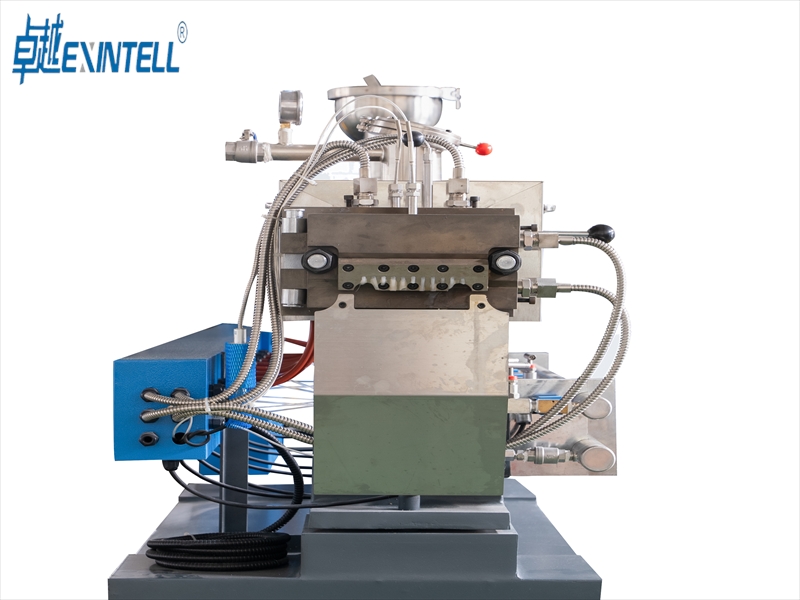
ਮੈਂ ਪਾਇਆ ਹੈ ਕਿ ਇੰਜੈਕਸ਼ਨ ਮੋਲਡਿੰਗ ਨਾਲੋਂ ਬਿਹਤਰ ਸ਼ੁੱਧਤਾ ਅਤੇ ਸਖ਼ਤ ਸਹਿਣਸ਼ੀਲਤਾ ਪ੍ਰਦਾਨ ਕਰਦੀ ਹੈ ਪਲਾਸਟਿਕ ਐਕਸਟਰਿਊਸ਼ਨ. ਉਦਾਹਰਣ ਲਈ, ਇੰਜੈਕਸ਼ਨ ਮੋਲਡਿੰਗ ਸਹਿਣਸ਼ੀਲਤਾ ਪ੍ਰਾਪਤ ਕਰ ਸਕਦੀ ਹੈ ਜਿੰਨਾ ਤੰਗ ±0.005 ਇੰਚ, ਜਦੋਂ ਕਿ ਐਕਸਟਰਿਊਸ਼ਨ ਆਮ ਤੌਰ 'ਤੇ ±0.010 ਇੰਚ ਰੱਖਦਾ ਹੈ. ਇੱਥੇ ਆਮ ਐਪਲੀਕੇਸ਼ਨਾਂ ਅਤੇ ਸਹਿਣਸ਼ੀਲਤਾ ਦੇ ਆਧਾਰ 'ਤੇ ਇੱਕ ਪ੍ਰਕਿਰਿਆ ਦੀ ਤੁਲਨਾ ਹੈ:
| ਐਪਲੀਕੇਸ਼ਨ ਦੀ ਕਿਸਮ | ਪ੍ਰਕਿਰਿਆ ਵਰਤੀ ਗਈ | ਆਮ ਸਹਿਣਸ਼ੀਲਤਾ |
|---|---|---|
| ਲੰਬੀ, ਇਕਸਾਰ ਹਿੱਸੇ (ਜਿਵੇਂ ਕਿ, ਟਿਊਬਾਂ, ਡੰਡੇ) | ਬਾਹਰ ਕੱਢਣਾ | ±0.010 ਇੰਚ |
| ਗੁੰਝਲਦਾਰ ਜਾਂ ਵਿਸਤ੍ਰਿਤ ਹਿੱਸੇ | ਇੰਜੈਕਸ਼ਨ ਮੋਲਡਿੰਗ | ±0.005 ਇੰਚ ਜਾਂ ਸਖ਼ਤ |
| ਉੱਚ-ਆਵਾਜ਼, ਉੱਚ-ਸ਼ੁੱਧਤਾ | ਇੰਜੈਕਸ਼ਨ ਮੋਲਡਿੰਗ | ਬਾਹਰ ਕੱਢਣ ਨਾਲੋਂ ਤੰਗ |
| ਨਿਰੰਤਰ, ਸਧਾਰਨ ਆਕਾਰ | ਬਾਹਰ ਕੱਢਣਾ | ਇਕਸਾਰ, ਘੱਟ ਸਟੀਕ |
ਇੱਕ ਨਿਰਮਾਣ ਪ੍ਰਕਿਰਿਆ ਦੀ ਚੋਣ ਕਰਦੇ ਸਮੇਂ, ਮੈਂ ਹਮੇਸ਼ਾ ਜਿਓਮੈਟਰੀ 'ਤੇ ਵਿਚਾਰ ਕਰਦਾ ਹਾਂ, ਲੋੜੀਂਦੀ ਸਹਿਣਸ਼ੀਲਤਾ, ਉਤਪਾਦਨ ਵਾਲੀਅਮ, ਅਤੇ ਲਾਗਤ.
ਕੁੰਜੀ ਟੇਕਅਵੇਜ਼
- ਇੰਜੈਕਸ਼ਨ ਮੋਲਡਿੰਗ ਸਖ਼ਤ ਸਹਿਣਸ਼ੀਲਤਾ ਪ੍ਰਾਪਤ ਕਰਦੀ ਹੈ, ਅਕਸਰ ±0.005 ਇੰਚ ਦੇ ਤੌਰ 'ਤੇ ਸਹੀ, ਇਸ ਨੂੰ ਗੁੰਝਲਦਾਰ ਹਿੱਸਿਆਂ ਲਈ ਆਦਰਸ਼ ਬਣਾਉਣਾ.
- ਪਲਾਸਟਿਕ ਐਕਸਟਰਿਊਸ਼ਨ ਲੰਬੇ ਸਮੇਂ ਲਈ ਸਭ ਤੋਂ ਵਧੀਆ ਹੈ, ਇਕਸਾਰ ਆਕਾਰ ਜਿਵੇਂ ਕਿ ਟਿਊਬਾਂ ਅਤੇ ਡੰਡੇ, ±0.010 ਇੰਚ ਦੇ ਆਲੇ-ਦੁਆਲੇ ਸਹਿਣਸ਼ੀਲਤਾ ਦੇ ਨਾਲ.
- ਇੱਕ ਪ੍ਰਕਿਰਿਆ ਦੀ ਚੋਣ ਕਰਦੇ ਸਮੇਂ ਉਤਪਾਦਨ ਦੀ ਮਾਤਰਾ 'ਤੇ ਵਿਚਾਰ ਕਰੋ; ਇੰਜੈਕਸ਼ਨ ਮੋਲਡਿੰਗ ਵੱਡੀਆਂ ਦੌੜਾਂ ਲਈ ਲਾਗਤ-ਪ੍ਰਭਾਵਸ਼ਾਲੀ ਹੈ, ਜਦੋਂ ਕਿ ਐਕਸਟਰੂਜ਼ਨ ਉੱਚ-ਆਵਾਜ਼ ਵਿੱਚ ਨਿਰੰਤਰ ਉਤਪਾਦਨ ਦੇ ਅਨੁਕੂਲ ਹੈ.
- ਸਮੱਗਰੀ ਦੀ ਚੋਣ ਸ਼ੁੱਧਤਾ ਨੂੰ ਪ੍ਰਭਾਵਿਤ ਕਰਦਾ ਹੈ; ਆਪਣੀ ਅਰਜ਼ੀ ਦੀਆਂ ਖਾਸ ਲੋੜਾਂ ਦੇ ਆਧਾਰ 'ਤੇ ਸਮੱਗਰੀ ਚੁਣੋ.
- ਹਿੱਸੇ ਦੀ ਜਟਿਲਤਾ ਦਾ ਮੁਲਾਂਕਣ ਕਰੋ; ਇੰਜੈਕਸ਼ਨ ਮੋਲਡਿੰਗ ਗੁੰਝਲਦਾਰ ਡਿਜ਼ਾਈਨ ਨੂੰ ਐਕਸਟਰਿਊਸ਼ਨ ਨਾਲੋਂ ਬਿਹਤਰ ਹੈਂਡਲ ਕਰਦੀ ਹੈ, ਜੋ ਕਿ ਸਧਾਰਨ ਆਕਾਰ ਤੱਕ ਸੀਮਿਤ ਹੈ.
- ਸਰਫੇਸ ਫਿਨਿਸ਼ ਕੁਆਲਿਟੀ ਆਮ ਤੌਰ 'ਤੇ ਇੰਜੈਕਸ਼ਨ ਮੋਲਡਿੰਗ ਵਿੱਚ ਬਿਹਤਰ ਹੁੰਦੀ ਹੈ, ਵਾਧੂ ਮੁਕੰਮਲ ਕਦਮਾਂ ਦੇ ਬਿਨਾਂ ਨਿਰਵਿਘਨ ਭਾਗਾਂ ਵੱਲ ਅਗਵਾਈ ਕਰਦਾ ਹੈ.
- ਟੂਲਿੰਗ ਖਰਚਿਆਂ ਲਈ ਯੋਜਨਾ ਬਣਾਓ; ਇੰਜੈਕਸ਼ਨ ਮੋਲਡਿੰਗ ਲਈ ਉੱਚ ਸ਼ੁਰੂਆਤੀ ਨਿਵੇਸ਼ ਦੀ ਲੋੜ ਹੁੰਦੀ ਹੈ ਪਰ ਦੁਹਰਾਉਣਯੋਗਤਾ ਦੁਆਰਾ ਲੰਬੇ ਸਮੇਂ ਦੀ ਬਚਤ ਦੀ ਪੇਸ਼ਕਸ਼ ਕਰਦਾ ਹੈ.
- ਹਮੇਸ਼ਾ ਆਪਣੇ ਪ੍ਰੋਜੈਕਟ ਦੀਆਂ ਲੋੜਾਂ ਦਾ ਛੇਤੀ ਮੁਲਾਂਕਣ ਕਰੋ; ਜਿਓਮੈਟਰੀ ਨੂੰ ਸਮਝਣਾ, ਸਹਿਣਸ਼ੀਲਤਾ, ਅਤੇ ਬਜਟ ਸਹੀ ਨਿਰਮਾਣ ਪ੍ਰਕਿਰਿਆ ਦੀ ਚੋਣ ਕਰਨ ਵਿੱਚ ਮਦਦ ਕਰਦਾ ਹੈ.
ਪਲਾਸਟਿਕ ਐਕਸਟਰਿਊਸ਼ਨ ਸੰਖੇਪ ਜਾਣਕਾਰੀ
ਪ੍ਰਕਿਰਿਆ ਦੀਆਂ ਮੂਲ ਗੱਲਾਂ
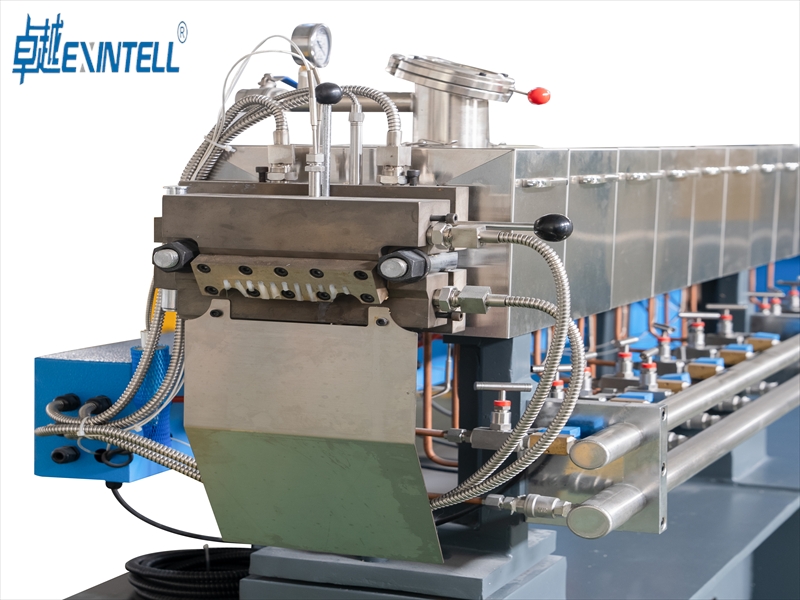
ਨਾਲ ਕੰਮ ਕੀਤਾ ਹੈ ਪਲਾਸਟਿਕ ਐਕਸਟਰਿਊਸ਼ਨ ਸਾਲਾਂ ਤੋਂ ਅਤੇ ਦੇਖਿਆ ਹੈ ਕਿ ਕਿਵੇਂ ਇਹ ਵਿਧੀ ਥਰਮੋਪਲਾਸਟਿਕ ਸਮੱਗਰੀ ਨੂੰ ਨਿਰੰਤਰ ਪ੍ਰੋਫਾਈਲਾਂ ਵਿੱਚ ਆਕਾਰ ਦਿੰਦੀ ਹੈ. ਬਾਹਰ ਕੱਢਣ ਦੀ ਪ੍ਰਕਿਰਿਆ ਸਮੱਗਰੀ ਦੀ ਚੋਣ ਨਾਲ ਸ਼ੁਰੂ ਹੁੰਦੀ ਹੈ, ਜੋ ਅੰਤਮ ਉਤਪਾਦ ਵਿੱਚ ਲੋੜੀਂਦੀਆਂ ਵਿਸ਼ੇਸ਼ਤਾਵਾਂ ਨੂੰ ਪ੍ਰਾਪਤ ਕਰਨ ਲਈ ਮਹੱਤਵਪੂਰਨ ਹੈ. ਮੈਂ ਐਕਸਟਰੂਡਰ ਦੇ ਉੱਪਰ ਇੱਕ ਹੌਪਰ ਵਿੱਚ ਪਲਾਸਟਿਕ ਦੀਆਂ ਗੋਲੀਆਂ ਜਾਂ ਦਾਣਿਆਂ ਨੂੰ ਲੋਡ ਕਰਦਾ ਹਾਂ. ਮਸ਼ੀਨ ਗਰਮ ਬੈਰਲ ਰਾਹੀਂ ਸਮੱਗਰੀ ਨੂੰ ਹਿਲਾਉਣ ਲਈ ਇੱਕ ਘੁੰਮਦੇ ਪੇਚ ਦੀ ਵਰਤੋਂ ਕਰਦੀ ਹੈ. ਜਿਵੇਂ ਕਿ ਪਦਾਰਥ ਯਾਤਰਾ ਕਰਦਾ ਹੈ, ਇਹ ਰਗੜ ਅਤੇ ਬਾਹਰੀ ਗਰਮੀ ਕਾਰਨ ਪਿਘਲ ਜਾਂਦਾ ਹੈ. ਪਿਘਲਾ ਹੋਇਆ ਪਲਾਸਟਿਕ ਫਿਰ ਇੱਕ ਸਟੀਕ-ਆਕਾਰ ਦੇ ਡਾਈ ਵਿੱਚੋਂ ਲੰਘਦਾ ਹੈ, ਜੋ ਉਤਪਾਦ ਨੂੰ ਇਸਦਾ ਪ੍ਰੋਫਾਈਲ ਦਿੰਦਾ ਹੈ. ਬਣਾਉਣ ਤੋਂ ਬਾਅਦ, ਬਾਹਰ ਕੱਢਿਆ ਆਕਾਰ ਇੱਕ ਕੂਲਿੰਗ ਸਿਸਟਮ ਵਿੱਚ ਦਾਖਲ ਹੁੰਦਾ ਹੈ, ਆਮ ਤੌਰ 'ਤੇ ਹਵਾ ਜਾਂ ਪਾਣੀ ਦਾ ਇਸ਼ਨਾਨ, ਅਯਾਮੀ ਸ਼ੁੱਧਤਾ ਨੂੰ ਮਜ਼ਬੂਤ ਕਰਨ ਅਤੇ ਕਾਇਮ ਰੱਖਣ ਲਈ. ਅੰਤ ਵਿੱਚ, ਮੈਂ ਉਤਪਾਦ ਨੂੰ ਕੱਟਦਾ ਜਾਂ ਰੋਲ ਕਰਦਾ ਹਾਂ, ਐਪਲੀਕੇਸ਼ਨ 'ਤੇ ਨਿਰਭਰ ਕਰਦਾ ਹੈ. ਇਹ ਕਦਮ-ਦਰ-ਕਦਮ ਪਹੁੰਚ ਮੈਨੂੰ ਲੰਬੇ ਬਣਾਉਣ ਲਈ ਸਹਾਇਕ ਹੈ, ਇਕਸਾਰ ਕਰਾਸ-ਸੈਕਸ਼ਨਾਂ ਦੇ ਨਾਲ ਇਕਸਾਰ ਆਕਾਰ.
ਆਮ ਐਪਲੀਕੇਸ਼ਨ
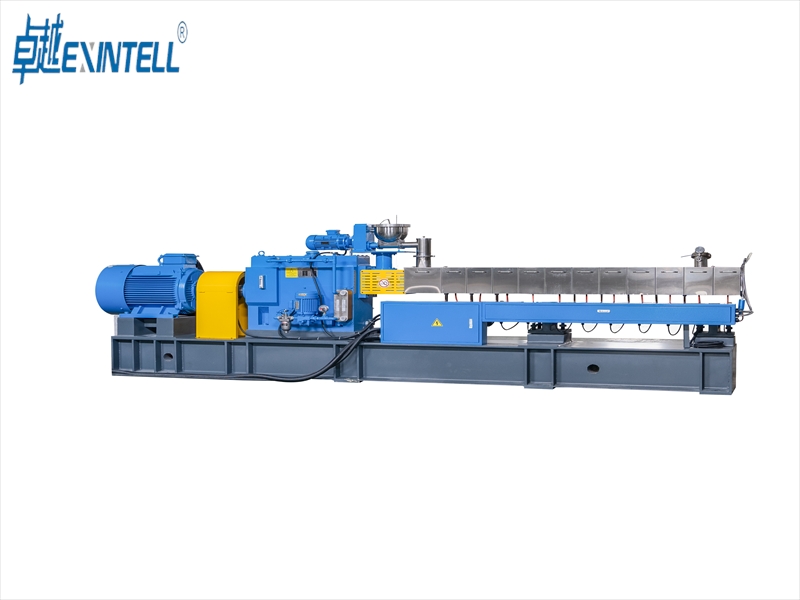
ਪਲਾਸਟਿਕ ਐਕਸਟਰਿਊਸ਼ਨ ਵਿੱਚ ਇੱਕ ਮਹੱਤਵਪੂਰਨ ਭੂਮਿਕਾ ਅਦਾ ਕਰਦਾ ਹੈ ਬਹੁਤ ਸਾਰੇ ਉਦਯੋਗ. ਮੈਂ ਅਕਸਰ ਇਸਨੂੰ ਪੈਕੇਜਿੰਗ ਲਈ ਵਰਤਿਆ ਜਾਂਦਾ ਦੇਖਦਾ ਹਾਂ, ਆਟੋਮੋਟਿਵ, ਫਰਨੀਚਰ, ਅਤੇ ਖਪਤਕਾਰ ਵਸਤੂਆਂ. ਪ੍ਰਕਿਰਿਆ ਉਤਪਾਦਾਂ ਦੀ ਇੱਕ ਵਿਸ਼ਾਲ ਸ਼੍ਰੇਣੀ ਪੈਦਾ ਕਰਦੀ ਹੈ, ਸਧਾਰਨ ਟਿਊਬਾਂ ਤੋਂ ਗੁੰਝਲਦਾਰ ਪ੍ਰੋਫਾਈਲਾਂ ਤੱਕ. ਇੱਥੇ ਇੱਕ ਸਾਰਣੀ ਹੈ ਜੋ ਕੁਝ ਆਮ ਐਪਲੀਕੇਸ਼ਨਾਂ ਦਾ ਸਾਰ ਦਿੰਦੀ ਹੈ:
| ਉਦਯੋਗ | ਉਤਪਾਦ |
|---|---|
| ਪੈਕੇਜਿੰਗ | ਫਿਲਮਾਂ, ਸ਼ੀਟਾਂ, ਬੈਗ, ਲਪੇਟਦਾ ਹੈ, ਟ੍ਰੇ, ਅਤੇ ਕੱਪ |
| ਆਟੋਮੋਟਿਵ | ਮੌਸਮ ਸੀਲ, ਪਲਾਸਟਿਕ ਟਿਊਬਿੰਗ, ਪ੍ਰੋਫਾਈਲਾਂ ਨੂੰ ਟ੍ਰਿਮ ਕਰੋ |
| ਫਰਨੀਚਰ & ਖਪਤਕਾਰ ਵਸਤੂਆਂ | ਕਿਨਾਰੇ ਬੈਂਡਿੰਗ, ਪਰਦੇ ਦੇ ਟਰੈਕ, ਹਲਕੇ ਪੀਵੀਸੀ ਫੋਮ ਬੋਰਡ |
| ਘਰ ਉਪਕਰਨ | ਹੈਂਡਲ ਕਰਦਾ ਹੈ, ਓਵਨ ਅਤੇ ਮਾਈਕ੍ਰੋਵੇਵ ਲਈ ਸੀਲ |
| ਪਲੰਬਿੰਗ & ਮੈਡੀਕਲ | ਟਿਊਬਿੰਗ, ਪਾਈਪ |
ਮੈਂ ਉਹ ਪਾਇਆ ਹੈ ਕਸਟਮ ਪਲਾਸਟਿਕ ਐਕਸਟਰਿਊਸ਼ਨ ਨਿਰਮਾਤਾਵਾਂ ਨੂੰ ਵਿਸ਼ੇਸ਼ ਲੋੜਾਂ ਲਈ ਵਿਲੱਖਣ ਪ੍ਰੋਫਾਈਲਾਂ ਡਿਜ਼ਾਈਨ ਕਰਨ ਦੀ ਇਜਾਜ਼ਤ ਦਿੰਦਾ ਹੈ. ਇਹ ਲਚਕਤਾ ਐਕਸਟਰਿਊਸ਼ਨ ਨੂੰ ਲਗਾਤਾਰ ਲਈ ਇੱਕ ਪ੍ਰਸਿੱਧ ਵਿਕਲਪ ਬਣਾਉਂਦਾ ਹੈ, ਉੱਚ-ਆਵਾਜ਼ ਉਤਪਾਦਨ.
ਵਰਤੀ ਗਈ ਸਮੱਗਰੀ
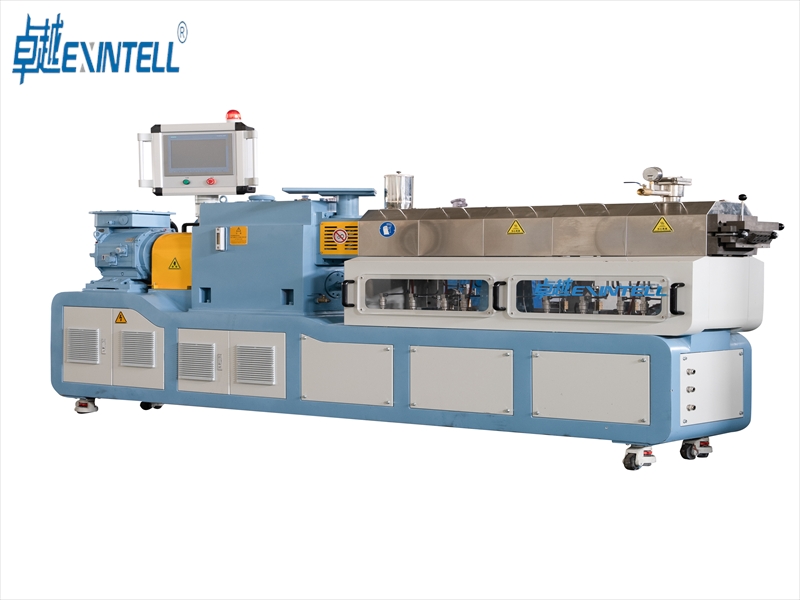
ਪਲਾਸਟਿਕ ਐਕਸਟਰਿਊਸ਼ਨ ਵਿੱਚ ਸਮੱਗਰੀ ਦੀ ਚੋਣ ਪ੍ਰਕਿਰਿਆ ਅਤੇ ਅੰਤਿਮ ਉਤਪਾਦ ਦੀ ਸ਼ੁੱਧਤਾ ਦੋਵਾਂ ਨੂੰ ਪ੍ਰਭਾਵਿਤ ਕਰਦੀ ਹੈ. ਮੈਂ ਅਕਸਰ ਵਰਤਦਾ ਹਾਂ ਪੌਲੀਪ੍ਰੋਪਾਈਲੀਨ, ਪੋਲੀਥੀਲੀਨ ਟੈਰੀਫਥਲੇਟ, ਅਤੇ ਪੋਲੀਸਟਾਈਰੀਨ. ਇਹ ਸਮੱਗਰੀ ਵੱਖ-ਵੱਖ ਵਿਸ਼ੇਸ਼ਤਾਵਾਂ ਦੀ ਪੇਸ਼ਕਸ਼ ਕਰਦੀ ਹੈ, ਜਿਵੇਂ ਕਿ ਲਚਕਤਾ, ਤਾਕਤ, ਅਤੇ ਸਪਸ਼ਟਤਾ. ਜਿਸ ਤਰ੍ਹਾਂ ਮੈਂ ਤਿਆਰ ਕਰਦਾ ਹਾਂ, ਪਿਘਲਣਾ, ਅਤੇ ਸਮੱਗਰੀ ਨੂੰ ਠੰਡਾ ਕਰਨ ਨਾਲ ਬਾਹਰ ਕੱਢੇ ਗਏ ਹਿੱਸਿਆਂ ਦੀ ਸ਼ੁੱਧਤਾ ਅਤੇ ਇਕਸਾਰਤਾ 'ਤੇ ਸਿੱਧਾ ਪ੍ਰਭਾਵ ਪੈਂਦਾ ਹੈ. ਇੱਥੇ ਕੁਝ ਸਭ ਤੋਂ ਆਮ ਸਮੱਗਰੀਆਂ ਹਨ ਜੋ ਮੈਂ ਵਰਤਦਾ ਹਾਂ:
- ਪੌਲੀਪ੍ਰੋਪਾਈਲੀਨ (ਪੀ.ਪੀ)
- ਪੋਲੀਥੀਲੀਨ ਟੇਰੇਫਥਲੇਟ (ਪੀ.ਈ.ਟੀ)
- ਪੋਲੀਸਟੀਰੀਨ (ਪੀ.ਐਸ)
- ਪੌਲੀਵਿਨਾਇਲ ਕਲੋਰਾਈਡ (ਪੀ.ਵੀ.ਸੀ)
- ਉੱਚ-ਘਣਤਾ ਪੋਲੀਥੀਨ (ਐਚ.ਡੀ.ਪੀ.ਈ)
- ਘੱਟ ਘਣਤਾ ਵਾਲੀ ਪੋਲੀਥੀਲੀਨ (LDPE)
- ਐਕਰੀਲੋਨੀਟ੍ਰਾਇਲ ਬਿਊਟਾਡੀਨ ਸਟਾਈਰੀਨ (ABS)
- ਥਰਮੋਪਲਾਸਟਿਕ ਇਲਾਸਟੋਮਰ (ਟੀ.ਪੀ.ਈ)
- ਨਾਈਲੋਨ (ਪੀ.ਏ)
- ਪੌਲੀਕਾਰਬੋਨੇਟ (ਪੀ.ਸੀ)
- ਪੌਲੀਮਾਈਥਾਈਲ ਮੈਥਾਕਰੀਲੇਟ (ਪੀ.ਐੱਮ.ਐੱਮ.ਏ)
ਜਦੋਂ ਮੈਂ ਕਸਟਮ ਪਲਾਸਟਿਕ ਐਕਸਟਰਿਊਸ਼ਨ ਪ੍ਰੋਜੈਕਟਾਂ 'ਤੇ ਕੰਮ ਕਰਦਾ ਹਾਂ, ਮੈਂ ਹਮੇਸ਼ਾਂ ਸਮੱਗਰੀ ਨੂੰ ਐਪਲੀਕੇਸ਼ਨ ਦੀਆਂ ਜ਼ਰੂਰਤਾਂ ਨਾਲ ਮੇਲ ਖਾਂਦਾ ਹਾਂ. ਇਹ ਧਿਆਨ ਨਾਲ ਚੋਣ ਯਕੀਨੀ ਬਣਾਉਂਦੀ ਹੈ ਕਿ ਉਤਪਾਦ ਪ੍ਰਦਰਸ਼ਨ ਅਤੇ ਸ਼ੁੱਧਤਾ ਦੋਵਾਂ ਮਿਆਰਾਂ ਨੂੰ ਪੂਰਾ ਕਰਦਾ ਹੈ.
ਫ਼ਾਇਦੇ ਅਤੇ ਨੁਕਸਾਨ
ਜਦੋਂ ਮੈਂ ਕਿਸੇ ਪ੍ਰੋਜੈਕਟ ਲਈ ਪਲਾਸਟਿਕ ਐਕਸਟਰਿਊਸ਼ਨ ਦਾ ਮੁਲਾਂਕਣ ਕਰਦਾ ਹਾਂ, ਮੈਂ ਹਮੇਸ਼ਾ ਲਾਭਾਂ ਅਤੇ ਕਮੀਆਂ ਨੂੰ ਤੋਲਦਾ ਹਾਂ. ਇਹ ਪ੍ਰਕਿਰਿਆ ਵਿਲੱਖਣ ਸ਼ਕਤੀਆਂ ਪ੍ਰਦਾਨ ਕਰਦੀ ਹੈ, ਪਰ ਇਹ ਸੀਮਾਵਾਂ ਦੇ ਨਾਲ ਵੀ ਆਉਂਦਾ ਹੈ ਜੋ ਸ਼ੁੱਧਤਾ ਅਤੇ ਸਹਿਣਸ਼ੀਲਤਾ ਨੂੰ ਪ੍ਰਭਾਵਿਤ ਕਰਦੇ ਹਨ.
ਇੱਥੇ ਏ ਸਾਰਣੀ ਜੋ ਮੁੱਖ ਫਾਇਦਿਆਂ ਅਤੇ ਨੁਕਸਾਨਾਂ ਦਾ ਸਾਰ ਦਿੰਦੀ ਹੈ ਮੈਂ ਆਪਣੇ ਕੰਮ ਵਿਚ ਦੇਖਿਆ ਹੈ:
| ਫਾਇਦੇ | ਨੁਕਸਾਨ |
|---|---|
| ਉੱਚ ਕੁਸ਼ਲਤਾ ਅਤੇ ਮਾਪਯੋਗਤਾ | ਗੁੰਝਲਦਾਰ ਆਕਾਰ ਪੈਦਾ ਕਰਨ ਵਿੱਚ ਸੀਮਾਵਾਂ |
| ਉੱਚ ਉਤਪਾਦਨ ਵਾਲੀਅਮ | ਸਟੀਕਸ਼ਨ ਨੂੰ ਪ੍ਰਭਾਵਿਤ ਕਰਨ ਵਾਲੀਆਂ ਡਾਈ ਸੋਜ ਵਾਲੀਆਂ ਚੁਣੌਤੀਆਂ |
| ਮੱਧਮ ਤੋਂ ਉੱਚੀ ਮਾਤਰਾ ਲਈ ਲਾਗਤ-ਪ੍ਰਭਾਵਸ਼ੀਲਤਾ | ਸੰਭਾਵੀ ਸਤਹ ਦੀਆਂ ਕਮੀਆਂ ਜਿਨ੍ਹਾਂ ਨੂੰ ਮੁਕੰਮਲ ਕਰਨ ਦੀ ਲੋੜ ਹੁੰਦੀ ਹੈ |
ਫਾਇਦੇ
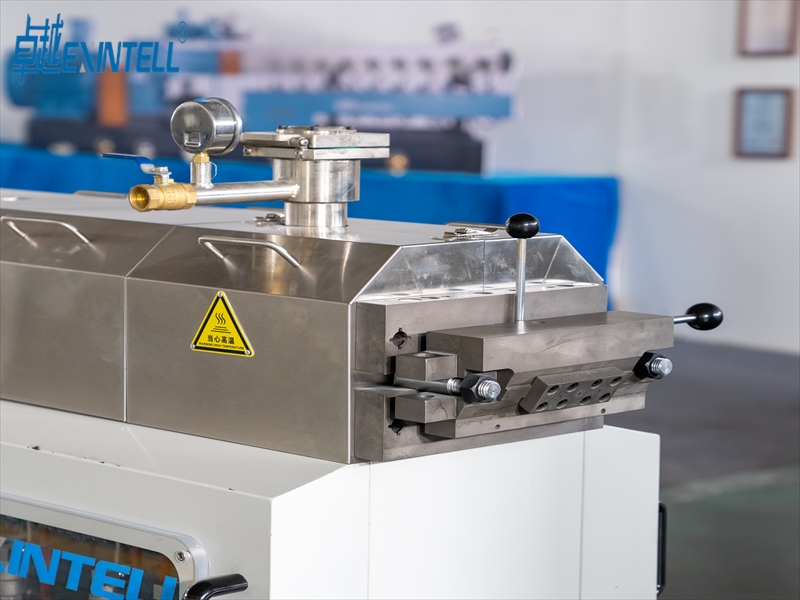
ਮੈਂ ਅਕਸਰ ਇਸਦੀ ਉੱਚ ਕੁਸ਼ਲਤਾ ਲਈ ਪਲਾਸਟਿਕ ਐਕਸਟਰਿਊਸ਼ਨ ਦੀ ਚੋਣ ਕਰਦਾ ਹਾਂ. ਪ੍ਰਕਿਰਿਆ ਲਗਾਤਾਰ ਚੱਲਦੀ ਹੈ, ਜਿਸਦਾ ਮਤਲਬ ਹੈ ਕਿ ਮੈਂ ਬਿਨਾਂ ਕਿਸੇ ਰੁਕਾਵਟ ਦੇ ਲੰਬੇ ਹਿੱਸੇ ਪੈਦਾ ਕਰ ਸਕਦਾ ਹਾਂ. ਇਹ ਮਾਪਯੋਗਤਾ ਇਸ ਨੂੰ ਵੱਡੇ ਆਰਡਰ ਲਈ ਆਦਰਸ਼ ਬਣਾਉਂਦੀ ਹੈ. ਜਦੋਂ ਮੈਨੂੰ ਹਜ਼ਾਰਾਂ ਫੁੱਟ ਟਿਊਬਿੰਗ ਜਾਂ ਪ੍ਰੋਫਾਈਲਾਂ ਬਣਾਉਣ ਦੀ ਲੋੜ ਹੁੰਦੀ ਹੈ, ਬਾਹਰ ਕੱਢਣਾ ਲਗਾਤਾਰ ਨਤੀਜੇ ਪ੍ਰਦਾਨ ਕਰਦਾ ਹੈ. ਉਤਪਾਦਨ ਦੀ ਮਾਤਰਾ ਵਧਣ ਨਾਲ ਪ੍ਰਤੀ ਭਾਗ ਦੀ ਲਾਗਤ ਘੱਟ ਜਾਂਦੀ ਹੈ, ਇਸ ਲਈ ਮੈਨੂੰ ਇਹ ਮੱਧਮ ਤੋਂ ਉੱਚ-ਆਵਾਜ਼ ਵਾਲੇ ਪ੍ਰੋਜੈਕਟਾਂ ਲਈ ਬਹੁਤ ਲਾਗਤ-ਪ੍ਰਭਾਵੀ ਲੱਗਦਾ ਹੈ.
ਇਕ ਹੋਰ ਫਾਇਦਾ ਇਕਸਾਰ ਕਰਾਸ-ਸੈਕਸ਼ਨ ਬਣਾਉਣ ਦੀ ਯੋਗਤਾ ਹੈ. ਮੈਂ ਹਿੱਸੇ ਦੀ ਲੰਬਾਈ ਦੇ ਨਾਲ ਸਥਿਰ ਮਾਪਾਂ ਨੂੰ ਕਾਇਮ ਰੱਖ ਸਕਦਾ ਹਾਂ, ਜੋ ਪਾਈਪਿੰਗ ਜਾਂ ਵਿੰਡੋ ਫਰੇਮ ਵਰਗੀਆਂ ਐਪਲੀਕੇਸ਼ਨਾਂ ਲਈ ਮਹੱਤਵਪੂਰਨ ਹੈ. ਇਹ ਪ੍ਰਕਿਰਿਆ ਥਰਮੋਪਲਾਸਟਿਕ ਦੀ ਇੱਕ ਵਿਸ਼ਾਲ ਸ਼੍ਰੇਣੀ ਦਾ ਵੀ ਸਮਰਥਨ ਕਰਦੀ ਹੈ, ਇਸ ਲਈ ਮੈਂ ਅੰਤਿਮ ਉਤਪਾਦ ਦੀਆਂ ਮਕੈਨੀਕਲ ਅਤੇ ਰਸਾਇਣਕ ਲੋੜਾਂ ਨਾਲ ਮੇਲ ਖਾਂਦੀਆਂ ਸਮੱਗਰੀਆਂ ਦੀ ਚੋਣ ਕਰ ਸਕਦਾ ਹਾਂ.
ਨੁਕਸਾਨ
ਇਨ੍ਹਾਂ ਸ਼ਕਤੀਆਂ ਦੇ ਬਾਵਜੂਦ, ਪਲਾਸਟਿਕ ਐਕਸਟਰਿਊਸ਼ਨ ਵਿੱਚ ਕੁਝ ਕਮੀਆਂ ਹਨ. ਪ੍ਰਕਿਰਿਆ ਗੁੰਝਲਦਾਰ ਆਕਾਰਾਂ ਨਾਲ ਸੰਘਰਸ਼ ਕਰਦੀ ਹੈ. ਜੇਕਰ ਕਿਸੇ ਹਿੱਸੇ ਨੂੰ ਗੁੰਝਲਦਾਰ ਵੇਰਵਿਆਂ ਜਾਂ ਤਿੱਖੇ ਕੋਨਿਆਂ ਦੀ ਲੋੜ ਹੁੰਦੀ ਹੈ, ਮੈਨੂੰ ਬਾਹਰ ਕੱਢਣਾ ਘੱਟ ਢੁਕਵਾਂ ਲੱਗਦਾ ਹੈ. ਪਿਘਲਾ ਹੋਇਆ ਪਲਾਸਟਿਕ ਸੁੱਜ ਜਾਂਦਾ ਹੈ ਕਿਉਂਕਿ ਇਹ ਡਾਈ ਤੋਂ ਬਾਹਰ ਨਿਕਲਦਾ ਹੈ, ਇੱਕ ਵਰਤਾਰੇ ਜਿਸਨੂੰ ਡਾਈ ਸੋਲ ਕਿਹਾ ਜਾਂਦਾ ਹੈ. ਇਹ ਪ੍ਰਭਾਵ ਤੰਗ ਸਹਿਣਸ਼ੀਲਤਾ ਪ੍ਰਾਪਤ ਕਰਨਾ ਮੁਸ਼ਕਲ ਬਣਾ ਸਕਦਾ ਹੈ, ਖਾਸ ਤੌਰ 'ਤੇ ਉਹਨਾਂ ਹਿੱਸਿਆਂ ਲਈ ਜਿਨ੍ਹਾਂ ਨੂੰ ਸਹੀ ਮਾਪਾਂ ਦੀ ਲੋੜ ਹੁੰਦੀ ਹੈ.
ਸਰਫੇਸ ਫਿਨਿਸ਼ ਵੀ ਇੱਕ ਮੁੱਦਾ ਹੋ ਸਕਦਾ ਹੈ. ਕਈ ਵਾਰ, ਬਾਹਰ ਕੱਢੇ ਹੋਏ ਹਿੱਸੇ ਡਾਈ ਤੋਂ ਲਾਈਨਾਂ ਜਾਂ ਨਿਸ਼ਾਨ ਦਿਖਾਉਂਦੇ ਹਨ. ਮੈਨੂੰ ਅਕਸਰ ਸੈਕੰਡਰੀ ਮੁਕੰਮਲ ਕਰਨ ਦੇ ਪੜਾਅ ਜੋੜਨ ਦੀ ਲੋੜ ਹੁੰਦੀ ਹੈ, ਜਿਵੇਂ ਕਿ ਕੱਟਣਾ ਜਾਂ ਪਾਲਿਸ਼ ਕਰਨਾ, ਦਿੱਖ ਨੂੰ ਬਿਹਤਰ ਬਣਾਉਣ ਅਤੇ ਗੁਣਵੱਤਾ ਦੇ ਮਿਆਰਾਂ ਨੂੰ ਪੂਰਾ ਕਰਨ ਲਈ. ਇਹ ਵਾਧੂ ਕਦਮ ਸਮਾਂ ਅਤੇ ਲਾਗਤ ਦੋਵਾਂ ਨੂੰ ਵਧਾ ਸਕਦੇ ਹਨ.
ਟਿਪ: ਮੈਂ ਹਮੇਸ਼ਾ ਬਾਹਰ ਕੱਢਣ ਦੀ ਚੋਣ ਕਰਨ ਤੋਂ ਪਹਿਲਾਂ ਹਿੱਸੇ ਦੀ ਜਿਓਮੈਟਰੀ ਅਤੇ ਲੋੜੀਂਦੀ ਸਹਿਣਸ਼ੀਲਤਾ ਦੀ ਸਮੀਖਿਆ ਕਰਨ ਦੀ ਸਿਫਾਰਸ਼ ਕਰਦਾ ਹਾਂ. ਜੇ ਡਿਜ਼ਾਈਨ ਸਧਾਰਨ ਹੈ ਅਤੇ ਆਰਡਰ ਵੱਡਾ ਹੈ, ਬਾਹਰ ਕੱਢਣਾ ਆਮ ਤੌਰ 'ਤੇ ਸਭ ਤੋਂ ਵਧੀਆ ਮੁੱਲ ਦੀ ਪੇਸ਼ਕਸ਼ ਕਰਦਾ ਹੈ.
ਇੰਜੈਕਸ਼ਨ ਮੋਲਡਿੰਗ ਸੰਖੇਪ ਜਾਣਕਾਰੀ
ਪ੍ਰਕਿਰਿਆ ਦੀਆਂ ਮੂਲ ਗੱਲਾਂ
ਮੈਂ ਇੰਜੈਕਸ਼ਨ ਮੋਲਡਿੰਗ ਨਾਲ ਕੰਮ ਕਰਨ ਵਿੱਚ ਕਈ ਸਾਲ ਬਿਤਾਏ ਹਨ, ਅਤੇ ਮੈਨੂੰ ਇਹ ਪ੍ਰਕਿਰਿਆ ਦਿਲਚਸਪ ਅਤੇ ਕੁਸ਼ਲ ਦੋਵੇਂ ਲੱਗਦੀ ਹੈ. ਵਿਧੀ ਇੱਕ ਉੱਲੀ ਵਰਤਦਾ ਹੈ, ਜੋ ਪਿਘਲੇ ਹੋਏ ਪਲਾਸਟਿਕ ਨੂੰ ਸਟੀਕ ਰੂਪਾਂ ਵਿੱਚ ਆਕਾਰ ਦਿੰਦਾ ਹੈ. ਮੈਂ ਹਮੇਸ਼ਾ ਇਹ ਯਕੀਨੀ ਬਣਾਉਣ ਲਈ ਕਦਮਾਂ ਦੀ ਇੱਕ ਲੜੀ ਦੀ ਪਾਲਣਾ ਕਰਦਾ ਹਾਂ ਕਿ ਹਰੇਕ ਭਾਗ ਸਖਤ ਗੁਣਵੱਤਾ ਦੇ ਮਿਆਰਾਂ ਨੂੰ ਪੂਰਾ ਕਰਦਾ ਹੈ. ਇਹ ਹੈ ਕਿ ਮੈਂ ਇੰਜੈਕਸ਼ਨ ਮੋਲਡਿੰਗ ਪ੍ਰਕਿਰਿਆ ਤੱਕ ਕਿਵੇਂ ਪਹੁੰਚਦਾ ਹਾਂ:
- ਕਲੈਂਪਿੰਗ: ਮੈਂ ਅਗਲੇ ਕਦਮਾਂ ਦੀ ਤਿਆਰੀ ਲਈ ਮੋਲਡ ਨੂੰ ਕੱਸ ਕੇ ਬੰਦ ਕਰਦਾ ਹਾਂ.
- ਟੀਕਾ: ਮੈਂ ਗਰਮ ਟੀਕਾ ਲਗਾਉਂਦਾ ਹਾਂ, ਮੋਲਡ ਕੈਵਿਟੀ ਵਿੱਚ ਪਿਘਲੇ ਹੋਏ ਪਲਾਸਟਿਕ.
- ਨਿਵਾਸ: ਮੈਂ ਪਲਾਸਟਿਕ ਨੂੰ ਥੋੜ੍ਹੇ ਸਮੇਂ ਲਈ ਮੋਲਡ ਦੇ ਅੰਦਰ ਬੈਠਣ ਦਿੰਦਾ ਹਾਂ ਤਾਂ ਜੋ ਇਹ ਹਰ ਥਾਂ ਨੂੰ ਭਰ ਜਾਵੇ.
- ਕੂਲਿੰਗ: ਮੋਲਡ ਦੇ ਅੰਦਰ ਪਲਾਸਟਿਕ ਠੰਡਾ ਅਤੇ ਸਖ਼ਤ ਹੋ ਜਾਂਦਾ ਹੈ.
- ਮੋਲਡ ਖੋਲ੍ਹਣਾ: ਭਾਗ ਠੰਡਾ ਹੋਣ ਤੋਂ ਬਾਅਦ ਮੈਂ ਉੱਲੀ ਨੂੰ ਖੋਲ੍ਹਦਾ ਹਾਂ.
- ਇਜੈਕਸ਼ਨ: ਮੈਂ ਉੱਲੀ ਤੋਂ ਤਿਆਰ ਹਿੱਸੇ ਨੂੰ ਹਟਾ ਦਿੰਦਾ ਹਾਂ.
ਇਹ ਚੱਕਰ ਤੇਜ਼ੀ ਨਾਲ ਦੁਹਰਾਉਂਦਾ ਹੈ, ਜੋ ਮੈਨੂੰ ਇੱਕੋ ਜਿਹੇ ਹਿੱਸੇ ਦੀ ਵੱਡੀ ਮਾਤਰਾ ਪੈਦਾ ਕਰਨ ਦੀ ਇਜਾਜ਼ਤ ਦਿੰਦਾ ਹੈ. ਜਦੋਂ ਮੈਨੂੰ ਗੁੰਝਲਦਾਰ ਆਕਾਰਾਂ ਦੀ ਲੋੜ ਹੁੰਦੀ ਹੈ ਤਾਂ ਮੈਂ ਇੰਜੈਕਸ਼ਨ ਮੋਲਡਿੰਗ 'ਤੇ ਭਰੋਸਾ ਕਰਦਾ ਹਾਂ, ਵਧੀਆ ਵੇਰਵੇ, ਅਤੇ ਉੱਚ-ਗੁਣਵੱਤਾ ਮੁਕੰਮਲ. ਪ੍ਰਕਿਰਿਆ ਮੈਨੂੰ ਮਾਪਾਂ ਅਤੇ ਸਤਹ ਦੀ ਦਿੱਖ 'ਤੇ ਸ਼ਾਨਦਾਰ ਨਿਯੰਤਰਣ ਦਿੰਦੀ ਹੈ.
ਨੋਟ ਕਰੋ: ਮੈਂ ਹਮੇਸ਼ਾ ਇੰਜੈਕਸ਼ਨ ਮੋਲਡਿੰਗ ਦੌਰਾਨ ਤਾਪਮਾਨ ਅਤੇ ਦਬਾਅ ਦੀ ਨੇੜਿਓਂ ਨਿਗਰਾਨੀ ਕਰਦਾ ਹਾਂ. ਇਹ ਕਾਰਕ ਅੰਤਿਮ ਭਾਗ ਦੀ ਸ਼ੁੱਧਤਾ ਅਤੇ ਇਕਸਾਰਤਾ ਨੂੰ ਪ੍ਰਭਾਵਿਤ ਕਰਦੇ ਹਨ.
ਆਮ ਐਪਲੀਕੇਸ਼ਨ
ਇੰਜੈਕਸ਼ਨ ਮੋਲਡਿੰਗ ਬਹੁਤ ਸਾਰੇ ਉਦਯੋਗਾਂ ਵਿੱਚ ਇੱਕ ਮਹੱਤਵਪੂਰਣ ਭੂਮਿਕਾ ਅਦਾ ਕਰਦੀ ਹੈ. ਮੈਂ ਇਸ ਪ੍ਰਕਿਰਿਆ ਦੀ ਵਰਤੋਂ ਆਟੋਮੋਟਿਵ ਦੇ ਹਿੱਸੇ ਬਣਾਉਣ ਲਈ ਕੀਤੀ ਹੈ, ਮੈਡੀਕਲ, ਖਪਤਕਾਰ ਇਲੈਕਟ੍ਰੋਨਿਕਸ, ਅਤੇ ਪੈਕੇਜਿੰਗ ਸੈਕਟਰ. ਇੰਜੈਕਸ਼ਨ ਮੋਲਡਿੰਗ ਦੀ ਬਹੁਪੱਖੀਤਾ ਮੈਨੂੰ ਸਧਾਰਣ ਅਤੇ ਬਹੁਤ ਹੀ ਗੁੰਝਲਦਾਰ ਦੋਵੇਂ ਭਾਗਾਂ ਨੂੰ ਤਿਆਰ ਕਰਨ ਦੀ ਆਗਿਆ ਦਿੰਦੀ ਹੈ. ਇੱਥੇ ਇੱਕ ਸਾਰਣੀ ਹੈ ਜੋ ਕੁਝ ਖਾਸ ਐਪਲੀਕੇਸ਼ਨਾਂ ਦਾ ਸਾਰ ਦਿੰਦੀ ਹੈ:
| ਉਦਯੋਗ | ਉਤਪਾਦ ਤਿਆਰ ਕੀਤੇ ਗਏ |
|---|---|
| ਆਟੋਮੋਟਿਵ | ਵੱਖ-ਵੱਖ ਹਿੱਸੇ ਅਤੇ ਹਿੱਸੇ |
| ਮੈਡੀਕਲ | ਡਿਵਾਈਸ ਹਾਊਸਿੰਗ, ਸਰਜੀਕਲ ਸੰਦ |
| ਖਪਤਕਾਰ ਇਲੈਕਟ੍ਰੋਨਿਕਸ | ਕੇਸ, ਬਟਨ, ਅਤੇ ਹੋਰ ਭਾਗ |
| ਪੈਕੇਜਿੰਗ | ਬੋਤਲ ਕੈਪਸ, ਕੰਟੇਨਰ |
ਮੈਂ ਅਕਸਰ ਕਾਂਟੈਕਟ ਲੈਂਸ ਕੇਸਾਂ ਵਰਗੀਆਂ ਚੀਜ਼ਾਂ ਬਣਾਉਂਦਾ ਹਾਂ, ਬੋਤਲ ਕੈਪਸ, ਅਤੇ ਗੁੰਝਲਦਾਰ ਜਿਓਮੈਟਰੀ ਵਾਲੇ ਉੱਚ-ਆਵਾਜ਼ ਵਾਲੇ ਹਿੱਸੇ. ਇੰਜੈਕਸ਼ਨ ਮੋਲਡਿੰਗ ਮੈਨੂੰ ਲਗਾਤਾਰ ਨਤੀਜੇ ਦੇਣ ਵਿੱਚ ਮਦਦ ਕਰਦੀ ਹੈ, ਇੱਥੋਂ ਤੱਕ ਕਿ ਪ੍ਰੋਜੈਕਟਾਂ ਦੀ ਮੰਗ ਲਈ.
ਵਰਤੀ ਗਈ ਸਮੱਗਰੀ
ਇੰਜੈਕਸ਼ਨ ਮੋਲਡਿੰਗ ਵਿੱਚ ਸਮੱਗਰੀ ਦੀ ਚੋਣ ਮਹੱਤਵਪੂਰਨ ਹੈ. ਮੈਂ ਲੋੜੀਂਦੀ ਤਾਕਤ ਦੇ ਆਧਾਰ 'ਤੇ ਸਮੱਗਰੀ ਚੁਣਦਾ ਹਾਂ, ਲਚਕਤਾ, ਅਤੇ ਸ਼ੁੱਧਤਾ. ਉੱਚ-ਸ਼ੁੱਧਤਾ ਹਿੱਸੇ ਲਈ, ਮੈਂ ਨਾਲ ਪੋਲੀਮਰ ਪਸੰਦ ਕਰਦਾ ਹਾਂ ਘੱਟ ਅਤੇ ਇਕਸਾਰ ਸੰਕੁਚਨ, ਸਥਿਰ ਪਿਘਲਣ ਵਹਾਅ, ਅਤੇ ਵਧੀਆ ਥਰਮਲ ਪ੍ਰਤੀਰੋਧ. ਸਭ ਦੇ ਕੁਝ ਆਮ ਸਮੱਗਰੀ ਮੈਂ ਸ਼ਾਮਲ ਕਰਦਾ ਹਾਂ:
- ABS: ਕਠੋਰਤਾ ਦੀ ਪੇਸ਼ਕਸ਼ ਕਰਦਾ ਹੈ, ਇੱਕ ਨਿਰਵਿਘਨ ਸਤਹ ਮੁਕੰਮਲ, ਅਤੇ ਪ੍ਰਭਾਵ ਪ੍ਰਤੀਰੋਧ.
- ਪੌਲੀਪ੍ਰੋਪਾਈਲੀਨ: ਰਸਾਇਣਕ ਪ੍ਰਤੀਰੋਧ ਪ੍ਰਦਾਨ ਕਰਦਾ ਹੈ, ਲਚਕਤਾ, ਅਤੇ ਸਮਰੱਥਾ.
- ਪੌਲੀਕਾਰਬੋਨੇਟ: ਉੱਚ ਸਪੱਸ਼ਟਤਾ ਪ੍ਰਦਾਨ ਕਰਦਾ ਹੈ, ਤਾਕਤ, ਅਤੇ ਗਰਮੀ ਪ੍ਰਤੀਰੋਧ.
- ਪੋਲੀਥੀਲੀਨ: ਹਲਕਾ ਅਤੇ ਨਮੀ ਦਾ ਵਿਰੋਧ ਕਰਦਾ ਹੈ.
- ਨਾਈਲੋਨ: ਤਾਕਤ ਲਈ ਜਾਣਿਆ ਜਾਂਦਾ ਹੈ, ਵਿਰੋਧ ਪਹਿਨੋ, ਅਤੇ ਥਰਮਲ ਸਥਿਰਤਾ.
- ਝਾਤੀ ਮਾਰੋ: ਗਰਮੀ ਲਈ ਬੇਮਿਸਾਲ, ਰਸਾਇਣਕ, ਅਤੇ ਵਿਰੋਧ ਪਹਿਨੋ.
ਜਦੋਂ ਮੈਨੂੰ ਹੋਰ ਵੀ ਸਖ਼ਤ ਸਹਿਣਸ਼ੀਲਤਾ ਦੀ ਲੋੜ ਹੁੰਦੀ ਹੈ, ਮੈਂ ਇੰਜਨੀਅਰਿੰਗ-ਗ੍ਰੇਡ ਪੋਲੀਮਰਾਂ ਵੱਲ ਮੁੜਦਾ ਹਾਂ. ਤਰਲ ਕ੍ਰਿਸਟਲ ਪੌਲੀਮਰ ਵਰਗੀਆਂ ਸਮੱਗਰੀਆਂ (ਐਲ.ਸੀ.ਪੀ), ਪੋਲੀਥਰ ਈਥਰ ਕੀਟੋਨ (ਝਾਤੀ ਮਾਰੋ), ਅਤੇ ਐਸੀਟਲ (ਪੀ.ਓ.ਐਮ) ਮੈਨੂੰ ਸ਼ਾਨਦਾਰ ਅਯਾਮੀ ਸਥਿਰਤਾ ਅਤੇ ਨਿਊਨਤਮ ਸੰਕੁਚਨ ਦਿਓ. ਉਦਾਹਰਣ ਲਈ, ਮੈਂ ਇਲੈਕਟ੍ਰੀਕਲ ਕਨੈਕਟਰਾਂ ਅਤੇ ਸੈਂਸਰ ਕੰਪੋਨੈਂਟਸ ਲਈ LCP ਦੀ ਵਰਤੋਂ ਕਰਦਾ ਹਾਂ, ਜਦੋਂ ਕਿ PEEK ਮੈਡੀਕਲ ਇਮਪਲਾਂਟ ਅਤੇ ਏਰੋਸਪੇਸ ਪਾਰਟਸ ਲਈ ਵਧੀਆ ਕੰਮ ਕਰਦਾ ਹੈ. ਪੌਲੀਕਾਰਬੋਨੇਟ ਇਸਦੀ ਸਪਸ਼ਟਤਾ ਅਤੇ ਤਾਕਤ ਦੇ ਕਾਰਨ ਲੈਂਸਾਂ ਅਤੇ ਆਪਟੀਕਲ ਭਾਗਾਂ ਲਈ ਮੇਰੀ ਪਸੰਦ ਹੈ.
ਟਿਪ: ਮੈਂ ਹਮੇਸ਼ਾਂ ਐਪਲੀਕੇਸ਼ਨ ਦੀਆਂ ਜ਼ਰੂਰਤਾਂ ਲਈ ਸਮੱਗਰੀ ਨਾਲ ਮੇਲ ਖਾਂਦਾ ਹਾਂ. ਸਹੀ ਚੋਣ ਇਹ ਯਕੀਨੀ ਬਣਾਉਂਦੀ ਹੈ ਕਿ ਇੰਜੈਕਸ਼ਨ ਮੋਲਡਿੰਗ ਪ੍ਰਕਿਰਿਆ ਸ਼ੁੱਧਤਾ ਅਤੇ ਪ੍ਰਦਰਸ਼ਨ ਦੋਵਾਂ ਨੂੰ ਪ੍ਰਦਾਨ ਕਰਦੀ ਹੈ.
ਫ਼ਾਇਦੇ ਅਤੇ ਨੁਕਸਾਨ
ਮੈਂ ਕਈ ਸਾਲਾਂ ਤੋਂ ਇੰਜੈਕਸ਼ਨ ਮੋਲਡਿੰਗ ਨਾਲ ਕੰਮ ਕੀਤਾ ਹੈ. ਇਹ ਪ੍ਰਕਿਰਿਆ ਕਈ ਫਾਇਦੇ ਪੇਸ਼ ਕਰਦੀ ਹੈ ਜੋ ਇਸਨੂੰ ਉੱਚ-ਸ਼ੁੱਧਤਾ ਵਾਲੇ ਪਲਾਸਟਿਕ ਦੇ ਹਿੱਸਿਆਂ ਲਈ ਮੇਰੀ ਤਰਜੀਹੀ ਵਿਕਲਪ ਬਣਾਉਂਦੇ ਹਨ. ਮੈਂ ਦੋਵਾਂ ਸ਼ਕਤੀਆਂ ਅਤੇ ਕਮੀਆਂ ਨੂੰ ਸਾਂਝਾ ਕਰਨਾ ਚਾਹੁੰਦਾ ਹਾਂ ਜੋ ਮੈਂ ਦੇਖਿਆ ਹੈ.
ਇੰਜੈਕਸ਼ਨ ਮੋਲਡਿੰਗ ਦੇ ਫਾਇਦੇ
- ਮੈਂ ਇੰਜੈਕਸ਼ਨ ਮੋਲਡਿੰਗ ਨਾਲ ਬਹੁਤ ਉੱਚ ਸ਼ੁੱਧਤਾ ਪ੍ਰਾਪਤ ਕਰ ਸਕਦਾ ਹਾਂ. ਪ੍ਰਕਿਰਿਆ ਮੈਨੂੰ ±0.005 ਇੰਚ ਦੇ ਤੌਰ 'ਤੇ ਤੰਗ ਸਹਿਣਸ਼ੀਲਤਾ ਵਾਲੇ ਹਿੱਸੇ ਬਣਾਉਣ ਦੀ ਆਗਿਆ ਦਿੰਦੀ ਹੈ. ਸ਼ੁੱਧਤਾ ਦਾ ਇਹ ਪੱਧਰ ਹੋਰ ਪਲਾਸਟਿਕ ਨਿਰਮਾਣ ਤਰੀਕਿਆਂ ਨਾਲ ਮੇਲਣਾ ਮੁਸ਼ਕਲ ਹੈ.
- ਮੈਂ ਇੰਜੈਕਸ਼ਨ ਮੋਲਡਿੰਗ ਦੀ ਦੁਹਰਾਉਣਯੋਗਤਾ ਦੀ ਸ਼ਲਾਘਾ ਕਰਦਾ ਹਾਂ. ਇੱਕ ਵਾਰ ਜਦੋਂ ਮੈਂ ਮੋਲਡ ਅਤੇ ਪ੍ਰੋਸੈਸ ਪੈਰਾਮੀਟਰ ਸੈਟ ਅਪ ਕਰ ਲੈਂਦਾ ਹਾਂ, ਮੈਂ ਹਜ਼ਾਰਾਂ ਜਾਂ ਲੱਖਾਂ ਇੱਕੋ ਜਿਹੇ ਹਿੱਸੇ ਪੈਦਾ ਕਰ ਸਕਦਾ ਹਾਂ. ਹਰੇਕ ਭਾਗ ਅਸਲ ਡਿਜ਼ਾਈਨ ਨਾਲ ਨੇੜਿਓਂ ਮੇਲ ਖਾਂਦਾ ਹੈ.
- ਮੈਨੂੰ ਅਕਸਰ ਗੁੰਝਲਦਾਰ ਆਕਾਰਾਂ ਅਤੇ ਵਧੀਆ ਵੇਰਵਿਆਂ ਵਾਲੇ ਹਿੱਸੇ ਬਣਾਉਣ ਦੀ ਲੋੜ ਹੁੰਦੀ ਹੈ. ਇੰਜੈਕਸ਼ਨ ਮੋਲਡਿੰਗ ਗੁੰਝਲਦਾਰ ਜਿਓਮੈਟਰੀ ਨੂੰ ਚੰਗੀ ਤਰ੍ਹਾਂ ਸੰਭਾਲਦੀ ਹੈ. ਮੈਨੂੰ ਇਹਨਾਂ ਵਿਸ਼ੇਸ਼ਤਾਵਾਂ ਨੂੰ ਪ੍ਰਾਪਤ ਕਰਨ ਲਈ ਵਾਧੂ ਕਦਮ ਜਾਂ ਸੈਕੰਡਰੀ ਪ੍ਰਕਿਰਿਆਵਾਂ ਜੋੜਨ ਦੀ ਲੋੜ ਨਹੀਂ ਹੈ.
- ਮੈਨੂੰ ਪਤਾ ਲੱਗਿਆ ਹੈ ਕਿ ਇੰਜੈਕਸ਼ਨ ਮੋਲਡਿੰਗ ਸ਼ਾਨਦਾਰ ਸਤ੍ਹਾ ਨੂੰ ਪੂਰਾ ਕਰਦੀ ਹੈ. ਜ਼ਿਆਦਾਤਰ ਮਾਮਲਿਆਂ ਵਿੱਚ ਹਿੱਸੇ ਨਿਰਵਿਘਨ ਅਤੇ ਵਰਤੋਂ ਲਈ ਤਿਆਰ ਹੁੰਦੇ ਹਨ.
- ਮੈਂ ਥਰਮੋਪਲਾਸਟਿਕਸ ਅਤੇ ਇੰਜਨੀਅਰਿੰਗ ਪੌਲੀਮਰਾਂ ਦੀ ਵਿਸ਼ਾਲ ਸ਼੍ਰੇਣੀ ਦੀ ਵਰਤੋਂ ਕਰ ਸਕਦਾ ਹਾਂ. ਇਹ ਲਚਕਤਾ ਮੈਨੂੰ ਐਪਲੀਕੇਸ਼ਨ ਦੀਆਂ ਲੋੜਾਂ ਨਾਲ ਸਮੱਗਰੀ ਦੀਆਂ ਵਿਸ਼ੇਸ਼ਤਾਵਾਂ ਨਾਲ ਮੇਲ ਕਰਨ ਦਿੰਦੀ ਹੈ.
ਇੰਜੈਕਸ਼ਨ ਮੋਲਡਿੰਗ ਦੇ ਨੁਕਸਾਨ
- ਉਤਪਾਦਨ ਸ਼ੁਰੂ ਕਰਨ ਤੋਂ ਪਹਿਲਾਂ ਮੈਨੂੰ ਉੱਚ-ਗੁਣਵੱਤਾ ਵਾਲੇ ਮੋਲਡਾਂ ਵਿੱਚ ਨਿਵੇਸ਼ ਕਰਨਾ ਚਾਹੀਦਾ ਹੈ. ਉੱਲੀ ਬਣਾਉਣ ਲਈ ਸ਼ੁਰੂਆਤੀ ਲਾਗਤ ਮਹੱਤਵਪੂਰਨ ਹੋ ਸਕਦੀ ਹੈ. ਛੋਟੇ ਉਤਪਾਦਨ ਰਨ ਲਈ, ਇਹ ਲਾਗਤ ਜਾਇਜ਼ ਨਹੀਂ ਹੋ ਸਕਦੀ.
- ਮੈਂ ਸਿੱਖਿਆ ਹੈ ਕਿ ਡਿਜ਼ਾਈਨ ਦੀ ਗੁੰਝਲਤਾ ਚੁਣੌਤੀਆਂ ਪੇਸ਼ ਕਰ ਸਕਦੀ ਹੈ. ਮੈਨੂੰ ਉੱਲੀ ਅਤੇ ਹਿੱਸੇ ਦੇ ਡਿਜ਼ਾਈਨ ਦੀ ਸਾਵਧਾਨੀ ਨਾਲ ਯੋਜਨਾ ਬਣਾਉਣ ਦੀ ਲੋੜ ਹੈ. ਡਿਜ਼ਾਈਨ ਪੜਾਅ ਵਿੱਚ ਗਲਤੀਆਂ ਬਾਅਦ ਵਿੱਚ ਮਹਿੰਗੇ ਬਦਲਾਅ ਲਿਆ ਸਕਦੀਆਂ ਹਨ.
- ਮੈਨੂੰ ਕਦੇ-ਕਦਾਈਂ ਇੱਕ ਪ੍ਰੋਜੈਕਟ ਦੀ ਸ਼ੁਰੂਆਤ ਵਿੱਚ ਲੰਬੇ ਸਮੇਂ ਦਾ ਸਾਹਮਣਾ ਕਰਨਾ ਪੈਂਦਾ ਹੈ. ਉੱਲੀ ਨੂੰ ਡਿਜ਼ਾਈਨ ਕਰਨ ਅਤੇ ਨਿਰਮਾਣ ਵਿੱਚ ਸਮਾਂ ਲੱਗਦਾ ਹੈ, ਖਾਸ ਕਰਕੇ ਗੁੰਝਲਦਾਰ ਹਿੱਸਿਆਂ ਲਈ.
- ਮੈਂ ਦੇਖਿਆ ਕਿ ਸਮੱਗਰੀ ਦੀ ਚੋਣ ਅਤੇ ਪ੍ਰਕਿਰਿਆ ਸੈਟਿੰਗਾਂ ਨੂੰ ਧਿਆਨ ਨਾਲ ਧਿਆਨ ਦੇਣ ਦੀ ਲੋੜ ਹੁੰਦੀ ਹੈ. ਜੇ ਮੈਂ ਤਾਪਮਾਨ ਨੂੰ ਕੰਟਰੋਲ ਨਹੀਂ ਕਰਦਾ, ਦਬਾਅ, ਅਤੇ ਕੂਲਿੰਗ ਦਰਾਂ, I risk defects or dimensional errors.
Here is a table that summarizes the main pros and cons I have experienced with injection molding:
| ਪ੍ਰੋ | ਵਿਪਰੀਤ |
|---|---|
| High precision and tight tolerances | High initial mold cost |
| Excellent repeatability for large volumes | Design complexity requires careful planning |
| Supports complex geometries and fine details | Longer lead times for mold development |
| Smooth surface finishes | Process control is critical |
| Wide material selection | Not cost-effective for low-volume runs |
ਟਿਪ: I always recommend injection molding when a project demands high precision, complex shapes, and large production volumes. For simple parts or small batches, I consider other methods to save on costs and lead time.
Precision and Tolerances
When I compare plastic extrusion and injection molding, ਮੈਂ ਹਮੇਸ਼ਾ ਇਸ ਗੱਲ 'ਤੇ ਧਿਆਨ ਕੇਂਦਰਤ ਕਰਦਾ ਹਾਂ ਕਿ ਹਰੇਕ ਪ੍ਰਕਿਰਿਆ ਸ਼ੁੱਧਤਾ ਅਤੇ ਸਹਿਣਸ਼ੀਲਤਾ ਨੂੰ ਕਿਵੇਂ ਸੰਭਾਲਦੀ ਹੈ. ਇਹ ਕਾਰਕ ਇਹ ਨਿਰਧਾਰਤ ਕਰਦੇ ਹਨ ਕਿ ਕੀ ਕੋਈ ਹਿੱਸਾ ਡਿਜ਼ਾਈਨ ਦੀਆਂ ਸਹਿਣਸ਼ੀਲਤਾ ਲੋੜਾਂ ਨੂੰ ਪੂਰਾ ਕਰੇਗਾ ਅਤੇ ਉਦੇਸ਼ ਅਨੁਸਾਰ ਕੰਮ ਕਰੇਗਾ. ਮੈਂ ਸਿੱਖਿਆ ਹੈ ਕਿ ਸਹਿਣਸ਼ੀਲਤਾ ਵਿੱਚ ਛੋਟੇ ਅੰਤਰ ਵੀ ਅਸੈਂਬਲੀ ਨੂੰ ਪ੍ਰਭਾਵਤ ਕਰ ਸਕਦੇ ਹਨ, ਪ੍ਰਦਰਸ਼ਨ, ਅਤੇ ਉਤਪਾਦ ਦੀ ਗੁਣਵੱਤਾ.
ਪਲਾਸਟਿਕ ਐਕਸਟਰਿਊਸ਼ਨ ਸਹਿਣਸ਼ੀਲਤਾ
ਅਯਾਮੀ ਇਕਸਾਰਤਾ
ਮੇਰੇ ਅਨੁਭਵ ਵਿੱਚ, ਪਲਾਸਟਿਕ ਐਕਸਟਰਿਊਸ਼ਨ ਲੰਬੇ ਸਮੇਂ ਲਈ ਚੰਗੀ ਅਯਾਮੀ ਇਕਸਾਰਤਾ ਪ੍ਰਦਾਨ ਕਰਦਾ ਹੈ, ਲਗਾਤਾਰ ਆਕਾਰ. ਮੈਂ ਅਕਸਰ ਆਮ ਸਹਿਣਸ਼ੀਲਤਾ ਦੀਆਂ ਰੇਂਜਾਂ ਨੂੰ ਆਲੇ-ਦੁਆਲੇ ਦੇਖਦਾ ਹਾਂ ±0.010 ਇੰਚ. ਇਹ ਮੁੱਲ ਅਯਾਮੀ ਪਰਿਵਰਤਨ ਦੇ ਰੂਪ ਵਿੱਚ ਐਕਸਟਰਿਊਸ਼ਨ ਤੋਂ ਮੈਂ ਕੀ ਉਮੀਦ ਕਰ ਸਕਦਾ ਹਾਂ ਲਈ ਇੱਕ ਬੈਂਚਮਾਰਕ ਸੈੱਟ ਕਰਦਾ ਹੈ. ਇਹ ਪ੍ਰਕਿਰਿਆ ਇਕਸਾਰ ਕਰਾਸ-ਸੈਕਸ਼ਨਾਂ ਵਾਲੇ ਹਿੱਸਿਆਂ ਲਈ ਸਭ ਤੋਂ ਵਧੀਆ ਕੰਮ ਕਰਦੀ ਹੈ, ਜਿਵੇਂ ਕਿ ਟਿਊਬਾਂ, ਡੰਡੇ, ਅਤੇ ਪ੍ਰੋਫਾਈਲ. ਹਾਲਾਂਕਿ, ਮੈਂ ਦੇਖਿਆ ਹੈ ਕਿ ਪੂਰੀ ਲੰਬਾਈ ਦੇ ਨਾਲ ਤੰਗ ਸਹਿਣਸ਼ੀਲਤਾ ਨੂੰ ਕਾਇਮ ਰੱਖਣਾ ਚੁਣੌਤੀਪੂਰਨ ਹੋ ਸਕਦਾ ਹੈ. ਮਰਨ ਵਰਗੇ ਕਾਰਕ ਸੁੱਜ ਜਾਂਦੇ ਹਨ, ਸਮੱਗਰੀ ਸੰਕੁਚਨ, ਅਤੇ ਕੂਲਿੰਗ ਦਰਾਂ ਮਾਮੂਲੀ ਭਿੰਨਤਾਵਾਂ ਦਾ ਕਾਰਨ ਬਣ ਸਕਦੀਆਂ ਹਨ. ਮਾਪਾਂ ਨੂੰ ਸਵੀਕਾਰਯੋਗ ਸੀਮਾਵਾਂ ਦੇ ਅੰਦਰ ਰੱਖਣ ਲਈ ਮੈਂ ਹਮੇਸ਼ਾਂ ਇਹਨਾਂ ਵੇਰੀਏਬਲਾਂ ਦੀ ਨੇੜਿਓਂ ਨਿਗਰਾਨੀ ਕਰਦਾ ਹਾਂ.
ਸਰਫੇਸ ਫਿਨਿਸ਼
ਐਕਸਟਰਿਊਸ਼ਨ ਵਿੱਚ ਸਰਫੇਸ ਫਿਨਿਸ਼ ਡਾਈ ਕੁਆਲਿਟੀ ਅਤੇ ਕੂਲਿੰਗ ਪ੍ਰਕਿਰਿਆ 'ਤੇ ਨਿਰਭਰ ਕਰਦੀ ਹੈ. ਮੈਂ ਅਕਸਰ ਬਾਹਰ ਕੱਢੇ ਹੋਏ ਹਿੱਸਿਆਂ 'ਤੇ ਛੋਟੀਆਂ ਲਾਈਨਾਂ ਜਾਂ ਨਿਸ਼ਾਨ ਵੇਖਦਾ ਹਾਂ, ਜੋ ਮਰਨ ਤੋਂ ਜਾਂ ਅਸਮਾਨ ਕੂਲਿੰਗ ਤੋਂ ਆਉਂਦੇ ਹਨ. ਇਹ ਨਿਸ਼ਾਨ ਦਿੱਖ ਨੂੰ ਪ੍ਰਭਾਵਿਤ ਕਰ ਸਕਦੇ ਹਨ ਅਤੇ ਕਈ ਵਾਰ ਹਿੱਸੇ ਦੇ ਫਿੱਟ ਹੋ ਸਕਦੇ ਹਨ. ਜਦੋਂ ਇੱਕ ਨਿਰਵਿਘਨ ਸਤਹ ਨਾਜ਼ੁਕ ਹੁੰਦੀ ਹੈ, ਮੈਨੂੰ ਸੈਕੰਡਰੀ ਮੁਕੰਮਲ ਕਰਨ ਦੇ ਪੜਾਅ ਸ਼ਾਮਲ ਕਰਨ ਦੀ ਲੋੜ ਹੋ ਸਕਦੀ ਹੈ. ਮੈਨੂੰ ਪਤਾ ਲੱਗਾ ਹੈ ਕਿ ਐਕਸਟਰਿਊਸ਼ਨ ਕਦੇ-ਕਦਾਈਂ ਹੀ ਇੰਜੈਕਸ਼ਨ ਮੋਲਡਿੰਗ ਵਾਂਗ ਸਤਹ ਦੀ ਨਿਰਵਿਘਨਤਾ ਦੇ ਪੱਧਰ ਨੂੰ ਪ੍ਰਾਪਤ ਕਰਦਾ ਹੈ. ਫਿਰ ਵੀ, ਬਹੁਤ ਸਾਰੀਆਂ ਐਪਲੀਕੇਸ਼ਨਾਂ ਲਈ, ਮੁਕੰਮਲ ਬਿਨਾਂ ਵਾਧੂ ਕੰਮ ਦੇ ਸਵੀਕਾਰਯੋਗ ਹੈ.
ਇੰਜੈਕਸ਼ਨ ਮੋਲਡਿੰਗ ਸਹਿਣਸ਼ੀਲਤਾ
ਅਯਾਮੀ ਸ਼ੁੱਧਤਾ
ਇੰਜੈਕਸ਼ਨ ਮੋਲਡਿੰਗ ਬਹੁਤ ਤੰਗ ਸਹਿਣਸ਼ੀਲਤਾ ਪ੍ਰਾਪਤ ਕਰਨ ਦੀ ਯੋਗਤਾ ਲਈ ਬਾਹਰ ਖੜ੍ਹੀ ਹੈ. ਮੈਂ ਨਿਯਮਿਤ ਤੌਰ 'ਤੇ ±0.005 ਇੰਚ ਦੇ ਤੌਰ 'ਤੇ ਤੰਗ ਸਹਿਣਸ਼ੀਲਤਾ ਨਾਲ ਕੰਮ ਕਰਦਾ ਹਾਂ, ਅਤੇ ਕਈ ਵਾਰ ਉੱਚ-ਸ਼ੁੱਧਤਾ ਵਾਲੇ ਹਿੱਸਿਆਂ ਲਈ ਵੀ ਸਖ਼ਤ. ਸ਼ੁੱਧਤਾ ਦਾ ਇਹ ਪੱਧਰ ਸਖ਼ਤ ਉੱਲੀ ਅਤੇ ਨਿਯੰਤਰਿਤ ਪ੍ਰਕਿਰਿਆ ਪੈਰਾਮੀਟਰਾਂ ਤੋਂ ਆਉਂਦਾ ਹੈ. ਮੈਂ ਵਰਗੇ ਮਿਆਰਾਂ 'ਤੇ ਭਰੋਸਾ ਕਰਦਾ ਹਾਂ ਤੁਹਾਡਾ EN ISO 20457 ਅਤੇ ISO 2768-1/2 ਮੇਰੇ ਕੰਮ ਦੀ ਅਗਵਾਈ ਕਰਨ ਲਈ. ਇਹ ਮਿਆਰ ਵੱਖ-ਵੱਖ ਭਾਗਾਂ ਦੇ ਆਕਾਰਾਂ ਅਤੇ ਵਿਸ਼ੇਸ਼ਤਾਵਾਂ ਲਈ ਸਹਿਣਸ਼ੀਲਤਾ ਸਮੂਹਾਂ ਅਤੇ ਸ਼੍ਰੇਣੀਆਂ ਨੂੰ ਪਰਿਭਾਸ਼ਿਤ ਕਰਦੇ ਹਨ. ਉਦਾਹਰਣ ਲਈ, ਤੁਹਾਡਾ EN ISO 20457 ਸਹਿਣਸ਼ੀਲਤਾ ਸਮੂਹਾਂ ਨੂੰ ਨਿਸ਼ਚਿਤ ਕਰਦਾ ਹੈ ਜਿਵੇਂ ਕਿ TG5, ਜੋ ਕਿ ਬਾਰੇ ਇਜਾਜ਼ਤ ਦਿੰਦਾ ਹੈ 0.23 ਏ ਲਈ ਮਿਲੀਮੀਟਰ 32 mm ਹਿੱਸਾ. ਇਹ ਦਿਸ਼ਾ-ਨਿਰਦੇਸ਼ ਇਹ ਯਕੀਨੀ ਬਣਾਉਣ ਵਿੱਚ ਮੇਰੀ ਮਦਦ ਕਰਦੇ ਹਨ ਕਿ ਹਰ ਹਿੱਸਾ ਸਖ਼ਤ ਆਯਾਮੀ ਲੋੜਾਂ ਨੂੰ ਪੂਰਾ ਕਰਦਾ ਹੈ.
ਮੈਂ ਪੂਰਾ ਧਿਆਨ ਦਿੰਦਾ ਹਾਂ ਟੀਕੇ ਦਾ ਦਬਾਅ ਅਤੇ ਹੋਲਡ ਪ੍ਰੈਸ਼ਰ ਮੋਲਡਿੰਗ ਦੌਰਾਨ. ਇਹਨਾਂ ਸੈਟਿੰਗਾਂ ਦੀ ਸਹੀ ਟਿਊਨਿੰਗ ਯਕੀਨੀ ਬਣਾਉਂਦੀ ਹੈ ਕਿ ਉੱਲੀ ਪੂਰੀ ਤਰ੍ਹਾਂ ਭਰ ਜਾਂਦੀ ਹੈ ਅਤੇ ਨੁਕਸ ਨੂੰ ਘੱਟ ਕਰਦਾ ਹੈ. ਇਹ ਨਿਯੰਤਰਣ ਸ਼ੁੱਧਤਾ ਕਾਰਜਾਂ ਲਈ ਜ਼ਰੂਰੀ ਹੈ, ਜਿੱਥੇ ਇੱਕ ਛੋਟੀ ਜਿਹੀ ਭਟਕਣਾ ਵੀ ਅਸੈਂਬਲੀ ਜਾਂ ਫੰਕਸ਼ਨ ਵਿੱਚ ਸਮੱਸਿਆਵਾਂ ਪੈਦਾ ਕਰ ਸਕਦੀ ਹੈ.
ਸਰਫੇਸ ਫਿਨਿਸ਼
ਇੰਜੈਕਸ਼ਨ ਮੋਲਡਿੰਗ ਵਿੱਚ ਸਰਫੇਸ ਫਿਨਿਸ਼ ਸ਼ਾਨਦਾਰ ਹੋ ਸਕਦੀ ਹੈ. ਮੈਂ ਗਲੋਸੀ ਨਾਲ ਹਿੱਸੇ ਪੈਦਾ ਕਰ ਸਕਦਾ ਹਾਂ, ਪਾਲਿਸ਼ਡ ਸਤਹਾਂ ਜਾਂ ਟੈਕਸਟ ਦੇ ਨਾਲ ਜੋ ਪਕੜ ਨੂੰ ਬਿਹਤਰ ਬਣਾਉਂਦੇ ਹਨ ਅਤੇ ਮਾਮੂਲੀ ਨੁਕਸ ਨੂੰ ਲੁਕਾਉਂਦੇ ਹਨ. ਫਿਨਿਸ਼ ਦੀ ਚੋਣ ਭਾਗ ਦੀ ਦਿੱਖ ਅਤੇ ਪ੍ਰਦਰਸ਼ਨ ਦੋਵਾਂ ਨੂੰ ਪ੍ਰਭਾਵਿਤ ਕਰਦੀ ਹੈ. ਉਦਾਹਰਣ ਲਈ:
- ਇੱਕ ਪਾਲਿਸ਼ ਕੀਤੀ ਮੁਕੰਮਲ ਇੱਕ ਚਮਕਦਾਰ ਦਿੰਦਾ ਹੈ, ਨਿਰਵਿਘਨ ਦਿੱਖ.
- ਬਣਤਰ ਵਾਲੀਆਂ ਸਤਹਾਂ ਪੁਰਜ਼ਿਆਂ ਨੂੰ ਸੰਭਾਲਣ ਲਈ ਆਸਾਨ ਬਣਾ ਸਕਦੀਆਂ ਹਨ ਅਤੇ ਖੁਰਚੀਆਂ ਦਿਖਾਉਣ ਦੀ ਸੰਭਾਵਨਾ ਘੱਟ ਕਰ ਸਕਦੀਆਂ ਹਨ.
- ਵੱਖ-ਵੱਖ ਫਿਨਿਸ਼ਜ਼ ਟਿਕਾਊਤਾ ਨੂੰ ਵੀ ਪ੍ਰਭਾਵਿਤ ਕਰ ਸਕਦੇ ਹਨ ਅਤੇ ਕਿਵੇਂ ਹਿੱਸਾ ਦੂਜੇ ਹਿੱਸਿਆਂ ਨਾਲ ਪਰਸਪਰ ਪ੍ਰਭਾਵ ਪਾਉਂਦਾ ਹੈ.
ਮੈਂ ਇਹ ਵੀ ਵਿਚਾਰ ਕਰਦਾ ਹਾਂ ਕਿ ਪੋਸਟ-ਪ੍ਰੋਸੈਸਿੰਗ ਦੇ ਤਰੀਕੇ, ਜਿਵੇ ਕੀ anodizing, ਪਾਊਡਰ ਪਰਤ, ਜਾਂ ਇਲੈਕਟ੍ਰੋਪਲੇਟਿੰਗ, ਅੰਤਿਮ ਮਾਪਾਂ ਨੂੰ ਪ੍ਰਭਾਵਿਤ ਕਰ ਸਕਦਾ ਹੈ. ਇਹ ਵਿਧੀਆਂ ਸਮੱਗਰੀ ਨੂੰ ਜੋੜਦੀਆਂ ਹਨ ਜਾਂ ਸਤਹ ਨੂੰ ਬਦਲਦੀਆਂ ਹਨ, ਇਸਲਈ ਮੈਂ ਸ਼ੁੱਧਤਾ ਬਣਾਈ ਰੱਖਣ ਲਈ ਆਪਣੇ ਡਿਜ਼ਾਈਨ ਵਿੱਚ ਉਹਨਾਂ ਲਈ ਖਾਤਾ ਰੱਖਦਾ ਹਾਂ.
ਸਹਿਣਸ਼ੀਲਤਾ ਤੁਲਨਾ ਸਾਰਣੀ
ਮੈਂ ਅਕਸਰ ਪਲਾਸਟਿਕ ਐਕਸਟਰਿਊਸ਼ਨ ਅਤੇ ਇੰਜੈਕਸ਼ਨ ਮੋਲਡਿੰਗ ਲਈ ਆਮ ਸਹਿਣਸ਼ੀਲਤਾ ਦੀ ਤੁਲਨਾ ਕਰਨ ਲਈ ਇੱਕ ਸਾਰਣੀ ਦੀ ਵਰਤੋਂ ਕਰਦਾ ਹਾਂ. ਇਹ ਸਾਰਾਂਸ਼ ਮੇਰੀ ਅਤੇ ਮੇਰੇ ਗਾਹਕਾਂ ਨੂੰ ਇਹ ਸਮਝਣ ਵਿੱਚ ਮਦਦ ਕਰਦਾ ਹੈ ਕਿ ਹਰੇਕ ਪ੍ਰਕਿਰਿਆ ਤੋਂ ਕੀ ਉਮੀਦ ਕਰਨੀ ਹੈ:
| ਪ੍ਰਕਿਰਿਆ | ਆਮ ਸਹਿਣਸ਼ੀਲਤਾ | ਸਰਫੇਸ ਫਿਨਿਸ਼ ਕੁਆਲਿਟੀ | ਦੁਹਰਾਉਣਯੋਗਤਾ |
|---|---|---|---|
| ਪਲਾਸਟਿਕ ਐਕਸਟਰਿਊਸ਼ਨ | ±0.010 ਇੰਚ | ਮੱਧਮ | ਲੰਬੇ ਹਿੱਸੇ ਲਈ ਚੰਗਾ |
| ਇੰਜੈਕਸ਼ਨ ਮੋਲਡਿੰਗ | ±0.005 ਇੰਚ ਜਾਂ ਸਖ਼ਤ | ਸ਼ਾਨਦਾਰ | ਬਹੁਤ ਉੱਚਾ |
ਨੋਟ ਕਰੋ: ਇੰਜੈਕਸ਼ਨ ਮੋਲਡਿੰਗ ਪਲਾਸਟਿਕ ਐਕਸਟਰਿਊਸ਼ਨ ਨਾਲੋਂ ਸਖ਼ਤ ਸਹਿਣਸ਼ੀਲਤਾ ਅਤੇ ਬਿਹਤਰ ਦੁਹਰਾਉਣਯੋਗਤਾ ਪ੍ਰਾਪਤ ਕਰਦੀ ਹੈ. I always recommend injection molding when a project demands high precision, complex shapes, ਜਾਂ ਸਖ਼ਤ ਸਹਿਣਸ਼ੀਲਤਾ ਦੀਆਂ ਲੋੜਾਂ.
ਮੈਂ ਪਾਇਆ ਹੈ ਕਿ ਸਹੀ ਪ੍ਰਕਿਰਿਆ ਦੀ ਚੋਣ ਭਾਗ ਦੀ ਜਿਓਮੈਟਰੀ 'ਤੇ ਨਿਰਭਰ ਕਰਦੀ ਹੈ, ਲੋੜੀਂਦੀ ਸਹਿਣਸ਼ੀਲਤਾ, ਅਤੇ ਐਪਲੀਕੇਸ਼ਨ. ਇੰਜੈਕਸ਼ਨ ਮੋਲਡਿੰਗ ਮੈਨੂੰ ਵੇਰਵੇ ਲਈ ਸਭ ਤੋਂ ਵਧੀਆ ਨਤੀਜੇ ਦਿੰਦੀ ਹੈ, ਉੱਚ-ਸ਼ੁੱਧਤਾ ਹਿੱਸੇ. ਪਲਾਸਟਿਕ ਐਕਸਟਰਿਊਸ਼ਨ ਸਧਾਰਨ ਲਈ ਵਧੀਆ ਕੰਮ ਕਰਦਾ ਹੈ, ਲਗਾਤਾਰ ਆਕਾਰ ਜਿੱਥੇ ਥੋੜੀ ਢਿੱਲੀ ਸਹਿਣਸ਼ੀਲਤਾ ਸਵੀਕਾਰ ਕੀਤੀ ਜਾਂਦੀ ਹੈ.
ਸ਼ੁੱਧਤਾ ਨੂੰ ਪ੍ਰਭਾਵਿਤ ਕਰਨ ਵਾਲੇ ਕਾਰਕ
ਸਮੱਗਰੀ ਦੀ ਚੋਣ
ਮੈਂ ਹਮੇਸ਼ਾ ਵਿਚਾਰ ਕਰਕੇ ਸ਼ੁਰੂ ਕਰਦਾ ਹਾਂ ਸਮੱਗਰੀ ਜਦੋਂ ਮੈਂ ਉੱਚ ਸ਼ੁੱਧਤਾ ਪ੍ਰਾਪਤ ਕਰਨਾ ਚਾਹੁੰਦਾ ਹਾਂ ਪਲਾਸਟਿਕ ਦੇ ਹਿੱਸੇ ਵਿੱਚ. ਪਲਾਸਟਿਕ ਦੀਆਂ ਵਿਸ਼ੇਸ਼ਤਾਵਾਂ ਇਸ ਗੱਲ 'ਤੇ ਪ੍ਰਭਾਵ ਪਾਉਂਦੀਆਂ ਹਨ ਕਿ ਮੈਂ ਐਕਸਟਰਿਊਸ਼ਨ ਅਤੇ ਇੰਜੈਕਸ਼ਨ ਮੋਲਡਿੰਗ ਦੋਵਾਂ ਦੌਰਾਨ ਸਹਿਣਸ਼ੀਲਤਾ ਨੂੰ ਕਿੰਨੀ ਚੰਗੀ ਤਰ੍ਹਾਂ ਕੰਟਰੋਲ ਕਰ ਸਕਦਾ ਹਾਂ. ਉਦਾਹਰਣ ਲਈ, the way a material flows, its shrinkage, and its thermal stability all play a role in the final outcome.
ਇੱਥੇ ਇੱਕ ਸਾਰਣੀ ਹੈ that summarizes how different material properties affect precision and tolerances:
| Material Property | Influence on Precision and Tolerances |
|---|---|
| Flow Behavior (MFI/MFR) | High MFI materials flow easily, which helps fill complex or thin-walled molds. ਹਾਲਾਂਕਿ, they may have lower strength. |
| Low MFI materials are thicker and harder to mold but result in stronger, more impact-resistant parts. | |
| Shrinkage | Amorphous plastics like ABS and PC shrink less and more evenly, so I can achieve tighter tolerances. |
| Semi-crystalline plastics such as Nylon and POM shrink more and less predictably, making precision harder to control. | |
| ਥਰਮਲ ਸਥਿਰਤਾ | Poor thermal stability can cause defects like burn marks or warping, which reduces dimensional accuracy. |
| Good thermal stability is important for thin or complex parts where precision matters most. |
When I select a material, I always match its properties to the needs of the part. ਉਦਾਹਰਣ ਲਈ, if I need a part with very tight tolerances, I choose an amorphous plastic with low shrinkage and good thermal stability.
Part Complexity
The complexity of a part has a direct impact on the precision I can achieve. Simple shapes are easier to control, while complex designs introduce more challenges. I pay close attention to features like parting lines, curved surfaces, and critical dimensions.
Here is a table that shows how different design considerations affect precision:
| Consideration | Impact on Precision |
|---|---|
| Parting Line Placement | Influences mold complexity and the quality of the finished product. |
| Avoiding Critical Areas | Helps prevent dimensional changes and ensures a better fit. |
| Positioning on Curved Surfaces | Demands higher mold accuracy, which can increase costs and risk of defects. |
| Use of Natural Split Lines | Makes mold construction easier and improves the demolding process. |
When I design a part for injection molding, I try to place parting lines in less visible areas and avoid putting them on critical surfaces. This approach helps me maintain better tolerances and reduce the risk of defects.
ਉਤਪਾਦਨ ਦੀ ਮਾਤਰਾ
Production volume also affects the level of precision I can achieve. ਉੱਚ-ਆਵਾਜ਼ ਉਤਪਾਦਨ ਲਈ, I invest in high-quality molds and precise process controls. This investment pays off because I can produce thousands or millions of identical parts with consistent tolerances. For smaller runs, I may use less expensive tooling, but I know that this can lead to more variation in the final parts.
ਟਿਪ: I always recommend using the best possible tooling and process controls for high-volume production. This strategy ensures that every part meets the required specifications and reduces waste.
Tooling Quality
I always pay close attention to tooling quality when I want to achieve high precision in plastic manufacturing. The tools I use, such as dies for extrusion and molds for injection molding, play a critical role in determining the final tolerances and surface finish of each part. I have learned that even small imperfections in tooling can lead to significant errors in the finished product.
ਮੇਰੇ ਅਨੁਭਵ ਵਿੱਚ, high-quality tooling starts with careful design. I work with engineers to create detailed drawings and 3D models. These models help me visualize the part and identify areas where precision matters most. I select materials for the tooling that resist wear and maintain their shape under high temperatures and pressures. For injection molding, I often use hardened steel or high-grade aluminum. For extrusion dies, I prefer tool steel with a polished surface.
I have seen that the manufacturing process for tooling affects its quality. ਸ਼ੁੱਧਤਾ ਮਸ਼ੀਨਿੰਗ, such as CNC milling and EDM, allows me to achieve tight tolerances in the mold or die. I inspect the tooling after each step to ensure there are no defects or inconsistencies. If I find any issues, ਮੈਂ ਉਨ੍ਹਾਂ ਨੂੰ ਤੁਰੰਤ ਸੰਬੋਧਨ ਕਰਦਾ ਹਾਂ. This attention to detail prevents problems during production.
Maintenance is another factor that influences tooling quality. I schedule regular inspections and cleaning for all my tools. I replace worn parts before they cause defects in the plastic parts. Proper maintenance extends the life of the tooling and keeps the production process running smoothly.
Here is a table that summarizes how tooling quality impacts precision in both processes:
| Tooling Aspect | Impact on Precision | My Approach |
|---|---|---|
| ਸਮੱਗਰੀ ਦੀ ਚੋਣ | Reduces wear and deformation | Use hardened steel or aluminum |
| Machining Accuracy | Achieves tight tolerances | Employ CNC and EDM |
| ਸਰਫੇਸ ਫਿਨਿਸ਼ | Improves part appearance | Polish dies and molds |
| ਰੱਖ-ਰਖਾਅ | Prevents defects | Schedule regular checks |
ਟਿਪ: I always recommend investing in high-quality tooling for projects that require tight tolerances. The upfront cost may be higher, but the long-term benefits include fewer defects, better repeatability, and lower maintenance costs.
I have found that tooling quality often determines the success of a manufacturing project. When I use well-designed and well-maintained tools, I consistently produce parts that meet strict precision requirements. This approach builds trust with my clients and helps me deliver reliable results every time.
Cost vs. ਸ਼ੁੱਧਤਾ
Extrusion Cost Factors
ਜਦੋਂ ਮੈਂ ਕਿਸੇ ਪ੍ਰੋਜੈਕਟ ਲਈ ਪਲਾਸਟਿਕ ਐਕਸਟਰਿਊਸ਼ਨ ਦਾ ਮੁਲਾਂਕਣ ਕਰਦਾ ਹਾਂ, I always consider how cost and precision interact. Several factors influence the final price of extruded parts:
- I often need ਪ੍ਰੀਮੀਅਮ ਸਮੱਗਰੀ to achieve higher precision. These materials cost more but help me meet strict tolerances.
- Custom tooling becomes necessary when I want unique profiles or tighter tolerances. This requirement increases the initial investment.
- If I focus on speed and low cost, I sometimes see a drop in precision. Parts may not meet the required tolerances, which can lead to quality issues.
- When I prioritize quality and precision, I spend more time on setup and inspection. This approach slows production but ensures better results.
I find that balancing these factors is key. If a project allows for looser tolerances, I can save money by using standard materials and tooling. ਨਾਜ਼ੁਕ ਐਪਲੀਕੇਸ਼ਨਾਂ ਲਈ, I invest more to guarantee precision.
Injection Molding Cost Factors
Injection molding presents a different cost structure. I have learned that several elements drive the overall expense, especially when aiming for high precision. The table below summarizes the main cost factors and their relationship to precision:
| ਲਾਗਤ ਕਾਰਕ | Relation to Precision |
|---|---|
| Tooling Costs | High-quality molds stabilize production and maintain tight tolerances over time. |
| Material Consumption | Premium materials improve accuracy but raise initial costs. |
| Cycle Time | Shorter cycles reduce costs, but sometimes compromise precision. |
| Machine Tonnage Rate | Larger machines hold tighter tolerances but use more energy. |
| Labor/Automation Level | Automation boosts precision and lowers labor costs in the long run. |
| ਸਕ੍ਰੈਪ ਰੇਟ | Poor precision increases scrap, which drives up total costs. |
I always weigh these factors before starting a new injection molding project. For large production runs, investing in better tooling and automation pays off. I see fewer defects and more consistent parts.
Balancing Cost and Precision
Choosing between extrusion and injection molding often comes down to finding the right balance. I look at the part’s geometry, ਲੋੜੀਂਦੀ ਸਹਿਣਸ਼ੀਲਤਾ, and the production volume. The table below helps me decide which process fits best:
| Process Type | ਲਈ ਆਦਰਸ਼ | Core Advantage | Trade-off |
|---|---|---|---|
| ਇੰਜੈਕਸ਼ਨ ਮੋਲਡਿੰਗ | ਕੰਪਲੈਕਸ, enclosed 3D parts | Extreme precision and consistency | Higher initial mold cost; best for large batches |
| ਪਲਾਸਟਿਕ ਐਕਸਟਰਿਊਸ਼ਨ | ਨਿਰੰਤਰ, uniform profiles | Lower tooling cost, efficient output | Limited to linear shapes; less suitable for complex geometries |
If I need complex shapes and tight tolerances, I choose injection molding despite the higher upfront cost. ਸਧਾਰਨ ਲਈ, continuous profiles, I rely on extrusion to keep costs low and production fast. I always match the process to the project’s needs, ensuring I deliver both value and quality.
ਟਿਪ: I recommend discussing your precision requirements early in the design phase. This step helps me select the most cost-effective process for your application.
Choosing the Right Process
Selecting the right process for manufacturing plastic parts can determine the success of a project. I always start by evaluating the part’s geometry, ਲੋੜੀਂਦੀ ਸਹਿਣਸ਼ੀਲਤਾ, ਉਤਪਾਦਨ ਵਾਲੀਅਮ, and cost targets. My experience has shown that both plastic extrusion and injection molding offer unique strengths. The best choice depends on the specific needs of the application.
When to Use Plastic Extrusion
I turn to the ਪਲਾਸਟਿਕ ਕੱਢਣ ਦੀ ਪ੍ਰਕਿਰਿਆ when I need to produce long, continuous shapes with uniform cross-sections. This process excels at creating items like tubes, ਪਾਈਪ, weather seals, and profiles for windows or furniture. I find that extrusion works best for high-volume production runs where the design does not require complex 3D features.
To ensure a successful and high-quality plastic extrusion, several key factors must be carefully evaluated during the design phase: Functional Requirements, ਸਮੱਗਰੀ ਅਨੁਕੂਲਤਾ, Profile Complexity, Wall Thickness, ਸਹਿਣਸ਼ੀਲਤਾ, Mating Parts, Tooling Collaboration, and Cost Efficiency.
When I assess whether the extrusion process is the right fit, ਮੈਂ ਵਿਚਾਰ ਕਰਦਾ ਹਾਂ:
- Application requirements, such as temperature resistance and UV exposure.
- Mechanical properties, ਲਚਕਤਾ ਸਮੇਤ, ਕਠੋਰਤਾ, and tensile strength.
- Environmental conditions, like weather and temperature fluctuations.
- Aesthetic and finish requirements, such as color, ਚਮਕ, ਅਤੇ ਸਤਹ ਦੀ ਬਣਤਰ.
- Regulatory and compliance needs to meet industry standards.
I also weigh the cost benefits of the extrusion process. Here is how I approach the decision:
- Assess material costs against budget constraints.
- Consider long-term savings from durability and reduced waste.
- Work with experienced partners to find the best balance of performance and price.
Different plastics behave uniquely during the extrusion process, affecting the final product’s shape and performance. ਮੈਂ ਪੂਰਾ ਧਿਆਨ ਦਿੰਦਾ ਹਾਂ thermal stability and melt strength, especially for applications that require precise tolerances. When the design calls for simple, linear shapes and the process must remain cost-effective, extrusion often provides the best solution.
Example Scenario:
Last year, I worked with a client who needed thousands of feet of custom tubing for an irrigation system. The process required a material that could withstand sunlight and temperature swings. I recommended the extrusion process using UV-stabilized polyethylene. The process allowed us to maintain consistent wall thickness and meet the client’s budget. The result was a durable product that performed well in the field.
When to Use Injection Molding
I choose the injection molding process when the part design involves complex geometries, ਤੰਗ ਸਹਿਣਸ਼ੀਲਤਾ, or intricate details. This process is ideal for producing high-precision components, such as medical device housings, automotive connectors, or consumer electronics enclosures. The process supports a wide range of materials and finishes, making it versatile for many industries.
The injection molding process stands out when:
- The part requires enclosed or 3D shapes that extrusion cannot achieve.
- High repeatability and consistency are critical for assembly or function.
- The application demands a smooth surface finish or specific textures.
- The project involves large production volumes, justifying the investment in tooling.
I always consider the initial tooling cost and lead time for the injection molding process. For high-volume projects, the process delivers excellent value through low per-part costs and minimal variation between parts. I also rely on this process when regulatory compliance and material traceability are essential.
Example Scenario:
Recently, I partnered with a medical device manufacturer to produce a new type of handheld diagnostic tool. The process required a housing with complex internal features and a flawless surface finish. I recommended the injection molding process using medical-grade polycarbonate. The process allowed us to achieve the necessary tolerances and pass strict regulatory tests. The client appreciated the consistency and quality of every part.
ਕੇਸ ਸਟੱਡੀ:
I have seen how companies use data-driven approaches to select the right process. ਉਦਾਹਰਣ ਲਈ, Amcor conducted a pilot test comparing emissions from different plastic sources and production sites. The process helped them make informed decisions about low-carbon procurement and supplier relationships. By analyzing the process at each step, they improved transparency and achieved their sustainability goals.
ਟਿਪ: I always advise clients to define their precision requirements, ਉਤਪਾਦਨ ਵਾਲੀਅਮ, and budget early in the design phase. This clarity helps me recommend the most suitable process and avoid costly changes later.
How I Decide Between Processes
I use a simple checklist to guide my decision:
- Does the part have a uniform cross-section and require long lengths? I choose the extrusion process.
- Does the part need complex shapes, ਤੰਗ ਸਹਿਣਸ਼ੀਲਤਾ, or a high-quality finish? I select the injection molding process.
- Is the production volume high enough to justify tooling investment? I lean toward injection molding.
- Is cost efficiency for simple shapes the main goal? I recommend extrusion.
The process selection shapes the entire project, from design to final delivery. I always match the process to the application’s needs, ensuring the best balance of quality, ਸ਼ੁੱਧਤਾ, ਅਤੇ ਲਾਗਤ.
ਵਧੀਕ ਵਿਚਾਰ
ਮੇਰੀ ਅਗਵਾਈ ਕਰੋ
I always pay close attention to lead time when planning a manufacturing project. Lead time refers to how long it takes to go from design approval to finished parts. ਮੇਰੇ ਅਨੁਭਵ ਵਿੱਚ, plastic extrusion usually offers shorter lead times. The tooling for extrusion is simpler and faster to produce. I can start production quickly once the die is ready. This makes extrusion a good choice for projects with tight deadlines or urgent needs.
Injection molding requires more time upfront. The mold design is complex and demands careful engineering. I often spend weeks or even months creating and testing the mold. Once the mold is ready, production moves fast, but the initial setup slows the process. I recommend injection molding for projects where precision and volume matter more than speed.
ਟਿਪ: If you need parts quickly and the design is simple, extrusion can save valuable time.
ਡਿਜ਼ਾਈਨ ਲਚਕਤਾ
Design flexibility shapes what I can achieve with each process. I have learned that extrusion limits my options. The process works best for simple, repeated shapes like tubes or profiles. I cannot create intricate features or complex geometries with extrusion.
Injection molding gives me much more freedom. I can design parts with fine details, ਅੰਡਰਕੱਟਸ, and complex shapes. The mold captures every feature, so I can meet strict requirements for accuracy and appearance.
ਇੱਥੇ ਏ table that compares design flexibility between the two methods:
| ਵਿਧੀ | ਡਿਜ਼ਾਈਨ ਲਚਕਤਾ | Complexity of Parts |
|---|---|---|
| Extrusion Molding | Limited design flexibility; best for simple, repeated shapes. | Not suitable for intricate features. |
| ਇੰਜੈਕਸ਼ਨ ਮੋਲਡਿੰਗ | High design flexibility; ideal for complex shapes with fine details and accuracy. | Capable of creating sophisticated designs. |
I always match the process to the part’s needs. If the design is simple and repeated, extrusion works well. For complex or detailed parts, injection molding is the clear winner.
ਸਥਿਰਤਾ
Sustainability has become a major concern in my work. I look for ways to reduce waste and use eco-friendly materials. Plastic extrusion stands out for its ability to incorporate recycled content ਅਤੇ ਬਾਇਓਡੀਗ੍ਰੇਡੇਬਲ ਸਮੱਗਰੀ. I can use these options without sacrificing performance or quality. This gives extrusion an advantage when clients want greener solutions.
Injection molding is less flexible in this area. The process does not always support recycled or biodegradable plastics. I must choose materials carefully to avoid defects or quality issues. When sustainability is a priority, I recommend extrusion for its environmental benefits.
🌱 I always encourage clients to consider recycled or biodegradable materials in extrusion projects. This choice supports sustainability goals and helps protect the environment.
I have seen that injection molding delivers better precision in plastic manufacturing, especially for small to medium-sized plastic parts. The process uses balanced clamping force and optimized resin viscosity to reduce defects. Multi-cavity molds and rigid frames help maintain consistent results. When I choose between plastic extrusion and injection molding, I always consider plastic geometry, ਸਹਿਣਸ਼ੀਲਤਾ, ਉਤਪਾਦਨ ਵਾਲੀਅਮ, ਅਤੇ ਲਾਗਤ. I recommend injection molding for complex plastic shapes and tight tolerances. Plastic extrusion works well for simple, continuous plastic profiles. My experience shows that careful planning in plastic manufacturing leads to reliable plastic products.
| ਕਾਰਕ | ਇੰਜੈਕਸ਼ਨ ਮੋਲਡਿੰਗ | ਪਲਾਸਟਿਕ ਐਕਸਟਰਿਊਸ਼ਨ |
|---|---|---|
| ਸ਼ੁੱਧਤਾ | High for plastic parts | Moderate for plastic parts |
| ਸਹਿਣਸ਼ੀਲਤਾ | Tight in plastic manufacturing | Looser in plastic manufacturing |
| ਉਤਪਾਦਨ ਦੀ ਮਾਤਰਾ | Best for large plastic runs | Best for continuous plastic runs |
| ਲਾਗਤ | Higher for plastic molds | Lower for plastic dies |
I always advise clients to match the plastic manufacturing process to their specific plastic needs.
FAQ
What is the main advantage of plastic extrusion?
ਮੈਂ ਲੱਭਦਾ ਹਾਂ ਪਲਾਸਟਿਕ ਐਕਸਟਰਿਊਸ਼ਨ ideal for creating continuous profiles. The process runs efficiently and produces long, ਇਕਸਾਰ ਆਕਾਰ. I can quickly manufacture parts like tubes and rods for many industries.
Can injection molding handle complex shapes?
I rely on injection molding when I need intricate designs or detailed features. The process allows me to produce parts with complex geometries and tight tolerances. I achieve high precision every time.
Which process is better for high volume production?
I choose injection molding for high volume production. The process delivers consistent quality and repeatability. I can produce thousands or millions of identical parts with minimal variation.
Are continuous profiles possible with injection molding?
I do not use injection molding for continuous profiles. The process works best for discrete, individual parts. ਮੈਂ ਵੱਲ ਮੁੜਦਾ ਹਾਂ ਬਾਹਰ ਕੱਢਣਾ when I need long, uninterrupted shapes.
What materials work best for extrusion?
I select materials like polypropylene, ਪੀ.ਵੀ.ਸੀ, and HDPE for extrusion. These plastics help me create continuous profiles with reliable performance. I match the material to the application’s requirements.
How does surface finish compare between the two processes?
I notice that injection molding produces smoother surfaces. Extrusion sometimes leaves marks or lines on continuous profiles. I may add finishing steps to improve appearance when needed.
Is extrusion cost-effective for small batches?
I usually recommend extrusion for larger orders. The process becomes more cost-effective as I produce more continuous profiles. For small batches, setup costs may outweigh the benefits.
Can I use recycled materials in extrusion?
I often use recycled plastics in extrusion. The process supports sustainable manufacturing and lets me create continuous profiles with eco-friendly materials. I help clients meet their environmental goals.