

Temu̲ ge 'nar ko peletización submarino ne honja funciona
You use an underwater pelletizing system to make small pellets from melted polymers. This technology cuts and cools plastic at the same time. This makes the process fast and easy. If you work with polymer production, it is good to know how pelletizing works. It helps you make better materials. The market for these systems is getting bigger. It is growing in Asia-Pacific, Amerika jar norte, and Europe. Here is a quick look at the market:
|
Attribute |
Details |
|---|---|
|
Estimated Market Value in 2026 |
|
|
Forecasted Market Value by 2032 |
USD 335.6 million |
|
Compound Annual Growth Rate |
10.3% |
Key Takeaways
-
An underwater pelletizing system cuts and cools melted plastic fast. It makes small pellets that look the same. Many industries use these pellets.
-
The system has important parts like the die plate, cámara ar dehe, and rotating knife. These parts help shape, cool, and cut pellets exactly.
-
This technology makes pellets smooth and round. It also saves energy and reduces waste.
-
Regular maintenance and careful control keep pellet quality high. They also stop common problems from happening.
-
New ideas like smart controls and better designs make underwater pelletizing quicker, cleaner, and more efficient.
Underwater Pelletizing System Overview
What It Is
An underwater pelletizing system changes melted plastic into small pellets. This system cuts and cools the plastic at the same time. The main goal is to make pelletizing fast and easy. Each part of the system works together in steps:
-
A screw melts and mixes the polymer well.
-
Melted polymer moves through a die plate under water.
-
Ar cuchillas giratorias cortan ya hebras jar pellets jár ar dehe.
-
Water cools the pellets fast and carries them forward.
-
The pellets are dried and checked for size before packing.
Nuna ar proceso produce pellets mextha ar hño pa xingu ya productos. pelotización submarina ayuda ja ya fábricas operar mäs ngutha ne producir mpädi mäs xi pellets.
Aplicaciones clave
Xingu ya industrias utilizan ko ya pelotización submarina. funciona hño ko ya plásticos komongu ar polietileno, polypropylene, ne poliestireno. Nuna ar tecnología ayuda jar producción dätä cantidades ar pellets pa varios sectores. Nuwa 'bu̲kwa 'nar tabla nä'ä gi 'ñudi ho bí gi japu̲'be̲fi nuna ko ne Temu̲ polímeros ya comúnmente utilizados:
|
Industria |
Xingu ya polímeros |
|---|---|
|
Empaquetado |
Polyethylene, Polipropileno, Poliestireno |
|
Automotriz |
Polyethylene, Polipropileno, Poliestireno |
|
Construction |
Polyethylene, Polipropileno, Poliestireno |
Granulación ar mahyoni pa ar fabricación xeni Nthuts'i pa embalaje, coches, ne nju̲ts. Ko peletización submarina apoya gi industrias ir nge ar producción pellets rápidamente ne ko mextha ar hño.
Proceso peletización ne ndu'mi componentes
The proceso peletización ja 'nar ko pelotización submarina, polímero derretido ar bi pa̲ti jar t'olo pelotizos, even pellets. Nuna ar tecnología ayuda producir te pellets plástico pa 'nar nt'ot'e ho 'bui ndunthe gama aplicaciones. Knowing each step and the main parts of an underwater pelletizer helps you get the best results.
Step-by-Step Process
You follow a few steps to finish the pelletizing process. Each step is needed to make sure the pellets are the right size and shape. Here is how it works:
-
Start the water system. Turn on the pump and check water heat and pressure.
-
Start the extruder. Warm up the extruder, put in the polymer, and watch the pressure.
-
Start the pelletizer. Turn on the motor, set the cutting gap, and check pellet quality.
-
Quality control. Take samples, check their properties, and change the process if needed.
You do these steps every time you run the pelletizing process. This way, you can control the quality and look of the pellets.
Die Plate and Water Chamber
The die plate and water chamber are two main parts of an underwater pelletizer. They work together to shape and cool the pellets during the process.
Ts'u̲ni: The way the die plate is made and how water moves in the chamber both change how good your pellets are.
|
Aspect |
Descripción |
|---|---|
|
Role of Die Plate |
The die plate shapes melted polymer into strands. It controls the size, shape, and sameness of each pellet. |
|
Geometry of Die Holes |
Special hole patterns in the die plate help the polymer flow evenly. This keeps pellet size the same and stops pressure problems. |
|
Temperature Management |
You must keep the die plate at the right heat. This keeps the polymer thick enough and stops it from getting hard too soon. |
|
Impact on Pellet Quality |
A good die plate gives you even pellets, faster work, and less waste. This makes your final product better. |
Ar cámara ar dehe da mi 'be̲ni ar placa ar troquel ne enfría ya pellets ngut'ä ngut'ä Komo ar cortan. Honja bí mueve ar dehe ja ar cámara ar mahyoni pa ar proceso pelotización.
|
Factor |
Descripción |
|---|---|
|
Caudal ne direccionalidad |
ar dehe bí mueve ja 'nar espiral. 'Me̲hna enfría ya pellets rápidamente ne ya mueve ya'bu̲ ar placa ar troquel. |
|
Temperature Control |
da zeti ar dehe jar mpat'i adecuada. 'Me̲hna evita hñäki komongu ar encadenamiento wa ya colas, da tsa̲ da empeorar ya pellets. |
|
ntsuni ar ndähi |
eliminación bolsillos ndähi ayuda da dehe enfriar ya pellets ar xkagentho bí. 'me̲hna mejora proceso pelotización. |
Montaje cuchillo giratorio
The conjunto cuchillo giratorio ge ma'na componente clave ko ya pelotización submarina. Nuna ar xeni corta ya hebras polímero derretido jar pellets ngut'a 'mefa xta he̲gi ar placa ar troquel. How you set up the knife assembly changes the pelletizing process and the quality of the pellets.
The knife must touch the die plate at the right angle and speed. If the knife is too far or too slow, you get pellets with tails or odd shapes. If it is too close or too fast, you may get fines or hurt the die plate. By changing the knife-to-die contact and cutting speed, you make sure the pellets are the right size and shape every time.
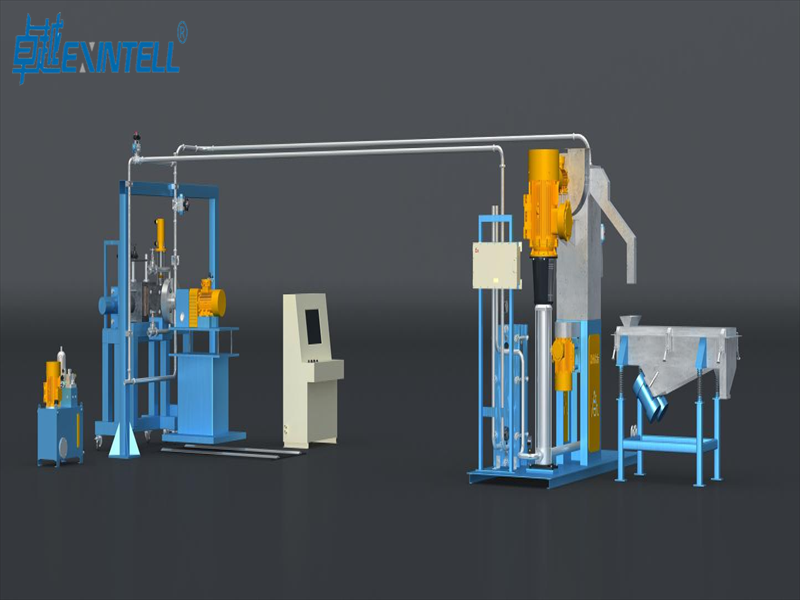
You can see how the main parts of an underwater pelletizer work together in the pelletizing process. The die plate shapes the polymer, the water chamber cools and moves the pellets, and the rotating knife assembly cuts them to size. When you control each part, you get good pellets for any use.
Benefits of Underwater Pelletizers
Pellet Quality and Uniformity
You need good pellets for your products. The underwater pelletizing system helps you do this. It cuts and cools the polymer at the same time. You get pellets that are smooth and round. They are all the same size. This makes it easier to improve your product quality. If you check the die alignment often, you keep pellet size steady. Even a small gap in the die can change the pellets. Regular checks help you avoid dust and weird shapes. The water cools the pellets right away. This gives them a shiny surface and no cracks. You can count on this system to make good pellets every time.
Efficiency and Scale
Underwater pelletizers do more than just make good pellets. x run your production line faster. You also waste less material. The system cools and cuts pellets quickly. This saves you time. x save up to 20% energy compared to other methods. This means you spend less money on power. It also helps the environment. The system can handle lots of polymer. You can make more pellets in less time. You also waste up to 15% less material. This lowers your costs and helps you earn more profit. If you want to make more pellets, this system gives you what you need.
Comparison to Other Methods
You might wonder how underwater pelletizing is better than strand pelletizing. The benefits stand out when you compare them. Here is a table to show the differences:
|
Feature |
Submarino ar agua peletización |
hebras peletización |
|---|---|---|
|
dets'e ar pelotilla |
Esférico, smooth, uniform |
Cilíndrico, flat ends |
|
Surface Quality |
High gloss, stable |
Less uniform, more dust |
|
nt'ot'e enfriamiento |
Immediate water quenching |
Air or water before cutting |
|
Oxidation Prevention |
Yes |
No |
|
Dust and Chips Generation |
None |
Yes |
obtiene better pellets and less dust with underwater pelletizing. The fast cooling stops oxidation. This keeps your pellets clean. Underwater pelletizers help you make better products and work more efficiently. You can trust this method for good pellets and great results.
Tecnología, Nja, and Innovations
Essential Maintenance
You need to take care of an underwater pelletizing system. This keeps it working well and making good pellets. Good care also helps your equipment last longer. Here are some tips:
-
Always use cooling fluid when you sharpen the blades. This keeps them from getting too hot.
-
Keep the same blade angles when sharpening. This helps the blades cut better.
-
Make the tooth depth a little deeper each time you sharpen. This helps you make more pellets.
-
Pick strong blade materials like tungsten carbide or PM high-vanadium tool steels. These last longer and keep pellet quality high.
-
Use the right blade and die plate together. This stops fines and tails from forming.
-
Check how the system is working often. This helps you find problems early and keep the pellets good.
Common Challenges
ya bes, you will have problems with the pelletizing line. If you know what can go wrong, you can fix it fast. This helps you keep making good pellets. Here is a table that shows some common problems, why they happen, and how to fix them:
|
Challenge |
Possible Causes |
Solutions |
|---|---|---|
|
Inadequate Pellet Quality |
Broken die holes, wrong cutter settings |
Clean die holes, adjust cutter, realign die plate |
|
Filtration Blockage |
Polymer impurities, damaged filters |
Clean filters, use proper filters, maintain system |
|
Pellet Diameter Variability |
Unstable cut speed, dull blades |
Sharpen blades, keep feed steady, control speed |
|
Melting of Components |
Low cooling, mextha mpat'i, poor lubrication |
Improve cooling, lubricate, monitor mpat'i |
Nu'bu̲ cuidas ár ko ne majuta nuya ya hñäki, gí to da mä 'met'o kasu̲ nga̲tho fallas.
Avances recientes
'ra'yo tecnología xi mejorado sistemas peletización submarina. Nuya cambios bí permiten mpe̲fi mäs ngutha ne producir mpädi mäs xi pellets. Ar tsa̲ da ga gi mejoras xingu ya maneras:
-
Mejorado ar pelotización pasos ne ya 'ra'yo diseños troquel gi fa̲xki gi mäs pellets ne mover ar dehe mäs nt'ot'e xi hño.
-
'ra'yo bombas ne motores consumen menos energía ne ahorran energía.
-
Automatización ne controles inteligentes usan sensores ne AI. Monitorean ne ajustan ar proceso Mente mpe̲fi.
-
'ra ya 'ra'yo sistemas xi 'ye̲ plásticos gruesos ne hontho.
-
Mäs xi hño Ts'ut'ubi ne flujo ar dehe reducen polvo ne fines. 'Me̲hna mejora ya ya pelotillas.
Smart factory bo̲jä nu'u̲ ne IoT bí ayudan gi monitorear Honja funciona ár ko. 'nehe bí ayudan ga pädi nu'bu̲ ar nja ar mahyoni. These new ideas help you make pellets in a way that is good for the environment and meets high quality rules.
You can trust an underwater pelletizing system to make pellets mextha ar hño. This technology lets you make lots of pellets quickly. It works for many kinds of polymers. You can control the process well. This means every batch has the same quality. If you take care of the system often, it keeps working well. It also keeps the pellets good. Factories are using more robots and green ideas now. This makes pellet quality and speed even better. If you want to make more pellets and meet tough rules, this system is a smart pick.
FAQ
What is the main purpose of an underwater pelletizing system?
You use an underwater pelletizing system to make small pellets from melted polymers. This system lets you control how big and what shape the pellets are. Gi hyoni te pellets pa xingu xingu ya productos.
Temu̲ peletización mejora ya ar producto?
Granulación xí pellets da parecen lisos ne ya ga̲tho xkagentho ar tamaño. tsa̲ da confiar ja ya lote pa da za̲. 'me̲hna bí ayuda gi 'yo̲t'e mäs xi hño ya. desperdicia menu ne da zeti yá máquinas funcionando xi hño.
Temu̲ materiales xi procesar ko nuna ar tecnología?
tsa̲ da utilizar xí tecnología pa xingu ya polímeros. Polyethylene, polypropylene, Polipropileno ne poliestireno ya pa ngatho. ko peletización submarina funciona ko nuya materiales ne mantiene pellets za̲.
Honja mantiene ya pellets consistente?
t'ot'e comprobar placa troquel ne jwat'i tso̲kwa menudo. Limpiar ko ne mpa̲ti configuración nu'bu mahyoni. 'Me̲hna mantiene tamaño ne nt'ot'e ar pelotilla ar xkagentho. Gi hyoni te pellets kadu 'nandi da gí 'yo̲t'e.
Yogo'ä ya fábricas da 'ñets'i pelotización submarina pa ar producción?
Factories use this system because it is fast and makes good pellets. You save energy and waste less. The underwater pelletizing system helps you follow strict quality rules.