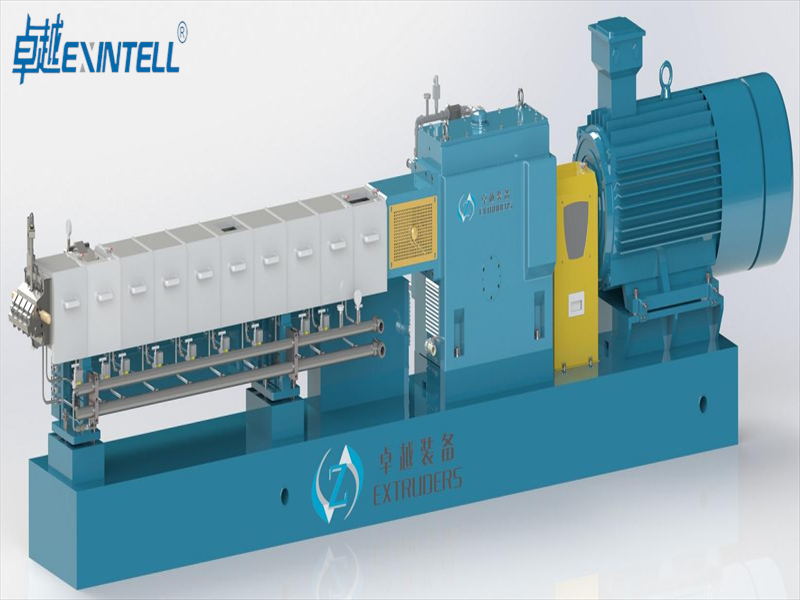
A doble tornillo extrusorahas two screws that spin together inside a barrel. Each screw hassliding parts on its shaftthat fit just right. This helps the screws move smoothly and gives good control. This design lets you mix and process things well. Many businesses, like plastics and food, use this machine to make products. If you want to use an extruder, you should learn the basics. People new to this often havetrouble with temperatureand telling single and twin screw types apart.
Key Takeaways
A doble tornillo extrusorauses two screws that turn together. These screws mix and process materials very well. This makes the machine great for plastics and food industries.
This machine mixes better and controls heat more than aProfusora tornillo ho̲ntho . It helps make better products and saves energy.
Knowing the parts, like screws and barrels, helps you change and improve the extruder. This lets you use it for different materials and jobs.
You can change how fast you feed materials and set temperature zones. This makes the twin screw extruder work better and keeps product quality steady.
Picking the right twin screw extruder, like co-rotating or counter-rotating, is important. It can change how well the machine mixes and if it works for certain materials.
Temu̲ ge 'nar extrusor tornillo gemelo
Definición básica
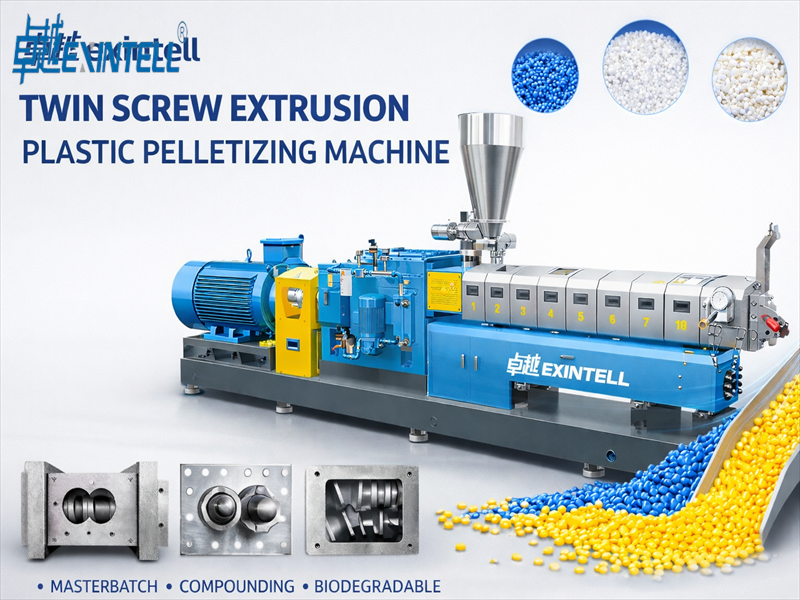
A doble tornillo extrusorais a machine with two screws that turn inside a barrel. You put raw materials into the barrel. The screws push the materials forward. As the materials move, the screws mix, u, and shape them. This design lets you control mixing and temperature better. You can use adoble tornillo extrusorafor many jobs, like making plastics, nts'i, or chemicals.
The main mechanical ideas of adoble tornillo extrusorahelp you get good results. Here is a table that explains these ideas:
Principle
Descripción
Starve-fed mechanism
Lets you feed materials at your own speed without changing the output.
Positive forwarding
Moves materials smoothly, so you do not get blockages or slips.
Low shear rate
Gives you better control of heat and stress on the material.
Dimensional control
Keeps the flow steady, which improves the quality of the final product.
Efficient mixing
Mixes materials well without overheating them.
Energy efficiency
Uses less power, so you save energy.
You will see that adoble tornillo extrusorakeeps materials inside for a short and even time. This helps stop damage to the material. The machine also mixes and melts materials very well. This is important if you want to change or improve plastics. Unlike single screw machines, extrusoras tornillo gemelo zu̲di tornillos entrelazados. 'Me̲hna ir bo̲ni ke ya tornillos funcionan ga̲tho pa mover materiales ya'bu̲. Hingi ho̲ntho utilizan nts'e.
Twin Screw vs. Ho̲ntho tornillo
Nu'i gí tsa̲ da preguntar Temu̲ 'na doble tornillo extrusora ar diferente ar Honto 'nar extrusora tornillo. Ar principal diferencia ar Temu̲ kadu̲ 'nar máquina mezcla ne mueve materiales. Honto 'nar extrusora tornillo pe̲ts'i ho̲ntho 'nar tornillo mbo jar barri. Ar simple ne hei ar zu̲di. pe hingi tsa̲ da mezclar materiales nja'bu Komo 'na doble tornillo extrusora.
Nu'bu̲ tsa̲ da controlar Tengu ndu nzafi utilizan ya tornillos, pa nä'ä hingi dañar ar hñei.
ya tornillos entremezclados jar 'nar hmä doble tornillo extrusora gi 'yo̲t'e xí nze̲di mezcla ne amasado. 'Me̲hna bí ayuda da mezclar ya aditivos ne ya rellenos hño.
Extrusoras tornillo ho̲ntho ya te pa ar mezcla básica, pe pe̲ts'i hñäki ko mezclas mäs duras.
The table below shows how the two machines are different in important ways:
Feature
Twin Screw Extruder
Single Screw Extruder
Dätä nt'ot'e
Higher output and faster processing
Lower efficiency
Mixing Ability
Strong mixing and plasticizing
Basic mixing only
Energy Use
Lower energy per unit of product
Higher energy per unit of product
Application Range
Works for many types of products
Limited to simple applications
You will find that a doble tornillo extrusorais more efficient and saves energy. ngu, a single screw extruder uses about 900-1500 kJ of energy for each kilogram of material. A doble tornillo extrusora only needs about 400-600 kJ for the same amount. This means you can process more material and spend less on energy.
Ts'u̲ni: If you need to mix different materials or add fillers, a doble tornillo extrusora will give you better results and higher quality products.
Twin Screw Extruder Machine Components
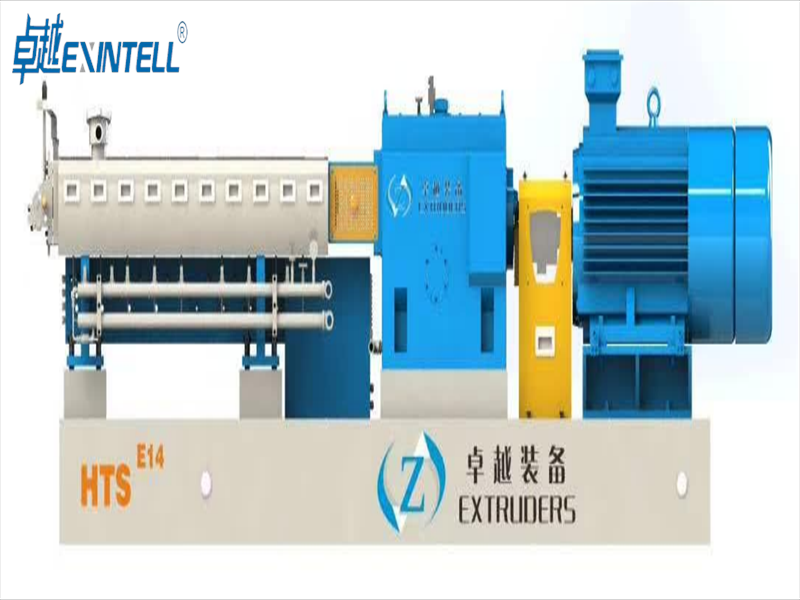
A twin screw extruder machine has many important parts. These parts work together to process materials. You should know these parts to understand how the machine works. Knowing them helps you change the machine for different jobs.
Screws and Barrel
The screws are the main part of the twin screw extruder machine. They mix materials and move them forward. You can pick differentdiseños tornillos, like co-rotating or counter-rotating. This lets you match the screws to the materials you want to use. The barrel goes around the screws and holds them in place. It protects the screws from damage and helps control the temperature. Most screws and barrels are made fromstrong steel. This steel can handle high heat and tough materials.
Component
Función
Diseño tornillos
Mixes and moves materials; can be customized for different processes.
Barrel
Holds screws, controls temperature, and protects against wear.
Ts'u̲ni: N. u.
'
The ibrings raw materials into the twin screw extruder machine. g, �. �. Good feeding systems keep the flow steady and stop blockages. t. s, a.
Vibratory feeders make less noise and are easier to clean.
The shape and speed of the screws in the feed zone help you control how much material goes in.
Heating, Cooling, and Venting
You need to control the temperature inside the twin screw extruder machine. Heaters, like barrel heaters or ceramic heaters, heat up the machine fast and evenly. Cooling jacketsor water systems keep the machine from getting too hot. You can change the heating and cooling zones to fit your materials.
Venting is important too. It removes moisture and gases as materials melt. This step keeps the final product strong and free from defects. If you use sensitive materials, venting stops problems like weak spots or bubbles.
Heating Method
Advantages
Barrel heater
Fast heating, control ar mpat'i preciso
Ceramic heater
Durable, good for high temperatures
Electromagnetic induction heater
Saves energy, prevents local overheating
A twin screw extruder machine is special because you can change its parts. You can swap screws, barrils, and feeders to handle new materials or make better products. This makes the machine useful for many industries.
How the Extruder Works
When you know how adoble tornillo extrusoraworks, you can use it better. The process has a few main steps. Each step does something important. Every part of the machine helps turn raw materials into finished products.
alimentación material
Ndu̲i ya pa, you add raw materials like plastic pellets or powders. The hopper is at the top and holds these materials. Gravity pulls the material down into the barrel. The screws start to spin and grab the material. They pull it forward through the barrel.
Put the raw material in the hopper.
The material falls into the barrel.
The screws pick up the material and move it ahead.
Ts'u̲ni:Feeding the material at a steady rate keeps things running well. Special feeders help you control how much material goes in.
Mixing and Melting
As the material moves, the screws squeeze and mix it. The screws fit together closely. This helps mix everything well, even if you add fillers. The barrel gets hot, and the screws make friction. Heat and pressure melt the material.
The screws mix the material strongly. This makes the blend even, even with tough additives.
Hñeti:You can change the temperature in different parts of the barrel. This helps you keep the material safe from too much heat.
Product Formation
'mefa xta fusión ne mezcla, the screws push the material to the end. The melted material goes through a die. The die shapes it into rods, sheets, or pellets. When the material leaves the die, it cools and gets hard.
The screws push the melted material to the die.
The material goes through the die and takes its shape.
The product cools down and becomes solid.
You can see what makes a doble tornillo extrusora special here. The screws keep the flow steady, so the product is always the same. You can change the screw parts fast. This lets you make new products or use new materials quickly.
Here is a table that shows some special controls you get with a doble tornillo extrusora:
Feature
Beneficio
Enhanced temperature regulation
Mantiene hñei jar mpat'i correcta jar nga̲tho
Diseño tornillo ne barri modular
Bí permite ajustar pa ya 'na'ño materiales ne productos
Intensa mezcla ne bombeo nt'ot'e mbo
Bí xta 'nehe mezclas ne flujo za̲
Ngut'a reconfiguración pa ya 'ra'yo productos
Ahorra pa ne aumenta ar flexibilidad
Ts'u̲ni: Mpa̲ti ya xeni tornillo ne controlar ar mpat'i ja ya 'mui bí xta mäs control. Esto es yogo'ä ndunthe ya jä'i eligen 'nar doble tornillo extrusora pa procesamiento hñei.
Nu'bya gí to ga Honja ar proceso gi ar alimentación da producto terminado. Kadu̲ bi thogi gi japu̲'be̲fi ya características hontho ar doble tornillo extrusora pa uni bí hoga resultados.
Ventajas ne aplicaciones
njapu'befi clave
Nu'bu̲ gi japu̲'be̲fi 'nar extrusora tornillo doble, obtienes xingu ya 'bede te. ya tornillos mezclar materiales ga̲tho xi hño. 'Me̲hna ayuda gi productos plásticos fuertes ne 'nehe . Nu'bu̲ tsa̲ da agregar rellenos wa njät'i, ne bí mezclarán xi hño.
Mäs xi hño mezcla: The screws work as a team. They mix materials well and fast.
Auto — limpieza: The machine cleans itself while running. You do not need to stop often to clean or change materials.
Good venting: Many vents take out water and gases. ngu, three vents can cut unwanted stuff from 50% to less than 0.1%. 'Me̲hna mantiene yá productos xí nze̲di ne evita defectos.
mextha ar salida: tsa̲ da producir mäs hñei jar menos pa. 'Me̲hna xí ke ár 'be̲fi vaya mäs ngutha.
Diseño flexible: tsa̲ da mpa̲ti ya piezas tornillo pa 'na'ño tareas wa materiales.
Hñeti: Sellos tsa encajar perfectamente. Nu'bu̲ ar sello xí xki apretado wa ar flujo xki rápido, Hñei tsa̲ da bloquear ar ventilación. nzäm'bu̲ verifique ár configuración pa da tsoni ya mpädi mäs xi resultados.
a
Doble extrusora tornillo ar utilizan jar xingu ya industrias. mezclan materiales eficientemente ne funcionan rápidamente. Gi máquinas ya excelentes pa gi plásticos ne ya nts'i. Tabla ar abajo gi 'ñudi ra aplicaciones pa ngatho:
Área nt'ot'e
Descripción
Fabricación neumáticos
Produce neumáticos ne caucho ko xí nze̲di mezcla.
Mezclas ar polímero
Combina ya 'na'ño polímeros ne ar rellenos pa resultados 'bu̲i.
Nyokwi ar resina
Agrega sustancias pa mpa̲ti Honja ar comportan ya polímeros.
procesamiento nts'i
cocina ne ngetho ge ya nts'i hechos almidón.
Reciclaje
Melts and reshapes plastics for new uses.
Shaped Products
Forms complex parts for cars and medical tools.
Flat & Foam Products
Makes packaging and flexible goods from plastic.
You can also use these machines for making medicine, mixing polymers, and making things all the time. Their strong mixing and fast work make them a smart choice for many jobs.
Types of Twin Screw Extruders
There are differenttypes of twin screw designs. Each type is good for certain jobs. You need to know how each one works to pick the right extruder.
Co-rotating
In aextrusora co-rotatoria, ga̲ yoho tornillos giran xkagentho bí. 'me̲hna xí ke ya tornillos mezclan materiales xi hño. ya tornillos tocan ne mover ya 'bede 'na ma'na. 'me̲hna ayuda romper grumos ne mezclar ya komongu ar rellenos wa ya aditivos.
ar klase co-rotativo mezcla hño ngetho ya tornillos funcionan ga̲tho mäs.
cizallamiento mextha jar nt'uni rompe ya dätä trozos.
pe agregar bloques amasado pa mezclar aún mi hño.
nuna ar configuración xta flujo constante ne 'nar montón salida.
funciona pa plásticos, nts'i, ne goma.
gí tsa̲ da utilizar nä'ä ko xingu xingu ya materiales.
Ts'u̲ni: Escoger 'nar extrusora co-rotatoria nu'bu̲ gi 'nar mezcla xí nze̲di ne 'be̲fi rápido.
Contra-rotación
Extrusores contrarrotativos pe̲ts'i tornillos da giran ar maneras opuestas. nuna ar klase empuja hñei ya'bu̲ ne bí maneja suavemente. Ar za̲ pa ya 'bede da hingi xi zi ya ndu nzafi , komongu ar PVC wa recubrimientos cables.
You can do more than one process, like extrusion and injection.
Custom setups are used in medical, car, and electronics work.
Beneficio
Descripción
Maximize Mixing and Compounding
Special screw parts help mix evenly and make good products.
Enhance Operational Flexibility
You can use the extruder in labs or big factories.
Adapt to Market Demands
You can change your setup when the industry changes.
Hñeti: Modular designs help you keep up with new materials and products. You can change your extruder fast without buying a new one.
Each twin screw design has its own special benefits. If you pick the right type, you get the best results for your job.
You now know how a twin screw extruder works. It mixes things well, keeps them safe, and makes a lot of product. The machine is made from strong materials like 420 asero inoxidable. This helps it last a long time. You can use the machine all the time and save money. Many businesses use this machine for recycling, nts'i, ne plásticos. a, look at these links:
You can read school articles or research to see how twin screw extruders help with recycling and making new materials.
FAQ
What materials can you process with a twin screw extruder?
You can process plastics, nts'i, chemicals, and even recycled materials. The machine works with powders, pellets, and pastes. You can also mix fillers, colors, or additives.
Honja limpia 'nar extrusora tornillo gemelo?
Most twin screw extruders have a self-cleaning action. You can run a cleaning material through the machine. For deep cleaning, you can remove the screws and barrel.
Yogo'ä da 'ñets'i 'nar extrusora tornillo gemelo dige 'nar único extrusor tornillo?
You get better mixing, faster processing, and more control. Twin screw extruders handle tough blends and sensitive materials. You can also change parts for different jobs.
Can you adjust the output of a twin screw extruder?
Yes! You can change the screw speed, temperature, and feeding rate. This lets you control how much product you make and its quality.