

ko ya peletización ar hebra wa submarino: nä'ä ar mfädi pa ár 'ñu plásticos
tso̲kwa menudo hey ya productores plásticos gi 'ya̲ni Temu̲ ko peletización encaja mäs xi hño ár 'ñu. Nu'bu̲ comparo ar hebra ne ar pelotización subacuática, Di no̲t'e claras ya ar pellet ne ar costo. Echa 'nar vistazo jar nuna ar tabla:
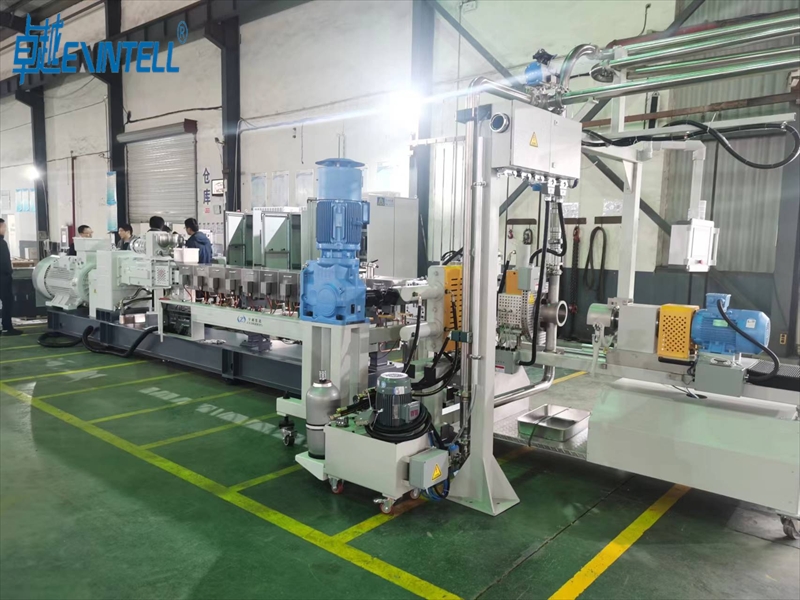
| Feature | hebras peletización | Submarino ar agua peletización (UWP) |
|---|---|---|
| Ya ar pelotillas | za̲ ma excelente, ár hne pa ar multas | Excelente ma Premium, altamente uniforme |
| costo inicial | Inferior | Mäs xi ngu |
| ideal pa | General — 'mu̲i, ja ya sensibles costo | aplicaciones mextha gama, consistencia perfecta |
recomiendo peletización hebras pa ja ya sensibles ar costo. Elijgo ko ya peletización submarina nu'bu̲ necesito premium, altamente uniformes pellets pa aplicaciones exigentes.
Key Takeaways
- Pelización hebras ar ideal pa ja ya sensibles ar costo, ofreciendo menores costos iniciales ne configuraciones mäs simples.
- Ar peletización submarina ofrece ar hño ar pellets premium, producir pellets altamente uniformes adecuados pa aplicaciones exigentes.
- nt'ent'i ar klase ar polímero ar da 'ñets'i 'nar ko; strand works best for rigid materials, while underwater excels with complex or heat-sensitive polymers.
- Evaluate production volume needs; strand pelletizing suits small to medium runs, while underwater systems support high-volume operations efficiently.
- Regular maintenance is crucial; strand systems require basic skills, while underwater systems need advanced technical knowledge for upkeep.
- Space requirements differ; strand systems are compact, while underwater systems need more room for equipment and maintenance access.
- Always assess total costs, including initial investment, operating expenses, and maintenance, to find the best fit for your budget.
- Consult with experts when facing complex decisions or new materials to ensure you choose the right pelletizing system for your needs.
Pelletizing Systems Overview
What Is Strand Pelletizing
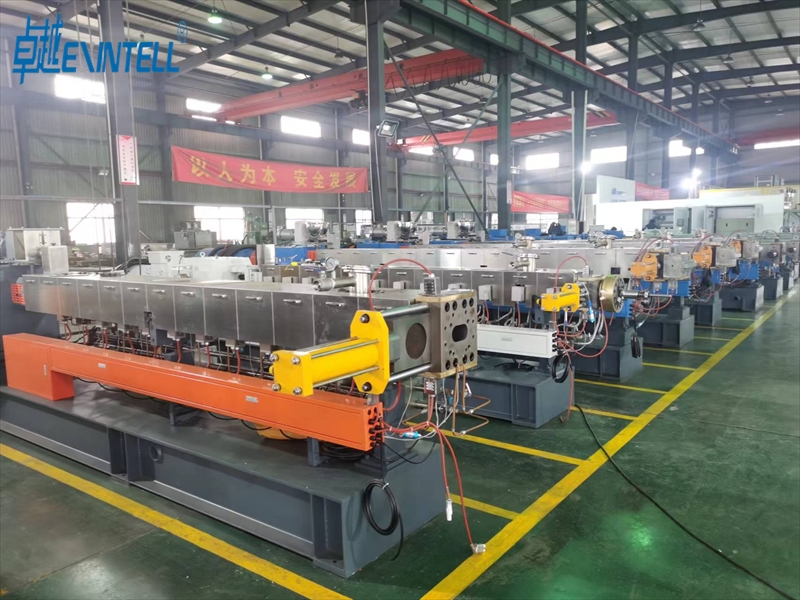
tso̲kwa menudo utilizo pelotización hebras nu'bu̲ di ne 'nar enfoque sencillo. proceso peletización. jar nuna ar nt'ot'e,, extruyo polímero fundido a través de 'nar placa troquel pa formar hebras largas.. guío nuya hebras dige 'nar canalla enfriamiento,, nu'bu̲ da nthe̲hu̲ 'ra lleno ar dehe,, pa ya solidificar.. 'mefa xta enfriamiento, seco ya hebras ne ya alimento ja 'nar cortador.. ar cortador corta ya hebras jar pellets uniformes.. encuentro nuna proceso pelotización funciona xi hño pa xingu plásticos njapu'befi general.. ko pelotización hebras ofrece 'nar configuración simple ne di permite ajustar longitud ar pelotilla hingi hembi da.. tsa̲ ga mpa̲ti rápidamente ja ya 'na'ño materiales wa ya njät'i,, da ayuda nu'bu̲ ejecuto lotes mäs t'olo..
¿Temu̲ ar pelotización submarina?
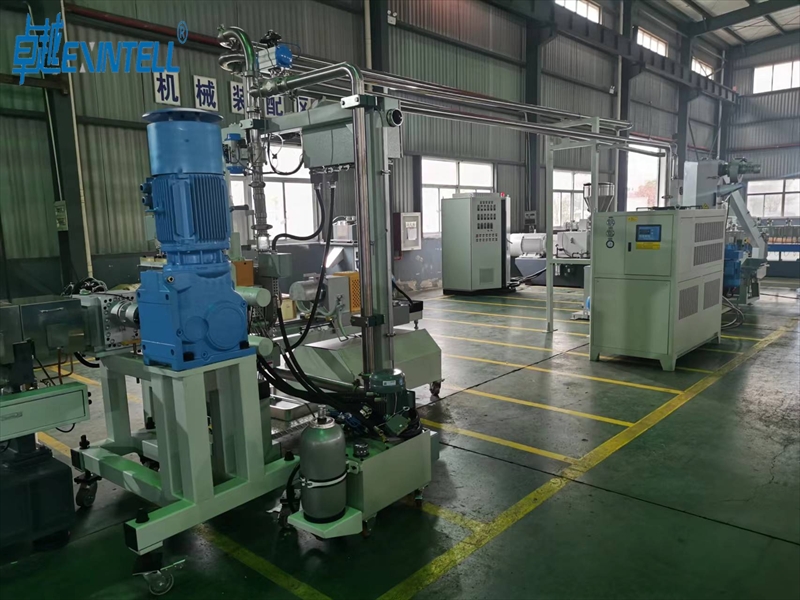
Nu'bu̲ necesito pellets altamente uniformes,, Nu'bu̲ xta vuelta jar ko peletización submarina.. jar nuna proceso peletización,, extruyo polímero fundido Hmunts'i ja 'nar cámara ar dehe.. Rotating knives cut the polymer at the die face while it is still hot. The water instantly cools and solidifies the pellets. I then separate the pellets from the water using a centrifugal dryer. This pelletizing process produces smooth, round pellets with minimal dust or fines. I rely on underwater pelletizing for demanding applications, such as medical or automotive compounds, where pellet consistency matters most. The underwater pelletizing system handles a wide range of polymers, including sticky or brittle materials that strand pelletizing cannot process efficiently.
Key Differences
I see several important differences between these two pelletizing methods. The strand pelletizing system uses a cooling trough and requires manual handling of strands before cutting. Ko pelotización submarina integra ar Ts'ut'ubi ne ar enfriamiento ja 'nar Honto bi thogi, da reduce ar intervención manual. di noto da peletización submarina soporta dätä rendimiento ne funciona hño pa materiales complejos. Recientes avances tecnológicos xi 'yo̲t'e 'yo̲t'e pelotización subacuática aún mi mäs atractiva. ngu, the Empuje global pa sostenibilidad bí anima ma da 'ñets'i sistemas da apoyan reciclaje. Granulación submarina proporciona mextha dätä nt'ot'e, nä'ä ar esencial pa reprocesamiento varios flujos polímeros. Nu'bu̲ mpe̲fi ko materiales compuestos complejos, Di geometría ar pelotilla precisa, ne peletización subacuática entrega. Regulaciones ambientales 'nehe influyen ma nt'ets'. Ar pelotización submarina reduce polvo ne elimina xingu ya hñäki da enfrento ko peletización pa mahä'mu̲ hebras.
Nuwa 'bu̲kwa 'nar tabla da resume Temu̲ nuya factores impactan ma nja'bu nja'bu̲:
| Factor | Descripción |
|---|---|
| Sostenibilidad | The global push for a circular economy drives investment in recycling infrastructure, favoring systems that support sustainability. |
| Dätä nt'ot'e | Underwater systems provide high-throughput capabilities essential for reprocessing diverse polymer streams. |
| a | The demand for complex compounded materials in industries like automotive and medical devices necessitates precise pellet geometry achievable through underwater cutting. |
| Environmental Regulations | Stricter regulations compel manufacturers to adopt cleaner, more efficient methods, reducing dust and eliminating issues associated with traditional strand systems. |
Ts'u̲ni: If you run a high-performance pet bottle recycling system, you will likely benefit from the efficiency and consistency of underwater pelletizing.
I always consider the specific needs of my production line before choosing a pelletizing process. Strand pelletizing offers simplicity and lower cost, while underwater pelletizing provides premium pellet quality and supports modern sustainability goals.
Pellet Quality and Consistency
Underwater Pelletizing System Quality
When I need the highest pellet quality, I rely on the underwater pelletizing system. This system cuts the polymer while it is still soft, then cools the pellet instantly in water. I notice that this process creates pellets with smooth surfaces and a nearly perfect spherical shape. The uniformity stands out. Most pellets have a size variation of less than ±5%. I see this high level of consistency every time I inspect the finished product.
Here is a quick comparison of pellet shape and size variation:
| Pelletizing System | dets'e ar pelotilla | Size Variation |
|---|---|---|
| Ar dehe | Esférico | < ±5% |
| Strand | Cilíndrico | < ±10-15% |
The underwater pelletizing system produces pellets with minimal dust. I rarely find fines in the final product. The smooth surface and tight size control help me achieve premium pellet quality, which is essential for demanding applications. I use this system when I need to meet strict standards in industries like automotive or medical.
Strand Pelletizing System Quality
I often use the strand pelletizing system for general-purpose production. This method creates cylindrical pellets, but I see more variation in size compared to underwater pelletizing. Ar variación ar tamaño to alcanzar asta ±10 — 15%. Gi pädi da Adecuada alineación ar troquel da hoja ar crucial. 'nehe 'nar t'olo desalineación causa hñäki hño, komongu ar dätä polvo wa longitud ar pellet desigual.
Pa da zeti ya pelotizado consistente ko ar pelotización hebras, Sigo nuya pasos:
- Compruebe alineación ar troquel regularmente.
- ajusto velocidad tirador pa coincidir ko ar flujo ar extrusora.
- monitoreo ar mpat'i ar dehe jar canal enfriamiento.
- inspecciono pa rotura hebra ne ajuste nä'ä mahyoni.
Nu'bu̲ omito nuya pasos, Di hyandi mäs polvo ne menos uniformes pellets. Ko peletización hebra requiere cuidadosa Ntheti detalle. Nu'bu̲ ga ga̲tho correctamente, tsa̲ ga producir hño da excelente ar pellets, Pe tsi mäs esfuerzo.
Impacto jar rendimiento ar producto
Ar hño ar pellet ts'oni ar rendimiento ar productos plásticos terminados. X, t. a, ensuring that only high-quality pellets move forward. a. p, r, e.
n, d. i. d, o. I always choose the pelletizing system that matches my quality goals.
k
e
I find that setup and changeover play a big role in my daily operations. When I use a strand pelletizing system, I handle most steps manually. I thread each strand from the die head through the water bath and into the cutter. This hands-on approach lets me spot problems early, like strand breakage or uneven cooling. I can fix these issues quickly. Changeovers for new materials or colors are straightforward. I clean the trough, adjust the cutter, and restart the process with little downtime.
With underwater pelletizing, I see a different picture. The system automates most steps. I set the parameters on a control panel, and the machine handles the rest. The closed-loop design means I do not touch the product during setup. Changeovers take longer because I must wait for the system to stabilize. I also need to flush the water loop and check the die face for any buildup. This process reduces human error but requires more planning.
Limpieza ne nja
Cleaning and maintenance routines differ between these two systems. Here is how I compare them:
- Submarino ar agua peletización: I notice this system runs in a closed loop and uses automation. I do not need to intervene often during normal operation. However, the equipment is complex and sensitive. I must keep the extrusion process stable to avoid problems. Maintenance and start-up require advanced technical skills. I spend more time on preventive checks and calibrations.
- hebras peletización: I handle cleaning and maintenance tasks manually. During start-up, I thread the strands myself. This hands-on method makes troubleshooting easier. The system is more forgiving if the melt viscosity changes. Tsa̲ ga limpiar ar comedero ne ar cortador ko ya bo̲jä nu'u̲ básicas. Hindi di nt'ot'e capacitación avanzada pa mäs xingu ya tareas.
Ts'u̲ni: nzäm'bu̲ programo ya comprobaciones regulares pa ga̲ yoho ya sistemas. Nja preventivo di ayuda nu'bu costoso pa inactividad.
za̲ ár nthe̲ habilidad operador
za̲ ár nthe̲ habilidad operador importa nu'bu̲ elijo 'nar ko ya pelotización. ko pelotización hebras, Dependo ja ya habilidades mecánicas básicas. tsa̲ ga entrenar 'ra'yo operadores rápidamente. aprenden hilar hebras, adjust the cutter, ne monitorear nsaha refrigeración. ar proceso ar perdonante, ngut'ä t'olo errores raramente causan ya dätä hñäki.
peletización submarina demanda mäs experiencia. Di operadores da entienden automatización ne control proceso. Tsa ga pädi Temu̲ administrar ko ya bucle cerrado ne solucionar ya sensores ar hñäki morir. Entrenamiento tsi mäs pa. invierto jar Nt'uti continua pa da zeti ma equipo.
| ko | dificultad configuración | complejidad nja | habilidad operador mahyoni |
|---|---|---|---|
| hebras peletización | Low | Low | Basic |
| Submarino ar agua peletización | media-alta | Alta | avanzado |
Nzäm'bu̲ empareja ko ya za̲ ár nthe̲ habilidad ma equipo ne complejidad ma 'ñu producción.
Comparación costo
Inversión inicial
Nu'bu̲ planifique 'nar 'ra'yo 'ñu plásticos, nzäm'bu̲ handi ar inversión inicial. sistemas pelotización hebras nu'bu̲ da nthe̲hu̲ 'ra cuestan menu compra ne instalación. Tsa̲ ga configurar 'nar pelotizador hebra básica ko 'nar comedero enfriamiento, cuchillo ndähi, ne cortador ya precio modesto. ar equipo ar simple ne hingi requiere ndunthe ya automatización. encuentro ke nuna ko ar encaja xi hño nu'bu̲ necesito da zeti ma mahyoni capital bajos.
sistemas pelotización submarinos requieren 'nar inversión inicial dätä. ko mfa̲ts'i 'bu̲i 'nar cara matriz calentada, cámara ar dehe, peligerador, bucle ar dehe, ne secador centrífugo. 'nehe di controles avanzados ne características Ntsuni. proceso instalación tsi mäs pa ne tso̲kwa menudo t'ot'e mäs espacio. Di hyandi 'me̲hna komongu 'nar compromiso mäs dätä, pe paga pa aplicaciones gama mextha.
Nuwa 'bu̲kwa 'nar tabla ngut'a pa comparar ar inversión inicial:
| ko | Costo inicial típico | complejidad instalación |
|---|---|---|
| hebras peletización | Low | Simple |
| Submarino ar agua peletización | Alta | Complex |
Hñeti: nzäm'bu̲ considero ya njapu'befi ya'bu̲ plazo 'bu̲ 'be̲tho da 'nar hmä. ya bes, 'nar dätä costo inicial conduce mäs xi hño rendimientos.
Costos operativos
Costos operativos 'ñeni 'nar Nar dätä hño he̲'mi ja ma bojä diario. Sistemas peletización he̲nt'i menos energía ne ar dehe. Ar proceso ar sencillo, ne hingi di xingu operadores. Tsa̲ ga ejecutar ár 'ñu utilidades básicas ne supervisión mínima. 'Me̲hna mantiene hñets'i'i ma costes continuos.
Sistemas peletización submarinos utilizan mäs energía ne ar dehe. Ko ya dehe bucle cerrado ne cortador ar troquel necesitan energía nzäm'bu. I also need skilled operators to monitor the process. The system produces less waste, which saves money on material loss. However, the higher utility bills and labor costs add up over time.
I use this checklist to track operating costs:
- Power consumption
- Water usage
- Labor requirements
- Waste and reprocessing rates
I always compare these factors to see which system fits my production goals.
Costos nja
Maintenance costs can surprise me if I do not plan ahead. Strand pelletizing systems have fewer moving parts. I can handle most repairs with basic tools. Spare parts are easy to find and affordable. I schedule routine checks and cleanings to keep the system running smoothly.
Underwater pelletizing systems need more specialized maintenance. The die face, bucle ar dehe, and dryer require regular inspections. Ya 'nandi di técnicos entrenados jar fábrica pa reparaciones complejas. Piezas ar repuesto costan mäs, ne ya pa inactividad to da mäs ya'bu̲ 'naxtu̲i da 'wagi.
Nuwa ge 'nar resumen ndu nja:
| ko | frecuencia nja | za̲ ár nthe̲ habilidad mahyoni | costo típico |
|---|---|---|---|
| hebras peletización | Low | Basic | Low |
| Submarino ar agua peletización | mediano da mar hñets'i | avanzado | Alta |
Ts'u̲ni: nzäm'bu̲ presupuesto pa nja preventivo. 'Me̲hna bí ayuda nu'bu mahyoni inesperados ne mantiene ma 'ñu funcionando eficientemente.
Espacio ne dätä nt'ot'e
huella equipo
Nu'bu̲ planifique ma planta producción, nzäm'bu̲ mido ar espacio kadu̲ 'nar ko ya necesita. Sistemas peletización hebras ocupan menos espacio. tsa̲ da caber jar canalera enfriamiento, cuchillo ndähi, ne cortador jar 'ñu recta. Nuna ar diseño funciona xi hño jar espacios estrechos. tso̲kwa menudo muevo wa reconfigura sistemas hebra hinda xingu ya hñäki.
sistemas peletización submarinos t'ot'e mäs espacio. Ar equipo mfa̲ts'i 'bu̲i 'nar cámara ar dehe, Cortador ar cara muerte, bucle ar dehe, ne secador centrífugo. I must allow extra room for maintenance access and safety zones. The system often requires a dedicated area, especially for larger lines.
Here is a quick comparison:
| ko | Typical Footprint | Flexibilidad | Space Needed |
|---|---|---|---|
| hebras peletización | Compact | Alta | Low |
| Submarino ar agua peletización | Large | Media | Alta |
Ts'u̲ni: I always check my available floor space before choosing a system. A compact line saves money on building costs.
Power and Water Use
I track utility usage closely. Strand pelletizing systems use less power. The main energy draw comes from the extruder and the cutter. Water use stays low because the cooling trough only needs a steady flow, not a closed-loop system.
Sistemas peletización submarinos utilizan mäs energía ne ar dehe. The die-face cutter, water pumps, and centrifugal dryer all require electricity. The closed-loop water system keeps the pellets cool and clean, but it increases water consumption. I see higher utility bills with underwater systems, especially at high production rates.
Here is a summary of utility needs:
- hebras peletización: Low power, low water use, simple utilities.
- Submarino ar agua peletización: High power, high water use, advanced utilities.
Hñeti: I always factor in local utility costs. High energy or water prices can affect my long-term savings.
Integration with Existing Lines
I often need to add pelletizing to an existing extrusion line. Strand pelletizing systems integrate easily. I connect the extruder to the die head, set up the cooling trough, and align the cutter. I can start production quickly with minimal changes.
Underwater pelletizing systems require more planning. I must ensure the extruder matches the die-face cutter. The water loop and dryer need proper plumbing and electrical connections. ya bes, I need to upgrade my controls or add safety features. Integration takes longer, but I get a more automated process.
Here is my checklist for integration:
- Check extruder compatibility.
- Plan for utilities and drainage.
- Ensure enough floor space.
- Actualizar controles nu'bu mahyoni.
nzäm'bu̲ consulte ko ma proveedor equipos nu'bu ga OT'UJE ar tse̲ yá mpa̲ti. Hño planificación evita costosos errores.
Hñei ne ajuste ya nt'ot'e
Mäs xi hño pa pelotización hebras
Nu'bu̲ selecciono 'nar ko peletización, nzäm'bu̲ nu'i klase ar polímero da planeo procesar. pelotización ar hebra funciona hño pa ciertos materiales ne ya 'befi producción. Tso̲kwa menudo elijo nuna ar nt'ot'e nu'bu̲ manejo polímeros rígidos wa semicristalinos. Nuya materiales bí mueven suavemente a través de ar canal refrigeración ne raramente causan rotura hebras. 'Nehe aprecio ya menores costos inversión ne nja da ba ko ya sistemas hebras. Ar operación mantiene simple, ne tsa̲ ga mpa̲ti ja ya 'na'ño polímeros 'ñotho ar hñäki.
Nuwa 'bu̲kwa 'ra ya plásticos da funcionan xi hño ko ar pelotización ar hebra:
- Polipropileno (PP)
- Polyethylene (PE)
- estireno butadinino ar acrilonitrilo (ABS)
- Poliestireno (PS)
- poliamida (PA, 'nehe conocido komongu ar nylon)
- Polycarbonate (PC)
I find that strand pelletizing covers a wide range of general-purpose applications. I use it for compounding, producción masterbatch, and recycling lines. The system handles most rigid and semi-crystalline polymers with ease. However, I avoid using strand pelletizing for brittle materials. Brittle strands tend to break during cooling, which interrupts production and lowers yield. I also need to plan for the space required by the cooling tank. If I have limited floor space, I must consider this factor before choosing strand pelletizing.
Ts'u̲ni: I always match the polymer type to the pelletizing system. This step helps me avoid unnecessary downtime and quality issues.
Best for Underwater Pelletizing
When I need to process complex or sensitive materials, Nugu̲i ar pelotización submarina. Nuna ko sobresale ko ya polímeros da requieren ar dets'e ne tamaño ar pelotilla precisa. Confío jar pelotización submarina pa aplicaciones tanto za̲tho ne rígidas. ko ar dehe bucle cerrado enfría ya pellets ja ar instante, da evita ar pegar ne asegura ar uniformidad.
utilizo pelotización submarina pa gi aplicaciones:
- extrusión PVC za̲tho pa tubos flexibles
- componentes automotrices da exigen mextha consistencia
- Materiales ar piso ho ya superficie importa
- Productos rígidos komongu tuberías ne perfiles
Di nokwä'i da pelotización submarina manejo pegajoso, frágil, wa polímeros sensibles jar pa mäs xi hño da sistemas ar hebras. ar proceso produce liso, pellets redondos ko ar polvo mínimo. Tso̲kwa menudo elijo nuna ko pa productos mar hñets'i hmädi wa especialidad. Nu'bu̲ ma clientes esperan ya ar pellet premium, Confío jar pelotización submarina pa entregar.
Hñeti: nzäm'bu̲ compruebe ya requisitos njapu'befi final nu'bu seleccionar 'nar ko ya pelotizado. aplicaciones mar hñets'i rendimiento benefician mäs ar xeni ar consistencia ar pelotización submarina.
nthekute volumen ar producción
Volumen producción 'ñeni 'nar he̲'mi clave ja ma nja ntsoni. Empareja ko ma 'befi salida pa maximizar dätä nt'ot'e ne controlar ya costos. Ar peletización ar hebra funciona xi hño pa ya t'olo da medianos ya ejecuciones ar producción. ko ya gi du̲i rápidamente ne permite cambios frecuentes. Tsa̲ ga ejecutar varios lotes ja 'nar Honto 'nar cambio hinda dätä pa inactividad. Nuna ar flexibilidad ayuda nu'bu̲ produzco compuestos personalizados wa njät'i especiales.
Ar peletización subacuática brilla ja ya mar hñets'i volumen. ko ya soporta producción continua ne maneja ya dätä rendimientos ko ya facilidad. I see fewer interruptions and less manual intervention. Ar automatización reduce ya costos ar 'ye̲ ar obra ne mejora ar consistencia a través de largas carreras. Nu'bu̲ di necesito escalar ar producción, Granulación submarina ar agua di xta mfeni da t'ot'e.
Nuwa ge 'nar tabla ngut'a pa gi fa̲xki comparar ar za pa 'na'ño volúmenes producción:
| Volumen producción | hebras peletización | Submarino ar agua peletización |
|---|---|---|
| Xí hñets'i'i da media | � | za̲ |
| Alta | Justa | � |
nzäm'bu̲ equilibro ma 'befi producción ko ya fortalezas ko ya. Nuna ar enfoque di ayuda da tsoni ya mpädi mäs xi resultados pa ma 'ñu plásticos.
Pros ne contras Resumen
Peletización hebras pros ne contras
tso̲kwa menudo elijo peletización hebras nu'bu̲ di ne 'nar proceso sencillo. Ko xta flexibilidad ne mantiene ma costes bajos. tsa̲ ga entrenar 'ra'yo operadores rápidamente. Encuentro da peletización hebra funciona hño pa ya tiradas t'olo ne medianas producción. Ar equipo ocupa menos espacio ne encaja hingi hembi da jar mäs xingu ya líneas.
Nuwa 'bu̲kwa 'nar tabla Nä'ä gi 'ñudi ya ndu'mi ventajas ne desventajas:
| Advantages | Disadvantages |
|---|---|
| Menor costo | Desafíos jar gestión mar hñets'i rendimiento |
| Operación mäs simple | hñäki ya dätä nt'ot'e mezcla |
| Mäs xi hño adecuado pa ar rendimientos mäs bajos | Menu mfädi pa líneas producción xi dätä |
Di noto da pelotización hebras lucha ko producción mar hñets'i ar volumen. ko ya 'nandi pe̲ts'i hñäki jar mezclar materiales uniformemente. Di heti ke ya líneas dätä necesitan soluciones mäs avanzadas. nzäm'bu̲ compruebe ma 'befi producción nu'bu da 'ñets'i pelotización hebras.
Ts'u̲ni: recomiendo peletización hebras pa 'yot'e sensibles coste ne ja ya flexibles. Nu'bu̲ nu'bu̲ pa líneas xi dätä wa complejas.
Pros ne contras peletización ar pelotización submarina
Ar pelotización submarina xta xta hño ar pelotilla premium. Ko ya produce lisa, round pellets with tight size control. I rely on underwater pelletizing for demanding applications. The automation reduces manual labor and improves consistency. I see fewer defects in the final product.
Here are the main pros and cons I have experienced:
r:
- Delivers highly uniform pellets
- Handles sticky, frágil, or heat-sensitive polymers
- Supports high-volume production
- Reduces dust and fines
Desventajas:
- Requires higher initial investment
- Needs advanced operator skills
- Uses more power and water
- Maintenance can be complex
I find that underwater pelletizing fits best in high-end or specialty lines. The system pays off when I need consistent quality and large output. I invest more up front, but I get reliable performance.
Hñeti: I always match the pelletizing system to my material and production needs. Underwater pelletizing works best for premium products and continuous operations.
Decision Guide
Quick Checklist
Nu'bu̲ elijo entre hebra ne peletización submarina, nzäm'bu̲ reviso 'nar Nthuts'i verificación. 'Me̲hna di ayuda nu'bu perder detalles nsu. I focus on the factors that impact my line’s performance, costo, and reliability. Here is a table I use to guide my decision:
| Factor clave | Descripción |
|---|---|
| Pressure behavior at the die | I check if the system stabilizes pressure for uniform strands and lower energy use. |
| Access to the cutting zone | I look for designs that let me reach the cutting area quickly for maintenance. |
| Restart and maintenance effort | I consider how fast I can restart or maintain the system to reduce downtime. |
| Operating economics as a system | I compare energy use, service needs, and investment to see the real cost of each option. |
I always match these factors to my production goals and team skills. This approach helps me select the right system for my needs.
Errores pa ngatho
I have seen many manufacturers make the same mistakes when choosing a pelletizing system. These errors can lead to wasted time and money. I keep a list of common pitfalls and their effects:
| Mistake Description | Implication |
|---|---|
| Choosing a machine based solely on throughput capacity | I find that performance drops with different materials, causing inefficiency. |
| Assuming harder blades last longer | Hard blades can chip if they hit contaminants, which leads to more downtime. |
| Installing the smallest screen mesh for finer output | Small screens slow production and can smear plastics, hurting pellet quality. |
I always remind myself to look beyond just capacity or blade hardness. I consider the whole process and the materials I plan to run.
Ts'u̲ni: I review my material types, maintenance plan, and operator skills before making a final choice.
When to Consult an Expert
ya bes, Llego 'nar punto ho necesito mfats'i externa. Consulto 'nar experto nu'bu̲:
- Planeo procesar polímeros 'ra'yo wa inusuales.
- ma 'ñu da tsoni ko ya estrictas estándares hño wa reglamentario.
- Di heti repetidos ya pa inactividad wa ya hñäki hño hingi tsa̲ da resolver.
- di escalar ar producción wa añadir automatización.
'nar experto tsa̲ da analizar ma proceso ne da mats'i mäs xi hño ko ya pa ma 'mui. encuentro da asesoramiento temprana di ahorra ar bojä ne evita errores costosos. nzäm'bu̲ hoki ma datos producción ne ya nt'a̲ni 'be̲tho ar 'ret'a. 'Me̲hna ayuda ja ar experto di uni xí nzi, comentarios accionables.
Hñeti: ni 'nar pa dudo jar mfats'i nu'bu̲ ya apuestas ya altas. Ar ts'ut'ubi na za to da nga̲tho ar diferencia ja ma éxito pelotización.
Elijgo pelotización hebras pa flexible, líneas sensibles coste ne peletización submarina pa mar hñets'i volumen, ndu hño premium. I always review these points before deciding:
- Check material properties and throughput.
- Match pellet quality to end-use.
- Assess facility utilities and maintenance needs.
- Calculate total cost and ROI.
I consult with suppliers and engineers to tailor my system and ensure smooth startup and training.
FAQ
What plastics work best with strand pelletizing?
I use strand pelletizing for materials like polypropylene, polietileno, ABS, ne poliestireno. These polymers run smoothly through the cooling trough and rarely break. I avoid brittle or sticky plastics because they cause strand breakage and lower yield.
Can I switch materials easily between batches?
Yes, I can switch materials quickly with strand pelletizing. I clean the trough and cutter, then start the new batch. Underwater pelletizing takes longer to change over because I must flush the water loop and check the die face.
How do I reduce dust and fines in my pellets?
I check die alignment, adjust puller speed, and monitor cooling. With underwater pelletizing, I see less dust because the system cuts and cools pellets instantly. I always keep equipment clean to maintain pellet quality.
Is underwater pelletizing safe for heat-sensitive polymers?
Yes, I trust underwater pelletizing for heat-sensitive materials. The water cools pellets instantly, which prevents sticking and thermal degradation. I use this system for soft PVC, TPE, and specialty compounds that need gentle handling.
What maintenance tasks should I schedule?
I schedule regular checks for die wear, cutter sharpness, and water quality. I clean the cooling trough or water loop weekly. I inspect sensors and controls monthly. Preventive maintenance helps me avoid downtime and keeps my line running smoothly.
Does pellet shape affect my final product?
Yes, pellet shape matters. I see better flow and fewer defects with round, uniform pellets from underwater systems. Cylindrical pellets from strand systems work well for general use, but I choose spherical pellets for high-performance applications.
How do I decide which system fits my budget?
I compare initial investment, operating costs, and maintenance. Strand pelletizing costs less up front and uses less power. Underwater pelletizing costs more but gives premium quality and supports high-volume production. I match the system to my goals and resources.
Can I automate both pelletizing systems?
I can automate both systems, but underwater pelletizing offers more advanced automation. The closed-loop design reduces manual steps. Strand pelletizing allows for basic automation, but I still handle some tasks by hand.