Guía comparación máquina ar pelotizador plástico pa reciclaje moderno
Table of Contents
Guía comparación máquina ar pelotizador plástico pa reciclaje moderno
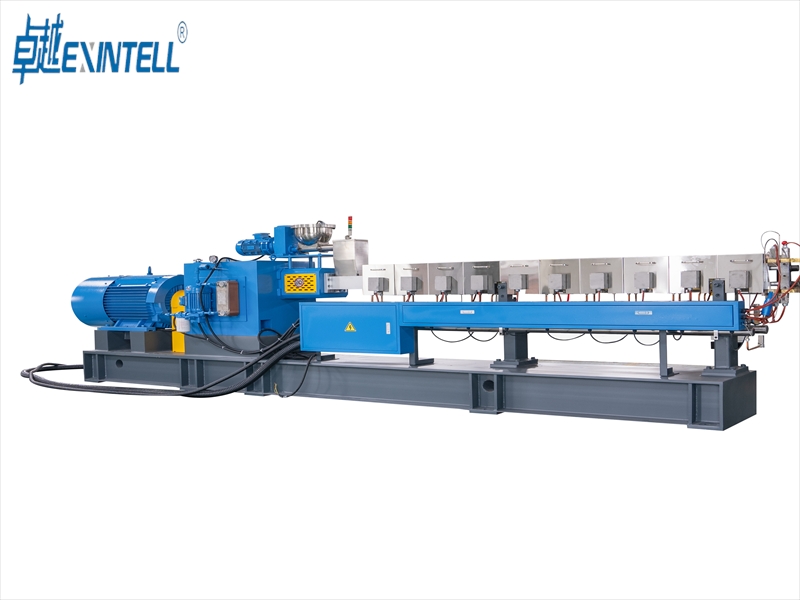
selección máquina pelotizador plástico nt'ot'e xi hño determina éxito ár operación reciclaje plástico. Nu'bu̲ klase ar peletizador procesa 'na'ño materiales komongu ar PET, HDPE, wa PP, ne bí adapta escalas producción específicas ne ya presupuestos. Emparejando ko ar za ja yá plásticos reciclados, aumenta ar rendimiento ne reduce ar pa inactividad. 'nehe mejora ar rentabilidad ya da plástico reciclado nu'bu̲ da nthe̲hu̲ 'ra ya njut'i menu jar procesar da 'ra'yo hñei. Uniforme pellets mejoran ya ar producto, permiten precios 'ba̲ mäs altos, ne reducir costos transporte nu'bya ár densidad granel.
Gi pe̲ts'i ja ár escala producción ja ar seleccionar 'nar peligerador. T'olo ja xi beneficiar ar ar máquinas mäs simples, mente da ya do̲ni mäs mña dätä necesitan sistemas mextha mfeni.
evaluar características automatización. Máquinas ko mäs automatización reducen ar 'be̲fi manual pe xi requerir operadores expertos pa nja.
Coincide ko ár presupuesto ar Ya capacidades ar máquina. Opciones ar bojä xi 'bu̲hu̲ da 'mui pa t'olo empresas, mente ke ya sistemas gama mextha ofrecen características avanzadas pa ja ya dätä.
Nja regular ar crucial pa ar rendimiento óptimo. Deni ar programa ar fabricante pa da zeti ár peletizador funcionando 'ñotho ar hñäki ne prolongar ár nzaki útil.
Xingu ya máquinas peletizador plástico
Nu'bu̲ gí elija 'nar máquina pelotizador plástico, Nu'bu̲ gí elija 'nar máquina pelotizador plástico. Nu'bu̲ ar klase ar za ja ya ndu ne ya materiales ar reciclaje. tabla ar abajo gi 'ñudi ar principal xingu ya pelotizador plástico and their basic operating principles:
Cuts melted plastic at the die face, cools with water ring.
Polyolefins like PE, PP, PS
Submarino ar agua peletización
Cuts melt in warm water for round pellets.
Hot melt adhesives, TPU/TPE, micropellets
Strand Pelletizer Machine
A strand pelletizing system pushes melted plastic through holes to form strands. You cool these strands in water, then cut them into pellets. This type works well for high melt strength plastics like PET, PBT, and ABS. You often see strand pelletizer machines in the packaging, automotriz, and construction industries. Manejan materiales komongu ar LDPE, HDPE, PP, ne 'nehe za̲tho TPE wa EVA.
usos pa hontho:
Películas ne xito envase
Piezas automotriz
Tuberías nju̲ts'i ne paneles
ko ya pelotizador ar anillo ar dehe
'nar ko peletización anillo ar dehe corta plástico jar cara ar troquel, gem'bu̲ enfría ya pellets ko 'nar anillo ar dehe. nuna ar nt'ot'e bí xta pellets uniformes ne evita ar rotura ar hebra. obtiene excelente enfriamiento ne 'nar diseño xí nze̲di. Sistemas peletización anillo ar dehe funcionan hño pa plásticos suaves wa xí hñets'i'i viscosidad komongu ar PE, PP, ne PS. funcionan automáticamente ne necesitan tx'utho Ntheti operador. However, hingi bí adaptan ar pegajosos wa materiales sensibles jar mpa.
Ts'u̲ni: Da 'ñets'i 'nar ko peletización anillo ar dehe nu'bu̲ gi dets'e ar pelotilla consistente ne hei operación pa poliolefinas.
Máquina ar peletizador submarino
'nar peletizador submarino ar tseki ar fundición plástico Hmunts'i jar dehe tibia. Nuna ar proceso crea liso, pellets redondos. Tsa̲ da utilizar nuna ko pa reciclaje post-consumo, compuestos rellenos, ne reciclaje espuma. Pelletizadores submarinos manejan materiales komongu ar EPS, XPS, ne ETPU. Ofrecen mextha mfeni ne funcionan xi hño pa aplicaciones especializadas.
Ko ya pelotizador refrigerado ndähi
peletizadores refrigerados ar ndähi utilizan ar ndähi en lugar de ar dehe pa enfriar ne solidificar pellets. Nu'i gí tsa̲ da utilizar ya pa materiales hindi toleran ar dehe, komongu 'ra ya plásticos ingeniería. sistemas refrigerados ndähi ya simples ne requieren menos nja. Bí adaptan ya escalas producción t'olo da medianos.
Máquinas pelotizadores especiales
Máquinas pelotizadores especializadas sirven ndu reciclaje nicho. Ofrecen características komongu ar salida mextha, ahorro energía, ne controles hei ar zu̲di. obtienes operación confiable, hei limpieza, ne ntsoni estándares Ntsuni. Máquinas especializadas bí ayudan bí reciclar materiales únicos ne reducir costos.
Single-Screw vs. Twin — Screw, Single — Stage vs. Double — Stage
Single — Tornillo extrusoras ya adecuados pa ar reciclaje básico ne xi procesar xingu ya materiales. Doble — tornillo extrusoras proporcionan xi hño mezcla ne ar dätä salida. Sistemas ar doble etapa xi 'ye̲ plásticos mäs complejos wa ya contaminados. Nu'i gi da 'ñets'i ko nä'ä mä yá hñei ne ya requisitos producción.
Comparar sistemas peletizador plástico
Operación ne facilidad njapu'befi
Ja ar comparar 'na'ño sistemas pelotizados, Nu'i gí nota claras ya hñäki jar funcionamiento ne ar za̲ ár nthe̲ ar automatización ofrecen. ra máquinas utilizan controles avanzados ne automatización, mente da ma'ra dependen mäs ajustes manuales. Tabla ar abajo destaca ar principal características interfaz usuario ne capacidades automatización ya sistemas mäs pa ngatho:
Klase
Características interfaz usuario
Capacidades automatización
Ar dehe
placa troquel especializada, cámara Ts'ut'ubi llena ar dehe
Automatización extensiva ko controles PLC pa ya 'befi críticas
Anillo ar dehe
Gi japu̲'be̲fi 'nar anillo ar dehe, Caras ar troquel ne cuchillos durables
sistemas control automatizados pa presión ne velocidad Ts'ut'ubi
Strand
Rentable pa mpa̲ti materiales, Hei nja
automatización limitada jar comparación ko ya sistemas subacuáticos
pelotizadores submarinos bí t'umbi mextha uniformidad ar pelotilla ne ar producción confiable.
sistemas anillo ar dehe mantienen tamaños ar pelotilla consistentes ko ya componentes duraderos.
Ya modelos avanzados bí permiten monitorear ne ajustar ajustes jar pa real pa mäs xi hño dätä nt'ot'e.
Nu'bu̲ gi 'nar ko da t'ot'e menos intervención operador, Nu'i gi nt'ent'i klase ar anillo submarino wa ar dehe. Peletalizadores hebra ya mäs fáciles da zeti ne mpa̲ti ja ya materiales, Pe gí da mets'i da 'yo̲t'e mäs 'be̲fi manual.
Inicio ne nja
Start-up and maintenance routines can affect your daily operations and costs. Each pelletizer system has unique requirements:
Water-based systems require ongoing water filtration and temperature control.
Machines with easy blade access and die cleaning help you reduce downtime.
More automation means you spend less time on manual tasks, but you need higher technical skills for troubleshooting.
If you run a small operation, you may prefer strand pelletizers for their simple design and lower cost. For larger or more automated lines, underwater systems offer speed but require skilled staff.
Compatibilidad hñei
You must match your pelletizer to the types of plastics you process. Some machines handle a wide range of materials, while others work best with specific types. ngu, many modern machines canprocess PET, HDPE, ne PP. These plastics appear in bottles, películas, and rigid containers. You can use specialized equipment to handle up to 12 types of plastics, including both soft and hard waste.
Different plastics melt at different temperatures. You may need to adjust your process or use additives to improve compatibility, especially when you recycle mixed materials. For PET and HDPE, you can use copolymers to improve how the materials blend and form pellets. This step helps you get better pellet quality and reduces waste.
Throughput and Production Capacity
Throughput measures how much material your plastic pelletizer machine can process in a given time. You need to choose a system that matches your recycling goals, whether you run a small shop or a large industrial plant.
Single-screw granulators work well for clean, sorted plastics and can process between 200 ne 2,000 kg ya ora. Twin-screw granulators handle more complex or contaminated materials and can exceed 3,000 kg ya ora. The chart below shows the typicalthroughput rangesfor different machine types:
The table below summarizes how production scale affects your choice:
Nt'ot'e ho 'bui ndunthe gama, da 'ñent'i materiales complejos
ra máquinas funcionan hño pa plásticos suaves, mente ma 'ra manejan xingu ya rígido.
Gi coincidir ar tamaño ar máquina ja yá ndu salida.
Ar nt'ot'e enfriamiento—dehe, ndähi, wa tse̲—'nehe ts'oni Temu̲ materiales tsa̲ da procesar ne ár hño ar pellet final.
Entendiendo gi diferencias, Nu'i gí tsa̲ da seleccionar ar peletizador adecuado pa ár operación reciclaje plástico ne maximizar ár dätä nt'ot'e.
Amistoso ko ar bojä vs. máquinas pelotizador plástico mextha gama
Características máquinas ar bojä jar bojä
To da desee 'nar máquina pelotizador plástico nä'ä bí ajuste 'nar bojä ajustado. Ya máquinas ar bojä ofrecen ár nju̲ts'i simple ne ya controles básicos. Gi máquinas tso̲kwa menudo utilizan ajustes manuales ne pe̲ts'i menos características automatización. You can see the main features and their impact inthe table below:
Feature
Descripción
Impact on Performance
Simpler Construction
Diseño sencillo reduce ya costos fabricación.
. Xí máquinas asequibles ne accesibles.
Niveles ar automatización mäs hñets'i
Mäs 'be̲fi manual, Menos controles avanzados.
Tsa̲ da reducir ar dätä nt'ot'e operativa.
Compatibilidad hñei básico
Maneja plásticos estándar komongu ar PE, PP, and PVC.
Confiable pe menu versátil.
Rentable
Precio mäs hñets'i'i bí adapta t'olo negocios wa startups.
Amplía nthogi pa usuarios conscientes ar presupuesto.
Facilidad njapu'befi
Controles simples ne menos características.
Acorta ar entrenamiento ne reduce errores.
Menores costos nja
Menos piezas significan menos to romper.
Reduce ya mahyoni nja.
Tsa̲ da utilizar gi máquinas pa reciclaje plástico t'olo escala. ngu, 'nar reciclador ja ja tsa̲ da procesar ya xito PET ko 'nar pelotizador básico. Obtienes pellets confiables pa ta̲i locales, Pe to da necesite mäs 'ye̲ ar obra.
Características máquinas mextha gama
sistemas peletizadores gama mextha gi 'bu̲i automatización avanzada, higher throughput, and better material compatibility. You can process a wide range of plastics, including complex or contaminated streams. These machines often include touch-screen controls, monitoreo jar pa real, and automatic cleaning. You will see less downtime and higher product quality. Industrial-scale recycling plants use these machines to meet strict quality standards and boost efficiency.
Ts'u̲ni: Choose a high-end system if you want to scale up production, handle mixed materials, or need consistent pellet quality for demanding customers.
Price Ranges and Investment Considerations
Prices for plastic pelletizer machines range from $50,000 for basic models to over $200,000 for advanced systems. You should consider several factors before you invest:
Technological features that improve efficiency and quality
Environmental compliance to meet regulations
After-sales support from your supplier
You can start with a budget-friendly pelletizer for small recycling projects. As your operation grows, you may upgrade to a high-end system for greater output and flexibility.
Choosing the Right Plastic Pelletizer Machine
Assessing Material Types
You should start by identifying the types of plastics you plan to process. Each plastic pelletizer machine works best with certain materials. ngu, PET, HDPE, and PP have different melting points and moisture sensitivities. Ar Xtí tabla gi hye̲kihow common pelletizing methods handle various plastics:
Factor
Gantry Cutting Machine
Horizontal Water Ring Cutting
Ts'ut'ubi submarino
Klase ar plástico
ABS, PA
PE, PP, some engineering plastics
High-melt-index plastics (PP hindi tejido)
Ya ar pelotillas
Lisa, uniform
Even cooling, stable
Minimal oxidation, high quality
Dätä nt'ot'e producción
Small to medium batches
Continuous, mextha dätä nt'ot'e
mar hñets'i rendimiento, materiales hontho
Maintenance Cost
Complex, more downtime
Simple, fast blade change
Moderado, water checks needed
Environmental Impact
Moderate water, drying needed
High water, excellent cooling
High water, good for recycling
You also need to consider factors like pelletizing method, machine capacity, screw diameter, and cooling system. Moisture content in your material affects pellet quality and machine reliability. Too much moisture can cause blockagesand uneven pellets.
Determining Production Scale
You must match your pelletizer to your expected production volume. Small-scale recycling operations often usemachines with 100–300 kg/h capacity. Medium or large plants may need systems that process up to several tons per hour. Use these steps to guide your decision:
Single-stage systems suit small batchesand lower costs. Sistemas doble etapa encajan jar producción tso̲kwa gran escala ne ofrecen xi hño consistencia. Nzäm'bu̲ alinear ár nt'ets'i ko yá 'befi reciclaje.
Equilibrio costo ne rendimiento
Tsa̲ da equilibrar costo ne rendimiento ir nge njapu'befi ya Honja inteligentes. Programación producción Nxoge ya ora ar nthe pico pa ahorrar jar ñot'i. Utilizar motores mextha dätä nt'ot'e ne características balanceo carga pa reducir costos energía. programación ya lotes ne procesamiento justo tso̲ngar tso̲ngar reducir residuos Nxoge ar inicio ne ya tiempos inactivos.
Ts'u̲ni: 'nar empresa ar embalaje europea mejoró ár ko ya reprocesamiento plástico nt'ot'e xi hño ir nge da 'ñets'i ko ya pelotización adecuado. Bí hyandi 'nar 22% reducción jar variación ar espesor ar película ne 'nar 18% aumento ar velocidad. 'nar fabricante muebles jar Ntxinä utilizó 'nar peletizador pa reprocesar residuos materiales plásticos, Ts'ut'ubi costos materia prima ya 35%.
Nu'bu̲ gí empareja ko ar adecuado ja yá ndu, Construye 'nar operación reciclaje plástico confiable.
Tange ar principal beneficio njapu'befi ya máquina peletizador jar reciclaje plástico?
N. u, '.
i?
Nu'i gi nt'ent'i ár klase hñei, g, and budget. �. �.
To 'nar pelotizador 'ye̲ nga̲tho ar klase ar plásticos?
m. e. j, o.
r?
Nu'i gi seguir ar programa nja ar fabricante. Limpieza regular ne comprobaciones cuchillas da zeti ár máquina funcionando 'ñotho ar hñäki. nja preventivo reduce ar pa inactividad ne extiende ar nzaki ar equipo.
ge 'nar pelotizador gama mextha nzäm'bu̲ mäs xi hño pa reciclaje plástico?
'nar peletizador gama mextha ofrece mäs automatización ne ar dätä salida. However, To da hingi necesite características avanzadas pa reciclaje t'olo escala. da 'ñets'i 'nar máquina da coincida ko ár tamaño ar operación ne ár bojä.