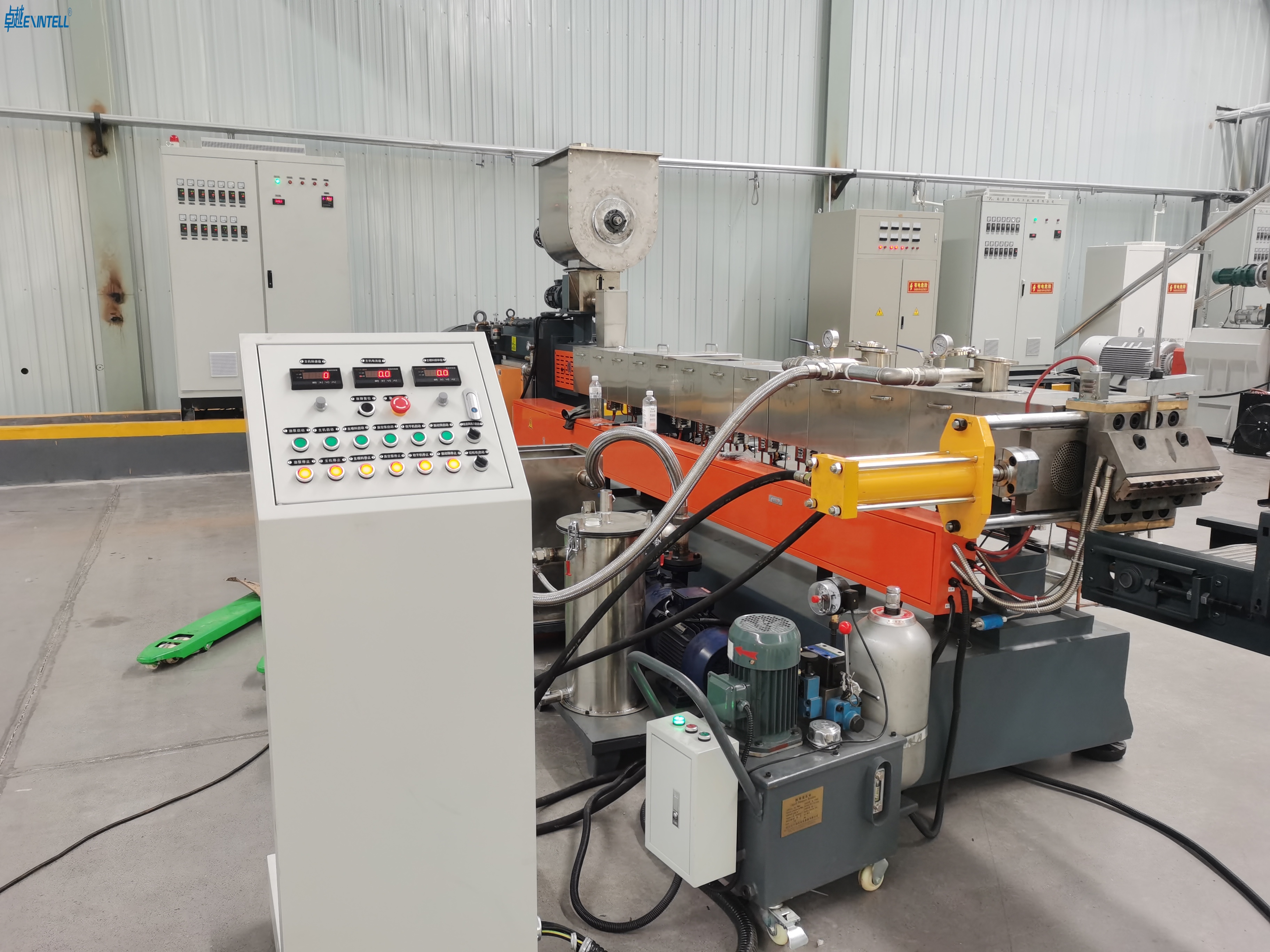
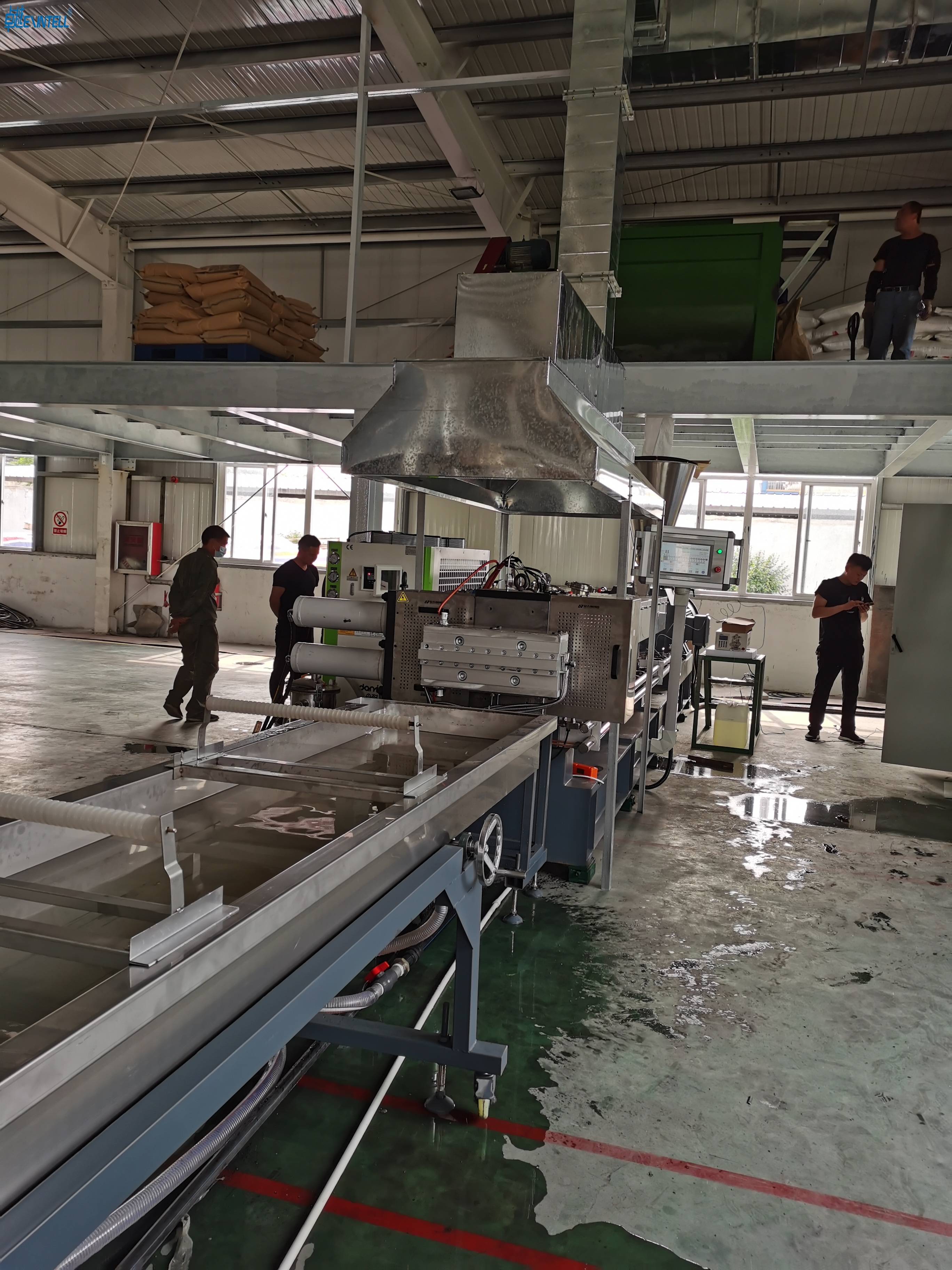
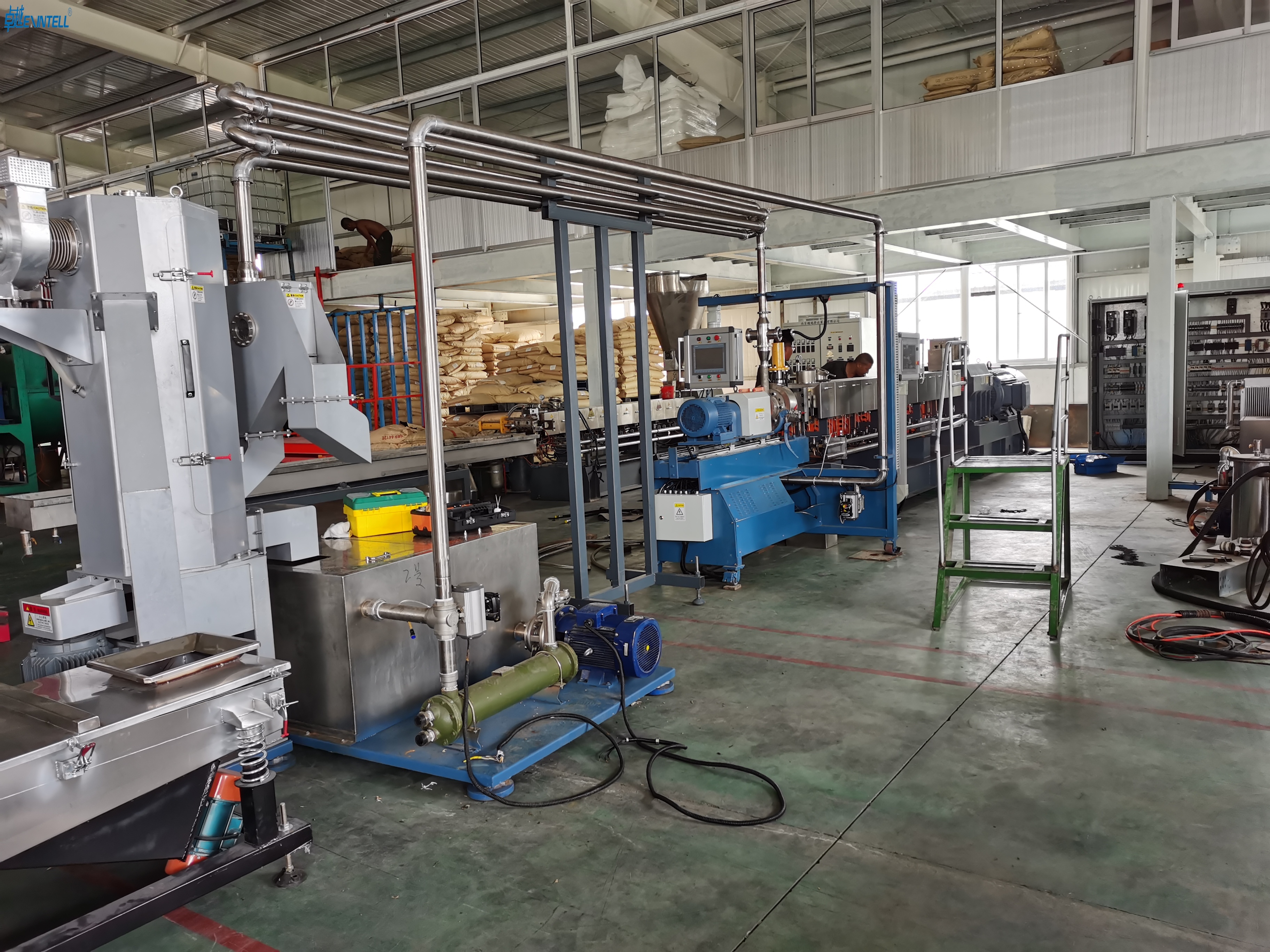
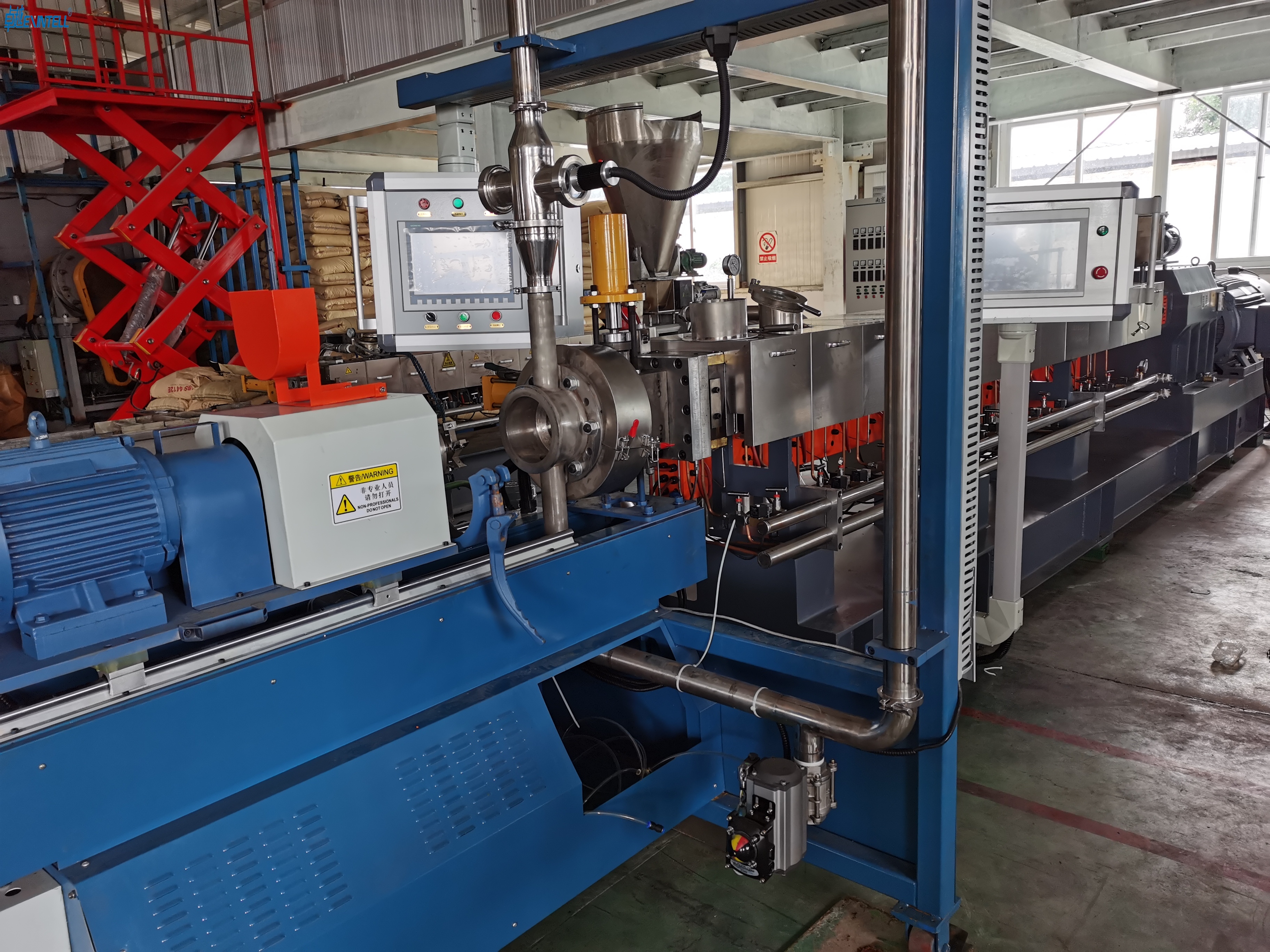
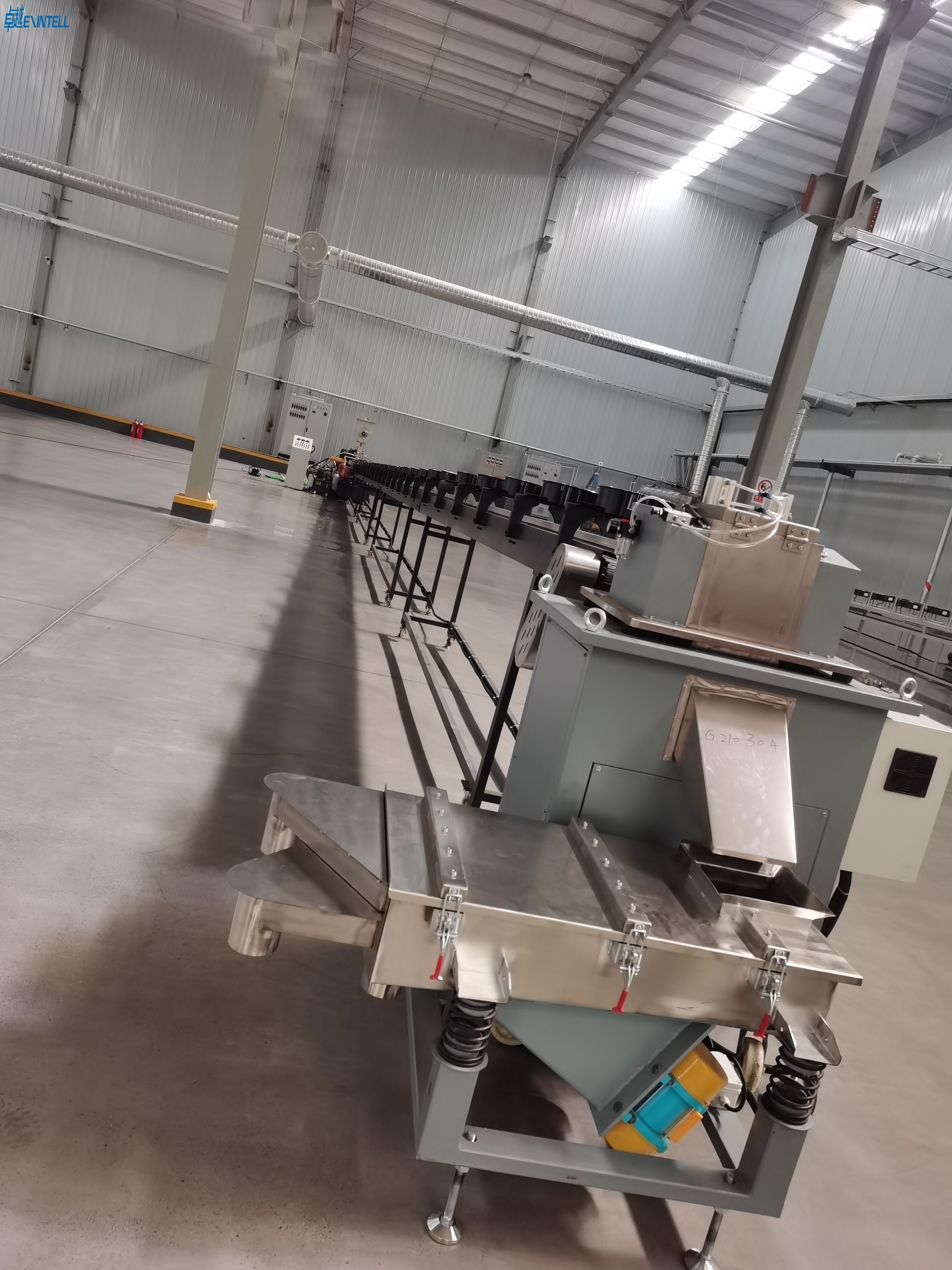
Veo extrusión plástica komongu 'nar proceso bi pa̲ti pellets plástico crudo jar formas útiles komongu ar tubos wa ya hojas. Pa bí tsita, Mi beni jar exprimir pasta ts'i 'nar tubo — menu en lugar de pasta, utilizo plástico derretido, ne en lugar de 'nar tubo, dí 'ñehe 'nar molde hontho. Nuna ar nt'ot'e produce over 140 millones toneladas métricas de productos plásticos jar nxoge ximha̲i ya je̲ya:
Hnini
Volumen producción (toneladas métricas)
Asia — Pacífico
71 million
Amerika jar norte
29 million
Europe
25 million
Total
142 million
Key Takeaways
extrusión plástico ar transforma pellets plástico crudo jar formas útiles komongu tuberías ne hojas a través de 'nar proceso continuo.
Control mpat'i ne presión ya cruciales pa xi hño ya producto final Nxoge ar extrusión.
productos pa ngatho hechos ar extrusión plástico incluyen embalaje, materiales nju̲ts, ne tubos médicos.
Reciclaje plástico sobrante Nxoge ar extrusión ayuda reducir residuos ne apoya prácticas fabricación sostenible.
Entendiendo proceso extrusión permite ja ya fabricantes da t'ot'e formas modificadas pa requisitos ntsuni hontho ne satisfacer ndu específicas ar industria.
Temu̲ ar protrusión ar plástico?
Explicación simple
Nu'bu̲ di beni ar extrusión ar plástico, Dá heti komongu 'nar proceso fabricación sencillo pe potente. empiezo ko ar plástico crudo, nu'bu̲ da nthe̲hu̲ 'ra ja ya t'olo pellets wa ya gránulos. di ts'o̲t'e nuya pelotillas ja 'nar máquina da calienta asta da derriten. mbi ar plástico alcanza ar mpat'i adecuada, Bí forzo a través de 'nar abertura ngetho ge hontho llamada 'nar troquel. Nuna ar troquel determina ar dets'e final ar producto. Ar proceso continúa Komo ar plástico xki formado enfría ne endurece, y tu̲ki nä'ä da longitud deseada.
Di ho comparar ar extrusión plástica ko ya 'yo̲t'e ar pasta. empujo masa a través de 'nar fabricante pasta pa da espaguetis wa ya pene. Ar xkagentho bí, I push melted plastic through a die to create pipes, sheets, or other shapes.
Plastic extrusion stands out because it is continuous. I can keep feeding plastic pellets into the machine, and it keeps producing long, uniform shapes. Precise control of temperature and pressure at every stage—feeding, melting, extruding, enfriamiento, and cutting—ensures the quality of the final product.
It transforms raw plastic into usable shapes by melting and forcing it through a die.
Precise control of temperature and pressure is crucial during each stage.
Common Products
I see the results of plastic extrusion everywhere in daily life and industry. Many products I use or encounter rely on this process for their shape and function. Some of the most common items made with plastic extrusion include:
Canales ne molduras plástico utilizados nju̲ts'i ne muebles
Perfiles pa ventanas ne puertas da proporcionan estructura ne sellado
Difusores ar tsibi LED da extienden ar tsibi uniformemente
Componentes ar exhibición minorista pa mostrar productos
barricadas carreteras ne delineadores tráfico pa Ntsuni
Componentes montaje panel solar pa sistemas energía renovable
Insertos envasado personalizados da mantienen ya productos seguros
Protrusión plástico di permite da t'ot'e nuya productos eficientemente ne consistente. Confío jar nuna ar proceso da satisfacer ya demandas ar fabricación ja xí 'ño, ndezu̲ tubos simples ma perfiles complejos. Ar versatilidad ar extrusión ir bo̲ni ke tsa̲ da adaptar nä'ä da xingu ya aplicaciones 'na'ño, o̲t'e nä'ä 'nar nu'bu̲ ar nu'bu̲ ngú angular ar industria plástica.
Pasos proceso extrusión plástico
Nu'bu̲ guio 'na a través de plastic extrusion process, I always break it down into clear, manageable steps. Thisstep-by-step processtransforms raw plastic pellets into finished products with precision and efficiency. Here’s how I approach each stage:
Feeding Pellets
I begin the plastic extrusion process by selecting theright type of plastic pellets. The choice of material matters because each type brings unique properties to the final product. ngu, I often use polyethylene for its lightweight and chemical resistance, polystyrene for its rigidity and clarity, or polypropylene for its strength and high melting point. I pour these pellets into a hopper, which feeds them into the extruder. The hopper ensures a steady flow, so the process remains continuous and efficient.
Ts'u̲ni: I always check the purity and quality of the raw plastic before starting. Consistent material quality helps me avoid defects later in the extrusion.
ligero, high impact resistance, excellent chemical resistance
Empaquetado, contenedores, consumer goods
Poliestireno
Rígido, transparent, easy to mold
Signs, display cases, household items
Polipropileno
High melting point, resistencia química, Ya ndu nzafi
Piezas automotriz, textiles, envase
Melting Plastic
Once the pellets enter the extruder, I move to the next step—melting the plastic. The extruder barrel heats up to temperatures between 200°C and 275°C, depending on the material. I monitor the temperature closely because each plastic has its own melting point. For instance, polyethylene melts around 105°C to 115°C, while polystyrene requires 210°C to 240°C. The rotating screw inside the barrel compresses and mixes the pellets, ensuring they melt evenly and become a smooth, homogeneous mass.
Plastic Material
Temperature Range
s
Polyethylene (PE)
-50°C to 80°C
105° C – 115° C
Polipropileno (PP)
0°C to 120°C
130° C – 171° C
Poliestireno (PS)
-20°C to 70°C
210° C – 240° C
I know that precise temperature control is essential. If the plastic overheats, it can degrade and lose its properties. If it stays too cool, it won’t flow properly through the die. I rely on advanced monitoring systems to keep the process stable and efficient.
Shaping with a Die
After melting, I push the molten plastic through a die. The die acts as a mold, giving the plastic its final shape. I select the die geometry based on the profile I want—whether it’s a tube, sheet, or custom profile. The land length of the die affects the uniformity and quality of the extrusion. If I choose the wrong length, I risk defects like sagging or warping.
Die geometry determines the product’s cross-section.
Land length impacts uniformity and surface quality.
Cooling mechanisms in the die help maintain shape.
I also pay close attention totemperature and pressure distributioninside the die. These factors influence how the plastic flows and solidifies. For complex shapes, I test the die design thoroughly before full production.
Cooling and Cutting
Once the plastic leaves the die, I must cool it quickly to lock in the shape. I use different cooling methods depending on the product and production speed. Water-cooled systems circulate cool water around the extrusion, which is both cost-effective and efficient. For lower volumes, I sometimes use air-cooled systems. In industrial settings, I rely on chillers for precise temperature control.
nt'ot'e enfriamiento
Descripción
Effectiveness
Water-Cooled Systems
Circulate cool water through the extrusion die or barrel.
Cost-effective and efficient.
Sistemas refrigerados ya ndähi
Utilizar ndähi pa disipar pa, mahyoni pa menores volúmenes ar producción.
Menu xi hño da sistemas ar dehe.
Chillers
proporciona control ar mpat'i preciso pa flujo hñei za̲tho.
Njohya yá 'mu̲ise̲ pa njapu'befi industrial.
Gi pädi da Enfriamiento to da asta as 70% ar pa Nxoge ar ciclo jar 'ra ya procesos. Gestión enfriamiento xi hño di bí permite aumentar ar velocidad producción ne da zeti mar hñets'i salida. 'mefa xta enfriamiento, Tu̲ki ar plástico extruido jar longitud requerida wa enrollo nä'ä jar carretes pa ár njapu'befi posterior.
Hñeti: nzäm'bu̲ implemento controles ar hño jar nuna ar etapa. inspecciono ya dimensiones ne acabado superficial pa xi hño da ja ya productos tso̲ni estándares ar industria.
Nuwa 'bu̲kwa 'nar resumen ya ndu'mi pasos jar proceso extrusión plástico:
Step
Descripción
1
Pellets plástico crudo ar alimentan ja 'nar tolva ne ku̲t'i ja ar extrusora
2
Material travels through a heated barrel where it melts (200-275° C)
3
A rotating screw compresses and homogenizes the molten plastic
4
Screens and breaker plates remove contaminants and create back pressure
5
Molten plastic is forced through a die to create the desired profile
6
The extruded product is cooled to solidify its shape
7
The product is cut to length or wound onto spools.
By following this step-by-step process, I transform simple plastic pellets into high-quality, finished products. My expertise in managing each stage ensures efficiency, consistencia, and reliability in every extrusion project.
Types of Plastic Extrusion
When I work in the plastic manufacturing process, I often choose from severaltypes of plastic extrusion. Each method shapes plastic in a unique way and serves different industries. I want to share how I use these techniques to create products you see every day.
a
I usetubing extrusionwhen I need to make hollow, cylindrical products. This process pushes melted plastic through a round die, forming a continuous tube. I rely on this method for a wide range of applications:
Tubing extrusion gives me control over the diameter and wall thickness. I can adjust the process to meet strict industry standards, especially for medical devices.
Blow Film
Blow film extrusionstands out as a process that creates thin, flexible plastic films. I extrude molten plastic through a circular die, then inflate it with air to form a bubble. This bubble stretches and cools, producing a uniform film. I use this method to make:
Grocery and shopping bags
Food packaging wraps
Liners for containers
Blow film extrusion lets me control film thickness and strength. The process also folds the film at the edges, which makes bag production more efficient.
Sheet Film
When I need flat, wide plastic sheets, I turn to sheet film extrusion. I push melted plastic through a flat die, then cool and roll it into sheets. These sheets serve many purposes:
Klase ar nt'ot'e
Descripción
Empaquetado
Trays, contenedores, and wraps
Lamination
Durable layers for products
Labeling
Labels for bottles and packages
Protective Coatings
Shields for surfaces
Automotive Interior Panels
Car dashboards and door panels
Advertising Displays
Signs and promotional materials
Building Materials
Construction panels and insulation
Sheet film extrusion allows me to produce materials with consistent thickness and surface quality.
Over Jacket
Over jacket extrusion helps me coat wires and cables with a protective plastic layer. I pull the wire through the center of the die while applying molten plastic around it. This process is essential in industries like:
Aspect
Descripción
Definition
Coating wires with plastic for protection
Common Industries
Electrical wiring, telecommunications
If I need the coating to stick tightly, I use pressure tooling. For a loose fit, I apply jacketing tooling as the wire exits the die. Over jacket extrusion ensures wires stay safe from moisture, chemicals, and abrasion.
Ts'u̲ni: I always select the right extrusion method based on the product’s function and the industry’s requirements. Understanding the types of plastic extrusion helps me deliver reliable, high-quality results.
Benefits of Plastic Extrusion
Dätä nt'ot'e
I rely on plastic extrusion because it delivers unmatched efficiency in manufacturing. The process allows me to create products with consistent cross-sections, which means I can produce complex shapes without sacrificing quality. I operate machines continuously, so I minimize downtime and avoid inventory shortages. This method uses thermoplastics and granules that I can reuse, which lowers raw material and disposal costs.
I achieve versatility by shaping plastic into pipes, sheets, and profiles for many industries.
I save money by recycling leftover materials andreducing waste.
I maintain steady production, which supports large-scale manufacturing.
Plastic extrusion stands out for cost savings. di no̲t'e da extrusion dies cost lessand take less time to produce than injection molds. I increase output by running machines at high speeds, which decreases labor costs. Energy efficiency also matters. I use less energy per unit compared to other methods, which lowers operational expenses.
Aspect
Descripción
Lower Tooling and Setup Costs
Extrusion dies are less expensive and quicker to produce than injection molds, reducing initial costs.
High Production Speed
Extrusion allows for continuous production at high speeds, decreasing labor costs and increasing output.
Dätä nt'ot'e energética
Requires less energy per unit compared to other methods, leading to lower operational expenses.
When I compare energy consumption, extrusion uses a steady amount of energy because it operates continuously. Injection molding and blow molding require more energy due to repeated heating and cooling cycles.
Proceso
Energy Consumption Description
Extrusion
Energy consumption is relatively low due to continuous production and efficient heating systems.
Injection Molding
Consumes more energy due to repeated heating and cooling, dependent on product intricacy.
Blow Molding
Requires additional blowing devices and cooling systems, leading to higher energy consumption.
I support sustainability by recycling plastic waste. I collect leftover materials, melt them down, and reuse them in future products. This practice reduces landfill pressure and saves energy.
Everyday Uses
Plastic extrusion shapes many products I use daily. I see its impact in packaging, construction, healthcare, and household items. The process creates PVC pipes, marcos ventana, weather-stripping, storage containers, and plastic shelving. ', N, e, h, e, cable conduits, d, e, p, e.
Conventional plastic production has undeniable effects on our environment. p, a, leading to CO2 emissions. j, plastic materials’ durability and slow degradation can lead to long-term environmental harm if not disposed of responsibly.
I see that plastic extrusion supports sustainability by reducing the need for virgin plastic, conserving resources, and promoting a circular economy. Many extrusion linesuse recycled plastics, which helps reduce waste and supports environmental goals. I believe that understanding the benefits and applications for plastic extrusion helps me make informed choices as a manufacturer and consumer.
I see plastic extrusion as a continuous process that transforms raw plastic into useful shapes. Selección ar hñeiand temperature control play a key role in achieving quality outcomes. Additives improve plastic properties, and well-designed molds help me create the desired shapes. Understanding the limitations of extrusion, such as challenges with complex shapes and material compatibility, is vital.
Aspect
Importance
Ya producto
Knowledge of extrusion improves the quality of plastic products.
Customization
I can adjust the process to meet specific needs.
Sostenibilidad
Using recycled plastic supports environmental efforts.
Regulatory Standards
Understanding extrusion helps me meet safety regulations.
I encourage readers to look around and notice how many everyday items rely on plastic extrusion. Recognizing these products helps me appreciate the role of plastic in modern life and supports informed choices for sustainability.
FAQ
What makes plastic extrusion different from other manufacturing methods?
Veo extrusión plásticaas a continuous process. I can produce long, uniform shapes with less waste. Other methods, like injection molding, create individual parts. Extrusion works best for pipes, sheets, and profiles. Nä'ä elijo ya dätä nt'ot'e ne hño consistente.
Tsa̲ ga reciclar plástico jar proceso extrusión?
tso̲kwa menudo reciclar plástico Nxoge ar extrusión. recojo hñei sobrante, derretir nä'ä, ne bí alimenta ar nuevo ja ar máquina. nuna ar práctica reduce ya residuos ne apoya ar sostenibilidad. nzäm'bu̲ comprueba ya plástico reciclado pa xi hño xí nze̲di, productos confiables.
Temu̲ xingu ya 'be̲fi plástico hño pa ar extrusión?
utilizo xingu xingu ya plástico pa ar extrusión. Polyethylene, polypropylene, ne poliestireno funcionan xi hño. selecciono ar hñei nä'ä mä ya ndu ar producto. 'ra ya plásticos ofrecen flexibilidad, mente ma 'ra proporcionan ya ndu nzafi wa ya claridad. Nzäm'bu̲ coincida ko ar plástico ár nt'ot'e.
Honja controlo ya productos extruidos?
monitoreo ar mpat'i, presión, ne pureza hñei a lo largo de proceso extrusión plástico. I inspect the surface finish and dimensions after cooling. I use quality checks at each stage. This approach helps me deliver reliable, high-quality extrusion products.
Is plastic extrusion suitable for custom shapes?
I use plastic extrusion to create custom profiles by designing specific dies. I can adjust the process for unique shapes and sizes. This flexibility allows me to meet special requirements in construction, automotriz, and packaging industries.