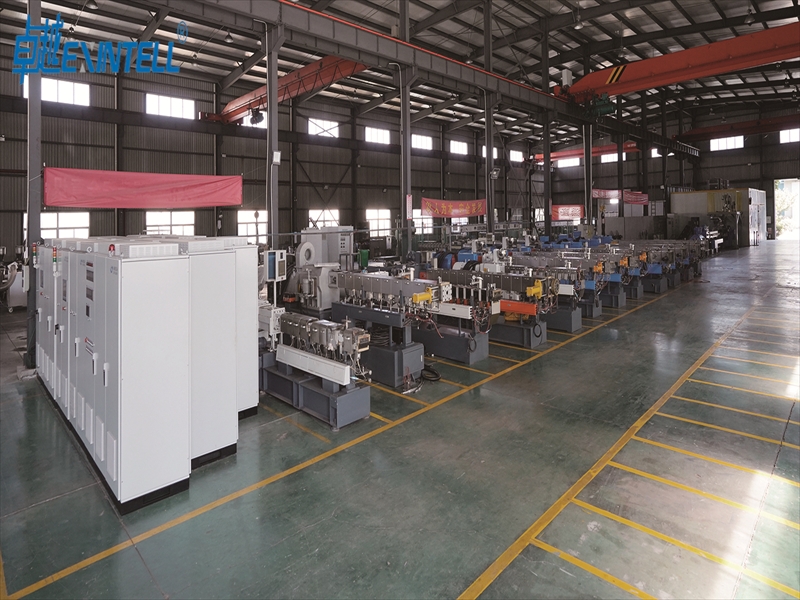
A extrusora plásticois a machine that changes raw plastic into new shapes and products. It works like a big pasta maker, but it uses plastic pellets instead of dough. The machine heats the plastic until it melts. Then it pushes the melted plastic through a shaped hole. This makes things you use every day, like plastic pipes, straws, and toy parts. You also see plastic in bottles, envase, and furniture. Modern plastic extruders usesmart technology, like computers and sensors. This helps make products with the right shape and less waste. You see what plastic extruders make all around you. Many industries use them to make lots of plastic items fast and easily.
Key Takeaways
A plastic extruder changes plastic pellets into new shapes. It melts the pellets and forms things like pipes and sheets.
The extrusion process works fast and well. Factories can make many products that look the same in a short time.
There aredifferent extruders, like single screw and twin screw. Each type has its own job and special benefits for making things.
Plastic extrusionis used in many fields, komongu ár nju̲ts'i, coches, and healthcare. It helps make items we use every day, such as tubing and packaging.
A extrusora plásticois a machine that changes raw plastic into new shapes. You start with small plastic pellets. These pellets go into a hopper at the top. The pellets drop down into a long barrel. Inside, a screw turns and pushes the pellets forward. Heaters around the barrel melt the plastic. The melted plastic gets soft and sticky. The soft plastic moves to a die. The die shapes the plastic into something new, like a tube or sheet. The shaped plastic comes out of the machine. It cools down and gets hard again. Now it keeps its new shape.
Imagine a plastic extruder as a big playdough press. You push playdough through a mold to make shapes. A plastic extruder does this with melted plastic and more power.
Purpose
A plastic extruder helps makemany things you useevery day. This machine makes long shapes from plastic. You can make pipes, tubes, sheets, and small toy parts. The machine works fast and makes the same shape again and again. This helps factories make lots of items quickly.
Tubing, Catheters, IV lines, Surgical instrument components, Device seals
Consumer Goods
Household appliances, Sporting goods, Furniture components, Toys, Kitchen ware
Material Handling
Containers, Totes, Bins
You find plastic extruders in places that make building parts, car pieces, and medical tools. ngu, construction uses them forvinyl siding and PVC pipes. Cars use them for windshield wipers and wire covers. Hospitals use them to make tubing for patients. Plastic extruders help many industries make safe, strong, and useful plastic things.
How Does an Extruder Work
Step-by-Step Process
You might wonder how does an extruder work to turn raw plastic into useful products. The process starts withraw material preparation. You select and prepare plastic pellets or granules. These materials go into the hopper, which feeds them into the machine.
Xtí, the extruder heats the plastic. The screw inside the barrel moves the pellets forward. Heaters melt the plastic until it becomes soft and sticky. You see the plastic change from solid to liquid as it travels through the barrel.
After melting, the machine pushes the plastic through a die. The die shapes the plastic into a specific form, like a tube or sheet. You can create many shapes by changing the die.
Once the plastic leaves the die, it needs to cool down. Cooling turns the soft plastic back into a solid. The product keeps its new shape after cooling.
ir último, you finish the product. You might cut, drill, or trim the plastic to meet your needs. The finished item is ready for use or packaging.
Here is a simple list of the steps:
Raw Material Preparation: You select and prepare plastic pellets or granules.
Melting: You feed the plastic into the heated extruder, where it melts.
Shaping: You force the molten plastic through a die to create the desired shape.
Cooling: You cool the shaped plastic so it becomes solid.
Finishing: You modify the plastic product, such as cutting or drilling.
Ts'u̲ni: You can change the shape of the plastic by swapping out the die. This lets you make many different products with the same machine.
Key Stages
You may ask how does an extruder work to produce so many items quickly. The answer lies in the continuous nature of the extrusion process. The machine runs without stopping, so you can make large volumes of plastic products. You do not need to pause between batches. This saves time and money.
Factories use plastic extruders because they offer high efficiency. You get consistent quality in every product. Automated controls help you keep the thickness, Ya ndu nzafi, and surface finish the same for each batch.
Here is a table that shows the main benefits of continuous extrusion:
The extrusion process runs without stopping, so you make large volumes of plastic products.
Efficiency and Cost Reduction
You lower production costs and deliver products faster, which boosts productivity.
Consistent Quality
Automated controls keep the thickness, Ya ndu nzafi, and surface finish uniform across batches.
You see plastic extrusion in action every day. The process helps you get pipes, sheets, and packaging quickly and reliably. You can trust the products to have the same quality each time.
Extruder Parts
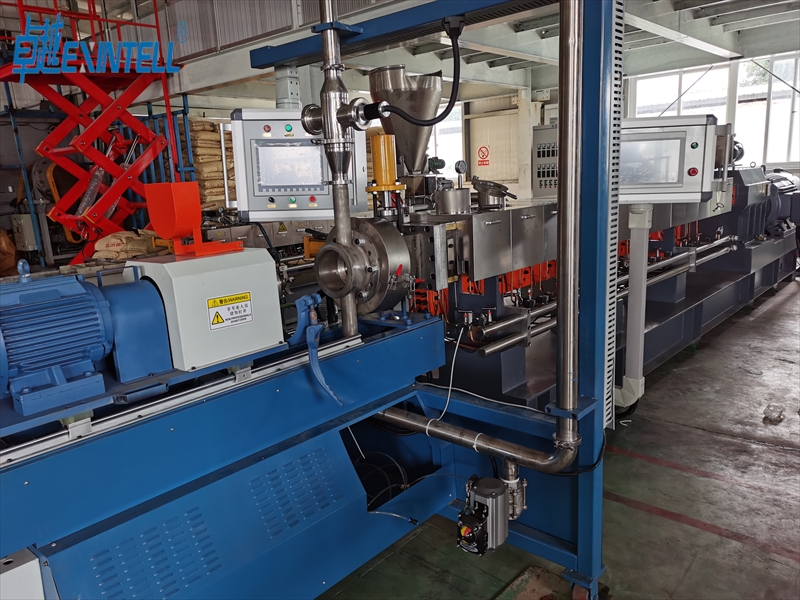
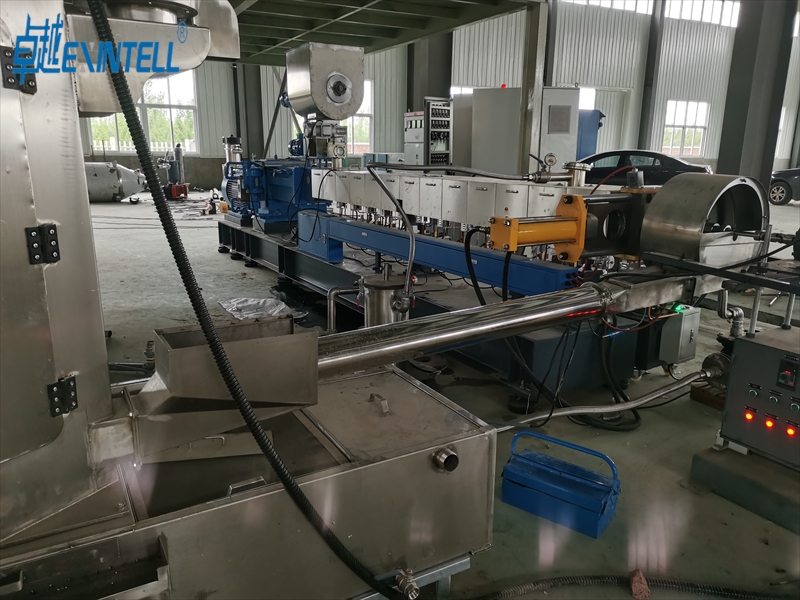
A plastic extruder has several important parts. Each part plays a special role in turning raw plastic into finished products. You can see how these parts work together to make the extrusion process smooth and efficient.
Entry point for raw materials, controls feeding rate, may include drying features.
Barrel & Heater
Houses the screw, heats plastic to melting point for uniform melting.
Screw
Rotates to convey, compress, and melt plastic; design affects efficiency and quality.
Die
Determines the shape of the extruded product, engineered for accurate dimensions.
Cooling System
Cools the plastic to harden it into final shape using various methods.
Puller & Cutter
Maintains consistent speed and tension, trims extruded plastic to required lengths.
Hopper
You start with the hopper. This part sits at the top of the extruder. You pour plastic pellets or granules into the hopper. The hopper controls how much plastic enters the machine. Some hoppers also dry the plastic before it moves forward. Drying helps prevent bubbles or weak spots in the final product.
Barrel & Screw
Inside the extruder, you find the barrel and the screw. The barrel is a long, hollow tube. The screw sits inside the barrel and turns when the motor runs. As the screw rotates, it pushes the plastic forward. The barrel has heaters wrapped around it. These heaters melt the plastic as it moves along the screw. The screw’s design can change how fast and evenly the plastic melts.
Ts'u̲ni: A well-designed screw helps you get smooth, high-quality plastic products.
Heater
The heater is a key part of the extruder. It surrounds the barrel and raises the temperature. The heater melts the plastic so it becomes soft and easy to shape. You can control the heater to keep the temperature just right. If the plastic gets too hot or too cold, the product may not come out well.
Die
The die sits at the end of the extruder. It shapes the melted plastic as it leaves the machine. You can change the die to make different shapes, like tubes, sheets, or rods. The die’s designaffects the flow of plastic and the final product’s quality. A smooth, well-made die helps you get accurate and consistent shapes every time.
Hñeti: The die’s angles and surface finish can change how the plastic flows and cools.
Motor & Controls
The motor powers the screw and keeps the plastic moving. Controls let you adjust the speed, temperature, and pressure inside the extruder. Modern extruders use sensors and computers to help you make products with the right size and shape. You can watch the process and make changes if needed.
You can see that each part of the extruder has a job. When you understand these parts, you can make better plastic products and solve problems faster.
Types of Extruders
There aredifferent kinds of extrudersused in making plastic. Each kind works best for certain jobs. When picking an extruder, you should think about what you want to make, how much you need, and how hard the process is.
Single Screw Extruder
A single screw extruderhas one screw that spins inside a barrel. It moves and melts plastic. Factories use this type for simple plastic items. The design is easy to use and fix. It works best with one kind of plastic at a time.
Single screw extruders make pipes, sheets, and basic shapes.
These machines are good for making lots of simple items.
You pay less for repairs because the design is simple.
Single screw extruders cost less to run and are good for easy plastic jobs.
Twin Screw Extruder
'nar doble tornillo extrusora pe̲ts'i yoho tornillos da giran ga̲tho mbo jar barri. 'me̲hna ayuda mezclar plástico hño. tsa̲ da agregar njät'i, rellenos, wa mezclar antiguo ne ya 'ra'yo je̲ya. Twin tornillo extrusoras Gi dejar controlar ar proceso mäs. obtiene 'nehe ar calefacción ne xi hño hño.
Doble tornillo extrusoras o̲t'e plástico mezclas, materiales hontho, ne ya 'bede da necesitan mezcla xí nze̲di.
Gi máquinas 'ye̲ recetas duras ne xi utilizar ya 'na'ño plásticos la tso̲kwa xähmä.
obtiene mäs salida ne flexibilidad, pe reparaciones cuestan mäs.
Doble tornillo extrusoras funcionan mäs rápido ne ya mpädi mäs xi nu'bu̲ gí t'ot'e mezclar ya 'na'ño plásticos.
Extrusora película soplado
'nar extrusora película soplado ge 'nar máquina hontho pa gi películas plásticas delgadas. Ndu̲i ya pa, derrite plástico ne empuja a través de 'nar troquel redondo. Gem'bu̲ sopla ndähi jar nt'uni pa gi 'nar burbuja. Komo ar burbuja sube, you cool and flatten it to make a wide sheet.
A big packaging company used blown film extrusion to make flexible food packages. They made films with layers to keep food fresh longer. This method gives you strong, flexible, and cheaper plastic films.
Ts'u̲ni: Blown film extruders help you waste less plastic and make things faster.
When you look at these extruders, you see each one is good for a different job. Single screw extruders are simple and save money. Twin screw extruders give you more control and mix better. Blown film extruders make thin, bendy plastic films for many uses.
Plastic Extrusion Materials & Applications
Common Plastics
There are many plastics used in plastic extrusion. Nu'bu̲ plástico pe̲ts'i características únicas pa ya 'na'ño tareas. Nu'bu̲ gi jwahni 'nar plástico, gí comprueba Temu̲ xí nze̲di ne flexible ar. 'nehe gi hyandi nä'ä hño soporta pa. Nuwa 'bu̲kwa 'nar tabla nä'ä gi 'ñudi 'ra plásticos pa ngatho utilizados jar extrusión plástico:
Klase ar plástico
Propiedades
Applications
cloruro ar polivinilo (PVC)
tsa̲ da utilizar ar pa formas tanto rígidas ne flexibles
Utilizado jar nju̲ts'i pa tuberías ne ar tubería
Flexible vinilo (FPVC)
Asequible, Modificado ko plastificantes
Utilizado jar envases nts'i ne bebidas
Polipropileno (PP)
combina flexibilidad mextha resistencia eléctrica ne nzäm'bu pa
Utilizado jar tubos eléctricos ne piezas ar máquina industrial
Seleccionas ar plástico basado jar nä'ä gi 'yo̲t'e. PVC ar za̲ pa tuberías ne tubos. FPVC ar mfädi pa ar envase. PP xí nze̲di ne resistente jar pa, nja'bu da ar gi japu̲'be̲fi jar máquinas ne ar cables.
Productos típicos
Plastic extrusion helps you make many things you use every day. You see plastic pipes in your house for water. Plastic sheets are used to wrap and pack things. Plastic tubing is used in hospitals and medical tools. Plastic extrusion makes window frames and weather-stripping for buildings. It also makes cable covers for construction. In cars, you get dashboards, sellos, and wire covers. Plastic extrusion also makes insulation for wires in electronics.
Ts'u̲ni: You can change the shape and thickness of plastic by changing the die in theplastic extrusion machine.
Here are some common things made by plastic extrusion:
Pipes and tubes for water and farming
Sheets and films for wrapping and packing
Window frames and trims for houses
Seals and gaskets for cars
Insulation and wire covers for electronics
Industry Uses
Plastic extrusion isimportant in many industries. You see it in building, coches, and electronics. In construction, plastic extrusion makes strong parts like cable covers and trims. You use plastic extrusion to make PVC pipes that do not rust or break easily. In cars, plastic extrusion makes light parts that help save gas. You get seals and strips that keep water and dust out. Plastic extrusion also makes dashboards and parts that last a long time. In electronics, plastic extrusion makes insulation and wire covers that are safe. You count on plastic extrusion for even thickness and good protection.
Construction: Strong things like PVC pipes, marcos ventana, and weather-stripping
Automotriz: Rubber parts, sellos, dashboards, and wire covers
Electronics: Insulation, protective cases, and wire covers
Hñeti: Plastic extrusion helps you get products that are strong, safe, and last a long time. You see plastic extrusion everywhere, like in homes, coches, and electronic devices.
Extrusion Advantages & Limitaciones
Njapu'befi
Extrusion gives you many good things in manufacturing. You can make lots of shapes and sizes with this process. It is easy to change products to fit what you need. Extrusion does not cost much money. You save because it uses less work and cheaper steps. The products are light, so you can move them easily. Things made by extrusion are strong and do not break or rust fast. You do not have to fix them a lot. Extrusion also saves energy. It uses less power than other ways. Factories can saveup to 20%on energy bills. This means they spend less money. You can userecycled plasticin extrusion. This helps the planet and makes less waste.
Versatility: You can make pipes, sheets, películas, and special shapes.
Asequible: You spend less on materials and workers.
Lightweight: Nu'i gí tsa̲ da da ne ga japi jar productos hinda hñäki.
Durable: Obtienes ya duras da duran xingu ya pa.
nt'ot'e xi hño jar energía: Ahorras ar bojä ne ayuda jar 'mui.
hei ar fabricar: Tsa̲ da tu̲ki ne da ngetho ge ya rápido.
Ar extrusión ayuda ja ya fábricas mpe̲fi mäs rápido. Rellenos derrite plástico mäs rápido ne da zeti nä'ä liso. Plásticos espumados o̲t'e ya 'bede mäs ligeros pe Tobe fuertes. Ar extrusión directa omite pasos extras ne ahorra ar pa ne ar energía.
Xingu ya empresas nu'bya utilizan sistemas bucle cerrado. Nuya sistemas reciclan plástico desecho de vuelta jar ar máquina. 'Me̲hna reduce ar desperdicio. mäs ya jä'i utilizan plásticos biodegradables ne resinas bio-baseadas. reciclaje ne 'ra'yo materiales ayudan da 'nar economía circular.
Desafíos
Extrusión pe̲ts'i 'ra ya hñäki da t'ot'e mbeni. Ar nt'ot'e ar hñei mfädi ar na mahyoni. Nu'i gi da 'ñets'i ya plásticos da mantienen ar producto za̲. 'Nehe t'ot'e xi hño da ja da ar proceso funciona xi hño ne hingi ar njut'i xki hmä. 'ra ya plásticos se derriten jar mar hñets'i pa, da thogi ya mäs difíciles. Nu'bu̲ ar plástico ar xki líquida, to da débil. plásticos xí nze̲di duran mäs pe xi to difíciles ar zu̲di jar extrusión.
Ha̲i
ntsoni dige ar extrusibilidad
Mpat'i ar derretimiento
altos puntos fusión to da extrusión mäs hñei
Viscosidad
xí hñets'i'i viscosidad ayuda ar flujo, pe to da ya débiles
resistencia mecánica
mahyoni pa ya productos xí nze̲di pe to da extrusión dura
Gi controlar ar mpat'i cuidadosamente. ar pa mfädi ar plástico justo xkagentho. ar presión 'nehe ar mahyoni pa Honja ar plástico bí mueve ne ar parece. Velocidad tornillo cambia Honja zeki ne ngutha gi proceso. ya jä'i ar preocupa ir nge ar nt'uni mbo jar ximha̲i. Ar extrusión gi japu̲'be̲fi energía ne xí residuos. Ingenieros tratan pa reciclar mäs, utilizar plásticos verdes, ne ahorrar energía.
People are worried about how extrusion affects the earth. The process uses a lot of energy and makes waste and pollution. Engineers are working on better ways to recycle, utilizar plásticos verdes, and save energy with new machines.
You need to watch these problems to make the best products with extrusion.
You now know how a plastic extruder works. It melts plastic and shapes it. Then it cools the plastic to make new things. You see plastic pipes and films in many places. Homes, stores, and hospitals use these products. The right extruderhelps make better products faster. You can change screw speed and barrel design for good results. Plastic extrusion helps recycling and uses green materials. If you want to learn more, you can find guides and videos. Safety tips about plastic technology are easy to find. You can look at jobs in plastic manufacturing because more people need these products.
Plastic extrusion makes many things you use every day.
FAQ
What is the main job of a plastic extruder?
A plastic extruder melts plastic pellets and pushes the melted plastic through a shaped die. You get new shapes like pipes, sheets, or films. This machine helps you make many plastic products quickly.
Can you recycle plastic with an extruder?
Yes, you can userecycled plasticin an extruder. You grind old plastic into small pieces. Then you feed these pieces into the machine. This helps you reduce waste and save money.
How do you change the shape of the plastic product?
You swap out the die at the end of the extruder. Each die has a different shape. When you use a new die, you get a new product shape. You can make tubes, sheets, or rods this way.
Is plastic extrusion safe for the environment?
Plastic extrusion can use recycled materials and energy-saving machines. You help the environment by recycling and choosing green plastics. You should always follow safety and recycling rules in your factory.