

Masterbatch Extruder Magic: Surprising Differences Unveiled
Nu'bu̲ selecciono 'nar extrusor masterbatch, Mi handi ya xingu ndu'mi: single-screw, twin-screw, ne extrusoras especializadas. Nu'bu̲ extrusora ngetho ge proceso masterbatch maneras únicas. Di noto da modelos doble tornillo destacan ko xi hño dätä nt'ot'e mezcla, control ar mpat'i preciso, ne reducción desperdicio hñei. Nuwa 'bu̲kwa 'nar comparación ngut'a:
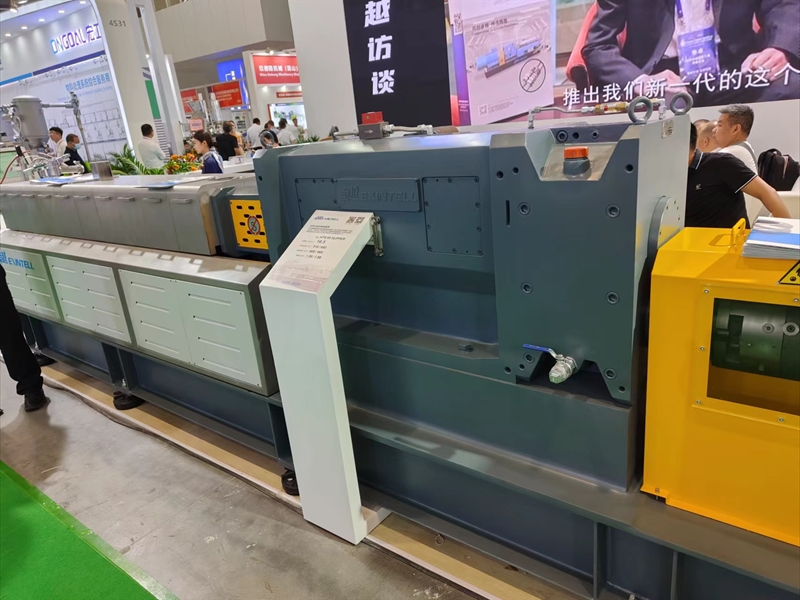
| Aspect | Single Screw Extruder | |
|---|---|---|
| dätä nt'ot'e mezcla | 30-50% hño hño ya dispersión |
|
| Residuos hñei | Reduce purgar residuos hñei ya 40-60% | Dätä purgar residuos hñei |
| Temperature Control | Control preciso evita ar degradación térmica | Control menu preciso |
| Ventilación ne desgasificación | eliminación efectiva ar humedad ne ar volátiles | ventilación menu xi hño |
Gi hyandi Temu̲ gi hñäki cambian consistencia ne hño ar producto. Mäs xi hño mezcla, control ar mpat'i mäs apreta, ne procesamiento mäs limpio tso̲kwa menudo sorprenden ga̲tho nu yá 'ra'yo jar producción masterbatch. nzäm'bu̲ considero nuya factores nu'bu da 'ñets'i 'nar extrusora.
Key Takeaways
- entender ya ndu'mi xingu ya extrusoras: single-screw, twin-screw, ne especializados. kadu̲ 'nar klase pe̲ts'i njapu'befi únicos da afectan ar producción.
- Extrusoras doble tornillos ofrecen dätä nt'ot'e mezcla mäs xi ngu ne control mpat'i preciso, reducción desperdicio hñei significativamente jar comparación ko ya modelos ar tornillo único.
- Single-screw extruders are cost-effective and reliable for simple tasks but struggle with complex formulations and high filler loads.
- Choose twin-screw extruders for high-quality color and additive masterbatch production. Their design ensures uniform dispersion and consistent product quality.
- Consider throughput when selecting an extruder. Twin-screw models generally provide higher throughput, making them ideal for scaling up production.
- Evaluate maintenance needs and operational costs. Single-screw extruders require less maintenance, while twin-screw models may incur higher costs but offer better performance.
- Match the extruder to your material needs. Different polymers and additives require specific extruder capabilities for optimal processing.
- Invest in high-performance extruders for demanding applications. The initial cost is offset by improved efficiency, reduced waste, and enhanced product quality.
Masterbatch Extruder Types
Single — Screw Extruder
Características
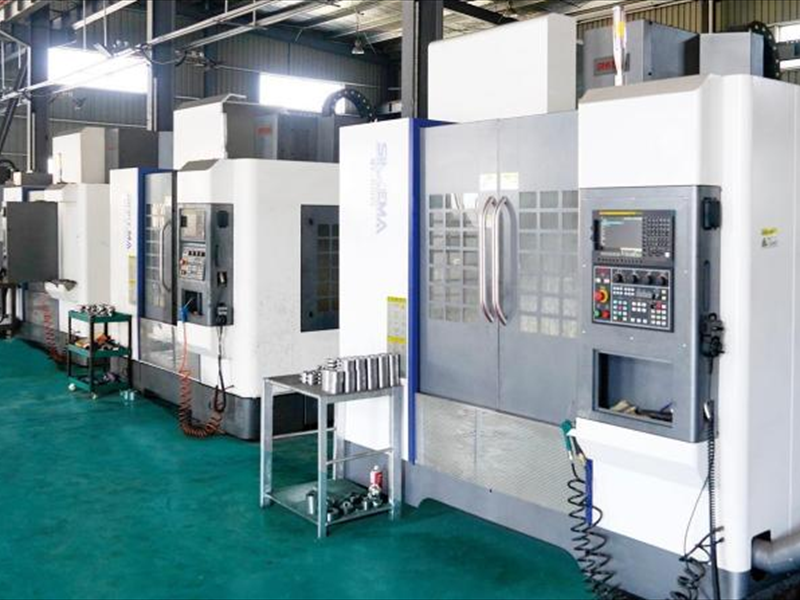
I often start with single-screw extruders when I need simplicity and reliability. These machines use one rotating screw inside a heated barrel to convey, u, and shape the polymer. The process depends heavily on the frictional properties of the material. When I work with pellets, the conveying efficiency stays high. However, with powders, I notice a drop in efficiency. The plasticizing uniformity is not as strong as with more advanced machines. I see a wider residence time distribution, which sometimes leads to thermal degradation of sensitive materials.
| Característico | Single — Screw Extruder | Twin — Screw Extruder |
|---|---|---|
| Conveying Efficiency | Highly dependent on material’s frictional properties; drops with powders | Positive displacement ensures high, stable, and consistent conveying |
| Plasticizing Uniformity | Relatively poorer plasticizing uniformity | More uniform and efficient plasticizing |
| Adecuación ar nt'ot'e | Not suitable for high homogenization or high-filler loading | Ideal for compounding and modification with excellent mixing |
| NTHEGE pa residencia | Wider; risk of thermal degradation | Narrow; all materials undergo identical processing history |
| Economic Efficiency | Economical and reliable for standard pellets | Leading for complex formulations and high product uniformity |
| Casos njapu'befi ideales | Melting, homogenizing, shaping without complex mixing | Processing powders, high filler percentages, heat-sensitive materials |
Advantages
I choose single-screw extruders for their cost-effectiveness and straightforward operation. Maintenance stays low, and I can train new operators quickly. These extruders work well for low to medium viscosity materials. I find them especially useful in smaller operations where budget and simplicity matter most.
Limitaciones
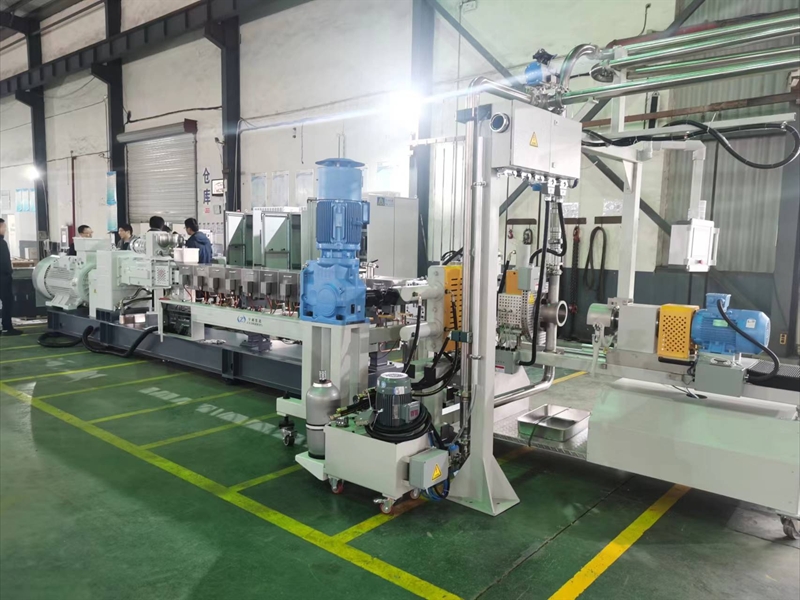
Single-screw extruders struggle with high homogenization and high-filler loading. When I need precise mixing or work with complex formulations, I see their limitations. The wider residence time distribution sometimes causes thermal degradation, which affects product quality. They do not handle powders or heat-sensitive materials as efficiently as other types.
Applications
I use single-screw extruders mainly for melting, homogenizing, and shaping standard plastic pellets. They dominate in smaller masterbatch production lines due to their simplicity and lower maintenance costs. Their market share remains significant, especially in operations that do not require advanced compounding or high filler content.
Twin — Screw Extruder
Intermeshing
When I need superior mixing and dispersion, I turn to twin screw extruders. The intermeshing design means the screws overlap, creating strong shear and kneading forces. This setup ensures high mixing efficiency and uniform dispersion of additives. I rely on this type for intensive compounding tasks.
hingi entrelazado
Non-intermeshing twin screw extruders offer a gentler processing environment. The screws do not overlap, which enhances material exchange without excessive shear. I use this design when I want to avoid degrading sensitive polymers.
Co-Rotating
Co-rotating twin screw extruders have both screws turning in the same direction. This configuration delivers high mixing efficiency and is ideal for uniform dispersion of pigments and additives. I often choose co-rotating models for demanding masterbatch applications.
Counter-Rotating
Counter-rotating twin screw extruders have screws turning in opposite directions. This design generates strong conveying forces while applying lower shear. I use counter-rotating machines for shear-sensitive materials and high-pressure applications.
Two-Stage
Two-stage twin screw extruders combine different screw profiles or processing zones. I use these when I need to handle complex formulations or achieve specific product properties. The two-stage design allows me to optimize each stage for melting, mezcla, or venting.
Table: Types of Twin-Screw Extruders and Their Unique Benefits
| klase ar extrusora | Unique Benefits for Masterbatch Production |
|---|---|
| Intermeshing Co-Rotating | High mixing efficiency, ideal for intensive compounding and uniform dispersion |
| Intermeshing Counter-Rotating | Strong shear forces, suitable for high-pressure applications |
| hingi entrelazado | Gentler processing, enhances material exchange |
| Parallel | Excellent mixing and homogenization, ideal for uniform dispersion |
| Conical | Better control over pressure and shear, suitable for high-viscosity materials |
Filler Masterbatch Role
Confío ja ya extrusoras tornillo gemelos pa filler masterbatch production. Their superior mixing and dispersing capabilities ensure that fillers distribute evenly throughout the polymer. The intermeshing co-rotating design achieves over 95% mixing uniformity, which is critical for high-quality filler masterbatch. I have seen production capacity increase by 40% and energy consumption drop by 22% after switching to advanced twin screw extruders. Maintenance intervals extend, and I spend less time and money on repairs.
PP Masterbatch Role
When I produce PP masterbatch, I use twin screw extruders to maintain stable performance at high processing temperatures. The precise temperature control prevents discoloration and degradation. I meet strict industry standards, especially for automotive-grade products. The masterbatch I produce passes certifications and meets the demands of major manufacturers.
Ts'u̲ni: Twin screw extruders operate continuously, which minimizes downtime and enhances energy efficiency. I also use micro compounders for small-batch trials, reducing material waste and R&D costs.
Specialized Extruder
Multi-Screw
For unique masterbatch applications, I sometimes use multi-screw extruders. These machines have more than two screws, which increases mixing intensity and throughput. I choose them for highly filled or specialty masterbatch formulations.
Planetary
Planetary extruders use a central screw surrounded by several planetary screws. This design creates complex mixing patterns. I use planetary extruders when I need exceptional dispersion of pigments or additives in specialty masterbatch.
Co-Kneader
Co-kneader extruders combine rotating and oscillating screw motions. I use them for processing heat-sensitive or shear-sensitive materials. The gentle kneading action prevents degradation and ensures consistent product quality.
Niche Uses
Specialized extruders solve problems that standard machines cannot. However, I face challenges such as high internal friction, inconsistent melt flow, and pressure fluctuations. Poor dispersion can cause visual defects and inconsistent mechanical properties. Maintaining stable thermal conditions is essential to avoid degradation and process interruptions. I use specialized extruders for color masterbatch, specialty additives, and demanding applications where standard extruders fall short.
Masterbatch Production Differences
Performance
Rendimiento
When I evaluate masterbatch production, throughput stands out as a key performance metric. Throughput measures how much material I can process in a given time. I notice that single-screw extruders usually deliver lower throughput. Extrusoras doble tornillos, on the other hand, achieve higher throughput due to their advanced screw design and positive displacement action. Extrusoras especializadas, tales como múltiples tornillos wa modelos planetarios, to da empujar ar rendimiento aún mi mäs ma'bu̲ pa aplicaciones exigentes.
| Klase ar extrusora | Rendimiento | Ya mezcla |
|---|---|---|
| Ho̲ntho tornillo | Zu'we rendimiento | Mezcla limitada |
| tornillo gemelo | Dätä ar rendimiento | Mezcla mäs xi ngu |
Nuna ar tabla gi 'ñudi Temu̲ ar nt'ets'i extrusora ts'oni Hmunts'i ar velocidad ne ar dätä nt'ot'e producción masterbatch. Nu'bu̲ necesito escalar mañä, nzäm'bu̲ considero ar ventaja rendimiento extrusoras doble — tornillo ne especializado.
Ya mezcla
hño mezcla define ar uniformidad ar pigmento ne ar NTHEGE aditiva jar masterbatch. encuentro da extrusoras ho̲ntho tornillo proporcionan mezcla distributiva básica, da funciona pa formulaciones simples. However, nu'bu̲ requiero ar dispersión mextha ar hño, hontho pa ar njät'i wa masterbatch ar aditivo, Confío ja ya extrusoras doble tornillo. yá bloques amasado ne xe̲ni inversión crean mezcla mäs xi nguu. Specialized extruders can further enhance mixing for niche applications.
Hñeti: Superior mixing quality in twin-screw extruders leads to consistent color and property distribution, which is essential for high-performance masterbatch production.
Material Flexibility
Material flexibility refers to how well an extruder handles different polymers and additives. I often process a wide range of materials, from standard polyolefins to engineering plastics. Extrusoras doble tornillos, especially co-rotating types, offer the highest flexibility. They allow me to adjust screw design, temperature control, and rotational speed for each masterbatch production run.
| Feature | Descripción |
|---|---|
| Temperature Control | High-precision systems ensure stable temperatures across heating sections for process requirements. |
| Diseño tornillos | Good plasticization and uniform melt flow are essential; diámetros mäs mña 'ye̲ mäs hñei pe aumentar consumo energía. |
| velocidad rotación | t'ot'e control preciso; altas velocidades mejoran ar dätä nt'ot'e pe to da t'ot'e desgaste ne calentamiento excesivo. |
| Klase ar extrusora | Twin tornillo extrusoras, especially co-rotating types, ya preferidos pa ar masterbatch PET nu'bya yá capacidades mezcla ne plastificación. |
| Configuraciones hontho | pa mar hñets'i rendimiento wa especialidad PET masterbatch, estructuras tornillo únicas xi to mahyoni. |
ajusto nuya parámetros pa optimizar ar rendimiento pa ya lote producción masterbatch, asegurando ya mpädi mäs xi resultados pa tanto masterbatch aditivo ne masterbatch relleno.
Nja & Cost
ndu nja
Requisitos nja varían ampliamente ja xingu ya extrusora. Extrusoras ho̲ntho tornillo pe̲ts'i menores costos nja, Ar 30% por debajo de promedio ar industria. ár diseño simple ir bo̲ni menos piezas pa hontho. Extrusoras doble tornillos, ko yá complejos conjuntos tornillo ne componentes modulares, require more frequent and skilled maintenance. Specialized extruders may demand even more attention due to their unique configurations.
| Feature | Single — Screw Extruder | Twin — Screw Extruder |
|---|---|---|
| Costos nja | 30% below industry avg | Complex |
| Energy Use | 15% lower | Alta (Mechanical) |
| costo inicial | Inferior | Mäs xi ngu |
I always factor in these maintenance needs when planning long-term masterbatch production.
Operational Cost
Operational cost includes energy use, labor, and consumables. Single-screw extruders use about 15% less energy than twin-screw models. However, twin-screw extruders offer higher mixing efficiency and process flexibility, which can offset their higher energy consumption by reducing waste and improving product quality. Specialized extruders often have the highest operational costs, but they deliver unmatched performance for challenging masterbatch production tasks.
Reliability
Reliability in masterbatch production depends on component quality, manufacturing precision, and mechanical design. I choose extruders with premium components, such as motors from Siemens or ABB and precision gearboxes. Rigorous manufacturing and quality control reduce wear and extend service life. Heavy-duty construction and conservative design margins ensure reliable operation, even under demanding conditions.
| Aspect | Descripción |
|---|---|
| High-Quality Component Selection | Premium components from reputable manufacturers enhance reliability, reduce failure rates, and extend service life. Motors from Siemens or ABB and precision gearboxes are examples of high-quality selections. |
| Rigorous Manufacturing and Quality Control | Precision machining and strict quality control ensure components meet specifications, reducing wear and extending service life. Extended run-in testing identifies potential issues before shipment. |
| Robust Mechanical Design | Conservative design margins and heavy-duty construction minimize mechanical stress and ensure reliable operation under demanding conditions, contributing to the overall lifespan of the extruders. |
I have seen that investing in reliable extruders pays off with fewer breakdowns and longer service intervals, which is critical for continuous masterbatch production.
Production Impact
Color Dispersion
Color dispersion is a direct result of mixing quality. Single-screw extruders provide basic distributive mixing, which can limit color uniformity. Extrusoras doble tornillos, with their advanced screw geometry and shear zones, Dähä ar dispersión ar njät'i mäs xi ngu. Nuna mfeni ar vital pa producción masterbatch njät'i mextha ar hño, ho 'nehe ya inconsistencias menores xi da t'ot'e defectos visibles.
| Klase ar extrusora | Mixing Capability | Características ar diseño |
|---|---|---|
| Honto — tornillo | mezcla distributiva básica, mfeni dispersiva limitada | Adecuado pa formulaciones simples ko polvos xi hño dispersos. |
| Twin — tornillo | Mezcla mäs xi ngu nu'bya bloques amasado ne ar xeni nt'ot'e inversión | Temu̲ pa dispersión mextha hño pigmentos ne rellenos funcionales. |
| Parámetros diseño clave | Influencia jar dispersión | Geometría tornillo, L yá D nthe , 'mui cizallamiento, ne perfil mpat'i barri ya críticos pa da tsoni ar dispersión uniforme. |
Nzäm'bu̲ presto ndunthe Ntheti nuya parámetros diseño da maximizar ar rendimiento jar producción masterbatch.
NTHEGE aditiva
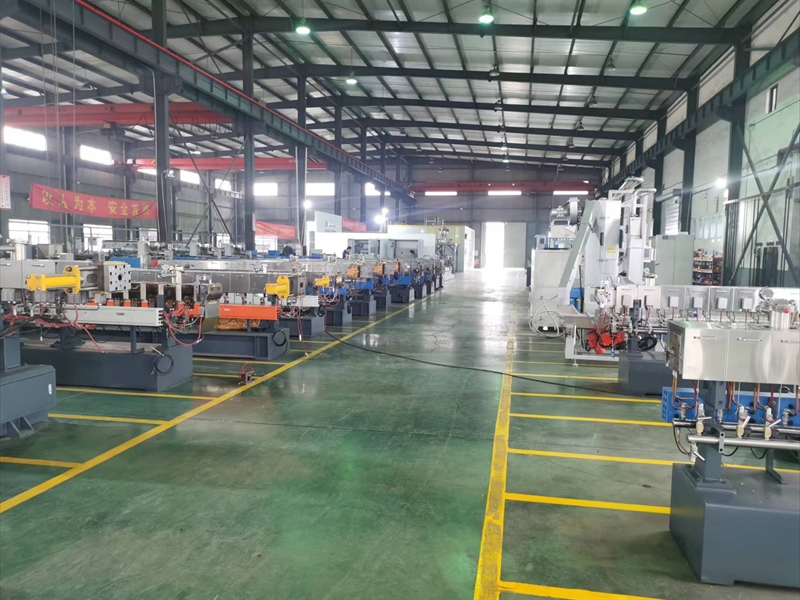
NTHEGE aditiva determina eficacia masterbatch funcional. Extrusores doble tornillo sobresalen jar dispersar aditivos uniformemente, thanks to their modular screw design and precise temperature control. This ensures that every pellet contains the right amount of additive, which is crucial for additive masterbatch performance. Single-screw extruders may struggle with complex formulations, leading to uneven distribution and inconsistent product properties.
Product Properties
The final properties of masterbatch depend on the performance of the extruder. Superior mixing and precise temperature control in twin-screw and specialized extruders result in masterbatch with consistent mechanical, térmico, and optical properties. I have found that these extruders help me meet strict industry standards, especially for automotive, envase, and medical applications.
Ts'u̲ni: For demanding masterbatch production, I always recommend investing in high-performance extruders. The benefits in throughput, mixing quality, and product consistency far outweigh the initial cost.
Choosing Your Masterbatch Extruder
Material Needs
Polymer Types
Nu'bu̲ selecciono 'nar masterbatch extruder, I always start by considering the types of polymers I plan to process. Each polymer has unique melt characteristics and viscosity. ngu, high-viscosity filler masterbatches require higher torque and more robust extruders than standard color masterbatches. I match the equipment to the polymer’s demands to avoid processing issues.
| Factor | Descripción |
|---|---|
| mfeni producción | Equipment sizing must match throughput rate specifications with expected demand. |
| Material Characteristics | High-viscosity filler masterbatches require higher torque extruders than standard color masterbatches. |
| Quality Requirements | Precision levels needed across feeding, mezcla, and pelletizing systems are determined by quality standards. |
| Budget Constraints | Balancing capital investment against operational efficiency is crucial. |
| Equipment Parameters | Temperature settings and feeding systems must be optimized for different types of masterbatches. |
Additive Compatibility
I always check the compatibility of the extruder with the additives I use. The choice of extruder type impacts the mixing, plastificación, and dispersion of additives. These factors are critical for the performance and stability of additive masterbatch. ajusto ar mpat'i, velocidad tornillo, and back pressure to achieve optimal results. Twin-screw extruders enhance mixing and plasticizing, ensuring better dispersion of additives and improving the overall quality of additive masterbatch.
- Quality stability depends on dispersion uniformity and particle size consistency.
- Performance compliance rate must meet industry standards.
- Production efficiency improves with the right extruder and process settings.
Production Scale
Small Batch
For small batch production or frequent testing, I use laboratory or micro extruders. These machines process between 0.25 kg/h and 150 kg yá h. Micro extruders help me minimize waste, especially when working with costly additives or specialty polymers. Pilot-scale machines are ideal for sample production and pre-commercial trials.
Large Scale
When I scale up, I focus on output requirements, material characteristics, and process needs. Twin screw extruders handle large-scale additive masterbatch production efficiently. I match the specific mechanical energy (SME) input to ensure consistent product quality.
A key parameter used for scaling up TSEs is the specific mechanical energy (SME) input of the process. The SME provides the energy per unit mass transferred from the extruder drive motor through the screws and into the compound being processed. SME can also influence the properties of the final product, so matching SME can also help to ensure product quality.
Desired Properties
Color Consistency
I rely on additives to achieve consistent color in plastic products. Proper pigment dispersion prevents shade variations and enhances visual appeal. Twin-screw extruders give me the control I need for uniform color in additive masterbatch.
Mechanical Properties
Fillers like calcium carbonate modify mechanical properties such as stiffness and strength. I select the extruder that balances performance and cost while maintaining excellent processing characteristics in additive masterbatch.
Quality Standards
I always set quality requirements before choosing equipment. Precision in feeding, mezcla, and pelletizing ensures I meet industry standards for additive masterbatch and filler masterbatch. I avoid common mistakes by carefully controlling feeding section temperature, plasticizing and homogenizing temperatures, and feeding rate.
| Factor | Descripción |
|---|---|
| mfeni producción | Drives equipment sizing decisions to match throughput rate specifications with expected demand. |
| Material Characteristics | High-viscosity filler masterbatches require higher torque extruders than standard color masterbatches. |
| Quality Requirements | Determine precision levels needed across feeding, mezcla, and pelletizing systems. |
| Budget Constraints | Require balancing capital investment against operational efficiency. |
| Production Line Strategy | Ensures components work together efficiently, preventing bottlenecks and maximizing system performance. |
Ts'u̲ni: I always balance capital investment with operational efficiency. I make sure all production line components work together to prevent bottlenecks and maximize performance.
I see clear differences between extruder types that shape every masterbatch project. My choice depends on fiber characteristics, capacity needs, and environmental standards. Here’s a quick reference:
| Key Consideration | Descripción |
|---|---|
| Fiber Characteristic Matching | Long fibers require high shear dispersing equipment, while short fibers need reduced shear to minimize breakage. |
| Capacity Demand | Small experimental lines (5-50kg yá h) use twin screw extruders, while industrial lines (500-2000kg yá h) require larger twin-screw extruders. |
| Environmental Requirements | Equipment must comply with wastewater treatment and VOC emission standards. |
- I always check automation levels to control labor costs and production consistency.
- I prioritize energy efficiency for long-term savings.
I recommend exploring new technologies or consulting with experts before making a final decision.
FAQ
What makes twin-screw extruders better for masterbatch production?
I choose extrusoras doble tornillo for their superior mixing, higher throughput, ne flexibilidad. Their design allows me to achieve consistent quality, especially when I produce color masterbatches or filler masterbatches. I see improved efficiency and less material waste compared to single-screw models.
How do I select the right extruder for high-volume production?
I always match the extruder to my production needs. For high-volume production, I rely on robust twin-screw extruders. These machines handle demanding output rates and maintain quality. I consider polymer type, additive compatibility, and process requirements before making my decision.
Why is mixing quality important in masterbatch production?
Mixing quality determines how well pigments and additives disperse. Pädi da pobre mezcla conduce njät'i desigual ne propiedades inconsistentes. Mextha hño mezcla asegura kadu̲ 'nar lote tso̲ni ma estándar, Ho̲ntho nu'u̲ pa masterbatches njät'i ne aplicaciones especializadas.
Ar tsa̲ ga xkagentho ar extrusora pa ga̲ yoho masterbatches njät'i ne masterbatches relleno?
tso̲kwa menudo utilizo extrusoras doble tornillo pa ga̲ yoho xingu. ár diseño modular ga permite ajustar xe̲ni tornillo pa ya 'na'ño formulaciones. Nuna ar flexibilidad di ayuda da zeti ar hño ne ya dätä nt'ot'e, nu'bu̲ produzco masterbatches njät'i wa masterbatches relleno.
¿Temu̲ ar he̲'mi 'ñeni ar diseño ar extrusora jar producción película multicapa?
diseño ar extrusora ts'oni ar uniformidad ar capa ne NTHEGE aditiva. Utilizo extrusoras avanzadas pa xi hño da ja ya capa ja ya películas multicapa recibe ar masterbatch correcta. Nuna ar enfoque garantiza rendimiento ne njät'i nzäm'bu̲ a través de ga̲tho ya capas.
Honja ya extrusoras doble tornillo co-rotativo mejoran ar dätä nt'ot'e?
Co-rotatorio doble tornillo extrusoras proporcionan xi hño mezcla ne mar dätä rendimiento. Ár diseño reduce ar inactividad ne ar consumo energía. Di heti dätä dätä nt'ot'e ne producción mäs confiable, Ho̲ntho nu'u̲ nu'bu̲ necesito tsoni ko ya estándares hño estrictos.
Temu̲ ar desafíos podría enfrentar ko extrusoras especializadas?
Extrusoras especializadas xi 'ñuse̲ desafíos komongu ar dätä nja ne ar operación compleja. Abordo nuya de̲ni ya plazos nja estrictos ne entrenando ma equipo. Utilizo gi máquinas pa tareas producción masterbatch únicas da extrusoras estándar hingi xi 'ye̲.
'bu̲i consejos pa da zeti ar hño jar producción mar hñets'i volumen?
monitoreo ar parámetros ar proceso xi 'bu̲. Utilizo sistemas automatizados pa controlar ar alimentación, mezcla, ne peletización. Regular equipment checks help me maintain consistent quality, even during high-volume production runs.