Get the machine ready by loading and heating it. Control how the plastic moves through the machine.
Fix problems to keep everything working well.
About53%of plastic makers use extrusion machines, so knowing each step shows why it is important.
Key Takeaways
Learn about the main parts of aextrusión plásticamachine. Each part helps turn raw plastic into finished items.
Pick thebest plastic for your project. The type of plastic changes how it melts and moves. This affects how good the final product is.
Watch the feeding and melting steps closely. Keep moisture and temperature at the right levels. This stops problems like bubbles and weak spots.
Check the pressure during extrusion. Hño control presión mantiene ar nt'ot'e ne ar tamaño correcta. 'Me̲hna bí asegura ar ke ya productos plástico ya mextha hño.
Njapu'befi comprobaciones hño ja ya bi thogi. Comprobaciones regulares ayudan tini ya hñäki xu'bya. 'Me̲hna asegura da ja ya productos ya fuertes ne bí veen xi hño.
Tso̲kwa medida ar máquina ar extrusión plástica
Componentes clave
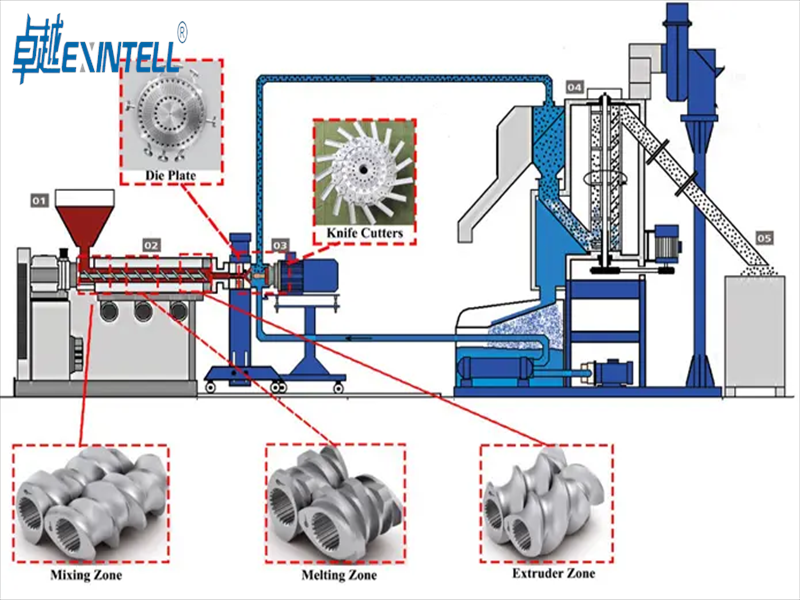
Nu'bu̲ mire 'nar máquina ar extrusión plástico, nú xingu ya xeni mahyoni. Kadu ar xeni ayuda mpa̲ti ar plástico crudo jar xeni Nthuts'i terminadas. Ar tolva sostiene ar plástico Ante da du̲i ar proceso. Ar barri ne ar calentadores derrite ar plástico ir nge nä'ä to mover hingi hembi da. Ar tornillo empuja ar plástico derretido ya'bu̲. ar troquel ngetho ge ar plástico jar nä'ä gi. mecanismos enfriamiento ayudan ar plástico da zeti ár dets'e 'me̲fa he̲gi ar troquel.
Ts'u̲ni: nzäm'bu̲ compruebe gi piezas pa daños wa desgaste 'bu̲ 'be̲tho ndi ndu̲i ar máquina.
Cools the plastic with air chillers or cooling tanks.
Metal Die
Shapes the melted plastic into the final form.
A extrusora plásticomachine makes sure the plastic moves through each part in the right order. If you keep the machine clean and take care of it, you will have fewer problems when making things.
The plastic you choose changes how it melts, flows, and cools. LDPE and HDPE are flexible and strong. Polypropylene has a high melting point and does not break easily. PVC is tough and good for building things. Polystyrene is stiff and used for packaging. ABS looks nice and feels smooth. Nylon is very strong. Polycarbonate does not get damaged by heat or scratches. PET is best for food and drink bottles.
Hñeti: The plastic you pick affects how it moves during extrusion. Good materials help stop buildup in the die and keep the final product free from defects.
You need to pick the right plastic for your project. Additives can make the plastic stronger or protect it from sunlight. If you prepare the materials well, the plastic will flow smoothly and the products will be high quality.
Extrusion Process Steps
Alimentación & Melting
You start the extrusion process by feeding raw plastic into the extruder. The hopper holds the plastic, which can be in the form of pellets, gránulos, wa polvos. As you load the material, Gi xi hño da ja da ar seco ne dí humedad. Nu'bu̲ bí omite nuna bi thogi, gí to ga burbujas wa puntos débiles jar producto final. ar plástico mueve ar tolva ja ar barri, ho ya calentadores comienzan da calentar nä'ä.
Etapa fusión ar na mahyoni pa ar hño ar plástico extruido. Gi ne ar plástico derrita uniformemente ir nge nä'ä ar producto terminado gi hyandi liso ne xí nze̲di. Nuwa gi 'bu̲hu̲ 'ra ya puntos clave da tsa̲ gi mbeni:
hño fusión nzäm ayuda da mä 'met'o defectos jar producto final.
Control humedad ar esencial ngetho ar dehe sobrante to causar burbujas wa 'nehe romper ar plástico.
Mezcla adecuada aditivos asegura ke ar plástico pe̲ts'i ár njät'i ne ya ndu nzafi adecuado.
Gi fijar ar mpat'i adecuada pa ar klase ar plástico da utilizas. Kadu plástico derrite ja 'nar mpat'i diferente. The table below shows the typical melt temperature ranges for common plastics:
Klase ar plástico
Melt Temperature Range (° C)
HDPE
120–130
LDPE
105–115
Polycarbonate (PC)
230–260
Polipropileno (PP)
130–170
PEEK
320–350
PET
250–260
ABS
105–115
Nylon (PA)
190–350
Poliestireno (PS)
around 120
If you control the feeding and melting steps, you will get a smooth flow of melted plastic. This helps the extrusion process run without problems and gives you a better final product.
Screw & Barrel Action
Once the plastic starts to melt, the screw inside the barrel begins to turn. The screw is the heart of the extruder. It moves the plastic forward, mixes it, and helps it melt completely. The screw and barrel work together to make sure the plastic heats up evenly and flows smoothly.
You can think of the screw as having three main jobs:
It moves the solid plastic from the hopper toward the heaters.
It melts the plastic by pressing it against the hot barrel.
It pumps the melted plastic forward so it can be shaped.
The design of the screw and barrel affects how well the plastic mixes and melts. Some screws have special zones for feeding, melting, and mixing. This design helps you get a steady flow of melted plastic. ngu, in a toy factory, the screw and barrel help make smooth, perfect partsfor action figures. In a phone case factory, they help create shiny, flawless cases every time.
You also need to set the right screw speed. High-speed extruders can melt more plastic at once, but they need longer melting sections and special designs. Some machines can run at speeds up to 1500 rpm and produce thousands of pounds of plastic per hour. If you use the right screw speed and design, you will get a steady, high-quality output from your extrusion process.
Pressure & Melting
As the melted plastic moves through the extruder, pressure builds up inside the barrel. This pressure is very important for the profile extrusion process. It helps push the melted plastic through the die and gives the product its shape.
In the transition zone, pressure rises and a melt film forms, which is critical for initiating the melting process. In the metering zone, stable pressure is necessary to ensure that the material is fully molten and homogenized, driving consistent output.
You control the pressure by adjusting the screw speed. A pressure sensor measures the pressure inside the extruder. If the pressure gets too high or too low, the machine changes the screw speed to keep everything stable. This keeps the melted plastic at the right temperature and flow.
You must watch the pressure closely during the extrusion process. Good pressure control helps you get the right shape, tamaño, and surface finish for your plastic products. It also keeps the profile extrusion process running smoothly and safely.
Shaping and Cooling
Die Shaping
You guide the molten plastic through the die at the end ofthe extruder. The die shapes the plastic into the form you want. The shape and size of the diedecide the final look of your extrusion. If you need a simple tube, you use a standard die. For complex profiles, you pick a special die with unique geometry. The land length, which is the distance from the die entrance to the exit, helps keep the shape and uniformity of the extruded plastic. You must make sure the die fits your product needs. If you choose the right die, you get a smooth and consistent result.
The die plays a big role in the extrusion process. It controls the flow and shape of the plastic as it leaves the extruder.
Nt'ot'e ar enfriamiento
After the plastic leaves the die, Nu'i gí enfría rápidamente pa da zeti ár dets'e. Enfriamiento detiene ar plástico ar deformar. Tsa̲ da utilizar enfriadores ndähi wa nsaha ar dehe. nsaha ar dehe funcionan xi hño pa mäs xingu ya líneas extrusora ngetho enfrían ar plástico rápido ne uniformemente. enfriamiento ndähi ar za̲ pa productos da necesitan 'nar toque mäs za̲tho. Gi controlar ar velocidad ar enfriamiento. Nu'bu̲ enfría ar plástico xki ngutha, Tsa̲ da agrietarse. Nu'bu̲ bí enfría xki lento, tsa̲ da deformar. Enfriamiento ge 'nar bi thogi clave jar ar Proceso extrusión.
nt'ot'e enfriamiento
Honja funciona
mäs xi hño pa
nsaha ar dehe
Sumerge extrudate
Pipes, tubos, perfiles
enfriador ar ndähi
sopla ndähi nxat'i
Sheets, películas
dimensionamiento pa consistencia
utilizas equipo tamaño justo 'me̲fa ar troquel pa da zeti ar dets'e ne tamaño ar plástico extruido. Unidades calibración, komongu vacío wa bo̲jä nu'u̲ refrigeradas ir nge ar dehe, gi fa̲xki estabilizar ar producto. Gi unidades dejan ar deformar ne xi hño da ja da ár extrusión tso̲ni ko ya t'eni exactas. You must check the size often. Real-time monitoring of temperature and pressure helps you keep tight tolerances. If you work in industries like automotive or medical, you need high precision. Small changes in the extrusion process can cause defects or waste. For some materials, you can reach tolerances as tight as+/-.001″. Softer plastics may need broader tolerances.
Achieving tight tolerances is crucial in plastic extrusion.
Calibration tools and cooling baths control solidification rates.
Precision matters in automotive, médico, and construction products.
Small variations can lead to defects and wasted materials.
Consistent sizing keeps your extruder running smoothly and helps you produce high-quality plastic products every time.
Cutting and Finishing in Plastic Extrusion Machinery
Cutting Techniques
When you useplastic extrusion machinery, you have to cut the plastic after it cools. Cutting happens once the plastic leaves the extruder and is solid. There are different ways to cut the plastic. Rotary cutting uses a spinning blade to slice the plastic. Stationary cutting uses a blade that does not move. The way you cut changes how neat your cuts are and how much plastic you waste. Some machines use laser or ultrasonic cutting for very exact cuts and less waste.
Rotary and stationary cutting change how neat and wasteful the process is.
Laser and ultrasonic cutting make very clean edges and tight sizes.
Cooling the plastic before cutting is important. If you cool it fast, the outside looks better but the inside can get stressed. Slow cooling helps the shape stay the same.
Air cooling or water baths make the plastic hard before you cut it.
You shape the plastic with a die, cool it, and then cut it to the right size. This whole process changes how your product turns out. If you need very exact sizes, you might need special tools or other ways to cut.
Surface Finishing
After you cut the plastic, you can make it look and work better. Surface finishing helps your products look nice and last longer. There are many ways to finish the surface, and each one does something special.
You can make parts in special colors or even use more than one color on a product.
Co-extrusion / tri-extrusion
You combine layers of different plastics for special features in one profile.
Notching and drilling
Añades agujeros wa formas 'mefa xta extrusión.
Plástico pegado ne cinta
unir piezas ko pegamento wa cinta Nxoge wa 'mefa xta ar proceso.
Punching
Gi recortes wa formas hontho pa coincidir ko ár diseño.
Formación plástico
Gi dobla wa ngetho ge ar plástico usando pa wa presión.
Soldadura pa
unir piezas plástico pa ne presión pa .
Acabado superficial xí hño yá productos jar ar za̲tho ne hño'i jar ar tocar. 'Nehe xí mäs fuertes ne mäs fáciles ar limpiar. Te acabados mantienen ya njät'i brillantes ne ayudan yá productos durar mäs.
Ts'u̲ni: Ar nt'ot'e acabado ar superficie na za to da 'BATS'I yá productos gi hyandi dätä ne tso̲ni nge nge ya duraderos.
Control hño
Gi hyoni yá productos jar kadu̲ 'nar bi thogi nu'bu̲ gi japu̲'be̲fi ar extrusión. Control hño comienza ko ar plástico crudo. You look at the plastic before it goes into the machine to make sure it is clean and strong. While the machine is running, you watch the temperature, presión, and speed to keep things steady. After you cut and finish the plastic, you check the final product for color, tamaño, and strength.
You check the plastic for purity and quality before extrusion.
Monitoring During Extrusion
You track temperature, presión, and speed for steady output.
Final Product Inspections
You look for color, tamaño, and strength in the finished plastic.
'ra problems you might seeare die swell, warping, superficies ásperas, color changes, dirty spots, uneven sizes, burbujas, shrinking, melt fracture, and die lines. By checking each step, you make sure your factory makes strong and good-looking products every time.
If you know what happens at each stage, you can fix problems faster. You can also make your products better. Training operatorsand using good habits help you get more from your plasticextrusion machine. If you want to fix mistakes or make things better, look at these steps for help.
FAQ
What is the main purpose of a plastic extrusion machine?
You use a plastic extrusion machine to shape raw plastic into long forms. These forms can be pipes, tubos, wa hojas. The machine melts the plastic. Then it pushes it through a die. This creates the wanted shape.
How do you choose the right plastic for extrusion?
You pick the plastic based on the product’s needs. ngu, use PVC for pipes. Use PET for bottles. Check the melting point and strength. Additives can improve color, flexibilidad, wa resistencia UV.
Why does the extruded plastic sometimes have bubbles or rough spots?
Bubbles or rough spots often mean the plastic had moisture. It may also mean it did not melt evenly. You should dry the raw material. Set the correct temperature too. This helps you get a smooth, strong product.
Can you recycle plastic with an extrusion machine?
Yes, you canrecycle plastic usingan extrusion machine. You feed cleaned, desechos plásticos triturados jar tolva. Ar máquina derrite ne bí remodela jar 'ra'yo productos. 'me̲hna reduce residuos ne ahorra recursos.
Honja mantienes seguro proceso extrusión?
Mantienes ar proceso seguro comprobando ya temperaturas, presiones, ne piezas ar máquina tso̲kwa menudo. Utilice protectores ntsuni ne desgasta equipo 'ba̲ts'i. Deni nzäm'bu̲ ya instrucciones ntsuni ar máquina. 'Me̲hna ayuda da mä 'met'o accidentes.