Honja peletizando nu'bu̲ mpe̲fi ya extrusoras paso tso̲kwa paso
Table of Contents
Honja peletizando nu'bu̲ mpe̲fi ya extrusoras paso tso̲kwa paso
When you use au, you change raw material into pellets by following clear steps. You put material into the extruder. The machine melts and mixes it. derrite ne ngetho ge ar plástico, it pushes the material through a die to make pellets. Each step is important for making strong and even pellets. If you know how pelletizing works, you can make your extruder better and fix problems faster.
Check the material’s properties to make the pelletizing process work best for different plastics.
What Is A Pelletizing Extruder
Main Function
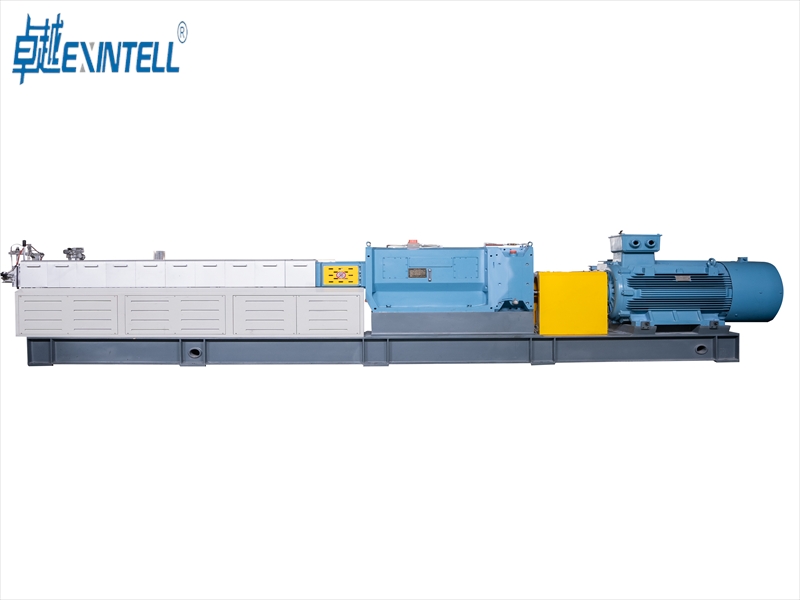
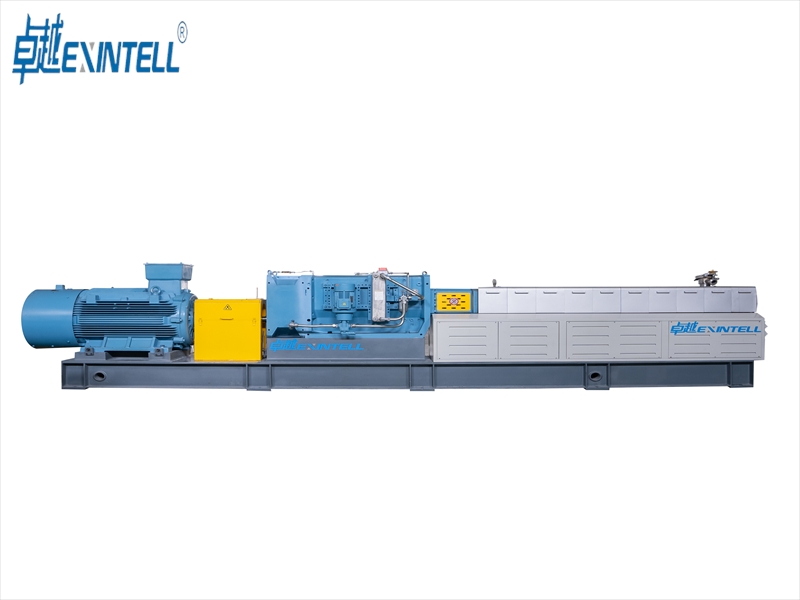
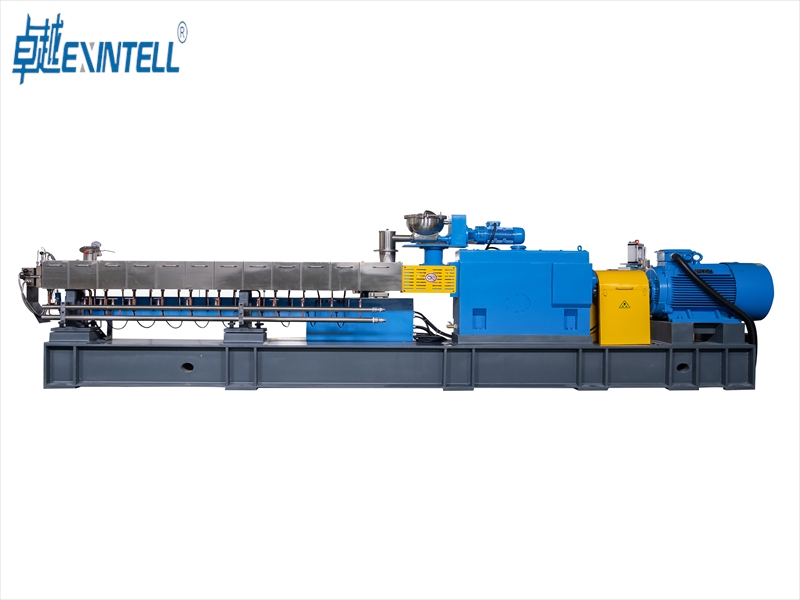
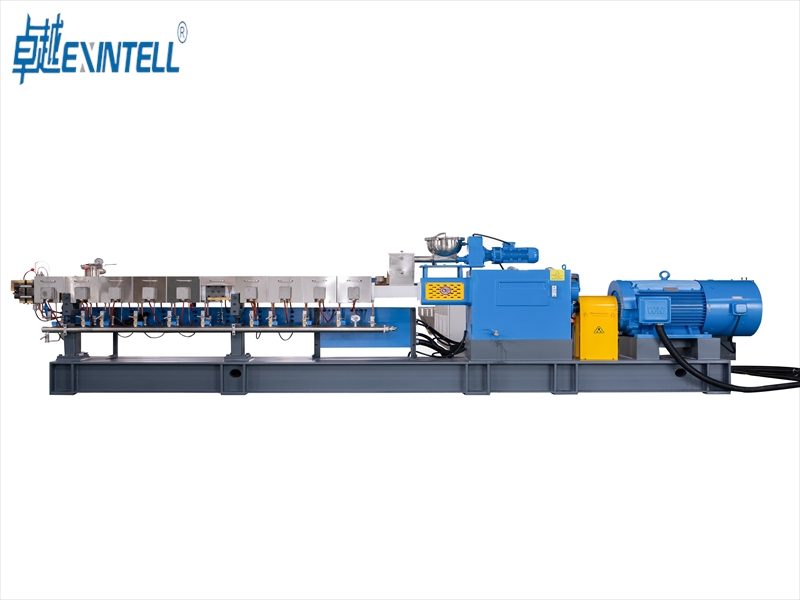
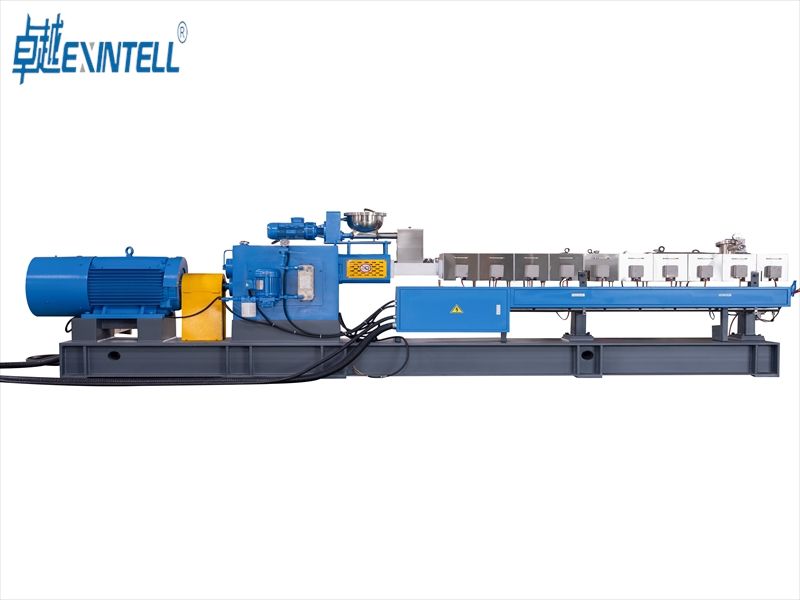
A uturns raw plastic or polymer into small pellets. The machine lets you control how big and round each pellet is. Manufacturers usepellet extrudersto make products that meet strict rules. You can change waste pieces or new resin into pellets that flow well and work in other machines.
Pelletizing extrudersare important in making plastic and polymer. They help you work faster, waste less, and get steady results.
Shapes melted plastic, Controla ar espesor ne ar presión ar pelotillas
Cooling System
xí pellets duros, impide da mpa̲ti ar dets'e
Rotating Knife System
corta pellets refrigerados jar tamaño ne dets'e uniforme
tsa̲ da modificar ar diseño gi piezas pa adaptar bí ja yá ndu. sistemas automatización bí ayudan controlar ar pa ne bí alertar ar hñäki. sistemas enfriamiento ne secado mantienen ya ndu nzafi ar pelotilla ne conservar hño.
proceso extrusora peletización
extrusora peletización opera jar pasos. kadu̲ bi thogi bi pa̲ti materia prima jar pellets aspecto consistente. t'ot'e entender ya etapa pa producir pellets mextha ar hño.
alimentación material
Ndu̲i ya pa, bí pone materia prima ja ar extrusora. ar tolva sostiene ar hñei. nuna ar hñei to da hojulas ar plástico, gránulos, wa polvos. 'ra ya materiales pa ngatho ya polietileno, polypropylene, ABS, nylon, ne PLA. tsa̲ da utilizar alimentadores hontho pa regular yá 'bede ya entrada material. ya bes, t'ot'e secar ar hñei 'me̲t'o. Drying is important for plastics that take in water. Drying stops bubbles and other problems in the pellets.
The feeding system controls how much material goes inside. If you feed the same amount each time, the pellets are better. The size of the pieces and how wet they are also matter. Small pieces and the right amount of water help make strong pellets.
Melting And Homogenization
Xtí, the screw pushes the material forward. The barrel gets hot and melts the plastic. The screw’s shape is important here. Some screws mix the material better and keep the heat even. Mixing helps blend in things like color or stabilizers.
You must set the right heat for each plastic. ngu, polypropylene melts between 200°C and 260°C. ABS melts between 210°C and 250°C. The table below shows melt temperatures for different plastics:
Plastic Polymer
Practical Melt Temperature Range (° C)
ABS (estireno butadinino ar acrilonitrilo)
210 – 250
Polycarbonate (PC)
280 – 320
Polipropileno (PP)
200 – 260
Nylon 66 (PA66)
280 – 310
Polyethylene (HDPE)
210 – 260
Polyoxymethylene (POM)
190 – 220
Good melting and mixing make the melted plastic smooth. This step removes air bubbles and mixes everything together. Now the melted plastic is ready for the next step.
Extrusion Through Die
The melted plastic moves to the die system. The die shapes the plastic into strands or other forms. The die works like a mold. It controls the size and shape of the pellets. The shape of the die is important. It decides how thick and wide the pellets are. A good die gives you pellets that all look the same.
The pressure and speed here change how good the pellets are. You need to keep these steady for the best pellets.
Cooling System
After leaving the die, the plastic is still hot and soft. Ko ya enfriamiento endurece ya pellets ne mantiene ár dets'e. Refrigeración ar dehe ar gi japu̲'be̲fi comúnmente ngetho enfría rápidamente ne uniformemente. ra máquinas utilizan refrigeración ndähi pa plásticos da derriten temperaturas mäs bajas. Ts'ut'ubi submarino ar agua enfría ya pellets ngut'a. Esto es beneficioso pa plásticos da derriten hingi hembi da.
nt'ot'e enfriamiento
Descripción
Polímeros adecuados
enfriamiento ar dehe
Gi japu̲'be̲fi ar dehe pa enfriar ya pellets rápidamente ne da zeti ár hño.
Xingu plásticos da requieren 'nehe enfriamiento.
enfriamiento ar ndähi
Enfriamiento mäs lento, Utilizado pa plásticos da derriten temperaturas xí baja.
Plásticos ko índice fusión xí hñets'i'i.
Ts'ut'ubi submarino
Ts'ut'ubi ne enfría ya pellets ngut'a jar dehe.
PP hindi tejido, Tejidos fundidos — soplados.
Enfriamiento da to uniforme. Nu'bu̲ ar enfría xki ngutha wa xki lento, Pellets xi romper wa mpa̲ti ar dets. Enfriamiento adecuado mantiene ya pellets xí nze̲di ne mantiene ár apariencia.
Ts'ut'ubi jar pellets
Mbi ya pellets ar enfrían, Da ja ar cortador. The rotating knife cuts the strands into pellets. The speed and type of blade change how long and thick the pellets are. More blades or faster cutting make shorter pellets. Where you put the cutter matters too. If it is too close to the die, it wears out fast. If it is too far, the pellets are not even.
You can cut pellets in different ways:
Pelización hebras: Cut after cooling in water.
Hot-cut pelletizing: Cut right at the die face.
Underwater pelletizing: Cut in water for fast cooling.
Each way works best for certain plastics and jobs.
Collection And Quality Control
You collect the finished pellets at the end. ya bes, you need to dry them to remove water. This is where you check the pellets for size, shape, and purity. You test the pellets and remove any bad ones. Some companies use special tests for plastics that need to be very pure.
You must follow world rules to make sure your pellets are good. Good checks mean your pellets will work well in other machines.
Ts'u̲ni: Check the pellets often when you collect them. This helps you find problems early and keeps your machine working well.
If you follow each step, you turn raw material into good pellets. Every stage is important for making the final product.
Factors Affecting Pelletizing
When you use a pelletizing extruder, you must control some things. These things help you get strong and even pellets. You need to watch temperature, velocidad tornillo, and your material’s properties. Each one can change how your pellets look. They also affect how well your machine works.
Temperature Control
You have to check the temperature all the time. The right temperature helps pellets stick together well. When the temperature is near a special point calledT*, time in the die matters. This time changes how tough your pellets are. If you go over T*, pellets stick faster but get weaker. Good temperature control makes pellets last longer and not break. It also keeps your pellets good and stops waste.
Ts'u̲ni: Use sensors to check temperature often. This helps you fix problems fast.
Velocidad ar tornillo
The screw’s speed changes how fast you make pellets. If the screw goes too fast, pellets may not look even. They can also get air bubbles. If the screw is too slow, you make fewer pellets. You need to find the best speed for your material and machine. Try different speeds and look at your pellets often. This helps you keep pellet quality the same and stop problems.
Propiedades ar hñei
The kind of material you use is important too. You should think about moisture and viscosity. Here is how these things change your pellets:
More water makes pellets wetter and stronger, but they look darker.
Use computer models to design dies for hard shapes.
You can also use co-extrusion systems. These let you mix materials and make layered pellets for special uses.
If you control these things, you make better pellets. You also keep your pelletizing process working well.
Pellet Extruder Troubleshooting
Common Pellet Quality Issues
ya bes, you see problems with your pellets. These problems can change how your pellets look or work. Here are some issues you might find:
Agglomeration or big clumps happen if pellets get too hot or water is too low.
Fines and angel hair show up if orifice tips break or the knife does not move right.
Twins, triplets, and chains form if the knife is too fast or the product is too hot.
Dog bones and dumbbells appear if blades are worn out or the material is not thick enough.
Tails form if the gap between the knife and die is too big or the die is not flat.
Longs and elbows happen if the knife is too slow or the extrusion rate is high.
Internal voids and popcorn can show up if the polymer has water or cools too fast.
Dimples and dust appear if the product shrinks too fast or is brittle.
Surface or melt fracture and trash or shavings happen if the extrusion rate is high or the knife is not adjusted often.
Pellets that do not look the same can come from temperature changes or uneven die heating.
You can use tools like theIshikawa fishbone diagramor the 5 Whys technique to find out what is wrong. These tools help you list causes and look deeper into the problem.
Mechanical And Process Problems
Mechanical and process problems can also hurt pelletizing. You might see uneven output, low production, or bad pellets. Here are some problems and ways to fix them:
If pellet size and shape are not right, change the die temperature, keep blades sharp, and check the blade gap.
If you see less output or jams, look for blocked die holes and make sure material moves well in the hopper.
If the extruder or motor gets too hot, check the cooling system and look for friction or a motor working too hard.
If pellets are not good, check the temperature, handle materials with care, and dry materials that take in water.
You should also check for screw wear, strange sounds, and shaking. These signs can mean parts are worn or there is something in the material that should not be there. Checking and fixing things often keeps your pelletizing smooth and your pellets the same.
Ts'u̲ni: Write down problems and how you fix them. This helps you see patterns and fix things faster next time.
You can learn each step of the pelletizing extruder process. Controlling temperature and cooling helps make strong, Uniforme pellets. Improving how you run your machine reduces waste and saves money. When pellets flow smoothly, jams are less likely, and work stays steady. Proper melting and mixing create pellets that meet high standards. This also helps cut material loss and makes production faster. Whether you’re new or experienced, keep practicing to make the best pellets every time.
Even melting and mixing produce consistent pellets.
Pelletizing saves material and increases efficiency.
FAQ
What materials can you use in a pelletizing extruder?
You can usemany kinds of plastic. Some examples are polyethylene, polypropylene, ABS, nylon, ne PLA. Some machines can also use recycled plastic or blends. Nzäm'bu̲ xi hño da ja da ár extrusora funciona ko ár hñei.
Honja da zeti pellets ar pegar ga̲tho?
Secar ár hñei 'be̲tho bí alimentar en. Escoja ar mäs xi hño nt'ot'e enfriamiento pa ár plástico. Da zeti ar mpat'i xkagentho. Nuya pasos bí ayudan da hyoni pellets fuertes nä'ä hingi se pegan.
Yogo'ä ya 'nandi pe̲ts'i ya 'nandi formas desiguales?
Pellets xi parecer desigual nu'bu̲ ar troquel wa ar cortador pe̲ts'i hñäki. Compruebe nu'bu̲ ya cuchillas gi 'bu̲hu̲ desgastadas wa nu'bu̲ ar bloquean ya hoyos ar troquel. Velocidad tornillo incorrecta 'nehe to causar 'me̲hna. Njäts'i nuya ya pa gi pellets 'nehe .
Tengu ya tso̲kwa menudo gi limpiar ár extrusora pelotización?
Limpiar ir extrusora 'me̲fa kadu 'nandi da termina da pellets.
Ju̲ts'i hñei sobrante ne honi 'na acumulación.
Limpieza tso̲kwa menudo mantiene yá pellets za̲ ne ár máquina funcionando xi hño.