Momwe Mitundu Yosiyanasiyana Yamakina a Pulasitiki Pelletizer Fananizani
M'ndandanda wazopezekamo
Momwe Mitundu Yosiyanasiyana Yamakina a Pulasitiki Pelletizer Fananizani
Ndikakumana ndi vuto losankha pelletizer ya pulasitiki ya mzere watsopano wopanga, Ndimadzifunsa kuti ndi dongosolo liti lomwe lingakwaniritse bwino ntchito yanga. Makina akuluakulu a pulasitiki a pelletizer - pansi pa madzi, mphete yamadzi, ndi strand-iliyonse imapereka mphamvu zapadera. Ndimaganizira zinthu zingapo ndisanasankhe:
Mphamvu zaukadaulo za wopanga komanso mbiri yamakampani
Kachitidwe, mtengo, khalidwe la pellet, ndi kukwanira kugwiritsa ntchito kumapanga chisankho changa chomaliza.
Zofunika Kwambiri
Ma pelletizer apansi pamadzi amapereka zotulutsa zambiri ndipo amapanga yunifolomu, mapepala ozungulira, kuwapanga kukhala abwino kwa akulu, kupanga mosalekeza.
Ma pelletizer amadzi amadzi amapereka compact, njira yosavuta kusunga yokhala ndi ma pellet abwino, oyenerera kubwezereranso kwapakatikati ndi kukonza mafilimu.
Mitundu ya pelletizers kupereka zotsika mtengo, njira yosunthika pamachitidwe ang'onoang'ono ndikubwezeretsanso mitundu yambiri yamapulasitiki, ngakhale mtundu wa pellet ndi wocheperako.
Kusankha pelletizer yoyenera zimatengera kuchuluka kwa kupanga kwanu, mitundu yakuthupi, bajeti, ndi mphamvu zosamalira kuti zitsimikizire kuti ntchito yabwino ndi yodalirika.
Kutsika kwa PET kumapangitsa kuti ikhale yogwira ntchito bwino, ndi ma pellets a PET obwezerezedwanso amagwiritsidwa ntchito mu ulusi pazovala ndi kulongedza.
Zochepa za Strand Systems
Ngakhale dongosolo la strand pelletizing limapereka zabwino zambiri, Ndikumananso ndi zovuta zingapo zogwirira ntchito. Kusakhazikika kwamitengo zingakhudze ndalama zanga zopangira ndi mphamvu zamagetsi, kupangitsa kuti zikhale zovuta kuyendetsa malire. Ndiyenera kuyang'ana kugawanika kwa supply chain, zomwe zimabweretsa kusayembekezereka pakugula ndi kugulitsa. Ndalama zotsatiridwa ndi malamulo zikupitilira kukwera pomwe miyezo ya chilengedwe ikukulirakulira. Ndikuwonanso zitsenderezo zapikisano zamphamvu kuchokera kwa opanga otsika mtengo komanso matekinoloje atsopano. Kusokonekera kwaukadaulo kumafuna kuti ndiwononge zida zatsopano kuti ndikhalebe wampikisano. Zolepheretsa zatsopano zimatha kuchedwetsa kutengera kwanga zatsopano ndi njira. Zopinga zazikulu zolowera, monga zofunikira zazikulu ndi zivomerezo zamalamulo, kuyika mphamvu zamsika pakati pa osewera okhazikika.
Chovuta
Kufotokozera
Kusintha kwa Mtengo
Kusinthasintha kwamitengo ya zinthu zopangira komanso mitengo yamagetsi kumasokoneza kasamalidwe ka malire ndi njira zanthawi yayitali zamitengo.
Kugawikana kwa Chain Chain
Kusiyanasiyana kwa zigawo ndi zovuta zamayendedwe zimabweretsa kusayembekezereka pakugula ndi kuyang'anira zinthu, zomwe zimapangitsa kuti ndalama ziwonjezeke komanso kuchedwetsa.
Mtengo Wotsata Malamulo
Kukwera kwamitengo yotsatiridwa chifukwa cha kukhwimitsa miyezo ya chilengedwe kumafuna kuwononga ndalama zambiri komanso kusintha magwiridwe antchito..
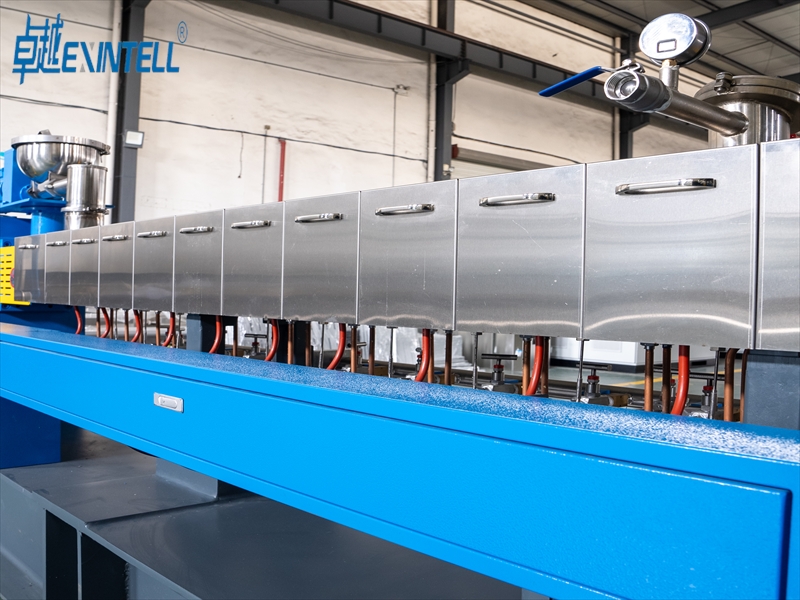
Strand pelletizing: Cylindrical, fumbi ndi zindapusa zambiri, kutsika kusasinthasintha.
Langizo: Ndimasankha ma pelletizing pansi pamadzi pamene kufanana kwa pellet ndi kutuluka ndikofunikira. Kwa zofunsira zochepa, mphete zamadzi kapena zingwe zitha kukhala zokwanira.
Kugwiritsa Ntchito Kuyenerera
Ndimafananiza dongosolo lililonse la ma pelletizing kuzinthu zinazake kutengera mphamvu zawo. Ma pelletizer apansi pamadzi amapambana pakutulutsa kwakukulu, mosalekeza polima processing. Ndimagwiritsa ntchito kupanga ma polima akuluakulu komanso apadera. Water-ring pelletizing systems work well for polyolefins and recycled materials. Their versatility supports a range of recycling applications. Strand pelletizing systems offer high material flexibility. I process a wide variety of polymers, including those with high melt strength, and I often use this system for smaller batches or when I need to minimize costs.
Pelletizers pansi pa madzi: Best for high-output, kupanga mosalekeza, ndi ma polima apadera.
Water-ring pelletizing systems: Ideal for polyolefins, zobwezerezedwanso, and moderate production volumes.
Strand pelletizing systems: Suitable for high melt strength materials, flexible for many polymers, and cost-effective for smaller operations.
I always consider the specific needs of my operation before choosing a pelletizing system. Mwachitsanzo, if I focus on recycling and need to process many types of materials, strand pelletizing gives me the flexibility I need. When I require high throughput and top pellet quality, I rely on underwater pelletizing.
Highlighting Differences: Strand vs. Underwater Pelletizing
The most significant differences between strand and underwater pelletizing systems appear in performance, mtengo, ndi khalidwe la pellet. Strand pelletizing offerslower initial costsand simple operation. I can process a wide range of materials, but I accept moderate throughput and more dust in the final product. Underwater pelletizing requires a higher investment and more complex operation. In return, I achieve the highest throughput, excellent energy efficiency, and the most consistent pellet quality. My choice depends on whether I prioritize cost and flexibility or output and pellet uniformity.
Choosing a Plastic Pelletizer System
Assessing Production Needs
When I select a pelletizer, I always start by defining my production requirements. Ndimadzifunsa mafunso ofunika angapo:
Ndi mapulasitiki amtundu wanji omwe ndidzakonza?
Ndifunika zinthu zingati kuti ndizitha kupukuta ola kapena tsiku lililonse?
Material compatibility plays a critical role in my decision. Different polymers behavein unique ways during processing. Mwachitsanzo, PE, PP, PET, and filled composites each require specific pelletizer features. I look for these factors:
High-viscosity materials need pelletizers with higher torque gearmotors and reinforced cutter assemblies.
Abrasive filled compounds demand die plates and cutters made from durable materials, such as carbide-tipped blades.
Some pelletizers handle sticky or low melt-strength materials better than others.
I always match the pelletizer design to the materials I plan to process. This approach prevents excessive wear, amachepetsa nthawi yopuma, and ensures consistent pellet quality. When I focus on recycling, I choose a system that can handle a wide range of feedstocks, including post-consumer and post-industrial plastics.
Budget Considerations
Budget remains a major factor in my selection process. I look beyond the initial price and consider the total cost of ownership. Many manufacturers make the mistake of focusing only on the purchase price. I avoid this byanalyzing long-term expenses, monga kugwiritsa ntchito mphamvu, kukonza, and spare parts.
Significantly lower initial capital investment; mechanically simpler equipment.
Underwater Pelletizing
Higher initial investment due to precision-engineered components; more compact footprint.
I also factor in operating costs. Underwater and water-ring systems may cost more upfront, but their automation and efficiency can lower labor and energy expenses over time. I always verify manufacturer credentials and quality certifications. Reliable after-sales support and spare parts availability protect my investment and minimize downtime.
Langizo: I conduct factory audits and equipment testing before making a final decision. This step helps me avoid costly mistakes.
Other Practical Factors
Several practical considerations influence my final choice. I evaluate space requirements, operator skill level, and automation needs. The table below summarizes these factors for each pelletizer type:
Factor
Strand Pelletizer
Pelletizer yamadzi - mphete (WRP)
Underwater Pelletizer (UWP)
Space Requirements
Large footprint due to cooling trough and drying sections
Compact footprint
Relatively compact footprint
Operator Skill Level
Labor intensive; requires more manual intervention and attention, especially during start-up and strand breakage
Medium to high automation; less manual labor needed
High automation; complex operation requiring skilled operators
Kukonzekera Kovuta
Wapakati; knife changes and cleaning needed
Wapakati; maintenance of water ring and cutter
Zambiri zovuta; die plate and cutting chamber maintenance can be challenging
Mulingo wa Automation
Lower automation
Medium to high automation
High automation
Additional Considerations
Potential for strand breakage and fines/dust if not well maintained
Material limitations (mwachitsanzo, not ideal for tacky materials)
Higher initial cost and complex operation
I consider workspace constraints, noise sensitivity, and dust control requirements. I also analyze energy efficiency and operating costs. I never overlook after-sales support or spare parts availability. These factors ensure smooth operation and long-term reliability.
Zindikirani: I use a checklist to guide my decision:
Define materials and forms to process.
Calculate throughput needs.
Assess maintenance and blade replacement.
Consider workspace and automation.
Analyze long-term costs.
Evaluate manufacturer support.
By following this structured approach, I select the plastic pelletizer system that best matches my production goals, material needs, ndi bajeti. This method helps me avoid common pitfalls and ensures my operation runs efficiently for years to come.
I compare plastic pelletizer systems by their strengths and suitability for plastic film, kubwezeretsanso, and mechanical recycling. The table below highlights their advantagesfor sustainability and the circular economy:
Dongosolo
Mphamvu
Suitability
Strand
Zosiyanasiyana, zotsika mtengo
Small jobs, recycling lines
Madzi-mphete
Zochepa, good pellet surface
Efficient plastic reprocessing system, film production
M'madzi
Uniform pellets, high automation
Large factories, tough materials
Understanding these differences helps me optimize my recycling operation. I always evaluate material needs, production goals, and process stability before choosing a system.
I focus on durability and energy efficiency for long-term success.
I recommend assessing your requirements carefully to ensure the best fit for your operation.
FAQ
What is the main difference between strand and underwater pelletizing?
I see the biggest difference in pellet shape and system complexity. Strand pelletizers make cylindrical pellets and use a simple process. Underwater pelletizers create round pellets and require more advanced equipment.
How do I choose the right pelletizer for recycled plastics?
I always check material type, contamination level, and output needs. Strand pelletizers work well for mixed or high-melt materials. Water-ring systems handle films and regrind efficiently. Underwater systems suit clean, high-volume recycling.
How often should I perform maintenance on my pelletizer?
I inspect my pelletizer weekly for wear and alignment. I schedule blade changes and cleaning monthly. For underwater systems, I check die plates and knives more often due to higher complexity.
Kodi pelletizer imodzi imagwira mitundu yonse ya mapulasitiki?
Muzochitika zanga, no single pelletizer fits every plastic. I match the system to the polymer’s melt strength, kukakamira, and contamination. I consult with the manufacturer for best results.