

Hva er et undervanns pelletiseringssystem og hvordan fungerer det
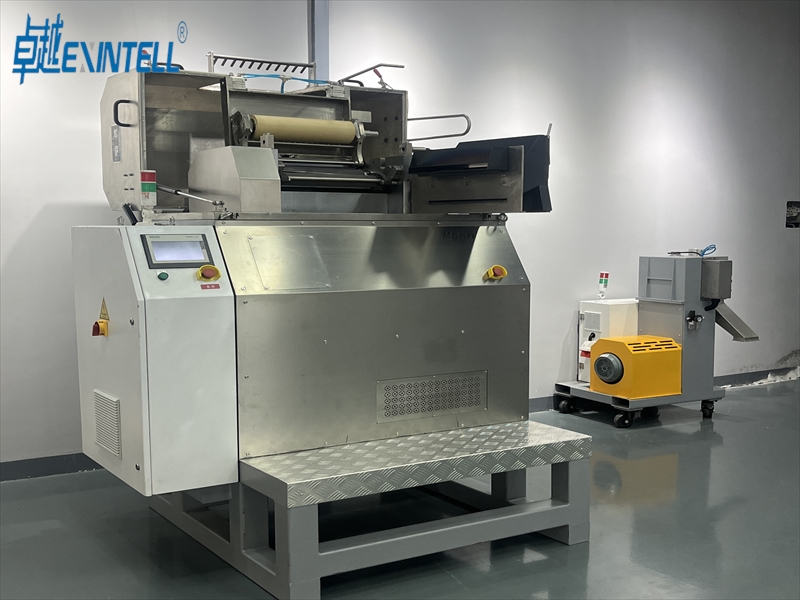
Du bruker et undervanns pelletiseringssystem for å lage små pellets av smeltede polymerer. Denne teknologien kutter og kjøler ned plast på samme tid. Dette gjør prosessen rask og enkel. Hvis du jobber med polymerproduksjon, det er godt å vite hvordan pelletisering fungerer. Det hjelper deg å lage bedre materialer. Markedet for disse systemene blir større. Det vokser i Asia-Stillehavet, Nord-Amerika, og Europa. Her er en rask titt på markedet:
|
Attributt |
Detaljer |
|---|---|
|
Estimert markedsverdi i 2026 |
|
|
Prognostisert markedsverdi etter 2032 |
USD 335.6 million |
|
Sammensatt årlig veksthastighet |
10.3% |
Viktige takeaways
-
An undervanns pelletiseringssystem kutter og avkjøler smeltet plast raskt. Det lager små pellets som ser like ut. Mange bransjer bruker disse pellets.
-
Systemet har viktige deler som formplaten, vannkammer, og roterende kniv. Disse delene er med på å forme, kjøle, og kuttet pellets nøyaktig.
-
Denne teknologien gjør pellets glatte og runde. Det sparer også energi og reduserer avfall.
-
Regelmessig vedlikehold og nøye kontroll holder pelletskvaliteten høy. De stopper også vanlige problemer fra å skje.
-
Nye ideer som smarte kontroller og bedre design gjør pelletisering under vann raskere, renere, og mer effektiv.
Oversikt over pelletiseringssystem under vann
Hva det er
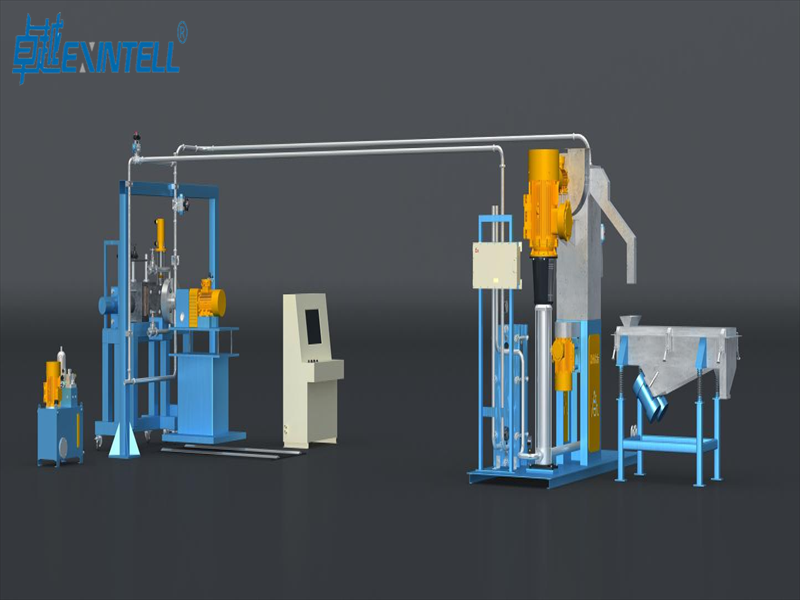
Et undervanns pelletiseringssystem endrer smeltet plast i små pellets. Dette systemet kutter og avkjøler plasten samtidig. Hovedmålet er å gjøre pelletisering raskt og enkelt. Hver del av systemet fungerer sammen i trinn:
-
Rå polymer går inn i ekstruderen hopper.
-
En skrue smelter og blander polymeren godt.
-
Smeltet polymer beveger seg gjennom en dyseplate under vann.
-
Roterende kniver kutter trådene til pellets under vann.
-
Vann avkjøler pellets raskt og fører dem videre.
-
Pellets tørkes og sjekkes for størrelse før pakking.
Denne prosessen lager pellets av høy kvalitet for mange produkter. Undervanns pelletisering hjelper fabrikker til å jobbe raskere og lage bedre pellets.
Nøkkelapplikasjoner
Mange bransjer bruker pelletiseringssystemet under vann. Det fungerer best med plast som polyetylen, polypropylen, og polystyren. Denne teknologien hjelper til med å lage mange pellets for forskjellige felt. Her er en tabell som viser hvor du bruker dette systemet og hvilke polymerer som er vanlige:
|
Industri |
Typer polymerer |
|---|---|
|
Emballasje |
Polyetylen, Polypropylen, Polystyren |
|
Automotive |
Polyetylen, Polypropylen, Polystyren |
|
Konstruksjon |
Polyetylen, Polypropylen, Polystyren |
Pelletisering er viktig for å lage ting til emballasje, biler, og bygninger. Undervanns pelletiseringssystemet hjelper disse industriene ved å lage pellets raskt og med god kvalitet.
Pelletiseringsprosess og hovedkomponenter
De pelletiseringsprosess i et undervanns pelletiseringssystem endres smeltet polymer til små, til og med pellets. Denne teknologien bidrar til å lage gode plastpellets for mange bruksområder. Å kjenne hvert trinn og hoveddelene til en undervanns pelletizer hjelper deg å få de beste resultatene.
Trinn-for-trinn prosess
Du følger noen få trinn for å fullføre pelletiseringsprosessen. Hvert trinn er nødvendig for å sikre at pellets har riktig størrelse og form. Her er hvordan det fungerer:
-
Start vannsystemet. Slå på pumpen og kontroller vannvarme og trykk.
-
Start ekstruderen. Varm opp ekstruderen, legg i polymeren, og se trykket.
-
Start pelletizeren. Slå på motoren, still inn skjæregapet, og kontroller pelletkvaliteten.
-
Kvalitetskontroll. Ta prøver, sjekk egenskapene deres, og endre prosessen om nødvendig.
Du gjør disse trinnene hver gang du kjører pelletiseringsprosessen. Denne veien, du kan kontrollere kvaliteten og utseendet til pellets.
Die Plate og Vannkammer
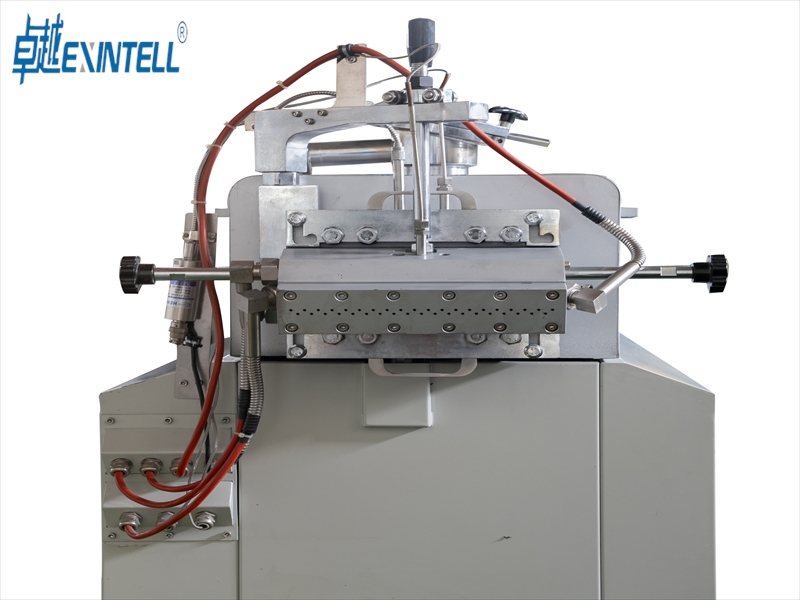
De dyseplate og vannkammer er to hoveddeler av en undervanns pelletizer. De jobber sammen for å forme og avkjøle pellets under prosessen.
Tupp: Måten dyseplaten er laget på og hvordan vannet beveger seg i kammeret endrer hvor gode pelletsene dine er.
|
Aspekt |
Beskrivelse |
|---|---|
|
Rollen til Die Plate |
Dyseplaten former smeltet polymer til tråder. Den styrer størrelsen, form, og likhet for hver pellet. |
|
Geometri av Die Holes |
Spesielle hullmønstre i dyseplaten hjelper polymeren å flyte jevnt. Dette holder pelletstørrelsen den samme og stopper trykkproblemer. |
|
Temperaturstyring |
Du må holde formplaten på riktig varme. Dette holder polymeren tykk nok og forhindrer at den blir hard for tidlig. |
|
Innvirkning på Pelletskvalitet |
En god formplate gir deg jevne pellets, raskere arbeid, og mindre avfall. Dette gjør sluttproduktet ditt bedre. |
Vannkammeret går rundt dyseplaten og avkjøler pellets så snart de kuttes. Hvordan vann beveger seg i kammeret er viktig for pelletiseringsprosessen.
|
Faktor |
Beskrivelse |
|---|---|
|
Strømningshastighet og retningsbestemthet |
Vann beveger seg i en spiral. Dette avkjøler pellets raskt og flytter dem bort fra formplaten. |
|
Temperaturkontroll |
Du må holde vannet på riktig varme. Dette stopper problemer som kjetting eller haler, som kan gjøre pellets verre. |
|
Air Management |
Å bli kvitt luftlommer hjelper vannkjøling av pellets på samme måte. Dette gjør at pelletiseringsprosessen fungerer bedre. |
Roterende knivenhet
De roterende knivenhet er en annen viktig del av undervanns pelletiseringssystemet. Denne delen kutter de smeltede polymertrådene til pellets rett etter at de forlater dyseplaten. Hvordan du setter opp knivenheten endrer pelletiseringsprosessen og kvaliteten på pelletene.
Kniven må berøre formplaten i riktig vinkel og hastighet. Hvis kniven er for langt eller for sakte, du får pellets med haler eller rare former. Hvis det er for nært eller for fort, du kan få bøter eller skade dyseplaten. Ved å endre kniv-til-matris-kontakten og skjærehastigheten, du sørger for at pellets har riktig størrelse og form hver gang.
Du kan se hvordan hoveddelene av en undervanns pelletiseringsmaskin fungerer sammen i pelletiseringsprosessen. Dyseplaten former polymeren, vannkammeret avkjøler og flytter pellets, og den roterende knivenheten kutter dem til størrelse. Når du kontrollerer hver del, du får gode pellets til enhver bruk.
Fordeler med undervannspelletiseringsapparater
Pelletskvalitet og enhetlighet
Du trenger gode pellets til produktene dine. Undervanns pelletiseringssystemet hjelper deg med dette. Den kutter og avkjøler polymeren samtidig. Du får pellets som er glatt og rund. De er alle like store. Dette gjør det lettere å forbedre produktkvaliteten. Hvis du sjekk dysejusteringen ofte, du holder pelletstørrelsen stabil. Selv et lite gap i formen kan endre pellets. Regelmessige kontroller hjelper deg å unngå støv og rare former. Vannet avkjøler pellets med en gang. Dette gir dem en skinnende overflate og ingen sprekker. Du kan stole på at dette systemet lager gode pellets hver gang.
Effektivitet og skala
Undervanns pelletizere gjør mer enn bare å lage gode pellets. Du kan kjøre produksjonslinjen din raskere. Du kaster også bort mindre materiale. Systemet avkjøler og kutter pellets raskt. Dette sparer deg for tid. Du kan spare opptil 20% energi sammenlignet med andre metoder. Dette betyr at du bruker mindre penger på strøm. Det hjelper også miljøet. Systemet kan håndtere mye polymer. Du kan lage flere pellets på kortere tid. Du også avfall opp til 15% mindre materiale. Dette reduserer kostnadene dine og hjelper deg å tjene mer profitt. Hvis du vil lage flere pellets, dette systemet gir deg det du trenger.
Sammenligning med andre metoder
Du lurer kanskje på hvordan pelletisering under vann er bedre enn pelletisering av tråder. Fordelene skiller seg ut når du sammenligner dem. Her er en tabell for å vise forskjellene:
|
Trekk |
Pelletisering under vann |
Strand Pelletisering |
|---|---|---|
|
Pelletsform |
Sfærisk, glatt, uniform |
Sylindrisk, flate ender |
|
Overflatekvalitet |
Høy glans, stabil |
Mindre uniform, mer støv |
|
Kjølemetode |
Umiddelbar slukking av vannet |
Luft eller vann før skjæring |
|
Forebygging av oksidasjon |
Ja |
Ingen |
|
Generasjon av støv og flis |
Ingen |
Ja |
Du får bedre pellets og mindre støv med pelletisering under vann. Den raske avkjølingen stopper oksidasjon. Dette holder pelletsene dine rene. Undervanns pelletiseringsapparater hjelper deg med å lage bedre produkter og arbeide mer effektivt. Du kan stole på denne metoden for gode pellets og flotte resultater.
Teknologi, Vedlikehold, og innovasjoner
Nødvendig vedlikehold
Du må ta vare på et undervanns pelletiseringssystem. Dette gjør at den fungerer godt og lager gode pellets. God pleie hjelper også utstyret ditt til å vare lenger. Her er noen tips:
-
Bruk alltid kjølevæske når du sliper knivene. Dette gjør at de ikke blir for varme.
-
Hold de samme bladvinklene ved sliping. Dette hjelper knivene til å kutte bedre.
-
Gjør tanndybden litt dypere hver gang du skjerper. Dette hjelper deg med å lage flere pellets.
-
Velg sterke bladmaterialer som wolframkarbid eller PM høy-vanadium verktøystål. Disse varer lenger og holder pelletskvaliteten høy.
-
Bruk riktig blad og dyseplate sammen. Dette forhindrer dannelse av finstoff og haler.
-
Sjekk hvordan systemet fungerer ofte. Dette hjelper deg å finne problemer tidlig og holde pellets gode.
Vanlige utfordringer
Noen ganger, du vil få problemer med pelletiseringslinjen. Hvis du vet hva som kan gå galt, du kan fikse det raskt. Dette hjelper deg å fortsette å lage gode pellets. Her er en tabell som viser noen vanlige problemer, hvorfor de skjer, og hvordan du fikser dem:
|
Utfordring |
Mulige årsaker |
Løsninger |
|---|---|---|
|
Utilstrekkelig pelletkvalitet |
Ødelagte dysehull, feil kutterinnstillinger |
Rengjør dysehullene, justere kutteren, juster dyseplaten på nytt |
|
Filtreringsblokkering |
Polymer urenheter, skadede filtre |
Rengjør filtrene, bruk riktige filtre, vedlikeholde systemet |
|
Variasjon i pelletsdiameter |
Ustabil kuttehastighet, sløve kniver |
Slip knivene, holde fôret jevnt, kontrollere hastigheten |
|
Smelting av komponenter |
Lav kjøling, høy temperatur, dårlig smøring |
Forbedre kjølingen, smøre, overvåke temperaturen |
Hvis du tar vare på systemet ditt og ser etter disse problemene, du kan stoppe de fleste feil.
Nylige fremskritt
Ny teknologi har gjort undervanns pelletiseringssystemer bedre. Disse endringene hjelper deg med å jobbe raskere og lage bedre pellets. Du kan se disse forbedringene på mange måter:
-
Bedre pelleteringstrinn og nye formdesign hjelpe deg med å lage flere pellets og flytte vann bedre.
-
Nye pumper og motorer bruker mindre energi og sparer strøm.
-
Automatisering og smarte kontroller bruker sensorer og AI. De ser på og endrer prosessen mens du jobber.
-
Noen nye systemer kan håndtere tykk og spesiell plast.
-
Bedre skjæring og vanngjennomstrømning gir mindre støv og mindre finstoff. Dette gjør pellets enda bedre.
Smarte fabrikkverktøy og IoT hjelper deg med å se hvordan systemet fungerer. De hjelper deg også å vite når du skal utføre vedlikehold. Disse nye ideene hjelper deg å lage pellets på en måte som er bra for miljøet og oppfyller høykvalitetsregler.
Du kan stole på at et undervanns pelletiseringssystem lager gode pellets. Denne teknologien lar deg lage mange pellets raskt. Det fungerer for mange typer polymerer. Du kan kontrollere prosessen godt. Dette betyr at hver batch har samme kvalitet. Hvis du tar vare på systemet ofte, det fortsetter å fungere bra. Det holder også pellets gode. Fabrikker bruker flere roboter og grønne ideer nå. Dette gjør pelletskvaliteten og hastigheten enda bedre. Hvis du vil lage flere pellets og møte tøffe regler, dette systemet er et smart valg.
FAQ
Hva er hovedformålet med et undervanns pelletiseringssystem?
Du bruker et undervanns pelletiseringssystem for å lage små pellets av smeltede polymerer. Dette systemet lar deg kontrollere hvor store og hvilken form pelletsene har. Du får gode pellets til mange slags produkter.
Hvordan forbedrer pelletisering produktkvaliteten?
Pelletisering gjør pellets som ser glatte ut og alle har samme størrelse. Du kan stole på at hver batch er god. Dette hjelper deg å lage bedre ting. Du kaster bort mindre og holder maskinene i gang.
Hvilke materialer kan du behandle med denne teknologien?
Du kan bruke denne teknologien for mange polymerer. Polyetylen, polypropylen, og polystyren er vanlige. Undervanns pelletiseringssystemet fungerer med disse materialene og holder pellets godt.
Hvordan holder du pelletskvaliteten konsekvent?
Du må sjekke dyseplaten og kniven ofte. Rengjør systemet og endre innstillinger om nødvendig. Dette holder pelletstørrelsen og formen den samme. Du får gode pellets hver gang du lager dem.
Hvorfor velger fabrikker undervanns pelletisering for produksjon?
Fabrikker bruker dette systemet fordi det er raskt og lager gode pellets. Du sparer energi og sløser mindre. Undervanns pelletiseringssystemet hjelper deg å følge strenge kvalitetsregler.