

Omfattende veiledning for resirkulering og granulering av plast og svovel
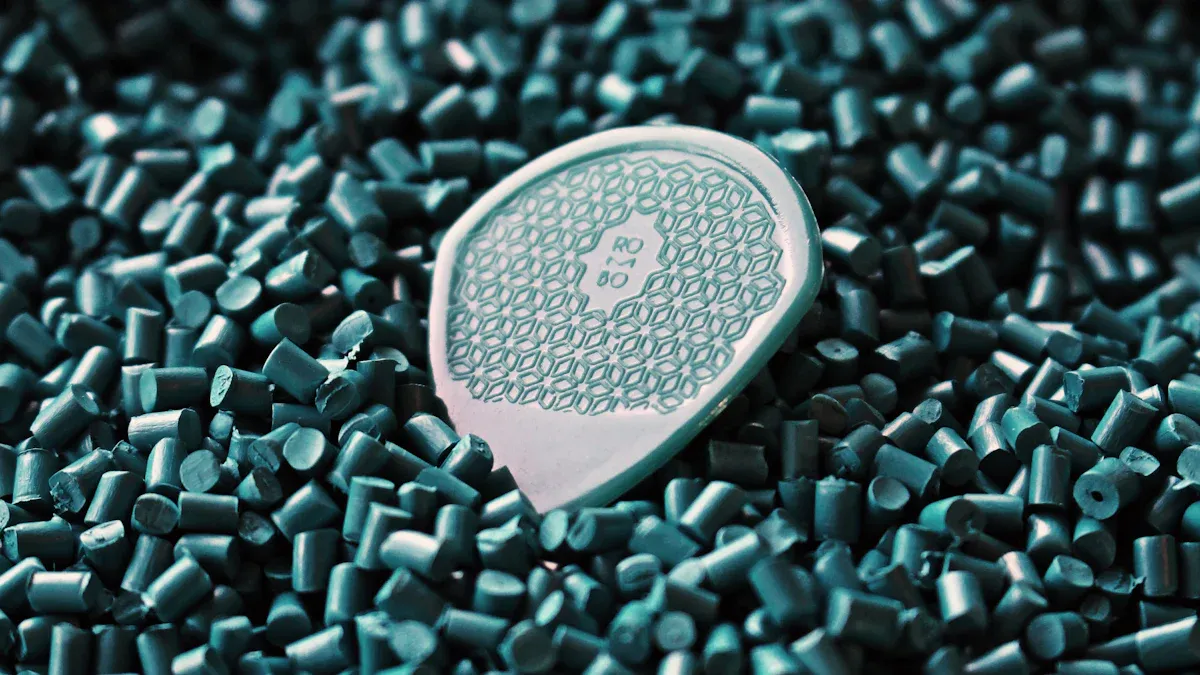
Jeg ser at sikker og effektiv resirkulering starter med å forstå de unike egenskapene til plast og svovel. Kjemisk kompatibilitet er viktig, spesielt når oljer interagerer med plast. Det meste av industrielt plastavfall blir resirkulert med en hastighet på ca 9%, som viser behov for bedre løsninger. Jeg er avhengig av avansert utstyr som IPG Pelletizing Machine Plastic for å forbedre resirkuleringsresultatene. I plast- og svovelindustribearbeiding, beste praksis for svovelgranulering og -transport bidrar til å redusere risiko og øke kvaliteten.
- Global resirkuleringsrate for industrielt plastavfall: ca 9%
Viktige takeaways
- Det er viktig å forstå den kjemiske kompatibiliteten mellom plast og oljer for å unngå skade under resirkulering.
- Knusing av plast reduserer volumet og forbedrer kvaliteten, gjør resirkulering mer effektiv og kostnadseffektiv.
- Mekanisk resirkulering fungerer best for rent, sortert plast, mens kjemisk resirkulering håndterer blandede eller forurensede materialer.
- Bruk av motstandsdiagrammer og nedsenkingstester bidrar til å sikre sikker resirkulering av plast utsatt for forskjellige oljer.
- Granulering av svovel forbedrer sikkerheten ved å redusere støv og gjøre håndteringen enklere, mens avansert kjøling sikrer sterke granulat.
- Å velge riktig utstyr og materialer for svoveltransport forhindrer korrosjon, støvfare, og utstyrsfeil.
- Regelmessig vedlikehold, støvkontroll, og systemintegrasjon øker effektiviteten og sikkerheten både innen plastresirkulering og svovelhåndtering.
- Bærekraftig praksis, inkludert energieffektivt utstyr og biokarbonbaserte tilsetningsstoffer, støtte en tryggere og grønnere industri.
Kjemisk kompatibilitet av plast og oljer
Nøkkelvariabler
Polymer typer
Jeg starter alltid med å identifisere polymertypen før jeg resirkulerer plast. Hver polymer reagerer forskjellig på oljer. Polyetylen (PE) og polypropylen (PP) viser sterk motstand mot mange oljer. Polystyren (PS) og polyetylentereftalat (KJÆLEDYR) brytes ofte ned når de utsettes for visse oljer. Polykarbonat (PC) og akrylnitrilbutadienstyren (ABS) kan sprekke eller bli sprø etter oljekontakt. Nylon skiller seg ut for sin holdbarhet mot oljer. Jeg sjekker polymertypen for å forutsi hvordan den vil oppføre seg under resirkulering.
Oljetyper & Temperaturer
Oljetype og temperatur spiller en stor rolle for kompatibilitet. Matoljer som oliven og raps forårsaker vanligvis milde effekter på PE og PP. Eteriske oljer, som sitron eller eukalyptus, inneholder forbindelser som angriper plast som PS og PET selv ved romtemperatur. Motoroljer og syntetiske smøremidler kan sprø PE og forårsake spenningssprekker i PC og ABS. Hydraulikkoljer, med tilsetningsstoffene deres, kan føre til sprøhet og hevelse i plast som ikke er klassifisert for hydraulisk bruk. Jeg vurderer alltid oljens kjemiske sammensetning og temperatur under resirkulering.
Tupp: Jeg anbefaler å sjekke både oljetype og temperatur før du blander plast og oljer i en eventuell resirkuleringsprosess.
Termisk vs. Kjemiske effekter
Smeltepunkter
Jeg følger nøye med på smeltepunkter. PE smelter ved ca. 120°C, PP ved 160°C, og PET ved 250°C. Hvis oljeeksponering øker temperaturen nær disse smeltepunktene, plast kan deformeres eller smelte. Kjemiske reaksjoner kan skje raskere ved høyere temperaturer. Jeg overvåker temperaturen for å forhindre uønskede endringer.
Oljetemperaturområder
Oljetemperaturen påvirker hvordan plast reagerer. Kalde oljer forårsaker sjelden umiddelbar skade. Varme oljer fremskynder kjemiske reaksjoner og kan myke opp eller deformere plast. For eksempel, varm motorolje kan raskt sprø PE og PC. Jeg holder oljetemperaturen lav under resirkulering for å beskytte plastkvaliteten.
Motstandsdyktig vs. Sårbar plast
Oljebestandige typer
Noen plaster motstår oljeeksponering godt:
- Polypropylen (PP)
- Nylon
- Polyetylen (PE)
Disse materialene håndterer motoroljer, hydrauliske oljer, og matoljer med minimal skade.
Olje-sårbare typer
Annen plast viser sårbarhet:
- Polystyren (PS)
- Polyetylentereftalat (KJÆLEDYR)
- Polykarbonat (PC)
- Akrylnitrilbutadienstyren (ABS)
Disse plastene kan løses opp, sprekk, eller deformeres etter oljekontakt, spesielt med eteriske oljer eller varme smøremidler.
| Plast type | Oljemotstand | Typisk reaksjon |
|---|---|---|
| PE, PP, Nylon | Høy | Minimal endring |
| PS, KJÆLEDYR, PC, ABS | Lav | Sprekker, vridning, oppløsning |
Jeg matcher alltid plast og olje nøye for å unngå resirkuleringsfeil og sikre sikker behandling.
Testing av kompatibilitet
Resistance Charts
Jeg sjekker alltid motstandsdiagrammer før jeg resirkulerer plast utsatt for oljer. Disse diagrammene viser hvordan ulike plaster reagerer på ulike oljer og kjemikalier. Jeg finner dem nyttige fordi de gir raske svar om kompatibilitet. For eksempel, et motstandsdiagram kan vise polyetylen som “glimrende” mot motorolje, mens polystyren viser “fattig” motstand. Jeg bruker disse diagrammene for å unngå feil og velge de riktige materialene for resirkulering.
| Plast type | Motor olje | Matolje | Eterisk olje |
|---|---|---|---|
| PE | Glimrende | Glimrende | God |
| PP | Glimrende | Glimrende | God |
| PS | Fattig | Rettferdig | Fattig |
| KJÆLEDYR | Rettferdig | God | Fattig |
| Nylon | God | God | God |
Tupp: Jeg anbefaler å holde oppdaterte motstandsdiagrammer i gjenvinningsområdet. Dette hjelper alle til å ta trygge valg raskt.
Fordypningstesting
Noen ganger, motstandsdiagrammer dekker ikke alle olje- eller plasttyper. Jeg bruker fordypningstesting for å sjekke kompatibilitet i disse tilfellene. Jeg kuttet en liten prøve av plasten og legger den i oljen. Jeg lar den stå i en bestemt periode, vanligvis 24 til 48 timer. Etter testen, Jeg ser etter endringer som hevelse, sprekker, eller fargeskift. Hvis plasten forblir uendret, Jeg vet at det er trygt for resirkulering med den oljen. Hvis jeg ser skader, Jeg unngår å blande disse materialene.
Jeg registrerer resultatene mine i en notatbok. Dette hjelper meg å bygge en tilpasset kompatibilitetsguide for anlegget mitt. Fordypningstesting gir meg selvtillit når motstandsdiagrammer er uklare eller mangler.
Vanlige misoppfatninger
Termisk vs. Kjemisk skade
Mange tror varme alene forårsaker plastisk skade. Jeg lærte at kjemiske reaksjoner kan være like skadelige. Oljer kan bryte ned plast selv ved romtemperatur. Varme fremskynder disse reaksjonene, men kjemisk skade kan skje uten høye temperaturer. Jeg sjekker alltid både termisk og kjemisk risiko før resirkulering.
Note: Jeg stoler aldri bare på temperaturmålinger. Kjemisk eksponering betyr like mye som varme.
Langsiktig eksponeringsrisiko
Kortsiktige tester savner ofte langsiktige risikoer. Jeg pleide å tro at plast var trygt hvis det besto raske nedsenkingstester. Over tid, Jeg så plast sprekker eller svekkes etter måneder med oljeeksponering. Langvarig kontakt kan forårsake sakte men alvorlige skader. Jeg overvåker nå plast i lengre perioder og gjennomgår gamle prøver regelmessig.
Jeg anbefaler andre å vurdere både umiddelbare og forsinkede effekter. Dette forhindrer uventede feil og holder resirkuleringen trygg.
Knusing av plast & Gjenvinningsmetoder
Hvorfor knusing er viktig
Knusing av plast er det første trinnet jeg tar i enhver gjenvinningsprosess. Dette trinnet former alt som følger. Når jeg knuser plastavfall, Jeg gjør det lettere å håndtere, sortere, og prosess. Fordelene går utover bare å gjøre stykker mindre.
Volumreduksjon
Jeg merker at rå plastavfall tar mye plass. Knusing reduserer volumet, gjør lagring og transport mye mer effektiv. Mindre biter passer bedre inn i binger og beholdere, som hjelper nedstrømsutstyr til å fungere problemfritt. Jeg stoler på dette trinnet for å holde anlegget organisert og kostnadseffektivt.
| Bevispunkt | Beskrivelse |
|---|---|
| Volumreduksjon | Knusing reduserer plassen som tas av rå plastavfall, gjør det håndterbart for nedstrømsutstyr. |
| Materialkvalitetsforbedring | Ensartet størrelse på knust plast forbedrer vaskeeffektiviteten og reduserer forurensning. |
| Effektivitet i resirkulering | Avgjørelser tatt under knusing påvirker kvaliteten på det endelige resirkulerte produktet, påvirker alle påfølgende prosesser. |
Kvalitetsforbedring
Ensartet knust plast forbedrer kvaliteten på det resirkulerte materialet. Når jeg knuser plast til en jevn størrelse, Jeg gjør vask og sortering enklere. This step reduces contamination and boosts the efficiency of every process that follows. I find that high-quality crushing leads to high-quality recycled pellets.
Tupp: I always check the size and shape of crushed plastic before moving to the next step. Konsistens her sparer tid og penger senere.
- Crushing influences the separation of mixed materials, which can complicate recycling if not managed properly.
- Advanced sorting technology is essential to address challenges arising from crushed materials.
- Continuous process adjustments and performance reviews are critical for maintaining high quality standards in recycled outputs.
Mechanical Recycling
Mechanical recycling forms the backbone of my plastic processing workflow. I use it to turn waste plastics into new raw materials without changing their chemical structure. This method is energy-efficient and cost-effective, spesielt for enkelt-type plast.
Knusertyper
Jeg velger knusere ut fra type og form på plastavfall. For tynne filmer, Jeg bruker granulatorer med skarpe kniver. For store gjenstander som flasker eller kasser, Jeg er avhengig av kraftige makuleringsmaskiner. Noen plaster trenger spesialiserte knusere for å håndtere sin seighet eller sprøhet. Riktig knuser sørger for effektiv størrelsesreduksjon og forbereder materialet for videre bearbeiding.
Manuell vs. Mekanisk
Manuell knusing fungerer for små partier eller når jeg trenger å skille materialer for hånd. Imidlertid, mekaniske knusere håndterer store volumer raskt og konsekvent. Jeg foretrekker mekaniske metoder for de fleste operasjoner fordi de sparer arbeidskraft og gir ensartede resultater. Mekanisk resirkulering dominerer bransjen, spesielt i regioner som Europa, hvor det står for over 99% av resirkulert plast.
Mekanisk resirkulering reprosesserer plast fysisk, produserer materialer med egenskaper nær ny plast. Det fungerer best med homogen plast, så jeg sorterer og renser materialer grundig før jeg knuser. Jeg vet at gjentatt resirkulering kan forringe polymeregenskaper, så jeg overvåker kvaliteten på hver batch.
Pre-makulering
Pre-makulering er et trinn jeg aldri hopper over når jeg har å gjøre med stort eller blandet plastavfall. Jeg bruker makuleringsmaskiner for å bryte ned store gjenstander i håndterbare biter før den endelige knusingen. Dette trinnet beskytter hovedknuseren min mot fastkjøring og slitasje. Pre-makulering hjelper meg også å oppdage forurensninger eller ikke-plastmaterialer tidlig, som holder gjenvinningsprosessen ren og effektiv.
Nøkkelytelsesfaktorer
Flere faktorer påvirker hvor godt knuse- og resirkuleringsutstyret mitt yter. Jeg følger nøye med på disse detaljene for å maksimere effektiviteten og utskriftskvaliteten.
| Ytelsesfaktor | Beskrivelse |
|---|---|
| Materialtype og form | Ulike plaster krever spesifikke skjærekrefter og bladtyper for effektiv knusing. |
| Bladgap | Avstanden mellom knivene påvirker kuttekvaliteten; tettere mellomrom gir renere kutt, men øker slitasjen. |
| Skjermmaskestørrelse | Bestemmer utgangspartikkelstørrelsen; mindre størrelser reduserer gjennomstrømningen på grunn av resirkulering. |
| Rotorhastighet | Påvirker gjennomstrømning og varmeutvikling; høyere hastigheter øker produksjonen, men kan skape fine partikler. |
| Feed Rate | Riktig fôring er avgjørende; overfôring kan skade utstyr, mens undermating reduserer effektiviteten. |
| Vedlikehold | Regelmessig bladvedlikehold er avgjørende for å forhindre kvalitetsfall og utstyrsbelastning. |
| Forurensningshåndtering | Riktig støv- og luftstrømstyring er nødvendig for å unngå overoppheting og utstyrssvikt. |
Bladvalg
Jeg velger blader ut fra plasttype og ønsket utgangsstørrelse. Hard plast trenger tøffere kniver, mens mykere plast krever skarpere kanter. Jeg sjekker bladgapet regelmessig fordi tettere hull gir renere kutt, men slites ut raskere. Jeg bytter eller sliper kniver ofte for å opprettholde høy ytelse.
Skjermnett
Skjermnettingen styrer størrelsen på de knuste plastbitene. Mindre maskestørrelser produserer finere partikler, men bremser prosessen fordi materialet resirkulerer til det passer gjennom nettet. Jeg balanserer maskestørrelse med gjennomstrømning for å nå mine produksjonsmål. Konsekvent partikkelstørrelse forbedrer vasking og pelletisering senere.
Rotorhastighet & Feed Rate
Rotorhastigheten påvirker hvor raskt jeg kan behandle plastavfall. Høyere hastigheter øker produksjonen, men kan skape flere fine partikler og varme. I adjust the speed to match the plastic type and desired output. Feed rate matters, også. Overfeeding can jam the machine, while underfeeding wastes energy. I monitor both to keep my operation running smoothly.
Note: Regular maintenance and dust control keep my equipment running efficiently and prevent unexpected breakdowns.
Integrating Advanced Solutions
I rely on the Exintelmach IPG Pelletizing Machine Plastic to streamline my recycling process. This machine combines crushing, compacting, smelting, and pelletizing in one system. Its customizable screw extruder and advanced pelletizing options let me process a wide range of plastics. The IPG Pelletizing Machine uses precise temperature control and advanced filtration to produce uniform, pellets av høy kvalitet. Automation features reduce labor and ensure consistent output. Jeg opplever at denne teknologien ikke bare øker effektiviteten, men også forbedrer kvaliteten og verdien av min resirkulerte plast.
Kjemisk resirkulering
Kjemisk resirkulering gir meg en måte å bryte ned plast utover mekaniske metoder. Jeg bruker denne prosessen når mekanisk resirkulering ikke kan produsere materialer av høy kvalitet. Kjemisk resirkulering er avhengig av løsemidler og kjemiske reaksjoner for å transformere plast til sine grunnleggende byggesteiner. Jeg finner denne metoden nyttig for blandet eller forurenset plast som mekanisk resirkulering ikke kan håndtere.
Løsemiddelbaserte metoder
Løsemiddelbasert resirkulering bruker kjemikalier for å løse opp plast. Jeg velger løsemidler som aceton, diklormetan, eller tetrahydrofuran (THF) basert på polymertypen. Jeg legger strimlet plast i et løsemiddelbad. Løsningsmidlet bryter ned polymerkjedene, skiller urenheter og fargestoffer. Etter oppløsning, I filter out contaminants and recover the pure polymer. I then precipitate the polymer by adding another chemical or cooling the solution. This process produces clean, high-quality plastic ready for reuse.
I always monitor solvent use carefully. Solvents can generate hazardous waste and require proper disposal. I use protective equipment and follow safety guidelines to prevent exposure. Solvent-based methods work best for plastics like polystyrene, polyvinylklorid, og PET.
Depolymerization
Depolymerization takes chemical recycling a step further. I use heat, catalysts, or enzymes to break plastics down into monomers. These monomers serve as raw materials for new plastic production. I apply depolymerization to plastics like PET and nylon. The process involves heating the plastic in a reactor, sometimes with acids or bases. Plasten brytes fra hverandre til sine opprinnelige kjemiske enheter.
Jeg foretrekker depolymerisering for å produsere materialer med høy renhet. Denne metoden lar meg resirkulere plast som mekaniske metoder ikke kan gjenopprette til sin opprinnelige kvalitet. Depolymerisering hjelper meg også å lukke sløyfen i den sirkulære økonomien.
Tupp: Jeg sammenligner alltid kjemisk og mekanisk resirkulering før jeg velger metode. Kjemisk resirkulering gir renere produksjon, men krever forsiktig håndtering av kjemikalier.
| Aspekt | Kjemisk resirkulering | Mechanical Recycling |
|---|---|---|
| Behandle | Bruker syrer og løsemidler for å løse opp plast, genererer giftige kjemikalier. | Innebærer fysisk nedbryting av plast, som kan svekke strukturen deres. |
| Produksjon | Produserer høy kvalitet, ren plast egnet for ulike bruksområder. | Resulterer i resirkulert plast av lavere kvalitet som forringes over tid. |
| Miljøpåvirkning | Genererer høyere CO2-utslipp og farlig avfall på grunn av kjemikalier som brukes. | Bruker mer fossilt brensel, men produserer generelt mindre farlig avfall. |
Vanlige feil
Jeg ser mange feil i plastknusing og gjenvinning. Disse feilene reduserer effektiviteten og skaper sikkerhetsrisikoer. Jeg vurderer alltid prosessen min for å unngå vanlige fallgruver.
Utstyrsfeil
Jeg merker at bruk av feil utstyr forårsaker hyppige avbrudd. Resirkuleringsmaskiner kan sette seg fast 3–8 ganger per skift, kutte prosesskapasitet med opp til 25%. Jeg matcher knuseren og pelletizeren min til plasttypen og batchstørrelsen. Jeg sjekker matesystemer for kompatibilitet og justerer innstillinger for å forhindre fastkjørt papir.
Forurensning
Forurensning er fortsatt en stor utfordring. Om 75% av forurensninger i gjenvinningsanlegg kommer fra plastposer og filmer. Disse materialene tetter maskiner og reduserer produktkvaliteten. Jeg sorterer og renser plast før knusing. Jeg fjerner plastposer, filmer, og andre ikke-resirkulerbare gjenstander. Emily Malik, a conservation coordinator, points out that contamination complicates recycling. I agree and make contamination control a priority.
Maintenance Issues
Neglecting maintenance leads to downtime and costly repairs. I implement preventive maintenance programs to keep my machines running smoothly. Regular maintenance reduces unplanned downtime by up to 75%. I schedule blade sharpening, screen cleaning, and lubrication. I inspect equipment daily and fix problems before they escalate.
Dust Control
Dust buildup creates hazards and damages equipment. I install dust extraction systems and use enclosed crushers. I clean dust filters regularly. Proper dust control protects workers and extends machine life.
Output Size
Inconsistent output size affects downstream processing. I adjust screen mesh and rotor speed to produce uniform particles. I check output size after each batch. Uniform pellets improve washing, smelting, and final product quality.
- Equipment jams reduce processing capacity by up to 25%.
- Preventive maintenance cuts downtime by up to 75%.
- Plastic bags and films cause most contamination in recycling facilities.
- Dust control and output size management improve safety and product quality.
Note: I always review my process for these mistakes. Addressing them boosts efficiency and ensures high-quality recycled plastics.
Plastic Dissolution & Degradation
Why Plastics Resist Dissolving
Molecular Structure
I often wonder why most plastics do not dissolve easily in common solvents. The answer lies in their molecular structure. Plastics have long polymer chains with strong carbon-to-carbon bonds. These bonds resist breaking in everyday environments. Conventional plastics, like polyethylene and polypropylene, show remarkable durability because of these bonds. Semi-crystalline plastics have a tight structure that blocks solvents from penetrating. Amorphous plastics are more vulnerable to certain organic solvents, but they still resist water.
| Type plast | Kjennetegn |
|---|---|
| Conventional Plastics | Long polymer chains with strong carbon-to-carbon bonds that resist breaking in common environments. |
| Semi-crystalline Plastics | Tight structure that prevents solvents from penetrating. |
| Amorphous Plastics | More vulnerable to certain organic solvents but still resistant to water. |
I always check the structure of the plastic before choosing a recycling method. The molecular arrangement determines how the material reacts to solvents.
Solvent Compatibility
Solvent compatibility plays a big role in plastic dissolution. I notice that plastics resist dissolving unless the solvent matches their chemical nature. Non-polar plastics, like polyethylene, do not dissolve in water or alcohols. Polar plastics, such as polyvinyl alcohol, dissolve in water. I select solvents based on the plastic’s polarity and structure. This step helps me avoid wasting time and resources.
Solvents That Dissolve Plastics
THF
Tetrahydrofuran (THF) stands out as a powerful solvent for plastics like polyvinyl chloride (PVC) og polystyren. I use THF in laboratory settings to dissolve these plastics for analysis or recycling. THF works well because it matches the polarity of the polymers.
Acetone
Acetone dissolves plastics such as polystyrene and some acrylics. I use acetone to clean equipment or remove residues. Acetone does not affect most conventional plastics, but it can break down certain types quickly.
Dichloromethane
Dichloromethane dissolves plastics like polycarbonate and PVC. I use it for industrial applications where rapid dissolution is needed. Dichloromethane works best with plastics that have less crystalline structure.
| Solvent Type | Effectiveness | Notater |
|---|---|---|
| Toluene | Høy | Best overall performance in solubility tests |
| Xylene | Høy | Outperformed other solvents |
| Cyclohexane | Moderat | Effective in blends with cyclohexanol and xylene |
| Cyclohexanol | Moderat | Enhances solubility in mixtures |
| Alcohols | Lav | Generally poor solvents for non-polar plastics |
| Ketones | Lav | Not effective alone, but mixtures may improve solubility |
| Esters | Lav | Not effective alone, but mixtures may improve solubility |
I find that solvent dissolution retains the chemical structure of polymers. This method reduces emissions and energy use compared to other recycling methods. It broadens the recycling scope for plastics, especially for polypropylene and polystyrene. Companies like Purecycle and Polystyvert use these solvents to recycle plastics that were once unrecyclable.
Solvent-based recycling lets me recover pure polymers without breaking their chemical bonds. This approach saves energy and supports sustainability.
Dissolvable & Biologisk nedbrytbar plast
PVA & Water-Soluble Types
I use polyvinyl alcohol (PVA) when I need a plastic that dissolves in water. PVA films break down quickly and leave no residue. Water-soluble plastics help me create packaging that disappears after use. These materials work well for single-use items and reduce waste.
Bioplast
Biodegradable plastics offer another solution. jeg stoler på petroleum-based polyesters like polycaprolactone (PCL) and poly(butylene succinate) (PBS) because microorganisms and enzymes can degrade them. Bio-based plastics, such as poly(hydroxybutyrate) (PHB), poly(lactide) (PLA), and starch blends, come from renewable resources and are also biodegradable. Their degradation rates depend on chemical structure, melting point, and crystallinity. Noe plastikk, like polyethylene and Nylon 11, may be bio-based but remain non-biodegradable. Acetyl cellulose can be biodegradable or not, depending on its acetylation.
I choose biodegradable plastics for applications where environmental impact matters. These materials break down through enzymatic and microbial action. Their rates of degradation vary based on composition and environmental conditions.
I always match the plastic type to the intended use and disposal method. This practice helps me support sustainability and reduce pollution.
Degradation Pathways
UV & Varme
I see plastics degrade through several pathways. UV radiation and heat play major roles in breaking down polymers. When sunlight hits plastic, UV rays cause photodegradation. This process breaks polymer chains into smaller fragments. Heat speeds up this reaction. Oxygen in the environment also accelerates degradation. I notice that high temperatures can trigger depolymerization reactions in synthetic polymers. These reactions break plastics into their basic chemical units.
During mekanisk resirkulering, plastics face heat and shear forces. These conditions lead to thermo-oxidative and thermo-mechanical degradation. Chain-scission reactions start, breaking the long polymer chains. I monitor temperature and oxygen levels in my facility to control these effects. Chemical degradation, such as hydrolysis or oxidation, happens at near-ambient temperatures. Environmental factors like temperature and oxygen presence influence how fast plastics degrade.
- Photodegradation breaks down polymer chains with UV radiation.
- Heat and oxygen speed up the degradation process.
- High temperatures cause depolymerization in synthetic polymers.
- Mechanical recycling introduces heat and shear, leading to chain-scission reactions.
- Chemical degradation involves hydrolysis or oxidation, often at lower temperatures.
I always check for signs of degradation in recycled plastics. Changes in color, sprøhet, or texture signal that UV and heat have affected the material.
Mikroplast
Microplastics form when larger plastic pieces break down into tiny fragments. I see this happen during photodegradation and mechanical recycling. UV light, varme, and oxygen cause plastics to fragment. These small pieces do not dissolve. I stedet, they persist in the environment.
Microbes can help degrade plastics. I use strains like Kocuria palustris M16, Bacillus pumilus M27, og Bacillus subtilis H1584 to enhance the breakdown of polyethylene films. The strain Brevibacillus borstelensis accelerates degradation of UV-treated low-density polyethylene at higher temperatures. Hydrolytic enzymes such as cutinase can completely degrade PET into monomers within 24 hours under specific conditions.
- Microbes and enzymes speed up plastic degradation.
- Microplastics result from fragmentation, not dissolution.
- Microplastics persist and pose environmental risks.
I track microplastic formation in my recycling process. I use biological methods to reduce their presence and support cleaner recycling.
Misconceptions
Dissolution vs. Degradation
Many people think plastics dissolve like sugar in water. I learned that conventional plastics do not dissolve. They degrade through photodegradation, where UV radiation breaks them into smaller pieces. Plastics do not vanish; they fragment and remain in the environment. This misconception leads to improper disposal and recycling practices.
- Plastics do not dissolve; they break into smaller fragments.
- Photodegradation causes fragmentation, not disappearance.
I explain this difference to my team. Understanding the distinction helps us manage plastic waste responsibly.
Environmental Risks
Some believe plastics break down on their own. I know this is not true. Most plastics persist for decades unless exposed to specific degradation pathways. Microplastics pose serious environmental risks. They accumulate in soil and water, affecting wildlife and human health. I use controlled recycling methods to minimize microplastic release.
Tupp: I always educate others about the persistence of plastics and the importance of proper recycling. Awareness reduces environmental harm and supports sustainability.
Sulphur Granulation Processes
Why Granulate Sulphur
Sikkerhet & Handling
I granulate sulphur to make it safer to handle in industrial environments. Granulated sulphur reduces the risk of dust explosions. The larger, uniform granules do not create airborne particles as easily as powdered sulphur. Workers face fewer hazards when moving granulated sulphur. I notice that granules flow smoothly through conveyors and storage bins. This reduces spills and minimizes contact with skin or eyes. I always prioritize safety by choosing granulation methods that produce strong, dust-free granules.
Granulated sulphur improves workplace safety by lowering dust levels and making handling easier.
Environmental Benefits
Granulating sulphur helps protect the environment. I see that granules release less dust into the air, which means cleaner facilities and reduced air pollution. The uniform size of granules prevents accidental spills and makes cleanup simpler. I use advanced cooling systems to create granules with a strong crystalline structure. These granules resist breaking apart during transport. This reduces the risk of sulphur entering soil or water. I believe that granulation supports sustainability by minimizing waste and preventing environmental contamination.
Granulation Steps
Smelting
I start the granulation process by melting sulphur at controlled temperatures. Sulphur melts at about 115°C. I use specialized heaters to keep the temperature steady. If the temperature rises too high, sulphur can decompose or release harmful gases. I monitor the melting stage closely to ensure safety and product quality.
Seed Generation
Etter smelting, I generate small sulphur seeds. I freeze droplets of molten sulphur to create these seeds. Pressure control is important during this step. The seeds act as nuclei for granule formation. I make sure the seeds are uniform in size to produce consistent granules later.
Granule Formation
I form granules by rotating the seeds in a drum. The drum rotates at a set speed, causing the seeds to roll and pick up layers of molten sulphur. This builds up the granules to the desired size. Drum rotation is a key factor. If the drum spins too fast, granules become uneven. If it spins too slowly, production slows down. I adjust the rotation speed to balance quality and efficiency.
Avkjøling
Jeg avkjøler og stivner granulene for å sikre riktig krystallisering. Avkjølingshastigheten påvirker styrken og strukturen til granulene. Jeg bruker luft- eller vannkjølesystemer for å kontrollere prosessen. Rask avkjøling kan forårsake sprekker, mens langsom avkjøling produserer sterk, ensartede granulat. Jeg overvåker kjølestadiet for å forhindre defekter og opprettholde produktkvaliteten.
| Skritt | Beskrivelse | Nøkkelfaktor |
|---|---|---|
| 1 | Smelte svovel ved kontrollerte temperaturer | Temperaturkontroll |
| 2 | Genererer små svovelfrø gjennom frysing | Trykkkontroll |
| 3 | Forming av granulat ved å rotere i en trommel | Trommelrotasjon |
| 4 | Avkjøling og størkning for å sikre krystallisering | Kjølehastighet |
- Granulering forbedrer produktkvaliteten ved å sikre ensartede granulatstørrelser.
- Støvreduksjon under håndtering øker sikkerheten på arbeidsplassen.
- Avanserte kjølesystemer fører til bedre krystallinsk struktur og sterkere granulat.
Granuleringsteknikker
Trommesystemer
I use drum systems for large-scale sulphur granulation. De rotary drum method pours molten sulphur into a rotating drum. Granules form as the seeds roll and pick up layers of sulphur. This technique produces uniform granule sizes and handles high throughput. I rely on drum systems when I need consistent quality and efficient production.
Prilling Towers
Prilling towers spray molten sulphur droplets through a nozzle into a tall tower. The droplets cool and solidify as they fall, forming spherical granules. Air cooling in the tower creates smooth, round granules. I choose prilling towers for applications that require perfectly spherical granules. This method works well for moderate production volumes.
- Prilling Tower Method: Sprays molten sulphur droplets through a nozzle into a tower where they cool and solidify into spherical granules.
- Rotary Drum Granulation: Pours molten sulphur into a rotating drum where it forms granules by rolling and cooling on the drum surface.
The rotary drum granulation method stands out for its efficiency in large-scale production. It delivers high throughput and uniform granule size. The prilling tower method excels at producing spherical granules through air cooling.
Fluid Beds
Fluid bed granulation suspends sulphur particles in a stream of air. I inject molten sulphur into the fluidized bed. The particles mix and cool rapidly, forming granules. Fluid beds allow precise control over granule size and cooling rate. I use this technique when I need flexibility and fast cooling.
Steel Belt
Steel belt granulation spreads molten sulphur onto a moving steel belt. The belt cools the sulphur as it travels, forming solid granules. This method produces flat, uniform granules and works well for continuous production. I select steel belt systems for applications that require gentle cooling and minimal dust.
Each granulation technique offers unique advantages. I match the method to my production needs and quality requirements.
Process Controls
I pay close attention to process controls when granulating sulphur. These controls help me produce high-quality granules and maintain safety in my facility. Each stage of the process requires careful monitoring and adjustment.
Temperatur & Trykk
Temperature control stands out as the most important factor during sulphur melting. I set the temperature just above sulphur’s melting point, usually around 115°C. If the temperature rises too high, sulphur can decompose or release harmful gases. I use precise heaters and sensors to keep the temperature steady. Pressure control becomes critical during seed generation. I adjust the pressure to create uniform sulphur seeds. Stable pressure ensures that the seeds form consistently, which leads to better granule quality.
I rely on a table to track key factors at each step:
| Skritt | Beskrivelse | Nøkkelfaktor |
|---|---|---|
| Sulphur Melting | Heating sulphur to liquid state | Temperaturkontroll |
| Seed Generation | Creating small sulphur seeds | Trykkkontroll |
| Granule Formation | Building up granules in drum | Trommelrotasjon |
| Avkjøling og størkning | Hardening granules | Kjølehastighet |
I check these factors every day. This routine helps me prevent defects and maintain consistent quality.
Kjølehastighet
Cooling rate affects the strength and structure of sulphur granules. I use air or water cooling systems to control how quickly the granules solidify. Rapid cooling can cause cracks or weak spots. Slow cooling produces strong, ensartede granulat. I adjust the cooling rate based on the size and shape of the granules I want. I monitor the cooling process with sensors and visual checks. This practice helps me avoid defects and ensures that the granules meet industry standards.
I always remind my team that careful cooling leads to safer, more reliable sulphur products.
Modern Technology Benefits
Modern sulphur granulation technology offers several advantages. I see improvements in product quality, dust reduction, and energy efficiency every day.
Produktkvalitet
Advanced granulation systems produce sulphur granules with uniform size and shape. Prilled sulphur stands out for its superior physical qualities. The round shape and consistent size make the granules flow smoothly and predictably. This uniformity helps me plan storage and transport more efficiently. Jeg legger merke til at granulat av høy kvalitet reduserer avfall og forbedrer ytelsen i nedstrømsapplikasjoner.
| Type fordel | Beskrivelse |
|---|---|
| Produktkvalitet | Prillet svovel viser overlegne fysiske egenskaper, inkludert bedre flytbarhet og mindre støv. Dens ensartede størrelse og runde form øker forutsigbarheten i bruk. |
Støvreduksjon
Støvreduksjon er fortsatt en toppprioritet i anlegget mitt. Moderne luftbehandlingssystemer fanger opp og fjerner støv under granuleringsprosessen. Disse systemene holder arbeidsplassen renere og tryggere. Jeg ser færre luftbårne partikler, som reduserer risikoen for støveksplosjoner og åndedrettsfarer. Renere luft betyr også mindre forurensning i sluttproduktet.
| Type fordel | Beskrivelse |
|---|---|
| Støvreduksjon | Luftbehandlingssystemer brukes for å redusere støvutviklingen betydelig under granuleringsprosessen. |
Renere luft og mindre støv gjør anlegget mitt tryggere for alle.
Energieffektivitet
Energy efficiency helps me lower costs and reduce environmental impact. Indirect heat transfer methods optimize temperature control. These methods use less energy and minimize thermal waste. I track energy use with sensors and adjust settings to avoid excess consumption. Efficient systems help me meet sustainability goals and keep production costs down.
| Type fordel | Beskrivelse |
|---|---|
| Energieffektivitet | Indirect heat transfer methods optimize temperature control, reducing excessive energy consumption and thermal waste during production. |
- Uniform granule size improves product quality.
- Air treatment systems reduce dust and enhance safety.
- Indirect heat transfer methods save energy and support sustainability.
I believe that investing in modern technology pays off with better products, safer workplaces, and lower operating costs.
Sulphur Conveying Best Practices
Sulphur Properties
Forms & Densities
I handle sulphur in several forms, including granules, pulver, and molten liquid. Each form has its own density and flow characteristics. Granulated sulphur flows easily and packs tightly, making it ideal for bulk transport. Powdered sulphur creates more dust and requires careful handling to prevent airborne particles. Molten sulphur moves through pipelines and needs precise temperature control to stay liquid. I always check the bulk density before selecting conveyor systems. For eksempel, granules have higher density than powder, so I adjust conveyor capacity accordingly.
| Sulphur Form | Typical Density (kg/m³) | Handling Notes |
|---|---|---|
| Granulat | 1,200–1,400 | Flows easily, mindre støv |
| Pulver | 800–1000 | High dust risk, needs control |
| Molten | 1,800 | Requires heated pipelines |
Corrosiveness
Sulphur can corrode metal surfaces, especially when wet or exposed to moisture. I prefer stainless steel or corrosion-resistant alloys for conveyor parts. Wet sulphur accelerates corrosion, so I avoid using carbon steel. I inspect equipment regularly for signs of rust or pitting. Choosing the right materials prevents costly repairs and extends equipment life.
Equipment Selection
Bucket Conveyors
I use bucket conveyors to move granulated sulphur vertically or horizontally. These conveyors handle bulk material efficiently and minimize spillage. I select buckets made from abrasion-resistant materials to withstand sulphur’s rough texture. Enclosed bucket conveyors reduce dust emissions and improve workplace safety.
Heated Pipelines
For molten sulphur, I rely on heated pipelines. These pipelines maintain sulphur above its melting point, usually around 120°C. I install insulation and heating elements to prevent solidification. Heated pipelines must use corrosion-resistant materials to avoid leaks and breakdowns. I monitor temperature closely to keep sulphur flowing smoothly.
Material Choices
Selecting the right materials is crucial. I choose stainless steel for most conveyor parts because it resists corrosion and abrasion. For areas exposed to high temperatures or moisture, I use special alloys. I avoid plastics and carbon steel, which degrade quickly in sulphur environments. I also consider the bulk density and flowability of sulphur when sizing conveyors.
I always match conveyor design to sulphur’s physical properties. This practice ensures reliable operation and reduces maintenance needs.
Factors I consider when selecting equipment:
- Operational requirements—scope and scale of sulphur handling.
- Efficiency and performance—energy use, gjennomstrømning, dust suppression.
- Materials and durability—corrosion-resistant alloys.
- Safety features—explosion-proof components, emergency shutdowns.
- Maintenance and serviceability—easy access for repairs.
- Cost and total ownership—purchase, energi, and maintenance expenses.
Dust & Explosion Control
Enclosed Systems
Sulphur dust poses explosion risks. jeg bruker fully enclosed and sealed conveying systems to prevent dust emissions. These systems comply with ATEX or NFPA standards, which set safety requirements for explosive atmospheres. Enclosed conveyors keep dust contained and protect workers from inhalation hazards.
Compliance Standards
I follow strict compliance standards for sulphur conveying. ATEX and NFPA guidelines require explosion-proof motors and grounded equipment. I install safety alarms and video monitoring to detect dust fires early. Regular inspections help me spot hazards before they escalate.
Grounding
Grounding all equipment is essential. I connect conveyors, motorer, and pipelines to earth ground to prevent static buildup. Static electricity can ignite sulphur dust, so grounding reduces explosion risks. I check grounding connections during maintenance and replace worn cables promptly.
- I maintain dust suppression sprays on silos and conveyors.
- I conduct emergency drills and train personnel in fire response.
- I use atomizing water cannons instead of direct water jets for fire control.
Early detection and proper equipment keep my facility safe from dust and explosion hazards.
Vedlikehold & Integrering
Rengjøring
I always make cleaning a top priority in my sulphur conveying systems. Sulphur dust and residue can build up quickly, leading to blockages or even equipment failure. I schedule regular cleaning routines for all conveyors, chutes, and storage bins. I use industrial vacuums and brushes to remove dust from hard-to-reach areas. For sticky sulphur deposits, I sometimes use steam or warm water, but I make sure to dry all surfaces thoroughly to prevent corrosion. I check for residue after every cleaning session. This habit helps me catch problems early and keeps my system running smoothly.
I learned from industry presentations that integrated surface protection and reliability-based maintenance can boost plant uptime, sikkerhet, and asset longevity. I see the benefits every time I stick to my cleaning schedule and use the right protective coatings.
Anti-Stick Coatings
Sulphur tends to stick to metal surfaces, especially in humid conditions. I apply anti-stick coatings to key areas of my conveying system. These coatings create a smooth barrier that prevents sulphur from clinging to chutes, hoppers, and conveyor belts. I choose coatings that resist both abrasion and corrosion. I inspect coated surfaces regularly for signs of wear or peeling. When I spot damage, I reapply the coating right away. This practice reduces downtime and helps me avoid costly repairs. Anti-stick coatings also make cleaning much easier, saving me time and effort.
System Integration
I believe that integrating all parts of the sulphur conveying system leads to better performance and fewer breakdowns. I connect my conveyors, storage bins, and control panels into a single automated network. This setup lets me monitor the entire process from one location. I use sensors to track material flow, temperatur, and equipment status. When a problem arises, the system alerts me immediately. I can then respond quickly and prevent bigger issues. I also link my maintenance schedule to the control system. Automated reminders help me stay on track with inspections and repairs.
- I always coordinate with my team to ensure everyone understands the integrated system.
- I train new staff on how to use the monitoring tools and respond to alerts.
- I update my integration plan as new technology becomes available.
By focusing on cleaning, using anti-stick coatings, and integrating my systems, I keep my sulphur conveying operations safe, effektiv, og pålitelig.
Plastic and Sulphur Industrial Processing Overview
Integrated Challenges
I see that Plastic and Sulphur Industrial Processing brings unique challenges to every facility. Plastics often arrive mixed, forurenset, or degraded. Sorting and purification require careful attention to detail. Sulphur presents risks like dust explosions and corrosion. I must balance safety, effektivitet, og miljøansvar. Handling both materials demands specialized equipment and strict process controls. I notice that integrating these processes can strain resources and increase maintenance needs. Managing waste streams and preventing harmful emissions remain top priorities for me.
Safety always comes first. I monitor dust levels, check for leaks, and train my team to handle emergencies. Regular inspections help me catch problems early.
Advanced Solutions
I rely on advanced machinery and technology to overcome these challenges. The IPG Pelletizing Machine Plastic streamlines recycling by combining crushing, compacting, smelting, and pelletizing in one system. This machine produces high-quality pellets and removes impurities efficiently. For sulphur, I use enclosed conveyors and automated monitoring systems to reduce dust and prevent explosions. Modern granulation techniques, like drum systems and prilling towers, improve product quality and minimize waste.
De transformation of mixed plastic waste involves sorting, purification, pyrolysis, and heteroatom removal. These steps produce hydrocarbon feedstocks that fit into existing refinery technologies. Advanced recycling technologies help me meet the growing demand for recycled plastics. They turn waste into valuable materials and support the circular economy.
- EVERCYCLE™ supports circular solutions with sustainable additives.
- NAUGARD BIO-XL offers a biocarbon-based accelerator for sulfur curing, avoiding harmful nitrosamines.
- jeg bruker biocarbon-based accelerators and PFAS-free additives to minimize emissions.
- Strategies like nonylphenol-free additives further reduce environmental risks.
Automation and smart controls make my operations safer and more efficient. I track material flow, temperatur, and equipment status from a central control panel.
Bærekraftsfokus
Sustainability guides every decision I make in Plastic and Sulphur Industrial Processing. I choose technologies that reduce waste and energy use. Advanced recycling methods let me recover pure polymers and integrate them into new products. I select additives and accelerators that support circular solutions and avoid harmful chemicals. Minimizing emissions and dust protects both workers and the environment.
I believe that integrating sustainable practices improves product quality and lowers costs. Cleaner air, safer workplaces, and reliable equipment help me meet industry standards. I always look for new ways to enhance sustainability, from biocarbon-based additives to energy-efficient granulation systems.
| Sustainability Practice | Fordel |
|---|---|
| Advanced recycling technologies | Reduces waste, supports circular economy |
| Biocarbon-based additives | Lowers harmful emissions |
| Energy-efficient equipment | Cuts costs, protects environment |
| Dust and emission controls | Improves safety and air quality |
I encourage others to invest in sustainable solutions. These practices build a stronger, safer, and more responsible industry.
I learned that safe recycling and granulation depend on understanding material properties and using the right equipment. Chemical compatibility guides my choices in Plastic and Sulphur Industrial Processing. I rely on advanced machines like the IPG Pelletizing Machine Plastic and follow best practices for sulphur handling. Regular maintenance and system integration keep my operations efficient. I always consult specialists for tailored solutions. I encourage everyone to adopt sustainable practices for a safer industry.
FAQ
What plastics can I recycle with the IPG Pelletizing Machine Plastic?
I recycle polyethylene, polypropylen, nylon, polystyren, KJÆLEDYR, og ABS. The machine handles most common plastics. I check compatibility charts before processing new materials.
How do I prevent contamination in recycled plastics?
Jeg sorterer og renser plast før knusing. I remove films, poser, and non-recyclable items. Regular maintenance and dust control help me keep the process clean.
Is sulphur granulation safe for workers?
I use enclosed systems and dust suppression to protect workers. Granulated sulphur reduces explosion risks. I train my team on safety procedures and monitor air quality.
What is the best way to test plastic-oil compatibility?
I use resistance charts for quick checks. When charts are unclear, I run immersion tests by soaking plastic samples in oil and observing changes.
How does the IPG Pelletizing Machine improve recycling efficiency?
The machine combines crushing, compacting, smelting, og pelletisering. Automation reduces labor. Precise temperature control and impurity removal produce high-quality pellets.
Can I recycle plastics exposed to oils?
I check the type of oil and plastic. Some plastics resist oils, while others crack or dissolve. I test samples and consult compatibility charts before recycling.
What are the environmental benefits of sulphur granulation?
Granulated sulphur releases less dust. It reduces air pollution and makes cleanup easier. I use advanced cooling systems to create strong, ensartede granulat.