Hoe u de juiste extrusietechniek voor kunststofplaten kiest voor uw project
Inhoudsopgave
Hoe u de juiste extrusietechniek voor kunststofplaten kiest voor uw project
Je kunt de beste kiezen extrusie van kunststofplaten techniek door na te denken over wat uw project nodig heeft en geen veelvoorkomende fouten te maken. Veel industriële projecten hebben problemen zoals het verkeerde materiaal kiezen, temperatuur niet goed regelen, slecht schimmelontwerp, oppervlaktebehandeling overslaan, en het proces niet goed instellen. U moet uw keuze afstemmen op het producttype, industrie gebied, plaatdikte, en materiaal dat u kiest. Deze gids helpt u verstandig te kiezen en uw proces te verbeteren.
Belangrijkste afhaalrestaurants
Zoek uit wat uw project nodig heeft kies een extrusietechniek. Denk na over wat je maakt en hoe mensen het zullen gebruiken.
Kies de juiste materiaal door te kijken naar wat het kan doen. Materialen als polypropyleen en polyethyleen worden voor verschillende dingen gebruikt.
Leer meer over de regels voor uw branche. Door deze regels te volgen blijven voedsel en medische artikelen veilig en van goede kwaliteit.
Zorg ervoor dat de plaatdikte overeenkomt met hoe u deze gaat gebruiken. Dikte verandert de prijs, kracht, en hoe krom is het, dus kies zorgvuldig.
Gebruik een checklist om extrusiemethoden te vergelijken. Dit helpt u de beste te kiezen voor wat uw project nodig heeft.
Projectvereisten & Toepassingsgids
Producttype & Eindgebruik
Eerst, bedenk wat je wilt maken en hoe je het gaat gebruiken. Verschillend extrusietechnieken zijn beter voor bepaalde banen. Als u voedselverpakkingen nodig heeft, je moet dingen schoon houden en ziektekiemen blokkeren. Medische producten moeten zeer nauwkeurig zijn en veilig zijn voor besmetting. Industriële artikelen moeten dezelfde dikte hebben en snel worden gemaakt. De onderstaande tabel laat zien hoe het eindgebruik verandert wat u nodig heeft:
Toepassingstype
Vereisten
Voedselverpakking
Hygiënenormen, barrière-eigenschappen
Medische toepassingen
Precisie, controle op besmetting
Algemeen industrieel gebruik
Dikteconsistentie, productie-efficiëntie
Volgende, controleer de materialen die u van plan bent te gebruiken. Elk materiaal heeft speciale eigenschappen voor verschillende toepassingen. Polypropyleen kan hitte verdragen en is goed voor autobekleding. Polyethyleen is sterk en bestand tegen chemicaliën, dus het werkt voor beschermvellen. Acryl is helder en wordt gebruikt voor displaypanelen. Onderstaande tabel helpt u materialen te vergelijken voor uw project:
Materiaaltype
Belangrijkste eigenschappen
Toepassingen
Polypropyleen (PP)
Hoge hittebestendigheid, verhouding tussen stijfheid en gewicht
Auto-uitvoeringen, verpakking
Polyethyleen (PE)
Taaiheid, chemische weerstand
Beschermende vellen, voeringen
Polystyreen (PS)
Kosteneffectief, gemakkelijk vloeiend
Voedseldienbladen, containers
Acryl (PMMA)
Transparantie, UV-bestendigheid
Weergavepanelen, dekt
Polycarbonaat (PC)
Slagvastheid
Machinebewakers, panelen
Industrie niche & Regelgeving
U moet uw branche kennen en de regels volgen. Medische en voedselverpakkingen moeten aan strenge normen voldoen. De FDA controleert recycling om voedsel veilig te houden. U heeft een verklaring van geen bezwaar nodig om aan te tonen dat uw product veilig is voor voedsel. Chain-of-custody-papieren bewijzen dat uw materialen puur zijn. Uit tests blijkt dat er geen verontreinigingen achterblijven. Gerecycleerde kunststoffen moeten zo goed zijn als nieuwe. In Europa, REACH stopt giftige chemicaliën, en RoHS beperkt zware metalen in de elektronica. In onderstaande tabel staan belangrijke regels vermeld:
Regelgevend aspect
Beschrijving
FDA-goedkeuring
Recensies recycling voor voedselveiligheid
Brief van geen bezwaar
Toont conformiteit met voedselcontact
Chain-of-Custody
Documenteert materiaalzuiverheid
Verwijdering van verontreinigingen
Bewijst de veiligheid van voedsel
Materiële normen
Voldoet aan de normen voor nieuw materiaal
Certificering
Beschrijving
BEREIK
Beperkt giftige chemicaliën
RoHS-richtlijn
Beperkt zware metalen in de elektronica
Tip: Controleer altijd de regels voordat je dingen gaat maken. Dit helpt u fouten te voorkomen en zorgt ervoor dat uw proces voldoet aan de industrienormen.
Dikte & Mechanische behoeften
Bepaal hoe dik uw plaat moet zijn en wat deze moet doen. Dikteveranderingen kosten, kracht, en flexibiliteit. Voor auto's en gebouwen, normen helpen u kiezen. Dunne vellen (1-2 miljoen) zijn voor lichtbescherming. Middelgrote vellen (3-6 miljoen) zijn voor deksels en behuizingen. Dikke lakens (10-15 miljoen) zijn voor buitenafdekkingen en barrières. Autodashboards gebruiken platen van 3-5 mm voor flexibiliteit. Bumpers gebruiken platen van 5-10 mm voor sterkte. De onderstaande tabel toont de gebruikelijke diktes en toepassingen:
Dikte (Mil)
Gebruik
1-2 miljoen
Lichte bescherming, omslagen schilderen
3 miljoen
Zelfklevende kunststoffen, tellers, vloeren
6 miljoen
Bouw behuizingen, erosiebestrijding
10 miljoen
Vijverbekleding, buitenhoezen
12 miljoen
Afdekkingen voor vuilstortplaatsen, buitenhoezen
14 miljoen
Dekbescherming, commerciële vloeren
15 miljoen
Dampbarrières, funderingsmuren
Dat moet overeenkomen met de dikte en mechanische behoeften tot de juiste extrusietechniek. Dit helpt u de kosten onder controle te houden en zorgt ervoor dat uw plaat naar behoren functioneert.
Opmerking: Door de juiste dikte en het juiste materiaal te kiezen, kunt u dingen sneller maken en minder verspillen.
Gids voor materiaalkeuze
Thermoplastische opties
Dat zou je moeten doen kies je materiaal voordat u met uw project begint. Het juiste materiaal zorgt ervoor dat uw product goed werkt en makkelijker te produceren is. Sommige materialen zijn beter voor bepaalde klussen. De meest gebruikte materialen zijn:
Polypropyleen (PP)
Polyethyleen (PE)
Polystyreen (PS)
Acryl (PMMA)
Polycarbonaat (PC)
Elk materiaal heeft bijzondere eigenschappen. Polypropyleen kan hitte verdragen en is goed voor auto-onderdelen. Polyethyleen is taai en bestand tegen chemicaliën, dus het werkt voor liners en covers. Polystyreen is gemakkelijk te vormen en kost minder, Je kunt het dus gebruiken voor trays en containers. Acryl is helder en blokkeert UV-stralen, dus het is goed voor borden en displays. Polycarbonaat is sterk en kan tegen harde klappen, dus het wordt gebruikt voor veiligheidspanelen.
Tip: Zorg ervoor dat uw materiaal voldoet aan de behoeften van uw product. Zo voorkom je problemen bij het maken van je product.
Kracht, Flexibiliteit, Chemische weerstand
Je moet controleren of het materiaal sterk is, flexibele, en is bestand tegen chemicaliën. Deze functies zorgen ervoor dat uw plaat langer meegaat en beter werkt. Als je een laken wilt dat buigt, kies een flexibel materiaal zoals polyethyleen. Als je je laken nodig hebt om sterke klappen op te vangen, kies voor polycarbonaat.
Chemische resistentie is ook van belang. Sommige materialen zijn bestand tegen oliën, zuren, of schoonmakers. Dit maakt ze goed voor lastige plekken. Je moet ook nadenken over hoe het materiaal smelt en vloeit. Sommige materialen hebben meer warmte of speciale machines nodig. Dit kan veranderen welke extrusie techniek jij gebruikt.
Hier is een eenvoudige vergelijkingsgids:
Materiaal
Kracht
Flexibiliteit
Chemische weerstand
Polypropyleen
Medium
Hoog
Hoog
Polyethyleen
Medium
Hoog
Zeer hoog
Polystyreen
Laag
Laag
Laag
Acryl
Medium
Medium
Medium
Polycarbonaat
Hoog
Medium
Medium
U moet uw materiaal altijd kiezen op basis van hoe u uw plaat gaat gebruiken en waar deze zal worden gebruikt.
Extrusiemethoden voor kunststofplaten
Overzicht van de belangrijkste technieken
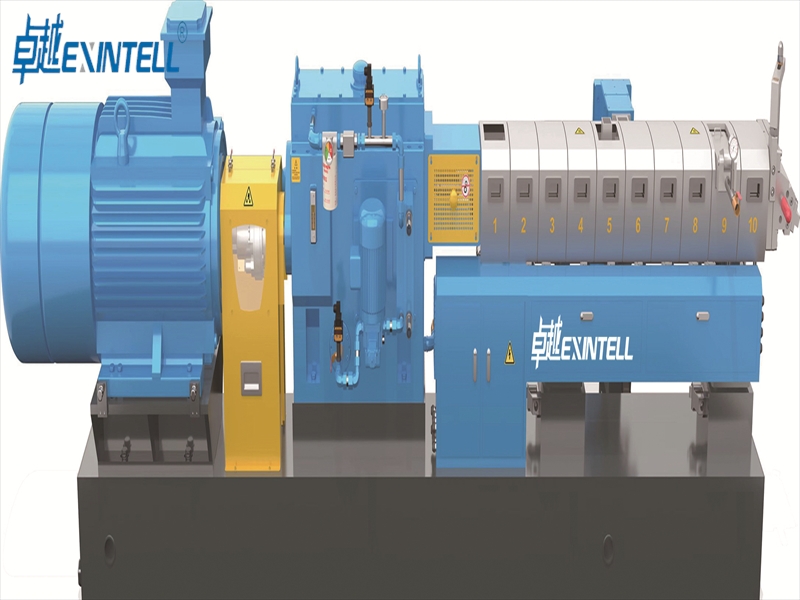
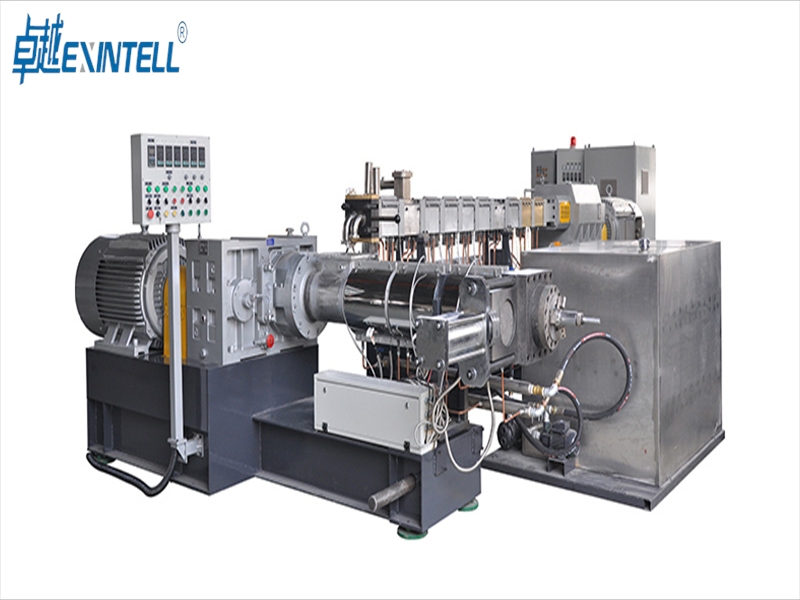
Er zijn verschillende manieren om plastic platen te maken. De meest voorkomende zijn enkelschroefs- en dubbelschroefsextruders. Enkelschroefsextruders hebben één schroef die gesmolten plastic naar buiten duwt. Deze manier is goed voor eenvoudige klusjes en schone plastic pellets. Extruders met dubbele schroef hebben twee schroeven die de zaken beter mengen. Ze werken goed voor lastige materialen of gerecyclede kunststoffen. Je kunt ze gebruiken wanneer je wilt hoogwaardige lakens.
Sommige methoden maken gebruik van co-extrusie of meerlaagse extrusie. Met co-extrusie kunt u verschillende materialen op één plaat plaatsen. Meerlaagse extrusie maakt platen met lagen voor speciale behoeften. Deze lagen kunnen extra sterkte of chemische resistentie geven. Met deze methoden kunt u het velformaat en de kwaliteit precies goed houden.
Ideaal voor complexe materialen en formules met een hoog vulmiddel
Energieverbruik
Verbruikt minder energie dankzij de eenvoudige structuur
Verbruikt meer energie, maar is efficiënter voor complexe materialen
Tip: Met dubbelschroefsextruders kunt u kleuren en vulstoffen toevoegen. Ze maken de vellen ook helderder door water en gassen te verwijderen.
Pluspunten & Nadelen voor productie
U moet de juiste methode voor uw project kiezen. Enkelschroefsextruders zorgen voor een sterke druk en stabiele platen. Ze verbruiken minder energie en zijn eenvoudig te installeren. Dit maakt ze goed voor grote bestellingen en eenvoudige producten. Dubbelschroefsextruders mengen de zaken beter en geven u meer controle over het proces. U kunt ze gebruiken voor speciale opdrachten en aangepaste vellen.
Kunststof extrusiekost minder dan andere manieren zoals spuitgieten. Je geeft minder uit aan materialen en gereedschappen. Het proces is snel en u kunt lange vellen maken zonder te stoppen. Hierdoor kunt u de kwaliteit elke keer hetzelfde houden.
Extrusie met één schroef is goed voor dunne platen en eenvoudige klussen. Dubbelschroefsextrusie is het beste voor dikke platen en taaie materialen. Co-extrusie en meerlaagse extrusie helpen u aan strenge regels te voldoen en het plaatformaat goed te houden.
Enkelschroefsextruders zijn het beste voor schone pellets en gemakkelijke klussen.
Dubbelschroefsextruders werken met poeders, gerecyclede spullen, en bijzondere klussen.
Beide manieren helpen u veel vellen te maken en goede resultaten te behalen.
Je moet altijd kijken naar wat jouw project nodig heeft. Denk na over het materiaal en hoe u wilt dat de plaat werkt. Dit helpt u bij het kiezen van de beste extrusiemethode en het vinden van een goede fabrikant.
Matchende behoeften & Functies
Vergelijkingscontrolelijst
Om te vergelijken heeft u een eenvoudige checklist nodig extrusie technieken. Zo kunt u zien welke werkwijze het beste bij uw project past. Gebruik de onderstaande tabel om voor elk proces aan uw behoeften te voldoen. Vink elk vakje aan terwijl u naar uw keuzes kijkt.
See how much power the machine uses. New machines can save energy and money.
Onderhoudsbehoeften
Check how often you must clean or fix the machine. Good care keeps things running well.
Milieu-impact
Choose ways that use recycled plastics or save energy. This helps you meet green goals.
Garantie & Steun
Look for good warranty and help from the maker. This protects your money.
Tip: Use this checklist when you talk to suppliers or compare prices. It helps you focus on what matters most for your project.
Decision Criteria
You need to look at a few things before you pick. Start by thinking about what matters most for your project. Deze omvatten:
Gemiddelde dikte: Controleer of de plaat de juiste dikte heeft. Dit bespaart materiaal en geld.
Standaardafwijking: Zoek naar een gelijkmatige dikte. Minder verandering betekent betere kwaliteit en minder fouten.
Cpk (Index van procescapaciteiten): Zorg ervoor dat het proces elke keer aan uw behoeften voldoet. Hoge Cpk betekent betere resultaten en minder verspilling.
Stem uw batchgrootte af op de juiste extrusiemethode. Voor grote klussen, extruders met één schroef werken goed. Ze zorgen voor een stabiele productie en lagere kosten. Als je veel materialen of extra’s gebruikt, systemen met dubbele schroef geven betere controle. Voor kleine klussen of speciale projecten, ram-extrusie of co-extrusie geeft meer opties.
Wanneer je een techniek kiest, voorkomen veelvoorkomende fouten. Vergeet de basisontwerpregels niet. Als je het ontwerp te moeilijk maakt, u kunt fouten of verspilling krijgen. Houd de vindikte normaal en gebruik geen scherpe hoeken. Werk vroeg samen met uw leverancier om advies te krijgen.
Houd uw materiaal schoon om te voorkomen oppervlakkige problemen. Stel het proces goed in om de juiste maat en vorm te krijgen. Houd de mal in goede staat om gebreken in de plaat te voorkomen.
Denk ook aan het milieu. Je kunt gebruiken biologisch afbreekbare of gerecyclede kunststoffen afval te verminderen. Gebruik machines die energie besparen en schroot recyclen. Gesloten watersystemen en goede luchtfilters helpen mens en natuur te beschermen.
Plan voor langdurige zorg. Reinig en controleer de machine dagelijks. Plan voor regelmatige controles en jaarlijkse grote controles. Goede zorg betekent betere kwaliteit en minder stoppen.
Train je team goed. Controleer hun vaardigheden en geef praktijklessen. Blijf leren om dingen beter te maken.
Garantie en ondersteuning zijn ook belangrijk. Langere garanties en betere hulp betekenen minder zorgen als er iets kapot gaat. Goede machines komen vaak met betere voorwaarden.
Opmerking: Als u het niet zeker weet, Praat met een extrusie-expert. Zij kunnen u helpen bij het kiezen van het juiste ontwerp, materiaal, en proces. Ze kunnen u ook helpen fouten te voorkomen en uw product te verbeteren.
U kunt deze gids gebruiken om uw keuzes te vergelijken en een slimme keuze te maken. Stem uw projectbehoeften altijd af op de kenmerken van elke extrusiemethode. Dit helpt u de beste resultaten te behalen, kwaliteit, en waarde uit uw werk.
U kunt de beste extrusietechniek voor kunststofplaten kiezen door eenvoudige stappen te volgen. Begin door na te denken over wat uw project nodig heeft. Kies het materiaal dat bij uw klus past. Stem uw materiaal af op de juiste extrusiemethode. Voorbeelden uit de sector laten zien dat je de temperatuur stabiel moet houden. Gebruik goede mallen en voeg de juiste extra’s toe. Kies de juiste harskwaliteit voor uw plaat. Vraag experts vroeg in uw project om hulp. Gebruik de vergelijkingschecklist om uw keuze gemakkelijker te maken. Als u het niet zeker weet, Praat met een extrusiespecialist. Deze kant op, u krijgt sterke en betrouwbare platen voor uw project.
Veelgestelde vragen
Wat is extrusie van kunststofplaten??
Extrusie van plastic platen is een proces waarbij je plastic smelt en door een mal duwt om vlakke platen te maken. U kunt deze vellen gebruiken voor verpakking, tekenen, of bouwmaterialen.
Hoe kies ik de juiste extrusiemethode??
U moet naar uw projectbehoeften kijken. Denk na over het materiaal, dikte, en hoe u het blad gaat gebruiken. Zorg ervoor dat deze behoeften overeenkomen met de kenmerken van elke extrusiemethode.
Kan ik gerecyclede kunststoffen gebruiken voor extrusie??
Ja, je kunt gerecyclede kunststoffen gebruiken. Dubbelschroefsextruders werken het beste voor gerecyclede materialen. Zorg ervoor dat het gerecyclede plastic voldoet aan de veiligheids- en kwaliteitsnormen.
Wat is co-extrusie?
Met co-extrusie kunt u twee of meer materialen in één plaat combineren. Je kunt lagen toevoegen voor stevigheid, kleur, of chemische weerstand. Deze methode helpt u te voldoen aan speciale projectbehoeften.
Heb ik deskundige hulp nodig voor mijn project??
Als u zich onzeker voelt, dient u een extrusie-expert te raadplegen. Experts helpen u bij het kiezen van het juiste materiaal en de juiste methode. Ze helpen u ook fouten te voorkomen en uw resultaten te verbeteren.