

Hoe gerecycleerde extruders plastic afval transformeren in nieuwe materialen
Je ziet hoe een gerecycleerde extruder plastic afval in nieuwe dingen verandert. Deze machine smelt oud plastic. Het vormt het gesmolten plastic tot iets nieuws, zoals sterk 3D-printfilament. Je helpt de planeet als je gerecycled plastic gebruikt. Dit houdt plastic uit stortplaatsen en oceanen.
-
Gerecycleerde extruders maken nieuwe dingen van weggegooid plastic.
-
Ze werken met veel soorten plastic afval, zelfs restjes uit huizen en fabrieken.
-
Deze machines dragen bij aan een circulaire economie en verminderen de plasticvervuiling overal.
-
Je helpt het plastic afval te verminderen en ondersteunt lokale recycling.
Extrusietechnologie biedt u een snelle manier om plastic afval om te zetten in nuttige producten.
Belangrijkste afhaalrestaurants
-
Gerecycleerde extruders veranderen plastic afval in nieuwe dingen. Dit helpt de hoeveelheid afval op stortplaatsen en oceanen te verminderen. Het recyclingproces begint met het verzamelen van plastic. Dan, werknemers sorteren en reinigen het plastic. Daarna, ze smelten het om nieuwe producten te maken, zoals 3D-printfilament. Het gebruik van gerecyclede kunststoffen bespaart energie en water. Het bespaart ook fossiele brandstoffen. Dit is beter voor het milieu. U moet de juiste extruder voor de klus kiezen. U kunt gebruik maken van een extruder met enkele of dubbele schroef. De keuze is afhankelijk van de kunststofsoort en productkwaliteit. Nieuwe recyclingtechnologie maakt dingen eenvoudiger. Het helpt ook om betere gerecyclede materialen te maken.
Hoe gerecyclede extruders werken
Basisbeginselen van extrusie in kunststofrecycling
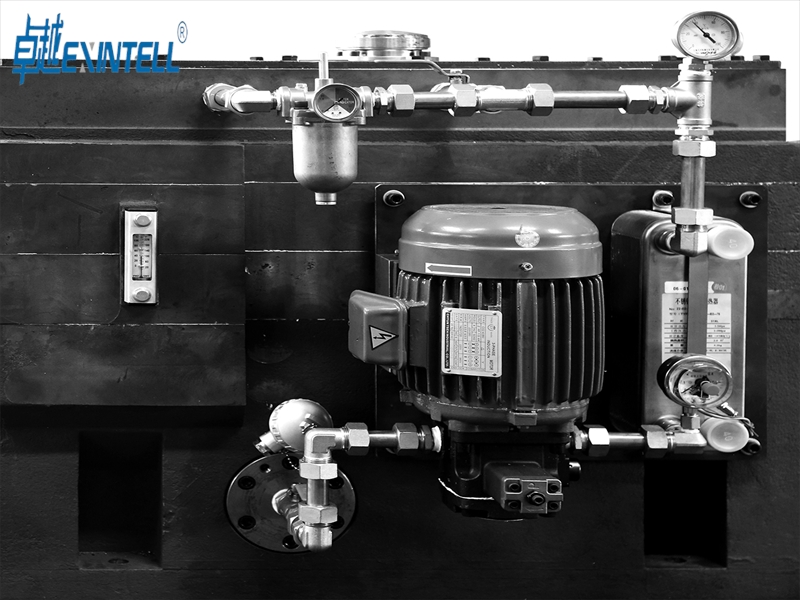
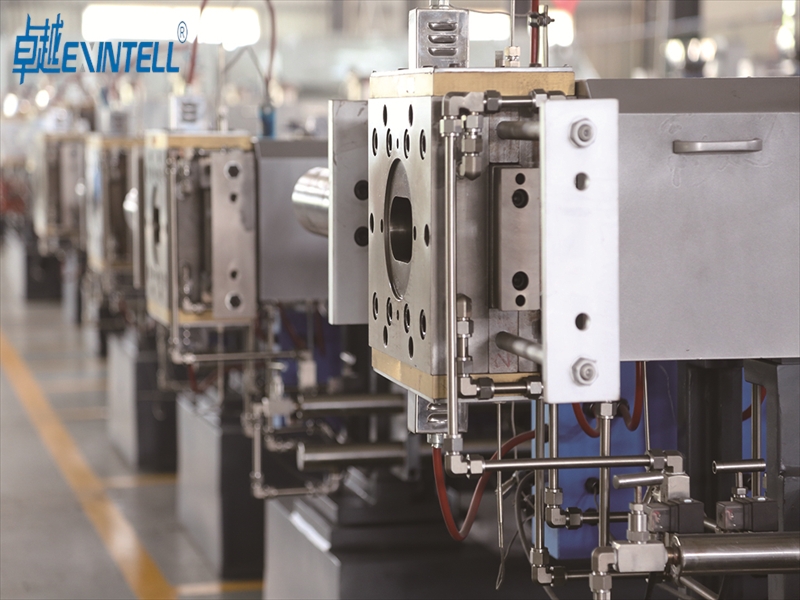
Een gerecyclede extruder kan van oud plastic nieuwe dingen maken. De machine gebruikt hitte en druk om het plastic te smelten. Het vormt het gesmolten plastic tot iets nuttigs. Eerst, jij verzamelt en sorteert het plastic op soort. Vervolgens maak je hem schoon en droog om vuil en labels te verwijderen. Volgende, je vermaalt het plastic in kleine stukjes. Deze stukken gaan in de trechter van de gerecyclede extruder. De machine smelt en mengt het plastic. Het duwt het gesmolten plastic door een matrijs om nieuwe vormen te maken, zoals pellets of vellen. Je koelt het nieuwe materiaal af, zodat het hard wordt en klaar voor gebruik.
Tip: Het recyclen van plastic zorgt ervoor dat afval niet op stortplaatsen belandt en geeft het een nieuwe bestemming.
Hier is een eenvoudige lijst met de extrusiestappen bij plasticrecycling:
-
Maak de plastic stukken schoon en droog.
-
Vermaal of versnipper het plastic in kleine stukjes.
-
Meng indien nodig met andere materialen.
-
Plaats het plastic in de gerecyclede extruder.
-
Smelt en meng het plastic in de machine.
-
Vorm het gesmolten plastic met een matrijs.
-
Koel en hard het nieuwe materiaal uit.
-
Knip of trim het eindproduct.
Met dit proces kun je plastic recyclen en nieuwe dingen maken. Het helpt het milieu en bespaart hulpbronnen.
Belangrijkste onderdelen van een gerecycleerde extruder
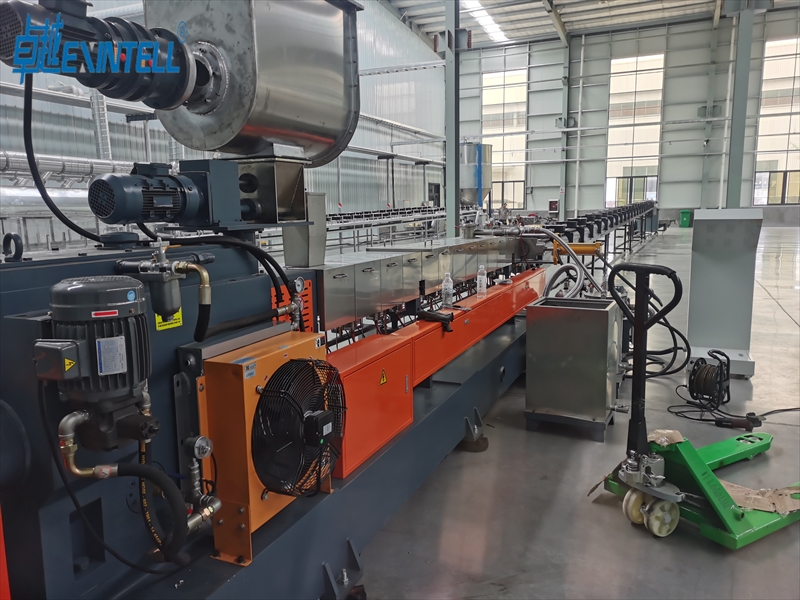
Een gerecyclede extruder heeft veel belangrijke onderdelen die samenwerken. Elk onderdeel doet een speciale taak om plastic afval om te zetten in nieuwe materialen.
|
Onderdeel |
Functie |
|---|---|
|
Buisvormig vat |
Houdt het plastic vast en verwarmt het zodat het kan smelten. |
|
Draaiende schroef |
Beweegt, smelt, en mengt het plastic terwijl het door het vat gaat. |
|
Hopper |
Voert het gemalen plastic in de gerecyclede extruder. |
|
Sterven |
Vormt het gesmolten plastic in vormen zoals pellets, pijpen, of lakens. |
|
Enkele schroef |
Goed voor het maken van eenvoudige producten van één soort plastic. |
|
Dubbele schroef |
Helpt bij het mengen van verschillende kunststoffen en verwijdert lucht of vocht voor een betere kwaliteit. |
Ook in een gerecyclede extruder vind je speciale verwarmingszones. Deze zones smelten het plastic gelijkmatig. Het schroefontwerp kan vele soorten kunststof aan, zoals LDPE, HDPE, PP, HUISDIER, PS, en PVC. Sommige machines hebben ontgassingssystemen. Deze verwijderen vocht en gassen. Hierdoor worden de uiteindelijke pellets sterker en schoner.
Je gebruikt een gerecyclede extruder om schoon plastic om te zetten in nieuwe grondstoffen. Deze materialen kunnen opnieuw worden gebruikt om nieuwe producten te maken.
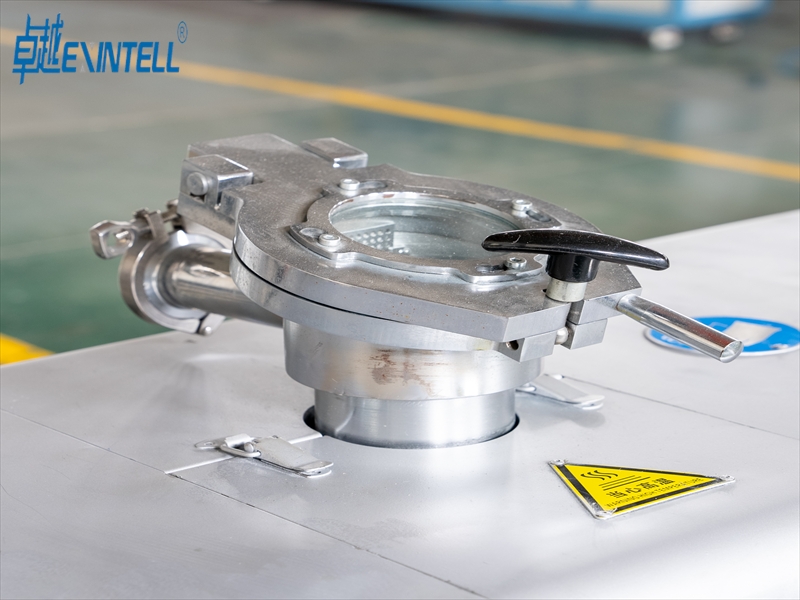
Enkele schroef vs. Extruders met dubbele schroef
U kunt gerecyclede extruders met één of twee schroeven kiezen. De beste keuze hangt af van wat je nodig hebt. Elk type heeft goede en slechte punten. Hier is een tabel om u te helpen de verschillen te zien:
|
Functie |
Extruder met dubbele schroef |
|
|---|---|---|
|
Mengmogelijkheden |
Basismengen voor eenvoudige kunststoffen |
Uitstekend mengen voor complexe materialen |
|
Doorvoer |
Lager, goed voor kleine batches |
Hoger, snellere verwerking |
|
Ontwerpcomplexiteit |
Eenvoudig, gemakkelijk te gebruiken |
Complexer, heeft meer vaardigheid nodig |
|
Temperatuurregeling |
Basisbediening |
Betere controle voor lastige kunststoffen |
|
Flexibiliteit |
Minder flexibel, het beste voor één soort plastic |
Zeer flexibel, behandelt vele soorten |
|
Kosten |
Lagere kosten, energiezuinig |
Hogere kosten, verbruikt meer energie |
|
Onderhoud |
Gemakkelijk te onderhouden |
Heeft meer zorg en aandacht nodig |
-
Gerecycleerde extruders met enkele schroef zijn goed als je maar één soort plastic recyclet, zoals PE of PP. Ze zijn eenvoudig en kosten minder in gebruik.
-
Gerecycleerde extruders met dubbele schroef zijn beter als je verschillende kunststoffen wilt mengen of kleur wilt toevoegen. Ze mengen beter en maken meer materiaal, maar ze kosten meer en verbruiken meer energie.
Door na te denken over het soort kunststof kunt u de juiste gerecyclede extruder kiezen, hoeveel u wilt recyclen, en uw budget.
Kunststofrecyclingproces
Sorteren en voorbereiden van kunststoffen
Je begint met het ophalen van plastic afval van huizen en fabrieken. Volgende, Arbeiders of machines sorteren de kunststoffen op type en kleur. Ook controleren ze hoe dik het plastic is. Door te sorteren blijft recycling schoon en gemakkelijk. Het plastic wordt vervolgens in kleine stukjes gesneden. Door te wassen wordt vuil verwijderd, voedsel, en etiketten. Na het wassen, je droogt het plastic om waterproblemen te voorkomen. Een andere sorteerstap controleert op overgebleven afval. Zorgvuldige stappen helpen bij het maken van goede gerecyclede kunststoffen.
|
Stap |
Beschrijving |
|---|---|
|
Verzameling |
Haal op veel plekken plastic afval op. |
|
Eerste sortering |
Sorteer op type, kleur, of dikte. |
|
Versnipperen |
Snijd het plastic in kleine stukjes. |
|
Wassen |
Was het plastic om vuil te verwijderen. |
|
Tweede sortering |
Controleer voor gebruik nogmaals op schoon plastic. |
|
Extrusie |
Maak het plastic klaar om te smelten. |
Voeden en smelten in de extruder
Je legt het schoon, droge plastic vlokken in de extruder. Een transportband beweegt het plastic en een metaaldetector vindt verborgen metaal. De extruder heeft een schroef in een heet vat. De schroef duwt het plastic naar voren. Warmte en wrijving doen het plastic smelten. De machine houdt elke zone op de juiste temperatuur. De toevoerzone is koeler om vroegtijdig smelten te voorkomen. De vatzones worden heter om het plastic te smelten en te mengen. De matrijszone is het heetst om het plastic te vormen. Goed temperatuurregeling maakt het gesmolten plastic gelijkmatig en sterk.
Mengen, Filteren, en pelletiseren
Binnenin de extruder, het plastic smelt en vermengt zich. De machine filtert het achtergebleven vuil en metaal eruit. Het gesmolten plastic gaat door een matrijs en vormt strengen. Je koelt de strengen af met water of lucht. Een cutter snijdt de strengen in kleine pellets. Door het drogen worden de laatste restjes water weggenomen. Nu heb je dat gedaan sterke pellets klaar voor gebruik opnieuw. Deze stap zorgt ervoor dat het gerecyclede plastic van goede kwaliteit is.
Geïntegreerde maalgoedsystemen
Geïntegreerde maalgoedsystemen helpen recycling sneller en goedkoper te maken. Met deze systemen kun je plastic afval direct hergebruiken. U bespaart geld omdat maalgoed minder kost dan nieuw plastic. Prijzen blijven stabiel, zelfs als de markt verandert. Je helpt de planeet door plastic uit stortplaatsen te houden. Geïntegreerde systemen helpen om van oude producten steeds weer nieuwe te maken.
Tip: Zorgvuldige sortering en goede temperatuurbeheersing helpen u het beste gerecyclede plastic te verkrijgen.
Toepassingen van gerecycleerde extruders
Industrieën die gerecyclede kunststoffen gebruiken
Veel industrieën gebruiken gerecyclede extruders om nieuwe producten te maken. Ze willen materialen die sterk en flexibel zijn. Ze willen ook materialen die minder kosten en de planeet helpen. Deze industrieën hechten waarde aan duurzaamheid. Hier is een tabel dat laat zien waar gerecyclede kunststoffen het meest worden gebruikt:
|
Industrie |
Redenen voor gebruik |
|---|---|
|
Automobiel |
Duurzaamheid, flexibiliteit, kostenreductie, duurzaamheidspraktijken |
|
Bouw |
Duurzaamheid, flexibiliteit, kostenreductie, duurzaamheidspraktijken |
Je helpt deze industrieën door ze recyclebare materialen te geven. Deze materialen passen bij wat ze nodig hebben. Het gebruik van gerecyclede extruders draagt bij aan de groei van groene productie.
Gangbare producten uit de kunststofrecycling
Van gerecyclede plastic pellets kunnen veel nuttige dingen worden gemaakt. Deze producten helpen je elke dag. Ze houden ook afval buiten de stortplaatsen. Hier zijn er enkele gangbare producten gemaakt uit recycling:
-
Polyethyleen (PE): Flessen, containers, leidingen, flexibele verpakking, plastic zakken.
-
Polypropyleen (PP): Auto-onderdelen, voedsel containers, medische spuiten, doppen van flessen.
-
Polyvinylchloride (PVC): Bouwmaterialen, pijpen, medische slangen, isolatie van elektrische kabels.
-
Polystyreen (PS): Wegwerp bestek, CD-doosjes, verpakking, isolatie, voedsel containers.
-
Polyethyleentereftalaat (HUISDIER): Drankflessen, voedsel verpakking, synthetische vezels.
-
Acrylonitril-butadieen-styreen (ABS): Auto-onderdelen, LEGO-stenen, elektronische behuizingen.
-
Biologisch afbreekbaar & gerecyclede kunststoffen: Composteerbare verpakking, wegwerp bestek, milieuvriendelijke verpakking.
Je ziet hoe recycling veel kunststoffen nieuw leven geeft.
Producten met toegevoegde waarde en casestudies
Gerecycleerde extruders met dubbele schroef helpen maken producten met toegevoegde waarde. Deze machines zetten plastic afval om in bijvoorbeeld 3D-printfilament. Hierdoor werkt recycling beter. Hiermee kunt u ook geavanceerde producten maken. Naarmate de technologie verbetert, vind je meer manieren om gerecyclede materialen te gebruiken.
“Indaver koos voor de dubbelschroefsextruder van Coperion voor zijn ‘Plastics2chemicals’ plant. Deze fabriek haalt materialen uit gemengde polyolefine- en polystyreenstromen. Het houdt de kwaliteit hoog. De Coperion ZSK Mc18 dubbelschroefsextruder is erg belangrijk in dit nieuwe recyclingproces.”
Van echte voorbeelden kun je leren. Prad en Lala in Chennai, Indië, gebruik hun extrusie machine meubels maken. Joop van Haute Plastique in Rotterdam maakt stijlvolle producten van gerecycled plastic. Die van Indaver “Plastics2chemicaliën” Het proces maakt gebruik van geavanceerde extruders om gemengde kunststoffen van hoge kwaliteit te recyclen. Deze verhalen laten zien hoe je afval kunt omzetten in waardevolle voorwerpen en de planeet kunt helpen schoon te blijven.
Voordelen en uitdagingen bij recycling
Milieu- en economische voordelen
Wanneer u gerecyclede extruders gebruikt, jij helpt de aarde. Dit proces bespaart belangrijke hulpbronnen en houdt de natuur veilig. Hier zijn enkele belangrijke voordelen:
-
Je verbruikt minder fossiele brandstof. Voor elke kilogram gerecycled plastic, je spaart tot 2 kilogram ruwe olie.
-
Je hebt veel minder water nodig. Plastic toepassingen recyclen 90% minder water dan het maken van nieuw plastic.
-
Je bespaart veel energie. Mechanische recyclingtoepassingen 70% naar 90% minder energie dan het maken van nieuw plastic.
-
Je houdt plastic uit stortplaatsen. Elke ton die u recycleert, bespaart ongeveer 7.4 kubieke meter stortplaatsruimte.
-
Je beschermt dieren en water. Recycling voorkomt dat plastic in de oceanen terechtkomt en houdt bodem en water schoon.
Jij ook geef minder geld uit aan gerecyclede extruders. Het maken van gerecyclede pellets kosten 30% naar 50% minder dan nieuwe maken. Bijvoorbeeld, als er nieuw polypropyleen kost $1,200 per ton, waar je gerecycled polypropyleen voor kunt maken $600 naar $800 per ton. Een middelgrote plant kan meer dan verdienen $2 miljoen per jaar en betaalt zijn investering in minder dan twee jaar terug.
Uitdagingen: Verontreiniging en compatibiliteit
Er zijn enkele problemen bij het recyclen van plastic. Verontreiniging is een groot probleem. Verschillende stappen in recycling kunnen schadelijke dingen toevoegen. Hier is een tabel met veelvoorkomende verontreinigingen en wat ze doen:
|
Fase van recycling |
Veel voorkomende verontreinigingen |
Impact op het extrusieproces |
|---|---|---|
|
Wassen |
PCB's, PBDE's, kunststof additieven |
Toxische emissies tijdens het smelten en extruderen |
|
Versnipperen |
Zware metalen, PAK's, fijnstof |
Slijtage van apparatuur, lagere productkwaliteit |
|
Smelten en extrusie |
VOC's, ultrafijne deeltjes, kunststof additieven, PAK's |
Slechte materiaalstroom, zwakker eindproduct |
|
Faciliteiten |
Zware metalen, PBDE's, microplastics |
Lagere materiaalkwaliteit, minder efficiënte verwerking |
Je moet ook nadenken over compatibiliteit. Het mengen van verschillende kunststoffen kan problemen veroorzaken. Sommige kunststoffen mengen niet goed met elkaar. Hierdoor kan het gerecyclede plastic zwak worden of gemakkelijk breken. Bijvoorbeeld, als je PVC met PET mengt, de kwaliteit wordt slechter door chemische reacties. U kunt compatibilizers gebruiken om verschillende kunststoffen beter te laten mengen. Dit maakt de gerecyclede producten sterker en nuttiger. Zowel mechanische recycling als chemische recycling kennen deze problemen, maar nieuwe ideeën helpen.
Innovaties en toekomstige trends
Er zijn er veel nieuwe ideeën in gerecyclede extrudertechnologie. Bedrijven gebruiken nu co-roterende extruders om met harde materialen om te gaan en betere resultaten te behalen. Energiebesparende systemen helpen u minder stroom te gebruiken en geld te besparen. Geavanceerde upcyclingsystemen geven oud plastic een nieuwe bestemming. Sommige fabrieken gebruiken kunstmatige intelligentie om recycling te laten werken 60% beter. Dubbelschroefsextruders en betere filters zorgen er ook voor dat gerecycled plastic van hogere kwaliteit is.
In de toekomst, Er zal meer aandacht komen voor duurzaamheid. Door 2026, deskundigen denken 30% van kunststofproducten zal afkomstig zijn van gerecyclede materialen. Nieuwe schroefontwerpen en energiebesparende motoren kunnen het energieverbruik met wel 40%. Industrie 4.0 technologie zal u helpen gesloten-lussystemen te gebruiken en minder afval te veroorzaken. Met voorspellend onderhoud blijven machines goed werken en verbeteren uw resultaten.
U helpt de wereld schoner te maken als u gerecyclede extruders gebruikt. Deze machines zetten plastic afval om in goede gerecyclede materialen. Ze helpen afval van stortplaatsen te houden en energie te besparen. Ze helpen ook de circulaire economie groeien. Je moet problemen zoals vies plastic oplossen, gebroken kunststof, en gemengde soorten. Hierdoor krijgt u de beste gerecyclede producten. Als je meer wilt weten, kijk eens naar deze links:
Veelgestelde vragen
Welke soorten plastic kun je recyclen met een extruder??
Je kunt veel kunststoffen zoals PE recyclen, PP, HUISDIER, PVC, en PS. Sommige machines kunnen ook gemengde kunststoffen verwerken. Lees altijd de handleiding van de machine voor het beste resultaat.
Hoe houd je gerecycled plastic schoon en sterk?
Jij sorteert, wassen, en droog plastic voordat het wordt gerecycled. Goede temperatuurregeling en filtering in de extruder helpen bij het sterk maken, schone pellets.
Kun je thuis gerecycleerde extruders gebruiken??
De meeste gerecyclede extruders worden in fabrieken gebruikt. Sommige kleine desktop-extruders zijn gemaakt voor thuis gebruik. Om ze te gebruiken heb je een veiligheidstraining en de juiste opstelling nodig.
Welke producten kun je maken van gerecyclede plastic pellets??
Je kunt flessen maken, pijpen, meubilair, 3D-printfilament, en verpakking. Veel industrieën gebruiken gerecyclede pellets om nieuwe producten te maken.
Waarom is het sorteren van plastic belangrijk bij recycling??
Sorteren helpt u gerecycleerd materiaal van hoge kwaliteit te verkrijgen. Gemengde of vuile kunststoffen kunnen zwakke producten opleveren. Zorgvuldig sorteren geeft betere resultaten.