

प्लास्टिक एक्सट्रुजन वा इन्जेक्शन मोल्डिङ जसले राम्रो परिशुद्धता प्रदान गर्दछ
मैले फेला पारेको छु कि इंजेक्शन मोल्डिङले राम्रो परिशुद्धता र कडा सहिष्णुता प्रदान गर्दछ प्लास्टिक निकासी. उदाहरणका लागि, इन्जेक्शन मोल्डिङले सहिष्णुता प्राप्त गर्न सक्छ ±0.005 इन्च, जबकि एक्सट्रुसनले सामान्यतया ± ०.०१० इन्च राख्छ. यहाँ सामान्य अनुप्रयोगहरू र सहिष्णुताहरूमा आधारित प्रक्रिया तुलना छ:
| आवेदन प्रकार | प्रक्रिया प्रयोग गरियो | साझा सहिष्णुता |
|---|---|---|
| लामो, समान भागहरू (जस्तै, ट्यूबहरू, रडहरू) | निकासी | ± ०.०१० इन्च |
| जटिल वा विस्तृत भागहरू | इंजेक्शन मोल्डिंग | ±0.005 इन्च वा कडा |
| उच्च मात्रा, उच्च परिशुद्धता | इंजेक्शन मोल्डिंग | निकासी भन्दा कडा |
| निरन्तर, सरल आकारहरू | निकासी | सुसंगत, कम सटीक |
एक निर्माण प्रक्रिया चयन गर्दा, म सधैं ज्यामितिलाई विचार गर्छु, आवश्यक सहिष्णुता, उत्पादन मात्रा, र लागत.
कुञ्जी टेकवेहरू
- इंजेक्शन मोल्डिंगले कडा सहिष्णुता प्राप्त गर्दछ, प्रायः ±0.005 इन्चको रूपमा सटीक, यसलाई जटिल भागहरूको लागि आदर्श बनाउँदै.
- प्लास्टिक निकासी लामो समयको लागि उत्तम छ, एकसमान आकार जस्तै ट्यूब र रडहरू, ±0.010 इन्च वरिपरि सहनशीलता संग.
- प्रक्रिया छनौट गर्दा उत्पादन मात्रालाई विचार गर्नुहोस्; ठूला रनहरूको लागि इंजेक्शन मोल्डिंग लागत-प्रभावी छ, जबकि एक्सट्रुजन उच्च मात्रा निरन्तर उत्पादन सूट गर्दछ.
- सामग्री चयन सटीकतालाई असर गर्छ; तपाइँको आवेदन को विशिष्ट आवश्यकताहरु मा आधारित सामग्री छनोट गर्नुहोस्.
- भाग जटिलता मूल्याङ्कन गर्नुहोस्; इन्जेक्शन मोल्डिङले एक्स्ट्रुजन भन्दा राम्रो जटिल डिजाइनहरू ह्यान्डल गर्दछ, जुन सरल आकारहरूमा सीमित छ.
- सतह समाप्त गुणस्तर सामान्यतया इंजेक्शन मोल्डिंग मा राम्रो छ, थप परिष्करण चरणहरू बिना चिल्लो भागहरूमा अग्रणी.
- उपकरण लागत को लागी योजना; इन्जेक्सन मोल्डिङलाई उच्च प्रारम्भिक लगानी चाहिन्छ तर पुनरावृत्ति मार्फत दीर्घकालीन बचत प्रदान गर्दछ.
- सधैँ आफ्नो परियोजनाको आवश्यकताहरू चाँडै मूल्याङ्कन गर्नुहोस्; ज्यामिति बुझ्दै, सहिष्णुता, र बजेटले सही उत्पादन प्रक्रिया चयन गर्न मद्दत गर्दछ.
प्लास्टिक एक्सट्रुजन सिंहावलोकन
प्रक्रिया आधारभूत
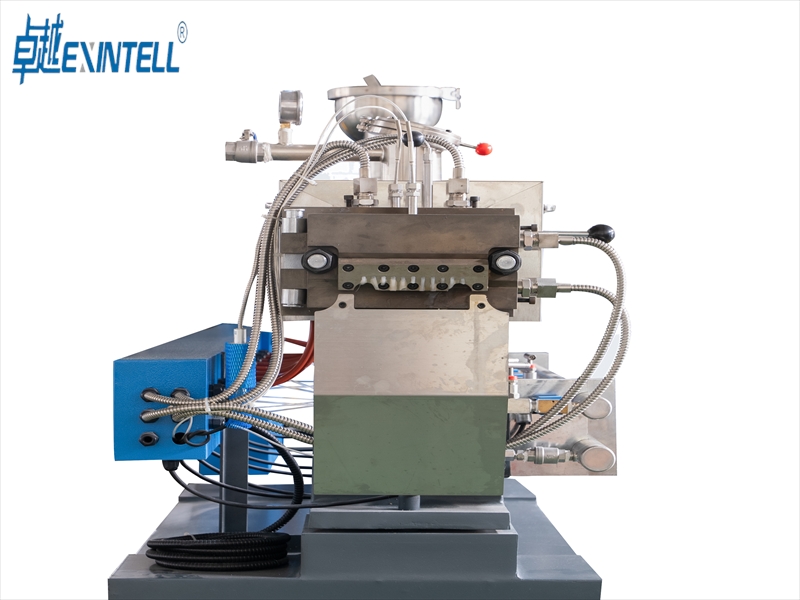
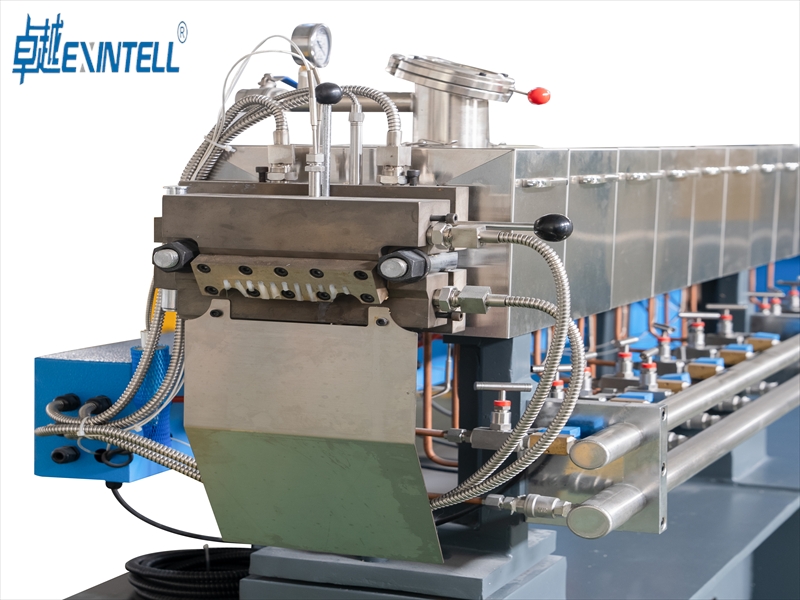
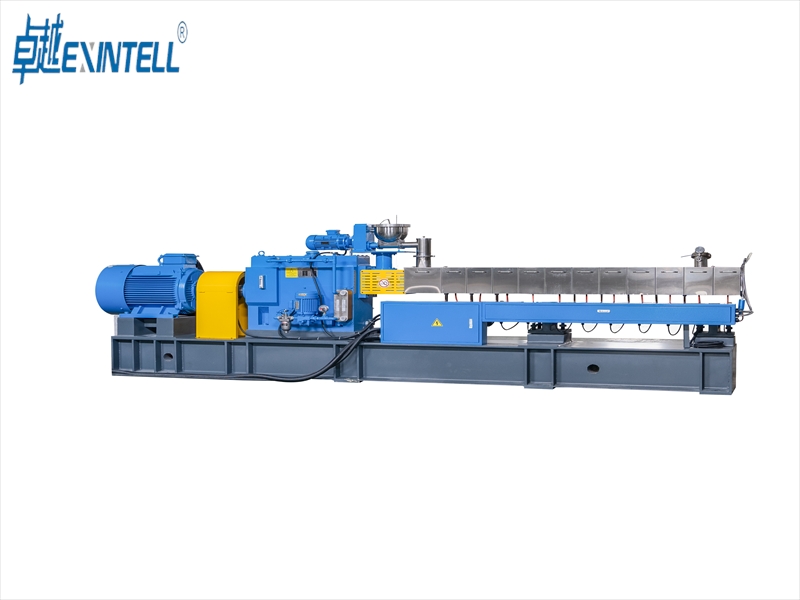
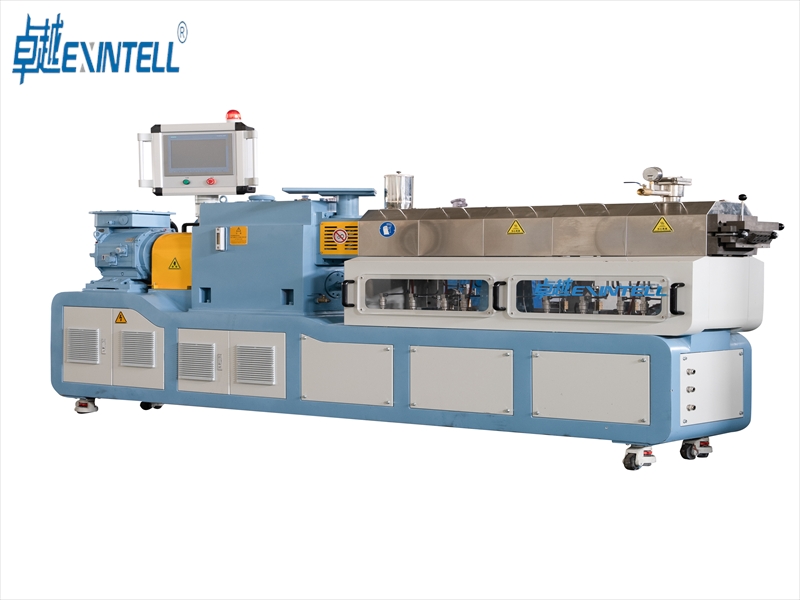
साथमा काम गरेको छु प्लास्टिक निकासी वर्षौंदेखि र यो विधिले कसरी थर्मोप्लास्टिक सामग्रीहरूलाई निरन्तर प्रोफाइलहरूमा आकार दिन्छ भनेर देखेको छ. बाहिर निकाल्ने प्रक्रिया सामग्री चयन संग सुरु हुन्छ, जुन अन्तिम उत्पादनमा वांछित गुणहरू प्राप्त गर्नको लागि महत्वपूर्ण छ. म एक्स्ट्रुडरको माथिको हपरमा प्लास्टिकका छर्राहरू वा दानाहरू लोड गर्छु. मेसिनले तातो ब्यारेल मार्फत सामग्री सार्नको लागि घुमाउने स्क्रू प्रयोग गर्दछ. जसरी सामग्रीको यात्रा हुन्छ, यो घर्षण र बाह्य गर्मीको कारण पग्लन्छ. पग्लिएको प्लास्टिक त्यसपछि परिशुद्ध आकारको डाइ मार्फत जान्छ, जसले उत्पादनलाई आफ्नो प्रोफाइल दिन्छ. गठन पछि, बाहिर निकालिएको आकार शीतलन प्रणालीमा प्रवेश गर्दछ, सामान्यतया हावा वा पानी स्नान, ठोस र आयामी शुद्धता कायम गर्न. अन्तमा, म उत्पादन काट्छु वा रोल गर्छु, आवेदन मा निर्भर गर्दछ. यो चरण-दर-चरण दृष्टिकोणले मलाई लामो सिर्जना गर्न अनुमति दिन्छ, एकरूप क्रस-सेक्शनहरूसँग समान आकारहरू.
साझा अनुप्रयोगहरू
प्लास्टिक एक्सट्रुसनले महत्त्वपूर्ण भूमिका खेल्छ धेरै उद्योगहरु. म प्रायः प्याकेजिङको लागि प्रयोग भएको देख्छु, मोटर वाहन, फर्निचर, र उपभोग्य वस्तुहरू. प्रक्रिया उत्पादन को एक विस्तृत श्रृंखला उत्पादन गर्दछ, साधारण ट्यूब देखि जटिल प्रोफाइल सम्म. यहाँ एउटा तालिका छ जुन केहि सामान्य अनुप्रयोगहरू संक्षेप गर्दछ:
| उद्योग | उत्पादनहरू |
|---|---|
| प्याकेजिङ | चलचित्रहरू, पानाहरू, झोला, लपेट्छ, ट्रेहरू, र कपहरू |
| अटोमोटिभ | मौसम मुहर, प्लास्टिक ट्युबिङ, ट्रिम प्रोफाइल |
| फर्निचर & उपभोग्य वस्तु | किनारा ब्यान्डिङ, पर्दा ट्र्याकहरू, हल्का पीवीसी फोम बोर्डहरू |
| घर उपकरणहरू | ह्यान्डलहरू, ओभन र माइक्रोवेवहरूको लागि छापहरू |
| प्लम्बिङ & मेडिकल | ट्युबिङ, पाइपहरू |
मैले त्यो फेला पारेको छु अनुकूलन प्लास्टिक निकासी निर्माताहरूलाई विशेष आवश्यकताहरूको लागि अद्वितीय प्रोफाइलहरू डिजाइन गर्न अनुमति दिन्छ. यो लचिलोपनले एक्स्ट्रुसनलाई निरन्तरको लागि लोकप्रिय विकल्प बनाउँछ, उच्च मात्रा उत्पादन.
प्रयोग गरिएको सामग्री
प्लास्टिक एक्सट्रुसनमा सामग्रीको छनोटले प्रक्रिया र अन्तिम उत्पादनको शुद्धता दुवैलाई असर गर्छ. म बारम्बार प्रयोग गर्छु polypropylene, polyethylene terephthalate, र polystyrene. यी सामग्रीहरूले विभिन्न गुणहरू प्रदान गर्दछ, जस्तै लचिलोपन, शक्ति, र स्पष्टता. मैले तयारी गर्ने तरिका, पिघल्नु, र सामग्रीलाई चिसोले बाहिर निकालेका भागहरूको शुद्धता र स्थिरतामा प्रत्यक्ष प्रभाव पार्छ. यहाँ मैले प्रयोग गर्ने सबैभन्दा सामान्य सामग्रीहरू छन्:
- Polypropylene (PP)
- Polyethylene terephthalate (PET)
- Polystyrene (PS)
- Polyvinyl क्लोराइड (PVC)
- उच्च घनत्व polyethylene (HDPE)
- कम घनत्व polyethylene (LDPE)
- Acrylonitrile butadiene styrene (ABS)
- थर्मोप्लास्टिक इलास्टोमर (TPE)
- नायलन (PA)
- पोली कार्बोनेट (पीसी)
- Polymetyl methacrylate (PMMA)
जब म कस्टम प्लास्टिक एक्सट्रुजन परियोजनाहरूमा काम गर्छु, म सधैं एप्लिकेसनको आवश्यकताहरूसँग सामग्रीसँग मेल खान्छु. यो सावधानीपूर्वक चयनले सुनिश्चित गर्दछ कि उत्पादनले प्रदर्शन र सटीक मापदण्डहरू पूरा गर्दछ.
फाइदा र विपक्ष
जब म परियोजनाको लागि प्लास्टिक एक्सट्रुसन मूल्याङ्कन गर्छु, म सधैं फाइदा र बेफाइदा तौल्छु. यो प्रक्रिया अद्वितीय शक्ति प्रदान गर्दछ, तर यो परिशुद्धता र सहिष्णुतालाई असर गर्ने सीमितताहरूसँग पनि आउँछ.
यहाँ एक छ तालिका जसले मुख्य फाइदा र बेफाइदाहरू संक्षेप गर्दछ मैले आफ्नो काममा नियालेको छु:
| फाइदाहरू | बेफाइदाहरू |
|---|---|
| उच्च दक्षता र स्केलेबिलिटी | जटिल आकारहरू उत्पादनमा सीमितताहरू |
| उच्च उत्पादन मात्रा | परिशुद्धतालाई असर गर्ने डाइ स्वेलसँगका चुनौतीहरू |
| मध्यम देखि उच्च मात्रा को लागी लागत प्रभावशीलता | सम्भावित सतह अपूर्णताहरू परिष्करण आवश्यक छ |
फाइदाहरू
म प्रायः यसको उच्च दक्षताको लागि प्लास्टिक एक्सट्रुसन छनौट गर्छु. प्रक्रिया निरन्तर चलिरहन्छ, जसको मतलब म कुनै अवरोध बिना लामो भागहरू उत्पादन गर्न सक्छु. यो स्केलेबिलिटीले यसलाई ठूला अर्डरहरूको लागि आदर्श बनाउँछ. जब मलाई हजारौं फिट ट्युबिङ वा प्रोफाइलहरू निर्माण गर्न आवश्यक हुन्छ, एक्सट्रुसनले लगातार परिणामहरू प्रदान गर्दछ. उत्पादन मात्रा बढ्दै जाँदा प्रति भाग लागत घट्छ, त्यसैले म मध्यम देखि उच्च-भोल्युम परियोजनाहरूको लागि यो धेरै लागत-प्रभावी फेला पार्छु.
अर्को फाइदा समान क्रस-सेक्शनहरू सिर्जना गर्ने क्षमता हो. म भागको लम्बाइको साथ स्थिर आयामहरू कायम राख्न सक्छु, जुन पाइपिङ वा विन्डो फ्रेमहरू जस्ता अनुप्रयोगहरूको लागि महत्त्वपूर्ण छ. प्रक्रियाले थर्मोप्लास्टिकको विस्तृत श्रृंखलालाई पनि समर्थन गर्दछ, त्यसैले म अन्तिम उत्पादनको मेकानिकल र रासायनिक आवश्यकताहरूसँग मेल खाने सामग्रीहरू चयन गर्न सक्छु.
बेफाइदाहरू
यी शक्तिहरूको बावजुद, प्लास्टिक एक्सट्रुसनमा केही कमजोरीहरू छन्. प्रक्रिया जटिल आकार संग संघर्ष. यदि एक भागलाई जटिल विवरण वा तीखो कुनाहरू चाहिन्छ, मलाई एक्सट्रुसन कम उपयुक्त लाग्छ. पग्लिएको प्लाष्टिक डाईबाट बाहिर निस्कँदा फुल्ने गर्छ, मर फुल्ने भनेर चिनिने घटना. यो प्रभावले कडा सहिष्णुता प्राप्त गर्न गाह्रो बनाउन सक्छ, विशेष गरी सटीक आयामहरू चाहिने भागहरूको लागि.
सतह समाप्त पनि एक मुद्दा हुन सक्छ. कहिलेकाहीँ, बाहिर निकालिएका भागहरूले डाइबाट रेखा वा चिन्हहरू देखाउँछन्. मैले प्राय: माध्यमिक परिष्करण चरणहरू थप्न आवश्यक छ, जस्तै ट्रिमिङ वा पॉलिश, उपस्थिति सुधार गर्न र गुणस्तर मापदण्डहरू पूरा गर्न. यी अतिरिक्त चरणहरूले समय र लागत दुवै बढाउन सक्छ.
टिप: म सँधै एक्सट्रुसन चयन गर्नु अघि भागको ज्यामिति र आवश्यक सहिष्णुताहरू समीक्षा गर्न सिफारिस गर्दछु. यदि डिजाइन सरल छ र अर्डर ठूलो छ, एक्सट्रुसनले सामान्यतया उत्तम मूल्य प्रदान गर्दछ.
इंजेक्शन मोल्डिंग अवलोकन
प्रक्रिया आधारभूत
मैले इन्जेक्सन मोल्डिङको काममा वर्षौं बिताएँ, र मलाई यो प्रक्रिया आकर्षक र प्रभावकारी दुवै लाग्छ. विधिले मोल्ड प्रयोग गर्दछ, जसले पिघलेको प्लास्टिकलाई ठ्याक्कै आकार दिन्छ. प्रत्येक भाग सख्त गुणस्तर मापदण्डहरू पूरा गर्दछ भनेर सुनिश्चित गर्न म सधैं चरणहरूको श्रृंखला अनुसरण गर्छु. यहाँ म कसरी इंजेक्शन मोल्डिंग प्रक्रियामा पुग्छु:
- क्ल्याम्पिङ: म अर्को चरणहरूको लागि तयारी गर्न मोल्डलाई कडा रूपमा बन्द गर्छु.
- इंजेक्शन: म तातो सुई लगाउँछु, मोल्ड गुहामा पग्लिएको प्लास्टिक.
- बसोबास: म प्लास्टिकलाई मोल्ड भित्र छोटो समयको लागि बस्न दिन्छु ताकि यसले हरेक ठाउँ भर्छ.
- चिसो: मोल्ड भित्र हुँदा प्लास्टिक चिसो र कडा हुन्छ.
- मोल्ड खोल्ने: भाग चिसो भएपछि म मोल्ड खोल्छु.
- इजेक्शन: म मोल्डबाट समाप्त भाग हटाउँछु.
यो चक्र चाँडै दोहोरिन्छ, जसले मलाई ठूलो मात्रामा समान भागहरू उत्पादन गर्न अनुमति दिन्छ. जब मलाई जटिल आकारहरू चाहिन्छ तब म इंजेक्शन मोल्डिङमा भर पर्छु, राम्रो विवरण, र उच्च गुणस्तर समाप्त. प्रक्रियाले मलाई आयाम र सतह उपस्थितिमा उत्कृष्ट नियन्त्रण दिन्छ.
नोट: म सधैं इन्जेक्शन मोल्डिङको समयमा तापमान र दबाब नजिकबाट निगरानी गर्छु. यी कारकहरूले अन्तिम भागको परिशुद्धता र स्थिरतालाई असर गर्छ.
साझा अनुप्रयोगहरू
इंजेक्शन मोल्डिङ धेरै उद्योगहरूमा महत्त्वपूर्ण भूमिका खेल्छ. मैले यो प्रक्रिया अटोमोटिभका पार्टपुर्जाहरू बनाउन प्रयोग गरेको छु, चिकित्सा, उपभोक्ता इलेक्ट्रोनिक्स, र प्याकेजिङ क्षेत्रहरू. इन्जेक्शन मोल्डिङको बहुमुखी प्रतिभाले मलाई सरल र अत्यधिक जटिल कम्पोनेन्टहरू उत्पादन गर्न अनुमति दिन्छ. यहाँ एउटा तालिका छ जुन केहि विशिष्ट अनुप्रयोगहरू संक्षेप गर्दछ:
| उद्योग | उत्पादन गरिएका उत्पादनहरू |
|---|---|
| अटोमोटिभ | विभिन्न घटक र भागहरू |
| मेडिकल | उपकरण आवास, सर्जिकल उपकरण |
| उपभोक्ता इलेक्ट्रोनिक्स | केसहरू, बटनहरू, र अन्य अवयवहरू |
| प्याकेजिङ | बोतल क्याप्स, कन्टेनरहरू |
म प्राय: कन्ट्याक्ट लेन्स केसहरू जस्ता वस्तुहरू बनाउँछु, बोतल टोपी, र जटिल ज्यामितिहरूसँग उच्च-भोल्युम कम्पोनेन्टहरू. इंजेक्शन मोल्डिंगले मलाई लगातार परिणामहरू प्रदान गर्न मद्दत गर्दछ, माग गरिएका परियोजनाहरूको लागि पनि.
प्रयोग गरिएको सामग्री
सामग्री छनोट इंजेक्शन मोल्डिंग मा महत्वपूर्ण छ. म आवश्यक शक्तिको आधारमा सामग्री छनोट गर्छु, लचिलोपन, र परिशुद्धता. उच्च परिशुद्धता भागहरूको लागि, मसँग पोलिमर मन पर्छ कम र समान संकुचन, स्थिर पिघल प्रवाह, र राम्रो थर्मल प्रतिरोध. सबैभन्दा धेरै सामान्य सामग्री म समावेश प्रयोग गर्दछु:
- ABS: कठोरता प्रदान गर्दछ, एक चिल्लो सतह समाप्त, र प्रभाव प्रतिरोध.
- Polypropylene: रासायनिक प्रतिरोध प्रदान गर्दछ, लचिलोपन, र किफायती.
- पोली कार्बोनेट: उच्च स्पष्टता प्रदान गर्दछ, शक्ति, र गर्मी प्रतिरोध.
- पोलिथीन: हल्का र नमीको प्रतिरोध गर्दछ.
- नायलन: शक्तिका लागि चिनिन्छ, प्रतिरोध लगाउने, र थर्मल स्थिरता.
- हेर्नुहोस: गर्मी को लागी असाधारण, रासायनिक, र प्रतिरोध लगाउने.
जब मलाई अझ कडा सहिष्णुता चाहिन्छ, म इन्जिनियरिङ-ग्रेड पोलिमरहरूमा फर्कन्छु. तरल क्रिस्टल पोलिमर जस्ता सामग्रीहरू (LCP), पोलिथर ईथर केटोन (हेर्नुहोस), र acetal (POM) मलाई उत्कृष्ट आयामी स्थिरता र न्यूनतम संकुचन दिनुहोस्. उदाहरणका लागि, म इलेक्ट्रिकल कनेक्टर र सेन्सर कम्पोनेन्टहरूका लागि LCP प्रयोग गर्छु, जबकि PEEK चिकित्सा प्रत्यारोपण र एयरोस्पेस भागहरु को लागी राम्रो काम गर्दछ. Polycarbonate लेन्स र अप्टिकल कम्पोनेन्टहरूको लागि यसको स्पष्टता र बलको कारणले मेरो रोजाइ हो.
टिप: म सधैं एप्लिकेसनको आवश्यकताहरूसँग सामग्री मिलाउँछु. सही छनोटले इन्जेक्शन मोल्डिङ प्रक्रियाले परिशुद्धता र कार्यसम्पादन दुवैलाई सुनिश्चित गर्दछ.
फाइदा र विपक्ष
मैले धेरै वर्षदेखि इन्जेक्शन मोल्डिङसँग काम गरेको छु. यो प्रक्रियाले धेरै फाइदाहरू प्रदान गर्दछ जसले यसलाई उच्च-परिशुद्धता प्लास्टिक भागहरूको लागि मेरो मनपर्ने छनौट बनाउँछ. मैले देखेको शक्ति र सीमितता दुवै साझा गर्न चाहन्छु.
इंजेक्शन मोल्डिंग को लाभ
- म इंजेक्शन मोल्डिंग संग धेरै उच्च परिशुद्धता प्राप्त गर्न सक्छु. प्रक्रियाले मलाई ± 0.005 इन्च जत्तिकै कडा सहिष्णुताका साथ भागहरू उत्पादन गर्न अनुमति दिन्छ. शुद्धताको यो स्तर अन्य प्लास्टिक निर्माण विधिहरूसँग मिलाउन गाह्रो छ.
- म इंजेक्शन मोल्डिंग को दोहोरिने योग्यता को सराहना गर्छु. एकचोटि मैले मोल्ड र प्रक्रिया प्यारामिटरहरू सेट अप गरें, म हजारौं वा लाखौं समान भागहरू उत्पादन गर्न सक्छु. प्रत्येक भाग मौलिक डिजाइनसँग नजिकबाट मेल खान्छ.
- मैले प्रायः जटिल आकारहरू र राम्रो विवरणहरूको साथ भागहरू सिर्जना गर्न आवश्यक छ. इंजेक्शन मोल्डिङले जटिल ज्यामितिहरू राम्रोसँग ह्यान्डल गर्छ. मलाई यी सुविधाहरू प्राप्त गर्न अतिरिक्त चरणहरू वा माध्यमिक प्रक्रियाहरू थप्न आवश्यक छैन.
- मैले इन्जेक्शन मोल्डिङले उत्कृष्ट सतह फिनिशहरू प्रदान गर्छ भन्ने फेला पार्छ. भागहरू चिकनी बाहिर आउँछन् र अधिकतर अवस्थामा प्रयोगको लागि तयार हुन्छन्.
- म थर्मोप्लास्टिक र ईन्जिनियरिङ् पोलिमरहरूको विस्तृत श्रृंखला प्रयोग गर्न सक्छु. यो लचिलोपनले मलाई एप्लिकेसनको आवश्यकताहरूसँग भौतिक गुणहरू मिलाउन दिन्छ.
इंजेक्शन मोल्डिंग को हानि
- मैले उत्पादन सुरु गर्नु अघि उच्च गुणस्तरको मोल्डमा लगानी गर्नुपर्छ. मोल्ड निर्माणको लागि प्रारम्भिक लागत महत्त्वपूर्ण हुन सक्छ. सानो उत्पादन रन लागि, यो लागत जायज नहुन सक्छ.
- मैले सिकेको छु कि डिजाइन जटिलताले चुनौतीहरू प्रस्तुत गर्न सक्छ. मैले मोल्ड र भाग डिजाइन सावधानीपूर्वक योजना गर्न आवश्यक छ. डिजाइन चरणमा गल्तीहरूले पछि महँगो परिवर्तनहरू निम्त्याउन सक्छ.
- मैले कहिलेकाहीँ परियोजनाको सुरुमा लामो समयको सामना गर्छु. Designing and manufacturing the mold takes time, especially for complex parts.
- I notice that material selection and process settings require careful attention. If I do not control temperature, दबाब, and cooling rates, I risk defects or dimensional errors.
Here is a table that summarizes the main pros and cons I have experienced with injection molding:
| प्रो | विपक्ष |
|---|---|
| High precision and tight tolerances | High initial mold cost |
| Excellent repeatability for large volumes | Design complexity requires careful planning |
| Supports complex geometries and fine details | Longer lead times for mold development |
| Smooth surface finishes | Process control is critical |
| Wide material selection | Not cost-effective for low-volume runs |
टिप: I always recommend injection molding when a project demands high precision, complex shapes, and large production volumes. For simple parts or small batches, म लागत र नेतृत्व समय बचत गर्न अन्य विधिहरू विचार गर्छु.
परिशुद्धता र सहिष्णुता
जब म प्लास्टिक एक्सट्रुजन र इंजेक्शन मोल्डिंग तुलना गर्छु, म सधैं प्रत्येक प्रक्रिया कसरी परिशुद्धता र सहिष्णुता ह्यान्डल गर्छ मा फोकस गर्छु. यी कारकहरूले निर्धारण गर्दछ कि यदि कुनै भागले डिजाइनको सहिष्णुता आवश्यकताहरू र उद्देश्य अनुसार कार्य गर्दछ. सहिष्णुतामा सानो भिन्नताले पनि सभालाई असर गर्न सक्छ भन्ने मैले सिकेको छु, प्रदर्शन, र उत्पादन गुणस्तर.
प्लास्टिक एक्सट्रुजन सहिष्णुता
आयामी स्थिरता
मेरो अनुभवमा, प्लास्टिक एक्सट्रुसनले लामो समयको लागि राम्रो आयामी स्थिरता प्रदान गर्दछ, निरन्तर आकारहरू. म प्रायः वरिपरि विशिष्ट सहिष्णुता दायराहरू देख्छु ± ०.०१० इन्च. यो मानले आयामी भिन्नताको सन्दर्भमा एक्सट्रुसनबाट के आशा गर्न सक्छु भनेर बेन्चमार्क सेट गर्दछ. प्रक्रियाले समान क्रस-सेक्शन भएका भागहरूको लागि राम्रो काम गर्दछ, जस्तै ट्यूबहरू, रडहरू, र प्रोफाइलहरू. यद्यपि, मैले याद गरें कि सम्पूर्ण लम्बाइमा कडा सहिष्णुता कायम राख्नु चुनौतीपूर्ण हुन सक्छ. मर्ने जस्ता कारकहरू फुल्छन्, सामग्री संकुचन, र शीतलन दरले थोरै भिन्नता ल्याउन सक्छ. म सधैं यी चरहरूलाई स्वीकार्य सीमा भित्र आयामहरू राख्नको लागि नजिकबाट निगरानी गर्छु.
सतह समाप्त
बाहिर निकाल्ने मा सतह समाप्त डाइ गुणस्तर र चिसो प्रक्रिया मा निर्भर गर्दछ. म प्रायः बाहिर निकालिएका भागहरूमा सानो रेखा वा चिन्हहरू देख्छु, जुन मरबाट वा असमान चिसोबाट आउँछ. यी चिन्हहरूले उपस्थिति र कहिलेकाहीँ भागको फिटलाई असर गर्न सक्छ. जब एक चिल्लो सतह महत्वपूर्ण छ, मैले माध्यमिक परिष्करण चरणहरू थप्नु पर्ने हुन सक्छ. मैले फेला पारेको छु कि एक्सट्रुजनले इन्जेक्सन मोल्डिङको रूपमा सतहको सहजताको समान स्तर प्राप्त गर्दछ।. अझै, धेरै अनुप्रयोगहरूको लागि, समाप्त अतिरिक्त काम बिना स्वीकार्य छ.
इंजेक्शन मोल्डिंग सहिष्णुता
आयामी शुद्धता
इंजेक्शन मोल्डिंग धेरै तंग सहिष्णुता प्राप्त गर्ने क्षमताको लागि बाहिर खडा छ. म नियमित रूपमा ± 0.005 इन्चको रूपमा सहिष्णुताको साथ काम गर्छु, र कहिलेकाहीँ उच्च परिशुद्धता भागहरूको लागि पनि कडा. सटीकताको यो स्तर कठोर मोल्ड र नियन्त्रित प्रक्रिया प्यारामिटरहरूबाट आउँछ. म जस्तै मापदण्डहरूमा भर पर्छ तपाईंको EN ISO 20457 र ISO 2768-1/2 मेरो काम मार्गदर्शन गर्न. यी मापदण्डहरूले सहिष्णुता समूहहरू र विभिन्न भाग आकार र सुविधाहरूको लागि वर्गहरू परिभाषित गर्दछ. उदाहरणका लागि, तपाईंको EN ISO 20457 TG5 जस्ता सहिष्णुता समूहहरू निर्दिष्ट गर्दछ, जसले बारेमा अनुमति दिन्छ 0.23 ए को लागि मिमी 32 मिमी भाग. यी दिशानिर्देशहरूले मलाई प्रत्येक भागले कडा आयामी आवश्यकताहरू पूरा गर्दछ भनेर सुनिश्चित गर्न मद्दत गर्दछ.
म राम्ररी ध्यान दिन्छु इंजेक्शन दबाब र होल्डिंग दबाब मोल्डिंग को समयमा. यी सेटिङहरूको उचित ट्युनिङले मोल्ड पूर्ण रूपमा भरिएको सुनिश्चित गर्दछ र दोषहरू कम गर्दछ. यो नियन्त्रण सटीक अनुप्रयोगहरूको लागि आवश्यक छ, where even a small deviation can cause problems in assembly or function.
सतह समाप्त
Surface finish in injection molding can be excellent. I can produce parts with glossy, polished surfaces or with textures that improve grip and hide minor defects. The choice of finish affects both the look and the performance of the part. उदाहरणका लागि:
- A polished finish gives a shiny, smooth appearance.
- Textured surfaces can make parts easier to handle and less likely to show scratches.
- Different finishes can also influence durability and how the part interacts with other components.
I also consider how post-processing methods, जस्तै anodizing, powder coating, or electroplating, might affect the final dimensions. These methods add material or change the surface, so I account for them in my design to maintain precision.
Tolerance Comparison Table
म प्रायः प्लास्टिक एक्सट्रुसन र इन्जेक्शन मोल्डिङका लागि विशिष्ट सहिष्णुताहरू तुलना गर्न तालिका प्रयोग गर्छु।. यो सारांशले मलाई र मेरा ग्राहकहरूलाई प्रत्येक प्रक्रियाबाट के अपेक्षा गर्ने भनेर बुझ्न मद्दत गर्दछ:
| प्रक्रिया | सामान्य सहिष्णुता | सतह समाप्त गुणस्तर | पुनरावृत्ति |
|---|---|---|---|
| प्लास्टिक निकासी | ± ०.०१० इन्च | मध्यम | लामो भागहरूको लागि राम्रो |
| इंजेक्शन मोल्डिंग | ±0.005 इन्च वा कडा | उत्कृष्ट | धेरै उच्च |
नोट: इन्जेक्शन मोल्डिङले प्लास्टिक एक्सट्रुजन भन्दा कडा सहिष्णुता र राम्रो दोहोर्याउने क्षमता प्राप्त गर्दछ. I always recommend injection molding when a project demands high precision, complex shapes, वा कडा सहिष्णुता आवश्यकताहरू.
मैले फेला पारेको छु कि सही प्रक्रिया छान्नु भागको ज्यामितिमा निर्भर गर्दछ, आवश्यक सहिष्णुता, र आवेदन. इंजेक्शन मोल्डिंगले मलाई विस्तृतका लागि उत्तम परिणाम दिन्छ, उच्च परिशुद्धता भागहरू. प्लास्टिक निकासी सरल को लागी राम्रो काम गर्दछ, निरन्तर आकारहरू जहाँ थोरै ढिलो सहिष्णुताहरू स्वीकार्य छन्.
परिशुद्धतालाई असर गर्ने कारकहरू
सामग्री छनोट
म सधैं विचार गरेर सुरु गर्छु सामग्री जब म उच्च परिशुद्धता प्राप्त गर्न चाहन्छु प्लास्टिक भागहरूमा. The properties of the plastic influence how well I can control tolerances during both extrusion and injection molding. उदाहरणका लागि, the way a material flows, its shrinkage, and its thermal stability all play a role in the final outcome.
यहाँ एउटा तालिका छ that summarizes how different material properties affect precision and tolerances:
| Material Property | Influence on Precision and Tolerances |
|---|---|
| Flow Behavior (MFI/MFR) | High MFI materials flow easily, which helps fill complex or thin-walled molds. यद्यपि, they may have lower strength. |
| Low MFI materials are thicker and harder to mold but result in stronger, more impact-resistant parts. | |
| Shrinkage | Amorphous plastics like ABS and PC shrink less and more evenly, so I can achieve tighter tolerances. |
| Semi-crystalline plastics such as Nylon and POM shrink more and less predictably, making precision harder to control. | |
| थर्मल स्थिरता | Poor thermal stability can cause defects like burn marks or warping, which reduces dimensional accuracy. |
| Good thermal stability is important for thin or complex parts where precision matters most. |
When I select a material, I always match its properties to the needs of the part. उदाहरणका लागि, if I need a part with very tight tolerances, I choose an amorphous plastic with low shrinkage and good thermal stability.
Part Complexity
The complexity of a part has a direct impact on the precision I can achieve. Simple shapes are easier to control, while complex designs introduce more challenges. I pay close attention to features like parting lines, curved surfaces, र महत्वपूर्ण आयामहरू.
Here is a table that shows how different design considerations affect precision:
| Consideration | Impact on Precision |
|---|---|
| Parting Line Placement | Influences mold complexity and the quality of the finished product. |
| Avoiding Critical Areas | Helps prevent dimensional changes and ensures a better fit. |
| Positioning on Curved Surfaces | Demands higher mold accuracy, which can increase costs and risk of defects. |
| Use of Natural Split Lines | Makes mold construction easier and improves the demolding process. |
When I design a part for injection molding, I try to place parting lines in less visible areas and avoid putting them on critical surfaces. This approach helps me maintain better tolerances and reduce the risk of defects.
उत्पादन मात्रा
Production volume also affects the level of precision I can achieve. उच्च मात्रा उत्पादन को लागी, I invest in high-quality molds and precise process controls. This investment pays off because I can produce thousands or millions of identical parts with consistent tolerances. सानो रनको लागि, म कम महँगो उपकरण प्रयोग गर्न सक्छु, तर मलाई थाहा छ कि यसले अन्तिम भागहरूमा थप भिन्नता ल्याउन सक्छ.
टिप: म सधैं उच्च-भोल्युम उत्पादनको लागि उत्तम सम्भावित उपकरण र प्रक्रिया नियन्त्रणहरू प्रयोग गर्न सिफारिस गर्छु. यो रणनीतिले सुनिश्चित गर्दछ कि प्रत्येक भागले आवश्यक विशिष्टताहरू पूरा गर्दछ र फोहोर घटाउँछ.
उपकरण गुणस्तर
जब म प्लास्टिक निर्माणमा उच्च परिशुद्धता प्राप्त गर्न चाहन्छु भने म सधैं उपकरणको गुणस्तरमा ध्यान दिन्छु. मैले प्रयोग गर्ने उपकरणहरू, जस्तै एक्सट्रुसनका लागि मरिन्छ र इंजेक्शन मोल्डिङका लागि मोल्डहरू, प्रत्येक भागको अन्तिम सहिष्णुता र सतह समाप्ति निर्धारण गर्न महत्त्वपूर्ण भूमिका खेल्छ. मैले सिकेको छु कि टुलिङमा साना त्रुटिहरूले पनि समाप्त उत्पादनमा महत्त्वपूर्ण त्रुटिहरू निम्त्याउन सक्छ.
मेरो अनुभवमा, उच्च गुणस्तरको उपकरण सावधानीपूर्वक डिजाइनको साथ सुरु हुन्छ. I work with engineers to create detailed drawings and 3D models. These models help me visualize the part and identify areas where precision matters most. I select materials for the tooling that resist wear and maintain their shape under high temperatures and pressures. For injection molding, I often use hardened steel or high-grade aluminum. For extrusion dies, I prefer tool steel with a polished surface.
I have seen that the manufacturing process for tooling affects its quality. सटीक मेसिनिंग, such as CNC milling and EDM, allows me to achieve tight tolerances in the mold or die. I inspect the tooling after each step to ensure there are no defects or inconsistencies. If I find any issues, म तिनीहरूलाई तुरुन्तै सम्बोधन गर्छु. This attention to detail prevents problems during production.
मर्मतसम्भार अर्को कारक हो जसले उपकरणको गुणस्तरलाई असर गर्छ. म मेरा सबै उपकरणहरूको लागि नियमित निरीक्षण र सफाई तालिका गर्छु. प्लाष्टिकका पार्टपुर्जाहरूमा खराबी आउनुभन्दा पहिले म पहिरिएका भागहरू बदल्छु. उचित मर्मतसम्भारले उपकरणको जीवन विस्तार गर्दछ र उत्पादन प्रक्रियालाई सहज रूपमा चलिरहेको राख्छ.
यहाँ एउटा तालिका छ जसले टुलिङ गुणस्तरले कसरी दुवै प्रक्रियाहरूमा शुद्धतालाई प्रभाव पार्छ भन्ने सारांश दिन्छ:
| टूलिङ पक्ष | Impact on Precision | मेरो दृष्टिकोण |
|---|---|---|
| सामग्री चयन | पहिरन र विकृति कम गर्दछ | कडा स्टील वा एल्युमिनियम प्रयोग गर्नुहोस् |
| मेसिन सटीकता | तंग सहिष्णुता प्राप्त गर्दछ | CNC र EDM लाई रोजगार दिनुहोस् |
| सतह समाप्त | भाग उपस्थिति सुधार गर्दछ | पोलिश मर्छन् र मोल्डहरू |
| मर्मतसम्भार | दोषहरू रोक्छ | नियमित जाँचहरू अनुसूची गर्नुहोस् |
टिप: म सधैं कडा सहिष्णुता चाहिने परियोजनाहरूको लागि उच्च-गुणस्तरको उपकरणमा लगानी गर्न सिफारिस गर्छु. अग्रिम लागत बढी हुन सक्छ, तर दीर्घकालीन फाइदाहरूमा कम दोषहरू समावेश छन्, राम्रो दोहोर्याउने क्षमता, and lower maintenance costs.
I have found that tooling quality often determines the success of a manufacturing project. When I use well-designed and well-maintained tools, I consistently produce parts that meet strict precision requirements. This approach builds trust with my clients and helps me deliver reliable results every time.
लागत बनाम. परिशुद्धता
Extrusion Cost Factors
जब म परियोजनाको लागि प्लास्टिक एक्सट्रुसन मूल्याङ्कन गर्छु, I always consider how cost and precision interact. Several factors influence the final price of extruded parts:
- I often need प्रिमियम सामग्री to achieve higher precision. These materials cost more but help me meet strict tolerances.
- Custom tooling becomes necessary when I want unique profiles or tighter tolerances. This requirement increases the initial investment.
- If I focus on speed and low cost, I sometimes see a drop in precision. Parts may not meet the required tolerances, which can lead to quality issues.
- When I prioritize quality and precision, I spend more time on setup and inspection. This approach slows production but ensures better results.
I find that balancing these factors is key. If a project allows for looser tolerances, I can save money by using standard materials and tooling. महत्वपूर्ण अनुप्रयोगहरूको लागि, I invest more to guarantee precision.
Injection Molding Cost Factors
Injection molding presents a different cost structure. I have learned that several elements drive the overall expense, especially when aiming for high precision. The table below summarizes the main cost factors and their relationship to precision:
| Cost Factor | Relation to Precision |
|---|---|
| Tooling Costs | High-quality molds stabilize production and maintain tight tolerances over time. |
| Material Consumption | प्रिमियम सामग्रीले शुद्धता सुधार गर्छ तर प्रारम्भिक लागत बढाउँछ. |
| साइकल समय | छोटो चक्रले लागत घटाउँछ, तर कहिलेकाहीँ परिशुद्धता सम्झौता. |
| मेशिन टनेज दर | ठूला मेसिनहरूले कडा सहिष्णुता राख्छन् तर अधिक ऊर्जा प्रयोग गर्छन्. |
| श्रम / स्वचालन स्तर | स्वचालनले परिशुद्धता बढाउँछ र लामो अवधिमा श्रम लागत घटाउँछ. |
| स्क्र्याप दर | कमजोर परिशुद्धताले स्क्र्याप बढाउँछ, जसले कुल लागत बढाउँछ. |
नयाँ इंजेक्शन मोल्डिङ परियोजना सुरु गर्नु अघि म सधैं यी कारकहरू तौल गर्छु. ठूलो उत्पादन रन लागि, राम्रो टूलिङ र स्वचालनमा लगानीले भुक्तान गर्छ. म कम दोषहरू र अधिक सुसंगत भागहरू देख्छु.
लागत र सटीक सन्तुलन
एक्स्ट्रुजन र इन्जेक्शन मोल्डिङ बीचको छनौट अक्सर सही सन्तुलन खोज्न तल आउँछ. म भागको ज्यामिति हेर्छु, आवश्यक सहिष्णुता, र उत्पादन मात्रा. तलको तालिकाले मलाई कुन प्रक्रिया उत्तम फिट हुन्छ भनेर निर्णय गर्न मद्दत गर्छ:
| प्रक्रिया प्रकार | को लागी आदर्श | Core Advantage | Trade-off |
|---|---|---|---|
| इंजेक्शन मोल्डिंग | जटिल, enclosed 3D parts | Extreme precision and consistency | Higher initial mold cost; best for large batches |
| प्लास्टिक निकासी | निरन्तर, uniform profiles | Lower tooling cost, efficient output | Limited to linear shapes; less suitable for complex geometries |
If I need complex shapes and tight tolerances, I choose injection molding despite the higher upfront cost. सरल को लागी, continuous profiles, I rely on extrusion to keep costs low and production fast. I always match the process to the project’s needs, ensuring I deliver both value and quality.
टिप: I recommend discussing your precision requirements early in the design phase. This step helps me select the most cost-effective process for your application.
सही प्रक्रिया छनोट
Selecting the right process for manufacturing plastic parts can determine the success of a project. I always start by evaluating the part’s geometry, आवश्यक सहिष्णुता, उत्पादन मात्रा, and cost targets. My experience has shown that both plastic extrusion and injection molding offer unique strengths. The best choice depends on the specific needs of the application.
When to Use Plastic Extrusion
I turn to the प्लास्टिक निकासी प्रक्रिया when I need to produce long, continuous shapes with uniform cross-sections. This process excels at creating items like tubes, पाइपहरू, weather seals, and profiles for windows or furniture. I find that extrusion works best for high-volume production runs where the design does not require complex 3D features.
To ensure a successful and high-quality plastic extrusion, several key factors must be carefully evaluated during the design phase: Functional Requirements, सामग्री अनुकूलता, Profile Complexity, Wall Thickness, सहिष्णुताहरू, Mating Parts, Tooling Collaboration, and Cost Efficiency.
When I assess whether the extrusion process is the right fit, म विचार गर्छु:
- Application requirements, such as temperature resistance and UV exposure.
- Mechanical properties, लचिलोपन सहित, कठोरता, and tensile strength.
- Environmental conditions, like weather and temperature fluctuations.
- Aesthetic and finish requirements, जस्तै रंग, gloss, and surface texture.
- Regulatory and compliance needs to meet industry standards.
I also weigh the cost benefits of the extrusion process. Here is how I approach the decision:
- Assess material costs against budget constraints.
- Consider long-term savings from durability and reduced waste.
- Work with experienced partners to find the best balance of performance and price.
Different plastics behave uniquely during the extrusion process, affecting the final product’s shape and performance. म राम्ररी ध्यान दिन्छु thermal stability and melt strength, especially for applications that require precise tolerances. When the design calls for simple, linear shapes and the process must remain cost-effective, extrusion often provides the best solution.
Example Scenario:
Last year, I worked with a client who needed thousands of feet of custom tubing for an irrigation system. The process required a material that could withstand sunlight and temperature swings. I recommended the extrusion process using UV-stabilized polyethylene. The process allowed us to maintain consistent wall thickness and meet the client’s budget. The result was a durable product that performed well in the field.
When to Use Injection Molding
I choose the injection molding process when the part design involves complex geometries, तंग सहिष्णुता, or intricate details. This process is ideal for producing high-precision components, such as medical device housings, automotive connectors, or consumer electronics enclosures. The process supports a wide range of materials and finishes, making it versatile for many industries.
The injection molding process stands out when:
- The part requires enclosed or 3D shapes that extrusion cannot achieve.
- High repeatability and consistency are critical for assembly or function.
- The application demands a smooth surface finish or specific textures.
- The project involves large production volumes, justifying the investment in tooling.
I always consider the initial tooling cost and lead time for the injection molding process. For high-volume projects, the process delivers excellent value through low per-part costs and minimal variation between parts. I also rely on this process when regulatory compliance and material traceability are essential.
Example Scenario:
Recently, I partnered with a medical device manufacturer to produce a new type of handheld diagnostic tool. The process required a housing with complex internal features and a flawless surface finish. I recommended the injection molding process using medical-grade polycarbonate. The process allowed us to achieve the necessary tolerances and pass strict regulatory tests. The client appreciated the consistency and quality of every part.
केस स्टडी:
I have seen how companies use data-driven approaches to select the right process. उदाहरणका लागि, Amcor conducted a pilot test comparing emissions from different plastic sources and production sites. The process helped them make informed decisions about low-carbon procurement and supplier relationships. By analyzing the process at each step, they improved transparency and achieved their sustainability goals.
टिप: I always advise clients to define their precision requirements, उत्पादन मात्रा, and budget early in the design phase. This clarity helps me recommend the most suitable process and avoid costly changes later.
How I Decide Between Processes
I use a simple checklist to guide my decision:
- Does the part have a uniform cross-section and require long lengths? I choose the extrusion process.
- Does the part need complex shapes, तंग सहिष्णुता, or a high-quality finish? I select the injection molding process.
- Is the production volume high enough to justify tooling investment? I lean toward injection molding.
- Is cost efficiency for simple shapes the main goal? I recommend extrusion.
The process selection shapes the entire project, from design to final delivery. I always match the process to the application’s needs, ensuring the best balance of quality, परिशुद्धता, र लागत.
Additional Considerations
नेतृत्व समय
I always pay close attention to lead time when planning a manufacturing project. Lead time refers to how long it takes to go from design approval to finished parts. मेरो अनुभवमा, plastic extrusion usually offers shorter lead times. The tooling for extrusion is simpler and faster to produce. I can start production quickly once the die is ready. This makes extrusion a good choice for projects with tight deadlines or urgent needs.
Injection molding requires more time upfront. The mold design is complex and demands careful engineering. I often spend weeks or even months creating and testing the mold. Once the mold is ready, production moves fast, but the initial setup slows the process. I recommend injection molding for projects where precision and volume matter more than speed.
टिप: If you need parts quickly and the design is simple, extrusion can save valuable time.
डिजाइन लचीलापन
Design flexibility shapes what I can achieve with each process. I have learned that extrusion limits my options. The process works best for simple, repeated shapes like tubes or profiles. I cannot create intricate features or complex geometries with extrusion.
Injection molding gives me much more freedom. I can design parts with fine details, अन्डरकटहरू, and complex shapes. The mold captures every feature, so I can meet strict requirements for accuracy and appearance.
यहाँ एक छ table that compares design flexibility between the two methods:
| विधि | डिजाइन लचीलापन | Complexity of Parts |
|---|---|---|
| Extrusion Molding | Limited design flexibility; best for simple, repeated shapes. | Not suitable for intricate features. |
| इंजेक्शन मोल्डिंग | उच्च डिजाइन लचीलापन; राम्रो विवरण र शुद्धता संग जटिल आकार को लागी आदर्श. | परिष्कृत डिजाइनहरू सिर्जना गर्न सक्षम. |
म सधैं प्रक्रियालाई भागको आवश्यकतासँग मेल खान्छु. यदि डिजाइन सरल र दोहोर्याइएको छ, बाहिर निकाल्ने राम्रो काम गर्दछ. जटिल वा विस्तृत भागहरूको लागि, इंजेक्शन मोल्डिंग स्पष्ट विजेता हो.
दिगोपन
दिगोपन मेरो काममा प्रमुख चिन्ताको विषय बनेको छ. म फोहोर कम गर्ने र पर्यावरण-मैत्री सामग्री प्रयोग गर्ने तरिकाहरू खोज्छु. प्लास्टिक एक्सट्रुसन यसको लागि बाहिर खडा छ पुनर्नवीनीकरण सामग्री समावेश गर्ने क्षमता र बायोडिग्रेडेबल सामग्री. म प्रदर्शन वा गुणस्तर त्याग बिना यी विकल्पहरू प्रयोग गर्न सक्छु. क्लाइन्टहरू हरियाली समाधानहरू चाहन्छन् भने यसले एक्सट्रुसनलाई फाइदा दिन्छ.
इंजेक्शन मोल्डिङ यस क्षेत्रमा कम लचिलो छ. प्रक्रियाले सधैं पुन: प्रयोग गरिएको वा बायोडिग्रेडेबल प्लास्टिकलाई समर्थन गर्दैन. दोष वा गुणस्तर मुद्दाहरूबाट बच्न मैले सामग्रीहरू सावधानीपूर्वक छनौट गर्नुपर्छ. When sustainability is a priority, I recommend extrusion for its environmental benefits.
🌱 I always encourage clients to consider recycled or biodegradable materials in extrusion projects. This choice supports sustainability goals and helps protect the environment.
I have seen that injection molding delivers better precision in plastic manufacturing, especially for small to medium-sized plastic parts. The process uses balanced clamping force and optimized resin viscosity to reduce defects. Multi-cavity molds and rigid frames help maintain consistent results. When I choose between plastic extrusion and injection molding, I always consider plastic geometry, सहिष्णुता, उत्पादन मात्रा, र लागत. I recommend injection molding for complex plastic shapes and tight tolerances. Plastic extrusion works well for simple, continuous plastic profiles. My experience shows that careful planning in plastic manufacturing leads to reliable plastic products.
| कारक | इंजेक्शन मोल्डिंग | प्लास्टिक निकासी |
|---|---|---|
| परिशुद्धता | High for plastic parts | Moderate for plastic parts |
| सहिष्णुताहरू | Tight in plastic manufacturing | Looser in plastic manufacturing |
| उत्पादन मात्रा | Best for large plastic runs | Best for continuous plastic runs |
| लागत | Higher for plastic molds | Lower for plastic dies |
I always advise clients to match the plastic manufacturing process to their specific plastic needs.
FAQ
What is the main advantage of plastic extrusion?
म फेला पार्छु प्लास्टिक निकासी ideal for creating continuous profiles. The process runs efficiently and produces long, समान आकारहरू. I can quickly manufacture parts like tubes and rods for many industries.
Can injection molding handle complex shapes?
I rely on injection molding when I need intricate designs or detailed features. The process allows me to produce parts with complex geometries and tight tolerances. I achieve high precision every time.
Which process is better for high volume production?
I choose injection molding for high volume production. The process delivers consistent quality and repeatability. I can produce thousands or millions of identical parts with minimal variation.
Are continuous profiles possible with injection molding?
I do not use injection molding for continuous profiles. The process works best for discrete, individual parts. म फर्कन्छु बाहिर निकाल्ने when I need long, uninterrupted shapes.
What materials work best for extrusion?
I select materials like polypropylene, PVC, and HDPE for extrusion. These plastics help me create continuous profiles with reliable performance. I match the material to the application’s requirements.
How does surface finish compare between the two processes?
I notice that injection molding produces smoother surfaces. Extrusion sometimes leaves marks or lines on continuous profiles. I may add finishing steps to improve appearance when needed.
Is extrusion cost-effective for small batches?
I usually recommend extrusion for larger orders. The process becomes more cost-effective as I produce more continuous profiles. For small batches, setup costs may outweigh the benefits.
Can I use recycled materials in extrusion?
I often use recycled plastics in extrusion. The process supports sustainable manufacturing and lets me create continuous profiles with eco-friendly materials. I help clients meet their environmental goals.