

रिसाइक्लिंग र ग्रेन्युलेटिंग प्लास्टिक र सल्फरको लागि व्यापक गाइड
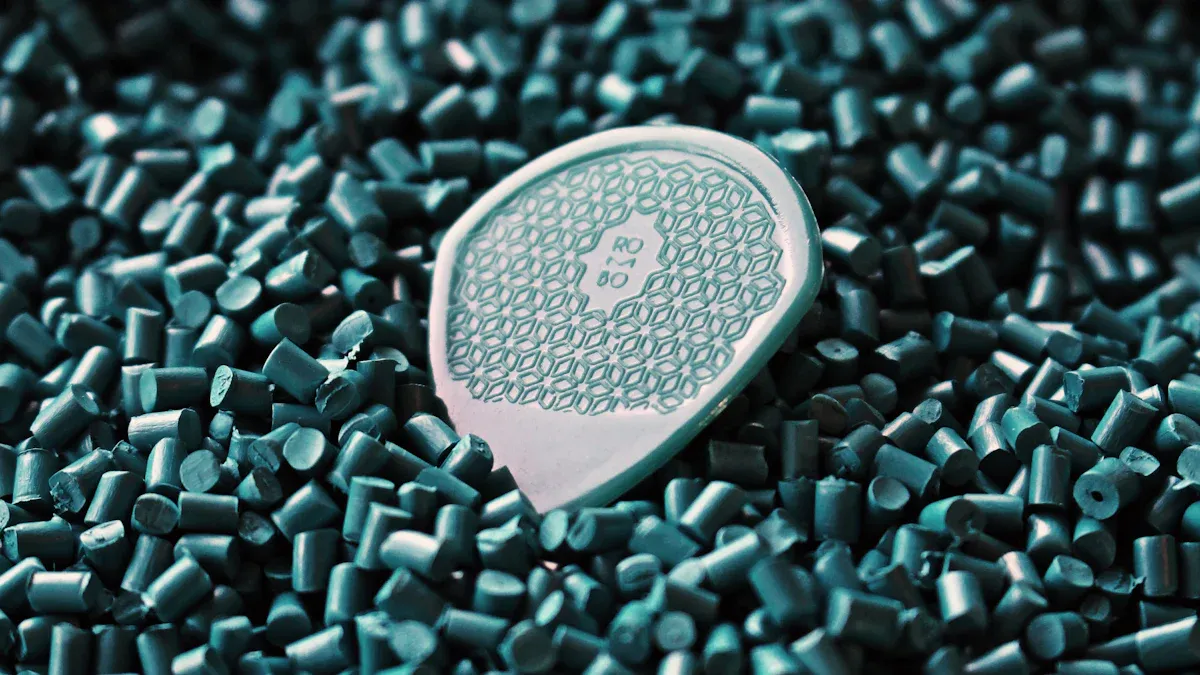
प्लास्टिक र सल्फरको अद्वितीय गुणहरू बुझेर सुरक्षित र प्रभावकारी रिसाइक्लिङ सुरु हुन्छ भन्ने मैले देखेको छु. रासायनिक अनुकूलता महत्त्वपूर्ण छ, विशेष गरी जब तेलले प्लास्टिकसँग अन्तरक्रिया गर्छ. अधिकांश औद्योगिक प्लाष्टिक फोहोरको दरमा पुन: प्रयोग गरिन्छ बारेमा 9%, जसले राम्रो समाधानको आवश्यकता देखाउँछ. म रिसाइकल परिणामहरू सुधार गर्न IPG Pelletizing मेशिन प्लास्टिक जस्ता उन्नत उपकरणहरूमा भर पर्छु. प्लास्टिक र सल्फर औद्योगिक प्रशोधन मा, सल्फर ग्रेन्युलेसनका लागि उत्तम अभ्यासहरूले जोखिम कम गर्न र गुणस्तर बढाउन मद्दत गर्दछ.
- ग्लोबल औद्योगिक प्लास्टिक अपशिष्ट रिसाइकिलिंग दर: बारेमा 9%
कुञ्जी टेकवेहरू
- रिसाइकल गर्दा हुने क्षतिबाट बच्न प्लास्टिक र तेलहरू बीचको रासायनिक अनुकूलता बुझ्न आवश्यक छ.
- प्लास्टिक क्रस गर्दा भोल्युम कम हुन्छ र गुणस्तर सुधार हुन्छ, रिसाइकललाई थप प्रभावकारी र लागत-प्रभावी बनाउन.
- मेकानिकल रिसाइक्लिङ्ले सफाको लागि राम्रो काम गर्छ, क्रमबद्ध प्लास्टिक, रासायनिक रिसाइकिलिंगले मिश्रित वा दूषित सामग्रीहरू ह्यान्डल गर्दा.
- Using resistance charts and immersion tests helps ensure safe recycling of plastics exposed to different oils.
- Granulating sulphur improves safety by reducing dust and making handling easier, while advanced cooling ensures strong granules.
- Selecting the right equipment and materials for sulphur conveying prevents corrosion, dust hazards, and equipment failures.
- नियमित मर्मतसम्भार, dust control, and system integration boost efficiency and safety in both plastic recycling and sulphur handling.
- Sustainable practices, including energy-efficient equipment and biocarbon-based additives, support a safer and greener industry.
Chemical Compatibility of Plastics and Oils
Key Variables
बहुलक प्रकार
I always start by identifying the polymer type before recycling plastics. Each polymer reacts differently to oils. पोलिथीन (PE) र polypropylene (PP) show strong resistance to many oils. Polystyrene (PS) and polyethylene terephthalate (PET) केहि तेलहरूको सम्पर्कमा हुँदा प्रायः भत्किन्छ. पोली कार्बोनेट (पीसी) र acrylonitrile butadiene styrene (ABS) तेल सम्पर्क पछि क्र्याक वा भंगुर हुन सक्छ. नायलन तेल विरुद्ध यसको स्थायित्व को लागी बाहिर खडा छ. रिसाइक्लिंगको समयमा यसले कसरी व्यवहार गर्नेछ भनेर भविष्यवाणी गर्न म बहुलक प्रकार जाँच गर्छु.
तेलका प्रकारहरू & तापक्रम
तेल प्रकार र तापमान अनुकूलता मा ठूलो भूमिका खेल्छ. जैतून र क्यानोला जस्तै खाना पकाउने तेल सामान्यतया PE र PP मा हल्का प्रभाव हुन्छ. आवश्यक तेलहरू, जस्तै कागती वा युकलिप्टस, कोठाको तापक्रममा पनि PS र PET जस्ता प्लास्टिकलाई आक्रमण गर्ने यौगिकहरू हुन्छन्. मोटर तेल र सिंथेटिक लुब्रिकेन्टहरूले पीईलाई निम्त्याउन सक्छ र PC र ABS मा तनाव क्र्याक गर्न सक्छ. हाइड्रोलिक तेलहरू, तिनीहरूको additives संग, हाइड्रोलिक प्रयोगको लागि मूल्याङ्कन नगरिएको प्लास्टिकमा भंगुरता र सूजन हुन सक्छ. म जहिले पनि तेलको रासायनिक श्रृंगार र रिसाइक्लिंगको समयमा तापमानलाई विचार गर्छु.
टिप: म कुनै पनि रिसाइक्लिंग प्रक्रियामा प्लास्टिक र तेलहरू मिसाउनु अघि तेलको प्रकार र तापमान दुवै जाँच गर्न सिफारिस गर्छु.
थर्मल बनाम. रासायनिक प्रभावहरू
पिघलने बिन्दुहरू
म पिघलने बिन्दुहरूमा ध्यान दिन्छु. PE लगभग 120 डिग्री सेल्सियसमा पग्लिन्छ, 160 डिग्री सेल्सियस मा पीपी, र PET 250°C मा. यदि तेलको जोखिमले यी पग्लने बिन्दुहरू नजिकको तापक्रम बढाउँछ, प्लास्टिक विकृत वा पग्लन सक्छ. उच्च तापमानमा रासायनिक प्रतिक्रियाहरू छिटो हुन सक्छ. म अवांछित परिवर्तनहरू रोक्न तापमान निगरानी गर्छु.
तेल तापमान दायरा
तेलको तापक्रमले प्लास्टिकको प्रतिक्रियालाई असर गर्छ. चिसो तेलले तुरुन्तै क्षति पुर्याउँछ. तातो तेलले रासायनिक प्रतिक्रियाहरूलाई गति दिन्छ र प्लास्टिकलाई नरम वा तातो बनाउन सक्छ. उदाहरणका लागि, तातो मोटर तेलले छिट्टै पीई र पीसीलाई एम्ब्रिटल गर्न सक्छ. प्लास्टिकको गुणस्तर जोगाउन म रिसाइकल गर्दा तेलको तापक्रम कम राख्छु.
प्रतिरोधी बनाम. कमजोर प्लास्टिक
तेल प्रतिरोधी प्रकार
केही प्लास्टिकहरूले तेलको प्रदर्शनलाई राम्रोसँग प्रतिरोध गर्छन्:
- Polypropylene (PP)
- नायलन
- पोलिथीन (PE)
यी सामग्रीहरूले मोटर तेलहरू ह्यान्डल गर्छन्, हाइड्रोलिक तेलहरू, र न्यूनतम क्षति संग खाना पकाउने तेल.
तेल-संवेदनशील प्रकारहरू
अन्य प्लास्टिकहरूले जोखिम देखाउँछन्:
- Polystyrene (PS)
- Polyethylene terephthalate (PET)
- पोली कार्बोनेट (पीसी)
- Acrylonitrile butadiene styrene (ABS)
यी प्लास्टिकहरू पग्लन सक्छन्, दरार, वा तेल सम्पर्क पछि ताना, विशेष गरी आवश्यक तेल वा तातो स्नेहक संग.
| प्लास्टिक प्रकार | तेल प्रतिरोध | सामान्य प्रतिक्रिया |
|---|---|---|
| PE, PP, नायलन | उच्च | न्यूनतम परिवर्तन |
| PS, PET, पीसी, ABS | कम | क्र्याकिंग, वार्पिङ, विघटन |
रिसाइक्लिंग असफलताबाट बच्न र सुरक्षित प्रशोधन सुनिश्चित गर्न म सधैं प्लास्टिक र तेलहरू सावधानीपूर्वक मिलाउँछु.
परीक्षण अनुकूलता
प्रतिरोध चार्टहरू
म जहिले पनि तेलहरूमा पर्दा प्लास्टिकलाई पुन: प्रयोग गर्नु अघि प्रतिरोध चार्टहरू जाँच गर्छु. यी चार्टहरूले विभिन्न तेल र रसायनहरूमा विभिन्न प्लास्टिकहरूले कसरी प्रतिक्रिया गर्छन् भनेर देखाउँछन्. मैले तिनीहरूलाई उपयोगी पाउँछु किनभने तिनीहरू अनुकूलताको बारेमा द्रुत जवाफ दिन्छन्. उदाहरणका लागि, प्रतिरोधी चार्टले पोलिथीनलाई यस रूपमा सूचीबद्ध गर्न सक्छ “उत्कृष्ट” मोटर तेल विरुद्ध, जबकि polystyrene देखाउँछ “गरिब” प्रतिरोध. म यी चार्टहरू गल्तीहरूबाट बच्न र रिसाइक्लिंगको लागि सही सामग्रीहरू चयन गर्न प्रयोग गर्छु.
| प्लास्टिक प्रकार | मोटर तेल | खाना पकाउने तेल | आवश्यक तेल |
|---|---|---|---|
| PE | उत्कृष्ट | उत्कृष्ट | राम्रो |
| PP | उत्कृष्ट | उत्कृष्ट | राम्रो |
| PS | गरिब | निष्पक्ष | गरिब |
| PET | निष्पक्ष | राम्रो | गरिब |
| नायलन | राम्रो | राम्रो | राम्रो |
टिप: म रिसाइक्लिंग क्षेत्रमा अपडेट गरिएको प्रतिरोध चार्टहरू राख्न सिफारिस गर्दछु. यसले सबैलाई छिटो सुरक्षित छनोट गर्न मद्दत गर्छ.
विसर्जन परीक्षण
कहिलेकाहीँ, प्रतिरोध चार्टहरूले हरेक तेल वा प्लास्टिक प्रकारलाई कभर गर्दैन. म यी केसहरूमा अनुकूलता जाँच गर्न विसर्जन परीक्षण प्रयोग गर्दछु. मैले प्लास्टिकको सानो नमूना काटें र यसलाई तेलमा राखें. म यसलाई निश्चित अवधिको लागि छोड्छु, सामान्यतया 24 को 48 घण्टा. परीक्षा पछि, म सुन्निने जस्ता परिवर्तनहरू खोज्छु, क्र्याकिंग, वा रंग परिवर्तन. यदि प्लास्टिक अपरिवर्तित रहन्छ, मलाई थाहा छ कि त्यो तेलको साथ पुन: प्रयोग गर्न सुरक्षित छ. यदि म क्षति देख्छु, म ती सामग्रीहरू मिसाउनबाट जोगिने छु.
म मेरो नतिजा नोटबुकमा रेकर्ड गर्छु. यसले मलाई मेरो सुविधाको लागि अनुकूल अनुकूलता गाइड निर्माण गर्न मद्दत गर्दछ. प्रतिरोध चार्ट अस्पष्ट वा हराइरहेको बेला विसर्जन परीक्षणले मलाई आत्मविश्वास दिन्छ.
सामान्य गलत धारणा
थर्मल बनाम. रासायनिक क्षति
धेरैलाई लाग्छ कि गर्मीले मात्र प्लास्टिकलाई क्षति पुर्याउँछ. रासायनिक प्रतिक्रियाहरू पनि हानिकारक हुन सक्छन् भनेर मैले सिकें. कोठाको तापक्रममा पनि तेलले प्लास्टिकलाई तोड्न सक्छ. गर्मीले यी प्रतिक्रियाहरूलाई गति दिन्छ, तर रासायनिक क्षति उच्च तापमान बिना हुन सक्छ. म जहिले पनि रिसाइकल गर्नु अघि थर्मल र रासायनिक जोखिम दुवै जाँच गर्छु.
नोट: म कहिल्यै तापक्रम पढाइमा भर पर्दैन. रासायनिक एक्सपोजर गर्मी जत्तिकै महत्त्वपूर्ण छ.
दीर्घकालीन एक्सपोजर जोखिम
छोटो-अवधि परीक्षणहरूले प्रायः दीर्घकालीन जोखिमहरू गुमाउँछन्. मलाई विश्वास थियो कि प्लास्टिकहरू सुरक्षित छन् यदि तिनीहरूले द्रुत विसर्जन परीक्षणहरू पास गरे. समयसँगै, मैले महिनौं तेलको एक्सपोजर पछि प्लास्टिक फुटेको वा कमजोर भएको देखेको छु. लामो समयको सम्पर्कले ढिलो तर गम्भीर क्षति निम्त्याउन सक्छ. म अब विस्तारित अवधिको लागि प्लास्टिकको निगरानी गर्छु र पुराना नमूनाहरू नियमित रूपमा समीक्षा गर्छु.
म अरूलाई तत्काल र ढिलाइ दुवै प्रभावहरू विचार गर्न सल्लाह दिन्छु. यसले अप्रत्याशित विफलताहरूलाई रोक्छ र रिसाइकल सुरक्षित राख्छ.
प्लास्टिक क्रसिङ & पुनर्चक्रण विधिहरू
किन क्रसिङ मामिलाहरू
कुनै पनि रिसाइकल प्रक्रियामा मैले लिने पहिलो चरण प्लास्टिक क्रस गर्नु हो. यस चरणले निम्न सबैलाई आकार दिन्छ. जब म प्लास्टिक फोहोर कुचल्छु, म यसलाई ह्यान्डल गर्न सजिलो बनाउँछु, क्रमबद्ध, र प्रक्रिया. फाइदाहरू टुक्राहरू सानो बनाउनु भन्दा बाहिर जान्छन्.
भोल्युम घटाउने
मैले देखेको छु कि कच्चा प्लास्टिकको फोहोरले धेरै ठाउँ लिन्छ. क्रसिङले भोल्युम घटाउँछ, भण्डारण र यातायात धेरै कुशल बनाउन. साना टुक्राहरू बिन र हपरहरूमा राम्रोसँग फिट हुन्छन्, जसले डाउनस्ट्रीम उपकरणहरूलाई सहज रूपमा काम गर्न मद्दत गर्दछ. म मेरो सुविधालाई व्यवस्थित र लागत-प्रभावी राख्नको लागि यो चरणमा निर्भर छु.
| प्रमाण बिन्दु | विवरण |
|---|---|
| भोल्युम घटाउने | क्रसिङले कच्चा प्लास्टिकको फोहोरले लिने ठाउँ कम गर्छ, यसलाई डाउनस्ट्रीम उपकरणहरूको लागि व्यवस्थित बनाउन. |
| सामाग्री गुणस्तर सुधार | क्रस गरिएको प्लास्टिकको समान आकारले धुने दक्षता बढाउँछ र प्रदूषण कम गर्छ. |
| पुनर्चक्रण मा दक्षता | क्रसिङको समयमा गरिएका निर्णयहरूले अन्तिम पुन: प्रयोग गरिएको उत्पादनको गुणस्तरलाई असर गर्छ, त्यसपछिका सबै प्रक्रियाहरूलाई असर गर्छ. |
गुणस्तर सुधार
समान रूपमा कुचिएको प्लास्टिकले पुन: प्रयोग गरिएको सामग्रीको गुणस्तर सुधार गर्दछ. जब म प्लास्टिकलाई निरन्तर आकारमा क्रस गर्छु, म धुने र क्रमबद्ध गर्न सजिलो बनाउँछु. यो चरणले प्रदूषण कम गर्छ र पछ्याउने प्रत्येक प्रक्रियाको दक्षता बढाउँछ. मैले उच्च-गुणस्तरको क्रसिङले उच्च-गुणस्तरको रिसाइकल गरिएको पेलेटहरू निम्त्याउँछ भनी फेला पार्छ.
टिप: अर्को चरणमा जान अघि म सधैं कुचल प्लास्टिकको आकार र आकार जाँच गर्छु. यहाँ स्थिरताले समय र पैसा पछि बचत गर्दछ.
- क्रसिङले मिश्रित सामग्रीको विभाजनलाई प्रभाव पार्छ, जसले राम्ररी व्यवस्थापन गरिएन भने रिसाइक्लिङलाई जटिल बनाउन सक्छ.
- कुचल सामग्रीबाट उत्पन्न हुने चुनौतीहरूलाई सम्बोधन गर्न उन्नत क्रमबद्ध प्रविधि आवश्यक छ.
- रिसाइकल आउटपुटहरूमा उच्च गुणस्तर मापदण्डहरू कायम राख्न निरन्तर प्रक्रिया समायोजन र प्रदर्शन समीक्षाहरू महत्त्वपूर्ण छन्।.
मेकानिकल रिसाइकिलिंग
मेकानिकल रिसाइक्लिंगले मेरो प्लास्टिक प्रशोधन कार्यप्रवाहको मेरुदण्ड बनाउँछ. म यसलाई फोहोर प्लाष्टिकको रासायनिक संरचना परिवर्तन नगरी नयाँ कच्चा पदार्थमा परिणत गर्न प्रयोग गर्छु. यो विधि ऊर्जा-कुशल र लागत-प्रभावी छ, विशेष गरी एकल प्रकारको प्लास्टिकको लागि.
क्रसर प्रकारहरू
म प्लास्टिक फोहोरको प्रकार र रूपको आधारमा क्रसरहरू छनौट गर्छु. पातलो फिल्महरूको लागि, म धारिलो ब्लेडको साथ ग्रेन्युलेटरहरू प्रयोग गर्छु. बोतल वा क्रेट जस्ता भारी वस्तुहरूको लागि, म भारी-कर्तव्य श्रेडरहरूमा भर पर्छु. केही प्लास्टिकहरूलाई तिनीहरूको कठोरता वा भंगुरता ह्यान्डल गर्न विशेष क्रसरहरू चाहिन्छ. सही क्रसरले प्रभावकारी आकार घटाउने सुनिश्चित गर्दछ र थप प्रशोधनको लागि सामग्री तयार गर्दछ.
म्यानुअल बनाम. मेकानिकल
म्यानुअल क्रसिङले साना ब्याचहरूको लागि काम गर्दछ वा जब मलाई हातले सामग्री छुट्याउन आवश्यक हुन्छ. यद्यपि, मेकानिकल क्रसरहरूले ठूला भोल्युमहरू छिटो र निरन्तर रूपमा ह्यान्डल गर्छन्. म धेरैजसो सञ्चालनका लागि मेकानिकल विधिहरू रुचाउँछु किनभने तिनीहरूले श्रम बचत गर्छन् र समान परिणामहरू प्रदान गर्छन्. मेकानिकल रिसाइक्लिंग उद्योग हावी छ, विशेष गरी युरोप जस्ता क्षेत्रहरूमा, जहाँ यो बढीको लागि खाता हो 99% रिसाइकल प्लास्टिक को.
मेकानिकल रिसाइकलले भौतिक रूपमा प्लास्टिकलाई पुन: प्रशोधन गर्दछ, भर्जिन प्लास्टिकको नजिक गुणहरू भएको सामग्री उत्पादन गर्दै. यो समान प्लास्टिक संग राम्रो काम गर्दछ, त्यसैले म क्रस गर्नु अघि सामग्रीहरू राम्ररी क्रमबद्ध र सफा गर्छु. मलाई थाहा छ कि बारम्बार रिसाइक्लिंगले बहुलक गुणहरू घटाउन सक्छ, त्यसैले म प्रत्येक ब्याचको गुणस्तर निगरानी गर्छु.
पूर्व-श्रेडिङ
प्रि-श्रेडिङ एउटा पाइला हो जुन मैले ठूला वा मिश्रित प्लास्टिकको फोहोरसँग काम गर्दा कहिल्यै छोडिन. म अन्तिम क्रसिङ अघि ठूला वस्तुहरूलाई व्यवस्थित टुक्राहरूमा तोड्न श्रेडरहरू प्रयोग गर्छु. यो चरणले मेरो मुख्य क्रसरलाई जाम र पहिरनबाट जोगाउँछ. पूर्व-श्रेडिङले पनि मलाई दूषित पदार्थ वा गैर-प्लास्टिक सामग्रीहरू चाँडै पत्ता लगाउन मद्दत गर्छ, जसले रिसाइकल प्रक्रियालाई सफा र प्रभावकारी राख्छ.
मुख्य कार्यसम्पादन कारकहरू
धेरै कारकहरूले मेरो क्रसिङ र रिसाइक्लिङ्ग उपकरणहरू कत्तिको राम्रो प्रदर्शन गर्दछ प्रभाव पार्छ. म दक्षता र आउटपुट गुणस्तर अधिकतम गर्न यी विवरणहरूमा ध्यान दिन्छु.
| प्रदर्शन कारक | विवरण |
|---|---|
| सामग्रीको प्रकार र फारम | प्रभावकारी क्रसिङका लागि विभिन्न प्लास्टिकहरूलाई विशेष काट्ने बल र ब्लेड प्रकारहरू चाहिन्छ. |
| ब्लेड ग्याप | ब्लेडहरू बीचको क्लियरेन्सले कट गुणस्तरलाई असर गर्छ; टाइटर ग्याप्सले क्लिनर कटौती दिन्छ तर पहिरन बढाउँछ. |
| स्क्रिन जाल आकार | आउटपुट कण आकार निर्धारण गर्दछ; साना आकारहरू पुन: परिसंचरणको कारणले थ्रुपुट कम गर्दछ. |
| रोटर गति | थ्रुपुट र गर्मी उत्पादनलाई असर गर्छ; उच्च गतिले उत्पादन बढाउँछ तर राम्रो कणहरू सिर्जना गर्न सक्छ. |
| फिड दर | उचित आहार महत्त्वपूर्ण छ; अत्यधिक खानाले उपकरणलाई क्षति पुर्याउन सक्छ, जबकि कम खानाले दक्षता घटाउँछ. |
| मर्मतसम्भार | नियमित ब्लेड मर्मत गुणस्तर ड्रप र उपकरण तनाव रोक्न आवश्यक छ. |
| प्रदूषण व्यवस्थापन | अधिक तताउने र उपकरण विफलताबाट बच्नको लागि उचित धुलो र वायु प्रवाह व्यवस्थापन आवश्यक छ. |
ब्लेड चयन
म प्लास्टिकको प्रकार र इच्छित आउटपुट साइजको आधारमा ब्लेडहरू चयन गर्छु. कडा प्लास्टिकलाई कडा ब्लेड चाहिन्छ, जबकि नरम प्लास्टिकलाई तीखो किनारहरू चाहिन्छ. म नियमित रूपमा ब्लेड ग्याप जाँच गर्छु किनभने कडा खाडलहरूले क्लिनर कटौती दिन्छ तर छिटो बाहिर जान्छ. म उच्च कार्यसम्पादन कायम राख्न प्रायः ब्लेडहरू बदल्छु वा तीखो गर्छु.
स्क्रिन जाल
स्क्रिन जालले कुचल प्लास्टिक टुक्राहरूको आकार नियन्त्रण गर्दछ. साना जाल आकारहरूले राम्रो कणहरू उत्पादन गर्दछ तर प्रक्रियालाई ढिलो बनाउँछ किनभने सामग्री जालमा फिट नभएसम्म पुन: परिक्रमा हुन्छ।. म मेरो उत्पादन लक्ष्यहरू पूरा गर्न थ्रुपुट संग जाल आकार सन्तुलन. सुसंगत कण आकार पछि धुने र pelletizing सुधार गर्दछ.
रोटर गति & फिड दर
रोटरको गतिले मैले प्लास्टिकको फोहोरलाई कति चाँडो प्रशोधन गर्न सक्छु भनेर असर गर्छ. उच्च गतिले आउटपुट बढाउँछ तर थप सूक्ष्म कण र गर्मी सिर्जना गर्न सक्छ. म प्लास्टिक प्रकार र इच्छित आउटपुट मिलाउन गति समायोजन गर्छु. फिड रेट महत्त्वपूर्ण छ, पनि. अत्यधिक खानाले मेसिन जाम हुन सक्छ, कम खाना खाँदा ऊर्जा बर्बाद हुन्छ. I monitor both to keep my operation running smoothly.
नोट: Regular maintenance and dust control keep my equipment running efficiently and prevent unexpected breakdowns.
Integrating Advanced Solutions
I rely on the Exintellmach IPG Pelletizing Machine Plastic to streamline my recycling process. This machine combines crushing, compacting, पिघल्दै, and pelletizing in one system. Its customizable screw extruder and advanced pelletizing options let me process a wide range of plastics. The IPG Pelletizing Machine uses precise temperature control and advanced filtration to produce uniform, उच्च गुणस्तरका छर्राहरू. Automation features reduce labor and ensure consistent output. I find that this technology not only boosts efficiency but also improves the quality and value of my recycled plastics.
Chemical Recycling
रासायनिक पुनर्चक्रण gives me a way to break down plastics beyond mechanical methods. I use this process when mechanical recycling cannot produce high-quality material. Chemical recycling relies on solvents and chemical reactions to transform plastics into their basic building blocks. I find this method useful for mixed or contaminated plastics that mechanical recycling cannot handle.
Solvent-Based Methods
Solvent-based recycling uses chemicals to dissolve plastics. I select solvents like acetone, dichloromethane, or tetrahydrofuran (THF) based on the polymer type. I place shredded plastic in a solvent bath. The solvent breaks down the polymer chains, separating impurities and dyes. After dissolution, I filter out contaminants and recover the pure polymer. I then precipitate the polymer by adding another chemical or cooling the solution. This process produces clean, high-quality plastic ready for reuse.
म सधैं विलायक प्रयोग सावधानीपूर्वक निगरानी गर्छु. विलायकहरूले खतरनाक फोहोर उत्पन्न गर्न सक्छन् र उचित निपटानको आवश्यकता पर्दछ. म सुरक्षात्मक उपकरणहरू प्रयोग गर्छु र जोखिम रोक्न सुरक्षा दिशानिर्देशहरू पालना गर्छु. विलायक-आधारित विधिहरू प्लास्टिकको लागि उत्तम काम गर्दछ जस्तै polystyrene, polyvinyl क्लोराइड, र PET.
डिपोलिमराइजेशन
Depolymerization ले रासायनिक रिसाइक्लिंगलाई एक कदम अगाडि लैजान्छ. म गर्मी प्रयोग गर्छु, उत्प्रेरकहरू, वा इन्जाइमहरू प्लास्टिकलाई मोनोमरहरूमा तोड्न. यी मोनोमरहरूले नयाँ प्लास्टिक उत्पादनको लागि कच्चा मालको रूपमा सेवा गर्छन्. म PET र नायलन जस्ता प्लास्टिकहरूमा depolymerization लागू गर्छु. प्रक्रियामा रिएक्टरमा प्लास्टिक तताउने समावेश छ, कहिलेकाहीँ एसिड वा आधारहरूसँग. प्लास्टिक यसको मूल रासायनिक एकाइहरूमा विभाजित हुन्छ.
म उच्च-शुद्धता सामग्री उत्पादन गर्न depolymerization रुचाउँछु. यो विधिले मलाई प्लास्टिकलाई पुन: प्रयोग गर्न अनुमति दिन्छ जुन मेकानिकल विधिहरूले तिनीहरूको मूल गुणस्तरमा पुनर्स्थापित गर्न सक्दैन. Depolymerization also helps me close the loop in the circular economy.
टिप: I always compare chemical and mechanical recycling before choosing a method. Chemical recycling produces purer output but requires careful handling of chemicals.
| पक्ष | Chemical Recycling | मेकानिकल रिसाइकिलिंग |
|---|---|---|
| प्रक्रिया | Uses acids and solvents to dissolve plastics, generating toxic chemicals. | Involves physically breaking down plastics, which can weaken their structure. |
| आउटपुट | Produces high-quality, pure plastic suitable for various applications. | Results in lower quality recycled plastic that deteriorates over time. |
| वातावरणीय प्रभाव | Generates higher CO2 emissions and hazardous waste due to chemicals used. | Uses more fossil fuels but generally produces less hazardous waste. |
सामान्य गल्तीहरू
I see many mistakes in plastic crushing and recycling. These errors reduce efficiency and create safety risks. I always review my process to avoid common pitfalls.
Equipment Mismatch
I notice that using the wrong equipment causes frequent interruptions. Recycling machinery can jam 3–8 times per shift, cutting processing capacity by सम्म 25%. I match my crusher and pelletizer to the plastic type and batch size. I check feed systems for compatibility and adjust settings to prevent jams.
Contamination
Contamination remains a major challenge. बारे 75% of contaminants in recycling facilities come from plastic bags and films. These materials clog machinery and lower product quality. I sort and clean plastics before crushing. I remove plastic bags, चलचित्रहरू, and other non-recyclable items. Emily Malik, a conservation coordinator, points out that contamination complicates recycling. I agree and make contamination control a priority.
Maintenance Issues
Neglecting maintenance leads to downtime and costly repairs. I implement preventive maintenance programs to keep my machines running smoothly. Regular maintenance reduces unplanned downtime by up to 75%. I schedule blade sharpening, screen cleaning, and lubrication. I inspect equipment daily and fix problems before they escalate.
धुलो नियन्त्रण
Dust buildup creates hazards and damages equipment. I install dust extraction systems and use enclosed crushers. I clean dust filters regularly. Proper dust control protects workers and extends machine life.
आउटपुट साइज
Inconsistent output size affects downstream processing. I adjust screen mesh and rotor speed to produce uniform particles. I check output size after each batch. Uniform pellets improve washing, पिघल्दै, and final product quality.
- Equipment jams reduce processing capacity by up to 25%.
- Preventive maintenance cuts downtime by up to 75%.
- Plastic bags and films cause most contamination in recycling facilities.
- Dust control and output size management improve safety and product quality.
नोट: I always review my process for these mistakes. Addressing them boosts efficiency and ensures high-quality recycled plastics.
Plastic Dissolution & Degradation
Why Plastics Resist Dissolving
आणविक संरचना
I often wonder why most plastics do not dissolve easily in common solvents. The answer lies in their molecular structure. Plastics have long polymer chains with strong carbon-to-carbon bonds. These bonds resist breaking in everyday environments. Conventional plastics, like polyethylene and polypropylene, show remarkable durability because of these bonds. Semi-crystalline plastics have a tight structure that blocks solvents from penetrating. Amorphous plastics are more vulnerable to certain organic solvents, तर तिनीहरू अझै पनि पानीको प्रतिरोध गर्छन्.
| प्लास्टिक को प्रकार | विशेषताहरू |
|---|---|
| परम्परागत प्लास्टिक | बलियो कार्बन-देखि-कार्बन बन्डहरू भएका लामो बहुलक चेनहरू जसले साझा वातावरणमा तोड्न प्रतिरोध गर्छ. |
| अर्ध क्रिस्टलीय प्लास्टिक | कडा संरचना जसले घोलकहरूलाई प्रवेश गर्नबाट रोक्छ. |
| अनाकार प्लास्टिक | केहि जैविक विलायकहरूको लागि अधिक कमजोर तर अझै पनि पानी प्रतिरोधी. |
म जहिले पनि रिसाइकल विधि छनौट गर्नु अघि प्लास्टिकको संरचना जाँच गर्छु. आणविक व्यवस्थाले पदार्थले सॉल्भेन्टहरूमा कसरी प्रतिक्रिया गर्छ भनेर निर्धारण गर्दछ.
विलायक अनुकूलता
विलायक अनुकूलताले प्लास्टिक विघटनमा ठूलो भूमिका खेल्छ. मैले देखेको छु कि प्लास्टिकले विघटन गर्न प्रतिरोध गर्छ जबसम्म विलायक तिनीहरूको रासायनिक प्रकृतिसँग मेल खाँदैन. गैर-ध्रुवीय प्लास्टिक, पोलिथीन जस्तै, पानी वा अल्कोहल मा भंग नगर्नुहोस्. ध्रुवीय प्लास्टिक, जस्तै polyvinyl रक्सी, पानी मा भंग. I select solvents based on the plastic’s polarity and structure. This step helps me avoid wasting time and resources.
Solvents That Dissolve Plastics
THF
Tetrahydrofuran (THF) stands out as a powerful solvent for plastics like polyvinyl chloride (PVC) र polystyrene. I use THF in laboratory settings to dissolve these plastics for analysis or recycling. THF works well because it matches the polarity of the polymers.
Acetone
Acetone dissolves plastics such as polystyrene and some acrylics. I use acetone to clean equipment or remove residues. Acetone does not affect most conventional plastics, but it can break down certain types quickly.
Dichloromethane
Dichloromethane dissolves plastics like polycarbonate and PVC. I use it for industrial applications where rapid dissolution is needed. Dichloromethane कम क्रिस्टलीय संरचना भएको प्लास्टिक संग राम्रो काम गर्दछ.
| विलायक प्रकार | प्रभावकारिता | नोटहरू |
|---|---|---|
| टोलुइन | उच्च | उत्कृष्ट समग्र प्रदर्शन घुलनशीलता परीक्षणहरूमा |
| Xylene | उच्च | अन्य सॉल्भेन्टहरू भन्दा बाहिर |
| साइक्लोहेक्सेन | मध्यम | cyclohexanol र xylene संग मिश्रण मा प्रभावकारी |
| साइक्लोहेक्सानोल | मध्यम | मिश्रणमा घुलनशीलता बढाउँछ |
| रक्सी | कम | गैर-ध्रुवीय प्लास्टिकका लागि सामान्यतया कमजोर विलायकहरू |
| केटोन्स | कम | एक्लै प्रभावकारी छैन, तर मिश्रणले घुलनशीलता सुधार गर्न सक्छ |
| एस्टर | कम | एक्लै प्रभावकारी छैन, तर मिश्रणले घुलनशीलता सुधार गर्न सक्छ |
मलाई थाहा छ कि विलायक विघटनले पोलिमरको रासायनिक संरचनालाई कायम राख्छ. यो विधिले अन्य रिसाइक्लिंग विधिहरूको तुलनामा उत्सर्जन र ऊर्जा प्रयोगलाई कम गर्छ. यसले प्लास्टिकको रिसाइक्लिंगको दायरा फराकिलो बनाउँछ, विशेष गरी polypropylene र polystyrene को लागी. Purecycle र Polystyvert जस्ता कम्पनीहरूले यी सॉल्भेन्टहरू प्लास्टिकलाई पुन: प्रयोग गर्न प्रयोग गर्छन् जुन एक पटक अपरिवर्तनीय थिए।.
विलायक-आधारित रिसाइक्लिंगले मलाई शुद्ध पोलिमरहरूलाई तिनीहरूको रासायनिक बन्धनहरू तोडे बिना पुन: प्राप्त गर्न दिन्छ. This approach saves energy and supports sustainability.
Dissolvable & Biodegradable Plastics
PVA & Water-Soluble Types
I use polyvinyl alcohol (PVA) when I need a plastic that dissolves in water. PVA films break down quickly and leave no residue. Water-soluble plastics help me create packaging that disappears after use. These materials work well for single-use items and reduce waste.
बायोप्लास्टिक
Biodegradable plastics offer another solution. म भरोसा गर्छु petroleum-based polyesters like polycaprolactone (PCL) and poly(butylene succinate) (PBS) because microorganisms and enzymes can degrade them. Bio-based plastics, such as poly(hydroxybutyrate) (PHB), poly(lactide) (PLA), and starch blends, come from renewable resources and are also biodegradable. Their degradation rates depend on chemical structure, melting point, and crystallinity. केही प्लास्टिक, like polyethylene and Nylon 11, may be bio-based but remain non-biodegradable. एसिटाइल सेल्युलोज बायोडिग्रेडेबल हुन सक्छ वा होइन, यसको acetylation मा निर्भर गर्दछ.
म वातावरणीय प्रभावको महत्व राख्ने अनुप्रयोगहरूको लागि बायोडिग्रेडेबल प्लास्टिकहरू छनौट गर्छु. यी सामाग्री इन्जाइम्याटिक र माइक्रोबियल कार्य मार्फत बिच्छेदन गर्दछ. तिनीहरूको ह्रासको दर संरचना र वातावरणीय अवस्थाहरूमा आधारित हुन्छ.
म सँधै प्लास्टिकको प्रकारलाई लक्षित प्रयोग र डिस्पोजल विधिसँग मेल खान्छु. यो अभ्यासले मलाई दिगोपन र प्रदूषण कम गर्न मद्दत गर्छ.
पतन मार्गहरू
UV & गर्मी
मैले प्लाष्टिकलाई धेरै बाटो भएर बिग्रेको देख्छु. पराबैंगनी विकिरण र तापले पोलिमरहरू तोड्न प्रमुख भूमिका खेल्छ. जब सूर्यको किरणले प्लास्टिकलाई हान्छ, पराबैंगनी किरणहरूको कारण फोटो डिग्रेडेसन. यो प्रक्रियाले पोलिमर चेनहरूलाई साना टुक्राहरूमा तोड्छ. गर्मीले यो प्रतिक्रियालाई गति दिन्छ. वातावरणमा अक्सिजनले पनि ह्रासलाई गति दिन्छ. I notice that high temperatures can trigger depolymerization reactions in synthetic polymers. These reactions break plastics into their basic chemical units.
During मेकानिकल रिसाइक्लिंग, plastics face heat and shear forces. These conditions lead to thermo-oxidative and thermo-mechanical degradation. Chain-scission reactions start, breaking the long polymer chains. I monitor temperature and oxygen levels in my facility to control these effects. Chemical degradation, such as hydrolysis or oxidation, happens at near-ambient temperatures. Environmental factors like temperature and oxygen presence influence how fast plastics degrade.
- Photodegradation breaks down polymer chains with UV radiation.
- Heat and oxygen speed up the degradation process.
- High temperatures cause depolymerization in synthetic polymers.
- Mechanical recycling introduces heat and shear, leading to chain-scission reactions.
- Chemical degradation involves hydrolysis or oxidation, often at lower temperatures.
I always check for signs of degradation in recycled plastics. Changes in color, brittleness, or texture signal that UV and heat have affected the material.
माइक्रोप्लास्टिक
Microplastics form when larger plastic pieces break down into tiny fragments. I see this happen during photodegradation and mechanical recycling. UV light, गर्मी, and oxygen cause plastics to fragment. These small pieces do not dissolve. बरु, they persist in the environment.
Microbes can help degrade plastics. I use strains like Kocuria palustris M16, Bacillus pumilus M27, र Bacillus subtilis H1584 to enhance the breakdown of polyethylene films. The strain Brevibacillus borstelensis accelerates degradation of UV-treated low-density polyethylene at higher temperatures. Hydrolytic enzymes such as cutinase can completely degrade PET into monomers within 24 hours under specific conditions.
- Microbes and enzymes speed up plastic degradation.
- Microplastics result from fragmentation, not dissolution.
- Microplastics persist and pose environmental risks.
I track microplastic formation in my recycling process. I use biological methods to reduce their presence and support cleaner recycling.
Misconceptions
Dissolution vs. Degradation
Many people think plastics dissolve like sugar in water. I learned that conventional plastics do not dissolve. They degrade through photodegradation, where UV radiation breaks them into smaller pieces. Plastics do not vanish; they fragment and remain in the environment. This misconception leads to improper disposal and recycling practices.
- Plastics do not dissolve; they break into smaller fragments.
- Photodegradation causes fragmentation, not disappearance.
I explain this difference to my team. Understanding the distinction helps us manage plastic waste responsibly.
Environmental Risks
Some believe plastics break down on their own. I know this is not true. Most plastics persist for decades unless exposed to specific degradation pathways. Microplastics pose serious environmental risks. They accumulate in soil and water, affecting wildlife and human health. I use controlled recycling methods to minimize microplastic release.
टिप: I always educate others about the persistence of plastics and the importance of proper recycling. Awareness reduces environmental harm and supports sustainability.
Sulphur Granulation Processes
Why Granulate Sulphur
सुरक्षा & Handling
I granulate sulphur to make it safer to handle in industrial environments. Granulated sulphur reduces the risk of dust explosions. The larger, uniform granules do not create airborne particles as easily as powdered sulphur. Workers face fewer hazards when moving granulated sulphur. I notice that granules flow smoothly through conveyors and storage bins. This reduces spills and minimizes contact with skin or eyes. I always prioritize safety by choosing granulation methods that produce strong, dust-free granules.
Granulated sulphur improves workplace safety by lowering dust levels and making handling easier.
पर्यावरणीय लाभहरू
Granulating sulphur helps protect the environment. I see that granules release less dust into the air, which means cleaner facilities and reduced air pollution. The uniform size of granules prevents accidental spills and makes cleanup simpler. I use advanced cooling systems to create granules with a strong crystalline structure. These granules resist breaking apart during transport. This reduces the risk of sulphur entering soil or water. I believe that granulation supports sustainability by minimizing waste and preventing environmental contamination.
Granulation Steps
पिघल्दै
I start the granulation process by melting sulphur at controlled temperatures. Sulphur melts at about 115°C. I use specialized heaters to keep the temperature steady. If the temperature rises too high, sulphur can decompose or release harmful gases. I monitor the melting stage closely to ensure safety and product quality.
Seed Generation
पग्लिए पछि, I generate small sulphur seeds. I freeze droplets of molten sulphur to create these seeds. Pressure control is important during this step. The seeds act as nuclei for granule formation. I make sure the seeds are uniform in size to produce consistent granules later.
Granule Formation
I form granules by rotating the seeds in a drum. The drum rotates at a set speed, causing the seeds to roll and pick up layers of molten sulphur. This builds up the granules to the desired size. Drum rotation is a key factor. If the drum spins too fast, granules become uneven. If it spins too slowly, production slows down. I adjust the rotation speed to balance quality and efficiency.
चिसो
I cool and solidify the granules to ensure proper crystallization. Cooling rate affects the strength and structure of the granules. I use air or water cooling systems to control the process. Rapid cooling can cause cracks, while slow cooling produces strong, uniform granules. I monitor the cooling stage to prevent defects and maintain product quality.
| चरण | विवरण | मुख्य कारक |
|---|---|---|
| 1 | Melting sulphur at controlled temperatures | तापक्रम नियन्त्रण |
| 2 | Generating small sulphur seeds through freezing | Pressure Control |
| 3 | Forming granules by rotating in a drum | Drum Rotation |
| 4 | Cooling and solidifying to ensure crystallization | Cooling Rate |
- Granulation improves product quality by ensuring uniform granule sizes.
- Dust reduction during handling enhances workplace safety.
- Advanced cooling systems lead to better crystalline structure and stronger granules.
Granulation Techniques
Drum Systems
I use drum systems for large-scale sulphur granulation. द rotary drum method pours molten sulphur into a rotating drum. Granules form as the seeds roll and pick up layers of sulphur. This technique produces uniform granule sizes and handles high throughput. I rely on drum systems when I need consistent quality and efficient production.
Prilling Towers
Prilling towers spray molten sulphur droplets through a nozzle into a tall tower. The droplets cool and solidify as they fall, forming spherical granules. Air cooling in the tower creates smooth, round granules. I choose prilling towers for applications that require perfectly spherical granules. This method works well for moderate production volumes.
- Prilling Tower Method: Sprays molten sulphur droplets through a nozzle into a tower where they cool and solidify into spherical granules.
- Rotary Drum Granulation: Pours molten sulphur into a rotating drum where it forms granules by rolling and cooling on the drum surface.
The rotary drum granulation method stands out for its efficiency in large-scale production. It delivers high throughput and uniform granule size. The prilling tower method excels at producing spherical granules through air cooling.
Fluid Beds
Fluid bed granulation suspends sulphur particles in a stream of air. I inject molten sulphur into the fluidized bed. The particles mix and cool rapidly, forming granules. Fluid beds allow precise control over granule size and cooling rate. I use this technique when I need flexibility and fast cooling.
Steel Belt
Steel belt granulation spreads molten sulphur onto a moving steel belt. The belt cools the sulphur as it travels, forming solid granules. This method produces flat, uniform granules and works well for continuous production. I select steel belt systems for applications that require gentle cooling and minimal dust.
Each granulation technique offers unique advantages. I match the method to my production needs and quality requirements.
Process Controls
I pay close attention to process controls when granulating sulphur. These controls help me produce high-quality granules and maintain safety in my facility. Each stage of the process requires careful monitoring and adjustment.
तापक्रम & दबाब
Temperature control stands out as the most important factor during sulphur melting. I set the temperature just above sulphur’s melting point, usually around 115°C. If the temperature rises too high, sulphur can decompose or release harmful gases. I use precise heaters and sensors to keep the temperature steady. Pressure control becomes critical during seed generation. I adjust the pressure to create uniform sulphur seeds. Stable pressure ensures that the seeds form consistently, which leads to better granule quality.
I rely on a table to track key factors at each step:
| चरण | विवरण | मुख्य कारक |
|---|---|---|
| Sulphur Melting | Heating sulphur to liquid state | तापक्रम नियन्त्रण |
| Seed Generation | Creating small sulphur seeds | Pressure Control |
| Granule Formation | Building up granules in drum | Drum Rotation |
| Cooling and Solidification | Hardening granules | Cooling Rate |
I check these factors every day. This routine helps me prevent defects and maintain consistent quality.
Cooling Rate
Cooling rate affects the strength and structure of sulphur granules. I use air or water cooling systems to control how quickly the granules solidify. Rapid cooling can cause cracks or weak spots. Slow cooling produces strong, uniform granules. I adjust the cooling rate based on the size and shape of the granules I want. I monitor the cooling process with sensors and visual checks. This practice helps me avoid defects and ensures that the granules meet industry standards.
I always remind my team that careful cooling leads to safer, more reliable sulphur products.
Modern Technology Benefits
Modern sulphur granulation technology offers several advantages. I see improvements in product quality, dust reduction, and energy efficiency every day.
उत्पादन गुणस्तर
Advanced granulation systems produce sulphur granules with uniform size and shape. Prilled sulphur stands out for its superior physical qualities. The round shape and consistent size make the granules flow smoothly and predictably. This uniformity helps me plan storage and transport more efficiently. I notice that high-quality granules reduce waste and improve performance in downstream applications.
| Benefit Type | विवरण |
|---|---|
| उत्पादन गुणस्तर | Prilled sulfur exhibits superior physical qualities, including better flowability and less dust. Its uniform size and round shape enhance predictability in use. |
Dust Reduction
Dust reduction remains a top priority in my facility. Modern air treatment systems capture and remove dust during the granulation process. These systems keep the workplace cleaner and safer. I see fewer airborne particles, which lowers the risk of dust explosions and respiratory hazards. Cleaner air also means less contamination in the final product.
| Benefit Type | विवरण |
|---|---|
| Dust Reduction | Air treatment systems are employed to significantly reduce dust generation during the granulation process. |
Cleaner air and less dust make my facility safer for everyone.
ऊर्जा दक्षता
Energy efficiency helps me lower costs and reduce environmental impact. Indirect heat transfer methods optimize temperature control. These methods use less energy and minimize thermal waste. I track energy use with sensors and adjust settings to avoid excess consumption. Efficient systems help me meet sustainability goals and keep production costs down.
| Benefit Type | विवरण |
|---|---|
| ऊर्जा दक्षता | Indirect heat transfer methods optimize temperature control, reducing excessive energy consumption and thermal waste during production. |
- Uniform granule size improves product quality.
- Air treatment systems reduce dust and enhance safety.
- Indirect heat transfer methods save energy and support sustainability.
I believe that investing in modern technology pays off with better products, safer workplaces, र कम परिचालन लागत.
Sulphur Conveying Best Practices
Sulphur Properties
Forms & Densities
I handle sulphur in several forms, including granules, पाउडरहरू, and molten liquid. Each form has its own density and flow characteristics. Granulated sulphur flows easily and packs tightly, making it ideal for bulk transport. Powdered sulphur creates more dust and requires careful handling to prevent airborne particles. Molten sulphur moves through pipelines and needs precise temperature control to stay liquid. I always check the bulk density before selecting conveyor systems. उदाहरणका लागि, granules have higher density than powder, so I adjust conveyor capacity accordingly.
| Sulphur Form | Typical Density (kg/m³) | Handling Notes |
|---|---|---|
| ग्रेन्युलहरू | 1,200–1,400 | Flows easily, कम धुलो |
| पाउडर | 800-१,००० | High dust risk, needs control |
| Molten | 1,800 | Requires heated pipelines |
Corrosiveness
Sulphur can corrode metal surfaces, especially when wet or exposed to moisture. I prefer stainless steel or corrosion-resistant alloys for conveyor parts. Wet sulphur accelerates corrosion, so I avoid using carbon steel. I inspect equipment regularly for signs of rust or pitting. Choosing the right materials prevents costly repairs and extends equipment life.
Equipment Selection
Bucket Conveyors
I use bucket conveyors to move granulated sulphur vertically or horizontally. These conveyors handle bulk material efficiently and minimize spillage. I select buckets made from abrasion-resistant materials to withstand sulphur’s rough texture. Enclosed bucket conveyors reduce dust emissions and improve workplace safety.
Heated Pipelines
For molten sulphur, I rely on heated pipelines. These pipelines maintain sulphur above its melting point, usually around 120°C. I install insulation and heating elements to prevent solidification. Heated pipelines must use corrosion-resistant materials to avoid leaks and breakdowns. I monitor temperature closely to keep sulphur flowing smoothly.
सामग्री विकल्पहरू
Selecting the right materials is crucial. I choose stainless steel for most conveyor parts because it resists corrosion and abrasion. For areas exposed to high temperatures or moisture, I use special alloys. I avoid plastics and carbon steel, which degrade quickly in sulphur environments. I also consider the bulk density and flowability of sulphur when sizing conveyors.
I always match conveyor design to sulphur’s physical properties. This practice ensures reliable operation and reduces maintenance needs.
Factors I consider when selecting equipment:
- Operational requirements—scope and scale of sulphur handling.
- Efficiency and performance—energy use, थ्रुपुट, dust suppression.
- Materials and durability—corrosion-resistant alloys.
- Safety features—explosion-proof components, emergency shutdowns.
- Maintenance and serviceability—easy access for repairs.
- Cost and total ownership—purchase, ऊर्जा, and maintenance expenses.
Dust & Explosion Control
Enclosed Systems
Sulphur dust poses explosion risks. म प्रयोग गर्छु fully enclosed and sealed conveying systems to prevent dust emissions. These systems comply with ATEX or NFPA standards, जसले विस्फोटक वायुमण्डलका लागि सुरक्षा आवश्यकताहरू सेट गर्दछ. बन्द कन्भेयरहरूले धुलो राख्छन् र कामदारहरूलाई सास फेर्न जोखिमहरूबाट जोगाउँछन्.
अनुपालन मानकहरू
म सल्फर ढुवानीका लागि कडा अनुपालन मापदण्डहरू पालना गर्छु. ATEX र NFPA दिशानिर्देशहरूलाई विस्फोट-प्रूफ मोटरहरू र ग्राउन्ड उपकरणहरू आवश्यक पर्दछ. म धुलो आगो चाँडै पत्ता लगाउन सुरक्षा अलार्म र भिडियो निगरानी स्थापना गर्छु. नियमित निरीक्षणले मलाई खतराहरू बढ्नु अघि पत्ता लगाउन मद्दत गर्छ.
ग्राउन्डिङ
सबै उपकरणहरू ग्राउन्डिङ आवश्यक छ. म कन्वेयरहरू जडान गर्छु, मोटर्स, र स्थिर बिल्डअप रोक्न पृथ्वीको जमीनमा पाइपलाइनहरू. स्थिर बिजुलीले सल्फरको धुलोलाई प्रज्वलित गर्न सक्छ, त्यसैले ग्राउन्डिङले विस्फोटको जोखिम कम गर्छ. म मर्मतसम्भारको समयमा ग्राउन्डिङ जडानहरू जाँच गर्छु र लगाइएका केबलहरू तुरुन्तै बदल्छु.
- म साइलो र कन्वेयरहरूमा धुलो दमन स्प्रेहरू राख्छु.
- म आकस्मिक अभ्यास गर्छु र आगलागी प्रतिक्रियामा कर्मचारीहरूलाई तालिम दिन्छु.
- I use atomizing water cannons instead of direct water jets for fire control.
Early detection and proper equipment keep my facility safe from dust and explosion hazards.
मर्मतसम्भार & एकीकरण
सरसफाई
I always make cleaning a top priority in my sulphur conveying systems. Sulphur dust and residue can build up quickly, leading to blockages or even equipment failure. I schedule regular cleaning routines for all conveyors, chutes, and storage bins. I use industrial vacuums and brushes to remove dust from hard-to-reach areas. For sticky sulphur deposits, I sometimes use steam or warm water, but I make sure to dry all surfaces thoroughly to prevent corrosion. I check for residue after every cleaning session. This habit helps me catch problems early and keeps my system running smoothly.
I learned from industry presentations that integrated surface protection and reliability-based maintenance can boost plant uptime, सुरक्षा, and asset longevity. I see the benefits every time I stick to my cleaning schedule and use the right protective coatings.
Anti-Stick Coatings
Sulphur tends to stick to metal surfaces, especially in humid conditions. I apply anti-stick coatings to key areas of my conveying system. These coatings create a smooth barrier that prevents sulphur from clinging to chutes, hoppers, and conveyor belts. I choose coatings that resist both abrasion and corrosion. I inspect coated surfaces regularly for signs of wear or peeling. When I spot damage, I reapply the coating right away. This practice reduces downtime and helps me avoid costly repairs. Anti-stick coatings also make cleaning much easier, मलाई समय र प्रयास बचत गर्दै.
प्रणाली एकीकरण
मलाई विश्वास छ कि सल्फर वाहक प्रणालीका सबै भागहरू एकीकृत गर्दा राम्रो प्रदर्शन र कम ब्रेकडाउनहरू हुन्छन्।. म मेरो कन्वेयरहरू जडान गर्छु, भण्डारण डिब्बा, र एकल स्वचालित नेटवर्कमा नियन्त्रण प्यानलहरू. यो सेटअपले मलाई एक स्थानबाट सम्पूर्ण प्रक्रियालाई निगरानी गर्न दिन्छ. म सामग्री प्रवाह ट्र्याक गर्न सेन्सर प्रयोग गर्छु, तापमान, र उपकरण स्थिति. जब समस्या उत्पन्न हुन्छ, प्रणालीले मलाई तुरुन्तै सचेत गराउँछ. त्यसपछि म छिटो प्रतिक्रिया दिन सक्छु र ठूला समस्याहरू रोक्न सक्छु. म मेरो मर्मत तालिकालाई नियन्त्रण प्रणालीमा पनि लिङ्क गर्छु. स्वचालित रिमाइन्डरहरूले मलाई निरीक्षण र मर्मतको साथ ट्र्याकमा रहन मद्दत गर्दछ.
- सबैले एकीकृत प्रणाली बुझेको सुनिश्चित गर्न म सधैं मेरो टोलीसँग समन्वय गर्छु.
- म नयाँ कर्मचारीहरूलाई कसरी अनुगमन उपकरणहरू प्रयोग गर्ने र अलर्टहरूमा प्रतिक्रिया दिने भनेर तालिम दिन्छु.
- I update my integration plan as new technology becomes available.
By focusing on cleaning, using anti-stick coatings, and integrating my systems, I keep my sulphur conveying operations safe, कुशल, र भरपर्दो.
Plastic and Sulphur Industrial Processing Overview
Integrated Challenges
I see that Plastic and Sulphur Industrial Processing brings unique challenges to every facility. Plastics often arrive mixed, contaminated, or degraded. Sorting and purification require careful attention to detail. Sulphur presents risks like dust explosions and corrosion. I must balance safety, दक्षता, र वातावरणीय जिम्मेवारी. Handling both materials demands specialized equipment and strict process controls. I notice that integrating these processes can strain resources and increase maintenance needs. Managing waste streams and preventing harmful emissions remain top priorities for me.
Safety always comes first. I monitor dust levels, check for leaks, and train my team to handle emergencies. Regular inspections help me catch problems early.
Advanced Solutions
I rely on advanced machinery and technology to overcome these challenges. The IPG Pelletizing Machine Plastic streamlines recycling by combining crushing, compacting, पिघल्दै, and pelletizing in one system. This machine produces high-quality pellets and removes impurities efficiently. For sulphur, I use enclosed conveyors and automated monitoring systems to reduce dust and prevent explosions. Modern granulation techniques, like drum systems and prilling towers, improve product quality and minimize waste.
द transformation of mixed plastic waste involves sorting, purification, pyrolysis, and heteroatom removal. These steps produce hydrocarbon feedstocks that fit into existing refinery technologies. Advanced recycling technologies help me meet the growing demand for recycled plastics. They turn waste into valuable materials and support the circular economy.
- EVERCYCLE™ supports circular solutions with sustainable additives.
- NAUGARD BIO-XL offers a biocarbon-based accelerator for sulfur curing, avoiding harmful nitrosamines.
- म प्रयोग गर्छु biocarbon-based accelerators and PFAS-free additives to minimize emissions.
- Strategies like nonylphenol-free additives further reduce environmental risks.
Automation and smart controls make my operations safer and more efficient. I track material flow, तापमान, and equipment status from a central control panel.
दिगोपन फोकस
Sustainability guides every decision I make in Plastic and Sulphur Industrial Processing. I choose technologies that reduce waste and energy use. Advanced recycling methods let me recover pure polymers and integrate them into new products. I select additives and accelerators that support circular solutions and avoid harmful chemicals. Minimizing emissions and dust protects both workers and the environment.
I believe that integrating sustainable practices improves product quality and lowers costs. Cleaner air, safer workplaces, and reliable equipment help me meet industry standards. I always look for new ways to enhance sustainability, from biocarbon-based additives to energy-efficient granulation systems.
| Sustainability Practice | लाभ |
|---|---|
| Advanced recycling technologies | Reduces waste, supports circular economy |
| Biocarbon-based additives | Lowers harmful emissions |
| Energy-efficient equipment | Cuts costs, protects environment |
| Dust and emission controls | Improves safety and air quality |
I encourage others to invest in sustainable solutions. These practices build a stronger, safer, and more responsible industry.
I learned that safe recycling and granulation depend on understanding material properties and using the right equipment. Chemical compatibility guides my choices in Plastic and Sulphur Industrial Processing. I rely on advanced machines like the IPG Pelletizing Machine Plastic and follow best practices for sulphur handling. Regular maintenance and system integration keep my operations efficient. I always consult specialists for tailored solutions. I encourage everyone to adopt sustainable practices for a safer industry.
FAQ
What plastics can I recycle with the IPG Pelletizing Machine Plastic?
I recycle polyethylene, polypropylene, नायलन, polystyrene, PET, र एबीएस. The machine handles most common plastics. I check compatibility charts before processing new materials.
How do I prevent contamination in recycled plastics?
I sort and clean plastics before crushing. I remove films, झोला, and non-recyclable items. Regular maintenance and dust control help me keep the process clean.
Is sulphur granulation safe for workers?
I use enclosed systems and dust suppression to protect workers. Granulated sulphur reduces explosion risks. I train my team on safety procedures and monitor air quality.
What is the best way to test plastic-oil compatibility?
I use resistance charts for quick checks. When charts are unclear, I run immersion tests by soaking plastic samples in oil and observing changes.
How does the IPG Pelletizing Machine improve recycling efficiency?
The machine combines crushing, compacting, पिघल्दै, and pelletizing. Automation reduces labor. Precise temperature control and impurity removal produce high-quality pellets.
Can I recycle plastics exposed to oils?
I check the type of oil and plastic. Some plastics resist oils, while others crack or dissolve. I test samples and consult compatibility charts before recycling.
What are the environmental benefits of sulphur granulation?
Granulated sulphur releases less dust. It reduces air pollution and makes cleanup easier. I use advanced cooling systems to create strong, uniform granules.