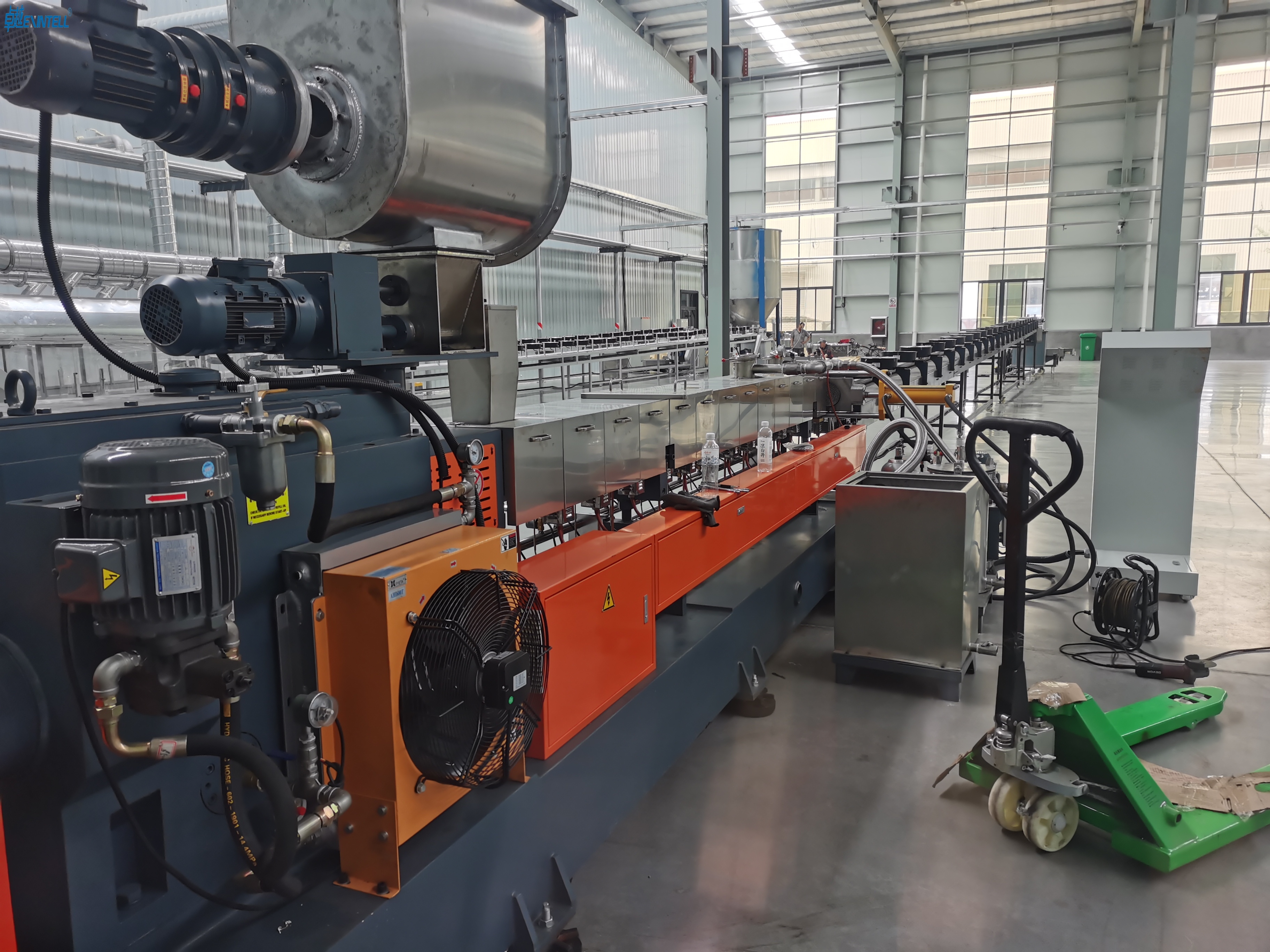
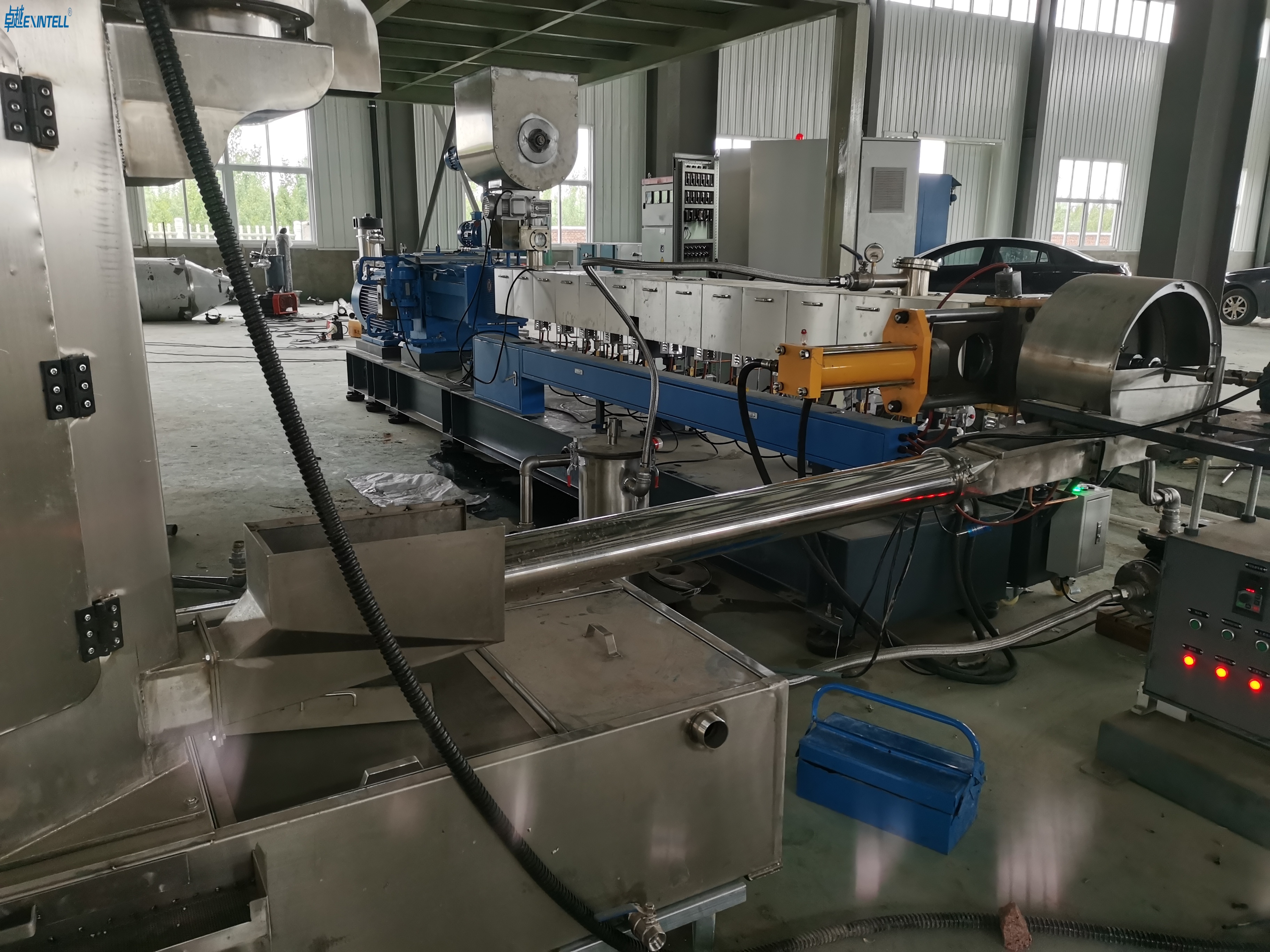
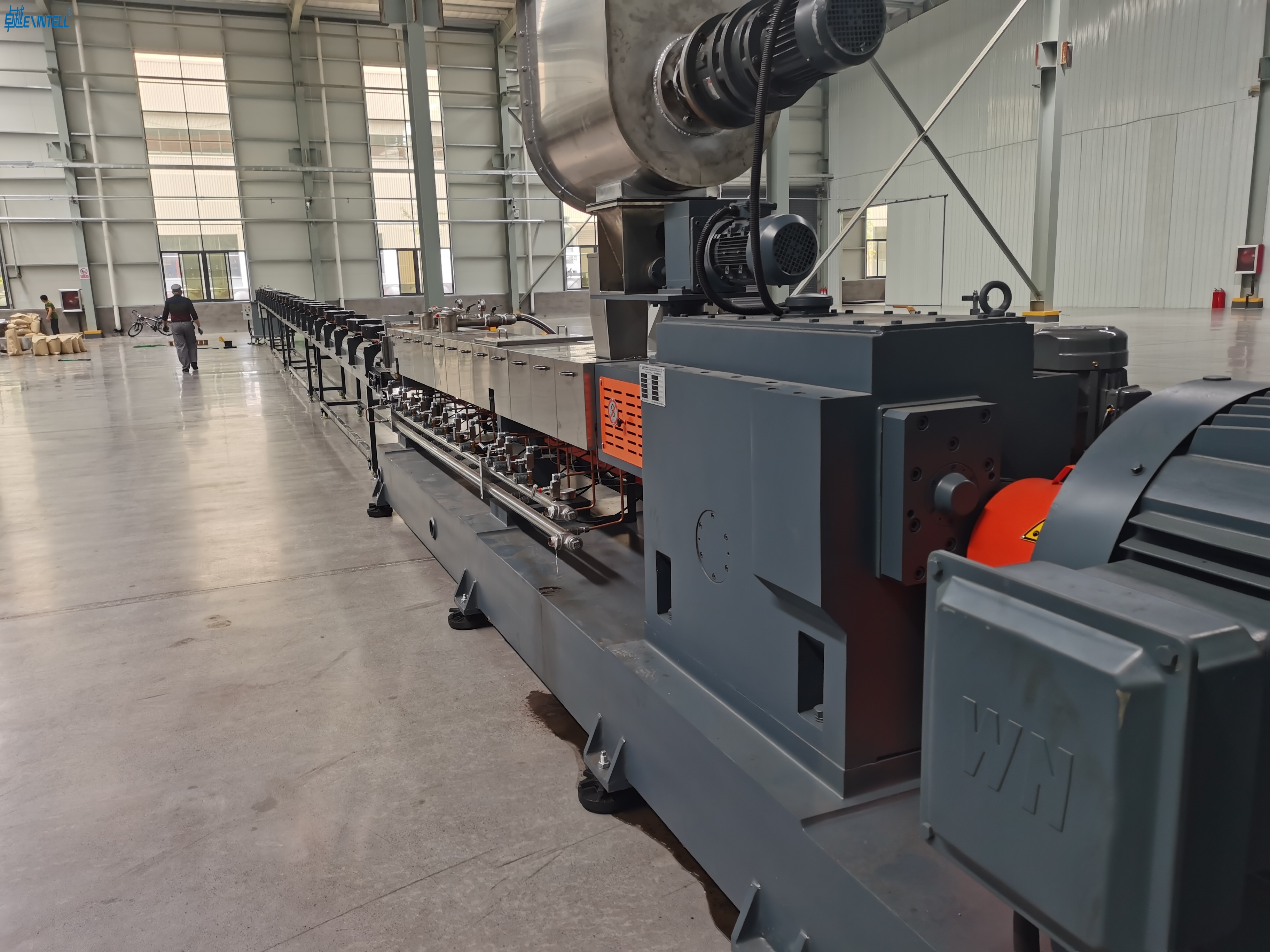
ပလပ်စတစ်ပြွန် extrusion ရှည်အောင်လုပ်တဲ့နည်းပါ။, အခေါင်းပုံစံများ. ပလတ်စတစ်အလုံးလေးတွေနဲ့ စတင်ပါတယ်။. စက်များသည် အစေ့များကို အရည်ပျော်သည်အထိ အပူပေးသည်။. အရည်ကျိုထားသော ပလပ်စတစ်ကို အသေတစ်ခုမှ တွန်းထုတ်သည်။. အံစာတုံးသည် ပလတ်စတစ်ကို သတ်မှတ်အရွယ်အစားဖြင့် ပြွန်များအဖြစ် ပုံသွင်းသည်။. လေဖိအားကို ပြွန်အတွင်းတွင် အသုံးပြုနိုင်သည်။. This keeps the tube round and smooth. Experts say this process makes a lot of tubes at once. The tubes are made from melted polymer. The tubes have the same shape all the way through. They are strong and look the same from end to end.
ထိပ်ဖျား: သေသည်မှိုကဲ့သို့ အလုပ်လုပ်သည်။. The plastic does not stop moving, so you get a long tube that does not break.
Comparison to Other Plastic Extrusion Methods
You may wonder how plastic tube extrusion is different from other ways to shape plastic. Regular plastic extrusion can make many shapes. These shapes can be sheets, ချောင်းများ, or custom profiles. The main difference is the die’s shape and using air pressure. Tube extrusion uses a round die. It often adds air inside to keep the tube hollow. Other methods use flat or shaped dies for solid things.
You can see that plastic tube extrusion is special. It makes hollow tubes in large amounts. This method gives you products that are even and work well for many uses.
Step-by-Step Process of Plastic Extrusion
You can understand the plastic tube extrusion process by breaking it into three main steps. Each step uses special machines and controls to make sure you get strong, even tubes.
Melting Thermoplastic Material
You start with small plastic pellets called thermoplastics. These pellets go into a hopper at the top of the extruder. The machine heats the pellets until they melt. ပလတ်စတစ်အမျိုးအစားတစ်ခုစီအတွက် မှန်ကန်သောအပူချိန်ကို အသုံးပြုရပါမည်။. အပူချိန်မှားသုံးရင်, ပလပ်စတစ်သည် လုံလောက်စွာ အရည်ပျော်နိုင်သည် သို့မဟုတ် လောင်ကျွမ်းနိုင်သည်။.
အရည်ပျော်ပြီးနောက်, ပလတ်စတစ်သည် အသေကောင်ဆီသို့ ရွေ့နေသည်။. အသေသည် ပလပ်စတစ်ကို အခေါင်းပေါက်ပြွန်အဖြစ် ပုံသွင်းသည်။. You can think of the die as a special mold that gives the tube its size and thickness. The design of the die is very important. It decides how thick the walls of the tube will be and how round the tube stays.
You will find two main types of extruders in this step:
Twin screw extrusion machines: These have two screws for better mixing. You use these for more complex plastics or when you need perfect mixing.
The extruder is the heart of the line. It melts the plastic and pushes it through the die. You must keep the flow steady to make sure the tube has even walls. If the flow changes, the tube can get thick in some spots and thin in others. The die’s shape and length also help cool and set the tube so it does not sag or warp.
မှတ်ချက်:Good die design and steady flow help you avoid common problems like warping or uneven thickness.
Auxiliary Equipment and Quality Control
Once the tube leaves the die, you need extra machines to finish the job and check quality. These machines help cool, measure, and cut the tube to the right length.
Automated control systems: These keep the process steady and help you make the same tube every time.
Measurement devices: These tools check the size of the tube as it moves along the line.
Control loops: These adjust things like wall thickness and cooling speed in real time.
You also need to watch for quality problems. You can control the speed of the puller to keep the tube the right size. You must cool the tube with water or air to set its shape. တခါတရံ, you use a vacuum to keep the tube round while it cools.
Here are some key quality control steps:
Adjust puller speed to control tube size.
Check cooling to make sure the tube does not shrink or warp.
Use vacuum to keep the tube round and smooth.
You can also use smart systems and sensors to watch the process. New machines use touchscreens and even connect to the internet for real-time checks. These advances help you make tubes faster and with less waste.
ထိပ်ဖျား:Regular checks and good equipment help you avoid defects like bubbles, ကြမ်းတမ်းသောမျက်နှာပြင်များ, or uneven color.
The step-by-step process of plastic extrusion gives you a clear path from raw pellets to finished tubes. By using the right machines, careful controls, and smart checks, you can make high-quality products for many uses.
Materials Used in Tubing Extrusion
အသုံးများသော Thermoplastics
Plastic tube extrusion uses different thermoplastics. Polyethylene (PE)is the most common one. You can pick high-density or low-densitypolyethylenefor different jobs. High-densitypolyethylenemakes strong tubes that do not get damaged by chemicals. Low-densitypolyethyleneis bendy and good for medical tubing and catheters. Polyethyleneis popular in medical plastics because it is safe, cheap, and can be used in many ways. You will also seepolyvinyl ကလိုရိုက် (PVC) နှင့် polypropylene (PP)in lots of industries. PVCis good for tubes in factories and for electrical work. PPis used when you need tubes that can handle more chemicals.
ထိပ်ဖျား:Think about how you will use the tube before picking a thermoplastic. Some are better for medical things. Others work best for plumbing or electrical jobs.
Using thermoplastics in plastic extrusionsaves money. These materials cost less than metal. They are flexible, so you can make tubes for many uses. ၎င်းတို့ကို ပြုလုပ်ရန် သင်လည်း သုံးစွဲမှုနည်းပြီး ၎င်းတို့ကို လုပ်ဆောင်ရန် ပိုမိုလွယ်ကူပါသည်။. မှန်ကန်သောပစ္စည်းကို ရွေးချယ်ခြင်း။ စည်းကမ်းနှင့်ကိုက်ညီသော ပြွန်ကောင်းများ ဖန်တီးရန် ကူညီပေးသည်။.
ဖန်ပြွန်အတွင်း လေဖိအားကို အသုံးပြုသည်။. This keeps the tube round and smooth. အအေးခံစနစ်များနှင့် ဖုန်စုပ်ကိရိယာများသည် ပုံသဏ္ဍာန်ကို ထိန်းထားရန် ကူညီပေးပါသည်။.