

ပလတ်စတစ်နှင့် ဆာလဖာများကို ပြန်လည်အသုံးပြုခြင်းနှင့် ကြိတ်ခွဲခြင်းဆိုင်ရာ ပြည့်စုံသောလမ်းညွှန်
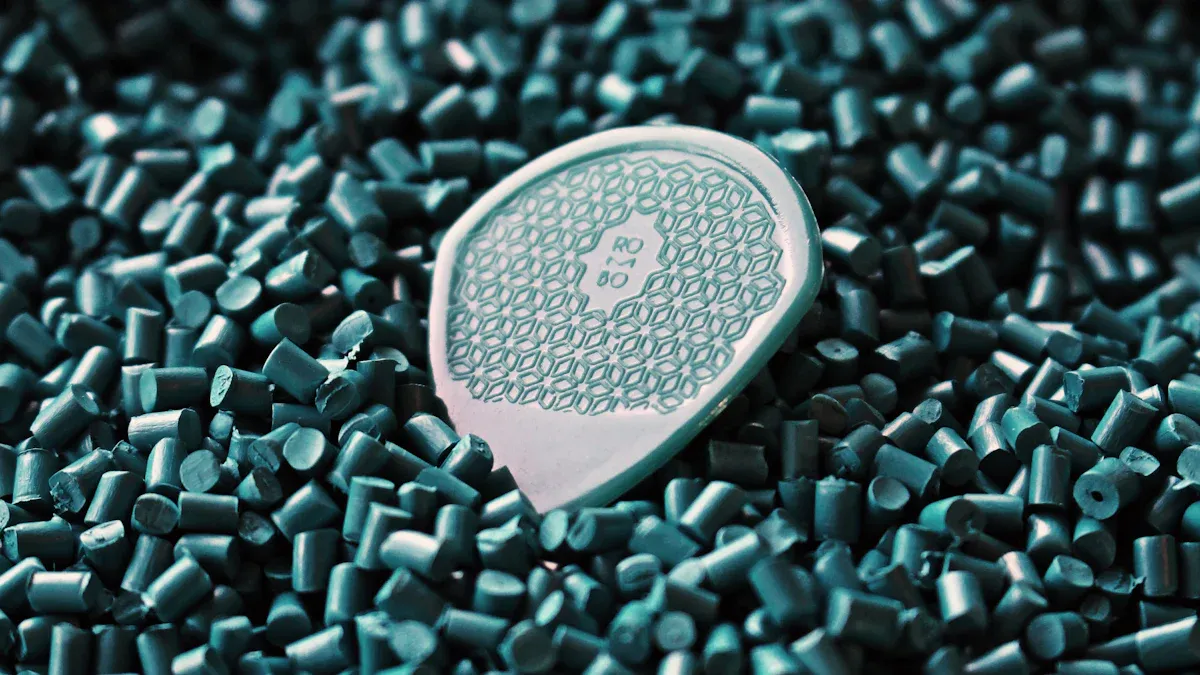
ဘေးကင်းပြီး ထိရောက်စွာ ပြန်လည်အသုံးပြုခြင်းသည် ပလတ်စတစ်နှင့် ဆာလဖာတို့၏ ထူးခြားသော ဂုဏ်သတ္တိများကို နားလည်ခြင်းဖြင့် စတင်သည်ကို ကျွန်ုပ်မြင်ပါသည်။. ဓာတုဗေဒနှင့် ကိုက်ညီမှုရှိရန် အရေးကြီးသည်။, အထူးသဖြင့် ဆီများသည် ပလတ်စတစ်များနှင့် ဓါတ်ပြုသောအခါ၊. စက်မှုလုပ်ငန်းသုံး ပလတ်စတစ်အမှိုက်အများစုကို နှုန်းထားဖြင့် ပြန်လည်အသုံးပြုသည်။ အကြောင်း 9%, ပိုမိုကောင်းမွန်သော ဖြေရှင်းနည်းများ လိုအပ်ကြောင်း ပြသသည်။. ပြန်လည်အသုံးပြုခြင်းရလဒ်များ တိုးတက်ကောင်းမွန်စေရန် IPG Pelletizing Machine Plastic ကဲ့သို့သော အဆင့်မြင့်စက်ပစ္စည်းများကို အားကိုးပါသည်။. ပလတ်စတစ်နှင့် ဆာလဖာစက်မှုလုပ်ငန်းတွင် စီမံဆောင်ရွက်ခြင်း, ဆာလဖာ ထုခွဲခြင်းနှင့် သယ်ဆောင်ခြင်းအတွက် အကောင်းဆုံးအလေ့အကျင့်များသည် အန္တရာယ်များကို လျှော့ချရန်နှင့် အရည်အသွေးမြှင့်တင်ရန် ကူညီပေးသည်။.
- ကမ္ဘာလုံးဆိုင်ရာ စက်မှုလုပ်ငန်းသုံး ပလတ်စတစ်အမှိုက်များကို ပြန်လည်အသုံးပြုနှုန်း: အကြောင်း 9%
သော့သွားယူမှုများ
- ပလတ်စတစ်နှင့် ဆီများကြား ဓာတုသဟဇာတဖြစ်မှုကို နားလည်ခြင်းသည် ပြန်လည်အသုံးပြုနေစဉ်အတွင်း ပျက်စီးမှုကို ရှောင်ရှားရန် မရှိမဖြစ်လိုအပ်ပါသည်။.
- ပလတ်စတစ်များကို ကြိတ်ချေခြင်းသည် ထုထည်ကို လျော့နည်းစေပြီး အရည်အသွေးကို တိုးတက်စေသည်။, ပြန်လည်အသုံးပြုခြင်းသည် ပိုမိုထိရောက်ပြီး ကုန်ကျစရိတ်သက်သာစေသည်။.
- စက်ပိုင်းဆိုင်ရာ ပြန်လည်အသုံးပြုခြင်းသည် သန့်ရှင်းမှုအတွက် အကောင်းဆုံးဖြစ်သည်။, အမျိုးအစားခွဲထားသော ပလတ်စတစ်များ, ဓာတုပြန်လည်အသုံးပြုခြင်းတွင် ရောနှောထားသော သို့မဟုတ် ညစ်ညမ်းသောပစ္စည်းများကို ကိုင်တွယ်သည်။.
- ခံနိုင်ရည်ဇယားများနှင့် နှစ်မြှုပ်စမ်းသပ်မှုများကို အသုံးပြုခြင်းဖြင့် မတူညီသောဆီများနှင့်ထိတွေ့သော ပလတ်စတစ်များကို ဘေးကင်းစွာ ပြန်လည်အသုံးပြုနိုင်ကြောင်း သေချာစေပါသည်။.
- ဆာလဖာ ကြိတ်ခွဲခြင်းသည် ဖုန်မှုန့်များကို လျှော့ချပေးပြီး ကိုင်တွယ်ရ လွယ်ကူစေခြင်းဖြင့် ဘေးကင်းမှုကို တိုးတက်စေသည်။, အဆင့်မြင့်အအေးပေးချိန်တွင် ခိုင်မာသော granules ကိုသေချာစေသည်။.
- ဆာလ်ဖာသယ်ဆောင်ခြင်းအတွက် မှန်ကန်သော စက်ပစ္စည်းနှင့် ပစ္စည်းများကို ရွေးချယ်ခြင်းသည် သံချေးတက်ခြင်းကို ကာကွယ်ပေးပါသည်။, ဖုန်မှုန့်အန္တရာယ်များ, စက်ပစ္စည်း ချို့ယွင်းမှုများ၊.
- ပုံမှန်ထိန်းသိမ်းမှု, ဖုန်မှုန့်ထိန်းချုပ်မှု, ပလပ်စတစ်ပြန်လည်အသုံးပြုခြင်းနှင့် ဆာလဖာကိုင်တွယ်ခြင်းနှစ်မျိုးလုံးတွင် ထိရောက်မှုနှင့် ဘေးကင်းမှုတို့ကို မြှင့်တင်ပေးပါသည်။.
- ရေရှည်တည်တံ့သော အလေ့အကျင့်များ, စွမ်းအင်သက်သာသော စက်ကိရိယာများနှင့် ဇီဝကာဗွန်အခြေခံ ဖြည့်စွက်ပစ္စည်းများ ပါဝင်သည်။, ပိုမိုလုံခြုံပြီး စိမ်းလန်းသောစက်မှုလုပ်ငန်းကို ပံ့ပိုးကူညီပါ။.
ပလတ်စတစ် နှင့် ဆီများ ၏ ဓာတု လိုက်ဖက်မှု
Key Variables များ
ပိုလီမာ အမျိုးအစားများ
ပလတ်စတစ်များကို ပြန်လည်အသုံးပြုခြင်းမပြုမီ ပေါ်လီမာ အမျိုးအစားကို ခွဲခြားသတ်မှတ်ခြင်းဖြင့် အမြဲစပါသည်။. ပိုလီမာတစ်ခုစီသည် ဆီများနှင့် ကွဲပြားစွာ တုံ့ပြန်သည်။. Polyethylene (PE) နှင့် polypropylene (PP) ဆီများစွာကို ခံနိုင်ရည်အားကောင်းအောင် ပြသပါ။. ပိုလီစတီရင်း (PS) နှင့် polyethylene terephthalate (PET) အချို့သောအဆီများနှင့် ထိတွေ့သောအခါ ပြိုကွဲသွားတတ်သည်။. ပိုလီကာဗွန်နိတ် (ပီစီ) နှင့် acrylonitrile butadiene styrene တို့ ဖြစ်သည်။ (ABS) ဆီထိတွေ့ပြီးနောက် အက်ကွဲခြင်း သို့မဟုတ် ကြွပ်ဆတ်လာနိုင်သည်။. နိုင်လွန်သည် အဆီများကို ခံနိုင်ရည်ရှိသောကြောင့် ထင်ရှားသည်။. ပြန်လည်အသုံးပြုနေစဉ်အတွင်း မည်သို့ပြုမူမည်ကို ခန့်မှန်းရန် ပိုလီမာအမျိုးအစားကို ကျွန်ုပ်စစ်ဆေးပါသည်။.
ဆီအမျိုးအစားများ & အပူချိန်များ
ဆီအမျိုးအစားနှင့် အပူချိန်သည် လိုက်ဖက်ညီမှုတွင် ကြီးမားသောအခန်းကဏ္ဍမှ ပါဝင်ပါသည်။. သံလွင်နှင့် canola ကဲ့သို့သော ဟင်းချက်ဆီများ များသောအားဖြင့် PE နှင့် PP တို့ကို အပျော့စားအကျိုးသက်ရောက်မှုဖြစ်စေသည်။. မရှိမဖြစ်လိုအပ်သောဆီများ, သံပုရာ သို့မဟုတ် ယူကလစ်ကဲ့သို့, အခန်းအပူချိန်မှာပင် PS နှင့် PET ကဲ့သို့သော ပလတ်စတစ်များကို တိုက်ခိုက်သည့် ဒြပ်ပေါင်းများ ပါဝင်သည်။. မော်တာဆီများနှင့် ဓာတုချောဆီများသည် PE များကို ကြေမွစေပြီး PC နှင့် ABS တို့တွင် ဖိအားကွဲအက်ခြင်းကို ဖြစ်စေသည်။. ဟိုက်ဒရောလစ်ဆီများ, သူတို့ရဲ့ additives တွေနဲ့, ဟိုက်ဒရောလစ်အသုံးပြုမှုအတွက် အဆင့်သတ်မှတ်မထားသော ပလတ်စတစ်များတွင် ကြွပ်ဆတ်ခြင်းနှင့် ရောင်ရမ်းခြင်းတို့ကို ဖြစ်ပေါ်စေနိုင်သည်။. ပြန်လည်အသုံးပြုနေစဉ်အတွင်း ဆီ၏ ဓာတုဗေဒမိတ်ကပ်နှင့် အပူချိန်ကို အမြဲစဉ်းစားပါသည်။.
ထိပ်ဖျား: ပြန်လည်အသုံးပြုခြင်းလုပ်ငန်းစဉ်တွင် ပလတ်စတစ်နှင့်ဆီများ မရောနှောမီ ဆီအမျိုးအစားနှင့် အပူချိန်ကို စစ်ဆေးရန် အကြံပြုလိုပါသည်။.
အပူဓာတ်နှင့်. ဓာတုဆိုးကျိုးများ
အရည်ပျော်အမှတ်များ
အရည်ပျော်တဲ့အမှတ်တွေကို သေချာအာရုံစိုက်တယ်။. PE သည် 120°C ခန့်တွင် အရည်ပျော်သည်။, 160°C တွင် PP, နှင့် 250°C တွင် PET. ဆီနှင့်ထိတွေ့ပါက ဤအရည်ပျော်မှတ်များအနီးတွင် အပူချိန်တက်လာသည်။, ပလတ်စတစ်များသည် ပုံပျက် သို့မဟုတ် အရည်ပျော်နိုင်သည်။. မြင့်မားသောအပူချိန်တွင် ဓာတုတုံ့ပြန်မှုများ ပိုမိုမြန်ဆန်စွာ ဖြစ်ပေါ်နိုင်သည်။. မလိုလားအပ်သော အပြောင်းအလဲများကို ကာကွယ်ရန် အပူချိန်ကို စောင့်ကြည့်ပါသည်။.
ဆီအပူချိန် အတိုင်းအတာများ
ရေနံအပူချိန်သည် ပလတ်စတစ်များတုံ့ပြန်ပုံအပေါ် သက်ရောက်မှုရှိသည်။. အေးသောဆီများသည် ချက်ချင်းပျက်စီးမှုကို ဖြစ်စေခဲသည်။. ပူနွေးသောဆီများသည် ဓာတုတုံ့ပြန်မှုကို အရှိန်မြှင့်ပေးပြီး ပလတ်စတစ်များကို ပျော့ပြောင်းခြင်း သို့မဟုတ် ကွဲထွက်စေနိုင်သည်။. ဥပမာအားဖြင့်, ပူသော မော်တာဆီသည် PE နှင့် PC ကို လျင်မြန်စွာ နှိမ့်ချနိုင်သည်။. ပလတ်စတစ်အရည်အသွေးကို ကာကွယ်ရန် ပြန်လည်အသုံးပြုနေစဉ်အတွင်း ဆီအပူချိန်ကို နိမ့်အောင်ထားပါ။.
ခံနိုင်ရည် vs. ထိခိုက်လွယ်သော ပလတ်စတစ်များ
Oil-Resistant အမျိုးအစားများ
အချို့သော ပလတ်စတစ်များသည် ဆီနှင့်ထိတွေ့မှုကို ကောင်းစွာခံနိုင်ရည်ရှိသည်။:
- Polypropylene (PP)
- နိုင်လွန်
- Polyethylene (PE)
ဤပစ္စည်းများသည် မော်တာဆီများကို ကိုင်တွယ်သည်။, ဟိုက်ဒရောလစ်ဆီများ, ပျက်စီးမှုအနည်းဆုံးနှင့် ဟင်းချက်ဆီများ.
ဆီ-အားနည်းချက် အမျိုးအစားများ
အခြားသော ပလတ်စတစ်များသည် အားနည်းချက်ကို ပြသသည်။:
- ပိုလီစတီရင်း (PS)
- Polyethylene terephthalate (PET)
- ပိုလီကာဗွန်နိတ် (ပီစီ)
- Acrylonitrile butadiene styrene (ABS)
ဤပလတ်စတစ်များသည် ပျော်ဝင်နိုင်သည်။, crack, သို့မဟုတ် ဆီ ထိတွေ့ပြီးနောက် ပွတ်ပေးပါ။, အထူးသဖြင့် မရှိမဖြစ်လိုအပ်သောဆီများ သို့မဟုတ် ပူသောချောဆီများနှင့်အတူ.
| ပလတ်စတစ်အမျိုးအစား | ဆီခံနိုင်ရည် | ရိုးရိုးတုံ့ပြန်မှု |
|---|---|---|
| PE, PP, နိုင်လွန် | မြင့်သည်။ | အနည်းငယ်မျှသာ ပြောင်းလဲမှု |
| PS, PET, ပီစီ, ABS | နိမ့်သည်။ | အခုချက်ချင်း, warping, ဖျက်သိမ်းခြင်း |
ပြန်လည်အသုံးပြုခြင်း မအောင်မြင်စေရန်နှင့် ဘေးကင်းသော စီမံဆောင်ရွက်ပေးမှုကို သေချာစေရန် ပလတ်စတစ်နှင့် ဆီများကို အမြဲဂရုတစိုက် ယှဉ်ပါသည်။.
လိုက်ဖက်ညီမှုကို စမ်းသပ်ခြင်း။
ခုခံမှုဇယားများ
ဆီများနှင့်ထိတွေ့သော ပလတ်စတစ်များကို ပြန်လည်အသုံးပြုခြင်းမပြုမီ ခုခံမှုဇယားများကို အမြဲစစ်ဆေးပါသည်။. ဤဇယားများသည် အမျိုးမျိုးသော ပလတ်စတစ်များသည် ဆီနှင့် ဓာတုပစ္စည်းများကို မည်ကဲ့သို့ တုံ့ပြန်ပုံကို ပြသသည်. လိုက်ဖက်ညီမှုဆိုင်ရာ အမြန်အဖြေများကို ပေးသောကြောင့် ၎င်းတို့အတွက် အသုံးဝင်သည်ဟု ကျွန်ုပ်ယူဆပါသည်။. ဥပမာအားဖြင့်, ခုခံမှုဇယားသည် polyethylene အဖြစ် စာရင်းသွင်းနိုင်သည်။ “အရမ်းကောင်းတဲ့” မော်တော်ဆီဆန့်ကျင်, polystyrene ပြသနေစဉ် “ဆင်းရဲ” ခုခံမှု. အမှားများကိုရှောင်ရှားရန်နှင့် ပြန်လည်အသုံးပြုရန်အတွက် မှန်ကန်သောပစ္စည်းများကို ရွေးချယ်ရန် ဤဇယားများကို ကျွန်ုပ်အသုံးပြုပါသည်။.
| ပလတ်စတစ်အမျိုးအစား | မော်တော်ဆီ | ဟင်းချက်ဆီ | Essential ဆီ |
|---|---|---|---|
| PE | အရမ်းကောင်းတယ်။ | အရမ်းကောင်းတယ်။ | ကောင်းတယ်။ |
| PP | အရမ်းကောင်းတယ်။ | အရမ်းကောင်းတယ်။ | ကောင်းတယ်။ |
| PS | ဆင်းရဲတယ်။ | တရားမျှတသော | ဆင်းရဲတယ်။ |
| PET | တရားမျှတသော | ကောင်းတယ်။ | ဆင်းရဲတယ်။ |
| နိုင်လွန် | ကောင်းတယ်။ | ကောင်းတယ်။ | ကောင်းတယ်။ |
ထိပ်ဖျား: ပြန်လည်အသုံးပြုခြင်းဧရိယာတွင် မွမ်းမံထားသော ခုခံမှုဇယားများကို ထားရှိရန် အကြံပြုပါသည်။. ၎င်းသည် လူတိုင်းကို ဘေးကင်းသော ရွေးချယ်မှုများကို အမြန်ပြုလုပ်ရန် ကူညီပေးသည်။.
နှစ်မြှုပ်စမ်းသပ်ခြင်း။
တခါတရံ, ခုခံမှုဇယားများသည် ဆီ သို့မဟုတ် ပလတ်စတစ်အမျိုးအစားတိုင်းကို အကျုံးမဝင်ပါ။. ဤကိစ္စများတွင် လိုက်ဖက်ညီမှုကို စစ်ဆေးရန် ကျွန်ုပ်သည် နှစ်မြှုပ်စမ်းသပ်ခြင်းကို အသုံးပြုပါသည်။. ပလပ်စတစ်နမူနာလေးကို ဖြတ်ပြီး ဆီထဲထည့်လိုက်တယ်။. သတ်မှတ်ကာလတစ်ခုအတွက် ထားခဲ့တယ်။, များသောအားဖြင့် 24 ရန် 48 နာရီ. စမ်းသပ်ပြီးနောက်, ရောင်ရမ်းခြင်းကဲ့သို့ အပြောင်းအလဲများကို ရှာဖွေနေပါသည်။, ကွဲအက်ခြင်း။, သို့မဟုတ် အရောင်ပြောင်းခြင်း။. ပလတ်စတစ်သည် မပြောင်းလဲပါက၊, ထိုဆီဖြင့် ပြန်လည်အသုံးပြုရန် ဘေးကင်းကြောင်း ကျွန်ုပ်သိပါသည်။. ပျက်စီးတာတွေ့ရင်, အဲဒီပစ္စည်းတွေကို ရောစပ်တာ ရှောင်တယ်။.
ကျွန်ုပ်၏ရလဒ်များကို မှတ်စုစာအုပ်တွင် မှတ်တမ်းတင်ပါသည်။. ၎င်းသည် ကျွန်ုပ်၏စက်ရုံအတွက် စိတ်ကြိုက်လိုက်ဖက်ညီသောလမ်းညွှန်ချက်တစ်ခု ဖန်တီးရန် ကူညီပေးပါသည်။. နှစ်မြှုပ်စမ်းသပ်ခြင်းသည် ခုခံမှုဇယားများ မရှင်းမလင်းဖြစ်နေခြင်း သို့မဟုတ် ပျောက်ဆုံးနေသည့်အခါတွင် ကျွန်ုပ်အား ယုံကြည်မှုပေးသည်။.
အဖြစ်များသော အထင်အမြင်လွဲမှားမှုများ
အပူဓာတ်နှင့်. ဓာတုပျက်စီးခြင်း။
အပူတစ်ခုတည်းက ပလတ်စတစ်ပျက်စီးမှုကို ဖြစ်စေတယ်လို့ လူတော်တော်များများက ယူဆကြပါတယ်။. ဓာတုဗေဒ တုံ့ပြန်မှုများသည် အန္တရာယ်ဖြစ်စေနိုင်သည် ဟု ကျွန်တော် လေ့လာခဲ့သည်။. ဆီများသည် အခန်းအပူချိန်တွင်ပင် ပလတ်စတစ်များကို ပြိုကွဲစေနိုင်သည်။. အပူသည် ဤတုံ့ပြန်မှုများကို မြန်ဆန်စေသည်။, သို့သော် အပူချိန်မြင့်မားမှုမရှိဘဲ ဓာတုပျက်စီးမှုများ ဖြစ်ပေါ်နိုင်သည်။. ပြန်လည်အသုံးပြုခြင်းမပြုမီ အပူနှင့် ဓာတုအန္တရာယ် နှစ်မျိုးလုံးကို အမြဲစစ်ဆေးပါသည်။.
မှတ်ချက်: ကျွန်ုပ်သည် အပူချိန်ဖတ်ခြင်းကိုသာ အားမကိုးပါ။. ဓာတုဗေဒ ထိတွေ့မှုသည် အပူရှိန် အရေးကြီးသည်။.
ရေရှည်ထိတွေ့မှုအန္တရာယ်များ
ရေတိုစမ်းသပ်မှုများသည် ရေရှည်အန္တရာယ်များကို လွတ်သွားတတ်သည်။. ပလတ်စတစ်များသည် အမြန်နှစ်မြှုပ်ခြင်းစမ်းသပ်မှုအောင်မြင်ပါက ဘေးကင်းသည်ဟု ကျွန်တော်ယုံကြည်ခဲ့ဖူးသည်။. အချိန်နှင့်အမျှ, လနဲ့ချီပြီး ထိတွေ့ပြီးနောက် ပလတ်စတစ်တွေ ကွဲထွက်တာ ဒါမှမဟုတ် အားပျော့သွားတာ တွေ့လိုက်ရတယ်။. ရေရှည်ထိတွေ့မှုက နှေးကွေးပေမယ့် ပြင်းထန်တဲ့ ထိခိုက်မှုတွေ ဖြစ်စေနိုင်ပါတယ်။. ယခု ကျွန်ုပ်သည် ပလတ်စတစ်များကို ကာလရှည်ကြာ စောင့်ကြည့်နေပြီး နမူနာဟောင်းများကို ပုံမှန် ပြန်လည်သုံးသပ်ပါသည်။.
လက်ငင်းနှင့် နှောင့်နှေးသော အကျိုးသက်ရောက်မှုများကို ထည့်သွင်းစဉ်းစားရန် အခြားသူများကို ကျွန်ုပ်အကြံပြုပါသည်။. ၎င်းသည် မမျှော်လင့်ထားသော ကျရှုံးမှုများကို တားဆီးကာ ပြန်လည်အသုံးပြုခြင်းကို ဘေးကင်းစေသည်။.
ပလပ်စတစ် ကြိတ်ခွဲခြင်း။ & ပြန်လည်အသုံးပြုခြင်းနည်းလမ်းများ
ဘာ့ကြောင့် အရေးအကြောင်းတွေ နှိပ်စက်နေတာလဲ
ပလတ်စတစ်ကို ကြိတ်ချေခြင်းသည် ပြန်လည်အသုံးပြုခြင်း လုပ်ငန်းစဉ်တွင် ကျွန်ုပ်လုပ်ဆောင်ရမည့် ပထမအဆင့်ဖြစ်သည်။. ဤအဆင့်သည် အောက်ပါအရာအားလုံးကို ပုံသွင်းသည်။. ပလတ်စတစ် အမှိုက်ကို ကြိတ်တဲ့အခါ, ကိုင်တွယ်ရ ပိုလွယ်စေတယ်။, အမျိုးအစား, နှင့်လုပ်ငန်းစဉ်. အကျိုးကျေးဇူးများသည် အပိုင်းအစများကို သေးငယ်အောင်ပြုလုပ်ခြင်းထက် ကျော်လွန်ပါသည်။.
အသံအတိုးအကျယ်လျှော့ချခြင်း။
ပလတ်စတစ်အစိမ်းအမှိုက်တွေက နေရာအများကြီးယူနေတာကို သတိထားမိတယ်။. ကြိတ်ခြင်းသည် အသံအတိုးအကျယ်ကို လျော့နည်းစေသည်။, သိုလှောင်မှုနှင့် သယ်ယူပို့ ဆောင်မှုတို့ကို ပိုမိုထိရောက်စေသည်။. သေးငယ်သောအပိုင်းများသည် အမှိုက်ပုံးများနှင့် ခုန်ပေါက်များတွင် ပိုအဆင်ပြေသည်။, ၎င်းသည် ရေအောက်ပိုင်းရှိ စက်ကိရိယာများ ချောမွေ့စွာ အလုပ်လုပ်ရန် ကူညီပေးသည်။. ကျွန်ုပ်၏ အဆောက်အဦကို စနစ်တကျ စီစဉ်ပြီး ကုန်ကျစရိတ်သက်သာစေရန် ဤအဆင့်ကို အားကိုးပါသည်။.
| အထောက်အထားအချက် | ဖော်ပြချက် |
|---|---|
| အသံအတိုးအကျယ်လျှော့ချခြင်း။ | ကြိတ်ချေခြင်းသည် ပလတ်စတစ်အစိမ်းမှ စွန့်ပစ်သောနေရာကို လျော့နည်းစေသည်။, downstream ကိရိယာများအတွက် စီမံနိုင်စေခြင်း။. |
| ပစ္စည်းအရည်အသွေး မြှင့်တင်ခြင်း။ | ကြေမွသော ပလပ်စတစ်၏ တူညီသောအရွယ်အစားသည် ဆေးကြောခြင်းထိရောက်မှုကို မြှင့်တင်ပေးပြီး ညစ်ညမ်းမှုကို လျှော့ချပေးသည်။. |
| Recycling တွင် ထိရောက်မှု | ကြိတ်ခွဲစဉ်တွင် ပြုလုပ်ခဲ့သော ဆုံးဖြတ်ချက်များသည် နောက်ဆုံးပြန်လည်အသုံးပြုထားသော ထုတ်ကုန်၏ အရည်အသွေးကို သက်ရောက်မှုရှိသည်။, နောက်ဆက်တွဲ လုပ်ငန်းစဉ်အားလုံးကို ထိခိုက်စေပါသည်။. |
အရည်အသွေးမြှင့်တင်ရေး
တစ်ပုံစံတည်း ကြေမွသော ပလပ်စတစ်သည် ပြန်လည်အသုံးပြုသည့် ပစ္စည်း၏ အရည်အသွေးကို တိုးတက်စေသည်။. ပလတ်စတစ်တွေကို အချိုးညီအောင် ကြိတ်တဲ့အခါ, ဆေးကြောခြင်းနှင့် စီခြင်းတို့ကို ပိုမိုလွယ်ကူစေပါသည်။. ဤအဆင့်သည် ညစ်ညမ်းမှုကို လျှော့ချပေးပြီး အောက်ပါလုပ်ငန်းစဉ်တိုင်း၏ စွမ်းဆောင်ရည်ကို မြှင့်တင်ပေးပါသည်။. အရည်အသွေးမြင့် ကြိတ်ခွဲခြင်းသည် အရည်အသွေးမြင့် ပြန်လည်အသုံးပြုထားသော အစေ့များဆီသို့ ဦးတည်သွားသည်ကို ကျွန်ုပ်တွေ့ရှိပါသည်။.
ထိပ်ဖျား: နောက်တဆင့်သို့မရွှေ့မီ ကြေမွသောပလပ်စတစ်၏ အရွယ်အစားနှင့် ပုံသဏ္ဍာန်ကို အမြဲစစ်ဆေးပါသည်။. ဤနေရာတွင် ညီညွတ်ခြင်းသည် အချိန်နှင့်ငွေကို နောက်ပိုင်းတွင် သက်သာစေပါသည်။.
- ရောနှောထားသောပစ္စည်းများကို ခွဲထုတ်ခြင်းအပေါ် လွှမ်းမိုးမှုရှိသည်။, စနစ်တကျ မစီမံပါက ပြန်လည်အသုံးပြုခြင်းကို ရှုပ်ထွေးစေနိုင်သည်။.
- ကြေမွနေသော ပစ္စည်းများကြောင့် ဖြစ်ပေါ်လာသော စိန်ခေါ်မှုများကို ဖြေရှင်းရန်အတွက် အဆင့်မြင့် စီခြင်းနည်းပညာသည် မရှိမဖြစ်လိုအပ်ပါသည်။.
- စဉ်ဆက်မပြတ် လုပ်ငန်းစဉ် ချိန်ညှိမှုများနှင့် စွမ်းဆောင်ရည် ပြန်လည်သုံးသပ်ခြင်းများသည် အသစ်ပြန်လည်အသုံးပြုထားသော ထုတ်ကုန်များတွင် အရည်အသွေးမြင့် စံနှုန်းများကို ထိန်းသိမ်းထားရန်အတွက် အရေးကြီးပါသည်။.
စက်ပိုင်းဆိုင်ရာ ပြန်လည်အသုံးပြုခြင်း။
စက်ပိုင်းဆိုင်ရာ ပြန်လည်အသုံးပြုခြင်းသည် ကျွန်ုပ်၏ ပလပ်စတစ် ပြုပြင်ခြင်းလုပ်ငန်းအသွားအလာ၏ ကျောရိုးကို ဖြစ်ပေါ်စေသည်။. စွန့်ပစ်ပလတ်စတစ်များကို ၎င်းတို့၏ ဓာတုဖွဲ့စည်းပုံ မပြောင်းလဲဘဲ ကုန်ကြမ်းအသစ်အဖြစ် ပြောင်းလဲရန် ၎င်းကို အသုံးပြုပါသည်။. ဤနည်းလမ်းသည် စွမ်းအင်သက်သာပြီး ကုန်ကျစရိတ်သက်သာသည်။, အထူးသဖြင့် ပလတ်စတစ်တစ်မျိုးတည်းအတွက်.
Crusher အမျိုးအစားများ
ပလတ်စတစ်အမှိုက် အမျိုးအစားနှင့် ပုံစံပေါ်မူတည်၍ ကြိတ်စက်ကို ရွေးချယ်ပါသည်။. ပါးလွှာသောရုပ်ရှင်များအတွက်, ချွန်ထက်သောဓါးများပါသော granulators ကိုအသုံးပြုသည်။. ပုလင်း သို့မဟုတ် သေတ္တာများကဲ့သို့သော ကြီးမားသောပစ္စည်းများအတွက်, ကျွန်တော်က အကြီးစား ဖျက်စက်တွေကို အားကိုးတယ်။. အချို့သော ပလတ်စတစ်များသည် ၎င်းတို့၏ ခိုင်ခံ့မှု သို့မဟုတ် ကြွပ်ဆတ်မှုကို ကိုင်တွယ်ရန် အထူးပြုကြိတ်စက် လိုအပ်သည်။. မှန်ကန်သော crusher သည် ထိရောက်သောအရွယ်အစားကို လျှော့ချပေးကြောင်း သေချာစေပြီး နောက်ထပ်လုပ်ဆောင်မှုအတွက် ပစ္စည်းကို ပြင်ဆင်သည်။.
လက်စွဲ vs. စက်ပိုင်းဆိုင်ရာ
လက်ဖြင့် ကြိတ်ချေခြင်းသည် သေးငယ်သော အသုတ်များအတွက် သို့မဟုတ် ကျွန်ုပ်သည် ပစ္စည်းများကို လက်ဖြင့် ခွဲထုတ်ရန် လိုအပ်သောအခါတွင် လုပ်ဆောင်သည်။. သို့သော်, စက်ပိုင်းဆိုင်ရာ crusher များသည် ကြီးမားသော volumes များကို လျင်မြန်စွာနှင့် တသမတ်တည်း ကိုင်တွယ်သည်။. လုပ်အားကို သက်သာစေပြီး တူညီသောရလဒ်များကို ထုတ်ပေးသောကြောင့် လုပ်ငန်းအများစုအတွက် စက်ပိုင်းဆိုင်ရာနည်းလမ်းများကို ကျွန်ုပ်နှစ်သက်ပါသည်။. စက်ပိုင်းဆိုင်ရာ ပြန်လည်အသုံးပြုခြင်းသည် လုပ်ငန်းကို လွှမ်းမိုးထားသည်။, အထူးသဖြင့် ဥရောပလိုဒေသတွေမှာ, ဘယ်ကလာမလဲ၊ 99% ပြန်လည်အသုံးပြုထားသော ပလတ်စတစ်များ.
စက်ပိုင်းဆိုင်ရာ ပြန်လည်အသုံးပြုခြင်းသည် ပလတ်စတစ်များကို ရုပ်ပိုင်းဆိုင်ရာအားဖြင့် ပြန်လည်ထုတ်လုပ်သည်။, အပျိုစင် ပလတ်စတစ်များနှင့် နီးစပ်သော ဂုဏ်သတ္တိရှိသော ပစ္စည်းများကို ထုတ်လုပ်သည်။. တစ်သားတည်းဖြစ်တည်နေသော ပလတ်စတစ်များနှင့် အကောင်းဆုံးအလုပ်လုပ်သည်။, ဒါကြောင့် မကြိတ်ခင်မှာ ပစ္စည်းတွေကို သေချာခွဲပြီး သန့်စင်ပါ။. ထပ်ခါတလဲလဲ ပြန်လည်အသုံးပြုခြင်းသည် ပိုလီမာဂုဏ်သတ္တိများကို ကျဆင်းစေနိုင်ကြောင်း ကျွန်ုပ်သိပါသည်။, ဒါကြောင့် တစ်သုတ်ချင်းစီရဲ့ အရည်အသွေးကို စောင့်ကြည့်နေပါတယ်။.
ကြိုပြီး လှီးဖြတ်ပါ။
ကြီးမားသော သို့မဟုတ် ရောနှောထားသော ပလတ်စတစ်အမှိုက်များကို ကိုင်တွယ်ဖြေရှင်းရာတွင် ကြိုမဖြတ်တောက်ထားသော အဆင့်တစ်ခုဖြစ်သည်။. ကျွန်ုပ်သည် ကြီးမားသောပစ္စည်းများကို အပြီးသတ်မခွဲထုတ်မီ စီမံခန့်ခွဲနိုင်သောအပိုင်းများအဖြစ် ခွဲခြမ်းရန် ခွဲခြမ်းစိပ်စိပ်များကို အသုံးပြုပါသည်။. ဤအဆင့်သည် ကျွန်ုပ်၏ ပင်မကြိတ်စက်ကို ပိတ်ဆို့ခြင်းနှင့် ဝတ်ဆင်ခြင်းမှ ကာကွယ်ပေးသည်။. အခွံနွှာပြီး ခြစ်ထုတ်ခြင်းသည်လည်း ညစ်ညမ်းမှု သို့မဟုတ် ပလတ်စတစ်မဟုတ်သော ပစ္စည်းများကို စောစီးစွာ သိရှိနိုင်စေပါသည်။, ၎င်းသည် ပြန်လည်အသုံးပြုခြင်းလုပ်ငန်းစဉ်ကို သန့်ရှင်းပြီး ထိရောက်မှုကို ထိန်းသိမ်းပေးသည်။.
အဓိက စွမ်းဆောင်ရည် အချက်များ
ကျွန်ုပ်၏ ကြိတ်ခွဲခြင်း နှင့် ပြန်လည်အသုံးပြုခြင်း ကိရိယာများ မည်မျှ ကောင်းမွန်စွာ လုပ်ဆောင်နိုင်သည် ဟူသော အချက်များစွာ လွှမ်းမိုးပါသည်။. ထိရောက်မှုနှင့် အထွက်အရည်အသွေးကို မြှင့်တင်ရန် ဤအသေးစိတ်အချက်အလက်များကို ကျွန်ုပ်အာရုံစိုက်ပါသည်။.
| စွမ်းဆောင်ရည်အချက် | ဖော်ပြချက် |
|---|---|
| ပစ္စည်းအမျိုးအစားနှင့် ပုံစံ | ကွဲပြားသော ပလတ်စတစ်များသည် ထိရောက်စွာ ချေမှုန်းရန်အတွက် တိကျသော ဖြတ်တောက်မှု အင်အားများနှင့် ဓါးအမျိုးအစားများ လိုအပ်ပါသည်။. |
| Blade Gap | ဓါးသွားများကြား ကင်းရှင်းခြင်းသည် ဖြတ်တောက်ခြင်း အရည်အသွေးကို ထိခိုက်စေပါသည်။; ပိုတင်းကျပ်သော ကွာဟချက်များသည် သန့်ရှင်းသော ဖြတ်တောက်မှုကို ဖြစ်ပေါ်စေသော်လည်း ဝတ်ဆင်မှုကို တိုးစေသည်။. |
| မျက်နှာပြင် Mesh အရွယ်အစား | အထွက်အမှုန် အရွယ်အစားကို သတ်မှတ်သည်။; သေးငယ်သော အရွယ်အစားများသည် ပြန်လည်လည်ပတ်မှုကြောင့် စီးဆင်းမှုကို လျော့နည်းစေသည်။. |
| Rotor မြန်နှုန်း | ဖြတ်သန်းမှုနှင့် အပူထုတ်လုပ်မှုကို ထိခိုက်စေသည်။; မြင့်မားသော မြန်နှုန်းများသည် အထွက်ကို တိုးစေသော်လည်း အမှုန်အမွှားများကို ဖန်တီးနိုင်သည်။. |
| ကျွေးမွေးမှုနှုန်း | မှန်ကန်သော အစာကျွေးခြင်းသည် အရေးကြီးပါသည်။; အလွန်အကျွံကျွေးတာက ပစ္စည်းတွေကို ပျက်စီးစေနိုင်ပါတယ်။, နို့တိုက်နေချိန်မှာ ထိရောက်မှုကို လျော့နည်းစေပါတယ်။. |
| ထိန်းသိမ်းခြင်း။ | အရည်အသွေးကျဆင်းမှုနှင့် စက်ကိရိယာများ တင်းမာမှုကို ကာကွယ်ရန် ဓါးကို ပုံမှန်ထိန်းသိမ်းခြင်းသည် မရှိမဖြစ်လိုအပ်ပါသည်။. |
| ညစ်ညမ်းမှုစီမံခန့်ခွဲမှု | အပူလွန်ကဲပြီး စက်ပစ္စည်းချို့ယွင်းမှုကို ရှောင်ရှားရန် ဖုန်မှုန့်နှင့် လေ၀င်လေထွက်ကို မှန်ကန်စွာ စီမံခန့်ခွဲရန် လိုအပ်ပါသည်။. |
Blade ရွေးချယ်မှု
ပလပ်စတစ် အမျိုးအစားနှင့် လိုချင်သော အထွက်အရွယ်အစားပေါ်မူတည်၍ ဓါးသွားများကို ရွေးချယ်ပါသည်။. မာကျောသော ပလတ်စတစ်များသည် ပိုမိုပြင်းထန်သော ဓားသွားများ လိုအပ်သည်။, ပျော့ပျောင်းသော ပလတ်စတစ်များသည် ပြတ်သားသော အစွန်းများ လိုအပ်သည်။. ပိုတင်းကျပ်တဲ့ ကွာဟချက်တွေက ပိုသန့်ရှင်းပေမယ့် ပိုပိုမြန်တာကြောင့် ဓါးကွာဟချက်ကို ပုံမှန်စစ်ဆေးပါတယ်။. မြင့်မားသောစွမ်းဆောင်ရည်ကိုထိန်းသိမ်းရန် ဓါးသွားများကို မကြာခဏ အစားထိုးခြင်း သို့မဟုတ် ထက်မြက်ခြင်းတို့ ပြုလုပ်ပါသည်။.
မျက်နှာပြင်ကွက်
စခရင်ကွက်သည် ကြေမွနေသော ပလပ်စတစ်အပိုင်းအစများ၏ အရွယ်အစားကို ထိန်းချုပ်သည်။. သေးငယ်သော mesh အရွယ်အစားများသည် ပိုမိုသေးငယ်သော အမှုန်အမွှားများကို ထုတ်ပေးသော်လည်း ပစ္စည်းသည် mesh နှင့် အံဝင်သည်အထိ ပြန်လည်လည်ပတ်သောကြောင့် လုပ်ငန်းစဉ်ကို နှေးကွေးစေပါသည်။. ကျွန်ုပ်၏ထုတ်လုပ်မှုပန်းတိုင်များကို ပြည့်မီရန် ကွက်အရွယ်အစားကို ချိန်ခွင်လျှာဖြင့် ချိန်ညှိပါသည်။. တစ်သမတ်တည်းရှိသော အမှုန်အမွှားအရွယ်အစားသည် ဆေးကြောခြင်းနှင့် အမှုန်အမွှားများကို နောက်ပိုင်းတွင် ပိုမိုကောင်းမွန်စေသည်။.
Rotor မြန်နှုန်း & ကျွေးမွေးမှုနှုန်း
Rotor speed သည် ပလပ်စတစ်အမှိုက်များကို ကျွန်ုပ်မည်မျှ မြန်မြန်ဆန်ဆန် လုပ်ဆောင်နိုင်သည်ကို သက်ရောက်မှုရှိသည်။. မြင့်မားသော မြန်နှုန်းများသည် အထွက်နှုန်းကို မြှင့်တင်ပေးသော်လည်း ပိုမို ကောင်းမွန်သော အမှုန်အမွှားများနှင့် အပူများကို ဖန်တီးနိုင်သည်။. I adjust the speed to match the plastic type and desired output. Feed rate matters, ရယ်. Overfeeding can jam the machine, while underfeeding wastes energy. I monitor both to keep my operation running smoothly.
မှတ်ချက်: Regular maintenance and dust control keep my equipment running efficiently and prevent unexpected breakdowns.
Integrating Advanced Solutions
I rely on the Exintellmach IPG Pelletizing Machine Plastic to streamline my recycling process. This machine combines crushing, compacting, အရည်ပျော်, and pelletizing in one system. Its customizable screw extruder and advanced pelletizing options let me process a wide range of plastics. The IPG Pelletizing Machine uses precise temperature control and advanced filtration to produce uniform, အရည်အသွေးမြင့် pellets များ. Automation features reduce labor and ensure consistent output. ဤနည်းပညာသည် ထိရောက်မှုကို မြှင့်တင်ပေးရုံသာမက ကျွန်ုပ်၏ ပြန်လည်အသုံးပြုထားသော ပလတ်စတစ်များ၏ အရည်အသွေးနှင့် တန်ဖိုးကိုလည်း မြှင့်တင်ပေးကြောင်း ကျွန်ုပ်တွေ့ရှိပါသည်။.
ဓာတုပြန်လည်အသုံးပြုခြင်း။
ဓာတုပြန်လည်အသုံးပြုခြင်း။ ပလတ်စတစ်များကို စက်ပိုင်းဆိုင်ရာထက် ကျော်လွန်၍ ဖြိုခွဲရန် နည်းလမ်းတစ်ခု ပေးပါသည်။. စက်ပိုင်းဆိုင်ရာ ပြန်လည်အသုံးပြုခြင်းသည် အရည်အသွေးမြင့်ပစ္စည်း မထုတ်လုပ်နိုင်သည့်အခါ ဤလုပ်ငန်းစဉ်ကို အသုံးပြုပါသည်။. ဓာတုပစ္စည်းများ ပြန်လည်အသုံးပြုခြင်းသည် ပလတ်စတစ်များကို ၎င်းတို့၏ အခြေခံအဆောက်အဦတုံးများအဖြစ်သို့ ပြောင်းလဲရန်အတွက် ဓာတုဗေဒဆိုင်ရာ တုံ့ပြန်မှုများနှင့် ဓာတုတုံ့ပြန်မှုများအပေါ် မူတည်သည်။. စက်ဖြင့်ပြန်လည်အသုံးပြုခြင်းမပြုလုပ်နိုင်သော ရောနှောနေသော သို့မဟုတ် ညစ်ညမ်းနေသော ပလတ်စတစ်များအတွက် ဤနည်းလမ်းသည် အသုံးဝင်သည်ဟု ကျွန်ုပ်မြင်ပါသည်။.
Solvent-based နည်းလမ်းများ
Solvent-based recycle သည် ပလတ်စတစ်များကို ပျော်ဝင်စေရန် ဓာတုပစ္စည်းများကို အသုံးပြုသည်။. ငါ acetone ကဲ့သို့သောပျော်ရည်များကိုရွေးချယ်ပါ။, dichloromethane, သို့မဟုတ် tetrahydrofuran (THF) ပိုလီမာအမျိုးအစားအပေါ်အခြေခံသည်။. ဖျက်ထားသော ပလပ်စတစ်များကို ဖျော်ရည်ရေချိုးခန်းထဲတွင် ထားလိုက်ပါ။. Solvent သည် ပိုလီမာကွင်းဆက်များကို ဖြိုခွဲသည်။, အညစ်အကြေးများနှင့် ဆိုးဆေးများကို ခွဲခြားထားသည်။. ဖျက်သိမ်းပြီးနောက်, ကျွန်ုပ်သည် ညစ်ညမ်းမှုများကို စစ်ထုတ်ပြီး သန့်စင်သော ပိုလီမာကို ပြန်လည်ရယူသည်။. ထို့နောက် အခြားသော ဓာတုဗေဒပစ္စည်းများကို ပေါင်းထည့်ခြင်း သို့မဟုတ် ဖြေရှင်းချက်အား အအေးခံခြင်းဖြင့် ပိုလီမာကို ငါစုပ်ယူသည်။. ဤလုပ်ငန်းစဉ်သည် သန့်ရှင်းမှုကို ဖြစ်ပေါ်စေသည်။, အရည်အသွေးမြင့် ပလပ်စတစ်များကို ပြန်လည်အသုံးပြုရန် အသင့်ဖြစ်နေပါပြီ။.
ကျွန်တော်သည် solvent အသုံးပြုမှုကို အမြဲဂရုတစိုက် စောင့်ကြည့်နေပါသည်။. Solvent များသည် အန္တရာယ်ရှိသော စွန့်ပစ်ပစ္စည်းများကို ထုတ်ပေးနိုင်ပြီး စနစ်တကျ စွန့်ပစ်ရန် လိုအပ်သည်။. ကျွန်ုပ်သည် အကာအကွယ်ပစ္စည်းများကို အသုံးပြုပြီး ထိတွေ့မှုမှ ကာကွယ်ရန် ဘေးကင်းရေး လမ်းညွှန်ချက်များကို လိုက်နာပါသည်။. Solvent-based နည်းလမ်းများသည် polystyrene ကဲ့သို့သော ပလတ်စတစ်များအတွက် အကောင်းဆုံးဖြစ်သည်။, polyvinyl ကလိုရိုက်, နှင့် PET.
Depolymerization
Depolymerization သည် ဓာတုပြန်လည်အသုံးပြုခြင်းကို နောက်ထပ်တစ်လှမ်းတိုးစေသည်။. ငါအပူသုံးတယ်။, ဓာတ်ကူပစ္စည်း, သို့မဟုတ် ပလတ်စတစ်များကို မိုနိုမာများအဖြစ်သို့ ဖြိုခွဲရန် အင်ဇိုင်းများ. ဤမိုနိုမာများသည် ပလတ်စတစ်အသစ်ထုတ်လုပ်မှုအတွက် ကုန်ကြမ်းများအဖြစ် ဆောင်ရွက်ပေးသည်။. PET နှင့် နိုင်လွန်ကဲ့သို့သော ပလတ်စတစ်များတွင် ပေါ်လီမာပြုလုပ်ခြင်းကို ငါအသုံးပြုသည်။. လုပ်ငန်းစဉ်တွင် ဓာတ်ပေါင်းဖိုတစ်ခုတွင် ပလတ်စတစ်ကို အပူပေးခြင်း ပါဝင်သည်။, တစ်ခါတစ်ရံတွင် အက်ဆစ် သို့မဟုတ် ဘေ့စ်များ ပါဝင်သည်။. The plastic breaks apart into its original chemical units.
I prefer depolymerization for producing high-purity materials. This method allows me to recycle plastics that mechanical methods cannot restore to their original quality. Depolymerization also helps me close the loop in the circular economy.
ထိပ်ဖျား: I always compare chemical and mechanical recycling before choosing a method. Chemical recycling produces purer output but requires careful handling of chemicals.
| ရှုထောင့် | ဓာတုပြန်လည်အသုံးပြုခြင်း။ | စက်ပိုင်းဆိုင်ရာ ပြန်လည်အသုံးပြုခြင်း။ |
|---|---|---|
| လုပ်ငန်းစဉ် | Uses acids and solvents to dissolve plastics, generating toxic chemicals. | Involves physically breaking down plastics, which can weaken their structure. |
| အထွက် | Produces high-quality, pure plastic suitable for various applications. | Results in lower quality recycled plastic that deteriorates over time. |
| သဘာဝပတ်ဝန်းကျင် ထိခိုက်မှု | Generates higher CO2 emissions and hazardous waste due to chemicals used. | Uses more fossil fuels but generally produces less hazardous waste. |
အဖြစ်များသောအမှားများ
I see many mistakes in plastic crushing and recycling. These errors reduce efficiency and create safety risks. I always review my process to avoid common pitfalls.
Equipment Mismatch
I notice that using the wrong equipment causes frequent interruptions. Recycling machinery can jam 3–8 times per shift, cutting processing capacity by အထိ 25%. I match my crusher and pelletizer to the plastic type and batch size. I check feed systems for compatibility and adjust settings to prevent jams.
Contamination
Contamination remains a major challenge. About 75% of contaminants in recycling facilities come from plastic bags and films. These materials clog machinery and lower product quality. I sort and clean plastics before crushing. I remove plastic bags, ရုပ်ရှင်များ, and other non-recyclable items. Emily Malik, a conservation coordinator, points out that contamination complicates recycling. I agree and make contamination control a priority.
Maintenance Issues
Neglecting maintenance leads to downtime and costly repairs. I implement preventive maintenance programs to keep my machines running smoothly. Regular maintenance reduces unplanned downtime by up to 75%. I schedule blade sharpening, screen cleaning, and lubrication. I inspect equipment daily and fix problems before they escalate.
ဖုန်ထိန်းချုပ်ရေး
Dust buildup creates hazards and damages equipment. I install dust extraction systems and use enclosed crushers. I clean dust filters regularly. Proper dust control protects workers and extends machine life.
Output Size
Inconsistent output size affects downstream processing. တူညီသောအမှုန်များထွက်လာစေရန် စခရင်ကွက်နှင့် ရဟတ်အမြန်နှုန်းကို ချိန်ညှိပါသည်။. batch တစ်ခုစီပြီးနောက် output size ကိုစစ်ဆေးပါ။. ယူနီဖောင်းအလုံးလိုက်များသည် ဆေးကြောခြင်းကို ပိုမိုကောင်းမွန်စေသည်။, အရည်ပျော်, နှင့်နောက်ဆုံးထုတ်ကုန်အရည်အသွေး.
- စက်ပစ္စည်းများ ပြတ်တောက်မှုများသည် စီမံဆောင်ရွက်နိုင်စွမ်းကို အထိ လျှော့ချပေးသည်။ 25%.
- ကြိုတင်ကာကွယ်မှု ပြုပြင်ထိန်းသိမ်းခြင်းသည် အချိန်ကုန်သွားသည်အထိ လျှော့ချပေးသည်။ 75%.
- ပလတ်စတစ်အိတ်များနှင့် ရုပ်ရှင်များသည် ပြန်လည်အသုံးပြုသည့် စက်ရုံများတွင် ညစ်ညမ်းမှု အများဆုံး ဖြစ်စေသည်။.
- ဖုန်မှုန့်ထိန်းချုပ်မှုနှင့် အထွက်အရွယ်အစား စီမံခန့်ခွဲမှုသည် ဘေးကင်းမှုနှင့် ထုတ်ကုန်အရည်အသွေးကို တိုးတက်စေသည်။.
မှတ်ချက်: ဤအမှားများအတွက် ကျွန်ုပ်၏ လုပ်ငန်းစဉ်ကို အမြဲသုံးသပ်ပါသည်။. ၎င်းတို့ကို ကိုင်တွယ်ဖြေရှင်းခြင်းက ထိရောက်မှုကို မြှင့်တင်ပေးပြီး အရည်အသွေးမြင့် ပြန်လည်အသုံးပြုထားသော ပလတ်စတစ်များကို သေချာစေသည်။.
ပလပ်စတစ် ဖျက်သိမ်းခြင်း။ & ပျက်စီးခြင်း။
ပလတ်စတစ်များသည် အဘယ်ကြောင့် ပျော်ဝင်ခြင်းကို တွန်းလှန်နိုင်သနည်း။
မော်လီကျူးဖွဲ့စည်းပုံ
ပလတ်စတစ်အများစုသည် ဘုံပျော်ရည်များတွင် အဘယ်ကြောင့် အလွယ်တကူ မပျော်နိုင်ကြသည်ကို ကျွန်ုပ်မကြာခဏ တွေးမိသည်။. အဖြေသည် ၎င်းတို့၏ မော်လီကျူးဖွဲ့စည်းပုံတွင် တည်ရှိသည်။. ပလတ်စတစ်များတွင် ကာဗွန်မှ ကာဗွန်နှောင်ကြိုးများပါရှိသော ရှည်လျားသော ပိုလီမာကွင်းဆက်များရှိသည်။. These bonds resist breaking in everyday environments. Conventional plastics, like polyethylene and polypropylene, show remarkable durability because of these bonds. Semi-crystalline plastics have a tight structure that blocks solvents from penetrating. Amorphous plastics are more vulnerable to certain organic solvents, but they still resist water.
| ပလတ်စတစ်အမျိုးအစား | လက္ခဏာများ |
|---|---|
| Conventional Plastics | Long polymer chains with strong carbon-to-carbon bonds that resist breaking in common environments. |
| Semi-crystalline Plastics | Tight structure that prevents solvents from penetrating. |
| Amorphous Plastics | More vulnerable to certain organic solvents but still resistant to water. |
I always check the structure of the plastic before choosing a recycling method. The molecular arrangement determines how the material reacts to solvents.
Solvent Compatibility
Solvent compatibility plays a big role in plastic dissolution. I notice that plastics resist dissolving unless the solvent matches their chemical nature. Non-polar plastics, like polyethylene, do not dissolve in water or alcohols. Polar plastics, such as polyvinyl alcohol, dissolve in water. I select solvents based on the plastic’s polarity and structure. This step helps me avoid wasting time and resources.
Solvents That Dissolve Plastics
THF
Tetrahydrofuran (THF) stands out as a powerful solvent for plastics like polyvinyl chloride (PVC) နှင့် polystyrene. I use THF in laboratory settings to dissolve these plastics for analysis or recycling. THF works well because it matches the polarity of the polymers.
Acetone
Acetone dissolves plastics such as polystyrene and some acrylics. I use acetone to clean equipment or remove residues. Acetone does not affect most conventional plastics, but it can break down certain types quickly.
Dichloromethane
Dichloromethane dissolves plastics like polycarbonate and PVC. I use it for industrial applications where rapid dissolution is needed. Dichloromethane works best with plastics that have less crystalline structure.
| Solvent Type | ထိရောက်မှု | မှတ်စုများ |
|---|---|---|
| Toluene | မြင့်သည်။ | Best overall performance in solubility tests |
| Xylene | မြင့်သည်။ | Outperformed other solvents |
| Cyclohexane | တော်ရုံတန်ရုံ | Effective in blends with cyclohexanol and xylene |
| Cyclohexanol | တော်ရုံတန်ရုံ | Enhances solubility in mixtures |
| Alcohols | နိမ့်သည်။ | Generally poor solvents for non-polar plastics |
| Ketones | နိမ့်သည်။ | Not effective alone, but mixtures may improve solubility |
| Esters | နိမ့်သည်။ | Not effective alone, but mixtures may improve solubility |
I find that solvent dissolution retains the chemical structure of polymers. This method reduces emissions and energy use compared to other recycling methods. It broadens the recycling scope for plastics, especially for polypropylene and polystyrene. Companies like Purecycle and Polystyvert use these solvents to recycle plastics that were once unrecyclable.
Solvent-based recycling lets me recover pure polymers without breaking their chemical bonds. This approach saves energy and supports sustainability.
Dissolvable & Biodegradable Plastics
PVA & Water-Soluble Types
I use polyvinyl alcohol (PVA) when I need a plastic that dissolves in water. PVA films break down quickly and leave no residue. Water-soluble plastics help me create packaging that disappears after use. These materials work well for single-use items and reduce waste.
ဇီဝပလတ်စတစ်
Biodegradable plastics offer another solution. အားကိုးတယ်။ petroleum-based polyesters like polycaprolactone (PCL) and poly(butylene succinate) (PBS) because microorganisms and enzymes can degrade them. Bio-based plastics, such as poly(hydroxybutyrate) (PHB), poly(lactide) (PLA), and starch blends, come from renewable resources and are also biodegradable. Their degradation rates depend on chemical structure, melting point, and crystallinity. ပလတ်စတစ်အချို့, like polyethylene and Nylon 11, may be bio-based but remain non-biodegradable. Acetyl cellulose can be biodegradable or not, depending on its acetylation.
I choose biodegradable plastics for applications where environmental impact matters. These materials break down through enzymatic and microbial action. Their rates of degradation vary based on composition and environmental conditions.
I always match the plastic type to the intended use and disposal method. This practice helps me support sustainability and reduce pollution.
Degradation Pathways
ခရမ်းလွန်ရောင်ခြည် & Heat
I see plastics degrade through several pathways. UV radiation and heat play major roles in breaking down polymers. When sunlight hits plastic, UV rays cause photodegradation. This process breaks polymer chains into smaller fragments. Heat speeds up this reaction. Oxygen in the environment also accelerates degradation. I notice that high temperatures can trigger depolymerization reactions in synthetic polymers. These reactions break plastics into their basic chemical units.
During စက်ပိုင်းဆိုင်ရာ ပြန်လည်အသုံးပြုခြင်း။, plastics face heat and shear forces. These conditions lead to thermo-oxidative and thermo-mechanical degradation. Chain-scission reactions start, breaking the long polymer chains. I monitor temperature and oxygen levels in my facility to control these effects. Chemical degradation, such as hydrolysis or oxidation, happens at near-ambient temperatures. Environmental factors like temperature and oxygen presence influence how fast plastics degrade.
- Photodegradation breaks down polymer chains with UV radiation.
- Heat and oxygen speed up the degradation process.
- High temperatures cause depolymerization in synthetic polymers.
- Mechanical recycling introduces heat and shear, leading to chain-scission reactions.
- Chemical degradation involves hydrolysis or oxidation, often at lower temperatures.
I always check for signs of degradation in recycled plastics. Changes in color, ကြွပ်ဆတ်ခြင်း။, or texture signal that UV and heat have affected the material.
Microplastics
Microplastics form when larger plastic pieces break down into tiny fragments. I see this happen during photodegradation and mechanical recycling. UV light, အပူ, and oxygen cause plastics to fragment. These small pieces do not dissolve. အစား, they persist in the environment.
Microbes can help degrade plastics. I use strains like Kocuria palustris M16, Bacillus pumilus M27, နှင့် Bacillus subtilis H1584 to enhance the breakdown of polyethylene films. The strain Brevibacillus borstelensis accelerates degradation of UV-treated low-density polyethylene at higher temperatures. Hydrolytic enzymes such as cutinase can completely degrade PET into monomers within 24 hours under specific conditions.
- Microbes and enzymes speed up plastic degradation.
- Microplastics result from fragmentation, not dissolution.
- Microplastics persist and pose environmental risks.
I track microplastic formation in my recycling process. I use biological methods to reduce their presence and support cleaner recycling.
Misconceptions
Dissolution vs. ပျက်စီးခြင်း။
Many people think plastics dissolve like sugar in water. I learned that conventional plastics do not dissolve. They degrade through photodegradation, where UV radiation breaks them into smaller pieces. Plastics do not vanish; they fragment and remain in the environment. This misconception leads to improper disposal and recycling practices.
- Plastics do not dissolve; they break into smaller fragments.
- Photodegradation causes fragmentation, not disappearance.
I explain this difference to my team. Understanding the distinction helps us manage plastic waste responsibly.
Environmental Risks
Some believe plastics break down on their own. I know this is not true. Most plastics persist for decades unless exposed to specific degradation pathways. Microplastics pose serious environmental risks. They accumulate in soil and water, affecting wildlife and human health. I use controlled recycling methods to minimize microplastic release.
ထိပ်ဖျား: I always educate others about the persistence of plastics and the importance of proper recycling. Awareness reduces environmental harm and supports sustainability.
Sulphur Granulation Processes
Why Granulate Sulphur
ဘေးကင်းရေး & Handling
I granulate sulphur to make it safer to handle in industrial environments. Granulated sulphur reduces the risk of dust explosions. The larger, uniform granules do not create airborne particles as easily as powdered sulphur. Workers face fewer hazards when moving granulated sulphur. I notice that granules flow smoothly through conveyors and storage bins. This reduces spills and minimizes contact with skin or eyes. I always prioritize safety by choosing granulation methods that produce strong, dust-free granules.
Granulated sulphur improves workplace safety by lowering dust levels and making handling easier.
သဘာဝပတ်ဝန်းကျင်ဆိုင်ရာ အကျိုးကျေးဇူးများ
Granulating sulphur helps protect the environment. I see that granules release less dust into the air, which means cleaner facilities and reduced air pollution. The uniform size of granules prevents accidental spills and makes cleanup simpler. I use advanced cooling systems to create granules with a strong crystalline structure. These granules resist breaking apart during transport. This reduces the risk of sulphur entering soil or water. I believe that granulation supports sustainability by minimizing waste and preventing environmental contamination.
Granulation Steps
အရည်ပျော်
I start the granulation process by melting sulphur at controlled temperatures. Sulphur melts at about 115°C. I use specialized heaters to keep the temperature steady. If the temperature rises too high, sulphur can decompose or release harmful gases. I monitor the melting stage closely to ensure safety and product quality.
Seed Generation
အရည်ပျော်ပြီးနောက်, I generate small sulphur seeds. I freeze droplets of molten sulphur to create these seeds. Pressure control is important during this step. The seeds act as nuclei for granule formation. I make sure the seeds are uniform in size to produce consistent granules later.
Granule Formation
I form granules by rotating the seeds in a drum. The drum rotates at a set speed, causing the seeds to roll and pick up layers of molten sulphur. This builds up the granules to the desired size. Drum rotation is a key factor. If the drum spins too fast, granules become uneven. If it spins too slowly, production slows down. I adjust the rotation speed to balance quality and efficiency.
အအေးခံခြင်း။
I cool and solidify the granules to ensure proper crystallization. Cooling rate affects the strength and structure of the granules. I use air or water cooling systems to control the process. Rapid cooling can cause cracks, while slow cooling produces strong, uniform granules. I monitor the cooling stage to prevent defects and maintain product quality.
| အဆင့် | ဖော်ပြချက် | အဓိကအချက် |
|---|---|---|
| 1 | Melting sulphur at controlled temperatures | အပူချိန်ထိန်း |
| 2 | Generating small sulphur seeds through freezing | Pressure Control |
| 3 | Forming granules by rotating in a drum | Drum Rotation |
| 4 | Cooling and solidifying to ensure crystallization | Cooling Rate |
- Granulation improves product quality by ensuring uniform granule sizes.
- Dust reduction during handling enhances workplace safety.
- Advanced cooling systems lead to better crystalline structure and stronger granules.
Granulation Techniques
Drum Systems
I use drum systems for large-scale sulphur granulation. ဟိ rotary drum method pours molten sulphur into a rotating drum. Granules form as the seeds roll and pick up layers of sulphur. This technique produces uniform granule sizes and handles high throughput. I rely on drum systems when I need consistent quality and efficient production.
Prilling Towers
Prilling towers spray molten sulphur droplets through a nozzle into a tall tower. The droplets cool and solidify as they fall, forming spherical granules. Air cooling in the tower creates smooth, round granules. I choose prilling towers for applications that require perfectly spherical granules. This method works well for moderate production volumes.
- Prilling Tower Method: Sprays molten sulphur droplets through a nozzle into a tower where they cool and solidify into spherical granules.
- Rotary Drum Granulation: Pours molten sulphur into a rotating drum where it forms granules by rolling and cooling on the drum surface.
The rotary drum granulation method stands out for its efficiency in large-scale production. It delivers high throughput and uniform granule size. The prilling tower method excels at producing spherical granules through air cooling.
Fluid Beds
Fluid bed granulation suspends sulphur particles in a stream of air. I inject molten sulphur into the fluidized bed. The particles mix and cool rapidly, forming granules. Fluid beds allow precise control over granule size and cooling rate. I use this technique when I need flexibility and fast cooling.
Steel Belt
Steel belt granulation spreads molten sulphur onto a moving steel belt. The belt cools the sulphur as it travels, forming solid granules. This method produces flat, uniform granules and works well for continuous production. I select steel belt systems for applications that require gentle cooling and minimal dust.
Each granulation technique offers unique advantages. I match the method to my production needs and quality requirements.
Process Controls
I pay close attention to process controls when granulating sulphur. These controls help me produce high-quality granules and maintain safety in my facility. Each stage of the process requires careful monitoring and adjustment.
အပူချိန် & ဖိအား
Temperature control stands out as the most important factor during sulphur melting. I set the temperature just above sulphur’s melting point, usually around 115°C. If the temperature rises too high, sulphur can decompose or release harmful gases. I use precise heaters and sensors to keep the temperature steady. Pressure control becomes critical during seed generation. I adjust the pressure to create uniform sulphur seeds. Stable pressure ensures that the seeds form consistently, which leads to better granule quality.
I rely on a table to track key factors at each step:
| အဆင့် | ဖော်ပြချက် | အဓိကအချက် |
|---|---|---|
| Sulphur Melting | Heating sulphur to liquid state | အပူချိန်ထိန်း |
| Seed Generation | Creating small sulphur seeds | Pressure Control |
| Granule Formation | Building up granules in drum | Drum Rotation |
| Cooling and Solidification | Hardening granules | Cooling Rate |
I check these factors every day. This routine helps me prevent defects and maintain consistent quality.
Cooling Rate
Cooling rate affects the strength and structure of sulphur granules. I use air or water cooling systems to control how quickly the granules solidify. Rapid cooling can cause cracks or weak spots. Slow cooling produces strong, uniform granules. I adjust the cooling rate based on the size and shape of the granules I want. I monitor the cooling process with sensors and visual checks. This practice helps me avoid defects and ensures that the granules meet industry standards.
I always remind my team that careful cooling leads to safer, more reliable sulphur products.
Modern Technology Benefits
Modern sulphur granulation technology offers several advantages. I see improvements in product quality, dust reduction, and energy efficiency every day.
ထုတ်ကုန်အရည်အသွေး
Advanced granulation systems produce sulphur granules with uniform size and shape. Prilled sulphur stands out for its superior physical qualities. The round shape and consistent size make the granules flow smoothly and predictably. This uniformity helps me plan storage and transport more efficiently. I notice that high-quality granules reduce waste and improve performance in downstream applications.
| Benefit Type | ဖော်ပြချက် |
|---|---|
| ထုတ်ကုန်အရည်အသွေး | Prilled sulfur exhibits superior physical qualities, including better flowability and less dust. Its uniform size and round shape enhance predictability in use. |
Dust Reduction
Dust reduction remains a top priority in my facility. Modern air treatment systems capture and remove dust during the granulation process. These systems keep the workplace cleaner and safer. I see fewer airborne particles, which lowers the risk of dust explosions and respiratory hazards. Cleaner air also means less contamination in the final product.
| Benefit Type | ဖော်ပြချက် |
|---|---|
| Dust Reduction | Air treatment systems are employed to significantly reduce dust generation during the granulation process. |
Cleaner air and less dust make my facility safer for everyone.
စွမ်းအင်ထိရောက်မှု
Energy efficiency helps me lower costs and reduce environmental impact. Indirect heat transfer methods optimize temperature control. These methods use less energy and minimize thermal waste. I track energy use with sensors and adjust settings to avoid excess consumption. Efficient systems help me meet sustainability goals and keep production costs down.
| Benefit Type | ဖော်ပြချက် |
|---|---|
| စွမ်းအင်ထိရောက်မှု | Indirect heat transfer methods optimize temperature control, reducing excessive energy consumption and thermal waste during production. |
- Uniform granule size improves product quality.
- Air treatment systems reduce dust and enhance safety.
- Indirect heat transfer methods save energy and support sustainability.
I believe that investing in modern technology pays off with better products, safer workplaces, နှင့် လည်ပတ်မှုကုန်ကျစရိတ်သက်သာသည်။.
Sulphur Conveying Best Practices
Sulphur Properties
Forms & Densities
I handle sulphur in several forms, including granules, အမှုန့်များ, and molten liquid. Each form has its own density and flow characteristics. Granulated sulphur flows easily and packs tightly, making it ideal for bulk transport. Powdered sulphur creates more dust and requires careful handling to prevent airborne particles. Molten sulphur moves through pipelines and needs precise temperature control to stay liquid. I always check the bulk density before selecting conveyor systems. ဥပမာအားဖြင့်, granules have higher density than powder, so I adjust conveyor capacity accordingly.
| Sulphur Form | Typical Density (kg/m³) | Handling Notes |
|---|---|---|
| Granules | 1,200–1,400 | Flows easily, ဖုန်မှုန့်နည်းတယ်။ |
| အမှုန့် | 800-၁၀၀၀ | High dust risk, needs control |
| Molten | 1,800 | Requires heated pipelines |
Corrosiveness
Sulphur can corrode metal surfaces, especially when wet or exposed to moisture. I prefer stainless steel or corrosion-resistant alloys for conveyor parts. Wet sulphur accelerates corrosion, so I avoid using carbon steel. I inspect equipment regularly for signs of rust or pitting. Choosing the right materials prevents costly repairs and extends equipment life.
Equipment Selection
Bucket Conveyors
I use bucket conveyors to move granulated sulphur vertically or horizontally. These conveyors handle bulk material efficiently and minimize spillage. I select buckets made from abrasion-resistant materials to withstand sulphur’s rough texture. Enclosed bucket conveyors reduce dust emissions and improve workplace safety.
Heated Pipelines
For molten sulphur, I rely on heated pipelines. These pipelines maintain sulphur above its melting point, usually around 120°C. I install insulation and heating elements to prevent solidification. Heated pipelines must use corrosion-resistant materials to avoid leaks and breakdowns. I monitor temperature closely to keep sulphur flowing smoothly.
Material Choices
Selecting the right materials is crucial. I choose stainless steel for most conveyor parts because it resists corrosion and abrasion. For areas exposed to high temperatures or moisture, I use special alloys. I avoid plastics and carbon steel, which degrade quickly in sulphur environments. I also consider the bulk density and flowability of sulphur when sizing conveyors.
I always match conveyor design to sulphur’s physical properties. This practice ensures reliable operation and reduces maintenance needs.
Factors I consider when selecting equipment:
- Operational requirements—scope and scale of sulphur handling.
- Efficiency and performance—energy use, ဖြတ်သန်းမှု, dust suppression.
- Materials and durability—corrosion-resistant alloys.
- ဘေးကင်းရေးအင်္ဂါရပ်များ—ပေါက်ကွဲဒဏ်ခံနိုင်သော အစိတ်အပိုင်းများ, အရေးပေါ်ပိတ်မှုများ.
- ပြုပြင်ထိန်းသိမ်းမှုနှင့် ဝန်ဆောင်မှုပေးနိုင်မှု—ပြုပြင်ရန် လွယ်ကူသောလက်လှမ်းမီမှု.
- ကုန်ကျစရိတ်နှင့် စုစုပေါင်းပိုင်ဆိုင်မှု—ဝယ်ယူမှု, စွမ်းအင်, နှင့် ပြုပြင်ထိန်းသိမ်းရေးစရိတ်များ.
ဖုန် & ပေါက်ကွဲမှုထိန်းချုပ်ရေး
အလုံပိတ်စနစ်များ
ဆာလဖာဖုန်မှုန့်များသည် ပေါက်ကွဲရန်အန္တရာယ်ရှိသည်။. ငါသုံးတယ်။ အပြည့်အ၀ အလုံပိတ်နှင့် အလုံပိတ် သယ်ဆောင်ခြင်းစနစ်များ ဖုန်မှုန့်ထုတ်လွှတ်မှုကို ကာကွယ်ရန်. ဤစနစ်များသည် ATEX သို့မဟုတ် NFPA စံနှုန်းများနှင့် ကိုက်ညီပါသည်။, ပေါက်ကွဲတတ်သော လေထုအတွက် ဘေးကင်းရေး လိုအပ်ချက်များကို သတ်မှတ်ပေးသည်။. အဖုံးပါသော သယ်ယူကိရိယာများသည် ဖုန်မှုန့်များပါ၀င်စေပြီး အလုပ်သမားများကို ရှူရှိုက်မိသော အန္တရာယ်များမှ ကာကွယ်ပေးပါသည်။.
လိုက်နာမှုစံနှုန်းများ
ဆာလဖာသယ်ဆောင်ခြင်းအတွက် တင်းကျပ်သော လိုက်နာမှုစံနှုန်းများကို ကျွန်ုပ်လိုက်နာပါသည်။. ATEX နှင့် NFPA လမ်းညွှန်ချက်များသည် ပေါက်ကွဲဒဏ်ခံနိုင်သော မော်တာများနှင့် မြေစိုက်ကိရိယာများ လိုအပ်သည်။. ဖုန်မီးလောင်မှုများကို စောစီးစွာသိရှိနိုင်စေရန် လုံခြုံရေးအချက်ပေးနှိုးဆော်ချက်နှင့် ဗီဒီယိုစောင့်ကြည့်ခြင်းကို ကျွန်ုပ်တပ်ဆင်ပါသည်။. ပုံမှန်စစ်ဆေးမှုများသည် အန္တရာယ်များ မကြီးထွားမီတွင် ကျွန်ုပ်အား ကူညီပေးပါသည်။.
မြေပြင်
စက်ပစ္စည်းအားလုံးကို မြေချရန် အရေးကြီးပါသည်။. I connect conveyors, မော်တာများ, and pipelines to earth ground to prevent static buildup. Static electricity can ignite sulphur dust, so grounding reduces explosion risks. I check grounding connections during maintenance and replace worn cables promptly.
- I maintain dust suppression sprays on silos and conveyors.
- I conduct emergency drills and train personnel in fire response.
- I use atomizing water cannons instead of direct water jets for fire control.
Early detection and proper equipment keep my facility safe from dust and explosion hazards.
ထိန်းသိမ်းခြင်း။ & ပေါင်းစည်းမှု
သန့်ရှင်းရေး
I always make cleaning a top priority in my sulphur conveying systems. Sulphur dust and residue can build up quickly, leading to blockages or even equipment failure. I schedule regular cleaning routines for all conveyors, chutes, and storage bins. I use industrial vacuums and brushes to remove dust from hard-to-reach areas. For sticky sulphur deposits, I sometimes use steam or warm water, but I make sure to dry all surfaces thoroughly to prevent corrosion. I check for residue after every cleaning session. This habit helps me catch problems early and keeps my system running smoothly.
I learned from industry presentations that integrated surface protection and reliability-based maintenance can boost plant uptime, ဘေးကင်းရေး, and asset longevity. I see the benefits every time I stick to my cleaning schedule and use the right protective coatings.
Anti-Stick Coatings
Sulphur tends to stick to metal surfaces, especially in humid conditions. I apply anti-stick coatings to key areas of my conveying system. These coatings create a smooth barrier that prevents sulphur from clinging to chutes, hoppers, နှင့် conveyor ခါးပတ်များ. I choose coatings that resist both abrasion and corrosion. I inspect coated surfaces regularly for signs of wear or peeling. When I spot damage, I reapply the coating right away. This practice reduces downtime and helps me avoid costly repairs. Anti-stick coatings also make cleaning much easier, saving me time and effort.
စနစ်ပေါင်းစည်းမှု
I believe that integrating all parts of the sulphur conveying system leads to better performance and fewer breakdowns. I connect my conveyors, storage bins, and control panels into a single automated network. This setup lets me monitor the entire process from one location. I use sensors to track material flow, အပူချိန်, and equipment status. When a problem arises, စနစ်က ချက်ချင်းသတိပေးတယ်။. I can then respond quickly and prevent bigger issues. I also link my maintenance schedule to the control system. Automated reminders help me stay on track with inspections and repairs.
- I always coordinate with my team to ensure everyone understands the integrated system.
- I train new staff on how to use the monitoring tools and respond to alerts.
- I update my integration plan as new technology becomes available.
By focusing on cleaning, using anti-stick coatings, and integrating my systems, I keep my sulphur conveying operations safe, ထိရောက်မှု, ယုံကြည်စိတ်ချရသော.
Plastic and Sulphur Industrial Processing Overview
Integrated Challenges
I see that Plastic and Sulphur Industrial Processing brings unique challenges to every facility. Plastics often arrive mixed, contaminated, or degraded. Sorting and purification require careful attention to detail. Sulphur presents risks like dust explosions and corrosion. I must balance safety, လုပ်ရည်ကိုင်ရည်, နှင့် သဘာဝပတ်ဝန်းကျင်ဆိုင်ရာ တာဝန်ရှိသည်။. Handling both materials demands specialized equipment and strict process controls. I notice that integrating these processes can strain resources and increase maintenance needs. Managing waste streams and preventing harmful emissions remain top priorities for me.
Safety always comes first. I monitor dust levels, check for leaks, and train my team to handle emergencies. Regular inspections help me catch problems early.
Advanced Solutions
I rely on advanced machinery and technology to overcome these challenges. The IPG Pelletizing Machine Plastic streamlines recycling by combining crushing, compacting, အရည်ပျော်, and pelletizing in one system. This machine produces high-quality pellets and removes impurities efficiently. For sulphur, I use enclosed conveyors and automated monitoring systems to reduce dust and prevent explosions. Modern granulation techniques, like drum systems and prilling towers, improve product quality and minimize waste.
ဟိ transformation of mixed plastic waste involves sorting, purification, pyrolysis, and heteroatom removal. These steps produce hydrocarbon feedstocks that fit into existing refinery technologies. Advanced recycling technologies help me meet the growing demand for recycled plastics. They turn waste into valuable materials and support the circular economy.
- EVERCYCLE™ supports circular solutions with sustainable additives.
- NAUGARD BIO-XL offers a biocarbon-based accelerator for sulfur curing, avoiding harmful nitrosamines.
- ငါသုံးတယ်။ biocarbon-based accelerators and PFAS-free additives to minimize emissions.
- Strategies like nonylphenol-free additives further reduce environmental risks.
Automation and smart controls make my operations safer and more efficient. I track material flow, အပူချိန်, and equipment status from a central control panel.
Sustainability Focus
Sustainability guides every decision I make in Plastic and Sulphur Industrial Processing. I choose technologies that reduce waste and energy use. Advanced recycling methods let me recover pure polymers and integrate them into new products. I select additives and accelerators that support circular solutions and avoid harmful chemicals. Minimizing emissions and dust protects both workers and the environment.
I believe that integrating sustainable practices improves product quality and lowers costs. Cleaner air, safer workplaces, and reliable equipment help me meet industry standards. I always look for new ways to enhance sustainability, from biocarbon-based additives to energy-efficient granulation systems.
| Sustainability Practice | အကျိုးရှိသည်။ |
|---|---|
| Advanced recycling technologies | Reduces waste, supports circular economy |
| Biocarbon-based additives | Lowers harmful emissions |
| Energy-efficient equipment | Cuts costs, protects environment |
| Dust and emission controls | Improves safety and air quality |
I encourage others to invest in sustainable solutions. These practices build a stronger, safer, and more responsible industry.
I learned that safe recycling and granulation depend on understanding material properties and using the right equipment. Chemical compatibility guides my choices in Plastic and Sulphur Industrial Processing. I rely on advanced machines like the IPG Pelletizing Machine Plastic and follow best practices for sulphur handling. Regular maintenance and system integration keep my operations efficient. I always consult specialists for tailored solutions. I encourage everyone to adopt sustainable practices for a safer industry.
အမြဲမေးလေ့ရှိသောမေးခွန်းများ
What plastics can I recycle with the IPG Pelletizing Machine Plastic?
I recycle polyethylene, polypropylene, နိုင်လွန်, polystyrene, PET, နှင့် ABS. The machine handles most common plastics. I check compatibility charts before processing new materials.
How do I prevent contamination in recycled plastics?
I sort and clean plastics before crushing. I remove films, အိတ်များ, and non-recyclable items. Regular maintenance and dust control help me keep the process clean.
Is sulphur granulation safe for workers?
I use enclosed systems and dust suppression to protect workers. Granulated sulphur reduces explosion risks. I train my team on safety procedures and monitor air quality.
What is the best way to test plastic-oil compatibility?
I use resistance charts for quick checks. When charts are unclear, I run immersion tests by soaking plastic samples in oil and observing changes.
How does the IPG Pelletizing Machine improve recycling efficiency?
The machine combines crushing, compacting, အရည်ပျော်, နှင့် pelletizing. Automation reduces labor. Precise temperature control and impurity removal produce high-quality pellets.
Can I recycle plastics exposed to oils?
I check the type of oil and plastic. Some plastics resist oils, while others crack or dissolve. I test samples and consult compatibility charts before recycling.
What are the environmental benefits of sulphur granulation?
Granulated sulphur releases less dust. It reduces air pollution and makes cleanup easier. I use advanced cooling systems to create strong, uniform granules.