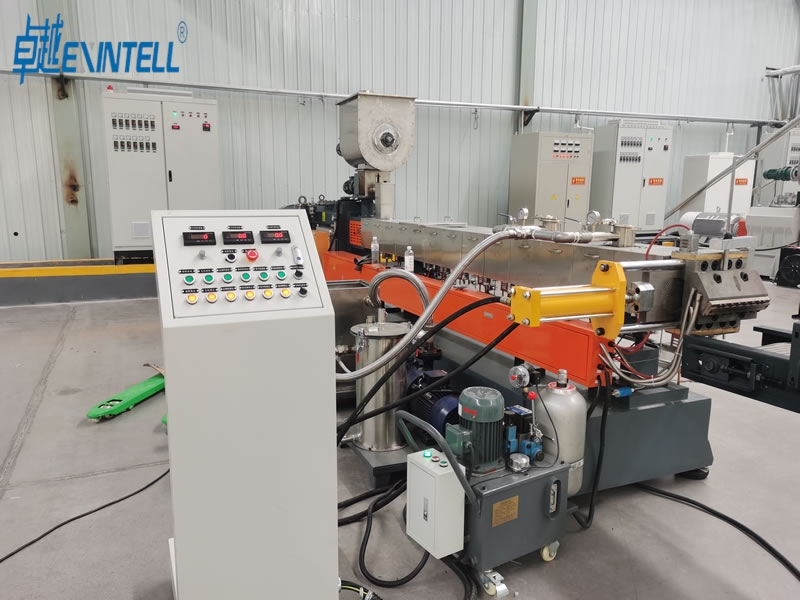
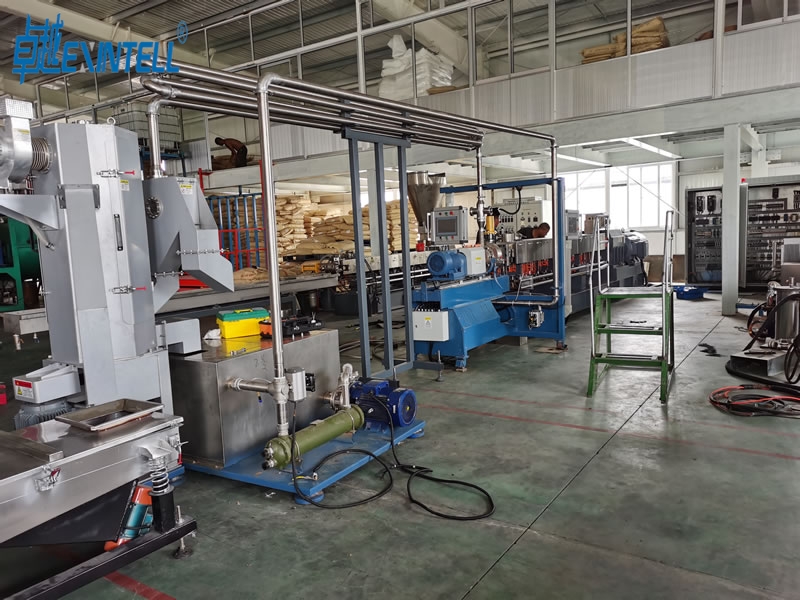
ပလပ်စတစ် ပြုပြင်ခြင်းအတွက် အမဲစက်များကို အကဲဖြတ်သောအခါ, you need a clear overview of how each system performs. The followingcore differences comparison chartgives you a side-by-side look at water-ring, ရေအောက်, and strand pelletizers. This chart helps you quickly identify which machine aligns with your production goals.
ထိပ်ဖျား:If you process sticky or heat-sensitive plastic, ရေအောက်အမှုန့်ကြိတ်စက်မှ သင်အများဆုံးအကျိုးရှိမည်ဖြစ်သည်။. မာကျောသောပစ္စည်းများအတွက်, Strand pelletizer သည် ရိုးရှင်းပြီး ကုန်ကျစရိတ်သက်သာသည်။.
You should note that the water-ring pelletizing system requires precise water temperature control and regular maintenance, especially for the die plate and cutting chamber. The initial investment can be higher than other systems, but you gain reliability and quality.
Underwater Pelletizer Features
The underwater pelletizer machine cuts molten polymer strands in a water-filled chamber. This method cools and solidifies pellets instantly, combining cooling and cutting in one efficient step. You will achieve high-quality pellets with minimal defects, making this system a top choice for specialty applications.
Automatic, continuous production with energy savings.
သန့်ရှင်း, low-noise environment with no dust.
သို့သော်, you may encounter challenges with high-viscosity or amorphous polymers, and the equipment size can be large. The underwater pelletizer also consumes more power and may require more complex maintenance.
Strand Pelletizer Features
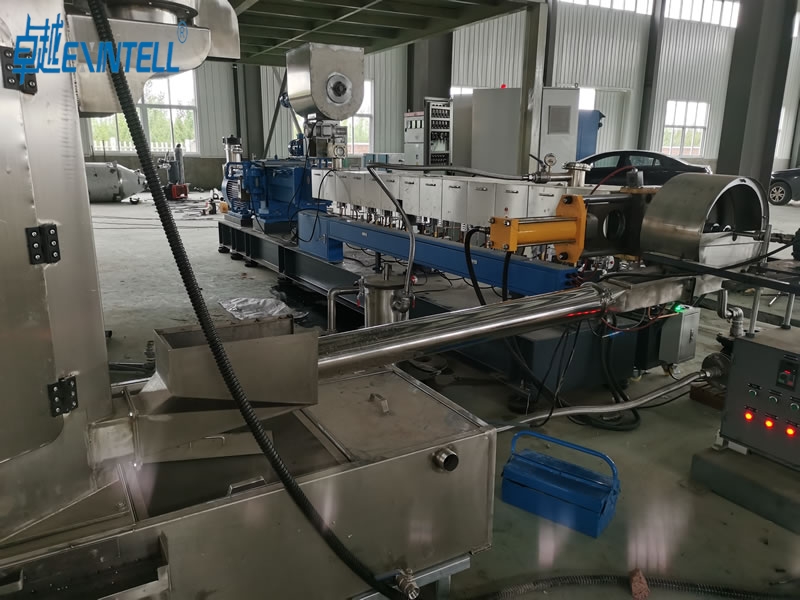
The strand pelletizing system extrudes molten plastic into strands, cools them in a water or air bath, and then cuts them into pellets. This approach works best forhard, rigid plasticswith stable melt flow, such as ABS, ပီစီ, and PP homopolymer.
ထူးခြားချက်
Strand Pelletizers များ၊
Optimal Material Type
Hard, rigid plastics (ABS, ပီစီ, PP homopolymer)
Pellet ပုံသဏ္ဍာန် & အရည်အသွေး
ကျည်ဆန်, uniform dimensions
ထုတ်လုပ်မှုစွမ်းရည်
50-1,500 ကီလိုဂရမ်/နာရီ
ထိန်းသိမ်းခြင်း။
Knife sharpening/replacement
Pellet Uniformity
±0.3mm length consistency
The strand pelletizing system is easy to maintain and familiar to most operators.
You will find it best suited for cleaner feedstock and general-purpose use.
သင့်လိုင်းအတွက် အသုံးများသော ပလတ်စတစ်အမှုန်အမွှားစစ်စက်များကို ရွေးချယ်ခြင်းသည် သင်သည် တင်းကျပ်သော အရည်အသွေးထိန်းချုပ်မှုကို ထိန်းသိမ်းထားကြောင်း သေချာစေသည်။. သင် တသမတ်တည်း အဆင့်သတ်မှတ်ခြင်းနှင့် အရွယ်အစားကို ရရှိနိုင်သည်။, which supports both recycling and new product manufacturing. Screening also enables you to meet regulatory requirements for medical and food-grade applications.
Maintenance and Space
Maintenance and space requirements influence your operational costs and facility layout. Each pelletizer machine plastic type has unique maintenance needs. The table below summarizes the main focus areas:
Pelletizer အမျိုးအစား
Maintenance Focus
Special Notes
Water-ring Pelletizer
Maintain appropriate contact pressure between blades and die surface.
Check seal integrity of the water ring cover and ensure stable cooling water temperature.
Strand Pelletizing System
Ensure blade sharpness and adjust the gap between moving and stationary blades.
Pellets must be fully cooled and dry to prevent sticking to blades.
ရေအောက် Pelletizing
Maintain cleanliness of the die surface and inspect water circulation system.
Impurity buildup affects pellet shape; regular checks on bypass valve functionality are needed.
You should schedule regular inspections and preventive maintenance to avoid unplanned downtime. This practice extends equipment life and maintains grading and screening performance.
Facility space also impacts your decision. Larger systems require more floor area, which affects your plant layout and workflow. The chart below illustrates the floor space required for different pelletizer machine plastic models:
You must plan for adequate space not only for the pelletizer but also for plastic pellet screening machines, storage, and material handling. Efficient use of space supports safe operations and smooth recycling processes.
ထိပ်ဖျား: When you design your production line, always consider the integration of grading and screening equipment. This approach ensures you achieve the highest quality pellets and maintain efficient recycling operations.
Use Cases for Plastic Pelletizer System
Water-Ring Applications
You will findwater-ring pelletizer systemsin many industrial environments that require stable, continuous production. These machines handle a wide range of plastic materials, especially those with medium viscosity. Water-ring systems suit recycling plants, compounding facilities, and masterbatch production lines. Operators prefer these machines for their easy operation and simple maintenance. အောက်ဖော်ပြပါဇယားသည် ၎င်းကို မီးမောင်းထိုးပြသည်။ main advantages:
အားသာချက်
ဖော်ပြချက်
Easy to operate
Machine start-up is faster and requires less operator intervention.
Stable production
Continuous running without the risk of strand-breaking.
Strand pelletizer systems work best for rigid and semi-rigid plastic types. You will find these machines in general-purpose manufacturing, engineering plastics processing, and small to medium-sized production lines. Operators appreciate the straightforward design and low investment. You can easily maintain these systems, making them ideal for facilities with limited technical staff.
မှတ်ချက်: Choose strand pelletizers if you process clean, stable-melt plastics and want a cost-effective solution.
Matching System to Production Needs
You must match your pelletizer system to your production requirements for optimal results. Consider the following factors:
အချက်
ဖော်ပြချက်
ပစ္စည်းအမျိုးအစား
Consider the hardness, moisture content, and temperature sensitivity.
Production Scale
Match the pelletizer’s capacity with your production needs.
Desired Pellet Size
Choose a machine that produces pellets suitable for your application.
Industry Requirements
Ensure compliance with industry-specific standards.
Understand the types of plastic materials you plan to recycle.
Calculate your output requirement.
Select the machine features, including cutting and feeding types.
Choose additional equipment options for your process.
You will achieve the best performance when you align your system choice with your material, capacity, and quality goals.
Decision Checklist for Pelletizer Machine Plastic
Essential Questions
Before you select a pelletizer machine, you should ask yourself several critical questions. These will help you clarify your requirements and avoid costly mistakes:
What type of plastic do you process most often?
What is your target throughput in kilograms per hour?
သငျသညျအမြင့်မားဆုံး pellet တူညီမှုနှင့်အရည်အသွေးနှင့်အတူအောင်မြင်ရန် underwater pelletizers. This system instantly cools pellets, which prevents sticking and deformation. You should choose this option for heat-sensitive or specialty plastics.
How do I know which pelletizer suits my material?
You must check your material’s melt flow index and sensitivity to heat. For sticky or elastic plastics, select underwater or water-ring systems. For rigid plastics, strand pelletizers work best.
Can I upgrade my pelletizer system later?
You can often upgrade with advanced controls or screening machines. သို့သော်, you should confirm compatibility with your current equipment. Consult your supplier for available options.
How much maintenance does each pelletizer type require?
Water-ring: တော်ရုံတန်ရုံ, focus on die and blade care.
ရေအောက်: မြင့်သည်။, regular cleaning and water system checks.
ကမ်းနားလမ်း: နိမ့်သည်။, mainly knife sharpening.
ထိပ်ဖျား: Schedule preventive maintenance to avoid costly downtime.
Do I need a screening machine for my pellets?
You should use a screening machine if you require consistent pellet size and minimal dust. Screening improves product quality and supports strict industry standards.