

Twin Screw Extruder Barrel Manufacturer Manufacturer: Kev Tshawb Fawb Kev Lag Luam B2B Kom Zoo Rau Kev Lag Luam Hauv
Kev lag luam thoob ntiaj teb rau ob lub screw extruder barrels tab tom hloov pauv loj raws li cov tuam txhab tsim khoom, Cov neeg xa khoom, thiab cov hoobkas tab tom hloov kho raws li kev cai lag luam hloov pauv ntawm Tebchaws Asmeskas thiab European Union. Txawm koj tab tom nrhiav ib lub tuam txhab tsim twin screw extruder barrel rau kev sib xyaw yas, Kev ua zaub mov noj, lossis kev siv tshuaj, kev to taub txog kev lag luam B2B tam sim no yog qhov tseem ceeb. Phau ntawv qhia no tshuaj xyuas cov kev hloov tshiab ntawm txoj cai, cov sijhawm ua lag luam, cov tswv yim nrhiav khoom siv tau, thiab cov kev hloov tshiab yav tom ntej uas yuav tsim kev lag luam tsim ob lub nplhaib extruder thoob plaws kev lag luam thoob ntiaj teb hauv .
Nkag siab txog kev lag luam tsim lub thawv Twin Screw Extruder Barrel
Cov thawv ob lub nplhaib extruder yog cov khoom tseem ceeb hauv cov txheej txheem extrusion siv thoob plaws yas, roj hmab, zaub mov, tshuaj lom neeg, thiab kev lag luam tshuaj. Lub raj muaj ob lub ntsia hlau uas sib xyaw, compound, thiab ua cov khoom siv raw hauv qhov kub thiab siab tswj tau. Kev tsim cov raj no yuav tsum muaj kev tsim kho kom raug, kev ua hlau siab heev, thiab kev tswj xyuas zoo nruj — ua rau kev xaiv tus tsim raj ob ntsia hlau uas ntseeg tau yog ib qho kev txiav txim siab tseem ceeb rau txhua tus neeg yuav khoom B2B.
Kev lag luam thoob ntiaj teb ntawm ob lub ntsia hlau extruder muaj nqi kwv yees li USD 4.8 billion in 2024 and is projected to grow at a CAGR of 5.2% through 2030, raws li cov ntaub ntawv los ntawm Grand View Research. Cov yam ntxwv tseem ceeb ntawm kev loj hlob suav nrog kev thov nce ntxiv rau cov yas engineeringed, cov kev daws teeb meem sib xyaw ruaj khov, thiab kev ua polymer siab hauv ob qho kev lag luam US thiab EU.
Cov chaw tsim khoom loj rau ob lub nplhaib extruder barrels suav nrog Germany, Ltalis, Tuam Tshoj, Nyiv, thiab Tebchaws Meskas. cov tuam txhab tsim khoom European — particularly those in Germany's industrial corridor — muaj koob npe rau cov barrels tsim kom raug nrog kev tiv thaiv hnav zoo tshaj, while Asian manufacturers compete aggressively on price and lead times. US-based buyers increasingly evaluate suppliers across these regions to balance cost, zoo, thiab kev ruaj khov ntawm supply chain.

Industrial manufacturing facility producing precision-engineered metal components for extrusion machinery
Trade Policy Landscape and Its Impact on Industrial Machinery Components
Kev lag luam kev sib raug zoo ntawm lub tebchaws United States thiab European Union tseem yog qhov loj tshaj plaws ob tog coj mus muag kev koom tes nyob rau hauv lub ntiaj teb no, nrog tag nrho cov khoom lag luam thiab cov kev pabcuam kev lag luam ntau dua USD 1.3 trillion txhua xyoo raws li International Trade Administration (ITA). For twin screw extruder barrel manufacturers and their B2B customers, understanding the current policy environment is critical for cost management and supply chain planning.
Raws li nruab nrab-, several policy developments directly affect the industrial machinery and components sector:
Twin Screw Extruder Process Supplier Kev kho se thiab Section 232 Steel Provisions: The US maintains Section 232 tariffs on certain steel and aluminum imports, which can affect the landed cost of extruder barrels manufactured with specialty steel alloys. The EU and US reached a temporary agreement in 2023 to ease some of these tariffs through tariff-rate quotas (TRQs), but negotiations remain ongoing. B2B buyers sourcing twin screw extruder barrels from European manufacturers should verify current duty rates through the US International Trade Commission's Harmonized Tariff Schedule.
EU Carbon Border Adjustment Mechanism (CBAM): The EU's CBAM, which entered its transitional phase in October 2023 thiab txav mus rau kev siv tag nrho los ntawm 2026, imposes carbon-related costs on imports of certain goods including steel and iron products. Twin screw extruder barrel manufacturers exporting to the EU must prepare for carbon reporting requirements, as detailed by the European Commission's Directorate-General for Taxation and Customs Union. This mechanism incentivizes manufacturers to adopt greener production processes.
Trade and Technology Council (TTC): The TTC continues to address supply chain coordination, standards alignment, and technology transfer issues relevant to advanced manufacturing. For twin screw extruder barrel manufacturers, harmonized standards for metallurgical testing, kev tso cai rau qhov ntev, and material certifications can reduce compliance costs when serving both markets. Updates are published by the EU Trade Directorate-General.
Export Controls and Dual-Use Regulations: Certain advanced manufacturing technologies and specialty alloys used in extruder barrel production may fall under dual-use export control regulations. Ob qho tib si US Bureau of Kev Lag Luam thiab Kev Ruaj Ntseg (BIS) and the EU's dual-use regulation framework require manufacturers to verify end-use compliance, particularly for barrels destined for chemical or defense-adjacent applications.
Cov US Chamber of Commerce and Eurochambres (Association of European Chambers of Commerce) have both emphasized the importance of reducing non-tariff barriers in industrial machinery trade, suav nrog kev lees paub sib koom ntawm cov ntawv pov thawj zoo xws li ISO 9001 thiab cov qauv tshwj xeeb hauv kev lag luam.

Athorbot Cr-10 Dual Extruder Cov thawv thauj khoom ntawm ib qho thoob ntiaj teb loj Extruder Spinner Mpsm chaw nres nkoj sawv cev rau kev lag luam B2B thoob ntiaj teb rau cov cuab yeej lag luam
B2B Kev Lag Luam Muaj Peev Xwm rau Cov Chaw Tsim Khoom Extruder Twin Screw hauv kev lag luam
Txoj kev transatlantic no muaj ntau txoj hauv kev rau cov tuam txhab tsim ob lub nplhaib extruder barrel, Cov neeg xa khoom, thiab cov neeg muag khoom loj. Muaj ntau yam kev hloov pauv hauv kev lag luam uas tsim cov xwm txheej zoo rau kev lag luam B2B:
Kev thov nce ntxiv rau kev ua yas rov ua dua tshiab: Ob lub tebchaws Asmeskas thiab EU tau siv cov hom phiaj rov siv dua uas muaj zog heev. The EU's Circular Economy Action Plan mandates increased recycled content in packaging and products, thaum lub xeev Asmeskas xws li California thiab New Jersey tau tsim txoj cai ntxiv rau cov neeg tsim khoom (EPR) cov cai. Twin screw extruders yog thev naus laus zis tseem ceeb rau kev sib xyaw yas rov ua dua tshiab, txhawb kev thov rau cov raj ua haujlwm siab nrog kev tiv thaiv kev hnav thiab corrosion zoo dua. Cov tuam txhab tsim khoom muab cov raj nrog bimetallic txheej (xws li nickel-based lossis tungsten carbide alloys) yog qhov chaw zoo heev.
Pharmaceutical and Food-Grade Extrusion Growth: Hot-melt extrusion (HME) siv twin screw systems tab tom nce ntxiv hauv kev tsim tshuaj rau cov txheej txheem xa tshuaj. US FDA thiab European Medicines Agency (EMA) ob leeg lees paub HME ua ib txoj kev tsim khoom muaj txiaj ntsig. Twin screw extruder barrel manufacturers that can supply GMP-compliant, food-grade or pharma-grade barrels with documented material traceability have a competitive advantage in these high-margin segments.
Reshoring and Supply Chain Diversification: Post-pandemic supply chain disruptions and geopolitical tensions have accelerated reshoring trends in both the US and EU. Manufacturers of extrusion equipment and components are establishing or expanding production capacity closer to end markets. This creates opportunities for twin screw extruder barrel suppliers to form strategic partnerships with OEMs and end-users seeking reliable, regionally-based supply chains.
Kev Lag Luam 4.0 and Smart Manufacturing Integration: Modern twin screw extruder barrels increasingly incorporate sensor ports, advanced cooling channels, and modular designs compatible with Industry 4.0 monitoring systems. Manufacturers that offer digitally-enabled barrel solutions — allowing real-time temperature monitoring and predictive maintenance — can differentiate themselves in the competitive B2B marketplace. Cov US National Institute of Standards and Technology (NIST) and Germany's Industrie 4.0 platform both promote standards that facilitate this integration.
Key Challenges Facing Twin Screw Extruder Barrel Suppliers in Transatlantic Trade
Txawm muaj kev xaiv, twin screw extruder barrel manufacturers and Mixing Equipment Manufacturers suppliers face several challenges when operating across markets: Extruder Machines Manufacturer
Raw Material Cost Volatility: Specialty steels, nickel alloys, and tungsten carbide — essential materials for high-performance extruder barrels — have experienced significant price fluctuations. The London Metal Exchange (LME) 5 Color Extruder nickel price, for example, has shown volatility throughout 2024-, directly impacting manufacturing costs. Barrel manufacturers must implement robust pricing strategies and long-term supply agreements to manage this risk.
Certification and Compliance Complexity: Serving both US and EU markets requires compliance with different regulatory frameworks. European buyers may require CE marking, ATEX certification for explosive atmospheres, or compliance with the EU Machinery Directive (2006/42/EC, being updated to the new Machinery Regulation 2023/1230). US buyers may require OSHA compliance documentation and UL-listed components. Twin screw extruder barrel manufacturers must invest in multi-market certification to remain competitive.
Logistics thiab Lead Time Pressures: Transatlantic shipping of heavy industrial components like extruder barrels involves significant logistics costs and lead times. Port congestion — while improved from 2021-2022 siab tshaj qhov siab — remains a factor at major hubs like the Port of Rotterdam and the Port of Los Angeles. B2B buyers increasingly demand shorter lead times and just-in-time delivery, pressuring manufacturers to maintain regional inventory or establish distribution partnerships.
Kev Tiv Thaiv Cuab Yeej Txawj Ntse: Advanced barrel designs, proprietary alloy compositions, and innovative cooling channel geometries represent significant IP investments. Manufacturers trading across borders must navigate different IP protection regimes in the US (USPTO) thiab EU (EUIPO), and guard against unauthorized replication, particularly when designs are shared during the quoting process.

Precision CNC machining of industrial metal components in a modern manufacturing workshop
Geographic and Policy Advantages Enabling B2B Trade Between the US and EU
The trade corridor benefits from several structural advantages that facilitate B2B commerce in industrial components like twin screw extruder barrels:
Mature Trade Infrastructure: Both regions possess world-class port facilities, customs processing systems, and logistics networks. Chaw nres nkoj Rotterdam (Europe's largest) and the Port of Los Angeles/Long Beach (America's busiest) handle massive volumes of industrial cargo with established procedures for machinery components. Automated customs declarations through systems like the EU's Import Control System 2 (ICS2) and the US Automated Commercial Environment (ACE) streamline clearance for documented shipments.
Mutual Recognition Frameworks: While full mutual recognition of industrial standards remains incomplete, significant progress has been made through the TTC and bilateral agreements on conformity assessment. For twin screw extruder barrel manufacturers, this means that test results from accredited laboratories in one jurisdiction are increasingly accepted in the other, reducing duplicative testing costs.
Strong Legal and Financial Frameworks: Both the US and EU offer robust contract enforcement, dispute resolution mechanisms (including international arbitration through ICC or LCIA), and stable financial systems for trade finance. Cov ntawv pov thawj, trade insurance through agencies like the US Export-Import Bank (EXIM) and Euler Hermes in Europe, and established banking relationships facilitate large B2B transactions typical in industrial machinery procurement.
Skilled Workforce and R&D Ecosystems: Germany's dual education system, Italy's precision engineering tradition, and the US's advanced materials research capabilities create complementary strengths. Twin screw extruder barrel manufacturers can leverage transatlantic R&D partnerships — for example, collaborating on next-generation wear-resistant coatings or novel barrel geometries — to develop superior products for global markets.
Practical Case Studies Success in Twin Screw Extruder Barrel Manufacturing
Case Study 1: German Barrel Manufacturer Expands US Distribution
A mid-sized German twin screw extruder barrel manufacturer, specializing in bimetallic barrels for plastics compounding, recognized growing US demand driven by recycled plastics processing. Rather than relying solely on direct exports, the company established a distribution partnership with a US-based industrial components distributor with warehousing in New Jersey and Texas. This approach reduced delivery lead times from 8-10 lub lis piam mus txog 2-3 weeks for standard barrel sizes, while the German factory continued to handle custom orders directly. The company invested in obtaining both ISO 9001 and AS9100 certifications to serve aerospace-adjacent polymer processing customers in the US. Hauv 18 lub hlis, US sales grew to represent 22% of total revenue, according to patterns reported in Phau Ntawv Xov Xwm Kev Ua Lag Luam analyses of European industrial exporters.
Case Study 2: US Manufacturer Leverages EU Circular Economy Regulations
A US-based twin screw extruder barrel manufacturer identified the EU's tightening recycled content mandates as a growth opportunity. The company developed a specialized barrel design with enhanced corrosion resistance for processing post-consumer recycled (PCR) plastics, which contain higher levels of contaminants than virgin materials. By partnering with a European extrusion equipment OEM and participating in the K Trade Fair in Düsseldorf (the world's largest plastics industry exhibition), the manufacturer secured supply agreements with three major European compounders. The company obtained CE marking and complied with the EU Machinery Regulation, using a Notified Body in the Netherlands for conformity assessment. This case illustrates how regulatory-driven demand creates market entry opportunities for specialized manufacturers.
Case Study 3: Wholesale Supplier Builds Multi-Source Supply Chain
A wholesale distributor of extrusion components serving both US and EU markets adopted a multi-source strategy for twin screw extruder barrels. The company qualified manufacturers in Germany (for premium bimetallic barrels), Ltalis (rau cov thawv nitrided qauv), and maintained relationships with Asian suppliers for cost-sensitive applications. By implementing a vendor-managed inventory (VMI) system with its key customers and maintaining safety stock at bonded warehouses in Rotterdam and Chicago, the distributor achieved 95%+ fill rates while managing landed cost variations across suppliers. Qhov qauv no, documented in supply chain analyses by Supply Chain Digital, demonstrates how B2B intermediaries add value in the twin screw extruder barrel market.
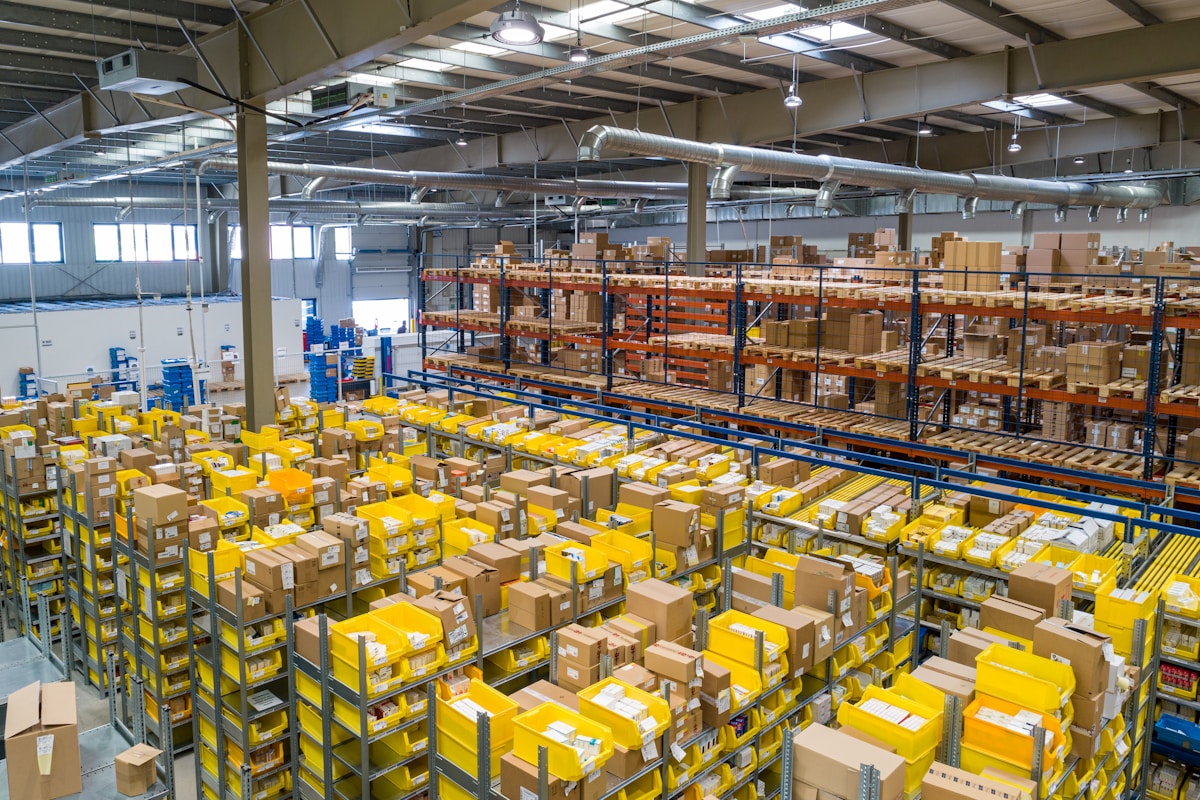
Modern warehouse and logistics facility with organized industrial component inventory for B2B distribution
Selecting the Right Twin Screw Extruder Barrel Manufacturer: A B2B Buyer's Guide
For B2B procurement professionals sourcing twin screw extruder barrels, the following criteria should guide manufacturer selection:
Material Expertise and Options: Leading manufacturers offer multiple barrel material options including nitrided steel (for general-purpose applications), bimetallic linings (for abrasive or corrosive materials), and powder metallurgy (PM) alloys for extreme wear conditions. Request material test certificates and wear test data specific to your processing application. A reputable twin screw extruder barrel manufacturer will provide detailed metallurgical specifications and can recommend the optimal material for your specific polymer or compound.
Dimensional Precision and Compatibility: Twin screw extruder barrels must meet tight dimensional tolerances to ensure proper screw-barrel clearance and processing performance. Verify that the manufacturer can produce barrels compatible with your specific extruder make and model — whether Coperion, KraussMaffei, Leistritz, JSW, or other OEM platforms. Request dimensional inspection reports and confirm the manufacturer's measurement capabilities (CMM equipment, bore gauges, thiab lwm yam).
Production Capacity and Lead Times: Evaluate the manufacturer's production capacity relative to your order volumes and delivery requirements. A factory with multiple deep-hole boring machines, CNC machining centers, and heat treatment furnaces can typically offer shorter lead times and handle surge orders. Ask about current backlog and standard lead times for both new barrels and refurbishment/relining services.
Kev tswj hwm zoo: At minimum, require ISO 9001:2015 ntawv pov thawj. For pharmaceutical or food-grade applications, verify compliance with relevant GMP standards. Ask for references from existing customers in your industry segment and request sample inspection reports.
After-Sales Support: The best twin screw extruder barrel manufacturers offer comprehensive after-sales support including wear measurement services, barrel refurbishment and relining, technical consultation on process optimization, thiab muaj cov khoom seem. This ongoing relationship adds significant value beyond the initial purchase.
The Role of Workplace Safety in B2B Manufacturing Environments: Protecting Workers in Extrusion Facilities
Twin screw extrusion facilities present specific workplace safety challenges that B2B operators must address. k, high-temperature processing, and industrial machinery create hazards that require comprehensive safety programs — including appropriate personal protective equipment (PPE) such as safety footwear.
Understanding Foot Hazards in Extrusion Manufacturing: Workers in twin screw extruder barrel manufacturing and operation environments face multiple foot injury risks. Heavy barrel segments (which can weigh several hundred kilograms) pose crushing hazards during handling and installation. Hot polymer spillage, metal shavings from machining operations, and slippery floors from lubricants and coolants create additional dangers. According to the US Bureau of Labor Statistics (BLS), foot injuries account for approximately 60,000 kev raug mob hauv chaw ua haujlwm txhua xyoo hauv Tebchaws Asmeskas, with manufacturing environments representing a significant share.
cov qauv khau nyab xeeb — cov cai US thiab EU: B2B manufacturers and facility operators must comply with different safety footwear standards depending on their jurisdiction. Hauv As Mes Lis Kas, OSHA requires employers to ensure workers wear protective footwear meeting ASTM F2413 standards when foot hazards are present. This standard specifies impact resistance (I/75 — protection against a 75-pound impact), kev tiv thaiv nias (C/75 — kev tiv thaiv tiv thaiv 2,500 pounds ntawm kev nias), a, electrical hazard resistance, puncture tsis kam, thiab static dissipation.
Hauv EU, safety footwear must comply with EN ISO 20345:2022, which classifies shoes into categories: SB (kev tiv thaiv ko taw yooj yim), S1 (khau kaw taw, antistatic, kev nqus zog), S2 (adds water resistance), and S3 (adds penetration resistance and cleated outsole). For twin screw extruder barrel manufacturing environments, S3-rated footwear is typically the minimum recommendation due to the combination of heavy objects, sharp metal debris, and wet or oily floor conditions.
Toe Protection Technologies: Modern safety footwear for industrial environments offers several toe cap options. Steel toe caps remain the most common, providing reliable impact and compression protection at an economical price point. Composite toe caps (made from fiberglass, Underwater Pelletizing Supplier carbon fiber, or Kevlar) offer comparable protection at lighter weight and without thermal conductivity — an advantage in environments with temperature extremes common in extrusion facilities. Aluminum toe caps provide a middle ground between steel and composite options.
For workers handling twin screw extruder barrels during installation or maintenance, metatarsal guards (either internal or external) provide additional protection for the upper foot area beyond the toe cap. This is particularly important when barrel segments are being lifted, positioned, or secured using overhead cranes or forklifts.
Slip Resistance and Chemical Protection: Extrusion facility floors are frequently contaminated with processing oils, hydraulic kua, polymer residues, and water from cooling systems. Safety footwear with slip-resistant outsoles rated SRA (tested on ceramic tile with dilute soap solution), SRB (tested on steel with glycerol), or SRC (passes both tests) under EN ISO 20345 significantly reduces slip-and-fall risk. Hauv As Mes Lis Kas, ASTM F2913 provides the standard test method for measuring footwear slip resistance.
Lab Extruders Chaw Tsim Khoom Chemical resistance is another consideration. Workers in compounding facilities may encounter solvents, plasticizers, or cleaning chemicals that can degrade standard rubber outsoles. Polyurethane (PU) or nitrile rubber outsoles offer superior chemical resistance for these environments. Extruder Play Doh
Heat Resistance for Extrusion Environments: Twin screw extrusion processes typically operate at temperatures ranging from 150°C txog 400°C depending on the material being processed. While workers should not be in direct contact with heated barrels, radiant heat and occasional contact with hot surfaces or spilled material require footwear with heat-resistant outsoles. EN ISO 20345 specifies HRO-rated outsoles that withstand brief contact with surfaces up to 300°C — essential for extrusion facility workers.
Ergonomic Considerations for Manufacturing Workers: Workers in twin screw extruder barrel manufacturing and operation facilities typically spend 8-12 hours on their feet, often on hard concrete floors. Safety footwear with adequate cushioning, kev txhawb nqa arch, and energy-absorbing heel construction reduces fatigue and long-term musculoskeletal issues. Lightweight composite-toe designs have gained popularity in manufacturing environments because they reduce foot fatigue compared to heavier steel-toe alternatives while maintaining equivalent protection levels.

B2B Procurement of Safety Footwear for Manufacturing Facilities: For B2B buyers managing safety programs at extrusion facilities, procuring appropriate safety footwear involves several considerations. Volume purchasing through wholesale safety footwear suppliers can reduce per-unit costs by 15-30% compared to retail pricing. Many B2B safety footwear suppliers offer fitting services, trial programs, and customization options (such as company branding or specific sole compounds) for orders above minimum quantities.
When evaluating safety footwear suppliers for your twin screw extruder barrel manufacturing or processing facility, verify that products carry appropriate certification marks (ASTM F2413 for US, CE marking with EN ISO 20345 for EU), request test reports from accredited laboratories, and consider establishing a preferred supplier agreement that includes regular product updates as standards evolve.
Future Trends: Twin Screw Extruder Barrel Manufacturing and B2B Trade Outlook for Late
Looking ahead to the next one to two months and beyond, several trends will shape the twin screw extruder barrel manufacturing industry and its B2B trade dynamics:
Accelerating Sustainability Requirements: The EU's Corporate Sustainability Reporting Directive (CSRD) and the proposed US SEC climate disclosure rules are pushing manufacturers to document and reduce the environmental impact of their operations. Twin screw extruder barrel manufacturers will increasingly need to provide carbon footprint data for their products, use recycled or sustainably sourced raw materials where possible, and demonstrate energy-efficient manufacturing processes. Buyers in both the US and EU are incorporating sustainability criteria into their supplier evaluation frameworks, making this a competitive differentiator. Compounding Machine Plastic Factory
Advanced Materials and Coatings: Research into next-generation barrel materials continues to advance. Developments in high-entropy alloys (HEAs), ceramic-metal composite coatings, and laser cladding technologies promise barrels with significantly extended service life — potentially 2-3x longer than current bimetallic options for highly abrasive applications. Manufacturers investing in these technologies, often in collaboration with university research programs and materials science institutes, will gain competitive advantages in premium market segments.
Digital Twin and Predictive Maintenance Integration: The concept of digital twins — virtual replicas of physical extruder barrels that simulate wear patterns and predict remaining service life — is moving from research to commercial application. Twin screw extruder barrel manufacturers that embed sensor-ready features and provide digital models compatible with major extrusion control platforms will align with the Industry 4.0 strategies of their B2B customers. This trend is documented in analyses by McKinsey & Lub tuam txhab on digital transformation in industrial manufacturing.
Trade Policy Evolution: The trade relationship will continue to evolve, with potential impacts on industrial component trade. Key developments to monitor include the outcome of ongoing steel and aluminum tariff negotiations, the implementation timeline and scope of the EU CBAM as it approaches full enforcement in 2026, and any new bilateral agreements emerging from the TTC process. B2B buyers and sellers should maintain flexibility in their sourcing strategies to adapt to policy changes.
Kev sib koom ua ke hauv Cov Chaw Tsim Khoom Toj roob hauv pes: The twin screw extruder barrel manufacturing sector is experiencing consolidation, with larger players acquiring specialized manufacturers to broaden their product portfolios and geographic reach. This trend creates both opportunities (broader product access through fewer suppliers) and risks (reduced competition, potential supply disruptions during integration) for B2B buyers. Monitoring industry M&A activity through sources like Plastics News and Plastics Today helps procurement teams stay informed.
Nearshoring and Regional Manufacturing: The trend toward nearshoring — relocating production closer to end markets — continues to gain momentum. European extruder OEMs are expanding manufacturing capacity in Eastern Europe (Poland, Czech Republic) for cost-competitive barrel production, while US-based manufacturers are investing in automation to compete with imported barrels on price while maintaining domestic production advantages in lead time and customization flexibility.

Advanced industrial automation and robotics in a modern manufacturing facility representing Industry 4.0 trends
Key Trade Shows and Industry Events for Twin Screw Extruder Barrel Sourcing
B2B buyers and manufacturers can connect at several major industry events in:
K Trade Fair (Düsseldorf, Lub teb chaws Yelemees): Held every three years (qhov tom ntej: October ), K is the world's premier plastics and rubber industry exhibition. Twin screw extruder barrel manufacturers, OEMs, and material suppliers exhibit the latest technologies. This is the single most important event for sourcing extruder components in the European market.
NPE (Orlando, USA): Kev nthuav qhia yas loj tshaj plaws hauv Americas, NPE brings together the full value chain including extruder barrel manufacturers and suppliers. The next edition provides an excellent platform for US-based buyers to evaluate both domestic and international barrel suppliers.
Chinaplas (Shenzhen/Shanghai, Tuam Tshoj): Asia's largest plastics exhibition features numerous twin screw extruder barrel manufacturers from China and other Asian countries, offering B2B buyers access to cost-competitive sourcing options. Extruder Not Extruding Properly
Hannover Messe (Hannover, Lub teb chaws Yelemees): While broader in scope than plastics-specific shows, Hannover Messe features industrial automation and component manufacturing technologies relevant to extruder barrel production, including advanced machining, coating, and quality inspection systems.


International B2B trade exhibition hall with industrial machinery displays and business professionals networking
Cov Lus Nug Nquag Nug: Twin Screw Extruder Barrel Manufacturing
- What materials are used in twin screw extruder barrel manufacturing?
- Common materials include nitrided steel (38CrMoAl, 4140) for general applications, bimetallic linings (Ni-based alloys like Colmonoy, or tungsten carbide composites) for abrasive or corrosive processing, and powder metallurgy (PM/HIP) alloys for extreme wear conditions. The optimal material depends on the polymer or compound being processed, operating temperatures, and required service life.
- What is the typical MOQ when ordering from a twin screw extruder barrel manufacturer?
- MOQ txawv heev raws li tus tsim khoom. Large factories may require minimum orders of 5-10 barrels for standard sizes, while specialized manufacturers often accept single-unit orders for custom specifications. Wholesale suppliers typically offer better pricing at quantities of 10+ units. Discuss your volume requirements and delivery schedule during the RFQ process.
- How do I verify the quality of a twin screw extruder barrel from a new supplier?
- Request ISO 9001 ntawv pov thawj, material test certificates (MTCs) per EN 10204 3.1, dimensional inspection reports, cov txiaj ntsig ntsuas nyuaj (both surface and liner), and references from existing customers in your industry. For critical applications, consider a factory audit or third-party inspection before placing a first order.
- What is the typical lead time for custom twin screw extruder barrels?
- Standard nitrided barrels typically require 4-6 weeks. Bimetallic barrels require 6-10 weeks due to the additional lining process. Highly customized or large-diameter barrels may require 10-14 weeks. Lead times vary by manufacturer capacity and current backlog — confirm during the quotation process.
- Can twin screw extruder barrels be refurbished or relined?
- Yog. Many twin screw extruder barrel manufacturers offer refurbishment services including re-boring, re-nitriding, and re-lining with bimetallic alloys. Refurbishment typically costs 40-60% of a new barrel and can restore performance to near-original specifications, making it a cost-effective option for B2B operators managing maintenance budgets.
Xaus: Strategic Sourcing of Twin Screw Extruder Barrels in the Market
The twin screw extruder barrel manufacturing industry sits at the intersection of advanced materials science, precision engineering, and global B2B trade. Rau cov kws yuav khoom, cov kws ua tshuab, and business leaders operating in US and EU markets, success depends on understanding the evolving trade policy landscape, selecting manufacturers with the right technical capabilities and certifications, and building resilient supply chains that balance cost, zoo, and delivery performance.
Small Extruder Price As sustainability requirements intensify, digital manufacturing technologies mature, and trade policies continue to evolve, the most successful B2B relationships in this sector will be those built on transparency, technical collaboration, and mutual commitment to quality. Whether you are sourcing your first twin screw extruder barrel or optimizing an established supply chain, the strategies and insights outlined in this guide provide a foundation for informed decision-making in and beyond.
Recommended Video Resources
The following YouTube videos provide additional context on twin screw extrusion technology, B2B trade logistics, and industrial manufacturing trends relevant to extruder barrel sourcing:
-
"How Twin Screw Extruders Work — Complete Guide"
URL:Search on YouTube
Recommended Reason: Provides a comprehensive visual explanation of twin screw extrusion principles, barrel-screw interaction, and processing parameters. Essential viewing for B2B buyers who need to understand how barrel specifications affect processing performance when evaluating manufacturer offerings. -
"Global Supply Chain Trends — Trade Corridor"
URL:
Twin Screw Extruder Barrel Factory: Ntiaj Teb B2B Kev Lag Luam Kev Lag Luam, Manufact… · Twin Screw Extruder Barrel Wholesale: Complete B2B Sourcing Guide for G… · Twin Screw Extruder China Manufacturer: Ua tiav B2B Sourcing Guide rau…