

What is a Twin Screw Extruder and How Does It Work
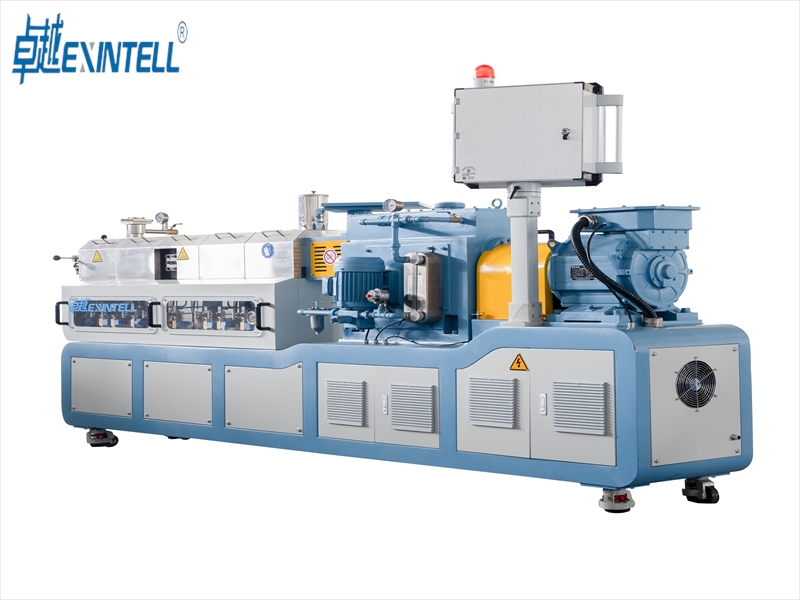
A estrużur b'żewġ kamin has two screws that turn together inside a barrel. These screws mix, move, and process materials very well. You can change the temperature, how fast the screws turn, and how much material goes in. This helps you get the same results every time. Here are some differences:
|
Metriku |
||
|---|---|---|
|
Throughput |
T'isfel |
|
|
Taħlit |
Limited |
Mtejba |
|
Flessibilità |
Aktar sempliċi |
Greater |
A twin screw extruder mixes better. It also lets out air more easily. Cleaning it is simpler too.
Takeaways Ewlenin
-
Twin screw extruders mix and process better than single screw extruders. They are great for working with hard materials. These machines can work with many materials like plastics, rubber, and food. This makes them useful in many industries. You must check and fix the temperature and pressure often. This helps the twin screw extruders work well and stops them from breaking down. Twin screw extruders can clean themselves. This means you do not have to clean them by hand as much. It saves time and money when making things. Picking- right twin screw extruder is important. You can choose co-rotating or counter-rotating types. The right choice helps mix better and makes the product better for your material.
Twin Screw Extruder Components
Screws and Barrel
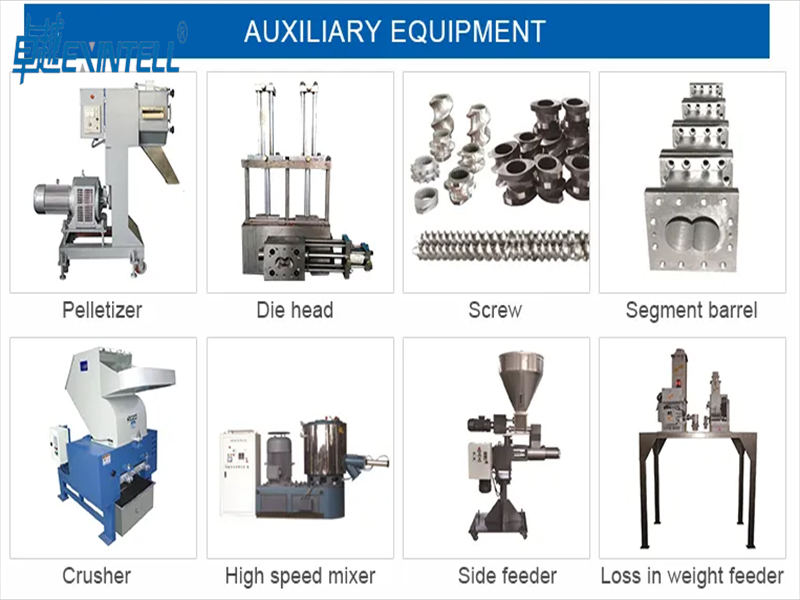
Il- screws and barrel are the main parts of twin screw extruders. The screws help move, ħallat, and melt materials. The barrel holds the screws and can heat or cool them. Most screws are made from strong metals to last a long time. Barrels often have parts you can change for different jobs. The twin screw design lets you use special parts like kneading blocks and mixing sections. These help mix things evenly and give you more control.
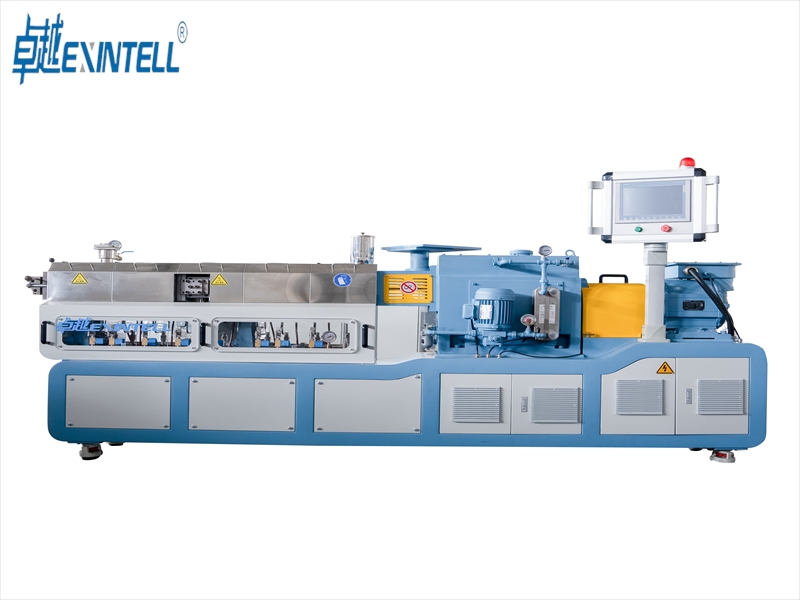
Tip: You can change modular barrels to add heating zones, venting, or side feeders for more options.
|
Komponent |
Funzjoni |
Common Materials |
|---|---|---|
|
Screws |
Move, jiddewweb, ħallat, and pressurize materials |
Azzar tal-għodda, ligi bimetalliċi |
|
Barrel |
Holds screws, gives heating/cooling zones |
Azzar nitrurat, alloy liners |
Feed System
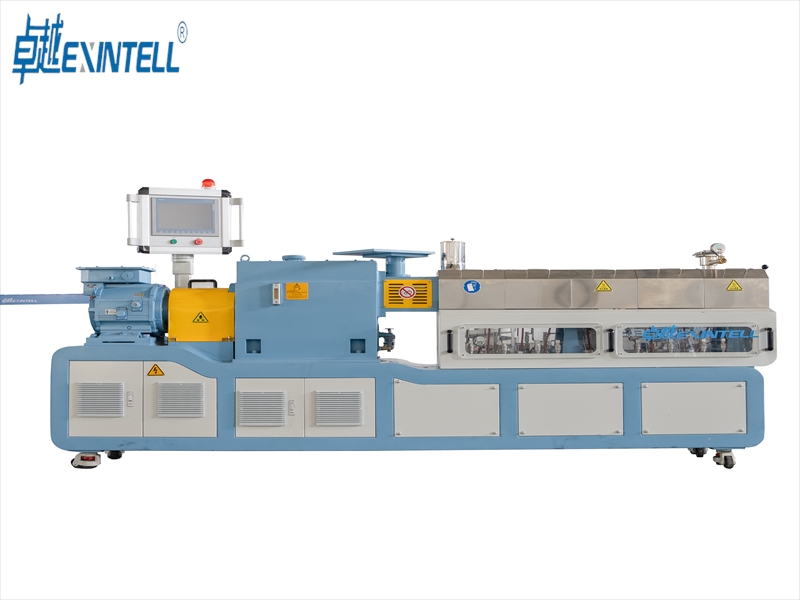
The feed system puts raw materials into the extruder. You can use feeders that measure by volume or by weight. This helps you control how much material goes in. Good feeding keeps the flow steady and stops blockages. Twin screw extruders can handle powders, pellets, and liquids because they feed well.
-
Volumetric feeders measure by volume.
-
Gravimetric feeders measure by weight for better accuracy.
Heating and Cooling
You need the right temperature for the machine to work well. Twin screw extruders have many heating and cooling zones along the barrel. Each zone has its own controls. You can set the temperature for each part, like feeding, tidwib, u t-taħlit. Most machines use electric heaters and water or oil for cooling. Good temperature control stops overheating and keeps your product good.
-
Multi-zone temperature control keeps things stable.
-
Smart controllers save energy and keep temperatures steady.
Die and Discharge
The die shapes the product as it comes out. You can pick different die shapes for pellets, folji, or other forms. The discharge system must stay clear for smooth flow. If there is too much moisture or big pieces, you might get blockages. You should check your materials and formulas to stop these problems. A clean die and steady discharge help you get a good product every time.
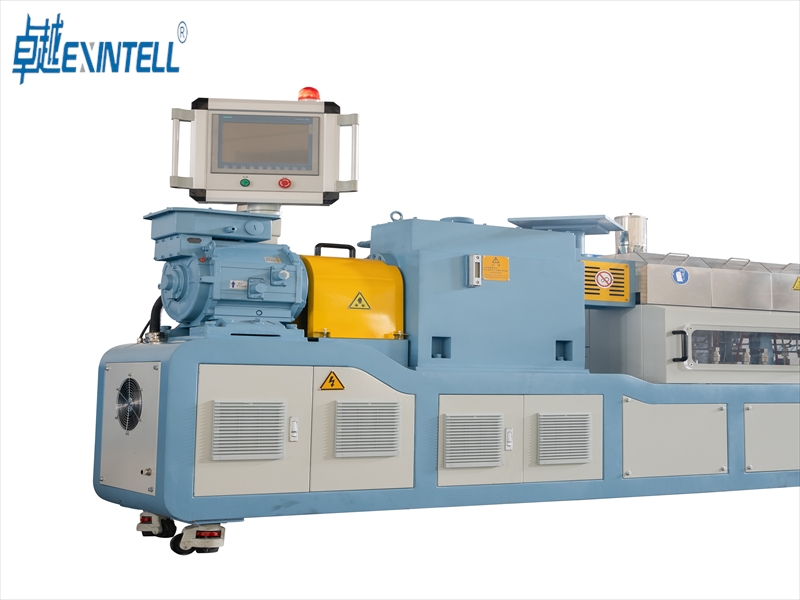
Nota: The die and discharge system can change how your product looks and how strong it is, so always check for blockages or buildup.
Twin screw extruders are special because their twin screw design gives better mixing, more control, and higher efficiency than single screw machines. You can use many types of materials and get the same results each time.
Tipi ta 'Twin Screw Extruders
There are different types of estrużuri b'żewġ kamin. You pick the type based on your material and what you want to make. Each type does its job in a special way.
Co-Rotating Extruders
Co-rotating extruders have both screws turning the same way. They mix things very well and spread materials evenly. This type is good for polymer blends, resin changes, u r-riċiklaġġ. You can use them for food, like making textured vegetable protein. The screws fit together and help mix fast and even.
Tip: Co-rotating extruders let you control mixing and temperature better. They are great for products that need the same texture every time.
Counter-Rotating Extruders
Counter-rotating extruders have screws that turn in opposite ways. They make strong forces that help with thick materials. This type is best for PVC shapes, heat-sensitive stuff, and special shapes. You can use them for tires, siġilli, and car parts. The design makes tricky flow patterns that mix things well.
|
Tip |
Deskrizzjoni |
|---|---|
|
Co-Rotating Extruders |
Both screws rotate in the same direction, ideal for high mixing efficiency and uniform distribution. |
|
Counter-Rotating Extruders |
Screws rotate in opposite directions, generating stronger shear forces for high-viscosity materials. |
Intermeshing vs. Non-Intermeshing
You can pick intermeshing or non-intermeshing designs. Intermeshing screws fit close together. They mix the most and clean themselves. Non-intermeshing screws work alone. This setup is gentler and helps materials move and mix softly.
|
Tip |
Deskrizzjoni |
|---|---|
|
Intermeshing Designs |
Fully intermeshing screws maximize mixing; partially intermeshing screws allow for self-cleaning. |
|
Non-Intermeshing Designs |
Screws operate independently, enhancing material exchange in a gentler processing environment. |
The shape and setup of screws change how well estrużuri b'żewġ kamin work. You can use modular screws to change your machine for different jobs. You can set up blocks and mixing parts to get the best mixing. Counter-rotating screws mix better with their special flow. These features help you work faster and use the machine for many things.
Nota: Parallel estrużuri b'żewġ kamin give steady and even force. Conical estrużuri b'żewġ kamin huma tajbin għat-tidwib u t-taħlit f'impjiegi ta 'daqs medju.
Kif Xogħol l-Estrużuri Twin Screw
Materjal Tmigħ u Trasport
L-ewwel, ikollok il-materja prima tiegħek lesta. Kun żgur li huma niexfa u nodfa. Dan jgħin biex iwaqqaf il-problemi aktar tard. Tpoġġi l-materjali fl-estrużur b'feeder. Volumetric feeders measure by volume. Feeders gravimetriċi jkejlu bil-piż u huma aktar eżatti. Li tmigħ l-istess ammont kull darba huwa importanti għall-ġid estrużjoni tal-plastik.
Il-viti ġewwa jiġbdu l-materjal 'il quddiem. Id-disinn bil-kamin u l-kanna jgħin biex jiċċaqlaq l-affarijiet bla xkiel. Id-disinji tal-kamin intermeshing iwaqqfu t-tnixxija u jaħdmu aħjar. Is-sezzjoni ta 'l-għalf għandha skanalaturi u tkessiħ biex tgħin l-għalf ta' aktar materjal. Tista 'tikkontrolla l-veloċità tal-ilma u l-kamin biex iżżomm l-affarijiet stabbli. It-tabella hawn taħt turi dak li jaffettwa l-għalf u l-materjal li jiċċaqlaq:
|
Focus Sperimentali |
Intuwizzjonijiet Ewlenin |
|---|---|
|
Kontroll tal-Kontenut tal-Ilma |
Kontroll tal-kontenut tal-ilma iżomm il-varjabbli tal-estrużjoni konsistenti. |
|
Influwenza tal-Veloċità tal-Invita |
Il-bidla fil-veloċità tal-kamin u r-rata tal-fluss tal-massa tbiddel kif iġib ruħu l-estrużur. |
|
Disinn tas-Sezzjoni tal-Għalf |
Sezzjonijiet tal-għalf grooved u mkessħa jżidu l-kapaċità tal-għalf. |
|
Ġeometriji Intermeshing |
Dawn inaqqsu t-tnixxija lura u jagħtu spinta lill-effiċjenza operattiva. |
Tip: Dejjem iċċekkja l-alimentatriċi tiegħek u kun żgur li l-materjali huma niexfa. Dan iwaqqaf il-problemi tal-għalf u jżomm il-proċess tiegħek bla xkiel.
Taħlit u Tagħqid
Meta l-materjal jidħol fil-viti, jibda t-taħlit. Il- estrużur b'żewġ kamin juża żewġ viti biex iħallat u knead. Dan jitħallat aħjar minn estrużur bil-kamin wieħed. Tista 'żżid fillers, kulur, jew addittivi f'postijiet differenti. Dan jagħmel estrużuri b'kamin doppju kbir għall-kompost tal-polimeru.
Il-viti għandhom partijiet speċjali bħal blokki tal-għaġna u sezzjonijiet tat-taħlit. Dawn ikissru ċapep u jferrxu l-affarijiet. Ikollok taħlita lixxa, which is needed for good plastic extrusion. The table below compares mixing and compounding:
|
Karatteristika |
Estrużur Twin Screw |
Estrużur bil-kamin wieħed |
|---|---|---|
|
Kapaċitajiet ta' Taħlit |
Superior for complex materials |
Limited |
|
Material Processing Flexibility |
Għoli, can handle diverse materials |
T'isfel |
|
Kontroll tat-Temperatura |
Better, reduces overheating risk |
Less effective |
|
Processing Parameter Control |
More precise |
Inqas preċiż |
|
Cleaning Efficiency |
Self-cleaning capabilities |
Requires frequent cleaning |
|
Homogeneity of Product |
More homogeneous with better properties |
Less consistent |
You can use the extruder for many jobs, like polymer compounding and recycling. The screw design lets you change mixing strength and time. This helps you get the product you want.
Nota: For the best results, use modular screw elements. You can change them to fit your material and process.
Melting and Homogenization
As the material moves forward, it gets hot and melts. The twin screw extruder has many heating zones along the barrel. Each zone has its own temperature control. You can set the right heat for each step. Per eżempju, polypropylene melts at 170 °C. Most energy heats the material before it melts. The temperature goes up fast, often in less than two seconds.
-
It takes about 77.75 kW to heat solid polymer to 170 °C at 1200 kg/hr.
-
Melting the polymer at this rate uses about 20.0 kW.
-
The total energy for melting is about 0.081 kWh per kilogram.
-
Specific mechanical energy for resin melting is 0.092 kWh/kg at 400 rpm and 0.097 kWh/kg at 800 rpm.
-
The energy to heat the melt to discharge temperature changes with screw speed: 40.17 kW at 400 rpm (221.5 °C), 42.9 kW at 600 rpm (225 °C), u 47.6 kW at 800 rpm (231 °C).
When the polymer is melted, mixing parts even out the heat and blend. Spiral mixers and Maddock-style mixers break up gels and spread additives. This step is important for polymer compounding and makes your product even.
Tip: Use the right screw speed and temperature. This stops polymer damage. Watch for hot spots and adjust to keep things safe.
Extrusion Process
After melting and mixing, the material goes to the die. The die shapes the material into pellets, folji, or other forms. Keep the die and discharge area clean to stop blockages. Check for pressure changes and change screens if needed.
Here are the main steps in the extrusion process:
-
Get your materials ready and check the machine.
-
Start the machine when the temperature is right.
-
Slowly speed up the screws and watch the torque.
-
Check and adjust the process as needed.
-
Stop feeding, push out the last material, and turn off the power.
You can use the twin screw extruder for many plastic jobs. It works well for polymer compounding, masterbatch, u r-riċiklaġġ. The process gives you good, steady products every time.
|
Sfida |
Solution |
|---|---|
|
Ħsarat mekkaniku |
Agħmel manutenzjoni regolari u ibdel il-partijiet li jintlibsu. |
|
Instabilità tas-sistema tal-għalf |
Uża għajnuniet għall-fluss jew feeders gravimetriċi għal riżultati aħjar. |
|
Changer tal-iskrin misdud u pjanċa tad-die |
Ibdel l-iskrins meta tiżdied il-pressjoni u waqqaf it-temperatura tat-tidwib it-tajba. |
|
Degradazzjoni tal-polimeru |
Ibdel il-veloċità tal-kamin u t-temperatura tal-kanna, u għassa għal hot spots. |
Nota: Biex tiġi evitata waqfien, dejjem issegwi skeda ta’ manutenzjoni. Dan iżomm l-estrużur tiegħek jaħdem tajjeb u l-proċess tiegħek fit-triq it-tajba.
Benefiċċji ta 'Twin Screw Extruders
Taħlit u Venting Superjuri
L-estrużuri twin kamin iħalltu materjali ħafna aħjar. Jużaw żewġ viti li joqogħdu flimkien. Dawn il-viti jagħmlu forzi qawwija li jgħinu jħalltu l-affarijiet. Tista 'tħallat fillers u addittivi sabiex kollox ikun ugwali. Il-magna tneħħi wkoll gassijiet ħżiena waqt it-taħlit. Dan iżomm il-prodott tiegħek tajjeb. The table below shows how twin screw extruders are better than single screw extruders:
|
Evidence Type |
Deskrizzjoni |
|---|---|
|
Effiċjenza tat-Taħlit |
Twin-screw mixers mix much better than single-screw mixers. |
|
Shear Forces |
The screws make strong forces to blend materials well. |
|
Immaniġġjar tal-Materjal |
Twin-screw extruders work with sticky, thick, or heat-sensitive materials. |
-
Twin screw extruders mix better because of their design.
-
They control heat and remove bad gases while working.
-
They blend fillers and additives so everything is even.
High Production Capacity
Twin screw extruders can make more products faster. You can process lots of material in less time. Many companies use these machines for making things. The chart below shows how different industries use twin screw extruders:
Fuq 70% of engineering plastics uża estrużuri b'żewġ kamin. Snack makers and drug companies also use these machines for high output.
Self-Cleaning and Maintenance
Estrużuri twin kamin clean themselves as they work. This stops material from building up inside. You do not need to stop the machine often to clean it. This saves money and keeps your production going.
Tip: Check your machine often to stop problems. This helps your extruder stay in good shape.
Flessibilità tal-Materjal
Estrużuri twin kamin can work with many materials. You can use them for compounding, masterbatch, plastiks tal-inġinerija, wire and cable materials, degradable plastics, elastomeri termoplastiku, and more. They can also process recycled plastics and strong materials. This means you can make different products without changing machines.
-
Tagħqid
-
Masterbatch
-
Engineering plastics modification
-
Wire and cable materials
-
Degradable plastics
-
Thermoplastic elastomers
-
High performance plastics
-
Polymerization reactions
-
Polymer devolatilization
-
Polyolefin powder granulation
-
Ultra-high molecular mass polyethylene fiber
Twin screw extruders help you use less energy. They also help you meet environmental rules. Smart controls and energy-saving systems make your process better.
Applications and Practical Tips
Common Uses in Industry
Twin screw extruders are used in many industries. These machines help make products quickly and with good quality. Here are some ways people use them:
-
Plastics industry: They are used for compounding, tidwib, and shaping thermoplastics.
-
Rubber and elastomer processing: They help make rubber parts for cars and machines.
-
Food industry: They process snacks, ċereali, and pet food with good heat control.
-
Pharmaceutical and biomedical: They make drug delivery systems and special medicines.
-
Recycling and reprocessing: Huma jibdlu l-iskart tal-plastik f'materjali ġodda.
-
Kompożizzjoni tal-polimeru u produzzjoni ta 'masterbatch: Huma jħalltu polimeri ma 'addittivi għal plastiks b'saħħithom.
L-estrużuri b'kamin doppju jħalluk tagħmel ħafna xogħlijiet. Tista 'taqleb il-kompiti mingħajr ma tibdel il-magna.
Kompatibbiltà tal-Materjal
Trid tkun taf kif il-materjali jaġixxu fl-estrużuri b'żewġ kamin. Xi materjali jeħtieġu kura żejda għall-aħjar riżultati. It-tabella hawn taħt turi kif żewġ materjali komuni jaħdmu ma 'dawn il-magni:
|
Tip ta' Materjal |
Konsiderazzjonijiet Ewlenin tal-Ipproċessar |
Riżultati u Sfidi |
|---|---|---|
|
Polipropilene riċiklat |
Bżonnijiet attenti kontroll tat-temperatura (180-230°C) biex tiġi evitata d-degradazzjoni |
Uża stabilizzaturi u modifikaturi tal-impatt; viti modulari jgħinu |
|
Flussi tal-plastik Imħallta |
Jeħtieġ ipproċessar speċjali; xi plastiks jistgħu ma jitħalltux sew |
Taħlit tat-test; kompatibbli jistgħu jtejbu l-prodott finali |
L-estrużuri twin kamin jistgħu jimmaniġġjaw ħafna materjali. You must change the process for each material to get the best quality.
Maintenance Tips
You want your extruder to last and work well. Follow these tips to keep it in good shape:
-
Check electrical wiring and controls to stop failures.
-
Set a regular maintenance schedule and keep records.
-
Train your team on how to care for the machine.
-
Use high-quality materials and lubricants.
-
Watch performance numbers to catch problems early.
-
Work with skilled service providers for support.
Tip: Good maintenance stops downtime and keeps your machine running well.
Twin screw extruders are used in plastics, ikel, farmaċewtiċi, u r-riċiklaġġ. You can trust these machines for steady and flexible production.
You now know that a twin screw extruder gives produzzjoni għolja. It mixes materials well and is easy to keep clean. This machine works with many types of materials. It is used in lots of different industries. When picking a twin screw extruder, think about your material. Also, look at how you control temperature and your budget. New features like AI help you work smarter. Energy-saving designs also make your job easier.
|
Key Advantage |
What It Means for You |
|---|---|
|
High Output |
Aktar malajr, more efficient production |
|
Easy Maintenance |
Less downtime, lower costs |
|
Wide Adaptability |
Use with plastics, rubber, and more |
FAQ
What materials can you process with a twin screw extruder?
You can use plastics, rubber, ikel, and medicine. Twin screw extruders work with powders, pellets, and liquids. You can mix fillers and additives to make custom products.
How do you clean a twin screw extruder?
You clean the machine by running a cleaning compound inside. The self-cleaning design helps get rid of leftover material. You can open the barrel for deep cleaning if you need to.
Why should you choose a twin screw extruder over a single screw extruder?
You get better mixing and higher output. Maintenance is easier too. Twin screw extruders handle more materials. You can control temperature and screw speed for steady results.
Can you change the screw configuration?
Iva, you can change screw parts and layout. Modular screws let you adjust mixing and processing for different jobs. You can swap kneading blocks or mixing sections easily.
What maintenance steps should you follow?
Check temperature, veloċità tal-kamin, and pressure often. Clean the barrel and screws regularly. Keep records of maintenance. Train your team to spot problems early.