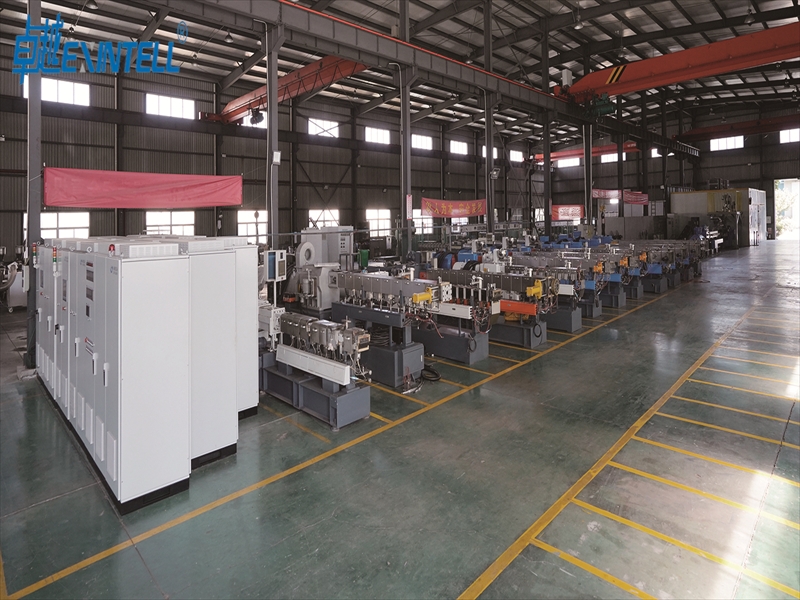
A estrużur tal-plastikis a machine that changes raw plastic into new shapes and products. It works like a big pasta maker, but it uses plastic pellets instead of dough. Il-magna ssaħħan il-plastik sakemm idub. Then it pushes the melted plastic through a shaped hole. This makes things you use every day, like plastic pipes, straws, and toy parts. You also see plastic in bottles, ippakkjar, and furniture. Modern plastic extruders usesmart technology, like computers and sensors. This helps make products with the right shape and less waste. You see what plastic extruders make all around you. Many industries use them to make lots of plastic items fast and easily.
Takeaways Ewlenin
A plastic extruder changes plastic pellets into new shapes. It melts the pellets and forms things like pipes and sheets.
The extrusion process works fast and well. Fabbriki jistgħu jagħmlu ħafna prodotti li jidhru l-istess fi żmien qasir.
Hemm estrużuri differenti, bħal kamin wieħed u kamin doppju. Kull tip għandu x-xogħol tiegħu u benefiċċji speċjali biex isiru l-affarijiet.
Estrużjoni tal-plastik tintuża f'ħafna oqsma, bħall-kostruzzjoni, karozzi, u kura tas-saħħa. Jgħin biex nagħmlu oġġetti li nużaw kuljum, bħal tubi u ippakkjar.
A estrużur tal-plastik hija magna li tbiddel il-plastik mhux maħdum f'forom ġodda. Tibda b'gerbub żgħar tal-plastik. Dawn il-gerbub jidħlu ġo delu fil-parti ta 'fuq. Il-gerbub jinżlu ġo barmil twil. Ġewwa, kamin idur u jimbotta l-gerbub 'il quddiem. Heaters madwar il-kanna jdub il-plastik. The melted plastic gets soft and sticky. The soft plastic moves to a die. The die shapes the plastic into something new, like a tube or sheet. The shaped plastic comes out of the machine. It cools down and gets hard again. Now it keeps its new shape.
Imagine a plastic extruder as a big playdough press. You push playdough through a mold to make shapes. A plastic extruder does this with melted plastic and more power.
Għan
A plastic extruder helps makemany things you useevery day. This machine makes long shapes from plastic. Tista 'tagħmel pajpijiet, tubi, sheets, and small toy parts. The machine works fast and makes the same shape again and again. This helps factories make lots of items quickly.
Tubi, Kateters, IV linji, Komponenti ta' strumenti kirurġiċi, Siġilli tal-apparat
Oġġetti tal-Konsumatur
Apparat tad-dar, Oġġetti sportivi, Komponenti tal-għamara, Ġugarelli, Oġġetti tal-kċina
Immaniġġjar tal-Materjal
Kontenituri, Totes, Bins
Issib estrużuri tal-plastik f'postijiet li jagħmlu partijiet tal-bini, biċċiet tal-karozzi, u għodod mediċi. Per eżempju, kostruzzjoni jużahom għal Binarju żgħir tal-vinil u pajpijiet tal-PVC. Karozzi jużawhom għall-wipers tal-windskrin u għata tal-wajer. L-isptarijiet jużawhom biex jagħmlu tubi għall-pazjenti. L-estrużuri tal-plastik jgħinu ħafna industriji jagħmlu siguri, qawwija, u affarijiet utli tal-plastik.
Kif jaħdem Estrużur
Proċess pass pass
Forsi tistaqsi kif jaħdem estrużur biex ibiddel il-plastik mhux maħdum fi prodotti utli. Il-proċess jibda bil raw material preparation. You select and prepare plastic pellets or granules. These materials go into the hopper, which feeds them into the machine.
Li jmiss, the extruder heats the plastic. The screw inside the barrel moves the pellets forward. Heaters melt the plastic until it becomes soft and sticky. You see the plastic change from solid to liquid as it travels through the barrel.
After melting, the machine pushes the plastic through a die. The die shapes the plastic into a specific form, like a tube or sheet. You can create many shapes by changing the die.
Once the plastic leaves the die, it needs to cool down. Cooling turns the soft plastic back into a solid. The product keeps its new shape after cooling.
Fl-aħħarnett, you finish the product. You might cut, drill, or trim the plastic to meet your needs. The finished item is ready for use or packaging.
Here is a simple list of the steps:
Raw Material Preparation: You select and prepare plastic pellets or granules.
Tidwib: You feed the plastic into the heated extruder, where it melts.
Shaping: You force the molten plastic through a die to create the desired shape.
Tkessiħ: You cool the shaped plastic so it becomes solid.
Finishing: You modify the plastic product, such as cutting or drilling.
Tip: You can change the shape of the plastic by swapping out the die. This lets you make many different products with the same machine.
Key Stages
You may ask how does an extruder work to produce so many items quickly. The answer lies in the continuous nature of the extrusion process. The machine runs without stopping, so you can make large volumes of plastic products. You do not need to pause between batches. This saves time and money.
Factories use plastic extruders because they offer high efficiency. You get consistent quality in every product. Automated controls help you keep the thickness, strength, and surface finish the same for each batch.
Here is a table that shows the main benefits of continuous extrusion:
The extrusion process runs without stopping, so you make large volumes of plastic products.
Efficiency and Cost Reduction
You lower production costs and deliver products faster, li jsaħħaħ il-produttività.
Kwalità Konsistenti
Automated controls keep the thickness, strength, and surface finish uniform across batches.
You see plastic extrusion in action every day. The process helps you get pipes, sheets, and packaging quickly and reliably. You can trust the products to have the same quality each time.
Extruder Parts
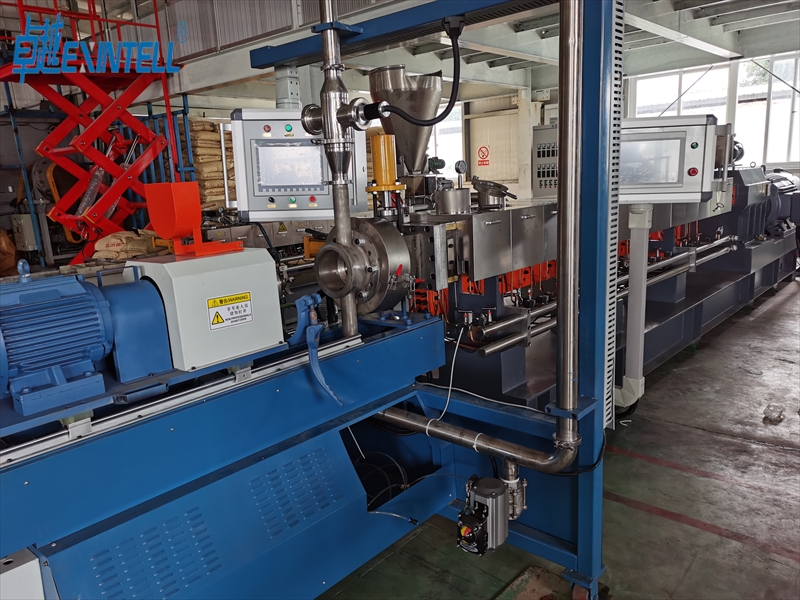
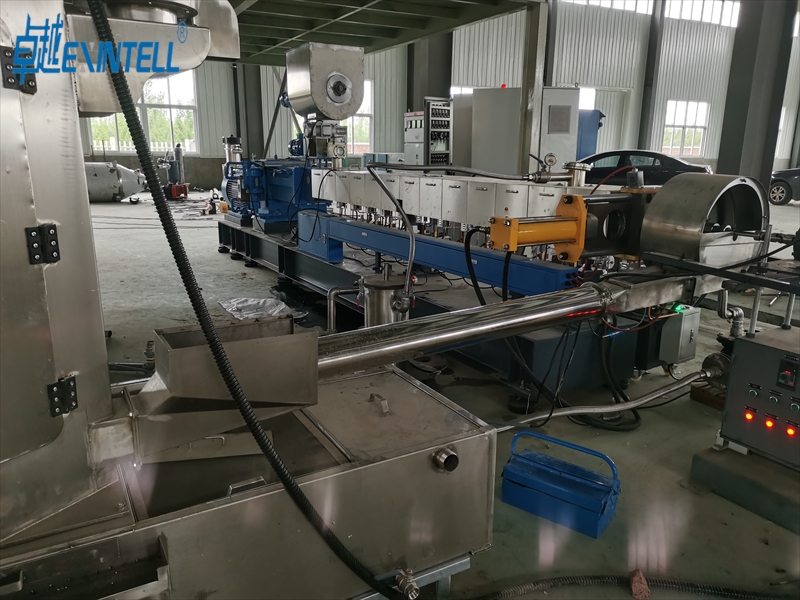
A plastic extruder has severalimportant parts. Each part plays a special role in turning raw plastic into finished products. You can see how these parts work together to make the extrusion process smooth and efficient.
Entry point for raw materials, controls feeding rate, may include drying features.
Barrel & Heater
Houses the screw, heats plastic to melting point for uniform melting.
Invita
Rotates to convey, compress, and melt plastic; design affects efficiency and quality.
Die
Determines the shape of the extruded product, engineered for accurate dimensions.
Sistema tat-tkessiħ
Cools the plastic to harden it into final shape using various methods.
Puller & Cutter
Maintains consistent speed and tension, trims extruded plastic to required lengths.
Hopper
You start with the hopper. This part sits at the top of the extruder. You pour plastic pellets or granules into the hopper. The hopper controls how much plastic enters the machine. Some hoppers also dry the plastic before it moves forward. Drying helps prevent bubbles or weak spots in the final product.
Barrel & Invita
Inside the extruder, you find the barrel and the screw. The barrel is a long, hollow tube. The screw sits inside the barrel and turns when the motor runs. As the screw rotates, it pushes the plastic forward. The barrel has heaters wrapped around it. These heaters melt the plastic as it moves along the screw. The screw’s design can change how fast and evenly the plastic melts.
Tip: A well-designed screw helps you get smooth, high-quality plastic products.
Heater
The heater is a key part of the extruder. It surrounds the barrel and raises the temperature. Il-heater idub il-plastik sabiex isir artab u faċli biex tifforma. Tista 'tikkontrolla l-heater biex iżżomm it-temperatura eżatt. Jekk il-plastik isir sħun wisq jew kiesaħ wisq, il-prodott jista 'ma joħroġx tajjeb.
Die
Id-die tpoġġi fit-tarf tal-estrużur. Jissawwar il-plastik imdewweb hekk kif iħalli l-magna. Tista 'tbiddel id-die biex tagħmel forom differenti, bħal tubi, sheets, jew vireg. Il- disinn tad-die jaffettwa l-fluss tal-plastik u l-kwalità tal-prodott finali. A bla xkiel, die magħmul tajjeb jgħinek tikseb forom preċiżi u konsistenti kull darba.
Nota: L-angoli tad-die u l-finitura tal-wiċċ jistgħu jbiddlu kif il-plastik jiċċirkola u jibred.
Mutur & Kontrolli
Il-mutur iħaddem il-kamin u jżomm il-plastik miexi. Il-kontrolli jħalluk taġġusta l-veloċità, temperatura, u pressjoni ġewwa l-estrużur. Modern extruders use sensors and computers to help you make products with the right size and shape. You can watch the process and make changes if needed.
You can see that each part of the extruder has a job. When you understand these parts, you can make better plastic products and solve problems faster.
Types of Extruders
Hemm different kinds of extrudersused in making plastic. Each kind works best for certain jobs. When picking an extruder, you should think about what you want to make, how much you need, and how hard the process is.
Estrużur bil-kamin wieħed
A estrużur bil-kamin wieħedhas one screw that spins inside a barrel. It moves and melts plastic. Factories use this type for simple plastic items. The design is easy to use and fix. It works best with one kind of plastic at a time.
Single screw extruders make pipes, sheets, u forom bażiċi.
Dawn il-magni huma tajbin biex jagħmlu ħafna oġġetti sempliċi.
Tħallas inqas għat-tiswijiet għax id-disinn huwa sempliċi.
Mhux tajjeb għat-taħlit, tajba għall-istess materjali
Taħlit tajjeb, tajba biex tgħaqqad l-affarijiet
Flessibilità tal-ipproċessar
Jibqa l-istess, mhux flessibbli ħafna
Jista 'jinbidel għal impjiegi differenti
Kontroll tat-Temperatura
It-tisħin huwa irregolari, jistgħu jikkawżaw problemi
Tisħin aħjar, jibqa’ anke
Throughput & Effiċjenza
Jagħmel aktar oġġetti sempliċi aktar malajr
Jaħdem aħjar għal impjiegi diffiċli
Spejjeż ta' Manutenzjoni
Spejjeż inqas biex jiffissaw
Tiswa aktar biex tirranġa għax hija kumplessa
L-estrużuri bil-kamin wieħed jiswew inqas biex jaħdmu u huma tajbin għal xogħlijiet tal-plastik faċli.
Estrużur Twin Screw
Estrużur b'żewġ kamin għandu żewġ viti li jduru flimkien ġewwa l-kanna. Dan jgħin biex iħallat aħjar il-plastik. Tista 'żżid kuluri, fillers, jew ħallat plastik antik u ġdid. Estrużuri twin kamin ħalli inti tikkontrolla l-proċess aktar. Ikollok tisħin ugwali u kwalità aħjar.
L-estrużuri tal-kamin doppju jagħmlu taħlitiet tal-plastik, materjali speċjali, u affarijiet li jeħtieġu taħlit qawwi.
Dawn il-magni jimmaniġġjaw riċetti iebsa u jistgħu jużaw plastiks differenti f'daqqa.
Ikollok aktar output u flessibilità, iżda tiswijiet jiswew aktar.
L-estrużuri b'żewġ kamin jaħdmu aktar malajr u huma aħjar meta jkollok bżonn tħallat plastiks differenti.
Estrużur tal-Film minfuħa
Estrużur tal-film minfuħ huwa magna speċjali biex tagħmel films tal-plastik irqaq. L-ewwel, iddewweb il-plastik u timbottah minn die tond. Imbagħad daqqa l-arja fin-nofs biex tagħmel bużżieqa. Hekk kif il-bużżieqa titla’, tiksaħ u ċċattjaha biex tagħmel folja wiesgħa.
Kumpanija kbira tal-ippakkjar użat estrużjoni tal-film minfuħa biex tagħmel pakketti tal-ikel flessibbli. Huma għamlu films b'saffi biex iżommu l-ikel frisk għal aktar żmien. Dan il-metodu jagħtik b'saħħtu, flessibbli, u films tal-plastik orħos.
Tip: L-estrużuri tal-film minfuħa jgħinuk taħli inqas plastik u tagħmel l-affarijiet aktar malajr.
Meta tħares lejn dawn l-estrużuri, tara kull wieħed huwa tajjeb għal xogħol differenti. L-estrużuri bil-kamin wieħed huma sempliċi u jiffrankaw il-flus. L-estrużuri b'kamin doppju jagħtuk aktar kontroll u ħallat aħjar. Estrużuri tal-film minfuħa jagħmlu rqiqa, films tal-plastik bendy għal ħafna użi.
Materjali ta' estrużjoni tal-plastik & Applikazzjonijiet
Plastik Komuni
Hemm ħafna plastiks użati fl-estrużjoni tal-plastik. Kull plastik għandu karatteristiċi speċjali għal xogħlijiet differenti. Meta tagħżel plastik, tiċċekkja kemm hu b'saħħtu u bendy. Tara wkoll kemm timmaniġġja tajjeb is-sħana. Hawnhekk hawn tabella li telenka xi wħud common plastics for plastic extrusion:
Tip tal-plastik
Properties
Applikazzjonijiet
Klorur tal-polivinil (PVC)
Supports both rigid and flexible profiles
Used in construction for piping and tubing
Flexible Vinyl (FPVC)
Cost-effective, modified with plasticizers
Found in food and beverage packaging
Polipropilene (PP)
Blends flexibility with high electrical resistance and heat stability
Used in electrical tubing and industrial machinery components
You choose the plastic based on what you want to make. PVC is good for pipesand tubes. FPVC works well for packaging. PP is strong and does not melt easily, so you use it in machines and wires.
Typical Products
Plastic extrusion helps you make many things you use every day. You see plastic pipes in your house for water. Plastic sheets are used to wrap and pack things. Plastic tubing is used in hospitals and medical tools. L-estrużjoni tal-plastik tagħmel frejms tat-twieqi u tqaxxir tat-temp għall-bini. Jagħmel ukoll covers tal-kejbil għall-kostruzzjoni. Fil-karozzi, ikollok dashboards, siġilli, u għata tal-wajer. L-estrużjoni tal-plastik tagħmel ukoll insulazzjoni għall-wajers fl-elettronika.
Hawn huma xi affarijiet komuni magħmula mill-estrużjoni tal-plastik:
Pajpijiet u tubi għall-ilma u l-biedja
Folji u films għat-tgeżwir u l-ippakkjar
Frejms tat-twieqi u trims għad-djar
Siġilli u gaskits għall-karozzi
Insulazzjoni u għata tal-wajer għall-elettronika
Użi Industrijali
L-estrużjoni tal-plastik hija importanti f'ħafna industriji. Tarah fil-bini, karozzi, u l-elettronika. Fil-kostruzzjoni, l-estrużjoni tal-plastik tagħmel partijiet b'saħħithom bħall-għata tal-kejbils u t-trims. Int tuża l-estrużjoni tal-plastik biex tagħmel pajpijiet tal-PVC li ma sadidx jew jinkisru faċilment. Fil-karozzi, l-estrużjoni tal-plastik tagħmel partijiet ħfief li jgħinu biex jiffrankaw il-gass. Ikollok siġilli u strixxi li jżommu l-ilma u t-trab barra. L-estrużjoni tal-plastik tagħmel ukoll dashboards u partijiet li jdumu għal żmien twil. Fl-elettronika, estrużjoni tal-plastik tagħmel insulazzjoni u wire covers li huma sikuri. Inti tgħodd fuq estrużjoni tal-plastik għal ħxuna uniformi u protezzjoni tajba.
Kostruzzjoni: Affarijiet b'saħħithom bħal pajpijiet tal-PVC, frejms tat-twieqi, u t-twaħħil tat-temp
Automotive: Partijiet tal-lastku, siġilli, dashboards, u għata tal-wajer
Elettronika: Insulazzjoni, każijiet protettivi, u għata tal-wajer
Nota: L-estrużjoni tal-plastik tgħinek tikseb prodotti li huma b'saħħithom, sigur, u jdumu għal żmien twil. Inti tara estrużjoni tal-plastik kullimkien, bħal fid-djar, karozzi, u apparat elettroniku.
Vantaġġi tal-estrużjoni & Limitazzjonijiet
Benefiċċji
L-estrużjoni tagħtik ħafna affarijiet tajbin fil-manifattura. Tista 'tagħmel ħafna forom u daqsijiet b'dan il-proċess. Huwa faċli li tibdel il-prodotti biex jaqblu ma 'dak li għandek bżonn. L-estrużjoni ma tiswax ħafna flus. You save because it uses less work and cheaper steps. The products are light, so you can move them easily. Things made by extrusion are strong and do not break or rust fast. You do not have to fix them a lot. Extrusion also saves energy. It uses less power than other ways. Factories can savesa 20%on energy bills. This means they spend less money. You can userecycled plasticin extrusion. This helps the planet and makes less waste.
Versatilità: Tista 'tagħmel pajpijiet, sheets, films, and special shapes.
Cost-effective: You spend less on materials and workers.
Ħfief: You can carry and put in products without trouble.
Durabbli: You get tough things that last a long time.
Energy-efficient: You save money and help nature.
Easy to fabricate: You can cut and shape things fast.
Extrusion helps factories work faster. Fillers melt plastic quicker and keep it smooth. Foamed plastics make things lighter but still strong. Direct extrusion skips extra steps and saves time and energy.
Many companies now useclosed-loop systems. These systems recycle scrap plastic back into the machine. This cuts down on waste. More people use biodegradable plastics and bio-based resins. Recycling and new materials help make a circular economy.
Sfidi
Extrusion has some problems you need to think about. Picking the right material is very important. You must choose plastics that keep the product good. You also need to make sure the process works well and does not cost too much. Some plastics melt at high heat, which makes things harder. If the plastic is too runny, it may be weak. Strong plastics last longer but can be hard to use in extrusion.
Proprjetà
Effect on Extrudability
Melt Temperature
High melting points can make extrusion harder
Viscosity
Low viscosity helps flow but can make things weak
Qawwa Mekkanika
Needed for strong products but can make extrusion tough
You must control the temperature carefully. The right heat melts the plastic just enough. Pressure is also important for how the plastic moves and looks. Screw speed changes how even and fast the process goes. People worry about the environment. Extrusion uses energy and makes waste. Engineers try to recycle more, use green plastics, and save energy.
People are worried about how extrusion affects the earth. The process uses a lot of energy and makes waste and pollution. Engineers are working on better ways to recycle, use green plastics, and save energy with new machines.
You need to watch these problems to make the best products with extrusion.
You now know how a plastic extruder works. It melts plastic and shapes it. Then it cools the plastic to make new things. You see plastic pipes and films in many places. Homes, stores, and hospitals use these products. L-estrużur it-tajjebhelps make better products faster. You can change screw speed and barrel design for good results. Plastic extrusion helps recycling and uses green materials. If you want to learn more, you can find guides and videos. Safety tips about plastic technology are easy to find. You can look at jobs in plastic manufacturing because more people need these products.
Plastic extrusion makes many things you use every day.
FAQ
What is the main job of a plastic extruder?
A plastic extruder melts plastic pellets and pushes the melted plastic through a shaped die. You get new shapes like pipes, sheets, jew films. This machine helps you make many plastic products quickly.
Can you recycle plastic with an extruder?
Iva, tista' tuża recycled plasticin an extruder. You grind old plastic into small pieces. Then you feed these pieces into the machine. This helps you reduce waste and save money.
How do you change the shape of the plastic product?
You swap out the die at the end of the extruder. Each die has a different shape. When you use a new die, you get a new product shape. You can make tubes, sheets, or rods this way.
Is plastic extrusion safe for the environment?
Plastic extrusion can use recycled materials and energy-saving machines. You help the environment by recycling and choosing green plastics. You should always follow safety and recycling rules in your factory.