

Plastic Compounding and Pelletizing Compared for Modern Manufacturing
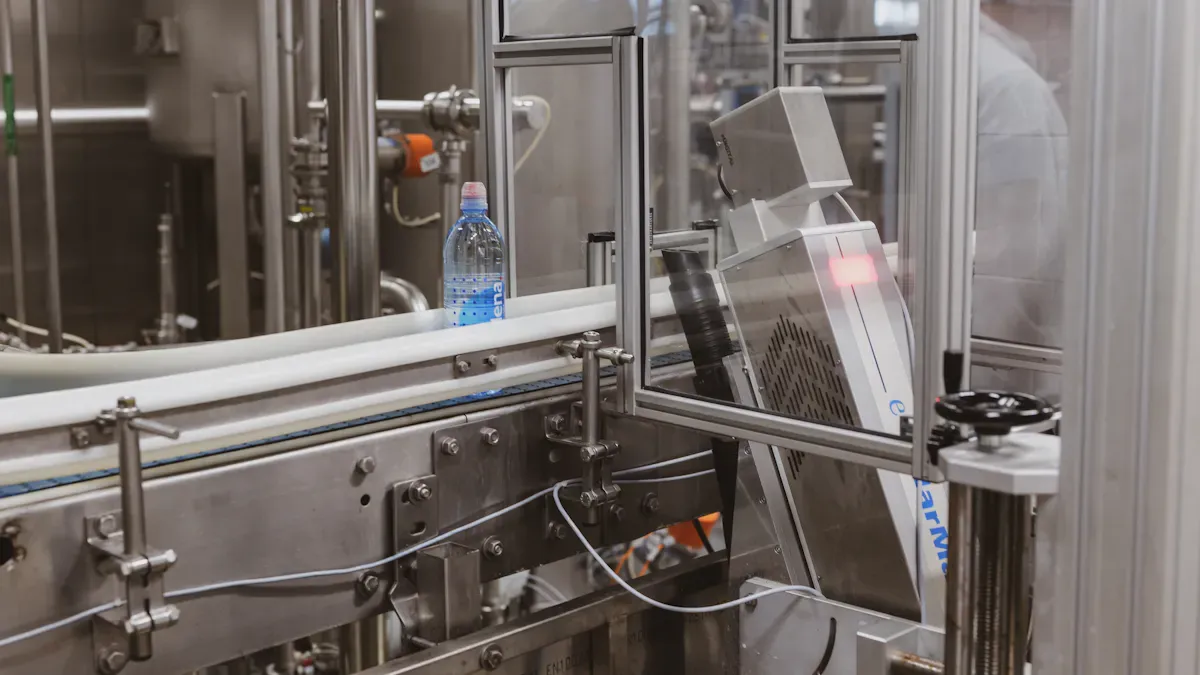
Plastic Compounding customizes base resins with additives, creating materials tailored for specific applications. Pelletizing transforms these compounded materials into uniform pellets, ready for efficient downstream use. Manufacturers and engineers who understand the distinction between each process can boost efficiency and ensure product quality.
Recent market data shows that the global market value for these technologies will reach $82 biljun minn 2025 u $182 biljun minn 2035, driven by growth in automotive and packaging sectors.
| Proċess | Efficiency Impact | Impatt tal-Kwalità tal-Prodott |
|---|---|---|
| Tagħqid | Tailors materials, enhances performance, reduces cost | Enables better quality control |
| Pelletizing | Provides consistent material form for processing | Ensures uniformity in final product quality |
Takeaways Ewlenin
- Plastic compounding customizes base resins with additives to create materials for specific uses.
- Pelletizing transforms compounded materials into uniform pellets for easy processing and handling.
- Understanding the differences between compounding and pelletizing helps manufacturers improve efficiency and product quality.
- Compounding involves mixing, tidwib, and extruding materials to achieve desired properties.
- Pelletizing focuses on creating consistent pellet sizes, which is crucial for reliable manufacturing.
- Quality control is essential in both processes to ensure that the final products meet industry standards.
- Both compounding and pelletizing play vital roles in sectors like automotive, elettronika, u kura tas-saħħa.
- Choosing the right process depends on material characteristics, ħtiġijiet tal-produzzjoni, and cost considerations.
Definitions and Differences
Plastic Compounding Defined
It-taħlit tal-plastik jirreferi għall-proċess ta ' taħlit ta' polimeri ma' addittivi, fillers, u rinforzi biex jimmodifikaw u jtejbu l-proprjetajiet fiżiċi u kimiċi tal-materjal. L-istandards tal-industrija jiddefinixxu dan il-proċess bħala metodu biex ifassal polimeru sabiex jinkludi l-karatteristiċi kollha mixtieqa f'materjal wieħed. Il-manifatturi jużaw taħlit tal-plastik biex itejbu l-kwalità tal-prodott, tnaqqas l-ispejjeż, u tiżdied il-produttività. Il-proċess tipikament jinvolvi tidwib, taħlit, u estrużjoni biex tinkiseb dispersjoni uniformi ta 'komponenti.
Firxa wiesgħa ta 'ingredjenti u addittivi għandhom rwol fit-taħlit tal-plastik:
- Masterbatch: Taħlita kkonċentrata ta 'pigmenti u addittivi f'reżina trasportatur, tiżgura dispersjoni uniformi.
- Antiossidanti: Tipprevjeni d-degradazzjoni tal-polimeru mis-sħana u l-ossiġnu, iż-żamma tas-saħħa u l-flessibilità.
- Stabbilizzaturi UV: Ipproteġi l-polimeri użati barra billi tassorbi jew tinħela r-radjazzjoni ultravjola ta 'ħsara.
- Ritardanti tal-Fjammi: Inibixxi jew ittardja l-produzzjoni tal-fjammi, speċjalment importanti fl-elettronika u l-kostruzzjoni.
- Kuluri: Ħalli l-għażla tal-kulur fi plastiks komposti.
- Modifikaturi tas-Saħħa u l-Flessibilità: Ikseb proprjetajiet mekkaniċi speċifiċi.
- Addittivi antimikrobiċi: Inibixxi t-tkabbir tal-mikrobi, importanti għall-prodotti mediċi.
- Fillers: Bħal talc, fibra tal-ħġieġ, u karbonat tal-kalċju, ittejjeb is-saħħa, tnaqqas l-ispejjeż, u ttejjeb ir-reżistenza tas-sħana.
- Jittejjeb il-Prestazzjoni: Proprjetajiet apposta bħall-istabbiltà termali, ritardanza tal-fjammi, u reżistenza UV.
Dan il-proċess jippermetti lill-manifatturi biex joħolqu materjali b'karatteristiċi preċiżi għal applikazzjonijiet eżiġenti.
Pelletizing tal-plastik Definit
Pelletizing tal-plastik huwa proċess li jikkonverti plastik mhux maħdum jew riċiklat fis-żgħar, gerbub uniformi. This transformation is essential for efficient manufacturing and recycling. The plastic pelletizer converts cleaned and often shredded or molten plastic into uniform pellets, which are then reintroduced into manufacturing processes. Pelletization addresses challenges such as uneven feeding and material handling, making it vital in sectors like automotive and packaging where product quality is critical.
| Type of Evidence | Details |
|---|---|
| Raw Materials | Various types of plastics, including polyethylene (PE) and polypropylene (PP) |
| Outputs | Plastic pellets produced through melting, tkessiħ, and cutting processes |
Pelletization enhances the efficiency of plastic production and allows for the creation of specialized plastics while maintaining ease of handling.
Key Differences Overview
Tabella ta' Tqabbil
| Aspett | Plastic Compounding | Plastic Pelletizing |
|---|---|---|
| Main Purpose | Modifies composition and properties of the polymer | Converts material into uniform pellet form |
| Key Steps | Taħlit, tidwib, taħlit, estrużjoni | Tidwib, tkessiħ, qtugħ |
| Typical Additives | Fillers, koloranti, stabilizzaturi, performance enhancers | Not typically added during pelletizing |
| Output | Customized plastic material (can be in various forms) | Uniform pellets |
| Applikazzjoni | Direct use in products or further processing | Used for molding, estrużjoni, or transport |
Summary Points
- Plastic compounding focuses on altering the composition of the plastic by blending various ingredients, which affects its physical properties.
- Plastic pelletizing converts compounded plastic into uniform pellets, primarily concerned with the physical form for ease of use in manufacturing.
- Compounded plastics can be directly shaped into products, while pelletized plastics are typically used for further processing.
- Both processes play a critical role in modern manufacturing, but they address different needs within the production chain.
Tip: Understanding the distinction between these processes helps manufacturers select the right approach for their specific application, ensuring optimal performance and efficiency.
Plastic Compounding Process

Process Steps
Plastic compounding transforms raw materials into high-performance plastics through a series of precise steps. Manufacturers begin by storing raw materials such as resin, addittivi, and fillers in bags, big bags, or silos. Pneumatic or mechanical systems then convey these materials to the processing area. Operators feed the materials into the press barrel, either continuously or in batches. The compounding process continues with melting and mixing, where the polymer and additives blend to achieve uniformity. The final stage involves shaping, tkessiħ, and cutting the product, segwit minn kontroll rigoruż tal-kwalità.
| Pass | Deskrizzjoni |
|---|---|
| 1 | Ħażna tal-materja prima f'boroż, big bags, u silos |
| 2 | Sistema tal-ġarr tal-materjal pnewmatiku jew mekkaniku |
| 3 | Għalf tal-materjal għall-kanna tal-istampa (mili kontinwu/diskontinwu) |
| 4 | Fażi tat-tidwib u tat-taħlit |
| 5 | Prodott finali u kontroll |
Nota: Insight Polymers jisfrutta tibdil rapidu u taħlit ta 'speċjalità biex iwassal soluzzjonijiet ta' komposti tal-plastik apposta, ottimizzat kull pass għall-effiċjenza u l-kwalità.
Tagħmir Użat
Faċilitajiet ta 'taħlit tal-plastik jiddependu fuq tagħmir avvanzat biex jiżguraw riżultati konsistenti. L-estrużuri jistabbilixxu l-pass għall-ipproċessar u għandhom rwol ċentrali fit-tidwib u t-taħlit. Miksers kontinwi jaħdmu flimkien ma 'estrużuri biex jimmaniġġjaw materjali bħall-akriliċi, nylons, u PVC. Is-sistemi tat-taħlit jippreparaw taħlitiet minn qabel tal-addittivi, filwaqt li s-sistemi tad-dożaġġ jiggarantixxu proporzjonijiet preċiżi tal-ingredjenti. Teknoloġiji għall-immaniġġjar tal-materjal, such as rotary feeders and diverter valves, support the smooth distribution and dosing of bulk materials. Integrated compounding lines combine these systems, allowing for flexible production rates and configurations. Insight Polymers utilizes internal twin-screw extrusion pilot assets to conduct small development batch trials, enabling efficient screening of product and processing parameters.
Types of Compounding
Plastic compounding encompasses several approaches, each tailored to specific application needs. Manufacturers may add colorants to enhance appearance or stabilizers to improve heat and UV resistance. Flame retardants increase safety, especially in construction and electronics. Impact modifiers boost toughness, while fillers and reinforcements adjust cost, stiffness, or strength. Custom formulated compounds can also include antimicrobial agents for medical products or UV enhancers for outdoor use. Insight Polymers specializes in polymer compounding solutions that address unique performance objectives, offering masterbatch concentrates and custom plastic compounding for injection molding, fibers, films, and additive manufacturing.
- Color selection for aesthetics
- Food-safe formulations for packaging
- Fire retardants for construction
- Strength and flexibility adjustments for product-specific needs
- Antimicrobial properties for healthcare
- Enhanced UV tolerance for outdoor durability
This comprehensive approach ensures that every polymer compounding solution meets the demands of modern manufacturing.
Material States
Plastic compounding involves several material states as raw ingredients transform into high-performance compounds. The process begins with solid resins, addittivi, u fillers. Operators feed these materials into the compounding system, where they remain in a granular or powder form. As the process advances, the extruder heats and melts the mixture, converting it into a viscous, molten state. This molten blend allows for thorough mixing and dispersion of all components.
Once homogenization is complete, the material exits the extruder. At this stage, it can take several forms depending on the application. Some manufacturers cool and cut the extrudate into pellets, while others may produce strands, folji, or directly molded shapes. The final state—whether pellet, strand, or sheet—depends on downstream processing requirements. Per eżempju, Insight Polymers spiss iwassal taħlit tal-plastik apposta f'forma ta 'pellet għal immaniġġjar faċli u għalf konsistenti f'linji ta' molding ta 'injezzjoni jew estrużjoni.
Il-kapaċità li tikkontrolla l-istati materjali matul il-proċess tiżgura li l-prodott finali jissodisfa kriterji ta 'prestazzjoni stretti. Din il-flessibbiltà tappoġġja firxa wiesgħa ta 'applikazzjonijiet, minn partijiet tal-karozzi għal apparat mediku, u tippermetti adattament rapidu għall-ħtiġijiet tal-klijenti.
Kontroll tal-Kwalità
Il-kontroll tal-kwalità jinsab fil-qalba ta 'kull operazzjoni ta' taħlit tal-plastik b'suċċess. Il-manifatturi jiddependu fuq sistemi ta 'kontroll awtomatiku avvanzati biex iżommu karatteristiċi konsistenti tal-pellet waqt l-estrużjoni. Dawn is-sistemi jimmonitorjaw u jaġġustaw il-parametri tal-ipproċessar f'ħin reali, tiżgura li t-taħlita mdewba tibqa' omoġenizzata. Bħala riżultat, pigmenti u addittivi jxerrdu b'mod uniformi, jipproduċi kompost masterbatch uniformi.
L-operaturi jużaw diversi metodi prattiċi biex jivverifikaw il-konsistenza tal-prodott. Il- metodu ta 'spostament ta' l-ilma jipprovdi mod affidabbli biex titkejjel id-densità fuq l-art tal-ħanut. Din it-teknika tinvolvi l-kejl tal-livell inizjali tal-ilma, tiżen il-kampjun, u l-kalkolu tad-densità bbażata fuq il-volum spostat. Ittejjeb l-eżattezza tal-formulazzjoni, jipprevjeni l-ħela tal-materjal, u jiżgura piż konsistenti tal-prodott. Dawn il-benefiċċji jappoġġjaw kontroll aħjar tal-ispejjeż u jnaqqsu l-kwistjonijiet tal-kwalità tal-produzzjoni.
Programm komprensiv ta 'kontroll tal-kwalità jinkludi serje ta' testijiet:
- It-testijiet tat-tqabbil tal-kulur jużaw spettrofotometri biex jevalwaw id-differenzi fil-kulur u jiżguraw konsistenza viżwali.
- It-testijiet tal-istabbiltà termali jivvalidaw ir-reżistenza tal-pigment f'temperaturi tal-iffurmar.
- It-testijiet tad-dispersjoni jikkonfermaw distribuzzjoni uniformi tal-addittivi permezz ta 'osservazzjoni mikroskopika.
- Mechanical performance tests review tensile strength and impact resistance.
Insight Polymers integrates these quality control measures into every batch, ensuring that their polymer compounding solutions deliver reliable performance. This commitment to quality supports industries that demand precision, such as automotive, elettronika, u kura tas-saħħa.
Tip: Consistent quality control not only enhances product reliability but also strengthens customer trust in custom plastic compounding services.
Plastic Pelletizing Process
Process Steps
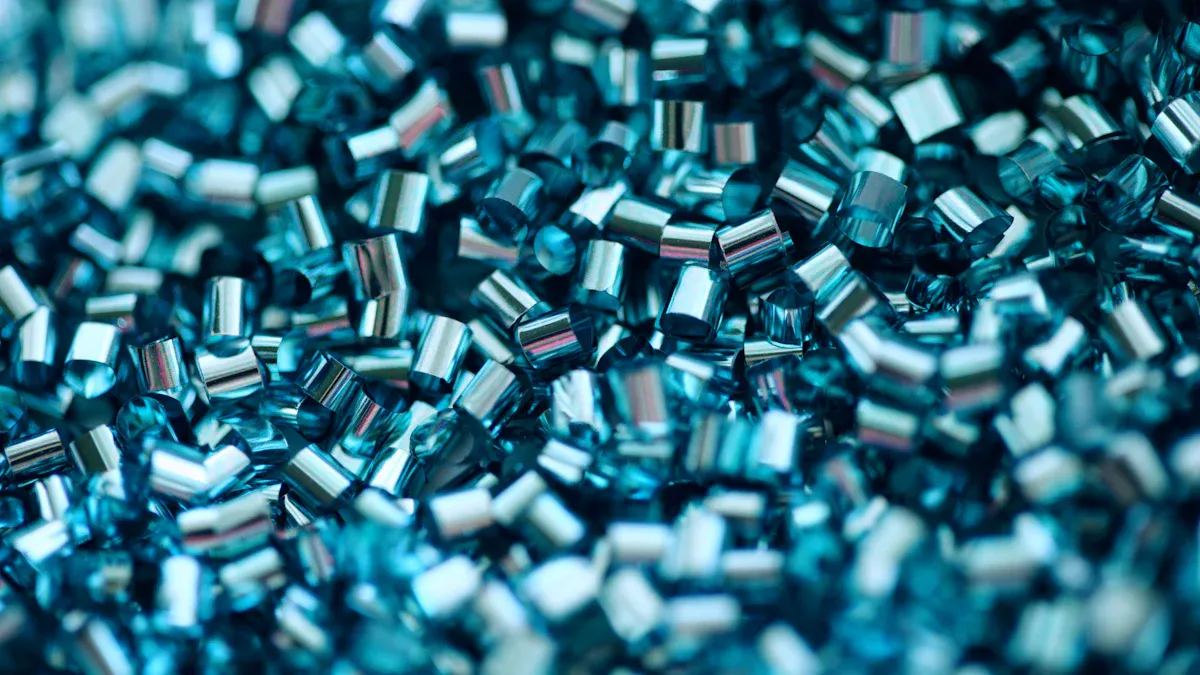
Plastic pelletizing transforms raw or recycled resin into uniform pellets through a series of well-defined steps. Operators begin by sorting plastic waste according to polymer type, kulur, and contamination level. They then shred the sorted plastics into smaller flakes, which improves washing efficiency. Wara l-ħasil, the clean flakes move to the melting stage, where they are heated and extruded. The molten plastic passes through a filter to remove any remaining impurities. As the filtered melt exits through a die plate, it forms continuous strands. These strands undergo rapid cooling in a water bath or air cooling system, stabilizing their structure. Fl-aħħarnett, the cooled strands are cut into pellets, which are ready for downstream manufacturing.
Efficient pelletizing ensures consistent pellet size and quality, which is critical for reliable processing in molding and extrusion applications.
Tagħmir Użat
Pelletizing operations rely on specialized machinery to achieve high throughput and consistent results. Strand pelletizers handle the extrusion of molten plastic into strands and cut them into pellets. Underwater pelletizers cut the molten plastic directly under water, which instantly cools and solidifies the pellets. Cold pelletizers produce pellets from hot extrudate without using water cooling. Each machine type supports different process requirements and material characteristics. Operators select equipment based on the type of resin, the presence of additives, and the desired pellet properties.
- Strand pelletizers: Cut extruded strands into uniform pellets.
- Underwater pelletizers: Cut and cool pellets simultaneously in a water chamber.
- Cold pelletizers: Produce pellets without water, suitable for heat-sensitive materials.
Pelletizing Technology Types
Manufacturers use several pelletizing technologies, each offering unique advantages in efficiency and output quality. Strand pelletizing works best for clean, stable materials and delivers high output quality. Water-ring pelletizing cuts the molten plastic at the die face and cools it in a circulating water ring, which enhances efficiency. Underwater pelletizing cuts pellets in a water chamber, ensuring uniform cooling and very high output quality.
| Teknoloġija tal-pelletizing | Deskrizzjoni | Effiċjenza | Kwalità tal-Output |
|---|---|---|---|
| Strand Pelletizers | Cut pellets in strands and are suitable for clean materials. | Moderat | Għoli |
| Die-Face Pelletizers | Include underwater and water-ring systems, providing rapid cooling. | Għoli | Għoli ħafna |
Operators choose the appropriate technology based on the type of resin, the presence of additives, and the required pellet characteristics. The right selection ensures that pellets meet strict quality standards for downstream processing.
Material States
Pelletizing transforms plastics through several distinct material states. The process begins with solid plastic feedstock, which can include virgin resin, recycled flakes, or regrind. Operators load these materials into hoppers or feeders. The material then enters the extruder, where heat and mechanical force convert the solid particles into a molten state. This molten plastic flows through the extruder barrel, ensuring thorough mixing and homogenization.
As the molten mass exits the extruder, it passes through a die plate. At this stage, the material forms continuous strands or droplets, depending on the pelletizing technology. In strand pelletizing, the molten plastic emerges as long, spaghetti-like strands. These strands move through a cooling system, often a water bath, which solidifies the material rapidly. Once cooled, the solidified strands enter a cutting chamber, where rotating knives chop them into uniform pellets.
Other pelletizing methods, such as underwater or water-ring systems, cut the molten plastic immediately as it exits the die. Il-gerbub jiksħu u jissolidifikaw kważi istantanjament fl-ambjent tal-ilma. Il-prodott finali jikkonsisti minn żgħar, gerbub densi b'daqs u forma konsistenti. Dawn il-gerbub huma faċli biex jimmaniġġaw, trasport, u għalf fi proċessi ta' manifattura downstream.
Tip: Il-kontroll ta 'kull stat materjali waqt il-pelletizing jiżgura li l-gerbub finali jilħqu standards stretti ta' kwalità u prestazzjoni.
Kontroll tal-Kwalità
Il-kontroll tal-kwalità fil-pelletizing għandu rwol kritiku fiż-żamma tal-uniformità u l-purità tal-pellet. L-operaturi jimplimentaw diversi protokolli matul il-proċess biex jiżguraw output ta 'kwalità għolja:
- Issortjar minn qabel u ħasil neħħi kontaminanti u materjali mhux fil-mira. Sistemi ta' għażla awtomatizzati u linji tal-ħasil jgħinu biex tinkiseb materja prima nadifa.
- It-tnixxif u d-dekontaminazzjoni jeliminaw l-umdità u l-impuritajiet. It-tnixxif f'temperatura għolja u l-purifikazzjoni bil-vakwu jippreparaw il-materjal għall-estrużjoni.
- L-estrużjoni u l-pelletizzazzjoni jdubu qxur purifikati jew reżina f'gerbub uniformi. L-estrużuri b'żewġ kamin jipprovdu taħlit u konsistenza eċċellenti.
- Id-degassing bil-vakwu tneħħi l-gassijiet u l-komposti volatili taħt kundizzjonijiet ta 'vakwu għoli. Dan il-pass jipprevjeni difetti u jtejjeb il-kwalità tal-pellet.
- Kristallizzazzjoni u polimerizzazzjoni fi stat solidu (SSP) ittejjeb il-viskożità intrinsika ta 'ċerti polimeri, bħall-PET. Dawn il-passi jiżguraw li l-gerbub jissodisfaw ir-rekwiżiti speċifiċi għall-applikazzjoni.
L-operaturi jimmonitorjaw id-daqs tal-pellet, forma, u kulur matul il-proċess. Huma jużaw passaturi, spezzjoni viżwali, u sensuri awtomatizzati biex jiskopru kwalunkwe devjazzjoni. Kontroll tal-kwalità konsistenti jnaqqas l-iskart, ittejjeb l-effiċjenza tal-proċess, u jiggarantixxi li l-gerbub iwettqu b'mod affidabbli fl-iffurmar, estrużjoni, jew applikazzjonijiet oħra.
Nota: Reliable quality control in pelletizing supports manufacturers in producing high-performance products for demanding industries.
Applikazzjonijiet
Compounding Applications
Plastic compounding enables manufacturers to create materials with properties tailored for demanding sectors. The following table highlights common industry uses:
| Sector | Applikazzjonijiet |
|---|---|
| Automotive | Lightweight materials, heat-resistant plastics, impact-resistant polymers |
| Elettronika | Flame-retardant compounds, thermally conductive plastics, anti-static materials |
| Consumer Products | Durable plastics, food-safe materials, UV-resistant compounds |
| Industrial Applications | Chemical-resistant polymers, reinforced plastics, abrasion-resistant materials |
Automotive
Automotive manufacturers rely on advanced compounds for lightweighting and structural integrity. High-performance plastic compounds replace metal in interior panels, bumpers, u komponenti ta' taħt il-barnuża. These materials offer comparable strength and thermal performance, which improves fuel efficiency and safety. Insight Polymers delivers custom compounding for injection molding, enabling rapid prototyping and production of automotive parts that meet strict industry standards.
Elettronika
Electronics producers use specialty compounds for housings, konnetturi, and insulators. Flame-retardant and thermally conductive plastics protect sensitive components from heat and electrical hazards. Anti-static materials prevent damage from static discharge. Insight Polymers supports electronics manufacturers with masterbatch concentrates that enhance safety and performance in consumer devices and renewable energy systems.
Mediku
Medical device manufacturers require compounds with precise mechanical and chemical properties. Custom formulations provide antimicrobial protection and biocompatibility for diagnostic equipment and surgical tools. Insight Polymers develops specialty compounds for fibers and films used in medical packaging and devices, ensuring compliance with healthcare regulations.
Pelletizing Applications
Pelletizing transforms raw or recycled plastics into uniform pellets, supporting a wide range of manufacturing processes.
Molding & Estrużjoni
Pellets serve as the standard feedstock for molding and extrusion. Their consistent size and shape ensure reliable machine operation and product quality. Manufacturers use pellets to produce daily-use products such as trash bins, hangers, and flower pots, as well as industrial items like pallets and automotive interior base materials.
Riċiklaġġ
Pelletizing plays a vital role in recycling. Operators sort, shred, and melt plastic waste, then re-extrude and pelletize it into high-quality, gerbub li jistgħu jerġgħu jintużaw. This process closes the loop in the plastic lifecycle, allowing manufacturers to reintroduce recycled material into new products. Applications include construction materials like plastic lumber and municipal covers.
By turning plastic waste into a consistent raw material, pelletizing helps close the loop in the plastic lifecycle.
Bulk Handling
Large-scale manufacturers benefit from pelletizing in bulk handling and logistics. The process includes material intake, sorting, shredding, estrużjoni, pelletizing, u l-ippakkjar. Uniform pellets simplify storage, trasport, and return shipping, supporting efficient supply chains. Manufacturers can ship pellets back for reuse or send them to third parties for new product applications.
Insight Polymers’ expertise in custom compounding and pelletizing supports diverse applications, from injection molding and additive manufacturing to sustainable recycling initiatives.
Process Selection
Fatturi li għandek tikkonsidra
Il-manifatturi għandhom jevalwaw diversi fatturi meta jagħżlu l-proċess it-tajjeb għall-ħtiġijiet tal-produzzjoni tagħhom. Dawn il-kunsiderazzjonijiet jgħinu biex jiżguraw li l-metodu magħżul jallinja kemm mal-għanijiet operattivi kif ukoll mal-ħtiġiet tal-prodott:
- Karatteristiċi tal-materjal għandhom rwol ċentrali. Il-fehim tal-proprjetajiet fiżiċi u kimiċi tal-materjali tal-input jiddetermina l-kompatibilità ma 'taħlit jew pelletizing tal-plastik tad-dwana.
- Ir-rekwiżiti ta 'throughput għandhom jaqblu mal-kapaċità tal-pelletizer u s-sistema ta' estrużjoni upstream. Dan l-allinjament jipprevjeni l-konġestjonijiet u jimmassimizza l-effiċjenza.
- Ir-rekwiżiti tal-kwalità tal-pellet jiddependu fuq l-ispeċifikazzjonijiet tal-utent finali. Il-preċiżjoni fid-daqs u l-għamla tal-pellet tappoġġja proċessar downstream konsistenti.
- L-ambjent operattiv u l-utilitajiet disponibbli jinfluwenzaw l-għażla tas-sistema. Il-faċilitajiet għandhom jappoġġjaw it-talbiet tal-proċess magħżul.
- Il-manutenzjoni u l-faċilità ta 'użu jaffettwaw il-produttività fit-tul. Magni li jeħtieġu inqas manutenzjoni u joffru disponibbiltà ogħla jnaqqsu l-waqfien.
- Il-kunsiderazzjonijiet tal-ispejjeż u d-dħul fuq l-investiment jiggwidaw it-teħid tad-deċiżjonijiet. Evalwazzjoni tal-ispejjeż totali tas-sjieda, inklużi l-ispejjeż operattivi u t-telf potenzjali tal-prodott, jiżgura sostenibbiltà finanzjarja.
- Il-kumpaniji ħafna drabi jeħtieġu komponenti b'durabilità eċċezzjonali. Il-flessibilità tad-disinn tibqa 'essenzjali biex jintlaħqu l-ħtiġijiet ta' applikazzjoni uniċi. L-effiċjenza fl-ispiża tkompli tinfluwenza l-għażla tal-metodi tal-manifattura.
Nifhmu l- proprjetajiet mekkaniċi uniċi, reżistenza kimika, u l-karatteristiċi tal-ipproċessar ta 'plastiks differenti huwa vitali. Dawn il-fatturi jaffettwaw direttament id-durabilità, effiċjenza fl-ispiża, u konformità mal-istandards tal-industrija.
Studji ta' Każijiet
| Żona ta' Applikazzjoni | Evidenza tas-Suċċess | Deskrizzjoni tar-Riżultat |
|---|---|---|
| Manifattura u Polimerizzazzjoni tar-reżina | Żieda fil-produzzjoni bi 40% b'sistema ta 'pelletizing taħt l-ilma. | Effettiva għall-produzzjoni kontinwa ta 'gerbub konsistenti. |
| Produzzjoni ta' komposti u Masterbatch | Prestazzjoni mtejba tal-pellet tal-kulur fil-proċessi tal-klijenti bl-użu ta 'sistemi taħt l-ilma. | Ideali għal konċentrati tal-kulur u komposti mimlija. |
| Operazzjonijiet ta' Riċiklaġġ u Reklamar | Sistema personalizzata għar-riċiklaġġ tal-fliexken tal-PET biex timmaniġġja l-materjali li jinbidlu. | Sistemi ta' fergħat għal ruttam konsistenti; taħt l-ilma għal materjali mħallta. |
Il-manifatturi fis-settur mediku kisbu profili baxxi estrattibbli fit-tubi tas-sett tad-demm billi tagħżel PVC mingħajr TPE jew DEHP. Il-komponenti tal-apparat awtoklavabbli jibbenefikaw minn komposti tat-TPE, li jirreżistu l-fraġilità waqt sterilizzazzjoni ripetuta. Il-ġenealoġija sħiħa tal-lott tiżgura t-traċċabilità tal-komponenti kollha, appoġġ għall-assigurazzjoni tal-kwalità fil-manifattura tal-apparat mediku.
Sfidi & Soluzzjonijiet
Manufacturers often encounter challenges during implementation. Addressing these issues quickly ensures consistent quality and operational efficiency:
- Irregular pellet size and shape can occur. Operators adjust die temperature, inspect cutting blades, and set the correct blade gap to resolve this.
- Reduced throughput or machine jamming may disrupt production. Purging die holes, ensuring consistent material flow, and monitoring feed section components help maintain steady operation.
- Overheating of the machine or motor poses risks. Checking cooling systems, inspecting for excessive friction, and ensuring proper cutter speed prevent damage.
- Poor pellet quality affects downstream performance. Verifying temperature profiles, implementing strict material handling, and pre-drying hygroscopic materials improve results.
By applying these solutions, kumpaniji jistgħu jottimizzaw is-soluzzjonijiet tagħhom ta 'taħlit tal-polimeru u jżommu standards għoljin fil-proċessi ta' taħlit u estrużjoni tal-plastik tad-dwana.
Xejriet tat-Teknoloġija tal-pelletizing
Avvanzi fil-Tagħqid
Avvanzi riċenti fil-komposti ttrasformaw kif il-manifatturi javviċinaw id-disinn u l-produzzjoni tal-materjal. Kumpaniji issa jużaw reżini riċiklati u polimeri b'bażi bijoloġika biex tnaqqas l-iskart u jappoġġaw is-sostenibbiltà. Huma nifs ġdid nixxigħat tal-plastik qodma, jirrestawraw il-proprjetajiet tagħhom u jestendu ċ-ċiklu tal-ħajja tagħhom. Tekniki avvanzati ta 'taħlit jippermettu li l-plastiks jissostitwixxu metalli u ċeramika f'ħafna applikazzjonijiet, it-titjib tal-effiċjenza u t-tnaqqis tal-ispejjeż.
Il-manifatturi jibbenefikaw minn diversi żviluppi ewlenin:
- Flessibilità fil-ħolqien ta 'komponenti mingħajr dies jew għodda tradizzjonali.
- Soluzzjonijiet kost-effettivi għall-prototyping u l-produzzjoni fuq medda qasira.
- Enhanced mechanical strength and durability in finished parts.
- Integration of nanotechnology to improve material properties.
- Adoption of Industry 4.0 technologies for better process control and customization.
These innovations enable the use of a wide range of additives, including those that improve conductivity, flame retardance, and structural strength. The focus on sustainable and recyclable materials continues to drive the evolution of compounding processes.
Innovations in Pelletizing
Pelletizing technology has seen significant improvements, especially in quality control and operational efficiency. Leading manufacturers have adopted advanced filtration systems that use multiple filtration stages with finer mesh sizes. This approach removes contaminants and ensures superior pellet quality, protecting downstream equipment.
| Innovation Type | Deskrizzjoni |
|---|---|
| Sistemi ta' Filtrazzjoni Avvanzati | Stadji multipli ta 'filtrazzjoni għal gerbub aktar nodfa u protezzjoni tat-tagħmir. |
| Sistemi ta' Kontroll Intelliġenti | Monitoraġġ f'ħin reali u manutenzjoni ta 'tbassir permezz ta' interfaces touchscreen. |
| Unità ta' Prekondizzjonament Dinamika | Preparazzjoni fi stadju wieħed tal-plastik għall-estrużjoni, il-preservazzjoni tal-proprjetajiet tal-materjal. |
| Integrazzjoni IoT u AI | Manutenzjoni ta 'tbassir u aġġustamenti f'ħin reali għal effiċjenza mtejba u spejjeż aktar baxxi. |
Unitajiet dinamiċi ta 'prekondizzjonament jgħaqqdu bosta passi f'wieħed, il-preparazzjoni tal-plastik għall-estrużjoni filwaqt li tinżamm kwalità għolja tal-prodott finali. Sistemi ta 'kontroll intelliġenti jipprovdu lill-operaturi b'dejta f'ħin reali, li jippermettu aġġustamenti rapidi għall-proċess. L-integrazzjoni tal-IoT u l-AI tkompli ttejjeb il-pelletizing billi tippermetti manutenzjoni ta 'tbassir u tnaqqas il-ħin ta' waqfien.
Sostenibbiltà
Sustainability initiatives have become central to the development of both compounding and pelletizing technology. Companies like LyondellBasell focus on improving the quality of mechanical plastic recycling through research and development. Their efforts ensure that recycled materials meet strict safety and performance standards. Primex demonstrates a commitment to sustainability by operating an in-house recycling facility. This facility processes post-industrial and post-consumer materials through collection, sorting, shredding, washing, and pelletizing. The result is high-quality recycled resin suitable for manufacturing.
Manufacturers now prioritize the use of sustainable additives and recyclable materials in their processes. They design pelletizing systems to handle a variety of recycled plastics, supporting closed-loop recycling and reducing environmental impact. These trends reflect a broader industry shift toward responsible production and resource conservation.
Tip: Embracing new pelletizing technology and sustainable practices helps manufacturers stay competitive while meeting environmental goals.
Manufacturers rely on both processes for different application needs. Plastic compounding creates materials with specific properties, while pelletizing prepares those materials for efficient use. Selecting the right process ensures each application meets quality and performance goals.
- Evaluate the requirements of each application before choosing a process.
- Consult industry experts for guidance on complex applications.
For more information on custom solutions, manufacturers can contact Insight Polymers or review technical resources.
FAQ
What is the main difference between plastic compounding and pelletizing?
Plastic compounding changes the properties of plastics by mixing resins with additives. Pelletizing shapes these materials into uniform pellets for easy processing. Each process serves a unique role in manufacturing.
When should a manufacturer choose custom plastic compounding?
Manufacturers select custom plastic compounding when they need materials with specific properties, such as flame resistance or enhanced strength. Insight Polymers offers rapid, tailored solutions for these requirements.
Can pelletizing improve recycled plastic quality?
Iva. Pelletizing cleans, melts, and reforms recycled plastics into uniform pellets. This process removes contaminants and improves consistency, making recycled materials suitable for new products.
What equipment does Insight Polymers use for compounding?
Insight Polymers uses twin-screw extruders, advanced mixers, and precise dosing systems. These tools allow for efficient blending and rapid development of custom compounds.
How do manufacturers ensure quality during compounding?
Manufacturers use real-time monitoring, color matching, and mechanical testing. They check density and dispersion to guarantee consistent results. Quality control remains essential for reliable performance.
Are compounded pellets ready for injection molding?
Iva. Compounded pellets from Insight Polymers are designed for direct use in injection molding, estrużjoni, and additive manufacturing. Their uniformity ensures smooth processing and high-quality finished parts.
What industries benefit most from these processes?
Automotive, elettronika, mediku, and packaging industries rely on compounding and pelletizing. These sectors demand materials with precise properties and consistent quality.