

Strand Pelletizer atau Underwater Pelletizer Yang Sesuai untuk Proses Anda
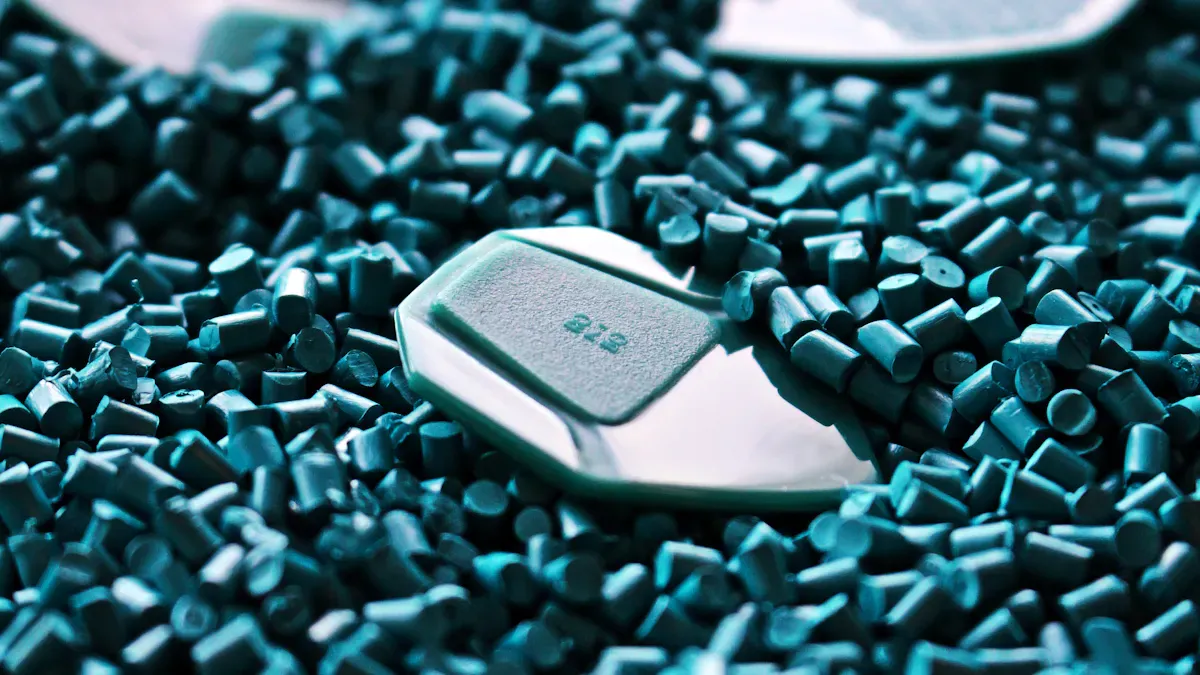
Sistem Strand dan Underwater Pelletizer berbeza dalam kaedah penyejukan dan pemotongan, skala pengeluaran, dan kualiti pelet. Pelet helai menyejukkan helai polimer dalam palung air, manakala unit Pelet Bawah Air memotong pelet tenggelam sepenuhnya, menghasilkan pelet yang sangat seragam dan mengendalikan pengeluaran yang lebih tinggi.
Untuk polimer berkelikatan tinggi, Sistem Pelet Bawah Air menampung sehingga 70,000 lb/jam dan kebanyakan jenis polimer, seperti yang ditunjukkan di bawah:
| Jenis Sistem | Jumlah Pengeluaran | Keserasian Bahan |
|---|---|---|
| Pelet Bawah Air | Sehingga 70,000 lb/jam | Kebanyakan polimer |
| Pelletizing Strand | Sehingga 44,000 lb/jam | Pembolehubah, cabaran dengan bahan kelikatan rendah |
Pertimbangkan jenis bahan, pencemaran, daya pengeluaran, dan kualiti pelet apabila memilih pelet.
Pengambilan Utama
- Pelet helai menyejukkan helai polimer dalam air, manakala pelet bawah air memotong pelet yang ditenggelami air, affecting pellet quality and production scale.
- Underwater pelletizers can handle up to 70,000 lb/jam, making them ideal for high-viscosity polymers and large-scale production.
- Choose underwater pelletizers for applications needing uniform, spherical pellets with minimal dust; strand pelletizers produce cylindrical pellets but generate more dust.
- Maintenance is simpler for strand pelletizers due to their dry design, while underwater systems require more complex cleaning due to water exposure.
- Consider material compatibility: underwater systems work with a wider range of polymers, including high-viscosity and contaminated materials.
- Evaluate production needs: strand pelletizers are better for frequent material changes, while underwater systems excel in continuous, operasi keluaran tinggi.
- Assess costs carefully: pelet bawah air mempunyai perbelanjaan permulaan dan operasi yang lebih tinggi, tetapi mungkin menawarkan penjimatan jangka panjang dalam persekitaran volum tinggi.
- Gunakan senarai semak pemilihan untuk menyelaraskan pilihan pelet anda dengan bahan khusus anda, daya pengeluaran, dan keperluan bajet.
Gambaran Keseluruhan Perbandingan Pelet
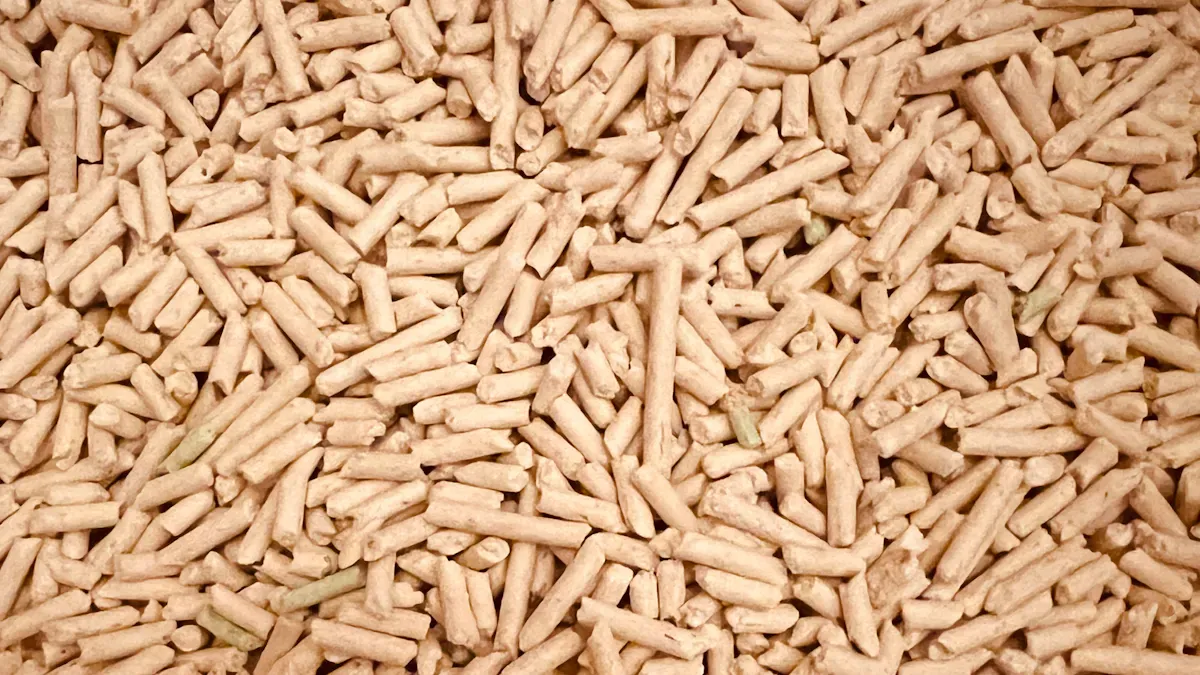
Jadual Strand vs Underwater Pelletizer
Memilih pelet yang sesuai untuk proses anda memerlukan pemahaman yang jelas tentang prestasi setiap sistem merentas metrik kritikal. Jadual di bawah menyediakan perbandingan sebelah menyebelah bagi helai dan pelet bawah air, memberi tumpuan kepada bentuk pelet, variasi saiz, penjanaan habuk, jumlah pengeluaran, dan keserasian material.
| Metrik | Pelet Bawah Air | Pelletizing Strand |
|---|---|---|
| Bentuk Pelet | berbentuk sfera | berbentuk silinder |
| Variasi Saiz | < ±5% | < ±10-15% |
| Penjanaan Habuk | Kurang | Lagi |
| Jumlah Pengeluaran | Sehingga 70,000 lb/jam | Sehingga 44,000 lb/jam |
| Keserasian Bahan | Kebanyakan polimer | Pembolehubah, cabaran dengan bahan kelikatan rendah |
Petua: Untuk aplikasi yang memerlukan pelet yang sangat seragam dan habuk yang minimum, sistem pelet dalam air selalunya memberikan hasil yang lebih baik.
Key Metrics Compared
When evaluating pelletizer options, manufacturers should consider several key aspects:
- Kualiti Pelet: Underwater pelletizer units produce highly uniform, spherical pellets with minimal dust due to rapid water cooling. Strand pelletizer systems generate cylindrical pellets, but tend to create more dust and fines, which can impact downstream processing.
- Maintenance Requirements: Underwater pelletizer equipment involves more complex components and water exposure, leading to higher maintenance needs. Strand pelletizer machines feature a simpler, dry design, making them easier and faster to maintain.
- Keserasian Bahan: Underwater pelletizer technology handles a wide range of polymers, including high-viscosity and specialty materials. Strand pelletizer systems work well with most plastics, but may struggle with low-viscosity or sticky polymers.
- Kecekapan Pengeluaran: Underwater pelletizer lines support continuous, high-output operation, making them ideal for large-scale production. Strand pelletizer setups often operate in batches and typically offer lower throughput.
- Pertimbangan Kos: Underwater pelletizer systems require a higher initial investment and ongoing maintenance costs. Strand pelletizer solutions are generally more cost-effective for smaller operations or frequent material changes.
Manufacturers in industries such as automotive, pembungkusan, and electronics should match their process requirements to the strengths of each pelletizer type. The right choice depends on the desired pellet quality, material type, jumlah pengeluaran, and operational budget.
How Each Pelletizer Works
Strand Pelletizer Process
Menyejukkan dan Memotong
Strand pelletizer systems operate by transforming molten polymer into cylindrical pellets. Proses ini bermula dengan memasukkan bahan ke dalam pemadat menggunakan penghantar tali pinggang. Kelajuan penyusuan boleh dilaraskan, dan pengesanan logam sering disertakan untuk mengelakkan pencemaran. Bilah putar di dalam pemadat carik dan panaskan bahan, memadatkannya sebelum ia memasuki skru penyemperit. Extruder mencairkan polimer, dan sistem vakum menghilangkan kekotoran. Setelah polimer cair sepenuhnya, ia bergerak ke kepala die. Di sini, helai lebur dipotong dan disejukkan dalam a cincin air, yang menghapuskan keperluan untuk pengendalian helai manual. Cincin air memastikan penyejukan pantas dan membantu mengekalkan bentuk pelet.
Nota: Kaedah penyejukan gelang air dalam sistem pelet helai adalah cekap untuk kebanyakan plastik kejuruteraan, tetapi mungkin bergelut dengan polimer melekit atau kelikatan rendah.
Susun atur Peralatan
The equipment layout for a strand pelletizer typically includes several key components:
- Compactor with adjustable feeding and metal detection
- Single-screw extruder with vacuum degassing
- Die head for strand formation
- Water ring for cooling and pelletizing
- Conveyor system for pellet collection
This layout supports straightforward maintenance and quick material changeovers. The dry design reduces downtime and simplifies cleaning. Operators can easily access the compactor and extruder for routine inspections.
Underwater Pelletizer Process
In-Water Cutting and Cooling
The underwater pelletizer process is designed for high-volume and high-viscosity polymer production. The operation starts with sorting materials to separate recyclable plastics from non-recyclables. Selepas menyusun, bahan-bahan itu dibasuh untuk membuang bahan cemar dan kemudian dikeringkan untuk menyediakannya untuk cair. Plastik kering dicairkan untuk membentuk leburan polimer homogen. Polimer cair kemudian dimasukkan terus ke dalam ruang air. Di dalam bilik ini, pelletizer memotong polimer menjadi pelet semasa tenggelam sepenuhnya. Persekitaran bawah air menyediakan penyejukan pantas, menghasilkan sangat seragam, pelet sfera. Kaedah ini meminimumkan habuk dan halus, menjadikannya sesuai untuk aplikasi yang memerlukan kualiti pelet yang ketat.
Petua: Sistem pelet bawah air cemerlang dalam memproses bahan mentah tercemar dan polimer khusus kerana keupayaan penyejukan dan pemotongan yang teguh.
Persediaan Sistem
Persediaan pelet dalam air biasa termasuk:
- Menyusun dan membasuh unit untuk penyediaan bahan
- Peralatan pengeringan untuk memastikan kualiti cair yang optimum
- Extruder for melting and homogenizing the polymer
- Water chamber with integrated cutting head
- Pellet collection and drying system
This configuration supports continuous processing and high throughput. The underwater cutting head operates within the water chamber, allowing for precise pellet formation and rapid cooling. Maintenance is more complex due to water exposure and system integration, but the benefits in pellet quality and production volume are significant.
Key Differences in Pelletizer Selection
Process Suitability
Throughput and Flexibility
Pelletizer selection depends heavily on throughput requirements and operational flexibility. Manufacturers must evaluate the scale of their processing needs and the types of polymers involved. The following table summarizes kapasiti pemprosesan for different pelletizer types:
| Jenis Pelet | Kapasiti Throughput |
|---|---|
| Strand Pelletizer | Rendah hingga Sederhana |
| Pelet Cincin Air | Sederhana hingga Tinggi |
| Pelet Bawah Air | Tinggi kepada Sangat Tinggi |
Pelet helai mengendalikan daya pemprosesan rendah hingga sederhana dan menawarkan serba boleh untuk pelbagai polimer, termasuk bahan sensitif haba. Pelet gelang air menyokong pemprosesan sederhana hingga tinggi, mencapai kira-kira 11,000 paun sejam. Sistem pelet bawah air cemerlang dalam senario pemprosesan tinggi hingga sangat tinggi, pemprosesan sehingga 70,000 paun sejam. Sistem ini sesuai untuk polimer yang mencabar seperti PET, PA, TPU, dan bioplastik.
Nota: Untuk pengeluaran berskala besar dan menuntut polimer, unit pelet bawah air memberikan daya pemprosesan yang tidak dapat ditandingi dan operasi berterusan.
Pertukaran Bahan
Pertukaran bahan yang kerap adalah pertimbangan kritikal untuk banyak pemproses. Sistem pelet helai mempunyai ciri yang mudah, reka bentuk kering yang membolehkan pembersihan pantas dan penukaran pantas. Operator boleh bertukar antara bahan dengan masa henti yang minimum, membuat pelet helai sesuai untuk kemudahan yang memproses pelbagai jenis polimer atau memerlukan perubahan kelompok yang kerap.
Sistem pelet bawah air, sambil menawarkan daya pemprosesan yang unggul, melibatkan prosedur pembersihan yang lebih kompleks kerana pendedahan air dan kepala pemotong bersepadu. Pertukaran bahan mengambil masa lebih lama, dan protokol pembersihan khusus adalah perlu untuk mengelakkan pencemaran, terutamanya apabila bertukar antara polimer dengan sifat yang berbeza.
Keserasian Bahan
Kelikatan dan Pencemaran
Keserasian bahan mempengaruhi prestasi dan penyelenggaraan pelet. Pelet helai berfungsi dengan baik dengan kebanyakan plastik tetapi mungkin bergelut dengan polimer melekit atau kelikatan rendah. Underwater pelletizer systems handle a broader range of viscosities, including high-viscosity and specialty polymers.
Contamination management is essential in both systems. Proper die-to-blade alignment prevents contamination from fines and dust. Contaminated materials can degrade die surfaces, increasing maintenance needs. Underwater pelletizer units are robust against contamination, especially when processing recycled or specialty feedstocks. Cleaning protocols for polymers like PVC and TPEs must be followed to maintain pellet quality and prevent system degradation.
Jenis Polimer
The compatibility of pelletizer systems with various polymer types is outlined below:
| Jenis Bahan | Keserasian |
|---|---|
| Polyolefins | PP, PE |
| Engineering Plastics | ABS, TPU, TPE, PA |
| Biodegradable Plastics | PLA, PBAT, PHA, polimer berasaskan kanji |
| Masterbatch Production | Color masterbatch, masterbatch pengisi, bahan tambahan |
| Chemical and Resin Prod. | Pelekat cair panas, elastomer, polimer reaktif |
| Bahan LKM Tinggi | Sesuai untuk sistem pelet dalam air |
Pelet helai adalah serba boleh untuk poliolefin dan plastik kejuruteraan. Sistem pelet bawah air menampung julat yang lebih luas, termasuk plastik terbiodegradasi, pengeluaran masterbatch, dan bahan LKM tinggi yang tidak boleh dipelet menggunakan sistem helai atau gelang air.
Kualiti Pelet
Keseragaman Saiz dan Bentuk
Kualiti pelet memberi kesan kepada pemprosesan hiliran dan prestasi produk akhir. Sistem pelet bawah air menghasilkan sangat seragam, pelet sfera dengan variasi saiz biasanya kurang daripada ±5%. Pelet helai menjana pelet silinder dengan variasi saiz sehingga ±10-15%. Keseragaman adalah penting untuk aplikasi yang memerlukan aliran pelet yang konsisten dan habuk yang minimum.
Petua: Choose underwater pelletizer systems for applications demanding strict pellet size and shape uniformity.
Downstream Processing Impact
Pellet shape and quality affect downstream processing efficiency. Spherical pellets from underwater systems flow smoothly in pneumatic conveying and feeding equipment. Reduced dust generation minimizes contamination and wear in downstream machinery. Cylindrical pellets from strand pelletizers may produce more fines, impacting filtration and compounding processes.
Manufacturers must assess how pellet quality influences subsequent steps, such as extrusion, acuan, or blending. Selecting the right pelletizer ensures optimal performance throughout the production chain.
Penyelenggaraan dan Operasi
Cleaning and Downtime
Routine cleaning and minimizing downtime are critical factors in pelletizer selection. Sistem pelet helai mempunyai ciri yang mudah, dry design. Operators can access key components quickly, which allows for fast cleaning between production runs. This design reduces the risk of cross-contamination when switching materials. Most strand pelletizer units require only basic disassembly for cleaning, and the absence of water in the cutting area simplifies maintenance.
Underwater pelletizer systems present a different scenario. The integration of water in the cutting chamber introduces additional cleaning requirements. Water exposure can lead to mineral buildup, corrosion, or microbial growth if not managed properly. Operators must follow strict cleaning protocols to maintain system hygiene and prevent contamination of pellets. Cleaning the underwater cutting head and water circulation system often takes more time and may require specialized tools or chemicals. Downtime for maintenance is typically longer with underwater pelletizer equipment, especially during material changeovers or when processing sticky polymers.
Nota: Facilities that require frequent material changes or rapid cleaning cycles often prefer strand pelletizer systems due to their ease of maintenance and reduced downtime.
System Complexity
System complexity directly impacts operator training, penyelesaian masalah, dan kebolehpercayaan jangka panjang. Strand pelletizer machines use a simple mechanical layout. Most operators can learn to run and maintain these systems with minimal training. Fewer moving parts and a dry environment reduce the likelihood of mechanical failure.
Underwater pelletizer systems are more complex. These units combine extrusion, water management, and in-water cutting in a single integrated process. Operators must monitor water temperature, flow rate, and pelletizer blade condition. Automated controls and sensors are common, but they add to the learning curve. Troubleshooting underwater pelletizer systems often requires specialized knowledge and technical support. The complexity of these systems can increase the risk of unplanned downtime if not managed by experienced personnel.
Petua: Simpler strand pelletizer systems are ideal for facilities with limited technical staff or where ease of operation is a priority.
Faktor Kos
Pelaburan Permulaan
The initial investment for a pelletizer system varies significantly based on technology and production requirements. Strand pelletizer units generally have a lower upfront cost. Their simple design, fewer components, and minimal water management needs make them accessible for small to medium-sized operations. Installation is straightforward, and most facilities can integrate strand pelletizer equipment without major infrastructure changes.
Underwater pelletizer systems require a higher initial investment. These systems include advanced water handling, automated controls, and robust cutting mechanisms. The need for specialized installation and integration with existing processing lines can further increase costs. Namun begitu, the higher investment often pays off in large-scale operations where throughput and pellet quality are critical.
| Jenis Pelet | Typical Initial Investment | Installation Complexity |
|---|---|---|
| Strand Pelletizer | Low to Moderate | Mudah |
| Pelet Bawah Air | tinggi | Kompleks |
Nota: Consider both current and future production needs when evaluating initial investment. A higher upfront cost may deliver long-term savings in high-volume environments.
Operating Expenses
Operating expenses include maintenance, penggunaan tenaga, water usage, and spare parts. Strand pelletizer systems offer lower ongoing costs. Their dry operation reduces water and energy consumption. Maintenance is less intensive, and spare parts are typically less expensive.
Underwater pelletizer systems incur higher operating expenses. Continuous water circulation, filtration, and drying increase utility costs. Maintenance is more frequent due to water exposure and the complexity of the cutting mechanism. Replacement parts for underwater pelletizer units can be costly, especially for specialized blades or seals. Facilities must also account for water treatment and disposal, which adds to the total cost of ownership.
Petua: Calculate total cost of ownership, not just initial price, when selecting a pelletizer. Higher operating expenses can offset the benefits of increased throughput if not managed carefully.
Aplikasi Pelet Bawah Air dan Pelet Sehelai
Aplikasi Pelet Strand
Sistem pelet helai melayani pelbagai jenis industri kerana kepelbagaian dan operasinya yang mudah. Mesin ini amat berharga dalam persekitaran di mana perubahan bahan yang kerap dan penyelenggaraan yang mudah menjadi keutamaan.
Engineering Plastics
Pelet helai digunakan secara meluas untuk plastik kejuruteraan. Mereka memproses bahan seperti polipropilena, polietilena, dan sebatian bertetulang gentian kaca. Plastik ini biasa digunakan dalam automotif, elektrik, dan pembuatan barangan pengguna.
| Jenis Plastik Kejuruteraan | Penerangan |
|---|---|
| Polipropilena (PP) | Digunakan secara meluas dalam pelet helai kering untuk pemprosesan. |
| Polietilena (PE) | Biasanya diproses menggunakan pelet helai. |
| Gentian Kaca Diperkukuh | Selalunya diproses dengan pelet helai. |
Pelet helai mengekalkan kualiti pelet untuk bahan ini, supporting consistent downstream processing.
Bahan Kitar Semula
Plastic recycling plants rely on strand pelletizer systems for converting post-consumer and post-industrial waste into reusable pellets. These systems handle a variety of recycled plastics, making them essential for waste recycling operations. The dry design of strand pelletizers allows for efficient cleaning, which is important when switching between different recycled materials.
Pengkompaunan
Compounding facilities use strand pelletizers to blend polymers with additives, pengisi, or colorants. The resulting pellets are used in film, sheet, and fiber processing, as well as in injection and blow molding operations.
| Jenis Permohonan |
|---|
| Plastic recycling plants |
| Plastic compounding and manufacturing |
| Film, sheet, and fiber processing |
| Injection and blow molding operations |
Pelet helai menawarkan fleksibiliti untuk garis pengkompaunan yang memerlukan perubahan formulasi yang kerap.
Aplikasi Pelet Bawah Air
Sistem pelet bawah air direka bentuk untuk persekitaran berprestasi tinggi. Mesin ini cemerlang dalam aplikasi di mana keseragaman pelet, daya pengeluaran yang tinggi, dan keupayaan untuk mengendalikan bahan yang mencabar adalah kritikal.
Polimer Kelikatan Tinggi
Teknologi pelet bawah air menghasilkan pelet yang sangat seragam dengan variasi saiz dan bentuk yang minimum. Keupayaan ini amat penting untuk polimer berkelikatan tinggi, di mana pelet helai tradisional mungkin bergelut dengan konsistensi dan pecah helai. Proses pemotongan dan penyejukan dalam air memastikan pembentukan pelet yang boleh dipercayai, walaupun dengan bahan yang menuntut.
- Pelet bawah air menghasilkan pelet yang sangat seragam dengan variasi saiz dan bentuk yang minimum, menjadikannya berfaedah untuk high-viscosity materials.
- Strand pelletizing may face challenges in maintaining consistency and quality when processing high-viscosity polymers due to its manual start-up process and potential for strand breakage.
Contaminated Feedstocks
Underwater pelletizer systems are robust against contamination. They process recycled and specialty feedstocks with high impurity levels. The integrated water chamber and cutting head help manage contaminants, reducing the risk of fines and improving pellet quality. This makes underwater pelletizers suitable for waste recycling and biodegradable plastic pelletizing applications.
High-Volume Production
Manufacturers choose underwater pelletizer systems for high-volume production lines. These machines support continuous operation and can process up to 70,000 paun sejam. The underwater environment enables rapid cooling, yang penting untuk mengekalkan kualiti pelet pada skala besar.
Contoh Industri
Pemilihan pelet bergantung pada keperluan khusus setiap industri. Kedua-dua helai dan sistem pelet bawah air memainkan peranan penting dalam pembuatan moden.
Automotif
Pembekal automotif menggunakan pelet helai untuk plastik kejuruteraan dan sebatian bertetulang gentian kaca. Pelet ini digunakan dalam komponen dalaman, bahagian bawah hud, dan trim luaran. Sistem pelet bawah air menyokong pengeluaran polimer khusus dan bahan kitar semula untuk bahagian automotif yang ringan dan mampan.
Pembungkusan
The industri pembungkusan adalah sektor peneraju untuk sistem pelet dalam air. Mesin ini menghasilkan kualiti tinggi, pelet yang konsisten untuk kedua-dua bahan pembungkusan yang fleksibel dan tegar. Pelet bawah air membolehkan kitar semula plastik menjadi pelet seragam, menyokong pembungkusan mampan dan inisiatif ekonomi pekeliling. Ia digunakan untuk menghasilkan pelet plastik kitar semula untuk pengacuan suntikan, penyemperitan, dan blow moulding—proses yang penting untuk mencipta produk pembungkusan baharu.
Pelet plastik kitar semula daripada sistem pelet dalam air juga digunakan dalam pembuatan bahan pembungkusan, bahagian automotif, dan barangan harian. Fleksibiliti ini menyerlahkan kepentingan pelet dalam air dalam sektor pembungkusan.
elektronik
Pengeluar elektronik memerlukan kualiti pelet yang tepat untuk komponen seperti perumah, penyambung, dan penebat. Pelet helai memproses plastik kejuruteraan untuk aplikasi ini. Sistem pelet bawah air mengendalikan polimer khusus dan pengeluaran volum tinggi, menyokong permintaan industri elektronik untuk bahan yang konsisten dan boleh dipercayai.
Nota: The choice between strand and underwater pelletizer systems depends on material type, contamination level, and production scale. Manufacturers should evaluate their process requirements to select the most suitable pelletizer for their application.
Pelletizer Selection Guide
Choosing the right pelletizer for your operation requires a structured approach. This guide provides a practical checklist and a decision flowchart to help you align your equipment selection with your production goals.
Selection Checklist
A systematic evaluation ensures that your pelletizer matches your material and operational needs. Use the following checklist to guide your decision:
Material Assessment
- Identify the type of polymer you plan to process (cth., PET, HDPE, LDPE, plastik kejuruteraan).
- Assess contamination levels in your feedstock. High contamination may require robust cleaning or specialized configurations.
- Consider if your application involves specialty materials, such as those used in biodegradable plastic pelletizing.
Jumlah Pengeluaran
- Estimate your required throughput. High-volume operations often benefit from underwater systems due to their continuous operation and capacity.
- Determine if your production is batch-based or continuous. Underwater pelletizers excel in continuous, large-scale environments.
Pellet Quality Needs
- Define the desired pellet shape and size uniformity. Spherical pellets from underwater systems offer superior consistency.
- Evaluate the importance of dust and fines control for your downstream processing.
- Review blade design and material, as sharp and durable blades improve cutting precision and pellet quality.
Bajet
- Calculate your available budget for initial investment and ongoing operating expenses.
- Factor in maintenance, tenaga, and water usage. Underwater systems typically have higher costs but deliver greater throughput and pellet quality.
Petua: Maintenance and ease of use are critical for facilities with frequent material changes or limited technical staff.
Decision Flowchart
The following tables summarize the main decision points when selecting between strand and underwater pelletizer systems:
| Jenis Pelet | Terbaik Untuk | Bentuk Pelet | Kos Relatif |
|---|---|---|---|
| Pelet helai | PE, PP, PS - bahan mentah bersih | berbentuk silinder | rendah |
| Pelet dalam air | PET, PA, plastik kejuruteraan | berbentuk sfera | tinggi |
| Faktor | Penerangan |
|---|---|
| Jenis Bahan | Different materials (PET, HDPE, LDPE) have unique challenges and needs regarding processing. |
| Contamination Level | Contamination control is crucial for maintaining processing stability and quality of pellets. |
| Configuration Requirements | Konfigurasi khusus diperlukan berdasarkan jenis bahan dan pencemaran yang ada. |
Nota: Sistem pelet bawah air lebih disukai untuk polimer berkelikatan tinggi, bahan mentah yang tercemar, dan aplikasi yang memerlukan keseragaman pelet yang ketat. Pelet helai kekal sebagai pilihan kos efektif untuk pembersihan, bahan standard dan penukaran yang kerap.
Dengan mengikuti senarai semak ini dan menyemak jadual keputusan, anda dengan yakin boleh memilih pelet yang selaras dengan keperluan pemprosesan anda, sama ada anda menumpukan pada pengeluaran dalam air volum tinggi atau operasi helai fleksibel.
Memilih antara sistem helai dan bawah air bergantung pada keperluan proses anda. Penyelesaian bawah air memberikan daya pemprosesan yang tinggi, pelet seragam, dan mengendalikan bahan yang mencabar. Sistem strand menawarkan penyelenggaraan yang lebih mudah dan penukaran yang lebih cepat. Gunakan jadual perbandingan below to evaluate brands and capacities:
| Brand/Model | Maximum capacity (kg/j) | Power (kW) | Applicable Materials | Reference price (USD) |
|---|---|---|---|---|
| Coperion ZSK Series | 2000 | 250 | Engineering plastics, PE/PP | 150,000-300,000 |
| Wintech | 800 | 90 | PE film, agricultural waste | 45,000-65,000 |
| Domestic economic granulator | 300 | 55 | PVC, ABS | 15,000-25,000 |
Consider these factors:
- Type of plastic
- Required throughput
- Desired pellet quality
- Operational needs
For complex underwater applications, consult suppliers or technical experts to ensure the right pelletizer choice.
Soalan Lazim
What is the main difference between strand and underwater pelletizers?
Strand pelletizers cut and cool polymer strands outside the die, while underwater pelletizers cut pellets directly in water. Underwater systems deliver more uniform pellets and higher throughput.
Which pelletizer is better for frequent material changes?
Strand pelletizers allow faster cleaning and easier material changeovers. Reka bentuk kering mereka mengurangkan masa henti, menjadikannya sesuai untuk operasi yang sering menukar bahan.
Bolehkah pelet dalam air mengendalikan bahan kitar semula atau tercemar?
ya. Pelet dalam air memproses bahan mentah yang tercemar atau dikitar semula dengan cekap. Sistem berasaskan air mereka yang teguh menguruskan kekotoran dan mengekalkan kualiti pelet.
Bagaimanakah bentuk pelet mempengaruhi pemprosesan hiliran?
Pelet sfera dari sistem bawah air mengalir dengan lancar dalam penghantar dan penyuap pneumatik. Pelet silinder daripada sistem untaian boleh menghasilkan lebih banyak habuk, yang boleh menjejaskan kualiti peralatan dan produk.
Adakah pelet bawah air lebih mahal untuk dikendalikan?
Kos operasi untuk pelet bawah air adalah lebih tinggi. Sistem ini memerlukan lebih banyak air, tenaga, dan penyelenggaraan. Kemudahan juga mesti menguruskan rawatan air dan alat ganti khusus.
Apakah jenis polimer yang paling sesuai dengan pelet helai?
Pelet helai berfungsi dengan baik dengan poliolefin, plastik kejuruteraan, dan bahan mentah yang bersih. Mereka mungkin bergelut dengan polimer melekit atau kelikatan rendah.
Bagaimanakah saya memilih pelet yang sesuai untuk proses saya?
Menilai jenis bahan anda, daya pengeluaran yang diperlukan, keperluan kualiti pelet, dan bajet. Gunakan senarai semak pemilihan dan berunding dengan pembekal untuk keperluan yang kompleks.