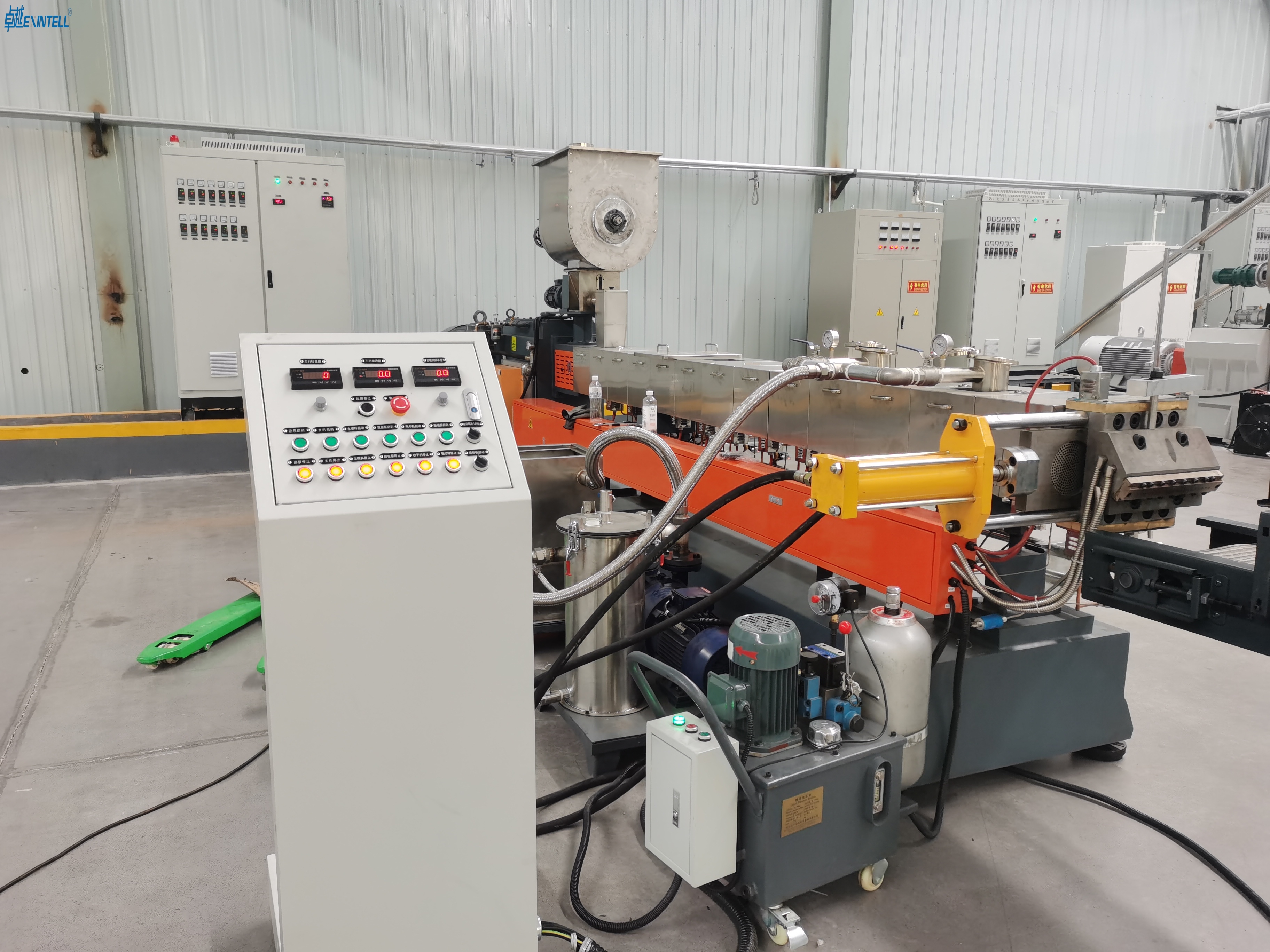
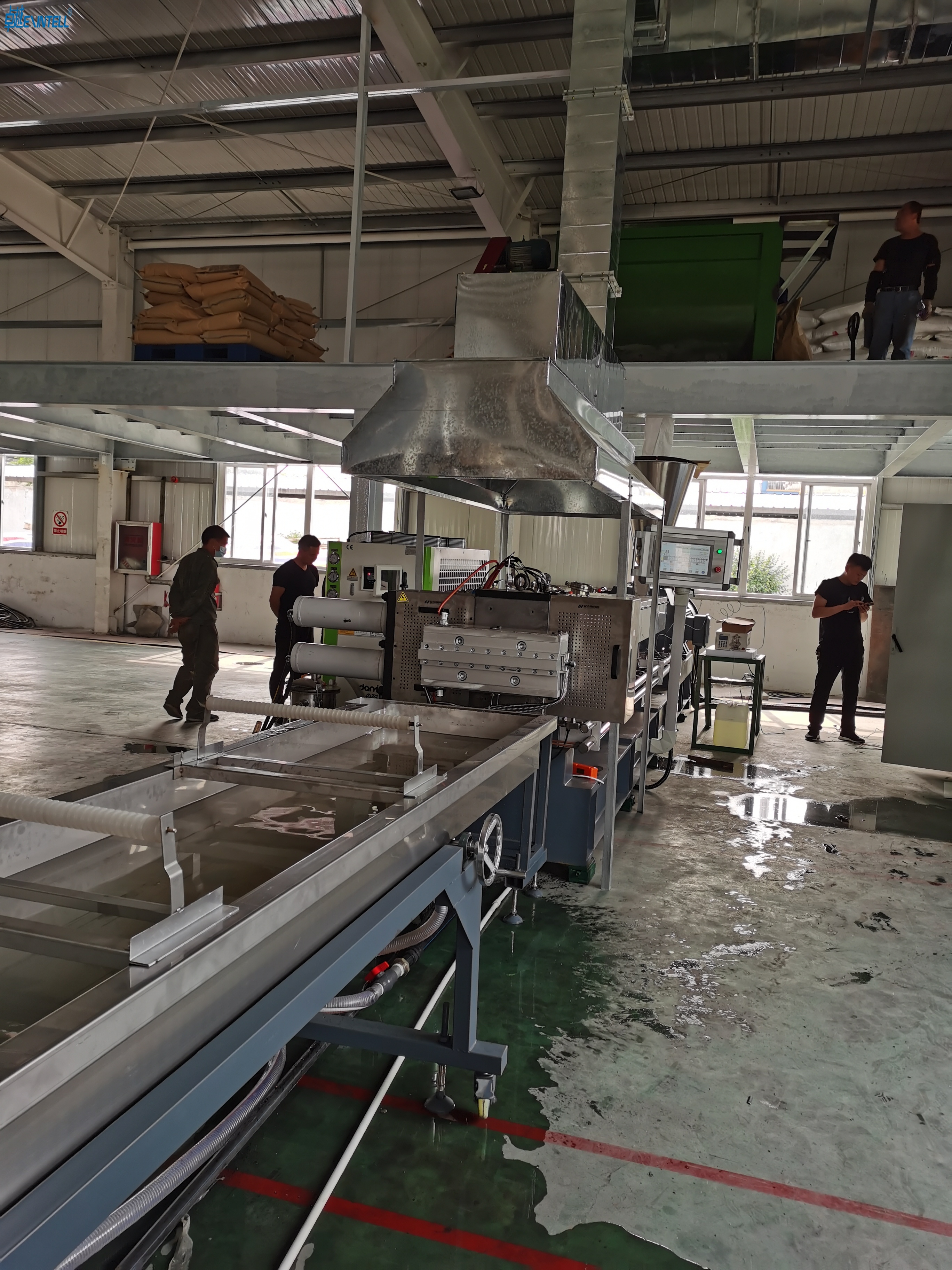
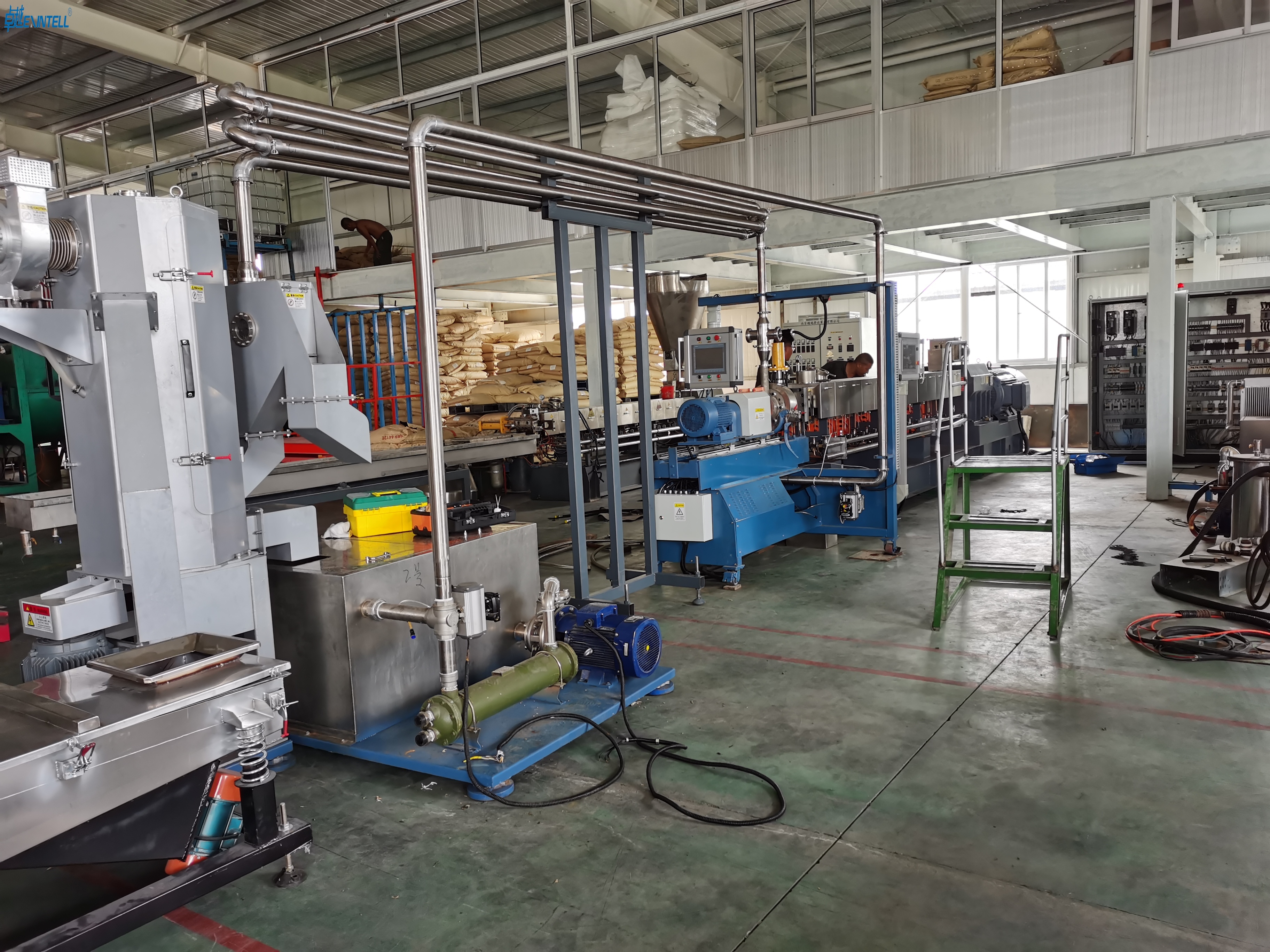
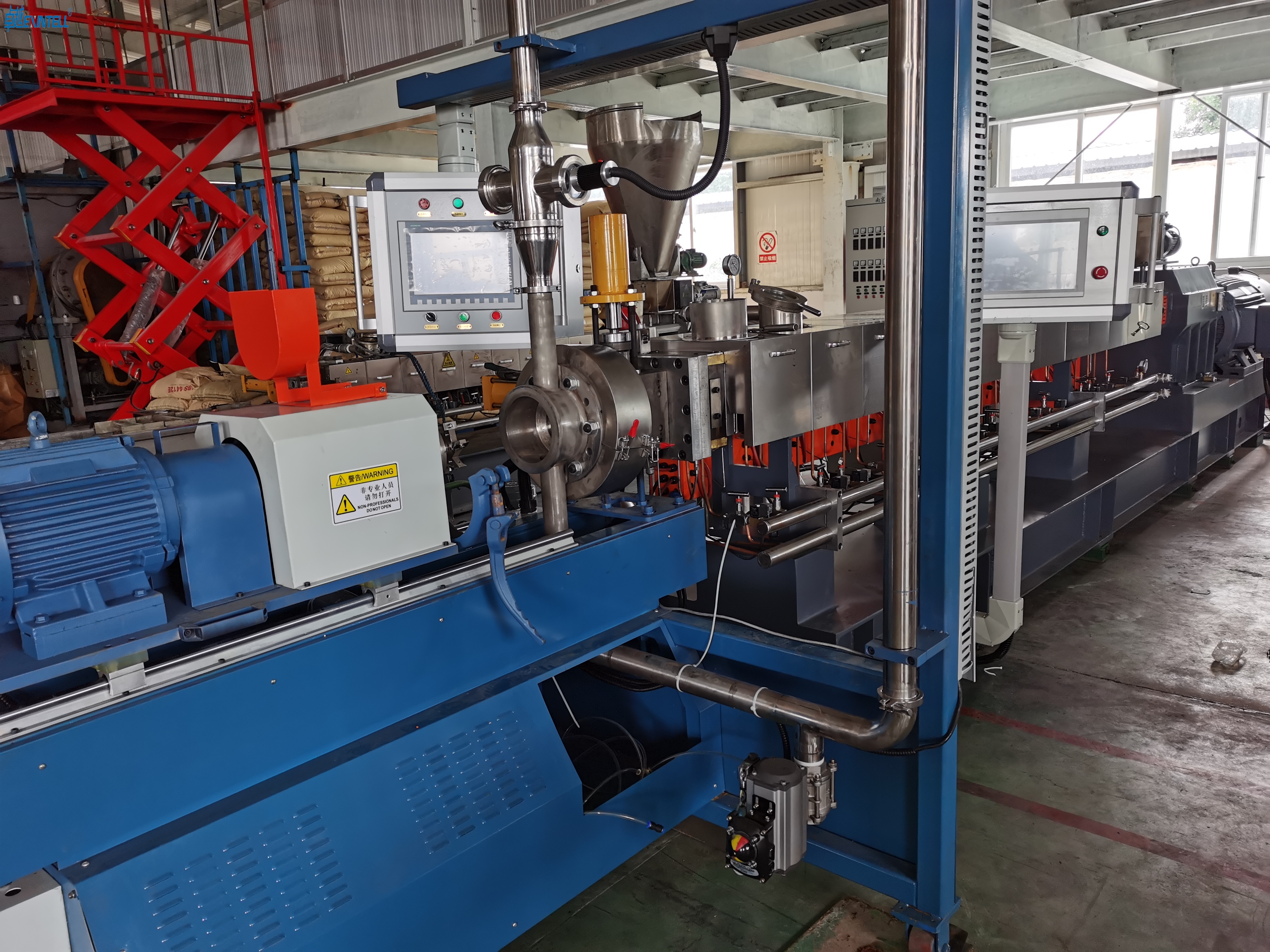
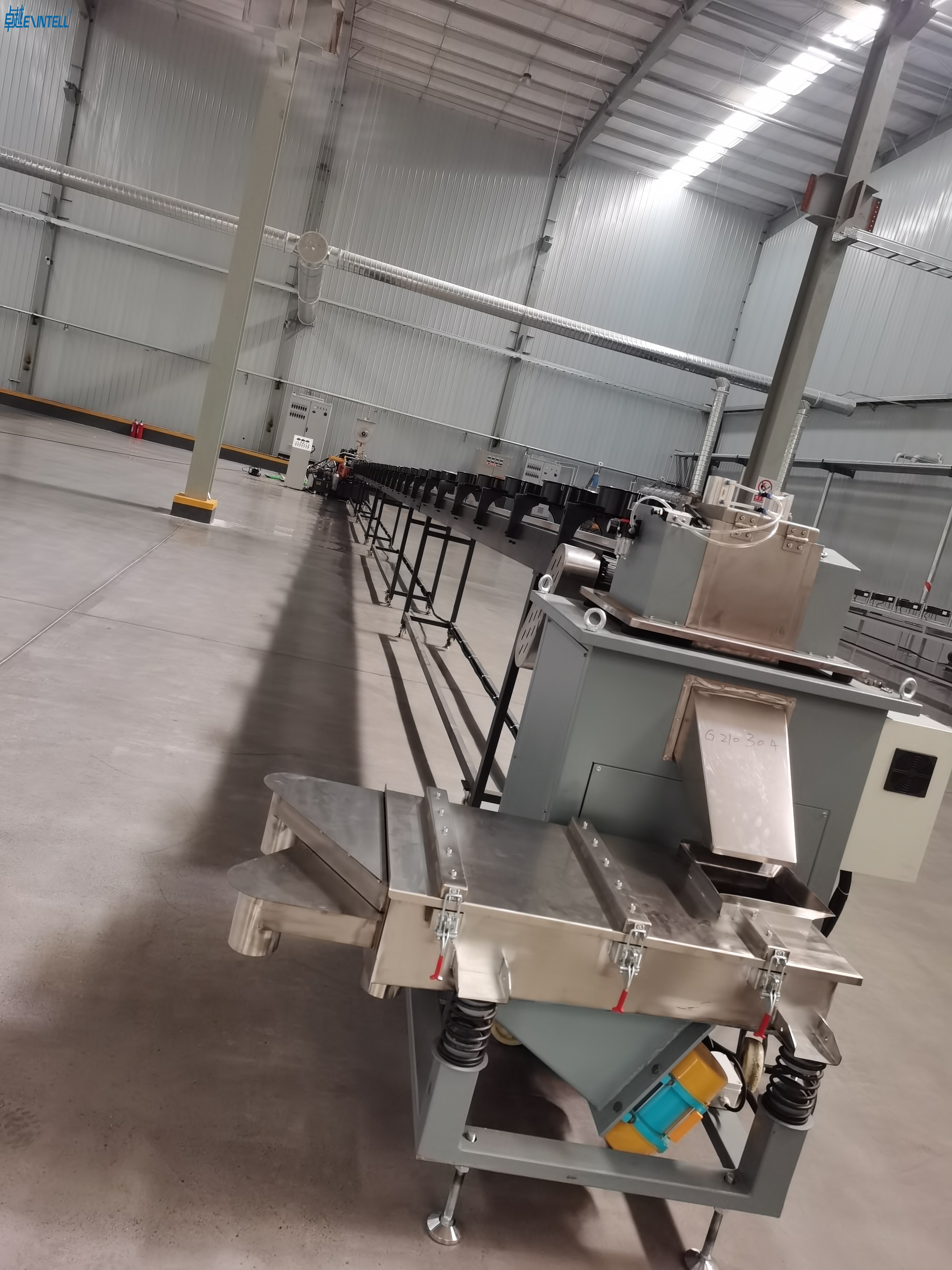
मी पाहतो प्लास्टिक बाहेर काढणेas a process that turns raw plastic pellets into useful shapes like pipes or sheets. To picture it, I think of squeezing toothpaste from a tube—except instead of paste, I use melted plastic, and instead of a tube, I have a special mold. This method producesप्रती 140 million metric tonsof plastic products globally each year:
Region
उत्पादन खंड (मेट्रिक टन)
Asia-Pacific
71 दशलक्ष
उत्तर अमेरिका
29 दशलक्ष
युरोप
25 दशलक्ष
Total
142 दशलक्ष
की टेकअवेज
Plastic extrusion transformsraw plastic pellets into useful shapes like pipes and sheets through a continuous process.
Temperature and pressure control are crucial for ensuring the quality of the final product during extrusion.
Common products made from plastic extrusion include packaging, बांधकाम साहित्य, and medical tubing.
Recycling leftover plastic एक्सट्रूजन दरम्यान कचरा कमी करण्यात मदत होते आणि टिकाऊ उत्पादन पद्धतींना समर्थन मिळते.
एक्सट्रूजन प्रक्रिया समजून घेतल्याने उत्पादकांना सानुकूलित आकार तयार करता येतात आणि विशिष्ट उद्योग गरजा पूर्ण करता येतात.
प्लास्टिक एक्सट्रूजन म्हणजे काय?
साधे स्पष्टीकरण
जेव्हा मी प्लास्टिकच्या एक्सट्रूझनबद्दल विचार करतो, मी ती एक सरळ पण शक्तिशाली उत्पादन प्रक्रिया म्हणून पाहतो. मी कच्च्या प्लास्टिकपासून सुरुवात करतो, सहसा लहान गोळ्या किंवा ग्रॅन्यूलच्या स्वरूपात. मी या गोळ्यांना एका मशीनमध्ये भरवतो जे ते वितळेपर्यंत गरम करते. एकदा प्लास्टिक योग्य तापमानात पोहोचले, मी त्यास डाय नावाच्या विशेष आकाराच्या ओपनिंगद्वारे सक्ती करतो. हे डाई उत्पादनाचा अंतिम आकार ठरवते. नव्याने तयार झालेले प्लास्टिक थंड आणि घट्ट होत असताना प्रक्रिया चालू राहते, आणि मी ते इच्छित लांबीपर्यंत कापले.
मला पास्ता बनवण्याशी प्लॅस्टिक एक्सट्रूझनची तुलना करायला आवडते. I push dough through a pasta maker to get spaghetti or penne. In the same way, I push melted plastic through a die to create pipes, पत्रके, or other shapes.
Plastic extrusion stands out because it is continuous. I can keep feeding plastic pellets into the machine, and it keeps producing long, uniform shapes. Precise control of temperature and pressure at every stage—feeding, वितळणे, extruding, थंड करणे, and cutting—ensures the quality of the final product.
It transforms raw plastic into usable shapes by melting and forcing it through a die.
Precise control of temperature and pressure is crucial during each stage.
Common Products
I see the results of plastic extrusion everywhere in daily life and industry. Many products I use or encounter rely on this process for their shape and function. Some of the most common items made with plastic extrusion include:
Plastic channels and trims used in construction and furniture
Profiles for windows and doors that provide structure and sealing
LED light diffusers that spread light evenly
Retail display components for showcasing products
Road barricades and traffic delineators for safety
Solar panel mounting components for renewable energy systems
Custom packaging inserts that keep products secure
Plastic extrusion allows me to create these products efficiently and consistently. I rely on this process to meet the demands of modern manufacturing, from simple tubes to complex profiles. The versatility of extrusion means I can adapt it to many different applications, making it a cornerstone of the plastic industry.
Plastic Extrusion Process Steps
When I guide someone through theप्लास्टिक बाहेर काढण्याची प्रक्रिया, I always break it down into clear, manageable steps. Thisstep-by-step processtransforms raw plastic pellets into finished products with precision and efficiency. Here’s how I approach each stage:
Feeding Pellets
I begin the plastic extrusion process by selecting theright type of plastic pellets. The choice of material matters because each type brings unique properties to the final product. उदाहरणार्थ, I often use polyethylene for its lightweight and chemical resistance, polystyrene for its rigidity and clarity, or polypropylene for its strength and high melting point. I pour these pellets into a hopper, which feeds them into the extruder. The hopper ensures a steady flow, so the process remains continuous and efficient.
टीप: I always check the purity and quality of the raw plastic before starting. Consistent material quality helps me avoid defects later in the extrusion.
हलके, high impact resistance, excellent chemical resistance
पॅकेजिंग, कंटेनर, ग्राहकोपयोगी वस्तू
पॉलिस्टीरिन
Rigid, transparent, easy to mold
Signs, display cases, household items
पॉलीप्रोपीलीन
High melting point, रासायनिक प्रतिकार, strength
ऑटोमोटिव्ह भाग, textiles, पॅकेजिंग
Melting Plastic
Once the pellets enter the extruder, I move to the next step—melting the plastic. The extruder barrel heats up to temperatures between 200°C and 275°C, सामग्रीवर अवलंबून. I monitor the temperature closely because each plastic has its own melting point. For instance, polyethylene melts around 105°C to 115°C, while polystyrene requires 210°C to 240°C. The rotating screw inside the barrel compresses and mixes the pellets, ensuring they melt evenly and become a smooth, homogeneous mass.
Plastic Material
Temperature Range
मेल्टिंग पॉइंट
पॉलिथिलीन (पीई)
-50°C to 80°C
105°C – 115°C
पॉलीप्रोपीलीन (पीपी)
0°C to 120°C
130°C – 171°C
पॉलिस्टीरिन (पुनश्च)
-20°C to 70°C
210°C – 240°C
I know that precise temperature control is essential. If the plastic overheats, it can degrade and lose its properties. If it stays too cool, it won’t flow properly through the die. I rely on advanced monitoring systems to keep the process stable and efficient.
Shaping with a Die
वितळल्यानंतर, I push the molten plastic through a die. The die acts as a mold, giving the plastic its final shape. I select the die geometry based on the profile I want—whether it’s a tube, पत्रक, or custom profile. The land length of the die affects the uniformity and quality of the extrusion. If I choose the wrong length, I risk defects like sagging or warping.
Die geometry determines the product’s cross-section.
Land length impacts uniformity and surface quality.
Cooling mechanisms in the die help maintain shape.
I also pay close attention totemperature and pressure distributioninside the die. These factors influence how the plastic flows and solidifies. For complex shapes, I test the die design thoroughly before full production.
कूलिंग आणि कटिंग
एकदा का प्लॅस्टिक निघून जातो, I must cool it quickly to lock in the shape. I use different cooling methods depending on the product and production speed. Water-cooled systems circulate cool water around the extrusion, which is both cost-effective and efficient. For lower volumes, I sometimes use air-cooled systems. In industrial settings, I rely on chillers for precise temperature control.
थंड करण्याची पद्धत
वर्णन
Effectiveness
Water-Cooled Systems
Circulate cool water through the extrusion die or barrel.
Cost-effective and efficient.
Air-Cooled Systems
Use air to dissipate heat, suitable for lower production volumes.
Less effective than water systems.
Chillers
Provide precise temperature control for smooth material flow.
Popular for industrial use.
I know thatcooling can take up to 70%of the total cycle time in some processes. Effective cooling management allows me to increase production speed and maintain high output. थंड झाल्यावर, मी बाहेर काढलेले प्लास्टिक आवश्यक लांबीपर्यंत कापले किंवा पुढील वापरासाठी स्पूलवर वारा केले.
नोंद: या टप्प्यावर मी नेहमी गुणवत्ता नियंत्रण तपासणी अंमलात आणतो. प्रत्येक उत्पादन उद्योग मानकांची पूर्तता करते याची खात्री करण्यासाठी मी परिमाणे आणि पृष्ठभाग पूर्ण तपासतो.
प्लास्टिकच्या बाहेर काढण्याच्या प्रक्रियेतील मुख्य चरणांचा सारांश येथे आहे:
पायरी
वर्णन
1
कच्च्या प्लास्टिकच्या गोळ्या हॉपरमध्ये भरल्या जातात आणि एक्सट्रूडरमध्ये प्रवेश करतात
2
सामग्री गरम झालेल्या बॅरलमधून प्रवास करते जिथे ते वितळते (200-275°C)
3
फिरणारा स्क्रू वितळलेल्या प्लास्टिकला संकुचित करतो आणि एकरूप करतो
4
स्क्रीन आणि ब्रेकर प्लेट्स दूषित पदार्थ काढून टाकतात आणि पाठीचा दाब निर्माण करतात
5
इच्छित प्रोफाइल तयार करण्यासाठी वितळलेल्या प्लास्टिकला डायद्वारे सक्ती केली जाते
6
बाहेर काढलेले उत्पादन त्याचा आकार घट्ट करण्यासाठी थंड केले जाते
7
उत्पादन लांबीपर्यंत कापले जाते किंवा स्पूलवर जखमेच्या असतात.
या चरण-दर-चरण प्रक्रियेचे अनुसरण करून, I transform simple plastic pellets into high-quality, finished products. My expertise in managing each stage ensures efficiency, सुसंगतता, and reliability in every extrusion project.
Types of Plastic Extrusion
When I work in the plastic manufacturing process, I often choose from severaltypes of plastic extrusion. Each method shapes plastic in a unique way and serves different industries. I want to share how I use these techniques to create products you see every day.
Tubing
मी वापरतो tubing extrusionwhen I need to make hollow, cylindrical products. This process pushes melted plastic through a round die, forming a continuous tube. I rely on this method for a wide range of applications:
ट्यूबिंग एक्सट्रूझन मला व्यास आणि भिंतीच्या जाडीवर नियंत्रण देते. मी कठोर उद्योग मानके पूर्ण करण्यासाठी प्रक्रिया समायोजित करू शकतो, विशेषतः वैद्यकीय उपकरणांसाठी.
ब्लो फिल्म
ब्लो फिल्म एक्सट्रूजन पातळ तयार करणारी प्रक्रिया म्हणून बाहेर उभी आहे, लवचिक प्लास्टिक चित्रपट. मी गोलाकार डाईद्वारे वितळलेले प्लास्टिक बाहेर काढतो, नंतर एक बुडबुडा तयार करण्यासाठी ते हवेने फुगवा. हा बबल ताणून थंड होतो, एकसमान चित्रपट निर्मिती. मी बनवण्यासाठी ही पद्धत वापरतो:
किराणा आणि खरेदीच्या पिशव्या
अन्न पॅकेजिंग ओघ
कंटेनरसाठी लाइनर
ब्लो फिल्म एक्सट्रूझन मला फिल्मची जाडी आणि ताकद नियंत्रित करू देते. प्रक्रिया देखील कडा येथे चित्रपट दुमडणे, जे पिशवी उत्पादन अधिक कार्यक्षम करते.
शीट फिल्म
जेव्हा मला फ्लॅट लागेल, रुंद प्लास्टिक पत्रके, मी शीट फिल्म एक्सट्रूझनकडे वळतो. मी वितळलेले प्लास्टिक फ्लॅट डायद्वारे ढकलतो, then cool and roll it into sheets. These sheets serve many purposes:
अर्जाचा प्रकार
वर्णन
पॅकेजिंग
Trays, कंटेनर, and wraps
Lamination
Durable layers for products
Labeling
Labels for bottles and packages
Protective Coatings
Shields for surfaces
Automotive Interior Panels
Car dashboards and door panels
Advertising Displays
Signs and promotional materials
Building Materials
Construction panels and insulation
Sheet film extrusion allows me to produce materials with consistent thickness and surface quality.
Over Jacket
Over jacket extrusionhelps me coat wires and cables with a protective plastic layer. I pull the wire through the center of the die while applying molten plastic around it. This process is essential in industries like:
पैलू
वर्णन
Definition
Coating wires with plastic for protection
Common Industries
Electrical wiring, telecommunications
If I need the coating to stick tightly, I use pressure tooling. For a loose fit, I apply jacketing tooling as the wire exits the die. Over jacket extrusion ensures wires stay safe from moisture, रसायने, आणि घर्षण.
टीप: I always select the right extrusion method based on the product’s function and the industry’s requirements. Understanding the types of plastic extrusion helps me deliver reliable, high-quality results.
Benefits of Plastic Extrusion
कार्यक्षमता
I rely on plastic extrusion because it delivers unmatched efficiency in manufacturing. The process allows me to create products with consistent cross-sections, which means I can produce complex shapes without sacrificing quality. I operate machines continuously, so I minimize downtime and avoid inventory shortages. This method uses thermoplastics and granules that I can reuse, which lowers raw material and disposal costs.
I achieve versatility by shaping plastic into pipes, पत्रके, and profiles for many industries.
I save money by recycling leftover materials andreducing waste.
I maintain steady production, which supports large-scale manufacturing.
Plastic extrusion stands out for cost savings. I notice thatextrusion dies cost lessand take less time to produce than injection molds. I increase output by running machines at high speeds, which decreases labor costs. Energy efficiency also matters. I use less energy per unit compared to other methods, which lowers operational expenses.
पैलू
वर्णन
Lower Tooling and Setup Costs
Extrusion dies are less expensive and quicker to produce than injection molds, reducing initial costs.
High Production Speed
Extrusion allows for continuous production at high speeds, कामगार खर्च कमी करणे आणि उत्पादन वाढवणे.
ऊर्जा कार्यक्षमता
इतर पद्धतींच्या तुलनेत प्रति युनिट कमी ऊर्जा लागते, ज्यामुळे ऑपरेशनल खर्च कमी होतो.
जेव्हा मी ऊर्जा वापराची तुलना करतो, एक्सट्रूजनमध्ये स्थिर ऊर्जा वापरली जाते कारण ती सतत कार्यरत असते. इंजेक्शन मोल्डिंग आणि ब्लो मोल्डिंगला वारंवार गरम आणि थंड होण्याच्या चक्रांमुळे जास्त ऊर्जा लागते.
प्रक्रिया
ऊर्जा वापर वर्णन
बाहेर काढणे
सतत उत्पादन आणि कार्यक्षम हीटिंग सिस्टममुळे उर्जेचा वापर तुलनेने कमी आहे.
इंजेक्शन मोल्डिंग
वारंवार गरम आणि थंड केल्यामुळे जास्त ऊर्जा खर्च होते, उत्पादनाच्या गुंतागुंतीवर अवलंबून.
ब्लो मोल्डिंग
अतिरिक्त ब्लोइंग डिव्हाइसेस आणि कूलिंग सिस्टम आवश्यक आहेत, उच्च ऊर्जा वापर अग्रगण्य.
मी द्वारे टिकाऊपणा समर्थन प्लास्टिक कचरा पुनर्वापर. मी उरलेले साहित्य गोळा करतो, त्यांना वितळवा, आणि भविष्यातील उत्पादनांमध्ये त्यांचा पुन्हा वापर करा. या सरावामुळे लँडफिलचा दाब कमी होतो आणि ऊर्जेची बचत होते.
रोजचे वापर
प्लॅस्टिक एक्सट्रूजन मी दररोज वापरत असलेल्या अनेक उत्पादनांना आकार देतो. मला त्याचा परिणाम पॅकेजिंगमध्ये दिसतो, बांधकाम, आरोग्यसेवा, आणि घरगुती वस्तू. प्रक्रिया निर्माण करते पीव्हीसी पाईप्स, विंडो फ्रेम्स, हवामान काढून टाकणे, स्टोरेज कंटेनर, आणि प्लास्टिक शेल्व्हिंग. मी रेफ्रिजरेटरच्या दरवाजाच्या गॅस्केटसाठी एक्सट्रूझनवर देखील अवलंबून आहे, व्हॅक्यूम क्लिनर होसेस, दरवाजा सील, विंडो चॅनेल, बम्पर घटक, केबल वाहिनी, IV ओळी, कॅथेटर, पॅकेजिंग साहित्य, आणि प्रदर्शन स्टँड.
विंडो प्रोफाइल
दरवाजाच्या चौकटी
हवामान स्ट्रिपिंग
ट्रिम करा
सील
गास्केट
Tubing
घरगुती उपकरणे
खेळाचे सामान
फर्निचर घटक
खेळणी
बाग hoses
मी ओळखतो की प्लॅस्टिक एक्सट्रूझनसाठीचे ॲप्लिकेशन पॅकेजिंगपर्यंत विस्तारित आहे, ही उत्पादने तयार करणे दैनंदिन जीवनात अपरिहार्य. सिंगल-यूज प्लास्टिक सुविधा देतात, परंतु ते कचरा वाढवतात आणि पर्यावरणीय आव्हाने देखील देतात. I address these concerns by recycling and promoting sustainable practices.
Conventional plastic production has undeniable effects on our environment. Notably, the manufacturing process uses vast amounts of energy and raw materials, leading to CO2 emissions. Moreover, plastic materials’ durability and slow degradation can lead to long-term environmental harm if not disposed of responsibly.
I see that plastic extrusion supports sustainability by reducing the need for virgin plastic, conserving resources, and promoting a circular economy. Many extrusion linesuse recycled plastics, which helps reduce waste and supports environmental goals. I believe that understanding the benefits and applications for plastic extrusion helps me make informed choices as a manufacturer and consumer.
कच्च्या प्लास्टिकला उपयुक्त आकारात रूपांतरित करणारी एक सतत प्रक्रिया म्हणून मी प्लॅस्टिक एक्सट्रूझन पाहतो. साहित्य निवड आणि गुणवत्तेचे परिणाम साध्य करण्यात तापमान नियंत्रण महत्त्वाची भूमिका बजावते. ॲडिटीव्ह प्लास्टिक गुणधर्म सुधारतात, आणि चांगले डिझाइन केलेले साचे मला इच्छित आकार तयार करण्यात मदत करतात. बाहेर काढण्याच्या मर्यादा समजून घेणे, जसे की जटिल आकार आणि भौतिक सुसंगततेसह आव्हाने, अत्यावश्यक आहे.
पैलू
महत्व
उत्पादन गुणवत्ता
एक्सट्रूझनचे ज्ञान प्लास्टिक उत्पादनांची गुणवत्ता सुधारते.
सानुकूलन
मी विशिष्ट गरजा पूर्ण करण्यासाठी प्रक्रिया समायोजित करू शकतो.
टिकाव
पुनर्नवीनीकरण केलेले प्लास्टिक वापरणे पर्यावरणीय प्रयत्नांना समर्थन देते.
नियामक मानके
एक्सट्रूझन समजून घेणे मला सुरक्षा नियमांचे पालन करण्यास मदत करते.
मी वाचकांना आजूबाजूला पाहण्यासाठी आणि दररोजच्या किती वस्तू प्लास्टिकच्या बाहेर काढण्यावर अवलंबून आहेत हे लक्षात घेण्यास प्रोत्साहित करतो. Recognizing these products helps me appreciate the role of plastic in modern life and supports informed choices for sustainability.
वारंवार विचारले जाणारे प्रश्न
What makes plastic extrusion different from other manufacturing methods?
मी पाहतो प्लास्टिक बाहेर काढणेas a continuous process. I can produce long, uniform shapes with less waste. Other methods, like injection molding, create individual parts. Extrusion works best for pipes, पत्रके, आणि प्रोफाइल. I choose it for efficiency and consistent quality.
Can I recycle plastic in the extrusion process?
I oftenrecycle plastic एक्सट्रूझन दरम्यान. I collect leftover material, melt it, and feed it back into the machine. This practice reduces waste and supports sustainability. I always check the quality of recycled plastic to ensure strong, reliable products.
What types of plastic work best for extrusion?
I use many types of plastic for extrusion. पॉलिथिलीन, polypropylene, and polystyrene perform well. I select the material based on the product’s needs. Some plastics offer flexibility, while others provide strength or clarity. I always match the plastic to the application.
How do I control the quality of extruded products?
मी तापमानाचे निरीक्षण करतो, दबाव, and material purity throughout the plastic extrusion process. I inspect the surface finish and dimensions after cooling. I use quality checks at each stage. This approach helps me deliver reliable, high-quality extrusion products.
Is plastic extrusion suitable for custom shapes?
I use plastic extrusion to create custom profiles by designing specific dies. I can adjust the process for unique shapes and sizes. This flexibility allows me to meet special requirements in construction, ऑटोमोटिव्ह, and packaging industries.