पेलेटिझिंग एक्स्ट्रूडर्स चरण-दर-चरण कसे कार्य करतात
सामग्री सारणी
पेलेटिझिंग एक्स्ट्रूडर्स चरण-दर-चरण कसे कार्य करतात
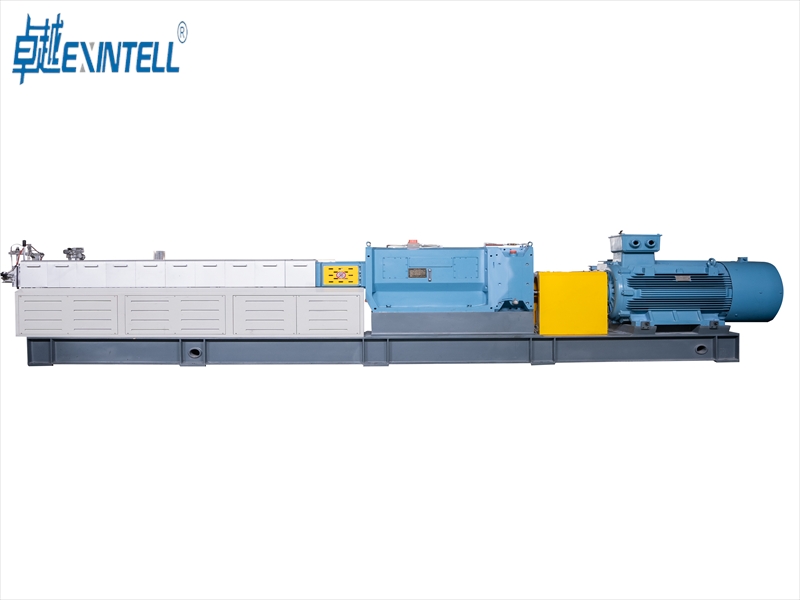
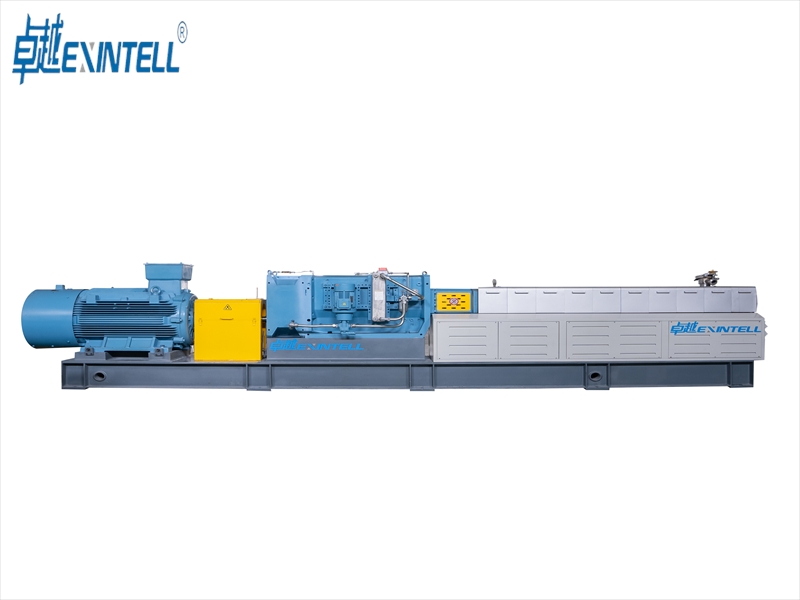
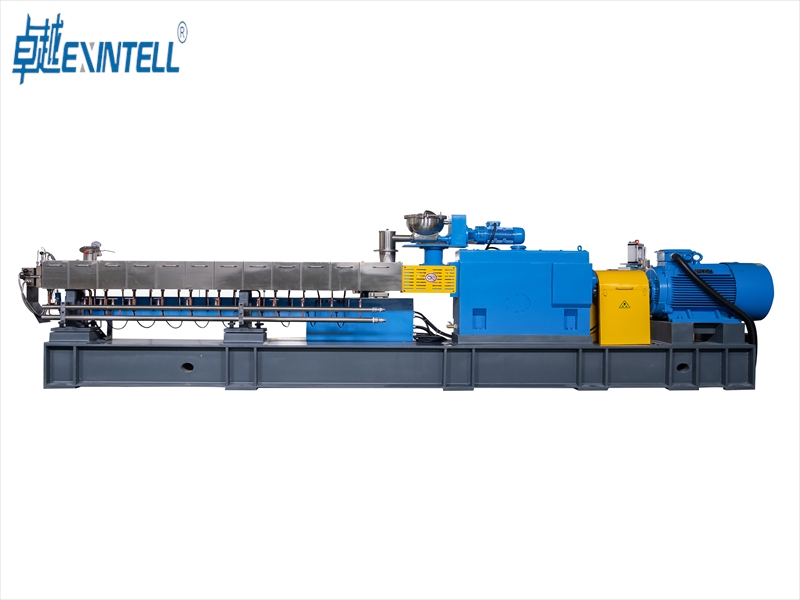
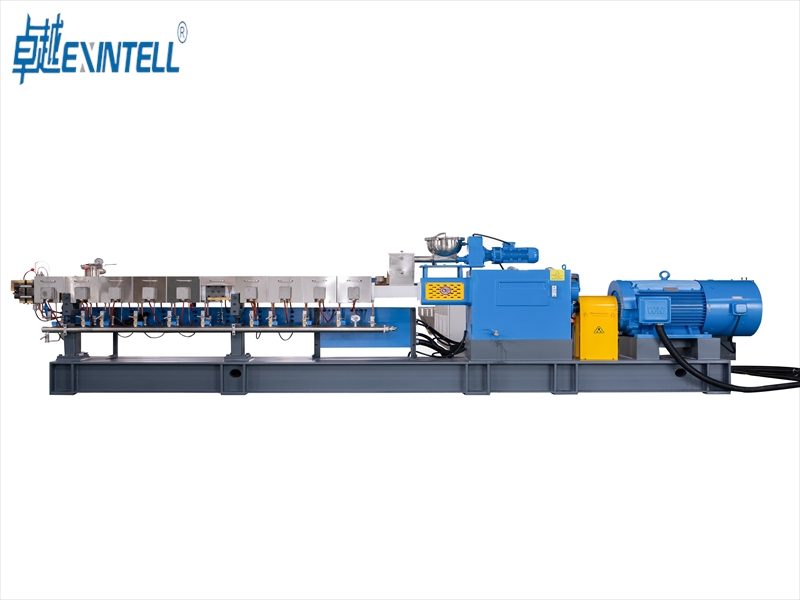
जेव्हा तुम्ही ए पेलेटायझिंग एक्सट्रूडर, तुम्ही स्पष्ट स्टेप्स फॉलो करून कच्चा माल गोळ्यांमध्ये बदलू शकता. तुम्ही एक्सट्रूडरमध्ये साहित्य टाकता. मशीन वितळते आणि मिसळते. मग, गोळ्या तयार करण्यासाठी ते डाईद्वारे सामग्रीला ढकलते. मजबूत आणि अगदी गोळ्या तयार करण्यासाठी प्रत्येक पायरी महत्वाची आहे. जर तुम्हाला माहित असेल की पेलेटायझिंग कसे कार्य करते, तुम्ही तुमचे एक्सट्रूडर चांगले बनवू शकता आणि समस्या जलद सोडवू शकता.
Check the material’s properties to make the pelletizing process work best for different plastics.
What Is A Pelletizing Extruder
Main Function
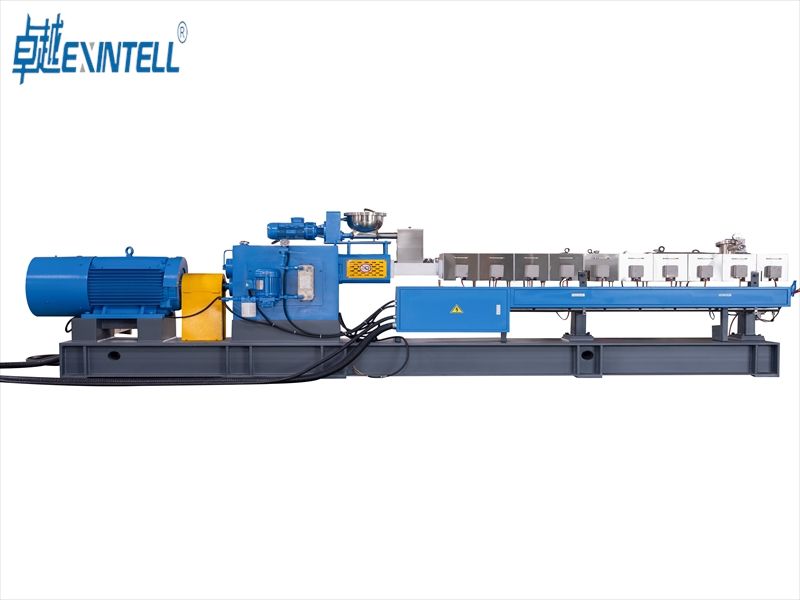
ए पेलेटायझिंग एक्सट्रूडरturns raw plastic or polymer into small pellets. The machine lets you control how big and round each pellet is. Manufacturers usepellet extrudersto make products that meet strict rules. You can change waste pieces or new resin into pellets that flow well and work in other machines.
Pelletizing extrudersare important in making plastic and polymer. They help you work faster, waste less, and get steady results.
Here is a table showing what aपेलेटायझिंग एक्सट्रूडरdoes:
Shapes melted plastic, controls pellet thickness and pressure
कूलिंग सिस्टम
Makes pellets hard, stops them from changing shape
फिरवत चाकू प्रणाली
Cuts cooled pellets into the same size and shape
You can change the design of these parts to fit your needs. Automation systems help you control heat and warn you about problems. Cooling and drying systems keep pellets strong and protect their quality.
Pelletizing Extruder Process
The pelletizing extruder works in steps. Each step changes raw material into pellets that look the same. You need to know every stage to getgood pellets.
साहित्य आहार
प्रथम, you put raw material into the extruder. The hopper holds the material. This material can be plastic flakes, ग्रॅन्युल, or powders. Some common materials are polyethylene, polypropylene, ABS, नायलॉन, and PLA. You can use special feeders to control how much material goes in. कधी कधी, you need to dry the material first. Drying is important for plastics that take in water. Drying stops bubbles and other problems in the pellets.
The feeding system controls how much material goes inside. If you feed the same amount each time, the pellets are better. The size of the pieces and how wet they are also matter. Small pieces and the right amount of water help make strong pellets.
Melting And Homogenization
पुढे, the screw pushes the material forward. The barrel gets hot and melts the plastic. The screw’s shape is important here. Some screws mix the material better and keep the heat even. Mixing helps blend in things like color or stabilizers.
You must set the right heat for each plastic. उदाहरणार्थ, polypropylene melts between 200°C and 260°C. ABS melts between 210°C and 250°C. खालील सारणी वेगवेगळ्या प्लास्टिकसाठी वितळलेले तापमान दाखवते:
प्लास्टिक पॉलिमर
व्यावहारिक वितळण्याची तापमान श्रेणी (°C)
ABS (ऍक्रिलोनिट्रिल बुटाडीन स्टायरीन)
210 - 250
पॉली कार्बोनेट (पीसी)
280 - 320
पॉलीप्रोपीलीन (पीपी)
200 - 260
नायलॉन 66 (PA66)
280 - 310
पॉलिथिलीन (एचडीपीई)
210 - 260
पॉलीऑक्सिमथिलीन (POM)
190 - 220
चांगले वितळणे आणि मिश्रण वितळलेले प्लास्टिक गुळगुळीत करते. ही पायरी हवेचे फुगे काढून टाकते आणि सर्वकाही एकत्र मिसळते. आता वितळलेले प्लास्टिक पुढील चरणासाठी तयार आहे.
एक्सट्रूझन थ्रू डाय
वितळलेले प्लास्टिक डाय सिस्टीममध्ये हलते. डाई प्लास्टिकला स्ट्रँड किंवा इतर स्वरूपात आकार देते. डाई साच्याप्रमाणे काम करते. हे गोळ्यांचा आकार आणि आकार नियंत्रित करते. डाईचा आकार महत्वाचा आहे. गोळ्या किती जाड आणि रुंद आहेत हे ठरवते. एक चांगला डाय तुम्हाला गोळ्या देतो जे सर्व सारखे दिसतात.
येथील दाब आणि वेग हे गोळ्या किती चांगले आहेत हे बदलतात. सर्वोत्तम गोळ्यांसाठी तुम्हाला हे स्थिर ठेवणे आवश्यक आहे.
कूलिंग सिस्टम
डाय सोडल्यानंतर, प्लास्टिक अजूनही गरम आणि मऊ आहे. कूलिंग सिस्टम गोळ्यांना कठोर बनवते आणि त्यांचा आकार ठेवते. वॉटर कूलिंगचा भरपूर वापर केला जातो कारण ते जलद आणि समान रीतीने थंड होते. काही मशीन कमी उष्णतेवर वितळणाऱ्या प्लास्टिकसाठी एअर कूलिंग वापरतात. अंडरवॉटर कटिंगमुळे गोळ्या लगेच थंड होतात. सहज वितळणाऱ्या प्लास्टिकसाठी हे चांगले आहे.
थंड करण्याची पद्धत
वर्णन
योग्य पॉलिमर
पाणी थंड करणे
गोळ्या जलद थंड करण्यासाठी आणि त्यांना चांगले ठेवण्यासाठी पाणी वापरते.
अनेक प्लास्टिक ज्यांना अगदी थंड करण्याची गरज आहे.
एअर कूलिंग
तितका वेगवान नाही, कमी उष्णतेवर वितळणाऱ्या प्लास्टिकसाठी वापरले जाते.
कमी वितळलेल्या निर्देशांकासह प्लास्टिक.
पाण्याखालील कटिंग
ताबडतोब पाण्यात गोळ्या कापतात आणि थंड करतात.
पीपी न विणलेले, वितळलेले कापड.
कूलिंग समान असणे आवश्यक आहे. आपण खूप जलद किंवा खूप मंद थंड असल्यास, गोळ्या मोडू शकतात किंवा आकार बदलू शकतात. चांगली थंडी गोळ्यांना मजबूत ठेवते आणि योग्य दिसते.
पेलेट्स मध्ये कटिंग
गोळ्या थंड झाल्यावर, they go to the cutter. The rotating knife cuts the strands into pellets. The speed and type of blade change how long and thick the pellets are. More blades or faster cutting make shorter pellets. Where you put the cutter matters too. If it is too close to the die, it wears out fast. If it is too far, the pellets are not even.
You can cut pellets in different ways:
स्ट्रँड पेलेटायझिंग: Cut after cooling in water.
Hot-cut pelletizing: Cut right at the die face.
Underwater pelletizing: Cut in water for fast cooling.
Each way works best for certain plastics and jobs.
Collection And Quality Control
You collect the finished pellets at the end. कधी कधी, you need to dry them to remove water. This is where you check the pellets for size, आकार, and purity. You test the pellets and remove any bad ones. काही कंपन्या प्लास्टिकसाठी विशेष चाचण्या वापरतात ज्या अत्यंत शुद्ध असणे आवश्यक आहे.
तुमचे गोळे चांगले आहेत याची खात्री करण्यासाठी तुम्ही जागतिक नियमांचे पालन केले पाहिजे. चांगले तपासणे म्हणजे तुमचे पेलेट्स इतर मशीनमध्ये चांगले काम करतील.
टीप: जेव्हा तुम्ही गोळ्या गोळा करता तेव्हा ते अनेकदा तपासा. हे तुम्हाला समस्या लवकर शोधण्यात मदत करते आणि तुमचे मशीन चांगले काम करत राहते.
आपण प्रत्येक चरण अनुसरण केल्यास, तुम्ही कच्चा माल चांगल्या गोळ्यांमध्ये बदलता. अंतिम उत्पादन तयार करण्यासाठी प्रत्येक टप्पा महत्त्वाचा असतो.
पेलेटिझिंगवर परिणाम करणारे घटक
जेव्हा तुम्ही पेलेटायझिंग एक्सट्रूडर वापरता, तुम्हाला काही गोष्टींवर नियंत्रण ठेवावे लागेल. या गोष्टी तुम्हाला मजबूत आणि अगदी गोळ्या मिळण्यास मदत करतात. आपल्याला तापमान पाहण्याची आवश्यकता आहे, स्क्रू गती, आणि तुमच्या साहित्याचे गुणधर्म. प्रत्येकजण आपल्या गोळ्या कशा दिसतात हे बदलू शकतात. ते तुमचे मशीन किती चांगले काम करतात यावर देखील परिणाम करतात.
तापमान नियंत्रण
आपल्याला सर्व वेळ तापमान तपासावे लागेल. The right temperature helps pellets stick together well. When the temperature is near a special point calledT*, time in the die matters. This time changes how tough your pellets are. If you go over T*, pellets stick faster but get weaker. Good temperature control makes pellets last longer and not break. It also keeps your pellets good and stops waste.
टीप: Use sensors to check temperature often. This helps you fix problems fast.
स्क्रू गती
The screw’s speed changes how fast you make pellets. If the screw goes too fast, pellets may not look even. They can also get air bubbles. If the screw is too slow, you make fewer pellets. You need to find the best speed for your material and machine. Try different speeds and look at your pellets often. This helps you keep pellet quality the same and stop problems.
साहित्य गुणधर्म
तुम्ही कोणत्या प्रकारची सामग्री वापरता हे देखील महत्त्वाचे आहे. आपण आर्द्रता आणि चिकटपणाबद्दल विचार केला पाहिजे. या गोष्टी तुमच्या गोळ्या कशा बदलतात ते येथे आहे:
जास्त पाणी गोळ्यांना ओले आणि मजबूत बनवते, पण ते जास्त गडद दिसतात.
जास्त पाणी चिकटपणा कमी करते, त्यामुळे साहित्य सहज प्रवाहित होते.
लहान तुकड्यांमुळे सामग्री घट्ट आणि ढकलणे कठीण होते.
तुम्ही तुमचे एक्सट्रूडर वेगवेगळ्या सामग्रीसाठी बदलू शकता. उदाहरणार्थ, आपण एक विशेष डाई आकार वापरू शकता. तुम्ही तुमची प्रक्रिया कशी बदलू शकता हे खालील सारणी दाखवते:
हार्ड आकृत्यांसाठी डायज डिझाइन करण्यासाठी संगणक मॉडेल वापरा.
तुम्ही को-एक्सट्रूझन सिस्टम देखील वापरू शकता. हे तुम्हाला साहित्य मिक्स करू देतात आणि विशेष वापरासाठी स्तरित गोळ्या बनवू शकतात.
या गोष्टींवर नियंत्रण ठेवल्यास, तुम्ही चांगले गोळे बनवा. तुम्ही तुमची पेलेटायझिंग प्रक्रिया देखील चांगली चालू ठेवता.
पेलेट एक्सट्रूडर समस्यानिवारण
सामान्य पेलेट गुणवत्ता समस्या
कधी कधी, तुम्हाला तुमच्या गोळ्यांमध्ये समस्या दिसतात. या समस्या तुमचे पेलेट्स कसे दिसतात किंवा कार्य करतात ते बदलू शकतात. येथे काही समस्या तुम्हाला सापडतील:
गोळ्या खूप गरम झाल्यास किंवा पाणी खूप कमी असल्यास एकत्रित होणे किंवा मोठे गुच्छे होतात.
छिद्रांचे टोक तुटल्यास किंवा चाकू उजवीकडे न हलल्यास दंड आणि देवदूताचे केस दिसतात.
जुळे, तिप्पट, आणि जर चाकू खूप वेगवान असेल किंवा उत्पादन खूप गरम असेल तर साखळ्या तयार होतात.
जर ब्लेड झिजलेले असतील किंवा सामग्री पुरेशी जाड नसेल तर कुत्र्याची हाडे आणि डंबेल दिसतात.
जर चाकू आणि डाई मधील अंतर खूप मोठे असेल किंवा डाय सपाट नसेल तर शेपटी तयार होतात.
जर चाकू खूप मंद असेल किंवा बाहेर काढण्याचा दर जास्त असेल तर लांब आणि कोपर होतात.
Internal voids and popcorn can show up if the polymer has water or cools too fast.
Dimples and dust appear if the product shrinks too fast or is brittle.
Surface or melt fracture and trash or shavings happen if the extrusion rate is high or the knife is not adjusted often.
Pellets that do not look the same can come from temperature changes or uneven die heating.
You can use tools like theIshikawa fishbone diagramor the 5 Whys technique to find out what is wrong. These tools help you list causes and look deeper into the problem.
Mechanical And Process Problems
Mechanical and process problems can also hurt pelletizing. You might see uneven output, low production, or bad pellets. Here are some problems and ways to fix them:
If pellet size and shape are not right, change the die temperature, ब्लेड तीक्ष्ण ठेवा, आणि ब्लेडचे अंतर तपासा.
जर तुम्हाला कमी आउटपुट किंवा जाम दिसत असेल, ब्लॉक केलेले डाई होल पहा आणि हॉपरमध्ये सामग्री चांगली फिरते याची खात्री करा.
एक्सट्रूडर किंवा मोटर खूप गरम झाल्यास, कूलिंग सिस्टीम तपासा आणि घर्षण किंवा खूप मेहनत करणारी मोटर पहा.
गोळ्या चांगल्या नसतील तर, तापमान तपासा, काळजीपूर्वक साहित्य हाताळा, आणि कोरडे पदार्थ जे पाण्यात घेतात.
आपण स्क्रू परिधान देखील तपासावे, विचित्र आवाज, आणि थरथरणे. या चिन्हांचा अर्थ असा असू शकतो की भाग घातलेले आहेत किंवा सामग्रीमध्ये काहीतरी आहे जे तेथे नसावे. गोष्टी तपासणे आणि दुरुस्त केल्याने तुमचे पेलेटिझिंग गुळगुळीत राहते आणि तुमचे गोळे समान असतात.
टीप: समस्या आणि तुम्ही त्यांचे निराकरण कसे करता ते लिहा. हे तुम्हाला नमुने पाहण्यास आणि पुढील वेळी गोष्टी जलद निराकरण करण्यात मदत करते.
तुम्ही पेलेटायझिंग एक्सट्रूडर प्रक्रियेची प्रत्येक पायरी जाणून घेऊ शकता. तापमान नियंत्रण आणि थंड होण्यास मदत होते, एकसमान गोळ्या. तुम्ही तुमचे मशीन कसे चालवता ते सुधारल्याने कचरा कमी होतो आणि पैशांची बचत होते. जेव्हा गोळ्या सहजतेने वाहतात, जाम होण्याची शक्यता कमी आहे, आणि काम स्थिर राहते. योग्य वितळणे आणि मिश्रण उच्च मानकांची पूर्तता करणारे गोळे तयार करतात. हे सामग्रीचे नुकसान कमी करण्यास मदत करते आणि उत्पादन जलद करते. तुम्ही नवीन किंवा अनुभवी असाल, प्रत्येक वेळी सर्वोत्तम गोळ्या बनवण्याचा सराव करत राहा.
स्थिर तापमान आणि कूलिंग उच्च-गुणवत्तेच्या गोळ्या तयार करतात.
तुमची प्रक्रिया सुधारल्याने गोळ्या अधिक सुसंगत होतात आणि कचरा कमी होतो.
अगदी वितळणे आणि मिसळणे देखील सुसंगत गोळ्या तयार करतात.
पेलेटिझिंग सामग्री वाचवते आणि कार्यक्षमता वाढवते.
वारंवार विचारले जाणारे प्रश्न
पेलेटीझिंग एक्सट्रूडरमध्ये तुम्ही कोणती सामग्री वापरू शकता?
तुम्ही वापरू शकता अनेक प्रकारचे प्लास्टिक. काही उदाहरणे पॉलिथिलीन आहेत, polypropylene, ABS, नायलॉन, and PLA. Some machines can also use recycled plastic or blends. Always make sure your extruder works with your material.
How do you keep pellets from sticking together?
Dry your material before you feed it in. Pick the best cooling method for your plastic. Keep the temperature the same. These steps help you getstrong pellets that do not stick.
Why do pellets sometimes have uneven shapes?
Pellets can look uneven if the die or cutter has issues. Check if the blades are worn out or if die holes are blocked. Wrong screw speed can also cause this. Fix these things to make pellets even.
How often should you clean your pelletizing extruder?
Clean your extruder after every time you finish making pellets.
Take out leftover material and look for any buildup.
साफसफाई केल्याने तुमचे गोळे चांगले राहतात आणि तुमचे मशीन चांगले काम करते.