

प्लॅस्टिक पेलेटिझर कसे कार्य करते 2026
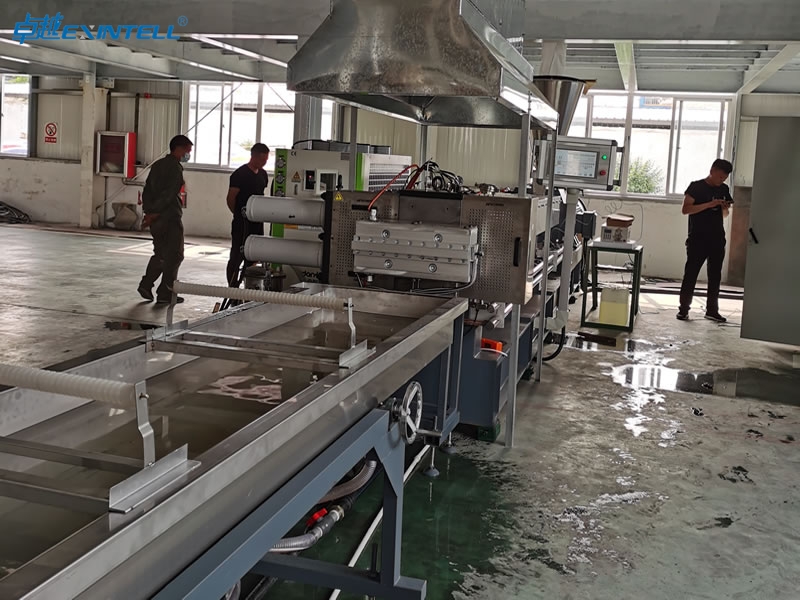
प्लॅस्टिक पेलेटायझर प्लॅस्टिक कचरा किंवा कच्च्या मालामध्ये रूपांतरित करते एकसमान गोळ्या चांगल्या-परिभाषित चरणांच्या मालिकेद्वारे. तुम्ही आहार देण्यापासून सुरुवात करा, जेथे प्लास्टिक मशीनमध्ये प्रवेश करते. प्रणाली सामग्री वितळते, अशुद्धता फिल्टर करते, आणि सतत स्ट्रेंड तयार करण्यासाठी ते एका डाईमधून ढकलते. कूलिंग स्ट्रँड मजबूत करते, आणि नंतर एक फिरता चाकू त्यांना अचूक गोळ्यांमध्ये कापतो. प्रत्येक टप्पा अंतिम गुणवत्ता आणि सातत्य आकार देतो.
|
पायरी |
वर्णन |
|---|---|
|
आहार देणे |
हॉपरद्वारे प्लास्टिकचा कचरा मशीनमध्ये टाकला जातो, ज्यामध्ये विविध प्रकारच्या प्लास्टिकचा समावेश आहे. |
|
वितळणे |
एक्सट्रूडरमध्ये प्लास्टिक गरम आणि वितळले जाते, पुढील टप्प्यासाठी त्याची तयारी करत आहे. |
|
बाहेर काढणे |
वितळलेल्या प्लास्टिकला स्ट्रँड तयार करण्यासाठी डायद्वारे सक्ती केली जाते, गोळ्याचा आकार आणि आकार निश्चित करणे. |
|
थंड करणे |
strands थंड आहेत, त्यांना कापण्यासाठी घट्ट करणे. |
|
कटिंग |
Cooled strands are cut into uniform pellets by a rotating knife, adjustable for specific applications. |
की टेकअवेज
-
Plastic pelletizers transform waste into uniform pellets through a series of steps: feeding, वितळणे, filtering, extruding, थंड करणे, आणि कटिंग.
-
Consistent feeding and precise temperature control are crucial for achieving high-quality pellets and preventing defects.
-
Different types of pelletizers, such as strand and underwater, cater to various materials and production needs, impacting pellet shape and quality.
-
Effective filtration of molten plastic removes impurities, ensuring smooth and uniform pellets while protecting equipment.
-
Cooling methods, including water ring and underwater cooling, significantly affect pellet quality and production efficiency.
-
Regular maintenance and monitoring of equipment help prevent common issues like uneven feeding and clogged filters.
-
गुणवत्ता नियंत्रण उपाय, योग्य सॅम्पलिंग आणि स्क्रीनिंगसह, गोळ्या पूर्ण झाल्याची खात्री करा उद्योग मानके आणि सातत्य राखणे.
-
गोळ्यांचे योग्य पॅकेजिंग आणि साठवण त्यांना ओलावा आणि दूषित होण्यापासून संरक्षण करते, भविष्यातील वापरासाठी ते उच्च दर्जाचे राहतील याची खात्री करणे.
प्लॅस्टिक पेलेटिझर प्रक्रिया विहंगावलोकन
प्लॅस्टिक पेलेटायझर म्हणजे काय
कच्च्या प्लास्टिक किंवा पुनर्नवीनीकरण केलेल्या वस्तूंचे अचूक आकार आणि आकारांसह ग्रॅन्युलमध्ये रूपांतर करण्यासाठी तुम्ही प्लास्टिक पेलेटायझर वापरता.. हे यंत्र तापमान नियंत्रित करते, दबाव, आणि सुसंगत परिणाम देण्यासाठी रोटेशनल गती. प्लास्टिक पेलेटायझिंग मशीन एक्सट्रुडेड प्लास्टिक वैयक्तिक ग्रॅन्युलमध्ये कापते, पुढील प्रक्रियेसाठी प्रमाणित आकार प्रदान करणे. अखंडता व्यवस्थापित करण्यासाठी तुम्ही या उपकरणावर अवलंबून आहात, पृष्ठभाग वैशिष्ट्ये, आणि प्रत्येक कणाचा आकार. प्लॅस्टिक ग्रॅन्युलेटरच्या कार्याच्या तत्त्वामध्ये प्लास्टिक वितळणे समाविष्ट आहे, अशुद्धता फिल्टर करणे, आणि युनिटमधील परिस्थितीचे काळजीपूर्वक व्यवस्थापन करून एकसमान गोळ्या तयार करणे.
-
एक्सट्रुडेड प्लास्टिकला वैयक्तिक ग्रॅन्युलमध्ये कापते.
-
उत्पादनात पुढील प्रक्रियेसाठी एक सुसंगत आकार प्रदान करते.
-
वितळलेल्या प्लॅस्टिकच्या सततच्या पट्ट्यांचे ग्रॅन्युलमध्ये रूपांतर करते एकसमान आकाराचे.
-
इंजेक्शन मोल्डिंग आणि फिल्म एक्सट्रूझनसाठी प्रमाणित कच्चा माल म्हणून काम करते.
पेलेटिझिंगमधील मुख्य टप्पे
तुम्ही मालिका फॉलो करा प्लास्टिक पेलेटायझर चालवताना पावले. प्रत्येक टप्पा अंतिम उत्पादनाची गुणवत्ता आणि सुसंगतता आकारतो. येथे एक सामान्य कार्यप्रवाह आहे:
-
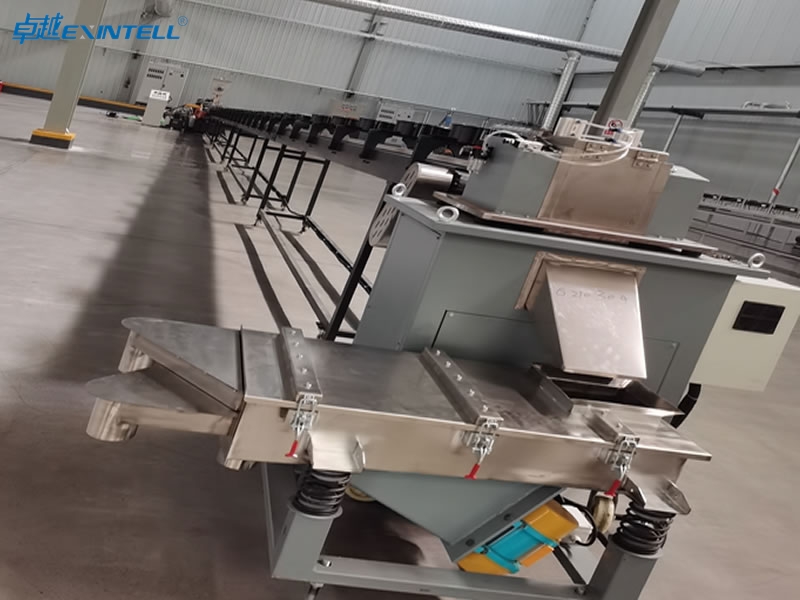
आहार देणे & पूर्व उपचार: तुम्ही हॉपर किंवा फीडरद्वारे कच्चा माल सादर करता. पूर्व-उपचार मोठ्या प्रमाणात घनता वाढवते आणि वितळण्यासाठी सामग्री तयार करते.
-
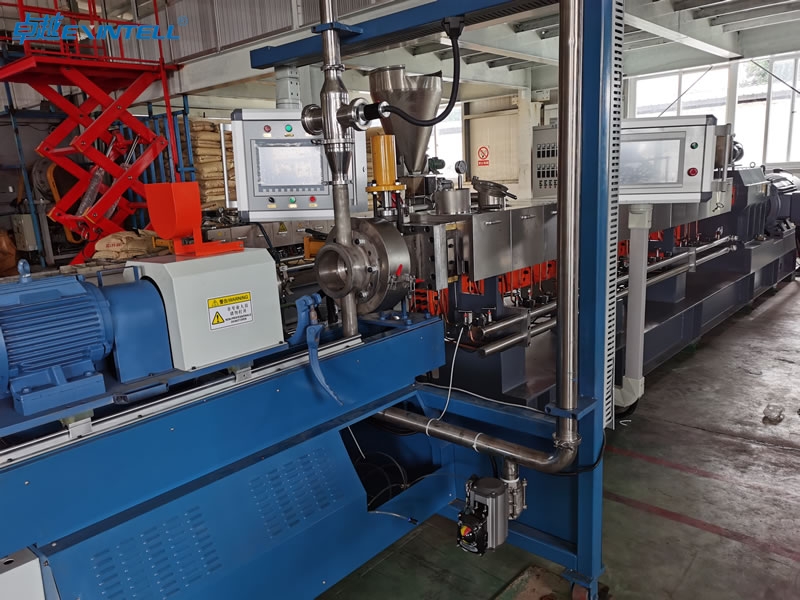
वितळणे & प्लास्टिक तयार करणे: तुम्ही एक्सट्रूडर वापरून उष्णता आणि कातरणे लावा. This step achieves a uniform flux and prepares the plastic for filtration.
-
Melt filters: You filter the molten plastic to remove contaminants. Clean material ensures high-quality pellets.
-
Die extrusion & कटिंग: You form the filtered melt into pellets using a die and cutting mechanism.
-
थंड करणे & फीड: You cool the pellets and then dry or store them for future use.
टीप: Consistent feeding and precise temperature control help you achieve uniform pellet size and prevent defects.
You can select from several types of pelletizing equipment, each suited for different materials and shapes. The table below shows common options:
|
पेलेटायझर प्रकार |
साठी सर्वोत्तम |
गोळ्याचा आकार |
Relative Cost |
|---|---|---|---|
|
पीई, पीपी, PS — clean feedstock |
दंडगोलाकार |
कमी |
|
|
पीईटी, पीए, अभियांत्रिकी प्लास्टिक |
गोलाकार |
उच्च |
|
|
Water-ring pelletizer |
पीई, PP — moderate contamination |
Lenticular/spherical |
मध्यम |
Why Pelletizing Matters
Pelletizing plays a critical role in recycling and manufacturing. You convert molten recycled plastic into uniform pellets, which you can store, वाहतूक, and reprocess like virgin resin. This transformation allows recycled materials to re-enter the manufacturing cycle efficiently. You benefit from easier handling and improved mixing during production. The end product supports the circular economy for plastics by supplying reclaimed material.
-
Pelletization makes plastic feedstocks easier and more efficient to handle.
-
It ensures consistent results during mixing and forming.
-
The process supplies the entire circular economy for plastics with reclaimed material.
You face several challenges during pelletizing. High moisture content in pellets can lead to poor mechanical performance and material loss. ओलावा कमी करण्यासाठी आपल्याला प्रभावी कोरडे प्रणाली आणि योग्य उपकरणे निवडण्याची आवश्यकता आहे. विसंगत गोळ्यांचा आकार अनेकदा अयोग्य फीडिंग यंत्रणेमुळे होतो. तंतोतंत फीडिंग सिस्टम वापरून तुम्ही याचे निराकरण करा. यंत्रांची निवड, जसे की अचूक-अभियांत्रिक ब्लेडसह ग्रॅन्युलेटर, उत्पादन केलेल्या गोळ्यांच्या गुणवत्तेवर थेट परिणाम होतो.
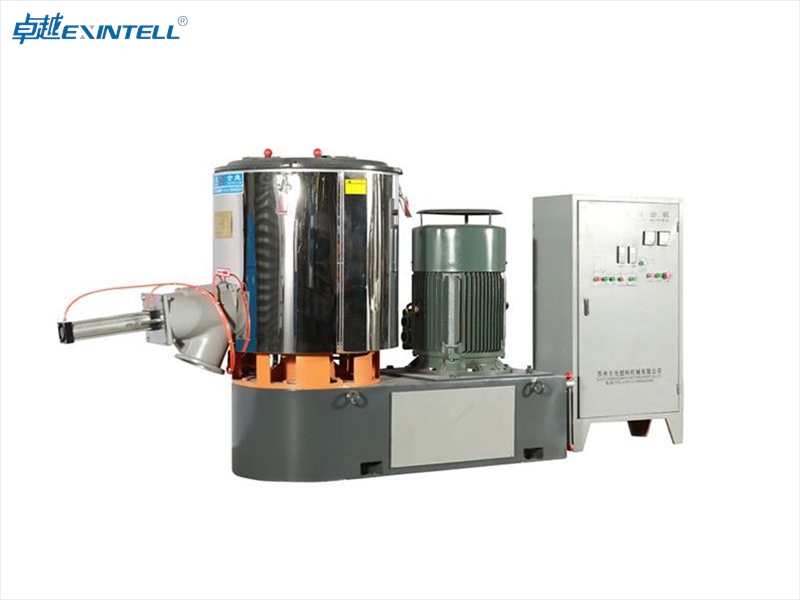
आपण मध्ये तांत्रिक प्रगती देखील पहा 2026. दरम्यान L/D गुणोत्तर असलेले सिंगल-स्क्रू एक्सट्रूडर 32:1 आणि 38:1 सामान्य आहेत. टँडम कॉन्फिगरेशन जास्तीत जास्त डिगॅसिंग आणि फिल्टरेशन करतात. सतत स्क्रीन चेंजर्स उत्पादन न थांबवता फिल्टर बदलांना अनुमती देतात. बायमेटेलिक तंत्रज्ञान टिकाऊपणा वाढवते, आणि सह-फिरणारे समांतर ट्विन स्क्रू एक्सट्रूडर कार्यक्षम दूषित पदार्थ काढून टाकण्याची ऑफर देतात. पाण्याखालील पेलेटायझर्स एकसमान तयार करतात, धूळ मुक्त गोळ्या आणि आदेश उच्च पुनर्विक्री किमती.
|
तंत्रज्ञान |
वर्णन |
फायदे |
|---|---|---|
|
द्विधातू तंत्रज्ञान |
प्रगत साहित्य टिकाऊपणा वाढवते |
Increases durability by 3-5 times |
|
को-रोटेटिंग पॅरलल ट्विन स्क्रू |
सकारात्मक विस्थापन, self-cleaning functions |
Efficient removal of contaminants |
|
अंडरवॉटर पेलेटायझर |
Produces uniform, dust-free pellets |
Higher resale price, ideal for engineering plastics |
You can achieve throughput capacities ranging from 80 kg/hr to over 1,000 किलो/तास, depending on the machine type and configuration. Energy-efficient lines save between $30,000-$80,000 per year compared to less efficient models. मध्ये 2026, specific energy consumption for plastic pelletizers ranges from 0.25-0.35 kWh/kg, with best-in-class configurations achieving as low as 0.20-0.30 kWh/kg.
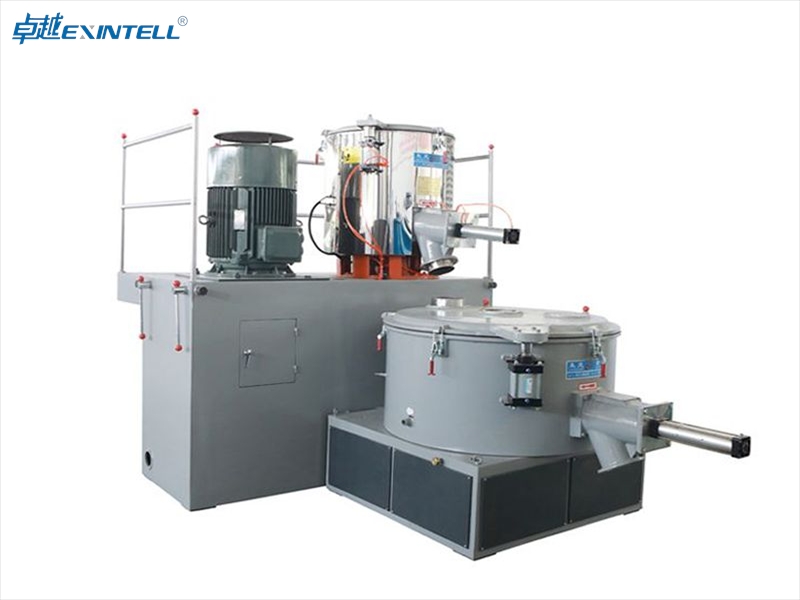
नोंद: Multi-layer standardization and new screw designs help you process bio-plastics and non-critical profiles more effectively.
You rely on the plastic granulator and granulator technology to produce uniform pellets that meet industry standards. The process ensures you have reliable feedstock for manufacturing and recycling, supporting both efficiency and sustainability.
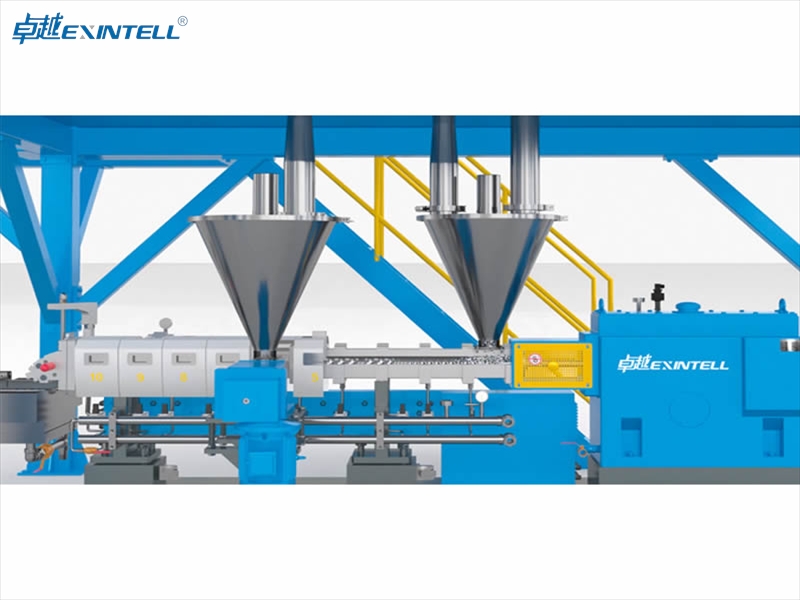
प्लास्टिक खाद्य
इनपुट साहित्य
तुम्ही सुरू करा पेलेटीकरण प्रक्रिया योग्य इनपुट सामग्री निवडून. आपण प्लास्टिक कचरा वापरू शकता, व्हर्जिन प्लास्टिक, किंवा दोन्हीचे मिश्रण. तुम्ही हे साहित्य प्लास्टिकच्या पेलेटायझरमध्ये भरण्यापूर्वी, आपण त्यांना काळजीपूर्वक तयार करणे आवश्यक आहे. येथे एक सामान्य तयारी कार्यप्रवाह आहे:
-
प्लास्टिकची तयारी: घाण आणि दूषित पदार्थ काढून टाकण्यासाठी तुम्ही पुनर्नवीनीकरण केलेले प्लास्टिक धुवा आणि तुकडे करा. आवश्यक असल्यास, आपण सामग्री वितळवू शकता. व्हर्जिन प्लास्टिक अनेकदा फ्लेक्स किंवा ग्रेन्युल म्हणून येते, प्रक्रियेसाठी तयार.
-
वितळणे आणि बाहेर काढणे: तुम्ही तयार केलेले प्लास्टिक प्लास्टिक पेलेटायझिंग मशीनमध्ये गरम करा. एक्सट्रूडर सामग्री वितळवतो आणि पुढे ढकलतो.
-
कटिंग: वितळलेल्या प्लास्टिकचे लहान तुकडे करण्यासाठी तुम्ही फिरणारे ब्लेड किंवा ग्रॅन्युलेटर वापरता.
-
थंड करणे: तुम्ही हवेचा वापर करून गोळ्या थंड करा, पाणी, किंवा दोन्ही.
-
कोरडे आणि स्क्रीनिंग: You dry the cooled pellets and screen them to ensure uniform size and quality.
You must pay attention to the cleanliness and size of the input materials. Clean, well-prepared plastic waste helps you avoid defects and improves the quality of the pellets.
Feeding Mechanisms
You rely on efficient feeding mechanisms to move plastic into the pelletizing system. Two main methods help you achieve steady and controlled feeding.
हॉपर
You use a hopper to load plastic waste or virgin material into the plastic pelletizer. The hopper holds the material and releases it at a controlled rate. You can adjust the flow to match the capacity of the plastic pelletizing machine. Hoppers often include sensors that monitor material levels and prevent blockages.
Conveyors
You use conveyors to transport plastic from storage to the hopper or directly into the pelletizer. Conveyors provide a steady stream of material and reduce manual handling. You can choose belt, स्क्रू, or vibrating conveyors based on the type and size of plastic. Conveyors help you maintain a consistent feed rate and minimize interruptions.
टीप: You should check the feeding system regularly to prevent jams and ensure smooth operation.
Consistent Feeding Importance
You need consistent feeding to produce high-quality pellets. Steady feeding ensures uniform size, आकार, and moisture content. If you allow variations in feeding, you risk creating pellets with surface defects or voids. Moisture fluctuations can cause loss of mechanical strength and even equipment failures. अस्थिर गोळ्यांच्या गुणवत्तेमुळे तुम्हाला व्यावसायिक अनुप्रयोगांमध्ये गोळ्यांची विक्री करणे किंवा वापरणे कठीण होते.
-
विसंगत गोळ्याचा आकार होऊ शकतो पृष्ठभाग दोष आणि शून्यता.
-
ओलावा सामग्रीतील फरकांमुळे यांत्रिक शक्ती आणि उपकरणे निकामी होऊ शकतात.
-
अस्थिर गोळ्याची गुणवत्ता व्यावसायिक अनुप्रयोगांमध्ये स्वीकृतीमध्ये अडथळा आणू शकते.
आपण स्थिर आहार राखून आर्द्रता नियंत्रित करता. हे पाऊल साध्य करण्यासाठी आवश्यक आहे जास्तीत जास्त उत्पादन गुणवत्ता. आपण आहार सुसंगतता दुर्लक्ष केल्यास, तुम्हाला डाउनस्ट्रीम प्रोसेसिंग समस्यांचा सामना करावा लागू शकतो, जसे की पृष्ठभागावरील दोष आणि संरचनात्मक कमतरता. एकसमान आहार आणि गोळ्यांची गुणवत्ता प्राप्त करण्यात मदत करण्यासाठी तुम्ही प्लास्टिक ग्रॅन्युलेटर आणि ग्रॅन्युलेटर तंत्रज्ञानावर अवलंबून आहात.
वितळणे आणि गाळण्याची प्रक्रिया किंवा पध्दती
एक्सट्रूडर बॅरल आणि स्क्रू
You rely on the extruder barrel and screw to transform plastic waste or raw material into a smooth, uniform melt. The screw rotates inside the heated barrel, pushing the plastic forward. As the screw turns, it creates mechanical action and shear heat. This process melts the plastic efficiently. External heaters on the barrel add more heat, ensuring the material reaches the right temperature for pelletizing. Shear heat from the screw often supplies a significant part of the energy needed for melting.
Here is a quick overview of how these components work together:
|
घटक |
Function |
|---|---|
|
स्क्रू |
Transforms plastic into a uniform melt through mechanical action and shear heat. |
|
बंदुकीची नळी |
Heats and compacts the plastic, ensuring thorough melting and feeding to the die head. |
You need both the screw and barrel to work in harmony. If either part fails, the plastic pelletizer cannot produce consistent pellets.
तापमान नियंत्रण
You must control the temperature carefully during the melting stage. Temperature directly affects how well the plastic melts and flows through the extrusion system. Proper temperature settings help you achieve smooth material flow and stable, high-yield extrusion. If you set the temperature too low, the plastic may not melt evenly. This leads to excessive viscosity and poor plasticization. If you set the temperature too high, the plastic can degrade. This causes brittle pellets and reduces their mechanical strength.
-
Temperature influences plastic plasticization, flowability, and the properties of the final pellets.
-
Correct temperature ensures stable operation and high-quality output.
-
Low temperatures cause uneven melting and high viscosity.
-
High temperatures risk thermal degradation and weak pellets.
टीप: Always monitor the temperature zones along the barrel to maintain optimal melting conditions.
Filtration Before Pelletizing
Before you move to the extrusion stage, you must filter the molten plastic. Filtration removes impurities such as dirt, धातूचे तुकडे, or unmelted particles. Clean melt is essential for producing high-quality pellets. You use fine mesh screens or filter packs in the plastic pelletizing machine to trap contaminants. This step protects the die and cutting system from damage. It also ensures that the pellets have a smooth surface and uniform structure.
You should check and replace filters regularly. Clogged filters can reduce flow and cause pressure build-up in the extrusion system. सातत्यपूर्ण गाळण्याची प्रक्रिया पेलेटिझिंग प्रक्रियेच्या एकूण कार्यक्षमतेस समर्थन देते. तुमच्या तयार झालेल्या गोळ्यांमध्ये तुम्हाला चांगले परिणाम आणि कमी दोष मिळतात.
नोंद: प्रभावी फिल्टरेशन तुमच्या प्लास्टिक ग्रॅन्युलेटर आणि ग्रॅन्युलेटर ब्लेडचे आयुष्य वाढवते.
डाय प्लेटद्वारे एक्सट्रूजन
डाय प्लेट फंक्शन
जेव्हा वितळलेले प्लास्टिक डाय प्लेटवर येते तेव्हा तुम्ही प्लास्टिक पेलेटायझर प्रक्रियेच्या गंभीर टप्प्यावर पोहोचता. डाय प्लेट एक अचूक साधन म्हणून कार्य करते जे वितळलेल्या सामग्रीला स्ट्रँडमध्ये आकार देते. प्रत्येक स्ट्रँडचा प्रारंभिक आकार आणि आकार परिभाषित करण्यासाठी तुम्ही या घटकावर अवलंबून आहात, जी नंतर गोळी बनते. डाय प्लेटची रचना तुमच्या आउटपुटची गुणवत्ता आणि सातत्य यावर थेट परिणाम करते.
येथे एक द्रुत विहंगावलोकन आहे की डाय प्लेट वैशिष्ट्ये:
|
वैशिष्ट्य |
वर्णन |
|---|---|
|
Function |
वितळलेले पॉलिमर बाहेर काढते गोळ्याचे परिमाण परिभाषित करण्यासाठी छिद्रांद्वारे |
|
Hole Size Range |
Typically ranges from 2.5 करण्यासाठी 4 mm in diameter |
|
Number of Holes |
Usually between 200 करण्यासाठी 800 holes |
|
Influence on Quality |
Design affects final pellet characteristics, including size and shape |
You can adjust the hole diameter and configuration to control the strand thickness. Smaller holes produce thinner strands and smaller pellets. Larger holes yield thicker strands and larger pellets. The die plate ensures that every strand leaving the extrusion system matches your desired specifications.
Pressure and Pellet Shape
You must maintain the right pressure as the molten plastic passes through the die plate. The extrusion system uses pressure to push the material evenly through each hole. Consistent pressure prevents irregularities in strand thickness and helps you achieve uniform pellet size. If the pressure drops or spikes, तुम्हांला गोळ्यांमध्ये असमान आकार किंवा एअर पॉकेटसारखे दोष दिसू शकतात.
प्रत्येक गोळ्याचा आकार डाय प्लेटच्या डिझाइनवर आणि एक्सट्रूझन दरम्यान लागू केलेल्या दबावावर अवलंबून असतो. बेलनाकार तयार करण्यासाठी तुम्ही वेगवेगळ्या छिद्रांचे आकार आणि व्यवस्था निवडू शकता, गोलाकार, किंवा lenticular गोळ्या. दाब आणि डाय प्लेट डिझाइनचे योग्य संयोजन तुम्हाला तुमच्या उत्पादनाचे अंतिम स्वरूप आणि कार्यप्रदर्शन यावर नियंत्रण देते.
Strands आकार देणे
तुमच्याकडे प्लॅस्टिकच्या पट्ट्या गोळ्यांमध्ये कापण्यापूर्वी त्यांना आकार देण्यासाठी अनेक पद्धती आहेत. प्रत्येक पद्धत वेगवेगळ्या अनुप्रयोगांसाठी अद्वितीय फायदे देते. पद्धतीची निवड गुणवत्तेवर परिणाम करते, खर्च, आणि आपल्या गोळ्यांची सुसंगतता.
|
पद्धत |
वर्णन |
पेलेट गुणवत्तेवर परिणाम |
|---|---|---|
|
स्ट्रँडमध्ये प्लास्टिक बाहेर काढते, नंतर त्यांना गोळ्यांमध्ये कापते. |
लहान बॅचसाठी किफायतशीर, परंतु गुणवत्तेत फरक असू शकतो. |
|
|
पाण्याखालील पट्ट्या कापतात, which cools and maintains quality. |
Produces high-quality pellets due to effective cooling. |
|
|
Water-Ring Systems |
Uses a water ring to cool and cut strands. |
Ensures good quality while being cost-efficient. |
You might use strand pelletizing for small batches of plastic waste, as it offers a simple and affordable approach. Underwater hot-face cutting works well when you need high-quality pellets with smooth surfaces. Water-ring systems balance cost and quality, making them suitable for many types of plastics.
You depend on the plastic granulator and granulator technology to finish the process. After shaping and cooling, the system cuts the strands into uniform pellets. This step completes the transformation from melting to finished product, ready for packaging or further processing.
टीप: स्थिर दाब आणि तापमानासाठी नेहमी एक्सट्रूजन सिस्टमचे निरीक्षण करा. हे तुम्हाला गोळ्यांची गुणवत्ता कायम राखण्यात मदत करते आणि डाउनटाइम कमी करते.
थंड करण्याच्या पद्धती
एक्सट्रूजन स्टेज नंतर, you must गरम पट्ट्या थंड करा त्वरीत घन गोळ्या तयार करण्यासाठी. तुम्ही निवडलेली कूलिंग पद्धत गोळ्यांच्या गुणवत्तेवर परिणाम करते, ऊर्जा वापर, आणि उत्पादन गती. तुम्ही वॉटर रिंग कूलिंगमधून निवडू शकता, पाण्याखालील कूलिंग, किंवा एअर कूलिंग, तुमच्या साहित्य आणि उत्पादन गरजांवर अवलंबून.
वॉटर रिंग कूलिंग
पॉलीओलेफिन आणि पॉलीस्टीरिनसाठी तुम्ही अनेकदा वॉटर रिंग कूलिंग वापरता. या पद्धतीत, आपण डाय चेहर्याभोवती पाण्याची एक अंगठी निर्देशित करा. पाणी थंड होते आणि पट्ट्या बाहेर पडतात तेव्हा ते घट्ट होतात, नंतर कटरने त्यांना गोळ्यांचे तुकडे केले. ही प्रणाली अनेक मानक प्लास्टिकसाठी चांगली कार्य करते आणि एक संक्षिप्त डिझाइन ऑफर करते.
येथे मुख्य फायदे आणि तोटे यांचा सारांश आहे:
|
फायदे |
तोटे |
|---|---|
|
चिकट किंवा जाड सामग्रीसाठी योग्य नाही |
|
|
दिसायला आकर्षक गोळ्या तयार करतात |
पाण्याचे बारकाईने निरीक्षण करणे आवश्यक आहे |
|
कमी खर्चासह कॉम्पॅक्ट सिस्टम |
मर्यादित साहित्य सुसंगतता |
|
वितळलेले तापमान आणि दाबातील बदल चांगल्या प्रकारे हाताळते |
पाण्याखालील प्रणालीच्या तुलनेत कमी उत्पादन क्षमता |
|
जागा-कार्यक्षम आणि नियंत्रित करण्यास सोपे |
विशिष्ट सामग्रीपुरते मर्यादित |
|
बजेट-सजग कंपन्यांसाठी किफायतशीर |
उष्णता वाढवणाऱ्या किंवा एकत्र चिकटलेल्या सामग्रीसाठी प्रभावी नाही |
|
उच्च उत्पादन मागणी हाताळू शकत नाही |
|
|
बजेट व्यवस्थापनासाठी चांगले |
पॉलीओलेफिन आणि पॉलिस्टीरिन सारख्या विशिष्ट सामग्रीपुरते मर्यादित |
जर तुम्हाला जागा वाचवायची असेल तर तुम्ही वॉटर रिंग कूलिंगची निवड करावी, मानक सामग्रीसाठी बजेट-अनुकूल समाधान. चिकट किंवा जाड प्लास्टिकच्या समस्या टाळण्यासाठी तुम्ही पाणी प्रणालीचे बारकाईने निरीक्षण केले पाहिजे.
अंडरवॉटर कूलिंग
आपण पाण्याखालील कूलिंगसह उच्च-गुणवत्तेचे गोळे मिळवू शकता. या पद्धतीत, तुम्ही थेट पाण्याच्या चेंबरमध्ये स्ट्रँड कापता. पाणी थंड होते आणि गोळ्या त्वरित घट्ट होतात, ज्यामुळे गुळगुळीत पृष्ठभाग आणि एकसमान आकार होतो. तुम्हाला सतत ऑपरेशन आणि उच्च आउटपुट दरांचा फायदा होतो.
-
अंडरवॉटर पेलेटायझर्स कमीतकमी दंड आणि धूळ सह एकसमान गोळ्या तयार करतात.
-
जलद घनीकरण प्रक्रिया सुसंगत आकार आणि आकार सुनिश्चित करते.
-
आपण पोहोचू शकता उच्च उत्पादन दर कार्यक्षम शीतकरण आणि घनीकरणामुळे.
-
एअर कूल्ड सिस्टमच्या तुलनेत, पाण्याखालील कूलिंग कमी ऊर्जा वापरते कारण पाणी उष्णता अधिक कार्यक्षमतेने स्थानांतरित करते.
तुम्हाला उच्च-गुणवत्तेच्या गोळ्या आणि उच्च उत्पादन क्षमता आवश्यक असल्यास तुम्ही पाण्याखालील थंड होण्याचा विचार केला पाहिजे. ही पद्धत मागणी अनुप्रयोग आणि प्रगत सामग्रीसाठी चांगले कार्य करते.
एअर कूलिंग
आर्द्रतेवर खराब प्रतिक्रिया देणाऱ्या सामग्रीसाठी तुम्ही एअर कूलिंग निवडू शकता, जैवविघटनशील प्लास्टिक जसे की पीएलए किंवा पीबीएटी. एअर कूलिंग पंखे किंवा ब्लोअर्स वापरून स्ट्रँड्स शीतकरण करतात कारण ते डायमधून बाहेर पडतात. ही पद्धत कोरडे प्रणालीची गरज काढून टाकते, जे तुमची प्रक्रिया सुलभ करू शकते.
|
अर्ज |
मर्यादा |
|---|---|
|
सर्व प्रकारच्या सामग्रीसाठी योग्य नाही |
|
|
बायोडिग्रेडेबल सामग्रीसाठी वापरला जातो (पीएलए, PBAT) |
वॉटर कूलिंगच्या तुलनेत मर्यादित कूलिंग कार्यक्षमता |
|
कोरडे प्रणालीची गरज दूर करते |
संभाव्य उच्च ऊर्जा खर्च |
जर तुम्ही ओलावा-संवेदनशील सामग्रीवर प्रक्रिया करत असाल किंवा अतिरिक्त कोरडे टप्पे टाळायचे असतील तर तुम्ही एअर कूलिंग वापरावे. पाणी-आधारित पद्धतींच्या तुलनेत तुम्हाला जास्त ऊर्जा खर्च आणि हळू थंड होण्याचा सामना करावा लागू शकतो.
टीप: Always match your cooling method to your material and production goals. The right choice helps you avoid defects and maintain the quality of your pellets.
You rely on the granulator to complete the process after cooling. The granulator cuts the solidified strands into uniform pellets, ready for packaging or further use. Efficient cooling ensures that the melting and cutting stages produce high-quality pellets from your plastic waste.
Pelletizing and Cutting
Knife Cutting Mechanism
You rely on the knife cutting mechanism to transform cooled plastic strands into finished pellets. The system positions specialized knives close to the die face, where the strands exit. द Melt-to-Cut window plays a crucial role here. If you allow too little time between the die and the blade, you may see misshapen pellets. Too much time can cause fractures and fines, which lowers overall quality. Pelletizing knives come in different shapes, such as straight, slanted, or V-shaped, and each suits a specific type of pelletizer. Manufacturers use high-carbon steel or tool steel for these knives, which increases durability. Precision in cutting is essential, so many knives are CNC-machined for tight tolerances. Heat treatments and coatings further extend blade life and improve performance.
-
The Melt-to-Cut window determines pellet shape and quality.
-
Knife material and shape affect durability and cutting precision.
-
Proper timing prevents defects and ensures consistent results.
Achieving Uniform Pellets
You want every pellet to have the same size and shape. To achieve this, you must control several process variables during cutting. Adjusting the feed rate, disc angle, आणि डिस्क गती तुम्हाला गोळ्याचा आकार छान करू देते. लहान गोळ्यांसाठी, आपण फीड दर आणि डिस्क कोन वाढवता, तीन किंवा चार वाजताच्या स्थितीच्या जवळ फीड करा, आणि डिस्कचा वेग वाढवा. मोठ्या गोळ्यांसाठी, आपण फीड दर आणि डिस्क कोन कमी करता, सात वाजण्याच्या स्थितीच्या जवळ फीड करा, आणि डिस्कचा वेग कमी करा. हे समायोजन तुम्हाला एकसमानता राखण्यात आणि दोष टाळण्यास मदत करतात.
टीप: तुमच्या प्रक्रिया नियंत्रणांचे बारकाईने निरीक्षण करा. फीड किंवा वेगातील लहान बदल गोळ्यांच्या गुणवत्तेत मोठा फरक करू शकतात.
ग्रॅन्युलेटर सुरळीत चालत असल्याची खात्री करणे देखील आवश्यक आहे. सातत्यपूर्ण ऑपरेशन आपल्याला कमीत कमी फरकाने गोळ्यांचे तुकडे करण्यास मदत करते, उच्च-गुणवत्तेचे आउटपुट समर्थन.
पेलेटायझर कटरचे प्रकार
तुम्ही अनेकांमधून निवडू शकता पेलेटायझर कटरचे प्रकार, प्रत्येक विशिष्ट सामग्री आणि उत्पादन गरजांसाठी डिझाइन केलेले. The cutter type affects pellet shape, थ्रुपुट, and moisture content. येथे ए comparison:
|
प्रकार |
गोळ्याचा आकार |
Suitable Materials |
थ्रूपुट (किलो/तास) |
Residual Moisture (%) |
|---|---|---|---|---|
|
स्ट्रँड |
दंडगोलाकार |
Thermoplastics (पीपी, पीई, ABS, पुनश्च) |
100–2,000 |
<1% |
|
पाण्याखाली |
गोलाकार |
All Polymers |
500–3,000+ |
<0.05% |
|
पाण्याची अंगठी |
Lenticular |
पीई, पीपी, पीसी, पुनश्च |
200–1,500 |
<0.5% |
Strand pelletizing uses a water bath for cooling and works well for continuous strands. Underwater pelletizers cut molten plastic directly into pellets with rapid cooling, giving you better control over size and shape. Water ring systems offer a balance between cost and quality, producing lenticular pellets suitable for many applications.
You select the right cutter based on your material, desired pellet characteristics, and production goals. This choice ensures your pellets meet industry standards and customer requirements.
Pellet Collection and Finishing
कोरडे आणि स्क्रीनिंग
You must ensure that pellets are dry and free from unwanted materials before packaging. Moisture control is critical because wet pellets can lead to product degradation and issues during storage. थंड झाल्यावर, you monitor moisture content to optimize the process. You use screening equipment to separate well-formed pellets from fines and debris. Screening also removes stones, प्लास्टिक, metals, and other hard materials that could damage your equipment. A stone trap helps you eliminate hard materials, while magnets pick up metals. You rely on these steps to maintain pellet quality and protect your machinery.
-
Monitor moisture content after cooling.
-
Use screening equipment to remove fines and debris.
-
Employ stone traps and magnets to eliminate hard materials and metals.
-
Separate well-formed pellets from defective ones before packaging.
टीप: Regular screening and drying help you avoid packaging low-quality products and extend the lifespan of your granulator.
गुणवत्ता नियंत्रण
उत्पादनाची सुसंगतता सुनिश्चित करण्यासाठी तुम्हाला गुणवत्ता नियंत्रण उपाय लागू करणे आवश्यक आहे. चांगली गोळ्यांची गुणवत्ता प्राप्त करण्यासाठी सॅम्पलिंग महत्त्वपूर्ण भूमिका बजावते. सॅम्पलिंग त्रुटी कमी करण्यासाठी तुम्ही योग्य प्रक्रिया आणि उपकरणे वापरणे आवश्यक आहे. नमुने संपूर्ण बॅचचे प्रतिनिधित्व करतात, त्यामुळे तुम्ही विकृत परिणाम टाळता. अचूक डेटा मिळविण्यासाठी तुम्ही प्रयोगशाळेच्या विश्लेषणापूर्वी नमुन्यांची योग्य प्रक्रिया करता.
येथे एक चरण-दर-चरण चेकलिस्ट आहे गुणवत्ता नियंत्रणासाठी:
-
प्रयोगशाळेत पुन्हा तपासणी करून परख अचूकता तपासा.
-
घेतलेला नमुना प्रातिनिधिक असल्याची खात्री करा.
-
अनेक पौष्टिक पातळी नियंत्रणाबाहेर आहेत का ते तपासा.
-
उत्पादनादरम्यान नियमित क्रूने मिल चालवल्याची पुष्टी करा.
-
इन्व्हेंटरी रेकॉर्डमधील विसंगती तपासा.
-
स्केल आणि मीटरिंग उपकरणे योग्यरित्या समायोजित केल्याची खात्री करा.
-
समस्यांसाठी घटक आणि तयार फीड डब्यांची तपासणी करा.
-
अचूकतेसाठी मिसळण्याच्या वेळेचे पुनर्मूल्यांकन करा.
-
Review ingredient assay values for deficiencies.
Finished-feed assays provide a final assessment of how well you controlled quality during production. You should sample regularly, such as once per week or per 100 tons of production, to maintain consistent quality.
नोंद: Consistent sampling and accurate processing help you deliver pellets that meet industry standards.
पॅकेजिंग
You prepare pellets for shipment or storage by packaging them efficiently. You use automated systems to fill bags, bins, or containers. Packaging protects pellets from moisture, contamination, and mechanical damage. You label each package with batch information, production date, and quality data. This step helps you track inventory and ensures traceability. You store packaged pellets in a dry, clean area to preserve their quality until use.
-
Use automated packaging systems for efficiency.
-
Label packages for traceability and quality assurance.
-
Store pellets in dry, clean conditions to prevent degradation.
कॉलआउट: Proper packaging and storage guarantee that your pellets remain high-quality and ready for manufacturing or recycling.
You transform plastic into pellets by following each stage: feeding, वितळणे, filtering, extruding, थंड करणे, आणि कटिंग. This process gives you uniform pellets for manufacturing and recycling.
-
Modern pelletizers help you save up to 30% on materials and reduce the need for new plastic.
-
You support a circular economy by using a granulator to recycle waste and keep plastics out of landfills.
-
These machines lower environmental impact and conserve resources for the future.
Appreciate how this technology makes plastics more sustainable and efficient for everyone.
वारंवार विचारले जाणारे प्रश्न
What types of plastics can you process in a pelletizer?
You can process most thermoplastics, पॉलिथिलीनसह (पीई), polypropylene (पीपी), polystyrene (पुनश्च), and PET. Some machines also handle engineering plastics and biodegradable materials. Always check your pelletizer’s compatibility before starting.
How do you maintain pellet size consistency?
You control pellet size by adjusting feed rate, die plate design, and cutting speed. Regular monitoring and equipment calibration help you achieve uniform pellets. Consistent input material also improves results.
Why do you need to filter the melted plastic?
Filtration removes contaminants like dirt, metal, or unmelted particles. Clean melt protects your equipment and ensures high-quality pellets. You should replace filters regularly to maintain efficiency.
What is the difference between strand and underwater pelletizing?
Strand pelletizing cuts cooled strands after they exit the die. Underwater pelletizing cuts molten plastic directly in water, producing smoother, more uniform pellets. Underwater systems suit high-output and specialty plastics.
How do you reduce moisture in finished pellets?
You use drying systems after cooling. Air knives, centrifugal dryers, or fluidized bed dryers remove surface moisture. Proper drying prevents pellet degradation and improves storage life.
Can you recycle mixed plastic waste in a pelletizer?
You can process mixed plastics, but you may see lower pellet quality. Sorting and pre-treating materials improve results. Some advanced pelletizers handle blends better than others.
How do you troubleshoot common pelletizer problems?
टीप: Check for uneven feeding, clogged filters, or incorrect temperature settings. Inspect knives for wear. Regular maintenance and monitoring help you solve most issues quickly.