Эдгээр шалгуурыг ашиглан машин сонгох нь надад оновчтой гүйцэтгэлийг өгдөг, бүтээгдэхүүний тогтвортой чанар, урт хугацааны найдвартай байдал. I always consider the range of applications in plastic extrusion before making a final choice.
Key Questions Before Buying
I ask key questions before I invest in any extrusion equipment. These questions help me avoid costly mistakes and ensure the machine fits my needs. I use a table to organize my thoughts:
Question
Тодорхойлолт
Equipment Quality
I check if the equipment meets industry standards and delivers reliable performance.
Үйлдвэрлэлийн хүчин чадал
I confirm the machine’s output matches my production goals.
Quality Control Systems
I ask about systems that maintain product standards and reduce defects.
Өмчлөлийн нийт зардал
I consider maintenance and operational costs, not just the purchase price.
Гэрчилгээ
I request ISO certifications and compliance documents to verify quality.
I also ask the manufacturer about their expansion plans, space for additional lines, recent investments in new equipment, and staff training. These questions reveal the supplier’s commitment to growth and quality.
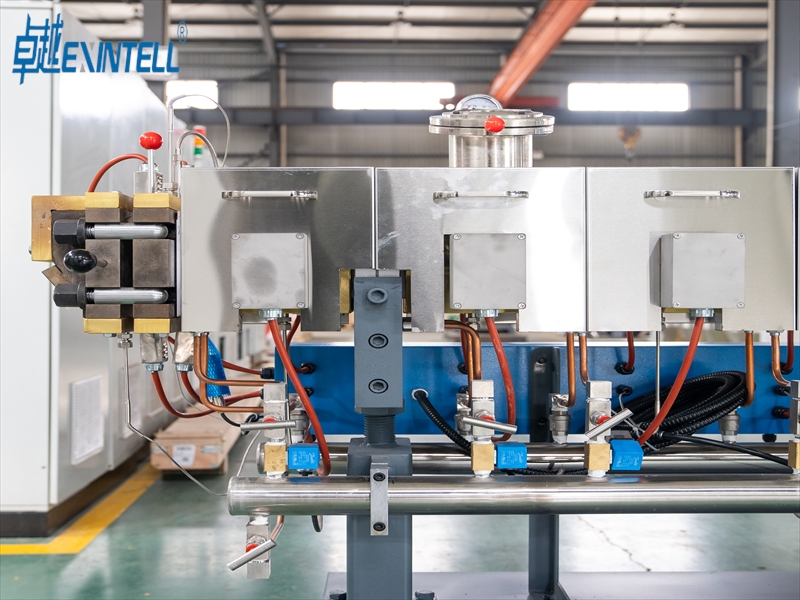
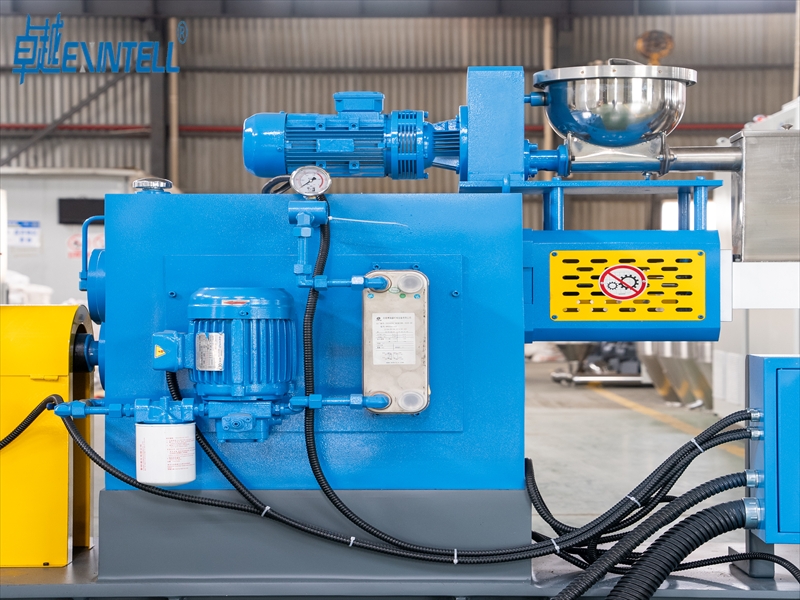
I review themain types of extrusion machinesto understand their strengths and best-fit applications. This overview of extruder machines helps me select the right equipment for my production line. I use a table to compare the most common types:
Type of Extruder
Тодорхойлолт
Primary Uses and Advantages
Single-Screw Extruders
One screw inside one barrel; simple, reliable, боломжийн; limited mixing capability unless modified.
I use these for processing pre-compounded PVC pellets, flexible PVC cable coating, simple tubing, and film.
I rely on single-screw extruders for straightforward processing tasks. The mechanismuses a single rotating screwinside a thermally insulated barrel. I adjust temperature, шурагны хурд, and barrel pressure to match the material. This setup gives me precise control and consistent results. The simplicity of single-screw makes it a reliable choice for many types of extrusion machines.
Advantages of Single-Screw
I appreciate the advantages of single screw extruders. They offer simple operation, affordable manufacturing, болон засвар үйлчилгээ хялбар. I use them for basic plastic extrusion and simple compounding. The design suits thermoplastics, rubbers, болон дүүргэгч. I find them ideal when I need predictable behavior and minimal mixing.
Зөвлөгөө: I choose single-screw when I want lower throughput and cost-effective production.
Хос шурагтай экструдерууд нь хоорондоо холбосон хоёр эрэг ашигладаг. Би процессыг дэвшилтэт шураг дизайн, нарийн тохиргоогоор удирддаг. Энэ систем нь надад материалын онцгой нэгэн төрлийн байдлыг өгдөг. Би хүрдэг consistent dispersion and uniform product quality. Twin-screw handles both large-scale and specialized low-volume runs.
Types of Twin-Screw (Co-rotating, Counter-rotating)
I select between co-rotating and counter-rotating twin screw extruders. Co-rotating screws move in the same direction, improving mixing and throughput. Counter-rotating screws move in opposite directions, offering gentle processing for sensitive materials. I choose the type based on my product requirements.
Advantages of Twin-Screw
I value the benefits of using twin screw extruders. They provide advanced mixing, handle complex formulations, and enable consistent production. I optimize homogeneity to reduce quality costs and enhance customer satisfaction. Twin-screw extruders are versatile and efficient.
Анхаарна уу: Twin-screw gives me flexibility for polymers, эмийн бүтээгдэхүүн, and food products.
Best Uses for Twin-Screw
Би нийлмэл болгохдоо хос шураг ашигладаг, холих, болон өндөр зуурамтгай чанар бүхий материалыг боловсруулах. Ердийн хэрэглээнд орно:
I select blown film extrusion when durability and stretchability matter most. Flat film extrusion, also known as cast film extrusion, produces films with high clarity and uniform thickness. I choose this method for applications where appearance and precise thickness are critical.
Хуудасны шахмал
Sheet extrusion uses plastic extrusion equipment to create thicker, flat sheets for thermoforming, барилга, and signage. I select materials based on the end-use requirements. Common materialsinclude PET, PP, PVC, Жич, болон ABS. Each material offers unique properties for different applications.
Би хуванцар дээр тулгуурладаг шахмал машин тууштай хуудасны чанарыг хүргэх, салбарын стандартыг хангах технологи.
Хоолой ба хоолойн шахмал
Би урт үйлдвэрлэх шаардлагатай үед хоолой, хоолойн шахмал дээр тулгуурладаг, хөндий хуванцар бүтээгдэхүүний тасралтгүй урт. Энэ процесс нь хайлсан полимерийг дугуй хэлбэрээр шахдаг тусгай хуванцар шахах төхөөрөмжийг ашигладаг. The result is a seamless pipe or tube with precise dimensions. I adjust the die and calibrator to control the wall thickness and diameter. This flexibility allows me to meet strict industry standards.
I select the right plastic extrusion equipment based on the material and application. Жишээ нь, I use high-output extruders for large-diameter pipes. I choose smaller, precision machines for medical or laboratory tubing. I monitor temperature, даралт, and cooling rates to ensure consistent quality. I also check for ovality and surface finish during production.
The applications for pipe and tubing extrusion cover a wide range of industries. I often use plastic extrusion equipment to manufacture:
Аппликешн бүр өөр өөр материал, процессын тохиргоо шаарддаг гэдгийг би олж мэдсэн. Жишээ нь, Би PVC-ийг сантехникийн ажилд ашигладаг, учир нь энэ нь зэврэлтэнд тэсвэртэй, даралтыг сайн зохицуулдаг. Би полиэтиленийг уян хатан чанар, химийн эсэргүүцэлтэй тул усалгааны хоолойд сонгодог. Газрын тос, байгалийн хийд, Би хүч чадал, бат бөх байдлын хувьд бэхжүүлсэн термопластик эсвэл металл хайлш дээр тулгуурладаг.
Би доод урсгалыг үргэлж анхаарч үздэг хуванцар шахах тоног төхөөрөмж. Калибратор, хөргөх савнууд, тээвэрлэх нэгжүүд, ба таслагч нь хоолойг хэлбэржүүлж, дуусгахад чухал үүрэг гүйцэтгэдэг. Би сунах, хэв гажилтаас сэргийлэхийн тулд зөөвөрлөх төхөөрөмжийн хурдыг тохируулдаг. I use advanced sensors to monitor wall thickness and detect defects in real time.
Зөвлөгөө: I always keep my plastic extrusion equipment well-maintained. Regular cleaning and calibration reduce downtime and improve product quality.
I document every production run. This practice helps me trace issues and optimize future batches. I also work closely with my suppliers to select the best plastic extrusion machine for each project. Their expertise helps me stay ahead of industry trends and regulatory changes.
Downstream Equipment in Extrusion Lines
Cooling Tanks
I always pay close attention to cooling tanks in my extrusion line. Cooling tanks play a critical role in shaping and solidifying the extruded plastic. When I run my production, I rely on these tanks to ensure the product maintains its intended shape and dimensions. Uniform cooling prevents warping and surface irregularities. I monitor the cooling process to achieve smooth, dimensionally accurate products. Real-time temperature control and monitoring help me maintain consistent quality across all batches. Consistent cooling reduces the need for rework and improves production predictability. I see a direct impact on plant efficiency when cooling tanks operate properly.
Uniform cooling prevents defects such as warping and surface irregularities, resulting in smooth and dimensionally accurate products.
The cooling system allows real-time temperature control and monitoring, ensuring consistent quality across all production batches.
Consistent cooling reduces the need for rework, improves production predictability, and enhances overall plant efficiency.
Зөвлөгөө: I always check the water temperature and flow rate in my cooling tanks. Proper settings prevent defects and keep my production line running smoothly.
Haul-Off Units
Haul-off units help me control the speed and tension at which the extruded material is pulled. I synchronize the haul-off unit with the extruder and cooling system to match the extrusion rate. This prevents defects like uneven thickness or deformation. Advanced haul-off machines offer variable speed control, high traction force, and precision rollers. These features maintain uniform pulling force and ensure consistent thickness, diameter, and uniformity. Би бүтээгдэхүүний зузааныг хянахын тулд зөөвөрлөх төхөөрөмжийн хурдыг тохируулдаг. Удаан хурд нь зузаан бүтээгдэхүүн гаргадаг, харин илүү хурдан хурд нь нимгэнийг үүсгэдэг. Нарийвчилсан булны болон тохируулгатай хурцадмал байдал нь бүтээгдэхүүний өргөнийг жигд татах хүчийг хадгалахад тусалдаг.
Гадаргуугийн өнгөлгөө:I rely on proper cooling and precise cutting to achieve smooth, blemish-free surfaces. If I see scratches or marks, I inspect the rollers and blades for wear. Цэвэр, sharp tools always give me the best results.
Mechanical Properties:Uniform cooling and controlled tension during haul-off preserve the strength and flexibility of the plastic. I avoid rapid cooling, which can cause internal stresses and brittleness.
Тууштай байдал:Automated winders and synchronized downstream equipment ensure every meter of product matches the last. I use real-time monitoring systems to catch deviations early.
Зөвлөгөө: I always document process settings and product measurements for each run. This practice helps me identify trends and make data-driven improvements.
Here’s a quick table showing how each piece of downstream equipment impacts product quality:
Тоног төхөөрөмж
Quality Aspect Affected
My Best Practice
Cooling Tank
Shape, surface, dimensions
Monitor water temp and flow continuously
Haul-Off Unit
Thickness, uniformity
Calibrate speed and tension each shift
Cutter
Edge quality, length
Use sharp blades, check alignment
Winder
Roll consistency, tension
Adjust winding speed, monitor tension
I have learned that even small changes in downstream settings can make a big difference. Жишээ нь, increasing the haul-off speed by just a few percent can thin out the product and cause it to fail quality checks. Regular maintenance and calibration keep my equipment performing at its best.
I always remind my team that quality starts at the extruder but finishes with the downstream equipment. By staying vigilant and proactive, I consistently deliver products that meet or exceed customer expectations.
Comparison of Types of Extrusion Machines
Features and Applications Table
I alwayscompare the types of extrusion machinesbefore making a decision. I look at key features and the range of applications for each machine. This helps me match the right equipment to my production goals. Here is atable that summarizeswhat I have learned:
Type of Extrusion Machine
Гол онцлогууд
Хэрэглээ
Хуванцар шахмал
Handles versatile materials like PVC and ABS
Сав баглаа боодол, барилга
Metal Extrusion
Offers strength and durability, but uses more energy
Барилга, үйлдвэрлэл
Food Extrusion
Controls temperature and pressure for uniformity
Producing snacks and cereals
Automotive Extrusion
Produces lightweight parts for fuel efficiency
Manufacturing automotive components
I use this table to quickly identify which machine suits my needs. I focus on the features that matter most for my applications.
Pros and Cons by Machine Type
I alwaysweigh the pros and consof each machine type. This step helps me avoid unexpected costs and production issues. I have found that single-screw, хос шураг, and co-extrusion machines each offer unique benefits and drawbacks. Here is acomparison table:
Онцлог
Нэг шураг экструдер
Хос шураг экструдер
Pros
Cost-effective, simpler design, lower maintenance
Excellent mixing, suitable for a wide range of materials, including those with additives
Сул талууд
Limited mixing capability, not ideal for materials requiring precise blending
Higher initial cost, more complex operation, болон засвар үйлчилгээ
I choose single-screw machines when I want simple operation and lower maintenance. I select twin-screw machines for advanced mixing and complex formulations. Co-extrusion machines give me flexibility for multi-layer products, but require careful setup and control.
Зөвлөгөө: I always consider the complexity of my applications before choosing a machine. This approach prevents costly mistakes.
Quick Selection Chart
I use a quick selection chart to guide my decision. This chart helps me match machine types to my production needs and applications.
If I need basic extrusion for packaging or construction, I choose plastic extrusion machines.
For high-strength parts in manufacturing, I select metal extrusion machines.
When producing snacks or cereals, I rely on food extrusion machines.
For lightweight automotive parts, I use automotive extrusion machines.
I always review my production goals and material requirements before making a final choice. This process ensures I select the right machine for my applications and achieve consistent results.
Key Factors for Machine Selection
Материалын нийцтэй байдал
I always start my selection process by evaluating material compatibility. The plastic extrusion machine must handle the specific polymers I plan to process. Each material brings unique requirements for temperature, screw design, and barrel setup. I check the properties and intended applications before making a decision. Жишээ нь, polyvinyl chloride works well for pipes and films because it offers excellent formability and durability. Polyethylene and polypropylene suit packaging and consumer goods due to their versatility and ease of processing. Polycarbonate provides impact resistance and optical clarity, making it ideal for eyewear lenses and safety equipment. Nylon stands out for strength and heat resistance in industrial applications. I use the following table to comparematerial types and their key properties:
Үйлдвэрлэлийн хэмжээ нь миний машиныг сонгоход нөлөөлдөг. Би өдөрт эсвэл нэг ээлжинд хүлээгдэж буй гарцыг килограммаар тооцдог. Миний үйлдвэрлэлийн хэмжээ хоёрын хооронд унавал 500 болон 1,000 килограмм, Би захиалгат шахуурга, тусгай зориулалтын машинд хөрөнгө оруулах талаар бодож байна. This threshold often dictates whether I choose single-screw or twin-screw extruders. Single-screw machines suit low to medium volumes and offer the advantages of single screw extruders, such as simple operation and lower maintenance. For high-volume production, I rely on twin screw extruders. These machines deliver consistent quality and efficiency, especially when I need to process complex formulations or recycled plastics. The table below shows how production volume influences my decision:
Үйлдвэрлэлийн хэмжээ (кг)
Implication for Machine Selection
500–1,000
Minimum order volume for custom die investment, influencing machine type selection.
I always plan for future growth. If my business expands, I upgrade to twin-screw machines to handle increased demand and more challenging materials.
Product Complexity
Бүтээгдэхүүний нарийн төвөгтэй байдал нь машин сонгох миний хандлагыг бүрдүүлдэг. Би геометрийг үнэлдэг, давхаргын бүтэц, бүтээгдэхүүн тус бүрийн нэмэлт шаардлага. Энгийн хэлбэр, нэг давхаргат бүтээгдэхүүн нь нэг шурагтай машинтай сайн ажилладаг. Надад олон давхаргат профайл эсвэл дэвшилтэт холих хэрэгтэй үед, Би хос шурагтай экструдеруудыг сонгодог. Хос шураг экструдер ашиглахын давуу тал нь дээд зэргийн холих явдал юм, нарийн нэмэлт оруулах, нарийн төвөгтэй хэрэглээний уян хатан байдал. Би шаардлага хангасан үзүүлэлт бүхий бүтээгдэхүүнд хос шураг машиныг сонгодог, эмнэлгийн хоолой гэх мэт, автомашины эд анги, эсвэл тусгай кино. Хэрэв миний програм нь нарийн төвөгтэй хэлбэр эсвэл олон материаллаг давхарга шаарддаг, Би хамтарсан шахалтын системийг авч үздэг. Тогтвортой чанар, гүйцэтгэлийг хангахын тулд би машиныхаа төрлийг бүтээгдэхүүнийхээ нарийн төвөгтэй байдалд тохируулдаг.
Non-standard extrusion pressure points to blockages or material inconsistencies.
Abnormal energy consumption reveals inefficiencies or electrical issues.
By monitoring these factors, I reduce unplanned downtime. I address issues before they cause major failures. Predictive maintenance allows me to optimize planned maintenance. I act only when data shows a need, which saves time and resources. This strategy extends the life of my extruders. I monitor wear and mechanical stress closely, replacing parts only when necessary.
Зөвлөгөө: I always keep a log of maintenance activities and machine performance. This record helps me spot trends and make informed decisions about repairs or upgrades.
Maintenance costs include routine inspections, сэлбэг хэрэгсэл, хөдөлмөр, and energy consumption. I budget for these expenses every year. I find that efficient spare parts management lowers emergency repair costs. I order parts based on usage data, not guesswork. This practice prevents overstocking and reduces waste.
Here is a table summarizing my maintenance approach and its impact on costs:
Maintenance Activity
Impact on Costs
My Best Practice
Predictive Monitoring
Reduces unplanned downtime
Use sensors for real-time alerts
Routine Inspections
Prevents major failures
Schedule monthly checks
Spare Parts Management
Controls inventory expenses
Order based on machine data
Energy Consumption Review
Identifies inefficiencies
Track power usage weekly
I always consider maintenance requirements when comparing machine types. Single-screw extruders usually need less maintenance. Twin-screw and co-extrusion machines require more attention due to their complexity. Би эдгээр зардлыг өмчлөлийн нийт өртгийн тооцоонд оруулдаг.
Ирээдүйн өсөлтийг үл тоомсорлох нь миний үйлдвэрлэл, ашигт ажиллагааг хязгаарлаж болохыг би мэдсэн. Би шахмал машин сонгохдоо өргөтгөл хийхээр төлөвлөж байна. Хэрэв би одоогийн хэрэгцээнд зориулж нэг шураг машиныг сонговол, Энэ нь дараа нь дууны хэмжээг нэмэгдүүлэх боломжтой эсэхийг бодож байна. Twin-screw extrudersprovide flexibility for scaling up production. I review my business goals and forecast demand before making a purchase. I also check if the machine supports upgrades or additional lines. Planning for growth saves me from expensive replacements and disruptions.
Here is a simple checklist I use:
Estimate future production volume.
Assess machine scalability.
Confirm compatibility with new materials or products.
Evaluate space for expansion.
I never underestimate the importance of future-proofing my extrusion line. This approach keeps my operations efficient and competitive.
Underestimating Maintenance
I see many buyers underestimate maintenance requirements. I always factor maintenance into my decision. Single screw extruders need less maintenance due to their simple design. Хос шурагтай экструдерууд нь нарийн төвөгтэй байдаг тул илүү их анхаарал шаарддаг. Би засвар үйлчилгээний хуваарийг хянадаг, сэлбэг хэрэгслийн бэлэн байдал, and staff training. Хэрэв би засвар үйлчилгээ хийхгүй бол, Би гэнэтийн эвдрэл, өндөр зардалтай тулгардаг. Би асуудлыг эрт илрүүлэхийн тулд урьдчилан таамаглах хяналтыг ашигладаг. Тогтмол шалгалт, зохих бичиг баримт нь миний машинуудыг жигд ажиллуулдаг.
I always follow a structured approach when I select plastic extrusion equipment. This method helps me avoid mistakes and ensures I get the best results for my production line. Here is my step-by-step process:
Material Selection I start by identifying the right plastic material for my application. I consider the product’s end use, environmental exposure, and durability needs. I often choose between HDPE, полипропилен, PVC, or polystyrene, depending on the project.
Equipment Choice I match the plastic extrusion equipment to my production requirements. For simple profiles and high-volume output, I rely on single-screw machines. When I need to blend or compound materials, I use twin-screw extruders. If my product requires multiple layers or enhanced features, I select co-extruders.
Туслах тоног төхөөрөмж I include essential systems like cooling tanks, дамжуулагч, and cutting machines. These components improve efficiency and help me maintain consistent quality throughout the extrusion process.
Production Volume Assessment I calculate my expected output and make sure the plastic extrusion equipment can handle the workload. I plan for future growth to avoid bottlenecks.
Quality Control Planning I set up systems for real-time monitoring and defect detection. This step ensures I maintain high standards and reduce waste.
Зөвлөгөө: I always document each step in my selection process. This record helps me review decisions and improve future purchases.
Supplier Questions
When Ievaluate suppliersfor plastic extrusion equipment, I ask targeted questions to ensure I make an informed choice:
What experience do you have with my chosen material and product type?
Can you provide references from similar projects?
How do you support installation, сургалт, болон борлуулалтын дараах үйлчилгээ?
What is the lead time for delivery and setup?
Do you offer spare parts and maintenance packages?
How do you handle warranty claims and technical support?
I always request detailed specifications for single-screw, хос шураг, and co-extrusion machines. I ask for documentation on energy efficiency, safety features, and compliance with industry standards.
Final Decision Tips
Before I finalize my investment in plastic extrusion equipment, I review these final tips:
I compare multiple quotes and check for hidden costs.
I visit the supplier’s facility if possible to see the equipment in action.
I verify the availability of spare parts for single-screw and other machines.
I confirm that the supplier offers training for my team.
Би тоног төхөөрөмжийг ирээдүйд шинэ материал эсвэл бүтээгдэхүүнд дасан зохицож чадна гэдэгт итгэлтэй байна.
I monitor temperature, шурагны хурд, and cooling rates closely. I adjust settings based on product feedback. I document every change to track improvements.
Is automation necessary for small-scale extrusion?
I find automation helpful, even for small runs. Features like PLC controls and real-time monitoring improve consistency and reduce labor costs.
What should I ask my supplier before buying a machine?
I request references, technical support details, and spare parts availability. I ask about training and warranty terms. I always verify compliance with industry standards.
How do I know if I need a twin-screw extruder?
I choose twin-screw extruders for complex mixing, recycled materials, or high-volume production. If my process needs advanced compounding, I select this type.