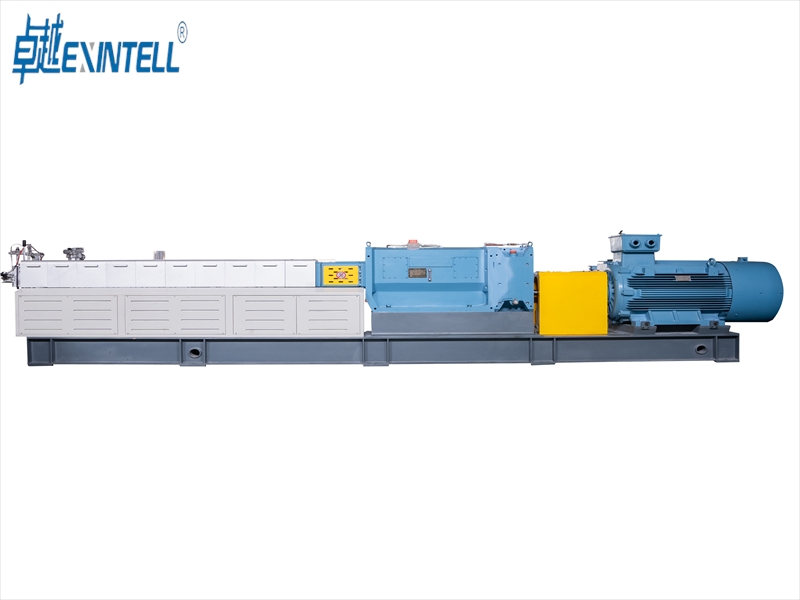
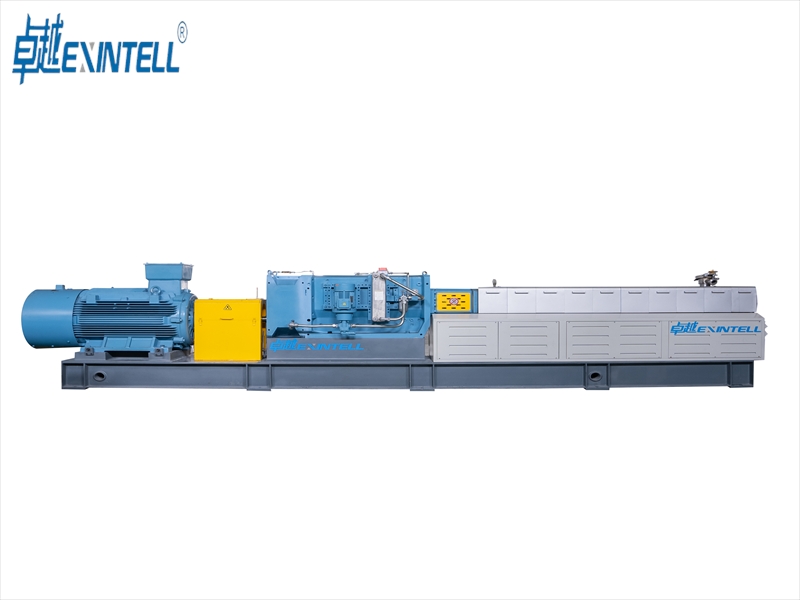
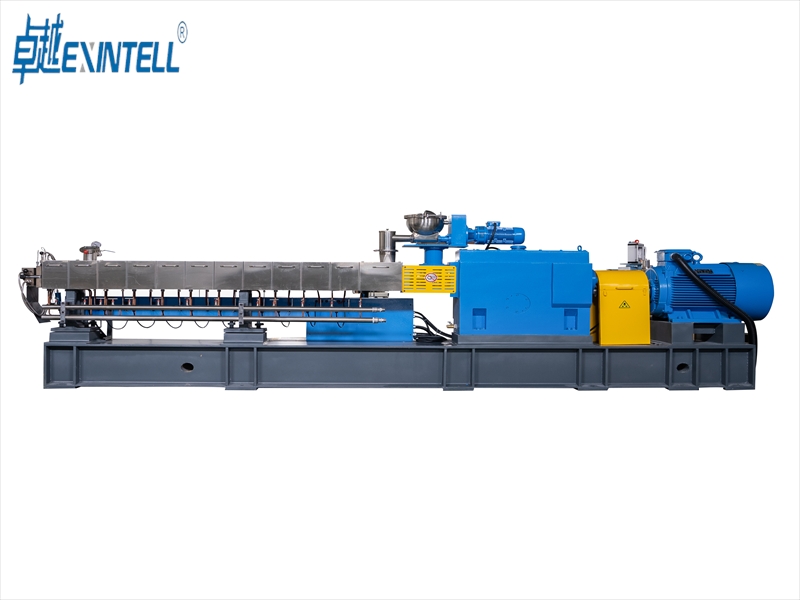
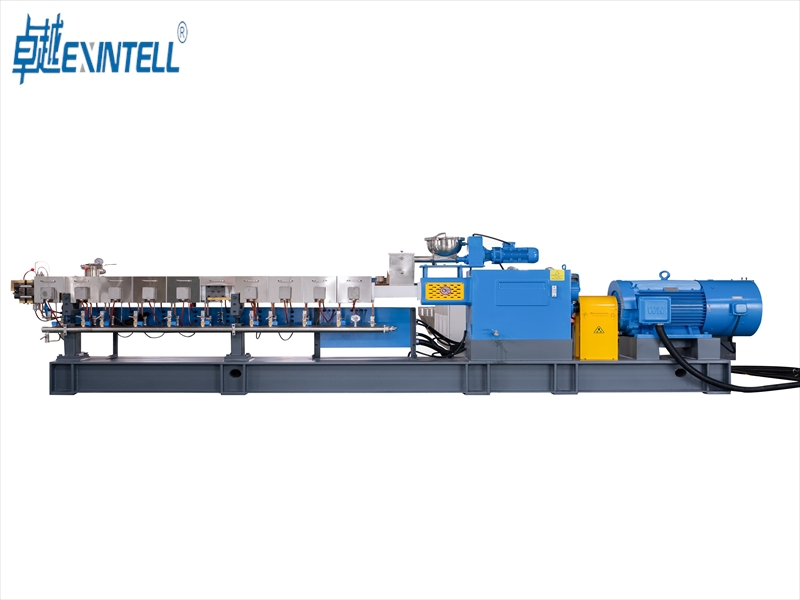
When you use apelletizing extruder, you change raw material into pellets by following clear steps. You put material into the extruder. The machine melts and mixes it. Дараа нь, it pushes the material through a die to make pellets. Each step is important for making strong and even pellets. If you know how pelletizing works, you can make your extruder better and fix problems faster.
Check the material’s properties to make the pelletizing process work best for different plastics.
What Is A Pelletizing Extruder
Main Function
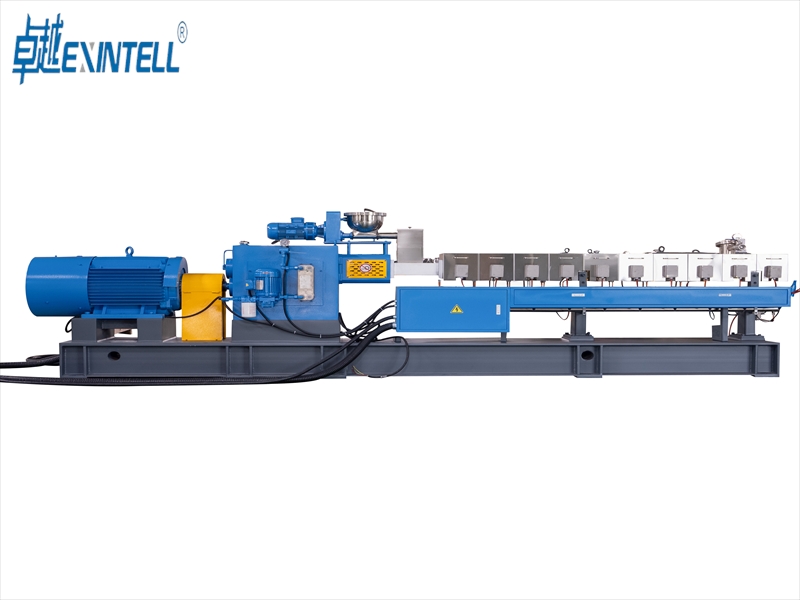
А pelletizing extruderturns raw plastic or polymer into small pellets. The machine lets you control how big and round each pellet is. Manufacturers usepellet extruders хатуу дүрэмд нийцсэн бүтээгдэхүүн хийх. Та хаягдал хэсгүүд эсвэл шинэ давирхайг бусад машинд сайн урсдаг үрэл болгон өөрчилж болно.
Shapes melted plastic, controls pellet thickness and pressure
Cooling System
Makes pellets hard, stops them from changing shape
Rotating Knife System
Cuts cooled pellets into the same size and shape
You can change the design of these parts to fit your needs. Automation systems help you control heat and warn you about problems. Cooling and drying systems keep pellets strong and protect their quality.
Pelletizing Extruder Process
The pelletizing extruder works in steps. Each step changes raw material into pellets that look the same. You need to know every stage to getgood pellets.
Material Feeding
Эхлээд, you put raw material into the extruder. The hopper holds the material. This material can be plastic flakes, granules, or powders. Some common materials are polyethylene, полипропилен, ABS, нейлон, and PLA. You can use special feeders to control how much material goes in. Заримдаа, you need to dry the material first. Drying is important for plastics that take in water. Drying stops bubbles and other problems in the pellets.
The feeding system controls how much material goes inside. If you feed the same amount each time, the pellets are better. The size of the pieces and how wet they are also matter. Small pieces and the right amount of water help make strong pellets.
Melting And Homogenization
Дараа нь, the screw pushes the material forward. The barrel gets hot and melts the plastic. The screw’s shape is important here. Some screws mix the material better and keep the heat even. Mixing helps blend in things like color or stabilizers.
Хайлсан хуванцар нь хэвний систем рүү шилждэг. Маягт нь хуванцарыг судал эсвэл бусад хэлбэрт оруулдаг. Маягт нь хөгц шиг ажилладаг. Энэ нь үрлэнгийн хэмжээ, хэлбэрийг хянадаг. Зуурмагийн хэлбэр нь чухал юм. Энэ нь үрэл хэр зузаан, өргөн байхыг шийддэг. A good die gives you pellets that all look the same.
The pressure and speed here change how good the pellets are. You need to keep these steady for the best pellets.
Cooling System
After leaving the die, the plastic is still hot and soft. The cooling system makes the pellets hard and keeps their shape. Water cooling is used a lot because it cools fast and evenly. Some machines use air cooling for plastics that melt at lower heat. Underwater cutting cools the pellets right away. This is good for plastics that melt easily.
Хөргөх арга
Тодорхойлолт
Suitable Polymers
Water Cooling
Uses water to cool pellets fast and keep them good.
Many plastics that need even cooling.
Air Cooling
Not as fast, used for plastics that melt at low heat.
Plastics with low melt index.
Underwater Cutting
Cuts and cools pellets in water right away.
PP nonwoven, melt-blown fabrics.
Cooling must be even. If you cool too fast or too slow, pellets can break or change shape. Good cooling keeps pellets strong and looking right.
Cutting Into Pellets
When the pellets are cool, they go to the cutter. The rotating knife cuts the strands into pellets. The speed and type of blade change how long and thick the pellets are. More blades or faster cutting make shorter pellets. Where you put the cutter matters too. If it is too close to the die, it wears out fast. If it is too far, the pellets are not even.
You can cut pellets in different ways:
Туузан үрэлжүүлэх: Cut after cooling in water.
Hot-cut pelletizing: Cut right at the die face.
Underwater pelletizing: Cut in water for fast cooling.
Each way works best for certain plastics and jobs.
Tails form if the gap between the knife and die is too big or the die is not flat.
Longs and elbows happen if the knife is too slow or the extrusion rate is high.
Internal voids and popcorn can show up if the polymer has water or cools too fast.
Dimples and dust appear if the product shrinks too fast or is brittle.
Surface or melt fracture and trash or shavings happen if the extrusion rate is high or the knife is not adjusted often.
Pellets that do not look the same can come from temperature changes or uneven die heating.
You can use tools like theIshikawa fishbone diagramor the 5 Whys technique to find out what is wrong. These tools help you list causes and look deeper into the problem.
Та мөн шурагны элэгдлийг шалгах хэрэгтэй, хачин дуу чимээ, болон сэгсрэх. Эдгээр шинж тэмдгүүд нь эд анги нь элэгдсэн эсвэл материалд байх ёсгүй зүйл байгаа гэсэн үг юм. Checking and fixing things often keeps your pelletizing smooth and your pellets the same.
Зөвлөгөө: Write down problems and how you fix them. This helps you see patterns and fix things faster next time.
You can learn each step of the pelletizing extruder process. Controlling temperature and cooling helps make strong, жигд үрэл. Improving how you run your machine reduces waste and saves money. When pellets flow smoothly, jams are less likely, and work stays steady. Proper melting and mixing create pellets that meet high standards. This also helps cut material loss and makes production faster. Whether you’re new or experienced, keep practicing to make the best pellets every time.
Even melting and mixing produce consistent pellets.
Pelletizing saves material and increases efficiency.
Түгээмэл асуултууд
What materials can you use in a pelletizing extruder?
Та ашиглаж болно many kinds of plastic. Some examples are polyethylene, полипропилен, ABS, нейлон, and PLA. Some machines can also use recycled plastic or blends. Always make sure your extruder works with your material.
How do you keep pellets from sticking together?
Dry your material before you feed it in. Pick the best cooling method for your plastic. Keep the temperature the same. These steps help you getstrong pellets that do not stick.
Why do pellets sometimes have uneven shapes?
Pellets can look uneven if the die or cutter has issues. Check if the blades are worn out or if die holes are blocked. Шургийн буруу хурд нь бас үүнийг үүсгэж болно. Үрлэн жигд болгохын тулд эдгээр зүйлсийг засаарай.
Та үрлэн шахагчийг хэр олон удаа цэвэрлэж байх ёстой?