

Што е Мастербач машина и како работи
A masterbatch machine helps mix pigments or additives into plastic. Ова прави силна мешавина што се користи за правење пластични работи. Процесот ви овозможува да и дадете нови бои на пластиката или да ја направите посилна. Исто така, може да и помогне на пластиката да се спротивстави на сончевата светлина. Машините Masterbatch се користат многу. They help make products strong and colorful.
- The masterbatch market is growing very fast. It may be worth over USD 46 милијарди долари од страна на 2034.
- Packaging uses the most masterbatches. This helps plastics look nicer and last longer. When you learn how a masterbatch machine works, you see why many industries use it.
Клучни производи за носење
- A masterbatch machine mixes pigments and additives into plastic. This helps make the plastic stronger and gives it better color.
- The masterbatch market is growing fast. It may be worth over USD 46 милијарди од 2034. This shows it is important in many industries.
- Masterbatch machines keep the quality steady. They control how things mix. This stops colors from being uneven and keeps plastics strong.
- You pick single-screw or twin-screw machines based on the job. Single-screw machines are easier and cost less. Twin-screw machines mix better and work well for bigger jobs.
- Користење на masterbatches in recycling makes recycled plastics better. It brings back strength and color. It also helps cut down on waste.
Masterbatch Machine Overview
What Is a Masterbatch Machine
А masterbatch machine mixes pigments and additives together. These mix with a carrier resin. This helps you add color or special features to plastic. The machine works in a few steps. Each step helps the blend stay even and strong.
Here is how a masterbatch machine makes these mixtures:

- Weighing and Mixing: Прво, you measure each ingredient. This makes sure the blend is even. It is important for the final product.
- Екструзија: The machine melts and mixes everything. It uses heat and pressure. This breaks up lumps and spreads the pigment.
- Cooling and Pelletizing: The hot mix cools down. It turns into small pellets. These pellets are easy to use and store.
- Quality Control and Testing: You test the pellets. This checks if they meet the right standards. You look at color, силата, and other things.
А masterbatch machine lets you control how plastic looks and works. You can make every batch the same. This is important for good quality.
Main Functions and Uses
Вие користите а masterbatch machine for many jobs in making plastics. The main jobs are:

- Adding color to plastics so they look bright.
- Giving plastics special features, like more strength or sunlight resistance.
- Making sure color and additives spread evenly.
You see masterbatch machines in many places. These are packaging, автомобили, зграда, и работи што луѓето ги користат секој ден. You can use them to make bottles, автомобилски делови, цевки, и играчки.
А мајсторска серија is a strong mix of pigments or additives in a carrier resin. You use it to give plastics the features you want. На пример, you can add UV resistance with carbon black. This keeps sunlight from hurting the plastic. You can also make products stronger for tough places.
There are many good things about using a masterbatch machine. It helps you save money, make better products, and meet what customers want.
Key Components of a Masterbatch Machine
Feeding System and Hopper
The feeding system and hopper are where you begin. This part holds the raw materials. These include pigments, адитиви, and carrier resin. The hopper uses special feeders to measure the materials. These feeders keep the flow steady and correct. You can use gravimetric or volumetric feeders for this job. They make sure each ingredient goes in at the right amount. The hopper’s shape and stirring system stop sticking or separating. You need to check and clean the system often. This helps keep the mix exact. Alarms and control checks help you avoid mistakes.
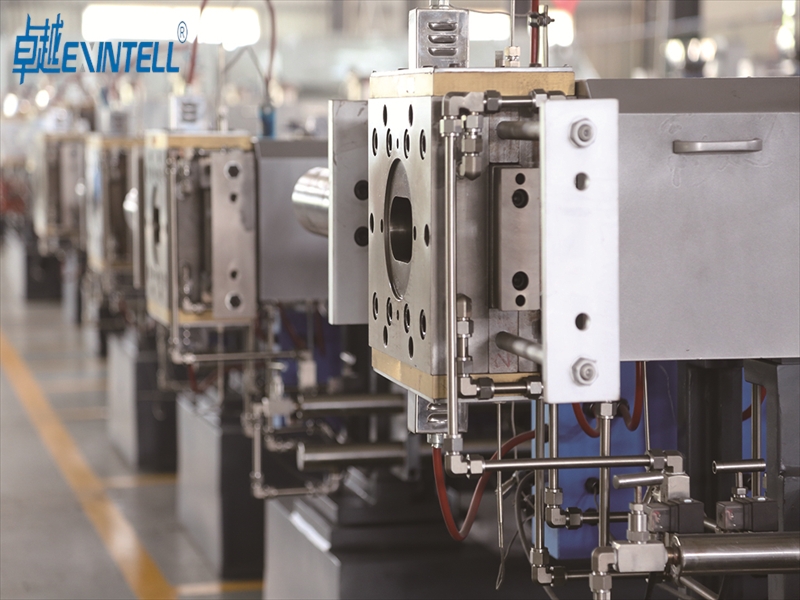
Screw Extruder
The screw extruder pushes the materials forward. A spinning screw melts and mixes everything together. The screw’s shape and speed change how well things blend. You can change the heat and speed for better results. На screw does many jobs. It feeds, squeezes, removes air, and mixes. This makes the blend even and strong. When the screw works well, you get a good masterbatch.
Mixing and Dispersion Unit
The mixing and dispersion unit spreads the pigments and additives evenly. This stops patchy colors or weak spots from happening. Good mixing keeps the process steady. It also helps match colors every time. You can use kneaders or mixers to blend the materials. Mixing well gives you the same quality each time.
Совет: When you spread things well, your masterbatch will look and work the same every time.
Cooling and Pelletizing
After mixing, you need to cool the hot blend. Cooling systems use water or air to cool the pellets. Even cooling stops warping and clumping. When cooled, granulators cut the strands into small pellets. These pellets are easy to move and store. Добивате пелети со иста големина и форма.
Control Panel
На control panel helps you run the whole machine. You can set the heat, брзина на завртката, and recipes. The panel lets you watch everything as it happens. You can make changes fast and keep things running well. Automation and alarms help you find problems early. A good control panel makes the process exact and smooth.
A Masterbatch Machine uses all these parts together. This gives you a strong, colorful, and steady product. Each part is important for making sure your mix is even and your pellets are high quality.
How a Masterbatch Machine Works
Material Feeding and Measurement
Прво, you put raw materials into the machine. The hopper holds pigments, адитиви, and carrier resin. You must measure each ingredient with care. This stops waste and keeps your mix the same every time. A good feeding system gives you a steady flow of materials. You can use gravimetric or volumetric feeders to control the amount. Cleaning and checking the feeders often helps them work well.
- Measuring right helps you pick the best feeder.
- You look at the formula to see what needs close control.
- You check the process to see how things change and what limits you need.
Совет: If you measure materials exactly, your masterbatch will meet quality rules and make less waste.
Extrusion and Mixing Process
After feeding, the machine pushes materials forward with a turning screw. The screw melts and mixes the materials together. You set the temperature to stop hot spots and damage. The speed of the screw changes how well things mix. You change the feed rate to keep the mix even.
You use dispersing aids and compatibilizers to help pigments spread. Pre-mixing and pre-wetting make the blend even before extrusion. Понекогаш, you add sensitive additives from the side to keep them safe from heat. The screw’s shape controls how much mixing you get.
- You watch the temperature so the polymer does not break down.
- You balance screw speed and flow for the best mixing.
- You check for water in materials to stop problems like bubbles or holes.
| Parameter | Зошто е важно |
|---|---|
| Температура | Stops melting or breaking down |
| Брзина на завртката | Balances mixing and time in machine |
| Feed Rate | Makes sure everything mixes well |
| Shear Rate | Breaks up pigment lumps |
| Melt Viscosity | Controls flow and pigment spread |
Забелешка: Good mixing gives you a masterbatch with even color and strong features.
Pelletizing and Output
When the mix leaves the extruder, you cool it down. Cooling uses water or air to lower the heat. You cut the cooled strands into small pellets. You must control pelletizing well. If you do not, you get clumps or odd shapes. Screening takes out pellets that are not the right size or shape.
The pelletizing process must be controlled well. This stops too many plastic shavings, clumps, or odd pellets. Good pellets flow well in customer machines, feed without problems, and melt evenly.
Different pelletizing systems change pellet quality. Strand systems can make more dust. Water-ring and underwater systems make cleaner pellets. You want pellets that flow well, melt evenly, and fit your machines.
| Фактор | Influence on Quality and Uniformity |
|---|---|
| Сечење | Stops clumps and odd shapes |
| Ладење | Shapes and keeps pellets the same |
| Screening | Keeps only good pellets |
| Pellet Geometry | Helps flow, топење, and working together |
- Good pellets move easily and do not stick in hoppers.
- Even pellets melt without problems.
- Clean pellets work well in machines.
You finish with pellets ready to use. The masterbatch machine gives you a product with the right color, силата, и квалитетот.
Advantages and Types of Masterbatch Machines
Productivity and Quality Benefits
A masterbatch machine helps you make more products faster. Тоа mixes pigments and additives very well. This means the color spreads out evenly in the plastic. Your products look the same every time you make them. You can also switch colors or features quickly. You do not need to stop the whole line. Here are some ways these machines help you:
- Great mixing gives you even color and additive spread.
- Every batch has the same quality and meets standards.
- You can change colors fast to meet what customers want.
- Extra features like UV resistance and flame retardancy make products stronger.
Совет: Good mixing stops patchy colors and weak spots in your products.
Single-Screw vs. Twin-Screw Machines
There are two main types of machines. These are single-screw and twin-screw. Each type is good for different jobs. Single-screw machines cost less and are simple. Twin-screw machines cost more but mix better and work faster. Look at the table below to see how they compare:
| Карактеристика | Екструдер со една завртка | Екструдер со две завртки |
|---|---|---|
| Цена | Lower price, simple structure | Повисоки трошоци, complex structure |
| Ефикасност | Пониски, suitable for small-scale | Повисоко, ideal for large-scale operations |
| Способности за мешање | Basic extrusion, limited mixing | Excellent mixing and plasticizing ability |
| Апликации | Цевки, профили | Thermosensitive materials, high filling |
| Пропусната моќ | Пониски | Повисоко |
| Temperature Uniformity | Основни | Validated uniformity, critical for medical |
Забелешка: Twin-screw machines are best for big jobs and tough tasks. Single-screw machines are good for simple jobs and small batches.
Flexibility and Efficiency
You can use these machines for many different jobs. They let you make special colors and change how much pigment or additive you use. You can also change features to fit what each industry needs. The table below shows how flexible these machines are:
| Карактеристика | Опис |
|---|---|
| Custom Colors | Make masterbatch with colors for each customer |
| Concentration Variability | Adjust pigment and additive levels for different products |
| Functional Properties | Change features like strength or UV resistance for special uses |
Мајсторска серија за полнење helps plastic plants work better. Minerals like calcium carbonate help the mix melt faster in the machine. This makes cooling and hardening quicker. You can run your machines faster and make more products in less time. Even small speed boosts can give you a lot more output in one shift.
Повикување: Flexible machines help you keep up with new needs and make more products faster.
Applications in Industry
Plastics and Packaging
Masterbatch technology is used a lot in plastics and packaging. It helps make кеси, шишиња, and boxes look bright. These items also last longer. You can add color and special features to packaging. This makes products stand out in stores. Packaging becomes stronger and safer for food and other goods.
- Masterbatches make packaging tougher.
- UV resistance protects products from sunlight.
- Packaging looks and feels better with masterbatches.
Совет: Using masterbatches lets you make packaging that is nice and strong.
Automotive and Textiles
Masterbatch systems are used in cars and textiles. In cars, you can color dashboards, seats, and trims. You can use many colors in one day. This helps meet strict rules for car parts. Car parts look good and last longer.
- Можете да користите над 50 car colors with careful control.
- Changing colors is fast and saves time.
- You can check color quality as you work to waste less.
In textiles, you make fibers for carpets, ropes, and clothes. You can use plastics like polypropylene and polyester. Fibers get deep colors and stay strong. They do not fade easily.
| Индустрија | What You Can Make |
|---|---|
| Автомобилство | Dashboards, дотерувања, браници, e-mobility plugs, и повеќе |
| Textiles | Carpets, tapes, ropes, појаси, upholstery, nonwovens, and functional clothing |
Recycling and Other Uses
Masterbatch systems help improve recycled plastics. Recycled plastics can lose strength or color. Special masterbatches fix these problems. Additives remove moisture or stop plastic from breaking down. This makes recycled products strong and good-looking.
- Masterbatches restore lost properties in recycled plastics.
- Desiccant masterbatch removes moisture and stops bubbles.
- Antioxidants help outdoor products last longer.
| Problem with Recycled Plastic | How Masterbatch Helps |
|---|---|
| Bubbles and voids | Removes moisture |
| Weakness | Adds strength and stability |
| Fading color | Restores bright appearance |
Забелешка: Using the right masterbatch keeps your product quality high and customers happy.
Now you know how a Masterbatch Machine works in plastics. If you learn about each part, you can make smart choices for your factory. Picking the best machine helps you get strong and colorful products every time.
- На best machine mixes well, measures right, and controls the process.
- Twin-screw extruders and gravimetric feeders help keep quality high and waste low.
| Клучен фактор | Зошто е важно |
|---|---|
| Total Lifecycle Cost | Saves money over time |
| Processing Efficiency | Makes less scrap and more products |
| Technical Support Value | Fixes problems fast |
| Custom Development | Fits your special needs |
Picking the right Masterbatch Machine can help your factory work faster, подобро, and with fewer problems.
Најчесто поставувани прашања
What is the main job of a masterbatch machine?
А masterbatch machine mixes pigments or additives into plastic. This lets you make plastics with bright colors. It also gives plastics special features like strength or UV resistance.
How do you choose between single-screw and twin-screw machines?
You use a single-screw machine for easy jobs and small batches. You pick a twin-screw machine for hard mixing, big batches, or when you want high quality.
Can you use recycled plastic in a masterbatch machine?
Да, you can use recycled plastic in the machine. You might need special additives to fix color or strength. Masterbatch machines help make recycled plastics better.
What problems can a masterbatch machine solve?
- Plastics with uneven color
- Recycled materials that are weak
- Plastics that do not resist sunlight well
A masterbatch machine helps you fix these problems. It makes your products stronger and look better.