

Клучни производи за носење
- Според моето искуство, selecting a masterbatch machine supplier is one of the highest-leverage capital decisions a compounder makes; a poor match leads to torque-limited output, premature wear, and recipe rejects (Врвот 15 Twin Screw Extruder Manufacturers in 2026: A Complete Buyer’s Guide, 2026).
- The co-rotating twin-screw extruder is the core of nearly every masterbatch production line, paired with feeding, pelletizing, and auxiliary control systems — so I evaluate the whole turnkey masterbatch line, not just the extruder in isolation (Plentiful Choices, 2025).
- I match screw geometry to the recipe: parallel co-rotating twin-screws suit high-dispersion color and additive masterbatch, while conical and counter-rotating designs and even single-screw extruders fit specific filler or PVC jobs. L/D ratio and screw diameter drive both throughput and dispersion quality.
- Budget realistically across the range I see quoted: lab units from roughly $4,500 per set, production PVC twin-screw machines near $50,000, and complete color masterbatch making machines in the $14,000–25,000 band from Chinese manufacturers (Twin Screw Extruders for Sale, 2026; Accio, 2025).
- I verify that a supplier is a genuine manufacturer rather than a trading company by filtering on business type, сертификација, MOQ, and verified status — exactly the criteria reputable marketplaces expose (Произведено во Кина, 2025).
- For US buyers, I model total landed cost up front: увозни давачки, trade policy, товарен, and installation can shift a “cheap” quote dramatically, so the sticker price alone is misleading.
- I weigh total cost of ownership — energy draw, wear parts, and downtime — alongside US-based after-sales service and spare-parts availability, since support gaps cost more than the machine over its life.
- I confirm the supplier’s line fits my application, whether that is CaCO3 filler masterbatch, white masterbatch, or color masterbatch for fiber, film, wire, cable, and injection, and that the dosing and pelletizing systems support the color loading I need (JWELL Machinery, 2025).
- Established names like Coperion, Лајстриц, КраусМафеи, JSW, Steer, and UDTECH anchor the premium tier, but I judge every candidate on documented specs and fit rather than brand prestige alone (UDTECH, 2026).
What a Masterbatch Machine Supplier Actually Provides
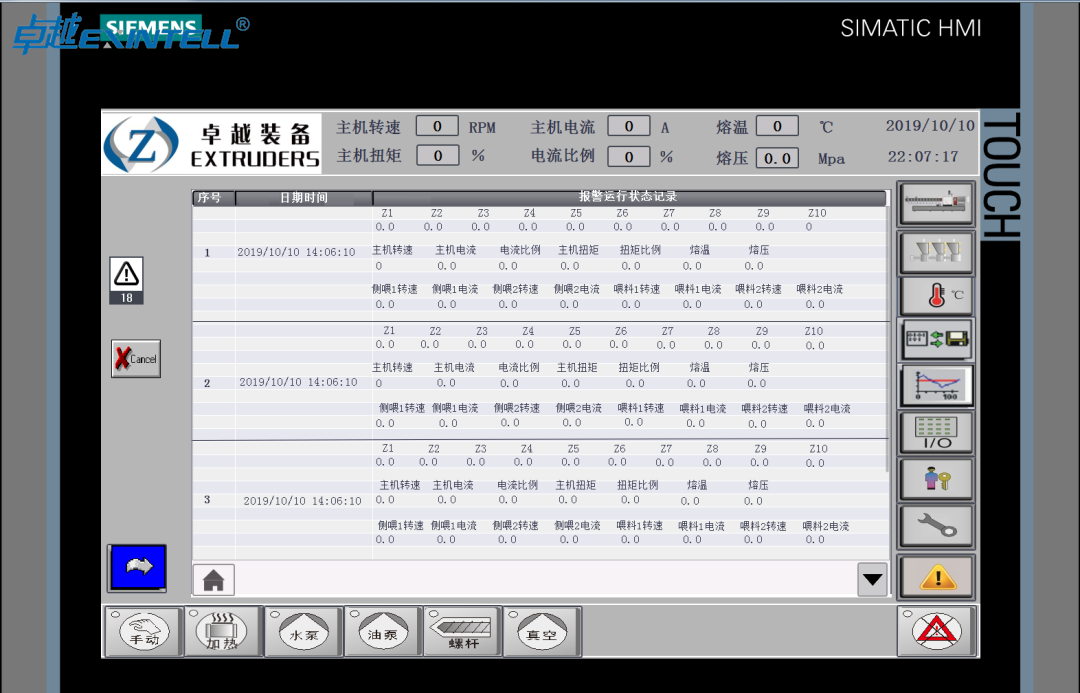
When I first started specifying equipment for compounding projects, I made the mistake many buyers make: I treated a masterbatch machine supplier as a vendor selling a single box. That framing cost me time and money. In practice, the supplier you select is supplying a system, a process guarantee, and a multi-year service relationship. The extruder is only the most visible part of what you are actually buying.
The supplier’s role goes well beyond one extruder
A capable masterbatch machine manufacturer engineers an integrated workflow, not just hardware. That means matching screw configuration to your recipe, sizing feeders to your throughput targets, and tuning auxiliary systems so the line runs at rated capacity instead of theoretical capacity. Според моето искуство, the gap between a quoted output and a sustained output usually traces back to whether the supplier engineered the full line or simply shipped a standalone machine. Suppliers such as Unity Engineering Works position their twin-screw machines specifically for plastic compounding, производство на мајсторска серија, мешање на полимери, and PVC processing, which signals that the equipment is designed around an application rather than sold generically (Unity Engineering Works, 2025).
Core machine versus complete line
It helps to separate two purchase scopes early, because they carry very different price tags and integration burdens.
- Core machine: the twin-screw compounding extruder alone. You retain responsibility for integrating feeding, pelletizing, and downstream auxiliaries.
- Complete masterbatch production line: a turnkey masterbatch line where the supplier delivers the extruder, dosing system, pelletizing line, and auxiliaries as a commissioned, validated unit.
The trade press consistently describes the twin-screw extruder as the core machine for masterbatch compounding, paired with feeding, pelletizing, and auxiliary control systems (Plentiful Choices, 2025). If you are running fiber, film, wire, cable, or injection applications, a color masterbatch extruder pelletizing line is typically sold as a coordinated package, and modern lines trend toward multi-function designs that handle high color content (JWELL Machinery, 2025). I generally advise first-time buyers to lean toward the complete line, because a single accountable party for commissioning removes the integration risk that otherwise lands on your plant engineers.
Производителот, trading company, or wholesaler
This distinction matters more than most buyers realize, and it is where due diligence pays off. The three business types behave very differently across pricing, technical support, and warranty execution.
|
Business type |
Who they are |
Engineering depth |
Typical advantage |
Typical risk |
|---|---|---|---|---|
|
Производителот |
Builds the machine in-house |
High — controls screw design, metallurgy, and assembly |
Direct technical answers, genuine spare parts, recipe support |
May have higher MOQ or longer lead times |
|
Trading company |
Resells machines from one or more factories |
Variable — depends on factory relationships |
Флексибилни извори, lower MOQ, easier communication |
Slower technical escalation, opaque origin, markup |
|
Wholesaler |
Moves volume across catalogs and marketplaces |
Low — primarily a distribution role |
Competitive pricing on standard units |
Limited after-sales engineering, parts uncertainty |
|
Business type |
Who they are |
Engineering depth |
Typical advantage |
Typical risk |
|---|---|---|---|---|
|
Производителот |
Builds the machine in-house |
High — controls screw design, metallurgy, and assembly |
Direct technical answers, genuine spare parts, recipe support |
May have higher MOQ or longer lead times |
|
Trading company |
Resells machines from one or more factories |
Variable — depends on factory relationships |
Флексибилни извори, lower MOQ, easier communication |
Slower technical escalation, opaque origin, markup |
|
Wholesaler |
Moves volume across catalogs and marketplaces |
Low — primarily a distribution role |
Competitive pricing on standard units |
Limited after-sales engineering, parts uncertainty |
Marketplaces now let you filter suppliers by business type, сертификација, MOQ, and verified status, which is the fastest way to separate a genuine manufacturer from a trading company before you ever request a quote (Произведено во Кина, 2025). I treat the manufacturer-versus-reseller question as a gating criterion, because when a screw shaft wears prematurely or a recipe gets rejected, the manufacturer is the only party that can actually diagnose the root cause. Chinese suppliers in particular position themselves for global export, including to the Americas, and offer specialized products such as CaCO3 filler masterbatch and EVA pellet extruders, so the catalog breadth is real — but breadth is not the same as engineering accountability (Twin Screw Extruder Machine Wholesaler, 2025).
Why this is a long-term capital partnership
Here is the reframe I wish I had internalized sooner. Choosing the right twin-screw extruder supplier is a high-leverage capital decision, and a poor match causes torque-limited output, premature wear, and recipe rejects (Врвот 15 Производители на екструдер со двојни завртки, 2026). Those failure modes do not surface on day one. They surface over years of operation, which is exactly why I evaluate a supplier as a partner who will be answering my calls in 2031, not as a one-time transaction. A masterbatch line is amortized over a decade or more, and the supplier’s parts availability, response time, and willingness to support new recipes will shape your margins for that entire span.
Understanding the Masterbatch Production Process
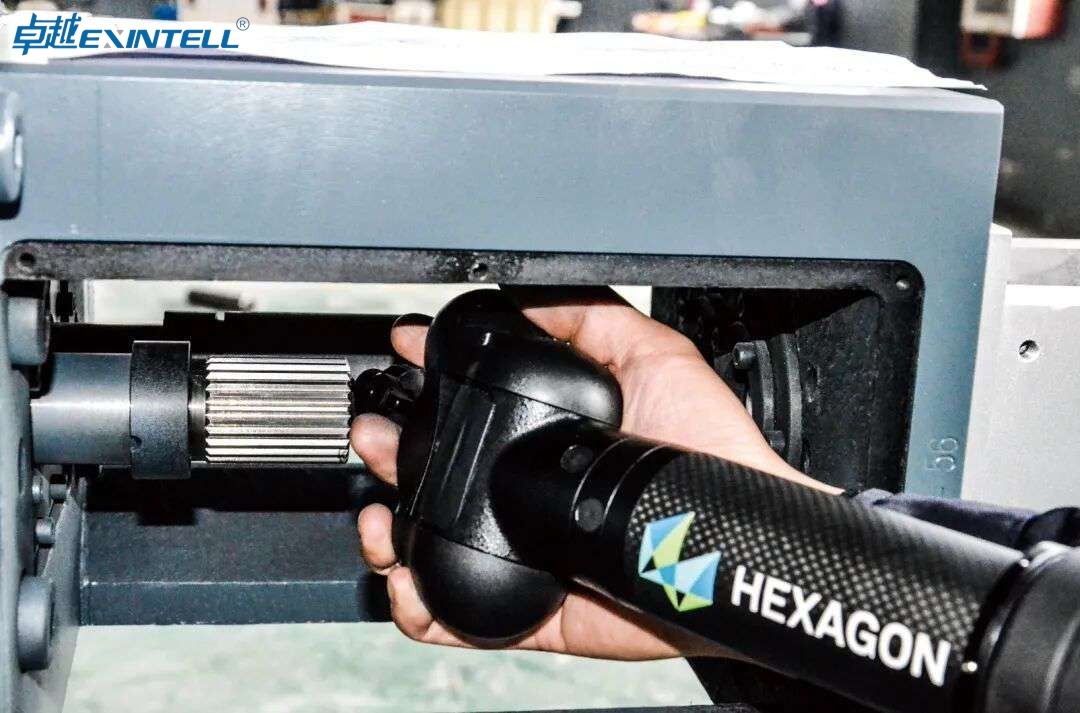
Before evaluating any machine, I make sure I understand what the machine is physically doing to my material. Masterbatch production is, at its heart, a controlled dispersion problem: you are taking a high concentration of pigments, полнила, or additives and forcing them into uniform suspension within a carrier resin. Everything about supplier selection eventually traces back to how well a given line solves that dispersion problem.
Dispersing pigments, полнила, and additives into carrier resin
The goal is a concentrated, homogeneous pellet that a downstream processor can let down into virgin resin at a precise ratio. For color masterbatch, that means pigment particles deagglomerated and evenly spread. For white masterbatch, it means high titanium dioxide loading without streaking. For CaCO3 filler masterbatch, it means high mineral content wetted out and bonded into the polymer matrix. For additive masterbatch, it means a carefully metered functional additive, such as a UV stabilizer or antistatic agent, distributed without hot spots. Each of these recipes stresses the line differently, which is why a single machine rarely excels at all of them without a thoughtful extruder screw configuration.
The stages: мешање, melting, мешање, degassing, pelletizing
The compounding extrusion line moves material through a predictable sequence, and understanding it tells you which machine settings matter for your product.
- Feeding: carrier resin, pigment or filler, and additives are dosed in precise ratios into the extruder.
- Топење: shear and barrel heat plasticize the resin into a molten phase.
- Мешање: the screws break down agglomerates and homogenize the melt — the stage that defines final quality.
- Дегасирање: vacuum venting pulls moisture and volatiles out of the melt to prevent voids and surface defects.
- Пелетизирање: the homogenized melt is shaped, cooled, and cut into uniform pellets.
Dispersive versus distributive mixing
This is the technical distinction I keep coming back to when I assess a supplier’s screw design. Dispersive mixing applies high shear to break apart solid agglomerates — critical for pigments and fillers that arrive clumped. Distributive mixing spreads those broken-down particles evenly through the melt without necessarily applying high shear. A well-designed twin-screw compounding extruder sequences both: dispersive elements to break agglomerates, distributive elements to even out the result. When a supplier cannot explain how their screw configuration balances these two functions for your specific recipe, I take that as a warning sign about their engineering depth.
Why consistent dispersion protects your downstream margins
Inconsistent dispersion is not a cosmetic problem — it is a margin problem. If your masterbatch carries uneven color or poorly dispersed filler, your customers compensate by dosing at a higher let-down ratio to hit their target, or they reject the batch outright. Both outcomes erode the price advantage that justified buying a masterbatch making machine in the first place. Twin-screw extruders earn their place across plastics, фармацевтски производи, преработка на храна, and chemicals precisely because of their precision, разноврсност, and efficiency (Врвот 20 Производители на екструдер со двојни завртки, 2025). In masterbatch specifically, that precision is what lets you sell a tightly specified product rather than a variable commodity, and it is the single clearest link between machine quality and gross margin.
Core Machines Used in Masterbatch Manufacturing
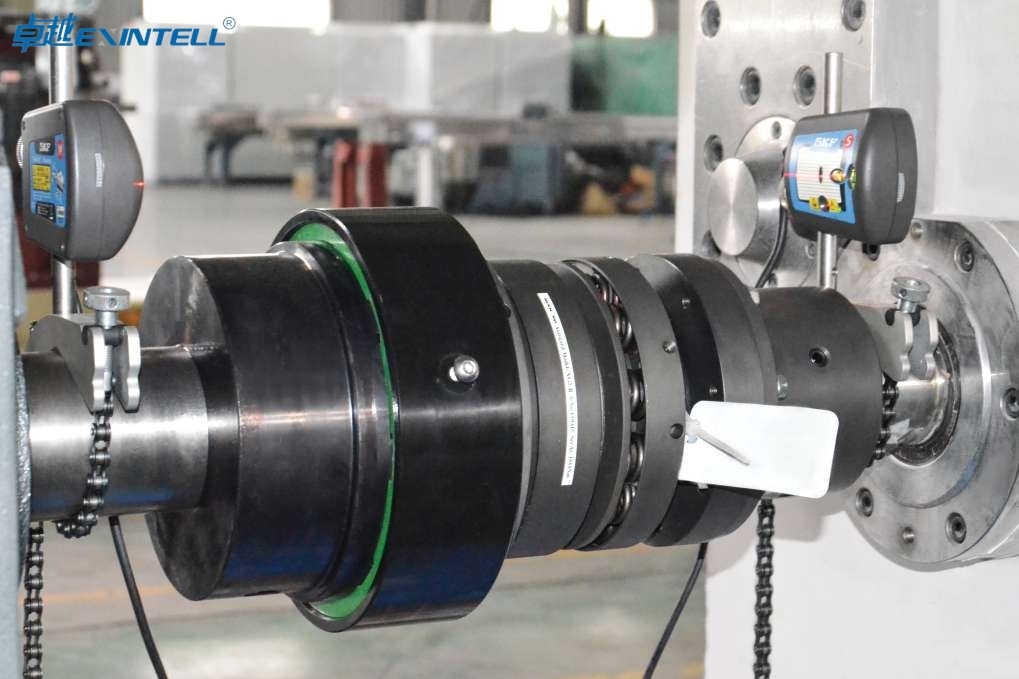
Once the process is clear, the equipment list almost writes itself. A masterbatch manufacturing equipment package is built around one central machine and a set of supporting systems that keep that machine fed, vented, and producing clean pellets. I evaluate each component on its own merits, because a weak link anywhere drags down the whole line.
The twin-screw extruder: the compounding heart
The twin-screw extruder is the heart of the line, and it is where most of your budget and most of your scrutiny should go. Two intermeshing screws rotate within a barrel, generating the controlled shear and conveying action that compounding demands. A few configuration choices define the machine:
- Co-rotating versus counter-rotating: co-rotating twin screw designs dominate masterbatch because their self-wiping action and strong distributive mixing suit pigment and filler dispersion. Counter-rotating designs deliver high pressure and are common in PVC profile work.
- Parallel twin-screw versus conical twin-screw: parallel twin-screw machines suit high-output compounding, while conical twin-screw machines are often chosen for rigid PVC processing.
- L/D ratio and screw diameter: a longer L/D ratio gives more residence time for difficult dispersions, while screw diameter scales throughput.
By contrast, a single-screw extruder lacks the mixing intensity for serious compounding and is generally relegated to simpler conveying or extrusion tasks. To anchor the numbers, a representative lab unit lists a 25 mm дијаметар на завртката, а 7.5 kW motor, и 50 kg/h output (Wholesale Plastic Lab Twin Screw Extruder, 2026) — useful for recipe development before scaling to production. China-based suppliers such as Jieya market their masterbatch making machines on the dual promise of performance and productivity, which is the right axis to evaluate against your own throughput and quality targets (Jieya, 2025).
Precision feeding and dosing systems
A masterbatch dosing system is where recipe accuracy is won or lost. Gravimetric feeders weigh material continuously and adjust feed rate in real time, holding ratios tight even as bulk density varies. Volumetric feeders are cheaper but drift with material flow characteristics. For high-value additive masterbatch or precisely loaded color masterbatch, I insist on gravimetric feeding, because a one-percent ratio error on an expensive additive translates directly into off-spec product. The number of feed streams also matters: a multi-component recipe needs a feeder per major ingredient, and the supplier should size each one to your peak throughput.
Pelletizing equipment
The pelletizing line turns the homogenized melt into the masterbatch pellet your customers can handle and meter. The two dominant approaches are strand pelletizing, where cooled strands are drawn through a water bath and chopped, and underwater or water-ring pelletizing, where the melt is cut at the die face. Strand systems are forgiving and easy to operate; die-face systems produce more uniform pellet geometry at higher rates. The plastic granulator at the end of the line is not an afterthought — pellet uniformity affects how cleanly your product feeds into a customer’s downstream machine, so I weigh it as part of the quality story.
Auxiliary systems that determine real-world performance
The auxiliaries rarely appear in headline specifications, yet they decide whether your line hits rated output day after day. The components I always confirm:
- Cooling: barrel and downstream cooling hold the melt in its processing window and stabilize pellet formation.
- Screen changer: filters contaminants from the melt; a continuous or hydraulic screen changer avoids shutting the line down to swap screens.
- Melt pump: a gear pump downstream of the extruder stabilizes pressure and flow to the die, improving pellet consistency and decoupling output from screw-speed fluctuations.
- Vacuum degassing: vacuum venting removes moisture and volatiles, which is essential for clean pellets and especially for any plastic recycling extruder application where feedstock carries contaminants.
Putting the equipment cost in context
Pricing varies widely by scope, and it is worth holding rough figures in mind as you compare quotes. Production PVC twin-screw extruders are listed around $50,000, with lab units from roughly $4,500 per set (Twin Screw Extruders for Sale, 2026), while complete color masterbatch making machines from Chinese manufacturers are quoted in the $14,000–25,000 range (Accio, 2025). Those are starting points, not landed costs — a topic I return to later when accounting for US import duties, товарен, and total cost of ownership. For now, the takeaway is that the line is a system of interdependent machines, and a quote that looks cheap usually reflects a thinner auxiliary package rather than a genuine bargain.
For deeper background on the equipment categories themselves, the Plentiful Choices overview of machines used in masterbatch manufacturing and the JWELL color masterbatch extruder pelletizing line reference are both useful starting points.
Twin-Screw vs Single-Screw Extruders for Masterbatch
When I evaluate a masterbatch machine supplier, the first question I settle is the extrusion platform itself, because everything downstream depends on it. Според моето искуство, this is where buyers either set themselves up for years of clean recipe runs or quietly accept a machine that fights them on every color change. Twin-screw extruders dominate compounding and masterbatch work, and the reason is mechanical rather than marketing. A twin-screw compounding extruder builds distributive and dispersive mixing directly into the screw geometry, which is exactly what masterbatch demands when you are forcing high pigment or filler loadings into a carrier resin.
The industry consensus reflects this. Twin-screw extruders are the core machine for masterbatch compounding, paired with feeding, pelletizing, and auxiliary control systems, according to Plentiful Choices in its 2025 review of masterbatch manufacturing machines (Plentiful Choices, 2025). That pairing matters: the extruder is the heart, but the masterbatch production line around it, feeders, the pelletizing line, and the dosing system, is what turns a good screw into a repeatable process.
Why Twin-Screw Dominates Compounding
The single-screw extruder conveys and melts well, but it relies almost entirely on drag flow and pressure to mix. That is adequate for extruding a finished compound or a film, but it struggles to disperse a 50 до 70 percent pigment concentrate uniformly. A twin-screw extruder, by contrast, lets me configure the screw to do specific work in specific zones. I can place kneading blocks where I need shear to break down pigment agglomerates, then conveying elements to relieve pressure and avoid overheating shear-sensitive additives. That modularity is the practical difference between a plastic compounding machine and a general-purpose extruder.
Mixing Performance and Recipe Flexibility
Mixing Equipment Manufacturers Recipe flexibility is the dimension buyers underestimate. With a twin-screw compounding extruder, the extruder screw configuration is something I can change. If I move from a soft organic pigment to an abrasive inorganic one, or from a color masterbatch to a CaCO3 filler masterbatch, I rebuild the screw and barrel profile rather than replacing the machine. A single-screw setup gives me far less room to adapt, which means each new product family risks needing its own dedicated line. For a contract compounder or a converter running many formulations, that flexibility is the entire business case.
Throughput and Energy Efficiency
On throughput, twin-screw machines deliver more output per unit of screw length because intermeshing screws actively transport material and generate mixing simultaneously. To anchor the scale, a representative lab extruder lists a 25mm screw diameter, 7.5kW motor power, and roughly 50 kg/h output capacity (Wholesale Plastic Lab Twin Screw Extruder, 2026). Production machines scale far beyond that, and the specific energy consumption, the kilowatt-hours per kilogram of product, becomes a real line item in your total cost of ownership. I always ask suppliers for specific energy figures at my target recipe, not just nameplate motor power, because a torque-limited machine that runs below its rated output quietly inflates your cost per ton.
When a Single-Screw or Two-Stage Setup Still Makes Sense
I want to be fair to the single-screw extruder, because it is not obsolete for every job. Where the formulation is simple, the loading is modest, and the priority is steady high-volume conveying rather than aggressive dispersion, a single-screw plastic granulator or a two-stage configuration can be the more economical choice. A common two-stage setup uses a co-rotating twin screw for compounding the melt, then feeds a single-screw or gear-pump second stage dedicated to building pressure for clean pelletizing. This decouples mixing from pumping, protects the melt from excessive shear in the pelletizing line, and often improves pellet uniformity. If your supplier proposes a two-stage line, that is usually a sign they are thinking about your process and not just selling a single machine.
Co-Rotating vs Counter-Rotating and Parallel vs Conical
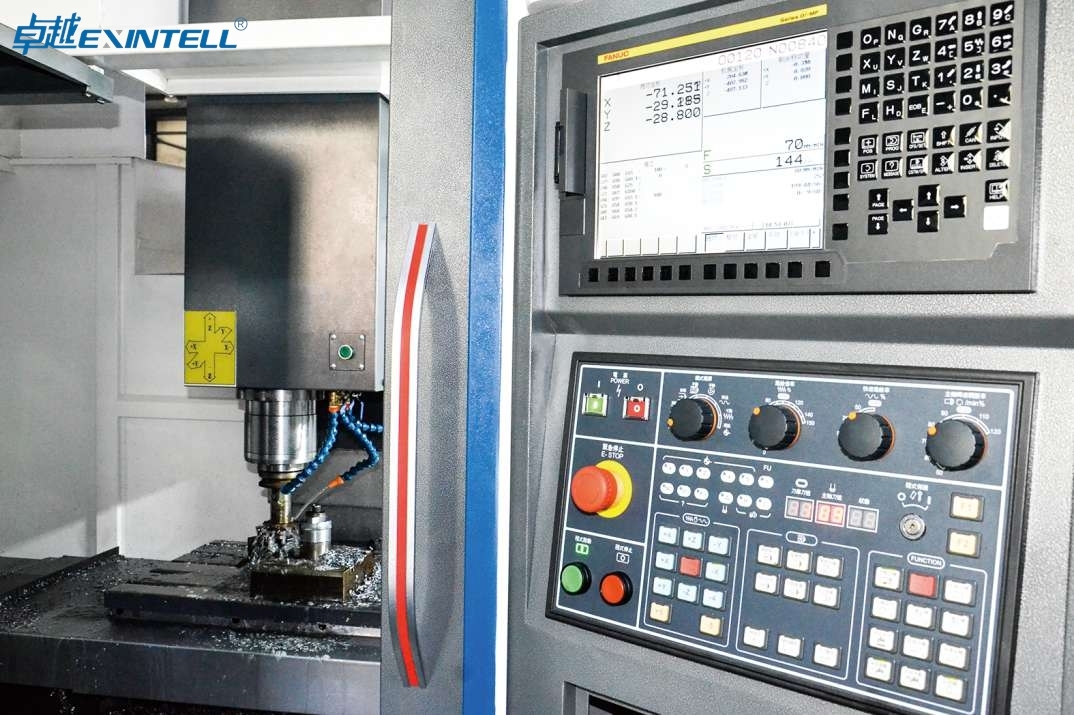
Once I have committed to a twin-screw platform, the next two decisions, rotation direction and screw geometry, shape how the machine behaves more than almost any spec sheet number. These are not interchangeable preferences; they map to distinct applications, and a supplier who blurs that distinction is a supplier I scrutinize harder.
Co-Rotating Intermeshing Screws for High Dispersion
For masterbatch, the co-rotating twin screw is the workhorse. The two screws turn in the same direction and intermesh closely, so material is repeatedly transferred from one screw to the other across the mixing zone. That figure-eight flow path generates strong distributive mixing and, with kneading blocks, the high local shear needed for dispersive mixing. This is why color masterbatch, white masterbatch, and additive masterbatch lines are almost universally built on co-rotating machines. The geometry also handles the high screw speeds that drive throughput, and it tolerates frequent screw configuration changes, which is exactly what a multi-recipe compounder needs.
Counter-Rotating Use Cases and Limitations
Counter-rotating twin-screw extruders turn the screws in opposite directions, which creates a calendering action as material is squeezed between the two screws. This gives excellent positive conveying and gentle, controlled processing at lower shear, the reason counter-rotating machines are strongly associated with rigid PVC profile and pipe extrusion. For masterbatch, though, the limitations show up quickly. The mechanism that makes counter-rotating screws gentle also caps the shear available for dispersion and limits screw speed, because separating forces push the screws apart and load the bearings. So when a recipe lives or dies on breaking down pigment agglomerates, the counter-rotating geometry is usually the wrong tool. I reserve it for heat-sensitive PVC compounding work, not for high-dispersion concentrates.
Parallel vs Conical Geometry Tradeoffs
The parallel versus conical question overlaps with the rotation decision but deserves its own attention. A conical twin-screw uses screws that taper from a large diameter at the feed to a smaller diameter at the die, which packs large feed-zone bearings and strong intake into a compact frame. Conical machines are typically counter-rotating and are popular for lower-output PVC processing where the wide feed throat handles bulky powder blends. The tradeoff is a fixed geometry: you cannot reconfigure a conical screw the way you reconfigure a modular parallel screw, and the diameter taper constrains the L/D ratio you can build.
Parallel twin-screw extruders keep a constant screw diameter along the full length, which is what enables the long, модуларен, high L/D ratio designs that masterbatch compounding relies on. The L/D ratio, the barrel length divided by screw diameter, sets how much residence time and how many processing zones I have to work with. A longer L/D gives room for separate feeding, melting, мешање, девалатилизација, and pumping zones, which is precisely the flexibility a serious masterbatch line needs. For nearly all masterbatch manufacturing equipment I specify, that points to a parallel, co-rotating configuration.
Configuration Comparison at a Glance
| Configuration | Мешање / Dispersion | Typical Shear & Speed | Screw Flexibility | Best-Fit Application |
|---|---|---|---|---|
| Co-rotating, parallel | High distributive and dispersive | High speed, configurable shear | Fully modular screw and barrel | Color, white, black, additive, and filler masterbatch |
| Counter-rotating, parallel | Умерено, gentle | Lower speed, controlled shear | Modular but speed-limited | Heat-sensitive PVC compounding |
| Counter-rotating, conical | Умерено, gentle | Low speed, strong intake | Fixed geometry | Lower-output rigid PVC profile and pipe |
| Single-screw (or two-stage) | Low on its own; relies on mixing elements | Drag-flow dependent | Limited | Simple compounds, pressure-building second stage |
| Configuration | Мешање / Dispersion | Typical Shear & Speed | Screw Flexibility | Best-Fit Application |
|---|---|---|---|---|
| Co-rotating, parallel | High distributive and dispersive | High speed, configurable shear | Fully modular screw and barrel | Color, white, black, additive, and filler masterbatch |
| Counter-rotating, parallel | Умерено, gentle | Lower speed, controlled shear | Modular but speed-limited | Heat-sensitive PVC compounding |
| Counter-rotating, conical | Умерено, gentle | Low speed, strong intake | Fixed geometry | Lower-output rigid PVC profile and pipe |
| Single-screw (or two-stage) | Low on its own; relies on mixing elements | Drag-flow dependent | Limited | Simple compounds, pressure-building second stage |
This is also where supplier specialization becomes visible. Some builders engineer twin-screw machines specifically for plastic compounding, производство на мајсторска серија, мешање на полимери, and PVC processing (Unity Engineering Works, 2025). When a supplier offers genuinely different platforms for these jobs rather than one machine relabeled for all of them, that breadth tells me they understand the geometry tradeoffs rather than selling around them.
Matching the Machine to Your Masterbatch Type
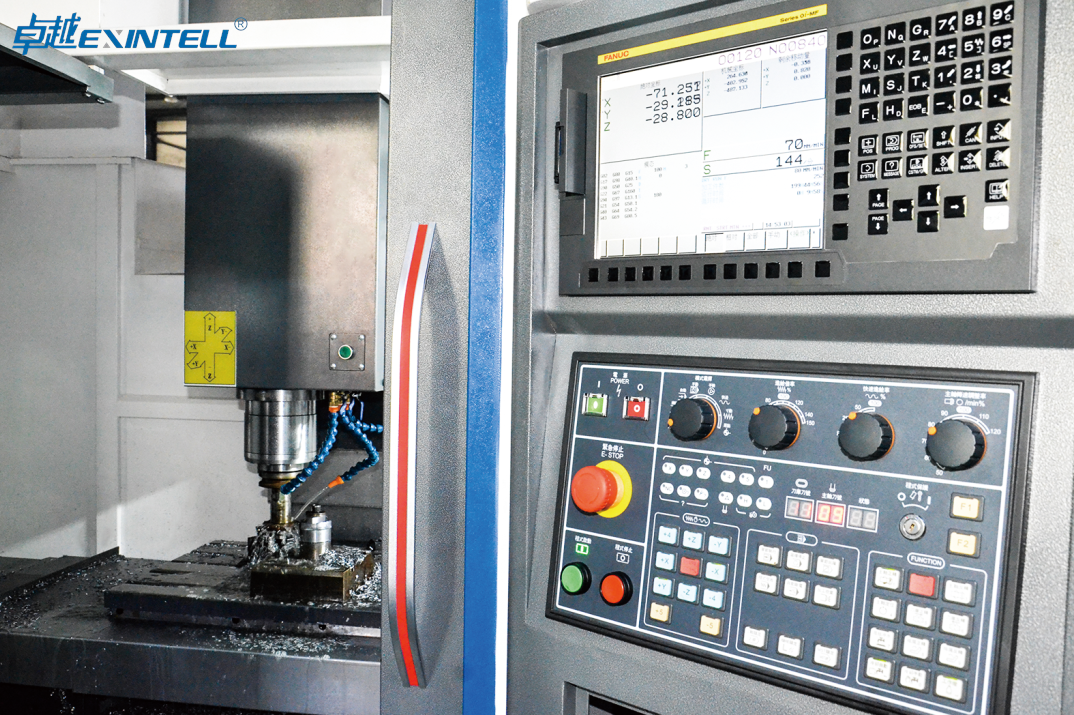
The final layer of specification is matching the configuration to the specific masterbatch you intend to produce. A machine that excels at high-load color concentrate may be poorly suited to abrasive filler work, and a supplier who asks what you are running before quoting is worth more than one who quotes a model number on sight. I treat the masterbatch type as the design input that drives screw configuration, wear protection, and the layout of the whole pelletizing line.
Color Masterbatch for Fiber, Film, Wire, Cable, and Injection
Color masterbatch is the most application-sensitive category because the end process dictates how fine the dispersion must be. Color masterbatch extruder pelletizing lines serve fiber, film, wire, cable, and injection applications and increasingly trend toward multi-function designs with high color content (JWELL Machinery, 2025). Fiber and thin film are the demanding cases: a poorly dispersed agglomerate that passes unnoticed in a thick injection part will break a fiber or create a pinhole in film. For these, I push for higher shear screw elements and tighter melt filtration. For injection-
Key Specifications Every Buyer Should Verify
When I evaluate a masterbatch machine supplier, I treat the spec sheet as a contract, not a brochure. The numbers on that page determine whether a line hits its rated throughput, survives abrasive recipes, and holds tolerances three years from now. Twin-screw extruders are the core machine for masterbatch compounding, paired with feeding, pelletizing, and auxiliary control systems (Plentiful Choices, 2025), so I verify the extruder specs first and treat everything else as supporting infrastructure. A poor specification match is expensive in a way that doesn’t show up until production: it causes torque-limited output, premature wear, and recipe rejects (Врвот 15 Twin Screw Extruder Manufacturers in 2026, 2026).
Дијаметар на завртката и сооднос L/D
Screw diameter sets the physical scale of the machine and, with it, the upper bound on throughput. A representative lab extruder lists a 25mm screw diameter, 7.5kW motor, и 50 kg/h output (Wholesale Plastic Lab Twin Screw Extruder, 2026), which is fine for R&D and small batches but nowhere near a production color masterbatch line. The L/D ratio (the ratio of barrel length to screw diameter) tells me how much residence time and mixing distance the machine offers. For most masterbatch work I look for an L/D in the 36:1 до 48:1 опсег, because high color content and additive dispersion need length to homogenize without overheating the polymer. If a supplier quotes a short L/D for a high-loading CaCO3 filler masterbatch application, that’s a red flag that the machine is being repurposed rather than engineered for the job.
I also confirm whether the architecture is co-rotating or counter-rotating, and parallel versus conical twin-screw. Co-rotating parallel twin-screw designs dominate masterbatch compounding because they give the dispersive and distributive mixing that color and additive masterbatch demand. Counter-rotating and conical twin-screw machines have their place (notably PVC profile work), but I want the supplier to explain why their configuration fits my recipe rather than defaulting to whatever they keep in stock.
Motor Power and Output Capacity (kg/h)
Output capacity in kg/h is the headline number buyers anchor on, but I never read it in isolation. Throughput is a function of motor power, брзина на завртката, вртежен момент, and the specific recipe being run. A machine rated at 500 kg/h on a free-flowing color masterbatch may deliver far less on a 70% CaCO3 filler load, because filler is abrasive and torque-hungry. I ask every supplier for output figures tied to a named formulation, not a best-case generic polymer. I also confirm installed motor power against the claimed output: an underpowered drive will hit a torque ceiling long before it reaches the rated kg/h, leaving the line permanently throttled.
Screw and Barrel Material and Wear Resistance
This is where I see the widest quality gap between a genuine masterbatch machine manufacturer and a reseller. Screws and barrels are wear parts, and on abrasive recipes like filler masterbatch they are the single largest driver of total cost of ownership. I ask specifically about the base steel, the surface treatment, and whether barrel liners are bimetallic. Nitrided screws are acceptable for clean color and additive work; for high-filler or recycled feedstock I want hardened tool steel or tungsten-carbide-coated elements and bimetallic barrels. The supplier should be able to state hardness values and an expected wear-life estimate. If they can’t, they probably don’t make the parts themselves.
Контролен систем: PLC vs Computerized vs Manual
The control system determines repeatability, and repeatability is what separates a saleable masterbatch from a reject batch. I tier control systems into three levels:
- Прирачник: operator-set dials with limited feedback. Acceptable only for lab or single-recipe operations where labor is cheap and tolerances are loose.
- PLC-based: programmable logic control with recipe storage, zone temperature control, and basic data logging. This is my baseline for any production masterbatch line.
- Computerized/SCADA: full HMI with trend logging, управување со рецепти, gravimetric dosing integration, and remote diagnostics. Worth the premium for multi-recipe operations and anyone who needs audit-grade traceability.
I pay particular attention to how the control system integrates the masterbatch dosing system and gravimetric feeders, because dispersion quality is decided at the feed throat as much as in the barrel.
Specification Benchmark Table
The table below maps the tiers I use when comparing quotes. Prices reflect published 2025–2026 market data and should be treated as planning ranges, not firm quotes.
| Ниво | Typical Screw Diameter | Indicative Output | Контролен систем | Indicative Price (американски долари) | Best Fit |
|---|---|---|---|---|---|
| Lab / Р&Д | ~25 mm | ~50 kg/h | Manual or basic PLC | From ~$4,500/set | Recipe development, sampling |
| Small production | 35–52 mm | 100–300 kg/h | PLC | ~$14,000–25,000 | Color masterbatch, главна серија на адитив |
| Full production line | 65 mm and up | 300 kg/h and up | PLC or computerized | ~$50,000 and up | Filler/white masterbatch, turnkey lines |
| Ниво | Typical Screw Diameter | Indicative Output | Контролен систем | Indicative Price (американски долари) | Best Fit |
|---|---|---|---|---|---|
| Lab / Р&Д | ~25 mm | ~50 kg/h | Manual or basic PLC | From ~$4,500/set | Recipe development, sampling |
| Small production | 35–52 mm | 100–300 kg/h | PLC | ~$14,000–25,000 | Color masterbatch, главна серија на адитив |
| Full production line | 65 mm and up | 300 kg/h and up | PLC or computerized | ~$50,000 and up | Filler/white masterbatch, turnkey lines |
Sources: lab unit specs and pricing (Wholesale Plastic Lab Twin Screw Extruder, 2026; Twin Screw Extruders for Sale, 2026); color masterbatch machine range (Accio, 2025); production PVC twin-screw pricing (Twin Screw Extruders for Sale, 2026).
Certifications and Quality Standards to Require
Certifications don’t guarantee a great machine, but in my experience their absence reliably predicts trouble. I treat them as the minimum evidence that a supplier operates with documented manufacturing discipline rather than ad hoc assembly. For US buyers importing polymer extrusion equipment, the right paperwork also smooths customs clearance and protects you if a dispute lands in arbitration.
CE Marking for Safety Compliance
CE marking signals that the machine meets European health, безбедноста, and environmental requirements, most relevantly the Machinery Directive. Even though CE is a European framework, I require it on imported masterbatch making machines because it forces the manufacturer to address guarding, emergency stops, electrical safety, and risk assessment in a documented way. A genuine CE file includes a Declaration of Conformity and a technical construction file. If a supplier slaps a CE sticker on the cabinet but can’t produce the declaration, the marking is decorative.
One caution for US installations: CE compliance does not equal compliance with US standards. I separately confirm that electrical components and controls can be brought into line with NFPA 79 and that the local authority having jurisdiction will accept the installation, often via a field evaluation. A reputable supplier will already know this conversation.
ISO 9001 Quality Management
ISO 9001 certifies that a manufacturer runs a documented quality management system: defined processes, traceable records, corrective action loops, and management review. It tells me the factory can reproduce the machine I inspected rather than building each unit differently. For a capital purchase that I expect to support for a decade, that process consistency matters more than any single spec. I verify the certificate is current, names the actual manufacturing entity (not a parent or a trading affiliate), and was issued by an accredited body I can look up.
What Certifications Signal About Manufacturing Discipline
I read certifications as a proxy for behavior. ISO 9001 implies the supplier keeps records and can trace a defect back to its source. CE implies they perform formal risk assessment. Together they suggest a firm that thinks in terms of process control, which is exactly the mindset that produces consistent screw geometry, repeatable heat treatment, and reliable control software. A supplier with neither certification might still build a decent machine, but I’d be relying on individual craftsmanship rather than a system, and craftsmanship is hard to verify from another continent.
How to Request and Validate Certification Documents
Asking for certificates is easy; validating them is the part most buyers skip. My process:
- Request the certificate as a PDF and note the certificate number, issuing body, scope, and expiry date.
- Confirm the legal entity named on the certificate matches the entity on the proforma invoice and sales contract. A mismatch often means a trading company is borrowing a factory’s credentials.
- Verify the certificate directly with the accreditation body or certification registrar rather than trusting the supplier’s copy.
- For CE, ask for the Declaration of Conformity and confirm it references the specific machine model and the relevant directives.
- Cross-check the scope: an ISO 9001 certificate scoped to “trading” rather than “manufacturing of extrusion equipment” is a strong signal you’re talking to a reseller.
This validation step is where the manufacturer-versus-trading-company question usually answers itself, which brings me to the next section.
Manufacturer vs Trading Company: How to Tell the Difference
The single distinction that affects price, support, and accountability most is whether your supplier actually builds the machine. Marketplaces filter suppliers by business type, сертификација, MOQ, and verified status, explicitly distinguishing manufacturers from trading companies (Произведено во Кина, 2025), and I use those filters as a starting point rather than a verdict. A trading company can be a legitimate partner for a small order, but for a six-figure masterbatch production line I want the factory on the hook.
Why the Distinction Affects Price, Support, and Accountability
A genuine masterbatch machine manufacturer controls the build, holds the engineering drawings, and stocks spare screws and barrels. That means three concrete advantages. On price, you avoid the reseller’s margin and gain room to negotiate configuration. On support, the people answering your technical questions can actually change the screw configuration or barrel material because they designed it. On accountability, when a part fails under warranty there is no finger-pointing between a trader and an anonymous workshop. The trading company’s incentive ends at the sale; the manufacturer’s reputation rides on the machine running for years. For US buyers, this also shapes after-sales reality: spare-parts lead time and the availability of remote or on-site service in the Americas depend heavily on whether the maker stands behind the unit (Twin Screw Extruder Machine Wholesaler, 2025).
Marketplace Filters for Business Type and Verified Status
On B2B marketplaces I filter for “Производителот” business type and any verified-supplier or audited-supplier badge, then treat the result as a shortlist to investigate, not a guarantee. Verified status usually confirms the company is registered and has been visited, but it does not confirm they manufacture the specific product you’re buying. I’ve seen verified trading companies list extruders they have never built. The badge narrows the field; my own diligence closes it.
Questions That Expose Resellers Posing as Factories
A few pointed questions tend to flush out resellers quickly, because factory staff answer them instantly while traders stall:
- What is the hardness and surface treatment of your screw elements, and do you machine them in-house or buy them in?
- Can you send a short live video walking from raw barrel stock to final assembly on your floor today?
- What is your monthly production capacity in number of extruder lines, and how many engineers are on staff?
- Which entity name appears on the export documents, and does it match your ISO 9001 certificate?
- Can I speak directly with your technical engineer about modifying the screw configuration for my recipe?
Vague answers, refusal to show the floor, or a sudden need to “check with the factory” are the tells. A real manufacturer is proud of its shop and eager to discuss screw geometry.
Verifying Factory Operations and Capacity Claims
Claims are cheap; verification is what protects the purchase. I layer several checks. Прво, I request a live video walkthrough of the production floor showing work in progress, not a polished marketing reel. Второ, I commission a third-party factory audit (or use a marketplace audit report) that confirms machinery, headcount, and floor area against the stated capacity. Трето, I ask for references from buyers in similar applications and, ideally, in my region, then actually contact them about uptime and after-sales responsiveness. Established suppliers such as JWELL, whose color masterbatch extruder pelletizing lines serve fiber, film, wire, cable, and injection applications (JWELL Machinery, 2025), and Jieya, which positions itself as a China-based masterbatch making machine supplier (Jieya, 2025), are examples of firms that publish detailed application and capacity information you can probe. When a supplier’s stated output capacity can be tied to specific installed equipment and named customer installations, the capacity claim becomes credible. When it floats free of any verifiable evidence, I assume it’s a number designed to win the order, and I keep looking.
Sources cited above are listed for verification: Plentiful Choices, Top Machines Used in Masterbatch Manufacturing (2025) и JWELL Machinery, Color Masterbatch Extruder Pelletizing Line (2025).
Evaluating Suppliers on B2B Marketplaces
When I begin sourcing a masterbatch machine supplier, I rarely start with a Google search. I start with the marketplaces, because that is where verifiable signals live alongside the noise. Platforms like Made-in-China and Accio aggregate hundreds of listings for twin-screw compounding extruders, color masterbatch extruder pelletizing lines, and filler masterbatch machines. The challenge is not finding options. It is reading the platform correctly so that I separate a genuine masterbatch machine manufacturer from a trading company reselling someone else’s equipment.
Using Made-in-China, Accio, and Similar Platforms Effectively
Each platform exposes filters that map directly to procurement risk. On Made-in-China, I filter by business type, сертификација, MOQ, and verified status, which is how the platform itself distinguishes manufacturers from trading companies (Произведено во Кина, China Twin-screw Extruder Manufacturers, 2025). I always toggle the “Производителот” business type first. A trading company can still be a legitimate partner, but it introduces a layer between me and the factory that controls lead time, warranty fulfillment, and engineering changes to the extruder screw configuration.
Accio is useful for a different reason. Its category pages summarize price bands and application context rather than a single seller’s pitch. Accio quotes color masterbatch making machines in the $14,000 до $25,000 range from Chinese manufacturers (Accio, Masterbatch Production Equipment: Advanced Solutions for 2025), which gives me a sanity-check baseline before I ever request a quote. When I treat that figure as the market median rather than a target price, individual listings that sit far above or below it become flags worth investigating.
Reading Verified Badges, Years of Experience, and Ratings
A verified supplier badge confirms that the platform performed a third-party check on the company’s business license and, often, a site visit. I weight that signal, but I never treat it as a guarantee of engineering quality. Според моето искуство, the badge tells me the entity exists and trades legally. It says nothing about whether their co-rotating twin screw holds torque under a high-loading CaCO3 filler masterbatch recipe.
Years of experience matters more for compounding equipment than for commodity goods, because masterbatch lines are configured to a customer’s polymer and additive package. A supplier with a decade of documented production has likely seen the failure modes that show up only after months of 24/7 running. I read the founding year, then cross-reference it against the depth of their product catalog. A company claiming fifteen years but listing only three near-identical machines does not pass that smell test.
Interpreting Reorder Rates and Interested-Customer Counts
Reorder rate is the single most underused metric on these platforms. Capital equipment is not a repeat purchase the way packaging film is, so a high reorder rate on a masterbatch making machine usually signals one of two things: either buyers are expanding capacity with the same vendor, which is a strong endorsement, or the supplier sells low-cost consumables and wear parts that customers come back for. I always ask the supplier to clarify which category the reorders fall into.
Interested-customer counts and inquiry volumes are softer signals. A high count tells me the listing has reach, not that the equipment performs. I treat these numbers the way I treat web traffic: useful for ranking which listings to investigate first, useless as a final decision input.
Cross-Checking Listings Against Independent Sources
No marketplace listing survives contact with an independent source unchanged, and that is the point. Once I shortlist a masterbatch machine manufacturer in China, I look for the same company outside the marketplace. Suppliers such as Jieya, which positions itself as a reliable China-based masterbatch making machine supplier emphasizing performance and productivity (Jieya, Masterbatch Making Machine, 2025), maintain their own technical sites. I compare the marketplace specifications against the manufacturer’s own pages and against equipment builders like JWELL, whose color masterbatch extruder pelletizing lines serve fiber, film, wire, cable, and injection applications (JWELL Machinery, 2025).
I also benchmark unfamiliar vendors against the names that industry roundups consistently rank at the top, вклучувајќи го и Коперион, Лајстриц, КраусМафеи, JSW, Steer, and UDTECH (Врвот 25 Производители на екструдер со двојни завртки, UDTECH, 2026). I do not expect a budget Chinese supplier to match a Coperion line. I use those reference points to understand what mature engineering looks like, so I can judge how far a given listing deviates from it. For the platform-level mechanics of filtering and verification, на overview of machines used in masterbatch manufacturing from Plentiful Choices is a useful neutral primer.
Masterbatch Machine Price Ranges in 2026
Price discipline starts with knowing the bands, and the 2026 market sorts cleanly into three tiers plus a component layer. I keep these figures in front of me during every negotiation, because a quote that wanders outside its tier without explanation is either misconfigured or misrepresented.
Lab and Mini Twin-Screw Extruders
Lab and mini twin-screw compounding extruders run from roughly $4,500 до $9,900 per set. Lab units list from about $4,500 per set (Twin Screw Extruders for Sale, 2026), and a representative lab extruder specifies a 25mm screw diameter, 7.5kW motor power, и 50 kg/h output capacity (Wholesale Plastic Lab Twin Screw Extruder, 2026). These machines exist for recipe development, small-batch additive masterbatch trials, and university or QC work. They are not scaled-down production lines, and I never let a vendor blur that distinction by quoting a lab L/D ratio against my production throughput requirements.
Color Masterbatch Making Lines
Complete color masterbatch making lines occupy the $14,000 до $25,000 band (Accio, 2025). This tier buys an integrated system: the co-rotating twin-screw extruder, a masterbatch dosing system, the pelletizing line, and basic auxiliary control. The trend in this segment is toward multi-function lines that handle higher color content across fiber, film, wire, cable, and injection applications (JWELL Machinery, 2025). When I evaluate this tier, I confirm whether the quote is for the bare extruder or a turnkey masterbatch line, because that single distinction can swing the real cost by 40 percent or more.
Production PVC Twin-Screw Machines
Production-scale PVC twin-screw extruders list around $50,000 (Twin Screw Extruders for Sale, 2026). PVC processing typically uses conical twin-screw or counter-rotating configurations suited to its thermal sensitivity, which is part of why this tier commands a premium over color masterbatch lines built on parallel co-rotating designs. At this level I am buying production capacity, not flexibility, and the configuration is matched tightly to the polymer.
Component and Spare-Part Costs
Components deserve their own line in the budget. Barrels alone run around $5,600, and replacement screws are comparable depending on diameter and segment design. I price these at purchase, not at failure, because wear parts for a plastic compounding machine are recurring costs, not one-time ones. A supplier who cannot give me a clear barrel and screw replacement price is a supplier whose total cost I cannot model.
2026 Masterbatch Machine Price Comparison
| Machine tier | Typical price (2026) | Representative specs | Primary use | Извор |
|---|---|---|---|---|
| Lab / mini twin-screw extruder | ~$4,500–$9,900 / set | 25mm screw, 7.5kW, 50 kg/h | Р&Д, recipe trials, QC | Twin Screw Extruders for Sale (2026); Wholesale Lab Extruder (2026) |
| Color masterbatch making line | ~$14,000–$25,000 | Co-rotating twin-screw + dosing + pelletizing | Color masterbatch, главна серија на адитив | Accio (2025) |
| Production PVC twin-screw machine | ~$50,000 | Конусна / counter-rotating, производствен капацитет | ПВЦ мешање | Twin Screw Extruders for Sale (2026) |
| Key components (буре) | ~$5,600 / буре | Wear part, recurring | Replacement / одржување | Supplier component listings (2026) |
| Machine tier | Typical price (2026) | Representative specs | Primary use | Извор |
|---|---|---|---|---|
| Lab / mini twin-screw extruder | ~$4,500–$9,900 / set | 25mm screw, 7.5kW, 50 kg/h | Р&Д, recipe trials, QC | Twin Screw Extruders for Sale (2026); Wholesale Lab Extruder (2026) |
| Color masterbatch making line | ~$14,000–$25,000 | Co-rotating twin-screw + dosing + pelletizing | Color masterbatch, главна серија на адитив | Accio (2025) |
| Production PVC twin-screw machine | ~$50,000 | Конусна / counter-rotating, производствен капацитет | ПВЦ мешање | Twin Screw Extruders for Sale (2026) |
| Key components (буре) | ~$5,600 / буре | Wear part, recurring | Replacement / одржување | Supplier component listings (2026) |
One caveat on every figure here: these are ex-works equipment prices. For a US buyer, увозни давачки, товарен, and trade policy can add materially to the landed Екструдери со еден шраф трошок, which is why I treat the sticker price as the opening number rather than the real one. That distinction leads directly into total cost of ownership.
Total Cost of Ownership Beyond the Sticker Price
The cheapest masterbatch machine supplier on the marketplace is almost never the cheapest over five years. I learned to model total cost of ownership because the purchase price typically represents less than half of what a production line actually costs across its operating life. Four cost centers dominate: energy, wear parts, downtime, and service.
Specific Energy Consumption Over 24/7 Production
Specific energy consumption, measured in kWh per kilogram of throughput, is where a poorly matched extruder quietly drains margin. A masterbatch line running continuously consumes electricity every hour of every day, and small differences in screw efficiency compound dramatically at scale. I ask every supplier for the specific energy consumption figure under my target recipe, then model it across 24/7 operation. A 7.5kW lab unit’s energy profile is irrelevant here; what matters is the production machine’s draw at full loading. When two quotes are close on price but differ on specific energy consumption, the more efficient machine usually wins on a one- to two-year horizon.
Wear-Part Replacement for Screws and Barrels
Screws and barrels are consumables on a long enough timeline. Abrasive fillers like CaCO3 filler masterbatch accelerate wear, and a worn screw degrades both output and product quality before it fails outright. With barrels around $5,600 and screws in a similar range, I build a replacement schedule into the model based on the supplier’s stated wear rates and my expected filler loading. The right twin-screw extruder supplier is a high-leverage capital decision precisely because a poor match causes premature wear and recipe rejects (Врвот 15 Производители на екструдер со двојни завртки, 2026). Cheap upfront often means frequent replacement downstream.
Downtime Cost From Torque-Limited or Mismatched Machines
Downtime is the cost center buyers underestimate most. A torque-limited machine cannot hold the throughput it was sold on, so it either runs slower than rated or trips under load. A poor supplier match causes exactly this kind of torque-limited output (Врвот 15 Производители на екструдер со двојни завртки, 2026). I quantify downtime in lost production value per hour, then multiply by realistic failure and slowdown frequency. For a line producing white masterbatch or high-content color masterbatch on tight delivery schedules, even a few percent of unplanned downtime erases the savings from a lower purchase price. This is why I insist on a machine whose torque rating carries a margin above my recipe’s actual demand.
Service, Обука, and Spare-Parts Inventory
The final cost center is the one marketplaces hide worst: поддршка по продажбата. A twin-screw compounding extruder is configured equipment, and at some point I will need engineering support, operator training, or a spare part fast. For US buyers, I treat domestic spare-parts availability and remote or on-site service as a hard selection criterion, not a nice-to-have. A supplier with no parts inventory on this continent means every breakdown becomes a multi-week international shipment. I budget for a recommended spare-parts inventory at purchase, confirm the training scope in writing, and verify the supplier’s service response time before I sign. Twin-screw extruders play a critical role across plastics, фармацевтски производи, храна, and chemicals because of their precision and versatility (Врвот 20 Производители на екструдер со двојни завртки, 2025), and that precision only holds when the machine is properly maintained by people who know it.
Put together, total cost of ownership reframes the entire sourcing decision. The sticker price gets me into the conversation. Енергетска ефикасност, wear-part economics, downtime resilience, and accessible service decide whether the machine pays for itself or quietly costs me more every shift it runs.
Leading Global Masterbatch Machine Manufacturers
When I map the supplier landscape for clients, I start by separating the market into tiers, because a masterbatch machine supplier that fits a precision medical-grade compounder rarely fits a budget-driven filler masterbatch startup. Industry roundups consistently rank Coperion, Лајстриц, КраусМафеи, JSW, Steer, and UDTECH among the leading twin-screw extruder manufacturers (UDTECH, Врвот 25 Производители на екструдер со двојни завртки, 2026, link). That list is a useful starting point, but a name alone tells you nothing about whether the machine matches your recipe, пропусната моќ, и буџетот. Below I break down what each tier actually delivers.
European Tier-One Leaders: Коперион, Лајстриц, КраусМафеи
German and Austrian manufacturers built their reputations on process engineering, not just hardware. When I specify a Coperion, Лајстриц, or KraussMaffei co-rotating twin-screw compounding extruder, I am buying repeatability: tightly controlled screw diameter tolerances, validated L/D ratio configurations, and barrel segments that hold thermal profiles across long runs. For high color-content masterbatch, additive masterbatch with sensitive chemistry, or pharmaceutical-adjacent compounding, that consistency is the entire value proposition.
The trade-off is capital cost and lead time. A tier-one parallel twin-screw line can cost several multiples of a comparable Asian unit, and delivery often stretches past six months. Според моето искуство, this tier earns its premium only when your margin depends on recipe precision, when scrap rates from a torque-limited or poorly mixed machine would erase any upfront savings, or when you need documented process validation for regulated customers.
Asian Engineering Players: JSW, Steer, JWELL
Japan’s JSW and India’s Steer occupy a strong middle-to-upper position, pairing serious extruder screw configuration expertise with pricing below the European leaders. Steer in particular has built a following among compounders who want advanced co-rotating twin screw geometry without full tier-one cost. JWELL, a Chinese manufacturer with significant export reach, illustrates how far the upper end of the China market has climbed: its color masterbatch extruder pelletizing lines serve fiber, film, wire, cable, and injection applications and trend toward multi-function, high color-content designs (JWELL Machinery, 2025, link).
Where Mid-Tier Suppliers Deliver the Best Value
For the majority of buyers I advise, the sweet spot sits in the mid tier: capable Chinese and Indian manufacturers building reliable twin-screw compounding extruders for standard color masterbatch, white masterbatch, and CaCO3 filler masterbatch. Unity Engineering Works, на пример, markets twin-screw machines engineered specifically for plastic compounding, производство на мајсторска серија, мешање на полимери, and PVC processing (Unity Engineering Works, 2025). The mid tier wins when your application is well understood, your throughput needs are moderate, and you would rather invest the saved capital in inventory, formulation, or a second line.
Sourcing from China: Opportunities and Cautions
China dominates global volume in masterbatch manufacturing equipment for reasons that go beyond labor cost. The country has a dense supplier ecosystem for motors, менувачи, control systems, and wear parts, which compresses both lead times and customization cycles. Suppliers like Jieya position themselves as reliable China-based masterbatch making machine suppliers emphasizing performance and productivity (Jieya, 2025, link), and many actively target the Americas, offering products such as CaCO3 filler masterbatch and EVA pellet extruders for export. The pricing gap is real: color masterbatch making machines are quoted in the $14,000–25,000 range from Chinese manufacturers (Accio, Masterbatch Production Equipment, 2025), against $50,000 or more for production-grade units elsewhere (Twin Screw Extruders for Sale, 2026).
The Real Opportunity: Volume, Прилагодување, and OEM Capacity
What I value most about sourcing a masterbatch machine manufacturer in China is willingness to customize at accessible price points. Where European suppliers treat customization as a premium engineering project, Chinese factories routinely adjust voltage, screw configuration, and line layout as part of a standard quote. Strong OEM and ODM capacity also means you can build a turnkey masterbatch line under your own brand, which matters for resellers and integrators.
Common Pitfalls: Quality Variance and Communication Gaps
The cautions are equally real. Quality varies widely between factories, and the single most common mistake I see buyers make is confusing a trading company with an actual manufacturer. Marketplaces help here: platforms like Made-in-China let you filter suppliers by business type, сертификација, MOQ, and verified status, distinguishing manufacturers from trading companies (Произведено во Кина, 2025, link). Communication gaps around tolerances, поддршка по продажбата, and spare-parts logistics are the other recurring problem, especially for US buyers who need parts and service on a US timezone.
Due Diligence Before You Commit
Before I release a deposit, I work through a fixed checklist:
- Verify manufacturer status. Request the business license, ask to video-call the production floor, and confirm they build rather than resell.
- Audit the reference base. Ask for clients running similar recipes (боја, white, additive, or filler masterbatch) at comparable throughput.
- Pin down US-landed cost. Factor ocean freight, customs brokerage, and import duties; current US trade policy on Chinese machinery can shift effective duty rates materially, so confirm the HTS classification before you model total cost.
- Confirm spare-parts and service reach. A poor match causes torque-limited output, premature wear, and recipe rejects (UDTECH, 2026), and that risk multiplies when wear parts ship from overseas with long lead times.
- Inspect before shipment. Commission a third-party factory acceptance test against your written specification.
OEM, ODM, and Customization Options
Customization is where a capable masterbatch machine supplier separates itself from a catalog seller. The twin-screw extruder is the core machine for masterbatch compounding, paired with feeding, pelletizing, and auxiliary control systems (Plentiful Choices, Top Machines Used in Masterbatch Manufacturing, 2025, link), and every one of those subsystems can be tailored. Understanding which customizations matter saves you from both over-specifying and under-buying.
Surface-Level Customization: Voltage, Color, Packaging, Лого
The easy adjustments are commercial, not mechanical. North American buyers should confirm the line is built for the correct voltage and phase rather than retrofitting later. Machine paint color, crating and packaging standards for ocean transit, and your own logo on the control cabinet are all routine OEM requests that add little to no cost. I treat these as the baseline a serious supplier should accommodate without friction.
Engineering-Level Customization: Screw Configuration and Barrel Design
The customizations that actually change performance live in the screw and barrel. Extruder screw configuration determines mixing intensity, време на престој, and shear, so a high color-content masterbatch needs a different element layout than a heavily loaded CaCO3 filler masterbatch. Barrel design, the number and placement of heating and venting zones, and the choice between co-rotating and counter-rotating geometry all follow from your recipe. This is also where the single-screw versus twin-screw and conical versus parallel decisions get locked in. Specify these against your formulation, not against a generic spec sheet.
Tailored Build vs Standard Model: When to Customize
A standard model makes sense when your recipe is common, your throughput matches an existing line, and a lab-class unit will do early-stage work. A representative lab extruder lists a 25 mm дијаметар на завртката, 7.5 kW motor power, и 50 kg/h output capacity (Wholesale Plastic Lab Twin Screw Extruder, 2026), and lab units start around $4,500 per set (Twin Screw Extruders for Sale, 2026). I recommend investing in a tailored build only when your product mix is unusual, when you need to future-proof for recipe changes, or when scrap from a generic screw would outweigh the engineering surcharge over the machine’s life.
Indicative Comparison Across Supplier Tiers
| Ниво | Representative names | Indicative price band | Customization depth | Best fit |
|---|---|---|---|---|
| Tier-one European | Коперион, Лајстриц, КраусМафеи | Премиум (often well above $50,000 for production lines) | Deep, validated, documented | Precision and regulated compounding |
| Upper Asian | JSW, Steer, JWELL | Mid-to-upper | Strong engineering customization | Demanding recipes at moderated cost |
| Mid-tier China | Jieya, Unity, regional factories | $14,000–25,000 (color masterbatch units) | Broad OEM/ODM, fast turnaround | Standard color, white, and filler masterbatch |
| Lab / pilot | Various | From ~$4,500 per set | Limited, fixed configurations | Р&D and small-batch trials |
| Ниво | Representative names | Indicative price band | Customization depth | Best fit |
|---|---|---|---|---|
| Tier-one European | Коперион, Лајстриц, КраусМафеи | Премиум (often well above $50,000 for production lines) | Deep, validated, documented | Precision and regulated compounding |
| Upper Asian | JSW, Steer, JWELL | Mid-to-upper | Strong engineering customization | Demanding recipes at moderated cost |
| Mid-tier China | Jieya, Unity, regional factories | $14,000–25,000 (color masterbatch units) | Broad OEM/ODM, fast turnaround | Standard color, white, and filler masterbatch |
| Lab / pilot | Various | From ~$4,500 per set | Limited, fixed configurations | Р&D and small-batch trials |
Price bands are indicative and drawn from cited 2025–2026 listings; always confirm current quotes against your specification.
Documenting Custom Requirements in the Contract
Every customization I have ever regretted was one that lived only in an email thread. Put the full specification in the purchase contract: voltage and phase, exact screw diameter and L/D ratio, the agreed screw configuration and barrel zone layout, throughput guarantees tied to your specific recipe, packaging standards, and acceptance-test criteria with measurable pass thresholds. Define remedies for non-conformance and clarify spare-parts pricing and lead times before signing. A contract that names the recipe, the throughput, and the test conditions is the difference between a supplier relationship you can enforce and a dispute you cannot win.
MOQ, Lead Times, and Delivery Logistics
Once I have shortlisted a masterbatch machine supplier on technical merit, the next conversation is always about logistics. Capital equipment is not a stock item you add to a cart, and the gap between a quoted lead time and the day your line actually produces saleable pellets can stretch into months if you do not plan for it. Според моето искуство, the suppliers who answer these questions precisely are the same ones who deliver on schedule.
Typical minimum order quantity for masterbatch machinery
For most heavy capital equipment, the minimum order quantity is one set. Marketplace listings for lab-scale twin-screw extruders, на пример, are commonly published as “1 Set” цените, and a representative unit lists a 25mm screw diameter, 7.5kW motor, и 50 kg/h output (Wholesale Plastic Lab Twin Crew Extruder 1 Set, 2026). That single-set MOQ holds true whether you are buying a compact lab extruder or a full color masterbatch extruder pelletizing line.
Where MOQ language gets confusing is when a listing bundles consumables or wear parts. I always confirm whether the quoted MOQ refers to the machine itself or to a package of screw elements, dies, and dosing components. A genuine masterbatch machine manufacturer will sell you one complete production line; a trading company sometimes inflates the order by attaching spare-parts minimums you did not request.
Reading advertised lead times and delivery dates
Advertised lead times for a masterbatch making machine usually fall into three buckets, and I treat each differently:
- Ex-stock or near-stock — standard lab units and small parallel twin-screw configurations may ship in 2 до 4 недели. These are catalog machines with fixed screw configuration and L/D ratio.
- Build-to-order — a customized turnkey masterbatch line with specific co-rotating screw geometry, feeders, and a matched pelletizing line typically runs 8 до 16 weeks of production time before it leaves the factory floor.
- Engineered systems — high-output compounding extrusion lines with bespoke dosing systems and downstream automation can take 16 до 24 weeks or more.
The number that matters is not the factory completion date. It is the delivery-to-commissioning date. I ask every supplier to break a quoted timeline into discrete phases so I can see where the risk sits.
Heavy-machinery shipping to the US
Masterbatch manufacturing equipment is dense, oversized, and frequently exceeds standard container dimensions. A full production PVC twin-screw extruder, listed around $50,000 per set (Twin Screw Extruders for Sale, 2026), often requires flat-rack or open-top container loading rather than a sealed dry box. Chinese suppliers routinely position themselves for export to the Americas and ship products such as CaCO3 filler masterbatch and EVA pellet extruder lines into US ports (Twin Screw Extruder Machine Wholesaler, 2025).
Производител на екструдер со една завртка For US-bound shipments, I confirm the Incoterms in writing before signing. ФОБ (free on board at the origin port) leaves ocean freight, осигурување, and US customs clearance to the buyer, while CIF (трошок, осигурување, and freight) covers the machine to a US port but stops short of inland delivery and duties. Misreading this single line item is the most common reason a landed-cost estimate blows past budget.
Installation and commissioning timelines
Delivery is not the finish line. After the machine clears the port and reaches your facility, you still need foundation prep, electrical hookup, mechanical assembly, и пуштање во работа. For a mid-sized polymer extrusion line, I budget 1 до 3 weeks of on-site installation plus a separate commissioning window where the supplier’s engineers run trial recipes, tune the screw configuration, and verify output rates against the contract spec. If the supplier offers remote commissioning instead of on-site support, factor in a longer ramp and a more hands-on role for your own maintenance team.
US Import Duties, Trade Policy, and Landed Cost
This is the section that brand-focused listicles tend to skip, and it is precisely where US buyers lose money. The sticker price of a masterbatch making machine is rarely what you pay. Landed cost is what matters, and for imported machinery it can add 15 до 40 percent or more on top of the factory invoice depending on the trade corridor and the duty classification.
How tariffs affect landed cost on imported machinery
Masterbatch machinery is classified under the Harmonized Tariff Schedule of the United States (HTSUS), generally within the extruding-machinery categories of Chapter 84. The base most-favored-nation duty rate on this equipment is often low, but the figure you actually pay depends on country of origin and any additional trade-remedy tariffs layered on top. For equipment originating in China, Секција 301 tariffs have historically added a substantial surcharge above the base rate, and those rates have been revised repeatedly. Because the schedule changes, I never rely on a number I memorized last year — I verify the current rate against the HTSUS and confirm the exact ten-digit classification with a licensed customs broker before committing.
Trade corridor and policy considerations
The bulk of competitively priced masterbatch manufacturing equipment originates in China, with suppliers explicitly targeting export to the Americas (Twin Screw Extruder Machine Wholesaler, 2025). That concentration makes the US-China corridor the default, but it also exposes buyers to the most active tariff and policy risk. When tariff differentials are significant, I evaluate alternative corridors — equipment from suppliers in regions covered by US trade agreements can carry lower or zero base duties, though acquisition prices and lead times often differ. The right answer is buyer-specific, and it depends on how the duty delta compares against the price and support tradeoffs.
Estimating duties, товарен, and customs clearance
A realistic landed-cost estimate stacks several line items. I build mine like this: Апликации за екструдер со единечна завртка
| Cost component | What it covers | Typical basis |
|---|---|---|
| Machine ex-works price | The factory invoice for the line | $14,000–25,000 for a color masterbatch line; ~$50,000 for production PVC units |
| Ocean freight | Origin-port to US-port transport | Varies by container type and route; flat-rack costs more than dry box |
| Marine insurance | Cargo coverage in transit | Roughly 0.3–0.5% of insured value |
| Import duties | Base HTSUS rate plus any trade-remedy tariffs | Origin- and classification-dependent; confirm current rate |
| Customs clearance and brokerage | Entry filing, bonds, broker fee | Flat fee plus duty-based charges |
| Inland freight and rigging | Port to facility, plus unloading heavy equipment | Distance- and weight-dependent |
| Cost component | What it covers | Typical basis |
|---|---|---|
| Machine ex-works price | The factory invoice for the line | $14,000–25,000 for a color masterbatch line; ~$50,000 for production PVC units |
| Ocean freight | Origin-port to US-port transport | Varies by container type and route; flat-rack costs more than dry box |
| Marine insurance | Cargo coverage in transit | Roughly 0.3–0.5% of insured value |
| Import duties | Base HTSUS rate plus any trade-remedy tariffs | Origin- and classification-dependent; confirm current rate |
| Customs clearance and brokerage | Entry filing, bonds, broker fee | Flat fee plus duty-based charges |
| Inland freight and rigging | Port to facility, plus unloading heavy equipment | Distance- and weight-dependent |
Price ranges above reflect published quotes: color masterbatch making machines are quoted in the $14,000–25,000 range from Chinese manufacturers (Accio, 2025), production PVC twin-screw extruders list around $50,000 per set, and lab units start near $4,500 per set (Twin Screw Extruders for Sale, 2026). Layering the remaining components on top of the machine price is how I avoid a budget surprise at the dock.
Working with customs brokers and freight forwarders
I engage a licensed customs broker before the machine ships, not after it arrives. A good broker confirms the HTSUS classification, advises on whether a customs bond is required, and flags any antidumping or countervailing duty exposure tied to the specific origin and product. A freight forwarder coordinates the ocean leg and the inland move, and the two often work together. The fee for this expertise is small relative to the cost of a misclassified entry, a held shipment, or a retroactive duty assessment. For a six-figure capital purchase, professional clearance support is not optional in my book.
After-Sales Service, Warranty, and Spare Parts
A twin-screw extruder is a high-leverage capital decision, and a poor supplier match causes torque-limited output, premature wear, and recipe rejects (Врвот 15 Twin Screw Extruder Manufacturers in 2026, 2026). Those failure modes are not one-time events — they recur over the life of the machine, which is why I weight after-sales service as heavily as the initial spec. The cheapest machine that sits idle waiting for parts is the most expensive machine you can own.
Why local or responsive support matters for uptime
When a co-rotating twin-screw line goes down, every hour of stopped production is lost margin. The decisive factor is not whether the supplier is domestic or overseas — it is how fast they respond and how quickly parts and expertise reach your floor. Leading manufacturers such as Coperion, Лајстриц, КраусМафеи, and JSW are consistently ranked partly on the strength of their service networks (UDTECH, Врвот 25 Производители на екструдер со двојни завртки, 2026), and that infrastructure is a real differentiator against a low-cost supplier with no presence in your region. For overseas masterbatch machine manufacturers, I ask directly: do they hold a US spare-parts inventory, do they have service partners stateside, and what is their guaranteed response time for a line-down event?
Warranty terms and what they cover
I read the warranty clause word by word, because the headline duration tells me very little on its own. The questions I work through:
- Duration and start date — does coverage begin at shipment, at delivery, or at commissioning? Commissioning-based start dates are far more favorable to the buyer.
- Covered components — does it include the gearbox, motor, and barrel, or only the control electronics? Screw elements and other wear parts are usually excluded, which is reasonable, but it should be stated explicitly.
- Labor and travel — does the warranty cover an engineer’s labor and travel for an on-site fix, or only the replacement part?
- Exclusions — running off-spec recipes or abrasive fillers like CaCO3 filler masterbatch can void coverage on wear-prone surfaces. I confirm what operating conditions keep the warranty intact.
Spare-parts availability and lead time
Wear parts are the heartbeat of compounding equipment. Елементи за завртки, барел облоги, dies, and pelletizing knives degrade with use, and abrasive applications accelerate that wear. Before purchase, I ask the supplier for a recommended spare-parts list with individual lead times, and I treat a critical-spares kit as part of the initial capital outlay rather than an afterthought. The right question is blunt: if a screw element fails next month, how many days until a replacement is on my floor? A supplier that cannot answer in days rather than weeks is a uptime risk regardless of how attractive the machine price looks.
Remote support and training options
Modern masterbatch production lines increasingly ship with remote diagnostics, and that capability has changed the support calculus. A supplier who can dial into the control system, read fault logs, and guide your team through a fix can resolve many issues without a site visit. I look for three things: remote troubleshooting access, operator and maintenance training delivered at commissioning, and accessible documentation in English covering the screw configuration, dosing system calibration, and routine maintenance schedule. Color masterbatch extruder pelletizing lines now trend toward multi-function, high-color-content operation (JWELL Machinery, 2025), and that added complexity makes structured training and responsive remote support more valuable, not less. A capable support relationship is what turns a good machine into a productive one over its full service life.
Auxiliary Equipment for a Complete Line
When I evaluate a quote, I look past the extruder itself. The twin-screw compounding extruder is the heart of a masterbatch making machine, but it never works alone. As one industry overview puts it, the core machine is “paired with feeding, pelletizing, and auxiliary control systems” (Plentiful Choices, Top Machines Used in Masterbatch Manufacturing, 2025). A supplier who sells you a bare barrel and screw, then leaves you to source the rest, is handing you an integration project you did not ask for. The auxiliaries are where recipe accuracy, пропусната моќ, and product consistency are actually won.
Side Feeders and Gravimetric Dosing
Color and additive masterbatch recipes often carry pigment or additive loadings far above what a single main throat can swallow without surging. A side feeder, mounted downstream on a co-rotating twin screw, introduces fillers and heat-sensitive additives after the polymer has already melted. For CaCO3 filler masterbatch in particular, where loadings can exceed 70%, I treat a robust side feeder as non-negotiable rather than an upsell.
Dosing accuracy is the other half of the equation. Volumetric feeders are cheaper, but they drift as bulk density changes. Gravimetric (loss-in-weight) dosing measures actual mass flow and corrects in real time, which is what keeps color strength inside spec batch after batch. When I price a masterbatch dosing system, I ask the supplier to specify dosing tolerance as a percentage of setpoint, not just “high accuracy,” because that number directly governs reject rates on tightly controlled color masterbatch.
Vacuum Degassing and Screen Changers
Volatiles, влага, and entrained air degrade pellet quality and can cause voids in downstream film or fiber. A vacuum degassing (девалатилизација) zone vents these off through one or more vent ports. For recycled feedstock or hygroscopic resins, I want at least one atmospheric vent plus a vacuum vent, and I confirm the vacuum pump is sized for the throughput rather than a token afterthought.
Screen changers protect product purity by filtering contaminants and gels from the melt. Manual screen changers are fine for short runs, but for continuous production I push for a hydraulic or continuous (backflush) screen changer so the line does not stop every time a screen blinds. The cost difference is real, yet the downtime avoided usually pays it back within the first year on a busy line.
Melt Pumps and Water-Cooling Systems
A melt pump sits between the extruder and the die, decoupling pressure generation from the screws. It stabilizes output pressure, sharpens dimensional consistency, and lets the extruder run at lower head pressure, which reduces wear. I consider a melt pump optional for basic filler grades but valuable for high color content masterbatch where pellet uniformity is the selling point. Notably, the trend across the market is “toward multi-function high color content” lines (JWELL Machinery, Color Masterbatch Extruder Pelletizing Line, 2025), and melt pumps are part of how suppliers hit those targets.
Cooling and pelletizing close the loop. Strand pelletizing with a water bath and air knife is the workhorse for most color and additive grades; underwater pelletizing suits high-output or sticky materials. Either way, I scrutinize the chiller capacity and water circulation design, because undersized cooling forces operators to slow the line and silently caps the throughput you paid for.
Integrated Automation and Process Control
The difference between a pile of components and a true masterbatch production line is the control layer. A PLC with a recipe management interface ties feeders, temperature zones, брзина на завртката, vacuum, and melt pump into one coordinated system. I ask to see the HMI, confirm that recipes can be saved and recalled, and verify that the system logs process data for traceability. Integrated automation is also what makes recipe transfer between machines repeatable, which matters enormously for the scaling discussion below.
Scaling from Lab Extruder to Full Production
One of the costliest mistakes I see buyers make is treating R&D and production as separate purchases from separate vendors. The recipes you develop on a lab extruder have to translate to the production floor, and that translation is far smoother when both machines share screw geometry, control philosophy, and a single point of accountability.
The Role of Lab and Mini Extruders in R&Д
Lab and mini extruders let you develop formulations, screen pigments, and dial in screw configurations using small material quantities before committing to full-scale runs. Pricing reflects the gap in scale: production PVC twin-screw extruders are listed around $50,000, while lab units start from about $4,500 per set (Twin Screw Extruders for Sale, 2026). A representative lab extruder lists a 25mm screw diameter, a 7.5kW motor, и 50 kg/h output capacity (Wholesale Plastic Lab Twin Screw Extruder, 2026) — enough to validate a recipe without burning through expensive trial batches.
Transferring Recipes from Lab to Production Scale
Scale-up is not a simple multiplication. As screw diameter grows, surface-to-volume ratio falls, residence time distribution shifts, and shear and heat transfer behave differently. The discipline that makes transfer reliable is geometric similarity: keeping L/D ratio, screw element sequence, and specific energy input (kWh/kg) consistent between the lab and production machines. When a supplier offers a product family that scales geometrically — the same co-rotating element library across diameters — I can carry over specific energy targets and feed ratios with far less guesswork.
| Attribute | Lab / mini extruder | Production extruder |
|---|---|---|
| Дијаметар на завртката | ~20–25 mm | ~50–90 mm and up |
| Motor power | ~7.5 kW | Tens to hundreds of kW |
| Output capacity | ~50 kg/h | Hundreds to 1,000+ kg/h |
| Indicative price | From ~$4,500/set | ~$50,000 (PVC production unit) |
| Primary purpose | Formulation, screening, trials | Continuous commercial output |
| Attribute | Lab / mini extruder | Production extruder |
|---|---|---|
| Дијаметар на завртката | ~20–25 mm | ~50–90 mm and up |
| Motor power | ~7.5 kW | Tens to hundreds of kW |
| Output capacity | ~50 kg/h | Hundreds to 1,000+ kg/h |
| Indicative price | From ~$4,500/set | ~$50,000 (PVC production unit) |
| Primary purpose | Formulation, screening, trials | Continuous commercial output |
Figures above are drawn from Twin Screw Extruders for Sale (2026) и Wholesale Plastic Lab Twin Screw Extruder (2026). Treat them as order-of-magnitude reference points; actual specs vary by configuration and material.
Choosing a Supplier Who Supports Both Stages
My preference is a masterbatch machine manufacturer who runs an applications lab and offers the same screw architecture from R&D scale to production scale. That way the trial data I generate is portable, and the engineers who helped me develop the recipe are the same ones commissioning the production line. Suppliers that engineer machines specifically “for plastic compounding, производство на мајсторска серија, мешање на полимери, and PVC processing” (Unity Engineering Works, 2025) signal that they understand the formulation side, not just the steel.
Avoiding Rework When Scaling Up
Rework is expensive: it shows up as off-spec color strength, dispersion defects, or torque-limited throughput that never reaches the rated capacity. A poor supplier match causes exactly these failures — “torque-limited output, premature wear, and recipe rejects” (Врвот 15 Twin Screw Extruder Manufacturers in 2026). I reduce that risk by validating the recipe on the supplier’s own production-scale machine before final acceptance, and by writing a throughput-and-quality acceptance test into the purchase contract rather than trusting a datasheet.
A Supplier Evaluation Checklist and Decision Framework
By this point you have the technical vocabulary; the final task is turning shortlisted vendors into a defensible decision. Selecting a twin-screw extruder supplier is “a high-leverage capital decision” (Врвот 15 Twin Screw Extruder Manufacturers in 2026), so I treat it with the same rigor I would any seven-figure commitment. The framework below is the neutral, buyer-side scorecard I actually use. Parallel Twin Screw Supplier
Scoring Suppliers on Specs, Price, Support, and Trust Signals
I score each candidate across four weighted categories and tally the result. Weights shift with your priorities, but this is a sensible starting point.
| Category | Suggested weight | What I evaluate |
|---|---|---|
| Technical fit (specs) | 35% | Дијаметар на завртката, Сооднос L/D, co-rotating element library, torque density, throughput at your recipe, auxiliary integration |
| Вкупни трошоци за сопственост | 25% | Machine price plus energy use, wear-part life, spare-parts pricing, and US landed cost including import duties |
| Поддршка по продажбата | 25% | US spare-parts availability, далечинска дијагностика, lead time on critical parts, commissioning and training |
| Trust signals | 15% | Производителот (not trader) status, сертификати, verified marketplace status, референтни клиенти |
| Category | Suggested weight | What I evaluate |
|---|---|---|
| Technical fit (specs) | 35% | Дијаметар на завртката, Сооднос L/D, co-rotating element library, torque density, throughput at your recipe, auxiliary integration |
| Вкупни трошоци за сопственост | 25% | Machine price plus energy use, wear-part life, spare-parts pricing, and US landed cost including import duties |
| Поддршка по продажбата | 25% | US spare-parts availability, далечинска дијагностика, lead time on critical parts, commissioning and training |
| Trust signals | 15% | Производителот (not trader) status, сертификати, verified marketplace status, референтни клиенти |
On price context: color masterbatch making machines are commonly quoted in the $14,000–25,000 range from Chinese manufacturers (Accio, Masterbatch Production Equipment, 2025), while full production compounding lines run well beyond that. I never let headline price dominate the score, because energy draw, wear-part replacement, and downtime usually outweigh the purchase price over a machine’s life.
Distinguishing a Manufacturer from a Trading Company
This single distinction protects you from a chain of markups and a missing engineering team. Marketplaces let you filter suppliers “by business type, сертификација, MOQ, and verified status, distinguishing manufacturers from trading companies” (Произведено во Кина, 2025). I use those filters as a first pass, then confirm with a factory video call: I want to see the machining of barrels and screws, not a showroom of someone else’s equipment. A genuine masterbatch machine manufacturer in China will walk you through the floor; a trading company will deflect.
Red Flags That Should Stop a Deal
- Refusal to provide a live factory tour or to name the machining facility.
- Quotes that omit torque rating, specific energy, or guaranteed throughput at your recipe.
- No US-based or regional spare-parts plan, and vague lead times on critical wear parts.
- Statistics or “rankings” cited with no source, година, or verifiable reference.
- Pressure to skip a sample run or acceptance test before payment.
- Pricing far below the market band with no explanation — often a sign of undersized motors or substituted steel.
Any one of these warrants a hard pause; two or more, and I walk.
Requesting Samples, Quotes, and Reference Customers
I ask every shortlisted supplier for three things in writing. Прво, a trial run of my actual formulation on their machine, with pellets shipped for my own lab testing. Второ, an itemized quote that separates the extruder, each auxiliary, контроли, spares, товарен, и пуштање во работа, so I can compare apples to apples. Трето, reference customers in a similar application — fiber, film, wire and cable, or injection — since color masterbatch pelletizing lines serve all of these (JWELL Machinery, 2025). I call at least two references and ask specifically about uptime and parts lead time, not just “are you happy.”
Final Shortlist and Negotiation Tips
I narrow to two or three suppliers who clear the red-flag screen and score well, then negotiate from a position of comparison rather than desperation. A few tactics that consistently work for me:
- Negotiate the spare-parts package and a stocked wear-parts kit into the deal, not as an afterthought.
- Tie a portion of payment to a successful acceptance test on production-rate throughput and color spec.
- Lock training and commissioning hours into the contract with a defined scope.
- Clarify Incoterms and confirm US import duties so the landed cost is fully transparent before you sign.
Reliable suppliers expect this scrutiny and welcome it. Vendors such as Jieya position themselves as performance-and-productivity-focused masterbatch making machine suppliers (Jieya, 2025); the framework here is simply how I verify that any such claim holds up before money changes hands. For deeper background on line components and equipment options, I find the overviews from Plentiful Choices и Accio useful starting references, though I always validate their points against my own supplier conversations.
What Is a Masterbatch Machine Supplier and Why It Matters for B2B Buyers
Дефиниција: more than a machine seller
When I talk about a masterbatch machine supplier, I mean the partner who designs, builds, integrates, and supports the equipment that turns raw pigments, полнила, and additives into concentrated pellets your downstream lines can dose with precision. In practice, that rarely means a single extruder. A complete masterbatch production line couples a twin-screw compounding extruder with a masterbatch dosing system, side feeders, a melt filter, a pelletizing line, and auxiliary control systems for temperature, vacuum, and conveying. The twin-screw extruder is the heart of the system, paired with feeding, pelletizing, and auxiliary control to handle dispersion-sensitive recipes, according to Plentiful Choices, Top Machines Used in Masterbatch Manufacturing (2025).
So a supplier is really a systems integrator. The distinction matters because the quality of your color masterbatch, white masterbatch, главна серија на адитив, or CaCO3 filler masterbatch is decided as much by screw configuration, Сооднос L/D, and feeder accuracy as by the resin you feed in.
Market context: who actually builds these machines
The supply landscape splits roughly into three tiers. At the top sit established global names. Industry roundups consistently rank Coperion, Лајстриц, КраусМафеи, JSW, Steer, and UDTECH among leading twin-screw extruder manufacturers, per the Top 25 Twin Screw Extruder Manufacturers guide (UDTECH, 2026). Below that, a deep bench of Chinese masterbatch machine manufacturers competes hard on price and turnkey scope. Jieya, на пример, positions itself as a China-based masterbatch making machine supplier emphasizing performance and productivity (Jieya, 2025), while JWELL markets color masterbatch extruder pelletizing lines for fiber, film, wire, cable, and injection applications, trending toward multi-function and high color-content output (JWELL Machinery, 2025).
Pricing spans a wide band. Color masterbatch making machines are quoted in the $14,000–$25,000 range from Chinese manufacturers, according to Accio, Masterbatch Production Equipment (2025), while production PVC twin-screw extruders list around $50,000 and lab units from roughly $4,500 per set, per Twin Screw Extruders for Sale (2026). That
Find reputable masterbatch machine suppliers serving the US market
When I source a masterbatch machine supplier for a US-based compounding operation, I treat it as a high-leverage capital decision rather than a simple purchase. A poor match shows up later as torque-limited output, premature screw wear, and recurring recipe rejects — exactly the failure modes flagged in the 2026 buyer’s guide from Врвот 15 Производители на екструдер со двојни завртки. So my evaluation framework starts with verification, not the price sheet.
Key considerations when screening suppliers
The first question I ask is whether I am talking to a genuine masterbatch machine manufacturer or a trading company reselling someone else’s hardware. This distinction matters because it determines who actually engineers your screw configuration and who stands behind warranty claims. Major B2B marketplaces now let you filter by business type, сертификација, MOQ, and verified status precisely because that line between manufacturer and trader is easy to blur (Произведено во Кина, 2025). I lean on those filters, then I confirm independently.
My second consideration is application fit. A color masterbatch extruder pelletizing line built for fiber, film, wire, cable, and injection feeds is a different machine from a CaCO3 filler masterbatch line, even though both use a twin-screw compounding extruder at the core. JWELL, на пример, markets color masterbatch lines trending toward multi-function builds and high color-content recipes (JWELL Machinery, 2025). If your product mix spans white masterbatch, главна серија на адитив, and filler grades, I want a supplier whose screw and feeding architecture flexes across all of them.
Practical tips for vetting a US-serving supplier
- Confirm export experience to the Americas. Many capable suppliers are China-based and explicitly position for global export, including the US, with product families like CaCO3 filler masterbatch and EVA pellet extruders (Twin Screw Extruder Machine Wholesaler, 2025). I ask for US reference installations and the contact details to verify them.
- Pin down after-sales service and spare-parts availability in the US. This is the criterion most brand listicles skip. I ask where wear parts ship from, what the lead time is on a replacement screw element, and whether field service is domestic or fly-in. Downtime on a single production line erases any upfront savings quickly.
- Map the landed cost, not the FOB price. US import duties and current trade policy can move a quote materially. I budget ocean freight, customs brokerage, applicable tariffs, rigging, and installation before I compare any two suppliers on cost.
- Request documentation in advance. Electrical schematics rated for US voltage and code, CE or equivalent compliance, and a parts manual tell me how seriously a supplier supports the machine after the wire transfer clears.
Industry context
The supplier landscape splits into two tiers. Established Western and Japanese builders — Coperion, Лајстриц, КраусМафеи, JSW, Steer — anchor the premium end, while a deep field of Chinese manufacturers such as Jieya competes on value and turnkey scope (UDTECH, 2026; Jieya, 2025). Според моето искуство, neither tier is automatically right. The correct choice depends on your throughput targets, recipe complexity, and how much in-house maintenance capability you carry.
Compare top masterbatch machine manufacturers by quality and price
Once I have a verified shortlist, I compare on total cost of ownership rather than sticker price alone. A masterbatch making machine that costs less but consumes more energy, wears faster, and idles waiting for parts is not the cheaper machine. Below I lay out the price bands and quality signals I use, drawn from current market listings.
Price bands across the market
Pricing spans a wide range depending on scale and build quality. Color masterbatch making machines from Chinese manufacturers are commonly quoted in the $14,000–$25,000 range (Accio, 2025). Production-grade PVC twin-screw extruders list around $50,000, while lab units start near $4,500 per set (Twin Screw Extruders for Sale, 2026). That spread reflects real differences in screw diameter, motor power, and output capacity rather than arbitrary markup.
Representative specifications
To ground the numbers, a representative lab extruder lists a 25mm screw diameter, a 7.5kW motor, и 50 kg/h output (Wholesale Plastic Lab Twin Screw Extruder, 2026). When I scale that profile up to a production line, дијаметар на завртката, Сооднос L/D, and motor torque rise together — and so does price.
| Ниво / type | Typical price | Core machine | Representative spec | Best fit |
|---|---|---|---|---|
| Lab / pilot unit | ~$4,500/set | Co-rotating twin-screw | 25mm screw, 7.5kW, 50 kg/h | Р&Д, recipe trials, small batch |
| Color masterbatch line (Кина) | $14,000–$25,000 | Twin-screw compounding extruder + pelletizing line | Multi-function, high color content | Fiber, film, wire, cable, injection |
| Production PVC extruder | ~$50,000 | Parallel or conical twin-screw | Higher torque, larger L/D | High-volume PVC and filler grades |
| Premium Western/Japanese | Six figures+ | Co-rotating twin-screw | Engineered modular screw elements | Demanding additive/specialty recipes |
| Ниво / type | Typical price | Core machine | Representative spec | Best fit |
|---|---|---|---|---|
| Lab / pilot unit | ~$4,500/set | Co-rotating twin-screw | 25mm screw, 7.5kW, 50 kg/h | Р&Д, recipe trials, small batch |
| Color masterbatch line (Кина) | $14,000–$25,000 | Twin-screw compounding extruder + pelletizing line | Multi-function, high color content | Fiber, film, wire, cable, injection |
| Production PVC extruder | ~$50,000 | Parallel or conical twin-screw | Higher torque, larger L/D | High-volume PVC and filler grades |
| Premium Western/Japanese | Six figures+ | Co-rotating twin-screw | Engineered modular screw elements | Demanding additive/specialty recipes |
Извор: compiled from Accio (2025), Twin Screw Extruders for Sale (2026), Wholesale Plastic Lab Twin Screw Extruder (2026), JWELL Machinery (2025), and UDTECH (2026).
Quality signals I weigh against price
Price tells me the entry cost; these factors tell me the operating cost.
- Screw configuration and metallurgy. Modular, replaceable screw elements in wear-resistant alloys cost more upfront but extend service life on abrasive recipes like CaCO3 filler masterbatch.
- Torque and throughput headroom. A machine running near its torque ceiling on day one will struggle as your recipes get heavier. I size for the recipe I expect in three years, not today.
- Енергетска ефикасност. Motor power draw is a recurring line item. Across a multi-shift operation, a few kilowatts of difference compounds into real annual cost.
- Auxiliary integration. A turnkey masterbatch line that arrives with a matched masterbatch dosing system, feeding, pelletizing, and control hardware removes integration risk that you would otherwise carry.
Industry context
Industry roundups consistently place Coperion, Лајстриц, КраусМафеи, JSW, Steer, and UDTECH among the leading twin-screw extruder manufacturers (UDTECH, 2026). I read those rankings as a starting reference, not a verdict. Twin-screw extruders serve plastics, фармацевтски производи, преработка на храна, and chemicals because of their precision, разноврсност, and efficiency, so a builder’s reputation in one sector does not guarantee the right fit for your masterbatch recipes.
Understand what equipment is required for masterbatch production
Before I negotiate with any supplier, I make sure I understand the full equipment list. A masterbatch production line is a system, not a single machine, and buying only the extruder while underspecifying the auxiliaries is one of the most common — and most expensive — mistakes I see.
The core and its supporting systems
The twin-screw extruder is the heart of masterbatch compounding, paired with feeding, pelletizing, and auxiliary control systems (Plentiful Choices, 2025). Each subsystem earns its place in the line:
- Twin-screw compounding extruder. This is where polymer carrier, pigment, and additives are melted, dispersed, and homogenized. Co-rotating designs dominate masterbatch work for their mixing efficiency.
- Masterbatch dosing system. Gravimetric or volumetric feeders meter resin, полнила, and additives to recipe. Dosing accuracy directly determines color consistency and additive loading.
- Pelletizing line. Strand or underwater pelletizers convert the melt into masterbatch pellets. The choice affects pellet uniformity and the recipes you can run.
- Plastic granulator and cooling. Water baths, air knives, and granulators finish and size the product for downstream use.
- Control and auxiliary equipment. Temperature control, vacuum venting, and a unified PLC tie the line together for repeatable runs.
Twin-screw versus single-screw, and the geometry that matters
For compounding, I default to a twin-screw extruder over a single-screw extruder because masterbatch demands intensive dispersive mixing that a single screw cannot match. Within twin-screw, the main choices are co-rotating versus counter-rotating, and parallel versus conical twin-screw geometry. Co-rotating parallel machines are the workhorses for color masterbatch and additive masterbatch; conical and counter-rotating designs appear more often in rigid PVC and filler-heavy applications. Two specifications govern capability: дијаметар на завртката, which scales throughput, and L/D ratio, which sets residence time and mixing intensity. A longer L/D gives more room to disperse pigment for high color-content recipes.
Matching equipment to your masterbatch type
The equipment configuration shifts with the product. CaCO3 filler masterbatch needs abrasion-resistant screws and robust feeders for high filler loading. Color and white masterbatch reward precise dosing and longer L/D for dispersion. Additive masterbatch may require side feeding and careful temperature control to protect heat-sensitive additives. Suppliers commonly engineer twin-screw machines specifically for plastic compounding, производство на мајсторска серија, мешање на полимери, and PVC processing, so I match the build to my dominant recipe rather than buying a generic line (Unity Engineering Works, 2025).
Practical tips
- Specify the full line, not just the extruder. Get feeding, pelletizing, and controls quoted together so integration responsibility sits with one party.
- Plan for recipe range. If you will run both color and filler grades, confirm the screw configuration and metallurgy handle both.
- Budget wear parts from the start. Screw elements and barrels are consumables on abrasive recipes; factor their replacement cost and US availability into total cost of ownership.
- Consider recycling capability. If a plastic recycling extruder or reprocessing fits your roadmap, raise it during specification rather than retrofitting later.
Industry context
Across plastics and adjacent industries, the trend is toward turnkey, multi-function lines that consolidate compounding and pelletizing under unified control (JWELL Machinery, 2025; Plentiful Choices, 2025). For a buyer, that consolidation simplifies procurement, but it also raises the stakes on choosing the right supplier — because once the line is integrated, swapping a single subsystem is rarely simple. Getting the equipment specification right before the contract is signed is the highest-return work in the entire purchase.
Learn the difference between twin-screw and single-screw extruders for masterbatch work
When I evaluate a masterbatch machine supplier, the first technical question I settle is screw architecture, because it shapes everything downstream: dispersion quality, throughput ceilings, energy draw, and wear-part economics. The twin-screw extruder is the core machine for masterbatch compounding, and a supplier worth talking to pairs it with feeding, pelletizing, and auxiliary control systems as a coherent line rather than a bare barrel (Plentiful Choices, 2025, Top Machines Used in Masterbatch Manufacturing). Understanding why twin beats single for this job lets me read a supplier’s quote critically instead of accepting whatever configuration they push.
Key considerations: how the two architectures behave
A single-screw extruder relies on drag flow. The material moves because it sticks to the barrel and slips on the screw, which makes it excellent for straightforward melting and conveying but weak at distributive and dispersive mixing. That limitation matters for masterbatch, where I am trying to wet out and evenly disperse high pigment or additive loadings into a carrier resin. A single screw simply cannot break agglomerates the way I need.
The twin-screw compounding extruder uses two intermeshing screws that generate intense, controllable shear in defined zones. I can build a screw configuration with conveying elements, блокови за месење, and mixing sections placed exactly where the recipe demands. Производители за истиснување на пластични цевки That modularity is the reason twin screw extruders play a critical role across plastics, фармацевтски производи, преработка на храна, and chemicals, where precision, разноврсност, and efficiency are non-negotiable (List: Врвот 20 Производители на екструдер со двојни завртки, 2025).
Within the twin-screw category I distinguish two further splits that suppliers often blur:
- Co-rotating vs counter-rotating: Co-rotating twin screws turn the same direction and self-wipe, delivering the high distributive mixing and self-cleaning behavior I want for color masterbatch and additive masterbatch. Counter-rotating screws turn opposite directions, generating high pressure and calendering action that suits PVC and some filler work.
- Parallel twin-screw vs conical twin-screw: Parallel barrels keep a constant screw diameter along the length and dominate compounding. Conical twin-screw machines, with screws that taper, are more common in rigid PVC profile extrusion than in general masterbatch.
Practical tips for reading the spec
I focus on three numbers when comparing offers. На дијаметар на завртката sets the scale, на Сооднос L/D (barrel length divided by screw diameter) signals how much residence time and mixing length I get, and motor power tells me whether the machine is torque-limited for my loading. A representative lab unit, for context, lists a 25mm screw diameter, 7.5kW motor, и 50 kg/h output (Wholesale Plastic Lab Twin Screw Extruder, 2026). For dense CaCO3 filler masterbatch I push for higher torque density and a longer L/D than a vendor’s default; for free-flowing color masterbatch I weigh self-wiping co-rotating geometry more heavily.
Industry context
Choosing the right twin-screw extruder supplier is a high-leverage capital decision. A poor match causes torque-limited output, premature wear, and recipe rejects (Врвот 15 Twin Screw Extruder Manufacturers in 2026: A Complete Buyer’s Guide, 2026). That is precisely why I treat the single-versus-twin question as a filter: any supplier proposing a single-screw plastic compounding machine for genuine masterbatch dispersion is either misreading my application or steering me toward what they happen to stock.
| Attribute | Single-screw extruder | Twin-screw compounding extruder |
|---|---|---|
| Mixing mechanism | Drag flow, limited dispersion | Intermeshing shear, силно дисперзивно и дистрибутивно мешање |
| Best masterbatch fit | Low-loading dilution, simple conveying | Color, white, additive, and filler masterbatch |
| Screw configuration | Largely fixed geometry | Modular elements tuned per recipe |
| Self-cleaning | бр | Да, with co-rotating geometry |
| Filler tolerance (на пр., CaCO3) | Limited | Високо, with adequate torque and L/D |
| Attribute | Single-screw extruder | Twin-screw compounding extruder |
|---|---|---|
| Mixing mechanism | Drag flow, limited dispersion | Intermeshing shear, силно дисперзивно и дистрибутивно мешање |
| Best masterbatch fit | Low-loading dilution, simple conveying | Color, white, additive, and filler masterbatch |
| Screw configuration | Largely fixed geometry | Modular elements tuned per recipe |
| Self-cleaning | бр | Да, with co-rotating geometry |
| Filler tolerance (на пр., CaCO3) | Limited | Високо, with adequate torque and L/D |
Identify the best twin-screw extruder for color masterbatch compounding
Once I have settled on twin-screw architecture, the next job is matching a specific configuration to color masterbatch, which behaves differently from filler or additive work. Color masterbatch demands clean color changeovers, gentle-but-thorough pigment dispersion, and a pelletizing line that does not contaminate the next batch. In my experience the right machine is defined as much by its auxiliaries and the supplier’s process knowledge as by the extruder itself.
Key considerations for color work
Color masterbatch extruder pelletizing lines serve fiber, film, wire, cable, and injection applications, and the market trends toward multi-function lines capable of high color content (JWELL Machinery, 2025, Color Masterbatch Extruder Pelletizing Line). When I assess a candidate machine for color, I prioritize:
- Co-rotating, self-wiping screws: These minimize dead spots where one color lingers and bleeds into the next run, cutting changeover time and scrap.
- A precise masterbatch dosing system: Gravimetric feeders that hold tight pigment-to-carrier ratios protect color consistency, which is the whole point of the product.
- Vacuum venting: Removes moisture and volatiles that otherwise show up as streaks or voids in the finished pellet.
- Right-sized L/D: Enough mixing length to disperse pigment fully without overheating heat-sensitive organic colorants.
Practical tips for supplier selection
I ask every color masterbatch extruder vendor for a trial run on my actual pigment and carrier, not a generic demo. Suppliers commonly engineer twin-screw machines for plastic compounding, производство на мајсторска серија, мешање на полимери, and PVC processing as distinct product families (Unity Engineering Works, 2025), so I confirm the quoted machine is configured for color rather than a filler-oriented build relabeled for my inquiry. I also verify spare screw elements and barrel liners are stocked, because color lines change recipes often and wear accelerates with abrasive or high-loading pigments.
A practical differentiator is whether the supplier is a genuine masterbatch machine manufacturer or a trading company. Marketplaces let me filter by business type, сертификација, MOQ, and verified status precisely to separate manufacturers from traders (Произведено во Кина, 2025). I prefer dealing with the builder, since they own the screw configuration knowledge I will need for future recipes.
Industry context
Several China-based suppliers position turnkey masterbatch lines for global export, including to the Americas, with product families spanning CaCO3 filler masterbatch and EVA pellet extruders (Twin Screw Extruder Machine Wholesaler, 2025). Jieya, на пример, positions itself as a reliable China-based masterbatch making machine supplier emphasizing performance and productivity (Jieya, 2025, Masterbatch Making Machine). On the premium tier, industry roundups consistently rank Coperion, Лајстриц, КраусМафеи, JSW, Steer, and UDTECH among leading twin-screw extruder manufacturers (UDTECH, 2026). For color masterbatch specifically, I weigh dispersion pedigree and changeover engineering over headline throughput, since a fast line that smears colors is worthless.
Get price ranges for laboratory-scale masterbatch making machines
Before committing to a production line, I almost always recommend a lab-scale or pilot machine for recipe development and color matching. It de-risks the capital purchase, and the price gap between lab and production equipment is large enough that the math usually favors a small unit up front. Here I lay out the ranges I work with and how to read them.
Key considerations on price
Lab twin-screw units start from about $4,500 per set, while production PVC twin-screw extruders are listed around $50,000 (Twin Screw Extruders for Sale, 2026). Complete color masterbatch making machines from Chinese manufacturers are quoted in the $14,000–25,000 range (Accio, 2025, Masterbatch Production Equipment). The spread reflects screw diameter, ниво на автоматизација, and how much of the pelletizing line and dosing system is bundled.
| Machine class | Indicative price | Typical specs / scope | Извор |
|---|---|---|---|
| Lab twin-screw extruder | From ~$4,500/set | Entry pilot unit, single machine | Twin Screw Extruders for Sale, 2026 |
| Representative lab unit | (spec reference) | 25mm screw, 7.5kW motor, 50 kg/h | Wholesale Plastic Lab Twin Screw Extruder, 2026 |
| Color masterbatch making machine | ~$14,000–25,000 | Complete machine from Chinese makers | Accio, 2025 |
| Production PVC twin-screw extruder | ~$50,000 | Full production-scale unit | Twin Screw Extruders for Sale, 2026 |
| Machine class | Indicative price | Typical specs / scope | Извор |
|---|---|---|---|
| Lab twin-screw extruder | From ~$4,500/set | Entry pilot unit, single machine | Twin Screw Extruders for Sale, 2026 |
| Representative lab unit | (spec reference) | 25mm screw, 7.5kW motor, 50 kg/h | Wholesale Plastic Lab Twin Screw Extruder, 2026 |
| Color masterbatch making machine | ~$14,000–25,000 | Complete machine from Chinese makers | Accio, 2025 |
| Production PVC twin-screw extruder | ~$50,000 | Full production-scale unit | Twin Screw Extruders for Sale, 2026 |
Practical tips for budgeting
I never treat the sticker as the cost. Total cost of ownership for a masterbatch making machine includes energy draw over the machine’s life, wear parts (елементи за завртки, барел облоги, screen packs), and downtime when spares are slow to arrive. For US buyers, I add landed-cost factors: увозни давачки, trade-policy shifts, and freight on a heavy, oversized machine can move the delivered price well above the FOB quote. I confirm after-sales service and spare-parts availability in the US before signing, because a low purchase price evaporates the first time I wait six weeks for a screw element from overseas.
Industry context
A lab machine is not just a cheaper extruder; it is a development tool. I use it to lock recipes for color, white, additive, and CaCO3 filler masterbatch, then scale those screw configurations to a production line with the same supplier so the geometry translates cleanly. Buying the lab unit and the eventual production line from one masterbatch machine manufacturer reduces scale-up risk and gives me a single accountable partner, which in my experience is worth more than shaving a few thousand dollars on the initial pilot purchase.
Final Thoughts: Turning Supplier Selection Into a Strategic Advantage
After walking through specifications, vetting practices, and landed-cost math across this guide, my closing argument is simple: choosing a masterbatch machine supplier is a capital decision with a long tail, not a one-time purchase. The wrong match does not just cost you upfront — it surfaces later as torque-limited output, premature screw wear, and recipe rejects that erode margin batch after batch (Врвот 15 Twin Screw Extruder Manufacturers in 2026: A Complete Buyer’s Guide, 2026). Според моето искуство, buyers who treat the extruder, feeding, and pelletizing line as one integrated system — and who scrutinize after-sales support before signing — consistently outperform those who chase the lowest sticker price.
The core of any serious masterbatch production line remains the twin-screw extruder, paired with dosing, pelletizing, and auxiliary control systems (Plentiful Choices, 2025). Whether your application leans toward color masterbatch, white masterbatch, главна серија на адитив, or CaCO3 filler masterbatch, the right screw configuration and L/D ratio determine whether you hit color content targets and throughput. That is why I push buyers to evaluate co-rotating versus counter-rotating designs, and parallel versus conical twin-screw geometry, against their actual recipes rather than against a brochure.
Pricing context anchors the negotiation. Production-grade twin-screw extruders frequently list around $50,000, lab units start near $4,500 per set, and complete color masterbatch making machines from Chinese manufacturers sit in the $14,000–25,000 range (Accio, 2025). Those numbers are starting points, not landed costs. For US buyers especially, увозни давачки, trade policy shifts, товарен, инсталација, energy draw, and spare-parts availability all stack onto the quoted figure. A turnkey masterbatch line that looks cheap on paper can become the expensive option once total cost of ownership is calculated honestly.
Finally, separate a genuine manufacturer from a trading company before you commit. Marketplaces let you filter by business type, сертификација, MOQ, and verified status precisely because that distinction matters (Произведено во Кина, 2025). A real plastic compounding machine builder owns the engineering, controls the screw geometry, and can support you for the decade you will run that equipment.
Expert Insight
| Key Point | Explanation |
|---|---|
| Buy the system, not the machine | The twin-screw compounding extruder is only the centerpiece. Feeding, the masterbatch dosing system, the pelletizing line, and auxiliary controls determine real-world throughput and consistency, so I evaluate them as one integrated compounding extrusion line. |
| Landed cost beats list price | A quoted $14,000–25,000 color masterbatch extruder (Accio, 2025) is incomplete until you add US import duties, товарен, инсталација, energy, and wear parts. I model total cost of ownership across the full service life before comparing suppliers. |
| Verify manufacturer status | Genuine manufacturers control screw configuration and engineering; trading companies resell and rarely support you long-term. Filtering by verified status, сертификација, and business type (Произведено во Кина, 2025) protects your after-sales position. |
| Key Point | Explanation |
|---|---|
| Buy the system, not the machine | The twin-screw compounding extruder is only the centerpiece. Feeding, the masterbatch dosing system, the pelletizing line, and auxiliary controls determine real-world throughput and consistency, so I evaluate them as one integrated compounding extrusion line. |
| Landed cost beats list price | A quoted $14,000–25,000 color masterbatch extruder (Accio, 2025) is incomplete until you add US import duties, товарен, инсталација, energy, and wear parts. I model total cost of ownership across the full service life before comparing suppliers. |
| Verify manufacturer status | Genuine manufacturers control screw configuration and engineering; trading companies resell and rarely support you long-term. Filtering by verified status, сертификација, and business type (Произведено во Кина, 2025) protects your after-sales position. |
Actionable Sourcing Tips for B2B Buyers
- Match screw geometry to your recipe. Specify screw diameter, Сооднос L/D, and co-rotating twin-screw configuration against your highest-demand masterbatch — fiber, film, wire, cable, or injection applications each stress the machine differently (JWELL Machinery, 2025).
- Request a sample run with your own materials. Send representative resins and pigments so the supplier demonstrates color content, output, and dispersion on the actual masterbatch pellet machine before you commit capital.
- Confirm US spare-parts and service access. Ask where wear parts ship from, lead times for screw elements, and whether on-site or remote commissioning support is available in the Americas — downtime is the hidden cost most quotes ignore.
- Audit certification and verified status. Use marketplace filters for business type, сертификација, MOQ, and verification to separate a true masterbatch machine manufacturer from a reseller (Произведено во Кина, 2025).
- Benchmark against multiple suppliers. Compare at least three quotes — including established names like Coperion, Лајстриц, КраусМафеи, and competitive China-based builders such as Jieya — across throughput, energy draw, and warranty terms (UDTECH, 2026).
- Calculate landed cost, not list price. Layer import duties, товарен, инсталација, and projected energy and maintenance onto every quote to compare turnkey masterbatch lines on a true cost-of-ownership basis.
Најчесто поставувани прашања
How do I choose the right masterbatch machine supplier?
Според моето искуство, the strongest selection process moves past brand reputation and scores each candidate against your actual recipes. I start by matching the machine to the masterbatch type I produce — a CaCO3 filler masterbatch line, a high-loading color masterbatch extruder, and a white masterbatch system each demand different screw configurations and torque profiles. From there I weigh four pillars: process fit (Сооднос L/D, дијаметар на завртката, co-rotating versus counter-rotating design), total cost of ownership, after-sales service and spare-parts availability in my region, and proof that I am dealing with a genuine masterbatch machine manufacturer rather than a reseller. As one buyer’s guide notes, choosing the right twin-screw extruder supplier is a high-leverage capital decision, and a poor match shows up as torque-limited output, premature wear, and recipe rejects (Врвот 15 Twin Screw Extruder Manufacturers in 2026, 2026). I treat that warning as my filter for shortlisting.
What is the cost versus quality tradeoff when buying a masterbatch machine?
The cheapest quote almost never wins once I model the full lifecycle. A lower purchase price often hides thinner wear surfaces, weaker drive trains, and less precise masterbatch dosing systems — all of which translate into higher energy draw, faster screw and barrel wear, and more downtime. I quantify this by adding energy consumption, replacement wear parts, expected unplanned downtime, and recipe scrap to the sticker price. A mid-tier twin-screw compounding extruder that holds tolerances and runs reliably typically beats a bargain unit that throttles output or produces off-spec pellets. My rule of thumb: I will pay a premium for documented torque density, hardened screw elements, and a credible service record, because those are the variables that protect margin over a ten-year horizon.
How much does a masterbatch machine cost in 2026?
Pricing spans a wide range depending on scale and configuration. Lab-scale units start around $4,500 per set, while production-grade PVC twin-screw extruders are listed near $50,000 (Twin Screw Extruders for Sale, 2026). Dedicated color masterbatch making machines from Chinese manufacturers commonly fall in the $14,000–25,000 range (Accio, 2025). For reference, a representative lab extruder lists a 25 mm дијаметар на завртката, 7.5 kW motor, и 50 kg/h output (Wholesale Plastic Lab Twin Screw Extruder, 2026). I always treat these as equipment-only figures — a complete turnkey masterbatch line with feeders, a pelletizing line, water and air cooling, and control systems carries meaningful additional cost.
Is it safe to buy a masterbatch machine from China?
Да, with disciplined due diligence. Many Chinese suppliers are established exporters serving the Americas, offering everything from CaCO3 filler masterbatch lines to EVA pellet extruders (Twin Screw Extruder Machine Wholesaler, 2025), and established names like Jieya position themselves around performance and productivity for global buyers (Jieya, 2025). The risk is not the country of origin — it is buying without verification. I protect myself by confirming verified manufacturer status, requesting a factory video or live audit, defining acceptance criteria with a run-off test on my own resin, and structuring payment with milestone releases tied to inspection. Handled this way, a China-based purchase can deliver strong value.
What is the difference between twin-screw and single-screw extruders?
A single-screw extruder is simple and well suited to straightforward melting and conveying, but it offers limited mixing control. A twin-screw extruder — especially a co-rotating, parallel design — provides far better distributive and dispersive mixing, which is exactly what masterbatch compounding demands when I need to disperse high pigment or filler loads evenly. Co-rotating screws maximize mixing and self-wiping; counter-rotating and conical twin-screw setups suit specific PVC and lower-shear tasks. Because masterbatch quality lives and dies on dispersion, twin-screw machines are the core of modern masterbatch manufacturing equipment, while single-screw units mostly appear in downstream or simpler conversion steps.
What machines are used in masterbatch manufacturing?
A masterbatch production line is more than the extruder. The twin-screw extruder is the heart of the system, paired with gravimetric feeding, a pelletizing line, and auxiliary control systems (Plentiful Choices, 2025). In a typical setup I specify loss-in-weight feeders for resin, pigment, and additives, the co-rotating twin-screw compounding extruder, a die and pelletizer (strand or underwater), ладење, a plastic granulator or classifier, and drying and packaging. Color masterbatch pelletizing lines built on this architecture serve fiber, film, wire, cable, and injection applications and increasingly target multi-function operation with high color content (JWELL Machinery, 2025).
How do I verify a supplier is a real manufacturer, not a trading company?
This is where I spend the most diligence time. Trading companies often present polished catalogs but cannot support a machine after the sale. Major marketplaces let me filter by business type, сертификација, MOQ, and verified status to separate genuine manufacturers from intermediaries (Произведено во Кина, 2025). Beyond that filter, I request a live factory tour, ask to speak directly with engineering rather than sales, review the supplier’s own machining and assembly capability, and check references for spare-parts turnaround. Suppliers that engineer machines specifically for plastic compounding, производство на мајсторска серија, мешање на полимери, and PVC processing — and can prove in-house design — give me confidence I am buying from a true polymer extrusion equipment maker.
What certifications should a masterbatch machine supplier have, and what are typical MOQ, време на водење, and US import costs?
For certifications, Барам ISO 9001 quality management as a baseline and CE marking for safety conformity, plus electrical compliance documentation that matches US voltage and standards. On commercial terms, capital machines are generally sold as a single set, so the practical MOQ is one machine, while lead times commonly run 8 до 16 weeks depending on customization and current backlog — I confirm this in writing before ordering. For US import costs, I budget beyond the equipment price: ocean or air freight, marine insurance, customs duty under the machine’s HTS classification, the merchandise processing fee, any applicable Section 301 tariffs on Chinese-origin goods, customs brokerage, and inland delivery and rigging. Because trade policy and tariff rates shift, I verify the current HTS rate with a licensed customs broker and model full landed cost before committing.
Референци
- Twin-screw extruders are the core machine for masterbatch compounding, paired with feeding, pelletizing, and auxiliary control systems — Plentiful Choices – Top Machines Used in Masterbatch Manufacturing (2025)
- Choosing the right twin-screw extruder supplier is a high-leverage capital decision; a poor match causes torque-limited output, premature wear, and recipe rejects — Врвот 15 Twin Screw Extruder Manufacturers in 2026: A Complete Buyer's Guide (2026)
- Production PVC twin-screw extruders are listed around $50,000 and lab units from about $4,500 per set — Twin Screw Extruders for Sale: High-Quality Options (2026)
- A representative lab extruder lists 25mm screw diameter, 7.5kW motor power, и 50 kg/h output capacity — Wholesale Plastic Lab Twin Crew Extruder 1 Set (2026)
- Color masterbatch making machines are quoted in the $14,000-25,000 range from Chinese manufacturers — Accio – Masterbatch Production Equipment: Advanced Solutions for 2025 (2025)
- Marketplaces filter suppliers by business type, сертификација, MOQ, and verified status, distinguishing manufacturers from trading companies — Произведено во Кина – China Twin-screw Extruder Manufacturers (2025)
- Color masterbatch extruder pelletizing lines serve fiber, film, wire, cable, and injection applications and trend toward multi-function high color content — JWELL Machinery Color Masterbatch Extruder Pelletizing Line (2025)
- Suppliers offer twin-screw machines engineered for plastic compounding, производство на мајсторска серија, мешање на полимери, and PVC processing — Unity Engineering Works – Twin Screw Extruder Machine Manufacturer (2025)
- Chinese suppliers position themselves for global export including to the Americas and offer products like CaCO3 filler masterbatch and EVA pellet extruders — Twin Screw Extruder Machine Wholesaler (2025)
- Jieya positions itself as a reliable China-based masterbatch making machine supplier emphasizing performance and productivity — Jieya – Masterbatch Making Machine (2025)