

Ko te Kaituku Tiu Kotahi me te Kaihuri Tiu Maana He Tika Mo To Tukatuka
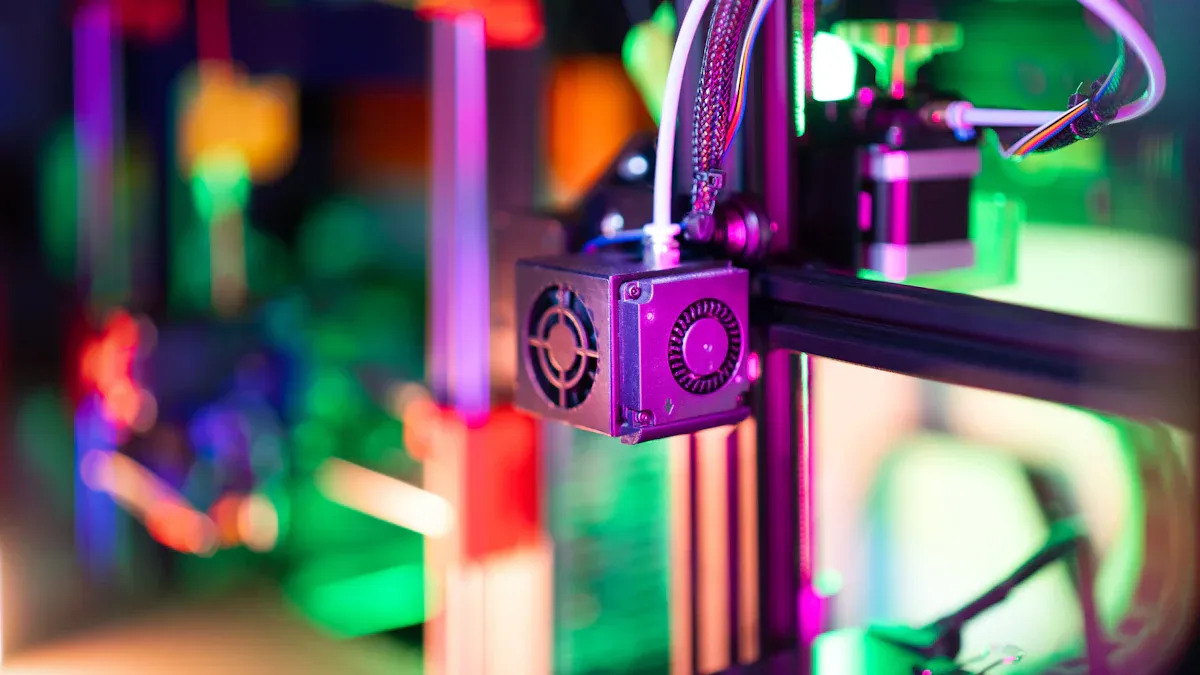
When I choose between a extruder tīwiri kotahi me a mahanga wiri extruder, Ka aro ahau ki aku whakaritenga tukanga. Ko te rereketanga nui kei roto i ta raatau hoahoa wiri me te pehea e hapai ana i nga rawa. I always pay close attention to factors that shape production efficiency and product quality. Here are the most common elements I consider:
| Factors Influencing Choice | Whakaahuatanga |
|---|---|
| Nga Ahuatanga Rawa | Type and contamination level of the material being processed. |
| Output Requirements | Desired quality and consistency of the output product. |
| Production Capacity and Flexibility | The ability to adapt to varying production demands. |
| Maintenance Capability | Considerations regarding the ease and cost of maintenance. |
| Long-term Operational Goals | Future plans for expansion or diversification of materials used in production. |
Ka whakawhirinaki ahau ki te kirihou noris mo te awhe extruder tīwiri kotahi e tutuki ana i nga hiahia ahumahi.
Nga Taketake matua
- Whakaarohia nga ahuatanga o te taonga i te wa e whiriwhiri ana i te extruder. He pai ake te mahi a nga extruders takai kotahi ki nga thermoplastics paerewa, i te wa e mau ana nga extruder wiri mahanga i nga hanganga matatini.
- Te arotake i nga whakaritenga whakaputa. Ko nga extruder hiko kotahi e whakarato ana i nga hua pono mo nga mahi ngawari, i te wa e pai ana nga extruder wiri mahanga i roto i te hua nui me te whakaranu matatau.
- Te aromatawai i te kaha o te whakaputa me te ngawari. He pai mo te hanga rite tonu nga extruders takai kotahi, i te wa e urutau ana nga kaitahuri mahanga ki nga tono rereke me nga rauemi uaua.
- Te take i roto i nga kaha tiaki. He iti ake te whakangungu me te tiaki i nga extruders takai kotahi, kia ngawari ake te mahi ki te whakaritea ki nga mea whakawhanaunga mahanga mahanga extruders.
- Whakaarohia nga whaainga whakahaere mo te wa roa. Choose a single screw extruder for routine tasks and a twin screw extruder for advanced applications that may require future expansion.
- Understand the cost implications. Single screw extruders have lower initial costs and operating expenses, while twin screw extruders offer better long-term value for complex processes.
- Prioritize mixing efficiency. Twin screw extruders provide superior mixing and homogenization, leading to higher quality products, especially for blends and additives.
- Ask the right questions before purchasing. Clarify your material needs, expected throughput, and after-sales support to ensure you select the best extruder for your process.
Taketake Extruder
He aha te Extruder Tiu Kotahi
When I work with a single screw extruder, I rely on a straightforward and robust machine. This extruder uses one rotating screw inside a heated barrel. Ka panaia e te tira te kirihou, etahi atu rawa ranei ki mua, te rewa me te hanga i a ratou e neke haere ana i roto i te oko. Ki taku whakaaro he pai tenei hoahoa mo nga mahi tangohanga ngawari, penei i te hanga paipa, rau, he pūkete mai i te rauemi kotahi. Ko te kaupapa whakahaere e arotahi ana ki te hurihanga o te hurihanga, e kawe ana, rewa, ka pehia te rauemi kia puta ra ano ma te mate.
He maha nga wa ka kowhiria e ahau tetahi kaitahuri-kotahi mo tona pono me te ngawari o te whakamahi. Ko te noris plastic screw single extruder e tu ana mo tana miihini hou me te ngawari. Me nga tauira penei i te Mini, N1, INGOA, NA, me NC, Ka taea e au te whakataurite i te extruder ki aku hiahia motuhake, ahakoa kei te whakahaere ahau i nga whakamatautau taiwhanga, kei te whakahaere ranei i nga mahi hanga nui. Ko te awhe o nga diameter wiri me te roa o te tukanga ka homai te mana e hiahiatia ana e au mo nga tono rereke.
He aha te Mahanga Tiu Tiu Mahanga
Kei roto i te miihini whakakorikori mahanga e rua nga wiri honohono ka huri ki roto i te oko. Ka whakamahi ahau i tenei momo extruder ina hiahia au ki te ranu matatau, whakakotahitanga, whakahuihui ranei. Ka taea e nga wiri e rua te huri i roto i nga huarahi kotahi, rereke ranei, e taea ai te whakahaere tika mo te rere o nga rawa me te kutikuti. Ka whakahaerehia e tenei hoahoa nga hanganga matatini, tae atu ki era he maha nga kapia, tāpiritanga, whakakī ranei.
Ko te extruder tīwiri māhanga he pai ake i roto i nga tono e kii ana i te hua nui me te whakaranu pai. Ka huri au ki tenei miihini mo nga mahi penei i te whakahuihui, whakahekenga, me te tukatuka i nga mea wera-tairongo. Ko tana hanganga e tautoko ana i te horoi-whaiaro me te whakaiti i nga toenga rawa, he mea nui mo te whakarereketanga o nga taonga.
Rerekētanga Hanganga Matua
Ko te rereketanga o te hanganga i waenga i enei extruders e rua e hanga ana i a raatau mahi me te pai mo nga mahi rereke. Ka whakamahi ahau te ripanga e whai ake nei to compare their main features:
| Āhuahira | Kaituku Tiu Kotahi | Mahanga-Mahanga Extruder |
|---|---|---|
| Te maha o nga Tiu | One | Two |
| Hanganga | Maamaa | High complexity and flexibility |
| Utu Tuatahi | Iti | Teitei |
| Operability | Māmā | Requires proficiency |
| Kneading Property | Iti | Teitei (high shear) |
| Devolatilization Performance | He iti | Kairangi |
| Whakapai-whaiaro | Iti | Teitei (low residue) |
| Productive Capacity | Medium to low | Teitei (te whakaputanga teitei) |
| Te Urutau Rawa | Pellets of resin, etc. | Compatible with powders, composite materials, and heat-sensitive resins |
When I compare the technical differences, I see that the single screw extruder offers simplicity and reliability, while the twin screw extruder provides advanced processing capabilities. The operating principle of each machine determines how well it handles different materials and production goals. I always consider these factors before making my choice.
- Single screw extruders work best for straightforward applications with a single material.
- Twin screw extruders deliver superior mixing and blending, making them suitable for complex tasks.
Ma te mohio ki enei kaupapa, Ka taea e au te kowhiri i te extruder tika mo taku mahi me te whakatutuki i nga hua e hiahia ana ahau.
Kaipupuhi Tiu Takitahi vs Kaituku Tiu Mahanga
Rauemi Hototahi
Ina kowhiria e au tetahi kaihoroi, I nga wa katoa ka timata ahau ma te whakaaro ki nga rauemi e whakamahere ana ahau ki te tukatuka. Ko te extruder tīwiri kotahi ka mau i te nuinga o nga thermoplastics paerewa, tae atu ki te polyethylene, polypropylene, me te polystyrene. Ki taku whakaaro he pai mo nga mea parakore, pelleti ranei me nga ahuatanga rite. Ma tenei ka pai te whiriwhiri mo te maha o nga raina whakangao mahi me nga mahi hangarua kirihou he ma me te rite te kai..
Ko te extruder tīwiri māhanga ka whaiwari ake ahau ina hiahia au ki te tukatuka i nga rawa uaua, tairongo ranei. Ka whakamahia e ahau mo te whakakotahi, pūhui kapi, me nga hanganga kei roto nga taapiri, nga tae, ara te kapia makuku-tairongo ranei. Ka taea e au te hapai i nga paura ma nga wiri intermeshing, granules, a tae noa ki nga mea piri, wera-tairongo ranei, karekau e purua, ka pakaru ranei. When I work with advanced composites or need to incorporate high filler loads, I turn to the twin screw extruder for its superior adaptability.
Putanga me te Putanga
Throughput matters to me because it determines how much product I can make in a given time. The single-screw extruder from noris plastic offers a wide range of output rates, from as low as 100 grams per hour up to 1000 kirokaramu ia haora. I can adjust the screw diameter and process length to match my production scale, whether I am running small batches in the lab or managing a full-scale manufacturing line.
The twin screw extruder typically delivers higher throughput, especially for demanding applications. Its design supports continuous feeding and efficient material transport, which helps me achieve consistent output even with challenging formulations. I te wa e hiahia ana ahau ki te whakanui i te hua, ki te tukatuka ranei i nga rauemi e hiahia ana kia kaha te whakaranu, Ka whakawhirinaki ahau ki te extruder wiri mahanga kia mau tonu te tere me te kounga.
Te Ranu me te Kounga Hua
Ko te pai o te whakaranu ka pa ki te kounga whakaputa o aku hua. Ka kite ahau he pai rawa atu te extruder tīwiri māhanga i tēnei wāhi. Ko te whakawhitiwhiti, nga hurihanga tahi ka hangaia he te taiao whakaranu teitei. Ko tenei hoahoa ka hoatu ki ahau te mana tika mo te mahi ranu, ka puta he tohatoha orite o nga rawa. Ka kite ahau i te iti ake o nga rereketanga me te hua mutunga riterite.
Ko te mahi nukutanga pai o te extruder tīwiri māhanga e tata ana ki te rere mono. Ko te tikanga ka neke nga rauemi i roto i te oko i runga i te tere haere, te whakaiti i te whakaranu-muri. Ka karohia e au te raru o etahi mea kei te iti te tukatuka i etahi atu waahanga kei te mahi nui. Ko nga poraka pokepoke matatau me te whakahaere i te pāmahana ka whakarei ake i te whakamararatanga me te homogenization. Ko te mutunga, Ka tutuki ahau i nga pūhui kua pai ake te ahua o te tinana me te ataahua.
A, no te whakamahi ahau i te extruder tīwiri kotahi, Ka mihi ahau ki tona pono mo nga mahi ngawari. Heoi ano, I etahi wa ka kite ahau i te whanuitanga o te waahi noho. Ka taea e tenei te arahi ki nga rereketanga o te tukatuka, ina koa me nga whakaranu, taapiri ranei. Mo te maha o nga tono paerewa, te extruder kotahi-screw tonu e tuku hua ti'aturi me te whakatutuki i nga whakaritenga ahumahi mo te kounga.
Hei whakataurite i te kounga whakaputa, Ka korero ahau ki nga paerewa ahumahi:
| Momo Extruder | Nga ahuatanga o te Kounga Pellet |
|---|---|
| Tango hurihanga kotahi | Ka whakaputa i nga pire kua whakawhänuihia me nga papa taratara me nga tauira pore koretake. |
| Mahanga wiri extruder | Ka whakaputa kakahu, maeneene, me nga pire kua maoa pai he rite te rahi me te kakano. |
I nga wa katoa ka whakataurite ahau i taku whiringa extruder ki te taumata o te kounga me te rite o taku tono tono. Mo nga hua tino mahi, ki te whakakotahitanga nui ranei, He pai ake ki ahau te extruder tīwiri māhanga. Mo nga mahi mahinga me nga rauemi paerewa, te extruder tīwiri kotahi i noris kirihou homai ki ahau te kounga putanga e hiahia ana ahau.
Utu me te haumi
Ina arotakehia e au nga extruders mo taku mahi, Ka whakaaro tonu ahau ki te paanga moni. Ko te moni whakangao tuatahi mo te extruder tīwiri kotahi te tikanga ka heke iho i tērā o te extruder tīwiri māhanga. He tino pono tenei ina titiro au ki nga tauira mai i te kirihou noris. To ratou extruders tīwiri kotahi, penei i te Mini, i te N1 ranei, tuku he waahi urunga whai hua mo nga tono taiwhanga me te tauine pairati. Ka taea te whakahaere i nga moni whakapaipai, ka awhina i ahau ki te whakahaere i taku tahua kaupapa.
He whakakorikori mahanga, i tetahi atu ringa, me nui ake te haumi o mua. Te hoahoa matatini, mana matatau, me etahi atu waahanga ka piki ake te utu. Ki taku titiro he mea tika tenei ki te hoko atu ina hiahia taku mahi ki te whakaranu matatau, ki te whakaputa nui ranei. Heoi ano, mo te maha o nga tono paerewa, He pai ake ki a au te kaitahuri hiko kotahi na te mea ka tukuna he mahi pono kaore he taumahatanga putea.
Ka whai waahi ano ahau ki nga utu whakahaere. He iti ake te kaha o nga kaihoroi wiri kotahi ka iti ake nga waahanga e manawapa ana. Ma tenei e matapae ana aku whakapaunga haere tonu. Ko te hoahoa maamaa he iti ake taku whakapaunga mo te whakangungu me te tautoko hangarau. Ka whakamahi ahau i te extruder tīwiri kotahi o te kirihou noris, Ka whai hua ahau mai i te mahi pai me te iti o te wa heke, e whakapai ake ana taku hokinga mai mo te haumi.
Anei he whakataurite tere o nga utu me nga take haumi:
| Tauwehe | Kaituku Tiu Kotahi (e.g., kirihou noris) | Mahanga Tiu Extruder |
|---|---|---|
| Utu Hoko Tuatahi | Raro | Teitei ake |
| Tāutatanga | Maamaa | He uaua ake |
| Te Whakamahi Pungao | Raro | Teitei ake |
| Nga waahanga e manawapa ana | He iti ake te hiahia | Ētahi atu hiahiatia |
| Whakangungu | Taketake | Arā atu |
| ROI | He tere ake mo nga tono paerewa | Ka roa ake, engari teitei ake mo nga mahi uaua |
💡 Aki: Ka rite tonu taku haumi ki aku hiahia tukanga. Mo nga mahi mahi, rangahau ranei, Ka kowhiria e au tetahi kaitahuri hiko mai i te kirihou noris hei whakanui i te uara.
Te Mahi me te Tiaki
Ka whakanui ahau i nga taputapu e noho maeneene ana taku rerenga mahi me te matapae. Ko nga extruder hiko kotahi e tu ana mo te ngawari o te mahi. Ka taea e au te whakarite me te whakahaere i tetahi miihini noris kirihou kotahi me te whakangungu iti. Ko nga mana mohio me te hoahoa pakari ka taea e au te aro ki te whakaputa, kaua ki te rapu raru. Ka maioha ahau ki te ngawari o te awhe kirihou noris, e urutau ana ki nga rauemi rereke me nga whakaritenga tukanga kaore he whakatikatika uaua.
Ko te tiaki tetahi atu waahi e whiti ana nga extruder tio kotahi. Ko te hanga miihini ngawari he iti ake taku wa mo nga arowhai me nga whakakapinga waahanga. Ka taea e au te uru tere ki te wiri me te oko mo te horoi me te tirotiro. Ma tenei ka whakaiti i te wa whakaheke me te awhina i ahau ki te pupuri i te kounga whakaputa. Ko te waatea o nga waahanga e manawapa paerewa mai i te kirihou noris ka kore ahau e tatari roa mo te whakatikatika.
He whakakorikori mahanga, i te kaha, tono kia aro nui ake. Ko o raatau huinga wiri uaua me nga punaha whakahaere teitei e hiahia ana ki te matauranga motuhake. I te nuinga o nga wa ka hiahia ahau ki te whakarite i nga mahi tiaki me te tohatoha rauemi taapiri hei whakangungu i taku roopu. Ka taea e tenei te whakanui ake i aku utu whakahaere me te whakauru i etahi atu taurangi ki roto i taku waarangi whakaputa.
Hei whakarāpopoto i ngā rerekētanga o te mahi me te tiaki, Ka whakamahi ahau i tenei rarangi arowhai:
- ✅ Kaituku Tiu Kotahi (kirihou noris):
- Tatūnga ngawari me te mahi
- He whakangungu iti e hiahiatia ana
- Te horoi tere me te tiaki
- E waatea ana nga waahanga mokowhiti
- ⚙️ Mahanga Tiu Extruder:
- Tatūnga matatau me nga mana whakahaere
- E hiahia ana nga kaiwhakahaere mohio
- He nui ake te tiaki me te taipitopito
- Nga waahanga mokowhiti motuhake
Tuhipoka: Ka whakaaro tonu ahau ki te taumata pukenga o taku roopu me te uaua o aku mahi. Mo te nuinga o nga tono, Ka kitea e au ko te extruder hiko kotahi mai i te kirihou noris e tuku ana i te toenga pai o te ngawari o te whakahaere me te pono.
Taupānga Tikanga
Nga Whakamahinga Pai mo te Kaipupuri Tiu Kotahi
Rauemi me nga Ahumahi
Ina arotakehia e au nga tono pai mo te extruder wiri kotahi, Ka titiro ahau ki nga ahumahi e hiahia ana ki te tukatuka tika me nga hua rite. He pai te mahi a tenei momo extruder me nga thermoplastics paerewa, rapa, me etahi hua kai. He maha nga wa ka kitea e au i roto i nga mahi i te mea he mea nui te pono me te ngawari. E whakaatu ana te ripanga e whai ake nei te wahi e kitea e ahau extruders tīwiri kotahi tino whai hua:
| Ahumahi | Whakaahuatanga Tono |
|---|---|
| Kirihou | Te whakaputa paipa, pūkete, kiriata, rau, granules |
| Tukatuka Kai | Te whakaputa paramanawa me nga pata |
| Ruapapa Whakahuihui | Te whakaranu me te hanga rapa mo nga potae me nga waahanga motuka |
| Biomedical | Ko te hanga biopolymer mo te whakangao me nga taputapu pumau |
| Hangahanga | Paipa kirihou, pūkete, me nga papanga tuanui |
| Te takai | Ko nga kiriata me nga pepa mo nga peke me nga ipu |
| Motika | Nga waahanga kirihou mo nga waka |
| Nga Taonga Kaihoko | Ko nga taonga penei i nga ngongo kari me nga miihini taputapu |
Ka kite ahau ko nga tono e tika ana mo nga kaitahuri wiri kotahi he maha nga wa ka uru ki te whakarewa me te hanga thermoplastics, kei te piki haere tonu te hiahia. Ka whai hua ano te tukatuka kai mai i tenei hangarau, ina koa ka nui haere te maakete o te ao. Ko te whakahiato rapa mo nga potae me nga waahanga miihini e whakawhirinaki ana ki te kaha whakakotahitanga o tenei extruder.. I roto i te rongoa koiora me te kapi, Ka kite ahau i nga huarahi hou i te wa e ahu whakamua ana te hangarau tangohanga.
noris plastic Tauira Hua
Kei te whakawhirinaki ahau ki nga tauira o nga tauira extruder kotahi-screw a noris plastic ki te whakatutuki i nga hiahia ahumahi kanorau. He tino pai te tauira Mini ki nga taiao taiwhanga, te tautoko i te whakapumautanga o te kounga me te whanaketanga rawa. Ina hiahia ahau ki tetahi extruder taiwhanga whaihua, Ka tohua e ahau te N1, e tuku ana i te rūnanga whakahaere whakakotahi me te wae tukatuka ka taea te whakarite. Mo nga whakahaerenga whare pairati, Ko te tauira NPE he maha nga whiringa whirihoranga me nga hononga mate. Ko te raupapa ESE e tuku ana i nga mahi pakari mo te hanga me te whakahou, i te mea ko te NCE co-extruder e tuitui marie ana ki nga rarangi tangohanga maha-waahanga. Ko enei tauira ka taea e au te ngawari ki te whakarite i te extruder ki taku mahi motuhake, ahakoa kei te whakanui ake au i te whakaputanga, kei te whakahaere rangahau ranei.
Nga Whakamahinga Pai mo te Mahanga Tiu Tiu Maana
Rauemi me nga Ahumahi
Ka huri ahau ki te kaitahuri wiri mahanga ina hiahia ana ahau ki te whakaranu matatau, whakakotahitanga, whakahuihui ranei. Ko tenei miihini ka whakahaere i nga rauemi uaua me nga mahi uaua. Ka kite ahau i whakamahia mo:
- Whakahuihui, rewa, and shaping thermoplastic materials for pipes, pūkete, rau, kiriata, and cables in construction, waka, tākainga, me nga taonga kaihoko.
- Processing rubber and elastomeric compounds for profiles, hiri, pūmau, and hoses in automotive and industrial sectors.
- Texturizing food products such as snacks, pata, me te kai mokai, which allows for efficient cooking and protein texturization.
- Producing drug delivery systems in pharmaceuticals, including sustained-release tablets and transdermal patches.
- Recycling and reprocessing plastic waste into usable pellets, which supports sustainability and plastic recycling efforts.
Practical Scenarios
I roto i taku wheako, the applications suitable for twin screw extruders include compounding high-performance polymers, creating specialty blends, and processing heat-sensitive or filled materials. I use this extruder for recycling operations that require thorough mixing and devolatilization. When I need to produce uniform pellets or advanced food products, the twin screw extruder delivers the consistency and quality I expect. These are the best applications for processes that demand precise control and superior product characteristics.
Mahinga me te Kounga
Whakaranu me te Homogenization
When I evaluate extruders, I always focus on how well they mix and homogenize materials. Te pai o te whakaranu plays a critical role in the final product’s quality. I rely on the following table to compare the two main extruder types:
| Momo Extruder | Te Whakaranu Pai |
|---|---|
| Mahanga Tiu | Teitei, suitable for complex materials |
| Tiu Kotahi | Raro, ideal for simpler materials |
Twin screw extruders stand out for their ability to handle complex formulations. Their intermeshing design allows me to incorporate fillers, tāpiritanga, and pigments with precision. I see uniform distribution throughout the material, which leads to consistent results. I te wa e hiahia ana ahau ki te tukatuka i nga pūhui matatau, ki te whakatutuki ranei i nga ranunga kounga teitei, Ka whiriwhiria e au he kaitahuri hurihanga mahanga. Mo nga mahi ngawari, Ka kitea e au ko tetahi extruder wiri kotahi e whakarato ana i te whakaranu pono mo nga rauemi paerewa.
Te Whakahaere taapiri
Ka aro nui ahau ki te whakahaere a ia extruder i nga taapiri. Ko taku wheako e whakaatu ana ko nga extruder wiri kotahi he herenga kei roto i tenei waahanga:
- Karekau ratou i te whakaranu i nga taapiri kia rite ki te pai o nga extruder wiri mahanga.
- Ko te ahuahanga hongere tīwiri ka aukati i te whakaranu, ka taea te marara koretake.
- Ko nga rohe kutikuti teitei pea ka piki ake te pāmahana rewa, te whakaiti i te kaha o te kaha.
- He iti ake te whai hua o te whakawhiti taonga, ka pa ki te whakakotahitanga whakamutunga.
He pai ake te mana whakahaere ki a au ko nga miihini hiko mahanga. Ka taea e au te whakamahi i te kutikuti teitei o te rohe me te kore e wera i te rewa katoa. Ko tenei ahuatanga ka taea e au te whakamarara i nga whakakii me nga taapiri kia rite. I also notice higher throughput and more efficient mixing. When I need to achieve precise additive incorporation, I prefer the twin screw design. For routine applications with fewer additives, I trust the single screw extruder to deliver dependable results.
Tauritenga Hua
Consistency defines the success of my extrusion process. I want every batch to meet the same standards for output quality. Twin screw extruders help me maintain uniformity, especially with complex or multi-component materials. Their advanced mixing action ensures that every part of the product receives the same treatment. I see fewer defects and less variation in the final product.
Single screw extruders also provide consistent results for simpler materials. I use them when I need steady performance and reliable quality. The straightforward design reduces the risk of process fluctuations. I roto i taku wheako, choosing the right extruder helps me achieve the level of quality my customers expect.
Te utu me te ROI
Whakangao Tuatahi
When I evaluate extrusion equipment, I always start with the initial investment. Single screw extruders require a lower capital expenditure. I can set up a production line with less financial risk. The straightforward design of these machines means I do not need to budget for complex installation or advanced operator training. Hei tauira, when I choose a noris plastic single screw extruder, I know I am getting a robust solution without a heavy upfront cost.
He whakakorikori mahanga, i tetahi atu ringa, demand a higher initial investment. Their advanced engineering and additional components increase the purchase price. I see this reflected in the need for specialized controls and more sophisticated assembly. If my process involves complex materials or frequent product changes, I sometimes justify the higher cost because of the long-term benefits.
Anei he whakataurite tere:
| Ahuatanga | Nga Kaipupuri Tiu Kotahi | Mahanga Tiu Extruders |
|---|---|---|
| Whakangao Tuatahi | Lower capital expenditure | Higher upfront investment due to complexity |
| Tāutatanga | Simple and fast | More involved and time-consuming |
| Whakangungu Kaiwhakahaere | Taketake | Arā atu |
Nga Utu Whakahaere
I always consider operating costs over the life of the equipment. Ko nga extruders takai kotahi he pai te kaha, especially when I process homogeneous materials. I notice lower electricity bills and fewer consumables. The simple design means I do not need to spend much on operator training or process adjustments.
Twin screw extruders use more energy because of their dual-screw mechanism and advanced controls. Heoi ano, they offer superior efficiency when I process complex materials. They help me reduce waste and improve product quality, which can offset the higher energy use.
Over a five-year period, I observe these trends:
- Single screw extruders keep my operating costs low for basic extrusion needs.
- Twin screw extruders justify their higher costs when I need advanced mixing and process control.
Te tiaki
Maintenance plays a big role in my decision-making. I prefer equipment that minimizes downtime and keeps spare part costs predictable. Single screw extruders have a simple mechanical structure. I can perform routine checks and part replacements quickly. This reduces my maintenance expenses and keeps my production schedule on track.
Me aro nui ake nga extruders wiri mahanga. Their complex assemblies and advanced features mean I need skilled technicians for maintenance. I also budget for more frequent part replacements and specialized components.
To summarize, Ka whakamahi ahau i tenei rarangi arowhai:
- Single screw extruders are more economical with lower initial and maintenance costs.
- He whakakorikori mahanga, while more expensive upfront, offer better long-term returns, especially for complex materials.
💡 I always match my investment to my process needs. For standard applications, I choose a single screw extruder from noris plastic to maximize value and minimize ongoing costs.
Uara Waa-roa
When I invest in extrusion equipment, I always look beyond the initial price tag. I focus on the long-term value that each machine brings to my operation. For me, long-term value means more than just durability. It includes adaptability, future-proofing, and the ability to support my business as it grows.
I start by considering equipment lifespan. A well-built extruder can serve me for many years, even decades, if I maintain it properly. I have seen single screw extruders from noris plastic run reliably in both laboratory and production environments. Their robust construction and quality components help me avoid frequent replacements. This reliability reduces my total cost of ownership over time.
Adaptability also plays a big role in long-term value. My production needs often change as I take on new projects or expand into different markets. I need equipment that can keep up. The modular design of noris plastic’s single screw extruders allows me to swap out screws, oko, and dies to match new materials or product requirements. I do not have to buy a new machine every time my process changes. This flexibility saves me money and keeps my operation agile.
I also think about resale value. Well-maintained extruders, especially those from reputable brands like noris plastic, hold their value in the secondary market. If I decide to upgrade or change my process, I can often recover a significant portion of my investment by selling my used equipment. This gives me more financial freedom to reinvest in my business.
Here is how I compare long-term value factors:
| Tauwehe | Kaituku Tiu Kotahi (kirihou noris) | Mahanga Tiu Extruder |
|---|---|---|
| Te ora | Roa, with proper maintenance | Roa, but more complex |
| Te urutau | Teitei, with modular options | Teitei, for advanced tasks |
| Resale Value | Kaha, especially for quality brands | Pai, but market is niche |
| Whakapai ake pea | Easy to retrofit or expand | Possible, but costly |
💡 Aki: I always choose equipment that can grow with my business. I look for machines that offer easy upgrades and strong support from the manufacturer.
To sum up, I focus on these key points when I assess long-term value:
- I choose extruders with proven reliability and a track record of long service life.
- I prefer modular designs that let me adapt to new materials or products.
- I consider the resale market and brand reputation.
- I look for support and spare parts availability to keep my machine running smoothly.
By prioritizing long-term value, I make smarter investments. I ensure my extrusion line remains productive, ngawari, and profitable for years to come.
Te whiriwhiri i te Extruder Matau
Nga Patai Matua hei Uiui
When I select an extruder for my process, I always start by asking the right questions. These questions help me clarify my needs and avoid costly mistakes. I recommend considering the following before making a decision:
- What type and size of extruder best matches my material and product requirements?
- Can the supplier share examples of similar applications they have successfully implemented?
- What is the estimated throughput for my material, and how accurate are these estimates based on real-world data?
- Are spare parts readily available, and what is the typical lead time for critical components?
- What kind of training is provided for operators and maintenance staff, and is it on-site or off-site?
- What are the warranty terms and after-sales support options, including response times for technical issues?
- Can I see a live demonstration of the extruder in operation, or visit a reference site that uses this equipment?
- What are the specific energy consumption figures for this model under typical operating conditions?
- How does the control system integrate with other line components, and what level of automation can I achieve?
💡 I always find that asking these questions early helps me avoid surprises and ensures I choose equipment that fits my process and long-term goals.
Rarangi Arowhai Kōwhiringa
I rely on a clear checklist when I compare options between a single screw extruder and a twin screw extruder. This table summarizes the main criteria I use to guide my decision:
| Paearu | Kaituku Tiu Kotahi | Mahanga Tiu Extruder |
|---|---|---|
| Te Whakahaere Rawa | Suitable for consistent material flow | Better for complex material handling |
| Te Mana Mana | Te whakahaere pāmahana taketake | Te mana teitei o te pāmahana |
| Matatini Hoahoa Mate | Simpler die designs | Capable of complex die designs |
| Pūtea | More affordable upfront | Te utu tuatahi ake, better long-term value |
| Performance Expectations | Ideal for standard tasks | High precision and output for complex tasks |
| Raw Material Form | Best for pellets | Best for powders |
| Processing Window | Wider processing window | Narrow processing window |
| Output Pressure Stability | More stable for pressure | More stable for mixing |
| Frequency of Changes | Less frequent changes | More suitable for frequent changes |
I use this checklist to match my process needs with the right technology. For most best applications involving standard thermoplastics or straightforward production, I find that a single screw extruder from noris plastic delivers the performance and quality I expect. When my process involves advanced compounding or frequent product changes, I consider a twin screw extruder for its flexibility.
Mistakes to Avoid
I roto i nga tau, I have learned that certain mistakes can lead to poor equipment choices and lower product quality. Here are some pitfalls I always watch out for:
- Ignoring the specific requirements of my material and product. I never assume one extruder fits all processes.
- Overlooking the importance of after-sales support and spare parts availability. Delays in repairs can halt my production.
- Focusing only on initial cost without considering long-term value, te kaha o te kaha, and maintenance needs.
- Underestimating the training required for operators and maintenance staff. Proper training ensures consistent quality and safe operation.
- Skipping live demonstrations or reference visits. Seeing the extruder in action gives me confidence in its capabilities.
- Neglecting to evaluate how the extruder integrates with my existing production line and automation systems.
🚩 I always remind myself that a careful, informed selection process leads to better results and higher quality products.
When I need a reliable, flexible solution for a wide range of materials and production scales, I turn to noris plastic’s single screw extruder range. Their models offer proven performance, adaptability, and strong support, making them a smart choice for many manufacturing environments.
Trends and Innovations
Technology Advances
I have seen remarkable progress in extrusion technology over the past few years. These advances have changed how I approach both single screw and twin screw extruders. Today, I can achieve higher product quality and greater process control than ever before. Some of the most important improvements include:
- Enhanced mixing capabilities in twin screw extruders now allow me to create a more uniform blend of polymers, tāpiritanga, me nga whakakii. This results in better product consistency and fewer defects.
- Improved temperature control systems give me the ability to maintain optimal thermal conditions throughout the process. Multiple heating and cooling zones prevent overheating or underheating, which protects sensitive materials.
- Modular screw designs offer me flexibility. I can adjust processing parameters to handle a wide range of polymer types, including those that are thermally sensitive.
- Automated control systems and faster start-up procedures have increased my production efficiency. I can now maintain consistent product quality with less manual intervention.
These innovations help me meet the demands of modern manufacturing. I can adapt quickly to new materials and changing customer requirements. The extruder has become a more versatile and reliable tool in my production line.
Te oranga tonutanga
Sustainability has become a driving force in the plastics industry. I have noticed that new initiatives shape both the design and operation of extrusion equipment. These changes help me reduce my environmental impact and support a circular economy. Some key trends I follow include:
- The use of performance plastics in extrusion improves energy efficiency. I can produce components that require less energy to manufacture and use.
- Plastic extrusion now supports renewable energy systems. I help create parts for solar panels and wind turbines, which contribute to cleaner energy sources.
- Lightweight extruded plastic components reduce energy consumption during transportation. This makes shipping more efficient and lowers carbon emissions.
- Custom extrusions allow me to produce insulation materials that enhance energy efficiency in buildings and industrial facilities.
- Advances in plastic recycling technologies let me use more recycled materials in my processes. This supports circular economy goals and reduces waste.
I believe these sustainability trends will continue to influence how I select and operate extrusion equipment. By staying informed and adopting new practices, I can help my business remain competitive and environmentally responsible.
When I compare extruder options, I focus on the core differences. The table below highlights what matters most:
| Āhuahira | Kaituku Tiu Kotahi | Mahanga Tiu Extruder |
|---|---|---|
| Te Whakaranu Te kaha | Taketake | Kairangi |
| Te Hangarau Rawa | Ko nga thermoplastics paerewa | Matatini, high-viscosity blends |
| Utu | Raro | Teitei ake |
| Mahi | Maamaa | Arā atu |
I always match my choice to my process and production goals. I use the checklist and comparison table to guide my decision. For tailored advice, I consult with noris plastic or trusted suppliers. I recommend reaching out for a detailed evaluation.
FAQ
What factors help me decide between a single screw and a twin screw extruder?
I look at my material type, process complexity, me nga whaainga whakaputa. For standard thermoplastics and straightforward tasks, I choose a single screw extruder. For advanced mixing or specialty compounds, I select a twin screw extruder.
Can I use a single screw extruder for laboratory testing?
Ae, I use the noris plastic Mini or N1 models for lab work. These models offer precise control and low throughput, which makes them ideal for research, quality assurance, and material development.
How do I maintain a single screw extruder?
I follow a regular cleaning schedule, check the screw and barrel for wear, and replace parts as needed. I find that noris plastic provides easy access to spare parts, which helps me minimize downtime.
What materials work best with a single screw extruder?
I process standard thermoplastics like polyethylene, polypropylene, me te polystyrene. I also use it for rubber, biopolymers, and some food products. Totonu, pelletized materials give me the best results.
How does noris plastic support after-sales service?
I receive technical support, whakangungu kaiwhakahaere, and fast spare part delivery from noris plastic. Their team helps me resolve issues quickly, which keeps my production running smoothly.
Is it possible to upgrade my single screw extruder as my needs change?
Ae, I can upgrade noris plastic single screw extruders by changing screws, oko, or dies. This modular design lets me adapt to new materials or products without buying a new machine.
What is the typical lifespan of a single screw extruder?
With proper maintenance, I expect a noris plastic single screw extruder to last many years. The robust construction and quality components ensure reliable long-term operation.
How do I get started with noris plastic’s single screw extruder?
I contact noris plastic for a consultation. Their team helps me choose the right model, configure options, and arrange demonstrations. I receive guidance from selection to installation.