

Hangahanga Kirihou Tangohanga: Te Taatari Tauhokohoko B2B mo nga Maakete i roto
Ko te ahumahi tangohanga kirihou o te ao e tu ana i te maangatanga nui o roto. He utu nui atu i te USD 230 piriona me te matapae ka eke ki te USD 300 piriona na 2030, Ko te waahanga whakangao kirihou tetahi o nga waahanga tino nui o te ohanga whakangao o te ao. Nga wheketere tangohanga kirihou — nga whakaurunga e whakarewa ana i te kirihou mata, ka hangaia kia rite ki nga putorino, ngongo, anga matapihi, whakatakarangirangi, me nga waahanga ahumahi — hei tuara mo te hanga, waka, tākainga, hauora, me nga ahumahi hiko i nga taha e rua o te Moana-nui-a-Kiwa. I te mea kei te tipu haere tonu nga mahi hokohoko i waenga i te United States me te Kotahitanga o Europi i raro i nga tikanga utu hou, mana tauwhiro, me nga rautaki whakahou, te mohio ki te whenua B2B mo nga kaihanga wheketere tangohanga kirihou, kaiwhakarato, me nga kaihoko rarawe kaore ano kia nui ake.
Pūmanawa Hoahoa Aluminium Extruded Ko tenei tuhinga e whakarato ana i te tino tātaritanga o te ahumahi wheketere tohanga kirihou i roto i te horopaki o te hokohoko. Ka tirohia e matou nga kaupapa here hokohoko o naianei, nga huarahi hokohoko me nga wero, Clay Extruder Joann nga painga matawhenua me nga kaupapa here, rangahau take o te ao, matapae au tata, me te tirohanga o te ahumahi taumaha e hanga ana i te heke mai o te mahi whakangao kirihou. L/D ratio extruder
Te papa wheketere whakangao ahumahi me nga miihini tangohanga kirihou me nga raina whakaputa e tohu ana i te extr kirihou hou
1. Te Tikanga Tauhokohoko o naianei me ona Paanga ki nga wheketere Tangohanga Kirihou
Ko te hononga tauhokohoko i waenga i te United States me te Kotahitanga o Europi te hononga ohaoha nui rawa atu i te ao, me te hokohoko taonga me nga ratonga nui atu i te USD 1.3 piriona ia tau e ai ki te Te Whakahaere Tauhokohoko o te Ao (ITA). I roto i tenei anga, Ko nga kirihou hangaia me nga hua kirihou he tohu nui me te tipu haere. Ko te wahanga wheketere tohanga kirihou — nga kaihanga awhi, kaiwhakarato, me nga kaihokohoko rarawe — e pa ana ki nga hanganga utu e tipu haere ana, nga mahi whakakotahitanga ture, me nga kaupapa here tauhokohoko e whakapumau ana i te oranga e whakatau ana i te whenua.
I te timatanga, i whakatinanahia e te whakahaeretanga o Amerika he reeti hou e pa ana ki te whānuitanga o nga taonga kawemai, tae atu ki etahi hua kirihou me nga rawa polymer mata. E ai ki nga purongo mai i te Tuhinga o te tauhokohoko, kua piki ake te utu utu mo nga taonga hanga mai i te EU 20%, me nga waahanga hua kirihou e pa ana ki etahi atu mahi. Na tenei i hanga nga wero me nga whai waahi mo nga kaiwhakahaere wheketere tangohanga kirihou. I tetahi taha, Ka whai hua nga Kaihanga Tangohanga kirihou o Amerika i te whakahekenga o te whakataetae kawemai, i te mea ka nui ake te utu o nga korero a te Pakeha me nga waahanga kirihou kua oti i te maakete o Amerika. I tetahi atu ringa, US wheketere Tangohanga kirihou e whakawhirinaki ana ki te kawemai i te kapia miihini-a-Pakeha — penei i nga polyamides motuhake, TITIRO, me nga puhui PVC mahi teitei — ka piki ake nga utu whakauru.
Kua whakautua e te Kotahitanga o Europi me ana ake mahi aukati. Ko te European Commission's Directorate-General for Trade i whakapuakihia nga utu utu mo nga hua kirihou o Amerika, i te wa ano e whakatere ana i nga whiriwhiringa hokohoko me etahi atu hoa ki te whakarereke i nga mekameka tuku. The EU's Carbon Border Adjustment Mechanism (CBAM), i uru ki tana wahanga whakawhiti i roto 2024 a ka neke ki te whakatinanatanga katoa i roto 2026, ka taapiri atu i tetahi paparanga uaua mo nga wheketere kirikiri e mahi ana i nga tauhokohoko whakawhiti. Ka tono a CBAM ki nga kai kawemai ki te hoko tiwhikete e rite ana ki te utu waro ka utua mena ka mahia nga taonga i raro i nga ture utu waro EU. Mo nga tukanga tohanga kirihou kaha-kaha, ka taea e tenei te taapiri 3-8% ki te utu taunga o nga hua kua kawea mai ki waho.
Ahakoa enei mahunga hau, te Kaunihera Tauhokohoko me te Hangarau (TTC) kei te mahi tonu i runga i te whakatikatika ture i nga waahi e pa ana ki te tangohanga kirihou, tae atu ki nga paerewa mo nga mea hangarua i roto i nga hua kirihou, te whakanui tahi i nga tiwhikete kounga (penei i te ISO 9001 me te ISO 14001), me nga kawa whakamatautau whakakotahi mo nga waahanga kirihou kua whakakorehia e whakamahia ana i roto i te hanga me nga tono miihini. Ko te US Chamber of Commerce a Eurochambres i tautoko raua mo nga whakawehenga motuhake mo nga waahanga whakangao kirihou, e tohe ana ko nga reeti mo nga polymers mata ka pa ki nga kaihanga o raro, ka piki ake nga utu o nga kaihoko.
Mo nga kaihanga wheketere extrusion kirihou me nga kaiwhakarato e mahi ana i te waahi B2B, te taiao kaupapa here i roto i te tono kia tupato ki te whakatere. Me aroturuki nga kamupene i nga rarangi utu, kia mohio ki nga ture takenga mai, me te whakangao ki nga hanganga hanganga ture hei pupuri i nga utu whakataetae puta noa i te Moana-a-Kiwa. Ko nga mea ka taea te whakaatu i nga mahi whakangao toimau — tapuwae waro iti, ihirangi hangarua tiketike, nga tukanga tangohanga kaha-kaha — ka pai ake te tuunga ki te whakatere i nga anga ture a te US me te EU.
2. Te Maramatanga ki te Ahumahi wheketere Tangohanga Kirihou: Nga Tukatuka Matua me nga Hua
Ko te wheketere tangohanga kirihou he whare whakangao ka whakarewahia nga rauemi mata wera me te hanga tonu i roto i te mate ki te hanga i nga hua me te tohu whiti-waahanga pumau.. Ko te tukanga tangohanga tetahi o nga tikanga whakangao nui rawa atu i roto i te umanga kirihou, te whakaputa i nga mea katoa mai i te ngongo ngawari me te kiriata ki nga ngongo rongoa maha-lumen matatini me nga hiri miihini i hangaia..
Ko nga tukanga matua i roto i te wheketere tangohanga kirihou kei roto:
- Tuhinga o mua: Te hanga ahua ritenga penei i nga papa matapihi, hiri tatau, kuti taha, me nga hongere hanganga. Koinei te waahanga nui rawa atu mo te hokohoko B2B i waenga i te US me te EU.
- Paipa me te Tubing Extrusion: Hangahanga PVC, HDPE, me nga paipa PP mo te hanga, ahuwhenua, me te whakahaerenga wai o te ahumahi.
- Rau me te Kiriata Tangohanga: Te whakaputa pepa kirihou papatahi me nga kiriata angiangi mo te takai, tohu tohu, me nga tono whakamaarama.
- Tango-tahi: Combining multiple materials in a single extrusion run to achieve specific performance characteristics, such as UV-resistant outer layers with structural inner cores.
- Wire and Cable Coating: Applying plastic insulation to electrical conductors, a critical application for the electronics and energy sectors.
The materials processed in plastic extrusion factories span the full range of thermoplastics: PVC (polyvinyl chloride), PE (polyethylene), PP (polypropylene), ABS (acrylonitrile butadiene styrene), PC (polycarbonate), PMMA (kiriaku), TPE (nga elastomers thermoplastic), and engineering-grade resins like nylon and PEEK. The choice of material directly impacts trade dynamics, as certain specialty resins are predominantly manufactured in either the US or EU, creating natural trade flows between the two markets.
Shipping containers at a major international port representing global logistics and supply chain operations for plastic extru
3. Nga Waahanga Tauhokohoko B2B mo nga wheketere Tangohanga Kirihou i nga maakete
Ko nga huarahi hokohoko B2B mo nga kaihanga wheketere tangohanga kirihou, kaiwhakarato, me nga kaihoko rarawe e mahi ana i waenga i te US me te EU he nui, he maha nga waahanga. He maha nga taraiwa matua kei te hanga tono hou me te whakatuwhera i te urunga maakete mo nga kamupene ka taea te whakaputa kounga, tautukunga, me te utu whakataetae.
3.1 Te Hanganga me nga Hanganga Boom
Ko te United States me te Kotahitanga o Europi kei roto i nga huringa whakangao nui. Te US Infrastructure Investment and Jobs Act (IIJA) kua tohatohahia mo te USD 550 piriona mo nga rori, piriti, nga punaha wai, me te aunui — Ko enei mea katoa e hiahia ana kia nui rawa nga hua kirihou kua whakakorehia tae atu ki nga paipa PVC, HDPE awa, paepae taura, me nga korero whakamarumaru huarere. I Uropi, the EU's NextGenerationEU recovery fund and the European Green Deal are driving similar investments, with a particular emphasis on energy-efficient building renovation that relies heavily on extruded PVC window profiles, insulation channels, and sealing systems. E ai ki nga raraunga mai i te Kirihou Europe hononga ahumahi, the building and construction sector accounts for approximately 36% of all plastic demand in Europe, with extrusion being the primary processing method.
3.2 Whakamaama Motika
The automotive industry's push toward electric vehicles (Nga EV) and fuel efficiency standards is driving demand for lightweight extruded plastic components. Plastic extrusion factories that can produce high-precision profiles for battery housings, pūnaha whakahaere taura, whakapaipai o roto, and structural reinforcements are finding growing B2B demand from both US and European automakers. Ko te ITA's automotive trade division reports that automotive parts trade exceeded USD 40 piriona i roto i 2024, with plastic components representing an increasing share.
3.3 Nga tono mo te rongoa me te rongoa
Psta kua tangohia Ko te tangohanga kirihou-rorohiko he kohanga utu nui kei reira nga kaihanga o te US me te EU he kaha taapiri. Nga wheketere tangohanga kirihou Pakeha, otira ki Tiamana, Ateria, me Switzerland, he kaihautu mohio mo nga ngongo rongoa me te tangohanga catheter. Ko nga kaihanga o te US he pai ki te whakaputa nui o nga waahanga taputapu rongoa tuku. Ko te hokohoko B2B i roto i nga kirihou rongoa rongoa ka whai hua mai i nga arai utu iti ake na te hiahia tahi ki te haumaru mekameka tuku hauora., me te FDA-EU MDR (Ture Pūrere Hauora) Ko nga mahi whakatikatika kei te whakaheke i nga tautohetohe ture mo te hokohoko whakawhiti-rohe i tenei waahanga.
3.4 Tauwhiro me te Hangarua-Ihirangi Tangohanga
The EU's Circular Economy Action Plan and the US EPA's emerging recycled content mandates are creating a new market for extruded plastic products made from post-consumer recycled (PCR) me te hangarua i muri i te ahumahi (PIR) rauemi. Ko nga kaiwhakarato wheketere tangohanga kirihou ka taea te whakamana i nga paheketanga o te ihirangi recycled me te whakarato i nga tuhinga whai kiko rawa kei te whai waahi pai ki nga kirimana hoko a te kawanatanga me nga kaihoko B2B e mau tonu ana i nga taha e rua o te Moana-a-Kiwa..
4. Nga wero e anga ana ki nga Kaiwhakahaere wheketere Tangohanga Kirihou i te Tauhokohoko B2B Transatlantic
Kaihanga Extruder Ahakoa he nui nga whai waahi, Ko nga kaihanga me nga kaiwhakarato o te wheketere kirikiri e pa ana ki nga wero nui i roto i te taiao hokohoko o naianei. He extruder kuhne
4.1 Te Utu Pahekeheke me te Utu Utu
Ko te pikinga o te reeti kua whakauruhia he tino koretake ki roto i nga tauira utu mo te hokohoko tangohanga kirihou transatlantic.. Ko te kaiwhakarato wheketere tangohanga kirihou e kii ana i te kirimana tuku 12-marama me whai waahi ki nga huringa reeti ka taea te whakarereke i nga utu o te whenua. 10-25%. He tino whakararu tenei koretake mo nga kaihokohoko rarawe e mahi ana i runga i nga taha kikokore. Ko te Pakihi BBC I korerohia i te Paenga-whawha he maha nga kaihanga kirihou a te Pakeha kua okioki i nga mahere whakatipu maakete a Amerika na te kore ohorere o te utu. Kaihanga Kaihanga Extruder Kirihou
4.2 Rerekēnga Ture
Ahakoa nga mahi whakakotahi, he nui nga rereketanga o te ture i waenga i nga maakete US me EU. REACH (Rehitatanga, Aromātai, Te Whakamana me te Rahuitanga o nga Matū) Ko te hanganga ture i roto i te EU ka nui ake nga whakaritenga mo etahi kaitarai, whakapuru mura, me nga whakapumau e whakamahia ana i roto i te tangohanga PVC. Ko nga wheketere kirikiri kirihou a te US e kawe atu ana ki Uropi me whakarereke i nga hua, ka pupuri ranei i nga raina whakaputa motuhake mo nga taonga e pa ana ki te EU., te taapiri utu me te uaua. He rereke, Ko nga kaihanga Pakeha me whakatere i nga ture taumata-motu o Amerika (such as California's Proposition 65) tera pea ka rereke mai i nga paerewa a te kawanatanga.
4.3 Nga Utu Whakawhiwhinga me nga Utu Raraunga
Ko nga utu kaipuke Transatlantic mo nga hua kirihou kua whakahekehia ka piki tonu ki te whakataurite ki nga taumata o mua i te mate urutaru. He maha nga wa ka nui te rahi o nga korero kua tangohia ki te uara, ko te utu utanga he paheketanga nui o te katoa o te utu ki uta. Ko nga utu kaipuke i waenga i nga tauranga nui o te US me te EU — penei i te Tauranga o Los Angeles, Tauranga o Rotterdam, me te Tauranga o Hamburg — kua tau engari kei te noho tonu 40-60% runga 2019 taumata e ai ki nga Freightos Baltic Index. This logistics cost premium favors local manufacturing and is driving some plastic extrusion factory operators to establish production facilities on both sides of the Atlantic rather than relying solely on exports.
4.4 Labor and Skills Shortages
Both the US and EU plastic extrusion industries face persistent labor shortages, particularly for skilled extrusion technicians, die designers, and process engineers. Ko te Rōpū Ahumahi Kirihou estimates that the US plastics sector has approximately 80,000 unfilled positions, while European industry groups report similar challenges. This labor constraint limits production capacity expansion and can delay order fulfillment for B2B customers.
Business professionals in a trade negotiation meeting representing B2B partnerships between plastic extrusion factory manufac
5. Nga Painga Matawhenua me nga Kaupapahere Whakahohe i te Tohanga Kirihou B2B Hokohoko
Ahakoa nga wero, He maha nga ahuatanga matawhenua me nga kaupapa here e whai hua ana mo te hangahanga mo nga kaiwhakahaere wheketere tangohanga kirihou e mahi ana i nga mahi hokohoko.
Hangahanga Tauranga Rautaki: Kei te US me te EU nga hanganga tauranga-ao-ao e whakahaere ana i nga nekehanga pai o nga hua tangohanga kirihou. Te Tauranga o Rotterdam, Europe's largest, ka mau ki runga 14 miriona TEU ia tau me te tuku whakaurunga i whakatapua mo nga mahi matū me te kirihou. I te taha US, nga tauranga o Los Angeles / Long Beach, Haana, me Newark te whai waahi pai ki nga whare whakangao me te tohatoha. Ko enei tauranga kei te whakapau kaha ki roto i nga punaha whakamohio ritenga mamati e whakaiti ana i nga wa noho mo nga tuku e tika ana, ka whai hua ki nga kaiwhakarato wheketere tangohanga kirihou me nga rekoata tautukunga kaha.
Rohe Hokohoko Koreutu me nga Kaupapa Hokohoko Tauhokohoko Tawahi: E rua te US Foreign Trade Rohe (FTZ) Ko te kaupapa me nga whakaurunga rohe kore utu a EU ka taea e nga kaiwhakahaere wheketere tangohanga kirihou te kawe mai i nga rawa mata, tukatuka ratou, me te kaweake ano i nga hua kua oti me nga herenga utu whakaheke, whakaroa ranei. Ka taea e tetahi wheketere tangohanga kirihou kei Amerika e mahi ana i roto i te FTZ te kawemai i nga kapia motuhake a te Pakeha, totoro ki roto i nga korero kua oti, me hoko atu ki te kainga (te utu taake anake i runga i te uara rawa) kaweake ano ranei ki nga maakete tuatoru me te kore utu. He mea tino nui tenei tikanga i roto i te taiao utu nui o naianei.
Whakaaetanga Paerewa Ruarua: Te Whakaaetanga Whakaaetanga Kotahitanga (MRA) mo te aromatawai rite ka kapi etahi waahanga o nga taputapu ahumahi me nga whakamatautau rauemi. Ahakoa ehara i te mea ka taka nga hua tangohanga kirihou katoa ki raro i te MRA, ko te hunga e whai hua ana i nga tikanga whakamana tohu. I tua atu, e mohio ana nga maakete e rua ki nga paerewa ISO mo te whakahaere kounga (ISO 9001), whakahaere taiao (ISO 14001), me nga whakamatautau kirihou (ISO 527, ISO 1133), te whakaiti i te hiahia mo te whakamatautau takirua me te tiwhikete.
Nga Rauwiringa Kaiao Hou: The US and EU are home to the world's leading polymer science research institutions, nga kaihanga taputapu tangohanga (such as Germany's KraussMaffei, Battenfeld-Cincinnati, me te Davis-Standard kei Amerika), me nga whakahaere hokohoko kirihou. Ko tenei puunaha rauwiringa kaiao hou e tautoko ana i te whakapai tonutanga o te hangarau tangohanga, pūtaiao rauemi, me te pai o te tukanga, ka whakawhiwhia ki nga wheketere tangohanga kirihou he whakataetae ki nga kaihanga o etahi atu rohe.
6. Akoranga Take: Ko te wheketere Tangohanga Kirihou Pakeha kei te toro atu ki te maakete B2B US
Hei whakaatu i nga mahi pono o te hokohoko B2B kiriweti kirihou, whakaarohia te wheako o te wheketere whakaputa kirihou Tiamana waenga-rahi — māngai o te hiato o take ahumahi tūturu korerotia e te VDMA (Huihuinga Ahumahi Hangarau Miihini Tiamana) me te perehi hokohoko.
Kōtaha Kamupene: He wheketere tohanga kirihou na te whanau kei Te Taitokerau-Westphalia, Tiamana, he mea motuhake ki nga whakaaturanga PVC me te TPE tino tika mo te hangahanga a te Pakeha me nga umanga miihini. Nga moni whiwhi a-tau tata ki te EUR 45 miriona, me 200 nga kaimahi e whakahaere ana 12 raina tangohanga. Kei te kamupene te ISO 9001, ISO 14001, me IATF 16949 (kounga waka) tiwhikete.
Rautaki Whakauru Maakete: I roto 2023, I tautuhia e te kamupene te piki haere o te tono mai i nga umanga hanga US mo nga whakaaturanga hiiri mo nga matapihi me nga tatau kua tutuki i nga paerewa ENERGY STAR me Passive House.. Engari ki te kaweake i nga korero kua oti mai i Tiamana — he iti rawa te utu na te nui o te tuku kaipuke me nga utu utu — i whakapumautia e te kamupene he mahi tahi me te wheketere tangohanga kirihou i Texas. Ko te hoa Tiamana i koha nga hoahoa mate rangatira, hanga rauemi, me te mohio ki te whakahaere, i te wa i whakawhiwhia e te hoa o Amerika nga waahi whakangao, te matauranga maakete o te rohe, me te whatunga tohatoha kua whakaritea.
Nga wero kua tutuki: He maha nga raruraru i pa ki te mahi tahi i te wa tuatahi 18 marama:
- Te kimi rauemi: Ko nga hangahanga puhui PVC motuhake i whakamahia i Tiamana kaore i te waatea mai i nga kaiwhakarato kapia US. Me tohu e te kamupene etahi atu puhui i ahu mai i te US me te whakatika i nga tawhā extrusion kia rite, he tukanga e ono marama.
- Te hanganga ture: He rereke nga waehere hanga whare a te US i te kawanatanga me te taone nui. I haumi te kamupene ki te tiwhikete UL me te ICC-ES (Ratonga Aromātai Kaunihera Waehere Ao) pūrongo mō ana pūkete, he tukanga tauhou ki te roopu miihini Tiamana.
- Nga rereketanga o te ahurea me te mahi pakihi: The German company's expectation of long-term framework agreements clashed with the US market's preference for shorter-term purchase orders and more flexible pricing structures.
Hua: Hei waenganui o 2024, ko te mahi tahi i whakaputa USD 8 miriona i roto i nga moni a-tau mai i nga kaihoko B2B US, te nuinga o nga kaikirimana hanga arumoni me nga kaihanga matapihi. Ko te mahi i tutuki te hua o roto 14 marama, tere ake i te matapae 24-marama taketake. Key success factors included the German partner's technical expertise in multi-chamber profile extrusion and the US partner's established relationships with major construction distributors.
Whare putunga ahumahi o naianei me nga mahi whakariterite me nga mahi arorau e tohu ana i te wheketere tangohanga kirihou
7. Akoranga Take: Ko te Kaihoahoa Kaihanga Kirihou a US e mahi ana i nga OEM Automotive Pakeha
A complementary case involves a US-based plastic extrusion factory in Michigan that has built a significant B2B export business serving European automotive OEMs and Tier 1 kaiwhakarato.
Kōtaha Kamupene: A privately held plastic extrusion manufacturer with 150 kaimahi, specializing in engineering-grade thermoplastic profiles for automotive applications including battery pack sealing systems, cable management channels, and interior trim components. The company operates six co-extrusion lines capable of processing PA6, PA66, PBT, and TPV materials.
Export Strategy: The company began exporting to European automotive customers in 2021, initially supplying prototype and low-volume production parts for EV platforms under development by German and French automakers. The company leveraged its IATF 16949 certification and its proximity to Detroit's automotive engineering ecosystem as competitive advantages. Na 2024, European automotive exports accounted for 22% of the company's revenue.
Navigating Trade Barriers: The company addressed tariff exposure by utilizing the US Foreign Trade Zone program for imported European specialty additives and by negotiating DDP (Kua Utuhia te Tiute) terms with its European customers, providing price certainty. The company also invested in REACH compliance for all materials used in EU-destined products, working with a specialized regulatory consultancy in Brussels. To mitigate logistics costs, the company consolidated shipments through the Port of Newark and established a bonded warehouse near Rotterdam for just-in-time delivery to European assembly plants.
Key Takeaway: Both case studies demonstrate that successful trade in plastic extrusion requires a combination of technical excellence, regulatory investment, local partnerships, and creative logistics solutions. Pure export models are increasingly difficult to sustain given tariff and shipping cost pressures; hybrid models involving local production, mahi tahi, or strategic warehousing are becoming the norm for plastic extrusion factory operators targeting transatlantic markets.
8. Near-Term Forecast: Plastic Extrusion Factory Trade Trends for Mid-to-Late
Looking ahead to the next one to two months and the broader second half of, several trends will shape the B2B trade environment for plastic extrusion factory manufacturers, kaiwhakarato, me nga kaihoko rarawe.
Tariff Negotiations and Potential Relief: Industry lobbying efforts by organizations including the Rōpū Ahumahi Kirihou, te National Manufacturers Association, and European counterparts are pushing for sector-specific tariff exemptions on plastic raw materials and semi-finished extrusion products. There are indications from Reuters a Waa Putea reporting that the US and EU may announce a limited tariff reduction package for industrial inputs by Q3, which would directly benefit plastic extrusion factory operators by reducing raw material costs.
Accelerated Reshoring and Nearshoring: The combination of tariff pressures, supply chain security concerns, and government incentives is accelerating the trend of plastic extrusion factory reshoring. US manufacturers are expanding domestic capacity, while European companies are investing in Eastern European production facilities to serve the EU market at lower cost. Mo nga kaihoko B2B, this means more localized supply options but potentially longer lead times as new capacity comes online. Ko te Guardian Business section has reported on multiple European plastics manufacturers announcing new facility investments in Poland, Czech Republic, and Romania during Q1.
Sustainability as a Trade Differentiator: The implementation timeline for the EU's CBAM and the growing adoption of Environmental Product Declarations (Nga EPD) in US green building standards mean that plastic extrusion factory suppliers with strong sustainability credentials will gain preferential market access. Companies that can document low-carbon extrusion processes, ihirangi hangarua tiketike, and responsible end-of-life management will command premium pricing and win contracts from sustainability-focused B2B buyers. Kaituku
Digital Trade and E-Commerce Platforms: B2B digital platforms for industrial plastics — such as Alibaba's industrial marketplace, ThomasNet, and specialized European platforms like Europages — are becoming increasingly important channels for plastic extrusion factory wholesale and supplier discovery. The trend toward digital procurement is reducing the advantage of geographic proximity and enabling smaller plastic extrusion factories to access international B2B customers that were previously reachable only through trade shows and direct sales forces.
Raw Material Price Outlook: Nga utu kapia polymer, which are the primary input cost for plastic extrusion factories, are expected to remain relatively stable through mid- based on current crude oil price forecasts and petrochemical capacity additions. Heoi ano, specialty engineering resins may see price increases due to supply constraints and growing demand from EV and electronics applications. Plastic extrusion factory operators should consider forward purchasing or index-based pricing agreements to manage material cost risk.

Aerial view of a major European commercial port with cargo ships and container terminals representing transatlantic trade rou
9. Heavy Industry Development Trends in the Plastic Extrusion Factory Sector
The plastic extrusion factory industry is undergoing a fundamental transformation driven by technological innovation, environmental regulation, me te huri i nga tauira hokohoko o te ao. Understanding these heavy industry development trends is essential for B2B stakeholders — kaihanga, kaiwhakarato, wholesalers, me nga kaihoko — seeking to position themselves for long-term success.
9.1 Ahumahi 4.0 and Smart Extrusion Manufacturing
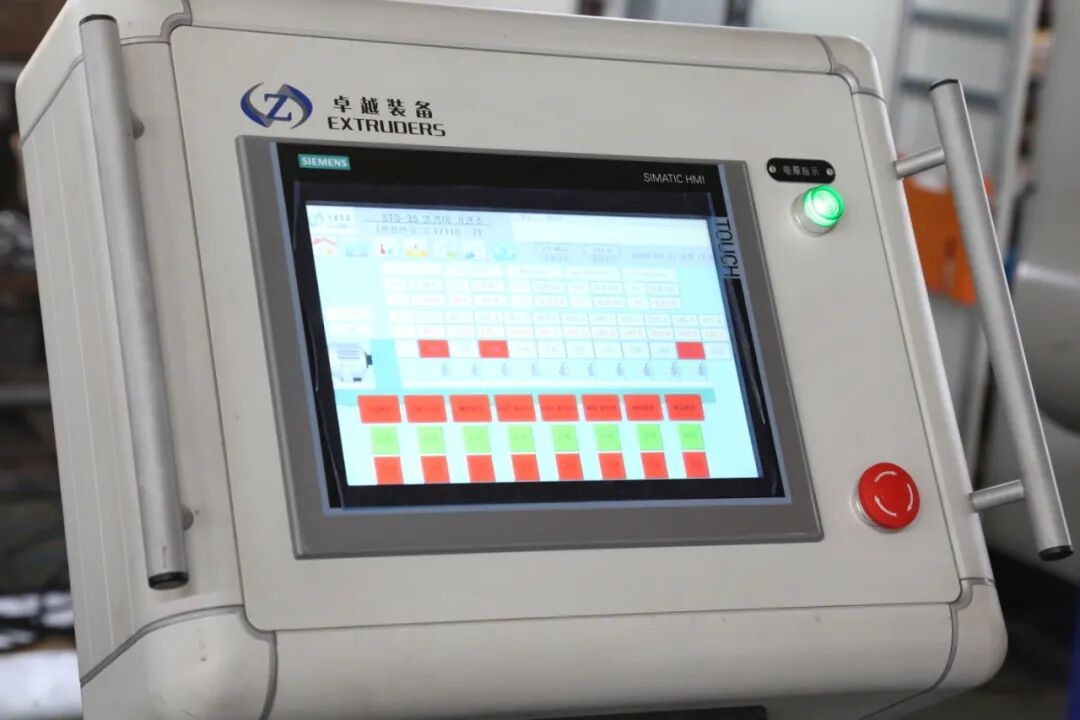
The integration of Industry 4.0 technologies into plastic extrusion factory operations represents the most significant operational transformation in the sector's history. Modern extrusion lines are increasingly equipped with IoT sensors that monitor melt temperature, pehanga, Extruded Plastic Cord tere tīwiri, haul-off rate, and dimensional accuracy in real time. This data feeds into machine learning algorithms that optimize process parameters automatically, te whakaiti i nga reiti mokamoka ma te 15-30% and energy consumption by 10-20% compared to manually controlled lines.
German extrusion equipment manufacturers, including KraussMaffei and Battenfeld-Cincinnati, have introduced digital twin technology that allows plastic extrusion factory operators to simulate new product runs virtually before committing to physical production. This reduces setup time, ururua rawa, and the risk of quality failures on new product launches. US equipment manufacturers, led by Davis-Standard and Milacron, are offering similar capabilities with cloud-based analytics platforms that enable remote monitoring and optimization of extrusion lines across multiple factory locations.
For B2B trade, smart manufacturing capabilities are becoming a qualification criterion. Major automotive and construction OEMs increasingly require their plastic extrusion factory suppliers to demonstrate digital process control, statistical process capability (Cpk) tuhinga, and real-time quality data sharing. Suppliers that cannot meet these requirements risk being excluded from preferred supplier lists.
9.2 Advanced Materials and Multi-Material Extrusion
The materials landscape for plastic extrusion is expanding rapidly. Traditional commodity resins (PVC, PE, PP) remain the volume backbone of the industry, but growth is concentrated in advanced materials:
- polymers mahi teitei: TITIRO, PEI (Ultem), and fluoropolymers are finding increasing application in aerospace, hauora, and electronics extrusion. These materials require specialized extrusion equipment capable of processing at temperatures above 350°C and maintaining extremely tight dimensional tolerances.
- Bio-based and biodegradable plastics: PLA, PHA, and bio-PE are being extruded into packaging films, agricultural mulch films, and disposable consumer products. The EU's Single-Use Plastics Directive is driving demand for biodegradable extruded alternatives, creating a new market segment for plastic extrusion factory manufacturers with bio-plastics processing capability.
- Fiber-reinforced thermoplastics: Long-fiber reinforced PP and PA profiles, produced through pultrusion and extrusion-pultrusion hybrid processes, are replacing metal components in automotive and construction applications. Ko tenei ahuatanga kei te hanga i nga rerenga hokohoko B2B hou na te mea ka mahi tahi nga kaiarahi hangarau hiato o te Pakeha me nga wheketere kirikiri kirihou o Amerika ki te hokohoko i enei rawa..
- Ko nga rauemi hangarua me nga mea kua whakahouhia: Ko te tukatuka i nga kirihou hangarua i muri i nga kaihoko ma te tangohanga he wero ahurei — poke, rere rewa kore, me te rereketanga o te tae — e hiahia ana ki nga taputapu motuhake me nga tohungatanga. wheketere Tangohanga kirihou e kua haumi i roto i filtration matatau, whakaheke hau, me nga punaha whakaranu mo nga rawa hangarua e whakahau ana i te utu utu nui i roto i nga maakete US me EU.
9.3 Te Whakawhiti Pungao me te Whakaititia Wao i roto i te Hanga Tangohanga
Ko te tangohanga kirihou he tukanga kaha-kaha, me te hiko mo te whakamahana paera me nga motuka taraiwa e tohu ana 60-70% o te whakapaunga kaha o te whakaputanga. The industry's carbon footprint is under increasing scrutiny from regulators, kiritaki, and investors. Several trends are reshaping energy use in plastic extrusion factories:
The transition from hydraulic to all-electric extrusion drives has reduced energy consumption per kilogram of output by 30-50% in new installations. European plastic extrusion factories have been early adopters of all-electric technology, driven by higher electricity costs and stricter emissions regulations. US manufacturers are following, with the energy cost savings providing attractive payback periods even without regulatory mandates.
On-site renewable energy generation — particularly rooftop solar installations — is becoming standard for new plastic extrusion factory construction in both the US and EU. The US Inflation Reduction Act's manufacturing tax credits and the EU's REPowerEU plan both provide financial incentives for industrial renewable energy adoption. A mid-sized plastic extrusion factory with 500kW of rooftop solar can offset 20-30% of its electricity consumption, reducing both costs and carbon footprint.
Heat recovery systems that capture waste heat from extrusion barrels and cooling systems for space heating or pre-heating incoming raw materials are being retrofitted into existing plastic Kaihanga Miihini Tangohanga Kirihou extrusion factories. These systems can reduce total energy consumption by an additional 10-15% and are increasingly required for compliance with EU Energy Efficiency Directive targets. Pelletizing Supplier
Advanced industrial technology and automation systems representing Industry 4.0 smart manufacturing in plastic extrusion fact
9.4 Consolidation and Vertical Integration Trends
The plastic extrusion factory sector is experiencing significant consolidation, driven by several factors:
Scale economics: Larger plastic extrusion factory operations can negotiate better resin pricing, invest in advanced equipment, and spread compliance costs across higher volumes. Private equity firms have been active acquirers of mid-sized plastic extrusion businesses in both the US and EU, creating platform companies that consolidate regional players into national or continental operations.
Vertical integration: Some plastic extrusion factory manufacturers are integrating upstream into compounding (custom resin blending) and downstream into fabrication and assembly. This vertical integration allows them to offer B2B customers complete solutions — from material development through finished component delivery — rather than competing solely on extrusion processing. European companies have been particularly active in this strategy, with several German and Austrian plastic extrusion groups acquiring compounding operations and tooling workshops.
Cross-border M&A: The tariff environment is paradoxically driving cross-border acquisitions, as companies seek to establish manufacturing presence on both sides of the Atlantic to serve local markets without tariff exposure. Several notable transactions in 2024- involved European plastic extrusion factory groups acquiring US operations, me te huri ke, to create tariff-resilient transatlantic manufacturing networks.
9.5 Workforce Development and Automation
The labor challenge in plastic extrusion manufacturing is driving investment in automation and workforce development. Collaborative robots (cobots) are being deployed for downstream operations such as cutting, keri, huihuinga, and packaging of extruded profiles. Automated guided vehicles (AGVs) handle material transport within factories. Vision inspection systems provide 100% quality checking of extruded products, replacing manual inspection.
Miihini Whakahuihui Kirihou Rorohiko Heoi ano, automation cannot fully replace the need for skilled extrusion technicians and process engineers. Both the US and EU are investing in vocational training programs for plastics manufacturing. Ko te Rōpū Ahumahi Kirihou i roto i te US me Kirihou Europe in the EU have launched apprenticeship and certification programs specifically for extrusion technology. Companies that invest in workforce development are finding it easier to attract and retain talent, giving them a competitive advantage in B2B markets where reliable delivery and consistent quality depend on skilled operators.
10. Opportunities in the Evolving Plastic Extrusion Factory Landscape
The convergence of technological, regulatory, and market trends creates several distinct opportunities for plastic extrusion factory operators in the B2B space:
- Circular economy services: Plastic extrusion factories that offer take-back programs, recycling services, and closed-loop material management for their B2B customers are creating sticky, long-term relationships and new revenue streams. The EU's Extended Producer Responsibility (EPR) regulations are making these services increasingly valuable.