

Whakatauritea mo te Hangahanga Kirihou me te Pelletizing
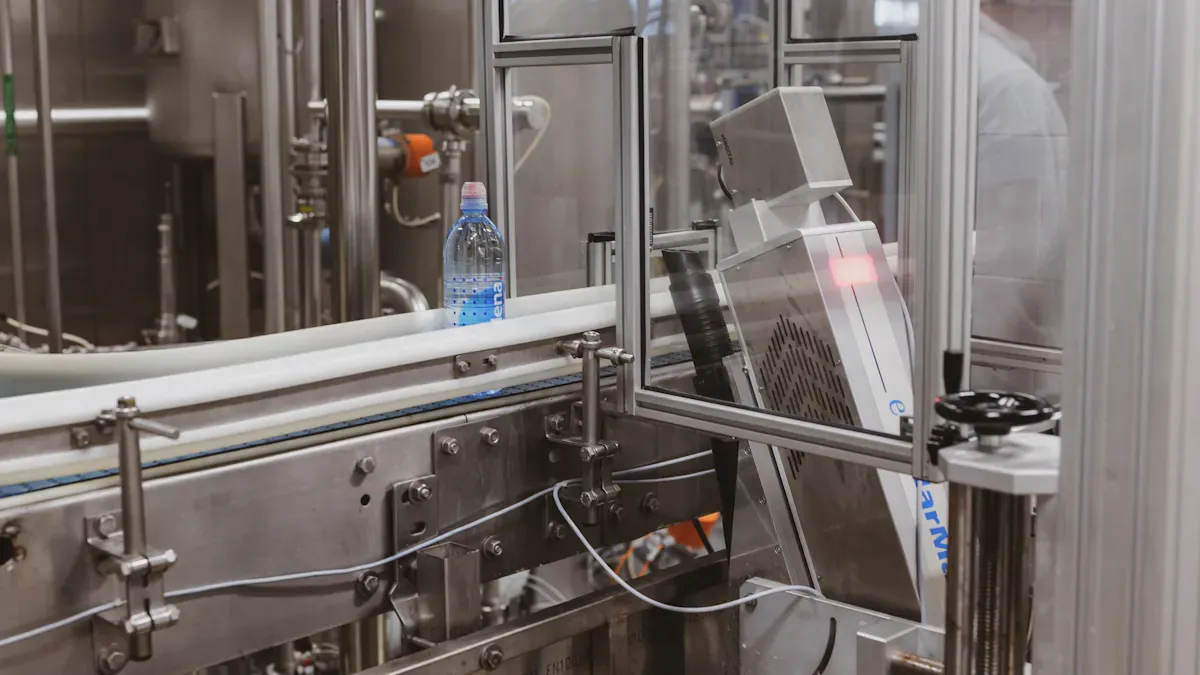
Ko te Whakaputanga Kirihou ka whakarite i nga kapia turanga me nga taapiri, te hanga i nga rauemi kua whakaingoatia mo nga tono motuhake. Ka huri te pelletizing i enei rawa whakahiato ki nga pire rite, kua rite mo te whakamahi pai ki raro. Ko nga kaihanga me nga miihini e mohio ana ki te rereketanga i waenga i ia mahi ka taea te whakanui ake i te pai me te whakarite i te kounga o te hua.
Ko nga raraunga maakete tata nei e whakaatu ana ka eke te uara o te maakete o te ao mo enei hangarau $82 piriona na 2025 a $182 piriona na 2035, i peia e te tipu o nga waahanga miihini me nga waahanga kapi.
| Tukanga | Te Painga Kakama | Painga Kounga Hua |
|---|---|---|
| Whakahuihui | Kaihanga rauemi, whakarei ake i te mahi, ka whakaiti i te utu | Ka taea te whakahaere kounga pai ake |
| Pelletizing | Ka whakarato i te puka rauemi rite mo te tukatuka | Ka whakarite kia taurite te kounga o nga hua whakamutunga |
Nga Taketake matua
- Ko te whakahiato kirihou he whakarite i nga kapia turanga me nga taapiri hei hanga rauemi mo nga whakamahinga motuhake.
- Ka huri te pelletizing i nga rawa whakahiato ki nga pire rite mo te ngawari ki te tukatuka me te whakahaere.
- Ma te mohio ki nga rereketanga i waenga i te whakakotahi me te pelletizing ka awhina nga kaihanga ki te whakapai ake i te pai me te kounga o nga hua.
- Ko te whakahuihui he whakauru, rewa, me te tango i nga rauemi hei whakatutuki i nga taonga e hiahiatia ana.
- Ka arotahi te pelletizing ki te hanga i nga rahi pire rite tonu, he mea nui mo te hanga pono.
- He mea nui te whakahaere kounga i roto i nga mahi e rua kia tutuki ai nga hua whakamutunga ki nga paerewa ahumahi.
- Ko te whakahuihui me te pelletizing he mahi nui ki nga waahanga penei i te miihini, hikohiko, me te tiaki hauora.
- Ko te whiriwhiri i te tukanga tika ka whakawhirinaki ki nga ahuatanga o te taonga, hiahia hanga, me nga whakaaro utu.
Nga Whakamaramatanga me nga Rerekētanga
Kua Tautuhia te Whakahuinga Kirihou
Ko te whakakotahitanga kirihou e pa ana ki te tukanga o te ranu polymers me nga taapiri, whakakī, me te whakakaha ki te whakarereke me te whakarei ake i nga ahuatanga o te tinana me te matū o te rawa. Ko nga paerewa ahumahi e whakatau ana i tenei tukanga hei tikanga ki te whakakakahu i te polymer kia uru katoa nga ahuatanga e hiahiatia ana i roto i te papanga kotahi.. Ka whakamahia e nga Kaihanga te whakahiato kirihou hei whakapai ake i te kounga o nga hua, whakaitihia nga utu, me te whakanui i te hua. Ko te tikanga he rewa te tikanga, whakakotahitanga, me te tangohanga ki te whakatutuki i te marara rite o nga waahanga.
He maha nga momo kai me nga taapiri e whai waahi ana ki te whakahiato kirihou:
- Masterbatch: He whakakotahitanga o nga pigments me nga taapiri kei roto i te kapia kawe, te whakarite kia marara noa.
- Huaora: Aukati i te paheketanga polymer mai i te wera me te hāora, te pupuri i te kaha me te ngawari.
- Whakapumau UV: Tiakina nga polymers e whakamahia ana i waho ma te tango, ma te whakakore ranei i te hihi hihi ultraviolet kino.
- Ko nga mura ahi: Aukati, whakaroa ranei te hanga mura, tino nui i roto i te hikohiko me te hanga.
- Kaiwai: Whakaaetia te kowhiringa tae i roto i nga kirihou whakakotahi.
- Te Kaha me te Whakarereketanga Whakarereke: Te whakatutuki i nga ahuatanga miihini motuhake.
- Nga taapiri antimicrobial: Aukati i te tipu iroriki, nui mo nga hua rongoa.
- Nga whakakī: Pērā i te talc, muka karaihe, me te konupūmā warowaihā, whakapai ake i te kaha, whakaitihia nga utu, me te whakarei ake i te parenga wera.
- Nga Whakanui Mahi: Whakaritea nga ahuatanga penei i te waiariki, te mura o te mura, me te aukati UV.
Ma tenei mahi ka taea e nga kaihanga te hanga rauemi me nga ahuatanga tika mo nga tono tono.
Pelletizing Kirihou kua tautuhia
Ko te pelletizing kirihou he tukanga e ka huri i te kirihou mata, i hangarua ranei ki te iti, pire rite. He mea nui tenei huringa mo te mahi hanga me te hangarua. Ko te pelletizer kirihou te hunga tahuri kua horoia, he maha nga wa ka tapahia he kirihou whakarewa ranei hei pire rite, ka tukuna ano ki nga mahi whakangao. Ka whakatutukihia e te pelletization nga wero penei i te kai koretake me te whakahaere rawa, he mea nui i roto i nga waahanga penei i te miihini me te kapi he mea nui te kounga o nga hua.
| Momo Whakaaturanga | Nga korero |
|---|---|
| Raw Materials | Nga momo momo kirihou, tae atu ki te polyethylene (PE) me te polypropylene (PP) |
| Nga putanga | Pire kirihou ka puta mai i te whakarewatanga, whakamatao, me nga tukanga tapahi |
Ko te pelletization te whakanui ake i te pai o te hanga kirihou me te tuku mo te hanga kirihou motuhake i te wa e mau tonu ana te ngawari o te whakahaere..
Tirohanga Rerekēnga Matua
Ripanga Whakataurite
| Ahuatanga | Te Whakaputanga Kirihou | Pelletizing Kirihou |
|---|---|---|
| Kaupapa Matua | He whakarereke i te hanganga me nga ahuatanga o te polymer | Ka huri i nga rawa ki te ahua pire rite |
| Hipanga Matua | Whakaranu, rewa, whakakotahitanga, tangohanga | Whakarewa, whakamatao, tapahi |
| Nga taapiri angamaheni | Nga whakakī, nga tae, whakapūmau, whakarei mahi | Kaore i te taapirihia i te wa o te pelletizing |
| Putanga | He mea kirihou kua whakaritea (ka taea i roto i nga momo ahua) | Pire rite |
| Taupānga | Te whakamahi tika ki nga hua, ki te tukatuka atu ranei | Ka whakamahia mo te hanga, tangohanga, kawe waka ranei |
Nga Tohu Whakapoto
- Te whakahuihui kirihou ka arotahi ki te whakarereke i te hanganga o te kirihou ma te whakakotahi i nga momo kai, e pa ana ki ona ahuatanga tinana.
- Ko te pelletizing kirihou ka huri i te kirihou whakakotahi ki nga pire rite, Ko te mea nui e pa ana ki te ahua o te tinana mo te ngawari ki te whakamahi i roto i nga mahi whakangao.
- Ka taea te hanga tika ki nga hua, i te nuinga o nga wa ka whakamahia nga kirihou pelletized mo te tukatuka ano.
- Ko nga tukanga e rua he mahi nui i roto i nga mahi hanga hou, engari ka whakatutukihia e raatau nga hiahia rereke i roto i te mekameka whakaputa.
Aki: Ma te mohio ki te rereketanga o enei mahi ka awhina nga kaihanga ki te whiriwhiri i te huarahi tika mo o raatau tono motuhake, te whakarite mahi tino pai me te whai hua.
Te Tukatuka Whakapuu Kirihou
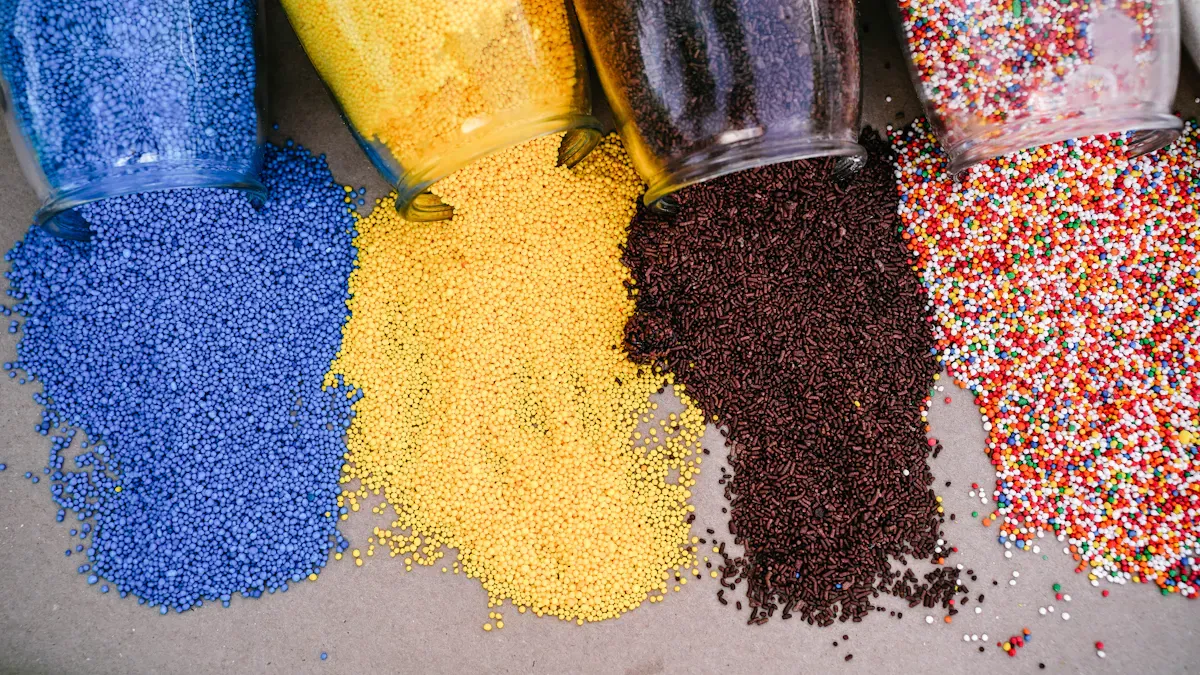
Nga Mahi Tukatuka
Ko te whakakotahitanga kirihou ka huri i nga rawa mata ki nga kirihou mahi teitei ma te raupapa o nga hikoinga tika. Ka timata nga kaihanga ma te penapena i nga rawa mata penei i te kapia, tāpiritanga, me nga whakakii i roto i nga peke, peke nui, hiri ranei. Ko nga punaha pneumatic, miihini ranei ka tukuna enei rauemi ki te waahi tukatuka. Ka whangaihia e nga kaiwhakahaere nga rauemi ki roto i te peera perehi, i nga wa katoa, i nga roopu ranei. Ka haere tonu te mahi whakahuihui ki te whakarewa me te ranu, te wahi whakakotahi te waerau me te taapiri kia rite ai. Ko te waahanga whakamutunga ko te hanga, whakamatao, me te tapahi i te hua, ka whai i te mana whakahaere kounga.
| Hipanga | Whakaahuatanga |
|---|---|
| 1 | Te rokiroki rauemi mata ki roto i nga peke, peke nui, me nga silo |
| 2 | Pneumatic, miihini ranei te punaha kawe taonga |
| 3 | Te whangai rauemi ki te oko perehi (whakakī tonu/mutu) |
| 4 | Wāhanga rewa me te ranu |
| 5 | Hua whakamutunga me te mana whakahaere |
Tuhipoka: Ka whakamahia e te Insight Polymers te huri tere me te whakahuihui motuhake ki te whakaputa otinga whakahiato kirihou, te arotau i ia taahiraa mo te pai me te kounga.
Taputapu i Whakamahia
Ko nga whakaurunga whakahiato kirihou e whakawhirinaki ana ki nga taputapu matatau ki te whakarite hua rite. Ko nga Extruders te whakarite i te tere mo te tukatuka ka whai wāhi nui ki te whakarewa me te whakaranu. Ka mahi nga kaiwhakaranu haere tonu ki te taha o nga extruder hei hapai i nga rawa penei i te kiriaku, nylons, me te PVC. Ko nga punaha whakaranu ka whakarite i nga taapiri whakauru-mua, i te wa e whakamanahia ana e nga punaha tota nga waahanga whakauru tika. Nga hangarau whakahaere rawa, pērā i ngā pūwhāngai takahuri me ngā vaolo whakahuri, te tautoko i te tohatoha maeneene me te tohatoha o nga rawa nui. Ko nga raina whakakotahi kua whakakotahi i enei punaha, e tuku ana i nga reiti whakaputa ngawari me nga whirihoranga. Ka whakamahia e te Insight Polymers nga rawa pairati mahanga-a-roto hei whakahaere i nga whakamatautau waahanga whanaketanga iti, ka taea te tirotiro pai o nga hua me nga tawhā tukatuka.
Momo Whakahuihui
Ko te whakakotahitanga kirihou he maha nga huarahi, he mea whakarite ia ki nga hiahia tono motuhake. Ka taea e nga Kaihanga te taapiri i nga tae hei whakapai ake i te ahua, hei whakapumau ranei hei whakapai ake i te wera me te aukati UV. Ka whakanui ake te haumarutanga o te mura ahi, rawa i roto i te hanga me te hikohiko. Ka whakanuia e nga whakarereketanga paanga te uaua, i te wa e whakatika ana te utu o te whakakii me te whakakaha, whakapakeke, kaha ranei. Ka taea hoki e nga puhui hanga ritenga te whakauru i nga apiha antimicrobial mo nga hua rongoa me nga whakaihiihi UV mo te whakamahinga o waho. He tohungatanga a Insight Polymers ki nga otinga whakahiato polymer e whakatutuki ana i nga whaainga mahi ahurei, te tuku i nga kohinga masterbatch me te whakahiato kirihou ritenga mo te werohanga niao, muka, kiriata, me te hanga taapiri.
- Te kowhiringa tae mo te rerehua
- Ko nga hanganga kai-haumaru mo te takai
- Nga parenga ahi mo te hanga
- Te kaha me te ngawari o nga whakarereketanga mo nga hiahia hua-motuhake
- Nga taonga antimicrobial mo te hauora
- Whakanuia te whakamaarama UV mo te mauroa o waho
Ma tenei huarahi matawhānui e whakarite kia tutuki ia otinga whakahiato polymer ki nga hiahia o nga mahi hanga hou.
Whenua Rauemi
Ko te whakahiato kirihou he maha nga ahuatanga o nga rawa i te mea ka huri nga kai mata ki nga pūhui mahi teitei. Ka timata te tukanga ki te kapia totoka, tāpiritanga, me nga whakakii. Ka whangaihia e nga kaiwhakahaere enei rawa ki roto i te punaha whakakotahi, kei te noho i roto i te ahua kirikiri, paura ranei. Ka anga whakamua te tukanga, ka whakamahana te extruder ka rewa te ranunga, ka huri hei kirikiri, ahua whakarewa. Ma tenei ranunga whakarewa ka taea te whakakotahi me te marara o nga waahanga katoa.
Kia oti te homogenization, ka puta te rauemi i te extruder. I tenei wahanga, he maha nga momo ahua kei runga i te tono. Ko etahi o nga kaihanga ka whakamatao ka tapahia te extrudate ki nga pire, ko etahi atu ka whakaputa whenu, rau, he hanga tika ranei. Ko te ahua whakamutunga—he pellet ranei, whenu, pepa ranei—e whakawhirinaki ana ki nga whakaritenga tukatuka o raro. Hei tauira, He maha nga wa ka tukuna e te Insight Polymers te whakahiato kirihou i roto i te ahua pellet mo te ngawari te whakahaere me te whangai rite tonu i roto i te werohanga whakarewa, raina tangohanga ranei.
Ko te kaha ki te whakahaere i nga ahuatanga o nga rawa puta noa i te tukanga ka whakarite kia tutuki te hua whakamutunga ki nga paearu mahi. Ka tautokohia e tenei ngawari te whānuitanga o nga tono, mai i nga waahanga motuka ki nga taputapu rongoa, a ka taea te urutau tere ki nga hiahia o nga kaihoko.
Mana Kounga
Ko te mana o te kounga te turanga o nga mahi whakahiato kirihou angitu. Ka whakawhirinaki nga Kaihanga ki nga punaha whakahaere aunoa ki te pupuri nga ahuatanga pellet rite tonu i te wa tangohanga. Ko enei punaha ka aro turuki me te whakatika i nga tawhā tukatuka i te waa tuuturu, te whakarite kia rite tonu te ranunga whakarewa. Ko te mutunga, ka marara noa nga pigment me nga taapiri, e whakaputa ana i tetahi puhui masterbatch rite.
He maha nga tikanga ka whakamahia e nga kaiwhakahaere hei manatoko i te riterite o nga hua. Ko te tikanga nekehanga wai he huarahi pono ki te ine kiato i runga i te papa toa. Ko tenei tikanga ko te ine i te taumata wai tuatahi, te pauna i te tauira, me te tātai kiato i runga i te rōrahi kua nukuhia. Ka whakapai ake i te tika o te hanga, ka aukati i te moumou rawa, me te whakarite kia rite te taumaha o nga hua. Ko enei painga e tautoko ana i te pai ake o te whakahaere utu me te whakaiti i nga take kounga o te whakaputa.
Kei roto i te kaupapa whakahaere kounga matawhānui he raupapa whakamatautau:
- Ka whakamahia e nga whakamatautau taurite te tae ki te inenga ki te arotake i nga rereketanga o te tae me te whakarite kia rite tonu te tirohanga.
- Ko nga whakamatautau whakamarumaru wera e whakamana ana i te manawanui o te puaa i te pāmahana whakaneo.
- Ko nga whakamatautau whakamararatanga ka whakapumau i te tohatoha taapiri na roto i te tirohanga miihini.
- Ko nga whakamatautau mahi miihini e arotake ana i te kaha o te riipene me te atete paanga.
Ko te Insight Polymers te whakauru i enei tikanga whakahaere kounga ki ia puranga, te whakarite kia pono o raatau otinga whakahiato polymer. Ko tenei pono ki te kounga e tautoko ana i nga ahumahi e hiahia ana kia tika, penei i te motuka, hikohiko, me te tiaki hauora.
Aki: Ko te mana o te kounga pai e kore e whakanui i te pono o nga hua engari ka whakapakari ano i te whakawhirinaki o nga kaihoko ki nga ratonga whakahiato kirihou ritenga.
Tukanga Pelletizing Kirihou
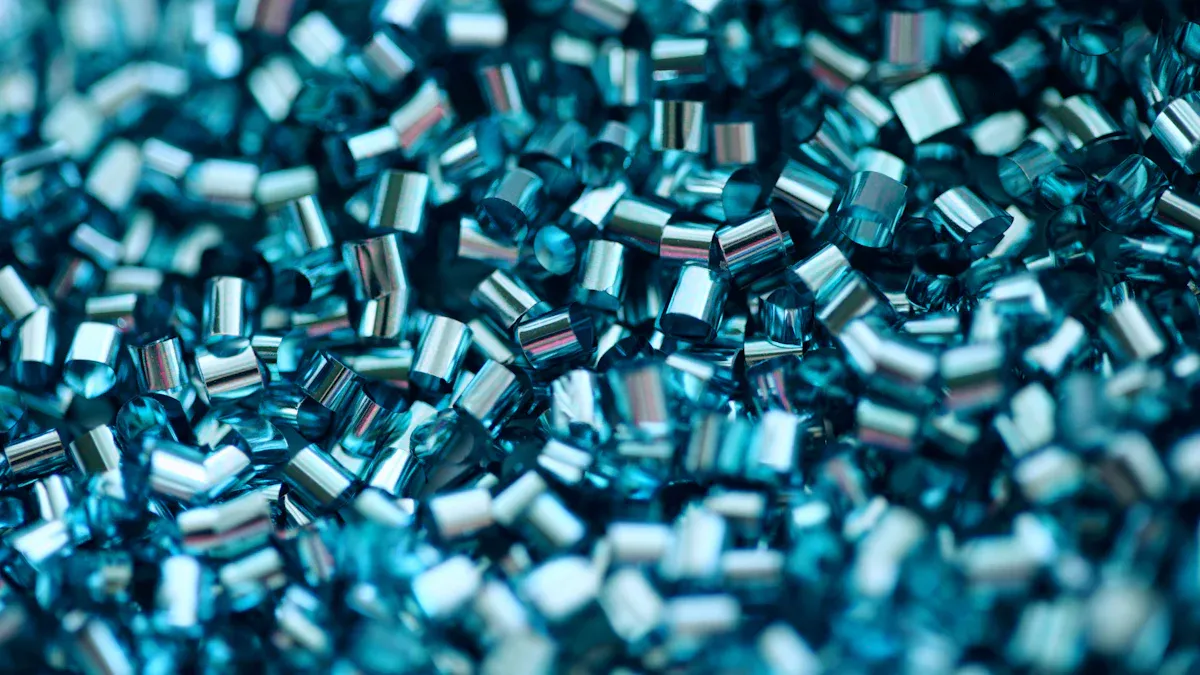
Nga Mahi Tukatuka
Ko te pelletizing kirihou ka huri i te kapia mata, i hangarua ranei ki nga pire rite na roto i te raupapa o nga hikoinga kua tino tautuhia.. Ka timata nga kaiwhakahaere ma te tohatoha para kirihou kia rite ki te momo polymer, tae, me te taumata poke. Kātahi ka tapatapahia ngā kirihou kua kōmaka kia iti ake, e whakapai ana i te pai o te horoi. I muri i te horoinga, ka neke nga tawerewere ma ki te waahi rewa, i reira ka whakamahana, ka whakaputahia. Ka haere te kirihou whakarewa i roto i te tātari hei tango i nga toenga poke. Ka puta te rewanga kua tātarihia ma te pereti mate, ka hanga i nga whenu tonu. Ka tere te whakamatao o enei whenu i roto i te kaukau wai, i te punaha whakamahana hau ranei, te whakapumau i to raatau hanganga. Ka mutu, ka tapahia nga whenu kua whakamatao ki nga pire, kua reri mo nga mahi whakangao.
Ma te pai o te pelletizing e whakarite te rahi me te kounga o te pire, he mea tino nui mo te tukatuka pono i roto i te hanga me nga tono tangohanga.
Taputapu i Whakamahia
Ko nga mahi pelletizing e whakawhirinaki ana ki nga miihini motuhake hei whakatutuki i te whakaputanga teitei me nga hua rite. Ka mau i nga pelletizers whenu te tangohanga o te kirihou whakarewa ki nga whenu ka tapahia hei pire. Ka tapatapahia te kirihou whakarewa i raro i te wai, ka whakamatao tonu, ka whakamaroke i nga pire. Ko nga pelletizers makariri ka whakaputa pire mai i te wera wera me te kore e whakamahi i te whakamahana wai. Ko ia momo miihini e tautoko ana i nga whakaritenga tukanga rereke me nga ahuatanga rauemi. Ka tohua e nga kaiwhakahaere nga taputapu i runga i te momo kapia, te aroaro o nga taapiri, me nga ahuatanga pire e hiahiatia ana.
- Nga pelletizers whenu: Tapahia nga whenu kua tangohia kia rite ki nga pire.
- Nga pelletizers raro wai: Tapahia me te whakamatao i nga pire i te wa kotahi i roto i te ruma wai.
- Pelletizers makariri: Te whakaputa pire kaore he wai, he pai mo nga mea wera-tairongo.
Nga Momo Hangarau Pelletizing
Ka whakamahia e nga kaihanga etahi hangarau pelletizing, ia tuku painga ahurei i roto i te pai me te kounga whakaputa. He pai ake te mahi pelletizing whenu mo te ma, rauemi pūmau me te tuku kounga putanga teitei. Ko te pelletizing wai-mowhiti ka tapahia te kirihou whakarewa i te mata mate ka whakamatao i roto i te mowhiti wai tohanga, e whakanui ana i te pai. Ka tapahia nga pire i raro i te wai i roto i te ruma wai, te whakarite i te whakamahana riterite me te tino kounga putanga.
| Hangarau Pelletizing | Whakaahuatanga | Te kaha | Kounga Putanga |
|---|---|---|---|
| Wero Pelletizers | Tapahia nga pire ki nga whenu ka pai mo nga taonga ma. | Whakaōrite | Teitei |
| Pelletizers Mata-Mate | Whakauruhia nga punaha o raro o te wai me te whakakai wai, whakarato whakamahana tere. | Teitei | Tino Teitei |
Ka whiriwhiri nga kaiwhakahaere i nga hangarau e tika ana i runga i te momo kapia, te aroaro o nga taapiri, me nga ahuatanga pire e hiahiatia ana. Ma te kowhiringa tika ka tutuki nga pire ki nga paerewa kounga mo te tukatuka o raro.
Whenua Rauemi
Ka huri te pelletizing i nga kirihou na roto i te maha o nga ahuatanga rereke. Ka timata te mahi ki te kai kirihou totoka, ka taea te whakauru i te kapia wahine, tawerewere hangarua, huri ano ranei. Ka utaina e nga kaiwhakahaere enei rawa ki roto i nga hoppers, i nga kai whangai ranei. Ko te rauemi ka uru ki te extruder, ka huri te wera me te kaha miihini i nga matūriki totoka ki te ahua whakarewa. Ko tenei kirihou whakarewa ka rere i roto i te oko extruder, te whakarite i te ranunga tino me te homogenization.
I te putanga o te papatipu whakarewa i te extruder, ka haere ma te pereti mate. I tenei wahanga, ka hangai te rauemi i nga whenu tonu, i nga maturuturu, i runga i te hangarau pelletizing. I te whenu pelletizing, ka puta te kirihou whakarewa rite te roa, nga whenu rite ki te spaghetti. Ka neke enei whenu ma te punaha whakamatao, maha he pati wai, e whakakaha tere ana i te rauemi. Kia whakamatao, ka uru nga whenu whakakoi ki roto i te ruuma tapahi, ka tapatapahia e nga maripi hurihuri ki nga pire rite.
Ētahi atu tikanga pelletizing, penei i nga punaha o raro i te wai, i nga whakakai-wai ranei, tapatapahia tonutia te kirihou whakarewa ka puta i te mate. Ko nga pire ka whakamatao, ka pakari tata tonu ki te taiao wai. Ko te hua whakamutunga he iti, pire mātotoru he rite tonu te rahi me te hanga. He ngawari enei pire ki te hapai, kawe waka, me te whangai ki nga mahi whakangao o raro.
Aki: Ko te whakahaere i ia ahuatanga o nga rawa i te wa o te pelletizing ka whakarite kia tutuki nga pire whakamutunga ki te kounga me nga paerewa mahi.
Mana Kounga
Ko te mana kounga i roto i te pelletizing he mahi nui ki te pupuri i te riterite me te ma. Ka whakatinanahia e nga kaiwhakahaere he maha nga kawa puta noa i te tukanga kia pai ai te whakaputanga o te kounga teitei:
- Tuhinga o mua me te horoi te tango i nga mea poke me nga taonga kore-whakaaro. Ko nga punaha tohatoha aunoa me nga raina horoi ka awhina ki te whakatutuki i te kai ma.
- Ko te whakamaroke me te whakakorenga ka whakakore i te makuku me nga poke. Ko te whakamaroke teitei o te wera me te horoi maru ka whakarite i nga mea mo te tangohanga.
- Ko te tangohanga me te pelletization ka rewa nga tawerewere kua purea, te kapia ranei ki nga pire rite. He pai te whakakotahitanga me te riterite o nga extruders twin-screw.
- Ko te whakakore i nga hau me nga pūhui wariu i raro i nga tikanga korehau teitei. Ko tenei taahiraa ka aukati i nga hapa me te whakapai ake i te kounga pellet.
- Te whakatioatanga me te polymerization ahua totoka (SSP) whakarei ake i te pokeytanga o roto o etahi polymers, penei i te PET. Ko enei mahi ka whakarite kia tutuki nga pire ki nga whakaritenga motuhake mo te tono.
Ka aroturuki nga kaiwhakahaere i te rahi o te pire, ahua, me te tae puta noa i te tukanga. Ka whakamahia e ratou nga tatari, tirohanga tirohanga, me nga pūoko aunoa kia kitea nga rereke. Ko te riterite o te whakahaere kounga ka whakaiti i te para, whakapai ake i te pai o te tukanga, me te whakapumau i te mahi pono o nga pire i roto i te hanga, tangohanga, etahi atu tono ranei.
Tuhipoka: Ko te mana kounga pono i roto i te pelletizing e tautoko ana i nga kaihanga ki te whakaputa i nga hua tino mahi mo nga umanga tono..
Nga tono
Taupānga Whakahuihui
Plastic compounding enables manufacturers to create materials with properties tailored for demanding sectors. The following table highlights common industry uses:
| Sector | Nga tono |
|---|---|
| Motika | Lightweight materials, heat-resistant plastics, impact-resistant polymers |
| Hikohiko | Flame-retardant compounds, thermally conductive plastics, anti-static materials |
| Hua Kaihoko | Durable plastics, food-safe materials, UV-resistant compounds |
| Industrial Applications | Chemical-resistant polymers, reinforced plastics, abrasion-resistant materials |
Motika
Automotive manufacturers rely on advanced compounds for lightweighting and structural integrity. High-performance plastic compounds replace metal in interior panels, parepare, and under-the-hood components. These materials offer comparable strength and thermal performance, which improves fuel efficiency and safety. Insight Polymers delivers custom compounding for injection molding, enabling rapid prototyping and production of automotive parts that meet strict industry standards.
Hikohiko
Electronics producers use specialty compounds for housings, tūhonohono, and insulators. Flame-retardant and thermally conductive plastics protect sensitive components from heat and electrical hazards. Anti-static materials prevent damage from static discharge. Insight Polymers supports electronics manufacturers with masterbatch concentrates that enhance safety and performance in consumer devices and renewable energy systems.
Te rongoa
Medical device manufacturers require compounds with precise mechanical and chemical properties. Custom formulations provide antimicrobial protection and biocompatibility for diagnostic equipment and surgical tools. Insight Polymers develops specialty compounds for fibers and films used in medical packaging and devices, ensuring compliance with healthcare regulations.
Pelletizing Applications
Pelletizing transforms raw or recycled plastics into uniform pellets, supporting a wide range of manufacturing processes.
Whakaneo & Tangohanga
Pellets serve as the standard feedstock for molding and extrusion. Their consistent size and shape ensure reliable machine operation and product quality. Manufacturers use pellets to produce daily-use products such as trash bins, hangers, and flower pots, as well as industrial items like pallets and automotive interior base materials.
Hangarua
Pelletizing plays a vital role in recycling. Operators sort, shred, and melt plastic waste, then re-extrude and pelletize it into high-quality, pire ka taea te whakamahi. This process closes the loop in the plastic lifecycle, allowing manufacturers to reintroduce recycled material into new products. Applications include construction materials like plastic lumber and municipal covers.
By turning plastic waste into a consistent raw material, pelletizing helps close the loop in the plastic lifecycle.
Bulk Handling
Large-scale manufacturers benefit from pelletizing in bulk handling and logistics. The process includes material intake, sorting, shredding, tangohanga, pelletizing, me te tākainga. Uniform pellets simplify storage, kawe waka, and return shipping, supporting efficient supply chains. Manufacturers can ship pellets back for reuse or send them to third parties for new product applications.
Insight Polymers’ expertise in custom compounding and pelletizing supports diverse applications, from injection molding and additive manufacturing to sustainable recycling initiatives.
Process Selection
Factors to Consider
Manufacturers must evaluate several factors when selecting the right process for their production needs. These considerations help ensure that the chosen method aligns with both operational goals and product requirements:
- Material characteristics play a central role. Understanding the physical and chemical properties of input materials determines compatibility with custom plastic compounding or pelletizing.
- Throughput requirements must match the capacity of the pelletizer and the upstream extrusion system. This alignment prevents bottlenecks and maximizes efficiency.
- Pellet quality requirements depend on end-user specifications. Precision in pellet size and shape supports consistent downstream processing.
- Operational environment and available utilities influence system selection. Facilities must support the demands of the chosen process.
- Maintenance and ease of use affect long-term productivity. Machines that require less maintenance and offer higher availability reduce downtime.
- Cost considerations and return on investment guide decision-making. Evaluating total ownership costs, including operating expenses and potential product loss, ensures financial sustainability.
- Companies often require components with exceptional durability. Design flexibility remains essential for meeting unique application needs. Cost efficiency continues to influence the choice of manufacturing methods.
Te maarama ki te unique mechanical properties, ātete matū, and processing characteristics of different plastics is vital. These factors directly impact durability, te pai o te utu, and compliance with industry standards.
Akoranga Take
| Rohe Tono | Evidence of Success | Outcome Description |
|---|---|---|
| Resin Manufacturing and Polymerization | Increased output by 40% with underwater pelletizing system. | Effective for continuous production of consistent pellets. |
| Whakahuihui me te Whakaputa Masterbatch | Improved color pellet performance in customer processes using underwater systems. | Ideal for color concentrates and filled compounds. |
| Recycling and Reclaim Operations | Customized system for PET bottle recycling to handle changing materials. | Strand systems for consistent scrap; underwater for mixed materials. |
Manufacturers in the medical sector have achieved low extractables profiles in blood set tubing by selecting TPE or DEHP-free PVC. Autoclavable device components benefit from TPE compounds, which resist embrittlement during repeated sterilization. Full batch genealogy ensures traceability of all components, supporting quality assurance in medical device manufacturing.
Nga wero & Nga otinga
Manufacturers often encounter challenges during implementation. Addressing these issues quickly ensures consistent quality and operational efficiency:
- Irregular pellet size and shape can occur. Operators adjust die temperature, inspect cutting blades, and set the correct blade gap to resolve this.
- Reduced throughput or machine jamming may disrupt production. Purging die holes, ensuring consistent material flow, and monitoring feed section components help maintain steady operation.
- Overheating of the machine or motor poses risks. Checking cooling systems, inspecting for excessive friction, and ensuring proper cutter speed prevent damage.
- Poor pellet quality affects downstream performance. Verifying temperature profiles, implementing strict material handling, and pre-drying hygroscopic materials improve results.
By applying these solutions, companies can optimize their polymer compounding solutions and maintain high standards in custom plastic compounding and extrusion processes.
Pelletizing Technology Trends
Advances in Compounding
Recent advances in compounding have transformed how manufacturers approach material design and production. Companies now use recycled resins and bio-based polymers to whakaiti i te para and support sustainability. They rejuvenate old plastic streams, restoring their properties and extending their lifecycle. Advanced compounding techniques allow plastics to replace metals and ceramics in many applications, improving efficiency and reducing costs.
Manufacturers benefit from several key developments:
- Flexibility in creating components without traditional dies or tooling.
- Cost-effective solutions for prototyping and short-run production.
- Enhanced mechanical strength and durability in finished parts.
- Integration of nanotechnology to improve material properties.
- Adoption of Industry 4.0 technologies for better process control and customization.
These innovations enable the use of a wide range of additives, including those that improve conductivity, parenga mura, and structural strength. The focus on sustainable and recyclable materials continues to drive the evolution of compounding processes.
Innovations in Pelletizing
Pelletizing technology has seen significant improvements, especially in quality control and operational efficiency. Leading manufacturers have adopted advanced filtration systems that use multiple filtration stages with finer mesh sizes. This approach removes contaminants and ensures superior pellet quality, protecting downstream equipment.
| Momo Whakahoutanga | Whakaahuatanga |
|---|---|
| Advanced Filtration Systems | Multiple filtration stages for cleaner pellets and equipment protection. |
| Intelligent Control Systems | Real-time monitoring and predictive maintenance via touchscreen interfaces. |
| Dynamic Preconditioning Unit | Single-stage preparation of plastics for extrusion, preserving material properties. |
| IoT and AI Integration | Predictive maintenance and real-time adjustments for improved efficiency and lower costs. |
Dynamic preconditioning units combine several steps into one, preparing plastics for extrusion while maintaining high end-product quality. Intelligent control systems provide operators with real-time data, allowing quick adjustments to the process. IoT and AI integration further enhance pelletizing by enabling predictive maintenance and reducing downtime.
Te oranga tonutanga
Sustainability initiatives have become central to the development of both compounding and pelletizing technology. Companies like LyondellBasell focus on improving the quality of mechanical plastic recycling through research and development. Their efforts ensure that recycled materials meet strict safety and performance standards. Primex demonstrates a commitment to sustainability by operating an in-house recycling facility. This facility processes post-industrial and post-consumer materials through collection, sorting, shredding, washing, and pelletizing. The result is high-quality recycled resin suitable for manufacturing.
Manufacturers now prioritize the use of sustainable additives and recyclable materials in their processes. They design pelletizing systems to handle a variety of recycled plastics, supporting closed-loop recycling and reducing environmental impact. These trends reflect a broader industry shift toward responsible production and resource conservation.
Aki: Embracing new pelletizing technology and sustainable practices helps manufacturers stay competitive while meeting environmental goals.
Manufacturers rely on both processes for different application needs. Plastic compounding creates materials with specific properties, while pelletizing prepares those materials for efficient use. Selecting the right process ensures each application meets quality and performance goals.
- Evaluate the requirements of each application before choosing a process.
- Consult industry experts for guidance on complex applications.
For more information on custom solutions, manufacturers can contact Insight Polymers or review technical resources.
FAQ
What is the main difference between plastic compounding and pelletizing?
Plastic compounding changes the properties of plastics by mixing resins with additives. Pelletizing shapes these materials into uniform pellets for easy processing. Each process serves a unique role in manufacturing.
When should a manufacturer choose custom plastic compounding?
Manufacturers select custom plastic compounding when they need materials with specific properties, such as flame resistance or enhanced strength. Insight Polymers offers rapid, tailored solutions for these requirements.
Can pelletizing improve recycled plastic quality?
Ae. Pelletizing cleans, rewa, and reforms recycled plastics into uniform pellets. This process removes contaminants and improves consistency, making recycled materials suitable for new products.
What equipment does Insight Polymers use for compounding?
Insight Polymers uses twin-screw extruders, advanced mixers, and precise dosing systems. These tools allow for efficient blending and rapid development of custom compounds.
How do manufacturers ensure quality during compounding?
Manufacturers use real-time monitoring, color matching, and mechanical testing. They check density and dispersion to guarantee consistent results. Quality control remains essential for reliable performance.
Are compounded pellets ready for injection molding?
Ae. Compounded pellets from Insight Polymers are designed for direct use in injection molding, tangohanga, me te hanga taapiri. Their uniformity ensures smooth processing and high-quality finished parts.
What industries benefit most from these processes?
Motika, hikohiko, hauora, and packaging industries rely on compounding and pelletizing. These sectors demand materials with precise properties and consistent quality.