

Tae Masterbatch Granulating Miihini: Te Taatari Tauhokohoko B2B o te Ao, Kaihanga & Nga Tikanga Maakete
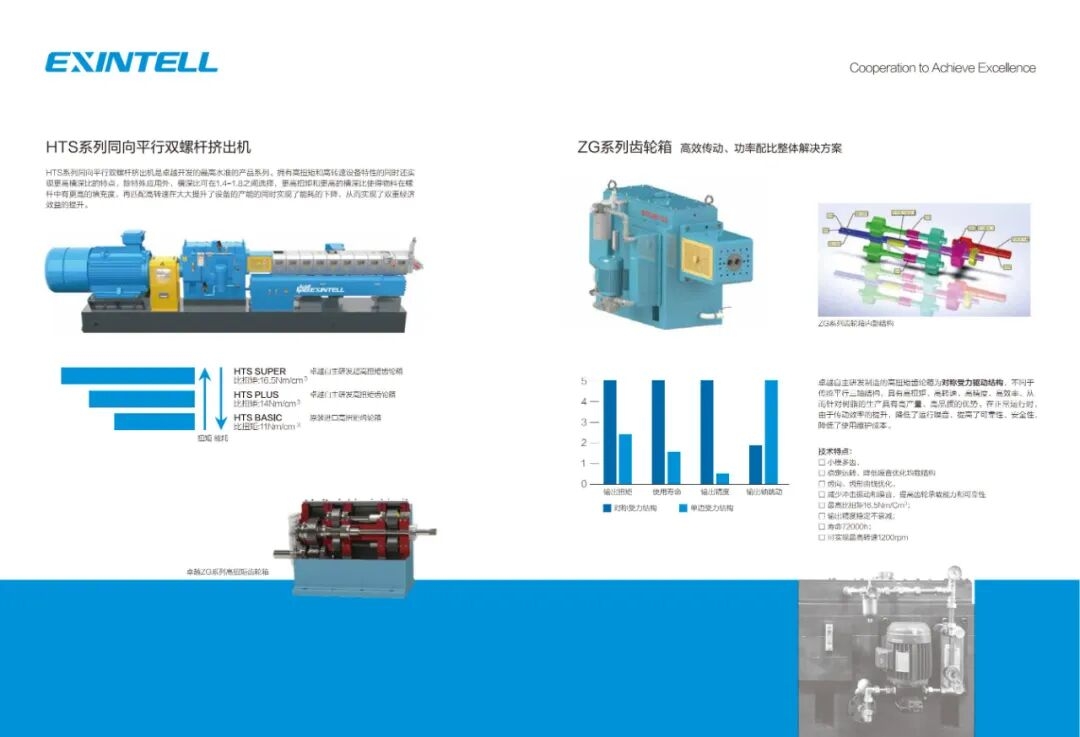
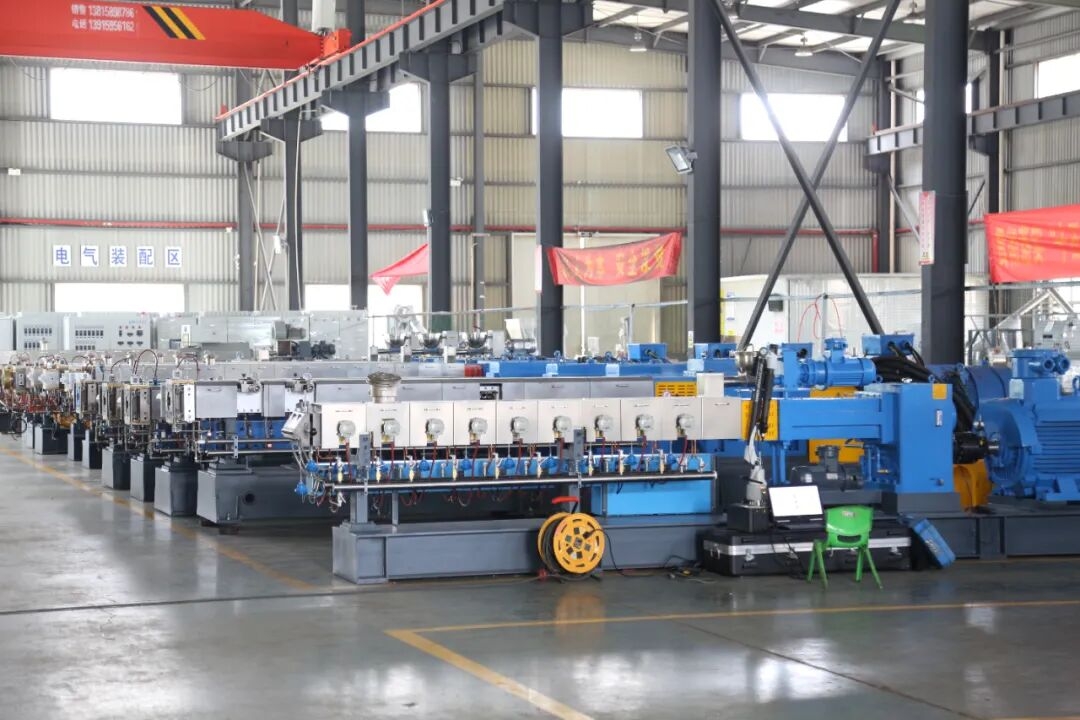
Ko te ahumahi whakahiato kirihou o te ao kei te huri nui, a kei te ngakau o taua nekehanga e noho ana te tae masterbatch mīhini granulating — ko nga taputapu o te hoiho mahi hei huri i te whakakotahitanga polymer mata me te whakakoi i te poaka ki te kakahu, nga pire matua-tae kua reri ki te whakamahi. Mo nga kaihoko B2B mai i te ao tae masterbatch kaihanga mīhini granulating ranei kaiwhakarato, te mohio ki nga ahuatanga hokohoko o naianei i waenga i te United States me te Kotahitanga o Europi Kaiwhakarato Whakakotahi Maama-Screw Extruder kua kore e whiriwhiri; he hiahia whakataetae. I te haurua tuatahi o, Ko nga hoko taputapu whakawhiti-taitapa kua whakarereketia e nga hanganga reiti e whanake ana, mana tauwhiro, me te tere o te tono mai i te kete, waka, me nga waahanga hanga i nga taha e rua o te Moana-a-Kiwa. Ko tenei tuhinga e whakaatu ana i nga korero mo te taiao hokohoko mo nga miihini tukatuka kirihou, Ko nga korero e arahi ana i nga mana wheketere, ka tirotiro i nga rautaki hoko rarawe, me nga matapae kei te ahu whakamua te maakete i roto i te kotahi ki te rua marama e whai ake nei. Kaiwhakarato Whakakotahi Tiu Kotahi
Kaupapahere Tauhokohoko Tawahi me te Ahumahi Miihini Kirihou i roto
Ko te hononga tauhokohoko i waenga i te United States me te Kotahitanga o Europi ka noho tonu te hononga tauhokohoko nui rawa atu i te ao. E ai ki nga U.S. Te Whakahaere Tauhokohoko o te Ao (ITA), Ko te katoa o nga hokohoko taonga i waenga i nga poraka e rua i neke ake i te USD 1.1 piriona i roto 2024, me nga miihini ahumahi — tae atu ki nga taputapu tukatuka kirihou — te kaute mo te wahanga whai kiko o taua pukapuka. Mo tetahi tae masterbatch wheketere miihini granulating e titiro ana ki te mahi ki nga kaihoko whakawhiti, ko te taiao kaupapa here i te timatanga-ki-waenganui e whakaatu ana i nga hau mahunga me nga hau hiku.
I te U.S. taha, kua tino huri te whenua kaupapa here hokohoko. The administration's renewed focus on domestic manufacturing under initiatives tied to the Inflation Reduction Act (IRA) me te Ture CHIPS me te Ture Putaiao kua hanga he whakatenatena autaki mo nga miihini kirihou ki te whakapai ake i nga taputapu. Ahakoa ko enei kaupapa e aro nui ana ki nga semiconductors me te kaha ma, te awenga whakararo ki te whakahuihui polymer — ina koa mo te taumahatanga o nga motuka me te kapi pumau — kua peia nga whakapaunga whakapaipai i roto i nga raina granulating me te pelletizing. Ko te U.S. Te Tari Tatauranga Tari Tawahi korerotia e kawemai o kirihou me te rapa mihini tukatuka (Waehere HS 8477) mai i nga whenua mema o te EU i tipu tata 6.2% tau-i-tau i te Q1, e whakaatu ana i te tono totika mo nga taputapu hangarau a te Pakeha e mohiotia ana mo te tika me te kaha o te kaha.
Mai i te tirohanga a te pakeha, te European Commission's Directorate-General for Trade kua mau tonu te kaupapa matua mo te Kaunihera Tauhokohoko me te Hangarau EU-US (TTC) anga hei tikanga mo te whakaiti i nga arai hangarau. Mo te tae masterbatch kaihanga miihini granulating i Germany, Itari, me Ateria — the EU's top three plastics machinery exporting nations — na tenei anga i pai ake nga aromatawai riterite me te mohio tahi ki etahi paerewa ahumahi. Ko te wahanga miihini kirihou Pakeha, e tohuhia ana e te roopu hokohoko EUROMAP, i kii mai kua piki ake te ota mo te tangohanga me nga taputapu whakahiato 4.8% i roto i nga marama tekau ma rua ka mutu Maehe, me Amerika Te Taitokerau i tohuhia ko te tino tere te tipu haere ki tawahi.
Heoi ano, kei te mau tonu te koretake o te utu. Te U.S. Wāhanga 232 nga utu rino me te konumohe, i te kore e aro tika ki nga miihini kirihou, kua piki ake te utu mo nga papa taputapu me nga waahanga o te whare, na te mea ka nui ake te whakataetae utu-whakataetae etahi miihini Pakeha kawemai i runga i te utu katoa o te mana pupuri.. I te wa kotahi, the EU's Carbon Border Adjustment Mechanism (CBAM), i uru ki tana wahanga whakawhiti i Oketopa 2023 a ka neke ki te whakatinanatanga katoa na 2026, kua timata te whakaawe i nga whakataunga hoko. B2B kaihoko o nga miihini whakakikorua tae masterbatch kei te kaha ake te whakaaro ki te tapuwae waro o te hanga taputapu me te tuku kaipuke i te wa e arotake ana i nga kaiwhakarato, he ahua e pai ana ki nga kaihanga me te aromatawai huringa ora marama (LCA) raraunga.
Roofmate Extruded Polystyrene Insulation The World Trade Organization's (WTO) Arotake Kaupapahere Tauhokohoko no te mea i maharatia ko nga arai kore utu — nga tiwhikete haumaru rereke (Te tohu CE i te EU vs. UL/OSHA hanganga ture i roto i te U.S.) Bowden Extruder Anet A8 — ka noho tonu te waahi waku tino nui mo te hokohoko miihini. Mo te kaiwhakarato miihini miihini miihini karaehe e whai ana ki te mahi i nga maakete e rua, Ko te tiwhikete rua he whakaritenga urunga ki te maakete, te taapiri 8-15% ki nga utu whanaketanga hua engari te whakatuwhera i te urunga ki te maakete ka taea te uru atu ki runga ake i te USD 2.8 piriona mo te whakahuihui me nga taputapu pelletizing.
Nga Whakaaetanga Tauhokohoko a B2B mo nga Miihini Maamaa Tae Masterbatch i te maakete
Ko te waahi whai waahi mo te miihini whakakikorua karaehe tae me te hoko tika B2B e hangaia ana e nga ope whakakotahi e toru.: te takahuri whakawhiu oranga, waka hiko, me te whakatikatika i te waahanga hanga.
Kei te takai, rua te U.S. me nga maakete a EU kei te kite i te huringa taketake ki nga hanganga hangarua ka taea te hangarua. The EU's Packaging and Packaging Waste Regulation (PPWR), tangohia i te mutunga 2024, e whakahau ana ko nga kete katoa ka tukuna ki runga i te maakete EU ka taea te hangarua e 2030 me te whakauru i nga paepae ihirangi hangarua iti rawa. Ko tenei ture ka piki ake te tono mo nga karaehe karaehe kounga teitei — me te toronga, ko nga miihini whakakikorua e whakaputa ana — na te mea me tino hangai nga kaitahuri, pire masterbatch kore poke ki te pupuri i te rite o te tae i roto i nga kohinga ihirangi hangarua. E ai ki Kirihou Europe, Ko te maakete masterbatch Pakeha e kiia ana kia tipu i te CAGR o 5.1% mā 2028, me te huinga matua tae e tohu ana 45% o te rōrahi katoa.
He rite tonu te kaha o nga kaitaraiwa tono a te waahanga miihini. Te neke ki nga waka hiko (Nga EV) me kaha te whakamahi i nga kirihou miihini tae mo te whakapaipai o roto, whare pākahiko, me nga waahanga o waho he mea nui te whakaheke taumaha. Rua U.S. me nga Kaihanga motopaika Pakeha kei te whakarite i o raatau mekameka tuku mo nga puhui tae, te hanga whai waahi mo nga kaihanga miihini granulating karaehe tae ki te hoko tika ki te Tier 1 me te Tier 2 kaihoko waka. Raraunga mai i te Whakahaerenga Ao mo nga Kaihanga Motuka (HIPI) e tohu ana ka nui ake te hanga EV o te ao 20 miriona waeine i roto i, me te U.S. me te EU te kaute nui 35% o taua putanga. Haina Lab Extruder Kaihanga
I te hanga, te U.S. Ko te Ture Hanganga Hangarau me nga Mahi kei te akiaki tonu te tono mo nga paipa PVC tae, PE geomembranes, me nga panui polycarbonate — nga hua katoa e hiahia ana ki te masterbatch i hangaia i runga i nga raina granulating. Ko te wahanga hangahanga Pakeha, i te wa e tipu ake ana, kei te kite i te pikinga ake o nga waahanga polymer tae i roto i nga kaupapa hanga whare kaariki e hono ana ki te Taxonomy EU mo nga Mahi Tauwhiro..
Nga wero, heoi ano, he mau. Ko nga wa e arahi ana i te mekameka mo nga waahanga miihini miihini motuhake — tino whakapakeke nga tira maitai, whitinga oko, me nga pereti mate tika — kua pai ake i a raatau 2022 nga tihi engari ka mau tonu 15-25% roa atu i nga tikanga o mua i te mate urutaru, e ai ki nga purongo ahumahi mai i te Rōpū Ahumahi Kirihou (KIRAPU). Ko te rereketanga o te moni i waenga i te USD me te EUR ka whakararu hoki i nga kirimana hoko mo te wa roa; the euro's fluctuation within a 1.06-1.12 Ko te roopu ki te taara i te timatanga kua uaua ake te hanga i nga kirimana hokohoko rarawe utu-pumau. I tua atu, te korenga o nga kaimahi mohio i roto i te U.S. Ko te tikanga o te EU ka nui haere te tono a nga kaihoko ki nga miihini me nga taumata automation teitei ake, atanga HMI intuitive, me te kaha tātaritanga mamao — Ko nga ahuatanga e piki ake ana te utu hoko toharite engari he rerekee ano hoki nga kaiwhakarato miihini miihini whakakikorua o te tae utu nui mai i nga kaiwhakataetae taonga..
Nga Wero Matua e anga ana ki te hoko Miihini Whakawhiti Taitapa
I tua atu i te hihiko tauhokohoko taumata-tono, Ko nga kaihoko B2B o nga miihini whakaraerae karaehe karaehe e pa ana ki nga wero maha i te wa e haere ana ki te taha o te Moana-a-Kiwa. Ko te hanganga ture kei runga i te rarangi ingoa: he mihini i hangaia ki te EU Machinery Directive 2006/42/EC paerewa ka hiahia whakarereketia kia tutuki i a U.S.. Nga whakaritenga OSHA, me te huri ke. Ko te Ture Miihini EU e haere ake nei (EU) 2023/1230, e whakakapi ana i te tohutohu o naianei mai i Hanuere 2027, he whakauru i nga whakaritenga haumaru ipurangi hou mo nga taputapu hono mamati — he whakaratonga ka pa ki tetahi miihini miihini me te aro turuki-whakahohe a IoT me nga ahuatanga mana mamao.
Kua tau te utu mo nga mahi mo te kawe waka ki nga raru nui o 2021-2022, engari kei te piki tonu nga utu uta uta moana i runga i te huarahi whakawhiti i te moana. Ko te Freightos Baltic Index i whakaatu ko nga reiti kaipuke kaipuke mai i te Raki o Uropi ki te U.S. Tata ki te taara te utu o Te Tai Rawhiti 2,100-2,400 mo ia FEU i te Q1, āhua 40% runga 2019 taumata. Mo nga miihini ahumahi taumaha penei i nga raina granulating e ahu mai ana i te mahanga-taapiri — e taea te pauna 8-25 metric tons i runga i te whirihoranga — Ko nga utauta he paheketanga kore-iti o te utu ki uta.
Ko te ratonga muri-hoko me te waatea o nga waahanga e manawapa ka awe hoki i nga whakatau kaupapa. Ko nga kaihanga Pakeha me te U.S. whatunga ratonga — pērā i ērā e pupuri ana i ngā tari ā-rohe, i ngā hoa ratonga whai mana — ka mau i te painga ki runga i nga kaiwhakataetae e whakawhirinaki ana ki nga tohunga hangarau kua tukuna mai e te wheketere. Mo te wheketere miihini whakakikorua karaehe tae e whai ana ki te hanga hononga B2B mo te wa roa i te U.S. maakete, ko te whakangao i roto i nga hanganga tautoko hangarau o te rohe ka tirohia ake he mea e tika ana, kaua he rereketanga.
Nga Painga Matawhenua me nga Kaupapahere Whakahohenga B2B Tauhokohoko Tawahi
3D te whakatairite i te taputapu extruder Ko nga hanganga matawhenua me nga umanga e hono ana i te U.S. ka hangaia e te EU tetahi taiao tino pai mo te hokohoko B2B i nga taputapu ahumahi. Ko te kauhanga kaipuke whakawhiti-a-Atlantic te huarahi tino pakeke me te pai o te ratonga uta uta moana i te ao, he maha nga rerenga o ia wiki mai i nga tauranga nui o te Pakeha — Rotterdam, Hamburg, Antwerp-Bruges — ki U.S. Ko nga waahi o te Tai Rawhiti me te Moana-a-Kiwa. Nga wa whakawhiti o 10-14 ra whakaritea pai ki 25-35 he ra mai i nga whare hangahanga o Ahia ki te Rawhiti, ka hoatu ki nga kaihanga miihini whakakikorua te kara o te Pakeha he painga mo te wa-waahi mo U.S. nga kaihoko e aro nui ana ki te tere ki te tuku.
Ka whakanui ake nga anga kaupapa here i tenei painga. Ko te EU-U.S.. Whakaaetanga Whakaaetanga Kotahitanga (MRA) i runga i te aromatawai rite, ahakoa he iti te whānuitanga, ka hipoki i etahi waahanga o nga taputapu ahumahi me te whakaiti i te hiahia mo te whakamatautau takirua. The TTC's working groups on standards alignment have made progress on harmonizing approaches to industrial cybersecurity and AI-enabled manufacturing systems — e pa ana nga mea e rua ki nga miihini whakaraerae o muri mai e whakauru ana i nga huringa tiaki matapae me te mana kounga aunoa.
Rohe Hokohoko Koreutu (Nga FTZ) i roto i te United States tuku atu arotautanga utu mo te kawemai. Kua mutu 190 FTZ kaha puta noa i te motu, a ka taea e nga kaihoko B2B te kawemai i nga waahanga miihini whakakikorua ki roto i te FTZ, huihui, whirihora ranei, me te whakaroa, te whakaheke ranei i nga taake ritenga. He mea tino pai tenei mo nga kaitoha miihini miihini whakakikorua karaehe e kawemai ana i nga miihini i roto i te ahua-pakeke. (SKD) te ahua me te mahi i nga huihuinga whakamutunga i roto i te whare.
Mo te taha pakeha, the EU's network of trade agreements with over 70 ka hangaia e nga whenua nga huarahi ki te kaweake ano. Ko te kaihanga matua o te U.S. e ahu mai ana i te miihini whakakikorua i hangaia e te pakeha ka taea te whakamahi 3D Tpu Whakaputa the machine's CE certification to more easily establish production in EU partner markets — mai Mexico (i raro i te EU-Mexico Global Agreement) ki South Korea (EU-Korea FTA) — me te kore e whakamanahia nga taputapu.
Nga Mahi Akoranga Take Tikanga e Mahi ana i te Maakete Miihini
Kaihanga Kaihanga Tiu Te Kaituku Pelletizing Ko te tirotiro i nga tauira whakahaere o te ao-a-ao e whakaatu ana i te maaramatanga mo nga umanga e whakatere ana i te tauhokohoko miihini whakakikorua tae masterbatch.. Hangahanga Ma te Konumohe Whakaputaina
Whakaarohia te tauira i whakamahia e nga kaihanga miihini kirihou Tiamana. Ko nga kamupene penei i a Coperion (he apiti no Hillenbrand, Inc.) Kua roa a KraussMaffei e pupuri ana i nga tapuwae hangahanga me te mahi i roto i Uropi me Amerika Te Tai Tokerau. Coperion, hei tauira, e whakahaere ana i nga whare whakangao me nga taputapu tangohanga i Stuttgart, Tiamana, me tetahi mahi nui me te mahi huihuinga i Sewell, New Jersey. Ko tenei tauira tapuwae-rua ka taea e ratou te tuku i te kounga miihini Pakeha me nga wa whakautu ratonga a-rohe a US — he huinga e tino kaha ana ki nga kaihoko B2B o nga punaha granulating me te pelletizing. Ko ta raatau huarahi e whakaatu ana mo nga taputapu whakapaipai utu nui, proximity of after-sales support can be as important as the machine's technical specifications.
Ka tukuna e nga kaihanga miihini Itari tetahi atu keehi tohutohu. Italy's plastics machinery sector, ka aro nui ki nga rohe o Lombardy me Veneto, kaweake āhua EUR 3.2 piriona i roto i nga taputapu i roto i 2024, e ai ki Kirihou (nga Kaihanga Miihini Tukatuka Itari me nga Kaihanga Miihini Itari' Huihuinga). He maha nga wheketere miihini whakakikorua o te tae o Itari nui-waenganui kua tango i tetahi tauira kaihoko-kaituku mo te U.S.. maakete, mahi tahi me nga kaiwhakarato taputapu ahumahi motuhake e pupuri ana i nga rarangi o nga waahanga e manawapa noa ana me te whakarato tautoko hangarau tuatahi. Ma tenei huarahi rawa-maama ka taea e nga kaihanga iti te uru ki te U.S. te maakete kaore he moni whakapaipai o te whakatuu i tetahi roopu tuuturu.
I te taha o te kaihoko, Ko tetahi ahuatanga rongonui ko nga kaiwhakapuu masterbatch mai i te US e hanga hononga hokohoko rautaki me nga kaihanga miihini Pakeha. Hei tauira, e rave rahi waenganui-mākete U.S. kua whiriwhiria e te hunga whakahuihui nga kirimana anga me nga kaiwhakarato Pakeha e kati ana nga utu mo nga hoko miihini maha mo te 3-5 wā tau, te aukati i nga rereketanga o nga moni me nga huringa reeti pea. Kei roto i enei kirimana nga tikanga mo te whakamohoatanga hangarau, te whakarite ko nga mihini ka tukuna i nga tau o muri mai ka uru ki nga hoahoa wiri hou, pūnaha puku pūngao-pai, me nga kaha aroturuki matihiko.
A third model gaining traction is the "technology licensing plus local assembly" whakatata. Ko etahi o nga kaihanga miihini whakakikorua o nga tae a te Pakeha e raihana ana i a raatau tauira ki nga kaihanga hanga-a-Amerika., ko wai ka hanga i te miihini ki te rohe ma te whakamahi i nga waahanga hanganga o te kainga. Ko tenei tauira ranu ka mau i te tohungatanga miihini o te hoahoa Pakeha i te wa e whai hua ana mai i te U.S. logistics costs and "Made in America" nga manakohanga hoko e kaha haere ana i waenga i nga kaihoko ahumahi nui, particularly those supplying government-funded infrastructure projects.
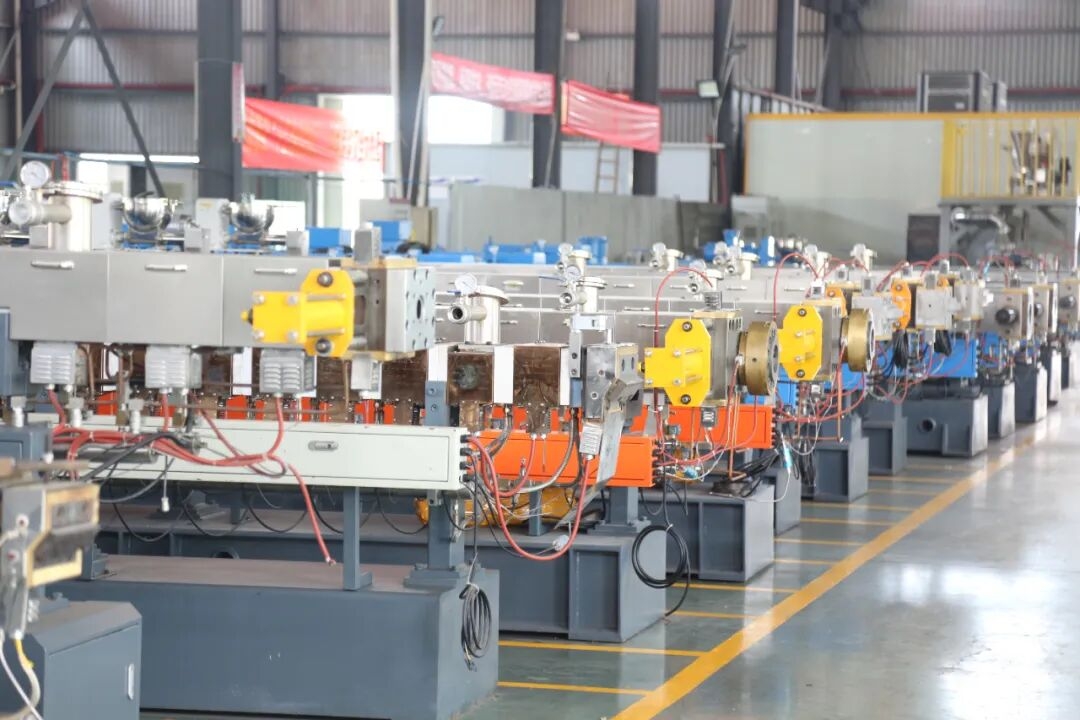
Technology Trends Shaping the Next Generation of Color Masterbatch Granulating Machines
The technological evolution of the color masterbatch granulating machine is accelerating, driven by Industry 4.0 adoption and sustainability imperatives. Understanding these trends is essential for B2B buyers making capital investment decisions in.
Twin-screw extruder-based granulating systems remain the dominant platform, but the latest generation incorporates several significant advances. Te taipana teitei, direct-drive motor systems from manufacturers like Siemens and ABB have replaced traditional gearbox-coupled drives in premium machines, tuku 15-20% energy savings and reducing maintenance requirements. For a color masterbatch granulating machine supplier positioning products in the energy-conscious European market, these efficiency gains are a primary selling point, particularly as EU energy costs remain elevated relative to historical norms. Nga Kaihanga Kaihanga Kaihanga Maahanga Maahanga Whakarara
Digitalization is transforming machine operation and maintenance. Leading manufacturers now offer granulating machines equipped with comprehensive sensor arrays that monitor melt temperature, pehanga, screw torque, and pellet geometry in real time. This data feeds into cloud-based analytics platforms that enable predictive maintenance — te whakatupato i nga kaiwhakahaere ki nga take pea i mua i te wa e paheke ai. Ko te VDMA (Huihuinga Ahumahi Hangarau Miihini Tiamana) e whakaaro ana ka taea e te tiaki matapae te whakaiti i te wa hekenga kore i whakamaheretia e 30-50% i roto i nga mahi tukatuka kirihou, he whakaaro uara kaha mo nga kaihoko B2B e arotake ana i te utu katoa o te mana rangatira.
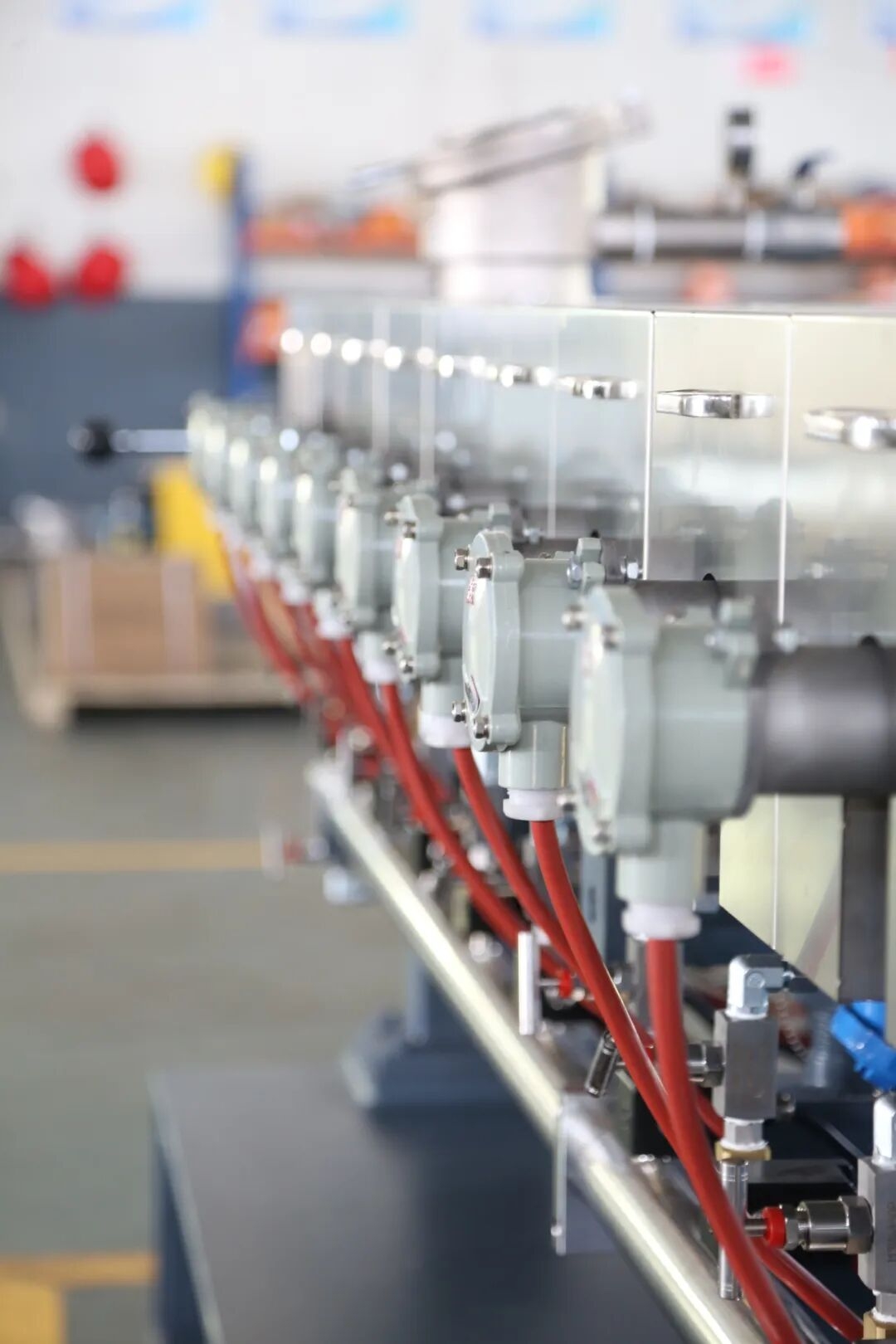
Ko nga punaha pelletizing i raro i te wai kei te whai waahi ki te maakete mo te pelletizing whenu tuku iho mo nga tono masterbatch tae, he nui ake te ahua o te pelleti rite, teitei ake nga reeti whakaputa, me te pai ake mo nga hanganga ngohengohe, piri ranei. Ko tenei nekehanga kei te hanga whai waahi mo nga wheketere miihini whakaraerae karaehe karaehe motuhake kua whakangao ki te hangarau pelletizing i raro i te wai., i te wa e whakawero ana i nga kaihanga e aro tonu ana ki nga punaha tapahi whenu.
Nga Rautaki Raraunga Raraunga mo nga Miihini Miihini Maamaa Tae
For B2B buyers pursuing color masterbatch granulating machine wholesale procurement, several strategies can optimize cost, kounga, and delivery outcomes.
Trade shows remain a critical sourcing channel. Ko te K Trade Fair i Düsseldorf (putanga o muri: Oketopa ) is the world's premier plastics industry exhibition, kukume atu 3,000 exhibitors from the entire plastics value chain. Mo nga kaihoko miihini, K provides unparalleled opportunity to compare granulating machine technologies side by side, negotiate directly with factory representatives, and witness live demonstrations. In the U.S., INGOA (Te Whakaaturanga Kirihou), organized by the Plastics Industry Association, serves a similar function, with the next major edition scheduled for 2027 but regional events occurring annually.
Online B2B platforms have matured significantly for industrial machinery procurement. While platforms like Alibaba and Made-in-China dominate for Asian-sourced equipment, European manufacturers increasingly list on Europages and sector-specific platforms. Heoi ano, for high-value capital equipment like granulating machines, most serious B2B transactions still originate from direct manufacturer engagement, with online platforms serving primarily as discovery tools rather than transaction platforms.
When evaluating a color masterbatch granulating machine factory for wholesale partnership, B2B buyers should prioritize several criteria beyond price: production capacity and lead time reliability, tiwhikete whakahaere kounga (ISO 9001 as a minimum, me ISO 14001 for environmental management increasingly expected), reference installations in comparable applications, and the depth of technical documentation provided (including spare parts catalogs, maintenance schedules, and process parameter guidelines for common masterbatch formulations).
Forecasting Trade Trends for the Next 1-2 Marama (Hune-Hurae )
Looking ahead to the immediate near-term, several factors will shape the B2B trade environment for color masterbatch granulating machines and related plastics processing equipment.
Tuatahi, te U.S. Federal Reserve's interest rate trajectory will influence capital equipment purchasing decisions. No Mei, market expectations point toward a potential rate hold or modest cut in the June-July timeframe, which would support continued capital investment in manufacturing equipment. Lower borrowing costs directly benefit B2B buyers financing granulating machine purchases through equipment loans or leases.
Tuarua, the European Central Bank (ECB) has signaled a continuation of its gradual easing cycle, which is expected to weaken the euro modestly against the dollar. Mo U.S. buyers sourcing European-made color masterbatch granulating machines, a weaker euro translates to improved purchasing power — potentially making European equipment 2-4% more cost-competitive on a dollar-denominated basis compared to Q1 pricing.
Tuatoru, the summer period typically sees a seasonal uptick in machinery orders as manufacturers prepare for Q4 production ramps. Masterbatch producers serving the packaging sector — particularly those supplying holiday season consumer goods packaging — typically place equipment orders in June-July to ensure installation and commissioning by September-October. This seasonal pattern creates a window of heightened demand for color masterbatch granulating machine wholesale suppliers.
Tuawha, geopolitical developments bear monitoring. Any escalation in trade tensions — whether related to digital services taxation, agricultural subsidies, or the ongoing Boeing-Airbus dispute — could spill over into industrial machinery tariffs. While this remains a low-probability scenario in the immediate term, prudent B2B buyers may consider accelerating planned purchases to lock in current tariff rates.
Tuarima, sustainability reporting requirements are tightening. The EU's Corporate Sustainability Reporting Directive (CSRD), which is expanding its scope throughout, requires companies to report on the environmental impact of their capital equipment purchases. This is driving demand for granulating machines with documented energy efficiency ratings, recyclability assessments, and supply chain transparency — attributes that favor established European manufacturers with mature sustainability reporting practices.
The net outlook for June-July is cautiously positive for trade in plastics processing machinery. Demand fundamentals remain solid, financing conditions are supportive, and the seasonal order cycle favors near-term activity. The primary risk factors — tariff uncertainty and currency volatility — are manageable for buyers who structure contracts with appropriate hedging mechanisms.
Te Mahi Nui o te Haumaru i roto i nga Taputapu Ahumahi B2B: Te Tiaki i nga Kaimahi i te Papa wheketere
While the commercial and technical aspects of color masterbatch granulating machine procurement dominate B2B discussions, workplace safety deserves equal attention — and this extends beyond machine guarding to the personal protective equipment (PPE) worn by operators and maintenance personnel. In plastics processing environments, foot protection is a particularly critical yet often underappreciated safety requirement.
Color masterbatch granulating operations involve significant hazards to workers' waewae. Nga waahanga miihini taumaha — pereti mate, huānga tīwiri, nga waahanga oko — paunatia auau 20-100 kg and are handled during maintenance and changeover procedures. Ka maringi te waiwaro whakarewa, while infrequent in well-maintained operations, present burn risks. The granulating environment also involves exposure to chemical additives, slippery pellet-covered floors, and the ever-present risk of crush injuries from moving machine parts.
Te Whakahaere Haumaru me te Hauora Mahi (OSHA) in the United States mandates foot protection under 29 CFR 1910.136 for workplaces where foot injuries from falling or rolling objects, nga mea e werohia ana te kapu, or electrical hazards are present. Plastics processing facilities, including those operating color masterbatch granulating machines, fall squarely within this requirement. I roto i te EU, te Ture Taputapu Tiaki Whaiaro (EU) 2016/425 establishes equivalent requirements, with safety footwear classified under Category II (intermediate risk) or Category III (high risk) depending on the specific hazard assessment.
B2B hu haumaru — commonly referred to as safety shoes or safety toe boots — has evolved significantly from the heavy, uncomfortable steel-toe boots of previous decades. Modern safety footwear for industrial environments incorporates several key protective features:
Toe protection remains the primary function. Safety shoes meeting ASTM F2413 (U.S. paerewa) EN ISO ranei 20345 (US paerewa) must withstand impact forces of 200 joules and compression forces of 15 kilonewtons. This level of protection can prevent catastrophic toe injuries from dropped machine components — a real and documented risk in granulating machine maintenance operations. The choice between steel, konumohe, and composite toe caps involves trade-offs: steel offers the highest strength-to-thickness ratio, aluminum provides lighter weight with adequate protection, and composite (typically fiberglass or carbon fiber) eliminates metal detector triggers — relevant for food-grade masterbatch production facilities. Underwater Pelletizing Manufacturer
Slip resistance is critical in masterbatch production environments where pellet spillage creates treacherous floor conditions. Safety shoes rated SRC under EN ISO 20345 provide slip resistance on both ceramic tile with sodium lauryl sulfate solution and steel with glycerol — conditions that approximate the slippery surfaces found in granulating operations. Ko te U.S. Te Tari Tauanga Reipa reports that slips, nga haerenga, and falls account for approximately 27% of all nonfatal workplace injuries in manufacturing, making slip-resistant footwear one of the most cost-effective safety investments a masterbatch producer can make.
Heat resistance is another essential attribute. Workers operating near the extruder die head and pelletizing section of a color masterbatch granulating machine are exposed to ambient temperatures that can exceed 60°C at floor level. Safety shoes with HRO (te wera-atete o waho) ratings can withstand brief contact with surfaces up to 300°C, protecting against burns from hot pellets, ngongo waiwaro whakarewa, or contact with heated machine surfaces during maintenance.
Chemical resistance matters in masterbatch production because the formulation process involves pigments, kaikawe, dispersants, and processing aids — some of which are corrosive or can degrade standard shoe materials. Safety footwear with polyurethane (PU) or nitrile rubber outsoles provides superior resistance to the chemicals commonly encountered in color masterbatch operations.
Anti-static and electrostatic dissipative (ESD) properties are increasingly specified for safety footwear in plastics processing. The granulating process generates significant static electricity, and in environments where flammable dust or solvents may be present, static discharge from footwear can create ignition risks. Hui hu haumaru EN ISO 20345 category "A" (anti-pateko) maintain electrical resistance between 100 kilohms and 1,000 megohms, safely dissipating static buildup.
For B2B procurement managers at masterbatch production facilities, the business case for investing in high-quality safety footwear extends beyond regulatory compliance. E ai ki te Kaunihera Haumaru Motu ko te utu toharite mo te whara waewae i te waahi mahi i te U.S. nui atu i te USD 9,000 i nga utu tika (maimoatanga hauora, kaimahi' utunga) me te nui ake i roto i nga utu autaki (ngaro hua, mahi whakakapi, taumahatanga whakahaere). Ko te utu takirua o nga hu haumaru he utu USD 80-200 — a fraction of a single injury's cost. Ina whakareatia puta noa i te kaimahi e whakahaere ana i nga miihini whakakikorua tae maha, he kaha te hokinga mai o te haumi i roto i te tiaki waewae tika.
Ko nga kaihanga huu haumaru Pakeha kei mua i te whakakotahi i te whakamarumaru me te whakamarie me te hoahoa ergonomic. Ko nga waitohu i ahu mai i Itari, Tiamana, me Scandinavia i timata nga potae maihao hiato mama, pūngao-ngoi o midsoles, me nga rauemi o runga hau e whakatenatena ana i nga mahi a nga kaimahi — na te mea ko te hu tino haumaru o te ao karekau he whakamarumaru ki te kore nga kaimahi e mau ki te kakahu na te mea he pouri. For B2B buyers sourcing safety footwear alongside color masterbatch granulating machines, European suppliers offer the advantage of products already certified to EN ISO 20345, simplifying procurement for facilities operating under EU jurisdiction or for multinational companies seeking standardized PPE across global operations.
Selecting the Right Color Masterbatch Granulating Machine Manufacturer: A Buyer's Framework
With the market context established, B2B buyers need a structured approach to evaluating and selecting a color masterbatch granulating machine manufacturer. The following framework addresses the key decision criteria:
Technical capability assessment should begin with the machine's core specifications: diameter tīwiri (typically 35-135mm for color masterbatch applications), L/D ōwehenga (32:1 ki 48:1 for most formulations), specific torque, and maximum throughput. But beyond specifications, buyers should evaluate the manufacturer's application engineering depth — their ability to recommend optimal screw configurations, tawhā tukatuka, and downstream equipment for specific masterbatch formulations. A manufacturer that simply sells hardware is less valuable than one that delivers process solutions.
Manufacturing quality systems provide objective differentiation. Beyond ISO 9001 tiwhikete, look for manufacturers that employ statistical process control (SPC) in critical machining operations, maintain full material traceability for wear components, and conduct factory acceptance testing (NGAKO) under conditions that simulate the buyer's actual production requirements.
Te utu katoa o te mana pupuri (TCO) analysis should extend beyond purchase price to include energy consumption (kWh per kg of masterbatch produced), wear parts replacement frequency and cost, planned maintenance requirements, and expected machine lifetime. A color masterbatch granulating machine priced 15-20% above a competitor may deliver lower TCO over a 10-15 year operating life through superior energy efficiency and longer wear part intervals.
References and installed base matter enormously. Request reference contacts from the manufacturer — specifically from customers producing similar masterbatch formulations at comparable volumes. A color masterbatch granulating machine factory with hundreds of installations in color masterbatch applications brings validated process knowledge that a general-purpose machinery manufacturer cannot match.
Sustainability and Circular Economy Implications for Granulating Equipment
The circular economy transition is reshaping requirements for color masterbatch granulating machines in ways that create both challenges and opportunities for B2B trade.
The increasing use of post-consumer recycled (PCR) polymers as carrier resins in masterbatch formulations places new demands on granulating equipment. PCR materials are inherently more variable in melt viscosity, taumata poke, a