

Мо тыгай кок винтан экструдер завод? Производитель-влаклан тичмаш B2B ручка, Поставщик-влак, да опта налше-влак
Кок винтан экструдер завод — тиде специализироватлыме промышленный производствын заводшо, тудо, инженер-влак, чумыра, да пластика дене ыштыме кок винтан экструзионный системым терга, кочкышым перерабатыватлымаш, фармацевтика, да химий промышленность. Тӱнямбал пазарла гыч налме B2B налше-влаклан — поснак торгайыме коридор мучко — тиде завод-влакын мом ыштен лукмыштым умылаш, кузе нуно пашам ыштат, да ӱшанле кок винтан экструдерым ыштен лукшо деч ӱшанле огыл деч мо ойыртемалтеш, тудо налме шотышто чын пунчалым лукмаште кӱлешан. Тиде ручка ландшафтым тичмашнек авалта: завод паша, поставщик аклымаш, опта налме стратегий-влак, торгайыме политикын влиянийже, да ончыкылык пазарыште тенденций-влак да умбакыже.
Кок винтан экструдерым умылаш: Тӱҥ технологий да промышленный кучылтмаш
Кок винтан экструдер — тиде кок ушнымашым кучылтшо машина, пырля пӧрдшӧ але ваштареш пӧрдшӧ винтан, кудым ствол кӧргыштӧ вераҥдыме, аралаш манын, ушымо, левыктен, да формо сырье. Ик винтан экструдер деч ойыртемалтше, кок винтан системе-влак ӱлнӧ мешаяш пайдалыкым темлат, раш температур контроль, да кумдарак материалым обрабатыватлыме йӧн — термопластик ден каучук гыч тӱҥалын, кочкыш вещества да фармацевтика гранул марте.
Экструдироватлыме кочкыш Тӱҥ ужаш-влак кок винт дене ыштыме Кок винтан экструдер ак завод экструдер заводыш пуртымо: Неле пашалан коммерческий миксер
- Винт элемент-влак (блок-влакым ӱштылаш, шупшыктышо элемент-влак, мешаяш элемент-влак)
- Бочка-влак (сегментированный але монолитный, шокшо/йӱштӧ канал дене)
- Редуктор ден привод системе-влак
- Кочкыш системе-влак (гравиметрический да объемный кормушко-влак)
- Штамп вуй да йымалне оборудованийым
- Управлений системе да автоматизаций панель-влак
Кок винтан экструдер-влак пластика компаундингыште кучылталтыт (самый большой сегмент самый большой сегмент), мастер-пакет производствым, полимер перерабатыватлымаш, кочкышым ыштен лукмаш, вольык кочкышым ыштен лукмаш, фармацевтика шокшо шӧртньӧ экструзий, да ончыл материалым обрабатыватлыше, нунын коклаште углерод волокно композит да батарейышке электрод материал. Данный почеш Гранд Вью шымлымаш, тӱнямбал кок винтан экструдер пазарыште иктаж долларлан акленыт 1.2 ийыште 10 миллиард 2024 да CAGR дене кушкаш тӱҥалеш 5.2% аркылуу 2030.

Промышленный производствын кӧргыштыжӧ неле машина да производствын линийже-влак улыт, нуно кок винтан экструдерым ончыктат
Двойной винтан экструдер завод мастерской але монтаж цех деч мо дене ойыртемалтеш
Кок винтан экструдерым ужалыше кажне компаний чын заводым ок ыште. B2B налше-влаклан ойыртем моткоч кӱлешан. Чын кок винтан экструдер завод уло:
- Металлургий да обрабатыватлымаш пӧрт кӧргыштӧ: ЧПУ дене обрабатыватлыме рӱдер-влак, кумда лончым буритлыме оборудований, да ӱзгар полат гыч винтан элемент ден бочка-влакым ыштыме годым шокшо дене обрабатыватлыме пече-влак, вольфрам карбид, але специализироватлыме сплав-влак.
- Инженерий да R&D пӧлка-влак: Винт конфигурацийым ыштыше ойырен налме команде-влак, моделироватлымаш программе пашам ышташ (тыгай, кузе Ludovic але PolyXtrue), да ойыртемалтше материалым обрабатыватлыме задачым решатлыме шотышто шкешотан пунчалым ямдылаш.
- Монтаж да тергымаш линий-влак: Управляемый среда, кушто тичмаш экструдер системым чумырат, келыштарыме, да колтымо деч ончыч паша лектышым тергыме тергымашым эртараш.
- Качествым виктарыме системе-влак: ISO 9001 сертификаций минимум, шуко завод дене тыгак CE палемдыме кертмыжым кучен, да машина нерген директивым шуктымо, мутлан, ЕС-ын машина нерген правилже 2023/1230 (ончычсо 2006/42/EC директивым вашталтен, январь гыч вийыш пура 2027).
Сборочный цех але торгайыме компаний, вашталтыш дене таҥастарымаште, икмыняр субпоставщик деч компонент-влакым налеш, нуным шотдымо качестве тергымаш дене чумыра, да чӱчкыдынак шке ыштыме конфигураций-влакым але ужалыме деч варасе технический обслуживанийым поддержатлаш инженер келгыт уке. Аклыме годым кок винтан экструдер поставщик, заводын кертмыжым тергымаш — икымше ошкыл.
Тӱнямбал пейзаж: Кушто кок винтан экструдер завод-влак верланеныт
Кок винтан экструдерым ыштен лукмаш икмыняр тӱҥ регионышто чумырген:
Европо: Германий кок винтан экструдер инновацийын историй рӱдерже семын кодеш. Coperion гай компаний-влак (Штутгарт), КрауссМаффей (Мюнхен), да Лейстриц (Нюрнберг) лу ий инженер наследий дене кугу завод-влакым виктараш. Италийыште тыгак виян кластер уло, поснак Брешиа-Бергамо коридорышто. Европысо завод-влак раш инженерий дене палыме улыт, ончыл металлургий, да премиум ак.
Китай: China has emerged as the world's largest producer of twin screw extruders by volume. Нанкиныште кугу производствын кластерже-влак улыт (Цзянсу провинций), кудо шкетын оза-влак ӱмбалне 40 кок винтан экструдер завод-влак, тыгак Чжанцзяганыште, Куншан, да Гуандун провинций. Китайысе завод-влак европысо стандарт дене таҥастараш лийме оборудованийым ыштен лукшо кӱкшӧ кӱкшытан производитель-влак деч тӱҥалын, аклан шотлымо пазарлашке виктаралтше бюджетлан ориентироватлыме операций-влаклан. почеш Китай таможньо данный, пластика обрабатыватлыше машинам экспортироватлымаш (HS код 8477) долларым эртен 3.8 ийыште 10 миллиард 2024.
США: США-ште двойной винтан экструдер завод-влак шагалрак улыт, но тӱнямбал модшо-влак деч кугу операцийым эртарат (Coperion's manufacturing and service center in New Jersey, Мут) да специализироватлыме отечественный производитель-влак. США пазарыште тӱҥ шотышто импортер да мучаш пайдаланыше пазарыште.
Японий да Йӱдвел Корей: Japan's JSW (Японийысе полат завод) да Шибаура машина (ончычсо Тошиба машина) премиум-производитель улыт. Йӱдвел Корейыште кушкын толшо куат уло, поснак кочкыш да фармацевтика экструзионный оборудованийлан.
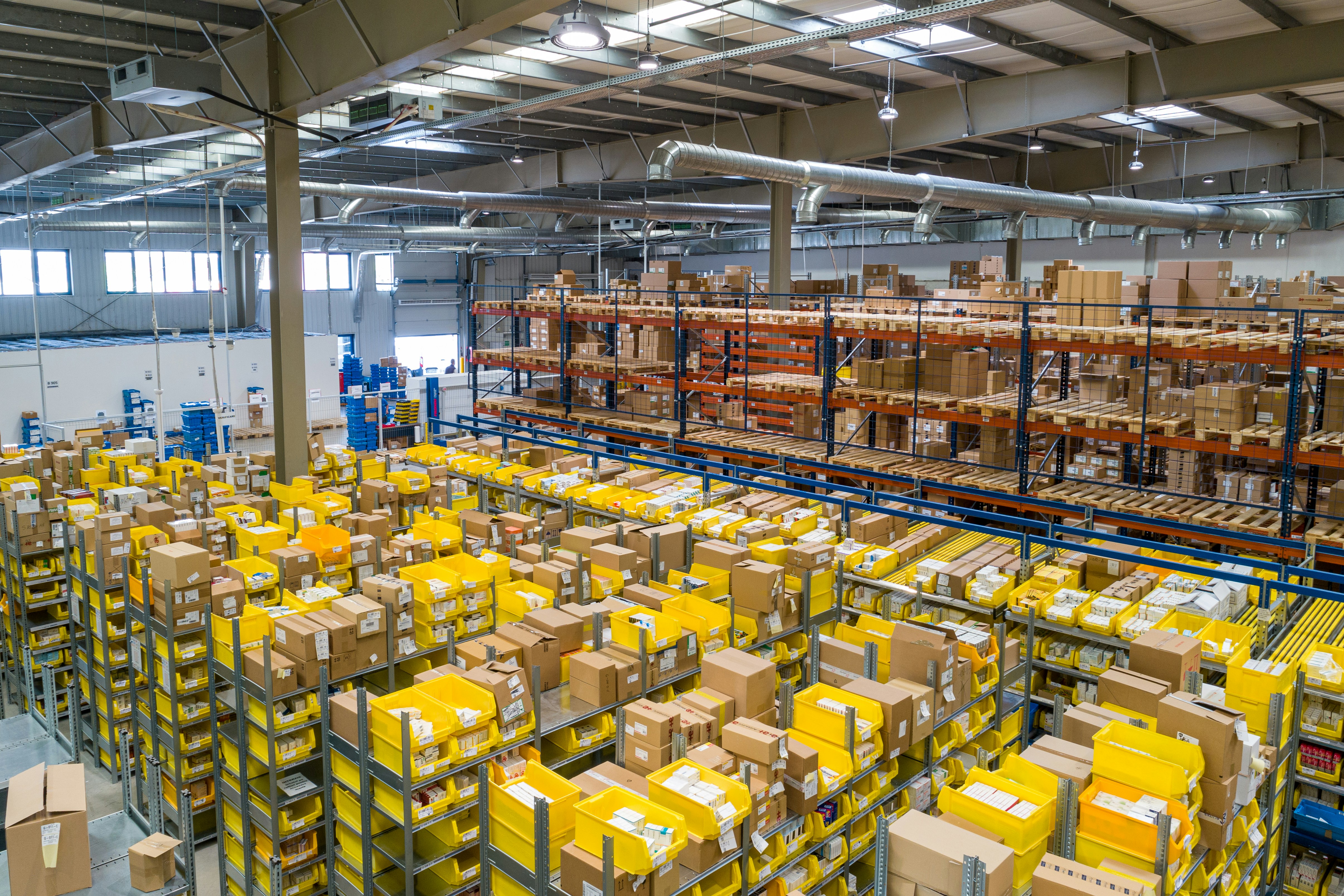
Тӱнямбал судоходный порт дене контейнер судно да кран-влак тӱнямбал B2B торгайыме логистике промышленный машинам ыштыше-влаклан ончыктышо
Торгайыме политике да тудын кок винтан экструдер налме верлан влиянийже
Торгайыме коридорышто пашам ыштыше B2B налше-влаклан, кызытсе торгайыме политикым умылаш роскотым планироватлыме да поставщик-влакын стратегийыштлан кӱлешан.
Трансатлантический торгайыме да технологий совет (ТТК), ийыште ыштыме 2021, промышленный сотрудничествым ышташ умбакыже шуен. ТТК тариф-влакым тура огеш шынде гынат, тудын пашаче группыжо-влак поставщик-влакын пеҥгыдылыкышт да технологий стандарт-влак промышленный машина-влакын кузе лиймыштлан влиянийым ыштат — экструзионный оборудованийым пуртымо — кок пазар коклаште кусна. Кокла марте, тӱҥ политике фактор-влак тыгай улыт:
Винт экструдер машина завод Тариф среда: ЕС-ыште ыштыме промышленный машина-влаклан стандарт США-се тариф-влак (HTS глава 84) коклаште ставкыште кодеш 0% жана 3.5% эн кок винтан экструдер компонент-влаклан. ЕС США-ште лекше машина-влаклан тыгаяк ставкым кучылтеш. Бирок, кумда тариф среда вашталтшан лийын. США-н ужашыже 232 полат да алюминий тариф-влак (25% жана 10% соответственно), тӱҥ шотышто сырьёлан ойырен налме годым, специализироватлыме полат-влакым налше экструдер завод-влаклан роскотым кугемденыт. The EU's Carbon Border Adjustment Mechanism (CBAM), октябрьыште шке кусарыме этапышкыже пурен 2023 да тичмаш илышыш шыҥдарымаш деке кусна 2026, пуртымо сатум пуртымо углеродлан отчет йодмашым ешара, пер Европысо комиссийын CBAM документацийже.
Поставщик-влакын цепочкышт вашталтеш: США-се инфляцийым иземдыме нерген закон (ИРА) and the EU's Green Deal Industrial Plan have both created incentives for domestic manufacturing of clean energy technologies. Кок винтан экструдер-влак батарейышке электрод-влакым ыштен лукмаште кӱлешан оборудований улыт, биопластик-влакым ушымаш, да полимер перерабатыватлымаш — чыла сектор кугу политике полышым налын. Тиде Атлантикын кок могырыштыжо экструзионный оборудованийлан йодмашым кугемдаш амалым ыштен, гыч увертарыме почеш Тӱнямбал торгайыме администраций (ITA).
Стандарт да келшымаш: The EU's new Machinery Regulation (2023/1230) январь гыч тӱҥалын, ЕС-ын пазарышкыже вераҥдыме машина-влаклан келшымашым аклыме уэмдыме процедурым йодеш 20, 2027. Европыш экспортироватлыше кок винтан экструдер завод-влак тыгай вашталтышлан ямдылалтшаш улыт. США-се налше-влак, европысо оборудованийым кондышо-влак, тӱҥ шотышто, кӱкшӧ келшымаш стандарт деч пайдам налыт, но CE документацийым тӱткын тергышаш улыт.
B2B налше семын кок винтан экструдер заводым кузе аклаш
Огайо штатыште пластика компаундёр улыда мо, Нидерландысе кочкыш производитель, але Йӱдвел Азийыште клиент-влаклан кычалше торгайыме компаний, кок винтан экструдер заводым аклымаш системе йӧным йодеш:
1. Производствын куатшым тергымаш
Заводыш экскурсийым йодса (виртуальный але шке). Винт элемент ден ствол-влакым шке кӧргыштӧ ЧПУ дене обрабатыватлыме пашам кычалза, шокшо обрабатыватлыше сооружений-влак, да лӱмын ыштыме погынымаш кумдык. Чыла обрабатыватлыме пашам аутсорсинг дене пуышо завод, тӱҥ шотышто, склад дене торгайыме компаний.
2. Инженерный келгытшым аклаш
Винт конструкций кертме нерген йодыт. Завод тендан ойыртемалтше материалым да процессым шке ыштыме винтан конфигураций-влакым пуэн кертеш мо? Нуно моделироватлымаш ӱзгарым кучылтыт мо? Нуно шке тергымаш лабораторийышт гыч процесс тергымаш данныйым пуэн кертыт мо? Чын кок винтан экструдерым ыштен лукшо тендан йодмашдам лончылен кертше технический команде лиеш.
3. Качестве сертификатым тергымаш
ISO 9001 базовый линий. ЕС-ын пазарлаштыже, CE палемдымаш обязательный. Кочкыш дене кылдалтше приложенийлан, FDA келшымашым але ЕС-ын правилжым кычалза (ЭК) Жок 1935/2004 йодеш келше. Фармацевтике пашалан, GMP-келшыше дизайн кӱлешан.
4. Сату деч вара полышым ончалза
Кок винтан экструдер-влак — кужу ӱмыран капитал оборудований. Запчасть-влакын улмышт, технический полыш вашмут жап, да тендан регионышто инженер-влакын улмышт кӱлешан фактор-влак улыт. Европысо завод-влакын мӧҥгешла, ЕС-ыште да Кечывалвел Америкыште виян сервис сетьышт уло. Китайысе завод-влак шке йот эллаште обслуживатлыме йӧныштым писын кумдаҥденыт, икмыняр ынде Германийыште запчасть складым куча, Нидерланды, да США.
5. Сравоч-влакым йодаш
Тендан отрасльыште да регионышто клиент-влакын справкыштым йодса. Завод, кудо пуэн ок керт Кок винтан экструдер машинам ыштен лукшо тендан ойыртемалтше приложений типлан эҥертыш-влак деке шекланен лийман. Пластик экструдер поставщик

Инженер, заводышто промышленный машинам тергыше, кок винтан экструдерым ыштен лукмо годым качествым тергымашым ончыктышо
Кок винтан экструдер заводышто опта: Оптовый налше-влаклан мом палаш кӱлеш
Двойной винтан экструдер-влакым опта дене налмаш — икмыняр единице налме але кышкарыште соглашенийым ыштыме — кугу составной тӱшка коклаште шарлен, EPC подрядчик-влак под ключ завод-влаклан, да региональный пазарыште обслуживатлыше торгайыме компаний-влак. Оптовый динамике ик единице дене налме деч ятырлан ойыртемалтеш:
Ак структур: Том скидке-влак 8-15% заказ-влаклан тыглай улыт 3+ единице-влак. Рамке соглашений-влак 12-24 тылзе жапыште пуымо ешартыш экономийым пуэн кертеш 3-5%. Бирок, эн кӱлешан роскот рычаг чӱчкыдын стандартизаций — agreeing on a common platform configuration reduces the factory's engineering and production costs, да тиде экономий гоч эрташ лиеш.
Вӱдымӧ жап: Кок винтан экструдер-влакын стандарт жапышт 12-20 арня китай завод-влаклан 16-30 Европысо завод-влаклан 25 арня (2-шо кварталлан ). Опта Тӱс Masterbatch машина завод налше-влак приоритетный производствын слотшо-влакым кутырен келшен кертыт, но налме цикл-влакым планироватлаш кӱлеш 6-9 тылзе ончылно, поснак келыштарыме конфигурацийлан.
Логистике да торгайыме условий: Торгайыме верч, эн шуко сделкым Incoterms-ым кучылтыт 2020 Келшык. FOB але CIF океан грузым колтымо годым шарленыт. Кок винтан экструдер-влакым мӧҥгешла, пу лончышто ISPM-15 дене келшыше упаковкышто колтат. Стандарт лабораторий масштабан кок винтан экструдер (мутлан, 20мм винт диаметрже) нелыт лийын кертеш 500-800 кг; производственный масштабан машина (мутлан, 135мм винт диаметрже) нелытше лийын кертеш 15,000-25,000 кг, неле нӧлталтше специализироватлыме логистикым йодеш.
Тӱлымӧ условий: Отрасль стандарт 30% заказым пеҥгыдемдыме дене ончылгоч тӱлымӧ, 60% колтымо деч ончыч (тергымаш ваштареш), жана 10% пашаш колтымо деч вара. Аккредитив-влак (L/C) икымше гана ыштыме сделкылан тыглай улыт, поснак трансграничный торгайыме годым. Пеҥгыдемдыме кыл-влак шотышто условийым почаш куснен кертыт 60-90 кече тӱлымӧ окна.
B2B торгайыме йӧн да экструзионный оборудований пазарыште нелылык
Коридорышто кок винтан экструдер дене торгайыме ойыртемалтше йӧным да нелылыкым ончыктат:
Йӧн
- Ӱшанлелык дене кылдалтше йодмаш: США ден ЕС коктынат полимер перерабатыватлыме инфраструктурыш кугу инвестицийым ыштат. Механике перерабатыватлыме линий-влаклан угыч чумыраш кок винтан экструдер кӱлеш. Химический перерабатыватлымаш (пиролиз нефтьым уэмдымаш) тыгак экструзионный технологийым кучылтеш. The EU's Packaging and Packaging Waste Regulation (PPWR), ийыште приниматлыме 2024, перерабатыватлыме контент цель-влакым йодеш, тудо оборудованийым инвестицийым виктарен 2030, кузе документировать Европысо комиссий DG йырым-йырысе среда.
- Аккумулятор материалым обрабатыватлымаш: Кок винтан экструдер-влакым литий-ионный батарейышке курго электродым ыштен лукмаште кучылтыт. США-ште гигафабрикым чоҥымо паша писынрак кая (ИРА-н кумылаҥдыше йӧнжӧ дене виктаралтын) а мый (Европысо батарейышке альянс), специализироватлыме экструзионный оборудованийлан йодмаш писын кушкын толеш.
- Кочкышым да кормам перерабатыватлымаш: Кушкыл негызеш ыштыме белокым лукмаш (кӱкшӧ вӱдыжгӧ шыл аналог-влак) кушмаш сегмент. Европысо кочкыш технологий компаний-влак тиде областьыште ончылно улыт, да США-се кочкыш сатум ыштен лукшо-влак тиде приложенийлан европысо кок винтан экструзионный технологийым утларак да утларак кычалыт.
Нелылык-влак
- Валюта волатильность: EUR/USD вашталтыш-влак налме роскотлан тура эҥгекым ыштат. Евро иктаж диапазонышто торгайыме лийын 1.03-1.15 эртыше жапыште доллар ваштареш 18 тылзе, атлантике гоч налме сатум бюджетироватлыме неопределенностьым ыштымаш.
- Регуляторный ойыртем: ТТК-н координаций тыршымыж деч посна, США ден ЕС-ын машина лӱдыкшыдымылык стандартше-влак тичмашнек келшен огытыл. ЕС пазарлан ыштыме оборудованийлан США-се электричестве код-влаклан вашталтышым пурташ кӱлеш лийын кертеш (NEC/NFPA 79 vs. IEC 60204-1), да мӧҥгешла.
- Интеллектуал собственность шотышто тургыжланымаш: Южо B2B налше-влак, поснак нуно, кудым изирак ак дене ыштыме заводла гыч налыт, шкешотан винтан конструкций да процесс конфигурацийлан IP-аралтыш йыр лӱдыкшӧ дене тӱкна. Пеҥгыде NDA-влак да раш IP-собственность нерген положений-влак поставщик-влакын договорыштышт кӱлешан улыт.
- Геополитический неопределенность: Кызытсе торгайыме напряжений, у тариф действий-влак, да вашталтыме альянс структур-влак планироватлымаш неопределенностьым ыштат. Лийшаш Тӱнямбал торгайыме организаций (ВТО) тӱнямбал торгайыме образецлаште шеледымаш кугеммым палемден, кудыжо капитал оборудованийым налме стратегийлан эҥгекым ышта.

Бизнес-профессионал-влак кызытсе офисыште торгайыме документ ден договорым ончат, B2B налме нерген мутланымашым ончыктат
Географий да политике йӧн-влак: Кузе коридор B2B экструзионный оборудованийым торгайыме йӧным пуа
Торгайыме кыл, периодике трения гынат, remains the world's largest bilateral commercial relationship. Двухвинтан экструдер торгайыме лӱмын, икмыняр структурный ойыртемже B2B коммерцийым куштылемдаш полша:
Логистике инфраструктурым ыштыме: Роттердам гай кугу порт-влак, Гамбург, Антверпен-Брюгге (Европо) да Ньюарк, Хьюстон, Лонг-Бич (УАШ) неле машинам сайын вияҥдыме йӧн уло. Транзит жап 10-18 ЕС ден США-н кугу портшо коклаште океан грузым шупшыктымо кече ӱшанле да икмыняр судоходный линий дене сайын обслуживатлалтеш.
Ваш-ваш палыме кышкар-влак: Машина-влаклан ваш-ваш палыме нерген официальный соглашений огыл гынат, the US and EU have decades of experience with each other's regulatory systems. ЕС-ыште да НРТЛ-лаште увертарыме орган-влак (Эл мучко палыме тергымаш лабораторий-влак) США-ште пазар кокласе йодмашым умылаш, кок пазарыште служитлыше кок винтан экструдер завод-влаклан келшымашым куштылемдымаш.
Финанс инфраструктур: кумда банк кыл деч торгайыме пайда, ямде торгайыме финанс инструмент-влак, да договорым шуктымо шотышто пеҥгыде правовой кышкар-влак. Тӱнямбал торгайыме палатыже (ICC) документальный кредит шотышто правил-влак да ООН-ын тӱнямбал сатум ужалыме шотышто договор нерген конвенцийже (CISG) сайын умылен налме юридический негызым пуаш.
Пластик гыч ыштыме ӱзгарым ыштен лукшо Торгайыме выставкын экосистемыже: Отрасльыште тӱҥ событий-влак налше ден поставщик коклаште кылым ышташ полшат. К ярмиҥга (Дюссельдорф, вес изданий октябрь ), ЛӰМ (Орландо, вес изданий 2027), да Чайнаплас (ий еда) тӱҥ вер-влак улыт, кушто кок винтан экструдер завод-влак шке пытартыш технологийыштым ончыктат. Изирак специализироватлыме мероприятий-влак, мутлан, Compounding World Expo (Эссен, Германий) ойыртемалтше кылым ышташ йӧным пуаш. 2Nd кид дене чоҥымо материал
Тӱнямбал торгайыме выставке залыште промышленный оборудованийым ончыктат да B2B уна-влак экструзионный машина-влакым ончыктат trad
Кок винтан экструдер пазарыште сеҥымаш дене пашам ыштыше компаний-влакын случайышт
Тергымаш, кузе пеҥгыдемдыме компаний-влак ориентироватлаш двойной винтан экструдер пазарыште практический шинчымашым пуа B2B налше да поставщик-влаклан:
Кейс шымлымаш 1: Европысо производитель США-се пазарыште шке вержым кумдаҥда
Коперион, штаб-пачерже Штутгартыште верланен, Германий, operates one of the world's largest twin screw extruder factories. США-се пазарыште нунын стратегийышт атлантике кокласе B2B торгайыме эн сай практикым ончыкта. Германий гыч тыглай экспортироватлыме олмеш, Coperion США-ште кугу оперативный присутствийым ыштен — Сьюэллыште производствым да обслуживатлыме объектым пуртымо, Нью-Джерси, да Питманыште тергымаш лабораторий, Нью-Джерси. Тиде кок верланыме стратегий нунылан европысо инженер качествым темлаш йӧным пуа, США-ште верланыше сервис вашмут жап дене. B2B налше-влаклан, тиде модель верысе сервис партнерын лӱдыкшыдымылыкшым пуа, тудо кумда завод инженерный кертмаш дене пеҥгыдемдалтын. США-се пазарыш нунын лишеммашышт торгайыме савыктышлаште возалтын, ты шотыштак Таче пластика.
Кейс шымлымаш 2: Китайысе завод-влакын касвел пазарыште ӱшанле улмыштым вияҥдымаш
Нанкиныште верланыше кок винтан экструдер завод-влак утларак да утларак США ден ЕС-ын пазарышкышт таргетингым ыштат. Сеҥыше-влак икмыняр тӱҥ областьыш инвестироватленыт: шке машинаштлан CE сертификатым да UL-спискыште улшо электричестве компонент-влакым налын, Европышто запчасть запасым ыштымаш (тыглай Нидерландыште але Германийыште логистике рӱдерын сай улмыжлан кӧра), англичан да немыч йылме дене кутырышо ужалыме инженер-влакым пашаш налмаш, да европысо торгайыме выставкыште эреак участвоватлымаш. Ик палемдыме образец — процесс тергымаш рӱдер-влакым кучылтмаш — икмыняр Нанкин производитель-влак тергымаш лабораторий-влакым ыштеныт, кушто ончыкылык касвел налше-влак налме деч ончыч оборудованийым шке материалыштым ыштен кертыт. Тиде ӱшан ойыртемым кораҥда, кудыжо историйыште китай завод-влакын премиум касвел пазарлаште шыҥдаралтмыштым чактарен.
Кейс шымлымаш 3: США-се компаунд-влак шуко источник гыч налме верым оптимизацийым ыштат
США-се пластика гыч ыштыме кокла кугытан компаний (идалыкаш доход иктаж долларым 200 миллион) тӱҥалтыште отрасльысе конференцийыште шке налме йӧн дене палдареныт. Нуно пашам ыштат 14 кум тӱрлӧ производитель деч налме кок винтан экструдер линий — кок европысо да ик китай. Нунын стратегийышт: Европысо машина-влак эн неле пашаштлан (тыгыде чытымашым да кугу вийым йодшо инженерный пластика-влакым ыштымаш), да китай машина-влак товарный компаундинг линий-влаклан, кушто паша жапым йодмаш шагалрак пеҥгыде да капитал роскот чулымлык кугурак. Нуно собственностьын чумыр акше нерген увертареныт (ТКО) европысо да китай оборудований коклаште ойыртем иктаж гыч иземын 50% вич ий ончыч иктаж 25-30% Таче, тӱҥ шотышто китай коробкам да ствол металлургий качествым саемдыме дене кылдалтын. Тиде шуко источник гыч ыштыме йӧн утларак да утларак шарлен сложный B2B налше-влак коклаште, гыч анализыште палемдыме семын отрасльыште налме йӧн-влак.
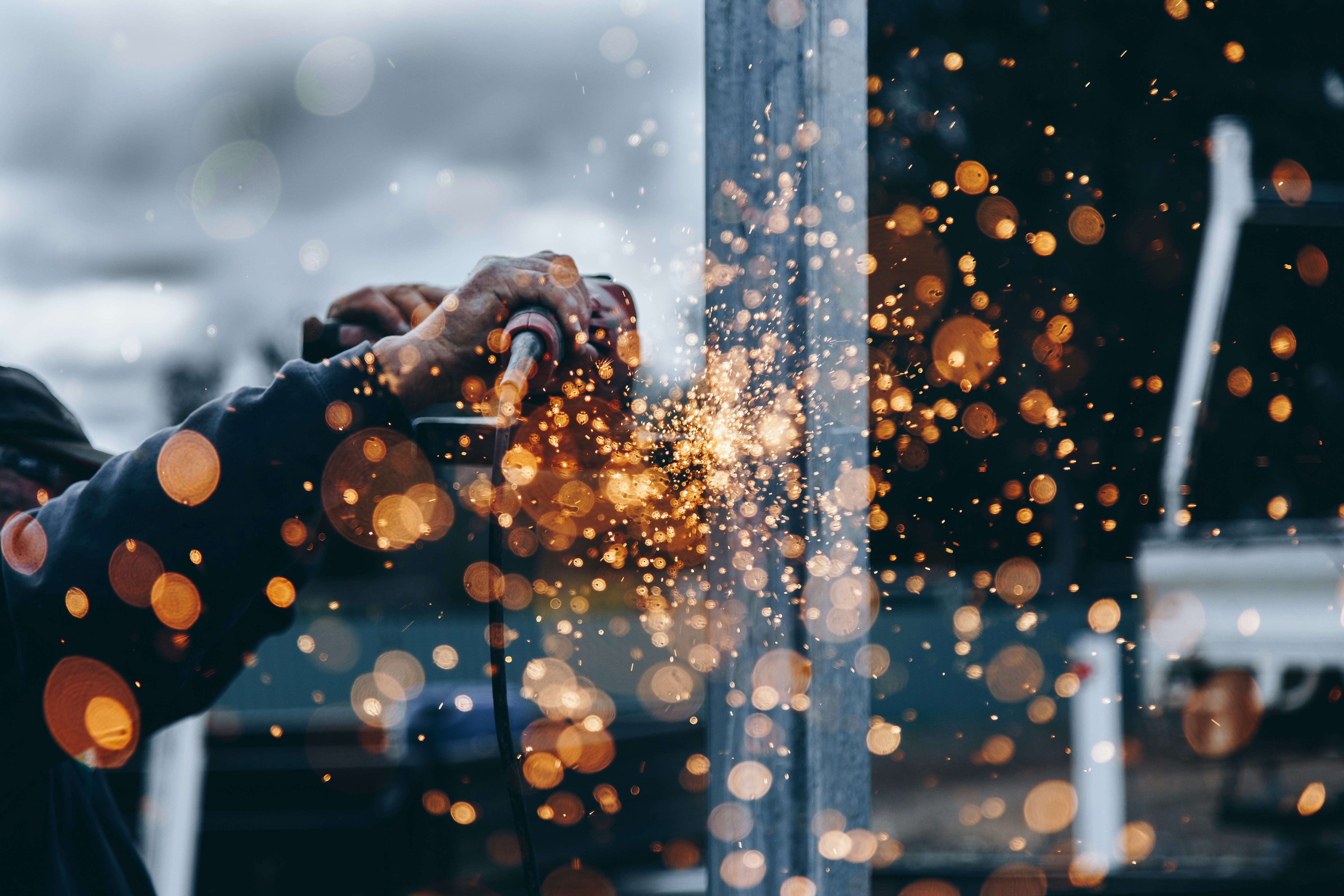
Промышленный пашаеҥ, заводышто неле производствым ыштыше оборудованийым виктарен, кид дене ыштыме кок винтан экструдерым ыштен лукмашым ончыкта
Торгайыме тенденций прогноз: Умбакыже мом вучаш 1-2 Тылзе-влак (июль-август )
Кызытсе пазарыште сигнал-влак негызеш, политике вияҥмаш, да отрасль данный-влак, лишыл жапыште кок винтан экструдер заводын пейзажым ышташ икмыняр тенденций:
Перерабатыватлыме сектор гыч умбакыже виян йодмаш: The EU's PPWR implementation timeline is driving urgent investment in recycling infrastructure. Перерабатыватлыме пашалан кок винтан экструдер заказым вучат Кок винтан экструдер-влакым ыштен лукшо Q3 марте пеҥгыде кодаш. Перерабатыватлыме оборудованийым пеҥгыдемдыме завод-влак (лавыртыме сырье дене пашам ыштен кертше, кугу заполнитель нагрузко, да вашталтшан пуртымо качестве) льготан йодмашым ужеш.
Аккумулятор сектор заказ-влак писынрак: Икмыняр США да Европысо гигафабрике проект-влак чоҥымо гыч оборудованийым налме этапыш куснат. Двойной винтан экструдер завод-влак дене курго электрод обрабатыватлыше керт — нишевый, но писын кушшо сегмент — кугу заказым налмашым ужаш лиеш. Тиде технологий область, кушто япон производитель-влак (JSW, Шибаура) кызыт вӱда, но европысо да китайысе завод-влак конкуренцийыш кугу оксам пыштат.
Китайыште утларак куатан улмылан кӧра ак давлений: Нанкиныште кок винтан экструдер кластер пытартыш кум ийыште производствын куатшым ятырлан кумдаҥден. Южо сегментыште отечественный китай йодмаш лушкыдемме дене (поснак товарный пластика-влакым ушымаш), экспорт ак давленийым кугемдаш йӧн уло. B2B налше-влак июль-август окнаште китай гыч лекше оборудованийлан сай мутланымаш условийым муын кертыт.
Тарифым эскерымаш: США-се торгайыме политикын средаже динамике семын кодеш. B2B налше-влак ужашыште лийше вашталтышым эскерышаш улыт 301 тариф-влак (кызыт тӱҥ шотышто китай сатум таргетинг) да кеч-могай у торгайыме действий, машина импортлан эҥгекым ыштен кертеш. Лийшаш США-н тӱнямбал торгайыме комиссийже (USITC) уэмдыме тариф графикым да торгайыме йӧн нерген информацийым куча.
Ӱшанле документаций йодмашым кугемдаш: США да ЕС налше-влак углерод йолгорно нерген данныйым утларак да утларак йодыт, конфликт минерал деклараций-влак, да оборудованийым поставщик-влак деч ӱшанле улмо нерген отчет-влак. ESG документацийым тичмашын пуэн кертше кок винтан экструдер завод-влак B2B налме процесслаште конкурентный ӱлнӧ лийыт. The EU's Corporate Sustainability Reporting Directive (CSRD) европысо могырышто тиде тенденцийым виктарен шога.
Цифровой близнец да IoT интеграций: Вӱдышӧ кок винтан экструдер завод-влак шке оборудованийышкышт цифровой кок винтан технологийым да IoT-мониторингым пуртат. B2B налше-влаклан, тиде ончыкта, экструдерын пашажым тора гыч эскерен кертме, обслуживатлыме кӱлешлыкым ончылгоч пален налаш, да данный-влакым лончылымаш дене пайдаланен, процесс параметр-влакым оптимизацийым ышташ. Тиде йӧн-влакым темлыше завод-влак премиум акым йодыт, но висыме паша суаплыкым пуат.
Экструзионный заводлаште пашаеҥ-влакын лӱдыкшыдымылыкышт: Производственный леведышыште йол ден йолчиемым аралыме
Кок винтан экструдер завод-влак неле промышленный среда улыт. Машина-влак шкештат тӱжем килограмм нелытан улыт, 300 деч кугурак температур годым материалым обрабатыватлаш°C, да тыгай давлений йымалне пашам ышташ, кудыжо 200+ барак. Заводын леведышыже лӱдыкшыдымылыклан кугу лӱдыкшым ышта — да йолым аралыме — тиде тыгай учрежденийлаште паша верыште лӱдыкшыдымылыкын ик эн кӱлешан, но чӱчкыдынак недооцениваемый аспектше. Экструзионный компаний-влак
Молан экструзионный производствышто йолым аралыме кӱлешан
Кок винтан экструдер заводышто, пашаеҥ-влак кече еда икмыняр йол да йол лӱдыкшӧ дене тӱкнат:
- Неле предмет волен кая: Винт элемент-влак, ствол сегмент-влак, колышо плитке-влак, да редукторын ужашыже-влакым монтаж годым эреак обрабатыватлат, технический обслуживатлыме, да вашталтыш-влак. Ик винтан элемент нелытан лийын кертеш 5-15 кг; бочка ужаш нелытан лийын кертеш 50-200 кг. Нине кокла гыч иктаж-могайжым аралыдыме йол ӱмбаке волтымо дене локтылалтше сусыргымаш лийын кертеш, ломаш-влак, але ампутаций.
- Шокшо материал йоген лектеш: Шӧртньӧ полимер 200-350°C штампым вашталтыме годым йоген кертеш, продувка операций-влак, але оборудованийын локтылалтмыже. Аралыдыме йол дене кылым кучымаш неле йӱлалтенам.
- Химический вещества дене кылдалтше: Обрабатыватлыше ешартышым, эрыктыме растворитель-влак, да южо полимер локтылалтше продукт химий йӱлалтен кертеш але коваште йӱлалтенам контактыште.
- Йӱштӧ лӱдыкшӧ: Полимер пеллет-влак ӱмбалне, гидравлический масло утечка, да вӱд йӱкшыктараш системе гыч лывырге лӱдыкшым ышта, тудо волен да йол/пӱй сусыргымаш деке конден кертеш.
- Компрессий лӱдыкшӧ: Ораваште неле технике (экструдер тележке-влак, материал лончо-влак, погрузчик-влак) йол ӱмбалне пӧрдын кертеш. Мобильная рамыште производствышто кок винтан экструдерын статике нелытше утларак лийын кертеш 10,000 кг.
Промышленный средалан лӱдыкшыдымылык йолчием стандарт-влак
B2B лӱдыкшыдымылык йолчиемым экструзионный заводышто ыштыме среда пеҥгыде стандартлан келшен толшаш улыт:
Европысо стандарт EN ISO 20345: Тиде — ЕС-ын паша верлаштыже лӱдыкшыдымылык йолчиемым чийыме тӱҥ стандарт. Тудо аралыме класс-влакым рашемда:
- С.Б.: Тӱҥ йолчиемым аралыме (200 джоуль ударный торешланымаш)
- S1: С.Б. + петыралтше каблук, антистатический, энергийым поглощение в каблук
- S2: S1 + вӱд пураш чытымаш
- S3: S2 + шыҥдаралтме деч аралалтше йол + ӱмбал ӱмбал
- S4/S5: S1/S3-ын полимер загрузочный версийже-влак
Кок винтан экструдер заводышто ыштыме средалан, S3 рейтинг дене йолчиемым эн изи темлымаш. 200-джоуль лапка ӱмбалне ударений торешланымаш эквивалент 20 кг объект гыч волен 1 метр кӱкшыт — шукырак винтан элементлан да кид ӱзгарлан келшен толеш, гынат, эн неле компонент-влаклан огыл, кушто ешартыш обрабатыватлыше шекланен (подъемник-влак, аралыме барьер-влак) кӱлеш улыт.
США стандарт ASTM F2413: Американ стандарт ударенийлан чытымашым ончыкта (мый/75 = 75 фут-фунт) да компрессий торешланымаш (C/75 = 2,500 килограмм). Ешартыш рейтинг-влак коклаште Mt (метапалец аралыме), Cd (проводник), Э.Х. (электричестве лӱдыкшӧ), SD (статический диссипативный), да пиар (пункцийлан чытыше). Экструзионный заводышто кучылташ, I/75 C/75 EH PR рейтинг йолчиемым темлалтеш.
B2B лӱдыкшыдымылык йолчиемым пазарыште: Поставщик-влаклан йӧным ыштымаш
Cr-10S Pro V2 экструдер Тӱнямбал лӱдыкшыдымылык йолчиемым пазарыште иктаж долларым акленыт 7.8 ийыште 10 миллиард 2024, почеш Пазар ден пазар-влак, промышленный производствым эн кугу мучаш кучылтмо сегмент дене. B2B лӱдыкшыдымылык йолчиемым поставщик-влаклан, экструзий да пластика обрабатыватлыме промышленностьлан эҥертен, икмыняр фактор йӧным ышта:
Нормативный келшымаш водительский уэмдымаш-влак: Кок ОША (УАШ) да EU-OSHA паша верыште лӱдыкшыдымылык правилым шуктат, тудо пашадар деч келшыше ППЭ-м пуаш йодеш, лӱдыкшыдымылык йолчиемым пуртымо. Эреак тергымаш да шуктымо пашам кугемдымаш ончыктат: завод-влак йолчиемым ыштыме программе-влакым шуктышаш улыт. Тиде угыч да угыч B2B йодмашым луктеш.
Комфорт да лектыш вучымо кугемеш: Кызытсе завод пашаеҥ-влак лӱдыкшыдымылык йолчиемым вучат, тудо аралыме веле огыл, тыгак йӧнан 8-12 шагат сменыште. Йӱштӧ композитный йол ӱмбал (йӱла полат олмеш), шӱлышан подкладка-влак, эргономичный стельке-влак, да спорт стиль дене ыштыме дизайн-влак продуктым уэмдыме да вашталтыме цикл-влакым виктарат. Лӱдыкшыдымылык йолчиемым йӧсӧ ыштыше пашаеҥ-влак нуным чын огыл чиен але кудалтат — лӱдыкшыдымылык лӱдыкшым ыштымаш, кудым пашадар деч утлаш шонат.
Шокшым чытыше специальность йолчиемым: Экструзионный заводышто ыштыме среда-влак лӱмынак шокшым чытыше йолчиемым йодыныт. Стандарт резине подошва шокшо ӱмбалне локтылалт кертеш. Нитриловый каучук але Витон негызеш ыштыме подошва-влак 300 температур марте умбакыже контактыште лийыт°C специализироватлыме B2B поставщик-влак деч доступен улыт да премиум акым йодыт.
Метапалец аралыме: Пӱй ӱмбал деч ӧрдыжтӧ, метапалец охранник-влак ӱлыл йолым тӱкныме деч да тыгыдемдыме деч аралыт. Экструзионный заводлаште, кушто неле цилиндрический предмет-влак (ствол сегмент-влак, винтан вал-влак) тыглай улыт, метапалец аралыме ешартыш лӱдыкшыдымылык чекым пуа. Лийшаш B2B лӱдыкшыдымылык йолчиемым интегрироватлыме метапалец охранник-влакым темлыше сегмент иктаж 8% ий еда.
Тендан экструзионный завод пашаеҥ-влаклан лӱдыкшыдымылык йолчиемым ойырен налмаш
Двойной винтан экструдерым ыштен лукмо заводлаште завод вуйлатыше ден налме шотышто пашаеҥ-влаклан, лӱдыкшыдымылык йолчиемым чын ойырен налмаш программе дене кылдалтын:
- Лӱдыкшым аклымаш: OSHA почеш паша верыште лӱдыкшым тичмашын аклымашым эртараш 29 CFR 1910.132 (УАШ) але ЕС-ын 89/391/ЕЭС-ын кышкарный директивыже. Кажне паша верыште ойыртемалтше йол лӱдыкшӧ нерген документым ыштыза — погынымаш леведыш, обрабатыватлыше цех, тергымаш лабораторий, склад.
- Стандарт ойырен налмаш: Палемдыме лӱдыкшым келшыше аралыме стандарт дене келыштарыза. Эн экструзионный заводышто среда кӱлеш S3 (ЕС) але мый/75 C/75 PR (УАШ) минимум спецификация семын.
- Фит да комфорт программе: B2B лӱдыкшыдымылык йолчиемым поставщик дене партнерна-влак, тудо шке верыштыже келыштарыме услугым темла, икмыняр кумдык вариант-влак, да тергымаш жап. Начар келыштарыме лӱдыкшыдымылык йолчием-влак пузырьковым луктыт, ноя, да келшыдымаш.
- Вашталтыш график: Неле промышленный средаште лӱдыкшыдымылык йолчиемым кажне гана вашталташ кӱлеш 6-12 тылзе. Кӧргӧ локтылалтмым вучымо олмеш, тыглай вашталтыш программым ыштыза.
- Туныктымаш: Чыла пашаеҥ-влаклан лӱдыкшыдымылык йолчиемым молан кӱлешым умылаш тыршыза, кузе нунын йолчиемыштым локтылалтмым тергаш, да кунам вашталтышым йодаш.
Пашаеҥ-влакым аралыме' йол ден йолчием-влак — тиде нормативный йодмаш веле огыл — тиде кеч-могай кок винтан экструдер заводын пашажын тӱҥ ответственностьшо. Качественный лӱдыкшыдымылык йолчием программын акше (тыглай долларым 150-300 кажне пашаеҥлан ийлан премиум B2B лӱдыкшыдымылык йолчиемым налаш) ик йол сусыргымашын акше дене таҥастарымаште изи (кокла пашаеҥ-влак' йол сусыргымашлан компенсацийым йодмаш доллар деч кугурак 15,000 тура роскот дене гына, пер Национальный лӱдыкшыдымылык совет увер).
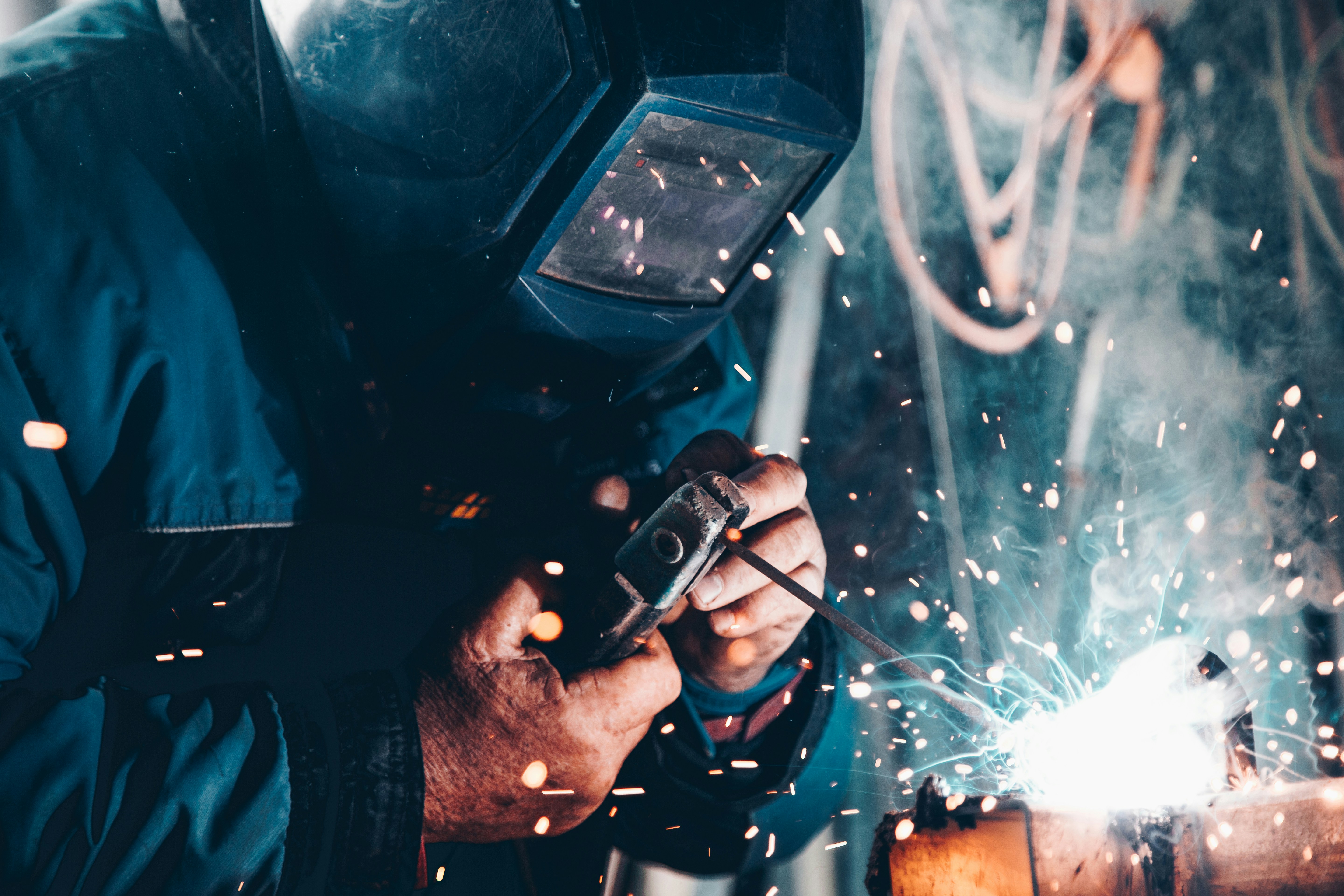
Промышленный лӱдыкшыдымылык оборудованийым, тыгак аралыме йолчиемым да личный аралыме средствам производствышто паша верыште
Чӱчкыдын пуымо йодыш-влак (FAQ)
- Завод гыч кок винтан экструдерым заказым ыштыме годым тыглай жап могай?
- Производитель да конфигураций дене келшышын, шуктымо жап вашталтеш. Китайысе заводла гыч стандарт модель-влакым мӧҥгешла колтат 12-16 арня. Европысо производитель-влак тыглай цитироватлымаш 16-30 стандарт конфигурацийлан арня, а моткоч келыштарыме системе-влаклан кужурак. Рамке соглашений дене опта заказ-влак южгунам приоритетный слот-влакым налын кертыт.
- Кузе мый терген кертам, молан манаш гын, кок винтан экструдер завод чын производитель да торгайыме компаний огыл?
- Заводышто аудитым йодаш (еҥ дене але кумшо лицан тергымаш службыжо гоч, мутлан, SGS але Bureau Veritas). ЧПУ дене обрабатыватлыме йӧн-влакым кычалза, шке пашалан ӱшанле инженер команде, ISO 9001 сертификаций заводын адресше дене келшышын, производствым ыштыме вер, да клиент-влакын справкыштым те посна терген кертыда.
- ЕС-ын пазарыштыже кок винтан экструдерын могай сертификатше лийшаш?
- ЕС-ын пазарышкыже вераҥдыме машина-влаклан CE палемдымаш обязательный. Машина кызытсе машина нерген 2006/42/EC директивым шуктышаш (да у машина нерген правилым 2023/1230 январь гыч 2027). Йодмаш деч шога, ешартыш йодмаш-влак лийыт — Мут, ATEX сертификатым взрывчатый атмосферыште кучылташ, але кочкыш дене кылым кучымо шотышто келшымаш ЕС-ын регламентше почеш (ЭК) Жок 1935/2004.
- Эмне