

Тендан пластика линийлан келшыше ӱзгар але вӱд йымалсе пеллетироватлымаш системе
I often see plastics producers ask which pelletizing system fits their line best. Кунам мый лончым да вӱд йымалсе пеллетироватлымашым таҥастарем, Пеллетын качествыже да акше раш ойыртемым шижам. Take a look at this table:
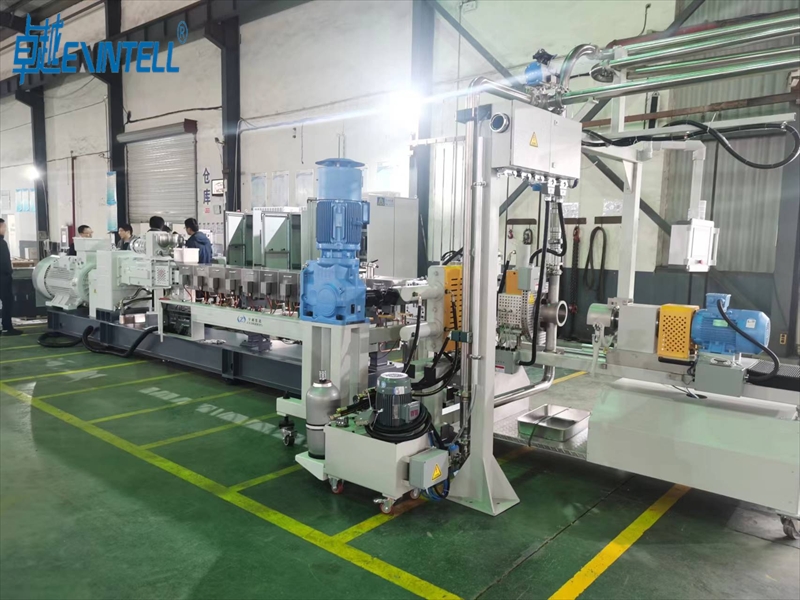
| Ойыртем | Strand Pelletizing | Underwater Pelletizing (UWP) |
|---|---|---|
| Пеллет качестве | Good to Excellent, potential for fines | Excellent to Premium, highly uniform |
| Initial Cost | Лапка | Кӱкшӧ |
| Ideal For | General-purpose, cost-sensitive operations | High-end applications, perfect consistency |
I recommend strand pelletizing for cost-sensitive operations. I choose the Underwater Pelletizing System when I need premium, highly uniform pellets for demanding applications.
Тӱҥ шонымаш-влак
- Strand pelletizing is ideal for cost-sensitive operations, offering lower initial costs and simpler setups.
- Underwater pelletizing delivers premium pellet quality, producing highly uniform pellets suitable for demanding applications.
- Consider the type of polymer when choosing a system; strand works best for rigid materials, while underwater excels with complex or heat-sensitive polymers.
- Evaluate production volume needs; strand pelletizing suits small to medium runs, while underwater systems support high-volume operations efficiently.
- Regular maintenance is crucial; strand systems require basic skills, while underwater systems need advanced technical knowledge for upkeep.
- Space requirements differ; strand systems are compact, while underwater systems need more room for equipment and maintenance access.
- Always assess total costs, including initial investment, operating expenses, да обслуживатлыме, to find the best fit for your budget.
- Эксперт-влак дене каҥашаш тендан кӱлешлыкда дене келшыше пеллетироватлымаш системым ойырен налаш манын, сложный пунчалым лукмо годым але у материалым кучылтмо годым.
Пеллетироватлымаш системе-влак нерген обзор
Странд пеллетироватлымаш мом ончыкта
Мый чӱчкыдын кучылтам ниткым пеллетирование, кунам мый тура пеллетироватлымаш процесс. Тиде йӧн дене, Кужу ӱпым ышташлан мый шӧртньӧ полимерым штамп гоч луктам. Мый тиде лышташ-влакым йӱштӧ лончо ӱмбач виктарем, мӧҥгешла, вӱд дене темын, нуным пеҥгыдемдаш укрепить их. Йӱштӧ деч вара, Мый ӱпым сушитлем да нуным резакыш пукшем. Резчик лышташ-влакым икгай пеллетлан ӱштын луктеш. Мый муам, тиде пеллетирование процесс шуко общий цель дене пластика сай пашам ышта. Ниткым пеллетироватлыме системе тыглай настройкым темла да пеллет кужытшым куштылгын келыштараш йӧным пуа. Мый тӱрлӧ материалым але тӱсым писын вашталтен кертам, изирак партий-влакым ыштыме годым полша.
What Is Underwater Pelletizing
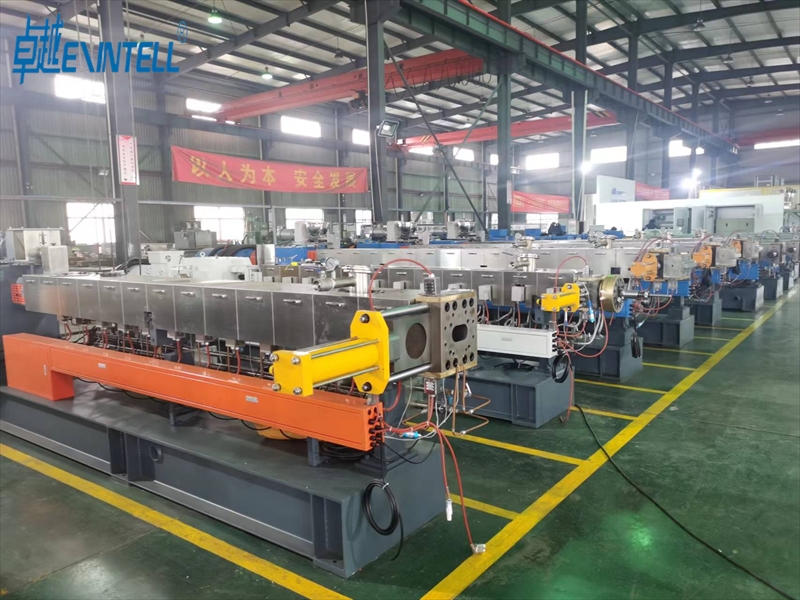
When I need highly uniform pellets, I turn to the underwater pelletizing system. In this pelletizing process, I extrude the molten polymer directly into a water chamber. Rotating knives cut the polymer at the die face while it is still hot. The water instantly cools and solidifies the pellets. I then separate the pellets from the water using a centrifugal dryer. This pelletizing process produces smooth, round pellets with minimal dust or fines. I rely on underwater pelletizing for demanding applications, such as medical or automotive compounds, where pellet consistency matters most. The underwater pelletizing system handles a wide range of polymers, including sticky or brittle materials that strand pelletizing cannot process efficiently.
Key Differences
I see several important differences between these two pelletizing methods. The strand pelletizing system uses a cooling trough and requires manual handling of strands before cutting. The underwater pelletizing system integrates cutting and cooling in one step, which reduces manual intervention. I notice that underwater pelletizing supports higher throughput and works better for complex materials. Recent technological advancements have made underwater pelletizing even more attractive. Мут, Лийшаш global push for sustainability encourages me to choose systems that support recycling. Underwater pelletizing provides кугу пайдалык, which is essential for reprocessing diverse polymer streams. When I work with complex compounded materials, I need precise pellet geometry, and underwater pelletizing delivers that. Environmental regulations also influence my choice. Underwater pelletizing reduces dust and eliminates many issues I face with traditional strand pelletizing.
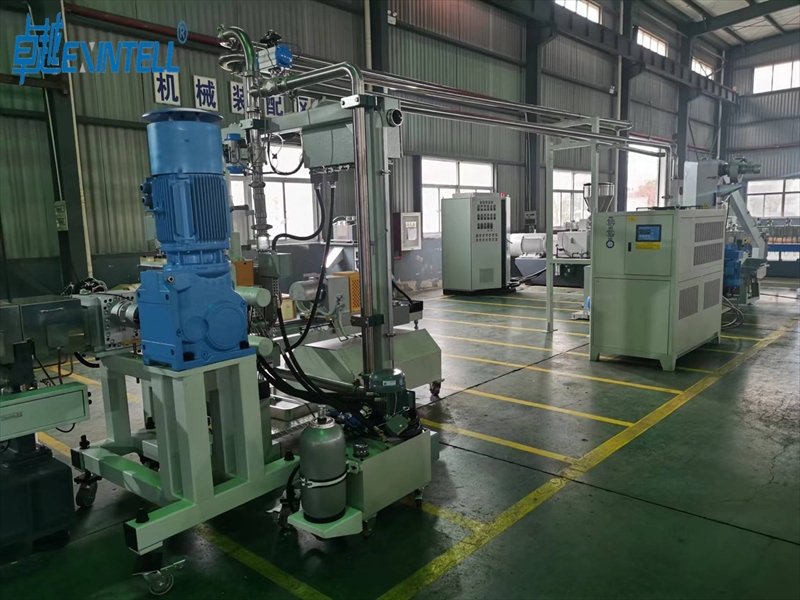
Here is a table that summarizes how these factors impact my decision:
| Фактор | Описание |
|---|---|
| Пеҥгыдылыкше | The global push for a circular economy drives investment in recycling infrastructure, favoring systems that support sustainability. |
| Efficiency | Underwater systems provide high-throughput capabilities essential for reprocessing diverse polymer streams. |
| Material Complexity | The demand for complex compounded materials in industries like automotive and medical devices necessitates precise pellet geometry achievable through underwater cutting. |
| Environmental Regulations | Stricter regulations compel manufacturers to adopt cleaner, more efficient methods, reducing dust and eliminating issues associated with traditional strand systems. |
Каҥашымаш: If you run a high-performance pet bottle recycling system, you will likely benefit from the efficiency and consistency of underwater pelletizing.
I always consider the specific needs of my production line before choosing a pelletizing process. Strand pelletizing offers simplicity and lower cost, while underwater pelletizing provides premium pellet quality and supports modern sustainability goals.
Pellet Quality and Consistency
Underwater Pelletizing System Quality
When I need the highest pellet quality, I rely on the underwater pelletizing system. This system cuts the polymer while it is still soft, then cools the pellet instantly in water. I notice that this process creates pellets with smooth surfaces and a nearly perfect spherical shape. The uniformity stands out. Most pellets have a size variation of less than ±5%. I see this high level of consistency every time I inspect the finished product.
Here is a quick comparison of pellet shape and size variation:
| Pelletizing System | Pellet Shape | Size Variation |
|---|---|---|
| Underwater | Spherical | < ±5% |
| Strand | Cylindrical | < ±10-15% |
The underwater pelletizing system produces pellets with minimal dust. I rarely find fines in the final product. The smooth surface and tight size control help me achieve premium pellet quality, which is essential for demanding applications. I use this system when I need to meet strict standards in industries like automotive or medical.
Strand Pelletizing System Quality
I often use the strand pelletizing system for general-purpose production. This method creates cylindrical pellets, but I see more variation in size compared to underwater pelletizing. The size variation can reach up to ±10-15%. I know that proper die-to-blade alignment is crucial. Even a small misalignment causes quality issues, such as increased dust or uneven pellet length.
To maintain consistent pellet quality with strand pelletizing, I follow these steps:
- I check die alignment regularly.
- I adjust the puller speed to match the extruder flow.
- I monitor water temperature in the cooling trough.
- I inspect for strand breakage and adjust as needed.
If I skip these steps, I see more dust and less uniform pellets. The strand pelletizing system requires careful attention to detail. When I get everything right, I can produce good to excellent pellet quality, but it takes more effort.
Impact on Product Performance
Pellet quality affects the performance of finished plastic products. I have learned that the extruder transforms plastic into a molten state, which sets the stage for pellet consistency. Filtration and purification remove impurities, ensuring that only high-quality pellets move forward. The pelletizing unit then creates uniform pellets. The cutting method, whether underwater or strand, determines the final size and shape.
When I use pellets with high uniformity and smooth surfaces, I see better flow in molding machines. The final products show fewer defects and more consistent properties. If pellet quality drops, I notice more processing issues and lower product performance. I always choose the pelletizing system that matches my quality goals.
Operational Complexity
Setup and Changeover
Мый муам, мом настройкым да вашталтышым ыштен, мыйын кажне кечын операцийыште кугу рольым модыт. Кунам мый ӱпым пеллетироватлыме системым кучылтам, Мый эн ошкылым кид дене ыштем. Мый штамп вуй гыч кажне лышташым вӱд ванна гоч да резакыш пуртем. Тиде практический йӧн мыланем проблемым ондак пален налаш йӧным пуа, гай нитке пудыргымаш але неравномерный йӱкшыктараш. Мый тиде йодыш-влакым писын тӧрлен кертам. У материалым але тӱсым вашталташ йӧнан. Мый коремым эрыктем, резакым тӧрлаташ, да процессым шагал простой дене угыч тӱҥалза.
Вӱд йымалне пеллетироватлымаш дене, Мый вес сӱретым ужнем. Система эн шуко ошкылым автоматизироватла. Мый управлений панельыште параметр-влакым шынденам, а молыжым машина шке ӱмбакыже налеш. Лийшаш петыралтше контур дизайн ончыкта, мый настройкым ыштыме годым продуктым ом тӱкӧ. Вашталтыш-влак шукырак жапым налыт, вет мый системын пеҥгыдеммыжым вучаш кӱлеш. Мый тыгак вӱд петле мушкаш кӱлеш да штамп ӱмбалне кеч-могай накопление тергаш кӱлеш. Тиде процесс айдеме йоҥылышым иземда, но утларак планироватлымашым йодеш.
Эрыктен да обслуживатлыме
Эрыктен да обслуживатлыме радам тиде кок системе коклаште ойыртемалтеш. Теве кузе мый нуным таҥастарем:
- Underwater Pelletizing: Мый шижам, тиде системе петыртыме циклыште пашам ышта да автоматизацийым кучылтеш. Тыглай паша годым чӱчкыдын ушнаш ок кӱл. Бирок, оборудований сложный и чувствительный. Проблема деч утлаш манын, экструзий процессым пеҥгыдын кучаш кӱлеш. Обслуживатлыме да тӱҥалме пашалан кӱкшӧ технический моштымаш кӱлеш. Мый профилактике тергымашлан да калибровкылан шукырак жапым ойырем.
- Strand Pelletizing: Мый эрыктен да обслуживатлыме пашам кид дене шуктем. Тӱҥалтыш годым, Мый шкеак ӱпым ӱштынам. Тиде практический йӧн нелылыкым кораҥдаш куштылгыракым ышта. Система утларак проститлаш гын, шӧртньӧ вязкость вашталтеш. Мый тыглай ӱзгар дене лончым да резакым эрыктен кертам. Шукырак пашалан мыланем кӱшыл туныктымаш ок кӱл.
Каҥашымаш: Мый эре кок системылан тыглай тергымашым палемдем. Профилактике обслуживатлымаш мыланем дорогостоящий простой деч утлаш полша.
Операторын усталык кӱкшытшӧ
Операторын усталык кӱкшытшӧ кӱлешан, кунам мый пеллетироватлыме системым ойырен налам. Ниткым пеллетироватлыме дене, Мый тӱҥ механике моштымашлан ӱшанем. Мый у оператор-влакым писын туныктен кертам. Нуно ӱпым ӱштылаш тунемыт, резакым тӧрлаташ, да йӱштӧ ванна мониторинг. Процесс проститлаш, сандене изи йоҥылыш-влак шагал годым кугу проблемым луктыт.
Вӱд йымалне пеллетироватлымаш утларак усталыкым йодеш. Мылам автоматизацийым да процесс управленийым умылен налше оператор-влак кӱлыт. Нуно петыртыме системым кузе виктараш да датчик-влакын нелылыкыштым кораҥдаш палышаш улыт. Туныктымаш шукырак жапым налеш. Мый шке командым жаплан келшыше лийже манын, умбакыже туныктымашке оксам пыштем.
| Система | Настройкым ыштыме нелылык | Обслуживатлыме сложность | Operator Skill Needed |
|---|---|---|---|
| Strand Pelletizing | Low | Low | Тӱҥ |
| Underwater Pelletizing | Medium-High | Кукшо | Ешара |
I always match the system to my team’s skill level and the complexity of my production line.
Cost Comparison
Тӱҥалтыш инвестиций
When I plan a new plastics line, I always look at the initial investment first. Strand pelletizing systems usually cost less to purchase and install. I can set up a basic strand pelletizer with a cooling trough, air knife, and cutter for a modest price. The equipment is simple and does not require much automation. I find this system fits well when I need to keep my capital expenses low.
Underwater pelletizing systems require a higher upfront investment. The system includes a heated die face, water chamber, pelletizer, water loop, and centrifugal dryer. I also need advanced controls and safety features. Монтаж процесс шукырак жапым налеш да чӱчкыдын утларак вер кӱлеш. Мый тидым кугурак обязательстве семын ужнем, но тудо кӱкшӧ кӱкшытан приложенийлан тӱла.
Теве тӱҥалтыш инвестицийым таҥастараш вашке таблице:
| Система | Тыглай тӱҥалтыш роскот | Монтаж сложность |
|---|---|---|
| Strand Pelletizing | Low | Тыглай |
| Underwater Pelletizing | Кукшо | Йыгырмут |
Записке: Пунчалым лукмо деч ончыч мый эре кужу жаплан пайдам шотыш налам. Южгунамже, тӱҥалтыш роскот кугурак гын, сай лектышыш конда.
Операций роскот
Операций роскот кече еда ыштыме бюджетыштем кугу рольым модыт. Странд пеллетироватлыме системе-влак энергийым да вӱдым шагалрак кучылтыт. Процесс тура, да мыланем шуко оператор ок кӱл. Мый линийым тӱҥ утилита да минимум надзор дене виктарен кертам. Тиде мыйын умбакыже роскотым изи куча.
Вӱд йымалсе пеллетироватлымаш системе-влак утларак куатым да вӱдым кучылтыт. Петыралтше вӱд системылан да штампованный резаклан пеҥгыде энергий кӱлеш. Тыгак процессым эскераш уста оператор-влак кӱлыт. The system produces less waste, which saves money on material loss. Бирок, the higher utility bills and labor costs add up over time.
I use this checklist to track operating costs:
- Power consumption
- Water usage
- Labor requirements
- Waste and reprocessing rates
I always compare these factors to see which system fits my production goals.
Обслуживатлыме роскот
Maintenance costs can surprise me if I do not plan ahead. Strand pelletizing systems have fewer moving parts. I can handle most repairs with basic tools. Spare parts are easy to find and affordable. I schedule routine checks and cleanings to keep the system running smoothly.
Underwater pelletizing systems need more specialized maintenance. The die face, water loop, and dryer require regular inspections. I sometimes need factory-trained technicians for complex repairs. Replacement parts cost more, and downtime can be longer if something breaks.
Here is a summary of maintenance needs:
| Система | Maintenance Frequency | Skill Level Needed | Typical Cost |
|---|---|---|---|
| Strand Pelletizing | Low | Тӱҥ | Low |
| Underwater Pelletizing | Medium to High | Ешара | Кукшо |
Каҥашымаш: I always budget for preventive maintenance. This helps me avoid unexpected expenses and keeps my line running efficiently.
Space and Efficiency
Equipment Footprint
When I plan my production floor, I always measure the space each system needs. Strand pelletizing systems take up less room. I can fit the cooling trough, air knife, and cutter in a straight line. This layout works well in tight spaces. I often move or reconfigure strand systems without much trouble.
Underwater pelletizing systems need more space. The equipment includes a water chamber, die-face cutter, water loop, and centrifugal dryer. I must allow extra room for maintenance access and safety zones. The system often requires a dedicated area, поснак кугурак линий-влаклан.
Теве писын таҥастарымаш:
| Система | Тыглай йолгорно | Гибкость | Кӱлеш вер |
|---|---|---|---|
| Strand Pelletizing | Компакт | Кукшо | Low |
| Underwater Pelletizing | Кугу | Кыдалаш | Кукшо |
Каҥашымаш: Системым ойырен налме деч ончыч мый эре шке кумдыкым терген лектам. Компактный линий чоҥымо роскотлан оксам арален кода.
Куатым да вӱдым кучылтмаш
Мый утилита кучылтмашым тыгыде отслеживать. Странд пеллетироватлыме системе-влак шагалрак куатым кучылтыт. Тӱҥ энергий экструдер да резак гыч толеш. Вӱд кучылтмаш шагал кодеш, вет йӱштӧ лончылан пеҥгыде йогын гына кӱлеш, петыралтше цикл системе огыл.
Вӱд йымалсе пеллетироватлымаш системе-влак утларак куатым да вӱдым кучылтыт. Штамп-лицевой резак, вӱд насос-влак, да центробежный сушилке чыла кӱлеш электричестве. Петыралтше вӱд системе пеллет-влакым йӱштӧ да ару куча, но тудо вӱд кучылтмашым кугемда. Вӱд йымалсе системе дене коммунал тӱлымӧ кугурак тӱлымӧ оксам ужнем, поснак кугу производствын темпше годым.
Теве коммунал кӱлешлык-влакын иктешлымашышт:
- Strand Pelletizing: Изи куатан, вӱдым шагал кучылтмаш, тыглай утилита-влак.
- Underwater Pelletizing: Кугу куатан, кугу вӱд кучылтмаш, advanced utilities.
Записке: I always factor in local utility costs. High energy or water prices can affect my long-term savings.
Integration with Existing Lines
I often need to add pelletizing to an existing extrusion line. Strand pelletizing systems integrate easily. I connect the extruder to the die head, set up the cooling trough, and align the cutter. I can start production quickly with minimal changes.
Underwater pelletizing systems require more planning. I must ensure the extruder matches the die-face cutter. The water loop and dryer need proper plumbing and electrical connections. Южгунамже, I need to upgrade my controls or add safety features. Integration takes longer, but I get a more automated process.
Here is my checklist for integration:
- Check extruder compatibility.
- Plan for utilities and drainage.
- Ensure enough floor space.
- Кӱлеш гын, управленийым уэмдыза.
Вашталтышым ыштыме деч ончыч эре оборудованийым пуышо дене каҥашем. Сай планироватлымаш дорогостоящий йоҥылыш деч арала.
Материал да кучылтмо келыштарыме
Странд пеллетироватлымашлан эн сай
Кунам мый ойырен налам пеллетироватлымаш системе, Мый эре шотлем, могай полимерым обрабатыватлаш шонем. Южо материаллан да производствын цельже-влаклан ӱпым пеллетироватлымаш эн сайын пашам ышта. Пеҥгыде але полукристаллический полимер дене пашам ыштыме годым мый чӱчкыдынак тиде йӧн дене пайдаланенам. Тиде материал-влак йӱштӧ лончышто лывырге каят да шагал годым ӱпым пудыртат. Мый тыгак изирак инвестиций да обслуживатлыме роскотым аклем, тудо стренд системе дене пырля толеш. Операций тыглай кодеш, да мый тӱрлӧ полимер коклаште шуко нелылык деч посна вашталтен кертам.
Теве икмыняр пластика, кудышт ӱпым пеллетироватлыме дене сайын пашам ыштат:
- Полипропилен (ПП)
- Полиэтилен (ПЭ)
- Акрилонитрил Бутадиен Стирол (АБС)
- Полистирол (PS)
- Полиамид (ПА, тыгак нейлон семын палыме)
- Поликарбонат (ПК)
I find that strand pelletizing covers a wide range of general-purpose applications. I use it for compounding, мастер-пакет производствым, and recycling lines. The system handles most rigid and semi-crystalline polymers with ease. Бирок, I avoid using strand pelletizing for brittle materials. Brittle strands tend to break during cooling, which interrupts production and lowers yield. I also need to plan for the space required by the cooling tank. If I have limited floor space, I must consider this factor before choosing strand pelletizing.
Каҥашымаш: I always match the polymer type to the pelletizing system. This step helps me avoid unnecessary downtime and quality issues.
Best for Underwater Pelletizing
When I need to process complex or sensitive materials, I turn to underwater pelletizing. This system excels with polymers that require precise pellet shape and size. I rely on underwater pelletizing for both soft and rigid applications. The closed-loop water system cools the pellets instantly, which prevents sticking and ensures uniformity.
I use underwater pelletizing for these applications:
- Soft PVC extrusion for flexible tubing
- Automotive components that demand high consistency
- Flooring materials where surface quality matters
- Rigid products like pipes and profiles
I notice that underwater pelletizing handles sticky, brittle, or heat-sensitive polymers better than strand systems. The process produces smooth, round pellets with minimal dust. I often choose this system for high-value or specialty products. When my customers expect premium pellet quality, I trust underwater pelletizing to deliver.
Записке: I always check the end-use requirements before selecting a pelletizing system. Кӱкшӧ лектышан приложений-влак вӱд йымалсе пеллетироватлымашын пеҥгыдылыкше деч утларак пайдам налыт.
Производствын кугытшым шотыш налын
Производствын кугытшо мыйын пунчалым лукмо годым тӱҥ рольым модеш. Мый системым лектыш цель дене келыштарен, пайдалыкым кугемдаш да роскотым контрольышто кучаш манын. Изи да кокла производствышто йӱк-йӱан пеллетироватлымаш сай пашам ышта. Система писын тӱҥалеш да чӱчкыдын вашталташ йӧным пуа. Ик сменыште икмыняр партийым ыштен кертам, кугу простой деч посна. Тиде лывыргылык полша, кунам мый шке ыштыме соединенийым але посна тӱсым ыштен луктынам.
Вӱд йымалне пеллетироватлымаш кугу кугыт дене пашам ыштыме годым волгалтеш. Система чарныде производствым ышташ полша да кугу пропускной куатым куштылгын обрабатыватла. Мый шагалрак чаракым да шагалрак кид дене ушнымашым ужнем. Автоматизаций паша роскотым иземда да кужу жаплан келшымашым саемда. Кунам мыланем производствым кугемдаш кӱлеш, вӱд йымалне пеллетироватлымаш мыланем кӱлеш куатым пуа.
Теве тӱрлӧ производствын кугытшо дене келшышын таҥастараш полшышо писын таблице:
| Производствын кугытшо | Strand Pelletizing | Underwater Pelletizing |
|---|---|---|
| Изи гыч кокла марте | Умылтаралтеш | Жакшы |
| Кукшо | Чын | Умылтаралтеш |
Мый эре шке производствын цельжым кажне системын виян могыржо дене балансироватлем. Тиде йӧн мыланем пластика линийлан эн сай лектышыш шуаш полша.
Сай да уда могыржым иктешлымаш
Странд пеллетироватлымаш сай да уда могыржо
Мый чӱчкыдынак тыглай процессым ышташ шонымо годым ӱпым пеллетироватлымашым ойырен налам. Система мыланем лывыргылыкым пуа да роскотым шагал куча. Мый у оператор-влакым писын туныктен кертам. Мый муам, изи да кокла производствышто эн сайын ӱпым пеллетироватлымаш. Оборудований шагалрак верым налеш да шукырак линийыш куштылгын пура.
Теве ӱстел тиде тӱҥ сай ден ситыдымашым ончыкта:
| Пайдаже | Ситыдымаш-влак |
|---|---|
| Изирак роскот | Кугу пропускной куатым управленийыште нелылык-влак |
| Simpler operation | Mixing efficiency issues |
| Best suited for lower throughputs | Less suitable for very large production lines |
I notice that strand pelletizing struggles with high-volume production. The system sometimes has trouble mixing materials evenly. I see that large lines need more advanced solutions. I always check my production goals before choosing strand pelletizing.
Каҥашымаш: I recommend strand pelletizing for cost-sensitive projects and flexible operations. I avoid it for very large or complex lines.
Underwater Pelletizing Pros and Cons
Underwater pelletizing gives me premium pellet quality. The system produces smooth, round pellets with tight size control. I rely on underwater pelletizing for demanding applications. The automation reduces manual labor and improves consistency. I see fewer defects in the final product.
Here are the main pros and cons I have experienced:
Сай могыржо:
- Delivers highly uniform pellets
- Handles sticky, brittle, or heat-sensitive polymers
- Supports high-volume production
- Reduces dust and fines
Минус:
- Requires higher initial investment
- Needs advanced operator skills
- Uses more power and water
- Maintenance can be complex
I find that underwater pelletizing fits best in high-end or specialty lines. The system pays off when I need consistent quality and large output. I invest more up front, but I get reliable performance.
Записке: I always match the pelletizing system to my material and production needs. Underwater pelletizing works best for premium products and continuous operations.
Decision Guide
Quick Checklist
When I choose between strand and underwater pelletizing, I always review a checklist. This helps me avoid missing important details. I focus on the factors that impact my line’s performance, ак, and reliability. Here is a table I use to guide my decision:
| Key Factor | Описание |
|---|---|
| Pressure behavior at the die | I check if the system stabilizes pressure for uniform strands and lower energy use. |
| Access to the cutting zone | I look for designs that let me reach the cutting area quickly for maintenance. |
| Restart and maintenance effort | I consider how fast I can restart or maintain the system to reduce downtime. |
| Operating economics as a system | I compare energy use, service needs, and investment to see the real cost of each option. |
I always match these factors to my production goals and team skills. This approach helps me select the right system for my needs.
Common Mistakes
I have seen many manufacturers make the same mistakes when choosing a pelletizing system. These errors can lead to wasted time and money. I keep a list of common pitfalls and their effects:
| Mistake Description | Implication |
|---|---|
| Choosing a machine based solely on throughput capacity | I find that performance drops with different materials, causing inefficiency. |
| Assuming harder blades last longer | Hard blades can chip if they hit contaminants, which leads to more downtime. |
| Installing the smallest screen mesh for finer output | Small screens slow production and can smear plastics, hurting pellet quality. |
I always remind myself to look beyond just capacity or blade hardness. I consider the whole process and the materials I plan to run.
Каҥашымаш: I review my material types, maintenance plan, and operator skills before making a final choice.
When to Consult an Expert
Южгунамже, I reach a point where I need outside help. I consult an expert when:
- I plan to process new or unusual polymers.
- Мыйын линийем пеҥгыде качестве але нормативный стандартлан келшен толшаш.
- Мый ужнем, угыч да угыч йӱкшен але качестве дене кылдалтше йодыш-влакым решатлен ом керт.
- Мый производствым кугемдаш але автоматизацийым ешараш кӱлеш.
Эксперт мыйын процессым лончылен кертеш да цельлан эн сай системым темлен кертеш. Мый муам, ондак каҥашым пуымо оксам арален кода да дорогостоящий йоҥылыш деч арален кода. Мый эре шке производствым данныйым да йодышым вашлиймаш деч ончыч ямдылем. Тиде полша эксперт пуаш мыланем раш, действительный вашмут.
Записке: Ставкын кугу улмыж годым полышым йодаш нигунамат ом ӧркане. Тӱрыс каҥаш мыйын пеллетироватлымаш сеҥымашыштем чыла ойыртемым ыштен кертеш.
Мый лывырге ӱпым пеллетироватлымашым ойырен налам, роскотлан шотлымо линий да кугу кугытан вӱд йымалне пеллетироватлымаш, премиум качестве кӱлеш. Пунчалым лукмо деч ончыч мый эре нине ой-влакым ончен лектам:
- Материалын свойствыжым да пропускной куатшым тергымаш.
- Пеллетын качествыжым мучаш кучылтмо дене келыштарыза.
- Объектым коммунал да обслуживатлыме кӱлешлыкым аклаш.
- Чыла роскотым да ROI-м шотлаш.
Мый поставщик да инженер-влак дене проконсультироваться шке системым келыштараш да йӧнан тӱҥалтышым да туныктымашым ӱшандарен.
FAQ
Могай пластика-влак эн сайын пашам ыштат, ӱпым пеллетироватлымаш дене?
Полипропилен гай материаллан мый ниткым пеллетироватлымашым кучылтам, полиэтилен, АБС, да полистирол. Тиде полимер-влак йӱштӧ лончышто лывыргын эртат да шагал годым пудыргат. Мый ломкий але лывырге пластика деч утлем, вет нуно ӱпым пудырташ да лектышым иземдаш амалым ыштат.
Партий коклаште материалым куштылгын вашталтен кертам мо?
Ооба, Мый материалым писын вашталтен кертам, ӱпым пеллетироватлымаш дене. Мый корем ден резакым эрыктем, вара у партийым тӱҥалаш. Вӱд йымалне пеллетироватлымаш вашталташ шукырак жапым налеш, вет мый вӱд петлям мушкаш да колышо ӱмбалым тергаш кӱлеш.
Кузе мый шке пеллетыште пыльдырийым да штрафым иземдаш?
Мый штамп келыштарыме тергымаш, тарту писылыкшым келыштараш, and monitor cooling. Вӱд йымалне пеллетироватлымаш дене, I see less dust because the system cuts and cools pellets instantly. I always keep equipment clean to maintain pellet quality.
Is underwater pelletizing safe for heat-sensitive polymers?
Ооба, I trust underwater pelletizing for heat-sensitive materials. The water cools pellets instantly, which prevents sticking and thermal degradation. I use this system for soft PVC, ТПЭ, and specialty compounds that need gentle handling.
What maintenance tasks should I schedule?
I schedule regular checks for die wear, cutter sharpness, and water quality. I clean the cooling trough or water loop weekly. I inspect sensors and controls monthly. Preventive maintenance helps me avoid downtime and keeps my line running smoothly.
Does pellet shape affect my final product?
Ооба, pellet shape matters. I see better flow and fewer defects with round, вӱд йымалсе системе гыч икгай пеллет-влак. Нитчатый системе гыч цилиндрический пеллет-влак чумыр кучылташ сайын пашам ыштат, но мый кӱкшӧ лектышан приложенийлан сферический пеллет-влакым ойырен налам.
Кузе мый рашемдаш, могай системе мыйын бюджетлан келшен толеш?
Тӱҥалтыш инвестицийым таҥастарем, паша роскот, да обслуживатлыме. Страндым пеллетироватлымаш ончылгоч шагалрак шога да шагалрак куатым кучылтеш. Вӱд йымалне пеллетироватлымаш утларак шерге, но премиум качествым пуа да кугу кугытан производствым ышташ полша. Мый системым шке цельем да ресурсем дене келыштаренам.
Кок пеллетироватлыме системым автоматизироватлаш лиеш мо?
Мый кок системымат автоматизироватлен кертам, но вӱд йымалне пеллетироватлымаш утларак ончыл автоматизацийым темла. Петыртыме контур кид дене ыштыме ошкылым иземда. Странд-влакым пеллетироватлымаш базовый автоматизацийым ышташ йӧным пуа, но мый эше южо пашам кид дене ыштем.