Ahoana ny fiasan'ny Extruders Pelletizing tsikelikely
Fizahan-takelaka
Ahoana ny fiasan'ny Extruders Pelletizing tsikelikely
Rehefa mampiasa a pelletizing extruder, manova ny akora ho lasa pellet ianao amin'ny fanarahana dingana mazava. Mametraka fitaovana ao amin'ny extruder ianao. Ny milina dia miempo ary mampifangaro azy. dia, manosika ny akora amin'ny die izy io mba hanaovana pellets. Ny dingana tsirairay dia manan-danja amin'ny fanaovana pellets matanjaka sy matanjaka. Raha fantatrao ny fomba fiasan'ny pelletizing, azonao atao ny manatsara ny extruder anao ary mamaha ny olana haingana kokoa.
Check the material’s properties to make the pelletizing process work best for different plastics.
What Is A Pelletizing Extruder
Main Function
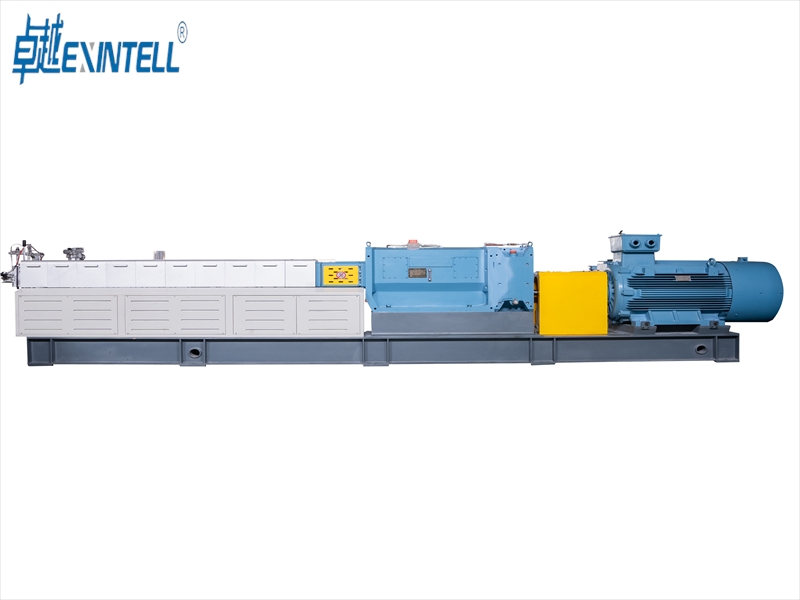
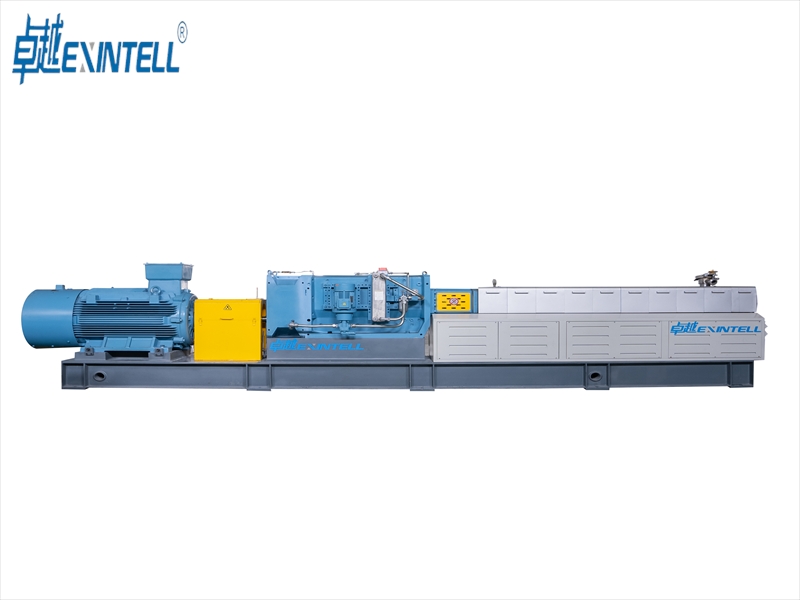
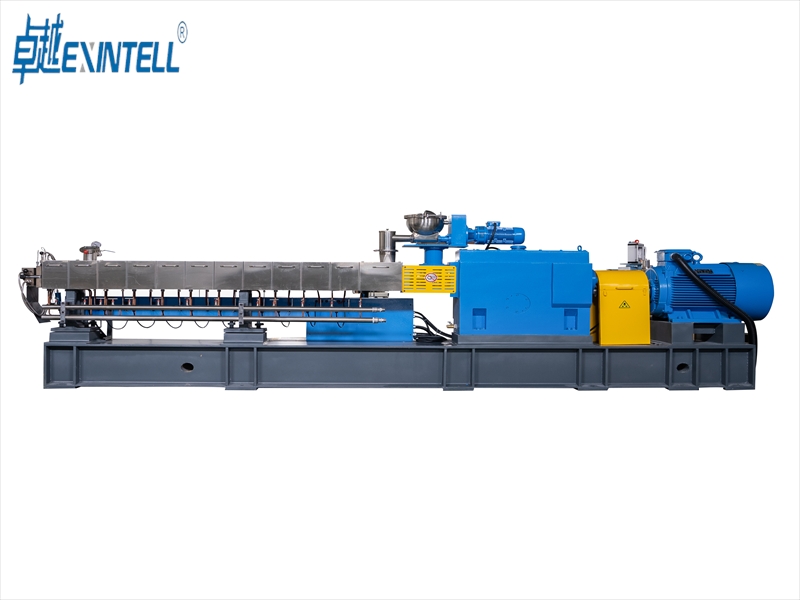
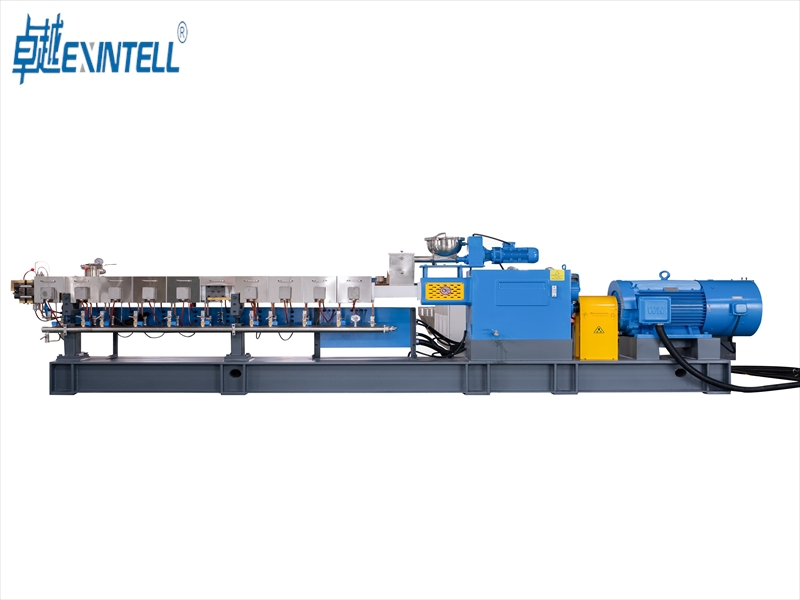
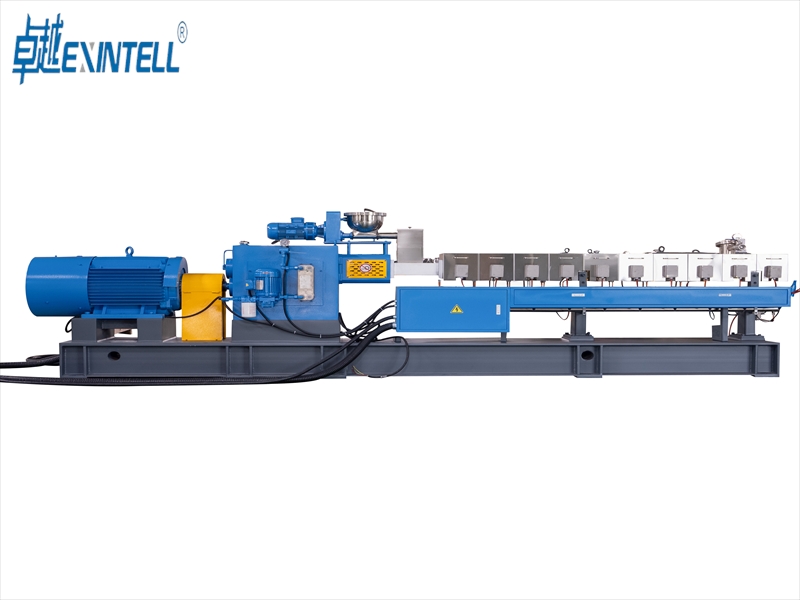
ny pelletizing extruderturns raw plastic or polymer into small pellets. The machine lets you control how big and round each pellet is. Manufacturers usepellet extrudersto make products that meet strict rules. You can change waste pieces or new resin into pellets that flow well and work in other machines.
Pelletizing extrudersare important in making plastic and polymer. They help you work faster, waste less, and get steady results.
Here is a table showing what apelletizing extruderdoes:
Miendrika plastika miempo, mifehy ny hatevin'ny pellet sy ny tsindry
Rafitra fampangatsiahana
Manamafy ny pellets, manakana azy ireo tsy hiova endrika
Rotating Knife System
Hetezo mitovy habe sy endrika mitovy ny pellets nangatsiaka
Azonao atao ny manova ny famolavolana ireo ampahany ireo hifanaraka amin'ny filanao. Ny rafitra automatique dia manampy anao hifehy ny hafanana ary hampitandrina anao amin'ny olana. Ny rafitra fampangatsiahana sy fanamainana dia mitazona ny pellets ho matanjaka ary miaro ny kalitaony.
Pelletizing Extruder dingana
Ny extruder pelletizing dia miasa amin'ny dingana. Ny dingana tsirairay dia manova ny akora ho lasa pellet izay mitovy endrika. Mila mahafantatra ny dingana rehetra ianao vao mahazo pellets tsara.
Famahanana ara-pitaovana
VOALOHANY, ampidirinao ao anaty extruder ny akora manta. Ny hopper dia mitazona ny fitaovana. Ity fitaovana ity dia mety ho plastika plastika, granules, na vovoka. Ny fitaovana mahazatra sasany dia polyethylene, polypropylène, ABS, nylon, ary PLA. You can use special feeders to control how much material goes in. indraindray, you need to dry the material first. Drying is important for plastics that take in water. Drying stops bubbles and other problems in the pellets.
The feeding system controls how much material goes inside. If you feed the same amount each time, the pellets are better. The size of the pieces and how wet they are also matter. Small pieces and the right amount of water help make strong pellets.
Melting And Homogenization
Manaraka, the screw pushes the material forward. Mafana ny barika ary miempo ny plastika. The screw’s shape is important here. Some screws mix the material better and keep the heat even. Mixing helps blend in things like color or stabilizers.
You must set the right heat for each plastic. Ohatra, polypropylene melts between 200°C and 260°C. ABS melts between 210°C and 250°C. The table below shows melt temperatures for different plastics:
Polymer plastika
Ny mari-pana mitsonika azo ampiharina (°C)
ABS (Acrylonitrile Butadiene Styrene)
210 – 250
Polycarbonate (PC)
280 – 320
Polypropylene (p)
200 – 260
Nylon 66 (PA66)
280 – 310
Polyethylene (HDPE)
210 – 260
Polyoxymethylene (POM)
190 – 220
Good melting and mixing make the melted plastic smooth. This step removes air bubbles and mixes everything together. Now the melted plastic is ready for the next step.
Extrusion amin'ny alalan'ny Die
The melted plastic moves to the die system. The die shapes the plastic into strands or other forms. Ny die dia miasa toy ny lasitra. It controls the size and shape of the pellets. The shape of the die is important. It decides how thick and wide the pellets are. A good die gives you pellets that all look the same.
The pressure and speed here change how good the pellets are. You need to keep these steady for the best pellets.
Rafitra fampangatsiahana
After leaving the die, the plastic is still hot and soft. The cooling system makes the pellets hard and keeps their shape. Water cooling is used a lot because it cools fast and evenly. Some machines use air cooling for plastics that melt at lower heat. Underwater cutting cools the pellets right away. This is good for plastics that melt easily.
Cooling Method
Description
Suitable Polymers
Water Cooling
Uses water to cool pellets fast and keep them good.
Many plastics that need even cooling.
Air Cooling
Not as fast, used for plastics that melt at low heat.
Plastics with low melt index.
Fanapahana anaty rano
Cuts and cools pellets in water right away.
PP tsy tenona, melt-blown fabrics.
Cooling must be even. If you cool too fast or too slow, pellets can break or change shape. Good cooling keeps pellets strong and looking right.
Cutting Into Pellets
When the pellets are cool, they go to the cutter. The rotating knife cuts the strands into pellets. The speed and type of blade change how long and thick the pellets are. More blades or faster cutting make shorter pellets. Where you put the cutter matters too. If it is too close to the die, it wears out fast. If it is too far, the pellets are not even.
You can cut pellets in different ways:
Pelletizing kofehy: Cut after cooling in water.
Hot-cut pelletizing: Cut right at the die face.
Pelletizing anaty rano: Cut in water for fast cooling.
Each way works best for certain plastics and jobs.
Collection And Quality Control
You collect the finished pellets at the end. indraindray, you need to dry them to remove water. Eto no hanamarinana ny haben'ny pellets, endrika, ary ny fahadiovana. Andramo ny pellets ary esory izay ratsy. Ny orinasa sasany dia mampiasa fitsapana manokana ho an'ny plastika izay mila madio be.
Tsy maintsy manaraka ny fitsipika manerantany ianao mba hahazoana antoka fa tsara ny pellets. Ny fanamarinana tsara dia midika fa ny pellets dia miasa tsara amin'ny milina hafa.
Soso-kevitra: Jereo matetika ny pellets rehefa manangona azy ireo ianao. Izany dia manampy anao hahita olana aloha ary hitazona ny masininao miasa tsara.
Raha manaraka ny dingana tsirairay ianao, avadikao ho pellet tsara ny akora manta. Ny dingana tsirairay dia manan-danja amin'ny fanaovana ny vokatra farany.
Antony misy fiantraikany amin'ny pelletizing
Rehefa mampiasa pelletizing extruder ianao, tsy maintsy mifehy zavatra sasany ianao. Ireo zavatra ireo dia manampy anao ho matanjaka ary na dia pellets aza. Mila mijery ny maripana ianao, visy hafainganam-pandeha, sy ny fananan'ny fitaovanao. Ny tsirairay dia afaka manova ny endriky ny pellets. Misy fiantraikany amin'ny fiasan'ny milinanao koa izy ireo.
Fanaraha-maso ny maripana
Tsy maintsy manamarina ny mari-pana amin'ny fotoana rehetra ianao. Ny mari-pana mety dia manampy ny pellets hifikitra tsara. Rehefa akaiky ny mari-pana ny teboka manokana antsoina hoe T*, zava-dehibe ny fotoana ao amin'ny die. Amin'ity indray mitoraka ity dia manova ny hamafin'ny pellets anao. Raha mandeha amin'ny T* ianao, mipetaka haingana kokoa ny pellets fa mihamalemy. Ny fanaraha-maso tsara ny mari-pana dia mahatonga ny pellets haharitra ela ary tsy tapaka. Izy io koa dia mitazona tsara ny pellets ary manakana ny fako.
Soso-kevitra: Mampiasà sensor mba hijerena matetika ny mari-pana. Manampy anao hamaha haingana ny olana izany.
Vidin'ny visy
Ny hafainganam-pandehan'ny visy dia manova ny hafainganam-pandehanao manao pellets. Raha mandeha haingana loatra ny visy, ny pellets dia mety tsy hitovy. Afaka mahazo bubble rivotra koa izy ireo. Raha miadana loatra ny visy, manao pellets vitsy kokoa ianao. You need to find the best speed for your material and machine. Try different speeds and look at your pellets often. This helps you keep pellet quality the same and stop problems.
Material Properties
The kind of material you use is important too. You should think about moisture and viscosity. Here is how these things change your pellets:
More water makes pellets wetter and stronger, but they look darker.
Use computer models to design dies for hard shapes.
Azonao atao koa ny mampiasa rafitra co-extrusion. Ireo dia ahafahanao mampifangaro fitaovana sy manao pellets misy sosona ho an'ny fampiasana manokana.
Raha fehezinao ireo zavatra ireo, manao pellets tsara kokoa ianao. Ataovy tsara ihany koa ny fizotran'ny pelletizing anao.
Famahana olana amin'ny pellet Extruder
Olana mahazatra momba ny kalitaon'ny pellet
indraindray, mahita olana amin'ny pellets ianao. Ireo olana ireo dia mety hanova ny endriky ny pellets na ny fiasanao. Ireto misy olana sasantsasany mety ho hitanao:
Mitranga ny fivontosana na fivontosana lehibe raha mafana loatra ny pellets na ambany loatra ny rano.
Miseho ny lamandy sy ny volon'anjely raha tapaka ny tendron'ny orifice na tsy mandeha tsara ny antsy.
kambana, triplets, ary miforona ny rojo raha haingana loatra ny antsy na mafana loatra ny vokatra.
Ny taolan'alika sy ny dumbbells dia miseho raha toa ka tonta ny lelany na tsy ampy ny fitaovana.
Tails form if the gap between the knife and die is too big or the die is not flat.
Longs and elbows happen if the knife is too slow or the extrusion rate is high.
Internal voids and popcorn can show up if the polymer has water or cools too fast.
Dimples and dust appear if the product shrinks too fast or is brittle.
Surface or melt fracture and trash or shavings happen if the extrusion rate is high or the knife is not adjusted often.
Pellets that do not look the same can come from temperature changes or uneven die heating.
You can use tools like theIshikawa fishbone diagramor the 5 Whys technique to find out what is wrong. These tools help you list causes and look deeper into the problem.
Mechanical And Process Problems
Ny olana ara-mekanika sy ny fizotrany dia mety handratra ny pelletizing. Mety hahita vokatra tsy mitovy ianao, ambany famokarana, na pellets ratsy. Ireto misy olana sy fomba hamahana azy ireo:
Raha tsy mety ny haben'ny pellet sy ny endriny, hanova ny mari-pana ho faty, ataovy maranitra ny lelany, ary jereo ny elanelan'ny lelany.
Raha mahita vokatra kely kokoa na jams ianao, tadiavo ireo lavaka maty voasakana ary ataovy azo antoka fa mihetsiketsika tsara ao amin'ny hopper ny fitaovana.
Raha mafana loatra ny extruder na motera, jereo ny rafitra fampangatsiahana ary mitadiava friction na maotera miasa mafy.
Raha tsy tsara ny pellets, jereo ny mari-pana, mitantana fitaovana amim-pitandremana, ary akora maina izay maka rano.
Tokony hojerenao koa ny fitafy visy, feo hafahafa, ary mihozongozona. Ireo famantarana ireo dia mety midika hoe misy ampahany na misy zavatra tsy tokony ho ao amin'ilay fitaovana. Checking and fixing things often keeps your pelletizing smooth and your pellets the same.
Soso-kevitra: Write down problems and how you fix them. This helps you see patterns and fix things faster next time.
You can learn each step of the pelletizing extruder process. Controlling temperature and cooling helps make strong, pellets fanamiana. Improving how you run your machine reduces waste and saves money. When pellets flow smoothly, jams are less likely, and work stays steady. Proper melting and mixing create pellets that meet high standards. This also helps cut material loss and makes production faster. Whether you’re new or experienced, keep practicing to make the best pellets every time.
Even melting and mixing produce consistent pellets.
Pelletizing saves material and increases efficiency.
FAQ
What materials can you use in a pelletizing extruder?
You can usemany kinds of plastic. Some examples are polyethylene, polypropylène, ABS, nylon, ary PLA. Some machines can also use recycled plastic or blends. Always make sure your extruder works with your material.
How do you keep pellets from sticking together?
Dry your material before you feed it in. Pick the best cooling method for your plastic. Keep the temperature the same. These steps help you getstrong pellets that do not stick.
Why do pellets sometimes have uneven shapes?
Pellets can look uneven if the die or cutter has issues. Check if the blades are worn out or if die holes are blocked. Wrong screw speed can also cause this. Fix these things to make pellets even.
How often should you clean your pelletizing extruder?
Clean your extruder after every time you finish making pellets.
Take out leftover material and look for any buildup.
Cleaning often keeps your pellets good and your machine working well.