Ny tanjaka ara-teknika sy ny lazan'ny indostrian'ny mpanamboatra
Fampisehoana, MIRARY, kalitao pellet, ary ny fahatomombanan'ny fampiharana no mamolavola ny fanapahan-kevitro farany.
Key Takeaways
Ny pelletizers anaty rano dia manome vokatra avo lenta ary mamokatra fanamiana, boribory boribory, mahatonga azy ireo ho tonga lafatra ho an'ny lehibe, famokarana mitohy.
Ny pelletizer amin'ny rano dia manolotra compact, vahaolana mora tehirizina miaraka amin'ny kalitao pellet tsara, mety amin'ny fanodinana antonony sy fanodinana sarimihetsika.
Strand pelletizers manome vidiny-mahomby, versatile option for smaller operations and recycling many types of plastics, though pellet quality is less consistent.
Choosing the right pelletizerdepends on your production volume, karazana fitaovana, tetibola, and maintenance capacity to ensure efficient and reliable operation.
Regular maintenance, proper material matching, and evaluating long-term costs help optimize pelletizer performance and support sustainable plastic recycling.
Plastic Pelletizer Systems Overview
Inona no atao hoe Pelletizer plastika
I often rely on a plastic pelletizer totransform raw or recycled plasticinto uniform pellets. This process plays a vital role in recycling and compounding industries. When I use a plastic pelletizer system, I can convert waste plastic into reusable pellets. These pellets return to the manufacturing process, izay manampy ny asako hampihena ny fako sy hanodina ny kojakoja anatiny amin'ny fomba mahomby.
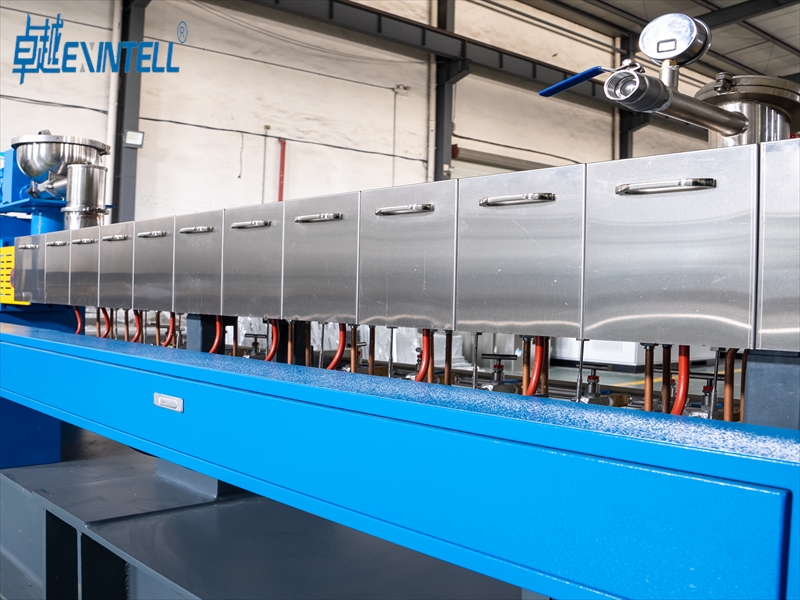
Pelletizing systems (strand, die-face cutting, anaty rano)
Each pelletizer system uses these components in unique ways to achieve specific results.
Key Differences
I compare the main types of plastic pelletizer systems based on their operation and output. ny table below summarizestheir strengths and best use cases:
Pelletizing System
soa
Best Use Case
Strand Pelletizing
Works well with high melting materials
Recycling high melting index materials
Water-ring Pelletizing
Simple to use, marin-toerana, easy to maintain
Processing films, raffia, mamerina indray
Pelletizing anaty rano
Handles large jobs, makes even pellets
Large-scale polymer production
This overview helps me match the right plastic pelletizer system to my production needs.
Underwater Pelletizing System
How Underwater Pelletizers Work
When I operate an underwater pelletizer, Manomboka amin'ny famahanana polymère mitsonika amin'ny alalan'ny lovia die aho. Atsofohy ao anaty fitoeran-drano ny die. Rehefa mivoaka ny polymère ny maty, antsy mihodinkodina dia manapaka avy hatrany ny tady ho pellet. Mangatsiaka ny rano ary mampita ireo pellets hiala amin'ny faritra fanapahana. Mampiasa fanamainana centrifugal aho hanasaraka ny rano amin'ny pellets efa vita alohan'ny hamenoana na fanodinana fanampiny. Ity fomba ity dia mamorona pellets fanamiana ary manohana ny famokarana mitohy. Miantehitra amin'ity rafitra ity aho asa avo lenta ary rehefa mila kalitao pellet tsy miovaova aho.
The closed water system helps control temperature and reduces thermal degradation.
I find the process efficient for both virgin polymer production and recycling applications.
Soso-kevitra: I often recommend underwater pelletizing when I need to handle sticky or heat-sensitive materials that might not work well with a strand pelletizing system.
Limitations of Underwater Systems
Despite the benefits, I encounter some challenges with underwater pelletizers:
Ny rafitra pelletizing peratra rano dia miasa tsara amin'ny sarimihetsika, raffia, ary mamerina ny fitaovana.
Fanamarihana: Matetika aho no manoro an'ity rafitra ity ho an'ny asa madinika sy antonony. Mifanaraka tsara amin'ny tsipika fanodinana izay mitantana karazan-tsakafo isan-karazany.
Famerana ny rafitra Rano-Ring
Na dia eo aza ny tanjany, ny rafitra pelletizing peratra rano dia manana lesoka sasany. Tsikaritro izany Ny kalitaon'ny pellet dia mety miovaova raha miova ny fikorianan'ny rano na ny hafainganam-pandehan'ny antsy. The system may struggle with sticky or low melt-strength polymers. I sometimes see uneven cooling, which affects pellet shape. Maintenance becomes important because worn knives or clogged water rings reduce efficiency. I address these issues by monitoring the process closely and scheduling regular maintenance.
Limitation
Impact on Production
Variable pellet quality
Inconsistent product output
Difficulty with sticky materials
Reduced throughput
Maintenance needs
Increased downtime
I always weigh these factors when choosing a plastic pelletizer for my operation. The water-ring pelletizing system offers a practical solution for many applications, especially in recycling, but I must consider its limitations before making a final decision.
Strand Pelletizer System
How Strand Pelletizers Work
When I operate a strand pelletizer, Manaraka dingana mahitsy aho izay manome vokatra tsy miovaova. Manomboka amin'ny fandoroana ny fitaovana plastika ao amin'ny extruder aho. Ny plastika rendrika dia miforona ho tady mitohy rehefa mivoaka ny die. Mitarika ireo kofehy ireo amin'ny alalan'ny fandroana rano aho, izay mampangatsiatsiaka azy ireo haingana. Rehefa mangatsiaka, mifindra any amin'ny efitra fanapahana ny kofehy, izay antsy mihodinkodina no manapaka azy ireo ho toy ny pellets. Ity filaharana ity dia miantoka fa ny pellets farany dia mahafeno ny fenitry ny kalitao ilaina amin'ny fanodinana bebe kokoa.
Ny dingana lehibe amin'ny rafitra pelletizing strand dia misy:
Alefaso amin'ny rano fandroana ireo kofehy mba hampangatsiaka.
Hetezo ho pellet ireo kofehy nangatsiaka.
Ity fomba ity dia manome ahy fifehezana ny haben'ny pellet sy ny endriny, izay tena ilaina amin'ny fampiharana fanamboarana maro.
Ny tombony amin'ny Strand Systems
Matetika aho no misafidy strand pelletizer noho ny fahaiza-manaony sy ny tombontsoa ara-tontolo iainana. Ny rafitra dia manohana ny ezaka fanodinana ataoko amin'ny fanovana ny fako plastika ho akora tsy miovaova. Mampihena ny fako fanariam-pako ity fomba fiasa ity ary mitahiry loharanon-karena sarobidy, izay mifanaraka amin'ny foto-kevitry ny toekarena boribory. Afaka manamboatra polymère isan-karazany aho, toy ny HDPE, LDPE, ary PET, samy manana tombony manokana. Ohatra, HDPE pelletized lasa tavoahangy vaovao, fantsona, na hazo plastika noho ny hamafiny. Ny pelletizing LDPE dia mamela ahy hanova ny sarimihetsika aorian'ny mpanjifa ho akora azo ampiasaina. Ny teboka levona ambany an'ny PET dia mahatonga azy io ho mahomby amin'ny fanodinana, ary ny pellet PET recycle dia mahita fiainana vaovao amin'ny fibre ho an'ny akanjo sy ny fonosana.
It transforms plastic waste into a consistent raw material, closing the loop in the plastic lifecycle.
HDPE, when pelletized, is used to create new bottles, fantsona, and plastic lumber due to its toughness and chemical resistance.
LDPE pelletizing converts post-consumer films into usable raw materials for new products.
Ny teboka levona ambany an'ny PET dia mahatonga azy io ho mahomby amin'ny fanodinana, and recycled PET pellets are utilized in fibers for clothing and packaging.
Limitations of Strand Systems
While the strand pelletizing system offers many advantages, I also face several operational challenges. Price volatilitycan affect my raw material costs and energy expenses, making it difficult to manage margins. I must navigate supply chain fragmentation, which introduces unpredictability in procurement and inventory. Regulatory compliance costs continue to rise as environmental standards tighten. I also see intense competitive pressures from low-cost producers and new technologies. Technological disruption requires me to invest in new equipment to stay competitive. Innovation bottlenecks can slow my adoption of new materials and processes. High entry barriers, such as capital requirements and regulatory approvals, concentrate market power among established players.
Challenge
Description
Price Volatility
Fluctuating raw material costs and energy prices complicate margin management and long-term pricing strategies.
Supply Chain Fragmentation
Regional disparities and transportation bottlenecks introduce unpredictability into procurement and inventory management, leading to increased costs and delays.
Regulatory Compliance Costs
Ny fiakaran'ny vidin'ny fanarahan-dalàna noho ny fanamafisana ny fenitra ara-tontolo iainana dia mitaky fandaniam-bola lehibe sy fampifanarahana amin'ny dingana.
Fanerena mafy amin'ny fifaninanana
Ny fidiran'ny mpamokatra sarany sy mpanova ara-teknolojia dia manery ny sisiny ary manosika ny filàna fanavaozana mitohy.
Fanakorontanana ara-teknolojia
Mandrahona ny fitaovana efa misy ny fandrosoana amin'ny fomba fanaovana pellete hafa, mitaky fampiasam-bola be mba hijanonana hifaninana.
Inovation Bottlenecks
Ny fampiasana miadana ny fitaovana vaovao sy ny fanatsarana ny dingana dia mametra ny fanavahana sy ny mety ho fitomboana, indrindra amin'ny fizarana manana fahombiazana ambony.
Sakana fidirana
Ny fepetra takiana amin'ny renivola avo lenta sy ny fankatoavan'ny lalàna henjana dia mametra ny fidirana vaovao, mampifantoka ny herin'ny tsena eo amin'ireo mpilalao efa niorina ary manamafy ny tsindry amin'ny fifaninanana.
I address these challenges by staying informed about industry trends and investing in process improvements. This approach helps me maintain the reliability and efficiency of my plastic pelletizer operations.
Fampitahana Plastic Pelletizer Systems
Performance and Efficiency
When I evaluate the performance and efficiency of each pelletizing system, I focus on throughput rates and energy consumption. Underwater pelletizing systems deliver thehighest throughput. I can process several tons per hour with a single machine, which makes this systemideal for large-scale operations. Water-ring pelletizing systems also offer strong performance, especially for polyolefins and recycled materials. Their compact design and efficient cooling help me achieve excellent energy efficiency. Strand pelletizing systems provide moderate throughput. I notice that strand breakage can limit capacity, and the energy efficiency is only medium compared to the other two systems.
Pelletizer System
Throughput / Capacity
Fahavitan'ny angovo
Strand Pelletizing
mampitony; limited by strand breakage
SALASALANY
Water Ring Pelletizing
mampitony; efficient for many polymers
tsara
Pelletizing anaty rano
Avo; several tons per hour possible
tsara
Fanamarihana: I choose underwater pelletizing when I need maximum output and energy savings. For moderate production, water-ring systems balance efficiency and capacity. Strand systems suit smaller or specialized runs.
Cost and Maintenance
Cost and maintenance play a major role in my decision. Strand pelletizing systems have the lowest initial investment. I find them simple to operate and maintain, which reduces my long-term expenses. Underwater and water-ring pelletizing systems require higher startup costs. Ny teknolojia avo lenta sy ny famolavolana sarotra dia mampitombo ny fahasarotana amin'ny fampandehanana. Mandany fotoana sy loharano bebe kokoa amin'ny fikojakojana ireo rafitra ireo aho, indrindra rehefa mitantana polymère samihafa na fiovan'ny fitaovana matetika.
Teknolojia pelletizing
Vidiny voalohany
Ny fahasarotana amin'ny asa
Material Flexibility
Strand Pelletizing
Ambany
TSOTRA
Avo
Pelletizing anaty rano
ambony
PITSINY
mampitony
Water-Ring Pelletizing
ambony
PITSINY
mampitony
Matetika aho no manoro ny fametahana tady ho an'ny asa amin'ny tetibola tery na rehefa laharam-pahamehana ny fahatsorana. Rehefa mila endri-javatra mandroso na vokatra avo kokoa aho, Manaiky ny sarany ambony kokoa amin'ny rafitra ambanin'ny rano na rano aho.
Pellet kalitao
Ny kalitaon'ny pellet dia misy fiantraikany amin'ny fanodinana ambany sy ny tsy fitoviana amin'ny vokatra. Ny rafitra pelletizing ambanin'ny rano dia mamokatra pellets spherical miaraka amin'ny tsy fitoviana ambony. Mikoriana tsara ireo pellet ireo ary mampihena ny vovoka, izay mahasoa ny fizotran'ny fampifangaroana sy ny famolavolana ahy. Ny rafitra fametahana pellet amin'ny rano dia mamorona pellets mipetaka kely. Ny kalitao dia mijanona ho tsara, saingy hitako tsy dia miovaova loatra raha oharina amin'ny rafitra anaty rano. Ny rafitra pelletizing strand dia miteraka pellet cylindrical. Mahatsikaritra vovoka sy lamandy bebe kokoa aho, izay mety hisy fiantraikany amin'ny kalitao amin'ny ankapobeny ary mitaky dingana fanadiovana fanampiny.
Soso-kevitra: Mifidy pelleting anaty rano aho rehefa tena zava-dehibe ny fitoviana sy ny fikorianan'ny pellet. Ho an'ny fampiharana tsy dia mitaky, Mety ho ampy ny rafitra misy peratra rano na kofehy.
Fahaizana fampiharana
Mampifanaraka ny rafitra fametahana tsirairay amin'ny fampiharana manokana mifototra amin'ny tanjany aho. Ny pelletizer ambanin'ny rano dia miavaka amin'ny vokatra avo lenta, fanodinana polymère mitohy. Mampiasa azy ireo aho amin'ny fampifangaroana lehibe sy polymers manokana. Water-ring pelletizing systems work well for polyolefins and recycled materials. Their versatility supports a range of recycling applications. Strand pelletizing systems offer high material flexibility. I process a wide variety of polymers, including those with high melt strength, and I often use this system for smaller batches or when I need to minimize costs.
Pelletizers anaty rano: Best for high-output, famokarana mitohy, and specialty polymers.
Water-ring pelletizing systems: Ideal for polyolefins, recycled materials, and moderate production volumes.
Strand pelletizing systems: Suitable for high melt strength materials, flexible for many polymers, and cost-effective for smaller operations.
I always consider the specific needs of my operation before choosing a pelletizing system. Ohatra, if I focus on recycling and need to process many types of materials, strand pelletizing gives me the flexibility I need. When I require high throughput and top pellet quality, I rely on underwater pelletizing.
Highlighting Differences: Strand vs. Pelletizing anaty rano
The most significant differences between strand and underwater pelletizing systems appear in performance, MIRARY, and pellet quality. Strand pelletizing offerslower initial costsand simple operation. I can process a wide range of materials, but I accept moderate throughput and more dust in the final product. Underwater pelletizing requires a higher investment and more complex operation. In return, I achieve the highest throughput, excellent energy efficiency, and the most consistent pellet quality. My choice depends on whether I prioritize cost and flexibility or output and pellet uniformity.
Choosing a Plastic Pelletizer System
Assessing Production Needs
When I select a pelletizer, I always start by defining my production requirements. I ask myself several key questions:
What types of plastics will I process?
How much material do I need to pelletize each hour or day?
Will my production volume increase in the future?
Do I need to switch between different materials often?
I calculate my current and projected throughput. This step helps me avoid under-sizing or over-investing in equipment. For high-output operations, I lean toward underwater pelletizing systems because they handle large volumes efficiently. For smaller or more flexible production, strand or water-ring systems often fit better.
I also consider the maintenance needs and blade durability. Easy access for cleaning and blade changes reduces downtime. I check if the pelletizer offers robust cutter assemblies, especially when I plan to process abrasive or filled compounds.
Material Compatibility
Material compatibility plays a critical role in my decision. Different polymers behavein unique ways during processing. Ohatra, PE, p, PET, and filled composites each require specific pelletizer features. I look for these factors:
High-viscosity materials need pelletizers with higher torque gearmotors and reinforced cutter assemblies.
Abrasive filled compounds demand die plates and cutters made from durable materials, such as carbide-tipped blades.
Some pelletizers handle sticky or low melt-strength materials better than others.
I always match the pelletizer design to the materials I plan to process. This approach prevents excessive wear, mampihena ny fotoana fiatoana, and ensures consistent pellet quality. When I focus on recycling, I choose a system that can handle a wide range of feedstocks, including post-consumer and post-industrial plastics.
Budget Considerations
Budget remains a major factor in my selection process. I look beyond the initial price and consider the total cost of ownership. Many manufacturers make the mistake of focusing only on the purchase price. I avoid this byanalyzing long-term expenses, such as energy consumption, fikarakarana, and spare parts.
Significantly lower initial capital investment; mechanically simpler equipment.
Pelletizing anaty rano
Higher initial investment due to precision-engineered components; more compact footprint.
I also factor in operating costs. Underwater and water-ring systems may cost more upfront, but their automation and efficiency can lower labor and energy expenses over time. Manamarina hatrany ny fahazoan-dàlana mpanamboatra sy ny fanamarinana kalitao aho. Ny fanohanana azo itokisana aorian'ny varotra sy ny fisian'ny kojakoja ilaina dia miaro ny fampiasam-bolako ary manamaivana ny fotoana fialan-tsasatra.
Soso-kevitra: Manao fanaraha-maso ny orinasa sy ny fitsapana fitaovana aho alohan'ny handraisana fanapahan-kevitra farany. Ity dingana ity dia manampy ahy hisoroka ny fahadisoana lafo.
Antony hafa azo ampiharina
Hevitra azo ampiharina maromaro no misy fiantraikany amin'ny safidiko farany. Manombatombana ny fepetra takian'ny habaka aho, haavon'ny fahaizan'ny mpandraharaha, ary ny filàna automatique. Ny tabilao etsy ambany dia mamintina ireo anton-javatra ireo ho an'ny karazana pelletizer tsirairay:
Factor
Strand Pelletizer
Water-Ring Pelletizer (WRP)
Underwater Pelletizer (UWP)
Fepetra takian'ny habaka
Dian-tongotra lehibe noho ny tavy mangatsiaka sy ny faritra fanamainana
Compact footprint
Dian-tongotra somary mirindra
Opérateur Skill Level
Mitaky asa; mitaky fandraisana an-tanana sy fifantohana bebe kokoa, indrindra amin'ny fotoana fanombohana sy fahatapahan'ny tady
Automation antonony hatramin'ny avo; less manual labor needed
High automation; complex operation requiring skilled operators
Maintenance Complexity
mampitony; knife changes and cleaning needed
mampitony; maintenance of water ring and cutter
Be pitsiny kokoa; die plate and cutting chamber maintenance can be challenging
Automation Level
Lower automation
Automation antonony hatramin'ny avo
High automation
Additional Considerations
Potential for strand breakage and fines/dust if not well maintained
Material limitations (oh., not ideal for tacky materials)
Higher initial cost and complex operation
I consider workspace constraints, noise sensitivity, and dust control requirements. I also analyze energy efficiency and operating costs. I never overlook after-sales support or spare parts availability. These factors ensure smooth operation and long-term reliability.
Fanamarihana: I use a checklist to guide my decision:
Define materials and forms to process.
Calculate throughput needs.
Tombano ny fikojakojana sy ny fanoloana lelany.
Diniho ny toeram-piasana sy ny automatique.
Fakafakao ny fandaniana maharitra.
Tombanana ny fanohanan'ny mpanamboatra.
Amin'ny alàlan'ny fanarahana ity fomba fiasa voarafitra ity, Mifidy ny rafitra pelletizer plastika izay mifanaraka indrindra amin'ny tanjon'ny famokarana aho, filàna ara-materialy, ary tetibola. Ity fomba ity dia manampy ahy hisoroka ireo fandrika mahazatra ary manome antoka fa hahomby ny asako mandritra ny taona maro ho avy.
Mampitaha ny rafitra pelletizer plastika aho amin'ny tanjany sy ny mety amin'ny sarimihetsika plastika, fanodinana, ary fanodinana mekanika. Ny tabilao etsy ambany dia manasongadina ny tombony azony ho an'ny faharetana sy ny toekarena boribory:
Ny fahatakarana ireo fahasamihafana ireo dia manampy ahy hanatsara ny asa fanodinana. Manombatombana ny filana ara-materialy foana aho, tanjona famokarana, ary ny fitoniana amin'ny fizotrany alohan'ny hisafidianana rafitra iray.
Mifantoka amin'ny faharetana sy ny fahombiazan'ny angovo ho an'ny fahombiazana maharitra aho.
Manoro hevitra aho ny hanombantombana tsara ny zavatra takinao mba hahazoana antoka fa mifanaraka tsara amin'ny asanao.
FAQ
Inona no tena maha samy hafa ny kofehy sy ny ambanin'ny rano pelletizing?
Hitako ny fahasamihafana lehibe indrindra amin'ny endrika pellet sy ny fahasarotan'ny rafitra. Ny pelletizers strand dia manao pellet cylindrical ary mampiasa dingana tsotra. Ny pelletizers anaty rano dia mamorona pellets boribory ary mitaky fitaovana mandroso kokoa.
Ahoana no hisafidianana ny pelletizer tsara ho an'ny plastika recycle?
Manamarina foana ny karazana fitaovana aho, haavon'ny loto, sy ny filàna vokatra. Ny pelletizers strand dia miasa tsara amin'ny fitaovana mifangaro na mitsonika. Ny rafitry ny peratra rano dia mitantana sarimihetsika ary mamerina amin'ny fomba mahomby. Madio ny rafitra ambanin'ny rano, high-volume recycling.
How often should I perform maintenance on my pelletizer?
I inspect my pelletizer weekly for wear and alignment. I schedule blade changes and cleaning monthly. For underwater systems, I check die plates and knives more often due to higher complexity.
Can one pelletizer handle all types of plastics?
Raha ny traikefako, no single pelletizer fits every plastic. I match the system to the polymer’s melt strength, fikitikitika, ary ny loto. I consult with the manufacturer for best results.