

Orinasa Extrusion plastika tsara indrindra amin'ny famokarana kalitao
Rehefa mitady ny tsara indrindra amin'ny famokarana plastika extrusion, Mifantoka amin'ny orinasa manome kalitao sy fahatokisana tsy tapaka aho. Mitombo haingana ny indostria, miaraka amin'ny haben'ny tsena manerantany $85.2 lavitrisa in 2024 ary fangatahana mafy amin'ny fonosana, construction, ary ny sehatry ny fiara. Manamarina foana aho fanaraha-maso kalitao hentitra, Fanamarinana ISO, teknolojia avo lenta, ary fifandraisana mangarahara. Ny mpamatsy lehibe dia manolotra vahaolana manokana ary manohana ny tanjona maharitra, izay heveriko fa ilaina amin'ny fiaraha-miasa maharitra.
Key Takeaways
- Ataovy laharam-pahamehana ny orinasa manana ISO 9001:2015 fanamarinana ho an'ny kalitao tsy miovaova sy azo itokisana.
- Mitadiava mpamatsy manolotra vahaolana manokana mifanaraka amin'ny filanao manokana.
- Tombanana ny fahaiza-manao ara-teknika sy ny traikefan'ny orinasa amin'ny fikarakarana fitaovana isan-karazany.
- Mifidiana mpiara-miombon'antoka izay mampiasa vola amin'ny teknolojia avo lenta ho an'ny fahombiazana sy ny fanaraha-maso ny kalitao.
- Ataovy azo antoka ny fifandraisana mazava sy ny fanohanana ara-teknika matanjaka mandritra ny tetikasa.
- Tombanana ny fahafahan'ny mpamatsy iray mitantana ny famokarana kely sy lehibe dia mandeha moramora.
- Diniho ny lanjan'ny fiaraha-miasa maharitra izay manohana ny faharetana sy ny fanavaozana.
- Avereno jerena tsy tapaka ny zava-bitan'ny mpamatsy amin'ny fampiasana metrika fototra hitazomana ny kalitao sy ny fahombiazany.
Orinasa ambony indrindra amin'ny famokarana plastika Extrusion
Rehefa manombana ny mpanamboatra plastika extruder ambony, Mitady fifangaroana fahaizana ara-teknika aho, zava-baovao, ary vokatra voaporofo. ny plastika extrusion indostria dia manana tontolon'ny fifaninanana, fa misy anarana vitsivitsy misongadina hatrany amin'ny kalitaony sy ny fitarihany. Navondroko ho mpitarika eran-tany sy mpitarika any Amerika Avaratra ireo orinasa ireo mba hanampy anao hivezivezy amin'ny safidy tsara indrindra amin'ny famokarana plastika extrusion.
Global Leaders
Bausan
Bausano dia nanangana laza ho an'ny tsipika extrusion mandroso sy vahaolana mahazatra. Ankasitrahako ny fifantohan'izy ireo amin'ny modularity, izay ahafahan'ny mpanjifa mampifanaraka ny fitaovana ho an'ny polymers sy fampiharana samihafa. Ny fanoloran-tenan'izy ireo amin'ny fahombiazan'ny angovo sy ny fanaraha-maso nomerika dia mampiavaka azy ireo ho ambony plastika extruder mpanamboatra.
Coperion
Ny Coperion dia miavaka amin'ny thermoplastika amin'ny ambaratonga injeniera sy ny fahaiza-manaony. Hitako ny extruders kambana-screw azy ireo manome vokatra tsy miovaova amin'ny indostria mitaky toy ny fiara sy ny fonosana. Ny dian-tongotr'izy ireo amin'ny famokarana eran-tany dia miantoka ny fanohanana azo itokisana sy ny fahafahan'ny rojo famatsiana.
Leistritz extrusion teknolojia
Leistritz Extrusionstechnik dia mitondra traikefa am-polony taona maro amin'ny teknolojia roa-screw mihodinkodina. Tiako ny fifantohan'izy ireo amin'ny fanatsarana ny fizotrany sy ny fanavaozana ara-materialy, izay manampy ny mpanjifa hahatratra vokatra avo lenta miaraka amin'ny polymère sarotra.
Jwell Machinery
Jwell Machinery dia laharana amin'ireo mpanamboatra plastika extruder lehibe indrindra any Azia. Ny portfolio-n'izy ireo midadasika dia mandrakotra ny zava-drehetra manomboka amin'ny fantson-tsofina sy ny mombamomba azy mankany amin'ny tsipika sy ny sarimihetsika. Tsikaritro ny fisian'izy ireo matanjaka amin'ny tsena iraisam-pirenena, entin'ny fampiasam-bola mitohy ao amin'ny R&D.
Milacron
Milacron dia manome rafitra extrusion matanjaka ho an'ny fampiharana mahazatra sy mahazatra. Matoky ny fomba nitambaran'izy ireo aho, izay mitambatra milina, fanaraha-maso, ary fanohanana aftermarket. Ny fahaizan'izy ireo amin'ny fanao maharitra, ao anatin'izany ny fanodinana akora azo ampiasaina, miantso ireo orinasa manana hetsika maitso.
KraussMaffei Berstorff
KraussMaffei Berstorff dia mitarika amin'ny tsipika extrusion mahomby ho an'ny fantsona, mombamomba, sy takelaka. Matetika aho no manoro azy ireo ho an'ny tetikasa izay mitaky fahitsiana sy scalability. Ny fanohanan'izy ireo ara-teknika sy ny fahatongavan'izy ireo manerantany dia mahatonga azy ireo ho mpiara-miombon'antoka azo antoka amin'ny famokarana plastika extrusion.
Fanamarihana: Filaharana indostrialy vao haingana manasongadina ireo mpitarika manerantany hafa toa ny Pet All Manufacturing Inc., Mechanoplastic Srl, Ny sandan'ny anjara Parker Plastic Machinery Co., Ltd, Jomar Corporation, Wilmington Machinery, Kautex Blow Molding, Tekinikam-, Ny sandan'ny anjara Bestar Blow Moulding Machinery Co., Ltd, Ningbo Vaino Machine Equipment Co., Ltd, ary Bekum America Corporation. Ireo orinasa ireo dia nametraka ny tenany nandritra ny am-polony taona maro ny fanavaozana sy ny fisian'ny tsena.
| Speciality/Hery | Description |
|---|---|
| Custom Polymer Compounding | Fampifangaroana loko mahazatra avo lenta miaraka amin'ny tsy fitoviana betsaka. |
| Thermoplastics kilasy Engineering | Ny fahaiza-manao amin'ny fitaovana toy ny ABS, Polycarbonate, ary polycarbonate Alloys. |
| Global Manufacturing Footprint | Toerana hita any Amerika Avaratra sy Azia ho an'ny vahaolana namboarina manokana. |
| Fomba fanao maharitra | Manolotra naoty polymère miaraka amin'ny votoaty azo averina voamarina, ao anatin'izany ny fitaovana mialoha ny mpanjifa sy ny ranomasina. |
| Serivisy Tolling Comprehensive | Manome fanodinana toll sy fitrandrahana polymer amin'ny alàlan'ny fizarana PolymerVault. |
| Fahaiza-manao teknika | Nohatsaraina tamin'ny fampivondronana sy fanitarana ny portfolio-n'ny vokatra, mampitombo ny fahafahan'ny tsena. |
Mpitarika Amerika Avaratra
Pexco
Pexco dia iray amin'ireo mpanamboatra extruder plastika ambony any Amerika Avaratra. efa hitako ny azy extrusion profil manokana Ny fahaiza-manao dia manompo indostria avy amin'ny aerospace mankany amin'ny fitsaboana. Ny fanohanan'izy ireo ara-teknika sy ny prototyping haingana dia manampy ny mpanjifa hitondra vokatra haingana kokoa.
Lakeland Plastics
Lakeland Plastics dia manam-pahaizana manokana amin'ny mombamomba ny plastika sy fantsona. Sarobidy amiko ny fanohanan'izy ireo ara-teknika sy ny fahaizany mitantana ny famokarana kely sy lehibe. Miantoka vokatra tsy miovaova ny fifantohan'izy ireo amin'ny fanaraha-maso ny kalitao.
Preferred Plastics
Ny Plastics Preferred dia nahazo laza ho an'ny famokarana avo lenta sy fitaovana vaovao. Manoro hevitra azy ireo aho amin'ny tetikasa izay mitaky fandeferana mafy sy azo averina. Ny fampiasam-bolan'izy ireo amin'ny automatique dia mitazona ny vidin'ny fifaninanana.
Engineered Profiles
Engineered Profiles dia manome vahaolana mifanaraka amin'ny geometrika sarotra sy fitaovana sarotra. Mankasitraka ny fomba fiaraha-miasan'izy ireo aho, izay manampy ny mpanjifa hanatsara ny famolavolana ho an'ny fanamboarana sy ny fampisehoana.
MPM Plastics
MPM Plastics dia mitondra fahaiza-manao amin'ny fantsona malefaka sy ny fantson-drano. Ny fifantohan'izy ireo amin'ny sehatry ny fitsaboana sy ny elektronika dia midika fa takatr'izy ireo ny maha-zava-dehibe ny fahitsiana sy ny fahadiovana.
Ireo mpanamboatra plastika extruder ambony hafa any Amerika Avaratra dia misy ny Crescent Industries, Plastics Extrusion Technologies, Alpha Plastics, PolyTech Solutions, Extrusion Experts Inc., NorthStar Extrusions, FlexiFlow Manufacturing, Precision Profiles, EverGreen Extrusions, NextGen Plastics, United Extrusions, ary BlueWave Extrusions. Ireo mpanamboatra sangany dia manolotra karazana manokana, avy amin'ny fitaovana ara-tontolo iainana mankany amin'ny tsipika extrusion 4.0.
Manoro hevitra foana aho hijery ny fahaiza-manao sy ny tanjaky ny orinasa tsirairay alohan'ny handraisana fanapahan-kevitra. Ny mpiara-miasa tsara amin'ny famokarana plastika extrusion dia afaka manome kalitao tsy miovaova, tohana ara-teknika, ary sanda maharitra.
Inona no mampiavaka ny orinasa Extrusion ambony
Fenitra kalitao
Certifications (oh., ISO)
Rehefa manombana extrusion mpiara-miombon'antoka mpanamboatra plastika aho, Manamarina foana aho ISO 9001:2015 fanamarinana. Ity fanamarinana ity dia mampiseho fa ny orinasa iray dia mampiasa fomba fiasa mirindra amin'ny fitantanana ireo dingana sy antontan-taratasy. Midika koa izany fa mifantoka amin'ny fanatsarana mitohy ny orinasa. Hitako fa ny orinasa manana ity fanamarinana ity dia manome vokatra ara-pitaovana tsy miovaova ary mitazona ny fizotran'ny famokarana voafehy. Mampiasa fomba famokarana manara-penitra izy ireo, izay manampy amin'ny fiantohana ny kalitaon'ny mombamomba sy ny fahamarinan'ny refy. Izy ireo koa dia mitazona ny fomba fanaraha-maso sy fitiliana matanjaka. Manome lanja ny traceability amin'ny fitaovana sy ny andiany famokarana aho, izay ISO 9001:2015 fanohanana. Ity rafitra ity dia mitarika ny asa isan'andro ary manampy ireo orinasa hamaly haingana mandritra ny fanamarinana na famerenana kalitao.
Fomba fisafoana
Mitady orinasa mampiasa fomba fisafoana matanjaka aho. Ny mpanamboatra ambony dia manaraka ny fenitra hentitra momba ny kalitao sy ny fahamendrehana. Mifidy thermoplastika avo lenta izy ireo ho an'ny tanjaka sy ny faharetana. Manara-maso akaiky ny fizotry ny extrusion plastika izy ireo mba hifehezana ireo masontsivana sy hampihenana ny tsy fitoviana. Hitako fa manamarina ny fahamarinan'ny refy izy ireo mba hahazoana antoka fa mifanaraka amin'ny fampiharana azy ireo singa. Ny fisafoana ambonin'ny tany dia manampy hamantatra ny lesoka sy hanatsara ny kalitaon'ny vokatra. Betsaka ny orinasa mampiasa fanaraha-maso ny fizotran'ny statistika hanara-maso ny famokarana amin'ny fotoana tena izy. Mampiasa fomba tsy fahombiazana sy famakafakana vokatra ihany koa izy ireo mba hahitana ireo lesoka mety hitranga aloha. Ny famakafakana ny fotony dia manampy amin'ny fisorohana ny olana miverimberina. Fanaraha-maso mandeha ho azy, novokarin'ny teknolojia extrusion plastika mandroso, manome fanombanana amin'ny antsipiriany ary mampihena ny fahadisoan'ny olombelona. Plextrusions, ohatra, manaraka ireto mafy U.S. FITSIPIKA ary ny torolàlana momba ny indostria, izay mampitombo ny fahamendrehana ary mampihena ny lesoka.
TECHNOLOGY & zava-baovao
Fitaovana mandroso
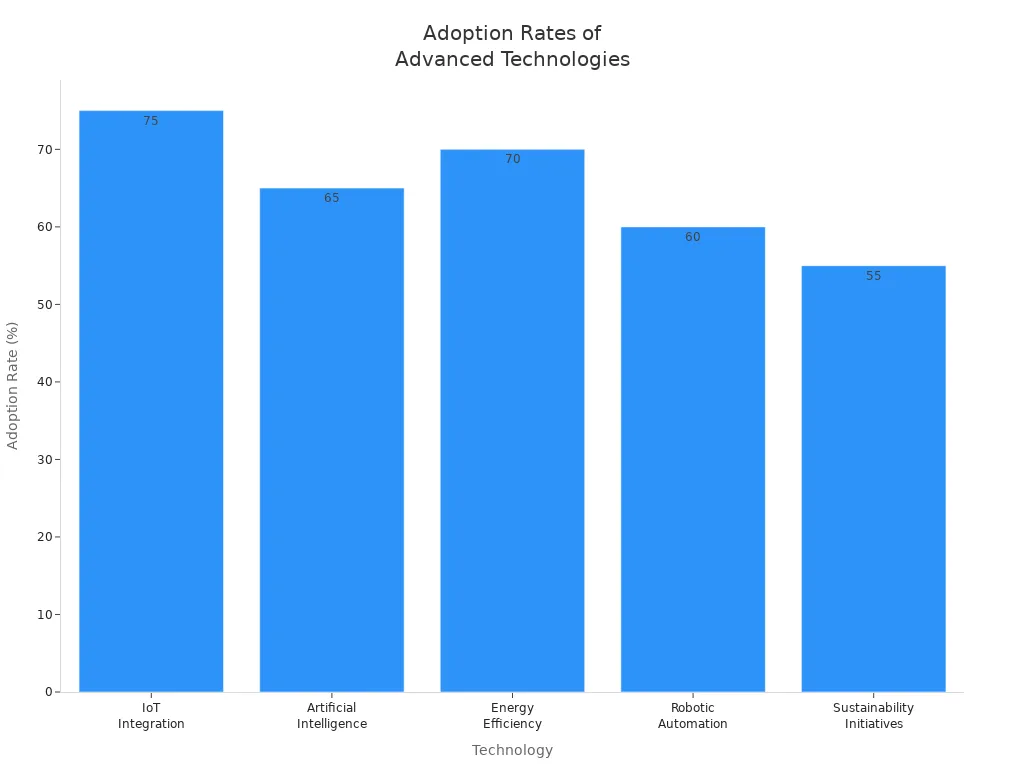
Tsikaritro fa ny orinasa lehibe dia mampiasa vola amin'ny teknolojia extrusion plastika mandroso. Mampiasa fitaovana izy ireo izay manohana ny fanaraha-maso sy ny analyse amin'ny fotoana tena izy. Maro no nandray ny Internet of Things (IoT) fampidirana, faharanitan-tsaina artifisialy ho an'ny fikojakojana mialoha, ary automatique robotic ho an'ny fikarakarana fitaovana. Ireo fanavaozana ireo dia mampitombo ny fahombiazany ary mampihena ny fahadisoana. Ny automatique dia ahafahan'ny orinasa manara-maso ny mari-pana sy ny tsindry mandritra ny dingan'ny extrusion plastika, izay miantoka ny kalitao tsy miovaova. Ny fitaovana mitsitsy angovo sy ny paikady fampihenana ny fako dia mahazatra. Hatramin'ny 80% ny mpanamboatra izao dia mifantoka amin'ny fomba fanao ara-tontolo iainana, anisan'izany ny fanodinana akora mba hampihenana ny fandaniana sy hanatsarana ny kalitao.
| TECHNOLOGY | Description | Ny tahan'ny fananganan'anaka (%) |
|---|---|---|
| IoT Integration | Fanaraha-maso sy famakafakana amin'ny fotoana tena izy | 75 |
| Fahaizana artifisialy | Fikarakarana vinavina sy fanatsarana | 65 |
| Fahavitan'ny angovo | Mampihena ny fanjifana angovo amin'ny extrusion | 70 |
| Robotic Automation | Fikarakarana fitaovana sy fanaraha-maso ny kalitao | 60 |
| Hetsika maharitra | Akora azo averina sy fomba fiasa mitsinjo ny tontolo iainana | 55 |
Fahaiza-manao ara-pitaovana
Manontany foana momba ny fahaizana ara-materialy aho rehefa mifidy mpiara-miasa. Ny orinasa tsara indrindra dia manohana plastika isan-karazany, anisan'izany ny entana, INJENIORIA, manokana, ary bioplastika. Ny ekipan'izy ireo dia mahatakatra ny fomba hifidianana fitaovana mety amin'ny fampiharana tsirairay. Ity fahaiza-manao ity dia miantoka fa ny vokatra dia mahafeno ny tanjona amin'ny fahombiazana sy ny faharetana. Ny teknolojia extrusion plastika avo lenta dia manampy ireo orinasa ireo amin'ny fanodinana ireo akora azo ampiasaina sy ara-tontolo iainana nefa tsy manao sorona ny kalitao..
Fanohanana ny mpanjifa
Fanampiana ara-teknika
Sarobidy amiko ny fanampiana ara-teknika matanjaka avy amin'ireo mpamatsy ahy. Ny orinasa tsara indrindra dia manolotra ekipa voatokana ho fanohanana. Izy ireo dia manome toro-hevitra amin'ny teknolojia extrusion plastika isan-karazany, anisan'izany ny sarimihetsika, lamba, sy pipe. Matetika aho no mahazo fanampiana amin'ny famolavolana hevitra, fifantenana ara-pitaovana, ary fanatsarana ny fizotrany. Ny serivisy consulting amin'ny faran'ny farany dia mandrakotra ny zava-drehetra manomboka amin'ny fametrahana ny orinasa ka hatramin'ny fanofanana mpiasa. Ireo serivisy ireo dia manampy ahy hahatratra ny vokatra tsara indrindra amin'ny tetikasako.
Communication
Ny fifandraisana mazava dia mitondra fiovana lehibe amin'ny fahombiazan'ny tetikasa. Aleoko orinasa manolotra serivisy haingana sy mahomby. Izy ireo dia manome tatitra momba ny fitiliana sy ny fisafoana mialoha ny fandefasana, izay manome ahy fahatokisana ny vokatra farany. Ankasitrahako ihany koa ny haben'ny kaomandy miovaova sy ny safidy fandefasana haingana manerantany. Ny fifandraisana tsara dia miantoka fa tsy maintsy mahazo vaovao foana aho isaky ny dingana, manomboka amin'ny famolavolana ka hatramin'ny fanaterana.
Fisafidianana ny mpamatsy Extrusion plastika mety
Ny fisafidianana ny mpiara-miombon'antoka mety amin'ny famokarana plastika extrusion dia mamolavola ny vokatry ny tetikasa tsirairay. Manomboka amin'ny fanombanana ny fahaizan'ny mpamatsy foana aho, laza, ary pricing. Ireo anton-javatra ireo dia manampy ahy hiantoka ny kalitao sy ny fahamendrehana mandritra ny dingana.
Fanombanana ny fahaiza-manao
Volume famokarana
Mitady mpamatsy afaka mitantana ny famokarana kely sy lehibe aho. Ny mpiara-miasa matanjaka dia manolotra tsipika famokarana marobe, izay ahafahan'izy ireo mitantana ny fiovaovan'ny fangatahana. Zava-dehibe amiko ny fanamboarana. Mila mpamatsy afaka manome vahaolana mifanaraka amin'ny fampiharana manokana aho. Tena ilaina ny fahaiza-manao ara-potoana. Tiako kokoa ireo orinasa izay manolotra fanisana sy kaomandy bodofotsy tantanin'ny mpivarotra. Misongadina ny fanavaozana. Ireo mpamatsy izay mampiasa vola amin'ny teknolojia extrusion plastika vaovao dia mahafeno ny filàko maharitra. Misy fiantraikany amin'ny fanapahan-kevitro koa ny faharetana. Manome lanja ireo mpiara-miombon'antoka izay mampiasa votoaty voahodina aorian'ny mpanjifa sy programa fanodinana midina mihidy aho. Ny fanohanana ara-teknika mandritra ny famolavolana vokatra dia manampy ahy hamaha haingana ireo fanamby.
- Customization ho an'ny tetikasa tsy manam-paharoa
- Andalana famokarana marobe ho an'ny fahafaha-manatsara ny volume
- Safidy amin'ny fotoana fitarihana toy ny fitaovan'ny mpivarotra
- Fampiasam-bola amin'ny teknolojia vaovao
- Fomba fanao maharitra miaraka amin'ny votoaty recycled
- Fanohanana ara-teknika mandritra ny fampandrosoana
Ny kalitaon'ny trano
Ny kalitaon'ny fitaovana dia misy fiantraikany amin'ny dingana rehetra amin'ny famokarana. Mamangy trano mpamatsy aho rehefa azo atao. Manara-maso ny fikorianan'ny fitaovana mifanaraka amin'ny habeny aho. Ny fanaraha-maso kalitao henjana dia miantoka ny fanarahana ny fepetra takian'ny indostria. Fihetseham-po azo vinavinaina mandritra ny asa fananganana mitondra vokatra azo antoka. Ny fanitarana mafana voafehy dia manampy amin'ny fahitsiana ny refy. Ny toetra mitsonika tsy miovaova dia manatsara ny kalitao ankapobeny.
| lafiny | Fiantraikany amin'ny Fampisehoana |
|---|---|
| Quality tsy miovaova | Ny fikorianan'ny fitaovana fanamiana sy ny habeny, kalitao avo lenta mandritra ny famokarana |
| Fanaraha-maso kalitao henjana | Fenitra henjana manomboka amin'ny fisafidianana fitaovana ka hatramin'ny famokarana farany, mari-pamantarana indostrialy |
- Hetsika fananganana azo vinavinaina
- Ny fanitarana mafana voafehy ho an'ny marina
- Toetra levona tsy miovaova
laza & Experience
Taona amin'ny fandraharahana
Zava-dehibe ny traikefa. Mifidy mpamatsy manana tantara lava amin'ny famokarana plastika extrusion aho. Ny traikefa be dia be no manome antoka fa mahafeno ny filàko amin'ny fenitra ambony momba ny kalitao sy ny fahombiazany. Ny fitoniana ara-bola sy ny fahatokisana famantarana malaza amin'ny indostria.
- Ny traikefa be dia be dia manome fenitra avo lenta
- Ny fitoniana ara-bola dia miantoka ny fahamendrehana
Tamberin'ny mpanjifa
Miresaka amin'ny mpanjifa teo aloha foana aho alohan'ny handraisana fanapahan-kevitra. Ny valin-kevitry ny mpanjifa dia manome ahy fahatakarana ny kalitaon'ny asa. Ny fandinihana tranga dia mampiseho ny fahombiazan'ny fandefasana sy ny fahaiza-mamaha olana. Ny hevitry ny mpanjifa dia manondro ny fahamendrehana. Manamafy ny fahatokisana ireo tetikasa nahomby teo aloha.
- Hevitra avy amin'ny mpanjifa teo aloha
- Ny fandinihana tranga dia mampiseho ny fahombiazan'ny fanaterana
- Tombanana ny fahaiza-mamaha olana
- Ny hevitry ny mpanjifa dia manondro ny fahamendrehana
- Ny tetikasa mahomby dia manorina fahatokisana
Pricing & Lead Times
Mangarahara ny vidiny
Pricing mangarahara manampy ahy hifehy ny fandaniana. Aleoko ireo mpamatsy izay manolotra vidiny mivantana mifototra amin'ny vidin'ny famokarana. Ny fividianana mivantana amin'ny mpanamboatra matetika dia miteraka vidiny 15-30% ambany noho ny fividianana amin'ny mpanelanelana.
| Pricing Modely | Description |
|---|---|
| Pricing mangarahara | Vidiny mivantana mifototra amin'ny vidin'ny famokarana, tsy misy sisin'ny mpivarotra |
| Fanaraha-maso ny vidiny | Fanaraha-maso tsara kokoa rehefa mividy mivantana |
| Price Comparison | Ny vidin'ny orinasa mivantana dia 15-30% ambany noho ny mpanelanelana |
Delivery azo itokisana
Ny fanaterana azo antoka dia mitazona ny tetikasako amin'ny fandaharam-potoana. Manaraka dingana mazava ireo mpamatsy lehibe. Mifidy ny fitaovana thermoplastic mety izy ireo, miempo ary mandrafitra azy, endrika sy nanapaka singa, manambatra ny fitaovana ho an'ny asa fanatsarana, ary manaova fanaraha-maso hentitra tsara. Ny serivisy fanamboarana farany dia mameno ny vahaolana.
| Dingana | Description |
|---|---|
| 1 | Fifantenana fitaovana: Ny fisafidianana ny fitaovana thermoplastic mety amin'ny faharetana sy ny fahombiazany |
| 2 | mitsonika & mamorona: Manaova pellets plastika ary manamboatra azy ireo amin'ny die |
| 3 | famolavolana & fanapahana: Mamolavola sy manapaka bebe kokoa ny fitaovana extruded |
| 4 | Co-Extrusion & Tri-Extrusion: Fampifangaroana fitaovana ho an'ny fiasa nohatsaraina |
| 5 | Fanaraha-maso kalitao & FANDINIHANA: Fanaraha-maso hentitra mba hiantohana ny fenitra avo lenta |
| 6 | Famoronana farany: Serivisy an-trano fanampiny ho an'ny vahaolana feno |
Soso-kevitra: Manoro hevitra ny hangataka fandaharam-potoana amin'ny antsipiriany sy rafitra fanaraha-maso aho mba hanaraha-maso ny fivoaran'ny baiko.
Mifidy ny mpamatsy mety midika hoe manombana ny fahaiza-manao, kalitaon'ny fitaovana, laza, pricing, ary fanaterana. Miantehitra amin'ireo fepetra ireo aho mba hiantohana ny vokatra tsy miovaova amin'ny famokarana plastika extrusion.
Tombontsoa azo avy amin'ny mpiara-miombon'antoka amin'ny famokarana plastika extrusion malaza
Quality tsy miovaova
Ataoko laharam-pahamehana foana ny kalitao tsy miovaova rehefa misafidy mpiara-miombon'antoka plastika aho. Mampiasa vola ireo mpanamboatra azo itokisana fitaovana mandroso sy fanaraha-maso hentitra ny kalitao Systems. Ity fomba fiasa ity dia miantoka ny fandeferana mazava sy hentitra, izay manatsara mivantana ny tanjaky ny vokatra sy ny fahamarinan'ny refy. Hitako ny fomba hitantanan'ny injeniera za-draharaha sy ny mpandraharaha mahay ny famolavolana maty sy ny fikorianan'ny fitaovana hisorohana ny olana amin'ny famokarana. Ny fahaizan'izy ireo dia mitondra vokatra azo antoka isaky ny mandeha.
Ireo mpiara-miombon'antoka extrusion ambony dia misafidy fitaovana tsara indrindra ho an'ny fampiharana tsirairay. Mampifandanja ny hery izy ireo, fanoherana ny harafesina, machinability, ary ny vidiny. Ity fifantenana tsara ity dia miantoka ny fahombiazan'ny ampahany. Sarobidy amiko ny serivisy mitambatra izay mandrakotra ny zava-drehetra manomboka amin'ny fifampidinihana amin'ny famolavolana ka hatramin'ny famaranana sy ny fivoriambe. Ireo serivisy ireo dia mitazona fanaraha-maso ny kalitao mandritra ny dingana ary manatsotra ny rojo famatsiana.
- Ny fahamarinan'ny refy tsy miovaova dia manakana ny olana amin'ny fivoriambe ary mitsitsy fotoana.
- Ny fanaraha-maso kalitao mangarahara sy henjana dia manome fiadanan-tsaina.
- Ny extrusion plastika avo lenta dia miantoka ny vokatra farany mifanaraka amin'ny andrasana amin'ny fampisehoana.
| Mahasoa | Description |
|---|---|
| Nohatsaraina Surface vita | Manafoana hodi-antsantsa, manamaivana ny fahatapahana miempo. |
| Nitombo ny vokatra sy ny vokatra | Mamela haingana extrusion ambony kokoa, mampihena ny fotoana fiatoana. |
| Ambany ny tahan'ny fako sy ny fandavana | Sarimihetsika tsara kokoa, printability tsara kokoa. |
| Firaisankina tsara kokoa amin'ny sarimihetsika | Fikoriana mitsonika kokoa, mihena ny tsy fandriam-pahalemana. |
| Mihena ny fananganana maty | Kely ny maty drool, famokarana mitohy maharitra. |
Ahena ny risika
Fantatro fa ny fiaraha-miasa amin'ny orinasa extrusion malaza dia mampihena ny risika amin'ny fampandehanana sy famatsiana. Ireo mpiara-miombon'antoka ireo dia mampiasa rafitra faharanitan-tsaina mandroso mba hiandrasana ny fiovan'ny tsena sy hanatsara ny fametrahana ny renivohitra. Ity paikady ity dia manampy amin'ny fitantanana ny risika avy amin'ny fiovaovan'ny vidin'ny akora sy ny fiovan'ny lalàna. Ny modelin'ny scenario dia mamela ahy haka tahaka ny fanjakana ho avy ary hanombantombana ny faharetan'ny rojo famatsiana. Afaka mizara loharano amin'ny fomba mahomby kokoa aho vokatr'izany.
Mitambatra ny rindrambaiko fanaraha-maso rojo famatsiana fanaraha-maso ny mpamatsy amin'ny fotoana tena izy ary ny fitantanana ny fanarahan-dalàna. Ity teknôlôjia ity dia manakana ny fikorontanan'ny asa sy ny risika amin'ny fampiharana. Mandray soa avy amin'ny traceability amin'ny fangatahana aho, izay miantoka ny fahazoan-dalana haingana amin'ny fandefasana entana. Ny fanairana amin'ny fotoana tena izy dia mampahafantatra ny ekipako mpankatò, mamela ny fitantanana ny risika mavitrika alohan'ny hahatongavana any amin'ny seranana.
| Karazana porofo | Description |
|---|---|
| Advanced Intelligence Frameworks | Andrasana ny fiovaovan'ny tsena ary amboary ny fametrahana renivola. |
| Scenario Modeling | Manaova tahaka ny fanjakana ho avy ary manombana ny faharetan'ny rojo famatsiana. |
| Rindrambaiko fanarahan-dalàna amin'ny rojo famatsiana | Fanaraha-maso ara-potoana sy fitantanana fanarahan-dalàna ny mpamatsy mba hisorohana ny fikorontanan'ny asa. |
- Ny fisavana ara-potoana ny mpamatsy sy ny sarintany momba ny fananana dia mamaritra ny loza mety hitranga amin'ny fanarahan-dalàna.
- Ny traceability amin'ny fangatahana dia miantoka ny fivoahana haingana.
- Ny fanairana amin'ny fotoana tena izy dia mamela ny fitantanana ny risika mavitrika.
Fahaiza-manao teknika
Ny fahaiza-manao ara-teknika avy amin'ireo mpiara-miombon'antoka amin'ny extrusion dia mitarika ny fahombiazan'ny tetikasa. Miantehitra amin'ny fahaizan'izy ireo mampifandanja ny fiasan'ny akora manta aho, haavon'ny hamandoana, visy configuration, sy ny maripana profil. Ilaina io fifandanjana io mba hahazoana ny toetran'ny vokatra irina. Ohatra, starch mifehy ny fanitarana, firafitry ny sela, crispness, hamafin'ny, ary ny fahamarinan-toetra ara-nofo mandritra ny androm-piainany. Hitako ny fomba itondran'ity fahaiza-manao ity amin'ny vokatra mahafeno ny fepetra takian'ny asa sy ny estetika.
Rehefa miara-miasa amin'ireo mpiara-miombon'antoka malaza aho, Mandray soa avy amin'ny fomba stratejika ataon'izy ireo aho. Matetika izy ireo no manao fanadihadiana ny mpifaninana ary mampifanaraka ny maha-marika amin'ny fahitana maharitra. Tsaroako ny tetikasa iray izay nahatonga ity fiaraha-miasa ity tamin'ny paikady marika voarafitra, famoronana asa vaovao, ary ny varotra voatazona manan-danja. Tetikasa fanovana nomerika manampy amin'ny fitahirizana fahalalana manokana ary ahafahana manatsara haingana ny serivisy consultant.
Soso-kevitra: Mifidy mpiara-miombon'antoka izay mampiseho fahalalana ara-teknika lalina sy fanoloran-tena amin'ny fanatsarana mitohy aho. Ity fomba fiasa ity dia miantoka ny kalitao sy ny fahamendrehana amin'ny tetikasa tsirairay.
Sanda maharitra
Rehefa misafidy mpiara-miombon'antoka extrusion plastika malaza aho, Mijery mihoatra ny filan'ny tetikasa eo no ho eo aho. I focus on the long-term value that a strong partnership brings to my business. Over the years, I have seen how working with established manufacturers creates lasting advantages that go far beyond the initial contract.
A reliable extrusion partner helps me build a resilient supply chain. I know I can count on consistent quality and dependable delivery. This stability allows me to plan production schedules with confidence. I avoid costly delays and last-minute changes. My customers notice the difference, and my reputation grows stronger with every successful project.
I also see significant cost savings over time. Trusted partners invest in process improvements and advanced technologies. These investments reduce waste, lower defect rates, and improve efficiency. I benefit from fewer production errors and less rework. Ny ekipako dia mandany fotoana kely amin'ny famahana olana ary fotoana bebe kokoa amin'ny fanavaozana. Vokatr'izany, tonga eny an-tsena haingana kokoa sy manana kalitao avo kokoa ny vokatra.
Ireto misy ohatra tena misy eto amin'izao tontolo izao izay mampiseho ny lanja maharitra amin'ny fisafidianana ny mpiara-miasa amin'ny extrusion tsara:
- Mpanamboatra fitaovana fitsaboana amerikana nihena ny fotoana nitarika avy 12 herinandro ho 4 HERINANDRON'NY amin'ny famindrana ny famokarana ho mpiara-miombon'antoka extrusion an-trano. Io fanovana io dia nahafahan'izy ireo nanangana tsipika vaovao roa volana mialoha ny fandaharam-potoana.
- Nisy mpanamboatra fitaovana Midwest iray nampihena ny taham-pahadisoan'izy ireo 7% ho ambany 1%. Amin'ny fiaraha-miasa amin'ny molder tsindrona any Etazonia, voavonjy izy ireo $150,000 isan-taona amin'ny fandaniana amin'ny fanamboarana sy ny sisa.
- Ny orinasa mpanjifa entana dia nanatsara ny fanaterana ara-potoana avy amin'ny 68% ny 99% rehefa avy nifindra tany amin'ny mpamatsy extrusion amerikana. Ity fanatsarana ity dia namerina ny fahatokisan'ny mpanjifa ary niaro ny anjara tsenany.
Ireo vokatra ireo dia mampiseho ny fomba ahafahan'ny mpiara-miombon'antoka mety hanova ny vokatry ny fandraharahana. Sarobidy amiko ireo mpiara-miombon'antoka manome fanohanana ara-teknika, fifandraisana mangarahara, ary fanoloran-tena amin'ny fanatsarana mitohy. Manampy ahy hifanaraka amin'ny fitakian'ny tsena sy ny fepetra takian'ny lalàna izy ireo. Mahazo fitaovana vaovao aho, dingana vaovao, ary toro-hevitra manam-pahaizana.
Ny fifandraisana maharitra amin'ny orinasa extrusion malaza dia manohana ny tanjoko amin'ny fitomboana. Afaka mampitombo na midina aho raha ilaina. Ny mpiara-miasa amiko dia mahatakatra ny orinasako ary manantena ny zavatra ilaiko. Ity fahafaha-manao ity dia manome ahy tombony amin'ny fifaninanana amin'ny tsena mihetsiketsika.
Soso-kevitra: Manoro hevitra foana aho hanangana fiaraha-miasa maharitra amin'ny mpamatsy extrusion anao. Ny tombony dia mitambatra rehefa mandeha ny fotoana, mitarika ho amin'ny fahombiazana bebe kokoa, vidiny ambany kokoa, ary fifandraisana matanjaka kokoa amin'ny mpanjifa.
Karazana tolotra fanondrahana plastika
Profile Extrusion
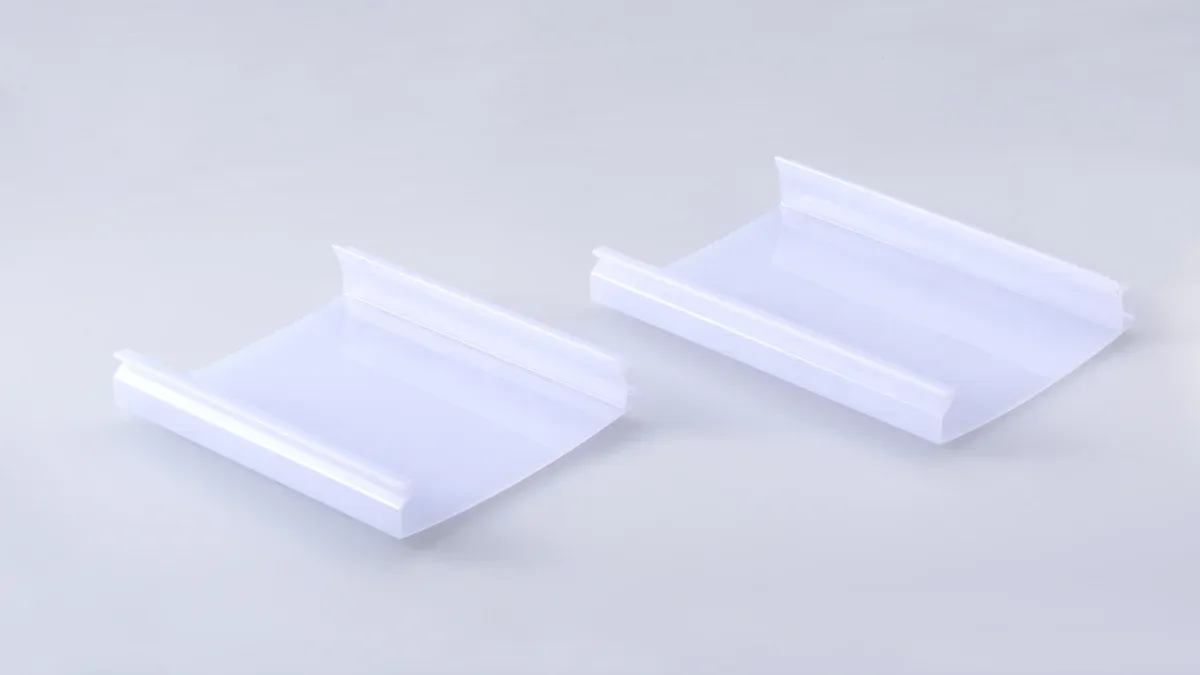
Rehefa miasa amin'ny extrusion plastika aho, Matetika aho no manomboka profil extrusion. Ity dingana ity dia mamorona endrika mitohy miaraka amin'ny fizarana saro-pady. Hitako ny extrusion profil ampiasaina amin'ny fikandrana varavarankely, tombo-kase toetrandro, fantsona tariby, ary extrusions plastika mahazatra ho an'ny fampiharana tokana. Ny fahaiza-manaon'ity fomba ity dia mamela ahy hamolavola mombamomba saro-pady izay mahafeno ny fepetra takian'ny tetikasa manokana. Miantehitra amin'ny extrusion profil aho rehefa mila endrika tsy miovaova sy fandeferana mafy. Ny mpanamboatra dia mampiasa fitaovana toy ny PVC, p, TPE, ary ABS mba hahazoana ny fifandanjana tsara amin'ny tanjaka sy ny flexibility. Sarobidy amiko ity serivisy ity satria izy io dia manohana ny fenitra sy ny plastika extrusion manokana vahaolana, ka mahatonga azy ho tonga lafatra ho an'ny indostria toy ny fanorenana, fiara, ary elektrika.
lamba & Film Extrusion
Manana anjara toerana lehibe amin'ny ankamaroan'ny tetikasako ny fandefasana takelaka sy sarimihetsika. Mampiasa taratasy extrusion aho mba hamokarana takelaka plastika fisaka, izay avadika ho zavatra toy ny signage taty aoriana, lovia sakafo, na takelaka rindrina. Film extrusion dia mamorona sarimihetsika plastika manify, izay hitako matetika amin'ny fonosana, fonon'ny fambolena, ary fonosana indostrialy. Tafiditra ao anatin'izany ny fandrendrehana ireo pellet plastika ary fanerena azy ireo amin'ny alalan'ny fatiny fisaka, miteraka takelaka na sarimihetsika mitohy. Mifidy fitaovana toy ny PET aho, p, PVC, Sal, ary ABS noho ny faharetany sy ny mazava. Ny fahaiza-manao amin'ny fametahana takelaka sy sarimihetsika dia mamela ahy hiresaka amin'ny filana isan-karazany, manomboka amin'ny fonosana fiarovana ka hatramin'ny takelaka haingon-trano.
Soso-kevitra: Mampifanaraka ny fitaovana amin'ny fampiasana farany aho. Ohatra, Mifidy PET ho an'ny fonosana sakafo aho satria manome mazava tsara sy fananana sakana.
Tubing & Extrusion fantsona
Ny fantson-drano sy ny fantsona fantsona dia miavaka amin'ny maha-zava-dehibe azy ireo amin'ny fanorenana, FITSABOANA, ary fampiharana indostrialy. Matetika aho no mamaritra an'io serivisy io rehefa mila fantsona aho, IV fantsona, fantsona famatsian-drano, na tsipika solika fiara. Ny dingana dia mamolavola plastika mitsonika ho fantsona na fantsona misy savaivony sy hatevin'ny rindrina. Miasa amin'ny fitaovana toy ny PVC aho, HDPE, LDPE, p, ary PEX mba hiantohana ny fanoherana simika sy ny faharetana. Tubing sy sodina extrusion mamela ahy hahafeno fepetra henjana indostrian'ny tsindry, manovaova, ary ny fahadiovana.
Ity misy a fampitahana haingana ny tena extrusion karazana, ny fampiharana azy ireo, ary fitaovana:
| Karazana Extrusion | Applications | Fitaovana ampiasaina |
|---|---|---|
| Sodina sy Tube | construction (famatsiana rano, maloto), AN'NY TAOZAVA-BAVENTY (fantsona simika), FITSABOANA (IV fantsona), Automotive (tsipika solika) | PVC, HDPE, LDPE, p, PEX |
| lamba | Signage, Fonosana (lovia sakafo), construction (rindrina rindrina) | PET, p, PVC, Sal, ABS |
| horonan-tsary | Fonosana sakafo (fonosina), FAMBOLENA (rakotra trano fonenana), AN'NY TAOZAVA-BAVENTY (mihinjitra fonosina) | Plastika isan-karazany |
| TANTARANY | TRANO (rafitra varavarankely), herinaratra (fantsona tariby), Automotive (tombo-kase toetrandro) | PVC, p, TPE, ABS |
Heveriko foana ny fampiasana farany sy ny fananana ilaina alohan'ny hisafidianana ny serivisy extrusion tsara. Ny fomba tsirairay dia manome tombony miavaka ary manohana indostria isan-karazany.
Co-Extrusion
Rehefa mila manambatra fitaovana maromaro ho vokatra tokana aho, Mitodika amin'ny co-extrusion aho. Ity dingana ity dia mamela ahy hamorona ampahany misy sosona miavaka, tsirairay manolotra fananana manokana. Ohatra, Azoko ampiasaina ny fotony henjana ho an'ny tanjaka ary ny sosona ivelany malefaka ho an'ny flexibility. Ny co-extrusion dia manome ahy fahafahana hamolavola vokatra mifanaraka amin'ny fepetra takiana amin'ny indostria toy ny fiara, construction, ary fonosana.
Matetika aho no misafidy co-extrusion rehefa te hanatsara ny fampisehoana na hampihena ny fandaniana. Amin'ny alalan'ny layering fitaovana, Afaka mampiasa polymère avo lenta aho raha ilaina ary fitaovana ara-toekarena kokoa any an-kafa. Ity fomba ity dia manampy ahy handanjalanja ny kalitao sy ny teti-bola. Hitako koa ny co-extrusion ampiasaina amin'ny vokatra mila sosona sakana, toy ny fonosana sakafo izay mitaky hamandoana na oksizenina fanoherana.
Ireto misy tombony azoko tamin'ny co-extrusion:
- Nohatsaraina ny fiasan'ny vokatra amin'ny alalan'ny fampifangaroana ireo toetra ara-materialy samihafa
- Fitsitsitsitsitsitsitsitsitsitsitsitsy amin'ny alalan'ny fampiasana fitaovana avo lenta
- Estetika nohatsaraina miaraka amin'ny sosona ivelany miloko na miloko
- Fahalalahana famolavolana lehibe kokoa ho an'ny endrika sarotra
Soso-kevitra: Miresaka momba ny filan'ny fangatahana miaraka amin'ny mpiara-miombon'antoka amin'ny extrusion foana aho eo am-piandohan'ny dingana. Izany dia miantoka ny fifantenana ara-pitaovana mety sy ny fandrindrana sosona mba hahazoana vokatra tsara indrindra.
Ny teknolojia co-extrusion dia mitohy mandroso. Mpanamboatra maro ankehitriny no manolotra fahaiza-manao maro sosona, mamela hatramin'ny dimy na mihoatra sosona amin'ny extrusion tokana. Hitako fa tena ilaina tokoa izany ho an'ny fampiharana izay mitaky tanjaka sy fanoherana simika.
Fanohanana Custom Design
Manana anjara toerana lehibe amin'ny tetikasako ny fanohanana ny famolavolana manokana. Miantehitra amin'ny injeniera za-draharaha aho hanampy ahy hamadika hevitra ho vokatra azo amboarina. Rehefa mila extrusions plastika manokana aho, Miara-miasa akaiky amin'ny ekipan'ny mpanamboatra mpamatsy aho hatramin'ny voalohany. Manampy ahy hisafidy ny fitaovana mety izy ireo, Optimize ny profil geometrika, ary miantoka fa mahafeno ny fepetra rehetra ilaina ny famolavolana.
Ny dingana famolavolana matetika dia ahitana:
- Fifanakalozan-kevitra voalohany sy jery todika ny mety ho vita
- CAD modeling sy prototype fampandrosoana
- Fifantenana fitaovana mifototra amin'ny filàna fampisehoana
- Famolavolana fitaovana sy fanamarinana
- Fitsapana famokarana sy fanitsiana farany
Manome lanja ireo mpamatsy izay manolotra fitaovana an-trano sy prototyping haingana aho. Manafaingana ny tsingerin'ny fampandrosoana izany ary mampihena ny mety hisian'ny fahadisoana lafo. Ny fifandraisana tsara mandritra ny dingana famolavolana dia manampy ahy hisoroka ny tsy fifankahazoan-kevitra ary miantoka ny vokatra farany mifanaraka amin'ny andrasako.
| Fanohanana endrika endrika | Tombontsoa ho an'ny tetikasako |
|---|---|
| Modely CAD | Mijery ny vokatra farany |
| Prototyping | Mifanaraka sy miasa aloha ny fitsapana |
| Torolàlana ara-pitaovana | Mampifanaraka ny fananana amin'ny fampiharana |
| Tooling Expertise | Miantoka ny famokarana mahomby |
Fanamarihana: Mangataka hevitra momba ny famolavolana sy soso-kevitra avy amin'ny ekipa injenieran'ny mpamatsy foana aho. Ny traikefan'izy ireo matetika dia mitarika ho amin'ny fampisehoana tsara kokoa sy ny vidiny ambany kokoa.
Ny fanohanan'ny famolavolana manokana dia manova ny hevitro ho kalitao avo lenta, vokatra miasa. Manome toky ahy izany fa hahomby ny tetikasako manomboka amin'ny foto-kevitra mankany amin'ny famokarana.
Manomboka amin'ny mpamatsy
Fikarohana voalohany
Rehefa manomboka miasa amin'ny mpamatsy plastika extrusion vaovao aho, Manome fandaharam-potoana fifampidinihana voalohany foana aho. Ity fivoriana voalohany ity dia mametraka ny feo ho an'ny tetikasa manontolo. Ampiasaiko io fahafahana io mba hizarako ny tanjon'ny tetikasa sy hifanakalozan-kevitra momba ny fepetra manokana rehetra. Hitako fa ny fifandraisana mazava amin'ity dingana ity dia manampy amin'ny fisorohana ny tsy fifankahazoana any aoriana. Manontany momba ny traikefan'ny mpamatsy amin'ny tetikasa mitovy aho ary mangataka ohatra momba ny asa taloha. Jeriko ihany koa ny fahaizan'izy ireo ara-teknika sy ny fitaovana misy. Ity dingana ity dia mamela ahy handrefesana ny fandraisan'izy ireo andraikitra sy ny fahavononany hiara-miasa. Matetika aho no mitondra ny ekipako injeniera amin'ireo fifanakalozan-kevitra ireo. Ny fidiran'izy ireo dia manampy amin'ny fanatsarana ny famolavolana sy hamantatra ireo fanamby mety hitranga aloha.
Mangataka Quotes
Raha vao mahatsapa aho fa matoky ny fahaizan'ny mpamatsy, Miroso amin'ny fangatahana quotes aho. Fantatro fa miankina amin'ny fampahalalana omeko ny teny iray amin'ny antsipiriany sy marina. Alohan'ny hanatonana, Manomana antsipiriany fototra maromaro aho:
- mamaritra ny ahy aho fepetra manokana ho an'ny extrusions manokana.
- Manombatombana ireo safidy ara-materialy izay mifanaraka amin'ny tetikasako aho.
- Miara-miasa amin'ny fanohanana ara-teknika aho hanatsara ny famolavolana sy hamahana ny olana ara-teknika rehetra.
Amin'ny fikarakarana ireo vaovao ireo, Manampy ny mpamatsy hanome teny mazava tsara aho. Mangataka fanaparitahana ny fandaniana foana aho, anisan'izany ny fitaovana, fitaovana, sy famokarana. Mampitaha teny avy amin'ny mpamatsy maro aho mba hiantohana ny vidiny sy ny serivisy mifaninana. Manamarina ihany koa aho raha misy sara miafina na fiampangana fanampiny. Ity dingana ity dia manome ahy fahatakarana mazava ny totalin'ny vidin'ny tetikasa sy ny fandaharam-potoana.
Soso-kevitra: Manoro hevitra aho hanome sary na rakitra CAD raha azo atao. Ny fanondro hita maso dia manampy ny mpamatsy hahatakatra ny filanao ary hampihena ny mety hisian'ny fahadisoana.
Famerenana ny fifanarahana
Rehefa avy nifidy mpamatsy, Mandinika tsara ny fifanarahana aho alohan'ny handrosoana. Mifantoka amin'ny hevi-dehibe maromaro aho mba hiantohana ny fahombiazan'ny tetikasa:
- Nosoritako ny rehetra vokatra sy serivisy takiana, anisan'izany ny fepetra arahana, fenitra kalitao, be, ary ny fandaharam-potoana fanaterana.
- Nametraka teritery tetibola aho ary nanamafy ny fampifanarahana tamin'ny ekipako anatiny.
- Mamantatra ireo mpamatsy rehetra voakasik'izany aho ary mijery ny teny nalaina ho an'ny vidiny sy ny fepetra.
- Mamarana ny fifanarahana aho, manao izay mahafeno ny fandaharam-potoana fanaterana azy, fe-potoana fandoavam-bola (toy ny a 30% deposit ary 70% amin'ny fandefasana), ary ny fenitra kalitao.
- Mandamina fitsapana sy fankatoavana lahatsoratra voalohany aho mba hanamarina fa mahafeno ny fepetrako ny santionany alohan'ny famokarana feno.
- I monitor production and supplier performance to ensure compliance with contract terms and quality standards.
- I manage shipping and delivery to guarantee timely and secure arrival while maintaining product integrity.
I always keep a copy of the signed agreement for reference. This document serves as a roadmap for the project and helps resolve any issues that may arise. By following these steps, I build a strong foundation for a successful partnership with my plastic extrusion supplier.
Ongoing Collaboration
After I finalize the agreement with my plastic extrusion supplier, I shift my focus to building a strong, ongoing collaboration. I know that successful projects depend on more than just a signed contract. I invest time in nurturing the relationship and keeping communication open.
Mandahatra fisavana tsy tapaka miaraka amin'ny mpamatsy ahy aho. Ireo fivoriana ireo dia manampy ahy hanara-maso ny fivoaran'ny tetikasa ary hamaha ny olana rehetra aloha. Mizara hevitra momba ny fanaterana vao haingana aho ary miresaka momba ny zavatra ilaina ho avy. Hitako fa manakana ny tsy fifankahazoan-kevitra ny fifanakalozan-kevitra misokatra ary mampirindra tsara ny ekipa roa tonta.
Nametraka fanantenana mazava momba ny kalitao sy ny fanaterana ihany koa aho. Mampiasa tondro fampiasa lehibe aho (KPIs) handrefesana ny fahombiazan'ny mpamatsy. Ny sasany amin'ireo KPI arahiko dia misy:
| KPI | Nahoana aho no manara-dia azy |
|---|---|
| Ny tahan'ny fanaterana ara-potoana | Miantoka fa mijanona amin'ny fandaharam-potoana ny tetikasako |
| Taham-pahakiviana | Manara-maso ny kalitaon'ny vokatra |
| Fotoam-pamaliana | Mandrefy ny hafainganam-pifandraisana amin'ny mpamatsy |
| manovaova | Manombatombana ny fahaizana mitantana ny fiovana |
Mamerina ireo metrika ireo miaraka amin'ny mpamatsy ahy aho mandritra ny fivorianay. Raha mahatsikaritra olana aho, Miresaka mivantana amin'izy ireo aho ary miara-miasa amin'ny fitadiavana vahaolana. This approach builds trust and encourages continuous improvement.
I value transparency in every interaction. I share my production forecasts and any changes in demand as soon as possible. This helps my supplier plan resources and avoid last-minute surprises. I also ask for updates on new materials, technologies, or process improvements. Staying informed allows me to take advantage of innovations that can benefit my projects.
Soso-kevitra: I always document important discussions and decisions. Written records help me track progress and resolve disputes if they arise.
I encourage my team to visit the supplier’s facility when possible. These visits give us a better understanding of their capabilities and processes. I also invite supplier representatives to my site for joint problem-solving sessions. Ny fiaraha-miasa mifanatrika matetika dia mitarika vahaolana amin'ny famoronana sy fiaraha-miasa matanjaka kokoa.
Mino aho fa ny fiaraha-miasa mitohy dia miteraka lanja maharitra. Amin'ny fiaraha-miasa akaiky amin'ny mpamatsy ahy, Mahazo kalitao tsara kokoa aho, fanaterana haingana kokoa, ary ambany ny vidiny. Manangana fiaraha-miasa izay afaka mampifanaraka ny filàn'ny fandraharahana miova ihany koa aho. Ho ahy, ny fampiasam-bola amin'ny fifandraisana dia mahafa-po amin'ny tetikasa mahomby rehetra.
Mifantoka amin'ny fahaiza-mamolavola endrika foana aho, fanavaozana ara-materialy, ary fahombiazana rehefa mifidy mpiara-miombon'antoka plastika extrusion aho. Profiles izay mamaha olana manokana ary mampiasa fitaovana toy ny HDPE, polycarbonate, ary polypropylène manome vokatra tsara indrindra. Manoro hevitra aho hijery ny tanjaky ny orinasa, manomana ny fepetra takian'ny tetikasanao, ary manatona ny fifampidinihana.
- Ampifanaraho amin'ny filanao ny mombamomba anao
- Mifidiana polymère avo lenta mba haharitra
- Ataovy laharam-pahamehana ny kalitao tsy miovaova sy ny scalability
Continuous production means high throughput and reliable quality—ideal for repeatable custom parts and large runs.
Strong partnerships in plastic extrusion drive long-term success.
FAQ
What is plastic extrusion?
I use plastic extrusion to create continuous shapes from melted plastic. This process forms pipes, lamba, mombamomba, and films. I rely on it for consistent quality and high-volume production.
How do I choose the right extrusion material?
I consider the application, HERY, manovaova, and chemical resistance. I often consult with my supplier’s engineers. They help me match the material to my project’s needs.
What industries use plastic extrusion?
I see plastic extrusion in construction, fiara, fonosana, FITSABOANA, and electronics. Each industry values the process for its efficiency and ability to produce custom shapes.
How long does a typical extrusion project take?
Project timelines vary. I usually see simple projects completed in 2–4 weeks. Complex designs or custom tooling may require more time. I always confirm lead times with my supplier.
Can I request custom colors or finishes?
ENY, I often request custom colors, textures, or finishes. Most reputable suppliers offer color matching and surface treatments to meet branding or functional requirements.
What quality standards should I expect?
I expect ISO 9001:2015 fanamarinana, strict inspection processes, and traceability. These standards ensure consistent quality and reliable performance for every order.
How do I get a quote for my project?
I prepare drawings, specifications, and quantity estimates. I send these details to my supplier. Clear information helps me receive accurate and competitive quotes.
What are the benefits of co-extrusion?
Co-extrusion lets me combine multiple materials in one product. I achieve enhanced strength, manovaova, or barrier properties. This process helps me optimize performance and cost.