

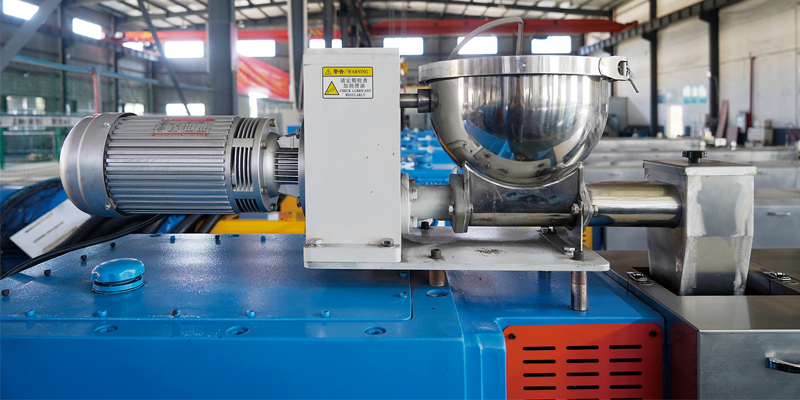
Ar 16 gadu praktiska pieredze plastmasas ekstrūzijas iekārtu projektēšanā un optimizēšanā, Esmu atbalstījis 300 ražotājiem visā Ziemeļamerikā, Eiropā, un Āzijā, izvēloties pareizās barošanas sistēmas savām ekstrūderu līnijām. Tilpuma padevējs izceļas kā vispraktiskākais risinājums priekš 80% standarta ekstrūzijas lietojumiem — līdzsvarojot pieejamību, uzticamība, un lietošanas vienkāršība, vienlaikus nodrošinot konsekventu barošanas veiktspēju plašam plastmasas materiālu klāstam. Atšķirībā no precīzas svara zuduma padevējiem, kuriem nepieciešami ievērojami iepriekšējie ieguldījumi, tilpuma padevēji piedāvā rentablu alternatīvu vispārējai ekstrūzijai, kur primārie mērķi ir mērena precizitāte un liela caurlaidspēja Tilpuma padeves ražotājs.
The Tilpuma padeves piegādātājs ir piemērots lielākajai daļai ekstrūderu barošanas risinājumu, tai ir zemu izmaksu un augstas efektivitātes barošanas īpašības. Kā pamatelements plastmasas apstrādes iekārtās visā pasaulē, šis padeves veids ir izstrādāts tā, lai ekstrūderos piegādātu nemainīgu materiāla daudzumu (viena skrūve, dvīņu skrūve, vai divpakāpju) bez sarežģītām svara mērīšanas sistēmām. Šī vienkāršība nozīmē mazākus kapitālizdevumus (30-50% mazāk nekā svara zuduma barotavās) un minimāla apkope, padarot to ideāli piemērotu maziem un vidējiem ražotājiem, liela apjoma zemas peļņas ražošanas sērijas, un lietojumiem, kur ir stingra dozēšanas precizitāte (±0,1%) nav nepieciešama.
Tilpuma padevēji ir universāli savietojami ar ekstrūzijas procesiem, tostarp:
Šajās lietojumprogrammās, padevēja ±2% tilpuma precizitāte ir vairāk nekā pietiekama, lai uzturētu konsekventu ekstrūdera jaudu un produkta kvalitāti, savukārt tā izturīgais dizains nodrošina uzticamu darbību skarbos rūpnīcas apstākļos (temperatūras diapazons 0°C-45°C, putekļu līmenis līdz ISO 8573-1 Klase 4).
The Tilpuma padeves rūpnīca sastāv no mazas dubultas skrūves, muca, un motors — trīs galvenie komponenti, kas darbojas kopā, lai novērstu kopīgās barošanas problēmas, kas saistītas ar savienošanu, aizsērēšanu, un nekonsekventa izlāde. Atšķirībā no vienas skrūves tilpuma padevējiem (pakļauti materiāla slīdēšanai un nevienmērīgai plūsmai), divu skrūvju dizains rada pozitīvu pārvietošanas darbību, kas nodrošina vienmērīgu materiāla kustību no tvertnes uz ekstrūdera padeves kaklu.
Kad materiāls nonāk mucā, skrūvi vienkārši pagriež maisīšanas veltnis, Tilpuma padeves vairumtirdzniecība kas ne tikai nospiež materiālu līdz apakšai, bet arī samazina aizsērēšanu, atvieglojot izlādēšanos, ietaupot laiku un enerģiju, un lēnas izlādes problēmas risināšana, kas ietekmē produktivitāti. Maisīšanas veltnis (uzstādīts pie tvertnes ieejas) maisa beztaras materiālus, lai novērstu žurku caurumu veidošanos un tiltu veidošanos — problēmas, kas nomoka vienas skrūves padeves, apstrādājot materiālus ar zemu plūsmu, piemēram, pārslas vai pildītus maisījumus.. Šī ažiotāža, apvienojumā ar savstarpēji savienotajām dubultskrūvēm, nodrošina, ka materiāls tiek nepārtraukti nogādāts uz ekstrūderi, pat ar zemu padevi (5 kg/h) vai augstas likmes (2000 kg/h).
Zhuoyue tilpuma padevēji izmanto kompaktu, savstarpēji savienojošu divu skrūvju dizainu (diametrs 15-50 mm) ar pielāgojamiem skrūvju profiliem, lai tie atbilstu materiāla plūsmas īpašībām:
Divkāršās skrūves griež sinhronizēta pārnesumkārba, lai nodrošinātu vienādu griešanās ātrumu, novēršot materiāla saspiešanu un bīdes sildīšanu (kritisks temperatūras jutīgiem materiāliem, piemēram, PVC).
Padevēja muca ir izgatavota no bezšuvju oglekļa tērauda (vai 304 nerūsējošais tērauds lietošanai pārtikā/medicīnā) ar gludu iekšējo apdari (Ra ≤ 1,6 μm) lai samazinātu materiāla saķeri. Tvertne ir pieejama 5L, 10L, 20L, un 50L ietilpība, ar caurspīdīgu polikarbonāta iespēju vizuālai materiāla līmeņa uzraudzībai. Īpaši zemas plūsmas materiāliem ir nepieciešama vibrācijas pamatne (piem., ar stikla šķiedru pildītas PA granulas), vēl vairāk samazinot aizsērēšanas risku.
Tilpuma padevēji ir aprīkoti ar IE3 augstākās kvalitātes motoriem (0.75kW-4,0kW) kas atbilst ES ekodizaina direktīvai 2009/125/EK un ASV DOE energoefektivitātes standartiem. Motors darbina dubultskrūves un maisīšanas veltni, izmantojot mainīgas frekvences piedziņu (VFD), ļauj precīzi regulēt ātrumu (0-100 apgr./min) lai atbilstu ekstrūdera izvades prasībām. Vadības sistēmas īpašības:
Zhuoyue piedāvā pilnu tilpuma padevēju klāstu, kas pielāgots ekstrūdera jaudai, no laboratorijas mēroga (5 kg/h) rūpnieciskā mērogā (2000 kg/h) ražošanu:
| Modelis | Divu skrūvju diametrs (mm) | Ātruma diapazons (apgr./min) | Barošanas jauda (kg/h) | Motora jauda (kW) | Piltuves ietilpība (L) | Precizitāte |
|---|---|---|---|---|---|---|
| ZYVF-15 | 15 | 0-80 | 5-50 | 0.75 | 5 | ±2% |
| ZYVF-25 | 25 | 0-90 | 20-150 | 1.5 | 10 | ±2% |
| ZYVF-35 | 35 | 0-100 | 50-500 | 2.2 | 20 | ±2% |
| ZYVF-50 | 50 | 0-100 | 100-2000 | 4.0 | 50 | ±2% |
Universālās specifikācijas: Visi modeļi darbojas ar 220V/380V 50/60Hz vienas/trīsfāžu jaudu, svars 25-85 kg (atkarībā no modeļa), un tiem ir atloka stiprinājuma konstrukcija tiešai pievienošanai ekstrūdera padeves rīklēm (saderīgs ar 99% pasaules ekstrūderu zīmoli).
Tilpuma padevēji piedāvā viszemākās kopējās īpašuma izmaksas (TCO) jebkurai rūpnieciskai ekstrūdera padeves sistēmai:
Vidēja izmēra ekstrūzijas iekārtai ar 4 barotavas, tas nozīmē kopējo izmaksu ietaupījumu $15,000-$25,000 pirmajā gadā vien.
Vienkāršā tilpuma padevēju mehāniskā konstrukcija novērš 90% no atteices punktiem, kas konstatēti svara zuduma sistēmās (piem., slodzes šūnu dreifs, sensora kalibrēšanas kļūdas). Lauka dati no 200+ Zhuoyue padeves instalāciju šovi:
Pret aizsērēšanu aizsargājošais maisīšanas veltnis un divu skrūvju dizains samazina arī neplānotu dīkstāves laiku, ko rada materiāla iestrēgšana — izplatīta problēma ar vienas skrūves padevējiem. (atbildīgs par 10-15% ekstrūdera dīkstāves plastmasas iekārtās).
Tilpuma padevēju darbībai nav nepieciešamas īpašas tehniskās zināšanas:
Tā ir būtiska priekšrocība ražotājiem ar lielu operatoru mainību vai ierobežotu tehnisko personālu, jo tas samazina apmācības laiku un cilvēku kļūdas.
Zhuoyue tilpuma padevēji bez izmaiņām apstrādā plašu plastmasas materiālu klāstu:
Lietošanai saskarē ar pārtiku vai medicīniskām vajadzībām, padeves var konfigurēt ar 304/316 nerūsējošā tērauda kontaktdaļas un FDA saderīgas smērvielas (tikšanās 21 CFR 177.1520).
Teksasā bāzēts PVC cauruļu ražotājs nomainīja novecojošus vienas skrūves padevējus ar 4 Zhuoyue ZYVF-50 tilpuma padevēji iekšā 2024 lai novērstu ražošanas vājās vietas:
Pēc padevēju ZYVF-50 uzstādīšanas:
Par to ziņoja rūpnīcas vadītājs: “Zhuoyue barotavas ir mainījušas spēli — mūsu operatori vairs netērē stundas, lai atbloķētu barotavas, un mūsu cauruļu kvalitāte nekad nav bijusi tik nemainīga. Mēs esam spējuši uzņemties 2 jauni lieli klienti, pateicoties palielinātajai ražošanas jaudai.
Tilpuma padeves ir paredzētas plug-and-play uzstādīšanai:
Uzstādīšana aizņem 1-2 stundas uz barotavu (nav nepieciešami speciāli instrumenti) - Zhuoyue tehniskā komanda var palīdzēt ar vairāku padevēju uzstādīšanu pilnām ražošanas līnijām.
Kalibrēšana nodrošina padeves precizitāti, un tā jāveic katram jaunam materiāla veidam:
Kalibrēšana notiek <30 minūtes katram materiālam, un to var veikt jebkurš apmācīts operators (nav nepieciešams ārējs kalibrēšanas pakalpojums).
Regulāra apkope pagarina padevēja kalpošanas laiku un saglabā veiktspēju:
Zhuoyue nodrošina visaptverošu apkopes rokasgrāmatu ar fotogrāfijām un soli pa solim sniegtām instrukcijām (pieejams angļu valodā, spāņu valoda, un vācu valodā) iekšējām komandām.
A: Jā. Vairāki tilpuma padevēji (1 galvenajiem sveķiem, 1+ piedevām/masa) var sinhronizēt ar ekstrūdera PLC, lai saglabātu precīzas tilpuma attiecības (piem., 95% PVC + 5% krāsu galvenais maisījums). Šī ir rentabla alternatīva daudzkomponentu svara zuduma sistēmām nekritiskiem maisīšanas lietojumiem..
A: Tilpuma padevēji vislabāk darbojas ar brīvi plūstošiem materiāliem (tilpuma blīvums 0.5-0.9 g/cm³) kā neapstrādātas granulas. Materiāliem ar zemu plūsmu (tilpuma blīvums <0.4 g/cm³, piem., pārsmalcina pārslas), mēs iesakām īsa soļa skrūves iespēju + vibrācijas bāze, lai uzlabotu plūsmu un saglabātu precizitāti.
A: Pilnīgi noteikti. Zhuoyue ZYVF sērija ir īpaši izstrādāta otrreiz pārstrādātas plastmasas apstrādei — maisīšanas rullītis, kas novērš aizsērēšanu, un dubultskrūvju konstrukcijas rokturis pārslas/granulas ar minimālu iesprūšanu.. Mēs iesakām nodilumizturīgo skrūvju pārklājumu pārstrādātiem materiāliem ar augstu piemaisījumu saturu (piem., netīrumi, metāla lauskas).
A: Standarta modeļi (ZYVF-15 līdz ZYVF-50) ir izpildes laiks 3-4 nedēļas. Pielāgotas konfigurācijas (nerūsējošā tērauda kontaktdaļas, vibrācijas bāze, HMI vadība) pieprasīt 5-6 nedēļas. Paātrināta ražošana (2-nedēļas izpildes laiks) ir pieejams par papildus 15% maksa.
A: Zhuoyue piedāvā 2 gadu garantiju visām mehāniskajām sastāvdaļām (skrūves, muca, motors, ātrumkārba) un 1 gada garantija elektriskajām sastāvdaļām (VFD, vadības panelis). Piedāvājam arī pagarinātās garantijas iespējas (3-5 gadiem) par papildus samaksu, tostarp ikgadējās profilaktiskās apkopes vizītes.
Vairāk nekā 16 gadiem, Zhuoyue tilpuma padevēji ir bijusi labākā izvēle plastmasas ekstrūzijas ražotājiem, kuri meklē uzticamu, rentabls barošanas risinājums. Neatkarīgi no tā, vai jūs ražojat PVC caurules, PE loksnes, vai otrreizēji pārstrādāti plastmasas profili, mūsu padevēji nodrošina nemainīgu veiktspēju, minimāla dīkstāve, un maksimālā vērtība — tas viss tiek nodrošināts ar globālu tehnisko atbalstu un pierādītiem panākumiem. Sazinieties ar mūsu pārdošanas komandu jau šodien, lai pieprasītu bezmaksas padeves izvēles rokasgrāmatu un piedāvājumu, kas pielāgots jūsu ekstrūdera īpašajām prasībām.