

Key Takeaways
- Pēc manas pieredzes, gudrākie vairumtirdzniecības lēmumi sākas ar mašīnu klases saskaņošanu ar izejvielām: vienas skrūves ekstrūderi apstrādā vienkāršu PVC, HDPE, un polipropilēna profili, Divskrūvju ekstrūderi ir piemēroti salikšanai un prasīgiem polimēriem, un speciāli plastmasas otrreizējās pārstrādes ekstrūderi pastāv kā atsevišķa reģenerētas plastmasas pārslu klase (avots: ThoYu, 2024).
- Vienmēr izvērtēju specifikācijas pirms cenas. Galvenie skaitļi, piemēram, L/D attiecība, mucu zonu skaits, pārnesumkārbas samazināšanas koeficients, apkalpošanas faktors, un motora zirgspēki pastāstīs daudz vairāk par reālo jaudu, nekā galvenais jaudas skaitlis. Uzziņai, lietoti Davis Standard 9 collu ekstrūderu pāri a 32:1 L/D attiecība un 7 zonu muca ar a 900 HP līdzstrāvas motors (avots: Aaron Equipment saraksts).
- Ķīnas ražotāju tiešās rūpnīcas cenas ir patiesi konkurētspējīgas jaunām iekārtām (avots: ThoYu, 2024), bet es to salīdzinu ar pilnām kopējām īpašuma izmaksām, kas ietver ievedmuitas nodokļus, okeāna kravu pārvadājumi, takelāžas, uzstādīšana, un pēcpārdošanas atbalsta piekļuve.
- Es ārstēju jaunu, lietots, un importēti kā trīs atsevišķi iepirkuma ceļi, katrs ar saviem kompromisiem. Lietoto preču tirgus ir nobriedis, zīmolu specifiski saraksti vienas skrūves ekstrūderiem (avots: Ārona aprīkojums), kas padara to par dzīvotspējīgu ceļu, kad varu pārbaudīt stāvokli un nodilumu.
- Piegādātāja pārbaude un maksājumu aizsardzība ir tikpat svarīga kā specifikācijas lapa. Pirms apņemšanās, Es apstiprinu minimālo pasūtījuma daudzumu, izpildes laiki, garantijas noteikumi, un rezerves daļu pieejamība, un es strukturēju maksājumus, lai aizsargātu pret nepiegādi.
- Manas pārbaudes nosaka procesa pamati: izejmateriāls nonāk caur piltuves padevēju pulverī, granulu, vai granulu formā, izkausē elektriskās apkures caurules, un tiek homogenizēts ar skrūvju nobīdi, pirms ekstrūzijas forma veido nepārtrauktu šķērsgriezuma profilu (avoti: ThoYu; Amade-Tech).
- Es apstiprinu siltuma vadību iepriekš. Daudzzonu mucās parasti tiek apvienota elektriskā apkure ar slēgta cikla ūdens dzesēšanu (avots: Aaron Equipment spec), un uzticama kausējuma temperatūras kontrole nodrošina izvades izmēru konsekvenci visās caurulēs, caurules, filmas, dēļi, un pudeles.
- Skrūvju konfigurācija un pielāgoti die instrumenti nosaka, ko līnija var faktiski izgatavot, tāpēc es tos vēršu pret savu produktu klāstu, nevis pērku vispārēju jaudu. Par R&D vai mazi nobraucieni, laboratorijas mēroga ekstrūderis, kas izveidots nepārtrauktai vienmērīga šķērsgriezuma izvadei, bieži ir pareizais ievades punkts (avots: Amade-Tech).
Kas ir plastmasas ekstrūzijas mašīna un kā tā darbojas?
Kad es novērtēju jebkuru polimēru apstrādes iekārtu, Es sāku ar to pašu garīgo modeli: ekstrūderis ir kontrolēta kausēšanas un formēšanas sistēma. Vienā galā iet cieta plastmasa, un nepārtraukts, vienāda šķērsgriezuma profils iznāk otrs. Viss starp šiem diviem punktiem ir saistīts ar siltuma un mehāniskās bīdes pielietošanu pareizajā ātrumā. Šīs plūsmas izpratne ir tas, kas atšķir pārliecinātu pircēju no tā, kas uzminē specifikācijas lapas, un tas tieši nosaka to, kā es tuvojos a Plastmasas ekstrūzijas mašīnu vairumtirdzniecība pirkums.
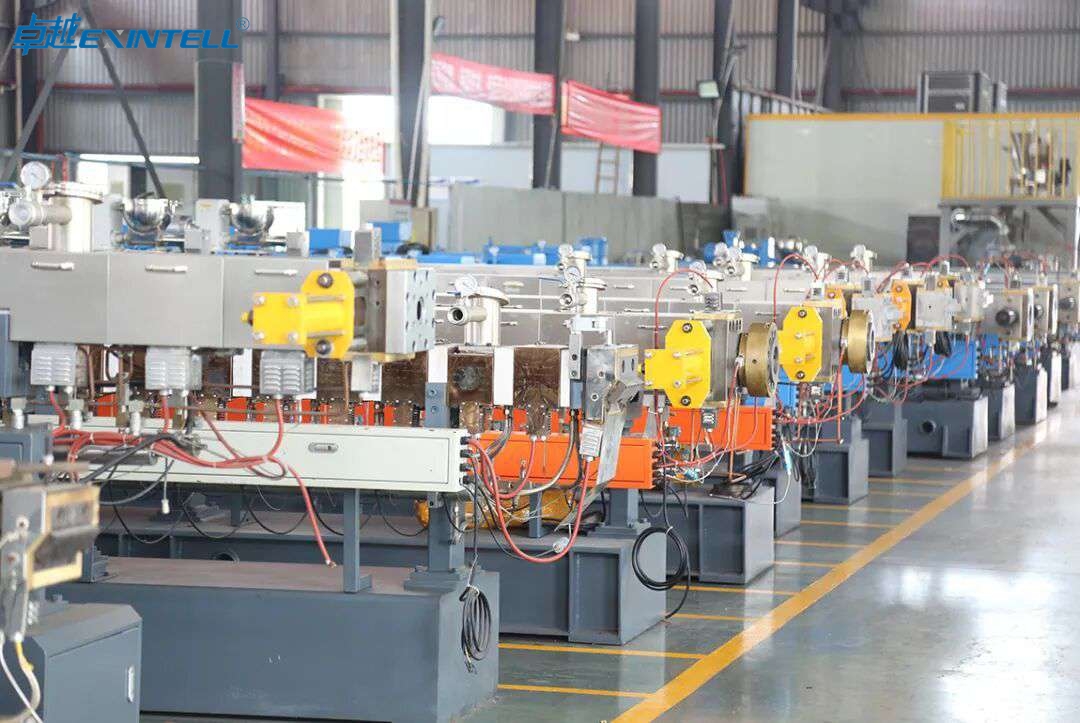
Serdes kausēšanas process
Mašīnas iekšpusē, cietā plastmasa tiek virzīta uz priekšu ar rotējošu skrūvi, savukārt elektriskās sildīšanas caurules iesaiņo mucu vairākās zonās. Plastmasa kūst, apvienojot šo ārējo siltumu un iekšējo bīdi, kas rodas, skrūvei piespiežot materiālu pret mucas sienu. Saskaņā ar ThoYu, plastmasa ekstrūderī tiek izkausēta ar elektriskās sildīšanas caurulēm un pārveidota par vienmērīgu kausējumu, izmantojot skrūvju ekstrūzijas un bīdes darbību (ThoYu, 2024). Tas duālais mehānisms, vadošais siltums plus mehāniskā berze, Tāpēc skrūves ģeometrijai ir tikpat liela nozīme kā mucas temperatūrai.
Kušanas temperatūras kontrole ir daļa, kuru es visvairāk pārbaudu jebkurā citātā. Daudzzonu mucas parasti savieno elektrisko apkuri ar slēgta cikla ūdens dzesēšanu, lai noturētu katru zonu šaurā joslā (Aaron aprīkojuma specifikācija). Ja muca nevar atdzist tik precīzi, cik tā uzsilst, jūs zaudējat spēju tīri darbināt siltumjutīgos sveķus.
Izejvielu veidlapas, kuras varat palaist
Materiāls, ko padodat, veido jūsu iegādāto mašīnu. Praksē es redzu četras izplatītas izejvielu formas:
- Granulas — noklusējuma sveķiem, viegli mērīt un izkausēt
- Granulas — nedaudz rupjāks, bieži sastopamas salikšanas līnijās
- Pulveris — tipisks PVC sausajiem maisījumiem un laboratorijas mēroga darbiem
- Pārstrādāta pārsla — reģenerēts materiāls ar mainīgu tilpuma blīvumu
Amade-Tech atzīmē, ka laboratorijas plastmasas ekstrūzijas iekārtas apstrādā izejvielas pulverī, granulu, vai granulu veidā, lai ražotu nepārtrauktus polimēru izstrādājumus ar vienmērīgu šķērsgriezumu (Amade-Tech, 2024). Tvertnē uzstādīta padeves skrūve pēc tam vienmērīgi piegādā šo izejvielu mucā (ThoYu, 2024). Pat barošana nav mazsvarīgs sīkums; nekonsekventa tvertnes piegāde tiek parādīta kā pārsprieguma līnijas un izmēru novirze gatavajā profilā.
Kā matrica veido produkciju
Ekstrūzijas matrica ir pēdējais instruments, kam kausējums iziet cauri, un tas nosaka produkta šķērsgriezumu. Caurules, caurules, filmas, dēļi, un visas pudeles nāk no vienas mucas ar dažādām presformām (Amade-Tech, 2024). Tā kā presforma veido nepārtrauktu šķērsgriezuma profilu, viena mašīna var apkalpot vairākas produktu līnijas, ja ieguldāt pielāgotos presformas instrumentos. Šī instrumenta elastība ir viens no iemesliem, kāpēc es uzskatu, ka krājumi ir daļa no kopējā pirkuma lēmuma, nevis kā pārdomāts..
Galvenās sastāvdaļas, kuras es pārbaudu katrā mašīnā
Neatkarīgi no tā, vai es pārskatu pārdodamo rūpniecisko ekstrūderi vai lietotu vienību, Es izstaigāju to pašu komponentu kontrolsarakstu:
- Muca — apsildāmais cilindrs, ideālā gadījumā vairāku zonu ar slēgta cikla dzesēšanu
- Skrūve — kausēšanas un nodošanas sirds; skrūvju konfigurācija nosaka izvades kvalitāti
- Motors — ekstrūdera motora jauda nosaka jūsu caurlaides griestus
- Ātrumkārba — samazinājuma pakāpe un ekspluatācijas koeficients nosaka izmantojamo griezes momentu
- Vadības ierīces — kausējuma temperatūras kontrole un zonas vadība
- Mirst — profila veidošanas rīks
Divas specifikācijas nosaka šo novērtējumu. Pirmkārt, L/D attiecība, mucas garums dalīts ar skrūves diametru, norāda, cik ilgu uzturēšanās laiku kausējumam ir; lietots Davis Standard 9 collu ekstrūderis (Modelis 80IN80HT) iebūvēts 2001 pāri a 32:1 L/D attiecība ar 7 zonu mucu un a 900 HP līdzstrāvas motors (Aaron Equipment saraksts). Otrkārt, pārnesumkārbas samazināšanas pakāpe un servisa faktors nosaka griezes momenta piegādi; rūpniecības vienības parasti uzskaita tādus koeficientus kā 10.15:1 ar apkalpošanas koeficientu 1.5 (Ārona aprīkojums). Šie skaitļi tieši norāda uz to, cik smagi jūs varat nospiest viskozus materiālus, piemēram, HDPE vai pildītus savienojumus, neapstājoties.
Kāpēc pirkt plastmasas ekstrūzijas mašīnas vairumtirdzniecībā?
Vairumtirdzniecības maršruts ir vieta, kur iepirkuma stratēģija nopelna savu saglabāšanu. Pēc manas pieredzes, atšķirība starp mazumtirdzniecību un tiešo iegādi rūpnīcā reti ir neliela; tas pārveido visas ekstrūzijas ražošanas līnijas ekonomiku. Tālāk es sadalu četrus iemeslus, kuru dēļ es pastāvīgi iesaku iegādāties lielapjoma ekstrūzijas iekārtas, izmantojot vairumtirdzniecības kanālus.
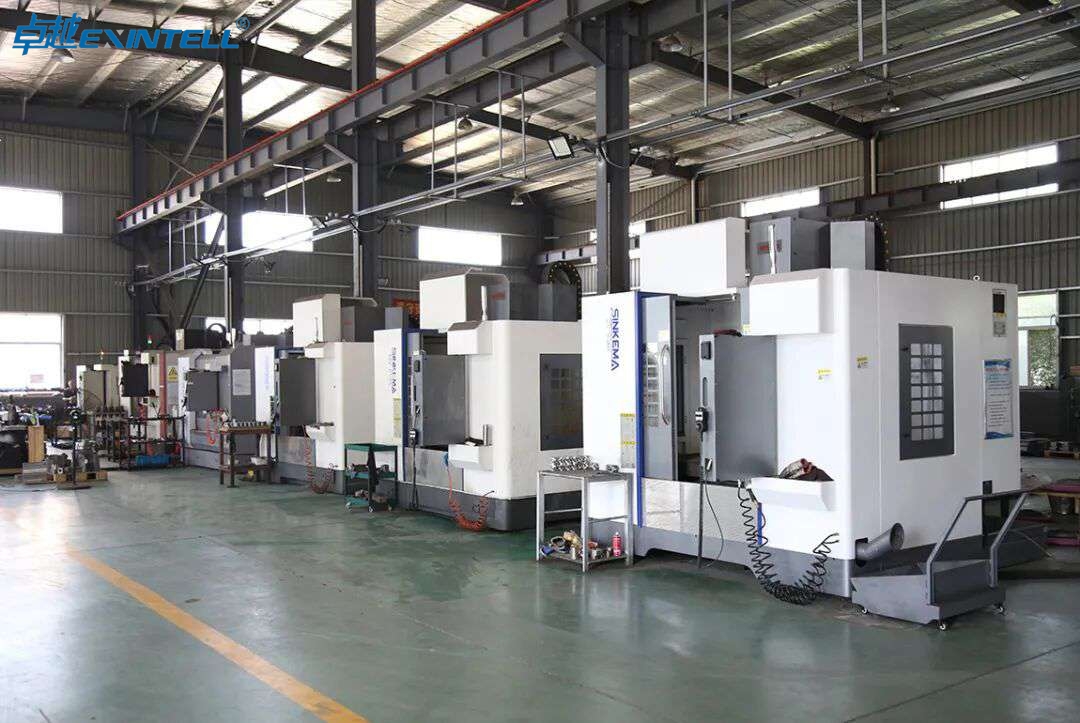
Izmaksu ietaupījums, veicot lielapjoma pasūtījumus un tieši no rūpnīcas
Rūpnīcas tiešās cenas noņem izplatītāja uzcenojumu, kas palielina plastmasas ekstrūdera iekārtas cenu. Ķīnas ražotāji, piemēram, piedāvāt rūpnīcas tiešās vairumtirdzniecības cenas plastmasas ekstrūderiem (ThoYu, 2024), tāpēc tik daudz ar cenu saistītu meklēšanas nolūku ir vērsti uz ārvalstu piegādātājiem. Kad es salīdzinu vienu mazumtirdzniecības vienību ar lielapjoma pasūtījumu no mašīnu vairumtirdzniecības piegādātāja, vienas mašīnas izmaksas parasti samazinās pietiekami, lai mainītu visa projekta atmaksāšanās aprēķinus. Tā teikts, rūpnīcas tiešās cenas atmaksājas tikai tad, ja tiek ņemtas vērā kopējās īpašumtiesību izmaksas, nepilnība, kuru es aplūkošu vēlāk šajā rokasgrāmatā.
Piekļuve OEM un ODM pielāgošanai
Vairumtirdzniecības attiecības paver durvis OEM un ODM pielāgošanai, ko mazumtirdzniecības kanāli piedāvā reti. Tā vietā, lai pieņemtu krājuma konfigurāciju, Varu norādīt skrūves garumu, mucu zonas, kontroles paketes, un pielāgoti die instrumenti, kas pielāgoti manam produktam. Ikvienam, kurš izmanto specializētu nepārtraukta šķērsgriezuma profilu, tas ir vienīgais spēcīgākais arguments, lai pirktu tieši no ekstrūzijas iekārtu ražotāja, nevis no tālākpārdevēja.
Labāki instrumenti un rezerves daļas noteikumi
Saruna ar presformām un rezerves daļām ir vieta, kur vairumtirdzniecības noteikumi mierīgi savienojas jūsu labā. Instrumentu un rezerves daļu komplekta saskaņošana oriģinālajā pasūtījumā gandrīz vienmēr pārspēj to iegūšanu pa daļām vēlāk. Apstrādāju nodiluma priekšmetus, skrūves, sildītāju lentes, un mucu čaulas, kā daļa no sākotnējā līguma, un es uzstāju, lai rakstiski apņemtos pēcpārdošanas atbalsts. Spēcīgs pēcpārdošanas atbalsts nodrošina līnijas darbību; bez tā, lēta mašīna kļūst par dārgu sašaurinājumu.
Efektīva ražošanas jaudas mērogošana
Beidzot, vairumtirdzniecības iepirkumi ļauj man palielināt ekstrūdera jaudu, katru reizi neatkārtojot pilnu iepirkuma ciklu. Standartizācija viena piegādātāja platformā nozīmē konsekventas rezerves daļas, pazīstamas vadības ierīces, un atkārtojama operatora apmācība vairākās iekārtās. Kad pieprasījums aug, Otras vai trešās identiskas vienības pievienošana ir daudz vienmērīgāka nekā dažādu piegādātāju neatbilstoša aprīkojuma integrēšana.
Plastmasas ekstrūderu veidi: Viena skrūve pret divām skrūvēm
Izvēle starp vienas skrūves ekstrūderi un divu skrūvju ekstrūderi ir visnozīmīgākais tehniskais lēmums vairumtirdzniecības pirkuma gadījumā.. Es to vienkārši ierāmēju: vienas skrūves mašīnas efektīvi nodod un izkausē, kamēr divskrūvju mašīnas sajauc un sajauc. Pareizi noskaidrojiet šo spēli, un pārējā specifikācija būs vietā.
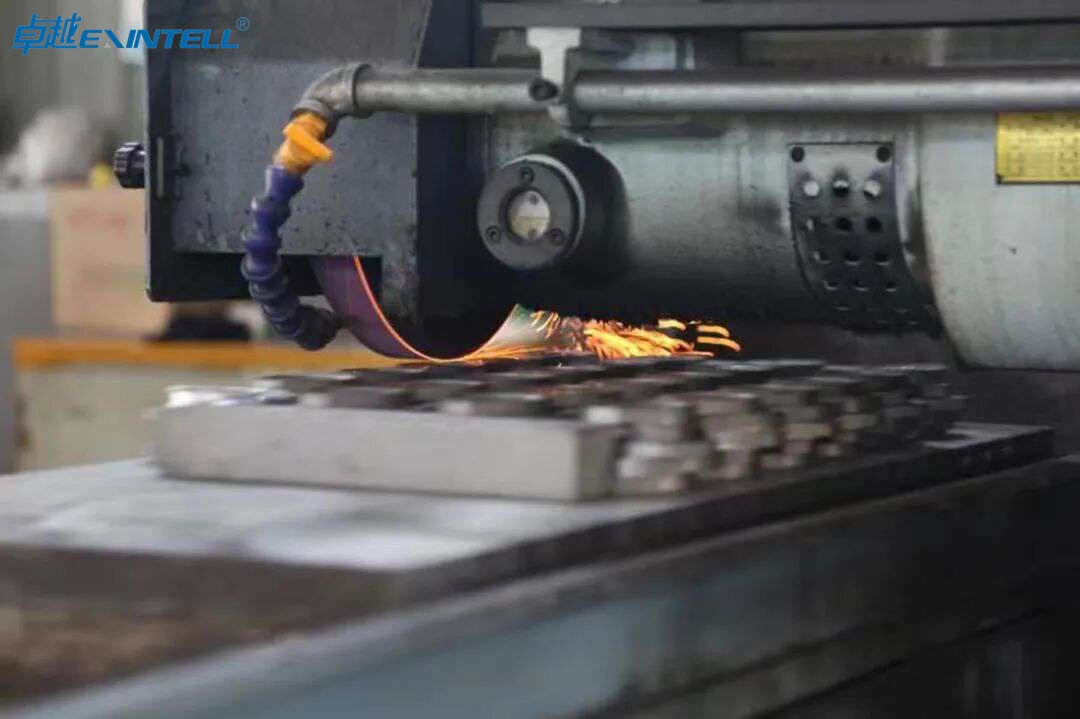
Vienas skrūves ekstrūderi
Vienas skrūves ekstrūderis ir standarta profilu darba zirgs ar zemākām izmaksām. Tas lieliski izkausē neapstrādātus sveķus un izspiež tos caur veidni ar vienmērīgu jaudu, kas padara to ideāli piemērotu caurulēm, caurules, un vienkārši nepārtraukti profili. Tā ir arī visizplatītākā lietoto iekārtu kategorija, ar plaši pieejamiem zīmola specifiskiem tālākpārdošanas sarakstiem (Ārona aprīkojums). Ja jūsu produktu līnija izmanto konsekventus materiālus, piemēram, HDPE vai polipropilēnu, izmantojot fiksētu presformu, vienas skrūves mašīna parasti nodrošina vislabāko vērtību uz izlaides vienību.
Divu skrūvju ekstrūderi
Divskrūvju ekstrūderis nopelna augstākas izmaksas, pateicoties sajaukšanas iespējām. Divas savstarpēji savienojošas skrūves rada sadales un izkliedes sajaukšanu, kas nepieciešama savienošanai, pildvielu pievienošana, krāsvielas, un stabilizatori, un pārstrādātu materiālu ar mainīgām īpašībām apstrādei. Kad es strādāju ar pārstrādātu plastmasas pārslu vai siltumjutīgiem inženiertehniskiem polimēriem, piemēram, PEEK, dubultskrūves augstākā kontrole pār bīdes un uzturēšanās laiku ir izšķiroša. Ir vērts atzīmēt, ka otrreizējās pārstrādes ekstrūderi ir atšķirīga mašīnu klase, kas īpaši izveidota reģenerētām izejvielām (ThoYu, 2024), un daudzas no šīm līnijām tieši šī iemesla dēļ balstās uz divu skrūvju dizainiem.
Izvades ātrums un materiālu saderība
Šie divi veidi krasi atšķiras pēc izvades uzvedības un materiāla piemērotības. Vienas skrūves jauda lielā mērā ir atkarīga no skrūves ātruma un motora zirgspēkiem, padarot to paredzamu vienam sveķim. Divu skrūvju izvade ir elastīgāka visos formulējumos, taču bieži vien ir optimizēta maisījuma kvalitātei, nevis neapstrādātai caurlaidei. Materiāliem, piemēram, PVC sausajiem maisījumiem un otrreizēji pārstrādātām pārslām, ir priekšrocības, ko nodrošina divu skrūvju apstrāde, savukārt tīri atsevišķi sveķi ekonomiski darbojas ar vienu skrūvi.
Viena skrūve pret divām skrūvēm: Salīdzināšanas tabula
|
Faktors |
Vienas skrūves ekstrūderis |
Divu skrūvju ekstrūderis |
|---|---|---|
|
Primārais spēks |
Standarta profilu kausēšana un transportēšana |
Sajaukšana, salikšana, un devolatilizācija |
|
Relatīvās izmaksas |
Nolaist |
Augstāks |
|
Labākie materiāli |
HDPE, polipropilēns, vienreizēji neapstrādāti sveķi |
PVC sausie maisījumi, pārstrādāta pārsla, pildīti vai PEEK savienojumi |
|
Sajaukšanas kvalitāte |
Ierobežots |
Lieliski (izplatošs un izkliedējošs) |
|
Tipiski produkti |
Caurules, caurules, vienkārši profili |
Savienojumi, galvenais maisījums, pārstrādāta granula |
|
Lietoto preču pieejamība tirgū |
Plašs, bieži sastopami konkrēta zīmola saraksti |
Šaurāks, specializētāks |
|
Ideāls pircējs |
Fiksēta produktu līnija, orientēts uz izmaksām |
Pārstrāde, pielāgoti formulējumi, R&D |
|
Faktors |
Vienas skrūves ekstrūderis |
Divu skrūvju ekstrūderis |
|---|---|---|
|
Primārais spēks |
Standarta profilu kausēšana un transportēšana |
Sajaukšana, salikšana, un devolatilizācija |
|
Relatīvās izmaksas |
Nolaist |
Augstāks |
|
Labākie materiāli |
HDPE, polipropilēns, vienreizēji neapstrādāti sveķi |
PVC sausie maisījumi, pārstrādāta pārsla, pildīti vai PEEK savienojumi |
|
Sajaukšanas kvalitāte |
Ierobežots |
Lieliski (izplatošs un izkliedējošs) |
|
Tipiski produkti |
Caurules, caurules, vienkārši profili |
Savienojumi, galvenais maisījums, pārstrādāta granula |
|
Lietoto preču pieejamība tirgū |
Plašs, bieži sastopami konkrēta zīmola saraksti |
Šaurāks, specializētāks |
|
Ideāls pircējs |
Fiksēta produktu līnija, orientēts uz izmaksām |
Pārstrāde, pielāgoti formulējumi, R&D |
Veida atbilstība jūsu produktu līnijai
Mans lēmuma noteikums ir vienkāršs. Ja es izspiežu konsekventu materiālu stabilā profilā, Es izvēlos vienas skrūves mašīnu un ietaupījumu lieku uz pielāgotiem štancēšanas instrumentiem un rezerves daļām. Ja mans process ietver salikšanu, krāsu izmaiņas, vai plastmasas pārstrādes ekstrūderis, kas apstrādā reģenerētu izejvielu, Es precizēju divu skrūvju platformu un pieņemu augstāku cenu kā procesa kontroles izmaksas. Pircējiem, kas sver laboratorijas mēroga ekstrūderi produktu izstrādei, tā pati loģika attiecas uz mazāku jaudu: saskaņojiet skrūves veidu ar to, vai pierāda formulējumu (dvīnis) vai profilu (vientuļš). Skrūves lēmuma piestiprināšana jūsu faktiskajai produktu līnijai, nevis tikai virsraksta cenai, ir tas, kas ļauj vairumtirdzniecības pirkumam atmaksāties visā tā kalpošanas laikā. Varat pārskatīt reālās pasaules konfigurācijas piegādātāju un tālākpārdošanas sarakstos, piemēram, Aaron Equipment izmantotais vienas skrūves inventārs un ThoYu vairumtirdzniecības ekstrūderu lapas lai redzētu, kā šīs specifikācijas parādās praksē.
Cik maksā plastmasas ekstrūzijas mašīna?
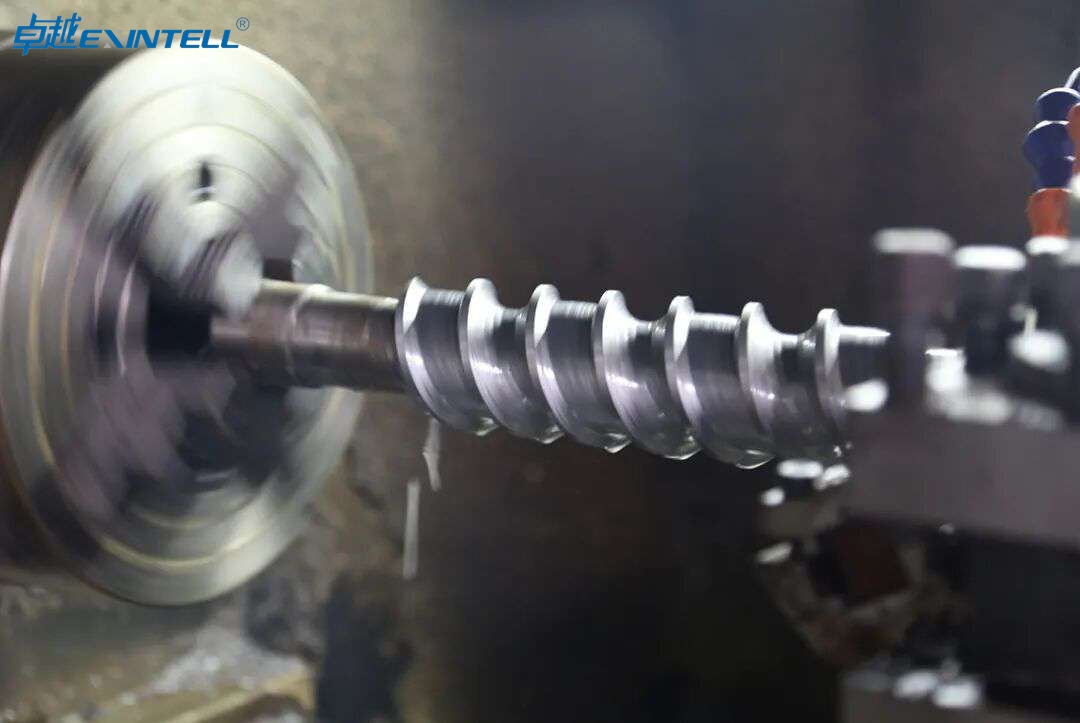
Kad klienti man prasa vienu numuru, Es viņiem saku godīgu atbildi: plastmasas ekstrūzijas mašīna maksā no dažiem tūkstošiem dolāru līdz pat vairāk nekā miljonam, un izplatība ir pilnībā atkarīga no mēroga. Pēc manas pieredzes aprīkojuma iegāde trīs līmeņos, cenu joslas tīri sadalās gar izlaides jaudu, skrūvju konfigurācija, un nepieciešamais automatizācijas līmenis. Pirms pieprasāt cenas piedāvājumu, tas palīdz zināt, kuram līmenim jūs patiesībā piederat, jo laboratorijas mēroga ekstrūderis un rūpnieciskās ekstrūzijas ražošanas līnija nav viens un tas pats pirkums ar atšķirīgu cenu zīmi. Tās ir dažādas mašīnas. Viegls pārstrādājams plastmasas iepakojums
Cenu diapazoni pēc mēroga: Lab, Mazs, un rūpniecības
Es sagrupēju pircējus trīs praktiskās kategorijās. Laboratorijas mēroga ekstrūderi ir kompakti, galda vai grīdas bloki, kas paredzēti R&D, salikšanas izmēģinājumi, un materiāla raksturojums. Viņi apstrādā izejvielas pulverī, granulu, vai granulu veidā, lai ražotu nepārtrauktus polimēru izstrādājumus ar vienmērīgu šķērsgriezumu (Amade-Tech). Mazas tirdzniecības vienības nodarbojas ar neliela apjoma ražošanu, prototipu izstrāde, un nišas profila darbs. Rūpnieciskās mašīnas vada pilnas cauruļu ekstrūzijas ražošanas līnijas, filma, dēlis, un pudeļu izvade visu diennakti.
Lūk, kā skaitļi parasti tiek iegūti, pamatojoties uz manis savāktajiem citātiem un publiskiem sarakstiem. Uztveriet tos kā plānošanas diapazonus, nav fiksētas cenas, jo skrūvju konfigurācija un instrumenti tos ievērojami maina.
| Līmenis | Tipiska izvade | Skrūves veids | Jauns cenu diapazons (USD) | Lietoto cenu diapazons (USD) |
|---|---|---|---|---|
| Laboratorijas mēroga ekstrūderis | Līdz ~5 kg/h | Viena vai dubultā skrūve | $8,000 – $45,000 | $4,000 – $25,000 |
| Maza reklāma | ~20- 150 kg/h | Vienas skrūves ekstrūderis | $30,000 – $120,000 | $12,000 – $60,000 |
| Rūpnieciskā līnija | 300 kg/h un vairāk | Vienas vai divu skrūvju ekstrūderis | $150,000 – $1,000,000+ | $50,000 – $400,000 |
Rūpnieciskās joslas augšējais gals atspoguļo pilnīgas līnijas ar pakārtotām iekārtām, piemēram, ievilkšanas ierīcēm, dzesēšanas tvertnes, un tinēji, plus uzlabota kausējuma temperatūras kontrole. Ekstrūdera galva tukša maksā daudz mazāk nekā pabeigta līnija, tāpēc pirms piegādātāju salīdzināšanas vienmēr pārbaudiet, ko piedāvājums faktiski ietver.
Kas slēpjas aiz uzlīmes cenas
Četri mainīgie pārvieto skaitli vairāk nekā jebkas cits. Jauda ir acīmredzama: caurlaides svari ar stobra diametru un motora zirgspēkiem, un abi palielina izmaksas. Zīmols ir svarīgs, jo iekārtai, ko ražo pazīstams ekstrūzijas iekārtu ražotājs, tiek nodrošināta piemaksa, kas saistīta ar uzticamību un detaļu pieejamību. Stāvoklis sadala visu tirgu jaunos un lietotos, kuru es sīkāk aplūkošu tālāk. Un instrumenti ir kluss budžeta ierobežojums. Pielāgota matrica noteiktam nepārtraukta šķērsgriezuma profilam var pievienot desmitiem tūkstošu dolāru, un tas bieži tiek citēts atsevišķi no pašas iekārtas.
Slēptās izmaksas, kas pārsniedz cenas piedāvājumu
Pirkuma cena reti ir kopējās īpašuma izmaksas, un šeit es redzu, ka pircēji pirmo reizi tiek sadedzināti. Ārpus mašīnas, budžetu šīm rindas vienībām:
- Pielāgoti štancēšanas instrumenti katram produkta profilam, kuru plānojat palaist.
- Uzstādīšana un takelāžas smagās rūpniecības vienībām, kam bieži ir nepieciešama celtņa apkalpošana un pastiprināta grīda.
- Elektrības un inženierkomunikāciju modernizācija piegādāt lieljaudas motorus un slēgta cikla mucu dzesēšanas sistēmas.
- Kravu un, importam, pienākumus kuras es sadalu šīs rokasgrāmatas loģistikas sadaļā.
- Rezerves dilstošās daļas piemēram, rezerves skrūves, mucas, un sildītāju lentes.
- Nodošana ekspluatācijā un operatoru apmācība, īpaši automatizētām vadības sistēmām.
Mans īkšķis: pievienot 15 uz 30 procenti no mašīnas cenas, lai novērtētu pilnībā uzstādīto, ražošanas gatavās izmaksas. Šīs matemātikas izlaišana ir vienīgā visbiežāk sastopamā plānošanas kļūda.
Plastmasas ekstrūzijas mašīnu vairumtirdzniecības cena: Kas to virza?
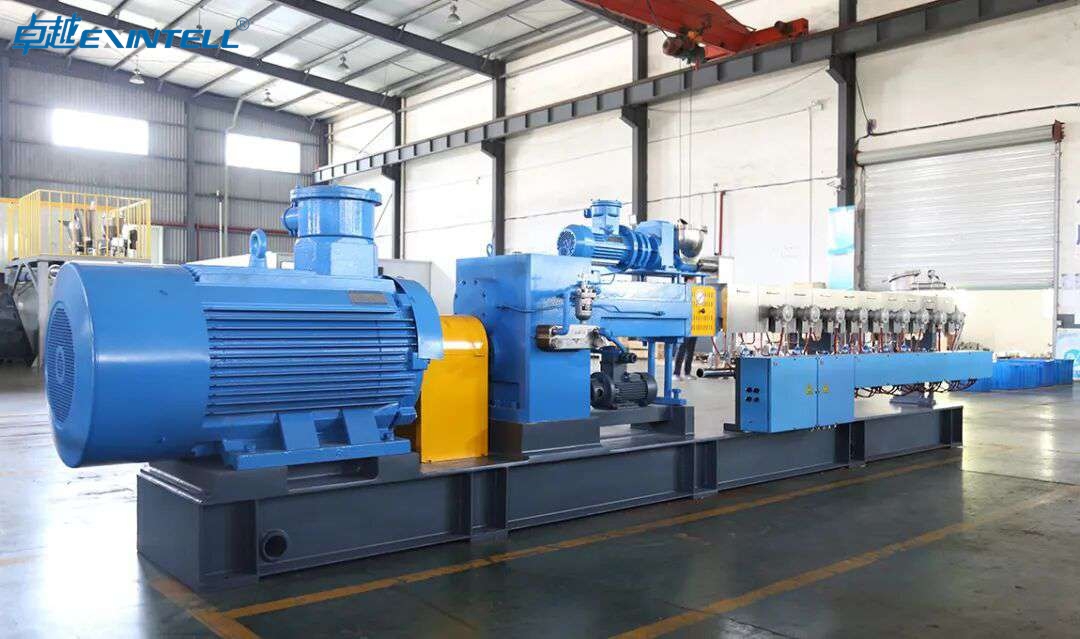
Vairumtirdzniecības cenu noteikšanai ir tāda pati loģika kā mazumtirdzniecībā, bet ar vairāk iespēju sarunām un vairāk mainīgo, ko rūpīgi pārbaudīt. Kad es novērtēju rūpnīcas tiešā ekstrūdera cenu, vai no vietējā izplatītāja vai Ķīnas piegādātāja, kas piedāvā vairumtirdzniecības cenas (ThoYu), Es strādāju, izmantojot konsekventu specifikāciju kontrolsarakstu. Katram no tiem ir tieša izmaksu līnija, un to izpratne ļauj salīdzināt citātus ar vienādiem nosacījumiem, nevis minēt.
Skrūvju un mucas specifikācijas
Skrūve un muca ir mašīnas sirds, un tie nosaka gan iespējas, gan cenu. Vissvarīgākā specifikācija ir L/D attiecība, skrūves garuma un diametra attiecība. Lielāka L/D attiecība nodrošina labāku sajaukšanos un kausējuma vienmērīgumu, kas ir svarīgi prasīgiem polimēriem. Uzziņai, lietots Davis Standard 9 collu ekstrūderis (Modelis 80IN80HT) skrien a 32:1 L/D attiecība ar 7 zonu mucu (Aaron Equipment saraksts). Vairāk zonu nozīmē smalkāku kausējuma temperatūras kontroli, jo plastmasu izkausē elektriskās sildīšanas caurules un pārvērš vienmērīgā kausējumā ar skrūvju nobīdi (ThoYu).
Skrūvju konfigurācija nosaka arī mašīnas klasi. Vienas skrūves ekstrūderis ir vienkāršs profilu darba zirgs, un tā ir visizplatītākā lietoto iekārtu kategorija (Ārona aprīkojums). Divskrūvju ekstrūderis maksā vairāk, bet lieliski spēj salikt, maisīšanas piedevas, un pārstrādātas plastmasas pārslas. Ja izmantojat PVC, HDPE, vai polipropilēna tilpumā, skrūves ģeometrijai jāatbilst sveķiem; PEEK un citi augstas veiktspējas polimēri virza jūs uz specializāciju, augstāku izmaksu konfigurācijas. Divu skrūvju ekstrūderu ražotājs
Motora un pārnesumkārbas zirgspēki
Ekstrūdera motora zirgspēki ir tiešs starpniekserveris caurlaidspējai un, tāpēc, cena. Tā pati Deivisa standarta vienība savu stobru savieno pārī ar a 900 HP līdzstrāvas motors (Aaron Equipment saraksts), kas norāda, ka tas ir būvēts smagai rūpnieciskai produkcijai. Pārnesumkārba pārvērš motora jaudu izmantojamā griezes momentā pie skrūves. Samazināšanas koeficienti, piemēram, 10.15:1 apvienojumā ar pakalpojumu faktoru apkārt 1.5 definējiet, cik lielu griezes momentu mašīna var droši nodrošināt zem slodzes (Ārona aprīkojums). Ja salīdzinu divas līdzīgas cenas mašīnas, augstāks apkalpošanas faktors norāda uz lielāku izturību pret augstumu, par ko ir vērts maksāt par aprīkojumu, kuru plānojat smagi darboties.
Automatizācijas un vadības sistēmas
Vadības sistēmas atdala pamata mašīnu no modernās. Manuālās temperatūras skalas un vienkāršie releji samazina cenu, bet pieprasa kvalificētus operatorus un ražo vairāk lūžņu. Ar PLC darbināmas sistēmas ar slēgta cikla mucas dzesēšanu, recepšu uzglabāšana, un datu reģistrēšana maksā vairāk iepriekš, bet atmaksājas, pateicoties konsekvencei un mazākam atkritumu apjomam. Piltuves padevējs ar piltuvē piestiprinātu padeves skrūvi, kas vienmērīgi piegādā izejmateriālu mucā (ThoYu) ir standarta, bet gravimetriskā padeve un automatizētā sajaukšana palielina izmaksas un precizitāti. Liela apjoma operācijām, Es uzskatu, ka automatizācija ir vērtības virzītājspēks, nevis greznība.
Sertifikāti un izcelsme
Izcelsme un sertifikācija nosaka gan cenu, gan risku. Iekšzemes un Eiropas mašīnām ir augstākas cenas, daļēji būvniecības kvalitātes un daļēji atbalsta tuvuma dēļ. Rūpnīcas cenas no Ķīnas ražotājiem (ThoYu) var ievērojami samazināt mašīnas izmaksas, bet jums vajadzētu pārbaudīt CE marķējumu, UL atbilstība ASV tirgum, un dokumentēta elektriskā drošība pirms apņemšanās. Es vienmēr prasu rakstiski apliecinošus dokumentus, jo, modernizējot nesertificētu mašīnu, lai tā atbilstu ASV elektriskajam kodam, tiek izdzēsti ietaupījumi, kas vispirms padarīja importu pievilcīgu.
Jaunas salīdzinājumā ar lietotajām plastmasas ekstrūzijas mašīnām

Šis ir lēmums, par kuru man jautā visvairāk, un mana atbilde vienmēr ir viena un tā pati: tas ir atkarīgs no jūsu riska tolerances un jūsu laika skalas. Lietotas ekstrūzijas iekārtas var samazināt kapitāla izmaksas uz pusi vai vairāk, bet ietaupījumi nāk ar reālu ekspozīciju. Jaunas iekārtas maksā vairāk, un tām bieži ir ilgāks izpildes laiks, tomēr tie tiek piegādāti ar garantiju, pašreizējās vadības ierīces, un paredzams sniegums. Ļaujiet man izkārtot abas puses tā, kā es to darītu klientam.
Kapitāla ietaupījumi pret izlietoto vienību risku
Izmantotās tehnikas finansiālās iespējas ir spēcīgas. Kā liecina iepriekš redzamā cenu tabula, var darboties lietota rūpnieciskā vienība 40 uz 60 procenti zem jaunas, kapitāla atbrīvošana instrumentiem un pakārtotām iekārtām. Iesācējam vai veikalam, kas testē jaunu produktu līniju, šī atšķirība var būt visa biznesa lieta. Pastāv risks, ka polimēru apstrādes iekārtai ir nodiluma sastāvdaļas, skrūves un mucas noārdās, sildītāju lentes neizdodas, un motori zaudē efektivitāti, un šīs problēmas ne vienmēr ir redzamas saraksta fotoattēlā. Ietaupījumi ir reāli, tāpat ir iespēja iegādāties kāda cita problēmu.
Pārbaudes stāvoklis, Stundas, un būvniecības gads
Es nekad nepērku lietotu aprīkojumu neredzēts, un es iesaku jums arī to nedarīt. Manas pārbaudes prioritātes, kārtībā:
- Skrūvju un mucu nodilums: ja iespējams, izmēriet atstarpes. Pārmērīgs klīrenss nogalina produkcijas un kausējuma kvalitāti, un rezerves skrūvju un stobra komplekts ir dārgs.
- Izgatavošanas gads un darba laiks: iebūvēta mašīna 2001, piemēram, Deivisa standarta piemērs, joprojām var būt lielisks, ja to uztur, bet lai spriestu, vajag dienesta uzskaiti.
- Apkures un dzesēšanas sistēmas: pārbaudiet, vai visas mucas zonas silda pareizi un vai slēgtā cikla ūdens dzesēšana saglabā temperatūru.
- Motora un ātrumkārbas stāvoklis: klausieties gultņu troksni un pārbaudiet, vai nav eļļas noplūdes un pārnesumkārbas brīvkustības.
- Vadības paneļa funkcija: pārbaudiet, vai katra zona precīzi nolasa un kontrolē, jo vecākām vadības ierīcēm var nebūt rezerves daļu.
Kad tas ir iespējams, uzstāt uz darbināmu demonstrāciju, kas darbojas faktiski Plastmasas granulu ražotāji materiāls. Aukstā mašīna slēpj lielāko daļu savu problēmu.
Garantijas un atbalsta nepilnības lietotām iekārtām
Atbalsta starpība ir izmaksas, kas nav norādītas rēķinā. Jaunās ekstrūzijas iekārtu ražotāja iekārtās parasti ir iekļauta garantija, palīdzība nodošanas ekspluatācijā, un piekļuve pēcpārdošanas atbalstam. Lietotas vienības parasti pārdod tādas, kādas tās ir, tāpēc jums pieder katra neveiksme no pirmās dienas. Pirms pērku lietotu, Es apstiprinu divas lietas: ka šim modelim paliek pieejamas rezerves daļas, un ka var sazināties ar servisa tehniķi, kas pārzina zīmolu. Lēta mašīna bez detaļu cauruļvada ir atbildība, nav izdevīgs darījums.
Tālākpārdošanas vērtības apsvērumi
Beidzot, padomājiet par izeju, pirms ieejat. Atzītu zīmolu mašīnas daudz labāk saglabā savu vērtību otrreizējā tirgū, tieši tāpēc zīmolam specifiski tālākpārdošanas saraksti rada pastāvīgu pieprasījumu (Ārona aprīkojums). Ja pastāv iespēja, dažu gadu laikā mainīsit izmēru vai iziesit, pērkot labi zināmu vienas skrūves ekstrūderi, pat ar piemaksu, aizsargā jūsu kapitālu ceļā. Pēc manas pieredzes, tālākpārdošanas stiprums ir visvairāk aizmirstais faktors diskusijās par jauno un lietoto, un tas bieži vien liek pieņemt lēmumu par iedibināto zīmolu.
Mana būtība: iegādājieties jaunu, kad darbības laiks ir kritisks, atbalsta lietas, un jūs plānojat darbināt iekārtu desmit gadus. Pērciet lietotu, ja ir ierobežots kapitāls, jums ir tehniskās iespējas, lai pārbaudītu un uzturētu aprīkojumu, un jūs pieturaties pie cienījamiem zīmoliem ar dzīvu daļu piegādi. Lai nu kā, vispirms aprēķiniet kopējās īpašuma izmaksas, jo citāts ir tikai tēriņu sākums.
Avoti: Ārona aprīkojums, Lietoti vienas skrūves ekstrūderi; ThoYu, Vairumtirdzniecības cena Ķīnas plastmasas ekstrūderis; Amade-Tech, Laboratorijas plastmasas ekstrūzijas mašīna.
Kur atrast lietotu plastmasas ekstrūzijas mašīnu vairumtirdzniecību
Kad es iegādājos aprīkojumu ar ierobežotu kapitāla budžetu, lietotu tirgus parasti ir mana pirmā pietura. Labi uzturēts lietots ekstrūderis var piegādāt 80 uz 90 procenti no jaunas vienības kalpošanas laika par daļu no izmaksām, ar nosacījumu, ka zināt, kā izlasīt sarakstu un pārbaudīt stāvokli pirms līdzekļu piešķiršanas. Izaicinājums nav atrast mašīnas. Tas nodala patiesu darījumu no ekspluatācijas pārtraukšanas saistībām.
Tirgus un tirgotāji, ko vērts zināt
Lielākā daļa manu lietoto pirkumu ir veikti, izmantojot izveidotos izplatītāju tīklus, nevis atklātos klasificētos sarakstos. Specializētie tālākpārdevēji, piemēram, Aaron Equipment, uztur rotējošus vienas skrūves un divu skrūvju ekstrūderu krājumus, un viņi fotografē, tagu, un bieži pārbaudiet katras vienības jaudu pirms tās ievietošanas sarakstā. Šai pārbaudei ir nozīme. Tirgotājs ar fizisku pagalmu un aizsargātu reputāciju dod man iespēju, ko anonīms tirgus ieraksts nekad nedarīs. Es joprojām pārbaudu izsoļu namus un nozarei specifiskus sarakstu dēļus, bet es uzskatu, ka cienījams izplatītājs ir izmantoto ekstrūzijas iekārtu bāzes līnija.
Lasīt sarakstu kā inženieris
Lietots saraksts ir slēpta specifikāciju lapa, un trīs numuri man norāda lielāko daļu no tā, kas man jāzina, pirms es zvanu. Apsveriet reālu piemēru: lietots Davis Standard 9 collu ekstrūderis (Modelis 80IN80HT) iebūvēts 2001, reklamēts ar a 32:1 L/D attiecība, 7 zonu muca, un a 900 HP līdzstrāvas motors (avots: Aaron Equipment saraksts).
- L/D attiecība. Mucas garuma un diametra attiecība nosaka uzturēšanās laiku un sajaukšanos. A 32:1 attiecība ir piemērota prasīgam kausējuma viendabīguma darbam; īsākas attiecības apkārt 24:1 apstrādāt vienkāršākus profilus. Ja jūsu polimēram ir nepieciešama rūpīga kausēšana, nepērciet īsu.
- Mucu zonas. Septiņas neatkarīgi kontrolētas sildīšanas zonas nodrošina man granulētu kausējuma temperatūras kontroli visā mucas garumā. Vairāk zonu nozīmē precīzāku termisko regulēšanu, kas ir kritiski svarīgi siltumjutīgiem sveķiem.
- Motora zirgspēki. A 900 HP diskdzinis signalizē par augstas caurlaidības ražošanas iekārtu, nav laboratorijas rīks. Motora HP mērogs aptuveni ar izejas jaudu, tāpēc pieskaņojiet to savam mērķa līnijas ātrumam, nevis iegādājieties vairāk diska, nekā var izmantot jūsu matrica.
Saraksti atklāj arī pārnesumkārbas samazinājuma pakāpi un servisa koeficientu, kas kopā nosaka izmantojamo griezes momentu. A 10.15:1 samazinājums ar a 1.5 apkalpošanas faktors, piemēram, man saka, ka piedziņai ir vieta ilgstošai darbībai (avots: Ārona aprīkojums). Es lasīju šos skaitļus kā izturības signālu, nav zemsvītras piezīme.
Zīmoli, kuriem ir vērtība tālākpārdošanas tirgū
Zīmola reputācija seko mašīnai tās otrajā dzīvē. Deivisa standarts, manā pieredzē, tālākpārdošanas tirgū ir pārāks tieši tāpēc, ka daļas, skrūves, un servisa dokumentācija ir pieejama vairākus gadus pēc izgatavošanas. Šī likviditāte samazina abos virzienos: Es maksāju vairāk avansā, bet es atgūstu vairāk, pārdodot tālāk, un es pavadu mazāk laika, meklējot rezerves ekstrūdera skrūves konfigurāciju vai mucas starpliku. Kad salīdzinu divas līdzīgas lietotas vienības, atbalstīts zīmols gandrīz vienmēr uzvar no kopējām īpašumtiesību izmaksām pat par augstāku uzlīmes cenu.
Stāvokļa pārbaude pirms apņemšanās
Es nekad nepērku lietotu ekstrūderi tikai uz fotogrāfijām. Mans kontrolsaraksts pirms pirkuma iet cauri nodiluma punktiem, kas klusi samazina veiktspēju:
- Skrūvju un mucu nodilums. Pieprasīt urbuma mērījumus. Nodilušas atstarpes pasliktina jaudas un spiediena stabilitāti, un mucas atjaunošana ir dārga.
- Sildītāja un termopāra veselība. Apstipriniet, ka katra zona sasniedz un saglabā uzdoto vērtību. Mirušās zonas uz vairāku zonu mucas ir sarkanais karogs.
- Piedziņa un ātrumkārba. Klausieties gultņu troksni un pārbaudiet, vai nav eļļas noplūdes. Bojāta pārnesumkārba var maksāt tikpat daudz, cik mašīna.
- Dzesēšanas sistēma. Daudzās rūpniecības vienībās tiek izmantota elektriskā apkure ar slēgta cikla ūdens dzesēšanu (avots: Aaron Equipment spec). Pārbaudiet, vai dzesēšanas ķēde ir neskarta un bez kaļķakmens.
- Izpildīt testu. Kad vien iespējams, Es uzstāju uz darbināmu demonstrāciju zem slodzes, ne tikai aukstā spin.
Ja pārdevējs pretojas pārbaudei vai palaišanas pārbaudei, es eju. Ietaupījumi no lietotas polimēru apstrādes mašīnas izzūd brīdī, kad jums ir jāpārbūvē piedziņa.
Mazas un laboratorijas mēroga plastmasas ekstrūzijas mašīnas
Ne katram pircējam ir nepieciešams a 900 ZS briesmonis. Liela daļa meklēšanas intereses, kas saistītas ar šo atslēgvārdu, norāda uz mazām un man tuvumā esošām mašīnām, un tas atbilst tam, ko es redzu praksē: R&D komandas, universitātes, un jaunizveidotiem uzņēmumiem ir nepieciešami kompakti ekstrūderi, kas atbilst laboratorijas stendam un darbojas ar standarta jaudu. Šīs mašīnas nodrošina elastību, un pareizai lietošanai, tas ir tieši tas darījums, kuru vēlaties.
Ko patiesībā dara laboratorijas iekārtas
Laboratorijas mēroga ekstrūderis apstrādā izejvielas pulverī, granulu, vai granulu veidā, lai ražotu nepārtrauktus polimēru izstrādājumus ar vienmērīgu šķērsgriezumu (avots: Amade-Tech). Pamatfizika ir identiska ražošanas aprīkojumam: piltuves padevējs vienmērīgi piegādā izejmateriālu mucā, elektriskās apkures caurules izkausē polimēru, un skrūve nogriež un homogenizē to vienmērīgā kausējumā, pirms ekstrūzijas forma veido izvadi (avots: ThoYu). Atšķirība ir mērogs, nevis princips, kas padara laboratorijas iekārtas tik noderīgas procesu attīstībai. Ko jūs apgūstat, pārceļot uz ražošanu stenda mērogā.
Tipiski produkti un lietošanas gadījumi
I reach for a lab-scale unit in three situations:
- R&D and formulation. Testing new resin blends, piedevas, or recycled plastic flake without committing a production line.
- Prototipu veidošana. Producing sample films, caurules, and small profiles for customer approval or tooling validation.
- Low-volume production. Serving niche markets where demand does not justify a full extrusion production line.
These machines readily handle common thermoplastics like PVC, HDPE, un polipropilēns, and higher-spec units extend to engineering polymers such as PEEK when the barrel and screw are rated for the elevated melt temperatures.
Footprint and Power Requirements
The practical appeal of a lab extruder is that it lives in an ordinary room. Many bench units draw single-phase or light three-phase power and occupy a footprint measured in a few square feet, versus the dedicated bay and heavy three-phase service a production extruder demands. Before buying, Es apstiprinu divas lietas: the electrical service my facility can supply, and whether the cooling requirement is air or water. Getting the utilities wrong is the most common reason a small machine sits idle after delivery.
Knowing When to Upgrade to Production Scale
A lab machine has a ceiling, and recognizing it early saves money. I plan the jump to production scale when sustained order volume outpaces the machine’s extruder capacity output, when I am running multiple shifts just to keep up, or when per-unit cost on the small line exceeds what a production extruder would deliver. The signal is economic, not emotional: once the lab unit becomes the bottleneck rather than the tool, it is time to scale. I typically keep the lab machine anyway, redeployed for the R&D work it does best.
Lab-Scale vs Production Extruders at a Glance
| Atribūts | Lab / Small-Scale Extruder | Production Extruder |
|---|---|---|
| Primary use | R&D, prototipēšana, maza apjoma skrējieni | Continuous commercial production |
| Typical motor | Fractional to ~20 HP | 50 uz 900+ HP (piem., 900 HP Davis Standard) |
| L/D attiecība | ~20:1 uz 25:1 | 24:1 uz 32:1 |
| Mucu zonas | 2 uz 4 | 5 uz 7+ |
| Power service | Single-phase / light 3-phase | Heavy 3-phase |
| Pēdas nospiedums | Benchtop to compact floor unit | Dedicated production bay |
| Izvade | Grams to low kg/hr | Hundreds of kg/hr |
Figures for the production column reflect the specification range seen in listings such as the Davis Standard 80IN80HT (avots: Ārona aprīkojums); lab-scale ranges reflect typical bench-unit configurations.
Buying Plastic Extrusion Machines Wholesale in the USA
Search intent around this keyword leans heavily toward USA and near-me queries, and that reflects a real procurement decision every US buyer faces: buy domestic or import. Factory-direct pricing from overseas manufacturers is genuinely attractive, and I have bought imported equipment when the numbers justified it. But the sticker price is only one line in the ledger. Here is how I weigh the domestic option.
The Case for Domestic Dealers
Buying from a US-based dealer or manufacturer gives me three advantages that rarely show up on a spec sheet but always show up in operations:
- Faster lead times. A machine in a domestic yard ships in days, not the weeks of ocean transit and customs clearance an import requires. When a line is down, that speed is worth real money.
- Easier service and parts. Domestic support means same-timezone technicians, stocked spare parts, and no international freight on a replacement gearbox or barrel. After-sales support is the single most underrated factor in extruder ownership.
- Standards compliance. US machines are typically built or certified to UL and NEC electrical requirements. That compliance simplifies installation, satisfies insurers, and passes inspection without the retrofit an uncertified import may need.
Compliance Is Not Optional
I want to be direct about this because it trips up first-time importers. An extruder that is not UL-listed or NEC-compliant can fail a facility electrical inspection, void insurance coverage, and create OSHA exposure. Retrofitting an imported machine to meet US standards, rewiring controls, replacing heaters, adding certified safety interlocks, can consume much of the money you saved on purchase price. Before I import, I confirm exactly what certification the unit carries and what it will cost to close any gap.
Cost Tradeoffs: Domestic vs Imported
China-based manufacturers offer factory-direct wholesale pricing on plastic extruders (avots: ThoYu), and for high-volume standardized equipment that pricing can be compelling. But the landed cost of an import includes freight, apdrošināšana, ievedmuitas nodokļi, customs brokerage, un iekšzemes transports, none of which appear in the quoted machine price. Layer on longer lead times, potential language and timezone friction on support, and any compliance retrofit, and the gap narrows considerably. Mans īkšķis: I model total cost of ownership over the first three years, not the purchase price, before deciding. On that basis, domestic often wins for equipment I need serviced quickly, while imports can win for planned capacity additions where lead time is not urgent.
How I Vet a Wholesale Supplier
Whether domestic or overseas, I run every wholesale machinery supplier through the same gate before committing capital. I confirm the minimum order quantity and whether it fits my actual need, request references from buyers running the same machine class, verify certifications in writing rather than taking a catalog claim at face value, and structure payment with protection, staged milestone payments or an escrow arrangement rather than a full wire against a promise. For imports specifically, I clarify Incoterms so I know exactly where the seller’s responsibility ends and mine begins. A supplier who answers these questions clearly is one I can build a relationship with; one who deflects is one I pass on.
Finding Wholesale Suppliers Near You
When I start a sourcing project for bulk extrusion equipment, I map suppliers in concentric circles: local, regional, then global. Proximity carries real value that rarely shows up on a quote, and I have learned to weigh it deliberately before chasing the lowest number.
Local vs Regional Sourcing Benefits
A supplier within a few hours’ drive lets me tour the floor, watch a machine run my resin, and shake hands with the service manager who will pick up the phone at 2 a.m. during a line-down event. Regional suppliers widen the pool of available inventory and specialization while keeping domestic warranty terms and familiar payment protections intact. Pēc manas pieredzes, the closer the vendor, the shorter the mean-time-to-repair, and for a single screw extruder running continuous cross-section profile work, downtime is the expense that quietly dwarfs the purchase price.
Installation and Service Proximity
Rigging, leveling, wiring a 900 HP DC drive, and commissioning a 7-zone barrel with closed-loop cooling all go smoother when the technician is local. A used Davis Standard 9-inch extruder (Modelis 80IN80HT) with a 32:1 L/D ratio and 900 HP motor, iebūvēts 2001, is a serious piece of iron to install and dial in (avots: Aaron Equipment saraksts). I want the people who know that machine within reach for melt temperature control tuning and screw configuration adjustments during the first production weeks.
Trade Shows and Industry Directories
Two channels consistently surface credible vendors for me. Trade shows such as NPE: The Plastics Show and Fakuma put dozens of extrusion machine manufacturers in one hall, where I can compare a twin screw extruder against a single screw side by side and collect real spec sheets. For structured search, I lean on Thomasnet and the used-equipment marketplaces like Aaron Equipment, which maintains brand-specific resale listings for single screw extruders (avots: Ārona aprīkojums). Directories are a starting shortlist, not a verdict, so I always follow up with a plant visit or video walkthrough.
China vs US Suppliers: Weighing the Tradeoffs
The decision I face most often is factory-direct pricing from overseas versus the service density of a domestic partner. Neither wins outright. The right call depends on your volume, jūsu iekšējās apkopes iespējas, un cik lielu izpildes laika risku var absorbēt jūsu ražošanas grafiks.
Vietējās cenas līdzsvarošana ar globālajām iespējām
China-based manufacturers offer factory-direct wholesale pricing on plastic extruders, un šī atšķirība var būt ievērojama attiecībā uz salīdzināmām specifikācijām (avots: ThoYu). ASV piegādātāji, un lietotu sadzīves tehniku, aizvērt daļu no šīs plaisas, ja ņem vērā kravu, pienākumus, un izmaksas par atbalsta koordinēšanu laika zonās. Uzlīmes cenu es uztveru kā vienu ieguldījumu kopējās īpašumtiesību izmaksās, nav izšķirošais skaitlis.
Izpildes laiks un piegādes apsvērumi
Sadzīvē lietotu aprīkojumu var nosūtīt dažu dienu laikā; jauna aizjūras ekstrūzijas ražošanas līnija parasti darbojas saskaņā ar būvniecības un jūras kravas laika grafiku, ko mēra mēnešos. Okeāna tranzīts, ostas apstrāde, un iekšzemes drayage visi pievieno nedēļas un mainīgumu. Ja jūsu projektam ir grūts palaišanas datums, that schedule risk deserves a line in your model alongside the price advantage.
Atbalsts, Parts, and Language Logistics
This is where I have seen buyers underestimate the friction. Time-zone offsets stretch troubleshooting cycles, spare gearbox and screw components may ship internationally, and technical documentation quality varies. Before committing overseas, I confirm English-language manuals, a named support contact, and a stocked or expedited parts channel for wear items like screws, mucas, un sildītāju lentes.
China vs US Sourcing at a Glance
| Faktors | Ārzemēs (piem., Ķīna) factory-direct | US supplier / domestic used |
|---|---|---|
| Unit price | Zemākais, factory-direct wholesale (avots: ThoYu) | Higher new; competitive on used inventory (avots: Ārona aprīkojums) |
| Izpildes laiks | Build plus ocean freight, typically months | Days to weeks for in-stock units |
| Landed cost | Add freight, pienākumus, drayage | Add domestic freight and rigging |
| Service proximity | Remote, time-zone dependent | On-site or regional |
| Parts availability | International shipping, plan ahead | Domestic stock, faster turnaround |
| Documentation & valodu | Verify English manuals and support | Native-language support |
Mans īkšķis: high volume with a capable maintenance team favors overseas factory-direct; tight timelines or lean staffing favor domestic. Note that SERP demand for this keyword splits evenly across manufacturer, ecommerce, and informational content at roughly 33.3% katrs (avots: SERP analysis, 2025), and buyer searches cluster around price, “pie manis,” “ASV,” un “lietots” intents (avots: SERP/PAA data, 2025) — a fair reflection of how mixed real purchasing behavior is.
How to Choose a Plastic Extrusion Machine Manufacturer
Once I have a shortlist, I run every candidate through the same vetting sequence. The goal is to separate a genuine polymer processing machine partner from a broker who will disappear after the wire transfer clears.
Quality Assurance and Factory Verification
I verify the factory before I verify the price. For overseas vendors that means a live video walkthrough or a third-party inspection of the production floor, weld quality on the extruder barrel, and evidence they actually build rather than resell. I ask to see a machine running feedstock in powder, granulu, or granule form to confirm they handle continuous polymer output the way their marketing claims (avots: Amade-Tech). Seeing the heating tubes and screw shearing melt real resin into a uniform stream tells me more than any brochure (avots: ThoYu).
Track Record and Reference Customers
I request three reference customers running similar materials, whether that is PVC pipe, HDPE profile, polypropylene sheet, vai prasīgs inženiertehniskais polimērs, piemēram, PEEK. A manufacturer with a documented history in your specific application has already solved the problems you are about to encounter. If a vendor cannot produce references, I treat that as a signal, not an oversight.
Customization and Application Expertise
The best manufacturers speak fluently about screw configuration, L/D ratio selection, and custom die tooling for your exact profile. Extruders produce a wide range of continuous products, including pipes, caurules, filmas, dēļi, un pudeles (avots: Amade-Tech), and each demands different tooling and thermal setup. I probe how they size the gearbox reduction ratio and service factor to my torque needs, drawing on published industrial examples such as a 10.15:1 ratio at a 1.5 apkalpošanas faktors (avots: Ārona aprīkojums). A vendor who can discuss whether a single screw or twin screw extruder fits my recycled plastic flake feedstock, and how the hopper feeder delivers material evenly, has earned a closer look.
After-Sales Support and Parts Availability
I put the support terms in writing before purchase: response-time commitments, commissioning assistance, operatora apmācība, and guaranteed availability of wear parts like screws, mucas, and heater elements. For a plastic recycling extruder or any line running abrasive reclaimed material, wear-part supply is not optional, it is the difference between a productive asset and expensive scrap. I confirm lead times on those parts specifically, since that is what governs real-world uptime.
Sertifikācija un kvalitātes sistēmas
Beidzot, I check the paperwork that signals a disciplined operation. ISO 9001 indicates a functioning quality management system, and CE marking matters if the equipment enters or transits European jurisdictions. For a US install I confirm the electrical build can meet UL and NFPA 79 cerības, since a 900 HP DC drive with multi-zone electric heating and closed-loop water cooling (avots: Aaron Equipment spec) has to satisfy my local inspector and my insurer. Certifications do not guarantee quality on their own, but their absence usually correlates with corners cut elsewhere.
Vetting sources I return to include ThoYu for factory-direct wholesale context (ThoYu wholesale listing) and Aaron Equipment for used single screw extruder benchmarks (Aaron Equipment used extruders).
Decoding Key Specifications Before You Buy
Every wholesale quote I review lists a wall of specifications, and most buyers I coach fixate on price before they understand what those numbers actually deliver. Pēc manas pieredzes, four figures tell you more about a machine’s real capability than the headline output rate does: L/D attiecība, the number of heating and cooling zones, the screw diameter, and the motor-to-gearbox pairing. Read those correctly and you can predict melt quality, energy draw, and output ceiling before the machine ever ships.
L/D Ratio and Its Impact on Melting and Mixing
The L/D ratio expresses the screw’s effective length divided by its diameter, and it governs how much residence time the polymer gets inside the barrel. A longer L/D gives the melt more distance to homogenize, which matters when you run temperature-sensitive or highly filled compounds. Uzziņai, lietots Davis Standard 9 collu ekstrūderis (Modelis 80IN80HT) I analyzed lists a 32:1 L/D attiecība (avots: Aaron Equipment saraksts), which sits at the higher end for single-screw machines and signals strong melting and mixing headroom.
As a rough guide, I treat 24:1 uz 26:1 as adequate for straightforward commodity resins, 28:1 uz 32:1 as the sweet spot for consistent mixing and venting, and anything longer as specialty territory for demanding compounds. A single screw extruder built for basic profile work rarely needs the same length as one processing recycled plastic flake with variable bulk density. If a supplier can’t tell you the L/D ratio, that’s a signal the listing is thin on engineering detail.
Number of Heating and Cooling Zones
Multi-zone barrels let you stage the temperature profile from feed throat to die, and more zones mean finer control over melt temperature. The Davis Standard unit referenced above uses a 7-zone barrel (avots: Aaron Equipment spec), kas nodrošina operatoram granulētu kontroli visā skrūves garumā. Plastmasu ekstrūderī izkausē ar elektriskām sildīšanas caurulēm un pārvērš viendabīgā kausējumā, nogriežot skrūvi. (avots: ThoYu), tāpēc zonu skaits tieši nosaka, cik vienmērīgi šī pāreja notiek.
Dzesēšana ir vienādojuma otra puse. Daudzzonu mucas parasti savieno elektrisko apkuri ar slēgta cikla ūdens dzesēšanu (avots: Aaron Equipment spec), kas izvelk siltumu atpakaļ, kad bīdes vai procesa atgriezeniskā saite nospiež zonu virs uzdotās vērtības. Kad es veterinārārstu mašīnu, Es apstiprinu gan apkures zonu skaitu, gan to, vai dzesēšana ir gaiss vai slēgta cikla ūdens. Ūdens dzesēšana reaģē ātrāk un nodrošina stingrāku kausējuma temperatūras kontroli, kas atmaksājas precizitātes izstrādājumiem.
Skrūves diametrs un izejas jauda
Skrūves diametrs ir vienīgais spēcīgākais caurlaides spējas prognozētājs. Output scales roughly with the cube of the diameter, so a modest jump in screw size produces a large jump in kilograms per hour. That relationship is why a 9-inch machine like the Davis Standard example carries a 900 HP līdzstrāvas motors (avots: Aaron Equipment saraksts) — the mass of material moving through a large-diameter screw demands proportionally more drive power.
When comparing wholesale offers, always normalize output against diameter and resin type. A quoted output of, saki, 300 kg/hr means little without knowing whether it was measured on low-density film resin or a stiff PVC compound. I ask suppliers to state the resin, kušanas temperatūra, and screw speed used for their rated output, then compare like with like.
Motor HP and Gearbox Reduction Ratio
The motor and gearbox work as a matched pair. Motor horsepower sets the available power, while the gearbox reduction ratio converts high-speed, low-torque motor output into the low-speed, high-torque rotation the screw needs. Industrial extruders publish both the ratio and a service factor — for example, a 10.15:1 samazinājums ar a 1.5 apkalpošanas faktors (avots: Ārona aprīkojums) — and that service factor tells you how much margin the drivetrain carries above nominal load.
I treat the service factor as a durability indicator. A gearbox rated 1.5 is designed to absorb shock loads and continuous duty without premature wear, which is exactly what you want on a machine running multiple shifts. A hopper-mounted feeding screw delivers raw material evenly into the barrel (avots: ThoYu), and that steady feed keeps torque demand predictable so the gearbox operates within its rated envelope.
Matching Machine Capacity to Your Production Volume
Specifications only matter once you tie them to your actual demand. The most expensive mistakes I see in wholesale procurement come from sizing decisions, not from picking a bad brand. Online Plastics Recycling Marketplace Buy too small and you’ll run the line flat out with no cushion for growth; buy too large and you’ll carry idle capital, higher energy bills, and startup scrap on every short run.
Estimating Throughput Needs
Start with your target finished-product volume, then work backward. I calculate required output in kilograms per hour by taking monthly demand, dividing by realistic operating hours, and adding an allowance for scrap and changeover. A useful sanity check: if you need 40,000 kg per month and run a single shift of about 160 productive hours, you need roughly 250 kg/hr of sustained output, and I’d size for 300 kg/hr to leave headroom.
Feedstock form affects this math too. Lab and production extruders process feedstock in powder, granulu, or granule form for continuous polymer products with uniform cross section (avots: Amade-Tech), and bulk density varies enough between those forms that the same screw can deliver noticeably different mass throughput. Confirm your rated output against the feedstock you’ll actually run.
Avoiding Under- and Over-Sizing
Undersizing forces the machine to run at maximum screw speed constantly, which raises melt temperature, accelerates wear, and leaves zero margin for demand spikes. Oversizing is subtler but real: an oversized extruder run at low speed can produce poor mixing and unstable output, and you pay for motor and heating capacity you never use. My rule is to target a machine that hits your peak demand at roughly 75 uz 85 percent of its rated capacity, which keeps it in an efficient, controllable band.
Planning for Future Growth
Wholesale machinery is a multi-year commitment, so I plan sizing against a two-to-three-year demand forecast, not today’s orders. Tā teikts, buying far ahead of demand ties up capital you could deploy elsewhere. A middle path I often recommend: size the extruder for near-term growth, but confirm the extrusion production line’s downstream equipment and the supplier’s screw and die options can scale, so you upgrade tooling rather than replacing the whole line.
Batch vs Continuous Production
Extrusion is inherently a continuous process — extruders produce continuous profiles including pipes, caurules, filmas, dēļi, un pudeles (avots: Amade-Tech) — so the batch-versus-continuous question is really about how your business schedules work. If you run long stable jobs, a larger continuous line maximizes efficiency. Ja veicat daudz īsu darbu, bieži mainot materiālu un krāsu, dod priekšroku ātrai pārslēgšanai un ātrai termiskai reakcijai, nevis neapstrādātam izmēram, jo jūsu zaudējumi radīsies no pārejām, nevis no augstākās līnijas ātruma.
| Ražošanas profils | Tipisks skrūves diametrs | Indikatīvā produkcija | Ieteikts L/D | Vislabāk piemērots |
|---|---|---|---|---|
| Lab / R&D un mazie nobraucieni | 20-45 mm | Līdz ~50 kg/h | 24:1–28:1 | Paraugu ņemšana, maza partija, PEEK izmēģinājumi |
| Maza reklāma | 50-75 mm | ~80–250 kg/h | 26:1–30:1 | Profili, maza caurule, speciālā filma |
| Vidēja apjoma ražošana | 90-120 mm | ~300–600 kg/h | 28:1–32:1 | HDPE caurule, lapa, nepārtraukts profils |
| Liela apjoma / smagā rūpniecība | 150 mm un uz augšu | 600 kg/h un vairāk | 30:1–32:1+ | Lielas cauruļu līnijas, palete, pārstrādāta pārsla |
Es šos diapazonus uztveru kā sākuma rāmi piegādātāju sarunām, nav noteikti noteikumi. Faktiskā izlaide vienmēr ir atkarīga no sveķiem, kausējuma temperatūras kontrole, un skrūvju konfigurācija, so I verify each figure against a supplier’s tested data for my specific material.
Extruders for Specific Products: Caurule, Filma, Lapa, Pallet
The extruder is only the melt engine. What defines your finished product is the extrusion die and the downstream line built around it. When I evaluate a wholesale package, I look at the die and tooling as closely as the machine itself, because that’s where product quality and application fit are actually determined.
Pipe and Tube Extrusion Lines
Pipe and tube lines pair the extruder with an annular die, a vacuum calibration and cooling tank, a haul-off, and a cutter or coiler. For PVC and HDPE pipe, dimensional stability and wall concentricity are everything, so tight melt temperature control and steady output matter more than peak speed. I confirm the die is matched to my target diameter range and that the calibration tooling is included or clearly quoted, since retooling for a new pipe size is a recurring cost buyers often overlook.
Film and Sheet Die Configurations
Film and sheet share extrusion fundamentals but diverge at the die. Blown film uses an annular die with an air ring and tower; cast film and sheet use a flat T-die or coat-hanger die feeding a chill-roll or three-roll stack. Polypropylene and polyethylene dominate here, and die width plus lip adjustment set your thickness tolerance. When comparing offers, I ask specifically which die configuration is included and whether the lip is manually or automatically adjustable, because that determines how tightly you can hold gauge across the web.
Pallet and Profile Applications
Pallet and heavy-profile production is where large machines and recycled feedstock meet. Chinese manufacturers offer factory-direct wholesale pricing on plastic extruders built for pallet production (avots: ThoYu, ThoYu pallet extruder), and these lines frequently run reclaimed material. Recycling extruders are a distinct machine class designed for reclaimed plastic feedstock (avots: ThoYu), so if you plan to process recycled plastic flake, I strongly advise sourcing a machine engineered for it rather than adapting a virgin-resin extruder — the feed section, vēdināšana, and wear surfaces are built differently.
Custom Die and Tooling Options
Custom die tooling is what turns a general-purpose extruder into a machine that makes your exact product. Whether you need a bespoke profile cross section, a specific pipe wall structure, or a particular sheet width, I confirm three things with the supplier upfront: lead time for custom tooling, whether tooling design is in-house or subcontracted, and the cost of future die changes. A capable extrusion machine manufacturer will quote tooling as a clear line item and stand behind dimensional performance, kas arī stāsta par pēcpārdošanas atbalstu, ko saņemsit, kad līnija darbosies.
Pircējiem, kas pēta lietoto tirgu, vienas skrūves ekstrūderi ir labi izveidota tālākpārdošanas kategorija ar zīmolu specifiskiem sarakstiem (avots: Ārona aprīkojums). Kad es uzskatu lietotu aprīkojumu konkrētam produktam, Es vienmēr pārbaudu, vai manam lietojumam ir saderīgas presformas un kalibrēšanas instrumenti, jo izdevīga iekārta, kurai nav ceļa uz pareizo instrumentu, nemaz nav izdevīga.
Pārstrādātas plastmasas apstrāde ar vairumtirdzniecības ekstrūderiem
Kad es novērtēju vairumtirdzniecības ekstrūderi pārstrādes darbībai, Es sāku no citiem priekšnoteikumiem nekā neapstrādātu sveķu apstrādei. Reģenerētā izejviela ir nekonsekventa, piesārņots, un termiski jutīgs, so the machine has to compensate for material variability that a virgin-only line never sees. Recycling extruders are a distinct machine class built for reclaimed plastic feedstock (avots: ThoYu, 2025), and treating them as interchangeable with standard profile extruders is one of the more expensive mistakes I have watched buyers make.
Recycling Extruders and Material Preparation
The extruder itself is only one stage in a longer chain. Before recycled plastic flake reaches the hopper feeder, it typically passes through washing, žāvēšana, and size reduction. A hopper-mounted feeding screw delivers raw material evenly into the barrel (avots: ThoYu, 2025), and even that step becomes harder when the input is irregular flake rather than uniform pellets. Pēc manas pieredzes, the quality of upstream preparation determines whether the extruder runs stably or surges. If you are quoting a wholesale line and the supplier only prices the extruder, ask specifically about the material prep equipment, because the melt quality you get downstream depends on it.
The core melting mechanism is unchanged: plastic is melted by electric heating tubes and transformed into a uniform melt through screw extrusion and shearing (avots: ThoYu, 2025). What changes with reclaim is how much shear and residence time the material can tolerate before it degrades. HDPE and polypropylene reclaim are relatively forgiving; PVC regrind is far less so and punishes overheating quickly.
Why Twin Screw Extruders Excel with Reclaim
For consistent recycled output, I lean toward a twin screw extruder over a single screw extruder in most reclaim applications. The reason is mechanical. Twin screw configurations provide better mixing, more controllable shear, and stronger devolatilization, which matters when the feedstock carries moisture and volatiles picked up during its first life. A single screw extruder remains a common and cost-effective used-equipment category with brand-specific resale listings (avots: Ārona aprīkojums, 2025), and it can handle clean, well-prepared regrind. But when feedstock quality is uneven, the extruder screw configuration in a twin screw machine gives me the process latitude to keep melt temperature control tight across batches.
The tradeoff is cost. Twin screw machines carry higher purchase and tooling prices, and the gearbox is more complex. That is a real budget line, not a rounding error, so I weigh it against the value of the finished product. High-value recycled compounds justify the investment; commodity reclaim often does not.
Contamination and Filtration Considerations
Contamination is the defining challenge of recycled feedstock, and filtration is how you manage it. A melt filtration system, usually a screen changer with a fine mesh pack, removes particulate before the melt reaches the extrusion die. Without adequate filtration, contaminants cause surface defects, weak spots, and clogged dies. I always confirm two things with a wholesale supplier: the screen changer type (manual, hydraulic, or continuous) and the finest mesh the system supports without excessive pressure buildup. For heavily contaminated post-consumer streams, a continuous screen changer avoids the production stoppages that manual changes force.
Multi-zone barrels commonly use electric heating with closed-loop water cooling (avots: Aaron Equipment spec, 2025), and precise zone control becomes even more important with reclaim because you are trying to melt inconsistent material without scorching the fraction that heats fastest.
Circular Manufacturing Opportunities
The commercial case for recycling extruders keeps strengthening. Brand commitments to recycled content and tightening regulation on single-use plastics are pushing demand for in-house reprocessing. I see two viable models. The first is closed-loop: reprocessing your own production scrap back into the same line, which improves yield and reduces raw material spend. The second is a dedicated recycling line that converts purchased post-industrial or post-consumer feedstock into salable pellets or profiles. Both turn a waste stream into either cost savings or revenue, and the extruder is the pivot point of that conversion.
Certifications and Standards to Look For
Certification is where wholesale procurement, īpaši no ārvalstu piegādātājiem, gets serious. China-based manufacturers offer factory-direct wholesale pricing on plastic extruders (avots: ThoYu, 2025), and that pricing is genuinely attractive. But a low quote means nothing if the machine cannot be legally installed, insured, or operated in your jurisdiction. I treat certification as a gating requirement, not a nice-to-have.
CE Marking for European Compliance
If you operate in or export to the European Economic Area, CE marķējums ir obligāts. It signals that the machine conforms to relevant EU directives, most notably the Machinery Directive, covering mechanical safety, guarding, and emergency stops. For a US buyer this may seem irrelevant, but I raise it because many buyers plan to resell finished goods into Europe or operate multinational facilities. Confirm the CE marking is backed by an actual Declaration of Conformity and a technical file, not just a sticker on the frame. A legitimate manufacturer produces the paperwork on request.
ISO 9001 Quality Management
ISO 9001 certifies that the manufacturer runs a documented quality management system. It does not certify any individual machine, and I want to be precise about that distinction because suppliers sometimes blur it. What ISO 9001 tells me is that the factory has repeatable processes for design, ražošanu, and inspection, which correlates with more consistent build quality across units. For wholesale buyers ordering multiple machines or planning repeat purchases, that process consistency is exactly what protects you from unit-to-unit variation.
UL for US Electrical Safety
ASV tirgum, UL certification on electrical components is the one I refuse to compromise on. Extruders draw significant power through motors, sildītāju lentes, un vadības skapji. A used Davis Standard 9-inch extruder, piemēram, skrien a 900 HP DC motor across a 7-zone barrel (avots: Aaron Equipment saraksts, 2025), and that scale of electrical load makes safety certification a genuine risk-management issue, nav formalitāte. UL or an equivalent NRTL listing affects your ability to pass local electrical inspection, secure insurance, and satisfy OSHA expectations. Imported machines frequently ship with control systems that are not UL-listed, so budget for potential panel rework or re-certification in the US.
Documentation and Compliance Verification
Certificates are only as good as your ability to verify them. My verification routine is straightforward:
- Request certificate numbers and check them against the issuing body’s public database rather than trusting a PDF.
- Confirm the certificate covers the specific model, not a different machine in the product family.
- Ask for the Declaration of Conformity, wiring diagrams, and the operation and maintenance manual before you release final payment.
- Where feasible, commission a third-party pre-shipment inspection to confirm the physical machine matches the documentation.
Tying compliance verification to your payment milestones is the single most effective piece of leverage you have as a wholesale buyer. Once the machine ships, that leverage is gone.
Understanding Total Cost of Ownership
The purchase price is the number everyone fixates on, and it is the one that matters least over the life of the machine. When I model total cost of ownership, I fold in energy, apkope, dīkstāves laiks, un uzstādīšana, and the ranking of suppliers frequently reverses once those costs are included. This is the analysis that most wholesale buying guides skip, and it is where a slightly cheaper machine can quietly become the expensive one.
Energy Consumption and Operating Cost
Energy is the largest recurring cost for most extrusion operations, and it is driven by motor horsepower and heater load. A 900 HP līdzstrāvas motors (avots: Aaron Equipment saraksts, 2025) running multiple shifts represents a substantial electricity bill, and small efficiency differences compound over thousands of operating hours. Multi-zone barrels using electric heating with closed-loop water cooling (avots: Aaron Equipment spec, 2025) are more efficient at holding temperature than older uninsulated designs. I ask suppliers for the connected load and, kur iespējams, the specific energy consumption per kilogram of throughput, because that figure lets me compare machines on an operating-cost basis rather than a sticker basis.
Maintenance and Spare Parts
Wear is unavoidable. The screw and barrel are the primary wear components, and processing abrasive or filled materials accelerates it. Recycled plastic flake with residual contamination wears tooling faster than clean virgin resin. Gearbox maintenance also matters: industrial extruders define torque through gearbox reduction ratios such as 10.15:1 ar apkalpošanas koeficientu 1.5 (avots: Ārona aprīkojums, 2025), and that gearbox needs scheduled lubrication and periodic inspection. My practical concern with wholesale and imported machines is spare parts lead time. A cheap machine whose screw takes three months to replace from overseas is not cheap when the line sits idle waiting.
Downtime and Reliability
Downtime is the cost that does not appear on any invoice, which is exactly why it gets underestimated. Every hour a line is down is lost production plus fixed overhead still accruing. Reliability is where established brands and ISO 9001 manufacturers tend to justify their premium. When I assess reliability, I look at build quality on the components that fail expensively, the availability of local service technicians, and the supplier’s after-sales support commitments. A responsive supplier that ships parts quickly is worth more than a marginally lower purchase price.
Installation and Commissioning Expenses
The final and most frequently forgotten category is getting the machine running. Installation and commissioning cover rigging and placement of heavy equipment, electrical and cooling-water hookups, control integration, and the trial runs needed to dial in melt temperature control and output. For imported machines I also budget for potential electrical re-certification and any adaptation to US voltage and plant infrastructure. Commissioning support from the manufacturer, whether on-site or remote, has real value here, and I confirm whether it is included in the quote or billed separately.
Total Cost of Ownership Comparison
The table below illustrates how the cost picture shifts across three common procurement paths. The figures are representative ranges for planning purposes, not fixed quotes, and actual costs vary with capacity, specifikācija, and supplier.
| Cost Factor | New Domestic (ASV) | Imported Factory-Direct | Used / Refurbished |
|---|---|---|---|
| Pirkuma cena | Augstākais | Zemākais | Zems līdz mērens |
| Certification readiness | UL/CE typically included | Often needs verification or rework | Atšķiras; verify by age and origin |
| Energoefektivitāte | Current-generation controls | Varies by build quality | Older units may run less efficiently |
| Spare parts lead time | Short | Gari (overseas shipping) | Depends on brand support |
| Uzstādīšana / nodošana ekspluatācijā | Vendor support common | May require added budget | Often buyer-managed |
| Downtime risk | Zemākais | Mērens līdz augsts | Mērens; condition-dependent |
My takeaway from running this comparison repeatedly is that the imported factory-direct route wins on purchase price but requires you to budget deliberately for certification, spare parts logistics, un nodošanu ekspluatācijā. The used route can be excellent value when the machine comes from a reputable brand with parts still available, which is why brand-specific resale listings (avots: Ārona aprīkojums, 2025) are worth studying carefully. New domestic equipment costs the most up front and often justifies it through lower downtime and simpler compliance. Decide by modeling your own numbers across the full ownership horizon, not by the quote alone.
Piegāde, Import Duties, un loģistika
When I buy a plastic extrusion machine wholesale from an overseas source, the quoted machine price is only the beginning of the conversation. The moment I move from a domestic used unit to factory-direct extruder pricing out of China, logistics becomes a project in its own right. A single screw extruder with a long barrel, a heavy gearbox, and a full extrusion production line footprint does not travel like a pallet of parts. I plan the freight and customs path before I sign, because a surprise here erases the savings that made the import attractive in the first place.
Kravu pārvadājumi, Crating, and Incoterms
The first term I nail down is the Incoterm, because it defines exactly where the seller’s responsibility ends and mine begins. In my experience three matter most for extrusion equipment:
- EXW (Ex Works) — I take ownership at the factory gate and pay for everything after, including inland transport in the origin country. Cheapest on paper, most work for me.
- FOB (Free On Board) — the supplier delivers to the origin port and loads the vessel. This is my default for a first deal with a new wholesale machinery supplier because it splits responsibility at a clean point.
- CIF (Izmaksas, Apdrošināšana, Kravu pārvadājumi) — the seller arranges ocean freight and insurance to my destination port. Convenient, but I always ask for the itemized breakdown so I can compare it against an independent forwarder quote.
Crating is not a line item I skip. An industrial extruder for sale overseas ships as a heavy, oddly balanced load, and the extruder barrel, ekstrūzijas veidne, and hopper feeder each need to be secured against vibration and moisture during a five- to eight-week ocean transit. I insist on a fumigated hardwood or steel-reinforced crate, desiccant packs inside sealed control cabinets, and a packing list that itemizes every component. For anything over roughly two meters wide or 10 tonnas, I confirm whether the load qualifies as out-of-gauge, because that changes the container type and the price.
US Import Duties and Customs
US import duty on plastics processing machinery generally falls under Harmonized Tariff Schedule heading 8477, kas attiecas uz mašīnām gumijas vai plastmasas apstrādei. Base most-favored-nation duty rates in this heading are frequently low or zero, but I never assume the rate — I confirm the exact HTS subheading for my specific machine with a licensed customs broker before purchase (avots: ASV Starptautiskās tirdzniecības komisija, Saskaņotais tarifu grafiks, 2025, hts.usitc.gov). Beyond the base duty, I check for any additional Section 301 tariffs that apply to goods of Chinese origin, since those have been adjusted repeatedly and can add a meaningful percentage to landed cost.
On top of duty I budget for the standard federal fees: the Merchandise Processing Fee and, for ocean shipments, the Harbor Maintenance Fee. I also file the ISF (Importētāja drošības dokumentācija, uz “10+2”) at least 24 hours before the goods load overseas, because a late filing draws a penalty that has nothing to do with the machine’s value. A customs broker handles these filings for me, and their fee is small relative to the risk of getting them wrong.
Lead Time Planning
I build my schedule backward from the date I need the polymer processing machine running. A realistic timeline for a made-to-order extrusion production line from Asia looks like this:
- Manufacturing and assembly: 6 uz 12 weeks depending on custom die tooling and screw configuration
- Factory acceptance and third-party inspection: 1 uz 2 nedēļas
- Ocean transit to a US West Coast port: 3 uz 5 nedēļas (longer to East Coast)
- Customs clearance and drayage: 1 uz 2 nedēļas
- Inland freight, takelāžas, un uzstādīšana: 1 uz 3 nedēļas
That puts a typical door-to-commissioning window at three to six months. I treat any supplier who promises dramatically less with healthy skepticism.
Rigging and Site Delivery
The final hundred meters are the ones people underestimate. A loaded extruder does not roll off a truck on its own. I arrange a rigging crew with the right forklift or crane capacity, verify that my facility’s dock, doorways, and floor loading can accept the machine’s footprint and weight, and confirm the power drop matches the extruder motor horsepower — a 900 HP DC motor draws very differently than a modest lab-scale extruder. On one project I nearly missed that the closed-loop barrel cooling system needed a dedicated water supply already plumbed before the rigging crew arrived. Now that check is on my pre-delivery list every time.
Payment Terms and Buyer Protections
Sending a large deposit to a factory I have never visited on another continent is the moment where a wholesale extruder deal feels riskiest. I manage that risk with payment structure, not just trust. The goal is simple: I want money to move only as the supplier hits verifiable milestones, and I want a neutral mechanism holding the leverage until I confirm the machine is what I paid for.
Letters of Credit and Escrow
For larger orders I favor a documentary akreditīvs (LC). My bank commits to pay the supplier only when the supplier presents the exact documents my LC specifies — bill of lading, iepakojuma saraksts, inspection certificate, and so on. The paperwork discipline of an LC protects both sides, and it signals to a serious extrusion machine manufacturer that I am a professional counterparty. The tradeoff is bank fees and rigidity: any document discrepancy can hold up release, so I draft the required-documents list carefully.
For mid-sized deals, a third-party escrow service or a marketplace with built-in trade assurance offers similar protection with less overhead. The escrow agent holds my funds and releases them on agreed conditions. I read the release triggers closely, because an escrow that releases on shipment rather than on acceptance does far less for me.
Deposit and Milestone Structures
The structure I return to most often for a factory-direct order is a 30/40/30 split, and I have found it balances the supplier’s cash-flow needs against my protection:
- 30% depozīts to begin production
- 40% on completion, paid after a successful factory acceptance test and third-party inspection, before the machine ships
- 30% balance after delivery, uzstādīšana, and successful commissioning at my site
I resist any pressure toward a 50% or larger upfront deposit from a supplier I do not have history with. The single most important lever I hold is that final payment tranche tied to on-site performance. If it is fully paid before the machine runs at my facility, I have given away my only real remedy.
Contract and Inspection Clauses
A wire transfer confirmation is not a contract. I insist on a purchase agreement that spells out, vismaz:
- Detailed technical specifications: skrūves diametrs, L/D attiecība, extruder screw configuration, gearbox reduction ratio and service factor, mucu zonas, heating and cooling method, and rated capacity output
- Acceptance criteria tied to measurable output — for example, a specified throughput in kilograms per hour on a named resin such as HDPE or PVC, at a stated melt temperature control tolerance
- Right to third-party inspection before shipment, at my discretion
- Penalty and remedy clauses for late delivery or failed acceptance
- Governing law, dispute resolution venue, un garantijas noteikumi
I tie the acceptance clause to a real production condition rather than a vague “machine works” statement. “Produces continuous cross-section profile at 300 kg/hr on virgin polypropylene within spec” is enforceable. “Functional” is not.
Reducing Overseas Transaction Risk
Beyond structure, a few habits reduce my exposure. I pay to the company’s registered corporate bank account, never to a personal account or a sudden last-minute change of banking details — that redirection is a common fraud pattern. I keep all commitments in writing. And I match my payment protection to deal size: an LC for a full extrusion production line, escrow or trade assurance for a single mid-range machine, and even for a modest used unit I still hold a meaningful balance until commissioning.
Vetting Suppliers and Verifying Quality
Payment protection limits my downside, but it does not put a working machine on my floor. That comes from vetting the supplier well and verifying the equipment before it ships. Since the SERP for this category splits evenly across manufacturers, ecommerce platforms, and other content (avots: SERP analysis, 2025), buyers land in front of very different seller types, and the diligence I apply has to flex accordingly. A factory-direct manufacturer, a marketplace reseller, and a used-equipment dealer each deserve a different set of questions.
Factory Audits and References
Before I commit to a new extrusion machine manufacturer, I verify they actually build what they sell. I ask for their business license and registration, confirm how long they have operated, and request references from prior US or export customers — then I actually call those references. When the order justifies it, I commission an on-site factory audit, either through a sourcing agent or an inspection firm. The auditor confirms the factory exists, has real production capacity, and is not simply a trading company drop-shipping another workshop’s output. Trading companies are not automatically a problem, but I want to know which one I am dealing with, because it changes who is accountable for after-sales support.
Third-Party Inspection Services
I treat pre-shipment inspection as non-negotiable on any significant purchase. An independent inspector — from a global firm like SGS, TÜV, Bureau Veritas, or a specialist machinery inspector — visits the factory before the balance-triggering milestone. They verify that the build matches the contracted specifications: the correct extruder barrel construction, screw and die tooling, gearbox rating, motor horsepower, un kontroles sistēma. A pre-shipment inspection report is one of the documents I list in my letter of credit, which links the money release directly to verified quality. The inspection fee is trivial next to the cost of receiving a machine that does not meet spec after it has cleared customs.
Sample Runs and Acceptance Testing
Specifications on paper are a promise; a sample run is proof. I ask the supplier to run the machine on my actual feedstock — whether that is virgin resin, recycled plastic flake, or a specific grade of PEEK or polypropylene — and produce the profile I intend to make. I want to see documented throughput, dimensional tolerance on the continuous cross-section, surface quality, and stable melt temperature control across the barrel zones. For a recycling extruder in particular, testing on real reclaimed material rather than clean pellets tells me whether the screw configuration and feeding system will actually handle my input. Where possible, I have this run witnessed by my third-party inspector or captured on video with live instrument readings.
Warranty and Service Commitments
The last thing I verify is what happens after the machine is running. I get the warranty in writing — typical coverage runs 12 mēnešus, sometimes longer on the mechanical structure — and I read what it excludes. Then I look past the warranty to practical serviceability: whether spare parts for the gearbox, sildītāji, and screw are stocked or reasonably available, what the lead time is for a critical replacement, whether the supplier provides commissioning support and operator training, and whether remote technical support is available in a time zone and language I can work with. A cheaper machine from a supplier with no realistic service path is not the bargain it looks like.
Supplier Vetting Comparison
To make the tradeoffs concrete, here is how I weigh the three seller types I most often evaluate when buying extrusion equipment. This maps to the new-versus-used-versus-imported procurement decision that runs through the whole purchase.
| Vetting factor | Factory-direct manufacturer (overseas) | Online marketplace / reseller | Domestic used-equipment dealer |
|---|---|---|---|
| Typical price position | Lowest per-spec; factory-direct extruder pricing | Vid; platform markup added | Mainīgs; strong value on legacy brands |
| Pielāgošana (skrūve, mirt, L/D attiecība) | High — built to order | Zems līdz mērens | None — as-is condition |
| Lead time to running | 3–6 months incl. loģistika | Varies with stock and origin | Fastest — often weeks |
| Inspection method | Rūpnīcas audits + pre-shipment inspection | Platform assurance + independent check | In-person condition assessment |
| Payment protection | Letter of credit / milestone escrow | Trade assurance / escrow | Standard domestic terms |
| Garantija & pakalpojumu | New warranty; verify parts pipeline | Depends on seller | Limited or none; dealer-dependent |
| Vislabāk piemērots | Custom production line, cost-driven | Standard machines, moderate volume | Proven brands like a used single screw extruder, fast need |
Both ends of that table are legitimate paths. China-based manufacturers offer genuine factory-direct wholesale pricing on plastic extruders (avots: ThoYu, ThoYu), while the domestic used market lists brand-specific machines such as a Davis-Standard 9-inch single screw extruder with a 32:1 L/D attiecība, seven-zone barrel, un 900 HP līdzstrāvas motors (avots: Aaron Equipment saraksts, Ārona aprīkojums). The right choice depends on how much customization, ātrumu, and service I need, and the vetting discipline above is what turns any of these into a purchase I can stand behind.
Uzstādīšana, Nodošana ekspluatācijā, and Training
Buying the machine is only half the transaction. Pēc manas pieredzes, the gap between a signed purchase order and a line running at rated output is where most first-time buyers lose weeks and margin. I treat installation, nodošana ekspluatācijā, and training as a single project with its own timeline, not an afterthought bundled into shipping. What follows is the sequence I use to bring a new or used extruder from crate to steady-state production.
Site and Utility Requirements
Before the freight arrives, I confirm the site can actually support the equipment. Industrial extruders draw serious power and generate real heat, so utility planning comes first. A used Davis Standard 9-inch extruder, piemēram, ships with a 900 HP DC motor and a 7-zone barrel (avots: Aaron Equipment saraksts, 2024), which tells me immediately that a standard 240V shop feed will not cut it. I map four requirements before delivery:
- Electrical service: Confirm voltage, phase, and amperage against the motor and heater load. Extruder motor horsepower drives the largest single draw, and multi-zone barrels add electric heating loads on top of that.
- Dzesēšana: Multi-zone barrels commonly pair electric heating with water-based closed-loop cooling (avots: Aaron Equipment spec, 2024). I verify chiller capacity, flow rate, and water quality before day one.
- Floor and access: An extrusion production line with downstream haul-off, dzesēšanas tvertnes, and cutters needs linear floor space and a level, load-rated slab. I measure the full line, not just the extruder footprint.
- Ventilation and safety: Melt temperature control means heat and, with some polymers, fume management. Local exhaust and clearances matter for both compliance and operator comfort.
Setup and Calibration Steps
Once the machine is positioned and services are connected, I run commissioning as a checklist rather than a feel. The core polymer processing machine converts feedstock in powder, granulu, or granule form into a continuous cross-section profile (avots: Amade-Tech, 2024), and every stage of that conversion needs to be dialed in:
- Mechanical alignment: Confirm the gearbox, skrūve, and barrel are aligned and torqued. Gearbox reduction ratios and service factors define torque delivery (avots: Ārona aprīkojums, 2024), so I verify the drivetrain before applying load.
- Heater and thermocouple verification: Plastic is melted by electric heating tubes and homogenized through screw shearing (avots: ThoYu, 2024). I check each zone independently and confirm every thermocouple reads accurately.
- Feed system check: Hopper-mounted feeding screws deliver raw material evenly into the barrel (avots: ThoYu, 2024). I confirm consistent feed with the actual resin, vai tas ir PVC, HDPE, polipropilēns, or recycled plastic flake.
- Die and tooling fit-up: Install the extrusion die, confirm the screw configuration suits the resin, and set the melt temperature profile for a stable, uniform cross section.
- Dry run then wet run: Cycle the line empty, then purge and run production resin, adjusting zone temperatures and screw speed until dimensions hold to spec.
Operator Training Needs
A calibrated machine still fails without trained operators. I schedule training to overlap with commissioning so the team learns on the exact line they will run. My minimum curriculum covers startup and shutdown sequencing, purge procedures between resin changes, reading and adjusting melt temperature control, recognizing off-spec output, and routine maintenance of screw, muca, un mirt. For used equipment where the manufacturer is not on site, I budget for a third-party commissioning engineer or negotiate remote support into the deal. After-sales support is a spec worth confirming before purchase, nevis pēc.
Ramp-Up to Full Production
I never assume rated output on day one. Published extruder capacity output is a ceiling under ideal conditions, and real ramp-up follows resin behavior, instrumenti, and operator familiarity. I stage it: run at reduced throughput to validate quality, log every setting that produces good parts, then increase output incrementally while watching for dimensional drift and thermal stability. In my projects, a well-commissioned single screw extruder reaches stable full production within one to three weeks; a twin screw extruder or a compounding line can take longer because there are more variables to tune.
Wholesale Buyer’s Checklist and Next Steps
When I run a procurement cycle for bulk extrusion equipment, I work through the same five stages every time. This is the unified framework I wish more buyers had when comparing new, lietots, and imported options, because each channel carries different risks and each stage removes a category of avoidable loss.
1. Define Application, Skaļums, and Budget
I start with the product, not the machine. What continuous cross-section profile am I making, in what polymer, at what daily volume? Caurule, filma, dēlis, and profile lines have different die tooling, L/D attiecība, and screw configuration requirements (avots: Amade-Tech, 2024). A lab-scale extruder suits R&D and short runs; an industrial extruder for sale suits committed volume. I set a budget that accounts for total cost of ownership, ne tikai uzlīmes cena.
2. Shortlist Suppliers Across Channels
The market for this keyword splits evenly across manufacturer, ecommerce, and other content types, roughly a third each (avots: SERP analysis, 2024). I mirror that in sourcing by building three shortlists: OEM manufacturers, used-equipment dealers, and factory-direct import suppliers. China-based manufacturers offer factory-direct wholesale pricing on plastic extruders (avots: ThoYu, 2024), while dealers like Aaron Equipment list brand-specific used single screw extruders with full specs. Casting across all three channels is the only way to know what a fair price actually is.
3. Compare Specs and Total Cost
I compare specifications on a single sheet so nothing hides in a footnote. The table below shows how I frame the three channels for a mid-range single screw extruder.
| Faktors | New (OEM) | Used (Dealer) | Imported (Factory-Direct) |
|---|---|---|---|
| Upfront price | Augstākais | Lowest for equivalent size | Low to mid, before landed costs |
| Izpildes laiks | Moderate to long (build to order) | Īsākais (noliktavā) | Garākais (build plus ocean freight) |
| Garantija / atbalsts | Full OEM warranty and support | Limited or as-is | Atšķiras; confirm in writing |
| Spec certainty | Exact to order | Fixed by the listed unit | Configurable, verify against quote |
| Hidden costs | Uzstādīšana, instrumenti | Refurbishment, unknown wear | Import duties, nosūtīšana, nodošana ekspluatācijā |
| Vislabāk piemērots | Long-term critical production | Fast start, tight capital | Volume buyers comfortable with logistics |
Total cost of ownership is where imported equipment surprises people. The quoted extruder machine price is not the landed cost. I add ocean freight, US import duties, iekšzemes transports, takelāžas, uzstādīšana, and commissioning before I compare across channels. A low factory-direct number can equal or exceed a domestic used price once everything lands.
4. Negotiate Terms and Finalize Protections
Once I have a preferred supplier, I negotiate the terms that protect the money, not just the price. My payment-protection playbook is consistent:
- Staged payments tied to milestones: depozīts, pre-shipment inspection, and balance on acceptance rather than 100% upfront.
- Trešās puses pārbaude before shipment for imported or used units, confirming the machine matches the quoted specifications.
- Written performance criteria: rated output, izmēru pielaide, and acceptance test conditions defined in the contract.
- After-sales terms in writing: rezerves daļu pieejamība, warranty scope, and remote or on-site support.
- Clear minimum order quantity and Incoterms so responsibility for freight, apdrošināšana, and duties is unambiguous.
Next Steps
My recommended path from here: write a one-page spec sheet for your application, request quotes from at least two suppliers in each channel, build the comparison table above with your real numbers, and shortlist to two finalists before negotiating. That sequence keeps leverage on your side and turns a large capital purchase into a controlled decision.
Bieži uzdotie jautājumi
Cik maksā plastmasas ekstrūzijas mašīna?
Price depends far more on size, screw type, and condition than on any single list figure. Pēc manas pieredzes, a compact lab-scale or single screw extruder sits at the low end, while a large industrial line with a high L/D ratio, a multi-zone extruder barrel, and downstream equipment costs many times more. Used units, such as brand-name single screw extruders sold through dealers, typically undercut new OEM pricing for equivalent size (avots: Ārona aprīkojums, 2024). Always compare the plastic extruder machine price as a landed, total cost of ownership number rather than the headline quote.
Where can I find a plastic extrusion machine near me or in the USA?
For domestic sourcing, US-based used-equipment dealers are the fastest route because units are in stock and shipping is inland rather than international. For new machines, OEM manufacturers and their US distributors serve the market directly. If you are open to factory-direct wholesale pricing, China-based manufacturers ship internationally (avots: ThoYu, 2024), but you take on import duties, okeāna kravu pārvadājumi, and commissioning logistics. My rule is simple: buy near you when speed and support matter, and import when volume justifies the added logistics.
Should I buy a new or used extruder?
Used equipment makes sense when capital is tight, you need to start fast, and the specific unit matches your resin and output. A used single screw extruder with documented specs, such as a Davis Standard unit with a 32:1 L/D ratio and 7-zone barrel (avots: Aaron Equipment saraksts, 2024), can be an excellent value. New OEM equipment makes sense for long-term critical production where warranty, exact-to-spec configuration, and factory support outweigh the higher upfront cost. I steer buyers toward used for a first line or a proven process, and new for mission-critical or novel applications.
How do I choose a reliable manufacturer or wholesale supplier?
I vet suppliers on four things: verifiable references for the exact machine class I need, clear written specifications, defined after-sales support and spare-parts availability, and willingness to accept staged payments with pre-shipment inspection. A credible extrusion machine manufacturer will document gearbox reduction ratios, service factors, and torque delivery rather than quoting output alone (avots: Ārona aprīkojums, 2024). If a supplier resists third-party inspection or written performance criteria, I treat that as a red flag.
What is the difference between a single screw and a twin screw extruder?
A single screw extruder is the workhorse for straightforward profiles, caurule, and film in resins like PVC, HDPE, un polipropilēns. A twin screw extruder provides stronger mixing and better control for compounding, high-fill formulations, and demanding materials such as PEEK. Twin screw lines cost more and take longer to tune, so I only recommend them when the application genuinely needs the mixing performance. Match the screw configuration to the polymer and product, not to a general preference.
Can I use an extruder for recycled plastic?
Jā, but often on a purpose-built machine. Recycling extruders are a distinct machine class designed for reclaimed feedstock (avots: ThoYu, 2024). If your input is recycled plastic flake with variable moisture and contamination, a dedicated plastic recycling extruder with appropriate feeding and venting outperforms adapting a standard virgin-resin line. Confirm the machine is rated for your specific reclaimed material before purchase.
What ongoing costs should I budget beyond the purchase price?
Total cost of ownership includes electricity for the motor and heaters, closed-loop cooling water, wear parts for the screw and barrel, custom die tooling for new products, operatora apmācība, and periodic maintenance. For imported machines, add duties, kravas, un nodošanu ekspluatācijā. Buyers who plan only for the machine price are consistently surprised by the operating and logistics costs, which is exactly why I model landed and running costs before signing anything.
What Is Plastic Extrusion Machine Wholesale and Why It Matters for B2B Buyers
When I talk with procurement teams about buying extrusion equipment in volume, pirmais, ko precizēju, ir kas “vairumtirdzniecība” patiesībā nozīmē šajā kategorijā. Tā nav atlaižu eja. Tas ir iepirkuma kanāls, kurā pērkat tieši no ražotājiem, pilnvarotie izplatītāji, vai lietotu iekārtu tirgotāji par cenām, kas noteiktas tieši rūpnīcā vai lielapjoma sarunās, parasti apejot mazumtirdzniecības uzcenojumu, kas nāk ar vienas vienības mazumtirdzniecību. Pēc manas pieredzes, saprotot, ka atšķirība maina jūsu sarunu veidu, kā jūs vet, un jūsu budžetu.
Definīcija: Ko patiesībā dara plastmasas ekstrūzijas mašīna
Plastmasas ekstrūzijas mašīna pārveido neapstrādātu polimēru izejvielu nepārtrauktā produktā ar vienmērīgu šķērsgriezumu. Laboratorijas un ražošanas vienības apstrādā izejvielas pulverī, granulu, vai granulu veidā, lai ražotu nepārtrauktus polimēru produktus (avots: Amade-Tech, 2024). Pamatprocess ir vienkāršs, tiklīdz to redzat: izejmateriāls krīt no piltuves padeves uz apsildāmu mucu, where a rotating screw melts and shears the polymer into a homogeneous melt. As ThoYu describes it, the plastic is melted by electric heating tubes and transformed into a uniform melt through screw extrusion and shearing (avots: ThoYu, 2024). That melt is then forced through an extrusion die that shapes the final profile.
The machine architecture matters when you compare quotes. A single screw extruder is the workhorse for many standard profiles and is the most common category on the used market, ar plaši pieejamiem zīmola specifiskiem tālākpārdošanas sarakstiem (avots: Ārona aprīkojums, 2024). A twin screw extruder delivers better mixing and is typical for compounding, pildīti polimēri, un pārstrādi. Two specifications define capacity more than any marketing claim:
- L/D attiecība — the length-to-diameter ratio of the screw and barrel. A used Davis Standard 9-inch extruder (Modelis 80IN80HT), piemēram, features a 32:1 L/D attiecība, 7 zonu muca, un a 900 HP līdzstrāvas motors (avots: Aaron Equipment saraksts). Higher L/D generally means more melting and mixing capacity.
- Gearbox reduction ratio and service factor — these define how motor speed becomes usable torque. Industrial units commonly quote figures such as a 10.15:1 reduction ratio with a 1.5 apkalpošanas faktors (avots: Ārona aprīkojums). If a supplier cannot give you these, treat that as a data gap.
Supporting systems round out the package: the hopper-mounted feeding screw delivers raw material evenly into the barrel (avots: ThoYu), and multi-zone barrels commonly pair electric heating with closed-loop water cooling for melt temperature control (avots: Aaron Equipment spec).
Market Context: Where Wholesale Buyers Actually Source Equipment
The sourcing landscape is more fragmented than most first-time buyers expect. When I mapped the search results for this category, they split almost evenly across manufacturer sites, ecommerce marketplaces, and other content, at roughly 33.3% katrs (avots: SERP analysis). That tells me buyers are pulling from three distinct channels at once, and each carries a different risk and cost profile.
China-based manufacturers openly advertise factory-direct wholesale pricing on plastic extruders (avots: ThoYu), which is why imported equipment dominates a large share of price-sensitive inquiries. Tajā pašā laikā, buyer search behavior clusters heavily around price, “pie manis,” “ASV,” “lietots,” and small-machine intents (avots: SERP/PAA data). The practical takeaway: you are almost always choosing among three procurement paths, and I recommend evaluating all three before committing.
New vs. Used vs. Imported: A Procurement Framework
| Faktors | New (domestic OEM) | Used (dealer/resale) | Imported (factory-direct) |
|---|---|---|---|
| Upfront cost | Augstākais | Lowest per unit | Zems līdz mērens |
| Izpildes laiks | Weeks to months (build to order) | Īsākais (noliktavā) | Garākais (ražošanu + okeāna kravu pārvadājumi) |
| Garantija / pēcpārdošanas atbalsts | Strongest | Limited or as-is | Varies widely; verify carefully |
| Spec transparency | Augsts | Augsts (documented history) | Requires diligence |
| Hidden costs | Uzstādīšana, instrumenti | Refurb, dilstošās daļas | Import duties, nosūtīšana, loģistika |
| Vislabāk piemērots | Long-run production, critical tolerances | Budget projects, proven models | Cost-driven scale-up with in-house maintenance |
I built this framework because it is the piece most buyers are missing. Comparing a used single screw extruder listing against an imported quote on price alone ignores the total cost of ownership, and that gap is where budgets get blown.
Galvenās lietojumprogrammas: Matching the Machine to Your Output
Extruders produce continuous profiles including pipes, caurules, filmas, dēļi, un pudeles (avots: Amade-Tech). The polymer you run dictates screw configuration, barrel design, and temperature control. In my experience the most common wholesale buyers fall into a few groups:
- Rigid profile and pipe producers running PVC and HDPE, who need robust torque and stable melt temperature control.
- Packaging and film converters running polypropylene and HDPE for continuous cross-section profiles.
- Recyclers, where a plastic recycling extruder is a distinct machine class purpose-built for reclaimed feedstock and recycled plastic flake (avots: ThoYu). Do not repurpose a virgin-resin single screw for heavy recycling duty.
- R&D and specialty labs running lab-scale extruders, sometimes with high-performance polymers like PEEK, where a small, precise machine beats a large production line.
Why It Matters for B2B Buyers
Wholesale procurement of a polymer processing machine is a capital decision with a multi-year payback. Getting the L/D ratio, extruder motor horsepower, and extruder capacity output right the first time is the difference between a line that runs profitably and one that bottlenecks your throughput. That is exactly why the supplier you choose matters as much as the machine.
How to Choose the Right Plastic Extrusion Machine Wholesale Supplier
Once buyers accept that the supplier decision drives the outcome, the next question is how to actually evaluate one. I use a repeatable process built around evidence, not sales pitches. Below is the vendor evaluation approach I apply before I recommend committing capital.
Vendor Evaluation: What Separates a Real Supplier From a Broker
A credible extrusion machine manufacturer or wholesale machinery supplier should be able to answer technical questions without deflecting. I evaluate on four dimensions:
- Specification transparency. They should provide the L/D ratio, pārnesumkārbas samazināšanas koeficients, apkalpošanas faktors, motor horsepower, mucu zonu skaits, and cooling method in writing. Recall the benchmarks: a documented industrial unit lists a 32:1 L/D ratio and a 900 HP motor (avots: Aaron Equipment saraksts). If a quote omits these, the supplier either does not know the equipment or does not want you to.
- Technical fit to your polymer. A serious supplier asks what you are running (PVC, HDPE, polipropilēns, PEEK, or recycled flake) before quoting. The right extruder screw configuration depends on the answer.
- Pēcpārdošanas atbalsts. Ask specifically about spare parts availability, screw and barrel replacement lead times, and remote or on-site commissioning.
- Verifiable track record. Documented resale history, reference customers, and real installation photos. Factory-direct sellers advertising wholesale pricing (avots: ThoYu) still need to clear this bar.
Red Flags: When to Walk Away
These are the warning signs that have saved me from bad purchases:
- Refusal or inability to share core specifications (L/D attiecība, gearbox ratio, motor HP).
- Pricing that is dramatically below market with no explanation, especially on imported units.
- Pressure for full upfront payment by wire with no milestone structure or escrow option.
- No written warranty terms and no clear after-sales support contact.
- Vague answers on import duties, nosūtīšana, and logistics for cross-border deals, leaving those costs entirely on you.
- Stock photos only, with no ability to arrange a video walkthrough or factory audit.
Due Diligence Checklist
I run every serious quote through this list before signing:
- Confirm full specifications in writing and match them to your production requirements.
- Verify business registration, export licensing (importam), and years in operation.
- Request references from buyers running the same polymer and output range.
- For used equipment, obtain maintenance records and, kur iespējams, arrange an inspection or test run. Single screw extruders are a well-documented resale category, so history should be available (avots: Ārona aprīkojums).
- Get a landed-cost breakdown: vienības cena, custom die tooling, kastes, ocean or freight cost, ievedmuitas nodokļi, un uzstādīšana.
- Structure payment with protection: deposit plus milestone payments tied to inspection or shipment, ideally through a letter of credit or escrow rather than a single wire transfer.
- Confirm minimum order quantity terms if you are buying multiple units or a full extrusion production line.
- Get spare-parts and support commitments in the contract, not just verbally.
Galvenie apsvērumi: Kopējās īpašumtiesību izmaksas
The plastic extruder machine price on the quote is the smallest part of the story. Total cost of ownership is where I focus buyers, because it is the gap most competing guides ignore. For an imported unit, the sticker price can be misleading once you add:
- Logistics and duties — ocean freight, apdrošināšana, customs brokerage, and import duties on cross-border purchases.
- Instrumenti — custom die tooling for your specific profile, which is rarely bundled.
- Enerģija — electric heating tubes and motor horsepower drive a meaningful ongoing utility cost.
- Wear parts and maintenance — screws, mucas, and gearbox service over the machine’s life.
- Downtime risk — a cheaper machine with no local support can cost more per year in lost production than a pricier one with strong after-sales coverage.
Practical Tips From Experience
A few habits that consistently pay off:
- Get at least three quotes across the new, lietots, and imported channels so you can compare on landed cost, ne uzlīmes cena.
- Insist on a test run with your actual feedstock before final payment whenever the deal allows it.
- Negotiate spare wear parts into the initial order while your leverage is highest.
- For imports, budget a realistic timeline; factory-direct pricing (avots: ThoYu) comes with longer lead times and shipping risk you should plan around.
- Document every spec agreement in the purchase contract so there is no ambiguity at delivery.
Industry Context
Because search behavior in this category skews toward price, “pie manis,” lietots, and USA intents (avots: SERP/PAA data), suppliers know buyers are price-shopping and will lead with the number. My advice is to let them, then reframe the conversation around specifications, atbalsts, un kopējās īpašuma izmaksas. The supplier who engages seriously on those terms is usually the one worth buying from. For deeper reference on used single screw resale listings and specification benchmarks, dealer catalogs such as Aaron Equipment are a useful starting point (Lietoti vienas skrūves ekstrūderi), and factory-direct wholesale pricing structures are illustrated by manufacturers like ThoYu (ThoYu wholesale plastic extruder).
Find wholesale suppliers of plastic extrusion machines in the US
When I source extrusion equipment for a client, Es sāku ar piegādātāju ainavas kartēšanu, nevis tieši uz cenu. Atslēgvārda meklēšanas rezultāti ir gandrīz ideāli sadalīti trīs segmentos: ražotāju vietnes, ecommerce marketplaces, un viss pārējais, katrs aptuveni trešdaļu lapas (avots: SERP analysis, 2025). Šis sadalījums man liecina, ka pircēji izmanto trīs dažādus kanālus, un uzskatot tos par savstarpēji aizstājamiem, sākas lielākā daļa iepirkuma kļūdu.
Četri piegādātāju kanāli, kurus es novērtēju
Pēc manas pieredzes, katrs dzīvotspējīgs vairumtirdzniecības avots ietilpst vienā no četrām kategorijām, un katram ir atšķirīgs riska un izmaksu profils.
- Iekšzemes jauno iekārtu ražotāji un to izplatītāji. Tie nodrošina īsāko sagatavošanās laiku līdz detaļām un apkopei, kas ir svarīgi, ja pārnesumkārba vai ekstrūdera skrūve neizdodas vidusposmā.
- Lietoti un atjaunoti tirgotāji. Ārona aprīkojums, piemēram, maintains an active inventory of used single screw extruders with brand-specific resale listings, including a Davis Standard 9-inch unit (Modelis 80IN80HT) with a 32:1 L/D attiecība, 7-zone barrel, un 900 HP DC motor built in 2001 (avots: Aaron Equipment saraksts). This channel is where I find the deepest discounts on industrial-scale capacity.
- Import-direct manufacturers. China-based makers such as ThoYu offer factory-direct extruder pricing on both virgin-polymer and plastic recycling extruders (avots: ThoYu). The unit cost is lower, but you take on shipping, pienākumus, and vetting.
- Specialty and lab-scale suppliers. Amade-Tech supplies lab plastic extrusion machines that process feedstock in powder, granulu, or granule form for continuous polymer products with uniform cross section (avots: Amade-Tech). Useful when you need R&D throughput rather than production volume.
Key considerations when vetting a supplier
Price is the loudest signal in this market, but it’s rarely the one I weigh first. Before I request a quote, I confirm the supplier can document the machine’s core specifications: skrūvju konfigurācija, L/D attiecība, barrel heating and cooling design, pārnesumkārbas samazināšanas koeficients, and motor horsepower. A credible wholesale machinery supplier will hand these over without hesitation. Daudzzonu mucas parasti savieno elektrisko apkuri ar slēgta cikla ūdens dzesēšanu (avots: Aaron Equipment spec), so I ask specifically whether the cooling loop is intact on used units.
I also insist on a payment-protection structure. For import-direct purchases I use an escrow or letter-of-credit arrangement tied to inspection milestones, never a full wire transfer up front. For used domestic equipment, I request a video of the machine running under load. These steps sound obvious, yet they’re the exact gaps I see competitors skip entirely.
Practical tip: saskaņot piegādātāju ar polimēru
Ne katrs piegādātājs labi apstrādā visus sveķus. Ja jūsu līnija darbojas ar PVC vai HDPE profiliem, parasti pietiek ar vienas skrūves ekstrūderi no vispārēja ražotāja. Ja jūs savienojat, darbojas polipropilēna maisījumi, vai apstrādājot inženiertehniskos polimērus, piemēram, PEEK, Es meklēju piegādātājus, kuri pēc noklusējuma izmanto divu skrūvju ekstrūderi un var norādīt pielāgotus štancēšanas instrumentus. Un, ja jūsu izejviela ir pārstrādāta plastmasas pārsla, speciāli izgatavots plastmasas pārstrādes ekstrūderis ir atšķirīga mašīnu klase (avots: ThoYu), nav vispārējas nozīmes vienība, kuru modernizējat.
Salīdziniet plastmasas ekstrūzijas iekārtu vairumtirdzniecības cenas
Cenu noteikšana ir vieta, kur šis tirgus satrauc pircējus, jo viens “plastmasas ekstrūdera mašīnas cena” numurs ir gandrīz bezjēdzīgs. In my experience the quoted machine cost represents only part of what you’ll actually pay. Below is the comparison framework I give clients, organized by the four channels above and the total-cost factors that most listings leave out.
Channel comparison across new, lietots, imported, and lab-scale
| Channel | Typical unit cost position | Lead time to service | Vislabāk piemērots | Main hidden cost |
|---|---|---|---|---|
| Domestic new (manufacturer/distributor) | Augstākais | Fastest — local parts and techs | Production lines needing uptime guarantees | Premium on capacity |
| Used / atjaunots (piem., Ārona aprīkojums) | Lowest per unit of capacity | Moderate — depends on age and brand | High-horsepower industrial throughput on a budget | Wear on screw, muca, and gearbox |
| Import-direct (piem., ThoYu) | Low sticker, variable landed | Slow — ocean freight plus support gap | Volume buyers who can absorb logistics | Pienākumi, nosūtīšana, and after-sales distance |
| Lab-scale specialty (piem., Amade-Tech) | Low absolute, high per-kg | Mērens | R&D, sampling, small-batch trials | Not built for production volume |
The total cost of ownership factors most quotes omit
When I compare factory-direct extruder pricing against a domestic quote, I normalize both against total cost of ownership, ne uzlīmes cena. The line items that reshape the decision are:
- Import duties and freight. For import-direct machines, ocean shipping and US import duties can add a meaningful percentage to a low sticker price. I always model the landed cost before comparing.
- Minimālais pasūtījuma daudzums. Several wholesale suppliers price attractively only at a stated MOQ. If you need one machine, the per-unit rate can climb sharply.
- After-sales support and parts distance. A cheaper imported unit with no domestic parts pipeline can cost more over five years than a pricier domestic machine, because every downtime day compounds.
- Energy and throughput. Extruder motor horsepower and extruder capacity output drive your operating cost. A 900 HP unit (avots: Aaron Equipment saraksts) is only economical if you’re running near its rated capacity.
Industry context: why price intent runs so high
The search behavior around this category is dominated by price, “pie manis,” ASV, lietots, and small-machine intents (avots: SERP/PAA data, 2025). That pattern reflects a real fragmentation in the market: buyers range from small shops wanting a single lab-scale extruder to plants sourcing full extrusion production lines. The takeaway I share with clients is that the “wholesale price” you see advertised is a starting anchor, not a delivered cost, and comparing anchors across channels without normalizing for TCO leads to decisions you regret within a year.
Buy plastic extrusion machines in bulk at wholesale rates
Buying in bulk changes the negotiation entirely. When you commit to multiple units, you gain leverage on price, instrumenti, and support terms, but you also concentrate risk. Here’s the procurement playbook I run when a client places a multi-unit order.
Key considerations for a bulk purchase
Pirmkārt, standardize your specification across the order. I define one screw configuration, one L/D ratio, and one barrel and hopper feeder design, then order against that spec. Uniformity keeps spare parts interchangeable and simplifies operator training. Plastic in these machines is melted by electric heating tubes and converted to a uniform melt through screw extrusion and shearing (avots: ThoYu), so a consistent thermal profile across identical units also stabilizes product quality line to line.
Otrkārt, negotiate custom die tooling into the bulk deal. Extruders produce continuous profiles including pipes, caurules, filmas, dēļi, un pudeles (avots: Amade-Tech), and the extrusion die determines which of those you can make. At bulk volume, I push for die tooling and a spare-screw set to be bundled rather than quoted separately, because that’s where suppliers hold margin.
Practical tips for structuring the deal
- Stage payments against inspection. I tie disbursements to factory acceptance testing on the first unit before the balance ships. This protects you if the first machine reveals a spec deviation.
- Confirm gearbox and service factor. Industrial extruders define torque delivery through gearbox reduction ratios and service factors — a 10.15:1 ratio with a 1.5 service factor is one documented example (avots: Ārona aprīkojums). Verify these match your torque demand before you multiply the order.
- Lock after-sales terms in writing. Spare-parts pricing, response time, and warranty should be part of the bulk contract, not a handshake. This is the single most overlooked clause I see.
- Split channels if it lowers risk. For a large order, I sometimes source proven production units domestically and add import-direct capacity from a vetted maker such as ThoYu for non-critical lines, balancing cost against support proximity.
Industry context: where bulk buyers find value
For plants building out capacity, the used market is often the smartest bulk play. Dealers like Ārona aprīkojums carry brand-specific single screw extruder inventory that lets you acquire high-horsepower capacity at a fraction of new-equipment cost, provided you inspect wear on the screw, muca, and gearbox. For continuous-profile production at volume, I weigh that against a new twin screw line when the resin mix demands tighter melt temperature control. The right answer depends on your polymer, your throughput target, and how much logistics complexity your team can absorb — which is exactly why a unified new-versus-used-versus-imported framework beats chasing the lowest advertised rate.
Bringing Your Extruder Sourcing Strategy Together
Pēc staigāšanas pa mašīnu klasēm, specifikācijas, and procurement channels, my closing advice is simple: treat a wholesale extruder purchase as a total-cost decision, not a sticker-price one. Whether you lean toward a factory-direct China wholesale plastic extruder, a refurbished single screw unit, or a domestically supported line, the machine only earns its keep when the L/D ratio, barrel zoning, pārnesumkārbas samazināšanas koeficients, and motor horsepower match the polymer you actually run.
Pēc manas pieredzes, the buyers who avoid expensive mistakes are the ones who define their feedstock and output profile before they shop. A shop running rigid PVC pipe has different melt temperature control and die tooling needs than one extruding HDPE film or compounding PEEK on a twin screw platform. Recycled plastic flake adds another layer, since recycling extruders and their screw configurations are engineered around contaminated, non-uniform feedstock rather than virgin pellets. Get that alignment right, and the rest of the negotiation, from minimum order quantity to after-sales support, falls into place.
Used equipment can be a genuine bargain when the provenance is clear. A documented listing such as a Davis Standard 9-inch extruder with a 32:1 L/D attiecība, 7-zone barrel, un 900 HP līdzstrāvas motors (Aaron Equipment saraksts) gives you verifiable specifications to price against. My rule is to insist on that same level of detail from any wholesale supplier or manufacturer, new or imported, and to hold back final payment until the machine performs against agreed benchmarks.
Ekspertu ieskats
| Galvenais punkts | Paskaidrojums |
|---|---|
| Match the machine to the polymer, not the price tag | Screw configuration, L/D attiecība, and closed-loop barrel cooling should be selected around your resin. PVC, HDPE, polipropilēns, and PEEK each demand different melt temperature control and die tooling (Amade-Tech; ThoYu). |
| Demand verifiable specifications before you commit | Reputable listings publish concrete figures, such as a 32:1 L/D attiecība, 7-zone barrel, un 900 HP motor with a defined gearbox reduction ratio and service factor (Ārona aprīkojums). Vague specs are a warning sign. |
| Factory-direct pricing still needs a landed-cost check | China-based manufacturers offer competitive wholesale pricing (ThoYu), but import duties, nosūtīšana, and commissioning can reshape the true total cost of ownership versus a domestically supported unit. |
Actionable Sourcing Tips for B2B Buyers
- Document your feedstock form (powder, granulu, granule, or recycled flake) and target continuous cross-section profile before requesting quotes, so suppliers spec the right hopper feeder and screw configuration.
- Build a total-cost-of-ownership model that adds import duties, kravas, uzstādīšana, spare barrels and screws, and energy draw to the base plastic extruder machine price.
- Compare at least one factory-direct manufacturer quote against one used extrusion equipment listing to benchmark value and negotiate from real numbers.
- Vet every wholesale machinery supplier for verifiable specs, atsauces, un pēcpārdošanas atbalsts, and confirm minimum order quantity terms up front.
- Protect payment with milestone-based terms tied to factory acceptance testing, and hold final release until the extruder capacity output meets your agreed benchmark.
- Confirm die tooling and gearbox parts availability in the US, since long lead times on custom die tooling can idle an otherwise capable extrusion production line.
FAQ
Where can I find plastic extrusion machine wholesale suppliers near me?
Pēc manas pieredzes, “pie manis” matters less than it feels like it should. Domestic dealers of used extrusion equipment give you faster inspection access and simpler logistics, and outfits like Ārona aprīkojums list single screw extruders with searchable specifications. But the wholesale market is genuinely global. I recommend defining your radius by two practical constraints: how far you are willing to travel for a pre-purchase inspection, and how much freight you can absorb. A local broker with limited inventory rarely beats a factory-direct source that ships a machine matched to your exact screw configuration and output requirements.
What determines plastic extruder machine price at wholesale?
Price tracks a handful of variables far more than brand alone. Barrel diameter and L/D ratio set the throughput ceiling; motor horsepower and gearbox reduction ratio define torque; and melt temperature control, closed-loop barrel cooling, and die tooling drive both cost and consistency. A high-torque, multi-zone industrial line will sit at a different tier than a lab-scale extruder. When I benchmark factory-direct extruder pricing, I ask suppliers to itemize the barrel, skrūve, motors, and control package separately. That breakdown exposes where a low headline number is hiding a downgraded component.
Is a used plastic extrusion machine a smart wholesale buy?
It can be, provided you buy the physics rather than the price tag. Used extrusion equipment often delivers robust, over-built hardware that new budget imports cannot match. As an example of what to scrutinize, one used Davis Standard 9-inch extruder (Modelis 80IN80HT) iebūvēts 2001 pāri a 32:1 L/D attiecība, 7 zonu muca, un a 900 HP līdzstrāvas motors (avots: Aaron Equipment saraksts). Those specs signal serious capacity. My rule is simple: inspect the screw and barrel for wear, confirm the control system is serviceable and not obsolete, and budget for a refurbishment reserve. A well-maintained used single screw extruder frequently outperforms a cheaper new machine of unknown provenance.
Can I buy a small plastic extrusion machine at wholesale scale?
Profila ekstrūzija Jā, and small does not mean unserious. Lab-scale and pilot extruders process feedstock in powder, granulu, or granule form for continuous polymer products with uniform cross section (avots: Amade-Tech). I steer smaller operations, product developers, un R&D teams toward these because they let you validate melt behavior and die tooling for materials like polypropylene, HDPE, or PEEK before committing to a full extrusion production line. Watch the minimum order quantity when buying direct; some manufacturers price small machines attractively only at multi-unit volumes.
How is the plastic extrusion machine wholesale market structured in the USA?
Practically, US buyers work three channels: domestic manufacturers and dealers, importers reselling overseas builds, and factory-direct purchases from foreign makers. China-based manufacturers openly offer factory-direct wholesale pricing on plastic extruders (avots: ThoYu), which is why import routes dominate on cost. Search demand in this space splits fairly evenly across manufacturer, ecommerce, and informational sources (avots: SERP analysis, 2025), which mirrors how fragmented the buying journey actually is. For domestic sourcing, established equipment marketplaces remain the most transparent starting point for an industrial extruder for sale.
How do I choose a reliable plastic extrusion machine supplier?
I vet suppliers on evidence, not promises. I ask for documented specifications, reference customers running comparable materials, and a clear after-sales support commitment covering spare screws, mucas, and control components. Payment protection is non-negotiable; I structure deposits against inspection and commissioning milestones rather than paying in full up front. For imports, I confirm the supplier can produce accurate specs for customs and provide the closed-loop barrel cooling, ātrumkārba, and hopper feeder details that let me verify torque and throughput claims independently. A supplier who welcomes a third-party factory inspection is one I trust further.
What is the tradeoff between wholesale price and machine quality?
Headline price and total cost of ownership are different numbers. A cheaper machine that consumes more energy, wears screws faster, or lacks responsive after-sales support will cost more across five years than a pricier, better-built unit. My framework weighs four factors against the quote: energy draw, expected component life, downtime risk, and parts availability. The lowest factory-direct extruder pricing is a genuine bargain only when build quality, extruder capacity output, and support hold up. When they do not, I have watched buyers pay twice.
Where can I find a used plastic extrusion machine for sale I can trust?
Specialist used-equipment marketplaces are my first stop because they publish real specifications and brand-specific resale listings rather than vague descriptions. ThoYu, piemēram, positions itself as a factory-direct wholesale source and also highlights recycling extruders as a distinct class for reclaimed plastic flake feedstock (avots: ThoYu). Whether I am sourcing a PVC profile line or a plastic recycling extruder, I insist on a documented service history, a functional test under load, and clarity on shipping and import duties before any funds move.
Atsauces
- Used Davis Standard 9-inch extruder (Modelis 80IN80HT) features a 32:1 L/D attiecība, 7-zone barrel, un 900 HP līdzstrāvas motors, built 2001 — source: Aaron Equipment saraksts — plānošanas analīze
- Lab plastic extrusion machines process feedstock in powder, granulu, or granule form for continuous polymer products with uniform cross section — source: Amade-Tech — plānošanas analīze
- Plastic in an extruder is melted by electric heating tubes and transformed to uniform melt via screw extrusion and shearing — source: ThoYu — plānošanas analīze
- Extruders produce continuous profiles including pipes, caurules, filmas, dēļi, and bottles — source: Amade-Tech — plānošanas analīze
- Multi-zone barrels commonly use electric heating with water (slēgta cilpa) cooling — source: Aaron Equipment spec — plānošanas analīze
- Gearbox reduction ratios (piem., 10.15:1) and service factors (1.5) define torque delivery in industrial extruders — source: Ārona aprīkojums — plānošanas analīze
- Hopper-mounted feeding screws deliver raw material evenly into the barrel — source: ThoYu — plānošanas analīze
- China-based manufacturers offer factory-direct wholesale pricing on plastic extruders — source: ThoYu — plānošanas analīze
- Recycling extruders are a distinct machine class for reclaimed plastic feedstock — source: ThoYu — plānošanas analīze
- Single screw extruders are a common used-equipment category with brand-specific resale listings — source: Ārona aprīkojums — plānošanas analīze