

Dviejų varžtų ekstruderio dalių gamintojas: Išsami B2B prekybos analizė rinkoms
Pasaulinė dviejų sraigtų ekstruderio dalių rinka pastebimai auga, nes apdorojama plastiko, maisto gamyba, farmacinis mišinys, o chemijos gamybos pramonė plečiasi visoje JAV ir Europos Sąjungoje. B2B pirkėjams, ieškantiems patikimo dviejų varžtų ekstruderio dalių gamintojas, suprasti dabartinę prekybos aplinką, politikos sistemas, ir tiekimo strategijos yra labai svarbios. Šiame išsamiame vadove nagrinėjama ekstruderio komponentų prekybos aplinka, nustato pagrindines galimybes ir iššūkius, ir viešųjų pirkimų specialistams suteikia veiksmingų įžvalgų, platintojai, ir OEM partneriai, norintys įsigyti aukštos kokybės dviejų sraigtų ekstruderio dalių iš žinomų gamintojų, tiekėjų, ir gamyklos visame pasaulyje.
Dvigubo sraigtinio ekstruderio dalių pramonės kraštovaizdžio supratimas
Dviejų sraigtų ekstruderiai yra labai svarbios mašinos, naudojamos įvairiose pramonės šakose — nuo polimerų mišinio ir pagrindinio mišinio gamybos iki maisto perdirbimo ir farmacinio granuliavimo. Dalys, kurios palaiko šių mašinų veikimą — įskaitant varžtinius elementus, statinės, velenai, pavarų dėžės, štampo plokštės, ir šildymo/vėsinimo sistemos — atstovauja didelę antrinę rinką ir OĮG tiekimo grandinę, kurios vertė visame pasaulyje siekia kelis milijardus dolerių.
Remiantis duomenimis iš „Grand View“ tyrimas ir Mordoro žvalgyba pradžioje paskelbtos rinkos ataskaitos, prognozuojama, kad pasaulinė dviejų sraigtų ekstruderių rinka išaugs maždaug CAGR 5.2% per 2030. Šis augimas tiesiogiai skatina atsarginių dalių paklausą, pagal užsakymą pagaminti komponentai, ir patobulinti dilimui atsparūs elementai.
Pagrindinės dalių kategorijos dviejų sraigtų ekstruderio dalių rinkoje apima:
- Sraigtiniai elementai — pernešantys elementai, minkymo blokai, maišymo elementai, ir atvirkštiniai elementai
- Statinės ir statinės segmentai — įskaitant azotuotą plieną, bimetalinis, ir miltelinė metalurgija (PM-HIP) variantai
- Velenai ir sraigtiniai velenai — pagrindinius sukimo momentą perduodančius komponentus
- Pavarų dėžės ir pavaros sistemos — didelio sukimo momento tikslios pavarų dėžės
- Diegimo plokštės, ekrano keitikliai, ir paskesnės įrangos dalys
- Šildymo ir vėsinimo striukės — tiksliam šilumos valdymui
Konkurencinga aplinka apima žinomus Europos gamintojus, tokius kaip Coperion (Vokietija), Leistritz (Vokietija), ir KraussMaffei (Vokietija), kartu su pagrindiniais Kinijos gamintojais, kurie greitai padidino gamybos pajėgumus ir kokybės standartus. JAV įsikūrusios įmonės, tokios kaip „Entek“ ir „Century Extrusion“, taip pat aptarnauja vidaus rinką. B2B pirkėjams, Dviejų varžtų ekstruderio dalių tiekėjo pasirinkimas priklauso nuo veiksnių, įskaitant medžiagų kokybę, matmenų tikslumas, pristatymo laikas, MOQ (minimalus užsakymo kiekis), ir visos nuosavybės išlaidos.
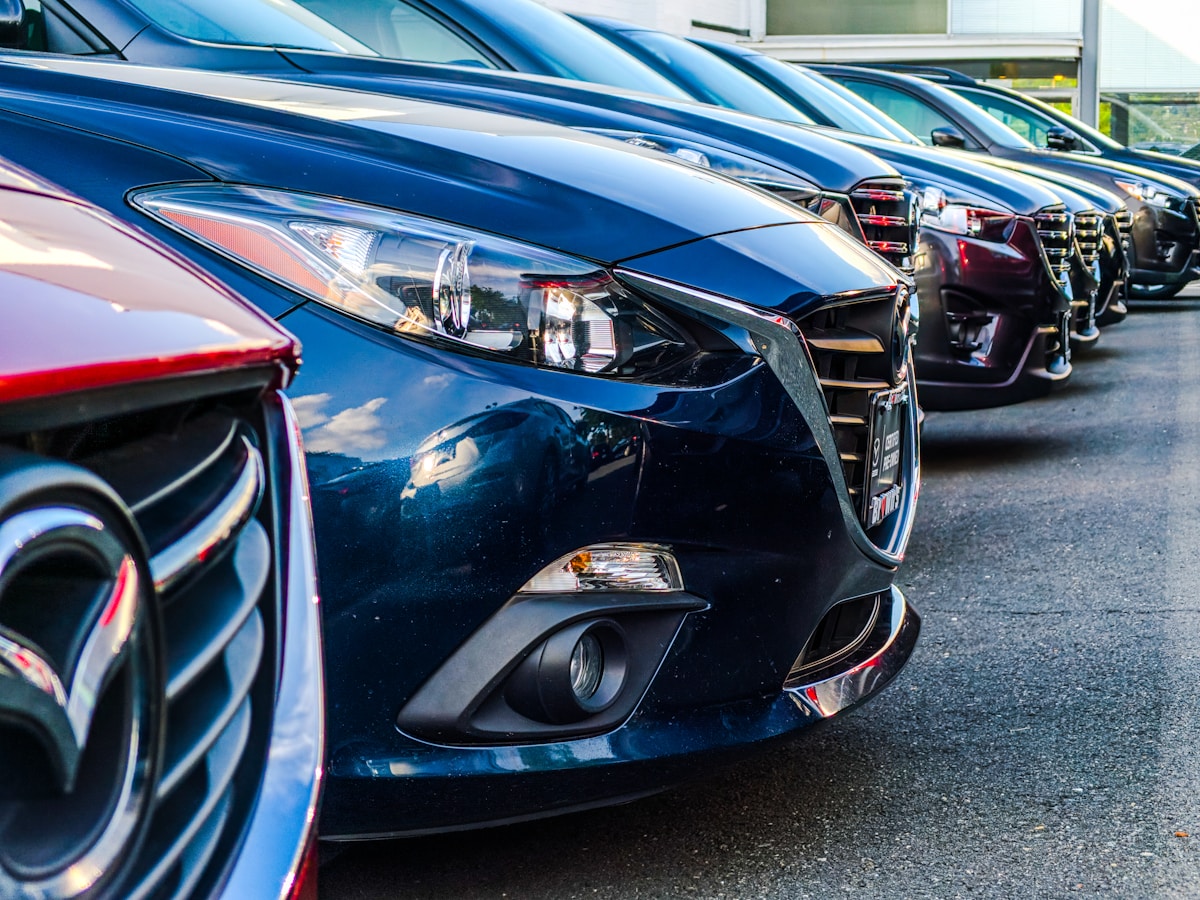
Pramoninė gamykla, gaminanti tikslius metalinius komponentus dviejų sraigtų ekstruderių mašinoms
Pramoninių mašinų dalių užsienio prekybos politika ir pramonės statusas
Jungtinių Valstijų ir Europos Sąjungos prekybos santykiai išlieka didžiausia dvišalė ekonominė partnerystė pasaulyje. Pagal Tarptautinės prekybos administracija (ITA), viršijo bendrą prekių apyvartą $900 milijardas į 2024, su pramoninėmis mašinomis ir komponentais, kurie sudaro didelę šios biržos dalį.
Specialiai dviejų sraigtų ekstruderio dalių sektoriui, keletą politikos pokyčių per pastaruosius du mėnesius (balandžio mėn–birželis ) formuoja prekybos aplinką:
Tarifų ir prekybos susitarimų pokyčiai
Prekybos ir technologijų taryba (TTC), sukurta siekiant koordinuoti požiūrį į pagrindinius prekybos ir technologijų klausimus, tęsė diskusijas dėl techninių kliūčių prekybai pramonine įranga mažinimo. The European Commission's Directorate-General for Trade paskelbė atnaujintas gaires dėl mašinų komponentų, patenkančių į ES rinką, atitikties vertinimo, kuris tiesiogiai veikia dviejų sraigtų ekstruderio dalių eksportuotojus.
Pagal dabartinį tarifų grafiką, dviejų sraigtų ekstruderio dalys, klasifikuojamos pagal HS kodus 8477 (gumos arba plastiko apdirbimo mašinos) susiduria su skirtingomis muitų normomis. JAV importuojamiems Europoje pagamintų ekstruderių komponentams paprastai taikomi 3,1 balo tarifai.–4.7%, o ES importui iš JAV taikomi panašūs tarifai pagal DPS (Labiausiai palanki tauta) gydymas. Tačiau, Dalims, gautoms iš Kinijos, gali būti taikomas papildomas skyrius 301 tarifus 25% arba didesnis, kai patenka į JAV rinką, sukurti konkurencinį pranašumą ES ir JAV įsisteigusiems gamintojams. Ekstruderių mašinų gamintojų tiekėjas
The JAV prekybos departamentas gegužę pranešė, kad pramonės mašinų dalių importas iš ES padidėjo 8.3% per metus, Tai atspindi didelę JAV plastiko perdirbėjų, atnaujinančių savo ekstruzijos linijas, paklausą. Ir atvirkščiai, JAV pagamintų tiksliųjų komponentų importas į ES išaugo 5.7%, paskatino specializuotų lydinių sraigtinių elementų ir didelio našumo statinės įdėklų paklausa.
Reguliavimo standartai ir atitiktis
Tiek JAV, tiek ES laikosi griežtų standartų pramoninių mašinų komponentams. ES, Mašinų direktyva 2006/42/EB (pakeistas naujuoju ES mašinų reglamentu 2023/1230 įsigalioja sausio mėn Plastiko ekstruzijos temperatūra 2027) nustato saugos ir eksploatacinių savybių reikalavimus. Dviejų varžtų ekstruderio dalims, tai reiškia, kad gamintojai turi užtikrinti, kad komponentai atitiktų CE ženklo reikalavimus, kai parduodami Europos rinkai.
JAV, OSHA taisyklės ir ANSI/PLASTICS standartai reglamentuoja ekstruzijos įrangos saugą darbo vietoje. JAV rinkai tiekiantys dalių gamintojai turi užtikrinti, kad jų komponentai atitiktų šiuos standartus, ypač svarbiems saugai elementams, pvz., pavarų dėžės korpusams, statinės slėgio reitingai, ir elektriniai šildymo elementai.
JAV ir ES standartų konvergencija sudarant abipusio pripažinimo susitarimus supaprastino tarpvalstybinę prekybą daugeliu pramonės komponentų., Nors skirtumai išlieka tokiose srityse, kaip medžiagų sertifikavimo reikalavimai ir bandymų protokolai.
Krovinių konteineriai dideliame tarptautiniame uoste, atstovaujančiame JAV ir ES pramonės prekybos logistiką
B2B prekybos dvigubo sraigtinio ekstruderio dalimis galimybės rinkose
B2B dviejų sraigtų ekstruderių dalių rinka tarp JAV ir ES suteikia gamintojams keletą patrauklių galimybių, tiekėjų, ir platintojai:
Auganti perdirbimo ir tvarumo iniciatyvų paklausa
The EU's Circular Economy Action Plan and the US EPA's recycling targets are driving massive investment in plastics recycling infrastructure. Dviejų sraigtų ekstruderiai yra tinkamiausia mechaninio ir cheminio plastikų perdirbimo technologija, ir ši plėtra sukuria precedento neturinčią dilimui atsparių varžtų elementų paklausą, korozijai atsparios statinės, ir specializuoti maišymo elementai, skirti perdirbtoms žaliavoms.
Pagal Plastiko perdirbėjų asociacija (APR), tikimasi, kad plastiko perdirbimo įrenginių skaičius JAV padidės 35% tarp 2024 ir 2027. Kiekvienam naujam įrenginiui reikia kelių dvigubo sraigtinio ekstruderio linijų, ir kiekviena linija reikalauja reguliariai keisti susidėvėjusias dalis — sukurti nuolatinį pajamų srautą dalių gamintojams. Ekstruderių įmonės
Farmacijos ir maisto perdirbimo plėtra
Plastikinio suvirinimo ekstruderis Kinija Dviejų sraigtų ekstruderiai vis dažniau naudojami farmacijos karšto lydalo ekstruzijoje (HME) vaistų tiekimo sistemoms ir maisto perdirbimui užkandžių gamybai, naminių gyvūnėlių ėdalo gamyba, ir augalinės kilmės baltymų tekstūravimas. The Screw Extruder Machine Factory rel="nofollow" title="US FDA">JAV FDA ir Europos vaistų agentūra (EMA) Abi pripažino dviejų varžtų ekstruziją kaip nuolatinę gamybos technologiją, skatinamas priėmimas reguliuojamose pramonės šakose.
Dalių gamintojams, tai reiškia, kad didėja maistinių ir farmacinių komponentų, pagamintų iš nerūdijančio plieno, paklausa (316L), Hastelloy, ir kiti korozijai atsparūs lydiniai, su visa medžiaga atsekamumo ir sertifikavimo dokumentais.
Antrinės ir atsarginių dalių rinka
Apskaičiuota, kad JAV ir ES įdiegta dviejų sraigtų ekstruderių bazė viršija 50,000 mašinos. Su tipiniais sraigtinių elementų keitimo ciklais 2000–8,000 darbo valandos, priklausomai nuo programos, antrinės rinkos dalių verslas yra kelių milijardų dolerių galimybė. B2B pirkėjai vis dažniau ieško alternatyvių dalių tiekėjų, kurie galėtų pasiūlyti OEM lygiavertę kokybę konkurencingomis kainomis su trumpesniu pristatymo laiku.
Pagrindiniai prekybos ekstruderio komponentais iššūkiai
Nepaisant galimybių, B2B dalyviai šioje rinkoje susiduria su keliais iššūkiais:
Tiekimo grandinės sudėtingumas ir pristatymo laikas
Tiksliai pagamintoms ekstruderio dalims reikalingi specializuoti metalurginiai procesai, įskaitant vakuuminį terminį apdorojimą, azotavimas, HIP (Karštas izostatinis presavimas), ir tikslus CNC apdirbimas. Pasirinktinių varžtų elementų konfigūracijų pristatymo laikas gali svyruoti nuo 4–12 savaites, ir tiekimo grandinės sutrikimai — ar dėl žaliavų trūkumo, siuntimo vėlavimai, ar geopolitinės įtampos — gali labai paveikti pristatymo grafikus.
The Komercijos žurnalas gegužę pranešė, kad transatlantinės laivybos tarifai stabilizavosi po 2023 m–2024, tačiau uostų spūstys pagrindiniuose mazguose, tokiuose kaip Roterdamas ir Los Andželas, ir toliau didina 5–10 dienų iki tranzito laiko piko laikotarpiais.
Kokybės užtikrinimas ir padirbtos dalys
Rinkoje padaugėjo žemos kokybės padirbtų ekstruderio dalių, ypač varžtų elementai ir statinės įdėklai, kurie neatitinka nurodyto kietumo, matmenų tolerancija, arba metalurginės sudėties standartai. B2B pirkėjams, tai pabrėžia patikrintų gamintojų, turinčių ISO, svarbą 9001 sertifikavimas, dokumentuotos kokybės vadybos sistemos, ir gebėjimas pateikti medžiagų patikrinimo sertifikatus (MTC) kiekvienam komponentui.
Intelektinės nuosavybės ir dizaino apsauga
Daugelis dviejų sraigtinių ekstruderio dalių yra suprojektuotos pagal patentuotą geometriją ir profilius. Norint užtikrinti intelektinės nuosavybės apsaugą JAV ir ES jurisdikcijose, reikia atidžiai stebėti patentų paraiškas, komercinės paslapties apsauga, ir sutartines sutartis su gamybos partneriais. The Europos Sąjungos intelektinės nuosavybės tarnyba (EUIPO) ir JAV patentų ir prekių ženklų biuras (USPTO) abu siūlo pramoninio dizaino apsaugos mechanizmus, tačiau vykdymas skiriasi.
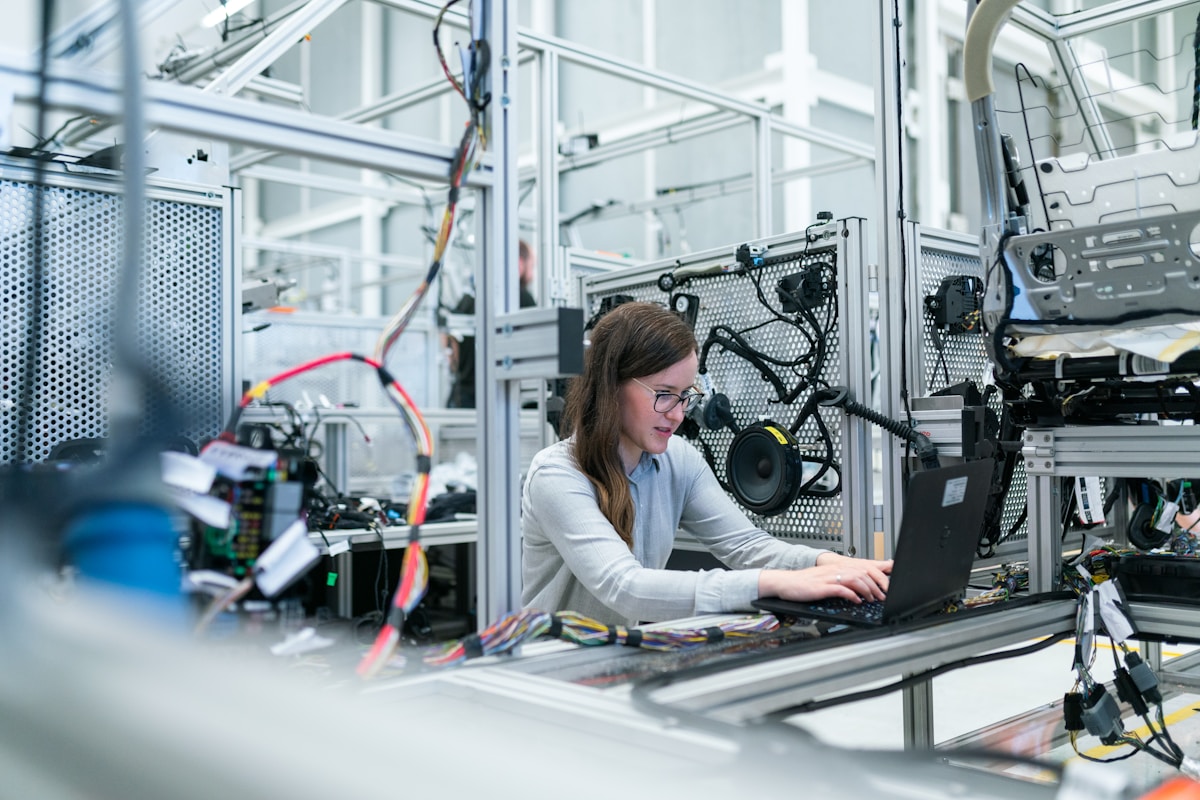
Tikslus pramoninių metalinių komponentų CNC apdirbimas modernioje gamybos įmonėje
Geografiniai ir politikos pranašumai B2B užsienio prekyboje
Geografinė ir politinė sistema, jungianti JAV ir ES, suteikia aiškių pranašumų verslui prekybai dvigubo sraigtinio ekstruderio dalimis:
Sukurta logistikos infrastruktūra: Transatlantinis laivybos koridorius yra vienas iš labiausiai išvystytų pasaulyje. Pagrindiniai uostai, įskaitant Roterdamą (Nyderlandai), Hamburgas (Vokietija), Antverpenas (Belgija), Los Andželas, Niujorkas / Naujasis Džersis, ir Hiustonas kasmet apdoroja milijonus TEU, su specialiomis pramoninių mašinų ir sunkiųjų komponentų paslaugomis. Tranzito laikas 10–14 dienų jūrų kroviniams ir 1–2 dienų krovinių gabenimui oro transportu koridorius tampa itin efektyvus dalių tiekimo grandinėms.
Abipusis pripažinimas ir reguliavimo derinimas: Nors ir ne identiški, JAV ir ES pramoninių mašinų reguliavimo sistemos turi bendrą ISO standartų pagrindą. ISO 9001 (kokybės valdymas), ISO 14001 (aplinkos valdymas), ir medžiagų standartai, tokie kaip ASTM ir DIN/EN, yra plačiai pripažinti abiejose Atlanto pusėse, sumažinti atitikties išlaidas gamintojams, aptarnaujantiems abi rinkas.
Prekybos palengvinimo programos: JAV muitinė ir sienų apsauga (CBP) C-TPAT programa ir ES įgaliotasis ūkio subjektas (AEO) programa suteikia greitą muitinės formalumų atlikimą sertifikuotiems prekybininkams. Dviejų sraigtų ekstruderių dalių gamintojams ir platintojams, gavus šiuos sertifikatus vėlavimai pasienyje gali sumažėti 50 kartų–70% ir mažesnės patikros normos.
Pagal užsakymą pagaminta plastiko ekstruzijos gamykla Laisvosios prekybos zonos ir muitinės sandėliavimas: Tiek JAV (Užsienio prekybos zonos) ir aš (Laisvosios zonos) pasiūlyti muitų atidėjimo ir mažinimo programas, kurios gali žymiai sumažinti importuojamų ekstruderio komponentų sąnaudas, ypač platintojams, prižiūrintiems atsargas, kad būtų galima greitai pristatyti galutiniams vartotojams.

Roterdamo uosto vaizdas iš oro su konteinerių laivais ir logistikos infrastruktūra tarptautinei prekybai
Atvejų analizės įmonės, veikiančios ekstruderių dalių rinkoje
Atvejo analizė 1: Europos gamintojas plečia platinimą JAV
Vidutinio dydžio Vokietijos dviejų sraigtų ekstruderio dalių gamintojas (specializuojasi bimetalinių statinių segmentuose ir miltelinės metalurgijos sraigtinių elementų gamyboje) sėkmingai išsiplėtė į JAV rinką 2024 užmezgus platinimo partnerystę su Teksase įsikūrusiu pramoninių komponentų platintoju. Įtraukti pagrindiniai sėkmės veiksniai:
- C-TPAT sertifikato gavimas, siekiant pagreitinti JAV muitinės formalumus
- Establishing a bonded warehouse in Houston's Foreign Trade Zone to maintain US inventory without immediate duty payment
- Pateikiame visą medžiagų atsekamumo dokumentaciją, atitinkančią DIN ir ASTM standartus
- Techninės pagalbos teikimas per JAV įsikūrusią programų inžinierių
Viduje 12 mėnesių, įmonė pasiekė a 40% padidėjo JAV pajamos ir sumažėjo vidutinis pristatymo laikas JAV klientams nuo 8 savaites iki 5 darbo dienomis sandėliuojamoms prekėms. Šis atvejis parodo, kaip dviejų varžtų ekstruderio dalių gamykla gali panaudoti prekybos infrastruktūrą, kad sukurtų konkurencingą buvimą Šiaurės Amerikos rinkoje..
Atvejo analizė 2: JAV platintojų tiekimas iš kelių ES tiekėjų
Kalifornijoje įsikūręs pramoninių mašinų dalių platintojas sukūrė dviejų sraigtų ekstruderio komponentų tiekimo iš kelių tiekėjų strategiją, dirba su gamintojais Vokietijoje, Italija, ir Čekija. Paįvairindami tiekimo bazę keliose ES šalyse, jie pasiekė:
- 30% reduction in average procurement costs through competitive bidding
- Improved supply chain resilience — when one supplier experienced production delays, alternative sources maintained delivery commitments
- Access to specialized capabilities — Italian suppliers for precision-ground screw elements, German suppliers for high-performance barrel liners, Czech suppliers for cost-effective standard components
The distributor reported that EU suppliers consistently met quality specifications and provided superior technical documentation compared to alternative sources, justifying the moderate price premium over non-EU alternatives.
Atvejo analizė 3: Cross-Border OEM Partnership
A US-based extruder OEM partnered with a specialized EU manufacturer to co-develop next-generation screw elements for recycling applications. The partnership leveraged EU expertise in powder metallurgy and the US company's application engineering knowledge. Key outcomes included:
- Development of a new wear-resistant screw element material with 3x longer service life in recycling applications
- Joint patent filing in both the US and EU
- Shared manufacturing — rough machining in the EU, final finishing and assembly in the US
- Combined annual revenue from the new product line exceeding $5 million within 18 months of launch
Engineers collaborating on industrial machinery design in a modern manufacturing engineering office
Trade Trend Predictions for the Next 1–2 Mėnesiai (liepos mėn–rugpjūčio mėn )
Remiantis dabartiniais rinkos rodikliais, politikos raidos, ir pramonės duomenis, the following trends are expected to shape the twin screw extruder parts trade in the near term:
Ir toliau didelė perdirbimo sektoriaus paklausa
With multiple new recycling facilities scheduled to come online in Q3 across both the US and EU, demand for twin screw extruder parts — particularly wear-resistant screw elements and corrosion-resistant barrels — is expected to remain strong. The Plastikai Europa association has projected a 15% increase in recycling-grade extruder installations in the EU for, each requiring a full complement of spare parts.
Raw Material Price Stabilization
Prices for key raw materials used in extruder parts manufacturing — including tool steel (H13, D2), nikelio pagrindu pagaminti lydiniai, and tungsten carbide — have shown signs of stabilization after the volatility of late 2024. The London Metal Exchange (LME) nickel price has traded in a narrow range since March, suggesting that parts manufacturers may be able to offer more stable pricing to B2B customers in the coming months.
Didesnis dėmesys skaitmeninimui ir numatomai priežiūrai
IoT jutiklių ir nuspėjamosios priežiūros sistemų integravimas į dviejų sraigtų ekstruderius sukuria naujų galimybių dalių gamintojams, kurie gali aprūpinti išmaniuosius komponentus su integruotomis stebėjimo galimybėmis.. B2B pirkėjai vis dažniau prašo sraigtinių elementų ir statinių su nusidėvėjimo indikatoriais ir temperatūros jutikliais, įgalinant sąlyga pagrįstą pakeitimą, o ne pagal laiką pagrįstus pakeitimo grafikus.
Prekybos parodos veikla ir tinklų kūrimo galimybės
Keli svarbūs pramonės įvykiai liepos mėnesį–Rugpjūtis suteiks galimybę užmegzti B2B tinklą tarp dviejų sraigtų ekstruderių dalių gamintojų ir pirkėjų:
- Plastikų perdirbimo technologijų konferencijos Europoje
- Pramoninių mašinų parodos JAV vidurio vakaruose
- Compounding and extrusion technology seminars organized by industry associations
These events typically generate significant order activity, and parts manufacturers should prepare inventory and technical documentation in advance to capitalize on post-event demand.
Regulatory Developments to Watch
The EU's new Machinery Regulation (ES 2023/1230), while not fully effective until January 2027, jau daro įtaką sprendimams dėl pirkimų. B2B buyers are beginning to specify compliance with the new regulation in their purchase orders, and parts manufacturers who can demonstrate early compliance will have a competitive advantage. Papildomai, the US is expected to announce updated tariff schedules for certain industrial machinery components in Q3, which could affect pricing for imported extruder parts.

International B2B trade exhibition with industrial machinery displays and business professionals networking
B2B saugos avalynės pranašumai pramoninėje ekstruzijos aplinkoje
While the primary focus of this analysis is twin screw extruder parts manufacturing and trade, it is essential to address a critical aspect of the industrial environments where these parts are manufactured, įdiegta, and maintained: darbo vietos sauga, specifically the protection of workers' feet through proper safety footwear.
Kodėl saugos avalynė svarbi ekstruzijos įrenginiuose
Twin screw extruder parts manufacturing and maintenance environments present numerous foot hazards:
- Heavy component handling: Sraigtiniai elementai, statinės segmentai, and gearbox components can weigh from 5 kg to over 500 kg. A dropped barrel segment or screw shaft can cause severe crush injuries to unprotected feet.
- High-temperature exposure: Extruder barrels operate at temperatures ranging from 150°C iki 400°C depending on the application. Išsilieja išlydytas polimeras, karštų metalinių paviršių, ir spinduliuojanti šiluma kelia pavojų darbuotojams nusideginti' pėdos.
- Cheminis poveikis: Apdorojimo aplinkoje gali būti sąlyčio su tirpikliais, lubrikantai, hidrauliniai skysčiai, ir cheminių priedų, kurie gali prasiskverbti į standartinę avalynę ir sukelti cheminius nudegimus arba sudirginti odą.
- Paslydimo pavojai: Aliejus, tepalas, polimero likutis, ir vanduo gamyklos grindyse kelia didelę paslydimo ir nukritimo riziką.
- Aštrus objekto įsiskverbimas: Metalo drožlės, sulūžę varžtų elementų antgaliai, ir kitos aštrios šiukšlės ant gamybos grindų gali prasiskverbti į standartinius batų padus.
Saugos kojų pirštų apsaugos standartai: JAV ir ES reikalavimai
Tiek JAV, tiek ES laikosi visapusiškų standartų Sujungimo ekstruderio mašina skirta apsauginei avalynei pramoninėje aplinkoje:
JAV standartai: ASTM F2413 nustato apsauginės avalynės reikalavimus, įskaitant atsparumą smūgiams (I/75 — apsauga nuo 75 pėdos svarų smūgio), atsparumas suspaudimui (C/75 — apsauga nuo 2,500 svarų suspaudimo), ir pasirenkami metatarsių apsaugos įvertinimai (Mt), elektros pavojus (EH), statinis išsklaidymas (SD), ir atsparumas pradūrimui (PR).
ES standartai: ISO 20345 apibrėžia SB saugos avalynės kategorijas (pagrindinė pirštų apsauga) per S5 (visapusiška apsauga, įskaitant atsparumą vandeniui ir atsparumą tarppadžiui). Dviejų sraigtų ekstruderio gamybos aplinkai, S3 reitingo avalynė (anti-static, energijos absorbcija, atsparus vandeniui, penetration-resistant midsole) paprastai yra minimalus reikalavimas.
For B2B safety footwear suppliers serving the industrial machinery sector, understanding these standards and their application to specific work environments is essential for providing appropriate product recommendations.
Steel Toe vs. Composite Toe: Choosing the Right Protection
Modern safety footwear offers two primary toe protection technologies:
Custom Plastic Extrusion Manufacturers Steel toe caps remain the traditional choice for heavy industrial environments like extruder parts manufacturing facilities. They offer excellent impact and compression resistance, are highly durable, and maintain their protective properties over extended use. Tačiau, they add weight, can conduct cold temperatures, and may trigger metal detectors. Prusa Mk3S Extruder Assembly
Sudėtinės pirštų gaubtelės (made from carbon fiber, Kevlaras, stiklo pluošto, or thermoplastic materials) offer comparable protection levels while being 30–40% lengvesnis už plieną. They do not conduct heat or cold, are non-metallic (advantageous for facilities with metal detection requirements), and meet the same ASTM F2413 and EN ISO 20345 impact and compression standards as steel toe caps.
For workers in twin screw extruder parts manufacturing and maintenance, the choice between steel and composite toe protection depends on the specific hazards present. In high-temperature environments near operating extruders, composite toe caps may be preferred for their thermal insulation properties. In heavy machining areas where large metal components are handled, steel toe caps may provide greater confidence in crush protection.
The B2B Market for Industrial Safety Footwear
The global safety footwear market was valued at approximately $8.2 milijardas į 2024, pagal MarketsandMarkets research. The industrial manufacturing segment, which includes facilities producing twin screw extruder parts, represents approximately 25% of this market.
Key trends in the B2B safety footwear market include:
- Customization and branding: Large manufacturers increasingly order custom-branded safety footwear for their workforce, incorporating company colors and logos while meeting all required safety standards.
- Comfort technology integration: Anti-fatigue insoles, drėgmę sugeriantys pamušalai, and ergonomic designs are becoming standard expectations, as employers recognize that comfortable safety footwear improves compliance and reduces fatigue-related injuries.
- Tvarumas: Recycled materials, bio-based components, and longer-lasting constructions are gaining traction as manufacturers seek to reduce their environmental footprint.
- Direct-to-business e-commerce: B2B platforms are streamlining the procurement process, allowing facility managers to order safety footwear in bulk with size assortments, custom specifications, and volume pricing.
Kojų pirštų apsauga: Neapyvartinė investicija
For every worker in a twin screw extruder parts manufacturing facility, techninės priežiūros dirbtuvės, or extrusion production line, proper safety footwear is not optional — it is a fundamental requirement for personal protection. The cost of a quality pair of safety boots ($80–$200 mažmeninė prekyba, less at B2B wholesale pricing) is negligible compared to the cost of a foot injury, which the JAV darbo statistikos biuras (BLS) estimates at an average of $9,000–$16,000 in direct medical costs per incident, not including lost productivity, darbininkų' kompensacija, and potential litigation costs.
B2B pirkėjams — whether you are a twin screw extruder parts manufacturer equipping your own workforce, or a safety equipment distributor serving the industrial sector — investing in quality safety footwear with appropriate toe protection is one of the highest-ROI safety investments available.
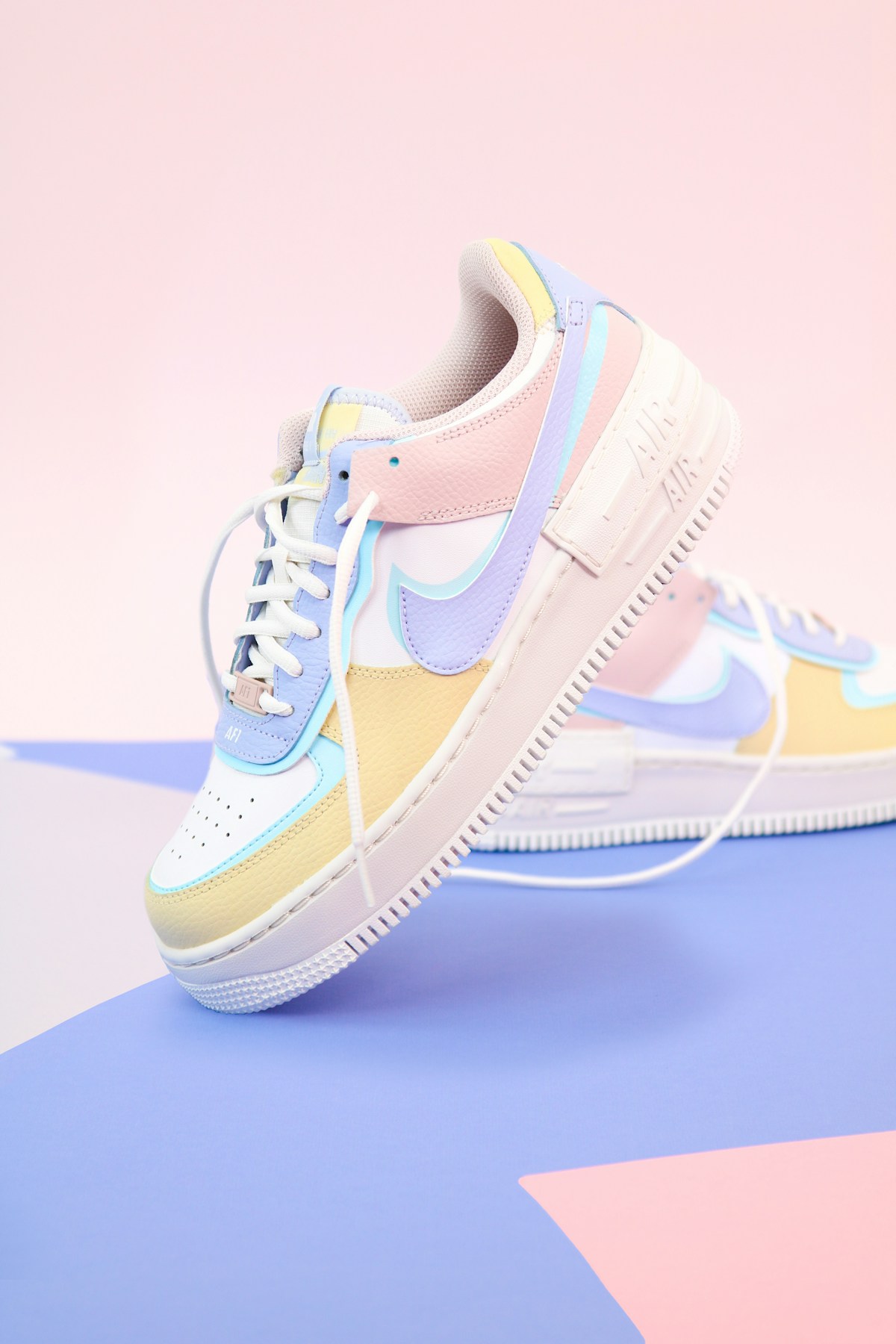
Industrial safety boots with steel toe protection suitable for manufacturing and heavy industrial environments
Sourcing Strategies for Twin Screw Extruder Parts Buyers
For B2B procurement professionals seeking to optimize their twin screw extruder parts supply chain, the following strategies are recommended:
Supplier Qualification Process
- Verify certifications: Require ISO 9001:2015 sertifikavimas kaip minimumas. Skirta maisto ar farmacijos reikmėms, look for ISO 22000 arba laikytis GMP.
- Request material test certificates: Every batch of screw elements and barrel segments should come with MTCs documenting chemical composition, hardness, and dimensional inspection results.
- Conduct facility audits: For high-value or critical components, on-site audits of the manufacturer's facility provide assurance of production capabilities and quality systems.
- Įvertinkite techninę pagalbą: Geriausi dviejų sraigtų ekstruderių dalių gamintojai teikia taikymo inžinerinę pagalbą, padėti pirkėjams pasirinkti optimalią varžtų konfigūraciją ir medžiagas konkrečiam procesui.
Bendrųjų nuosavybės išlaidų metodas
Lyginant kainas iš skirtingų dviejų sraigtų ekstruderio dalių didmeninių tiekėjų, B2B pirkėjai turėtų atsižvelgti į visas nuosavybės išlaidas, o ne vien vieneto kainą:
- Komponento tarnavimo laikas (darbo valandų prieš pakeitimą)
- Siuntimo ir logistikos išlaidos (įskaitant muitus ir muito mokesčius)
- Pristatymo laikas ir atsargų gabenimo išlaidos
- Techninė pagalba ir garantijos sąlygos
- Prastovos išlaidos, susijusios su komponento gedimu arba atidėtu pristatymu
Sraigtinis elementas, kuris kainuoja 20% daugiau, bet trunka 50% longer represents a significantly lower total cost of ownership — a calculation that sophisticated B2B buyers increasingly prioritize.
Material Science and Innovation in Twin Screw Extruder Parts
The performance and longevity of twin screw extruder parts are fundamentally determined by material science. Recent innovations are expanding the options available to B2B buyers:
Powder Metallurgy HIP (PM-HIP) medžiagų: These advanced materials, produced through hot isostatic pressing of metal powders, offer superior wear resistance and corrosion resistance compared to conventional wrought steels. PM-HIP screw elements can last 3–5x longer than standard nitrided steel elements in abrasive applications like glass-fiber-filled compounds.
Tungsten carbide coatings: Applied through HVOF (High Velocity Oxygen Fuel) thermal spray processes, tungsten carbide coatings provide extreme wear resistance for screw elements and barrel liners processing highly abrasive materials.
Nickel-based alloys: For corrosive processing environments (such as fluoropolymer compounding or chemical recycling), nickel-based alloys like Hastelloy C-276 and Inconel 625 provide excellent chemical resistance while maintaining mechanical strength at elevated temperatures.
Plastic Extrusion Houston Tx Ceramic-lined barrels: Emerging technology using ceramic inserts in barrel bores offers exceptional wear and corrosion resistance for the most demanding applications, though at a premium cost point.
B2B pirkėjams, understanding these material options and their application-specific advantages is essential for making informed procurement decisions. Išmanantis dviejų sraigtų ekstruderio dalių gamintojas padės klientams pasirinkti optimalias medžiagas, atsižvelgdamas į konkrečias apdorojimo sąlygas.
Dažnai užduodami klausimai (DUK)
Koks yra tipiškas pasirinktinių dviejų sraigtų ekstruderio dalių pristatymo laikas?
Pristatymo laikas skiriasi priklausomai nuo gamintojo ir komponentų sudėtingumo. Standartiniai varžtų elementai iš sandėlyje paprastai pristatomi per 3–5 darbo dienos. Pagal užsakymą sukonfigūruoti varžtų elementų rinkiniai reikalauja 4–8 savaites. Sudėtingi komponentai, pvz Plastikinio ekstruderio gamintojas, gamintojas gali prireikti pilnų statinės mazgų arba pasirinktinių pavarų dėžės dalių 8–12 savaites. Bendradarbiavimas su gamintoju, kuris turi įprastų konfigūracijų saugos atsargas, gali žymiai sutrumpinti B2B pirkėjų pristatymo laiką. Dviejų sraigtų ekstruderių tiekėjas
Kokių sertifikatų turėčiau ieškoti iš dviejų sraigtų ekstruderio dalių tiekėjo?
Mažiausiai, look for ISO 9001:2015 kokybės vadybos sertifikatas. Su maistu besiliečiantiems tikslams, FDA atitiktis ir ES reglamentas (EB) Nr 1935/2004 conformity are essential. Skirta farmacijos reikmėms, GMP compliance documentation is required. Material certifications per ASTM or DIN/EN standards should accompany every shipment.
Koks yra minimalus užsakymo kiekis (MOQ) for twin screw extruder parts?
MOQ varies significantly by manufacturer and component type. Many established manufacturers accept single-piece orders for standard catalog items, though pricing improves with volume. For custom-engineered components, MOQs of 5–10 pieces are common. Wholesale buyers purchasing full screw element sets or barrel assemblies in volume can typically negotiate 15–30% discounts off list pricing.
How do I determine which screw element configuration is right for my application?
The optimal screw configuration depends on your specific process — material type, pralaidumo reikalavimai, mixing intensity, and thermal sensitivity. Reputable twin screw extruder parts manufacturers offer application engineering support, including screw design consultation, process simulation, and trial support. Providing your current screw layout, processing parameters, and performance objectives enables the manufacturer to recommend optimized configurations.
Can I source compatible replacement parts from a different manufacturer than my extruder OEM?
Taip. The aftermarket for twin screw extruder parts is well-established, and many independent manufacturers produce components that are dimensionally and metallurgically compatible with major OEM extruder brands. Ensure that the alternative supplier can provide documented dimensional specifications, medžiagų sertifikatai, and performance guarantees equivalent to OEM parts. Many B2B buyers achieve 20–40% cost savings by sourcing from qualified independent manufacturers without compromising quality.