

ໂຮງງານຜະລິດ Twin Screw Extruder ແມ່ນຫຍັງ? ຄູ່ມື B2B ທີ່ສົມບູນແບບສໍາລັບຜູ້ຜະລິດ, ຜູ້ສະຫນອງ, ແລະຜູ້ຊື້ຂາຍສົ່ງ
ໂຮງງານຜະລິດສະກູຄູ່ແຝດແມ່ນໂຮງງານຜະລິດອຸດສາຫະກໍາພິເສດທີ່ອອກແບບ, ວິສະວະກອນ, ປະກອບ, ແລະທົດສອບລະບົບການບີບອັດສະກູຄູ່ແຝດທີ່ໃຊ້ໃນທົ່ວການປະສົມພລາສຕິກ, ການປຸງແຕ່ງອາຫານ, ຢາ, ແລະອຸດສາຫະກໍາເຄມີ. ສໍາລັບຜູ້ຊື້ B2B ທີ່ມາຈາກຕະຫຼາດທົ່ວໂລກ — ໂດຍສະເພາະ ແລວທາງການຄ້າ — ເຂົ້າໃຈສິ່ງທີ່ໂຮງງານເຫຼົ່ານີ້ຜະລິດ, ເຂົາເຈົ້າເຮັດແນວໃດ, ແລະສິ່ງທີ່ແຕກຕ່າງຜູ້ຜະລິດ extruder screw ຄູ່ແຝດທີ່ເຊື່ອຖືໄດ້ຈາກຫນຶ່ງທີ່ບໍ່ຫນ້າເຊື່ອຖືແມ່ນສໍາຄັນຕໍ່ການຕັດສິນໃຈຈັດຊື້ທີ່ດີ.. ຄູ່ມືນີ້ກວມເອົາພູມສັນຖານຢ່າງເຕັມທີ່: ການດໍາເນີນງານຂອງໂຮງງານ, ການປະເມີນຜົນຜູ້ສະຫນອງ, ຍຸດທະສາດການຊື້ຂາຍຍົກ, ຜົນກະທົບດ້ານນະໂຍບາຍການຄ້າ, ແລະທ່າອ່ຽງຂອງຕະຫຼາດທີ່ເບິ່ງໄປຂ້າງຫນ້າສໍາລັບແລະນອກເຫນືອການ.
ຄວາມເຂົ້າໃຈ Twin Screw Extruder: ເຕັກໂນໂລຊີຫຼັກ ແລະຄໍາຮ້ອງສະຫມັກອຸດສາຫະກໍາ
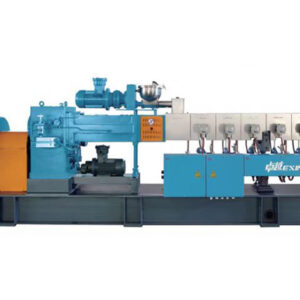
A twin screw extruder ແມ່ນເຄື່ອງທີ່ໃຊ້ສອງ intermeshing, ສະກູໝູນວຽນຮ່ວມກັນ ຫຼືຕ້ານການຫມຸນທີ່ຕັ້ງຢູ່ໃນຖັງເພື່ອປະສົມ, ປະສົມ, ລະລາຍ, ແລະຮູບຮ່າງວັດຖຸດິບ. ບໍ່ເຫມືອນກັບ extruders screw ດຽວ, ລະບົບສະກູຄູ່ແຝດໃຫ້ປະສິດທິພາບການຜະສົມທີ່ດີຂຶ້ນ, ການຄວບຄຸມອຸນຫະພູມທີ່ຊັດເຈນ, ແລະຄວາມສາມາດໃນການປຸງແຕ່ງອຸປະກອນທີ່ກວ້າງຂວາງ — ຈາກ thermoplastics ແລະທາດປະສົມຢາງພາລາກັບສ່ວນປະກອບອາຫານແລະເມັດຢາ.
ອາຫານ Extruded ອົງປະກອບຫຼັກທີ່ຜະລິດຢູ່ໃນສະກູຄູ່ Twin Screw Extruder ລາຄາໂຮງງານ ໂຮງງານຜະລິດ extruder ປະກອບມີ: ເຄື່ອງປະສົມທາງການຄ້າທີ່ໜັກໜ່ວງ
- ອົງປະກອບຂອງ screw (kneading ຕັນ, ອົງປະກອບການຖ່າຍທອດ, ອົງປະກອບປະສົມ)
- ຖັງ (ແບ່ງເປັນສ່ວນ ຫຼື monolithic, ມີຊ່ອງທາງຄວາມຮ້ອນ / ຄວາມເຢັນ)
- ກ່ອງເກຍ ແລະລະບົບຂັບ
- ລະບົບການໃຫ້ອາຫານ (ເຄື່ອງປ້ອນ gravimetric ແລະ volumetric)
- ຫົວຕາຍແລະອຸປະກອນລົງລຸ່ມ
- ລະບົບຄວບຄຸມແລະແຜງອັດຕະໂນມັດ
extruders screw ຄູ່ແມ່ນ deployed ໃນການປະສົມພາດສະຕິກ (ພາກສ່ວນທີ່ໃຫຍ່ທີ່ສຸດ), ການຜະລິດ masterbatch, ລີໄຊເຄີນໂພລີເມີ, ການຜະລິດອາຫານຫວ່າງ, ການຜະລິດອາຫານສັດລ້ຽງ, ການຜະລິດຢາທີ່ເຮັດໃຫ້ຮ້ອນ extrusion, ແລະການປຸງແຕ່ງວັດສະດຸທີ່ກ້າວຫນ້າລວມທັງອົງປະກອບຂອງເສັ້ນໄຍກາກບອນແລະວັດສະດຸ electrode ຫມໍ້ໄຟ. ອີງຕາມຂໍ້ມູນຈາກ ການຄົ້ນຄວ້າ Grand View, ຕະຫຼາດ extruder screw ຄູ່ແຝດທົ່ວໂລກມີມູນຄ່າປະມານ USD 1.2 ຕື້ໃນ 2024 ແລະຄາດວ່າຈະເຕີບໂຕຢູ່ທີ່ CAGR ຂອງ 5.2% ຜ່ານ 2030.

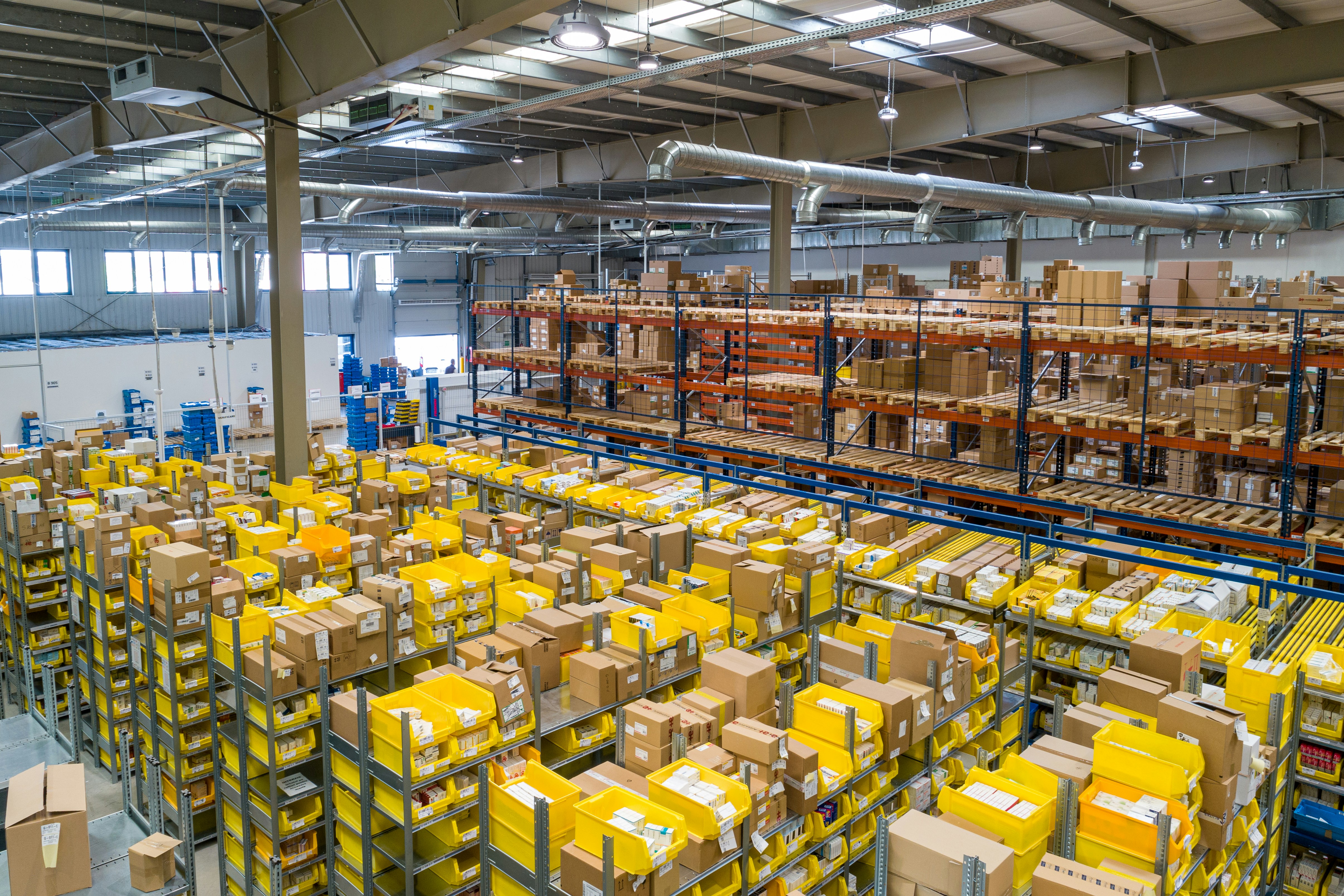
ພາຍໃນໂຮງງານຜະລິດອຸດສາຫະກໍາທີ່ມີເຄື່ອງຈັກຫນັກແລະສາຍການຜະລິດເປັນຕົວແທນ facto screw extruder ຄູ່ແຝດ
ສິ່ງທີ່ເຮັດໃຫ້ໂຮງງານ Twin Screw Extruder ແຕກຕ່າງຈາກກອງປະຊຸມຫຼືຮ້ານຄ້າປະກອບ
ບໍ່ແມ່ນທຸກໆບໍລິສັດທີ່ຂາຍເຄື່ອງອັດສະກູຄູ່ແຝດດໍາເນີນການໂຮງງານທີ່ແທ້ຈິງ. ຄວາມແຕກຕ່າງແມ່ນສໍາຄັນຫຼາຍສໍາລັບຜູ້ຊື້ B2B. ໂຮງງານຜະລິດສະກູຄູ່ແຝດທີ່ແທ້ຈິງມີ:
- ໂລຫະ ແລະເຄື່ອງຈັກໃນເຮືອນ: ສູນເຄື່ອງຈັກ CNC, ອຸປະກອນເຈາະຮູເລິກ, ແລະ furnaces ການປິ່ນປົວຄວາມຮ້ອນສໍາລັບການຜະລິດອົງປະກອບ screw ແລະ barrels ຈາກເຫຼັກເຄື່ອງມື, tungsten carbide, ຫຼືໂລຫະປະສົມພິເສດ.
- ວິສະວະກໍາ ແລະ R&D ພະແນກ: ທີມງານທີ່ອຸທິດຕົນທີ່ອອກແບບການຕັ້ງຄ່າສະກູ, ແລ່ນຊອບແວຈໍາລອງ (ເຊັ່ນ: Ludovic ຫຼື PolyXtrue), ແລະພັດທະນາການແກ້ໄຂທີ່ກໍາຫນົດເອງສໍາລັບສິ່ງທ້າທາຍການປຸງແຕ່ງວັດສະດຸສະເພາະ.
- ສະພາແຫ່ງແລະສາຍການທົດສອບ: ສະພາບແວດລ້ອມທີ່ຄວບຄຸມທີ່ລະບົບ extruder ສົມບູນໄດ້ຖືກປະກອບ, ສອດຄ່ອງ, ແລະດໍາເນີນການຜ່ານການທົດສອບການກວດສອບປະສິດທິພາບກ່ອນການຂົນສົ່ງ.
- ລະບົບການຄຸ້ມຄອງຄຸນນະພາບ: ISO 9001 ການຢັ້ງຢືນຢ່າງຫນ້ອຍ, ກັບໂຮງງານຈໍານວນຫຼາຍຍັງຖືຄວາມສາມາດເຮັດເຄື່ອງຫມາຍ CE, ແລະການປະຕິບັດຕາມຄໍາແນະນໍາເຄື່ອງຈັກເຊັ່ນ: ກົດລະບຽບເຄື່ອງຈັກຂອງ EU 2023/1230 (ປ່ຽນແທນຄຳສັ່ງຂອງອະດີດປີ 2006/42/EC, ມີຜົນສັກສິດໃນເດືອນມັງກອນ 2027).
ຮ້ານປະກອບ ຫຼືບໍລິສັດການຄ້າ, ໃນທາງກົງກັນຂ້າມ, ແຫຼ່ງອົງປະກອບຈາກຜູ້ສະຫນອງຍ່ອຍຫຼາຍ, ປະກອບໃຫ້ເຂົາເຈົ້າມີການຄວບຄຸມຄຸນນະພາບຈໍາກັດ, ແລະມັກຈະຂາດຄວາມເລິກດ້ານວິສະວະກໍາເພື່ອສະຫນັບສະຫນູນການຕັ້ງຄ່າທີ່ກໍາຫນົດເອງຫຼືການບໍລິການດ້ານວິຊາການຫລັງການຂາຍ. ເມື່ອປະເມີນ ກ Twin screw extruder ຜູ້ສະຫນອງ, ການກວດສອບຄວາມສາມາດຂອງໂຮງງານແມ່ນຂັ້ນຕອນທໍາອິດ.
ພູມສັນຖານທົ່ວໂລກ: ບ່ອນທີ່ໂຮງງານ Twin Screw Extruder ຕັ້ງຢູ່
ການຜະລິດສະກູຄູ່ແຝດແມ່ນສຸມໃສ່ໃນຫຼາຍຂົງເຂດທີ່ສໍາຄັນ:
ເອີຣົບ: ເຢຍລະມັນຍັງຄົງເປັນສູນກາງປະຫວັດສາດຂອງນະວັດຕະກໍາ extruder screw ຄູ່. ບໍລິສັດເຊັ່ນ Coperion (Stuttgart), KraussMaffei (ມິວນິກ), ແລະ Leistritz (ນູເຣມເບີກ) ດໍາເນີນການໂຮງງານຂະຫນາດໃຫຍ່ທີ່ມີມໍລະດົກທາງວິສະວະກໍາຫຼາຍສິບປີ. ອີຕາລີຍັງມີກຸ່ມທີ່ເຂັ້ມແຂງ, ໂດຍສະເພາະໃນແລວເສດຖະກິດ Brescia-Bergamo. ໂຮງງານຜະລິດເອີຣົບແມ່ນເປັນທີ່ຮູ້ຈັກສໍາລັບວິສະວະກໍາຄວາມແມ່ນຍໍາ, ໂລຫະຂັ້ນສູງ, ແລະລາຄາພິເສດ.
ຈີນ: China has emerged as the world's largest producer of twin screw extruders by volume. ກຸ່ມການຜະລິດທີ່ສໍາຄັນມີຢູ່ໃນ Nanjing (ແຂວງຈຽງຊູ), ເຊິ່ງຜູ້ດຽວເປັນເຈົ້າພາບຫຼາຍກວ່າ 40 twin screw extruder ໂຮງງານຜະລິດ, ເຊັ່ນດຽວກັນໃນ Zhangjiagang, ຄູນຊານ, ແລະແຂວງກວາງຕຸ້ງ. ໂຮງງານຂອງຈີນແມ່ນມາຈາກຜູ້ຜະລິດຊັ້ນສູງທີ່ຜະລິດອຸປະກອນທຽບກັບມາດຕະຖານເອີຣົບ, ຕໍ່ກັບການດຳເນີນງານທາງດ້ານງົບປະມານ ແນໃສ່ຕະຫຼາດທີ່ອ່ອນໄຫວຕໍ່ກັບລາຄາ. ອີງຕາມ ຂໍ້ມູນພາສີຈີນ, ການສົ່ງອອກເຄື່ອງຈັກປຸງແຕ່ງພາດສະຕິກ (ລະຫັດ HS 8477) ເກີນ USD 3.8 ຕື້ໃນ 2024.
ສະຫະລັດ: ສະຫະລັດມີໂຮງງານຜະລິດສະກູຄູ່ແຝດທີ່ອຸທິດຕົນຫນ້ອຍລົງແຕ່ເປັນເຈົ້າພາບການດໍາເນີນງານທີ່ສໍາຄັນຈາກຜູ້ຫຼິ້ນທົ່ວໂລກ (Coperion's manufacturing and service center in New Jersey, ຕົວຢ່າງ) ແລະຜູ້ຜະລິດພາຍໃນປະເທດພິເສດ. ຕະຫຼາດສະຫະລັດຕົ້ນຕໍແມ່ນຕະຫຼາດນໍາເຂົ້າແລະຜູ້ໃຊ້ສຸດທ້າຍ.
ຍີ່ປຸ່ນແລະເກົາຫຼີໃຕ້: Japan's JSW (ໂຮງງານເຫຼັກກ້າຍີ່ປຸ່ນ) ແລະເຄື່ອງ Shibaura (ໃນເມື່ອກ່ອນແມ່ນເຄື່ອງ Toshiba) ແມ່ນຜູ້ຜະລິດທີ່ນິຍົມ. ເກົາຫຼີມີຄວາມສາມາດຂະຫຍາຍຕົວ, ໂດຍສະເພາະສໍາລັບອຸປະກອນ extrusion ອາຫານແລະຢາ.
ທ່າເຮືອຂົນສົ່ງທົ່ວໂລກທີ່ມີເຮືອບັນທຸກແລະລົດເຄນເປັນຕົວແທນການຂົນສົ່ງການຄ້າ B2B ສາກົນສໍາລັບເຄື່ອງຈັກອຸດສາຫະກໍາ
ນະໂຍບາຍການຄ້າແລະຜົນກະທົບຂອງມັນຕໍ່ການຈັດຊື້ Twin Screw Extruder
ສໍາລັບຜູ້ຊື້ B2B ດໍາເນີນການໃນແລວເສດຖະກິດການຄ້າ, ຄວາມເຂົ້າໃຈນະໂຍບາຍການຄ້າໃນປະຈຸບັນແມ່ນຈໍາເປັນສໍາລັບການວາງແຜນຄ່າໃຊ້ຈ່າຍແລະຍຸດທະສາດຕ່ອງໂສ້ການສະຫນອງ.
ສະພາການຄ້າ ແລະເທັກໂນໂລຍີ Transatlantic (TTC), ສ້າງຕັ້ງຂຶ້ນໃນ 2021, ໄດ້ສືບຕໍ່ສ້າງການຮ່ວມມືດ້ານອຸດສາຫະກຳ. ໃນຂະນະທີ່ TTC ບໍ່ໄດ້ກໍານົດອັດຕາພາສີໂດຍກົງ, ຄະນະປະຕິບັດງານຂອງຕົນກ່ຽວກັບຄວາມຢືດຢຸ່ນຂອງຕ່ອງໂສ້ການສະຫນອງແລະມາດຕະຖານເຕັກໂນໂລຢີມີອິດທິພົນຕໍ່ເຄື່ອງຈັກອຸດສາຫະກໍາ — ລວມທັງອຸປະກອນ extrusion — ຍ້າຍລະຫວ່າງສອງຕະຫຼາດ. ຕັ້ງແຕ່ກາງ, ປັດໃຈນະໂຍບາຍຫຼັກປະກອບມີ:
ໂຮງງານຜະລິດເຄື່ອງຈັກ Screw Extruder ສະພາບແວດລ້ອມອັດຕາພາສີ: ອັດຕາພາສີມາດຕະຖານສະຫະລັດຕໍ່ເຄື່ອງຈັກອຸດສາຫະກໍາທີ່ຜະລິດໂດຍ EU (HTS ບົດທີ 84) ຍັງຄົງຢູ່ໃນອັດຕາລະຫວ່າງ 0% ແລະ 3.5% ສໍາລັບອົງປະກອບ extruder screw ຄູ່ແຝດສ່ວນໃຫຍ່. The EU applies similar rates on US-origin machinery. ແນວໃດກໍ່ຕາມ, the broader tariff environment has been volatile. The US Section 232 steel and aluminum tariffs (25% ແລະ 10% respectively), ໃນຂະນະທີ່ຕົ້ນຕໍແມ່ນແນໃສ່ວັດຖຸດິບ, have increased costs for extruder factories that source specialty steels. The EU's Carbon Border Adjustment Mechanism (CBAM), ເຊິ່ງໄດ້ເຂົ້າສູ່ໄລຍະຂ້າມຜ່ານໃນເດືອນຕຸລາ 2023 ແລະກ້າວໄປສູ່ການປະຕິບັດຢ່າງເຕັມທີ່ໂດຍ 2026, adds reporting requirements for embedded carbon in imported goods, ຕໍ່ European Commission CBAM documentation.
Supply chain shifts: The US Inflation Reduction Act (IRA) and the EU's Green Deal Industrial Plan have both created incentives for domestic manufacturing of clean energy technologies. Twin screw extruders are critical equipment in battery electrode manufacturing, bioplastics compounding, and polymer recycling — all sectors receiving significant policy support. This has driven increased demand for extrusion equipment on both sides of the Atlantic, according to reporting from the ບໍລິຫານການຄ້າສາກົນ (ITA).
Standards and compliance: The EU's new Machinery Regulation (2023/1230) will require updated conformity assessment procedures for machinery placed on the EU market starting January 20, 2027. Twin screw extruder factories exporting to Europe must prepare for these changes. US buyers importing European equipment benefit from generally high compliance standards but should verify CE documentation carefully.
How to Evaluate a Twin Screw Extruder Factory as a B2B Buyer
Whether you are a plastics compounder in Ohio, a food manufacturer in the Netherlands, or a trading company sourcing for clients in Southeast Asia, evaluating a twin screw extruder factory requires a systematic approach:
1. Verify Manufacturing Capability
Request a factory tour (virtual or in-person). Look for in-house CNC machining of screw elements and barrels, heat treatment facilities, and a dedicated assembly area. A factory that outsources all machining is essentially a trading company with a warehouse.
2. Assess Engineering Depth
Ask about screw design capability. Can the factory provide custom screw configurations for your specific material and process? Do they use simulation tools? Can they provide process trial data from their test lab? A genuine twin screw extruder manufacturer will have a technical team that can discuss your application in detail.
3. Check Quality Certifications
ISO 9001 is the baseline. ສໍາລັບຕະຫຼາດ EU, ເຄື່ອງຫມາຍ CE ແມ່ນບັງຄັບ. ສໍາລັບຄໍາຮ້ອງສະຫມັກຕິດຕໍ່ອາຫານ, look for FDA compliance or EU Regulation (EC) ບໍ່ 1935/2004 ການປະຕິບັດຕາມ. ສໍາລັບການນໍາໃຊ້ຢາ, GMP-compatible design is essential.
4. Review After-Sales Support
Twin screw extruders are long-lifecycle capital equipment. Spare parts availability, ເວລາຕອບສະຫນອງທາງດ້ານເຕັກນິກ, and the availability of field service engineers in your region are critical factors. European factories typically have strong service networks in the EU and North America. Chinese factories have been rapidly expanding their overseas service capabilities, with several now maintaining spare parts warehouses in Germany, ເນເທີແລນ, ແລະສະຫະລັດ.
5. Request References
Ask for customer references in your industry and region. A factory that cannot provide Twin-Screw Extruder ຜູ້ຜະລິດເຄື່ອງຈັກ references for your specific application type should be approached with caution. Plastic Extruder Supplier

Engineer inspecting industrial machinery in a factory setting representing quality control in twin screw extruder manufacturi
Twin Screw Extruder Factory Wholesale: What Bulk Buyers Need to Know
Wholesale purchasing of twin screw extruders — buying multiple units or establishing framework agreements — ແມ່ນພົບເລື້ອຍໃນບັນດາກຸ່ມປະສົມໃຫຍ່, ຜູ້ຮັບເຫມົາ EPC ສໍາລັບໂຮງງານ turnkey, ແລະບໍລິສັດການຄ້າທີ່ຮັບໃຊ້ຕະຫຼາດພາກພື້ນ. ການເຄື່ອນໄຫວຂາຍສົ່ງແມ່ນແຕກຕ່າງກັນຢ່າງຫຼວງຫຼາຍຈາກການຈັດຊື້ຫົວຫນ່ວຍດຽວ:
ໂຄງສ້າງລາຄາ: ສ່ວນຫຼຸດປະລິມານຂອງ 8-15% ແມ່ນປົກກະຕິສໍາລັບຄໍາສັ່ງຂອງ 3+ ໜ່ວຍ. ຂໍ້ຕົກລົງກອບການກວມເອົາ 12-24 ເດືອນຂອງການສະຫນອງສາມາດໃຫ້ຜົນຜະລິດເງິນຝາກປະຢັດເພີ່ມເຕີມຂອງ 3-5%. ແນວໃດກໍ່ຕາມ, lever ຄ່າໃຊ້ຈ່າຍທີ່ສໍາຄັນທີ່ສຸດແມ່ນມັກຈະເປັນມາດຕະຖານ — agreeing on a common platform configuration reduces the factory's engineering and production costs, ແລະເງິນຝາກປະຢັດເຫຼົ່ານັ້ນສາມາດຜ່ານໄດ້.
ເວລານໍາ: ເວລານໍາມາດຕະຖານສໍາລັບ extruders screw ຄູ່ຈາກ 12-20 ອາທິດສໍາລັບໂຮງງານຈີນ 16-30 ອາທິດສໍາລັບໂຮງງານເອີຣົບ (ເປັນຂອງ Q2 ). ຂາຍສົ່ງ ໂຮງງານຜະລິດເຄື່ອງຈັກສີ Masterbatch ຜູ້ຊື້ສາມາດເຈລະຈາຊ່ອງການຜະລິດບູລິມະສິດ, ແຕ່ຄວນວາງແຜນຮອບວຽນການຈັດຊື້ 6-9 ເດືອນຂ້າງຫນ້າ, ໂດຍສະເພາະສໍາລັບການຕັ້ງຄ່າທີ່ກໍາຫນົດເອງ.
Logistics and trade terms: For trade, most transactions use Incoterms 2020 terms. FOB or CIF are common for ocean freight shipments. Twin screw extruders are typically shipped in wooden crates with ISPM-15 compliant packaging. A standard laboratory-scale twin screw extruder (ຕົວຢ່າງ:, 20mm screw diameter) might weigh 500-800 ກິໂລ; a production-scale machine (ຕົວຢ່າງ:, 135mm screw diameter) ສາມາດຊັ່ງນໍ້າໜັກໄດ້ 15,000-25,000 ກິໂລ, requiring specialized heavy-lift logistics.
ເງື່ອນໄຂການຈ່າຍເງິນ: The industry standard is 30% advance payment with order confirmation, 60% ກ່ອນການຂົນສົ່ງ (against inspection), ແລະ 10% ຫຼັງຈາກການມອບຫມາຍ. Letters of credit (L/C) are common for first-time transactions, particularly in cross-border trade. Established relationships may move to open account terms with 60-90 day payment windows.
B2B Trade Opportunities and Challenges in the Extrusion Equipment Market
The corridor presents specific opportunities and challenges for twin screw extruder trade:
ໂອກາດ
- ຄວາມຕ້ອງການທີ່ຂັບເຄື່ອນໂດຍຄວາມຍືນຍົງ: Both the US and EU are investing heavily in polymer recycling infrastructure. Mechanical recycling lines require twin screw extruders for recompounding. Chemical recycling (pyrolysis oil upgrading) also uses extrusion technology. The EU's Packaging and Packaging Waste Regulation (PPWR), adopted in 2024, mandates recycled content targets that will drive equipment investment through 2030, ດັ່ງທີ່ບັນທຶກໂດຍ European Commission DG Environment.
- Battery materials processing: Twin screw extruders are used in dry electrode manufacturing for lithium-ion batteries. With gigafactory construction accelerating in both the US (driven by IRA incentives) ແລະຂ້າພະເຈົ້າ (European Battery Alliance), demand for specialized extrusion equipment is growing rapidly.
- Food and feed processing: Plant-based protein extrusion (high-moisture meat analogues) is a growth segment. European food technology companies are leading in this space, and US food manufacturers are increasingly sourcing European twin screw extrusion technology for this application.
ສິ່ງທ້າທາຍ
- ການເຫນັງຕີງຂອງສະກຸນເງິນ: EUR/USD fluctuations directly impact procurement costs. The euro has traded in a range of approximately 1.03-1.15 ຕໍ່ກັບເງິນໂດລາທີ່ຜ່ານມາ 18 ເດືອນ, creating budgeting uncertainty for cross-Atlantic purchases.
- ຄວາມແຕກຕ່າງດ້ານລະບຽບການ: Despite TTC coordination efforts, US and EU machinery safety standards are not fully harmonized. Equipment designed for the EU market may require modifications for US electrical codes (NEC/NFPA 79 ທຽບກັບ. IEC 60204-1), ແລະໃນທາງກັບກັນ.
- ຄວາມກັງວົນກ່ຽວກັບຊັບສິນທາງປັນຍາ: Some B2B buyers, particularly those sourcing from lower-cost factories, face risks around IP protection for proprietary screw designs and process configurations. Robust NDAs and clear IP ownership clauses in supply contracts are essential.
- Geopolitical uncertainty: Ongoing trade tensions, potential new tariff actions, and shifting alliance structures create planning uncertainty. ໄດ້ World Trade Organization (WTO) has noted increasing fragmentation in global trade patterns, which affects capital equipment procurement strategies.

Business professionals reviewing trade documents and contracts in a modern office representing B2B procurement negotiations f
ຂໍ້ໄດ້ປຽບທາງດ້ານພູມສາດແລະນະໂຍບາຍ: How the Corridor Enables B2B Extrusion Equipment Trade
The trade relationship, despite periodic friction, remains the world's largest bilateral commercial relationship. For twin screw extruder trade specifically, several structural advantages facilitate B2B commerce:
Established logistics infrastructure: ທ່າເຮືອໃຫຍ່ເຊັ່ນ Rotterdam, ແຮມເບີກ, Antwerp-Bruges (ເອີຣົບ) and Newark, ຮູສຕັນ, ຫາດຊາຍຍາວ (ສະຫະລັດ) have well-developed heavy machinery handling capabilities. Transit times of 10-18 days for ocean freight between major EU and US ports are reliable and well-served by multiple shipping lines.
Mutual recognition frameworks: ໃນຂະນະທີ່ບໍ່ແມ່ນຂໍ້ຕົກລົງການຮັບຮູ້ຮ່ວມກັນຢ່າງເປັນທາງການສໍາລັບເຄື່ອງຈັກ, the US and EU have decades of experience with each other's regulatory systems. ອົງການຈັດຕັ້ງທີ່ໄດ້ຮັບການແຈ້ງເຕືອນໃນ EU ແລະ NRTLs (ຫ້ອງທົດສອບການຮັບຮູ້ລະດັບຊາດ) ໃນສະຫະລັດເຂົ້າໃຈຄວາມຕ້ອງການຂ້າມຕະຫຼາດ, ການປະຕິບັດຕາມຄວາມງ່າຍດາຍສໍາລັບໂຮງງານຜະລິດສະກູຄູ່ແຝດທີ່ໃຫ້ບໍລິການຕະຫຼາດທັງສອງ.
ໂຄງລ່າງດ້ານການເງິນ: ຜົນປະໂຫຍດດ້ານການຄ້າຈາກການພົວພັນທະນາຄານເລິກ, ເຄື່ອງມືທາງການເງິນດ້ານການຄ້າທີ່ສາມາດໃຊ້ໄດ້, ແລະຂອບກົດໝາຍທີ່ໝັ້ນຄົງໃນການປະຕິບັດສັນຍາ. ສະພາການຄ້າສາກົນ (ICC) ກົດລະບຽບກ່ຽວກັບສິນເຊື່ອເອກະສານແລະສົນທິສັນຍາຂອງສະຫະປະຊາຊາດກ່ຽວກັບສັນຍາການຂາຍສິນຄ້າສາກົນ (CISG) ສະໜອງພື້ນຖານທາງດ້ານກົດໝາຍທີ່ເຂົ້າໃຈໄດ້ດີ.
ຜູ້ຜະລິດປະສົມພາດສະຕິກ ລະບົບນິເວດງານວາງສະແດງການຄ້າ: ເຫດການອຸດສາຫະກໍາທີ່ສໍາຄັນສ້າງຄວາມສະດວກໃນການເຊື່ອມຕໍ່ຜູ້ຊື້ - ຜູ້ສະຫນອງ. K Fair (Düsseldorf, ສະບັບຕໍ່ໄປເດືອນຕຸລາ ), NAME (ອໍແລນໂດ, ສະບັບຕໍ່ໄປເດືອນພຶດສະພາ 2027), ແລະ Chinaplas (ປະຈໍາປີ) are the primary venues where twin screw extruder factories showcase their latest technology. Smaller specialized events like the Compounding World Expo (Essen, ເຢຍລະມັນ) provide focused networking opportunities. 2Nd Hand Building Material

International trade exhibition hall with industrial equipment displays and B2B visitors representing extrusion machinery trad
Case Studies Companies Operating Successfully in the Twin Screw Extruder Market
Examining how established companies navigate the twin screw extruder market provides practical insights for B2B buyers and suppliers:
ກໍລະນີສຶກສາ 1: European Manufacturer Expanding US Market Presence
ການຮ່ວມມື, ສໍານັກງານໃຫຍ່ຢູ່ໃນ Stuttgart, ເຢຍລະມັນ, operates one of the world's largest twin screw extruder factories. Their strategy for the US market illustrates best practices for cross-Atlantic B2B trade. Rather than simply exporting from Germany, Coperion ໄດ້ສ້າງຕັ້ງການມີການປະຕິບັດງານທີ່ສໍາຄັນຢູ່ໃນສະຫະລັດ — ລວມທັງໂຮງງານຜະລິດແລະການບໍລິການໃນ Sewell, ນິວເຈີຊີ, ແລະຫ້ອງທົດລອງໃນ Pitman, ນິວເຈີຊີ. ຍຸດທະສາດສອງສະຖານທີ່ນີ້ອະນຸຍາດໃຫ້ພວກເຂົາສະເຫນີຄຸນນະພາບວິສະວະກໍາເອີຣົບກັບເວລາຕອບສະຫນອງການບໍລິການທີ່ອີງໃສ່ສະຫະລັດ. ສໍາລັບຜູ້ຊື້ B2B, ຮູບແບບນີ້ສະຫນອງຄວາມປອດໄພຂອງຄູ່ຮ່ວມງານການບໍລິການທ້ອງຖິ່ນທີ່ສະຫນັບສະຫນູນໂດຍຄວາມສາມາດດ້ານວິສະວະກໍາຂອງໂຮງງານຢ່າງເລິກເຊິ່ງ. ວິທີການຂອງເຂົາເຈົ້າກັບຕະຫຼາດສະຫະລັດໄດ້ຖືກບັນທຶກໄວ້ໃນສິ່ງພິມການຄ້າລວມທັງ ພາດສະຕິກໃນມື້ນີ້.
ກໍລະນີສຶກສາ 2: ໂຮງງານຈີນສ້າງຄວາມຫນ້າເຊື່ອຖືໃນຕະຫຼາດຕາເວັນຕົກ
ໂຮງງານຜະລິດສະກູຄູ່ແຝດທີ່ຕັ້ງຢູ່ໃນເມືອງໜານຈິ້ງ ໄດ້ແນເປົ້າໃສ່ຕະຫຼາດສະຫະລັດ ແລະ EU ຫຼາຍຂຶ້ນ. ຜູ້ປະສົບຜົນສໍາເລັດໄດ້ລົງທຶນໃນຫຼາຍຂົງເຂດທີ່ສໍາຄັນ: ໄດ້ຮັບການຢັ້ງຢືນ CE ແລະອົງປະກອບໄຟຟ້າທີ່ມີລາຍຊື່ UL ສໍາລັບເຄື່ອງຈັກຂອງພວກເຂົາ, ການສ້າງຕັ້ງສາງອາໄຫຼ່ໃນເອີຣົບ (typically in the Netherlands or Germany due to logistics hub advantages), hiring English and German-speaking sales engineers, and participating consistently in European trade shows. One notable pattern is the use of process trial centers — several Nanjing manufacturers have established test labs where prospective Western buyers can run their materials on the equipment before committing to purchase. This addresses the trust gap that has historically limited Chinese factory penetration in premium Western markets.
ກໍລະນີສຶກສາ 3: US Compounder Optimizing Multi-Source Procurement
A mid-sized US plastics compounding company (ລາຍຮັບປະຈໍາປີປະມານ USD 200 ລ້ານ) shared their procurement approach at an industry conference in early. They operate 14 twin screw extruder lines sourced from three different manufacturers — two European and one Chinese. Their strategy: European machines for their most demanding applications (engineering plastics compounding requiring tight tolerance and high torque), and Chinese machines for commodity compounding lines where uptime requirements are less stringent and capital cost sensitivity is higher. They reported that the total cost of ownership (TCO) gap between European and Chinese equipment has narrowed from approximately 50% five years ago to approximately 25-30% today, driven primarily by improvements in Chinese gearbox and barrel metallurgy quality. This multi-source approach is increasingly common among sophisticated B2B buyers, as noted in analysis from industry procurement guides.
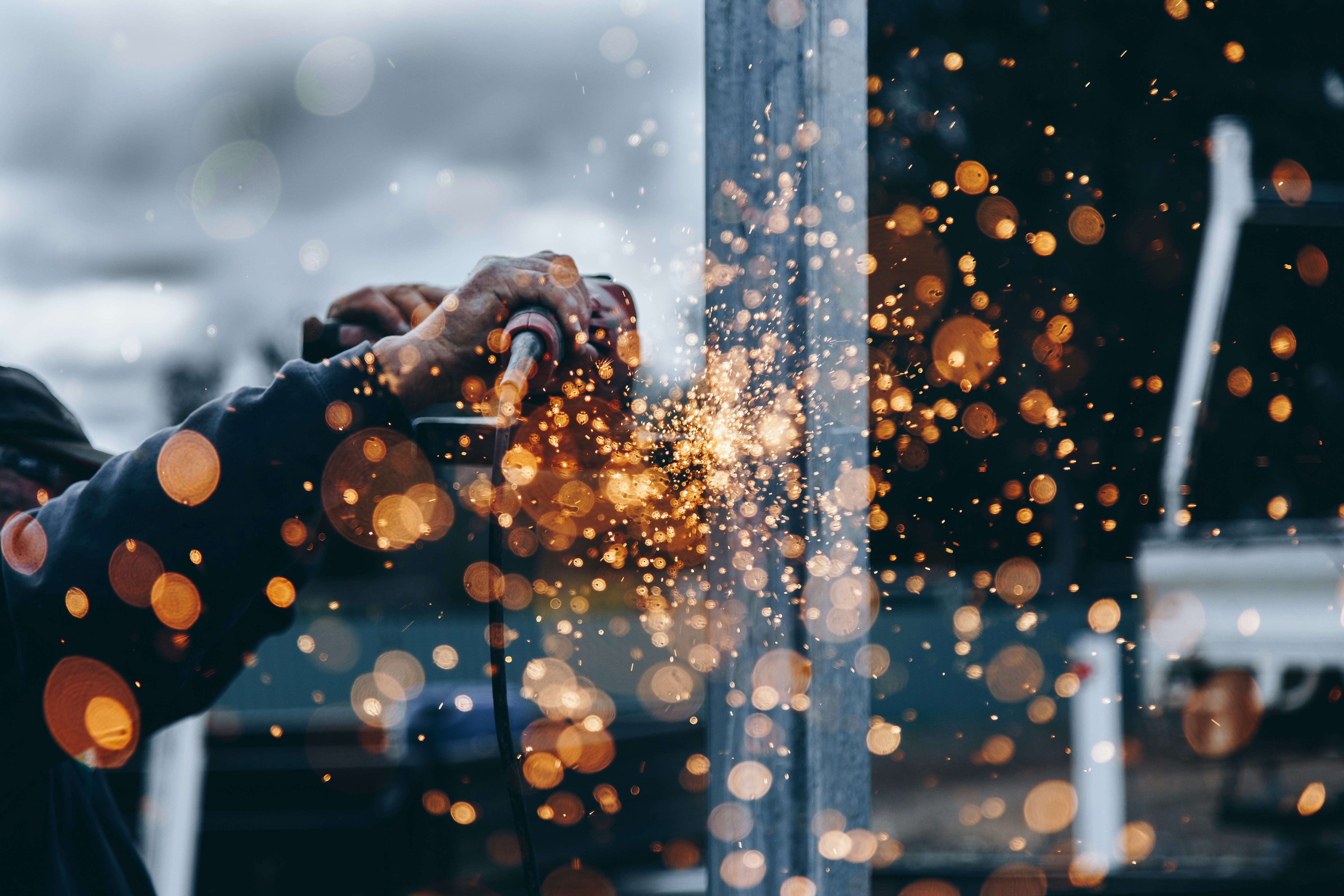
Industrial worker operating heavy manufacturing equipment in a factory representing hands-on twin screw extruder production o
ການຄາດເດົາແນວໂນ້ມການຄ້າ: ສິ່ງທີ່ຄາດຫວັງໃນຕໍ່ໄປ 1-2 ເດືອນ (ກໍລະກົດ-ສິງຫາ )
ອີງໃສ່ສັນຍານຕະຫຼາດໃນປະຈຸບັນ, ການພັດທະນານະໂຍບາຍ, and industry data, several trends are likely to shape the twin screw extruder factory landscape in the near term:
Continued strong demand from recycling sector: The EU's PPWR implementation timeline is driving urgent investment in recycling infrastructure. Twin screw extruder orders for recycling applications are expected Twin Screw Extruders Manufacturer to remain robust through Q3. Factories with proven recycling-grade equipment (capable of handling contaminated feedstocks, high filler loadings, and variable input quality) will see preferential demand.
Battery sector orders accelerating: Several US and European gigafactory projects are moving from construction to equipment procurement phases. Twin screw extruder factories with dry electrode processing capability — a relatively niche but rapidly growing segment — are likely to see significant order intake. This is a technology area where Japanese manufacturers (JSW, Shibaura) currently lead, but European and Chinese factories are investing heavily to compete.
Price pressure from overcapacity in China: The Nanjing twin screw extruder cluster has expanded production capacity significantly over the past three years. With domestic Chinese demand softening in some segments (particularly commodity plastics compounding), export pricing pressure is likely to intensify. B2B buyers may find favorable negotiating conditions for Chinese-origin equipment in the July-August window.
Tariff watch: The US trade policy environment remains dynamic. B2B buyers should monitor potential changes to Section 301 ອັດຕາພາສີ (currently primarily targeting Chinese goods) and any new trade actions that could affect machinery imports. ໄດ້ ຄະນະກໍາມະການການຄ້າສາກົນຂອງສະຫະລັດ (USITC) maintains updated tariff schedules and trade remedy information.
Sustainability documentation requirements increasing: Both US and EU buyers are increasingly requiring carbon footprint data, ການປະກາດຂໍ້ຂັດແຍ່ງດ້ານແຮ່ທາດ, and sustainability reports from equipment suppliers. Twin screw extruder factories that can provide comprehensive ESG documentation will have a competitive advantage in B2B procurement processes. The EU's Corporate Sustainability Reporting Directive (CSRD) is driving this trend on the European side.
Digital twin and IoT integration: Leading twin screw extruder factories are integrating digital twin technology and IoT-enabled monitoring into their equipment. ສໍາລັບຜູ້ຊື້ B2B, this means the ability to monitor extruder performance remotely, predict maintenance needs, and optimize process parameters using data analytics. Factories offering these capabilities command premium pricing but deliver measurable operational value.
Worker Safety in Extrusion Factories: Protecting Feet and Toes on the Production Floor
Twin screw extruder factories are heavy industrial environments. The machines themselves weigh thousands of kilograms, process materials at temperatures exceeding 300°ຄ, and operate under pressures that can reach 200+ bar. The factory floor presents significant safety hazards — and foot protection is one of the most critical yet often underappreciated aspects of workplace safety in these facilities. Extrusion Companies
Why Foot Protection Matters in Extrusion Manufacturing
In a twin screw extruder factory, workers face multiple foot and toe hazards daily:
- Heavy object drops: ອົງປະກອບຂອງ screw, ພາກສ່ວນຖັງ, ຈານຕາຍ, and gearbox components are routinely handled during assembly, ບໍາລຸງຮັກສາ, and changeovers. A single screw element can weigh 5-15 ກິໂລ; a barrel segment can weigh 50-200 ກິໂລ. Dropping any of these on an unprotected foot can cause crushing injuries, ກະດູກຫັກ, or amputations.
- ວັດສະດຸຮ້ອນຮົ່ວ: Molten polymer at 200-350°C can spill during die changes, purging operations, ຫຼືອຸປະກອນຜິດປົກກະຕິ. ການຕິດຕໍ່ກັບຕີນທີ່ບໍ່ມີການປ້ອງກັນເຮັດໃຫ້ເກີດການບາດແຜຮ້າຍແຮງ.
- ການສໍາຜັດສານເຄມີ: Processing additives, cleaning solvents, and some polymer degradation products can cause chemical burns or skin irritation on contact.
- ອັນຕະລາຍຈາກການລົ້ມ: Polymer pellets on the floor, ນ້ຳມັນໄຮໂດຼລິກຮົ່ວ, and water from cooling systems create slip hazards that can lead to falls and foot/ankle injuries.
- ອັນຕະລາຍຈາກການບີບອັດ: Heavy equipment on wheels (extruder carts, material bins, forklifts) can roll over feet. The static weight of a production twin screw extruder on a mobile frame can exceed 10,000 ກິໂລ.
Safety Footwear Standards for Industrial Environments
B2B safety footwear for extrusion factory environments must meet rigorous standards:
European standard EN ISO 20345: ນີ້ແມ່ນມາດຕະຖານຫຼັກສໍາລັບເກີບຄວາມປອດໄພໃນບ່ອນເຮັດວຽກຂອງ EU. ມັນກໍານົດຫ້ອງຮຽນປ້ອງກັນ:
- SB: ການປ້ອງກັນຕີນຂັ້ນພື້ນຖານ (200 joule ຄວາມຕ້ານທານຜົນກະທົບ)
- S1: SB + ສົ້ນຕີນປິດ, ຕ້ານສະຕິກ, ການດູດຊຶມພະລັງງານໃນ heel
- S2: S1 + ການຕໍ່ຕ້ານການເຈາະນ້ໍາ
- S3: S2 + sole ທົນທານຕໍ່ການເຈາະ + outsole cleated
- S4/S5: Polymer ລຸ້ນບູດຂອງ S1/S3
ສໍາລັບຄູ່ແຝດສະກູ extruder ສະພາບແວດລ້ອມໂຮງງານ, ເກີບທີ່ຈັດອັນດັບ S3 ແມ່ນຄໍາແນະນໍາຂັ້ນຕ່ໍາ. 200-joule toe cap resistance resistance ທຽບເທົ່າກັບ a 20 kg ວັດຖຸຫຼຸດລົງຈາກ 1 ແມັດ — ພຽງພໍສໍາລັບອົງປະກອບ screw ສ່ວນໃຫຍ່ແລະເຄື່ອງມືມື, ເຖິງແມ່ນວ່າບໍ່ແມ່ນສໍາລັບອົງປະກອບທີ່ຫນັກທີ່ສຸດທີ່ມີການລະມັດລະວັງການຈັດການເພີ່ມເຕີມ (hoists, ສິ່ງກີດຂວາງປ້ອງກັນ) ຕ້ອງການ.
ມາດຕະຖານສະຫະລັດ ASTM F2413: ມາດຕະຖານອາເມລິກາກໍານົດຄວາມຕ້ານທານຜົນກະທົບ (I/75 = 75 ຕີນ-ປອນ) ແລະການຕໍ່ຕ້ານການບີບອັດ (ຄ/75 = 2,500 ປອນ). ການຈັດອັນດັບເພີ່ມເຕີມລວມມີ Mt (ການປ້ອງກັນ metatarsal), Cd (ການປະພຶດ), ເອີ (ອັນຕະລາຍໄຟຟ້າ), SD (static disipative), ແລະ PR (puncture ທົນທານຕໍ່). ສໍາລັບການນໍາໃຊ້ໂຮງງານ extrusion, ແນະນຳໃຫ້ໃສ່ເກີບທີ່ຈັດອັນດັບ I/75 C/75 EH PR.
ຕະຫຼາດເກີບຄວາມປອດໄພ B2B: ໂອກາດສໍາລັບຜູ້ສະຫນອງ
Cr-10S Pro V2 Extruder ຕະຫຼາດເກີບຄວາມປອດໄພທົ່ວໂລກມີມູນຄ່າປະມານ USD 7.8 ຕື້ໃນ 2024, ອີງຕາມ MarketsandMarkets, ກັບການຜະລິດອຸດສາຫະກໍາແມ່ນພາກສ່ວນການນໍາໃຊ້ທີ່ສຸດທີ່ສຸດ. ສໍາລັບຜູ້ສະຫນອງເກີບຄວາມປອດໄພ B2B ເປົ້າຫມາຍການ extrusion ແລະອຸດສາຫະກໍາການປຸງແຕ່ງພາດສະຕິກ, ປັດໃຈຫຼາຍສ້າງໂອກາດ:
ການຍົກລະດັບການຂັບຂີ່ປະຕິບັດຕາມກົດລະບຽບ: ທັງ OSHA (ສະຫະລັດ) ແລະ EU-OSHA ບັງຄັບໃຊ້ກົດລະບຽບຄວາມປອດໄພໃນບ່ອນເຮັດວຽກທີ່ຮຽກຮ້ອງໃຫ້ນາຍຈ້າງໃຫ້ PPE ທີ່ເຫມາະສົມ, ລວມທັງເກີບຄວາມປອດໄພ. ການກວດສອບປົກກະຕິແລະການເພີ່ມກິດຈະກໍາການບັງຄັບໃຊ້ຫມາຍຄວາມວ່າໂຮງງານຕ້ອງຮັກສາໂຄງການເກີບທີ່ສອດຄ່ອງກັບ. ນີ້ສ້າງຄວາມຕ້ອງການ B2B ທີ່ເກີດຂຶ້ນເລື້ອຍໆ.
ຄວາມສະດວກສະບາຍແລະຄວາມຄາດຫວັງຂອງການປະຕິບັດເພີ່ມຂຶ້ນ: ພະນັກງານໂຮງງານທີ່ທັນສະໄຫມຄາດຫວັງວ່າເກີບຄວາມປອດໄພທີ່ບໍ່ພຽງແຕ່ປ້ອງກັນແຕ່ຍັງສະດວກສະບາຍສໍາລັບ 8-12 ການປ່ຽນແປງຊົ່ວໂມງ. ໝວກຕີນແບບປະສົມທີ່ມີນ້ຳໜັກເບົາ (ທົດແທນເຫຼັກພື້ນເມືອງ), linings breathable, insoles ergonomic, ແລະການອອກແບບແບບນັກກິລາກໍາລັງຂັບລົດການປະດິດສ້າງຜະລິດຕະພັນແລະວົງຈອນການທົດແທນ. ຄົນງານທີ່ພົບເຫັນເກີບຄວາມປອດໄພຂອງເຂົາເຈົ້າບໍ່ສະດວກແມ່ນມັກຈະໃສ່ມັນບໍ່ຖືກຕ້ອງ ຫຼືຖອດອອກ — ສ້າງຄວາມສ່ຽງດ້ານຄວາມປອດໄພທີ່ນາຍຈ້າງຕ້ອງການຫຼີກເວັ້ນ.
ເກີບພິເສດທີ່ທົນທານຕໍ່ຄວາມຮ້ອນ: ສະພາບແວດລ້ອມໂຮງງານ extrusion ໂດຍສະເພາະຕ້ອງການເກີບເກີບທີ່ມີ outsoles ທົນທານຕໍ່ຄວາມຮ້ອນ. outsoles ຢາງມາດຕະຖານສາມາດ degrade ເທິງຫນ້າຮ້ອນ. ຢາງ Nitrile ຫຼື outsoles ທີ່ອີງໃສ່ Viton ຈັດອັນດັບສໍາລັບອຸນຫະພູມຕິດຕໍ່ຢ່າງຕໍ່ເນື່ອງຂອງ 300°C ແມ່ນມີຢູ່ຈາກຜູ້ສະຫນອງ B2B ພິເສດແລະລາຄາພິເສດຄໍາສັ່ງ.
ການປ້ອງກັນ metatarsal: ເກີນປາຍຕີນ, ກອງ metatarsal ປົກປ້ອງຕີນເທິງຈາກຜົນກະທົບແລະການບີບອັດ. ໃນໂຮງງານ extrusion ບ່ອນທີ່ວັດຖຸເປັນຮູບທໍ່ກົມຫນັກ (ພາກສ່ວນຖັງ, screw shafts) ມີທົ່ວໄປ, ການປົກປ້ອງ metatarsal ສະຫນອງຂອບຄວາມປອດໄພເພີ່ມເຕີມ. ໄດ້ ເກີບຄວາມປອດໄພ B2B segment offering integrated metatarsal guards is growing at approximately 8% ປະຈໍາປີ.
Selecting Safety Footwear for Your Extrusion Factory Workforce
For factory managers and procurement officers at twin screw extruder manufacturing facilities, selecting the right safety footwear program involves:
- Hazard assessment: Conduct a thorough workplace hazard assessment per OSHA 29 CFR 1910.132 (ສະຫະລັດ) or EU Framework Directive 89/391/EEC. Document specific foot hazards in each work area — assembly floor, machining shop, test lab, warehouse.
- Standard selection: Match the identified hazards to the appropriate protection standard. Most extrusion factory environments require S3 (ສະຫະພາບເອີຣົບ) or I/75 C/75 PR (ສະຫະລັດ) as minimum specifications.
- Fit and comfort program: Partner with a B2B safety footwear supplier that offers on-site fitting services, multiple width options, and a trial period. Poor-fitting safety shoes cause blisters, ເມື່ອຍລ້າ, ແລະການບໍ່ປະຕິບັດຕາມ.
- Replacement schedule: Safety footwear in heavy industrial environments typically needs replacement every 6-12 ເດືອນ. Establish a regular replacement program rather than waiting for visible damage.
- ການຝຶກອົບຮົມ: Ensure all workers understand why safety footwear is required, how to inspect their shoes for damage, and when to request replacements.
Protecting workers' feet and toes is not just a regulatory requirement — it is a fundamental responsibility of any twin screw extruder factory operation. The cost of a quality safety footwear program (ປົກກະຕິ USD 150-300 per worker per year for premium B2B safety shoes) is negligible compared to the cost of a single foot injury (average workers' compensation claim for a foot injury exceeds USD 15,000 in direct costs alone, ຕໍ່ ສະພາຄວາມປອດໄພແຫ່ງຊາດ ຂໍ້ມູນ).
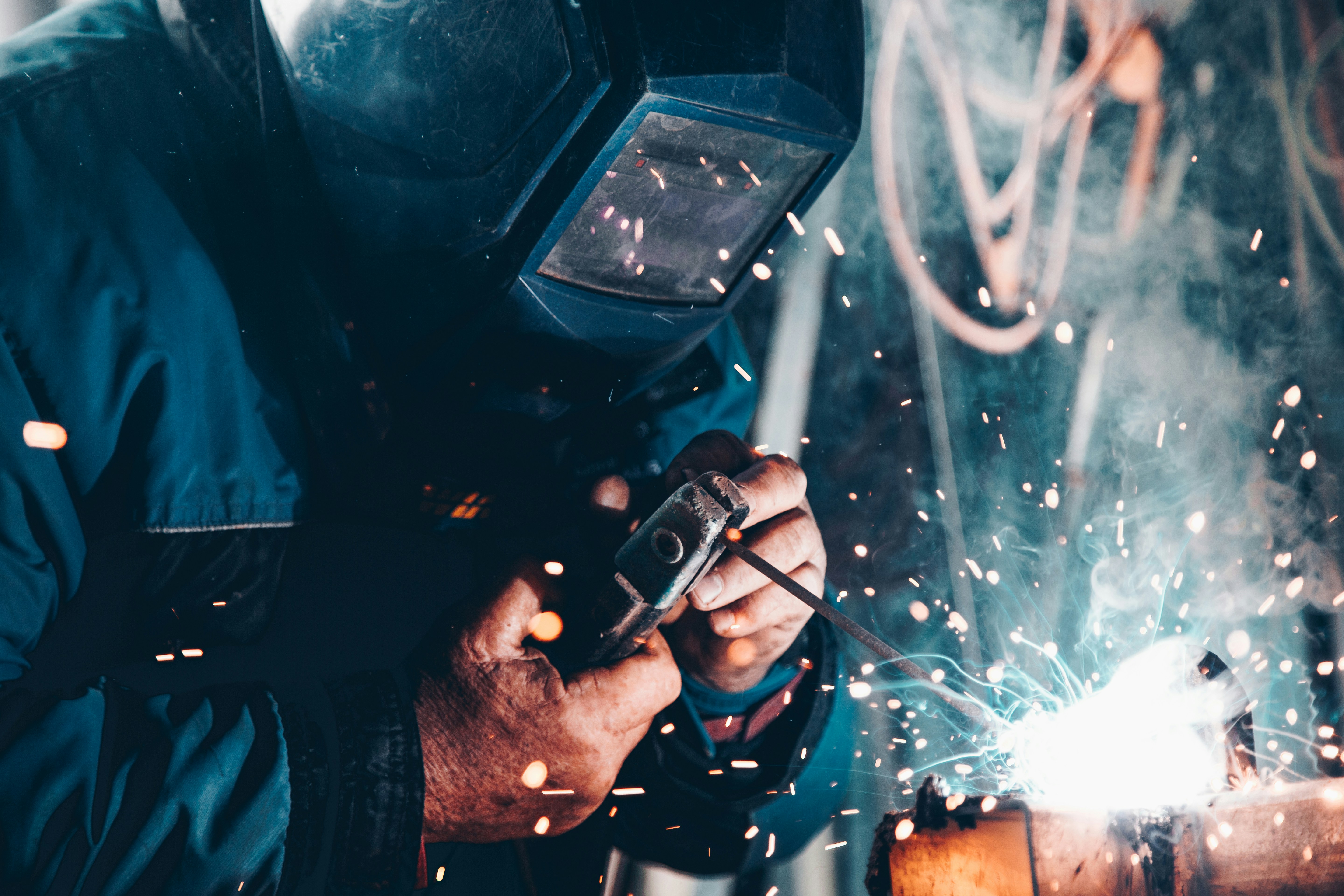
Industrial safety equipment including protective footwear and personal protective equipment in a manufacturing workplace
ຄໍາຖາມທີ່ຖາມເລື້ອຍໆ (FAQ)
- What is the typical lead time for ordering a twin screw extruder from a factory?
- ເວລານໍາຫນ້າແຕກຕ່າງກັນໄປຕາມຜູ້ຜະລິດແລະການຕັ້ງຄ່າ. Standard models from Chinese factories typically ship in 12-16 ອາທິດ. European manufacturers generally quote 16-30 weeks for standard configurations and longer for highly customized systems. Wholesale orders with framework agreements can sometimes secure priority slots.
- How do I verify that a twin screw extruder factory is a genuine manufacturer and not a trading company?
- Request a factory audit (in-person or via third-party inspection services like SGS or Bureau Veritas). Look for in-house CNC machining capability, a dedicated engineering team, ISO 9001 certification with the factory address matching the manufacturing site, and customer references you can independently verify.
- What certifications should a twin screw extruder have for the EU market?
- CE marking is mandatory for machinery placed on the EU market. The machine must comply with the current Machinery Directive 2006/42/EC (and the new Machinery Regulation 2023/1230 from January 2027). Additional requirements may apply depending on the application — ຕົວຢ່າງ, ATEX certification for use in explosive atmospheres, or food-contact compliance under EU Regulation (EC) ບໍ່ 1935/2004.
- What