

ການປະສົມພລາສຕິກແລະ Pelletizing ປຽບທຽບສໍາລັບການຜະລິດທີ່ທັນສະໄຫມ
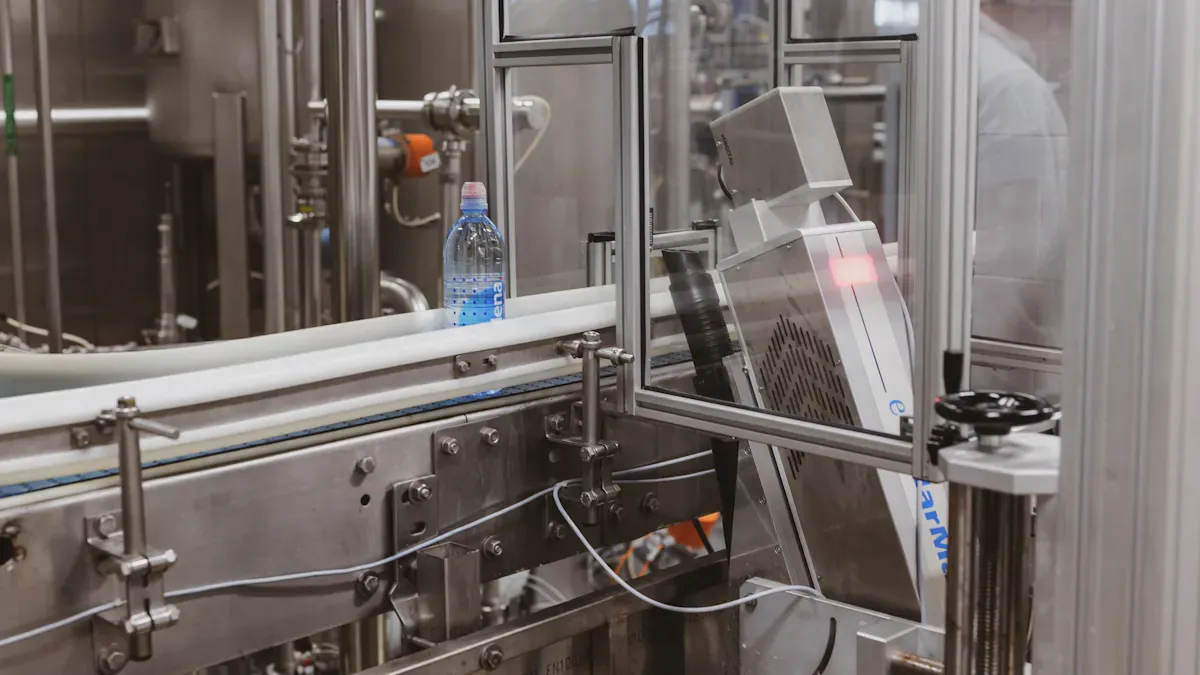
Plastic Compounding ປັບແຕ່ງ resins ພື້ນຖານດ້ວຍສານເສີມ, ການສ້າງອຸປະກອນທີ່ເຫມາະສົມສໍາລັບການນໍາໃຊ້ສະເພາະ. Pelletizing ປ່ຽນວັດສະດຸປະສົມເຫຼົ່ານີ້ເຂົ້າໄປໃນເມັດທີ່ເປັນເອກະພາບ, ພ້ອມແລ້ວສໍາລັບການນໍາໃຊ້ໃນຕອນລຸ່ມປະສິດທິພາບ. ຜູ້ຜະລິດແລະວິສະວະກອນທີ່ເຂົ້າໃຈຄວາມແຕກຕ່າງລະຫວ່າງແຕ່ລະຂະບວນການສາມາດເພີ່ມປະສິດທິພາບແລະຮັບປະກັນຄຸນນະພາບຂອງຜະລິດຕະພັນ.
ຂໍ້ມູນຕະຫຼາດທີ່ຜ່ານມາສະແດງໃຫ້ເຫັນວ່າມູນຄ່າຕະຫຼາດທົ່ວໂລກສໍາລັບເຕັກໂນໂລຢີເຫຼົ່ານີ້ຈະບັນລຸ $82 ຕື້ໂດຍ 2025 ແລະ $182 ຕື້ໂດຍ 2035, ຂັບເຄື່ອນໂດຍການຂະຫຍາຍຕົວໃນຂະແຫນງການລົດຍົນແລະການຫຸ້ມຫໍ່.
| ຂະບວນການ | ຜົນກະທົບປະສິດທິພາບ | ຜົນກະທົບຕໍ່ຄຸນນະພາບຜະລິດຕະພັນ |
|---|---|---|
| ການປະສົມ | ວັດສະດຸຕັດຫຍິບ, ເສີມຂະຫຍາຍປະສິດທິພາບ, ຫຼຸດຜ່ອນຄ່າໃຊ້ຈ່າຍ | ເປີດໃຊ້ການຄວບຄຸມຄຸນນະພາບທີ່ດີກວ່າ |
| ການປອກເປືອກ | ສະຫນອງແບບຟອມວັດສະດຸທີ່ສອດຄ່ອງສໍາລັບການປຸງແຕ່ງ | ຮັບປະກັນຄວາມເປັນເອກະພາບໃນຄຸນນະພາບຜະລິດຕະພັນສຸດທ້າຍ |
Key Takeaways
- ການປະສົມພາດສະຕິກປັບແຕ່ງຢາງພື້ນຖານດ້ວຍສານເສີມເພື່ອສ້າງວັດສະດຸສໍາລັບການນໍາໃຊ້ສະເພາະ.
- Pelletizing ປ່ຽນວັດສະດຸປະສົມເຂົ້າໄປໃນເມັດທີ່ເປັນເອກະພາບສໍາລັບການປຸງແຕ່ງແລະການຈັດການໄດ້ງ່າຍ.
- ຄວາມເຂົ້າໃຈຄວາມແຕກຕ່າງລະຫວ່າງການປະສົມແລະການຍ່ອຍສະຫຼາຍຈະຊ່ວຍໃຫ້ຜູ້ຜະລິດປັບປຸງປະສິດທິພາບແລະຄຸນນະພາບຂອງຜະລິດຕະພັນ.
- ການປະສົມປະກອບດ້ວຍການປະສົມ, ການລະລາຍ, ແລະວັດສະດຸ extruding ເພື່ອບັນລຸຄຸນສົມບັດທີ່ຕ້ອງການ.
- Pelletizing ສຸມໃສ່ການສ້າງຂະຫນາດເມັດທີ່ສອດຄ່ອງ, ເຊິ່ງເປັນສິ່ງສໍາຄັນສໍາລັບການຜະລິດທີ່ເຊື່ອຖືໄດ້.
- ການຄວບຄຸມຄຸນະພາບເປັນສິ່ງຈໍາເປັນໃນທັງສອງຂະບວນການເພື່ອຮັບປະກັນວ່າຜະລິດຕະພັນສຸດທ້າຍໄດ້ມາດຕະຖານອຸດສາຫະກໍາ.
- ທັງການປະສົມ ແລະ pelletizing ມີບົດບາດສໍາຄັນໃນຂະແຫນງການເຊັ່ນ: ລົດຍົນ, ເອເລັກໂຕຣນິກ, ແລະການດູແລສຸຂະພາບ.
- ການເລືອກຂະບວນການທີ່ຖືກຕ້ອງແມ່ນຂຶ້ນກັບຄຸນລັກສະນະຂອງວັດສະດຸ, ຄວາມຕ້ອງການການຜະລິດ, ແລະການພິຈາລະນາຄ່າໃຊ້ຈ່າຍ.
ຄໍານິຍາມແລະຄວາມແຕກຕ່າງ
ກໍານົດການປະສົມພາດສະຕິກ
ການປະສົມພາດສະຕິກຫມາຍເຖິງຂະບວນການຂອງ ປະສົມໂພລີເມີກັບສານເສີມ, ເຄື່ອງເຕີມເຕັມ, ແລະການເສີມສ້າງເພື່ອດັດແປງແລະເສີມຂະຫຍາຍຄຸນສົມບັດທາງກາຍະພາບແລະເຄມີຂອງວັດສະດຸ. ມາດຕະຖານອຸດສາຫະກໍາກໍານົດຂະບວນການນີ້ເປັນວິທີການປັບໂພລີເມີເພື່ອໃຫ້ມັນປະກອບມີລັກສະນະທີ່ຕ້ອງການທັງຫມົດໃນວັດສະດຸດຽວ. ຜູ້ຜະລິດໃຊ້ການປະສົມພາດສະຕິກເພື່ອປັບປຸງຄຸນນະພາບຜະລິດຕະພັນ, ຫຼຸດຜ່ອນຄ່າໃຊ້ຈ່າຍ, ແລະເພີ່ມຜົນຜະລິດ. ຂະບວນການດັ່ງກ່າວປົກກະຕິແລ້ວປະກອບດ້ວຍການລະລາຍ, ການຜະສົມຜະສານ, ແລະ extrusion ເພື່ອບັນລຸການກະແຈກກະຈາຍເປັນເອກະພາບຂອງອົງປະກອບ.
ລະດັບຄວາມກ້ວາງຂອງສ່ວນປະກອບແລະສານເຕີມແຕ່ງມີບົດບາດໃນການປະສົມພາດສະຕິກ:
- Masterbatch: ເມັດສີເຂັ້ມຂຸ້ນ ແລະສານເຕີມແຕ່ງພາຍໃນ resin ຜູ້ໃຫ້ບໍລິການ, ການຮັບປະກັນເຖິງແມ່ນວ່າກະຈາຍ.
- ສານຕ້ານອະນຸມູນອິດສະລະ: ປ້ອງກັນການເຊື່ອມໂຊມຂອງໂພລີເມີຈາກຄວາມຮ້ອນແລະອົກຊີເຈນ, ຮັກສາຄວາມເຂັ້ມແຂງແລະຄວາມຍືດຫຍຸ່ນ.
- UV Stabilizers: ປົກປ້ອງໂພລີເມີຣ໌ທີ່ໃຊ້ຢູ່ກາງແຈ້ງໂດຍການດູດຊຶມ ຫຼືກະຈາຍລັງສີ ultraviolet ທີ່ເປັນອັນຕະລາຍ.
- ຕ້ານໄຟ: ຍັບຍັ້ງຫຼືຊັກຊ້າການຜະລິດແປວໄຟ, ມີຄວາມສໍາຄັນໂດຍສະເພາະໃນເອເລັກໂຕຣນິກແລະການກໍ່ສ້າງ.
- ສີ: ອະນຸຍາດໃຫ້ເລືອກສີໃນພລາສຕິກປະສົມ.
- ຕົວແກ້ໄຂຄວາມເຂັ້ມແຂງແລະຄວາມຍືດຫຍຸ່ນ: ບັນລຸຄຸນສົມບັດກົນຈັກສະເພາະ.
- ສານເສີມຕ້ານເຊື້ອຈຸລິນຊີ: ຍັບຍັ້ງການຈະເລີນເຕີບໂຕຂອງເຊື້ອພະຍາດ, ທີ່ສໍາຄັນສໍາລັບຜະລິດຕະພັນທາງການແພດ.
- Fillers: ເຊັ່ນ talc, ເສັ້ນໄຍແກ້ວ, ແລະທາດການຊຽມຄາບອນ, ປັບປຸງຄວາມເຂັ້ມແຂງ, ຫຼຸດຜ່ອນຄ່າໃຊ້ຈ່າຍ, ແລະເສີມຂະຫຍາຍຄວາມຕ້ານທານຄວາມຮ້ອນ.
- ການປັບປຸງປະສິດທິພາບ: ຄຸນສົມບັດການປັບແຕ່ງເຊັ່ນ: ຄວາມໝັ້ນຄົງຂອງຄວາມຮ້ອນ, ການຕິດໄຟ, ແລະການຕໍ່ຕ້ານ UV.
ຂະບວນການນີ້ເຮັດໃຫ້ຜູ້ຜະລິດສາມາດສ້າງວັດສະດຸທີ່ມີຄຸນລັກສະນະທີ່ຊັດເຈນສໍາລັບຄໍາຮ້ອງສະຫມັກທີ່ຕ້ອງການ.
Pelletizing ພາດສະຕິກກໍານົດ
ການ pelletizing ພາດສະຕິກແມ່ນຂະບວນການທີ່ ປ່ຽນພລາສຕິກດິບ ຫຼືລີໄຊເຄີນ ເຂົ້າໄປໃນຂະຫນາດນ້ອຍ, ເມັດເປັນເອກະພາບ. ການຫັນປ່ຽນນີ້ເປັນສິ່ງຈໍາເປັນສໍາລັບການຜະລິດແລະການລີໄຊເຄີນທີ່ມີປະສິດທິພາບ. ເຄື່ອງປັ້ນດິນເຜົາ ແປງທີ່ສະອາດແລະມັກຈະ shredded ຫຼືພລາສຕິກ molten ເຂົ້າໄປໃນ pellets ເປັນເອກະພາບ, ເຊິ່ງຫຼັງຈາກນັ້ນນໍາມາສູ່ຂະບວນການຜະລິດຄືນໃໝ່. Pelletization ແກ້ໄຂສິ່ງທ້າທາຍຕ່າງໆເຊັ່ນການໃຫ້ອາຫານທີ່ບໍ່ສະເຫມີກັນແລະການຈັດການວັດສະດຸ, ເຮັດໃຫ້ມັນມີຄວາມສໍາຄັນໃນຂະແຫນງການເຊັ່ນ: ລົດຍົນແລະການຫຸ້ມຫໍ່ທີ່ຄຸນນະພາບຂອງຜະລິດຕະພັນແມ່ນສໍາຄັນ.
| ປະເພດຂອງຫຼັກຖານ | ລາຍລະອຽດ |
|---|---|
| ວັດຖຸດິບ | ປະເພດຕ່າງໆຂອງພາດສະຕິກ, ລວມທັງ polyethylene (PE) ແລະ polypropylene (PP) |
| ຜົນໄດ້ຮັບ | ເມັດພາດສະຕິກທີ່ຜະລິດຜ່ານການລະລາຍ, ຄວາມເຢັນ, ແລະຂະບວນການຕັດ |
Pelletization ເສີມຂະຫຍາຍປະສິດທິພາບຂອງການຜະລິດພາດສະຕິກແລະອະນຸຍາດໃຫ້ສ້າງຂອງພາດສະຕິກພິເສດໃນຂະນະທີ່ຮັກສາຄວາມສະດວກໃນການຈັດການ..
ພາບລວມຄວາມແຕກຕ່າງທີ່ສໍາຄັນ
ຕາຕະລາງປຽບທຽບ
| ລັກສະນະ | ການປະສົມພາດສະຕິກ | Pelletizing ພາດສະຕິກ |
|---|---|---|
| ຈຸດປະສົງຫຼັກ | ປັບປຸງອົງປະກອບແລະຄຸນສົມບັດຂອງໂພລີເມີ | ປ່ຽນວັດສະດຸເຂົ້າໄປໃນຮູບແບບເມັດທີ່ເປັນເອກະພາບ |
| ຂັ້ນຕອນທີ່ສໍາຄັນ | ການປະສົມ, ການລະລາຍ, ການຜະສົມຜະສານ, extrusion | ການລະລາຍ, ຄວາມເຢັນ, ຕັດ |
| ສານເຕີມແຕ່ງທົ່ວໄປ | Fillers, ສີ, stabilizers, ການປັບປຸງປະສິດທິພາບ | ປົກກະຕິແລ້ວບໍ່ໄດ້ເພີ່ມໃນລະຫວ່າງການ pelletizing |
| ຜົນຜະລິດ | ວັດສະດຸພາດສະຕິກທີ່ກໍາຫນົດເອງ (ສາມາດຢູ່ໃນຮູບແບບຕ່າງໆ) | ເມັດເອກະພາບ |
| ຄໍາຮ້ອງສະຫມັກ | ການນໍາໃຊ້ໂດຍກົງໃນຜະລິດຕະພັນຫຼືການປຸງແຕ່ງຕື່ມອີກ | ໃຊ້ສໍາລັບການ molding, extrusion, ຫຼືການຂົນສົ່ງ |
ຈຸດສະຫຼຸບ
- ການປະສົມພາດສະຕິກ ສຸມໃສ່ການປ່ຽນແປງອົງປະກອບ ຂອງພາດສະຕິກໂດຍການຜະສົມສ່ວນປະກອບຕ່າງໆ, ເຊິ່ງຜົນກະທົບຕໍ່ຄຸນສົມບັດທາງກາຍະພາບຂອງມັນ.
- Plasticizing pelletizing ປ່ຽນພາດສະຕິກປະສົມເຂົ້າໄປໃນ pellets ເປັນເອກະພາບ, ຕົ້ນຕໍແມ່ນກ່ຽວຂ້ອງກັບຮູບແບບທາງດ້ານຮ່າງກາຍເພື່ອຄວາມສະດວກໃນການນໍາໃຊ້ໃນການຜະລິດ.
- ພາດສະຕິກປະສົມສາມາດເປັນຮູບຮ່າງໂດຍກົງເຂົ້າໄປໃນຜະລິດຕະພັນ, ໃນຂະນະທີ່ພລາສຕິກ pelletized ປົກກະຕິແລ້ວຖືກນໍາໃຊ້ສໍາລັບການປຸງແຕ່ງຕໍ່ໄປ.
- ຂະບວນການທັງສອງມີບົດບາດສໍາຄັນໃນການຜະລິດທີ່ທັນສະໄຫມ, ແຕ່ພວກເຂົາແກ້ໄຂຄວາມຕ້ອງການທີ່ແຕກຕ່າງກັນພາຍໃນລະບົບຕ່ອງໂສ້ການຜະລິດ.
ເຄັດລັບ: ຄວາມເຂົ້າໃຈກ່ຽວກັບຄວາມແຕກຕ່າງລະຫວ່າງຂະບວນການເຫຼົ່ານີ້ຊ່ວຍໃຫ້ຜູ້ຜະລິດເລືອກວິທີການທີ່ເຫມາະສົມສໍາລັບຄໍາຮ້ອງສະຫມັກສະເພາະຂອງພວກເຂົາ, ຮັບປະກັນການປະຕິບັດທີ່ດີທີ່ສຸດແລະປະສິດທິພາບ.
ຂະບວນການປະສົມພາດສະຕິກ

ຂັ້ນຕອນຂະບວນການ
ການປະສົມພລາສຕິກປ່ຽນວັດຖຸດິບໄປສູ່ພລາສຕິກທີ່ມີປະສິດທິພາບສູງໂດຍຜ່ານຂັ້ນຕອນທີ່ຊັດເຈນ. ຜູ້ຜະລິດເລີ່ມຕົ້ນດ້ວຍການເກັບຮັກສາວັດຖຸດິບເຊັ່ນ: ຢາງ, ສານເສບຕິດ, ແລະ fillers ໃນຖົງ, ຖົງໃຫຍ່, ຫຼື silos. ຫຼັງຈາກນັ້ນ, ລະບົບ Pneumatic ຫຼືກົນໄກການຖ່າຍທອດວັດສະດຸເຫຼົ່ານີ້ໄປສູ່ພື້ນທີ່ປຸງແຕ່ງ. ຜູ້ປະກອບການປ້ອນວັດສະດຸເຂົ້າໄປໃນຖັງຫນັງສືພິມ, ຢ່າງຕໍ່ເນື່ອງ ຫຼືເປັນຊຸດ. ຂະບວນການປະສົມຍັງສືບຕໍ່ດ້ວຍການລະລາຍແລະການປະສົມ, ບ່ອນທີ່ໂພລີເມີແລະສານເຕີມແຕ່ງປະສົມເພື່ອບັນລຸຄວາມເປັນເອກະພາບ. ຂັ້ນຕອນສຸດທ້າຍກ່ຽວຂ້ອງກັບການສ້າງຮູບຮ່າງ, ຄວາມເຢັນ, ແລະການຕັດຜະລິດຕະພັນ, ຕິດຕາມດ້ວຍການຄວບຄຸມຄຸນນະພາບຢ່າງເຂັ້ມງວດ.
| ຂັ້ນຕອນ | ລາຍລະອຽດ |
|---|---|
| 1 | ການເກັບຮັກສາວັດຖຸດິບໃນຖົງ, ຖົງໃຫຍ່, ແລະ silos |
| 2 | ລະບົບສາຍສົ່ງວັດສະດຸທາງນິວເມຕິກ ຫຼືກົນຈັກ |
| 3 | ວັດສະດຸປ້ອນໃສ່ຖັງກົດ (ການຕື່ມຢ່າງຕໍ່ເນື່ອງ/ບໍ່ຕໍ່ເນື່ອງ) |
| 4 | ໄລຍະການລະລາຍແລະການປະສົມ |
| 5 | ຜະລິດຕະພັນສຸດທ້າຍແລະການຄວບຄຸມ |
ໝາຍເຫດ: Insight Polymers ໝູນໃຊ້ການປ່ຽນແປງຢ່າງວ່ອງໄວ ແລະ ການປະສົມພິເສດເພື່ອສະໜອງການແກ້ໄຂການປະສົມພລາສຕິກທີ່ກຳນົດເອງ, optimizing ແຕ່ລະຂັ້ນຕອນສໍາລັບປະສິດທິພາບແລະຄຸນນະພາບ.
ອຸປະກອນທີ່ໃຊ້
ສະຖານທີ່ປະສົມພາດສະຕິກແມ່ນອີງໃສ່ອຸປະກອນທີ່ກ້າວຫນ້າເພື່ອຮັບປະກັນຜົນໄດ້ຮັບທີ່ສອດຄ່ອງ. Extruders ກໍານົດຈັງຫວະສໍາລັບການປຸງແຕ່ງ ແລະມີບົດບາດສໍາຄັນໃນການລະລາຍແລະການປະສົມ. ເຄື່ອງປະສົມຢ່າງຕໍ່ເນື່ອງເຮັດວຽກຄຽງຄູ່ກັບ extruders ເພື່ອຈັດການວັດສະດຸເຊັ່ນ acrylics, ໄນລອນ, ແລະ PVC. ລະບົບການປະສົມກະກຽມການຜະລິດທາງສ່ວນຫນ້າຂອງການຜະລິດ, ໃນຂະນະທີ່ລະບົບປະລິມານຢາຮັບປະກັນອັດຕາສ່ວນສ່ວນປະກອບທີ່ຊັດເຈນ. ເຕັກໂນໂລຊີການຈັດການວັດສະດຸ, ເຊັ່ນ: feeders rotary ແລະ diverter valves, ສະຫນັບສະຫນູນການແຜ່ກະຈາຍກ້ຽງແລະປະລິມານຂອງວັດສະດຸຫຼາຍ. ສາຍປະສົມແບບປະສົມປະສານປະສົມປະສານລະບົບເຫຼົ່ານີ້, ອະນຸຍາດໃຫ້ອັດຕາການຜະລິດທີ່ມີຄວາມຍືດຫຍຸ່ນແລະການຕັ້ງຄ່າ. Insight Polymers ໃຊ້ຊັບສິນນັກບິນສອງສະກູພາຍໃນເພື່ອດໍາເນີນການທົດລອງພັດທະນາຂະຫນາດນ້ອຍ., ເຮັດໃຫ້ການກວດສອບປະສິດທິພາບຂອງຜະລິດຕະພັນແລະການປະມວນຜົນຕົວກໍານົດການ.
ປະເພດຂອງການປະສົມ
ການປະສົມພາດສະຕິກກວມເອົາຫຼາຍວິທີ, ແຕ່ລະອັນເໝາະສົມກັບຄວາມຕ້ອງການສະເພາະຂອງແອັບພລິເຄຊັນ. ຜູ້ຜະລິດອາດຈະເພີ່ມການໃສ່ສີເພື່ອເສີມສ້າງຮູບລັກສະນະຫຼືຕົວຄົງທີ່ເພື່ອປັບປຸງຄວາມຮ້ອນແລະຄວາມຕ້ານທານ UV. ສານຕ້ານໄຟເພີ່ມຄວາມປອດໄພ, ໂດຍສະເພາະໃນການກໍ່ສ້າງແລະເອເລັກໂຕຣນິກ. ຕົວແກ້ໄຂຜົນກະທົບເພີ່ມຄວາມທົນທານ, ໃນຂະນະທີ່ fillers ແລະ reinforcements ປັບຄ່າໃຊ້ຈ່າຍ, ຄວາມແຂງ, ຫຼືຄວາມເຂັ້ມແຂງ. ທາດປະສົມທີ່ກໍານົດເອງຍັງສາມາດປະກອບມີສານຕ້ານເຊື້ອຈຸລິນຊີສໍາລັບຜະລິດຕະພັນທາງການແພດຫຼືຕົວເສີມ UV ສໍາລັບການນໍາໃຊ້ນອກ. Insight Polymers ຊ່ຽວຊານໃນການແກ້ໄຂການປະສົມໂພລີເມີທີ່ແກ້ໄຂຈຸດປະສົງການປະຕິບັດທີ່ເປັນເອກະລັກ, ສະເຫນີ masterbatch ເຂັ້ມຂຸ້ນແລະການປະສົມພາດສະຕິກທີ່ກໍາຫນົດເອງສໍາລັບການສີດແມ່ພິມ, ເສັ້ນໃຍ, ຮູບເງົາ, ແລະການຜະລິດເພີ່ມເຕີມ.
- ການເລືອກສີສໍາລັບຄວາມງາມ
- ສູດອາຫານທີ່ປອດໄພສໍາລັບການຫຸ້ມຫໍ່
- ຕ້ານໄຟສໍາລັບການກໍ່ສ້າງ
- ການປັບຕົວຄວາມເຂັ້ມແຂງແລະຄວາມຍືດຫຍຸ່ນສໍາລັບຄວາມຕ້ອງການຂອງຜະລິດຕະພັນສະເພາະ
- ຄຸນສົມບັດຕ້ານເຊື້ອຈຸລິນຊີສໍາລັບການດູແລສຸຂະພາບ
- ປັບປຸງຄວາມທົນທານ UV ສໍາລັບຄວາມທົນທານພາຍນອກ
ວິທີການທີ່ສົມບູນແບບນີ້ຮັບປະກັນວ່າທຸກໆການແກ້ໄຂປະສົມໂພລີເມີແມ່ນຕອບສະຫນອງຄວາມຕ້ອງການຂອງການຜະລິດທີ່ທັນສະໄຫມ.
ລັດວັດສະດຸ
ການປະສົມພລາສຕິກກ່ຽວຂ້ອງກັບລັດວັດສະດຸຫຼາຍອັນ ເນື່ອງຈາກສ່ວນປະກອບດິບປ່ຽນເປັນທາດປະສົມທີ່ມີປະສິດທິພາບສູງ. ຂະບວນການເລີ່ມຕົ້ນດ້ວຍຢາງແຂງ, ສານເສບຕິດ, ແລະ fillers. ຜູ້ປະຕິບັດການໃຫ້ວັດສະດຸເຫຼົ່ານີ້ເຂົ້າໄປໃນລະບົບປະສົມ, ບ່ອນທີ່ພວກມັນຍັງຄົງຢູ່ໃນຮູບແບບເມັດຫຼືຝຸ່ນ. ໃນຂະນະທີ່ຂະບວນການກ້າວຫນ້າ, extruder ຮ້ອນແລະ melts ປະສົມ, ປ່ຽນເປັນ viscous, ລັດ molten. ການປະສົມ molten ນີ້ອະນຸຍາດໃຫ້ສໍາລັບການປະສົມຢ່າງລະອຽດແລະການກະຈາຍຂອງອົງປະກອບທັງຫມົດ.
ເມື່ອ homogenization ສໍາເລັດ, ວັດສະດຸອອກຈາກ extruder ໄດ້. ໃນຂັ້ນຕອນນີ້, ມັນສາມາດໃຊ້ເວລາຫຼາຍຮູບແບບຂຶ້ນກັບຄໍາຮ້ອງສະຫມັກ. ຜູ້ຜະລິດບາງຄົນເຮັດໃຫ້ເຢັນແລະຕັດ extrudate ເຂົ້າໄປໃນເມັດ, ໃນຂະນະທີ່ຄົນອື່ນອາດຈະຜະລິດ strands, ແຜ່ນ, ຫຼືຮູບຮ່າງ molded ໂດຍກົງ. ສະຖານະສຸດທ້າຍ - ບໍ່ວ່າຈະເປັນເມັດ, ສາຍ, ຫຼືແຜ່ນ - ຂຶ້ນກັບຄວາມຕ້ອງການການປຸງແຕ່ງລົງລຸ່ມ. ຕົວຢ່າງ, Insight Polymers ມັກຈະສະຫນອງການປະສົມພາດສະຕິກທີ່ກໍາຫນົດເອງໃນຮູບແບບເມັດສໍາລັບການຈັບງ່າຍແລະການໃຫ້ອາຫານທີ່ສອດຄ່ອງໃນສາຍສີດຫຼືສາຍ extrusion..
ຄວາມສາມາດໃນການຄວບຄຸມລັດວັດສະດຸຕະຫຼອດຂະບວນການຮັບປະກັນວ່າຜະລິດຕະພັນສຸດທ້າຍຕອບສະຫນອງເງື່ອນໄຂການປະຕິບັດທີ່ເຄັ່ງຄັດ. ຄວາມຍືດຫຍຸ່ນນີ້ສະຫນັບສະຫນູນລະດັບຄວາມກ້ວາງຂອງຄໍາຮ້ອງສະຫມັກ, ຈາກພາກສ່ວນລົດຍົນໄປຫາອຸປະກອນການແພດ, ແລະເຮັດໃຫ້ການປັບຕົວຢ່າງໄວວາກັບຄວາມຕ້ອງການຂອງລູກຄ້າ.
ການຄວບຄຸມຄຸນນະພາບ
ການຄວບຄຸມຄຸນນະພາບຢືນຢູ່ໃນຫຼັກຂອງທຸກໆການດໍາເນີນງານການປະສົມພາດສະຕິກສົບຜົນສໍາເລັດ. ຜູ້ຜະລິດອີງໃສ່ລະບົບການຄວບຄຸມອັດຕະໂນມັດແບບພິເສດເພື່ອຮັກສາ ຄຸນລັກສະນະຂອງເມັດທີ່ສອດຄ່ອງ ໃນລະຫວ່າງການ extrusion. ລະບົບເຫຼົ່ານີ້ຕິດຕາມກວດກາແລະປັບຕົວກໍານົດການປະມວນຜົນໃນເວລາທີ່ແທ້ຈິງ, ensuring that the molten mixture remains homogenized. ດັ່ງນັ້ນ, pigments and additives disperse evenly, producing a uniform masterbatch compound.
Operators use several practical methods to verify product consistency. ໄດ້ water displacement method provides a reliable way to measure density on the shop floor. This technique involves measuring the initial water level, weighing the sample, and calculating density based on the displaced volume. It improves formulation accuracy, prevents material wastage, and ensures consistent product weight. These benefits support better cost control and reduce production quality issues.
A comprehensive quality control program includes a series of tests:
- Color matching tests use spectrophotometers to evaluate color differences and ensure visual consistency.
- ການທົດສອບຄວາມຫມັ້ນຄົງຂອງຄວາມຮ້ອນ validate ຄວາມທົນທານຂອງເມັດສີໃນອຸນຫະພູມ molding.
- ການທົດສອບການກະຈາຍຢັ້ງຢືນເຖິງແມ່ນວ່າການແຜ່ກະຈາຍເພີ່ມເຕີມໂດຍຜ່ານການສັງເກດກ້ອງຈຸລະທັດ.
- ການທົດສອບປະສິດທິພາບກົນຈັກທົບທວນຄວາມເຂັ້ມແຂງ tensile ແລະການຕໍ່ຕ້ານຜົນກະທົບ.
Insight Polymers ປະສົມປະສານມາດຕະການຄວບຄຸມຄຸນນະພາບເຫຼົ່ານີ້ເຂົ້າໄປໃນທຸກໆຊຸດ, ຮັບປະກັນວ່າການແກ້ໄຂການປະສົມໂພລີເມີຂອງພວກເຂົາໃຫ້ປະສິດທິພາບທີ່ເຊື່ອຖືໄດ້. ຄໍາຫມັ້ນສັນຍາກັບຄຸນນະພາບນີ້ສະຫນັບສະຫນູນອຸດສາຫະກໍາທີ່ຕ້ອງການຄວາມແມ່ນຍໍາ, ເຊັ່ນ: ລົດຍົນ, ເອເລັກໂຕຣນິກ, ແລະການດູແລສຸຂະພາບ.
ເຄັດລັບ: ການຄວບຄຸມຄຸນນະພາບທີ່ສອດຄ້ອງກັນບໍ່ພຽງແຕ່ເພີ່ມຄວາມຫມັ້ນຄົງຂອງຜະລິດຕະພັນ, ແຕ່ຍັງເພີ່ມຄວາມໄວ້ວາງໃຈຂອງລູກຄ້າໃນການບໍລິການຜະສົມພາດສະຕິກທີ່ກໍານົດເອງ.
ຂະບວນການ Pelletizing ພາດສະຕິກ
ຂັ້ນຕອນຂະບວນການ
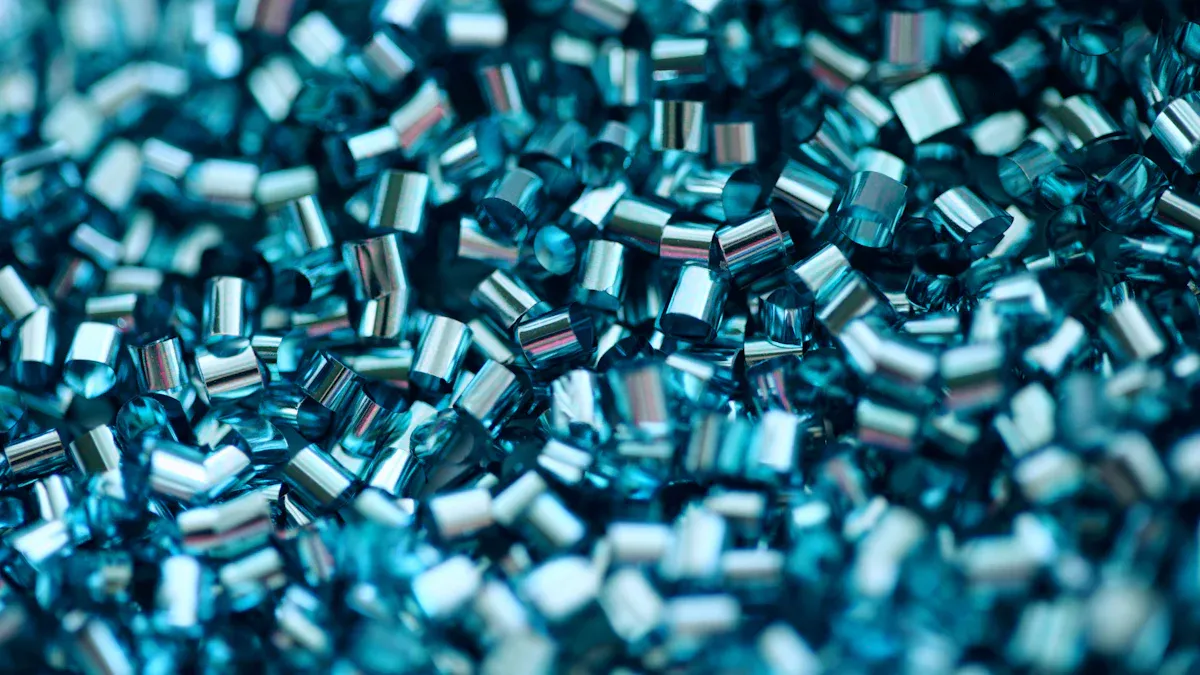
Plasticizing pelletizing ແປງຢາງດິບຫຼື recycled ເຂົ້າໄປໃນ pellets ເອກະພາບໂດຍຜ່ານຊຸດຂອງຂັ້ນຕອນທີ່ກໍານົດໄວ້ດີ.. ຜູ້ປະຕິບັດການເລີ່ມຕົ້ນໂດຍການຈັດລຽງສິ່ງເສດເຫຼືອພາດສະຕິກຕາມປະເພດໂພລີເມີ, ສີ, ແລະລະດັບການປົນເປື້ອນ. ຫຼັງຈາກນັ້ນ, ພວກເຂົາເຈົ້າໄດ້ຕັດພາດສະຕິກທີ່ຈັດລຽງເປັນ flakes ຂະຫນາດນ້ອຍ, ເຊິ່ງປັບປຸງປະສິດທິພາບການລ້າງ. ຫຼັງຈາກລ້າງ, flakes ທີ່ສະອາດຍ້າຍໄປສູ່ຂັ້ນຕອນຂອງການລະລາຍ, ບ່ອນທີ່ເຂົາເຈົ້າໄດ້ຖືກໃຫ້ຄວາມຮ້ອນແລະ extruded. ພາດສະຕິກ molten ຜ່ານການກັ່ນຕອງເພື່ອເອົາສິ່ງປົນເປື້ອນທີ່ຍັງເຫຼືອ. ໃນຂະນະທີ່ການລະລາຍທີ່ກັ່ນຕອງອອກມາໂດຍຜ່ານແຜ່ນຕາຍ, ມັນປະກອບເປັນ strands ຢ່າງຕໍ່ເນື່ອງ. strands ເຫຼົ່ານີ້ຜ່ານຄວາມເຢັນຢ່າງໄວວາໃນອາບນ້ໍາຫຼືລະບົບເຮັດຄວາມເຢັນທາງອາກາດ, ສະຖຽນລະພາບໂຄງສ້າງຂອງພວກເຂົາ. ສຸດທ້າຍ, strands ເຢັນໄດ້ຖືກຕັດເຂົ້າໄປໃນເມັດ, ທີ່ມີຄວາມພ້ອມສໍາລັບການຜະລິດຢູ່ລຸ່ມນ້ໍາ.
pelletizing ປະສິດທິພາບຮັບປະກັນຂະຫນາດ pellet ສອດຄ່ອງແລະຄຸນນະພາບ, ເຊິ່ງເປັນສິ່ງສໍາຄັນສໍາລັບການປຸງແຕ່ງທີ່ເຊື່ອຖືໄດ້ໃນຄໍາຮ້ອງສະຫມັກ molding ແລະ extrusion.
ອຸປະກອນທີ່ໃຊ້
ການດໍາເນີນງານ Pelletizing ແມ່ນອີງໃສ່ເຄື່ອງຈັກພິເສດເພື່ອບັນລຸການສົ່ງຜ່ານສູງແລະຜົນໄດ້ຮັບທີ່ສອດຄ່ອງ. Strand pelletizers ຈັດການ extrusion ໄດ້ of molten plastic into strands and cut them into pellets. Underwater pelletizers cut the molten plastic directly under water, which instantly cools and solidifies the pellets. Cold pelletizers produce pellets from hot extrudate without using water cooling. Each machine type supports different process requirements and material characteristics. Operators select equipment based on the type of resin, the presence of additives, and the desired pellet properties.
- Strand pelletizers: Cut extruded strands into uniform pellets.
- ເຄື່ອງຍ່ອຍໃຕ້ນ້ຳ: Cut and cool pellets simultaneously in a water chamber.
- Cold pelletizers: Produce pellets without water, suitable for heat-sensitive materials.
Pelletizing Technology Types
Manufacturers use several pelletizing technologies, each offering unique advantages in efficiency and output quality. Strand pelletizing works best for clean, ວັດສະດຸທີ່ຫມັ້ນຄົງແລະສະຫນອງຄຸນນະພາບຜົນຜະລິດສູງ. ການໃສ່ເມັດດ້ວຍວົງແຫວນນ້ຳຈະຕັດພລາສຕິກທີ່ເສື່ອມອອກ ຢູ່ທີ່ໃບຫນ້າຕາຍແລະເຮັດໃຫ້ມັນເຢັນໃນວົງນ້ໍາທີ່ໄຫຼວຽນ, ທີ່ເພີ່ມປະສິດທິພາບ. ເມັດຍ່ອຍໃຕ້ນ້ຳຕັດເມັດໃນຫ້ອງນ້ຳ, ຮັບປະກັນຄວາມເຢັນເປັນເອກະພາບແລະຄຸນນະພາບຜົນຜະລິດສູງຫຼາຍ.
| ເຕັກໂນໂລຍີ Pelletizing | ລາຍລະອຽດ | ປະສິດທິພາບ | ຄຸນນະພາບຜົນຜະລິດ |
|---|---|---|---|
| Strand Pelletizers | ຕັດເມັດໃນ strands ແລະເຫມາະສົມກັບວັດສະດຸທີ່ສະອາດ. | ປານກາງ | ສູງ |
| Die-Face Pelletizers | ລວມເອົາລະບົບໃຕ້ນ້ຳ ແລະລະບົບວົງແຫວນ, ການສະຫນອງຄວາມເຢັນຢ່າງໄວວາ. | ສູງ | ສູງຫຼາຍ |
ຜູ້ປະກອບການເລືອກເຕັກໂນໂລຢີທີ່ເຫມາະສົມໂດຍອີງໃສ່ປະເພດຂອງຢາງ, the presence of additives, ແລະຄຸນລັກສະນະຂອງເມັດທີ່ຕ້ອງການ. ການຄັດເລືອກທີ່ຖືກຕ້ອງຮັບປະກັນວ່າເມັດມີຄຸນນະພາບທີ່ເຂັ້ມງວດສໍາລັບການປຸງແຕ່ງລົງລຸ່ມ.
ລັດວັດສະດຸ
Pelletizing ຫັນປ່ຽນພລາສຕິກຜ່ານລັດວັດສະດຸທີ່ແຕກຕ່າງກັນຫຼາຍ. ຂະບວນການເລີ່ມຕົ້ນດ້ວຍອາຫານຢາງແຂງ, ເຊິ່ງສາມາດປະກອບມີຢາງເວີຈິນໄອແລນ, flakes ລີໄຊເຄີນ, ຫຼື regrind. Operators load these materials into hoppers or feeders. The material then enters the extruder, where heat and mechanical force convert the solid particles into a molten state. This molten plastic flows through the extruder barrel, ensuring thorough mixing and homogenization.
As the molten mass exits the extruder, it passes through a die plate. ໃນຂັ້ນຕອນນີ້, the material forms continuous strands or droplets, depending on the pelletizing technology. In strand pelletizing, the molten plastic emerges as long, spaghetti-like strands. These strands move through a cooling system, often a water bath, which solidifies the material rapidly. ເມື່ອເຢັນແລ້ວ, the solidified strands enter a cutting chamber, where rotating knives chop them into uniform pellets.
Other pelletizing methods, such as underwater or water-ring systems, cut the molten plastic immediately as it exits the die. ເມັດເຢັນແລະແຂງຕົວເກືອບທັນທີໃນສະພາບແວດລ້ອມນ້ໍາ. ຜະລິດຕະພັນສຸດທ້າຍປະກອບດ້ວຍຂະຫນາດນ້ອຍ, ເມັດຫນາແຫນ້ນທີ່ມີຂະຫນາດແລະຮູບຮ່າງທີ່ສອດຄ່ອງ. ເມັດເຫຼົ່ານີ້ແມ່ນງ່າຍທີ່ຈະຈັດການ, ການຂົນສົ່ງ, ແລະປ້ອນເຂົ້າໃນຂະບວນການຜະລິດທາງລຸ່ມ.
ເຄັດລັບ: ການຄວບຄຸມແຕ່ລະສະພາບວັດສະດຸໃນລະຫວ່າງການ pelletizing ໄດ້ຮັບປະກັນວ່າ pellets ສຸດທ້າຍມີຄຸນນະພາບທີ່ເຄັ່ງຄັດແລະມາດຕະຖານການປະຕິບັດ.
ການຄວບຄຸມຄຸນນະພາບ
ການຄວບຄຸມຄຸນນະພາບໃນ pelletizing ມີບົດບາດສໍາຄັນໃນການຮັກສາຄວາມສອດຄ່ອງ pellet ແລະຄວາມບໍລິສຸດ. ຜູ້ປະກອບການປະຕິບັດຫຼາຍອະນຸສັນຍາຕະຫຼອດຂະບວນການເພື່ອຮັບປະກັນຜົນຜະລິດທີ່ມີຄຸນນະພາບສູງ:
- ທາງສ່ວນຫນ້າຂອງການຈັດລຽງແລະການລ້າງ ເອົາສິ່ງປົນເປື້ອນ ແລະວັດສະດຸທີ່ບໍ່ແມ່ນເປົ້າໝາຍ. ລະບົບການຈັດລຽງອັດຕະໂນມັດແລະສາຍການລ້າງຊ່ວຍໃຫ້ບັນລຸອາຫານທີ່ສະອາດ.
- ການເຮັດໃຫ້ແຫ້ງແລະການປົນເປື້ອນກໍາຈັດຄວາມຊຸ່ມຊື່ນແລະຄວາມບໍ່ສະອາດ. ການອົບແຫ້ງດ້ວຍອຸນຫະພູມສູງແລະການເຮັດຄວາມສະອາດສູນຍາກາດກະກຽມວັດສະດຸສໍາລັບການ extrusion.
- Extrusion and pelletization melt purified flakes or resin into uniform pellets. Twin-screw extruders provide excellent mixing and consistency.
- Vacuum degassing removes gases and volatile compounds under high vacuum conditions. This step prevents defects and improves pellet quality.
- Crystallization and solid-state polymerization (SSP) enhance the intrinsic viscosity of certain polymers, such as PET. These steps ensure that the pellets meet application-specific requirements.
Operators monitor pellet size, ຮູບຮ່າງ, and color throughout the process. They use sieves, visual inspection, and automated sensors to detect any deviations. Consistent quality control reduces waste, improves process efficiency, and guarantees that the pellets perform reliably in molding, extrusion, or other applications.
ໝາຍເຫດ: Reliable quality control in pelletizing supports manufacturers in producing high-performance products for demanding industries.
ຄໍາຮ້ອງສະຫມັກ
Compounding Applications
Plastic compounding enables manufacturers to create materials with properties tailored for demanding sectors. The following table highlights common industry uses:
| Sector | ຄໍາຮ້ອງສະຫມັກ |
|---|---|
| ຍານຍົນ | Lightweight materials, heat-resistant plastics, impact-resistant polymers |
| ເອເລັກໂຕຣນິກ | Flame-retardant compounds, thermally conductive plastics, anti-static materials |
| ຜະລິດຕະພັນຜູ້ບໍລິໂພກ | Durable plastics, food-safe materials, UV-resistant compounds |
| Industrial Applications | Chemical-resistant polymers, reinforced plastics, abrasion-resistant materials |
ຍານຍົນ
Automotive manufacturers rely on advanced compounds for lightweighting and structural integrity. High-performance plastic compounds replace metal in interior panels, ເບາະ, and under-the-hood components. These materials offer comparable strength and thermal performance, which improves fuel efficiency and safety. Insight Polymers delivers custom compounding for injection molding, enabling rapid prototyping and production of automotive parts that meet strict industry standards.
ເອເລັກໂຕຣນິກ
Electronics producers use specialty compounds for housings, ຕົວເຊື່ອມຕໍ່, and insulators. Flame-retardant and thermally conductive plastics protect sensitive components from heat and electrical hazards. Anti-static materials prevent damage from static discharge. Insight Polymers supports electronics manufacturers with masterbatch concentrates that enhance safety and performance in consumer devices and renewable energy systems.
ການແພດ
Medical device manufacturers require compounds with precise mechanical and chemical properties. Custom formulations provide antimicrobial protection and biocompatibility for diagnostic equipment and surgical tools. Insight Polymers develops specialty compounds for fibers and films used in medical packaging and devices, ensuring compliance with healthcare regulations.
Pelletizing Applications
Pelletizing transforms raw or recycled plastics into uniform pellets, supporting a wide range of manufacturing processes.
Molding & Extrusion
Pellets serve as the standard feedstock for molding and extrusion. Their consistent size and shape ensure reliable machine operation and product quality. Manufacturers use pellets to produce daily-use products such as trash bins, hangers, and flower pots, as well as industrial items like pallets and automotive interior base materials.
ການຣີໄຊເຄິນ
Pelletizing plays a vital role in recycling. Operators sort, shred, and melt plastic waste, then re-extrude and pelletize it into high-quality, reusable pellets. This process closes the loop in the plastic lifecycle, allowing manufacturers to reintroduce recycled material into new products. Applications include construction materials like plastic lumber and municipal covers.
By turning plastic waste into a consistent raw material, pelletizing helps close the loop in the plastic lifecycle.
Bulk Handling
Large-scale manufacturers benefit from pelletizing in bulk handling and logistics. The process includes material intake, sorting, shredding, extrusion, pelletizing, ແລະການຫຸ້ມຫໍ່. Uniform pellets simplify storage, ການຂົນສົ່ງ, and return shipping, supporting efficient supply chains. Manufacturers can ship pellets back for reuse or send them to third parties for new product applications.
Insight Polymers’ expertise in custom compounding and pelletizing supports diverse applications, from injection molding and additive manufacturing to sustainable recycling initiatives.
Process Selection
ປັດໃຈທີ່ຄວນພິຈາລະນາ
ຜູ້ຜະລິດຕ້ອງປະເມີນປັດໃຈຈໍານວນຫນຶ່ງໃນເວລາທີ່ເລືອກຂະບວນການທີ່ເຫມາະສົມກັບຄວາມຕ້ອງການການຜະລິດຂອງພວກເຂົາ. ການພິຈາລະນາເຫຼົ່ານີ້ຊ່ວຍໃຫ້ແນ່ໃຈວ່າວິທີການທີ່ເລືອກສອດຄ່ອງກັບທັງເປົ້າຫມາຍການດໍາເນີນງານແລະຄວາມຕ້ອງການຂອງຜະລິດຕະພັນ:
- ລັກສະນະວັດສະດຸ ມີບົດບາດໃຈກາງ. ຄວາມເຂົ້າໃຈກ່ຽວກັບຄຸນສົມບັດທາງກາຍະພາບ ແລະທາງເຄມີຂອງວັດສະດຸປ້ອນເຂົ້າ ກຳນົດຄວາມເຂົ້າກັນໄດ້ກັບການປະສົມພລາສຕິກທີ່ກຳນົດເອງ ຫຼື pelletizing.
- ຄວາມຕ້ອງການຜ່ານຕ້ອງກົງກັບຄວາມອາດສາມາດຂອງ pelletizer ແລະລະບົບ extrusion upstream. ການສອດຄ່ອງນີ້ປ້ອງກັນບໍ່ໃຫ້ເກີດຄໍຂວດແລະເພີ່ມປະສິດທິພາບສູງສຸດ.
- ຄວາມຕ້ອງການດ້ານຄຸນນະພາບຂອງເມັດແມ່ນຂຶ້ນກັບຂໍ້ມູນສະເພາະຂອງຜູ້ໃຊ້ສຸດທ້າຍ. ຄວາມຊັດເຈນໃນຂະຫນາດແລະຮູບຮ່າງຂອງເມັດສະຫນັບສະຫນູນການປຸງແຕ່ງລົງລຸ່ມທີ່ສອດຄ່ອງ.
- ສະພາບແວດລ້ອມການດໍາເນີນງານແລະສິ່ງອໍານວຍຄວາມສະດວກທີ່ມີຢູ່ມີອິດທິພົນຕໍ່ການເລືອກລະບົບ. ສິ່ງອໍານວຍຄວາມສະດວກຕ້ອງສະຫນັບສະຫນູນຄວາມຕ້ອງການຂອງຂະບວນການເລືອກ.
- Maintenance and ease of use affect long-term productivity. Machines that require less maintenance and offer higher availability reduce downtime.
- Cost considerations and return on investment guide decision-making. Evaluating total ownership costs, including operating expenses and potential product loss, ensures financial sustainability.
- Companies often require components with exceptional durability. Design flexibility remains essential for meeting unique application needs. Cost efficiency continues to influence the choice of manufacturing methods.
ຄວາມເຂົ້າໃຈ unique mechanical properties, ການຕໍ່ຕ້ານສານເຄມີ, and processing characteristics of different plastics is vital. These factors directly impact durability, ປະສິດທິພາບຄ່າໃຊ້ຈ່າຍ, and compliance with industry standards.
ກໍລະນີສຶກສາ
| ພື້ນທີ່ຄໍາຮ້ອງສະຫມັກ | Evidence of Success | Outcome Description |
|---|---|---|
| Resin Manufacturing and Polymerization | Increased output by 40% with underwater pelletizing system. | Effective for continuous production of consistent pellets. |
| ການຜະສົມຜະສານແລະການຜະລິດ Masterbatch | Improved color pellet performance in customer processes using underwater systems. | Ideal for color concentrates and filled compounds. |
| Recycling and Reclaim Operations | Customized system for PET bottle recycling to handle changing materials. | Strand systems for consistent scrap; underwater for mixed materials. |
Manufacturers in the medical sector have achieved low extractables profiles in blood set tubing by selecting TPE or DEHP-free PVC. Autoclavable device components benefit from TPE compounds, which resist embrittlement during repeated sterilization. Full batch genealogy ensures traceability of all components, supporting quality assurance in medical device manufacturing.
ສິ່ງທ້າທາຍ & ວິທີແກ້ໄຂ
Manufacturers often encounter challenges during implementation. Addressing these issues quickly ensures consistent quality and operational efficiency:
- Irregular pellet size and shape can occur. Operators adjust die temperature, inspect cutting blades, and set the correct blade gap to resolve this.
- Reduced throughput or machine jamming may disrupt production. Purging die holes, ensuring consistent material flow, and monitoring feed section components help maintain steady operation.
- Overheating of the machine or motor poses risks. Checking cooling systems, inspecting for excessive friction, and ensuring proper cutter speed prevent damage.
- Poor pellet quality affects downstream performance. Verifying temperature profiles, implementing strict material handling, and pre-drying hygroscopic materials improve results.
By applying these solutions, companies can optimize their polymer compounding solutions and maintain high standards in custom plastic compounding and extrusion processes.
Pelletizing Technology Trends
Advances in Compounding
Recent advances in compounding have transformed how manufacturers approach material design and production. Companies now use recycled resins and bio-based polymers to ຫຼຸດຜ່ອນສິ່ງເສດເຫຼືອ and support sustainability. They rejuvenate old plastic streams, restoring their properties and extending their lifecycle. Advanced compounding techniques allow plastics to replace metals and ceramics in many applications, improving efficiency and reducing costs.
Manufacturers benefit from several key developments:
- Flexibility in creating components without traditional dies or tooling.
- Cost-effective solutions for prototyping and short-run production.
- Enhanced mechanical strength and durability in finished parts.
- Integration of nanotechnology to improve material properties.
- Adoption of Industry 4.0 technologies for better process control and customization.
These innovations enable the use of a wide range of additives, including those that improve conductivity, flame retardance, and structural strength. The focus on sustainable and recyclable materials continues to drive the evolution of compounding processes.
Innovations in Pelletizing
Pelletizing technology has seen significant improvements, especially in quality control and operational efficiency. Leading manufacturers have adopted advanced filtration systems that use multiple filtration stages with finer mesh sizes. This approach removes contaminants and ensures superior pellet quality, protecting downstream equipment.
| ປະເພດນະວັດຕະກໍາ | ລາຍລະອຽດ |
|---|---|
| Advanced Filtration Systems | Multiple filtration stages for cleaner pellets and equipment protection. |
| Intelligent Control Systems | Real-time monitoring and predictive maintenance via touchscreen interfaces. |
| Dynamic Preconditioning Unit | Single-stage preparation of plastics for extrusion, preserving material properties. |
| IoT and AI Integration | Predictive maintenance and real-time adjustments for improved efficiency and lower costs. |
Dynamic preconditioning units combine several steps into one, preparing plastics for extrusion while maintaining high end-product quality. Intelligent control systems provide operators with real-time data, allowing quick adjustments to the process. IoT and AI integration further enhance pelletizing by enabling predictive maintenance and reducing downtime.
ຄວາມຍືນຍົງ
Sustainability initiatives have become central to the development of both compounding and pelletizing technology. Companies like LyondellBasell focus on improving the quality of mechanical plastic recycling through research and development. Their efforts ensure that recycled materials meet strict safety and performance standards. Primex demonstrates a commitment to sustainability by operating an in-house recycling facility. This facility processes post-industrial and post-consumer materials through collection, sorting, shredding, ຊັກ, ແລະ pelletizing. The result is high-quality recycled resin suitable for manufacturing.
Manufacturers now prioritize the use of sustainable additives and recyclable materials in their processes. They design pelletizing systems to handle a variety of recycled plastics, supporting closed-loop recycling and reducing environmental impact. These trends reflect a broader industry shift toward responsible production and resource conservation.
ເຄັດລັບ: Embracing new pelletizing technology and sustainable practices helps manufacturers stay competitive while meeting environmental goals.
Manufacturers rely on both processes for different application needs. Plastic compounding creates materials with specific properties, while pelletizing prepares those materials for efficient use. Selecting the right process ensures each application meets quality and performance goals.
- Evaluate the requirements of each application before choosing a process.
- Consult industry experts for guidance on complex applications.
For more information on custom solutions, manufacturers can contact Insight Polymers or review technical resources.
FAQ
What is the main difference between plastic compounding and pelletizing?
Plastic compounding changes the properties of plastics by mixing resins with additives. Pelletizing shapes these materials into uniform pellets for easy processing. Each process serves a unique role in manufacturing.
When should a manufacturer choose custom plastic compounding?
Manufacturers select custom plastic compounding when they need materials with specific properties, such as flame resistance or enhanced strength. Insight Polymers offers rapid, tailored solutions for these requirements.
Can pelletizing improve recycled plastic quality?
ແມ່ນແລ້ວ. Pelletizing cleans, ລະລາຍ, and reforms recycled plastics into uniform pellets. This process removes contaminants and improves consistency, making recycled materials suitable for new products.
What equipment does Insight Polymers use for compounding?
Insight Polymers uses twin-screw extruders, advanced mixers, and precise dosing systems. These tools allow for efficient blending and rapid development of custom compounds.
How do manufacturers ensure quality during compounding?
Manufacturers use real-time monitoring, color matching, and mechanical testing. They check density and dispersion to guarantee consistent results. Quality control remains essential for reliable performance.
Are compounded pellets ready for injection molding?
ແມ່ນແລ້ວ. Compounded pellets from Insight Polymers are designed for direct use in injection molding, extrusion, ແລະການຜະລິດເພີ່ມເຕີມ. Their uniformity ensures smooth processing and high-quality finished parts.
What industries benefit most from these processes?
ຍານຍົນ, ເອເລັກໂຕຣນິກ, ທາງການແພດ, and packaging industries rely on compounding and pelletizing. These sectors demand materials with precise properties and consistent quality.