

ຄູ່ມືທີ່ສົມບູນແບບກ່ຽວກັບການນໍາໃຊ້ຄືນແລະ granulating ພາດສະຕິກແລະຊູນຟູຣິກ
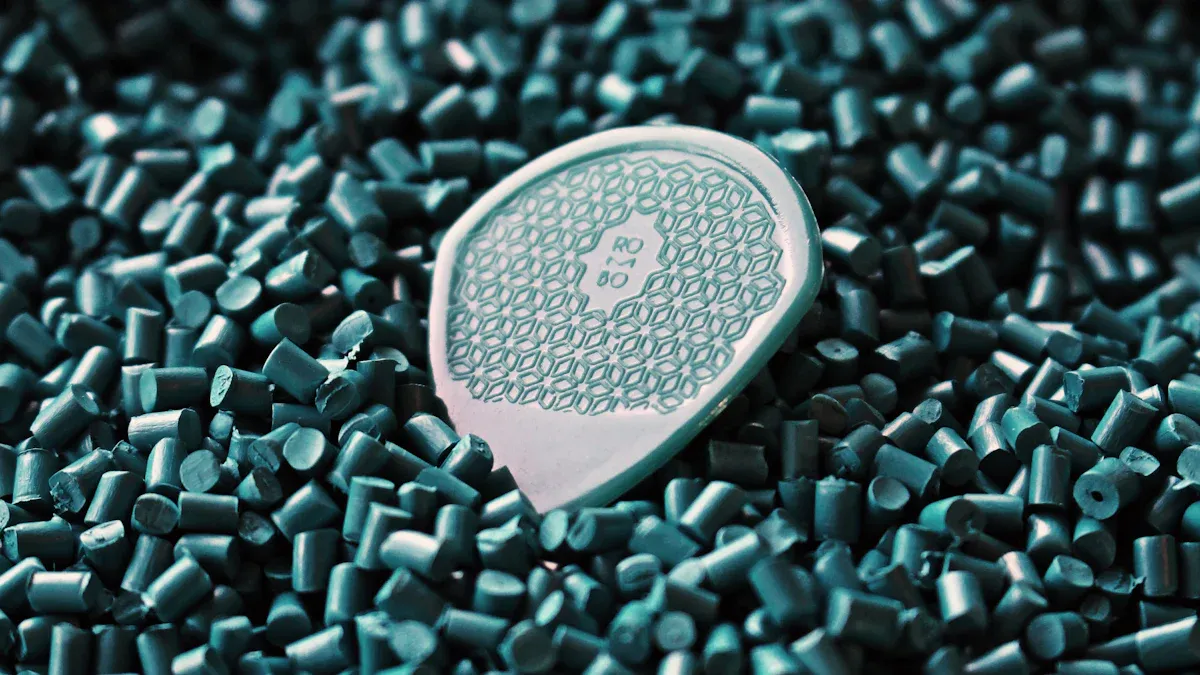
ຂ້າພະເຈົ້າເຫັນວ່າການລີໄຊເຄີນທີ່ປອດໄພ ແລະ ມີປະສິດທິພາບເລີ່ມຕົ້ນດ້ວຍການເຂົ້າໃຈຄຸນສົມບັດທີ່ເປັນເອກະລັກຂອງພລາສຕິກ ແລະ ຊູນຟູຣິກ. ຄວາມເຂົ້າກັນໄດ້ທາງເຄມີເປັນເລື່ອງສໍາຄັນ, ໂດຍສະເພາະໃນເວລາທີ່ນໍ້າມັນພົວພັນກັບພາດສະຕິກ. ຂີ້ເຫຍື້ອພລາສຕິກອຸດສາຫະກໍາສ່ວນໃຫຍ່ຖືກນໍາມາໃຊ້ຄືນໃນອັດຕາ ກ່ຽວກັບ 9%, ເຊິ່ງສະແດງໃຫ້ເຫັນຄວາມຕ້ອງການສໍາລັບການແກ້ໄຂທີ່ດີກວ່າ. ຂ້ອຍອີງໃສ່ອຸປະກອນຂັ້ນສູງເຊັ່ນ IPG Pelletizing Machine Plastic ເພື່ອປັບປຸງຜົນໄດ້ຮັບການລີໄຊເຄີນ. ໃນການປຸງແຕ່ງອຸດສາຫະກໍາພາດສະຕິກແລະຊູນຟູຣິກ, ການປະຕິບັດທີ່ດີທີ່ສຸດສໍາລັບການ granulation ຊູນຟູຣິກແລະ conveying ຊ່ວຍຫຼຸດຜ່ອນຄວາມສ່ຽງແລະເພີ່ມຄຸນນະພາບ.
- ອັດຕາການລີໄຊເຄີນຂີ້ເຫຍື້ອຢາງອຸດສາຫະກໍາທົ່ວໂລກ: ກ່ຽວກັບ 9%
Key Takeaways
- ຄວາມເຂົ້າໃຈກ່ຽວກັບຄວາມເຂົ້າກັນໄດ້ຂອງສານເຄມີລະຫວ່າງພາດສະຕິກແລະນໍ້າມັນເປັນສິ່ງຈໍາເປັນເພື່ອຫຼີກເວັ້ນຄວາມເສຍຫາຍໃນລະຫວ່າງການນໍາມາໃຊ້ໃຫມ່.
- ການຂັດພລາສຕິກຫຼຸດຜ່ອນປະລິມານແລະປັບປຸງຄຸນນະພາບ, ເຮັດໃຫ້ການນໍາໃຊ້ຄືນປະສິດທິພາບແລະຄ່າໃຊ້ຈ່າຍຫຼາຍຂຶ້ນ.
- ການລີໄຊເຄີນກົນຈັກເຮັດວຽກທີ່ດີທີ່ສຸດສໍາລັບການສະອາດ, ພາດສະຕິກ, ໃນຂະນະທີ່ການລີໄຊເຄີນທາງເຄມີຈັດການວັດສະດຸປະສົມຫຼືປົນເປື້ອນ.
- ການນໍາໃຊ້ຕາຕະລາງຄວາມຕ້ານທານແລະການທົດສອບ immersion ຊ່ວຍໃຫ້ຮັບປະກັນການລີໄຊເຄີນຂອງພາດສະຕິກທີ່ສໍາຜັດກັບນ້ໍາມັນທີ່ແຕກຕ່າງກັນຢ່າງປອດໄພ..
- Granulating sulfur ປັບປຸງຄວາມປອດໄພໂດຍການຫຼຸດຜ່ອນຝຸ່ນແລະເຮັດໃຫ້ການຈັດການງ່າຍຂຶ້ນ, ໃນຂະນະທີ່ຄວາມເຢັນແບບພິເສດຮັບປະກັນ granules ທີ່ເຂັ້ມແຂງ.
- ການເລືອກອຸປະກອນແລະວັດສະດຸທີ່ເຫມາະສົມສໍາລັບການຖ່າຍທອດຊູນຟູຣິກປ້ອງກັນການກັດກ່ອນ, ອັນຕະລາຍຈາກຝຸ່ນ, ແລະຄວາມລົ້ມເຫຼວຂອງອຸປະກອນ.
- ບໍາລຸງຮັກສາເປັນປົກກະຕິ, ການຄວບຄຸມຂີ້ຝຸ່ນ, ແລະການລວມຕົວຂອງລະບົບໄດ້ເພີ່ມປະສິດທິພາບ ແລະຄວາມປອດໄພໃນທັງການລີໄຊເຄີນພລາສຕິກ ແລະການຈັດການຊູນຟູຣິກ.
- ການປະຕິບັດແບບຍືນຍົງ, ລວມທັງອຸປະກອນທີ່ມີປະສິດທິພາບດ້ານພະລັງງານ ແລະສານເຕີມແຕ່ງທີ່ອີງໃສ່ biocarbon, ສະຫນັບສະຫນູນອຸດສາຫະກໍາທີ່ປອດໄພແລະສີຂຽວກວ່າ.
ຄວາມເຂົ້າກັນໄດ້ທາງເຄມີຂອງພາດສະຕິກແລະນໍ້າມັນ
ຕົວແປຫຼັກ
ປະເພດໂພລີເມີ
ຂ້ອຍສະເຫມີເລີ່ມຕົ້ນໂດຍການກໍານົດປະເພດໂພລີເມີກ່ອນທີ່ຈະນໍາພາດສະຕິກຄືນໃຫມ່. ແຕ່ລະໂພລີເມີມີປະຕິກິລິຍາແຕກຕ່າງກັນກັບນໍ້າມັນ. ໂພລີເອທິລີນ (PE) ແລະ polypropylene (PP) ສະແດງໃຫ້ເຫັນຄວາມຕ້ານທານທີ່ເຂັ້ມແຂງຕໍ່ກັບນໍ້າມັນຫຼາຍ. ໂພລີສະໄຕຣີນ (PS) ແລະ polyethylene terephthalate (PET) ມັກຈະທໍາລາຍລົງເມື່ອສໍາຜັດກັບນໍ້າມັນບາງຊະນິດ. ໂພລີຄາບອນ (PC) ແລະ acrylonitrile butadiene styrene (ABS) ສາມາດແຕກຫຼືກາຍເປັນ brittle ຫຼັງຈາກການຕິດຕໍ່ນ້ໍາມັນ. Nylon ໂດດເດັ່ນສໍາລັບຄວາມທົນທານຕໍ່ກັບນໍ້າມັນ. ຂ້ອຍກວດເບິ່ງປະເພດໂພລີເມີເພື່ອຄາດເດົາວ່າມັນຈະປະຕິບັດແນວໃດໃນລະຫວ່າງການລີໄຊເຄີນ.
ປະເພດນ້ຳມັນ & ອຸນຫະພູມ
ປະເພດຂອງນ້ໍາມັນແລະອຸນຫະພູມມີບົດບາດອັນໃຫຍ່ຫຼວງໃນຄວາມເຂົ້າກັນໄດ້. ນໍ້າມັນປຸງອາຫານເຊັ່ນ: ຫມາກກອກແລະ canola ປົກກະຕິແລ້ວເຮັດໃຫ້ເກີດຜົນກະທົບເລັກນ້ອຍຕໍ່ PE ແລະ PP. ນ້ ຳ ມັນທີ່ ຈຳ ເປັນ, ເຊັ່ນ: ຫມາກນາວຫຼື eucalyptus, ມີສານປະກອບທີ່ທໍາຮ້າຍພລາສຕິກເຊັ່ນ PS ແລະ PET ເຖິງແມ່ນວ່າຢູ່ໃນອຸນຫະພູມຫ້ອງ. ນໍ້າມັນເຄື່ອງ ແລະນໍ້າມັນເຄື່ອງສັງເຄາະສາມາດຝັງຕົວ PE ແລະເຮັດໃຫ້ເກີດຄວາມຄຽດໃນ PC ແລະ ABS. ນ້ຳມັນໄຮໂດລິກ, ດ້ວຍສານເສີມຂອງພວກເຂົາ, ອາດຈະເຮັດໃຫ້ການ brittleness ແລະການໃຄ່ບວມຢູ່ໃນພາດສະຕິກບໍ່ໄດ້ຈັດອັນດັບສໍາລັບການນໍາໃຊ້ບົບໄຮໂດຼລິກ. ຂ້ອຍສະເຫມີພິຈາລະນາການແຕ່ງຫນ້າທາງເຄມີຂອງນ້ໍາມັນແລະອຸນຫະພູມໃນລະຫວ່າງການລີໄຊເຄີນ.
ເຄັດລັບ: ຂ້າພະເຈົ້າແນະນໍາໃຫ້ກວດເບິ່ງທັງປະເພດນ້ໍາມັນແລະອຸນຫະພູມກ່ອນທີ່ຈະປະສົມພາດສະຕິກແລະນ້ໍາມັນໃນຂະບວນການລີໄຊເຄີນໃດໆ.
ຄວາມຮ້ອນທຽບກັບ. ຜົນກະທົບທາງເຄມີ
ຈຸດລະລາຍ
ຂ້າພະເຈົ້າເອົາໃຈໃສ່ຢ່າງໃກ້ຊິດກັບຈຸດ melting. PE melts ຢູ່ທີ່ປະມານ 120 ° C, PP ທີ່ 160 ° C, ແລະ PET ທີ່ 250 ° C. ຖ້າການສໍາຜັດນ້ໍາມັນເຮັດໃຫ້ອຸນຫະພູມຢູ່ໃກ້ກັບຈຸດລະລາຍເຫຼົ່ານີ້, ພາດສະຕິກສາມາດທໍາລາຍຫຼືລະລາຍ. ປະຕິກິລິຍາເຄມີອາດຈະເກີດຂຶ້ນໄວຂຶ້ນໃນອຸນຫະພູມທີ່ສູງຂຶ້ນ. ຂ້ອຍຕິດຕາມອຸນຫະພູມເພື່ອປ້ອງກັນການປ່ຽນແປງທີ່ບໍ່ຕ້ອງການ.
ລະດັບອຸນຫະພູມນ້ໍາມັນ
ອຸນຫະພູມນ້ໍາມັນມີຜົນກະທົບແນວໃດທີ່ພາດສະຕິກຕອບສະຫນອງ. ນໍ້າມັນເຢັນບໍ່ຄ່ອຍຈະເຮັດໃຫ້ເກີດຄວາມເສຍຫາຍທັນທີທັນໃດ. ນ້ຳມັນຮ້ອນເລັ່ງປະຕິກິລິຍາທາງເຄມີ ແລະສາມາດເຮັດໃຫ້ຢາງປຼາສະຕິກອ່ອນລົງ ຫຼືປຼາສະຕິກ. ຕົວຢ່າງ, ນ້ ຳ ມັນມໍເຕີຮ້ອນສາມາດ embrittle PE ແລະ PC ໄດ້ໄວ. ຂ້ອຍຮັກສາອຸນຫະພູມນ້ໍາມັນໃຫ້ຕໍ່າໃນລະຫວ່າງການລີໄຊເຄີນເພື່ອປົກປ້ອງຄຸນນະພາບຂອງພາດສະຕິກ.
ທົນ vs. ພາດສະຕິກທີ່ມີຄວາມສ່ຽງ
ປະເພດທີ່ທົນທານຕໍ່ນໍ້າມັນ
ພາດສະຕິກບາງຊະນິດຕ້ານທານກັບນໍ້າມັນໄດ້ດີ:
- ໂພລີໂພລີນ (PP)
- ໄນລອນ
- ໂພລີເອທິລີນ (PE)
ວັດສະດຸເຫຼົ່ານີ້ຈັດການນ້ໍາມັນມໍເຕີ, ນ້ຳມັນໄຮໂດຼລິກ, ແລະນໍ້າມັນປຸງແຕ່ງອາຫານທີ່ມີຄວາມເສຍຫາຍຫນ້ອຍທີ່ສຸດ.
ປະເພດນໍ້າມັນທີ່ມີຄວາມສ່ຽງ
ພາດສະຕິກອື່ນໆສະແດງໃຫ້ເຫັນເຖິງຄວາມອ່ອນແອ:
- ໂພລີສະໄຕຣີນ (PS)
- Polyethylene terephthalate (PET)
- ໂພລີຄາບອນ (PC)
- Acrylonitrile butadiene styrene (ABS)
ພາດສະຕິກເຫຼົ່ານີ້ສາມາດລະລາຍໄດ້, ຮອຍແຕກ, ຫຼື warp ຫຼັງຈາກການຕິດຕໍ່ນ້ໍາມັນ, ໂດຍສະເພາະແມ່ນມີນ້ໍາມັນທີ່ສໍາຄັນຫຼືນ້ໍາມັນ lubricantsຮ້ອນ.
| ປະເພດພາດສະຕິກ | ຄວາມຕ້ານທານນ້ໍາມັນ | ປະຕິກິລິຍາປົກກະຕິ |
|---|---|---|
| PE, PP, ໄນລອນ | ສູງ | ການປ່ຽນແປງຫນ້ອຍທີ່ສຸດ |
| PS, PET, PC, ABS | ຕໍ່າ | ຮອຍແຕກ, warping, ການລະລາຍ |
ຂ້າພະເຈົ້າສະເຫມີຈັບຄູ່ພາດສະຕິກແລະນ້ໍາມັນຢ່າງລະມັດລະວັງເພື່ອຫຼີກເວັ້ນການລົ້ມເຫລວໃນການລີໄຊເຄີນແລະຮັບປະກັນການປຸງແຕ່ງທີ່ປອດໄພ.
ການທົດສອບຄວາມເຂົ້າກັນໄດ້
ຕາຕະລາງການຕໍ່ຕ້ານ
ຂ້ອຍສະເຫມີກວດເບິ່ງຕາຕະລາງຄວາມຕ້ານທານກ່ອນທີ່ຈະລີໄຊເຄີນພາດສະຕິກທີ່ສໍາຜັດກັບນໍ້າມັນ. ຕາຕະລາງເຫຼົ່ານີ້ສະແດງໃຫ້ເຫັນວ່າພາດສະຕິກຕ່າງໆມີປະຕິກິລິຍາຕໍ່ນໍ້າມັນ ແລະສານເຄມີຕ່າງໆແນວໃດ. I find them useful because they give quick answers about compatibility. ຕົວຢ່າງ, a resistance chart might list polyethylene as “excellent” against motor oil, while polystyrene shows “poor” resistance. I use these charts to avoid mistakes and select the right materials for recycling.
| ປະເພດພາດສະຕິກ | Motor Oil | Cooking Oil | Essential Oil |
|---|---|---|---|
| PE | ເລີດ | ເລີດ | ດີ |
| PP | ເລີດ | ເລີດ | ດີ |
| PS | ທຸກຍາກ | ຍຸດຕິທຳ | ທຸກຍາກ |
| PET | ຍຸດຕິທຳ | ດີ | ທຸກຍາກ |
| ໄນລອນ | ດີ | ດີ | ດີ |
ເຄັດລັບ: I recommend keeping updated resistance charts in the recycling area. This helps everyone make safe choices quickly.
Immersion Testing
ບາງຄັ້ງ, resistance charts do not cover every oil or plastic type. I use immersion testing to check compatibility in these cases. I cut a small sample of the plastic and place it in the oil. I leave it for a set period, ປົກກະຕິແລ້ວ 24 ກັບ 48 ຊົ່ວໂມງ. After the test, I look for changes like swelling, cracking, or color shifts. If the plastic stays unchanged, I know it is safe for recycling with that oil. If I see damage, ຂ້ອຍຫຼີກເວັ້ນການປະສົມວັດສະດຸເຫຼົ່ານັ້ນ.
ຂ້ອຍບັນທຶກຜົນໄດ້ຮັບຂອງຂ້ອຍໃນປື້ມບັນທຶກ. ນີ້ຊ່ວຍຂ້ອຍສ້າງຄູ່ມືການເຂົ້າກັນໄດ້ແບບກໍານົດເອງສໍາລັບສະຖານທີ່ຂອງຂ້ອຍ. ການທົດສອບການແຊ່ນ້ໍາເຮັດໃຫ້ຂ້ອຍຫມັ້ນໃຈເມື່ອຕາຕະລາງການຕໍ່ຕ້ານບໍ່ຊັດເຈນຫຼືຂາດຫາຍໄປ.
ຄວາມເຂົ້າໃຈຜິດທົ່ວໄປ
ຄວາມຮ້ອນທຽບກັບ. ຄວາມເສຍຫາຍທາງເຄມີ
ຫຼາຍຄົນຄິດວ່າຄວາມຮ້ອນຢ່າງດຽວເຮັດໃຫ້ເກີດຄວາມເສຍຫາຍຈາກພາດສະຕິກ. ຂ້າພະເຈົ້າໄດ້ຮຽນຮູ້ວ່າປະຕິກິລິຍາທາງເຄມີສາມາດເປັນອັນຕະລາຍໄດ້. ນໍ້າມັນອາດຈະທໍາລາຍພາດສະຕິກໄດ້ເຖິງແມ່ນວ່າຢູ່ໃນອຸນຫະພູມຫ້ອງ. ຄວາມຮ້ອນເລັ່ງປະຕິກິລິຍາເຫຼົ່ານີ້, ແຕ່ຄວາມເສຍຫາຍທາງເຄມີສາມາດເກີດຂຶ້ນໄດ້ໂດຍບໍ່ມີອຸນຫະພູມສູງ. ຂ້ອຍສະເຫມີກວດເບິ່ງຄວາມສ່ຽງທັງຄວາມຮ້ອນແລະສານເຄມີກ່ອນທີ່ຈະນໍາມາໃຊ້ໃຫມ່.
ໝາຍເຫດ: ຂ້ອຍບໍ່ເຄີຍອີງໃສ່ພຽງແຕ່ການອ່ານອຸນຫະພູມ. ການສໍາຜັດສານເຄມີມີຄວາມສໍາຄັນຫຼາຍເທົ່າກັບຄວາມຮ້ອນ.
ຄວາມສ່ຽງຕໍ່ການເປີດເຜີຍໃນໄລຍະຍາວ
ການທົດສອບໄລຍະສັ້ນມັກຈະພາດຄວາມສ່ຽງໃນໄລຍະຍາວ. ຂ້າພະເຈົ້າເຄີຍເຊື່ອວ່າພລາສຕິກມີຄວາມປອດໄພຖ້າຫາກວ່າພວກເຂົາເຈົ້າໄດ້ຜ່ານການທົດສອບການແຊ່ໄວ. ເມື່ອເວລາຜ່ານໄປ, ຂ້ອຍເຫັນພລາສຕິກແຕກ ຫຼື ອ່ອນລົງຫຼັງຈາກຖືກນໍ້າມັນຫຼາຍເດືອນ. ການຕິດຕໍ່ໃນໄລຍະຍາວສາມາດເຮັດໃຫ້ເກີດຄວາມເສຍຫາຍຊ້າແຕ່ຮ້າຍແຮງ. ຕອນນີ້ຂ້ອຍຕິດຕາມພລາສຕິກເປັນໄລຍະເວລາທີ່ຍາວນານ ແລະທົບທວນຕົວຢ່າງເກົ່າຢ່າງເປັນປົກກະຕິ.
ຂ້າພະເຈົ້າແນະນໍາໃຫ້ຜູ້ອື່ນພິຈາລະນາຜົນກະທົບທັນທີທັນໃດແລະການຊັກຊ້າ. ນີ້ປ້ອງກັນຄວາມລົ້ມເຫລວທີ່ບໍ່ຄາດຄິດແລະຮັກສາການລີໄຊເຄີນໃຫ້ປອດໄພ.
ຂັດພາດສະຕິກ & ວິທີການລີໄຊເຄີນ
ເປັນຫຍັງການຂັດຂ້ອງ
ການຂັດພລາສຕິກແມ່ນຂັ້ນຕອນທໍາອິດທີ່ຂ້ອຍໃຊ້ໃນຂະບວນການລີໄຊເຄີນໃດໆ. ຂັ້ນຕອນນີ້ສ້າງທຸກສິ່ງທີ່ປະຕິບັດຕາມ. ເມື່ອຂ້ອຍຂັດຂີ້ເຫຍື້ອຢາງ, ຂ້ອຍເຮັດໃຫ້ມັນງ່າຍຕໍ່ການຈັດການ, ຄັດ, ແລະຂະບວນການ. ຜົນປະໂຫຍດເກີນກວ່າພຽງແຕ່ເຮັດໃຫ້ຕ່ອນນ້ອຍລົງ.
ການຫຼຸດຜ່ອນປະລິມານ
ຂ້ອຍສັງເກດເຫັນວ່າຂີ້ເຫຍື້ອຢາງດິບໃຊ້ພື້ນທີ່ຫຼາຍ. ການຂັດເຮັດໃຫ້ປະລິມານຫຼຸດລົງ, ເຮັດໃຫ້ການເກັບຮັກສາແລະການຂົນສົ່ງມີປະສິດທິພາບຫຼາຍ. ຕ່ອນນ້ອຍຈະໃສ່ໃນຖັງຂີ້ເຫຍື້ອ ແລະເຄື່ອງດູດໄດ້ດີກວ່າ, which helps downstream equipment work smoothly. I rely on this step to keep my facility organized and cost-effective.
| ຈຸດຫຼັກຖານ | ລາຍລະອຽດ |
|---|---|
| ການຫຼຸດຜ່ອນປະລິມານ | Crushing reduces the space taken by raw plastic waste, making it manageable for downstream equipment. |
| Material Quality Improvement | Uniform size of crushed plastic enhances washing efficiency and reduces contamination. |
| Efficiency in Recycling | Decisions made during crushing impact the quality of the final recycled product, affecting all subsequent processes. |
ການປັບປຸງຄຸນນະພາບ
Uniformly crushed plastic improves the quality of the recycled material. When I crush plastics to a consistent size, I make washing and sorting easier. This step reduces contamination and boosts the efficiency of every process that follows. I find that high-quality crushing leads to high-quality recycled pellets.
ເຄັດລັບ: I always check the size and shape of crushed plastic before moving to the next step. ຄວາມສອດຄ່ອງຢູ່ທີ່ນີ້ຈະຊ່ວຍປະຢັດເວລາແລະເງິນໃນພາຍຫລັງ.
- Crushing influences the separation of mixed materials, which can complicate recycling if not managed properly.
- Advanced sorting technology is essential to address challenges arising from crushed materials.
- Continuous process adjustments and performance reviews are critical for maintaining high quality standards in recycled outputs.
Mechanical Recycling
Mechanical recycling forms the backbone of my plastic processing workflow. I use it to turn waste plastics into new raw materials without changing their chemical structure. This method is energy-efficient and cost-effective, especially for single-type plastics.
Crusher Types
I choose crushers based on the type and form of plastic waste. For thin films, I use granulators with sharp blades. For bulky items like bottles or crates, I rely on heavy-duty shredders. Some plastics need specialized crushers to handle their toughness or brittleness. The right crusher ensures efficient size reduction and prepares the material for further processing.
Manual vs. ກົນຈັກ
Manual crushing works for small batches or when I need to separate materials by hand. ແນວໃດກໍ່ຕາມ, mechanical crushers handle large volumes quickly and consistently. I prefer mechanical methods for most operations because they save labor and deliver uniform results. Mechanical recycling dominates the industry, especially in regions like Europe, where it accounts for over 99% of recycled plastics.
Mechanical recycling physically reprocesses plastics, producing materials with properties close to virgin plastics. It works best with homogeneous plastics, ສະນັ້ນຂ້າພະເຈົ້າຈັດຮຽງແລະເຮັດຄວາມສະອາດວັດສະດຸຢ່າງລະອຽດກ່ອນທີ່ຈະຂັດ. ຂ້າພະເຈົ້າຮູ້ວ່າການນໍາໃຊ້ຄືນໃຫມ່ຊ້ໍາສາມາດຫຼຸດຜ່ອນຄຸນສົມບັດ polymer, ສະນັ້ນຂ້າພະເຈົ້າຕິດຕາມກວດກາຄຸນນະພາບຂອງແຕ່ລະ batch.
ການແຕກຫັກກ່ອນ
ການຫົດຕົວກ່ອນແມ່ນຂັ້ນຕອນທີ່ຂ້ອຍບໍ່ເຄີຍຂ້າມເມື່ອຈັດການກັບຂີ້ເຫຍື້ອພາດສະຕິກຂະຫນາດໃຫຍ່ຫຼືປະສົມ. ຂ້າພະເຈົ້າໃຊ້ shredders ເພື່ອທໍາລາຍລາຍການ bulky ເຂົ້າໄປໃນຕ່ອນທີ່ບໍລິຫານກ່ອນທີ່ຈະທໍາລາຍສຸດທ້າຍ. ຂັ້ນຕອນນີ້ປົກປ້ອງເຄື່ອງປັ້ນຫຼັກຂອງຂ້ອຍຈາກການຕິດຂັດແລະການສວມໃສ່. ການຫົດຕົວລ່ວງໜ້າຍັງຊ່ວຍໃຫ້ຂ້ອຍເຫັນສິ່ງປົນເປື້ອນ ຫຼື ວັດສະດຸທີ່ບໍ່ແມ່ນພາດສະຕິກໄດ້ໄວ, ເຊິ່ງເຮັດໃຫ້ຂະບວນການລີໄຊເຄີນສະອາດ ແລະມີປະສິດທິພາບ.
ປັດໄຈການປະຕິບັດທີ່ສໍາຄັນ
ປັດໃຈຫຼາຍຢ່າງມີອິດທິພົນວ່າອຸປະກອນການບີບອັດ ແລະ ການລີໄຊເຄີນຂອງຂ້ອຍເຮັດວຽກໄດ້ດີປານໃດ. ຂ້ອຍເອົາໃຈໃສ່ກັບລາຍລະອຽດເຫຼົ່ານີ້ເພື່ອເພີ່ມປະສິດທິພາບແລະຄຸນນະພາບຜົນຜະລິດ.
| ປັດໄຈການປະຕິບັດ | ລາຍລະອຽດ |
|---|---|
| ປະເພດວັດສະດຸແລະແບບຟອມ | ພາດສະຕິກທີ່ແຕກຕ່າງກັນຮຽກຮ້ອງໃຫ້ມີກໍາລັງຕັດສະເພາະແລະປະເພດແຜ່ນໃບຄ້າຍຄືສໍາລັບການ crushing ປະສິດທິພາບ. |
| Blade Gap | ການເກັບກູ້ລະຫວ່າງແຜ່ນໃບມີຜົນຕໍ່ຄຸນນະພາບຂອງການຕັດ; ຊ່ອງຫວ່າງທີ່ເຄັ່ງຄັດຂື້ນເຮັດໃຫ້ການຕັດທີ່ສະອາດກວ່າແຕ່ເພີ່ມການສວມໃສ່. |
| ຂະຫນາດຕາຫນ່າງຫນ້າຈໍ | ກໍານົດຂະຫນາດອະນຸພາກຜົນຜະລິດ; ຂະຫນາດຂະຫນາດນ້ອຍຫຼຸດຜ່ອນ throughput ເນື່ອງຈາກ recirculation. |
| ຄວາມໄວຂອງ Rotor | ຜົນກະທົບຕໍ່ການຜະລິດຜ່ານແລະຄວາມຮ້ອນ; ຄວາມໄວສູງເພີ່ມການຜະລິດຜົນຜະລິດແຕ່ອາດຈະສ້າງອະນຸພາກດີ. |
| ອັດຕາອາຫານ | ການໃຫ້ອາຫານທີ່ຖືກຕ້ອງແມ່ນສໍາຄັນ; overfeeding ສາມາດເຮັດໃຫ້ອຸປະກອນເສຍຫາຍ, ໃນຂະນະທີ່ underfeeding ຫຼຸດຜ່ອນປະສິດທິພາບ. |
| ບໍາລຸງຮັກສາ | ການຮັກສາແຜ່ນໃບຄ້າຍຄືເປັນປົກກະຕິເປັນສິ່ງຈໍາເປັນເພື່ອປ້ອງກັນການຫຼຸດລົງທີ່ມີຄຸນນະພາບແລະຄວາມເຄັ່ງຕຶງຂອງອຸປະກອນ. |
| ການຄຸ້ມຄອງການປົນເປື້ອນ | ການຈັດການຂີ້ຝຸ່ນແລະກະແສລົມທີ່ເຫມາະສົມແມ່ນຈໍາເປັນເພື່ອຫຼີກເວັ້ນການ overheating ແລະຄວາມລົ້ມເຫຼວຂອງອຸປະກອນ. |
ການເລືອກແຜ່ນ
ຂ້າພະເຈົ້າເລືອກເອົາແຜ່ນໃບຄ້າຍຄືຕາມປະເພດຂອງພາດສະຕິກແລະຂະຫນາດຜົນຜະລິດທີ່ຕ້ອງການ. ພລາສຕິກແຂງຕ້ອງການແຜ່ນໃບທີ່ແຂງກວ່າ, ໃນຂະນະທີ່ພາດສະຕິກທີ່ອ່ອນກວ່າຕ້ອງການຂອບແຫຼມ. ຂ້ອຍກວດເບິ່ງຊ່ອງຫວ່າງຂອງແຜ່ນໃບເປັນປະ ຈຳ ເພາະວ່າຊ່ອງຫວ່າງທີ່ເຄັ່ງຄັດເຮັດໃຫ້ການຕັດທີ່ສະອາດກວ່າແຕ່ຈະ ໝົດ ໄປໄວກວ່າ. ຂ້າພະເຈົ້າປ່ຽນຫຼື sharpen blades ມັກຈະຮັກສາການປະຕິບັດສູງ.
ຕາຫນ່າງຫນ້າຈໍ
ຕາຫນ່າງຫນ້າຈໍຄວບຄຸມຂະຫນາດຂອງຕ່ອນພາດສະຕິກ crushed. ຂະໜາດຕາໜ່າງທີ່ນ້ອຍກວ່າຈະຜະລິດອະນຸພາກທີ່ລະອຽດກວ່າ ແຕ່ເຮັດໃຫ້ຂະບວນການຊ້າລົງ ເນື່ອງຈາກວັດສະດຸຈະໝູນວຽນໄປມາຈົນກວ່າມັນຈະພໍດີຜ່ານຕາໜ່າງ.. ຂ້ອຍດຸ່ນດ່ຽງຂະຫນາດຕາຫນ່າງກັບ throughput ເພື່ອຕອບສະຫນອງເປົ້າຫມາຍການຜະລິດຂອງຂ້ອຍ. ຂະຫນາດອະນຸພາກທີ່ສອດຄ່ອງປັບປຸງການລ້າງແລະການ pelletizing ຕໍ່ມາ.
ຄວາມໄວຂອງ Rotor & ອັດຕາອາຫານ
ຄວາມໄວຂອງ rotor ມີຜົນກະທົບແນວໃດໄວທີ່ຂ້ອຍສາມາດປຸງແຕ່ງຂີ້ເຫຍື້ອພາດສະຕິກໄດ້. ຄວາມໄວສູງສົ່ງຜົນຜະລິດໄດ້ແຕ່ສາມາດສ້າງອະນຸພາກທີ່ດີແລະຄວາມຮ້ອນຫຼາຍ. ຂ້ອຍປັບຄວາມໄວໃຫ້ກົງກັບປະເພດພາດສະຕິກແລະຜົນຜະລິດທີ່ຕ້ອງການ. ອັດຕາອາຫານແມ່ນສໍາຄັນ, ຄືກັນ. ການໃຫ້ອາຫານເກີນສາມາດຂັດເຄື່ອງໄດ້, ໃນຂະນະທີ່ underfeeding ສູນເສຍພະລັງງານ. ຂ້າພະເຈົ້າຕິດຕາມກວດກາທັງສອງເພື່ອຮັກສາການດໍາເນີນງານຂອງຂ້າພະເຈົ້າດໍາເນີນການກ້ຽງ.
ໝາຍເຫດ: ການບໍາລຸງຮັກສາປົກກະຕິແລະການຄວບຄຸມຂີ້ຝຸ່ນເຮັດໃຫ້ອຸປະກອນຂອງຂ້ອຍເຮັດວຽກຢ່າງມີປະສິດທິພາບແລະປ້ອງກັນການແຕກຫັກທີ່ບໍ່ຄາດຄິດ.
ການເຊື່ອມໂຍງການແກ້ໄຂຂັ້ນສູງ
ຂ້າພະເຈົ້າອີງໃສ່ການ Exintellmach IPG Pelletizing Plastic Plastic ເພື່ອປັບປຸງຂະບວນການລີໄຊເຄີນຂອງຂ້ອຍ. ເຄື່ອງນີ້ປະສົມປະສານການປວດ, ຫນາແຫນ້ນ, ການລະລາຍ, ແລະ pelletizing ໃນລະບົບດຽວ. ສະກູ extruder ທີ່ສາມາດປັບແຕ່ງໄດ້ແລະທາງເລືອກໃນການ pelletizing ແບບພິເສດເຮັດໃຫ້ຂ້າພະເຈົ້າປຸງແຕ່ງເປັນລະດັບຄວາມກ້ວາງຂອງພາດສະຕິກ. ເຄື່ອງ Pelletizing IPG ໃຊ້ການຄວບຄຸມອຸນຫະພູມທີ່ຊັດເຈນແລະການຕອງຂັ້ນສູງເພື່ອຜະລິດເອກະພາບ, pellets ຄຸນນະພາບສູງ. ຄຸນນະສົມບັດອັດຕະໂນມັດຫຼຸດຜ່ອນແຮງງານແລະຮັບປະກັນຜົນຜະລິດທີ່ສອດຄ່ອງ. ຂ້ອຍພົບວ່າເທັກໂນໂລຍີນີ້ບໍ່ພຽງແຕ່ເພີ່ມປະສິດທິພາບແຕ່ຍັງປັບປຸງຄຸນນະພາບແລະມູນຄ່າຂອງພາດສະຕິກທີ່ເອົາມາໃຫມ່ຂອງຂ້ອຍ.
ການລີໄຊເຄີນທາງເຄມີ
ການຣີໄຊເຄີນທາງເຄມີ ເຮັດໃຫ້ຂ້ອຍມີວິທີທີ່ຈະທໍາລາຍພາດສະຕິກນອກເຫນືອວິທີການກົນຈັກ. ຂ້ອຍໃຊ້ຂະບວນການນີ້ເມື່ອການລີໄຊເຄີນກົນຈັກບໍ່ສາມາດຜະລິດວັດສະດຸທີ່ມີຄຸນນະພາບສູງໄດ້. ການຣີໄຊເຄີນທາງເຄມີແມ່ນອີງໃສ່ສານລະລາຍ ແລະປະຕິກິລິຍາທາງເຄມີເພື່ອຫັນປ່ຽນພລາສຕິກເປັນສິ່ງກໍ່ສ້າງພື້ນຖານ. ຂ້ອຍເຫັນວ່າວິທີນີ້ມີປະໂຫຍດສຳລັບປຼາສະຕິກປະສົມ ຫຼືປົນເປື້ອນທີ່ການຣີໄຊເຄິນກົນຈັກບໍ່ສາມາດຈັດການໄດ້.
ວິທີການທີ່ອີງໃສ່ສານລະລາຍ
ການຣີໄຊເຄີນທີ່ໃຊ້ສານລະລາຍໃຊ້ສານເຄມີເພື່ອລະລາຍພາດສະຕິກ. ຂ້ອຍເລືອກສານລະລາຍເຊັ່ນ acetone, dichloromethane, ຫຼື tetrahydrofuran (THF) ອີງໃສ່ປະເພດໂພລີເມີ. ຂ້າພະເຈົ້າເອົາສຕິກ shredded ໃນອາບນໍ້າ solvent. ທາດລະລາຍຈະທໍາລາຍຕ່ອງໂສ້ໂພລີເມີ, ແຍກ impurities ແລະສີຍ້ອມ. ຫຼັງຈາກການລະລາຍ, ຂ້າພະເຈົ້າກັ່ນຕອງອອກສິ່ງປົນເປື້ອນແລະຟື້ນຕົວຂອງ polymer ບໍລິສຸດ. I then precipitate the polymer by adding another chemical or cooling the solution. This process produces clean, high-quality plastic ready for reuse.
I always monitor solvent use carefully. Solvents can generate hazardous waste and require proper disposal. I use protective equipment and follow safety guidelines to prevent exposure. Solvent-based methods work best for plastics like polystyrene, polyvinyl chloride, ແລະ PET.
Depolymerization
Depolymerization takes chemical recycling a step further. I use heat, catalysts, or enzymes to break plastics down into monomers. These monomers serve as raw materials for new plastic production. I apply depolymerization to plastics like PET and nylon. The process involves heating the plastic in a reactor, sometimes with acids or bases. The plastic breaks apart into its original chemical units.
I prefer depolymerization for producing high-purity materials. This method allows me to recycle plastics that mechanical methods cannot restore to their original quality. Depolymerization also helps me close the loop in the circular economy.
ເຄັດລັບ: I always compare chemical and mechanical recycling before choosing a method. Chemical recycling produces purer output but requires careful handling of chemicals.
| ລັກສະນະ | ການລີໄຊເຄີນທາງເຄມີ | Mechanical Recycling |
|---|---|---|
| ຂະບວນການ | Uses acids and solvents to dissolve plastics, generating toxic chemicals. | Involves physically breaking down plastics, which can weaken their structure. |
| ຜົນຜະລິດ | Produces high-quality, pure plastic suitable for various applications. | Results in lower quality recycled plastic that deteriorates over time. |
| ຜົນກະທົບຕໍ່ສິ່ງແວດລ້ອມ | Generates higher CO2 emissions and hazardous waste due to chemicals used. | Uses more fossil fuels but generally produces less hazardous waste. |
ຄວາມຜິດພາດທົ່ວໄປ
ຂ້າພະເຈົ້າເຫັນຄວາມຜິດພາດຈໍານວນຫຼາຍໃນການ crushing ຢາງແລະນໍາໃຊ້ຄືນໃຫມ່. ຄວາມຜິດພາດເຫຼົ່ານີ້ຫຼຸດຜ່ອນປະສິດທິພາບແລະສ້າງຄວາມສ່ຽງດ້ານຄວາມປອດໄພ. ຂ້າພະເຈົ້າສະເຫມີທົບທວນຂະບວນການຂອງຂ້າພະເຈົ້າເພື່ອຫຼີກເວັ້ນການ pitfalls ທົ່ວໄປ.
ອຸປະກອນບໍ່ກົງກັນ
ຂ້ອຍສັງເກດເຫັນວ່າການໃຊ້ອຸປະກອນທີ່ບໍ່ຖືກຕ້ອງເຮັດໃຫ້ເກີດການຂັດຂວາງເລື້ອຍໆ. ເຄື່ອງຈັກລີໄຊເຄີນສາມາດຕິດໄດ້ 3-8 ເທື່ອຕໍ່ການປ່ຽນແປງ, ຕັດຄວາມສາມາດໃນການປຸງແຕ່ງໂດຍ ເຖິງ 25%. ຂ້ອຍຈັບຄູ່ crusher ແລະ pelletizer ຂອງຂ້ອຍກັບປະເພດພາດສະຕິກແລະຂະຫນາດ batch. ຂ້ອຍກວດເບິ່ງລະບົບອາຫານເພື່ອຄວາມເຂົ້າກັນໄດ້ ແລະປັບການຕັ້ງຄ່າເພື່ອປ້ອງກັນການຕິດຂັດ.
ການປົນເປື້ອນ
ການປົນເປື້ອນຍັງຄົງເປັນສິ່ງທ້າທາຍໃຫຍ່. ກ່ຽວກັບ 75% ຂອງສານປົນເປື້ອນ ໃນສິ່ງອໍານວຍຄວາມສະດວກໃນການລີໄຊເຄີນແມ່ນມາຈາກຖົງຢາງ ແລະຮູບເງົາ. ວັດສະດຸເຫຼົ່ານີ້ອຸດຕັນເຄື່ອງຈັກແລະຄຸນນະພາບຜະລິດຕະພັນຕ່ໍາ. ຂ້າພະເຈົ້າຄັດແລະທໍາຄວາມສະອາດພາດສະຕິກກ່ອນທີ່ຈະປວດ. ຂ້ອຍເອົາຖົງຢາງອອກ, ຮູບເງົາ, ແລະລາຍການອື່ນໆທີ່ບໍ່ສາມາດຣີໄຊເຄິນໄດ້. Emily Malik, ຜູ້ປະສານງານການອະນຸລັກ, ຊີ້ໃຫ້ເຫັນວ່າການປົນເປື້ອນເຮັດໃຫ້ການລີໄຊເຄີນສັບສົນ. ຂ້ອຍເຫັນດີ ແລະໃຫ້ການຄວບຄຸມການປົນເປື້ອນເປັນບູລິມະສິດ.
ບັນຫາການບໍາລຸງຮັກສາ
ການລະເລີຍການບຳລຸງຮັກສາເຮັດໃຫ້ເວລາຢຸດເຮັດວຽກ ແລະການສ້ອມແປງຄ່າໃຊ້ຈ່າຍ. ຂ້າພະເຈົ້າປະຕິບັດໂຄງການບໍາລຸງຮັກສາປ້ອງກັນເພື່ອໃຫ້ເຄື່ອງຂອງຂ້າພະເຈົ້າແລ່ນໄດ້ຢ່າງສະດວກ. ການບໍາລຸງຮັກສາເປັນປົກກະຕິຫຼຸດຜ່ອນເວລາຢຸດທີ່ບໍ່ໄດ້ວາງແຜນໄວ້ເຖິງ 75%. ຂ້າພະເຈົ້າກໍານົດເວລາການ sharpening ໃບ, ທໍາຄວາມສະອາດຫນ້າຈໍ, ແລະ lubrication. ຂ້າພະເຈົ້າກວດກາອຸປະກອນປະຈໍາວັນແລະແກ້ໄຂບັນຫາກ່ອນທີ່ມັນຈະເພີ່ມຂຶ້ນ.
ການຄວບຄຸມຂີ້ຝຸ່ນ
ການສ້າງຂີ້ຝຸ່ນສ້າງອັນຕະລາຍແລະຄວາມເສຍຫາຍອຸປະກອນ. ຂ້ອຍຕິດຕັ້ງລະບົບສະກັດຂີ້ຝຸ່ນແລະໃຊ້ crushers ຫຸ້ມ. ຂ້ອຍເຮັດຄວາມສະອາດການກັ່ນຕອງຂີ້ຝຸ່ນເປັນປົກກະຕິ. ການຄວບຄຸມຂີ້ຝຸ່ນທີ່ເຫມາະສົມປົກປ້ອງພະນັກງານແລະຍືດອາຍຸເຄື່ອງ.
ຂະໜາດຜົນຜະລິດ
ຂະຫນາດຜົນຜະລິດທີ່ບໍ່ສອດຄ່ອງສົ່ງຜົນກະທົບຕໍ່ການປຸງແຕ່ງລົງລຸ່ມ. ຂ້າພະເຈົ້າປັບຕາຫນ່າງຫນ້າຈໍແລະຄວາມໄວ rotor ໃນການຜະລິດອະນຸພາກເອກະພາບ. ຂ້ອຍກວດເບິ່ງຂະຫນາດຜົນຜະລິດຫຼັງຈາກແຕ່ລະຊຸດ. ເມັດເອກະພາບປັບປຸງການຊັກ, ການລະລາຍ, ແລະຄຸນນະພາບຜະລິດຕະພັນສຸດທ້າຍ.
- ອຸປະກອນ jams ຫຼຸດຜ່ອນຄວາມສາມາດປຸງແຕ່ງເຖິງ 25%.
- ການບໍາລຸງຮັກສາການປ້ອງກັນການຫຼຸດຜ່ອນການຢຸດເຊົາການເຖິງ 75%.
- ຖົງຢາງ ແລະຮູບເງົາເຮັດໃຫ້ການປົນເປື້ອນຫຼາຍທີ່ສຸດໃນສິ່ງອໍານວຍຄວາມສະດວກໃນການລີໄຊເຄີນ.
- ການຄວບຄຸມຂີ້ຝຸ່ນແລະການຄຸ້ມຄອງຂະຫນາດຜົນຜະລິດປັບປຸງຄວາມປອດໄພແລະຄຸນນະພາບຂອງຜະລິດຕະພັນ.
ໝາຍເຫດ: ຂ້ອຍສະເຫມີທົບທວນຂະບວນການຂອງຂ້ອຍສໍາລັບຄວາມຜິດພາດເຫຼົ່ານີ້. ການແກ້ໄຂພວກເຂົາເພີ່ມປະສິດທິພາບແລະການຮັບປະກັນຄຸນນະພາບສູງພລາສຕິກ recycled.
ການລະລາຍພາດສະຕິກ & ການເຊື່ອມໂຊມ
ເປັນຫຍັງພາດສະຕິກຕ້ານການລະລາຍ
ໂຄງສ້າງໂມເລກຸນ
ຂ້ອຍມັກຈະສົງໄສວ່າເປັນຫຍັງພາດສະຕິກສ່ວນໃຫຍ່ບໍ່ລະລາຍໄດ້ງ່າຍໃນສານລະລາຍທົ່ວໄປ. ຄໍາຕອບແມ່ນຢູ່ໃນໂຄງສ້າງໂມເລກຸນຂອງພວກເຂົາ. ພາດສະຕິກມີຕ່ອງໂສ້ໂພລີເມີຍາວທີ່ມີພັນທະບັດຄາບອນກັບຄາບອນທີ່ເຂັ້ມແຂງ. ພັນທະບັດເຫຼົ່ານີ້ຕ້ານການທໍາລາຍໃນສະພາບແວດລ້ອມປະຈໍາວັນ. ພາດສະຕິກ ທຳ ມະດາ, ເຊັ່ນ polyethylene ແລະ polypropylene, ສະແດງໃຫ້ເຫັນຄວາມທົນທານທີ່ໂດດເດັ່ນຍ້ອນພັນທະບັດເຫຼົ່ານີ້. ພາດສະຕິກເຄິ່ງ crystalline ມີໂຄງສ້າງທີ່ແຫນ້ນຫນາທີ່ຕັນສານລະລາຍຈາກການເຈາະ. ພາດສະຕິກ Amorphous ມີຄວາມສ່ຽງຫຼາຍຕໍ່ກັບສານລະລາຍອິນຊີບາງຊະນິດ, ແຕ່ພວກເຂົາຍັງຕ້ານທານນ້ໍາ.
| ປະເພດຂອງພາດສະຕິກ | ລັກສະນະ |
|---|---|
| ພາດສະຕິກທຳມະດາ | ຕ່ອງໂສ້ໂພລີເມີຍາວທີ່ມີພັນທະບັດຄາບອນກັບຄາບອນທີ່ເຂັ້ມແຂງທີ່ຕ້ານການທໍາລາຍໃນສະພາບແວດລ້ອມທົ່ວໄປ. |
| ພາດສະຕິກເຄິ່ງ Crystalline | ໂຄງສ້າງແຫນ້ນຫນາທີ່ປ້ອງກັນບໍ່ໃຫ້ສານລະລາຍຈາກການເຈາະ. |
| ພາດສະຕິກ Amorphous | ມີຄວາມສ່ຽງຫຼາຍຕໍ່ກັບສານລະລາຍປອດສານພິດບາງຢ່າງແຕ່ຍັງທົນທານຕໍ່ກັບນ້ໍາ. |
ຂ້ອຍສະເຫມີກວດເບິ່ງໂຄງສ້າງຂອງພາດສະຕິກກ່ອນທີ່ຈະເລືອກວິທີການລີໄຊເຄີນ. ການຈັດລຽງໂມເລກຸນກໍານົດວິທີການວັດສະດຸ reacts ກັບ solvents.
ຄວາມເຂົ້າກັນໄດ້ຂອງສານລະລາຍ
ຄວາມເຂົ້າກັນໄດ້ຂອງສານລະລາຍມີບົດບາດອັນໃຫຍ່ຫຼວງໃນການລະລາຍພາດສະຕິກ. I notice that plastics resist dissolving unless the solvent matches their chemical nature. Non-polar plastics, like polyethylene, do not dissolve in water or alcohols. Polar plastics, such as polyvinyl alcohol, dissolve in water. I select solvents based on the plastic’s polarity and structure. This step helps me avoid wasting time and resources.
Solvents That Dissolve Plastics
THF
Tetrahydrofuran (THF) stands out as a powerful solvent for plastics like polyvinyl chloride (PVC) ແລະ polystyrene. I use THF in laboratory settings to dissolve these plastics for analysis or recycling. THF works well because it matches the polarity of the polymers.
Acetone
Acetone dissolves plastics such as polystyrene and some acrylics. I use acetone to clean equipment or remove residues. Acetone does not affect most conventional plastics, ແຕ່ມັນສາມາດທໍາລາຍບາງປະເພດຢ່າງໄວວາ.
Dichloromethane
Dichloromethane ລະລາຍພາດສະຕິກເຊັ່ນ polycarbonate ແລະ PVC. ຂ້ອຍໃຊ້ມັນສໍາລັບຄໍາຮ້ອງສະຫມັກອຸດສາຫະກໍາທີ່ຈໍາເປັນຕ້ອງມີການລະລາຍຢ່າງໄວວາ. Dichloromethane ເຮັດວຽກທີ່ດີທີ່ສຸດກັບພາດສະຕິກທີ່ມີໂຄງສ້າງຜລຶກຫນ້ອຍ.
| ປະເພດຕົວລະລາຍ | ປະສິດທິຜົນ | ບັນທຶກ |
|---|---|---|
| ໂທລູອີນ | ສູງ | ການປະຕິບັດໂດຍລວມທີ່ດີທີ່ສຸດ ໃນການທົດສອບການລະລາຍ |
| ໄຊລີນ | ສູງ | ປະສິດທິພາບດີກວ່າສານລະລາຍອື່ນໆ |
| ໄຊໂຄລເຮກເຊນ | ປານກາງ | ມີປະສິດທິພາບໃນການຜະສົມຜະສານກັບ cyclohexanol ແລະ xylene |
| Cyclhexanol | ປານກາງ | ປັບປຸງການລະລາຍໃນສ່ວນປະສົມ |
| ເຫຼົ້າ | ຕໍ່າ | ໂດຍທົ່ວໄປແລ້ວສານລະລາຍທີ່ບໍ່ດີສຳລັບພາດສະຕິກທີ່ບໍ່ມີຂົ້ວໂລກ |
| Ketones | ຕໍ່າ | ບໍ່ມີປະສິດຕິຜົນຢ່າງດຽວ, ແຕ່ການປະສົມອາດຈະປັບປຸງການລະລາຍ |
| ເອສເຕີ | ຕໍ່າ | ບໍ່ມີປະສິດຕິຜົນຢ່າງດຽວ, ແຕ່ການປະສົມອາດຈະປັບປຸງການລະລາຍ |
ຂ້ອຍພົບວ່າການລະລາຍຂອງສານລະລາຍຮັກສາໂຄງສ້າງທາງເຄມີຂອງໂພລີເມີ. ວິທີການນີ້ຫຼຸດຜ່ອນການປ່ອຍອາຍພິດແລະການນໍາໃຊ້ພະລັງງານເມື່ອທຽບກັບວິທີການລີໄຊເຄີນອື່ນໆ. ມັນຂະຫຍາຍຂອບເຂດການລີໄຊເຄີນສໍາລັບພາດສະຕິກ, ໂດຍສະເພາະສໍາລັບ polypropylene ແລະ polystyrene. Companies like Purecycle and Polystyvert use these solvents to recycle plastics that were once unrecyclable.
Solvent-based recycling lets me recover pure polymers without breaking their chemical bonds. This approach saves energy and supports sustainability.
Dissolvable & ພາດສະຕິກທີ່ຍ່ອຍສະຫຼາຍໄດ້
PVA & Water-Soluble Types
I use polyvinyl alcohol (PVA) when I need a plastic that dissolves in water. PVA films break down quickly and leave no residue. Water-soluble plastics help me create packaging that disappears after use. These materials work well for single-use items and reduce waste.
ຢາງຊີວະພາບ
Biodegradable plastics offer another solution. ຂ້າພະເຈົ້າອີງໃສ່ petroleum-based polyesters like polycaprolactone (PCL) and poly(butylene succinate) (PBS) because microorganisms and enzymes can degrade them. Bio-based plastics, such as poly(hydroxybutyrate) (PHB), poly(lactide) (PLA), and starch blends, ມາຈາກຊັບພະຍາກອນທີ່ທົດແທນໄດ້ ແລະຍັງສາມາດຍ່ອຍສະຫຼາຍໄດ້. ອັດຕາການເຊື່ອມໂຊມຂອງພວກມັນແມ່ນຂຶ້ນກັບໂຄງສ້າງທາງເຄມີ, ຈຸດລະລາຍ, ແລະ crystallinity. ພາດສະຕິກບາງ, ເຊັ່ນ polyethylene ແລະ Nylon 11, ອາດຈະອີງໃສ່ຊີວະພາບແຕ່ຍັງຄົງບໍ່ສາມາດຍ່ອຍສະຫຼາຍໄດ້. Acetyl cellulose ສາມາດຍ່ອຍສະຫຼາຍໄດ້ຫຼືບໍ່, ຂຶ້ນກັບ acetylation ຂອງມັນ.
ຂ້ອຍເລືອກພລາສຕິກທີ່ຍ່ອຍສະຫຼາຍໄດ້ສຳລັບການນຳໃຊ້ທີ່ມີຜົນກະທົບດ້ານສິ່ງແວດລ້ອມ. ວັດສະດຸເຫຼົ່ານີ້ແຕກແຍກໂດຍຜ່ານການກະທໍາຂອງ enzymatic ແລະຈຸລິນຊີ. ອັດຕາການເຊື່ອມໂຊມຂອງພວກມັນແຕກຕ່າງກັນໄປຕາມອົງປະກອບ ແລະສະພາບສິ່ງແວດລ້ອມ.
ຂ້ອຍສະເຫມີຈັບຄູ່ປະເພດພາດສະຕິກກັບວິທີການໃຊ້ແລະກໍາຈັດທີ່ມີຈຸດປະສົງ. ການປະຕິບັດນີ້ຊ່ວຍໃຫ້ຂ້ອຍສະຫນັບສະຫນູນຄວາມຍືນຍົງແລະຫຼຸດຜ່ອນມົນລະພິດ.
ເສັ້ນທາງການເຊື່ອມໂຊມ
UV & ຄວາມຮ້ອນ
ຂ້ອຍເຫັນພລາສຕິກຊຸດໂຊມລົງຜ່ານຫຼາຍເສັ້ນທາງ. ລັງສີ UV ແລະຄວາມຮ້ອນມີບົດບາດສໍາຄັນໃນການທໍາລາຍໂພລີເມີ. ເມື່ອແສງແດດຕີພລາສຕິກ, UV rays cause photodegradation. This process breaks polymer chains into smaller fragments. Heat speeds up this reaction. Oxygen in the environment also accelerates degradation. I notice that high temperatures can trigger depolymerization reactions in synthetic polymers. These reactions break plastics into their basic chemical units.
During ການລີໄຊເຄີນກົນຈັກ, plastics face heat and shear forces. These conditions lead to thermo-oxidative and thermo-mechanical degradation. Chain-scission reactions start, breaking the long polymer chains. I monitor temperature and oxygen levels in my facility to control these effects. Chemical degradation, such as hydrolysis or oxidation, happens at near-ambient temperatures. Environmental factors like temperature and oxygen presence influence how fast plastics degrade.
- Photodegradation ທໍາລາຍຕ່ອງໂສ້ໂພລີເມີດ້ວຍລັງສີ UV.
- ຄວາມຮ້ອນແລະອົກຊີເຈນເລັ່ງຂະບວນການເຊື່ອມໂຊມ.
- ອຸນຫະພູມສູງເຮັດໃຫ້ depolymerization ໃນໂພລີເມີສັງເຄາະ.
- ການຣີໄຊເຄີນກົນຈັກແນະນຳໃຫ້ເກີດຄວາມຮ້ອນ ແລະ ການຕັດ, ນໍາໄປສູ່ປະຕິກິລິຍາລະບົບຕ່ອງໂສ້-scission.
- ການເຊື່ອມໂຊມທາງເຄມີປະກອບດ້ວຍ hydrolysis ຫຼື oxidation, ມັກຈະຢູ່ໃນອຸນຫະພູມຕ່ໍາ.
ຂ້າພະເຈົ້າສະເຫມີກວດສອບສໍາລັບອາການຂອງການຊຸດໂຊມໃນພາດສະຕິກນໍາໃຊ້ໃຫມ່. ການປ່ຽນແປງໃນສີ, ຄວາມບວມ, ຫຼືສັນຍານໂຄງສ້າງທີ່ UV ແລະຄວາມຮ້ອນມີຜົນກະທົບວັດສະດຸ.
ໄມໂຄພລາສຕິກ
Microplastics ປະກອບເປັນເມື່ອຕ່ອນພາດສະຕິກຂະຫນາດໃຫຍ່ແຕກອອກເປັນຊິ້ນນ້ອຍໆ. ຂ້ອຍເຫັນສິ່ງດັ່ງກ່າວເກີດຂຶ້ນໃນລະຫວ່າງການປ່ຽນຮູບຖ່າຍແລະການຣີໄຊເຄິນກົນຈັກ. ແສງ UV, ຄວາມຮ້ອນ, ແລະອົກຊີເຈນເຮັດໃຫ້ພາດສະຕິກເປັນຊິ້ນ. ຕ່ອນນ້ອຍໆເຫຼົ່ານີ້ບໍ່ລະລາຍ. ແທນ, ພວກເຂົາຍັງຄົງຢູ່ໃນສະພາບແວດລ້ອມ.
ຈຸລິນຊີສາມາດຊ່ວຍເຮັດໃຫ້ພາດສະຕິກຊຸດໂຊມໄດ້. ຂ້ອຍໃຊ້ສາຍພັນເຊັ່ນ Kocuria palustris M16, Bacillus Pumilus M27, ແລະ Bacillus subtilis H1584 ເພື່ອເສີມຂະຫຍາຍການທໍາລາຍຂອງຮູບເງົາ polyethylene. ເມື່ອຍ Brevibacillus borstelensis ເລັ່ງການເຊື່ອມໂຊມຂອງ polyethylene ຄວາມຫນາແຫນ້ນຕ່ໍາທີ່ໄດ້ຮັບການປິ່ນປົວດ້ວຍ UV ໃນອຸນຫະພູມທີ່ສູງຂຶ້ນ. enzymes hydrolytic ເຊັ່ນ cutinase ສາມາດ degrade PET ຢ່າງສົມບູນເຂົ້າໄປໃນ monomers ພາຍໃນ 24 ຊົ່ວໂມງພາຍໃຕ້ເງື່ອນໄຂສະເພາະ.
- ຈຸລິນຊີ ແລະເອນໄຊເລັ່ງການເຊື່ອມໂຊມຂອງພລາສຕິກ.
- Microplastics ເປັນຜົນມາຈາກການແຕກແຍກ, ບໍ່ແມ່ນການລະລາຍ.
- Microplastics ຍັງຄົງຢູ່ແລະສ້າງຄວາມສ່ຽງຕໍ່ສິ່ງແວດລ້ອມ.
ຂ້ອຍຕິດຕາມການສ້າງ microplastic ໃນຂະບວນການລີໄຊເຄີນຂອງຂ້ອຍ. ຂ້າພະເຈົ້າໃຊ້ວິທີທາງຊີວະພາບເພື່ອຫຼຸດຜ່ອນການມີຂອງເຂົາເຈົ້າແລະສະຫນັບສະຫນູນການນໍາໃຊ້ຄືນໃຫມ່ທີ່ສະອາດ.
ຄວາມເຂົ້າໃຈຜິດ
ການລະລາຍ vs. ການເຊື່ອມໂຊມ
ຫຼາຍຄົນຄິດວ່າພາດສະຕິກລະລາຍຄືກັບນໍ້າຕານໃນນໍ້າ. ຂ້າພະເຈົ້າໄດ້ຮຽນຮູ້ວ່າພາດສະຕິກທໍາມະດາບໍ່ລະລາຍ. ພວກເຂົາເຈົ້າຫຼຸດຜ່ອນໂດຍຜ່ານ photodegradation, ບ່ອນທີ່ລັງສີ UV ແຍກພວກມັນອອກເປັນຕ່ອນນ້ອຍໆ. Plastics do not vanish; they fragment and remain in the environment. This misconception leads to improper disposal and recycling practices.
- Plastics do not dissolve; they break into smaller fragments.
- Photodegradation causes fragmentation, not disappearance.
I explain this difference to my team. Understanding the distinction helps us manage plastic waste responsibly.
Environmental Risks
Some believe plastics break down on their own. I know this is not true. Most plastics persist for decades unless exposed to specific degradation pathways. Microplastics pose serious environmental risks. They accumulate in soil and water, affecting wildlife and human health. I use controlled recycling methods to minimize microplastic release.
ເຄັດລັບ: I always educate others about the persistence of plastics and the importance of proper recycling. ການປູກຈິດສໍານຶກຫຼຸດຜ່ອນຄວາມເສຍຫາຍຕໍ່ສິ່ງແວດລ້ອມແລະສະຫນັບສະຫນູນຄວາມຍືນຍົງ.
ຂະບວນການ Granulation ຊູນຟູຣິກ
ເປັນຫຍັງ Granulate Sulfur
ຄວາມປອດໄພ & ການຈັດການ
ຂ້າພະເຈົ້າ granulate ຊູນຟູຣິກເພື່ອເຮັດໃຫ້ມັນປອດໄພທີ່ຈະຈັດການໃນສະພາບແວດລ້ອມອຸດສາຫະກໍາ. ຊູນຟູຣິກ Granulated ຫຼຸດຜ່ອນຄວາມສ່ຽງຕໍ່ການລະເບີດຂອງຂີ້ຝຸ່ນ. ຂະຫນາດໃຫຍ່ກວ່າ, ເມັດທີ່ເປັນເອກະພາບບໍ່ໄດ້ສ້າງອະນຸພາກທາງອາກາດໄດ້ງ່າຍຄືກັບຊູນຟູຣິກຜົງ. ຄົນງານປະເຊີນກັບໄພອັນຕະລາຍໜ້ອຍກວ່າເມື່ອເຄື່ອນຍ້າຍທາດຊູນຟູຣິກ. ຂ້າພະເຈົ້າສັງເກດເຫັນວ່າ granules ໄຫຼກ້ຽງໂດຍຜ່ານ conveyors ແລະ bins ເກັບຮັກສາ. ອັນນີ້ຊ່ວຍຫຼຸດຜ່ອນການຮົ່ວໄຫຼ ແລະຫຼຸດຜ່ອນການຕິດຕໍ່ກັບຜິວໜັງ ຫຼືຕາ. ຂ້າພະເຈົ້າສະເຫມີໃຫ້ຄວາມສໍາຄັນດ້ານຄວາມປອດໄພໂດຍການເລືອກວິທີການ granulation ທີ່ຜະລິດທີ່ເຂັ້ມແຂງ, granules ທີ່ບໍ່ມີຂີ້ຝຸ່ນ.
ຊູນຟູຣິກ Granulated ປັບປຸງຄວາມປອດໄພໃນບ່ອນເຮັດວຽກໂດຍການຫຼຸດລະດັບຂີ້ຝຸ່ນແລະເຮັດໃຫ້ການຈັດການງ່າຍຂຶ້ນ.
ຜົນປະໂຫຍດດ້ານສິ່ງແວດລ້ອມ
Granulating sulfur ຊ່ວຍປົກປ້ອງສິ່ງແວດລ້ອມ. I see that granules release less dust into the air, which means cleaner facilities and reduced air pollution. The uniform size of granules prevents accidental spills and makes cleanup simpler. I use advanced cooling systems to create granules with a strong crystalline structure. These granules resist breaking apart during transport. This reduces the risk of sulphur entering soil or water. I believe that granulation supports sustainability by minimizing waste and preventing environmental contamination.
Granulation Steps
ການລະລາຍ
I start the granulation process by melting sulphur at controlled temperatures. Sulphur melts at about 115°C. I use specialized heaters to keep the temperature steady. If the temperature rises too high, sulphur can decompose or release harmful gases. I monitor the melting stage closely to ensure safety and product quality.
Seed Generation
ຫຼັງຈາກ melting, I generate small sulphur seeds. I freeze droplets of molten sulphur to create these seeds. Pressure control is important during this step. The seeds act as nuclei for granule formation. I make sure the seeds are uniform in size to produce consistent granules later.
Granule Formation
I form granules by rotating the seeds in a drum. The drum rotates at a set speed, causing the seeds to roll and pick up layers of molten sulphur. This builds up the granules to the desired size. Drum rotation is a key factor. If the drum spins too fast, granules become uneven. If it spins too slowly, production slows down. I adjust the rotation speed to balance quality and efficiency.
ຄວາມເຢັນ
I cool and solidify the granules to ensure proper crystallization. Cooling rate affects the strength and structure of the granules. I use air or water cooling systems to control the process. Rapid cooling can cause cracks, while slow cooling produces strong, uniform granules. I monitor the cooling stage to prevent defects and maintain product quality.
| ຂັ້ນຕອນ | ລາຍລະອຽດ | ປັດໃຈຫຼັກ |
|---|---|---|
| 1 | Melting sulphur at controlled temperatures | ການຄວບຄຸມອຸນຫະພູມ |
| 2 | Generating small sulphur seeds through freezing | Pressure Control |
| 3 | Forming granules by rotating in a drum | Drum Rotation |
| 4 | Cooling and solidifying to ensure crystallization | Cooling Rate |
- Granulation improves product quality by ensuring uniform granule sizes.
- Dust reduction during handling enhances workplace safety.
- Advanced cooling systems lead to better crystalline structure and stronger granules.
Granulation Techniques
Drum Systems
I use drum systems for large-scale sulphur granulation. ໄດ້ rotary drum method pours molten sulphur into a rotating drum. Granules form as the seeds roll and pick up layers of sulphur. This technique produces uniform granule sizes and handles high throughput. I rely on drum systems when I need consistent quality and efficient production.
Prilling Towers
Prilling towers spray molten sulphur droplets through a nozzle into a tall tower. The droplets cool and solidify as they fall, forming spherical granules. Air cooling in the tower creates smooth, round granules. I choose prilling towers for applications that require perfectly spherical granules. This method works well for moderate production volumes.
- Prilling Tower Method: Sprays molten sulphur droplets through a nozzle into a tower where they cool and solidify into spherical granules.
- Rotary Drum Granulation: Pours molten sulphur into a rotating drum where it forms granules by rolling and cooling on the drum surface.
The rotary drum granulation method stands out for its efficiency in large-scale production. It delivers high throughput and uniform granule size. The prilling tower method excels at producing spherical granules through air cooling.
Fluid Beds
Fluid bed granulation suspends sulphur particles in a stream of air. I inject molten sulphur into the fluidized bed. The particles mix and cool rapidly, forming granules. Fluid beds allow precise control over granule size and cooling rate. I use this technique when I need flexibility and fast cooling.
Steel Belt
Steel belt granulation spreads molten sulphur onto a moving steel belt. The belt cools the sulphur as it travels, forming solid granules. This method produces flat, uniform granules and works well for continuous production. I select steel belt systems for applications that require gentle cooling and minimal dust.
Each granulation technique offers unique advantages. I match the method to my production needs and quality requirements.
Process Controls
I pay close attention to process controls when granulating sulphur. These controls help me produce high-quality granules and maintain safety in my facility. Each stage of the process requires careful monitoring and adjustment.
ອຸນຫະພູມ & ຄວາມກົດດັນ
Temperature control stands out as the most important factor during sulphur melting. I set the temperature just above sulphur’s melting point, usually around 115°C. If the temperature rises too high, sulphur can decompose or release harmful gases. I use precise heaters and sensors to keep the temperature steady. Pressure control becomes critical during seed generation. I adjust the pressure to create uniform sulphur seeds. Stable pressure ensures that the seeds form consistently, which leads to better granule quality.
I rely on a table to track key factors at each step:
| ຂັ້ນຕອນ | ລາຍລະອຽດ | ປັດໃຈຫຼັກ |
|---|---|---|
| Sulphur Melting | Heating sulphur to liquid state | ການຄວບຄຸມອຸນຫະພູມ |
| Seed Generation | Creating small sulphur seeds | Pressure Control |
| Granule Formation | Building up granules in drum | Drum Rotation |
| Cooling and Solidification | Hardening granules | Cooling Rate |
I check these factors every day. This routine helps me prevent defects and maintain consistent quality.
Cooling Rate
Cooling rate affects the strength and structure of sulphur granules. I use air or water cooling systems to control how quickly the granules solidify. Rapid cooling can cause cracks or weak spots. Slow cooling produces strong, uniform granules. I adjust the cooling rate based on the size and shape of the granules I want. I monitor the cooling process with sensors and visual checks. This practice helps me avoid defects and ensures that the granules meet industry standards.
I always remind my team that careful cooling leads to safer, more reliable sulphur products.
Modern Technology Benefits
Modern sulphur granulation technology offers several advantages. I see improvements in product quality, dust reduction, and energy efficiency every day.
ຄຸນນະພາບຜະລິດຕະພັນ
Advanced granulation systems produce sulphur granules with uniform size and shape. Prilled sulphur stands out for its superior physical qualities. The round shape and consistent size make the granules flow smoothly and predictably. This uniformity helps me plan storage and transport more efficiently. I notice that high-quality granules reduce waste and improve performance in downstream applications.
| Benefit Type | ລາຍລະອຽດ |
|---|---|
| ຄຸນນະພາບຜະລິດຕະພັນ | Prilled sulfur exhibits superior physical qualities, including better flowability and less dust. Its uniform size and round shape enhance predictability in use. |
Dust Reduction
Dust reduction remains a top priority in my facility. Modern air treatment systems capture and remove dust during the granulation process. These systems keep the workplace cleaner and safer. I see fewer airborne particles, which lowers the risk of dust explosions and respiratory hazards. Cleaner air also means less contamination in the final product.
| Benefit Type | ລາຍລະອຽດ |
|---|---|
| Dust Reduction | Air treatment systems are employed to significantly reduce dust generation during the granulation process. |
Cleaner air and less dust make my facility safer for everyone.
ປະສິດທິພາບພະລັງງານ
Energy efficiency helps me lower costs and reduce environmental impact. Indirect heat transfer methods optimize temperature control. These methods use less energy and minimize thermal waste. I track energy use with sensors and adjust settings to avoid excess consumption. Efficient systems help me meet sustainability goals and keep production costs down.
| Benefit Type | ລາຍລະອຽດ |
|---|---|
| ປະສິດທິພາບພະລັງງານ | Indirect heat transfer methods optimize temperature control, reducing excessive energy consumption and thermal waste during production. |
- Uniform granule size improves product quality.
- Air treatment systems reduce dust and enhance safety.
- Indirect heat transfer methods save energy and support sustainability.
I believe that investing in modern technology pays off with better products, safer workplaces, ແລະຄ່າໃຊ້ຈ່າຍໃນການດໍາເນີນງານຕ່ໍາ.
Sulphur Conveying Best Practices
Sulphur Properties
Forms & Densities
I handle sulphur in several forms, including granules, ຜົງ, and molten liquid. Each form has its own density and flow characteristics. Granulated sulphur flows easily and packs tightly, making it ideal for bulk transport. Powdered sulphur creates more dust and requires careful handling to prevent airborne particles. Molten sulphur moves through pipelines and needs precise temperature control to stay liquid. I always check the bulk density before selecting conveyor systems. ຕົວຢ່າງ, granules have higher density than powder, so I adjust conveyor capacity accordingly.
| Sulphur Form | Typical Density (kg/m³) | Handling Notes |
|---|---|---|
| ເມັດ | 1,200–1,400 | Flows easily, ຂີ້ຝຸ່ນຫນ້ອຍ |
| ຜົງ | 800– 1,000 | High dust risk, needs control |
| Molten | 1,800 | Requires heated pipelines |
Corrosiveness
Sulphur can corrode metal surfaces, especially when wet or exposed to moisture. I prefer stainless steel or corrosion-resistant alloys for conveyor parts. Wet sulphur accelerates corrosion, so I avoid using carbon steel. I inspect equipment regularly for signs of rust or pitting. Choosing the right materials prevents costly repairs and extends equipment life.
Equipment Selection
Bucket Conveyors
I use bucket conveyors to move granulated sulphur vertically or horizontally. These conveyors handle bulk material efficiently and minimize spillage. I select buckets made from abrasion-resistant materials to withstand sulphur’s rough texture. Enclosed bucket conveyors reduce dust emissions and improve workplace safety.
Heated Pipelines
For molten sulphur, I rely on heated pipelines. These pipelines maintain sulphur above its melting point, usually around 120°C. I install insulation and heating elements to prevent solidification. Heated pipelines must use corrosion-resistant materials to avoid leaks and breakdowns. I monitor temperature closely to keep sulphur flowing smoothly.
Material Choices
Selecting the right materials is crucial. I choose stainless steel for most conveyor parts because it resists corrosion and abrasion. For areas exposed to high temperatures or moisture, I use special alloys. I avoid plastics and carbon steel, which degrade quickly in sulphur environments. I also consider the bulk density and flowability of sulphur when sizing conveyors.
I always match conveyor design to sulphur’s physical properties. This practice ensures reliable operation and reduces maintenance needs.
Factors I consider when selecting equipment:
- Operational requirements—scope and scale of sulphur handling.
- Efficiency and performance—energy use, ຜ່ານ, dust suppression.
- Materials and durability—corrosion-resistant alloys.
- Safety features—explosion-proof components, emergency shutdowns.
- Maintenance and serviceability—easy access for repairs.
- Cost and total ownership—purchase, ພະລັງງານ, and maintenance expenses.
Dust & Explosion Control
Enclosed Systems
Sulphur dust poses explosion risks. ຂ້ອຍໃຊ້ fully enclosed and sealed conveying systems to prevent dust emissions. These systems comply with ATEX or NFPA standards, which set safety requirements for explosive atmospheres. Enclosed conveyors keep dust contained and protect workers from inhalation hazards.
ມາດຕະຖານການປະຕິບັດຕາມ
I follow strict compliance standards for sulphur conveying. ATEX and NFPA guidelines require explosion-proof motors and grounded equipment. I install safety alarms and video monitoring to detect dust fires early. Regular inspections help me spot hazards before they escalate.
Grounding
Grounding all equipment is essential. I connect conveyors, ມໍເຕີ, and pipelines to earth ground to prevent static buildup. Static electricity can ignite sulphur dust, so grounding reduces explosion risks. I check grounding connections during maintenance and replace worn cables promptly.
- I maintain dust suppression sprays on silos and conveyors.
- I conduct emergency drills and train personnel in fire response.
- I use atomizing water cannons instead of direct water jets for fire control.
Early detection and proper equipment keep my facility safe from dust and explosion hazards.
ບໍາລຸງຮັກສາ & ການປະສົມປະສານ
ທໍາຄວາມສະອາດ
I always make cleaning a top priority in my sulphur conveying systems. Sulphur dust and residue can build up quickly, leading to blockages or even equipment failure. I schedule regular cleaning routines for all conveyors, chutes, and storage bins. I use industrial vacuums and brushes to remove dust from hard-to-reach areas. For sticky sulphur deposits, I sometimes use steam or warm water, but I make sure to dry all surfaces thoroughly to prevent corrosion. I check for residue after every cleaning session. This habit helps me catch problems early and keeps my system running smoothly.
I learned from industry presentations that integrated surface protection and reliability-based maintenance can boost plant uptime, ຄວາມປອດໄພ, and asset longevity. I see the benefits every time I stick to my cleaning schedule and use the right protective coatings.
Anti-Stick Coatings
Sulphur tends to stick to metal surfaces, especially in humid conditions. I apply anti-stick coatings to key areas of my conveying system. These coatings create a smooth barrier that prevents sulphur from clinging to chutes, hoppers, ແລະສາຍແອວ conveyor. I choose coatings that resist both abrasion and corrosion. I inspect coated surfaces regularly for signs of wear or peeling. When I spot damage, I reapply the coating right away. This practice reduces downtime and helps me avoid costly repairs. Anti-stick coatings also make cleaning much easier, saving me time and effort.
System Integration
I believe that integrating all parts of the sulphur conveying system leads to better performance and fewer breakdowns. I connect my conveyors, storage bins, and control panels into a single automated network. This setup lets me monitor the entire process from one location. I use sensors to track material flow, ອຸນຫະພູມ, and equipment status. When a problem arises, the system alerts me immediately. I can then respond quickly and prevent bigger issues. I also link my maintenance schedule to the control system. Automated reminders help me stay on track with inspections and repairs.
- I always coordinate with my team to ensure everyone understands the integrated system.
- I train new staff on how to use the monitoring tools and respond to alerts.
- I update my integration plan as new technology becomes available.
By focusing on cleaning, using anti-stick coatings, and integrating my systems, I keep my sulphur conveying operations safe, ປະສິດທິພາບ, ແລະເຊື່ອຖືໄດ້.
Plastic and Sulphur Industrial Processing Overview
Integrated Challenges
I see that Plastic and Sulphur Industrial Processing brings unique challenges to every facility. Plastics often arrive mixed, contaminated, or degraded. Sorting and purification require careful attention to detail. Sulphur presents risks like dust explosions and corrosion. I must balance safety, ປະສິດທິພາບ, ແລະຄວາມຮັບຜິດຊອບດ້ານສິ່ງແວດລ້ອມ. Handling both materials demands specialized equipment and strict process controls. I notice that integrating these processes can strain resources and increase maintenance needs. Managing waste streams and preventing harmful emissions remain top priorities for me.
Safety always comes first. I monitor dust levels, check for leaks, and train my team to handle emergencies. Regular inspections help me catch problems early.
Advanced Solutions
I rely on advanced machinery and technology to overcome these challenges. The IPG Pelletizing Machine Plastic streamlines recycling by combining crushing, ຫນາແຫນ້ນ, ການລະລາຍ, ແລະ pelletizing ໃນລະບົບດຽວ. This machine produces high-quality pellets and removes impurities efficiently. For sulphur, I use enclosed conveyors and automated monitoring systems to reduce dust and prevent explosions. Modern granulation techniques, like drum systems and prilling towers, improve product quality and minimize waste.
ໄດ້ transformation of mixed plastic waste involves sorting, purification, pyrolysis, and heteroatom removal. These steps produce hydrocarbon feedstocks that fit into existing refinery technologies. Advanced recycling technologies help me meet the growing demand for recycled plastics. They turn waste into valuable materials and support the circular economy.
- EVERCYCLE™ supports circular solutions with sustainable additives.
- NAUGARD BIO-XL offers a biocarbon-based accelerator for sulfur curing, avoiding harmful nitrosamines.
- ຂ້ອຍໃຊ້ biocarbon-based accelerators and PFAS-free additives to minimize emissions.
- Strategies like nonylphenol-free additives further reduce environmental risks.
Automation and smart controls make my operations safer and more efficient. I track material flow, ອຸນຫະພູມ, and equipment status from a central control panel.
ຈຸດສຸມຄວາມຍືນຍົງ
Sustainability guides every decision I make in Plastic and Sulphur Industrial Processing. I choose technologies that reduce waste and energy use. Advanced recycling methods let me recover pure polymers and integrate them into new products. I select additives and accelerators that support circular solutions and avoid harmful chemicals. Minimizing emissions and dust protects both workers and the environment.
I believe that integrating sustainable practices improves product quality and lowers costs. Cleaner air, safer workplaces, and reliable equipment help me meet industry standards. I always look for new ways to enhance sustainability, from biocarbon-based additives to energy-efficient granulation systems.
| Sustainability Practice | ຜົນປະໂຫຍດ |
|---|---|
| Advanced recycling technologies | Reduces waste, supports circular economy |
| Biocarbon-based additives | Lowers harmful emissions |
| Energy-efficient equipment | Cuts costs, protects environment |
| Dust and emission controls | Improves safety and air quality |
I encourage others to invest in sustainable solutions. These practices build a stronger, safer, and more responsible industry.
I learned that safe recycling and granulation depend on understanding material properties and using the right equipment. Chemical compatibility guides my choices in Plastic and Sulphur Industrial Processing. I rely on advanced machines like the IPG Pelletizing Machine Plastic and follow best practices for sulphur handling. Regular maintenance and system integration keep my operations efficient. I always consult specialists for tailored solutions. I encourage everyone to adopt sustainable practices for a safer industry.
FAQ
What plastics can I recycle with the IPG Pelletizing Machine Plastic?
I recycle polyethylene, polypropylene, ໄນລອນ, polystyrene, PET, ແລະ ABS. The machine handles most common plastics. I check compatibility charts before processing new materials.
How do I prevent contamination in recycled plastics?
ຂ້າພະເຈົ້າຄັດແລະທໍາຄວາມສະອາດພາດສະຕິກກ່ອນທີ່ຈະປວດ. I remove films, ຖົງ, and non-recyclable items. Regular maintenance and dust control help me keep the process clean.
Is sulphur granulation safe for workers?
I use enclosed systems and dust suppression to protect workers. Granulated sulphur reduces explosion risks. I train my team on safety procedures and monitor air quality.
What is the best way to test plastic-oil compatibility?
I use resistance charts for quick checks. When charts are unclear, I run immersion tests by soaking plastic samples in oil and observing changes.
How does the IPG Pelletizing Machine improve recycling efficiency?
The machine combines crushing, ຫນາແຫນ້ນ, ການລະລາຍ, ແລະ pelletizing. Automation reduces labor. Precise temperature control and impurity removal produce high-quality pellets.
Can I recycle plastics exposed to oils?
I check the type of oil and plastic. Some plastics resist oils, while others crack or dissolve. I test samples and consult compatibility charts before recycling.
What are the environmental benefits of sulphur granulation?
Granulated sulphur releases less dust. It reduces air pollution and makes cleanup easier. I use advanced cooling systems to create strong, uniform granules.