

ວິທີການ Pelletizers ໃຕ້ນ້ໍາເຮັດວຽກເປັນຂັ້ນຕອນ
ເຄື່ອງປັ້ນດິນເຜົາໃຕ້ນ້ຳສາມາດເຮັດໃຫ້ທ່ານປ່ຽນພລາສຕິກທີ່ລະລາຍເປັນເມັດໄດ້. ທໍາອິດ, ເຈົ້າໃສ່ວັດຖຸດິບ. ເຫຼົ່ານີ້ມັກຈະຕ້ອງຕາກແຫ້ງເພື່ອກໍາຈັດນ້ໍາ. ການອົບແຫ້ງຊ່ວຍໃຫ້ພວກມັນລະລາຍໄດ້ດີຂຶ້ນ. ວັດສະດຸ melts ພາຍໃນເຄື່ອງ. ນີ້ເຮັດໃຫ້ມັນແມ້ກະທັ້ງແລະເອົາຝຸ່ນອອກ. ຕໍ່ໄປ, ເຄື່ອງຈັກຍູ້ເອົາຢາງທີ່ລະລາຍອອກ. ຂັ້ນຕອນນີ້ປະສົມພລາສຕິກໃຫ້ດີແລະເອົາອາກາດທີ່ຕິດຢູ່ອອກ. ລະບົບ pelletizing ໃຕ້ນ້ໍາຕັດພາດສະຕິກຮ້ອນເຂົ້າໄປໃນເມັດຂະຫນາດນ້ອຍໃນຂະນະທີ່ຍັງຢູ່ພາຍໃຕ້ນ້ໍາ. ນ້ໍາເຮັດໃຫ້ເມັດເຢັນທັນທີ. ນີ້ຊ່ວຍໃຫ້ພວກເຂົາຮັກສາຮູບຮ່າງຂອງພວກເຂົາແລະຢຸດພວກເຂົາຈາກການຕິດກັນ. ທຸກໆຂັ້ນຕອນໃນລະບົບ pelletizing ໃຕ້ນ້ໍາແມ່ນມີຄວາມສໍາຄັນສໍາລັບເມັດທີ່ດີ.
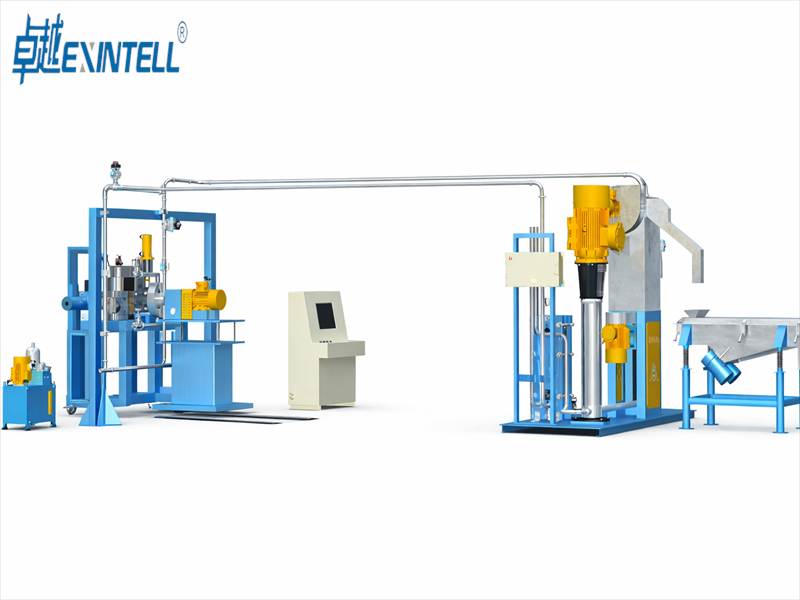
ຕາຕະລາງຂ້າງລຸ່ມນີ້ສະແດງໃຫ້ເຫັນວ່າແຕ່ລະຂັ້ນຕອນມີຜົນກະທົບຕໍ່ຄຸນນະພາບຂອງເມັດ:
|
ເວທີ |
ການປະກອບສ່ວນຕໍ່ຄຸນນະພາບເມັດ |
|---|---|
|
ການໃຫ້ອາຫານ |
ເອົານ້ໍາອອກແລະໄດ້ຮັບວັດສະດຸພ້ອມທີ່ຈະລະລາຍ. |
|
ການລະລາຍ |
ລະລາຍທຸກຢ່າງໃຫ້ເທົ່າກັນແລະເອົາຝຸ່ນອອກ. |
|
Extruding |
ປະສົມແລະເອົາອາກາດອອກ, ເຮັດໃຫ້ສຕິກທີ່ດີກວ່າ. |
|
ການຕັດ |
ເຮັດໃຫ້ແມ້ກະທັ້ງ pellets ສໍາລັບການນໍາໃຊ້ຈໍານວນຫຼາຍ. |
|
ຄວາມເຢັນ |
ຢຸດເມັດຈາກການຕິດແລະຮັກສາຮູບຮ່າງຂອງມັນ. |
ການຮູ້ວິທີການເຮັດວຽກຂອງລະບົບ pelletizing ໃຕ້ນ້ໍາຊ່ວຍໃຫ້ທ່ານສ້າງເມັດທີ່ດີທຸກໆຄັ້ງ.
Key Takeaways
-
ມັນເປັນສິ່ງສໍາຄັນທີ່ຈະຕາກແຫ້ງວັດຖຸດິບກ່ອນ. ການອົບແຫ້ງຊ່ວຍໃຫ້ພວກມັນລະລາຍໄດ້ດີຂຶ້ນ. ນີ້ຍັງຢຸດເຊົາບັນຫາໃນເມັດສຸດທ້າຍ.
-
ຮັກສາການໄຫຼເຂົ້າຂອງວັດສະດຸຢ່າງສະຫມໍ່າສະເຫມີໃນລະຫວ່າງການ pelletizing. ການໄຫຼເຂົ້າຢ່າງຕໍ່ເນື່ອງເຮັດໃຫ້ເມັດເຂົ້າກັນໄດ້ຫຼາຍຂຶ້ນ. ມັນຍັງຫຼຸດລົງໂອກາດຂອງຄວາມຜິດພາດ.
-
Watch the ອຸນຫະພູມຂອງແຜ່ນຕາຍ carefully. ອຸນຫະພູມທີ່ເຫມາະສົມຊ່ວຍໃຫ້ຮູບຮ່າງຂອງເມັດດີ. ມັນຍັງເຮັດໃຫ້ເມັດມີຄຸນນະພາບສູງ.
-
ກວດເບິ່ງແລະປ່ຽນມີດຫມຸນເລື້ອຍໆຢູ່ໃນຫ້ອງຕັດ. ມີດແຫຼມເຮັດໃຫ້ການຕັດທີ່ສະອາດ. ພວກເຂົາເຈົ້າຍັງຮັກສາຂະຫນາດເມັດດຽວກັນ. ນີ້ເຮັດໃຫ້ຄຸນນະພາບທີ່ດີກວ່າ.
-
ຄວບຄຸມອຸນຫະພູມນ້ໍາແລະການໄຫຼຢູ່ໃນຫ້ອງເຮັດຄວາມເຢັນ. ນີ້ເຮັດໃຫ້ເມັດຢູ່ໃນຮູບຮ່າງທີ່ດີ. ມັນຍັງຢຸດພວກເຂົາຈາກການຕິດ. ນີ້ຊ່ວຍໃຫ້ຂະບວນການເຮັດວຽກດີຂຶ້ນ.
ພາບລວມຂະບວນການ Pelletizing
ເຄື່ອງ Pelletizer ໃຕ້ນ້ໍາແມ່ນຫຍັງ?
ອັນ ເຄື່ອງຍ່ອຍໃຕ້ນ້ຳ ປ່ຽນພລາສຕິກທີ່ລະລາຍເປັນເມັດນ້ອຍໆ. ມັນ ຕັດເສັ້ນໄຍໂພລີເມີໃນຂະນະທີ່ພວກມັນຢູ່ໃຕ້ນ້ຳ. ນ້ໍາເຮັດໃຫ້ເມັດເຢັນທັນທີ. ນີ້ຊ່ວຍໃຫ້ພວກເຂົາຮັກສາຮູບຮ່າງແລະຄຸນນະພາບຂອງພວກເຂົາ. ວິທີການ pelletizing ອື່ນໆບໍ່ໄດ້ຕັດເມັດທີ່ໃບຫນ້າຕາຍ. ໄດ້ ຫ້ອງຕັດແມ່ນເຕັມໄປດ້ວຍນ້ໍາ. ນີ້ເຮັດໃຫ້ແຕ່ລະເມັດມົນແລະລຽບ. ຂະບວນການ pelletizing ໃຕ້ນ້ໍາຢຸດເຊົາການຜຸພັງ. ມັນຍັງຮັກສາເມັດຈາກການຕິດກັນ.
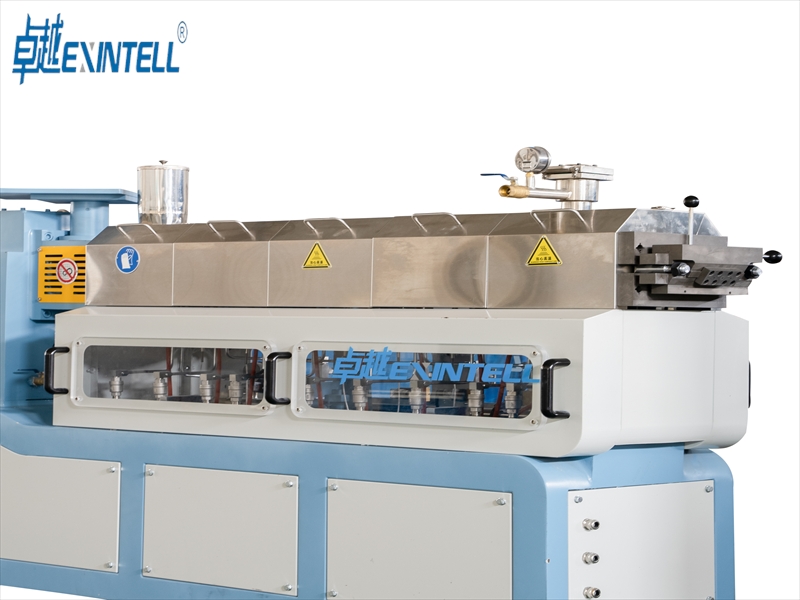
ໄດ້ ພາກສ່ວນຫຼັກຂອງເຄື່ອງຍ່ອຍໃຕ້ນ້ຳ ແມ່ນ:
-
ເຄື່ອງ extruder melts ແລະ pushes ພາດສະຕິກໄປຂ້າງຫນ້າ.
-
ຈານແຍ່ເຮັດຮູບຮ່າງຂອງໂພລີເມີລິເມີທີ່ລະລາຍອອກເປັນເສັ້ນ.
-
ຫ້ອງຕັດມີແຜ່ນໃບທີ່ຕັດ strands ເຂົ້າໄປໃນເມັດພາຍໃຕ້ນ້ໍາ.
ພາກສ່ວນເຫຼົ່ານີ້ເຮັດວຽກຮ່ວມກັນສໍາລັບຂະບວນການ pelletizing ໄວ. ວັດສະດຸຍ້າຍອອກຈາກແຜ່ນຕາຍ. ນ້ໍາໄຫລຜ່ານໃບຫນ້າຕາຍ. pelletizer ເລີ່ມຕົ້ນໃນລໍາດັບກໍານົດເວລາ. ນີ້ຈະຢຸດເຊົາການ pellets ຈາກການ clumping ແລະເຮັດໃຫ້ພວກເຂົາເປັນເອກະພາບ.
ຂະບວນການ Pelletizing ເຮັດວຽກແນວໃດ
ທ່ານປະຕິບັດຕາມ ຂັ້ນຕອນໃນລະບົບ pelletizing ໃຕ້ນ້ໍາ ເພື່ອເຮັດໃຫ້ເມັດທີ່ດີ. ທໍາອິດ, ທ່ານໄດ້ຮັບພລາສຕິກດິບກຽມພ້ອມແລະໃຫ້ອາຫານເຂົ້າໄປໃນລະບົບ extrusion. extruder ໄດ້ melts, ປະສົມ, ແລະເຮັດໃຫ້ອຸປະກອນການເຖິງແມ່ນວ່າ. ຕໍ່ໄປ, ໂພລີເມີທີ່ລະລາຍຈະຜ່ານແຜ່ນຕາຍ ແລະປະກອບເປັນສາຍ. ຂະບວນການ pelletizing ໃຕ້ນ້ໍາສືບຕໍ່ໄປໃນຂະນະທີ່ strands ເຂົ້າໄປໃນຫ້ອງຕັດ. ແຜ່ນໃບຄ້າຍຄືຫມູນວຽນຕັດ strands ເຂົ້າໄປໃນເມັດພາຍໃຕ້ນ້ໍາ. ນ້ໍາເຮັດໃຫ້ເມັດເຢັນທັນທີແລະຮັກສາຮູບຮ່າງຂອງມັນ.
ໄດ້ ຂະບວນການ pelletizing ແລ່ນຕະຫຼອດເວລາ. ນີ້ຊ່ວຍໃຫ້ໂຮງງານຜະລິດເມັດຫຼາຍ. ທ່ານໄດ້ຮັບຜົນຜະລິດສູງ, ເຄື່ອງທີ່ໃຊ້ເວລາດົນນານ, ແລະການນໍາໃຊ້ງ່າຍດາຍ. ລະບົບ pelletizing ໃຕ້ນ້ໍາຕ້ອງການພື້ນທີ່ຫນ້ອຍແລະນ້ໍາເຢັນ. ນີ້ຊ່ວຍປະຢັດພະລັງງານແລະຊ່ວຍສະພາບແວດລ້ອມ. ຂະບວນການດັ່ງກ່າວເຮັດໃຫ້ມີສຽງລົບກວນເລັກນ້ອຍແລະຮັກສາພື້ນທີ່ສະອາດ. ທ່ານຍັງໃຊ້ຈ່າຍຫນ້ອຍລົງໃນແຮງງານແລະການບໍາລຸງຮັກສາ.
ຕາຕະລາງຂ້າງລຸ່ມນີ້ສະແດງໃຫ້ເຫັນວ່າລະບົບການຍ່ອຍສະຫຼາຍພາຍໃຕ້ນ້ໍາຢ່າງຕໍ່ເນື່ອງຊ່ວຍໃຫ້ໂຮງງານຜະລິດໄດ້ແນວໃດ:
|
ຜົນປະໂຫຍດ |
ລາຍລະອຽດ |
|---|---|
|
ປະສິດທິພາບ |
ເຮັດໃຫ້ເມັດຫຼາຍສໍາລັບການຜະລິດພາດສະຕິກຂະຫນາດໃຫຍ່. |
|
ການບໍລິໂພກພະລັງງານ |
ໃຊ້ພະລັງງານຫນ້ອຍລົງແລະຄ່າໃຊ້ຈ່າຍຕ່ໍາ. |
|
ຄຸນະພາບເມັດ |
ເຮັດໃຫ້ເມັດຫຼາຍຍິ່ງຂຶ້ນແລະດີກວ່າ. |
|
ຄວາມຍືນຍົງ |
ຈັບພາດສະຕິກຫຼາຍ, ລວມທັງການນໍາໃຊ້ໃຫມ່. |
|
ອັດຕະໂນມັດ |
ຕັດເວລາຢຸດເຮັດວຽກ ແລະປັບປຸງປະສິດທິພາບດ້ວຍການຄວບຄຸມອັດສະລິຍະ. |
ທ່ານສາມາດເຮັດ ເຖິງ 77,000 lb/ຊມ ກັບລະບົບ pelletizing ໃຕ້ນ້ໍາ. ນີ້ເຮັດໃຫ້ຂະບວນການທີ່ຍິ່ງໃຫຍ່ສໍາລັບ ພາດສະຕິກທີ່ມີດັດຊະນີຄວາມລະລາຍສູງ ແລະວັດສະດຸພິເສດ. ລະບົບຮັກສາ oxidation ຕ່ໍາແລະໃຫ້ເມັດທີ່ມີຄຸນະພາບສູງສໍາລັບການນໍາໃຊ້ຫຼາຍ.
ການໃຫ້ອາຫານວັດສະດຸແລະການລະລາຍ
ການໃຫ້ອາຫານວັດຖຸດິບ
ທ່ານເລີ່ມຕົ້ນຂະບວນການ pelletizing ໂດຍການໃຫ້ອາຫານວັດຖຸດິບເຂົ້າໄປໃນລະບົບ. ລະບົບ pelletizing ໃຕ້ນ້ໍາສ່ວນໃຫຍ່ເຮັດວຽກກັບຫຼາຍປະເພດຂອງພາດສະຕິກ. ເຫຼົ່ານີ້ລວມມີ polymers thermoplastic ທົ່ວໄປ ເຊັ່ນ:
-
LDPE
-
LLDPE
-
HDPE
-
PP
-
EVA
-
PS
-
ຊານ
-
ABS
-
SB
-
PMMA
-
TPR
-
TPU
-
PC
-
TR
-
PVC
-
ໂພລີຄາບອນ
-
PBT
-
PB1
-
PET
-
SBS
-
SEBS
-
PA6
-
PA6.6
ທ່ານຕ້ອງໃຫ້ແນ່ໃຈວ່າພາດສະຕິກດິບສະອາດແລະແຫ້ງກ່ອນທີ່ທ່ານຈະເລີ່ມຕົ້ນ. ຄວາມຊຸ່ມຊື່ນສາມາດເຮັດໃຫ້ເກີດບັນຫາໃນລະຫວ່າງການຂະບວນການ. ການອົບແຫ້ງຊ່ວຍໃຫ້ທ່ານຫຼີກເວັ້ນຟອງແລະຂໍ້ບົກພ່ອງຂອງເມັດສຸດທ້າຍ. ການໃຫ້ອາຫານທີ່ສອດຄ່ອງແມ່ນກຸນແຈສໍາລັບຄຸນນະພາບເມັດທີ່ດີ. ຖ້າການໄຫຼເຂົ້າຂອງວັດສະດຸປ່ຽນແປງ, ເຈົ້າອາດຈະເຫັນ ຄວາມບໍ່ສອດຄ່ອງຂອງເມັດ. ນີ້ສາມາດເກີດຂື້ນໄດ້ຖ້າການຕາຍບໍ່ຖືກຕ້ອງຫຼືຖ້າຜົນຜະລິດປ່ຽນແປງຫຼາຍເກີນໄປ. ອາຫານຄົງທີ່ຈະຊ່ວຍໃຫ້ທ່ານໄດ້ຮັບເມັດທີ່ເປັນເອກະພາບທຸກຄັ້ງ.
ເຄັດລັບ: ກວດເບິ່ງຂອງທ່ານຢູ່ສະ ເໝີ ລະບົບການໃຫ້ອາຫານ ເພື່ອຮັກສາຂະບວນການຄົງທີ່ແລະປັບປຸງຄວາມສອດຄ່ອງຂອງເມັດ.
ການລະລາຍແລະການເປັນເອກະພາບ
ເມື່ອທ່ານໃຫ້ອາຫານພາດສະຕິກ, screw extruder ຫຼືປັ໊ມ melt ໃຊ້ເວລາຫຼາຍກວ່າ. The screw moves the plastics forward and heats them. As the plastics melt, screw ປະສົມໃຫ້ເຂົາເຈົ້າເຂົ້າໄປໃນກ້ຽງ, even mass. This step is important for the process because it makes sure all polymers melt the same way. ໄດ້ Maddock mechanism shows that melting happens as a thin film forms and gets scraped off. ນີ້ຊ່ວຍໃຫ້ທ່ານໄດ້ຮັບການລະລາຍເປັນເອກະພາບ.
The design of the screw affects how well the plastics mix. ສະກູທີ່ຍາວກວ່າເຮັດໃຫ້ການປະສົມທີ່ດີຂຶ້ນ ແລະເຮັດໃຫ້ການລະລາຍຫຼາຍຂຶ້ນ. Studies show that the screw and die design control the flow and pressure. This is important for making sure the melt is the same all the way through. When you get good mixing, ທ່ານປັບປຸງຄຸນນະພາບເມັດແລະເຮັດໃຫ້ຂະບວນການທີ່ເຊື່ອຖືໄດ້ຫຼາຍ.
|
ຄຸນນະສົມບັດການອອກແບບ Screw |
ຜົນກະທົບຕໍ່ຂະບວນການແລະຄຸນນະພາບ |
|---|---|
|
ອັດຕາສ່ວນ L/D ຍາວກວ່າ |
|
|
ກົນໄກ Maddock |
ເຖິງແມ່ນວ່າການໄຫຼຂອງໂພລີເມີທີ່ລະລາຍແລະກ້ຽງ |
|
ການອອກແບບ Die ແລະ Pump ທີ່ເຫມາະສົມ |
ການໄຫຼເຂົ້າຄົງທີ່ແລະປັບປຸງຄວາມສອດຄ່ອງຂອງເມັດ |
ທ່ານຕ້ອງການຂັ້ນຕອນການລະລາຍທີ່ຖືກອອກແບບຢ່າງດີເພື່ອຮັກສາຂະບວນການ pelletizing ລຽບ. ນີ້ຊ່ວຍໃຫ້ທ່ານຕອບສະຫນອງຄວາມ ຄວາມຕ້ອງການດ້ານຄຸນນະພາບທີ່ເຄັ່ງຄັດ ຂອງອຸດສາຫະກໍາພາດສະຕິກ.
ການດໍາເນີນງານຂອງ Extrusion ແລະ Die Plate
Extruding Molten Polymer
ຫຼັງຈາກພາດສະຕິກ melt, ທ່ານຍ້າຍໄປຂັ້ນຕອນຕໍ່ໄປ. ໄດ້ extruder pushes ພາດສະຕິກ melted ໄປສູ່ແຜ່ນຕາຍ. ອັນນີ້ເຮັດໃຫ້ວັດສະດຸທີ່ລະລາຍອອກເປັນເສັ້ນບາງໆ. ນີ້ແມ່ນວິທີການເຮັດວຽກ:
-
ເອົາພາດສະຕິກດິບເຂົ້າໄປໃນ hopper ການໃຫ້ອາຫານ.
-
ປ້ອນພາດສະຕິກເຂົ້າໄປໃນ extruder ເພື່ອໃຫ້ພວກມັນລະລາຍ.
-
extruder ສົ່ງພາດສະຕິກ melted ກັບແຜ່ນຕາຍ.
-
ປັ໊ມເກຍສາມາດຊ່ວຍຮັກສາການໄຫຼໄດ້ຢ່າງຕໍ່ເນື່ອງ.
-
ພາດສະຕິກທີ່ລະລາຍຈະຜ່ານຮູຢູ່ໃນແຜ່ນທີ່ຕາຍແລ້ວແລະເຮັດໃຫ້ເສັ້ນບາງໆ.
-
ແຜ່ນໃບຄ້າຍຄືຫມູນວຽນຕັດ strands ເຂົ້າໄປໃນເມັດ.
-
ນ້ໍາເຮັດໃຫ້ເມັດເຢັນທັນທີເພື່ອໃຫ້ພວກເຂົາບໍ່ຕິດ.
ທ່ານຕ້ອງຮັກສາຂະບວນການຢ່າງສະຫມໍ່າສະເຫມີເພື່ອໃຫ້ໄດ້ແມ້ກະທັ້ງເມັດ. ການຕັດແມ່ນໃຊ້ອັດຕາການຕັດສູງ. ແຂບມີດຍູ້ເຂົ້າໄປໃນໂພລີເມີແລະເພີ່ມຄວາມກົດດັນ. ໃນເວລາທີ່ຄວາມກົດດັນແມ່ນສູງພຽງພໍ, strand breaks ສະອາດ. ນີ້ເຮັດໃຫ້ເມັດກ້ຽງແລະຮອບ. ຂະບວນການນີ້ເຮັດວຽກສໍາລັບພາດສະຕິກຫຼາຍຊະນິດ.
ການທໍາງານຂອງແຜ່ນ Die ໃນ Pelletizing
ແຜ່ນຕາຍມີຄວາມສໍາຄັນຫຼາຍໃນການ pelletizing. ມັນສ້າງຮູບຮ່າງຂອງພາດສະຕິກທີ່ລະລາຍແລະຄວບຄຸມຂະຫນາດເມັດ. ທ່ານຕ້ອງຮັກສາແຜ່ນຕາຍຢູ່ໃນອຸນຫະພູມທີ່ເຫມາະສົມ. ຖ້າມັນເຢັນເກີນໄປ, ເມັດເມັດອາດຈະບໍ່ປະກອບໄດ້ດີ. ຖ້າມັນຮ້ອນເກີນໄປ, ເມັດສາມາດຕິດຫຼືສູນເສຍຮູບຮ່າງ. ແຜ່ນຕາຍຍັງຮັກສາຂະບວນການທີ່ຫມັ້ນຄົງແລະເຮັດໃຫ້ເມັດມີຄວາມເປັນເອກະພາບ.
ເຄັດລັບ: ໃຊ້ເຄື່ອງເຮັດຄວາມຮ້ອນທີ່ສ້າງຂຶ້ນໃນແຜ່ນຕາຍເພື່ອຮັກສາອຸນຫະພູມທີ່ດີທີ່ສຸດສໍາລັບພາດສະຕິກຂອງທ່ານ.
ຕາຕະລາງຂ້າງລຸ່ມນີ້ສະແດງໃຫ້ເຫັນວິທີການ ອຸນຫະພູມແຜ່ນ ຜົນກະທົບຕໍ່ຄຸນນະພາບເມັດ:
|
ການຄົ້ນພົບທີ່ສໍາຄັນ |
ລາຍລະອຽດ |
|---|---|
|
ອິດທິພົນຕໍ່ອຸນຫະພູມ |
ອຸນຫະພູມແຜ່ນ Die ປ່ຽນແປງວິທີການຜູກມັດວັດສະດຸແລະປະກອບເປັນເມັດ. |
|
ການປ່ຽນແປງວັດສະດຸ |
ພາດສະຕິກທີ່ແຕກຕ່າງກັນຕ້ອງການອຸນຫະພູມຕາຍທີ່ແຕກຕ່າງກັນເພື່ອໃຫ້ໄດ້ຜົນທີ່ດີທີ່ສຸດ. |
|
ຜົນກະທົບຂອງອຸນຫະພູມຕໍ່າ |
ອຸນຫະພູມການຕາຍຕ່ໍາສາມາດເຮັດໃຫ້ເມັດທີ່ບໍ່ດີແລະບັນຫາເຄື່ອງຈັກ. |
|
ຍຸດທະສາດການເພີ່ມປະສິດທິພາບ |
ເຄື່ອງເຮັດຄວາມຮ້ອນໃນຈານຕາຍເຮັດໃຫ້ການດູດຊຶມດີຂື້ນ. |
ທ່ານຕ້ອງສັງເກດເບິ່ງອຸນຫະພູມແຜ່ນຕາຍໃນລະຫວ່າງການຂະບວນການ. ນີ້ຊ່ວຍໃຫ້ທ່ານໄດ້ຮັບຮູບຮ່າງແລະຂະຫນາດທີ່ດີທີ່ສຸດຂອງເມັດ. ການຄວບຄຸມທີ່ດີຂອງແຜ່ນຕາຍໃຫ້ທ່ານມີຄຸນນະພາບສູງ pellets ທຸກຄັ້ງ. ແຕ່ລະພາກສ່ວນຕ້ອງເຮັດວຽກຮ່ວມກັນເພື່ອໃຫ້ຂະບວນການ pelletizing ປະສົບຜົນສໍາເລັດ.
ລະບົບ Pelletizing ໃຕ້ນ້ໍາ: ການຕັດແລະການເຮັດຄວາມເຢັນ
Rotating ມີດສະພາແຫ່ງ
ທ່ານເຂົ້າເຖິງຫົວໃຈຂອງລະບົບ pelletizing underwater ໃນເວລາທີ່ທ່ານເຫັນການປະກອບມີດ rotating ໃນການປະຕິບັດ. ສ່ວນຫນຶ່ງຂອງຂະບວນການນີ້ຕັດພາດສະຕິກ molten ເປັນຂະຫນາດນ້ອຍ, ແມ້ແຕ່ເມັດເປັນວັດສະດຸທີ່ອອກຈາກແຜ່ນຕາຍ. ມີດຫມຸນຢ່າງໄວວາແລະຢູ່ໃຕ້ນ້ໍາຕະຫຼອດເວລາ. ຂະບວນການ pelletizing ໃຕ້ນ້ໍານີ້ເຮັດໃຫ້ທ່ານມີຜົນປະໂຫຍດທີ່ສໍາຄັນຈໍານວນຫນຶ່ງ:
-
ມີດໝູນວຽນຕັດພລາສຕິກອອກເປັນເມັດທັນທີເມື່ອມັນເຂົ້າໄປໃນຫ້ອງນໍ້າ.
-
ນ້ໍາເຢັນແລະເຮັດໃຫ້ເມັດແຂງທັນທີ, ເຊິ່ງຊ່ວຍຄວບຄຸມຂະຫນາດຂອງເຂົາເຈົ້າ.
-
ການຕັ້ງຄ່າໃຕ້ນ້ໍາເຮັດໃຫ້ເມັດບໍ່ຕິດກັນແລະເຮັດໃຫ້ພວກມັນຮອບແລະລຽບ.
-
ມີດເຮັດວຽກຢູ່ໃຕ້ນ້ຳສະເໝີ, ດັ່ງນັ້ນທຸກໆເມັດໄດ້ຮັບຄວາມເຢັນ.
ທ່ານຈໍາເປັນຕ້ອງເອົາໃຈໃສ່ກັບຄວາມຄົມຊັດແລະການຕິດຕັ້ງຂອງມີດ. ມີດແຫຼມຕັດພລາສຕິກໃຫ້ສະອາດ, ໃຫ້ທ່ານເມັດທີ່ມີຂະຫນາດດຽວກັນທັງຫມົດ. ຖ້າມີດຈືດໆ, ທ່ານອາດຈະເຫັນເມັດທີ່ມີຫາງຫຼືຕ່ອງໂສ້, ເຊິ່ງເຮັດໃຫ້ຄຸນນະພາບຕໍ່າລົງ. ຄວາມໄວຂອງມີດສຳຄັນໜ້ອຍກວ່າຄວາມຄົມຊັດ, ແຕ່ທ່ານຍັງຕ້ອງດຸ່ນດ່ຽງຄວາມໄວແລະຄວາມກົດດັນເພື່ອໃຫ້ໄດ້ຜົນທີ່ດີທີ່ສຸດ. ເມື່ອທ່ານຕັ້ງການຕິດຕໍ່ມີດໃຫ້ຕາຍແລ້ວ, ເຈົ້າສະອາດ, ເມັດກະບອກ. ຂັ້ນຕອນນີ້ໃນຂະບວນການ pelletizing ຊ່ວຍໃຫ້ທ່ານຮັກສາການຜະລິດປະສິດທິພາບແລະ pellets ຂອງທ່ານສອດຄ່ອງ.
ເຄັດລັບ: ກວດເບິ່ງມີດຂອງເຈົ້າເລື້ອຍໆ ແລະປ່ຽນມັນເມື່ອພວກມັນຈືດໆ. ນີ້ເຮັດໃຫ້ລະບົບ pelletizing ໃຕ້ນ້ໍາຂອງທ່ານເຮັດວຽກໄດ້ກ້ຽງແລະ pellets ຂອງທ່ານເປັນເອກະພາບ.
ຫ້ອງນ້ໍາແລະເຄື່ອງເຮັດຄວາມເຢັນ Pellet
ຫ້ອງນ້ໍາແມ່ນສ່ວນຫນຶ່ງທີ່ສໍາຄັນຂອງລະບົບ pelletizing ໃຕ້ນ້ໍາ. ທັນທີທີ່ມີດ rotating ຕັດເມັດ, ພວກເຂົາເຈົ້າລົງເຂົ້າໄປໃນຫ້ອງນ້ໍາ. ນ້ໍາເຮັດໃຫ້ເມັດເຢັນທັນທີ, ດັ່ງນັ້ນເຂົາເຈົ້າຮັກສາຮູບຮ່າງຂອງເຂົາເຈົ້າແລະບໍ່ຕິດກັນ. ເຈົ້າຕ້ອງໃຊ້ສະອາດ, ນ້ໍາ demineralized ເພື່ອຫຼີກເວັ້ນການເຮັດໃຫ້ຈຸດຫຼືເຄື່ອງຫມາຍກ່ຽວກັບເມັດ. ນ້ໍາຍັງຊ່ວຍເອົາເມັດອອກຈາກພື້ນທີ່ຕັດ.
ຕາຕະລາງຂ້າງລຸ່ມນີ້ສະແດງໃຫ້ເຫັນວິທີການເຮັດວຽກຂອງຫ້ອງນ້ໍາ ໃນຂະບວນການ pelletizing ໃຕ້ນ້ໍາ:
|
ຂັ້ນຕອນ |
ລາຍລະອຽດ |
|---|---|
|
ການຕັດ |
ແຜ່ນໃບຄ້າຍຄືຫມູນວຽນຕັດເສັ້ນດ້າຍອອກເປັນເມັດໃນຂະນະທີ່ພວກມັນອອກຈາກການຕາຍ. ນີ້ເກີດຂື້ນພາຍໃຕ້ນ້ໍາເພື່ອເຮັດໃຫ້ເມັດເຢັນແລະແຂງທັນທີ. |
|
ຄວາມເຢັນ & ການຂົນສົ່ງ |
ອາບນ້ໍາເຮັດໃຫ້ເມັດເຢັນຫຼາຍຂຶ້ນແລະຍ້າຍພວກມັນໄປສູ່ຂັ້ນຕອນຕໍ່ໄປສໍາລັບການແຫ້ງແລະການກວດສອບ. |
ທ່ານຈໍາເປັນຕ້ອງຄວບຄຸມອຸນຫະພູມນ້ໍາແລະອັດຕາການໄຫຼສໍາລັບການເຢັນທີ່ດີທີ່ສຸດ. ລະບົບ pelletizing ໃຕ້ນ້ໍາສ່ວນໃຫຍ່ຮັກສານ້ໍາລະຫວ່າງ 20 ° C ແລະ 40 ° C. ຊ່ວງນີ້ໃຊ້ໄດ້ກັບພລາສຕິກຫຼາຍຊະນິດ. ຖ້າທ່ານໃຊ້ໂພລີເມີຊຽມ semicrystalline, ທ່ານອາດຈະຕ້ອງປັບອັດຕາຄວາມເຢັນເພື່ອໃຫ້ໄດ້ໂຄງສ້າງຜລຶກທີ່ຖືກຕ້ອງ. ນ້ຳຕ້ອງເຄື່ອນທີ່ໄວພໍທີ່ຈະເອົາຄວາມຮ້ອນອອກ ແຕ່ບໍ່ໄວຈົນທຳລາຍເມັດພືດ. ລະບົບສ່ວນໃຫຍ່ໃຫ້ເມັດ 10 ກັບ 30 ວິນາທີໃນອາບນ້ໍາ. ເວລານີ້ແມ່ນພຽງພໍທີ່ຈະເຮັດໃຫ້ພວກມັນເຢັນໂດຍບໍ່ເຮັດໃຫ້ພວກມັນແຕກ.
ໝາຍເຫດ: ສະເຫມີກວດເບິ່ງອຸນຫະພູມນ້ໍາແລະການໄຫຼໃນລະບົບ pelletizing ໃຕ້ນ້ໍາຂອງທ່ານ. ການຄວບຄຸມທີ່ດີຫມາຍເຖິງຄຸນນະພາບເມັດທີ່ດີກວ່າແລະບັນຫາຫນ້ອຍລົງຕໍ່ມາ.
ການຂົນສົ່ງເມັດໃນນ້ໍາ
ຫຼັງຈາກເຢັນ, ລະບົບ pelletizing ໃຕ້ນ້ໍາໃຊ້ນ້ໍາເພື່ອຍ້າຍ pellets ໄປສູ່ພື້ນທີ່ແຫ້ງ. ນ້ໍາເອົາເມັດເຂົ້າໄປໃນ slurry, ຊຶ່ງຫມາຍຄວາມວ່າ pellets ລອຍແລະເດີນທາງກັບການໄຫຼຂອງນ້ໍາ. ວິທີນີ້ເຮັດໃຫ້ເມັດບໍ່ຕິດກັນ ຫຼືເກັບຂີ້ຝຸ່ນ. ໃບໜ້າຕາຍ ແລະເຄື່ອງຕັດໝຸນຢູ່ໃຕ້ນ້ຳ, ດັ່ງນັ້ນເມັດພືດເຄື່ອນທີ່ໄວແລະເຢັນ.
ທ່ານຕັ້ງລະບົບນ້ໍາກ່ອນທີ່ທ່ານຈະເລີ່ມຕົ້ນຂະບວນການ pelletizing. ທ່ານໃຫ້ແນ່ໃຈວ່າປັ໊ມນ້ໍາແລະເຄື່ອງກອງເຮັດວຽກໄດ້ດີ. ນອກນັ້ນທ່ານຍັງກວດເບິ່ງນ້ໍາຄົງທີ່ຈະແຈ້ງແລະຢູ່ໃນອຸນຫະພູມທີ່ເຫມາະສົມ. ຜູ້ປະກອບການສັງເກດເບິ່ງລະບົບໃນລະຫວ່າງການຜະລິດເພື່ອຮັກສາທຸກສິ່ງທຸກຢ່າງເຮັດວຽກໄດ້ອຍ່າງລຽບງ່າຍ. ຄວາມເລິກຂອງນ້ໍາຢູ່ໃນຫ້ອງຊ່ວຍຄວບຄຸມຄວາມໄວຂອງເມັດພືດ. ຖ້ານ້ໍາຕື້ນເກີນໄປ, ເມັດເມັດອາດຈະບໍ່ເຢັນພຽງພໍ. ຖ້າມັນເລິກເກີນໄປ, ພວກເຂົາອາດຈະຢູ່ໃນນ້ໍາດົນເກີນໄປແລະເຢັນເກີນໄປ.
-
ນ້ໍາເອົາເມັດໄປສູ່ຂັ້ນຕອນ dewatering ແລະເວລາແຫ້ງ.
-
ທ່ານຕິດຕາມກວດກາການໄຫຼຂອງນ້ໍາເພື່ອເຮັດໃຫ້ແນ່ໃຈວ່າເມັດຍ້າຍໃນຄວາມໄວທີ່ເຫມາະສົມ.
-
ການກວດສອບປົກກະຕິກ່ຽວກັບປັ໊ມແລະການກັ່ນຕອງເຮັດໃຫ້ນ້ໍາສະອາດແລະຂະບວນການທີ່ມີປະສິດທິພາບ.
ໄດ້ ລະບົບ pelletizing ໃຕ້ນ້ໍາ ໃຫ້ທ່ານມີວິທີການທີ່ເຊື່ອຖືໄດ້ເພື່ອເຮັດໃຫ້ເມັດມີຄຸນນະພາບສູງ. ທ່ານໄດ້ຮັບຄວາມເຢັນເຖິງແມ່ນວ່າ, ການຂົນສົ່ງລຽບ, ແລະໂອກາດຂອງຂໍ້ບົກພ່ອງຫນ້ອຍ. ຂະບວນການນີ້ຊ່ວຍໃຫ້ທ່ານສາມາດຕອບສະຫນອງຄວາມຕ້ອງການຂອງອຸດສາຫະກໍາຈໍານວນຫຼາຍແລະເຮັດໃຫ້ສາຍການຜະລິດຂອງທ່ານເຮັດວຽກໄດ້ດີ.
ການອົບແຫ້ງ, ການຫຸ້ມຫໍ່, ແລະການເຊື່ອມໂຍງລະບົບ
ຂະບວນການອົບແຫ້ງເມັດ
ຫຼັງຈາກ pellets ເຢັນໃນລະບົບ pelletizing underwater, ທ່ານຕ້ອງຕາກໃຫ້ແຫ້ງ. ການອົບແຫ້ງເອົານ້ໍາທີ່ເຫລືອຢູ່ໃນເມັດ. ນີ້ຊ່ວຍໃຫ້ທ່ານປະຕິບັດຕາມກົດລະບຽບທີ່ມີຄຸນນະພາບແລະຢຸດບັນຫາໃນພາຍຫລັງ. ວິທີທີ່ດີທີ່ສຸດໃນການແຫ້ງເມັດແມ່ນດ້ວຍ ອາກາດຮ້ອນ. ອາກາດຮ້ອນເຮັດວຽກດີກວ່າອາກາດເຢັນຫຼືພຽງແຕ່ປ່ອຍໃຫ້ນ້ໍາລະບາຍ. ນອກນັ້ນທ່ານຍັງສາມາດໃຊ້ dewatering ນ້ໍາຮ້ອນເພື່ອເຮັດໃຫ້ເມັດແຫ້ງໄວ.
ຖ້າເມັດຍັງມີນ້ໍາ, ທ່ານອາດຈະໄດ້ຮັບ ອຸນຫະພູມການປ່ຽນແປງແກ້ວຕ່ໍາ. ເມັດສາມາດໄຫຼແຕກຕ່າງກັນແລະມີບັນຫາການຫຸ້ມຫໍ່. ສະເຫມີໃຫ້ແນ່ໃຈວ່າເຄື່ອງອົບແຫ້ງຂອງເຈົ້າເຮັດວຽກໄດ້ດີເພື່ອຮັກສາຄຸນນະພາບເມັດພືດໃຫ້ສູງ.
ນີ້ແມ່ນຕາຕະລາງທີ່ສະແດງໃຫ້ເຫັນສິ່ງທີ່ສາມາດປ່ຽນເວລາແຫ້ງຫຼັງຈາກຄວາມເຢັນພາຍໃຕ້ນ້ໍາ:
|
ປັດໄຈ |
ລາຍລະອຽດ |
|---|---|
|
ການຕິດຕໍ່ມີດເຖິງຕາຍ |
ການຕິດຕໍ່ທີ່ບໍ່ດີສາມາດເຮັດໃຫ້ເກີດຄວາມຜິດປົກກະຕິແລະປ່ອຍໃຫ້ນ້ໍາຫຼາຍ. |
|
ແຮງດັນ |
ການປ່ຽນແປງວິທີການຕັດເມັດແລະນ້ໍາຄົງຢູ່. |
|
ຄວາມໄວຕັດ |
ປ່ຽນແປງຂະໜາດເມັດ ແລະເວລາແຫ້ງແລ້ງໃຊ້ເວລາດົນປານໃດ. |
|
ນັບມີດ |
ມີດຫຼາຍສາມາດຊ່ວຍຫຼຸດນໍ້າໃນເມັດໄດ້. |
|
ຄວາມສອດຄ່ອງຂອງການໄຫຼ |
ການໄຫຼຂອງນ້ໍາບໍ່ສະຫມໍ່າສະເຫມີຫມາຍຄວາມວ່ານ້ໍາຫຼາຍຢູ່ໃນເມັດ. |
|
ການຄວບຄຸມອຸນຫະພູມ |
ການຄວບຄຸມທີ່ດີຈະຊ່ວຍໃຫ້ເມັດແຫ້ງດີກວ່າ. |
|
ປະສິດທິພາບເຄື່ອງອົບແຫ້ງ |
ເຄື່ອງອົບແຫ້ງທີ່ດີກວ່າເຮັດໃຫ້ເມັດແຫ້ງ. |
ການຫຸ້ມຫໍ່ສໍາເລັດຮູບເມັດ
ເມື່ອເມັດແຫ້ງ, ທ່ານຍ້າຍພວກມັນໄປສູ່ການຫຸ້ມຫໍ່. ລະບົບການຫຸ້ມຫໍ່ອັດຕະໂນມັດ ຊ່ວຍໃຫ້ທ່ານຫຸ້ມຫໍ່ເມັດໄດ້ໄວແລະປອດໄພ. ເຄື່ອງເຫຼົ່ານີ້ມີນໍ້າໜັກ, ຕື່ມ, ປະທັບຕາ, ແລະ stack ຖົງດ້ວຍການຊ່ວຍເຫຼືອພຽງເລັກນ້ອຍ. ທ່ານຕ້ອງການພຽງແຕ່ຫນຶ່ງຫຼືສອງຄົນເພື່ອເບິ່ງເຄື່ອງຈັກ. ນີ້ຊ່ວຍປະຢັດເງິນແລະເຮັດໃຫ້ພືດຂອງທ່ານເຮັດວຽກໄດ້ດີ. ທ່ານຈະສູນເສຍວັດສະດຸຫນ້ອຍລົງແລະຮັກສາຄຸນນະພາບເມັດໃຫ້ສູງ.
ຖ້າຫາກວ່າທ່ານນໍາໃຊ້ອຸປະກອນການ hygroscopic, ທ່ານຕ້ອງຄວບຄຸມຄວາມຊຸ່ມຊື່ນຂອງອາກາດ. ນອກນັ້ນທ່ານຍັງຈໍາເປັນຕ້ອງເລືອກເອົາການຫຸ້ມຫໍ່ທີ່ເຫມາະສົມເພື່ອຮັກສານ້ໍາອອກ. ຂັ້ນຕອນນີ້ເຮັດໃຫ້ເມັດມີຄວາມປອດໄພ ແລະພ້ອມທີ່ຈະໃຊ້.
ການເຊື່ອມໂຍງລະບົບແລະຄວາມຫນ້າເຊື່ອຖື
ທ່ານຕ້ອງເຊື່ອມຕໍ່ຂອງທ່ານ ລະບົບ pelletizing ໃຕ້ນ້ໍາ ກັບເຄື່ອງອື່ນໆໃນໂຮງງານຂອງທ່ານ. ນີ້ຫມາຍຄວາມວ່າການຈັບຄູ່ຄວາມໄວຂອງ pelletizer ກັບ extruder ແລະ dryer. ນອກນັ້ນທ່ານຍັງຈໍາເປັນຕ້ອງໄດ້ກວດສອບຄຸນນະພາບຂອງເມັດໃນທຸກຂັ້ນຕອນ. ຖ້າທ່ານເຫັນຝຸ່ນຫຼືເມັດທີ່ບໍ່ສະເຫມີກັນ, ເຈົ້າສາມາດມີບັນຫາຕໍ່ມາ. ບັນຫາເຫຼົ່ານີ້ລວມມີ ເຄື່ອງອົບແຫ້ງ ຫຼືບັນຫາໃນການໃຫ້ອາຫານເມັດ.
ຈຸດສໍາຄັນສໍາລັບການຕິດຕັ້ງລະບົບທີ່ດີແມ່ນ:
-
ຮູ້ຈັກຄຸນສົມບັດຂອງວັດສະດຸຂອງທ່ານ
-
ການຈັບຄູ່ຫຼາຍປານໃດທີ່ທ່ານເຮັດກັບເຄື່ອງຈັກອື່ນໆ
-
ຮັກສາຂະໜາດ ແລະຮູບຮ່າງຂອງເມັດໃຫ້ຄືກັນ
-
ການວາງແຜນການແກ້ໄຂງ່າຍແລະຄ່າໃຊ້ຈ່າຍຕ່ໍາ
ໃນເວລາທີ່ທ່ານດູແລລະບົບ pelletizing ໃຕ້ນ້ໍາຂອງທ່ານ, ທ່ານໄດ້ຮັບຄຸນນະພາບຜະລິດຕະພັນທີ່ດີກວ່າແລະເມັດຫຼາຍ. ທ່ານຍັງໄດ້ຮັບຂໍ້ບົກພ່ອງຫນ້ອຍແລະອັດຕະໂນມັດທີ່ດີກວ່າກ່ວາການ strand pelletizing.
ຄໍາຮ້ອງສະຫມັກອຸດສາຫະກໍາທົ່ວໄປ
ອຸດສາຫະກໍາຈໍານວນຫຼາຍໃຊ້ລະບົບ pelletizing ໃຕ້ນ້ໍາ. ໄດ້ ອຸດສາຫະກໍາລົດ ໃຊ້ພວກມັນສໍາລັບເມັດທີ່ມີແສງສະຫວ່າງແລະແຂງແຮງ. ອຸດສາຫະກໍາການກໍ່ສ້າງຕ້ອງການ pellets ທີ່ດີສໍາລັບການ insulation ແລະຊັ້ນ. ອຸດສາຫະກໍາການຫຸ້ມຫໍ່ໃຊ້ລະບົບເຫຼົ່ານີ້ສໍາລັບອາຫານແລະສິນຄ້າອື່ນໆ. ອຸດສາຫະກໍາເອເລັກໂຕຣນິກໃຊ້ພວກມັນສໍາລັບຊິ້ນສ່ວນແລະການປົກຫຸ້ມ.
ທ່ານເຫັນຜົນປະໂຫຍດຂອງ pelletizers ໃຕ້ນ້ໍາໃນທຸກອຸດສາຫະກໍາ. ເທກໂນໂລຍີ pelletizing ໃຕ້ນ້ໍາໃຫ້ຄຸນນະພາບທີ່ດີກວ່າ, ເມັດຫຼາຍ, ແລະການຜະລິດທີ່ເຊື່ອຖືໄດ້ຫຼາຍ. ລະບົບເຫຼົ່ານີ້ຊ່ວຍໃຫ້ທ່ານປະຕິບັດຕາມກົດລະບຽບທີ່ເຄັ່ງຄັດແລະສືບຕໍ່ເດີນຫນ້າໃນຕະຫຼາດ.
ໃນເວລາທີ່ທ່ານນໍາໃຊ້ລະບົບ pelletizing ໃຕ້ນ້ໍາ, ທ່ານປະຕິບັດຕາມຂັ້ນຕອນທີ່ງ່າຍດາຍ. ທຸກໆຂັ້ນຕອນແມ່ນສໍາຄັນສໍາລັບການເຮັດເມັດທີ່ດີ. ທໍາອິດ, ທ່ານໃຫ້ອາຫານຢາງແລະລະລາຍມັນ. ຈາກນັ້ນ, ທ່ານຮູບຮ່າງຂອງພາດສະຕິກ melted ເປັນ strands. ຫຼັງຈາກນັ້ນ, ເຈົ້າ ຕັດແລະເຢັນເມັດ ໃນນ້ໍາ. ຕໍ່ໄປ, ທ່ານຕາກແຫ້ງເມັດແລະໃຫ້ພວກເຂົາກຽມພ້ອມສໍາລັບການຫຸ້ມຫໍ່. ລະບົບເຫຼົ່ານີ້ຊ່ວຍໃຫ້ທ່ານສ້າງເມັດທີ່ດີກວ່າ, ເຮັດວຽກໄວຂຶ້ນ, ແລະຈັດການພລາສຕິກຫຼາຍປະເພດ. ຕາຕະລາງຂ້າງລຸ່ມນີ້ອະທິບາຍວ່າເປັນຫຍັງໂຮງງານຈຶ່ງມັກລະບົບເມັດຍ່ອຍໃຕ້ນ້ໍາ:
|
ຜົນປະໂຫຍດ |
ລາຍລະອຽດ |
|---|---|
|
ເຮັດໃຫ້ຫຼາຍເມັດໄວ |
|
|
ປະຫຍັດເງິນໃນແຕ່ລະເມັດ |
|
|
ເຕັກໂນໂລຊີຫລ້າສຸດ |
ເຮັດໃຫ້ຂະບວນການທີ່ດີກວ່າແລະເມັດມີຄຸນນະພາບສູງຂຶ້ນ |
ໂຮງງານສາມາດນັບໄດ້ກ່ຽວກັບລະບົບ pelletizing underwater ເຮັດວຽກໄດ້ດີທຸກຄັ້ງ.
FAQ
ທ່ານສາມາດນໍາໃຊ້ພາດສະຕິກໃດໃນເຄື່ອງຍ່ອຍໃຕ້ນ້ໍາ?
ທ່ານສາມາດນໍາໃຊ້ຈໍານວນຫຼາຍ ປະເພດຂອງພາດສະຕິກ, ເຊັ່ນ PE, PP, PET, PVC, ແລະ ABS. thermoplastics ສ່ວນໃຫຍ່ເຮັດວຽກໄດ້ດີໃນລະບົບເຫຼົ່ານີ້. ກວດເບິ່ງຈຸດລະລາຍ ແລະຄຸນສົມບັດການໄຫຼຂອງວັດສະດຸຂອງເຈົ້າສະເໝີກ່ອນທີ່ຈະເລີ່ມ.
ເຈົ້າຮັກສາເມັດບໍ່ຕິດກັນໄດ້ແນວໃດ?
ທ່ານຮັກສາເມັດຈາກການຕິດດ້ວຍການຕັດແລະເຮັດໃຫ້ພວກມັນເຢັນລົງໃຕ້ນ້ໍາ. ນ້ໍາເຮັດໃຫ້ເມັດເຢັນໄວ. ຂັ້ນຕອນນີ້ຈະຊ່ວຍໃຫ້ແຕ່ລະເມັດຮັກສາຮູບຮ່າງຂອງມັນແລະຢູ່ແຍກຕ່າງຫາກ.
ເປັນຫຍັງການແຫ້ງເມັດຈຶ່ງສໍາຄັນ?
ການອົບແຫ້ງເອົານ້ໍາອອກຈາກພື້ນຜິວເມັດ. ຖ້າທ່ານຂ້າມການແຫ້ງ, ເມັດເມັດອາດເປັນກ້ອນ ຫຼືເຮັດໃຫ້ເກີດບັນຫາໃນຂັ້ນຕອນຕໍ່ມາ. ເມັດແຫ້ງເກັບຮັກສາແລະຈັດການທີ່ດີກວ່າ.
ທ່ານຄວນກວດເບິ່ງການປະກອບມີດເລື້ອຍໆເທົ່າໃດ?
ທ່ານຄວນຈະກວດສອບການປະກອບມີດທຸກການປ່ຽນແປງຫຼືຫຼັງຈາກຈໍານວນທີ່ກໍານົດໄວ້ຂອງຊົ່ວໂມງ. ມີດຈືດເຮັດໃຫ້ເມັດບໍ່ສະເຫມີກັນ. ການກວດສອບປົກກະຕິຊ່ວຍໃຫ້ທ່ານຮັກສາຄຸນນະພາບຂອງເມັດເມັດ.